Hotels by Trip.com
Flights by Trip.com
Every year, over three million visitors discover Lake Tahoe Nevada State Park, yet fewer than twenty percent explore beyond the famous Sand Harbor beaches. This remarkable state park encompasses 12,000 acres of pristine alpine wilderness along Nevada’s eastern shoreline. The crystal-clear waters reveal visibility depths reaching 21 metres (70 feet), creating some of North America’s most stunning underwater landscapes.
Lake Tahoe Nevada State Park protects diverse ecosystems ranging from sandy beaches to mountain peaks. Visitors encounter Jeffrey pine forests, granite boulder formations, and wildflower meadows. The park system includes multiple areas, each offering distinct experiences for outdoor enthusiasts and families alike.
Whether seeking adventure on mountain biking trails, relaxation on sandy beaches, or cultural experiences at summer festivals, this Nevada state park delivers year-round recreation. The following comprehensive guide reveals everything needed to plan an unforgettable visit to one of Nevada’s most treasured natural destinations.
Getting There & Planning Your Journey
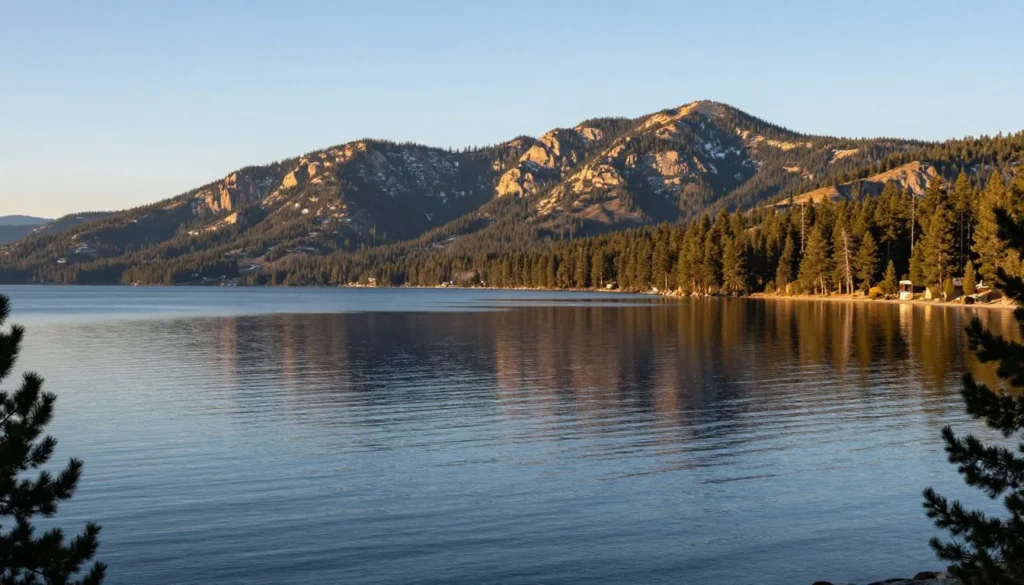
Lake Tahoe Nevada State Park sits along the northeastern shoreline of Lake Tahoe, approximately 45 kilometres (28 miles) from the California-Nevada border. The park’s main entrance points provide access to Sand Harbor, Spooner Lake, and Cave Rock areas. Each location offers unique experiences within the larger park system.
The closest major airport is Reno-Tahoe International Airport, located 56 kilometres (35 miles) north of the park. This facility serves numerous domestic carriers with daily flights from major U.S. cities. Ground transportation options include rental cars, shuttle services, and rideshare platforms.
Sacramento International Airport offers another gateway, positioned 193 kilometres (120 miles) west of the park. This larger facility provides additional flight options and competitive pricing. The scenic drive follows Interstate 80 through the Sierra Nevada mountains, requiring approximately two hours and thirty minutes under normal conditions.
San Francisco International Airport serves travelers from international destinations, located 322 kilometres (200 miles) southwest. The journey traverses California’s Central Valley and mountain passes. Winter conditions may require tire chains and extended travel times.
Driving directions from Reno follow Highway 431 (Mount Rose Highway) south to Highway 28, which runs directly along the lake’s eastern shore. This scenic route passes through Incline Village before reaching Sand Harbor. Signage clearly marks park entrances and facilities.
Contact Lake Tahoe Nevada State Park headquarters at the number above for current road conditions, facility status, and general visitor information. Staff members provide assistance Monday through Friday, 8:00 AM to 4:30 PM Pacific Time.
Parking areas accommodate vehicles at Sand Harbor and Spooner Lake locations. Entrance fees apply per vehicle, with annual passes available for frequent visitors. Arrive early during summer weekends, as parking reaches capacity by mid-morning. Overflow parking may require waiting or visiting alternative areas.
Best Time to Visit & Weather Tips
Lake Tahoe Nevada State Park welcomes visitors year-round, with each season offering distinct advantages. Understanding weather patterns and seasonal characteristics helps maximize enjoyment and activities.
Summer Season (June – August)
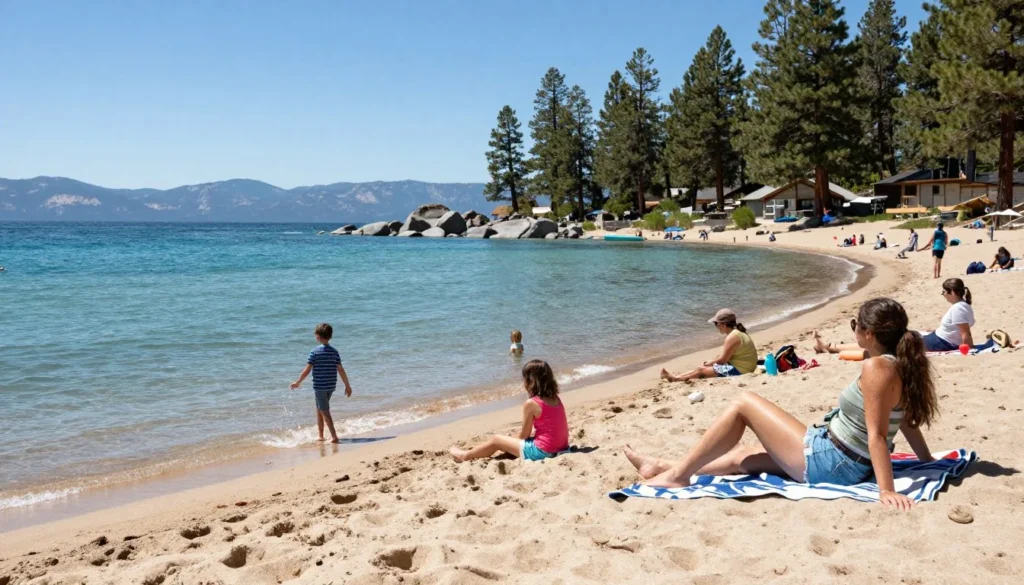
Summer represents peak visitation period with daytime temperatures ranging from 21°C to 27°C (70°F to 80°F). Water temperatures reach comfortable levels for swimming at 18°C to 21°C (65°F to 70°F). This season provides ideal conditions for beach activities, scuba diving, and water sports.
July and August experience the warmest weather and longest daylight hours. However, these months also bring maximum crowds and higher accommodation prices. Sand Harbor beaches fill quickly on weekends. Weekday visits or early morning arrivals reduce congestion.
✓ Check 30,000+ Local Sightseeing Tours Worldwide
Fall Season (September – November)
September and October deliver exceptional conditions with fewer visitors and pleasant temperatures between 15°C and 21°C (60°F and 70°F). Aspen trees display golden foliage throughout mountain areas. Mountain biking trails remain accessible with comfortable riding conditions.
Fall offers reduced crowds across all park areas. Spooner Lake backcountry trails provide solitude for hiking and wildlife observation. Water activities continue through October, though temperatures drop to 13°C to 16°C (55°F to 60°F).
Winter Season (December – March)
Winter transforms the park into a snow-covered wonderland. Temperatures range from -4°C to 7°C (25°F to 45°F) at lake level. Higher elevations receive substantial snowfall, creating opportunities for cross-country skiing and snowshoeing.
The Spooner Lake backcountry area maintains groomed trails for Nordic skiing. Snowshoe enthusiasts explore unmarked terrain throughout forested areas. Winter visitors require appropriate clothing, including insulated layers and waterproof outerwear.
Spring Season (April – May)
Spring brings variable conditions as winter transitions to summer. Temperatures fluctuate between 10°C and 18°C (50°F and 65°F). Snowmelt creates rushing streams and waterfalls throughout the park. Some trails remain snow-covered at higher elevations through May.
This season attracts fewer tourists, offering peaceful experiences. Wildflowers begin blooming in lower elevation areas by late May. Spring represents an excellent period for photography and nature observation.
Recommended Months
Best Overall Months
These months balance weather, activities, and visitor numbers for optimal experiences:
- June – Warm weather begins, fewer crowds than July-August
- September – Peak fall colors, pleasant temperatures
- October – Reduced crowds, comfortable hiking weather
- December-February – Winter sports season
Months to Approach with Caution
These periods present challenges due to crowds or weather transitions:
- July-August – Maximum crowds, parking challenges
- November – Unpredictable weather, some facility closures
- March-April – Inconsistent conditions, trail accessibility varies
- Holiday weekends year-round – Significant visitor increases
Notable Annual Festivals
Lake Tahoe Nevada State Park hosts renowned cultural events that enhance visitor experiences. These festivals combine natural beauty with artistic performances, creating memorable occasions for residents and tourists.
Lake Tahoe Shakespeare Festival
The Lake Tahoe Shakespeare Festival runs from mid-July through late August at Sand Harbor’s outdoor amphitheater. This internationally recognized event presents classic Shakespeare productions against stunning lake backdrops. Professional actors perform on an elevated stage with Lake Tahoe’s blue waters providing natural scenery.
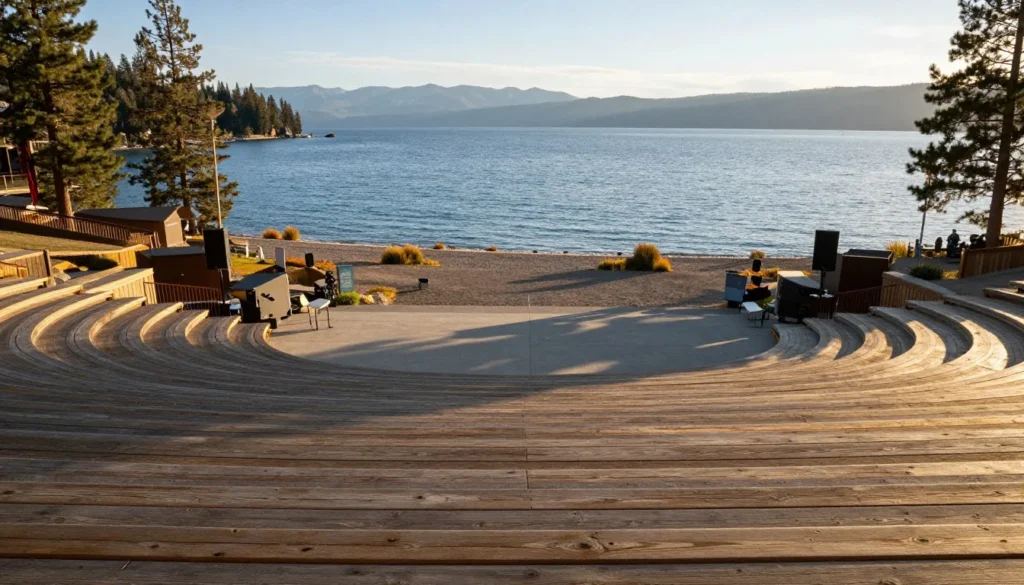
Festival performances include traditional Shakespeare works alongside contemporary adaptations. Evening shows begin as sunset colors illuminate the sky. Audiences bring blankets, chairs, and picnic dinners to enhance the experience. Reserved seating and general admission options accommodate various preferences.
The Tahoe Shakespeare Festival also features pre-show entertainment, backstage tours, and educational workshops. Special performances cater to families with younger children. Production quality rivals major theater companies nationwide.
Contact the Lake Tahoe Shakespeare Festival box office at the number above for current season schedules, ticket availability, and group reservations. Season passes and multi-show packages offer value for extended visits.
Other Notable Events
Nevada state parks throughout the region host additional events during peak seasons. Nature walks led by park rangers occur regularly during summer months. These educational programs explore local ecology, geology, and wildlife.
Winter festivals celebrate snow sports and mountain culture. Cross-country ski races attract competitive athletes to Spooner Lake backcountry trails. Family-oriented snow play events introduce children to winter recreation.
Photography workshops capitalize on the park’s scenic beauty throughout the year. Professional instructors guide participants in landscape and nature photography techniques. Sunrise and sunset sessions capture optimal lighting conditions.
Getting Around Locally
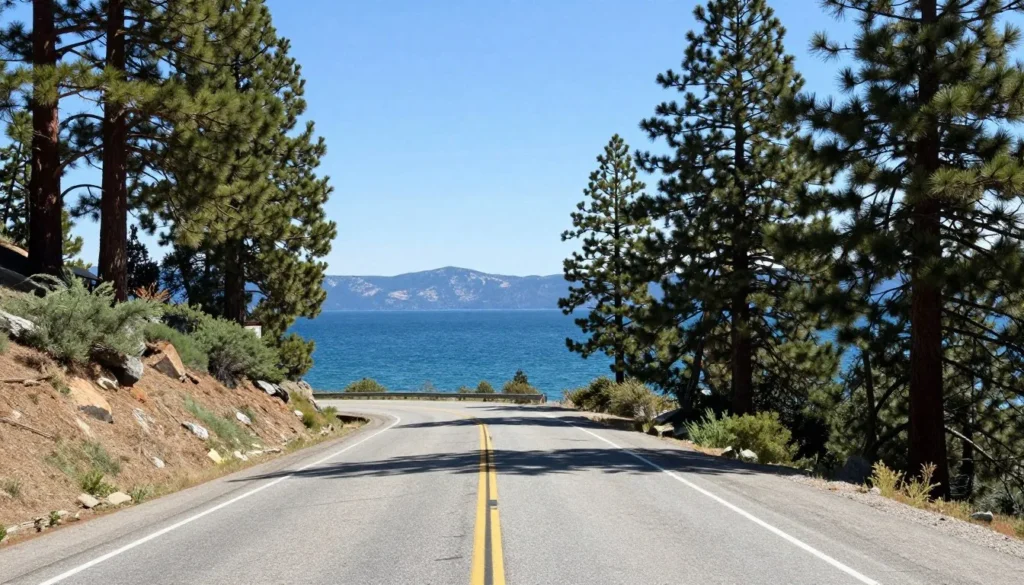
Personal vehicles provide primary transportation within Lake Tahoe Nevada State Park boundaries. The park spans multiple distinct areas connected by Nevada State Route 28. This scenic highway follows the lake’s eastern shoreline, offering spectacular views throughout the journey.
Sand Harbor sits at the northern section, approximately 4.8 kilometres (3 miles) south of Incline Village. This area features the largest parking facilities and most developed amenities. Cave Rock location lies 19 kilometres (12 miles) south of Sand Harbor. Spooner Lake entrance positions itself at the junction of Highway 28 and Highway 50.
Bicycle access occurs along designated routes and mountain biking trails. The area around Spooner Lake backcountry maintains extensive trail networks specifically for cycling enthusiasts. Road cycling follows Highway 28, though narrow shoulders require caution. Per bike entrance fees apply at certain locations.
Public transportation options remain limited within park boundaries. The North Lake Tahoe Express shuttle service connects Reno-Tahoe International Airport to Incline Village during peak seasons. From Incline Village, taxi services and rideshare apps provide connections to Sand Harbor and other park areas.
Walking between different park sections requires substantial distances. Within individual areas like Sand Harbor, pedestrian paths connect parking areas to beaches and facilities. The Spooner Lake trail system allows extensive exploration on foot.
Parking considerations vary by location and season. Sand Harbor parking lots accommodate hundreds of vehicles but reach capacity during summer weekends by 10:00 AM. Spooner Lake offers smaller parking areas with overflow spaces during busy periods. Fees range from $7-$10 per vehicle depending on location and residency status.
Where to Stay
Lake Tahoe Nevada State Park does not offer overnight camping within its boundaries. However, numerous lodging options exist in nearby communities, providing convenient access to park areas and activities.
Incline Village
Incline Village provides the closest accommodations to Sand Harbor, positioned just 4.8 kilometres (3 miles) north. This upscale community features luxury resorts, vacation rentals, and boutique hotels. Properties range from lakefront estates to mountainside condominiums.
Full-service resorts in Incline Village offer amenities including restaurants, spas, and private beaches. Vacation rental homes accommodate larger groups and families seeking kitchen facilities. Condominium complexes provide mid-range options with easy park access.
Stateline and Zephyr Cove
The Stateline area straddles the California-Nevada border, approximately 16 kilometres (10 miles) south of Sand Harbor. Casino resorts dominate this region, offering entertainment alongside lodging. Room rates often include dining credits and show packages.
Zephyr Cove sits between Stateline and the park, providing vacation rentals and smaller hotels. This quieter area appeals to visitors seeking proximity to state parks without casino environments. Beaches and marinas offer additional recreation options.
South Lake Tahoe
South Lake Tahoe, California, positions itself on the lake’s southern shore. This larger community features extensive lodging inventory across all price ranges. Hotels, motels, cabins, and vacation rentals accommodate various budgets and group sizes.
The drive from South Lake Tahoe to Nevada state parks requires 32-40 kilometres (20-25 miles) depending on specific park locations. However, the area’s restaurant selection, shopping options, and nightlife attract many visitors as a base location.
Nearby Camping Options
Nevada Beach Campground operates on the lake’s eastern shore, managed by the U.S. Forest Service. This facility offers 54 campsites with restroom facilities and lake access. Reservations open six months in advance through the national recreation system.
Cave Rock Boat Launch area provides limited camping facilities. Spooner Lake connects to backcountry camping opportunities in adjacent wilderness areas. Permits and proper equipment requirements apply for overnight wilderness stays.
Private campgrounds operate in surrounding communities, offering full hookups for recreational vehicles. These facilities include amenities such as showers, laundry, and stores. Rates vary seasonally with summer commanding premium prices.
Dining & Local Cuisine
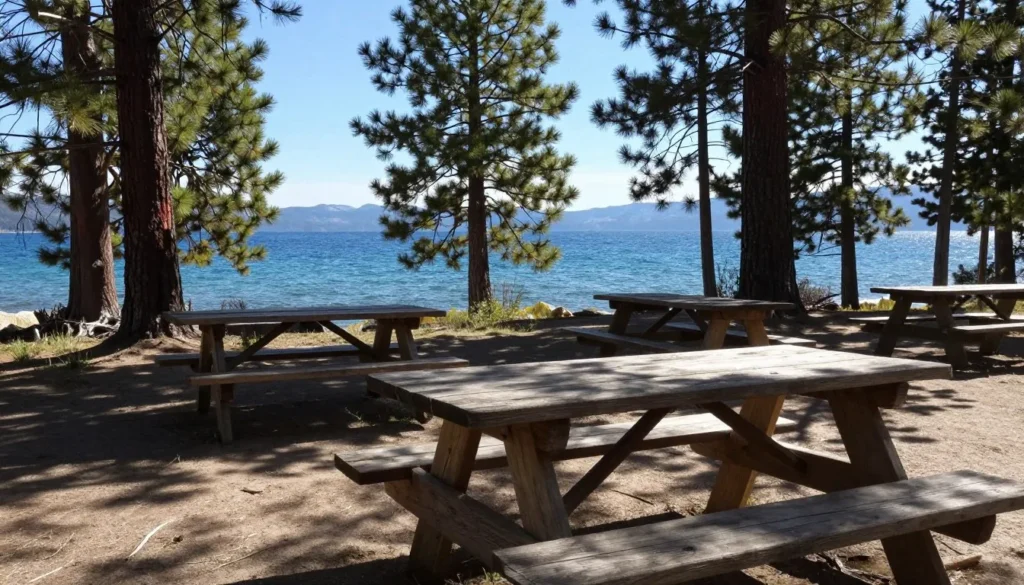
Lake Tahoe Nevada State Park contains no restaurants or food services within park boundaries. Visitors planning extended stays should pack meals, snacks, and beverages. Picnic areas at Sand Harbor and Spooner Lake provide tables and scenic settings for outdoor dining.
Incline Village, the nearest dining destination, hosts numerous restaurants covering various cuisines and price points. The village center features casual cafes, upscale bistros, and family-friendly establishments. Lakefront restaurants capitalize on water views during dining experiences.
Regional Specialties
Lake Tahoe dining emphasizes fresh ingredients and mountain-inspired cuisine. Local restaurants serve Sierra Nevada trout, sourced from regional waters and fish farms. This delicate fish appears prepared with various cooking methods including grilling, pan-searing, and smoking.
Wild game features prominently on menus at upscale establishments. Elk, venison, and wild boar preparations showcase the region’s hunting traditions. These proteins often accompany seasonal vegetables and locally foraged mushrooms.
Craft breweries throughout the Tahoe basin produce distinctive beers reflecting mountain culture. Many establishments brew using Sierra Nevada snowmelt water. Tasting rooms welcome visitors interested in sampling regional varieties.
Dining in Nearby Communities
Incline Village restaurants range from pizza parlors to fine dining establishments. Breakfast spots serve hearty morning meals fueling outdoor activities. Coffee shops provide quick options for visitors heading to park areas early.
Stateline casino resorts house multiple dining venues under single roofs. Buffets offer variety for families with different preferences. Steakhouses and seafood restaurants cater to evening dining occasions.
South Lake Tahoe presents the most extensive restaurant selection around the lake. This community features international cuisines including Mexican, Italian, Asian, and Mediterranean options. Food trucks and casual eateries supplement traditional restaurants during summer months.
Practical Dining Tips
Grocery stores in Incline Village and surrounding areas stock supplies for picnics and self-catering. Prices reflect mountain resort premiums compared to urban markets. Shopping before arriving in the Tahoe area reduces food costs.
Many visitors prepare coolers with sandwiches, fruits, and drinks for beach days. Sand Harbor regulations permit food and non-alcoholic beverages in designated areas. Glass containers face restrictions on beaches for safety reasons.
Restaurants experience high demand during summer weekends and holidays. Reservations prove essential at popular establishments. Casual venues operate on first-come, first-served basis with potential wait times during peak periods.
Attractions, Sightseeing & Activities
Lake Tahoe Nevada State Park encompasses 12,000 acres of diverse recreational opportunities. The park system divides into distinct areas, each offering specialized activities and attractions suited to various interests and skill levels.
Sand Harbor
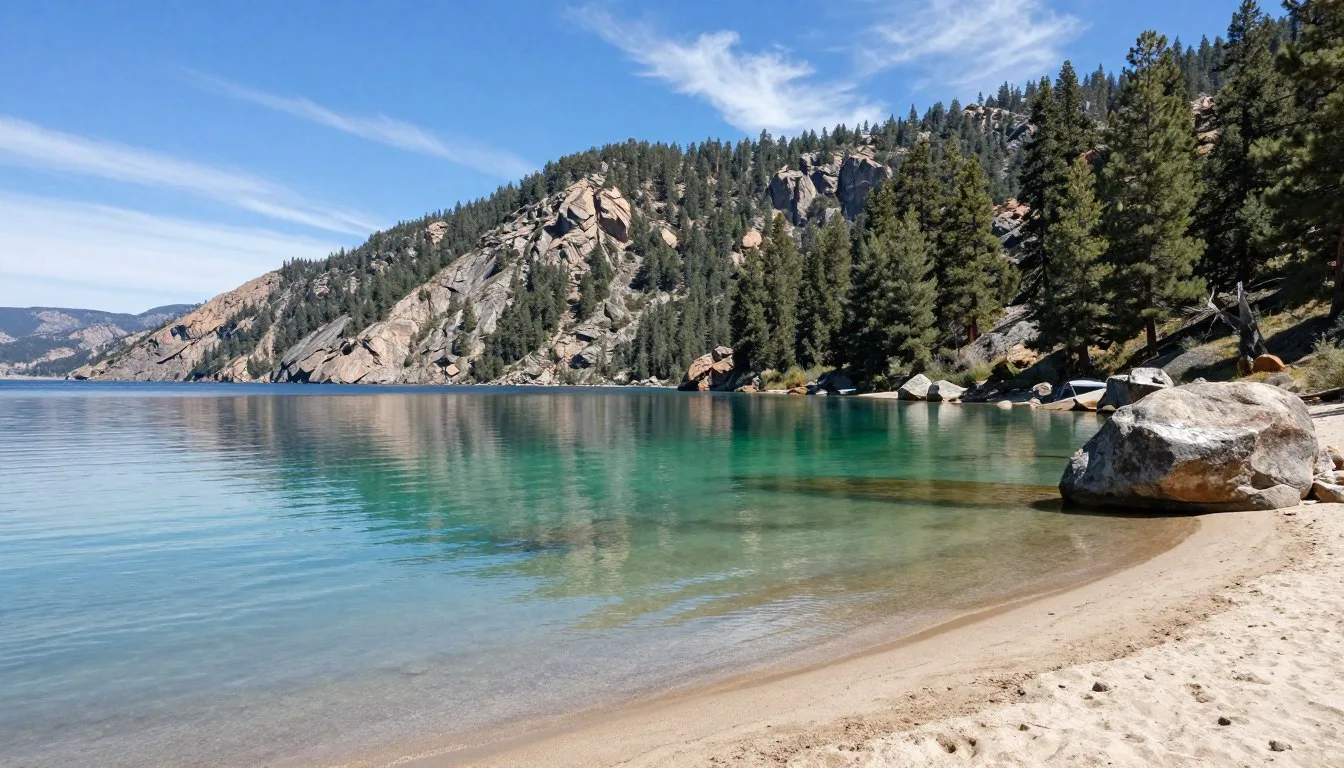
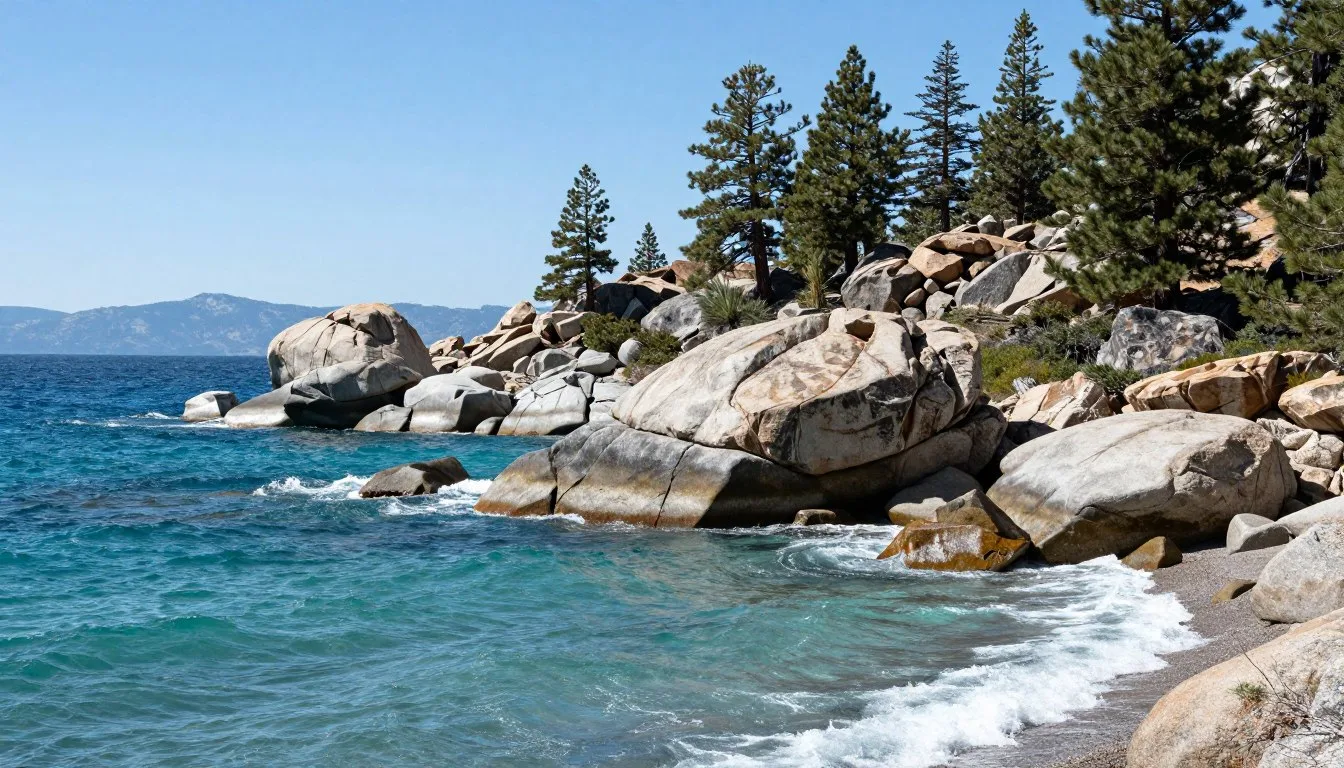
Sand Harbor represents the park’s most popular destination, attracting hundreds of thousands of annual visitors. This area features multiple sandy beaches framed by massive granite boulders. The unique rock formations create protected coves and interesting landscapes for photography.
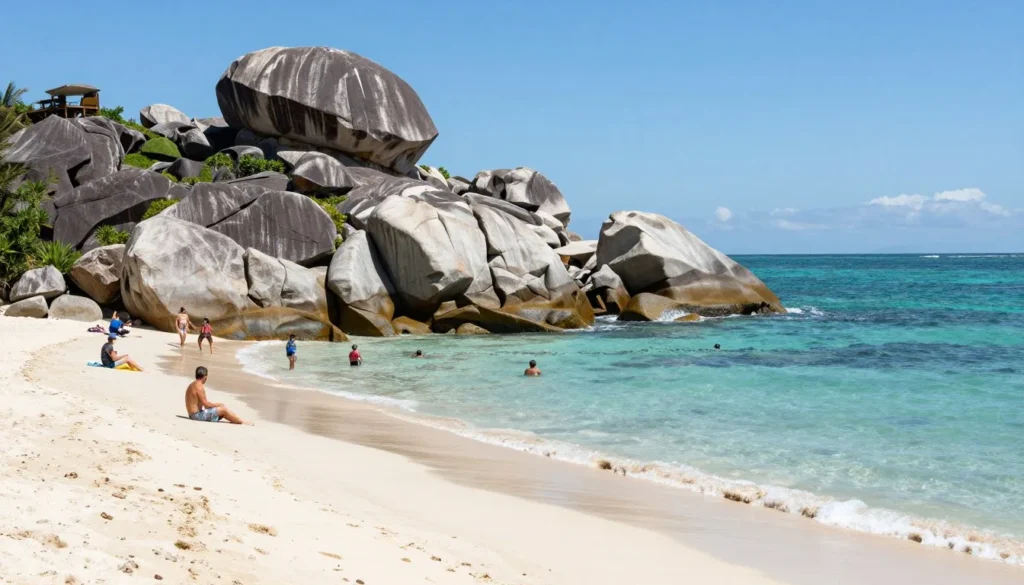
Swimming conditions remain excellent throughout summer months when water temperatures reach comfortable levels. The gradual beach entry accommodates families with children. Designated swimming areas separate from boat traffic zones ensuring safety.
Scuba diving at Sand Harbor reveals underwater boulder gardens teeming with fish species. The exceptional water clarity allows visibility extending 18-21 metres (60-70 feet). Dive shops in nearby communities provide equipment rentals and guided excursions. Winter scuba diving attracts experienced divers seeking unique cold-water experiences.
Kayak and paddleboard rentals operate from the beach during summer seasons. Paddling along the shoreline provides perspectives on granite formations and mountain views. Calm morning waters offer ideal conditions for beginners. Rental fees apply per hour with multi-hour packages available.
Spooner Lake
Spooner Lake sits at 2,164 metres (7,100 feet) elevation, offering a contrasting mountain experience. This natural lake spans 26 hectares (65 acres), surrounded by meadows and forest. A easy 3.2-kilometre (2-mile) trail circles the water, suitable for all fitness levels.
The Spooner Lake backcountry extends beyond the lake itself, encompassing 56 kilometres (35 miles) of hiking trails. These paths climb through Jeffrey pine and fir forests, gaining elevation toward ridge systems. Advanced trails reach elevations exceeding 2,743 metres (9,000 feet) with panoramic lake views.
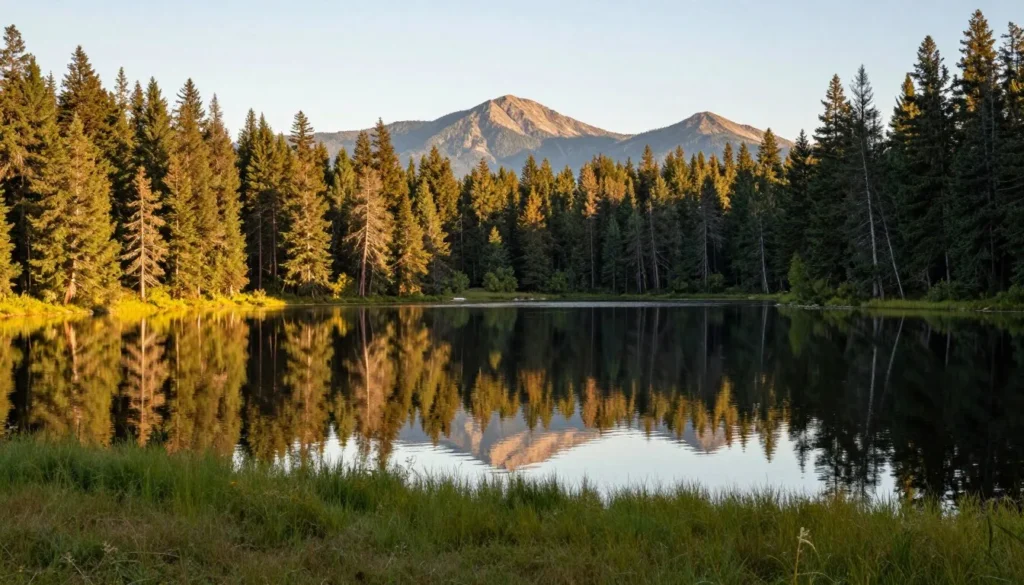
Mountain biking trails throughout the Spooner Lake backcountry attract cyclists seeking challenging terrain. Technical single-track routes demand advanced skills and proper equipment. Intermediate trails offer satisfying rides with manageable difficulty. Trail maps available at the entrance station detail routes and difficulty ratings.
Fishing at Spooner Lake requires Nevada fishing licenses and adherence to state regulations. Rainbow and brown trout inhabit the waters, providing catch-and-release opportunities. Early morning and evening hours produce optimal fishing conditions.
Cave Rock
Cave Rock towers 7.6 metres (25 feet) above Highway 50 on the lake’s eastern shore. This volcanic rock formation holds cultural significance for the Washoe Tribe. While climbing no longer occurs to respect tribal heritage, the site provides boat launching facilities and beach access.
The Cave Rock boat launch accommodates watercraft during ice-free months. This location serves boaters exploring the southern lake regions. Parking areas support vehicles with trailers. Launch fees apply per use.
Seasonal Activities
Winter transforms the Spooner Lake backcountry into Nordic skiing terrain. Groomed trails accommodate classic and skate skiing techniques. Snowshoers access ungroomed areas throughout the park. Winter recreation requires appropriate cold-weather gear and avalanche awareness in backcountry zones.
Wildlife viewing opportunities exist year-round across park areas. Visitors may encounter mule deer, black bears, golden eagles, and osprey. Spring and fall migration periods increase bird diversity. Binoculars enhance observation experiences.
Museums, Cultural Spots & Festivals
While Lake Tahoe Nevada State Park focuses primarily on natural recreation, cultural experiences enrich visits throughout the year. The Lake Tahoe Shakespeare Festival serves as the premiere cultural attraction, transforming Sand Harbor into an outdoor theater each summer.
Lake Tahoe Shakespeare Festival Deep Dive
The Tahoe Shakespeare Festival celebrates its multi-decade tradition of presenting world-class theater against natural backdrops. The custom-built amphitheater at Sand Harbor seats hundreds of patrons in tiered wooden benches. Lake Tahoe’s waters provide constantly changing scenery as light conditions shift from daylight to starlight.
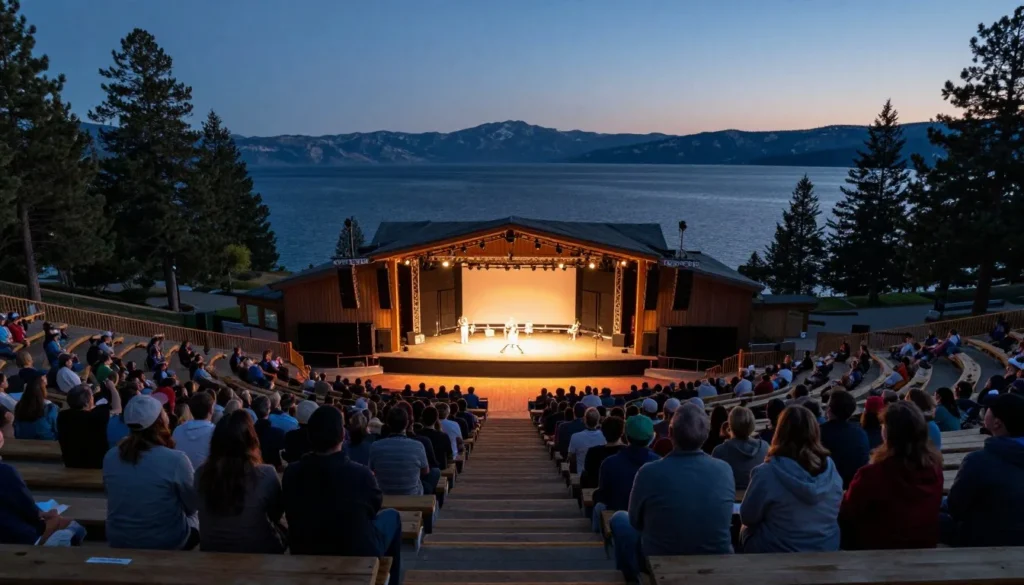
Productions run Tuesday through Sunday evenings during the summer season. Classic works such as Romeo and Juliet, Macbeth, and A Midsummer Night’s Dream rotate with contemporary adaptations. Directors incorporate the natural setting into staging concepts, sometimes using the lake itself as metaphorical element.
Festival attendance includes dinner options ranging from personal picnics to catered pre-show meals. Many patrons arrive hours before curtain time to secure preferred seating and enjoy lakeside dining. The relaxed atmosphere encourages casual dress and family participation.
Nearby Cultural Attractions
The Thunderbird Lodge, located near Sand Harbor, offers historical tours during summer months. This estate showcases 1930s architecture and Tahoe’s development history. Guided tours require advance reservations and include boat transportation to the property.
Incline Village hosts art galleries featuring regional artists and photographers. Mountain and lake imagery dominate collections, reflecting the area’s natural beauty. Gallery walks occur during summer evenings when businesses extend hours.
The Tahoe Maritime Museum in nearby Homewood, California, documents the lake’s nautical history. Exhibits display classic wooden boats and explain Tahoe’s steamship era. Educational programs explore lake ecology and conservation efforts.
Indigenous Heritage
The Washoe Tribe considers Lake Tahoe sacred, calling it “Da ow a ga” in their language. Cave Rock holds particular spiritual significance. Interpretive signs throughout Nevada state parks explain indigenous connections to the land.
Respect for tribal heritage requires visitors to observe posted restrictions and treat cultural sites with reverence. The tribe’s contemporary presence continues through cultural programs and land management partnerships.
Nature & Outdoor Experiences
Lake Tahoe Nevada State Park delivers extraordinary outdoor experiences across varied terrain and ecosystems. The park’s 12,000 acres encompass multiple life zones from lake shores at 1,899 metres (6,229 feet) to mountain peaks exceeding 2,743 metres (9,000 feet).
Hiking Trail Systems
Over 24 kilometres (15 miles) of hiking trails wind through park areas, offering routes for every ability level. The Spooner Lake loop provides an easy introduction at 3.2 kilometres (2 miles) with minimal elevation gain. This trail circumnavigates the lake through meadows and forest.
Intermediate hikers tackle the Marlette Lake Trail, climbing 396 metres (1,300 feet) over 8 kilometres (5 miles) one-way. This route rewards effort with views of a pristine alpine lake. The trail continues to connect with the famous Flume Trail, offering advanced mountain biking and hiking options.
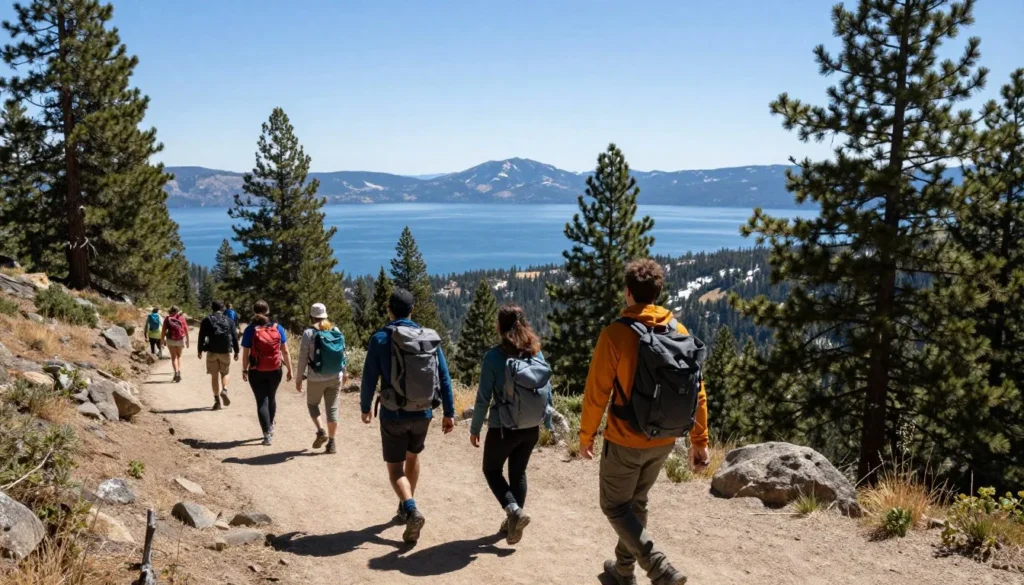
Advanced trails climb toward Snow Valley Peak and other high points within the park boundaries. These routes require proper preparation including water, navigation tools, and awareness of weather changes. Afternoon thunderstorms develop rapidly during summer months at higher elevations.
✓ Check 30,000+ Local Sightseeing Tours Worldwide
Mountain Biking Trails
The Spooner Lake backcountry contains some of Lake Tahoe’s premier mountain biking trails. The North Canyon Trail offers intermediate riders 12.9 kilometres (8 miles) of flowing single-track. Technical rock sections alternate with smooth forested passages.
The Marlette Lake-Flume Trail combination creates an epic ride covering 35 kilometres (22 miles). This route climbs to Marlette Lake before traversing the famous Flume Trail, carved into mountainsides above the lake. Stunning views accompany challenging terrain requiring advanced bike handling skills.
Beginner mountain biking trails exist near Spooner Lake, providing skill development opportunities. Wide paths with gentle grades introduce newcomers to off-road cycling. Per bike entrance fees apply separately from vehicle fees for cyclists arriving without vehicles.
Water-Based Activities
Lake Tahoe’s clarity results from minimal nutrient content and exceptional depth. The lake reaches maximum depths of 501 metres (1,645 feet), making it the second-deepest lake in the United States. Surface temperatures vary seasonally from 4°C (40°F) in winter to 21°C (70°F) in late summer.
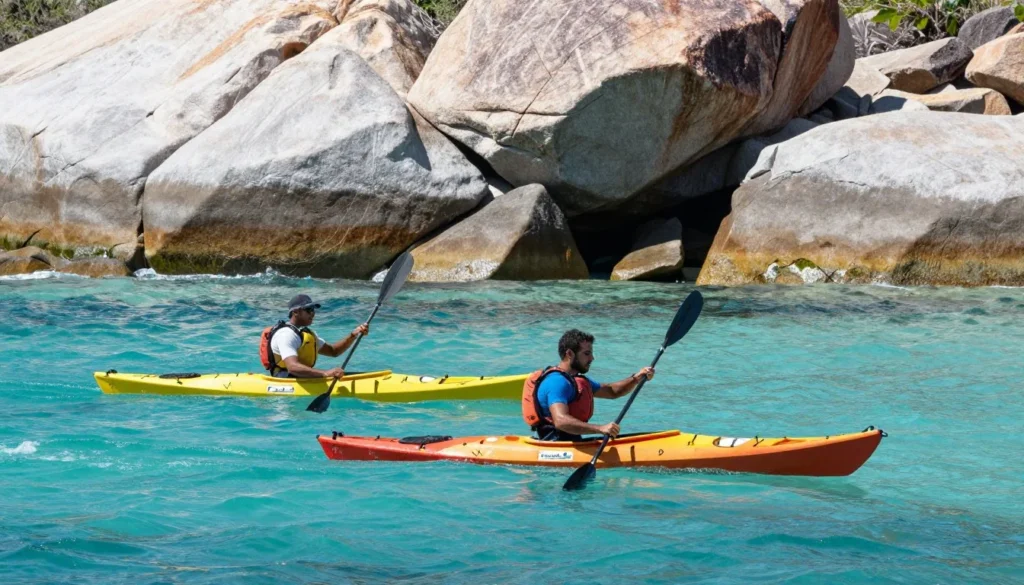
Kayaking and stand-up paddleboarding provide intimate water access at Sand Harbor. Rentals operate during summer months with hourly and daily rates. Calm morning conditions suit beginners, while afternoon winds challenge experienced paddlers.
Scuba diving reveals underwater worlds invisible from the surface. Divers explore boulder fields, underwater cliffs, and occasional historical artifacts. Water temperature requires wetsuits year-round, with drysuits recommended for winter diving. Certification cards and dive flags comply with safety regulations.
Swimming areas at Sand Harbor feature sandy beach entries and designated swim zones. Lifeguards do not typically staff beaches, requiring personal responsibility for water safety. Lake Tahoe’s cold water can surprise swimmers accustomed to warmer conditions.
Wildlife and Natural Features
Black bears inhabit park forests, particularly around Spooner Lake backcountry areas. Proper food storage prevents wildlife conflicts and protects bear populations. Bears actively forage during summer and fall, seeking calories before winter hibernation.
Bird species include Steller’s jays, Clark’s nutcrackers, and mountain chickadees year-round. Summer brings additional species including warblers and vireos. Osprey and bald eagles patrol the lake hunting fish. The California gull represents the only gull species nesting at Lake Tahoe.
Jeffrey pines dominate the forest composition at mid-elevations. These trees emit a vanilla-like scent from their bark, particularly noticeable on warm days. Higher elevations support red fir and western white pine. Aspen groves add fall color in specific drainages.
Wildflowers bloom from late spring through summer depending on elevation. Mule’s ears create yellow displays in meadows. Lupines add purple accents to forest edges. Alpine zones feature delicate species adapted to harsh conditions.
Safety, Etiquette & Local Customs
Lake Tahoe Nevada State Park maintains regulations ensuring visitor safety and resource protection. Understanding guidelines and mountain environment hazards enhances enjoyment while preserving the area for future generations.
Altitude Considerations
Lake Tahoe sits at 1,899 metres (6,229 feet) elevation, with park trails reaching above 2,743 metres (9,000 feet). Visitors arriving from sea level may experience altitude effects including shortness of breath, fatigue, and headaches. Gradual acclimatization over 24-48 hours reduces symptoms.
Hydration becomes crucial at elevation where dry air increases water loss. Carry adequate water supplies on trails, calculating at least one liter per hour of activity. Alcohol consumption increases altitude effects and dehydration.
Weather Awareness
Mountain weather changes rapidly regardless of season. Summer afternoon thunderstorms develop suddenly, bringing lightning, rain, and temperature drops. Begin hikes early to descend from exposed ridges before storms arrive, typically between 2:00 PM and 4:00 PM.
Lightning poses serious threats on high peaks and open water. Seek shelter in vehicles or buildings when thunder becomes audible. Avoid tall trees, metal objects, and open areas during electrical activity.
Winter conditions require specialized equipment and knowledge. Avalanche danger exists in backcountry areas during and after storms. Check avalanche forecasts and carry appropriate safety gear including beacons, probes, and shovels when traveling in avalanche terrain.
Wildlife Safety
Black bear encounters require calm responses. Never approach or feed bears under any circumstances. Store food in bear-proof containers or vehicles. If confronting a bear, make yourself large, speak firmly, and back away slowly without running.
Mountain lions inhabit the area but rarely appear. If encountering a lion, maintain eye contact, raise arms to appear larger, and back away gradually. Never run, which triggers chase instincts. Fight back aggressively if attacked.
Smaller animals including ground squirrels and chipmunks carry diseases. Avoid feeding or touching wildlife. Observe animals from distance using binoculars or telephoto lenses.
Water Safety
Lake Tahoe’s cold water presents hypothermia risks even during summer. Sudden immersion causes shock responses that can lead to drowning. Wear life jackets when boating or participating in water sports. Children require constant supervision near water.
Scuba diving demands proper certification and equipment maintenance. Dive within training limits and follow buddy system protocols. High altitude affects dive table calculations, requiring adjustments to prevent decompression sickness.
Leave No Trace Principles
Pack out all trash, including organic waste like fruit peels and nut shells. Animals become dependent on human food sources, disrupting natural behaviors. Cigarette butts and microtrash damage ecosystems and never decompose.
Stay on designated trails to prevent erosion and vegetation damage. Shortcuts create new erosion channels and destroy fragile plants. Single-file hiking minimizes trail widening.
Campfires face restrictions depending on season and location. Use established fire rings where permitted. Completely extinguish fires before leaving, ensuring ashes are cold to touch. During high fire danger, all fires including camp stoves may be prohibited.
Park Regulations
Dogs must remain on leashes not exceeding 1.8 metres (6 feet) throughout park areas. Owners must collect and pack out pet waste. Some beaches restrict dogs during peak season to maintain sanitary conditions.
Alcohol consumption faces restrictions on certain beaches and public areas. Glass containers are prohibited on sandy beaches due to breakage hazards. Check posted regulations at each park area for specific rules.
Drones require special permits and face restrictions near wilderness areas and during events. Unauthorized commercial photography needs permits from park administration. Respect other visitors’ experiences by minimizing noise and maintaining peaceful atmospheres.
Visitor Comments About Lake Tahoe Nevada State Park
“Sand Harbor exceeded every expectation we had for a state park. The water clarity is unbelievable – you can see fish swimming around the granite boulders from the beach. We spent an entire day kayaking along the shoreline and swimming in the protected coves. The Shakespeare performance that evening provided the perfect ending to an already amazing day. This park offers something special that you simply cannot find anywhere else.”
“The Spooner Lake backcountry trails delivered exactly what we sought – solitude and stunning mountain scenery. We hiked to Marlette Lake and were rewarded with pristine alpine views without the crowds found at more popular Tahoe destinations. The trail system is well-maintained with clear signage. Wildlife sightings included deer and numerous bird species. Anyone seeking a quieter Lake Tahoe experience should definitely explore this section of the state park.”
“We visited during October and found the perfect balance of pleasant weather and minimal crowds. The fall colors around Spooner Lake created beautiful photography opportunities. Swimming was still comfortable at Sand Harbor, though we had the beach practically to ourselves on a weekday afternoon. The park rangers were incredibly helpful with trail recommendations suited to our skill level. Lake Tahoe Nevada State Park represents outstanding value compared to some of the crowded California beaches across the lake.”
Additional Nearby Destinations
Lake Tahoe Nevada State Park serves as an excellent base for exploring additional attractions throughout the greater Tahoe region. Numerous destinations within short driving distances complement park experiences.
Emerald Bay State Park
Located 32 kilometres (20 miles) southwest on the California side, Emerald Bay State Park showcases Lake Tahoe’s most photographed vista. The bay’s turquoise waters surround Fannette Island, the lake’s only island. Vikingsholm Castle, a 1929 Scandinavian-style mansion, offers tours during summer months.
The steep trail descending to Vikingsholm challenges visitors with 152 metres (500 feet) of elevation loss and subsequent climb. Eagle Falls Trail provides access to waterfalls and alpine lakes. The area experiences heavy visitation during peak season, requiring early arrival for parking.
Mount Rose
Mount Rose rises to 3,285 metres (10,778 feet) northwest of the park. The summit trail climbs 610 metres (2,000 feet) over 8 kilometres (5 miles) one-way. This challenging hike rewards effort with 360-degree views encompassing Lake Tahoe, Carson Valley, and distant mountain ranges.
The Mount Rose Highway (State Route 431) provides scenic driving between Reno and Incline Village. Multiple trailheads access wilderness areas. Winter transforms the highway into a corridor for ski resort access.
Virginia City
Virginia City, located 48 kilometres (30 miles) northeast, preserves 1860s silver mining heritage. This National Historic Landmark features Victorian architecture, wooden boardwalks, and period museums. Underground mine tours explain mining operations and geology.
The town’s saloons, shops, and restaurants recreate frontier atmosphere. The Virginia & Truckee Railroad offers scenic train rides through historic mining districts. Special events throughout summer include gunfight reenactments and Victorian festivals.
Carson City
Nevada’s capital city sits 40 kilometres (25 miles) east of Lake Tahoe. The Nevada State Museum displays natural history exhibits and mining heritage. The State Capitol building offers free tours of legislative chambers and historical displays.
Carson City provides shopping and dining options unavailable in smaller mountain communities. Grocery stores and outdoor equipment retailers allow trip provisioning at more reasonable prices than resort areas.
Tahoe Rim Trail
The Tahoe Rim Trail circles Lake Tahoe for 274 kilometres (170 miles), crossing through Lake Tahoe Nevada State Park boundaries. This long-distance trail accommodates hikers, equestrians, and mountain bikers on designated sections.
Day hikers access the trail from multiple trailheads, creating custom route options. Backpackers complete the entire loop over 10-15 days. The trail reaches elevations above 3,048 metres (10,000 feet) with corresponding views and challenges.
Practical Travel Tips
Successful Lake Tahoe Nevada State Park visits require preparation and awareness of mountain environment realities. The following practical information helps visitors maximize enjoyment while avoiding common challenges.
Entrance Fees and Passes
Per vehicle entrance fees range from $7 for Nevada residents to $10 for out-of-state visitors. Per bike fees apply to cyclists arriving without vehicles at $2-$3. Annual passes cost $95 and provide unlimited entry to all Nevada state parks for one year.
The America the Beautiful Annual Pass does not apply to Nevada state parks, as they operate under state rather than federal management. Senior and disabled discount passes reduce fees at Nevada state parks for qualified individuals.
What to Pack
Sun protection remains essential year-round due to high elevation and reflective water surfaces. Apply broad-spectrum sunscreen with SPF 30 or higher frequently. Sunglasses and wide-brimmed hats prevent eye damage and facial burns.
Essential Items Checklist
- Reusable water bottles (minimum 2 liters per person)
- Layered clothing for temperature changes
- Sturdy hiking footwear with ankle support
- First aid kit including blister treatment
- Topographic map and compass or GPS device
- Emergency whistle and flashlight
- High-energy snacks and lunch items
- Insect repellent for mosquito season
Beach-Specific Items
- Beach towels and shade umbrellas
- Waterproof phone cases
- Coolers with ice for food and beverages
- Beach toys and water flotation devices
- Sealed containers preventing animal access
- Trash bags for packing out waste
- Light windbreaker for afternoon breezes
Cell Phone Coverage
Cell phone service varies throughout park areas. Sand Harbor generally receives adequate coverage from major carriers. Spooner Lake backcountry areas experience limited or no service. Do not rely on mobile phones for emergency communication in remote locations.
Download offline maps before entering areas with questionable service. Inform friends or family of hiking plans including expected return times. Emergency call boxes exist at major trailheads for critical situations.
Accessibility Information
Sand Harbor provides accessible parking spaces near beach areas. Paved paths connect parking to sandy beach sections, though sand itself presents mobility challenges. Accessible restrooms serve visitors with disabilities.
The Spooner Lake loop trail offers relatively flat terrain, though natural surface conditions may challenge some mobility devices. Visitor information at entrance stations details specific accessibility features and limitations.
Photography Tips
Morning light creates optimal conditions for landscape photography from Sand Harbor. The sun illuminates mountains across the lake while water surfaces remain calm. Afternoon light becomes harsh with increased wind creating choppy water conditions.
✓ Check 30,000+ Local Sightseeing Tours Worldwide
Sunset photography at Sand Harbor captures warm light on granite boulders and lake surfaces. Arrive early to secure beach positions before crowds. Tripods prove essential for low-light conditions and long exposures.
Wildlife photography requires telephoto lenses of 300mm or longer. Early morning and evening hours increase animal activity. Practice ethical photography by maintaining distance and never baiting or disturbing subjects.
Money-Saving Strategies
Pack picnic lunches rather than dining at expensive mountain restaurants. Grocery shopping before reaching Tahoe reduces costs compared to local markets. Reusable water bottles eliminate bottled water expenses.
Visit during shoulder seasons of May-June or September-October for lower lodging rates and reduced crowds. Weekday visits avoid weekend premium pricing at accommodations. Annual park passes provide value for visitors spending multiple days exploring Nevada state parks.
Free activities including hiking, swimming, and beach time provide full days of entertainment without additional costs beyond entrance fees. Self-guided exploration eliminates guide service expenses.
Location Map
Your Tahoe Adventure Awaits
Lake Tahoe Nevada State Park offers extraordinary experiences that blend natural beauty with recreational diversity. From the crystalline waters of Sand Harbor to the mountain trails of Spooner Lake backcountry, each visit reveals new perspectives on this remarkable landscape.
The park’s 12,000 acres protect ecosystems supporting diverse wildlife and plant communities. Whether swimming in turquoise coves, hiking through Jeffrey pine forests, or watching Shakespeare performances against sunset backdrops, visitors create lasting memories. Every season brings distinct advantages, from summer’s warm beaches to winter’s pristine snowscapes.
Start planning your Lake Tahoe Nevada State Park adventure today. The mountains, forests, and crystal-clear waters await your exploration. Pack your sense of wonder alongside practical supplies, and prepare to discover why this Nevada treasure attracts millions of visitors year after year. Your perfect Tahoe experience begins the moment you arrive at these stunning shores.