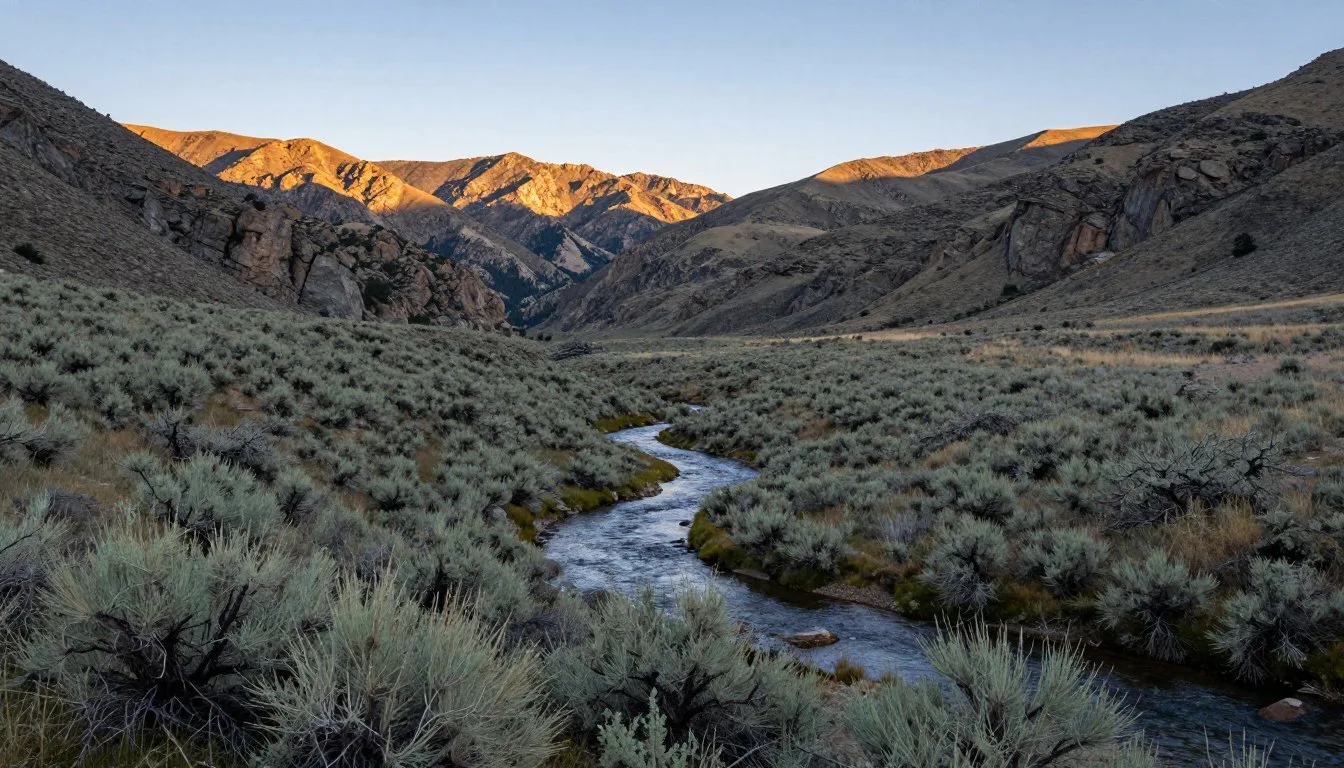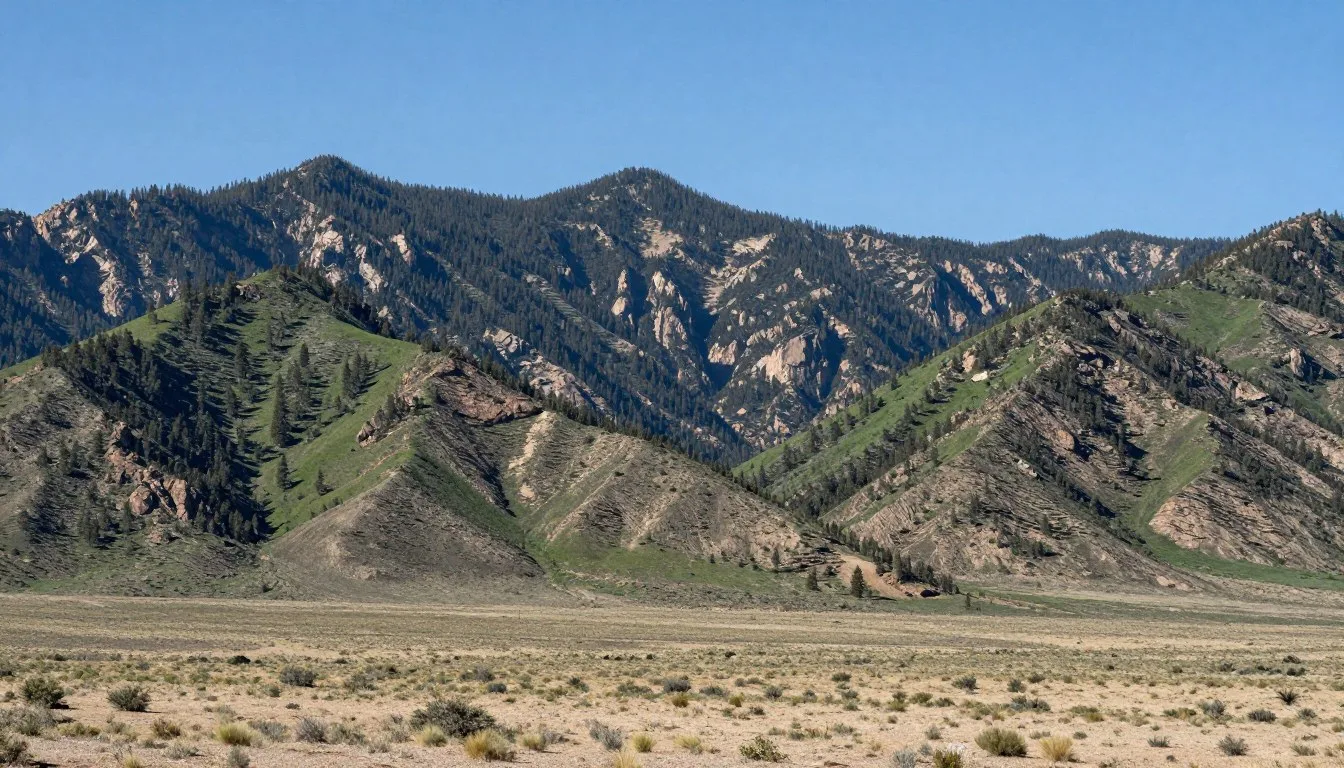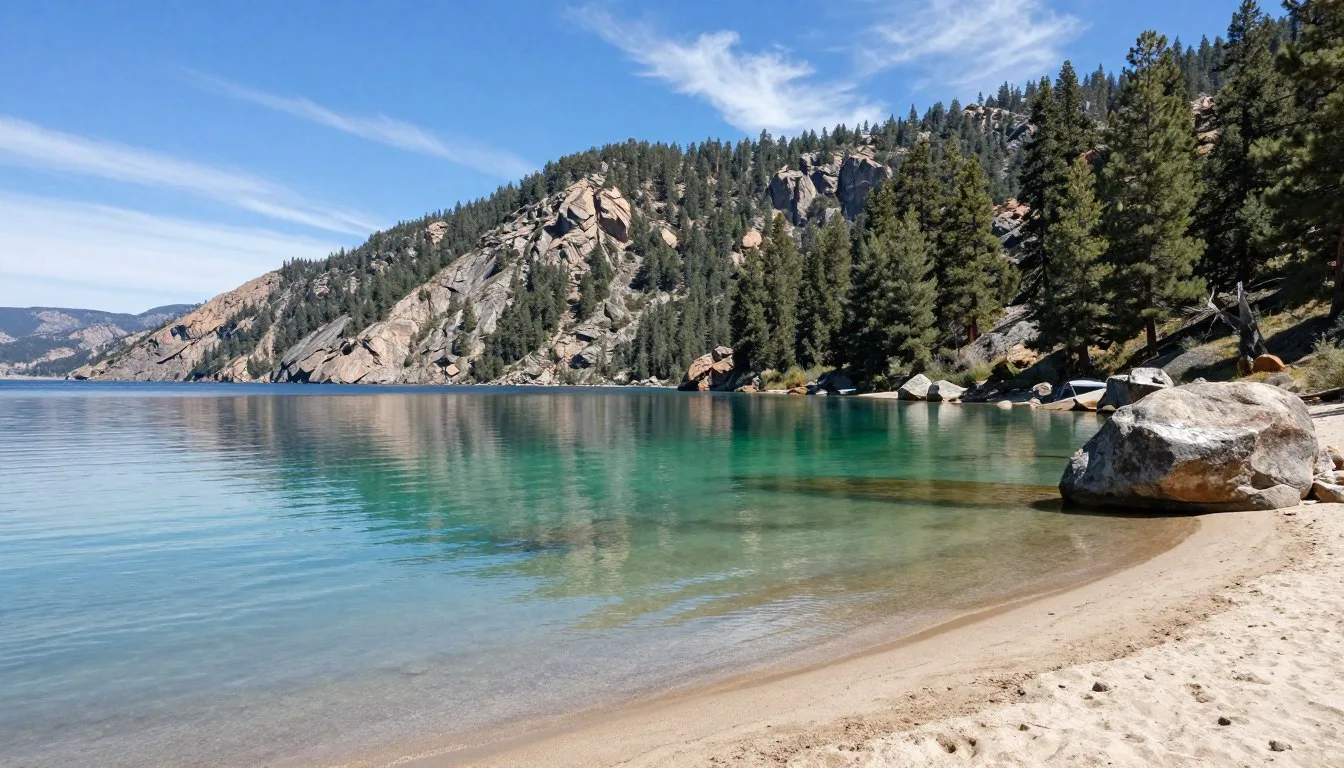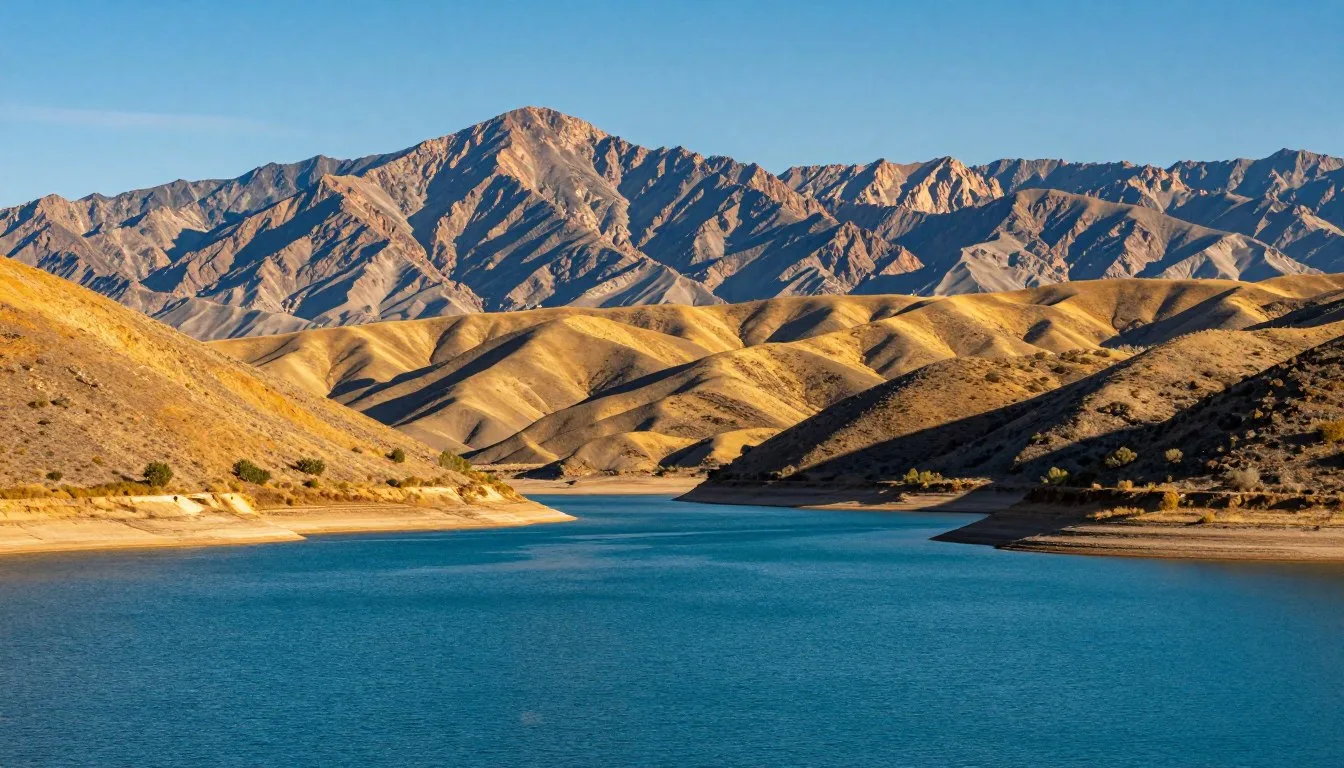

Just 35 miles from the glittering lights of Las Vegas lies a secret that surprises many first-time visitors. Lee Canyon Ski Resort boasts over 445 acres of skiable terrain at elevations reaching 3,300 meters (10,827 feet), making it the closest true alpine experience to Sin City. While millions flock to the desert below, this mountain hideaway in the Spring Mountains offers a completely different Nevada experience.
This hidden gem transforms with the seasons. Winter brings skiing and snowboarding across varied terrain. Summer opens up mountain biking trails and hiking paths through fragrant pine forests. The resort sits in southern Nevada’s most dramatic landscape, where desert heat gives way to cool mountain air.
Whether you seek thrilling downhill runs, peaceful nature trails, or simply an escape from the Las Vegas heat, Lee Canyon delivers. This comprehensive guide covers everything you need to plan an unforgettable visit to this remarkable mountain destination.
Getting There & Planning Your Journey
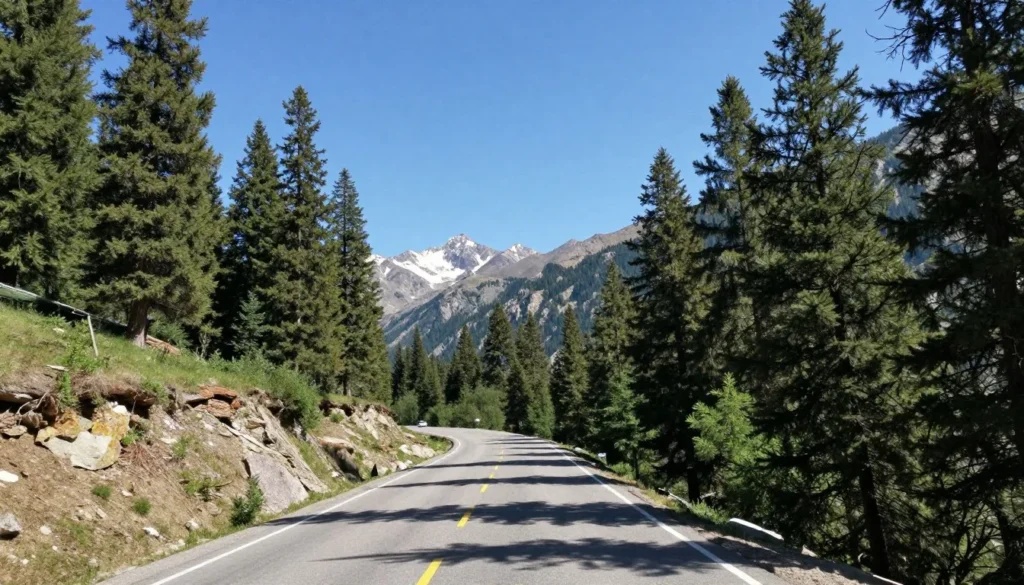
Lee Canyon sits just a short drive from Las Vegas, making it one of the most accessible mountain resorts in the region. The journey itself offers stunning views as you climb from desert valley to alpine forest.
Closest Airports
Harry Reid International Airport in Las Vegas serves as the primary gateway. Located just 48 kilometers (30 miles) from the resort, this major airport connects to cities across North America and beyond. Most visitors rent a car at the airport for the scenic drive up the mountain.
From the airport, take Interstate 15 north, then Highway 95 northwest toward Mount Charleston. Turn onto Kyle Canyon Road (SR 157) or Lee Canyon Road (SR 156), depending on your specific destination within the Spring Mountains National Recreation Area.
Driving Directions
The drive from Las Vegas typically takes 45 to 60 minutes under normal conditions. Lee Canyon Road climbs steadily through changing ecosystems, from Mojave Desert scrub to ponderosa pine forests. The elevation gain approaches 1,800 meters (5,900 feet).
Winter driving requires extra caution. Snow and ice often coat the roads from November through March. Carry tire chains during winter months, as Nevada law requires them when signs are posted. Check road conditions before departing, especially after snowstorms.
Important: Cell phone service becomes spotty in the mountains. Download maps and directions before leaving Las Vegas. Fill your gas tank, as no fuel stations operate in the immediate resort area.
Best Time to Visit & Weather Tips
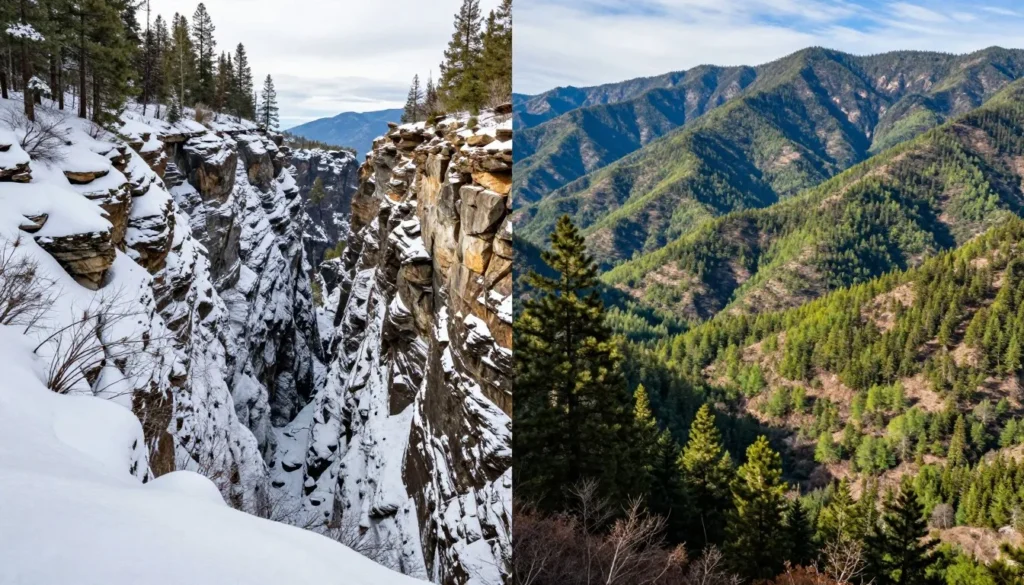
Lee Canyon operates year-round, though each season brings distinct experiences. Understanding the weather patterns helps you pack appropriately and set realistic expectations for your mountain adventure.
Best Time to Visit Lee Canyon Ski Resort
Peak Ski Season (December through February): Winter transforms Lee Canyon into a snowy playground. Average snowfall reaches 152 centimeters (60 inches) annually, with the heaviest accumulation during these months. Temperatures range from -7°C to 4°C (20°F to 40°F). This period offers the most reliable snow conditions for skiing and snowboarding.
Spring Skiing (March through April): Extended daylight and warming temperatures create ideal spring skiing conditions. Snow remains plentiful on north-facing slopes while sunny days make for comfortable outdoor experiences. Temperatures climb to 7°C to 13°C (45°F to 55°F).
Summer Adventures (May through September): Mountain biking and hiking take center stage. The bike park typically opens in late May, weather permitting. Summer temperatures range from 18°C to 27°C (65°F to 80°F), providing perfect relief from Las Vegas valley heat that often exceeds 43°C (110°F).
Fall Transition (October through November): Crisp air and changing colors make autumn beautiful for hiking. Early snowfall sometimes begins in November, signaling the approaching ski season. Temperatures drop to 4°C to 16°C (40°F to 60°F).
Months to Avoid
Late April and early May represent shoulder season when snow melts but summer activities haven’t fully opened. The resort may operate limited services during this transition period. Always call ahead to confirm which facilities and activities are available.
Weather Preparation
Mountain weather changes rapidly. Morning sunshine can give way to afternoon snow squalls within hours. Layer your clothing to adjust as conditions shift. Even in summer, bring a warm jacket for cool evenings.
Winter visitors should pack waterproof outerwear, insulated gloves, warm hats, and sunscreen. The high-altitude sun burns quickly, even on cloudy days. Sunglasses or goggles protect against bright snow glare.
Notable Annual Festivals & Events

Lee Canyon hosts several events throughout the year that celebrate mountain culture and outdoor recreation. These gatherings bring the community together and offer visitors unique experiences beyond typical resort activities.
Music on the Mountain
This summer concert series brings live music to the mountain slopes. Local and regional bands perform against the backdrop of the Spring Mountains. The events typically run from June through August on select weekends. Families spread blankets on the grass while enjoying food, drinks, and entertainment.
The relaxed atmosphere makes Music on the Mountain perfect for introducing children to live outdoor concerts. Food vendors serve everything from barbecue to vegetarian options. Arrive early to secure good viewing spots near the stage.
Season Opening Celebrations
The first snowfall of each season triggers excitement throughout southern Nevada. Lee Canyon marks the official opening of ski season with special events, discounted lift tickets, and festive activities. The exact date varies based on snow conditions, typically falling in November or December.
Early season skiing lets enthusiasts get first tracks on fresh snow. The resort often offers promotional pricing to celebrate the new season. Check the resort website or call for specific opening day announcements.
Spring Fling Bike Festival
When the snow melts and the bike park opens, riders celebrate with races, demos, and group rides. This festival showcases the downhill mountain biking terrain that covers 195 acres of the resort. Beginners can try introductory clinics while advanced riders tackle challenging features.
Bike manufacturers often attend to demonstrate new equipment. Riders of all skill levels find appropriate terrain and activities during this multi-day celebration of mountain biking culture.
Getting Around Locally
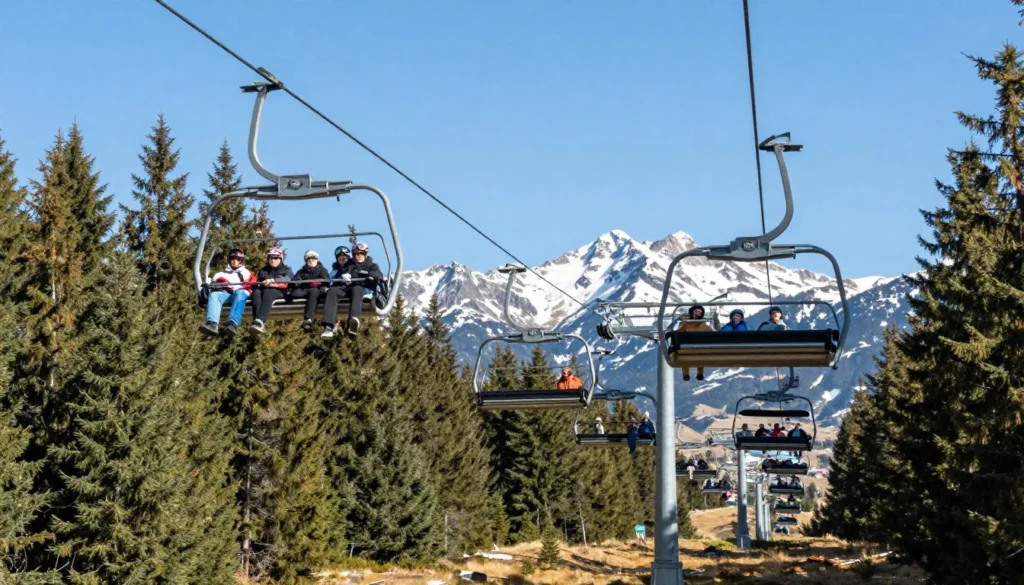
The compact layout of Lee Canyon makes navigation simple. Most facilities cluster near the base lodge, allowing easy access on foot. The lift system efficiently transports visitors across the mountain terrain.
On-Mountain Transportation
Three primary lifts serve the ski area during winter. The Rabbit Peak chairlift accesses beginner terrain, while the Lee Canyon chairlift opens intermediate runs. Advanced skiers ride the Bluebird lift to reach expert terrain and the summit views.
During summer, the same lift infrastructure operates to serve mountain bikers. Riders load their bikes onto special racks, then enjoy gravity-assisted descents through the bike park. The lift system eliminates the need for strenuous uphill pedaling.
Parking and Base Area Access
Ample parking surrounds the base lodge. Arrive early on powder days and weekends, as spaces fill quickly during peak season. The parking area sits just steps from the ticket windows and rental shop.
The base area includes the main lodge, rental facilities, ski school meeting area, and food services. Everything remains within a short walk. The compact design means you spend more time enjoying activities and less time searching for amenities.
Transportation from Las Vegas
No regular shuttle service operates between Las Vegas and Lee Canyon. Private charter companies occasionally offer group transportation during peak season. Most visitors drive personal vehicles or rental cars.
Ride-sharing services like Uber and Lyft technically service the area, but finding drivers willing to make the mountain journey proves challenging, especially during off-peak hours. Having your own vehicle provides maximum flexibility.
Where to Stay
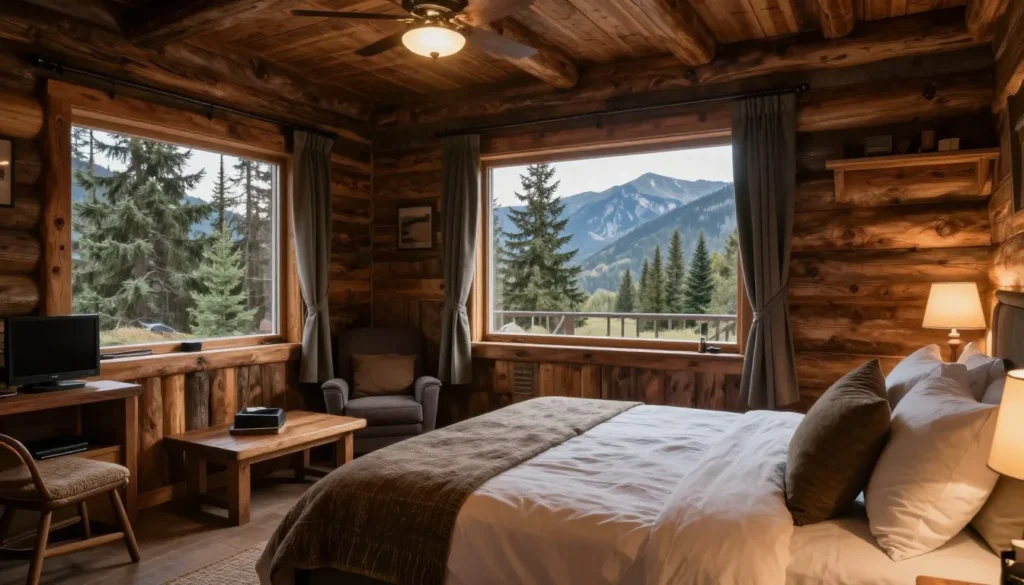
Accommodation options near Lee Canyon range from rustic mountain cabins to comfortable Las Vegas hotels. Your choice depends on whether you prefer mountain tranquility or city convenience.
Mountain Lodging
The Mount Charleston area offers the closest mountain accommodations. The Resort on Mount Charleston provides hotel-style rooms just 16 kilometers (10 miles) from Lee Canyon. This full-service property features a restaurant, bar, and comfortable rooms with mountain views.
Vacation rental cabins scatter throughout the Spring Mountains community. These private homes range from cozy one-bedroom retreats to spacious family lodges. Many include fireplaces, full kitchens, and outdoor decks perfect for enjoying the mountain air.
Booking mountain lodging early proves essential, especially for winter weekends and holidays. Limited inventory means popular dates fill months in advance. The peaceful setting rewards advance planning with unmatched convenience to the slopes.
Las Vegas Hotels
Staying in Las Vegas provides unlimited accommodation choices at every price point. The 45-minute commute to Lee Canyon becomes part of the adventure. Many visitors combine mountain activities with evening entertainment on the Strip.
This option works well for groups with mixed interests. Some members can ski or bike while others explore Las Vegas attractions. Everyone reunites for dinner and evening activities in the city.
Camping Options
The Spring Mountains National Recreation Area operates several campgrounds near Lee Canyon. These sites provide affordable, nature-focused accommodations from late spring through early fall. Facilities are basic but adequate for outdoor enthusiasts.
Winter camping requires proper equipment and experience. Snow covers most campgrounds from November through April, limiting access to prepared winter campers only.
Book Your Mountain Stay
Reserve accommodations early, especially for peak season visits. The Resort on Mount Charleston and vacation rentals fill quickly during popular periods.
Dining & Local Cuisine
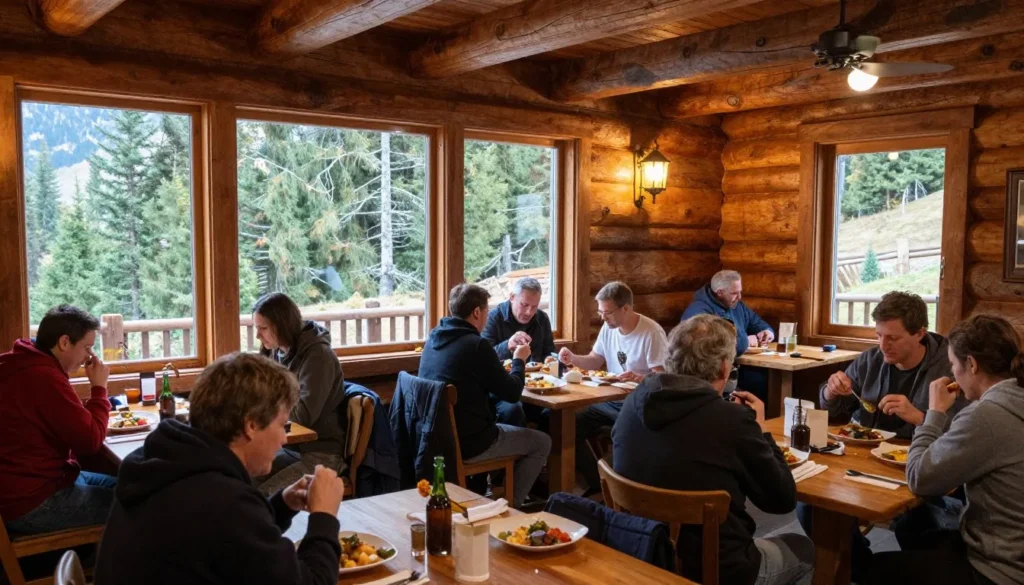
Dining at Lee Canyon focuses on hearty, warming food that fuels outdoor adventures. The base lodge cafeteria serves the primary on-mountain meals, while nearby Mount Charleston offers additional restaurant options.
Base Lodge Dining
The main cafeteria provides classic ski resort fare. Hot soups warm cold skiers between runs. Burgers, sandwiches, and pizza satisfy hungry appetites. The menu emphasizes quick service and generous portions over culinary sophistication.
Breakfast offerings include egg sandwiches, breakfast burritos, and hot coffee. The cafeteria opens when lifts begin operating and serves through the afternoon. Outdoor deck seating lets diners enjoy mountain views on sunny days.
Pack snacks and water for the slopes. Hydration becomes crucial at high elevation, where the dry mountain air increases fluid needs. Many visitors bring their own energy bars and trail mix.
Mount Charleston Restaurants
The Resort on Mount Charleston operates a full-service restaurant and bar. The menu features steaks, seafood, and comfort classics. Large windows frame forest views. Reservations help during busy dinner hours.
Mount Charleston Lodge, another nearby option, serves breakfast, lunch, and dinner in a rustic mountain setting. Their outdoor patio becomes particularly popular during summer evenings when temperatures remain comfortable as the valley below swelters in heat.
Las Vegas Dining Scene
The proximity to Las Vegas means world-class dining sits just 45 minutes away. After a day on the mountain, visitors can enjoy everything from celebrity chef restaurants to authentic ethnic cuisine. This combination of mountain recreation and urban dining creates unique vacation possibilities.
Skiing, Snowboarding & Winter Activities

Lee Canyon transforms into a winter sports destination when snow blankets the Spring Mountains. The resort covers 250 acres of skiing terrain plus an additional 195 acres in the separate ski area. Vertical drop reaches 549 meters (1,800 feet) from summit to base.
Terrain Breakdown
The mountain divides into terrain suitable for all ability levels. Beginner runs account for approximately 20 percent of marked trails, providing gentle slopes where newcomers build confidence. Wide-open cruisers let skiers practice turns without obstacles.
Intermediate terrain comprises about 40 percent of the mountain. These blue runs offer moderate challenges with varied pitch and natural features. Intermediate skiers find plenty of terrain to explore and improve their skills.
Advanced and expert terrain represents the remaining 40 percent. Steep chutes, bump runs, and tree skiing challenge accomplished riders. The north-facing slopes hold snow longer and develop excellent conditions after storms.
Lift Tickets & Passes
Daily lift tickets provide the most flexibility for occasional visitors. Prices vary by day of week and season, with weekends and holidays commanding premium rates. Online purchases often include modest discounts compared to window prices.
Season passes deliver significant value for frequent skiers. Southern Nevada residents who visit multiple times per winter save money and gain unlimited access. The pass typically pays for itself after just a few visits.
Half-day tickets offer economical options for those arriving later in the day. Night skiing operates on select evenings, extending the ski day under lights.
Lessons & Classes
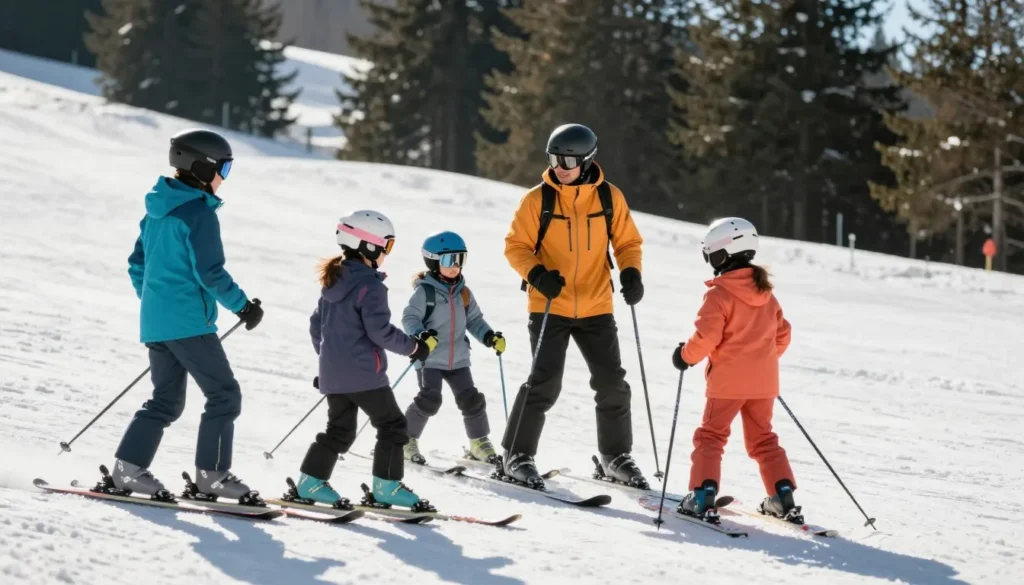
The ski school welcomes beginners of all ages. Professional instructors teach fundamental techniques in safe, encouraging environments. Group classes provide affordable instruction and opportunities to meet fellow learners.
Private lessons offer personalized attention for faster skill development. Advanced skiers use private instruction to refine technique or tackle challenging terrain with expert guidance.
Children’s programs combine ski instruction with entertaining activities. Kids learn while having fun, often progressing faster than adults due to their fearlessness and flexibility.
Equipment Rentals
The base lodge rental shop stocks skis, snowboards, boots, and poles for all sizes and abilities. Rental packages include the necessary equipment for a day on the mountain. Staff help fit equipment properly to ensure comfort and safety.
Demo equipment lets experienced skiers try premium gear before purchasing. This service proves valuable for those considering equipment investments.
Helmet rentals provide important safety equipment at reasonable rates. Many experienced skiers now wear helmets as standard practice.
Book Lift Tickets & Lessons
Reserve your lift tickets, ski lessons, and equipment rentals in advance. Early booking ensures availability and often provides better pricing than same-day purchases.
Summer Mountain Biking & Bike Park

When snow melts, Lee Canyon reinvents itself as a premier downhill mountain biking destination. The bike park sprawls across 195 acres, utilizing the same mountain terrain that challenges skiers in winter. Lift-serviced downhill riding eliminates exhausting climbs, maximizing fun descents.
Trail Network
The bike park features trails ranging from gentle beginner flow tracks to technical expert lines. Green circle routes introduce new riders to downhill mountain biking with smooth surfaces and gentle grades. Confidence builds as skills develop.
Blue square intermediate trails incorporate natural features, bermed turns, and moderate technical challenges. Riders progress through increasingly difficult terrain as abilities improve. The variety keeps the park interesting for regular visitors.
Black diamond expert trails demand advanced bike handling skills. Rock gardens, drops, jumps, and steep chutes test experienced riders. These trails provide legitimate challenges even for skilled mountain bikers.
Lift Access
Chairlifts equipped with bike carriers transport riders and their bicycles uphill. The system works similarly to ski lifts, with specialized racks holding bikes securely during the ascent. This efficient transportation allows riders to complete numerous runs per day.
Bike park tickets include unlimited lift rides during operating hours. Multi-day passes offer value for extended visits. Season passes appeal to local riders who visit regularly throughout summer.
Bike Rentals & Demos
Full-suspension downhill bikes are available to rent at the base area. Rental packages include the bike, helmet, and protective pads. Staff help size bikes appropriately and adjust suspension settings for rider weight.
Demo bikes from premium manufacturers let riders test high-end equipment. This service helps those shopping for new bikes make informed purchasing decisions.

Skills Clinics
Professional instructors offer mountain biking classes for various skill levels. Beginner clinics cover fundamental techniques including body position, braking, and cornering. Students gain confidence to explore the easier trails safely.
Intermediate and advanced clinics focus on specific skills like jumping, drops, or technical rock sections. Progression happens in controlled environments before applying new abilities on trails.
Women-specific classes create comfortable learning environments. These clinics address techniques and equipment considerations particularly relevant to female riders.
Hiking Trails & Nature Experiences
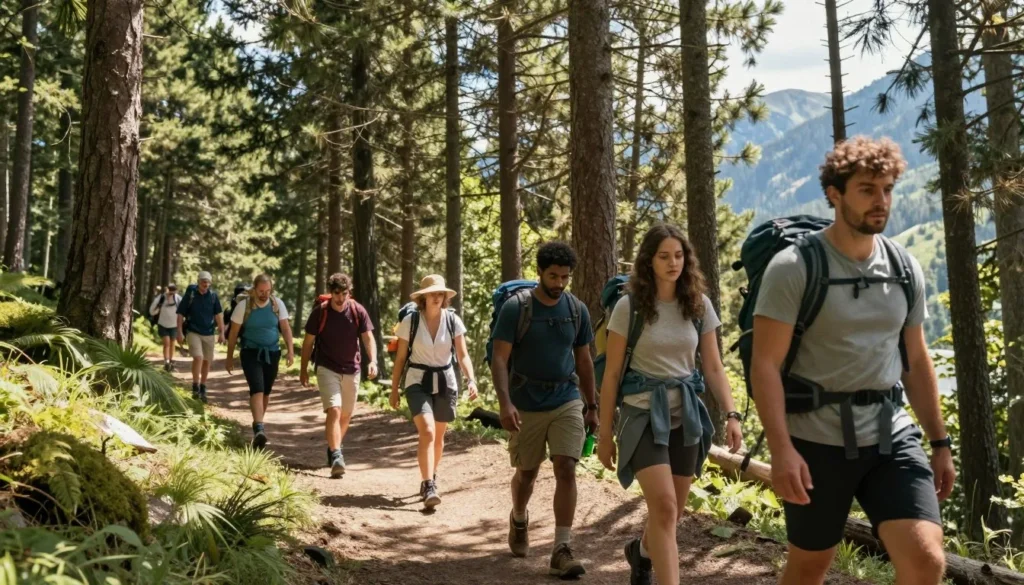
The Spring Mountains National Recreation Area surrounding Lee Canyon offers exceptional hiking opportunities. Trails wind through ponderosa pine forests, climb to panoramic viewpoints, and explore unique high-desert mountain ecosystems. The cooler temperatures make summer hiking particularly appealing.
Trail Options
Dozens of hiking trails crisscross the Spring Mountains. Trail difficulty ranges from easy nature walks to strenuous peak climbs. The Charleston Peak Trail, while not directly at Lee Canyon, represents the area’s premier hiking challenge.
Shorter trails near the resort provide excellent family options. The Bristlecone Trail showcases ancient bristlecone pine trees, some over a thousand years old. This moderate hike rewards effort with stunning views and encounters with remarkable trees.
Mary Jane Falls Trail leads to a seasonal waterfall, particularly impressive during spring snowmelt. The 4-kilometer (2.5-mile) round trip gains about 244 meters (800 feet) of elevation through mixed forest.
Wildlife Watching
The Spring Mountains support diverse wildlife populations. Mule deer frequently appear near trails, especially during dawn and dusk hours. These graceful animals browse vegetation throughout the forest.
Bird species include stellar jays, mountain chickadees, and red-tailed hawks. Patient observers spot these and many other species. Bring binoculars to enhance wildlife viewing experiences.
Smaller mammals like chipmunks and ground squirrels entertain visitors with their energetic antics. Remember to never feed wildlife, as human food harms animals and creates dangerous habituation.
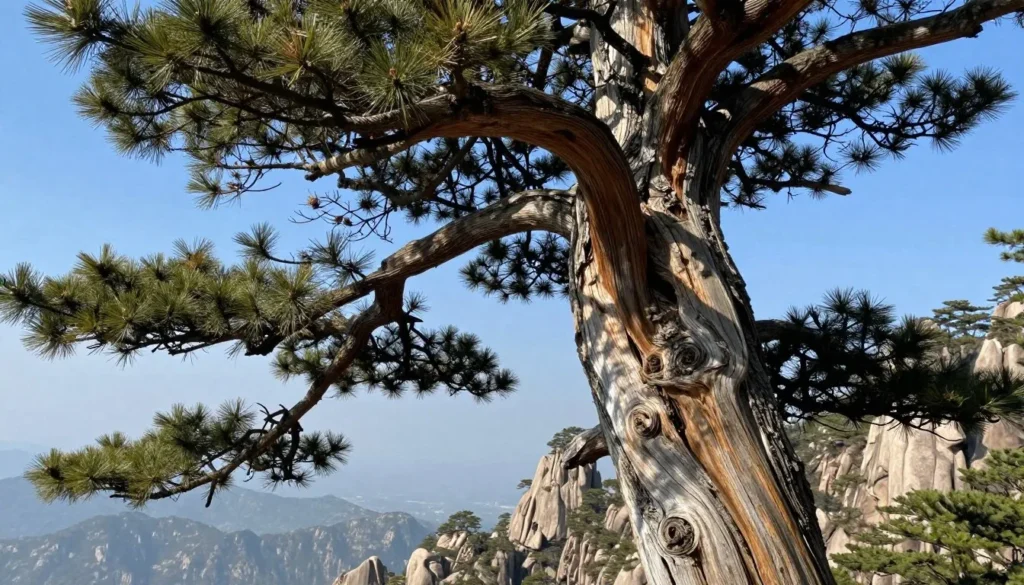
Nature Photography
The Spring Mountains provide outstanding photography subjects. Wildflowers bloom profusely in late spring and early summer, painting meadows with vibrant colors. The combination of mountain peaks, forest, and flowers creates compelling compositions.
Dramatic rock formations punctuate the landscape. These limestone cliffs glow golden during sunrise and sunset, offering spectacular lighting for landscape photography.
Weather phenomena including clouds, storms, and rainbows occur frequently in the mountains. Afternoon thunderstorms build impressive cloud formations, though photographers should seek shelter when lightning threatens.
Picnic Areas
Several developed picnic areas offer tables, grills, and restroom facilities. These sites provide comfortable spots for outdoor meals surrounded by nature. Many families pack lunches to enjoy between hikes or bike rides.
Less developed areas also accommodate picnicking. Practice Leave No Trace principles by packing out all trash and food waste. Protect the mountain environment for future visitors.
Safety, Etiquette & Local Customs
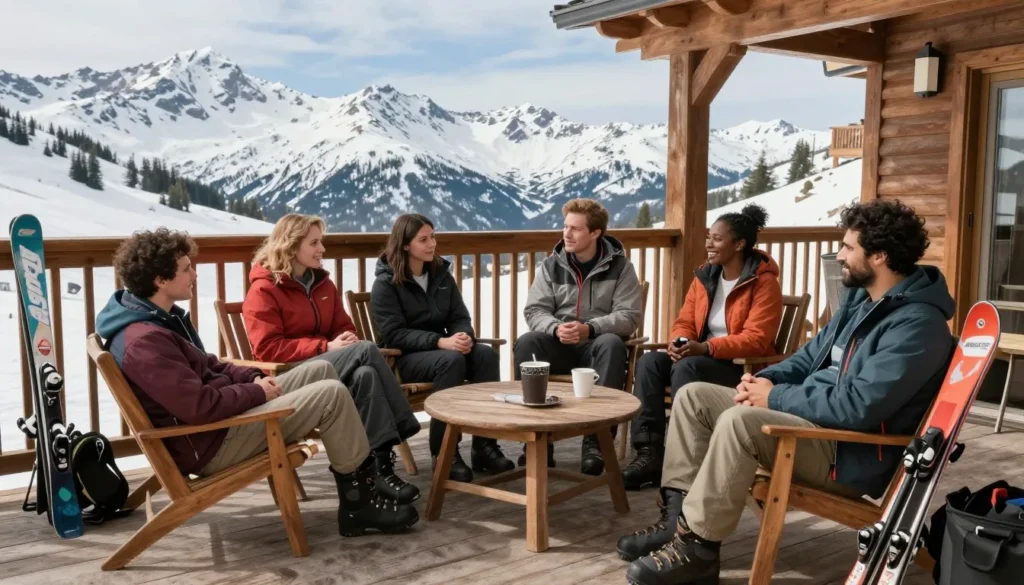
Enjoying Lee Canyon safely requires awareness of mountain hazards and respectful behavior toward other visitors and the natural environment. Understanding altitude effects and weather patterns prevents problems.
Altitude Considerations
The base area sits at approximately 2,590 meters (8,500 feet) elevation, with the summit exceeding 3,300 meters (10,800 feet). This altitude affects visitors arriving from sea level. Reduced oxygen levels cause fatigue, shortness of breath, and sometimes headaches.
Arrive hydrated and continue drinking water throughout your visit. Alcohol affects people more strongly at altitude, so moderate consumption accordingly. Take breaks when feeling tired, as pushing too hard invites injury.
Sunscreen becomes essential at high elevation. Thinner atmosphere provides less protection from ultraviolet radiation. Apply and reapply sunscreen frequently, even on cloudy days. Sunglasses protect eyes from bright reflected light.
Weather Awareness
Mountain weather changes rapidly and unpredictably. Morning sunshine can transform into afternoon snowstorms within hours. Always bring extra layers, rain protection, and emergency supplies when venturing into the backcountry.
Summer afternoon thunderstorms develop frequently. Lightning poses serious danger on exposed peaks and ridges. Start hikes early to reach summits by noon, allowing time to descend before storms develop.
Winter visitors must respect avalanche danger. While the resort manages avalanche risk within ski area boundaries, backcountry terrain requires avalanche education, proper equipment, and experienced companions.
Mountain Etiquette
Skiers and snowboarders follow established right-of-way rules. Downhill traffic has right-of-way over uphill traffic. Riders stopping must move to trail edges, avoiding blind corners and narrow sections.
Mountain bikers yield to hikers on shared trails. Downhill riders yield to uphill riders when trails become too narrow for passing. Calling out friendly warnings when approaching other trail users prevents surprises.
Control speed appropriate to terrain and conditions. Reckless riding endangers everyone. Respect ability-rated terrain designations, avoiding trails beyond your skill level.
Environmental Stewardship
The Spring Mountains represent fragile high-desert ecosystems. Stay on designated trails to prevent erosion and protect vegetation. Shortcutting switchbacks causes lasting damage to mountainsides.
Pack out everything you pack in. Carry trash bags and remove all food waste, packaging, and litter. Even biodegradable items like fruit peels should be carried out, as they don’t belong in these ecosystems.
Respect wildlife by observing from distance. Never approach, feed, or harass animals. Store food securely to avoid attracting wildlife to human use areas.
Visitor Comments About Lee Canyon Ski Resort
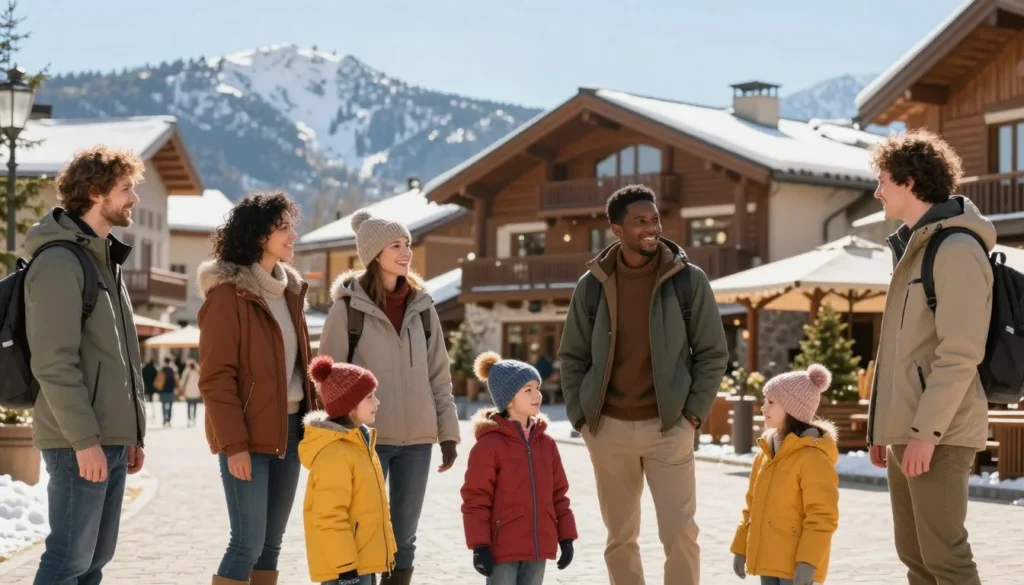
“We drove up from Las Vegas expecting a small local ski hill, but Lee Canyon surprised us with quality terrain and beautiful scenery. The lift lines moved quickly even on a Saturday. Our kids loved the beginner area, and the instructors were patient and encouraging. Being able to combine skiing with a Las Vegas trip made this vacation unique.”
“The bike park exceeded my expectations. The variety of trails kept me entertained for three days straight. I particularly enjoyed the intermediate flow trails with their perfectly shaped berms and jumps. The lift operators were friendly and knowledgeable about which trails to try. The summer heat in Las Vegas made the cool mountain air incredibly refreshing.”
“As someone from a tropical climate, experiencing real snow was magical. Lee Canyon provided my first skiing experience, and the instructors made me feel safe while learning. The mountain scenery was stunning, completely different from the desert below. I appreciated how accessible everything was from Las Vegas. The whole experience felt like discovering a hidden world just minutes from the city.”
Additional Nearby Destinations
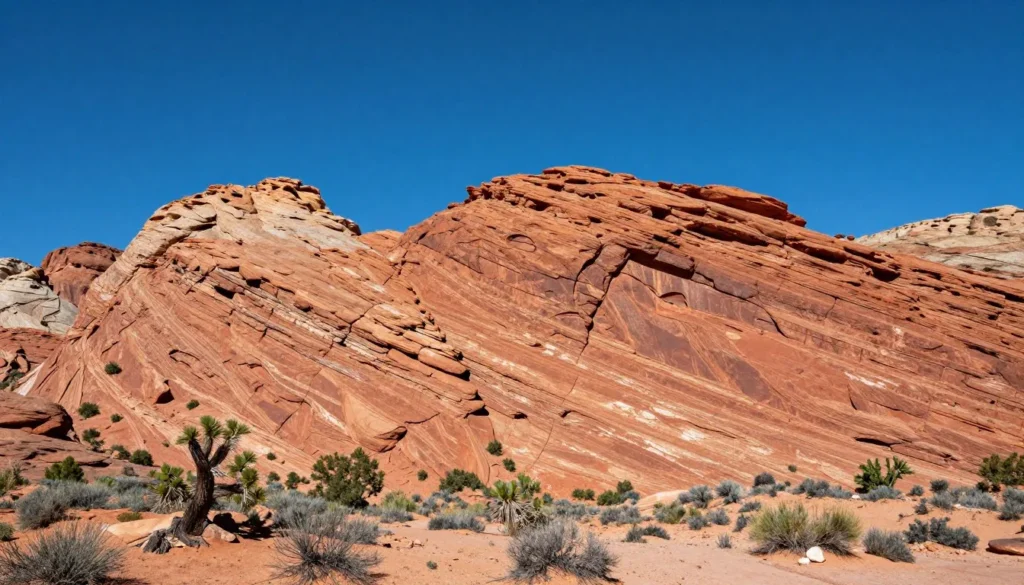
Lee Canyon’s location in southern Nevada places visitors near numerous other attractions. Combining mountain recreation with these destinations creates diverse, memorable vacations.
Red Rock Canyon National Conservation Area
Just 32 kilometers (20 miles) from Las Vegas, Red Rock Canyon showcases stunning desert geology. Massive red sandstone formations glow brilliantly at sunrise and sunset. The 21-kilometer (13-mile) scenic drive provides access to viewpoints and trailheads.
Rock climbing draws enthusiasts worldwide to these sandstone cliffs. Over 2,000 established climbing routes range from beginner-friendly to extremely challenging. Hiking trails explore canyons and reach elevated viewpoints.
The visitor center offers educational exhibits about desert ecology and geology. Rangers provide information about trail conditions and wildlife sightings.
Valley of Fire State Park
Located 80 kilometers (50 miles) northeast of Las Vegas, Valley of Fire features otherworldly red sandstone formations. Ancient petroglyphs carved by indigenous peoples decorate rock faces throughout the park.
Hiking trails wind through narrow slot canyons and past balanced rocks. The Fire Wave Trail showcases spectacular striped sandstone formations that photograph beautifully.
Camping facilities allow overnight stays in this remarkable landscape. The park becomes especially photogenic during early morning and late afternoon when low-angle sunlight intensifies the red rock colors.
Lake Mead National Recreation Area
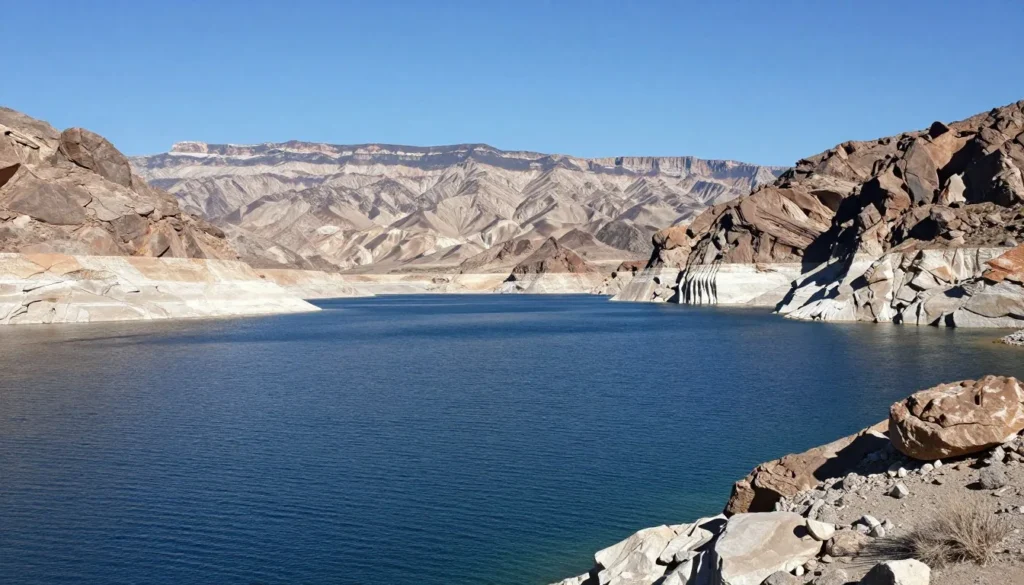
Lake Mead, the largest reservoir in the United States, provides water recreation just 40 kilometers (25 miles) from Las Vegas. The lake covers approximately 64,000 hectares (158,000 acres) at full capacity, though water levels fluctuate based on drought conditions.
Boating, fishing, swimming, and kayaking attract visitors seeking water-based activities. Several marinas rent boats and personal watercraft. The contrast between desert landscape and blue water creates striking scenery.
Hoover Dam, an engineering marvel that created Lake Mead, offers tours explaining its construction and operation. The dam straddles the Nevada-Arizona border, providing viewpoints into Black Canyon.
Mount Charleston
The broader Mount Charleston area surrounding Lee Canyon deserves extended exploration. Summer residents escape Las Vegas heat by renting cabins in this mountain community. Temperatures remain 11°C to 17°C (20°F to 30°F) cooler than the valley below.
Cathedral Rock Trail and other hiking paths showcase the area’s natural beauty. The Mount Charleston Lodge provides dining and accommodations in a rustic mountain setting.
Kyle Canyon and Lee Canyon roads offer scenic drives through changing elevation zones. Overlooks provide panoramic views of the Las Vegas valley and surrounding desert.
Practical Travel Tips
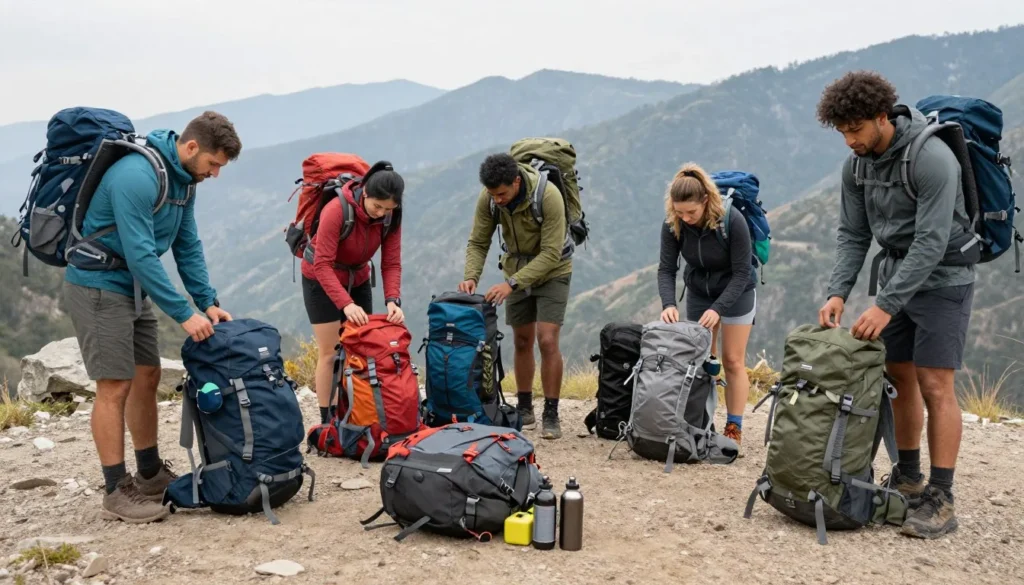
Smart preparation enhances your Lee Canyon experience. These practical tips help you avoid common pitfalls and maximize enjoyment.
What to Pack
Winter Essentials: Waterproof jacket and pants, insulated gloves, warm hat, neck gaiter or face mask, moisture-wicking base layers, ski socks, sunglasses or goggles, sunscreen, lip balm with SPF, and reusable water bottle.
Summer Necessities: Lightweight hiking boots, moisture-wicking clothing, sun hat, sunscreen, sunglasses, day pack, water bottles (carry at least 2 liters), energy snacks, light jacket for cool mornings, first aid kit.
Year-Round Items: Cell phone (though service is limited), camera, extra batteries, cash for small purchases, identification, any necessary medications, emergency contact information.
Money and Costs
Credit cards are accepted for most services including lift tickets, rentals, and dining. However, carrying some cash proves useful for tips and small purchases. ATMs are not available at the resort, so obtain cash in Las Vegas before driving up.
Budget approximately 60 to 100 USD per person daily for lift tickets or bike park access during peak season. Equipment rentals add 30 to 50 USD. Meals and snacks cost 15 to 30 USD per person. Season passes dramatically reduce per-visit costs for frequent users.
Communication
Cell phone coverage becomes spotty in the mountains. Major carriers provide some service at the base area, but signals weaken on trails and in canyons. Download maps, directions, and important information before leaving areas with reliable service.
The base lodge offers Wi-Fi for guests, allowing communication when cellular service fails. Establish meeting times and places with your group in case phones don’t work.
Operating Hours and Seasons
Winter ski season typically runs from late November through early April, weather permitting. Operating hours usually span 9:00 AM to 4:00 PM, with extended hours during holidays and occasional night skiing.
The summer bike park opens in late May and operates through September. Hours vary but generally run from 10:00 AM to 5:00 PM on weekends, with some weekday operations during peak summer.
Always call ahead or check the website before making the drive from Las Vegas. Weather conditions and maintenance sometimes require unexpected closures or schedule changes.
Accessibility
The base lodge provides accessible parking, restrooms, and dining facilities. Ski school offers adaptive skiing programs for individuals with disabilities. Equipment and instruction accommodate various physical challenges.
Trail accessibility varies significantly. Some paved nature trails near the resort accommodate wheelchairs, while most backcountry trails require hiking ability. Contact the resort in advance to discuss specific accessibility needs.
Pro Tip: Visit on weekdays when possible to avoid crowds and enjoy shorter lift lines. Tuesday through Thursday typically offers the most relaxed atmosphere and best conditions on groomed runs.
Location Map
Lee Canyon Ski Resort location in the Spring Mountains, Nevada
Your Mountain Adventure Awaits
Lee Canyon stands as Nevada’s unexpected mountain treasure, offering four-season recreation just minutes from the Las Vegas desert. Whether carving turns through fresh powder, flying down mountain bike trails, or hiking through ancient bristlecone forests, this resort delivers authentic alpine experiences.
The combination of accessible location, diverse activities, and stunning natural beauty makes Lee Canyon unique among western mountain destinations. Families create lasting memories on gentle beginner slopes. Adventure seekers challenge themselves on expert terrain. Nature lovers discover peaceful forest trails far from city noise.
Each season transforms the mountain, presenting new opportunities for exploration and recreation. Winter snow gives way to summer wildflowers. Ski slopes become bike trails. The Spring Mountains reveal constant variety for those who return throughout the year.
Your perfect mountain day waits in these peaks. Whether seeking adrenaline, tranquility, or simply cooler temperatures, Lee Canyon welcomes you to discover why this hidden resort has captivated visitors for generations. The mountains are calling.