Hotels by Trip.com
Flights by Trip.com
Did you know that Mount Jefferson in Nevada rises to 3,642 m (11,949 ft), making it the sixth-highest peak in the entire state? Yet despite its impressive elevation, this remote summit in the Toquima Wilderness remains one of Nevada’s best-kept secrets. Most hikers pass right by without ever discovering the stunning alpine solitude waiting just miles from the nearest dirt road.
This comprehensive travel guide reveals everything you need to know about visiting Mount Jefferson Middle Summit. Whether you’re planning your first hike or seeking hidden gems in central Nevada, you’ll find practical tips and insider knowledge here.
The mountain offers far more than just a challenging trail. You’ll discover pristine wilderness, breathtaking ridge walks, and an escape from crowded tourist destinations. Let’s explore what makes this Nevada peak truly special.
Getting There & Planning Your Journey
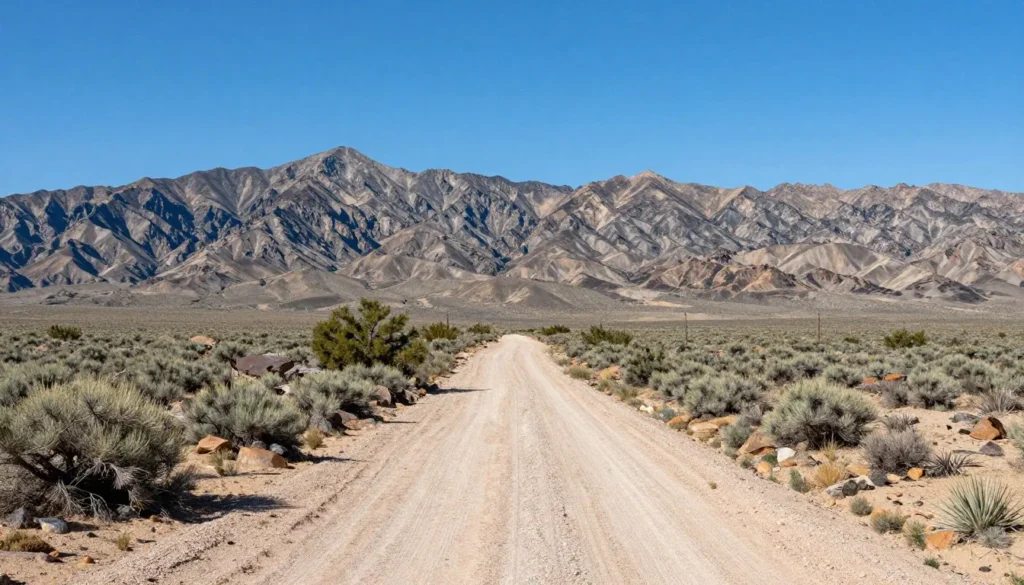
Reaching Mount Jefferson Middle Summit requires careful planning since this remote Nevada destination sits far from major cities. The closest airports include Reno-Tahoe International Airport, located approximately 257 km (160 miles) northwest, and Las Vegas McCarran International Airport, roughly 402 km (250 miles) south.
Most visitors drive from Reno, which takes about three and a half hours. From the airport, head east on Interstate 80, then south through Austin on US Highway 50. The final section involves navigating dirt roads that require a high-clearance vehicle.
The trailhead sits near Pine Creek Campground in the Toiyabe National Forest. To reach this starting point, turn south from Highway 50 onto Forest Road 009. This dirt route climbs steadily for several miles before reaching the campground area.
Important Access Information
The dirt roads leading to Mount Jefferson become impassable during winter and early spring. Always check current road conditions before your trip. A high-clearance vehicle is strongly recommended, and four-wheel drive may be necessary depending on recent weather.
Plan your journey with extra time built in. The remote location means limited services along the route. Fill your gas tank in Austin, the last reliable fuel stop before entering the mountains.
Most visitors spend at least one night near the trailhead. The drive time combined with the hike duration makes day trips from Reno extremely challenging. Consider this a multi-day adventure rather than a quick excursion.
Best Time to Visit & Weather Tips
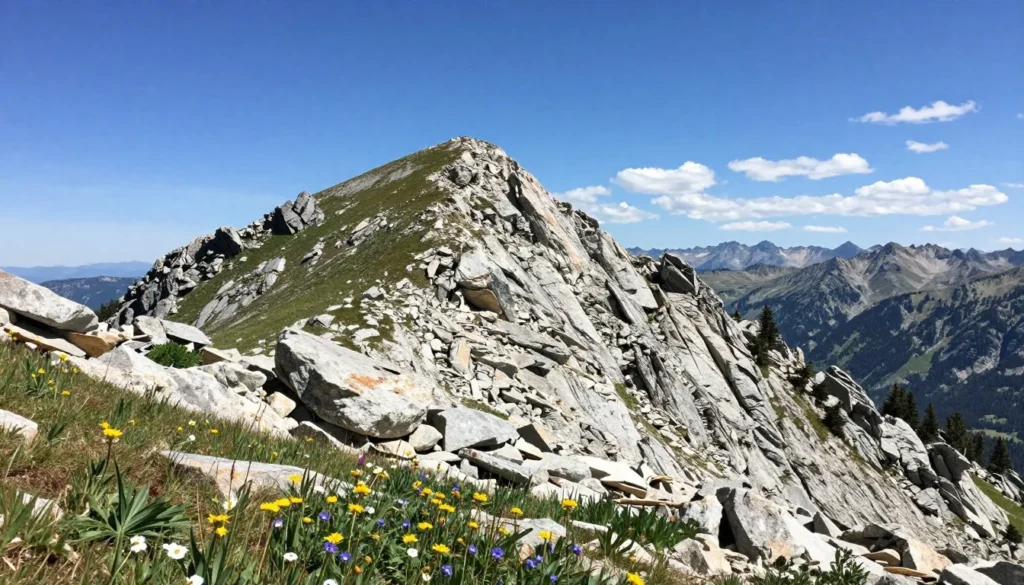
Timing your visit to Mount Jefferson Middle Summit makes all the difference between an enjoyable adventure and a challenging ordeal. The mountain sits at high elevation where weather patterns differ dramatically from Nevada’s valleys.
Recommended Seasons
July through September offers the best window for visiting Mount Jefferson. During these months, snow typically melts from the higher elevations, and access roads become passable. Temperatures range from 10°C to 21°C (50°F to 70°F) at the trailhead, though summit conditions stay much cooler.
Late June can work for experienced hikers willing to navigate some snow patches. However, creek crossings run higher during this time, and the approach road may still have muddy sections.
Months to Avoid
October through May brings snow, ice, and road closures that make access nearly impossible. Winter storms can arrive suddenly in the Toquima Range, even during shoulder seasons. Avoid planning trips during these months unless you have winter mountaineering experience.
Check 30,000+ Local Sightseeing Tours Worldwide
✓ Numerous languages and currencies are available
Early spring looks tempting on the calendar, but snowpack often lingers until late June at higher elevations. The access road typically remains closed or extremely rough until early July most years.
Daily Weather Patterns
Mountain weather changes rapidly regardless of season. Morning typically brings calm conditions with clear skies. Afternoon thunderstorms develop frequently during summer months, especially July and August. Start your hike early to reach the summit and descend before storms build.
What to Expect by Season
- July: Peak wildflower season, possible afternoon thunderstorms, excellent trail conditions
- August: Warmest temperatures, frequent afternoon storms, best overall weather window
- September: Cooler temperatures, fewer storms, increasing risk of early snow, beautiful fall colors at lower elevations
- October-June: Heavy snow, road closures, extreme conditions
Temperature Guide
- Trailhead: 10°C to 21°C (50°F to 70°F) in summer
- Summit: 4°C to 13°C (40°F to 55°F) in summer
- Nighttime lows: Often drop below freezing even in summer
- Wind chill: Can make summit feel significantly colder
Pack layers regardless of the forecast. Conditions at the 3,642 m (11,949 ft) summit differ drastically from the parking area. Bring rain gear, warm clothing, and sun protection for every trip.
Notable Annual Festivals
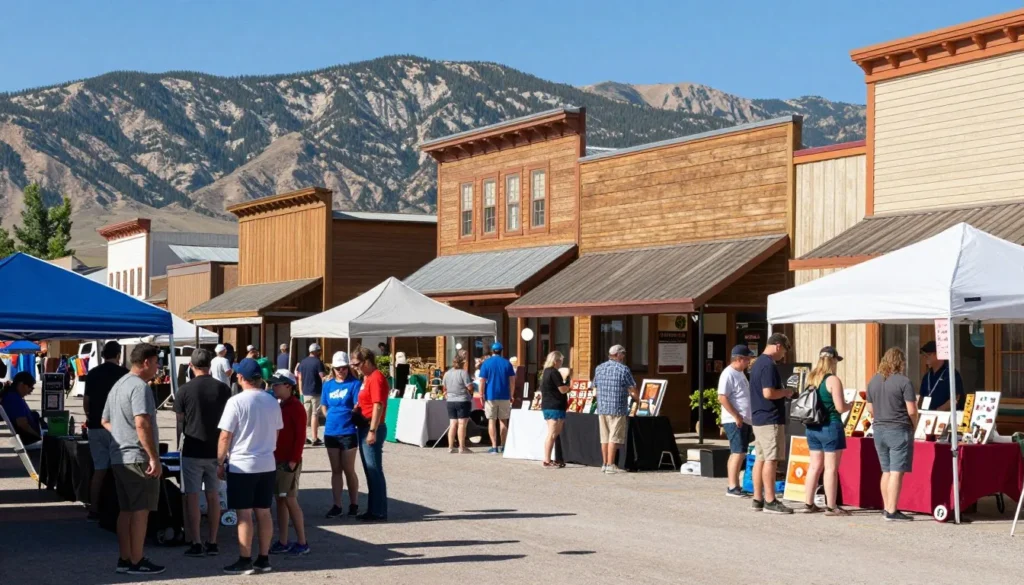
The remote location of Mount Jefferson means few festivals occur directly at the mountain. However, nearby communities host several annual events worth timing your visit around. These celebrations offer cultural insights and practical amenities for travelers.
Austin Area Events
Austin, the nearest substantial town, hosts the International Camel & Ostrich Races each September. This quirky event draws visitors from across Nevada and makes a fun addition to a Mount Jefferson trip. The festival celebrates Austin’s mining heritage with a distinctly humorous twist.
For more information about Austin events, contact the Austin Chamber of Commerce. While specific phone numbers change, visitor information is typically available through Lander County offices.
Regional Celebrations
Tonopah, located south of the Toquima Range, hosts Jim Butler Days each Memorial Day weekend. This mining heritage festival includes parades, live music, and local food vendors. The timing coincides with late spring, which may be too early for Mount Jefferson hiking but offers alternative activities.
Ely, east of the mountain range, celebrates the Railroad Festival in late August. Though farther from Mount Jefferson, this event showcases Nevada’s transportation history and provides lodging options during peak hiking season.
Most festivals in central Nevada occur during summer months when weather permits outdoor gatherings. Check local chamber of commerce websites before your trip, as event dates and details change annually.
While the Mount Jefferson area itself remains quiet and undeveloped, these regional festivals add cultural richness to your Nevada adventure. They also provide opportunities to stock up on supplies and connect with locals who know the area well.
Getting Around Locally
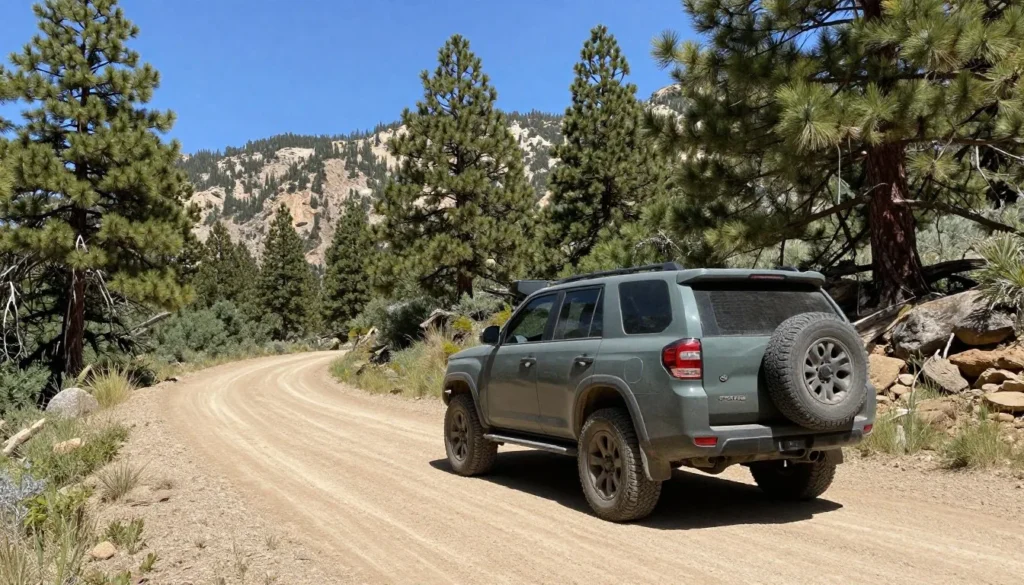
Transportation around Mount Jefferson differs significantly from typical tourist destinations. The remote wilderness location means personal vehicles provide the only practical way to explore the area. Public transportation doesn’t exist, and rideshare services don’t operate this far from population centers.
Vehicle Requirements
A high-clearance vehicle is essential for accessing Mount Jefferson. Standard passenger cars lack the ground clearance needed for the rough dirt roads leading to Pine Creek Campground. Four-wheel drive becomes necessary after heavy rains or during early season when roads remain partially muddy.
The final miles to the trailhead involve navigating rocky sections, stream crossings, and steep grades. Rental companies in Reno offer SUVs and trucks suitable for these conditions. Reserve these vehicles well in advance during summer months.
Road Navigation
Cell phone service disappears long before you reach the mountain. Download offline maps before leaving Austin. GPS devices work better than smartphone apps in this terrain, though even satellite signals can be unreliable in narrow canyons.
Forest Road 009 provides the main access route. However, intersecting roads and unmarked junctions create confusion for first-time visitors. A detailed Toiyabe National Forest map proves invaluable. These paper maps remain available at the Austin ranger station.
Safety Reminder
Always carry extra water, food, and emergency supplies in your vehicle. The remote roads can take hours to navigate, and help isn’t readily available if you encounter mechanical problems or become lost.
Plan on slow travel speeds. What looks like a short distance on the map can take an hour or more to drive. The rough road conditions limit safe speeds to 16-24 km/h (10-15 mph) on many sections.
Fuel availability becomes critical. Austin offers the last reliable gas station. Fill your tank completely before heading into the mountains. The round trip from Austin to the trailhead and back consumes significant fuel due to the elevation gain and rough terrain.
Where to Stay
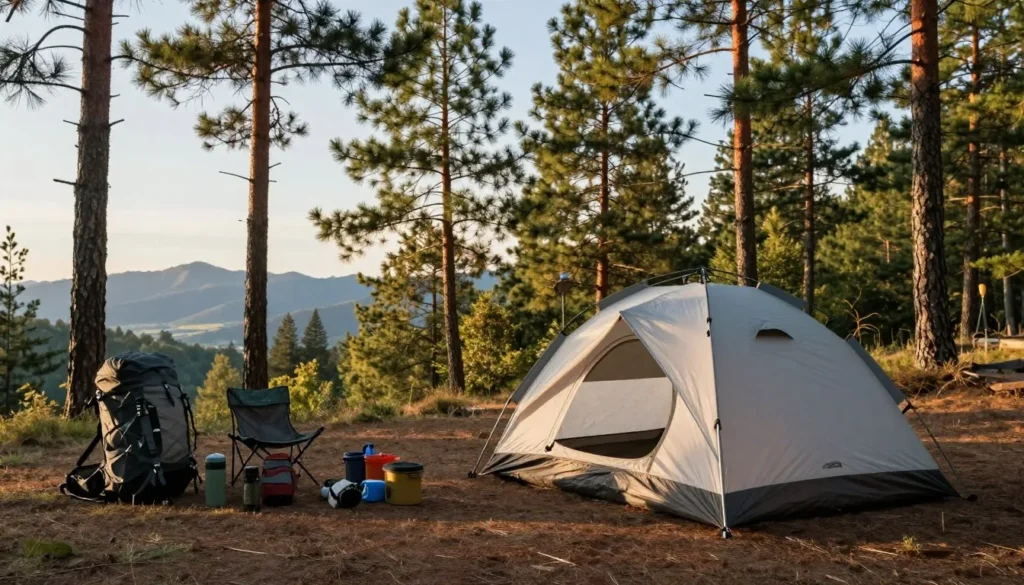
Lodging near Mount Jefferson Middle Summit ranges from primitive camping to small-town motels. The remote location means advance planning is essential, especially during peak summer months when outdoor enthusiasts flock to Nevada’s high country.
Pine Creek Campground
Pine Creek Campground offers the closest accommodation to the trailhead. This primitive camping area sits at approximately 2,743 m (9,000 ft) elevation among scattered pine trees. The site provides a flat parking area and space for several tents, but lacks developed amenities.
No running water, restrooms, or trash collection exist at Pine Creek. Visitors must practice Leave No Trace principles and pack out all waste. The campground operates on a first-come, first-served basis with no fees or reservations.
Staying at Pine Creek puts you within minutes of the trailhead. This proximity allows early morning starts, which prove crucial for avoiding afternoon thunderstorms. The elevation also helps with acclimatization before attempting the summit.
Austin Accommodations
Austin, located about 64 km (40 miles) from the mountain, provides the nearest town with services. Several small motels offer basic rooms with beds, showers, and sometimes Wi-Fi. The International Hotel and the Pony Express Lodge serve as primary options.
For Austin lodging information, contact local businesses directly as availability changes seasonally.
Staying in Austin means a very early morning drive to reach the trailhead. However, the town offers restaurants, gas stations, and supplies unavailable at Pine Creek. This trade-off suits visitors who prefer comfort over proximity.
Alternative Camping Areas
The Toiyabe National Forest allows dispersed camping throughout much of the Toquima Range. Visitors can camp along Forest Road 009 at various pullouts before reaching Pine Creek. These spots offer more solitude but require greater self-sufficiency.
Look for existing campsites to minimize impact. Avoid creating new clearings or disturbing vegetation. Water sources remain scarce along the access road, so carry sufficient supplies for drinking and cooking.
Pine Creek Campground Features
- Free primitive camping
- No reservations needed
- Closest to trailhead
- No amenities or water
- Limited capacity
Austin Town Lodging Features
- Motels with beds and showers
- Restaurants and supplies
- Gas stations available
- 64 km from trailhead
- Advance reservations recommended
Whichever option you choose, book or arrive early during July and August. The limited capacity at Pine Creek fills quickly on weekends. Austin’s few motel rooms also sell out during peak season.
Dining & Local Cuisine

Dining options near Mount Jefferson reflect the area’s remote, rural character. Visitors should adjust expectations accordingly and appreciate the simple, hearty fare available in nearby towns. The mountain itself offers no services, so all meals require advance planning.
Austin Dining
Austin provides the nearest restaurants to Mount Jefferson. The International Hotel’s dining room serves classic American comfort food including burgers, steaks, and breakfast plates. Portions tend toward generous, perfect for fueling up before a long hike.
The Toiyabe Cafe offers another option for basic meals. Breakfast draws locals and travelers alike for eggs, pancakes, and strong coffee. Lunch menus typically feature sandwiches and daily specials. Don’t expect gourmet cuisine, but do expect friendly service and filling portions.
Operating hours in Austin can be unpredictable. Many restaurants close by early evening or operate on reduced schedules during slow periods. Call ahead when possible, though cell service may limit your ability to confirm hours.
Provisions for the Trail
Stock up on groceries in Austin before heading to Mount Jefferson. The small market carries basic supplies including bread, lunch meat, snacks, and canned goods. Selection remains limited compared to city supermarkets, so bring specialty items from home.
Water presents the biggest consideration. No reliable water sources exist along the trail route, and treating water from seasonal creeks proves unreliable. Carry all drinking water from Austin or another reliable source. Plan for at least 3-4 liters per person for a summit day.
Pack all your food for camping at Pine Creek Campground. No stores or restaurants operate near the trailhead. A cooler with ice from Austin keeps perishables fresh for a couple of days.
Regional Specialties
Central Nevada doesn’t claim specific culinary traditions, but mining town history influences local menus. Hearty breakfasts, comfort food dinners, and no-frills preparation define the style. Basque influence appears in some Nevada communities, though less so in the Austin area.
Local favorites include chicken fried steak, biscuits and gravy, and pie for dessert. These stick-to-your-ribs meals suit the physical demands of mountain hiking. Vegetarian options exist but remain limited. Anyone with dietary restrictions should plan accordingly.
Meal Planning Tips
Prepare most meals at your campsite or before leaving Austin. Lightweight backpacking meals work well for overnight trips. Energy bars, trail mix, and jerky provide convenient snacks during the hike. Remember that cooking at high elevation takes longer due to lower air pressure.
Attractions, Sightseeing & Activities
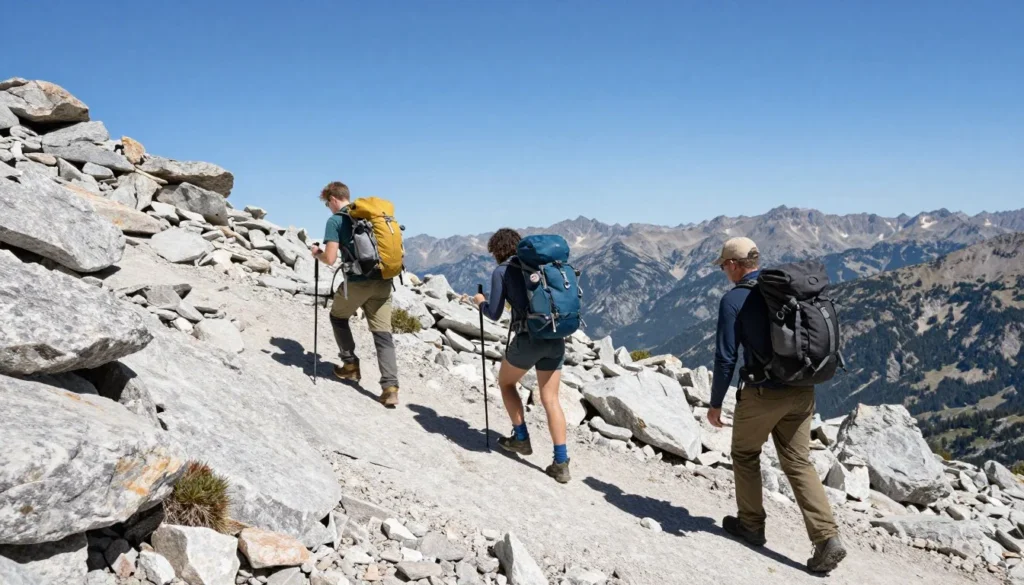
Mount Jefferson Middle Summit serves as the primary attraction in this remote corner of Nevada. The mountain draws visitors seeking challenging hikes, pristine wilderness, and escape from crowded trails. Several route options and nearby peaks offer variety for adventurous travelers.
The Summit Hike
Reaching Mount Jefferson’s summit requires a strenuous hike covering approximately 11-13 km (7-8 miles) round trip, depending on your chosen route. The trail gains around 914 m (3,000 ft) in elevation from Pine Creek Campground to the summit at 3,642 m (11,949 ft).
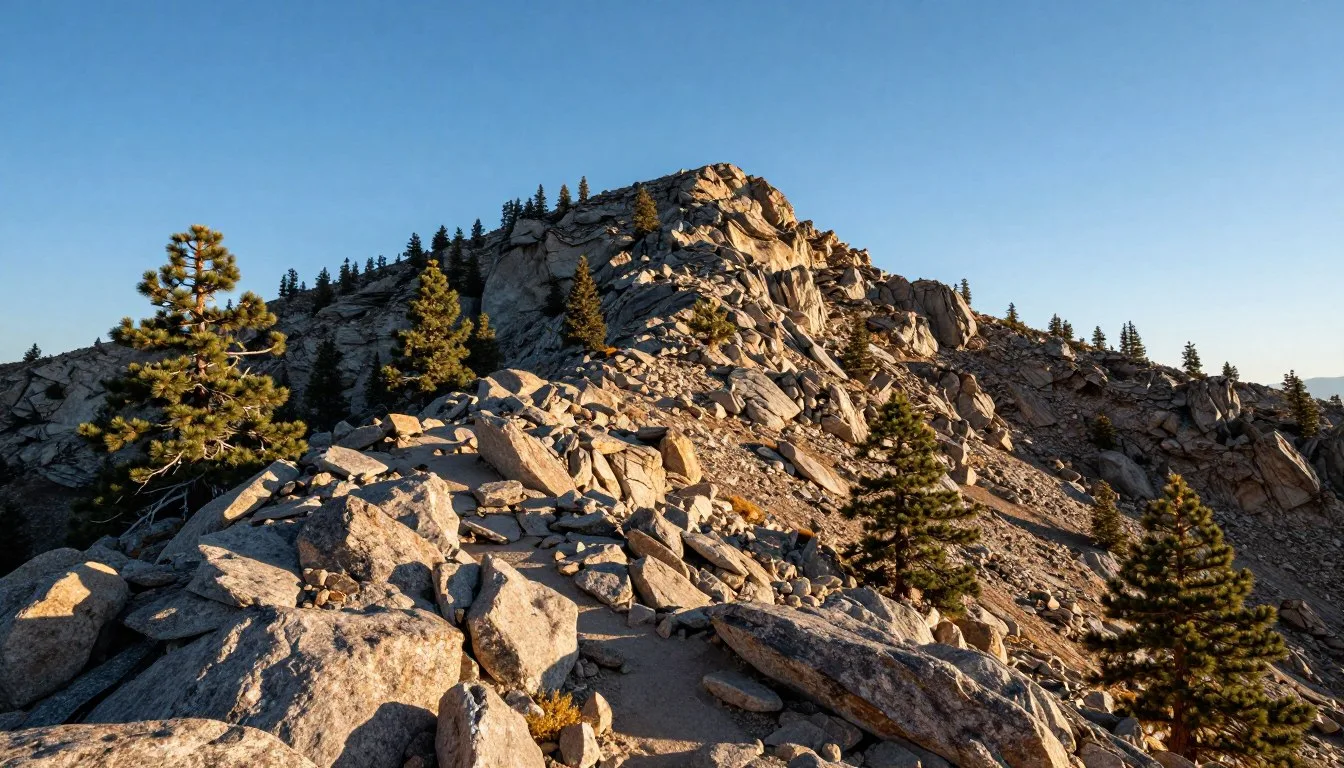
Most hikers follow Pine Creek upstream initially, then choose between the north ridge route or the south summit approach. The north ridge offers more direct access but involves steep talus scrambling near the top. The south route adds distance but provides a more gradual ascent.
Plan for 6-8 hours round trip depending on fitness level and route selection. The trail passes through beautiful alpine terrain with scattered bristlecone pine trees at lower elevations. Higher sections traverse open talus fields requiring careful foot placement.
North Jefferson Peak
Adjacent to the main summit, North Jefferson rises to nearly equal height. Many hikers combine both peaks in a single outing via a scenic ridge traverse. This extension adds approximately 1.6 km (1 mile) and an extra hour to your day.
The ridge connecting the summits offers spectacular views of the Toquima Range and distant valleys. Talus hopping requires attention, but the route remains straightforward in clear weather. This traverse ranks among Nevada’s finest alpine experiences for those comfortable with exposure.
Alta Toquima
For visitors wanting easier objectives, the Alta Toquima area provides gentler terrain. Located nearby in the same mountain range, these high meadows feature wildflowers during summer and require less technical skill than Mount Jefferson proper.
Day hikes from various access points explore this scenic plateau. The area attracts backpackers, photographers, and families seeking more accessible mountain experiences. Wildlife viewing opportunities include mule deer, mountain goats, and numerous bird species.
Summit Route Options
- North Ridge: Direct approach, steeper, technical talus section near summit
- South Summit: Longer route, more gradual elevation gain, less exposure
- Loop combination: Ascend one route, descend the other for variety
- North Jefferson extension: Add the neighboring peak via ridge traverse
Activity Difficulty Levels
- Mount Jefferson summit: Strenuous, requires fitness and comfort with talus
- Ridge traverse: Advanced, includes exposure and route-finding
- Alta Toquima meadows: Moderate, suitable for most fitness levels
- Pine Creek exploration: Easy to moderate, good for acclimatization
Photography and Nature Observation
The Toquima Wilderness offers outstanding photography opportunities. Dawn and dusk provide the best light for capturing the mountain landscape. Wildflowers peak in late July, creating colorful foregrounds for summit shots.
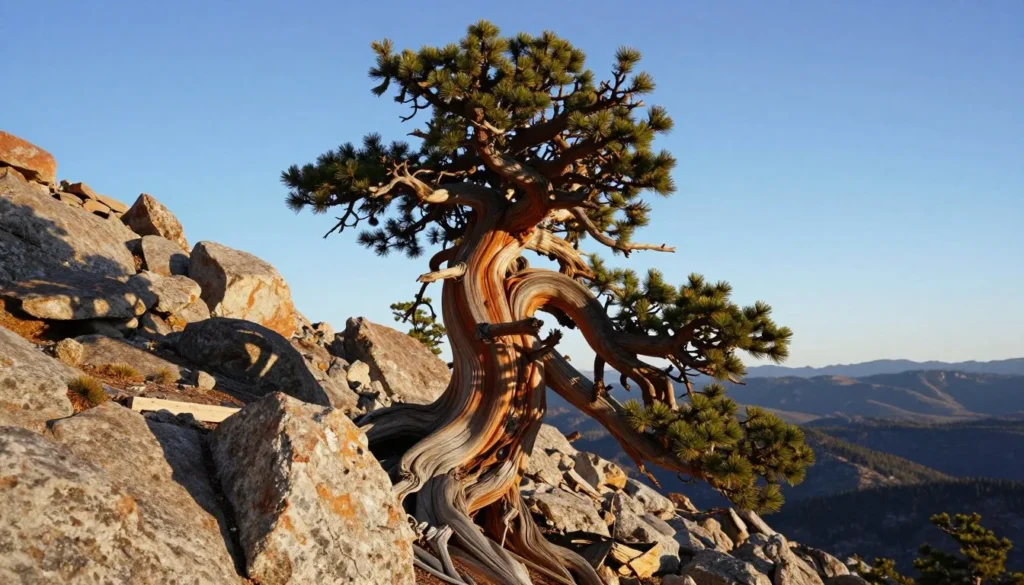
Wildlife photography requires patience and telephoto lenses. The high elevation supports unique flora including ancient bristlecone pines. These gnarled trees, some thousands of years old, create dramatic subjects against rocky backgrounds.
Museums, Cultural Spots & Festivals
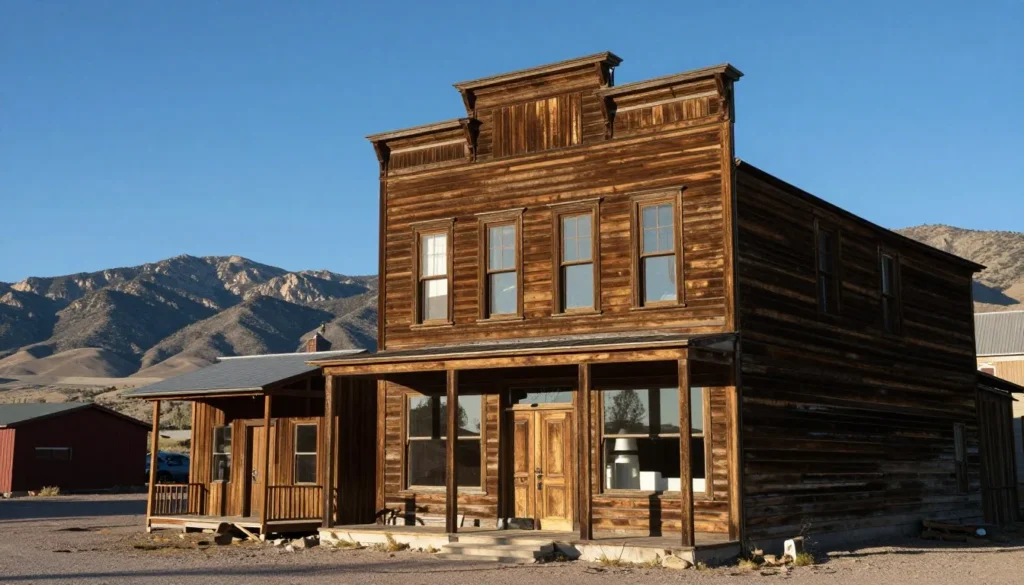
Cultural attractions near Mount Jefferson reflect central Nevada’s mining heritage and frontier history. While the mountain itself remains pure wilderness, nearby communities preserve stories of the region’s colorful past. These sites add historical context to your outdoor adventure.
Austin Historic District
Austin’s entire downtown area functions as a living museum of Nevada’s silver boom era. Stokes Castle, a three-story stone tower built in 1897, stands as the town’s most photographed landmark. This unique structure overlooks the valley and remains accessible for exterior viewing.
Several historic churches dot Austin’s hillsides. St. Augustine’s Catholic Church and the Methodist Church date to the 1860s, showcasing frontier religious architecture. These buildings remain in use for occasional services while welcoming respectful visitors during daylight hours.
The Gridley Store, though no longer operational, represents Austin’s commercial past. Many downtown buildings retain their 19th-century facades, creating an authentic Old West atmosphere. Walking the main street feels like stepping back in time.
Mining Heritage
Throughout the Reese River Valley surrounding Austin, remnants of mining operations dot the landscape. Old shafts, equipment, and abandoned structures serve as reminders of the silver rush that built these communities. Exercise extreme caution around these sites, as many pose serious safety hazards.
The landscape itself tells stories of transformation. Tailings piles and altered hillsides show where prospectors searched for silver ore. These features provide tangible connections to Nevada’s economic history, though they also illustrate environmental impacts of 19th-century extraction methods.
Historical Exploration Safety
Never enter old mine shafts or structures. These sites often contain unstable ground, dangerous gases, and hidden vertical drops. Observe and photograph from safe distances only. Respect private property markers and stay on public lands.
Interpretive Resources
The Toiyabe National Forest maintains limited interpretive materials about the Toquima Range. The Austin ranger station, when staffed, can provide historical context along with current trail information. Hours vary seasonally, so call ahead if you want to visit.
Self-guided exploration works well in this region. Bring field guides to Nevada history and mining heritage. These books add depth to what you observe while driving through former boom towns and past abandoned operations.
Cultural Events Revisited
As mentioned earlier, Austin’s International Camel & Ostrich Races bring levity to the area’s mining heritage. This September event celebrates local character while raising funds for community projects. The festival includes food vendors, live music, and historical displays.
Smaller gatherings occur sporadically in Austin throughout summer. Check community bulletin boards for potlucks, fundraisers, and informal celebrations. These events offer chances to meet locals and learn about contemporary life in Nevada’s remote interior.
Nature & Outdoor Experiences
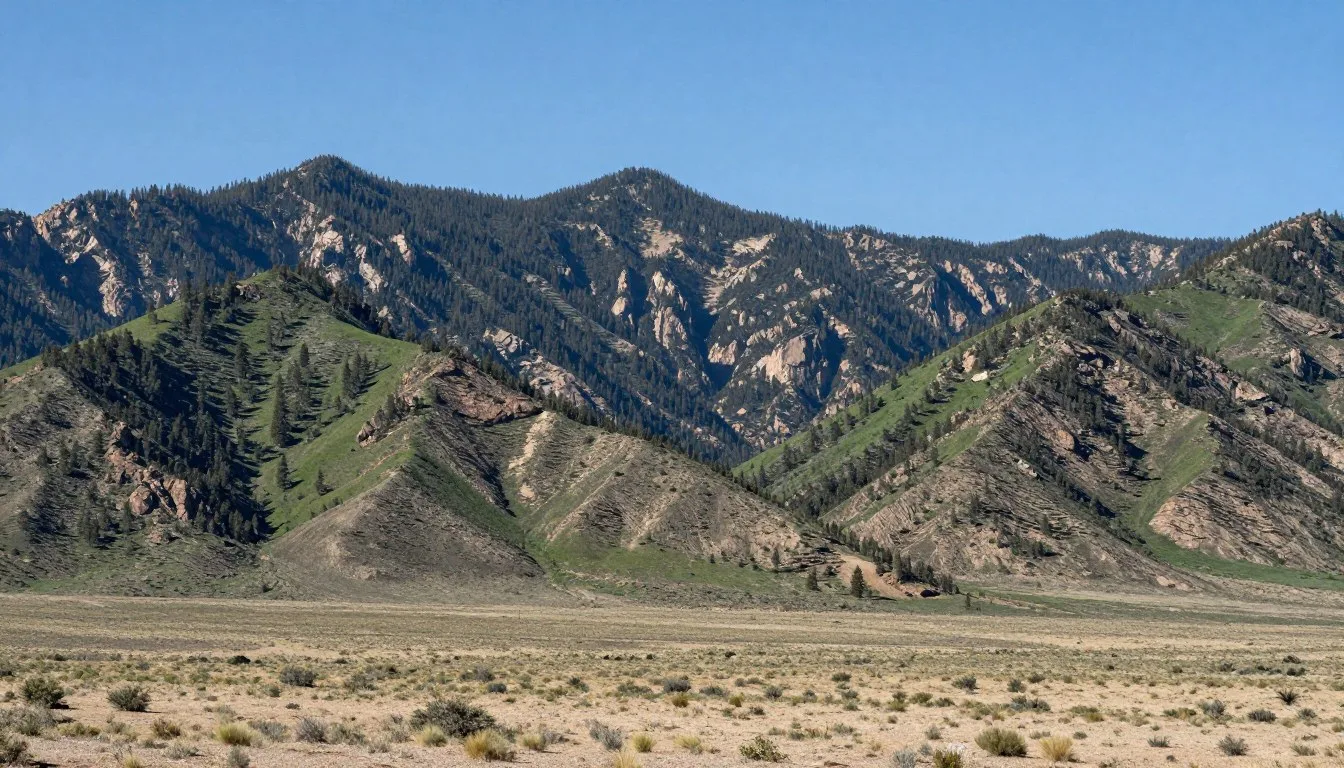
The Toquima Wilderness surrounding Mount Jefferson offers some of Nevada’s finest outdoor experiences. This protected area spans thousands of acres of pristine mountain terrain where nature remains largely undisturbed. Visitors encounter landscapes shaped by elevation, geology, and time rather than human intervention.
Wilderness Hiking
Beyond the main summit route, countless opportunities exist for exploration. Cross-country travel through the alpine zone rewards adventurous hikers with solitude and discovery. The lack of maintained trails in much of the wilderness means you’ll likely have entire valleys to yourself.
Creek drainages provide natural navigation routes. Pine Creek, Jefferson Creek, and numerous unnamed tributaries carve paths through the mountains. Following these waterways during early summer reveals cascades, pools, and lush pockets of vegetation sustained by snowmelt.
Ridge walking offers another compelling option. Once above treeline, the Toquima crest extends for miles with relatively gentle terrain. These high routes provide commanding views while remaining more gradual than steep valley ascents. Navigate carefully and stay aware of weather changes at elevation.
Wildlife Watching
The Toquima Range supports diverse wildlife adapted to high elevation conditions. Mule deer browse in meadows and forest edges, especially during dawn and dusk hours. These graceful animals often seem curious about hikers, though they maintain safe distances.
Mountain goats inhabit the highest peaks and ridges. Spotting these white-coated climbers requires patience and binoculars. They prefer terrain too steep for casual hiking, clinging to cliff faces and talus slopes with remarkable agility.
Bird diversity includes species rarely seen at lower elevations. Clark’s nutcrackers, mountain bluebirds, and various raptors frequent the alpine zone. These birds play crucial ecological roles, from dispersing seeds to controlling rodent populations.
Botanical Wonders
Ancient bristlecone pines grow scattered across Mount Jefferson’s slopes. These remarkable trees, among Earth’s oldest living organisms, survive in harsh conditions that defeat other species. Their twisted forms and weather-worn bark create natural sculptures worthy of contemplation.
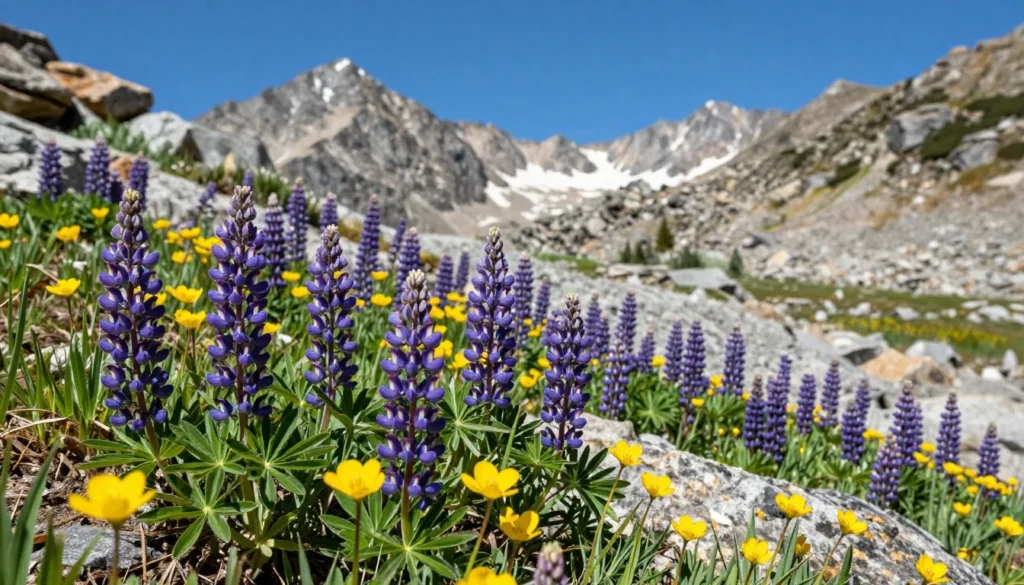
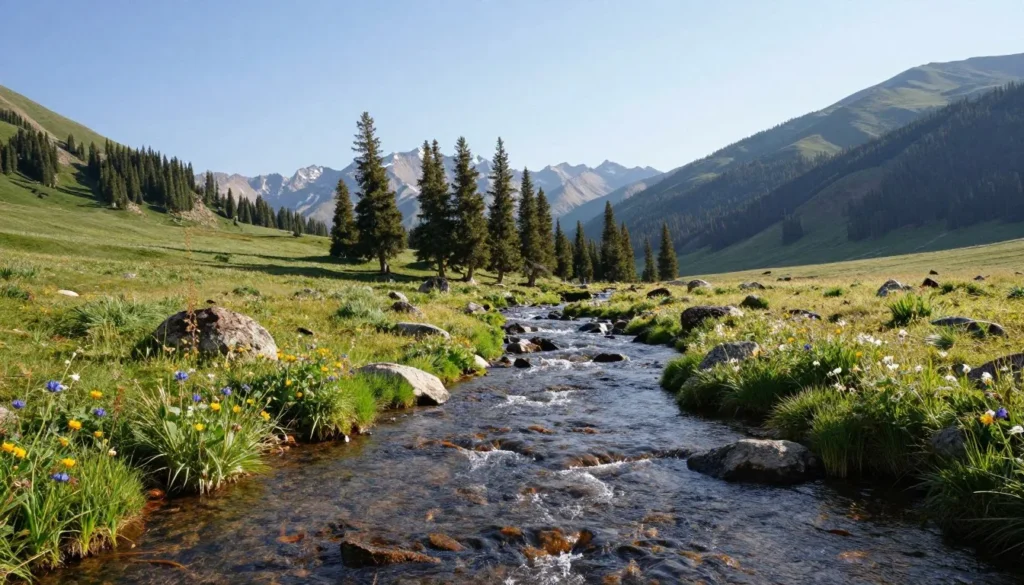
Wildflower displays peak during late July at higher elevations. Alpine forget-me-nots, Indian paintbrush, and numerous other species carpet meadows with color. The brief growing season concentrates blooming into a spectacular few weeks each summer.
Stargazing
Remote location and high elevation make Mount Jefferson exceptional for astronomy. Light pollution remains virtually nonexistent, allowing the Milky Way to blaze across the night sky with stunning clarity. New moon periods offer the darkest conditions for deep-sky observation.
Meteor showers become extraordinary events in this setting. The Perseids in mid-August coincide with ideal hiking weather, creating perfect opportunities to combine daytime summit attempts with nighttime celestial displays. Bring warm layers, as temperatures drop significantly after sunset even in summer.
Check 30,000+ Local Sightseeing Tours Worldwide
✓ Numerous languages and currencies are available
Seasonal Changes
Each season transforms the mountain dramatically. Early summer brings rushing creeks and lingering snowfields. Mid-summer peaks with wildflowers and warm days. Fall introduces golden aspen colors at lower elevations and crisp, clear air at the summit.
These natural cycles create different experiences for repeat visitors. A September trip feels entirely distinct from a July adventure. Wildlife behavior changes, vegetation shifts, and light quality varies with the sun’s angle and atmospheric conditions.
Best Wildlife Viewing
- Dawn and dusk hours for mule deer
- Early morning for bird activity
- Midday for mountain goats on high ridges
- Quiet observation increases sighting chances
Photography Opportunities
- Golden hour light on summit rocks
- Wildflower close-ups in late July
- Star trails and Milky Way at night
- Ancient bristlecone pine portraits
Safety, Etiquette & Local Customs
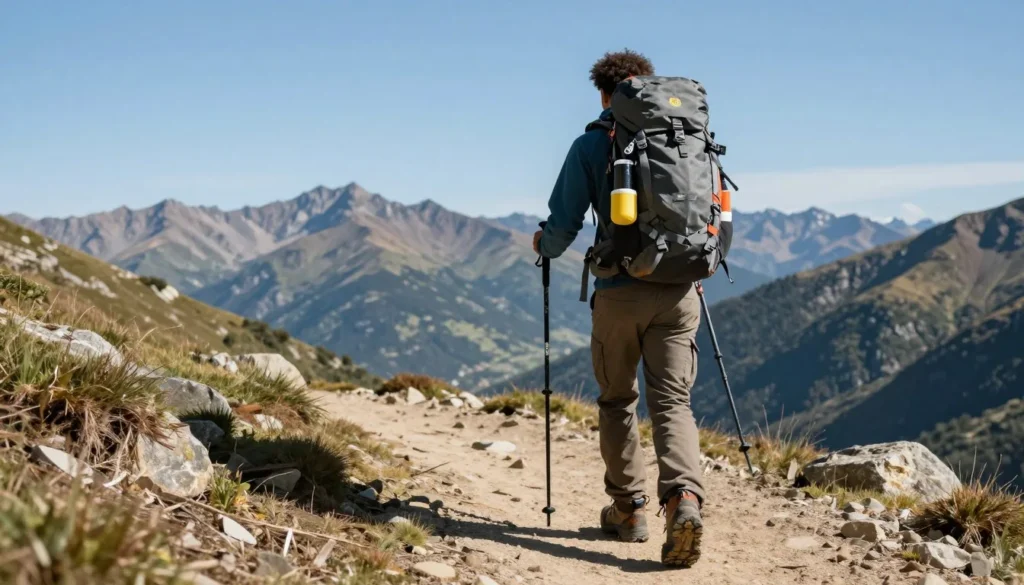
Visiting Mount Jefferson safely requires preparation, awareness, and respect for both the environment and local communities. The remote wilderness setting magnifies consequences of poor decisions while rewarding those who plan thoughtfully.
Essential Safety Practices
Always inform someone of your hiking plans before entering the Toquima Wilderness. Share your intended route, expected return time, and emergency contact information. Cell service doesn’t exist at the mountain, so rescue would depend on someone noticing your absence.
Carry the ten essentials for every hike regardless of distance. These include navigation tools, sun protection, extra clothing, illumination, first aid supplies, fire-starting equipment, repair kit, nutrition, hydration, and emergency shelter. The mountain’s elevation and exposure make these items potentially life-saving.
Monitor weather constantly during summer months. Afternoon thunderstorms develop rapidly in Nevada’s mountains. Lightning poses serious danger on exposed ridges and summits. Turn back at the first sign of storm development, even if you’re close to your goal.
Emergency Contact Information
In case of emergency, dial 911 if you have any cell signal. For non-emergency ranger assistance, contact the Toiyabe National Forest Austin office during business hours. Keep in mind that search and rescue operations can take many hours in this remote location.
Altitude Considerations
Mount Jefferson’s 3,642 m (11,949 ft) summit can trigger altitude sickness in susceptible individuals. Symptoms include headache, nausea, dizziness, and fatigue. Spending a night at Pine Creek Campground helps acclimatization before attempting the summit.
Ascend gradually and stay hydrated throughout your hike. If altitude sickness symptoms develop, the only reliable treatment involves descending to lower elevation. Don’t push through serious symptoms, as conditions can deteriorate rapidly into life-threatening situations.
Leave No Trace Principles
The Toquima Wilderness requires strict adherence to Leave No Trace ethics. Pack out all trash including toilet paper and hygiene products. Human waste should be buried in catholes at least 15 cm (6 inches) deep and 61 m (200 feet) from water sources, trails, and campsites.
Stay on established trails where they exist to prevent erosion. When traveling cross-country, spread out to avoid creating new paths. Avoid disturbing vegetation, especially fragile alpine plants that take decades to recover from trampling.
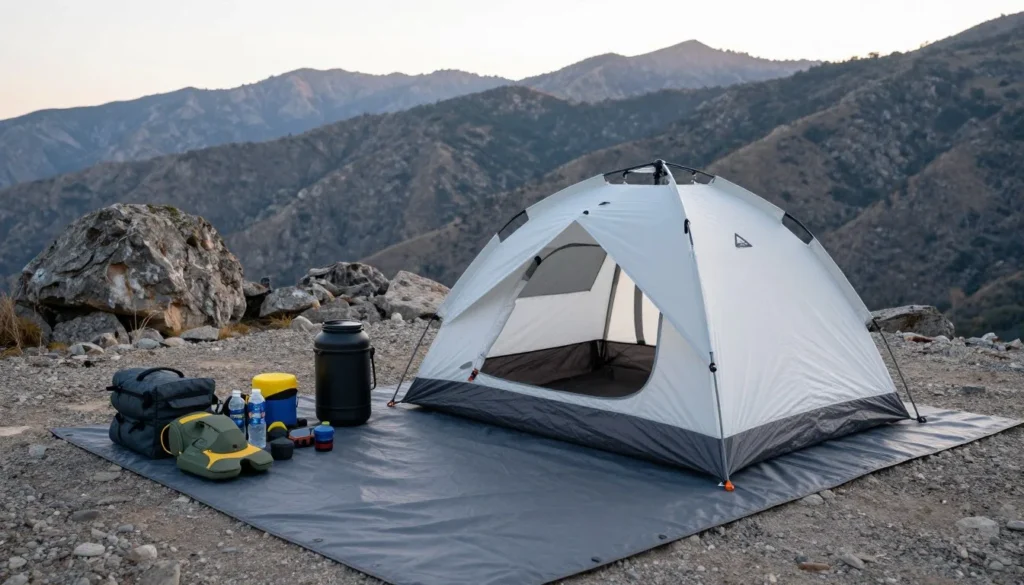
Camp on durable surfaces like rock, gravel, or existing sites. Never camp directly beside water sources. Keep campsites at least 61 m (200 feet) from streams and lakes to protect riparian zones and wildlife access to water.
Wilderness Regulations
Group size limits apply in designated wilderness areas. Check current regulations with the Forest Service before your trip. Generally, groups should remain small to minimize impact and preserve the wilderness experience for others.
Campfires may be restricted during dry conditions. Always check fire regulations before planning to build a campfire. Use existing fire rings where permitted, and fully extinguish all fires before leaving camp or sleeping.
Local Community Respect
Austin and other nearby towns are home to year-round residents who deserve courtesy from visitors. Respect private property boundaries throughout the region. Don’t assume dirt roads cross public land, as many properties remain privately owned despite remote locations.
Support local businesses when possible. The small economy depends partly on visitor spending. Buying meals, gas, and supplies in Austin helps sustain these communities. A friendly attitude and genuine interest in local knowledge goes far.
Cultural Sensitivity
Central Nevada includes lands significant to indigenous peoples. Though Mount Jefferson doesn’t have specific cultural site designations, approach all historical and archaeological features with respect. Never disturb artifacts or structures you may encounter.
Nevada’s ranching heritage remains active in the region. If you encounter livestock or ranching operations, give them wide berth and respect working lands. Close all gates you pass through unless you found them open.
Critical Safety Items
- Detailed map and compass or GPS
- More water than you think you’ll need
- Weather-appropriate clothing layers
- First aid kit and knowledge to use it
- Emergency shelter and fire-starting tools
Wilderness Etiquette
- Pack out all trash and waste
- Keep noise levels low
- Yield to uphill hikers on trails
- Camp away from water sources
- Respect wildlife by observing from distance
Visitor Comments About Mount Jefferson Middle Summit
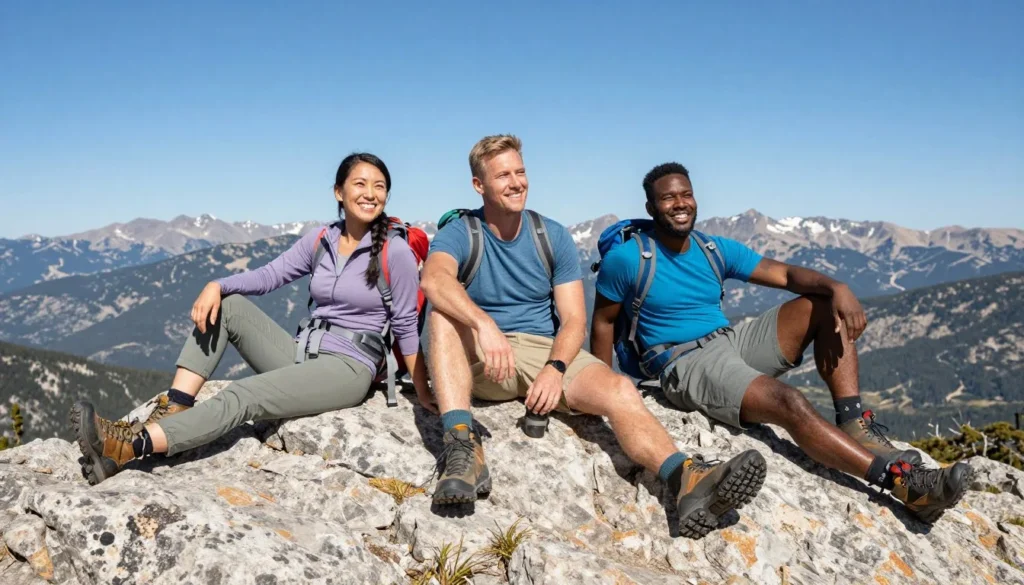
Travelers who’ve explored Mount Jefferson Middle Summit share perspectives that help future visitors understand what to expect. These authentic experiences highlight both the rewards and challenges of this remote Nevada destination.
“The solitude here is absolutely incredible. We hiked for hours without seeing another person. The summit views stretched forever, with range after range of mountains in every direction. The talus section near the top required focus, but nothing beyond what a fit hiker can handle. Camping at Pine Creek put us in perfect position for an early start. This mountain deserves more recognition among Nevada peaks.”
“My first time hiking in Nevada, and Mount Jefferson exceeded expectations completely. The high desert landscape looks sparse from below, but up close reveals so much life and beauty. Those ancient bristlecone pines blew my mind. We took the north ridge route up and descended via the south approach, making a nice loop. The afternoon thunderstorm caught us just as we reached the car, so that early start advice is no joke. Definitely plan extra time for the rough road getting there.”
“As someone who’s climbed peaks across the West, Mount Jefferson ranks among my favorites for the complete package. Challenging enough to feel accomplished, remote enough to feel adventurous, yet accessible enough for strong hikers without technical climbing gear. The wildflowers in late July created stunning foregrounds for photos. We extended our trip to include North Jefferson via the ridge traverse. That section offers some of the best alpine hiking I’ve experienced. Just respect the altitude and don’t underestimate the elevation gain.”
These visitor experiences consistently emphasize the mountain’s remote beauty, physical demands, and the satisfaction of reaching Nevada’s sixth-highest peak. Future travelers should take these insights seriously when planning their own Mount Jefferson adventures.
Additional Nearby Destinations
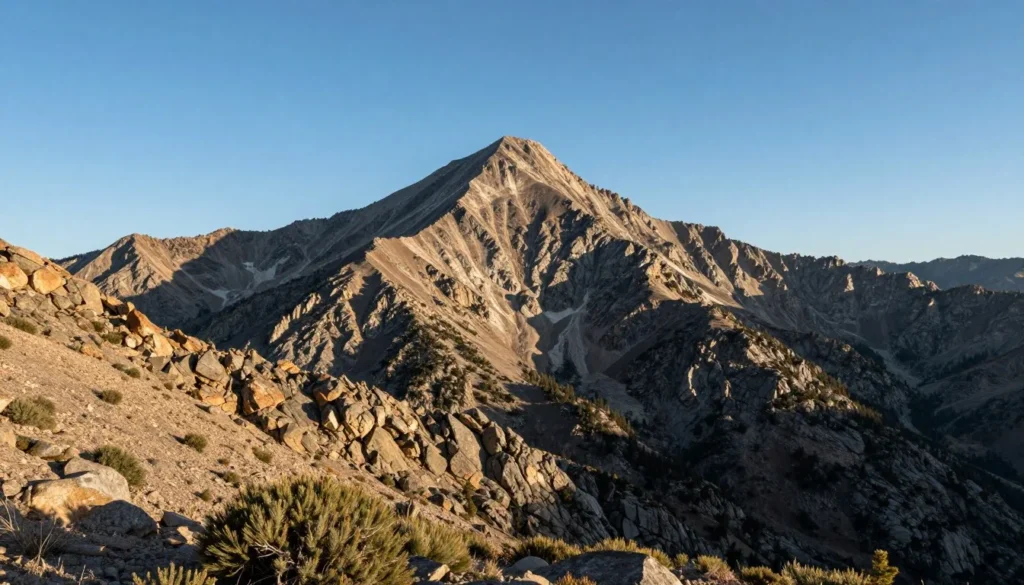
The central Nevada region surrounding Mount Jefferson offers numerous additional destinations worth exploring. Extending your trip allows deeper appreciation of this unique corner of the Silver State. These nearby locations complement a Mount Jefferson adventure with diverse experiences.
Arc Dome Wilderness
Arc Dome, at 3,589 m (11,775 ft), ranks as another impressive Toiyabe Range peak. Located south of Mount Jefferson, this wilderness area offers similar alpine hiking with slightly easier access from State Route 376. The summit hike covers approximately 16 km (10 miles) round trip with substantial elevation gain.
Arc Dome attracts fewer visitors than more famous Nevada peaks despite its significant height. The wilderness encompasses stunning high country with sweeping views across central Nevada. Consider visiting both Mount Jefferson and Arc Dome for a comprehensive Toiyabe Range experience.
Berlin-Ichthyosaur State Park
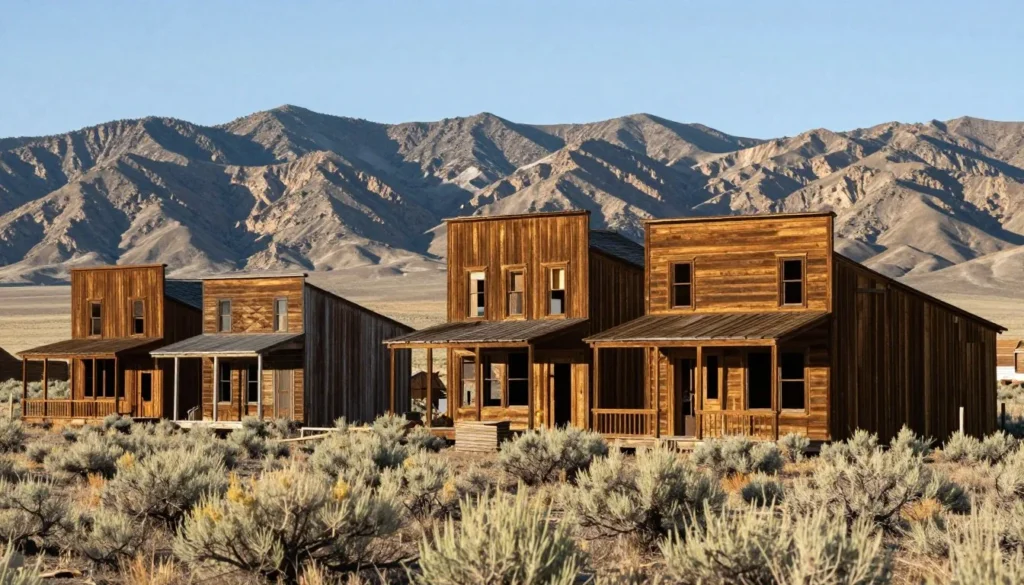
This unique state park preserves both a ghost town and fossils of ancient marine reptiles. Located about 48 km (30 miles) east of Austin, the park offers fascinating glimpses into Nevada’s mining past and distant geological history.
The ichthyosaur fossils, Nevada’s state fossil, remain in the positions where they were discovered. Guided tours explain how these massive marine creatures came to rest in what’s now a high desert mountain range. The ghost town of Berlin provides authentic remnants of early 20th-century mining operations.
Great Basin National Park
Though requiring a longer drive, Great Basin National Park deserves consideration for extended Nevada trips. Located approximately 217 km (135 miles) east of Mount Jefferson, this park showcases Wheeler Peak, Lehman Caves, and some of the world’s oldest trees.
The park infrastructure makes it more accessible than the Toquima Wilderness. Developed campgrounds, visitor centers, and maintained trails accommodate various visitor needs and abilities. The contrast between Great Basin’s facilities and Mount Jefferson’s primitive conditions illustrates Nevada’s range of outdoor experiences.
Spencer Hot Springs
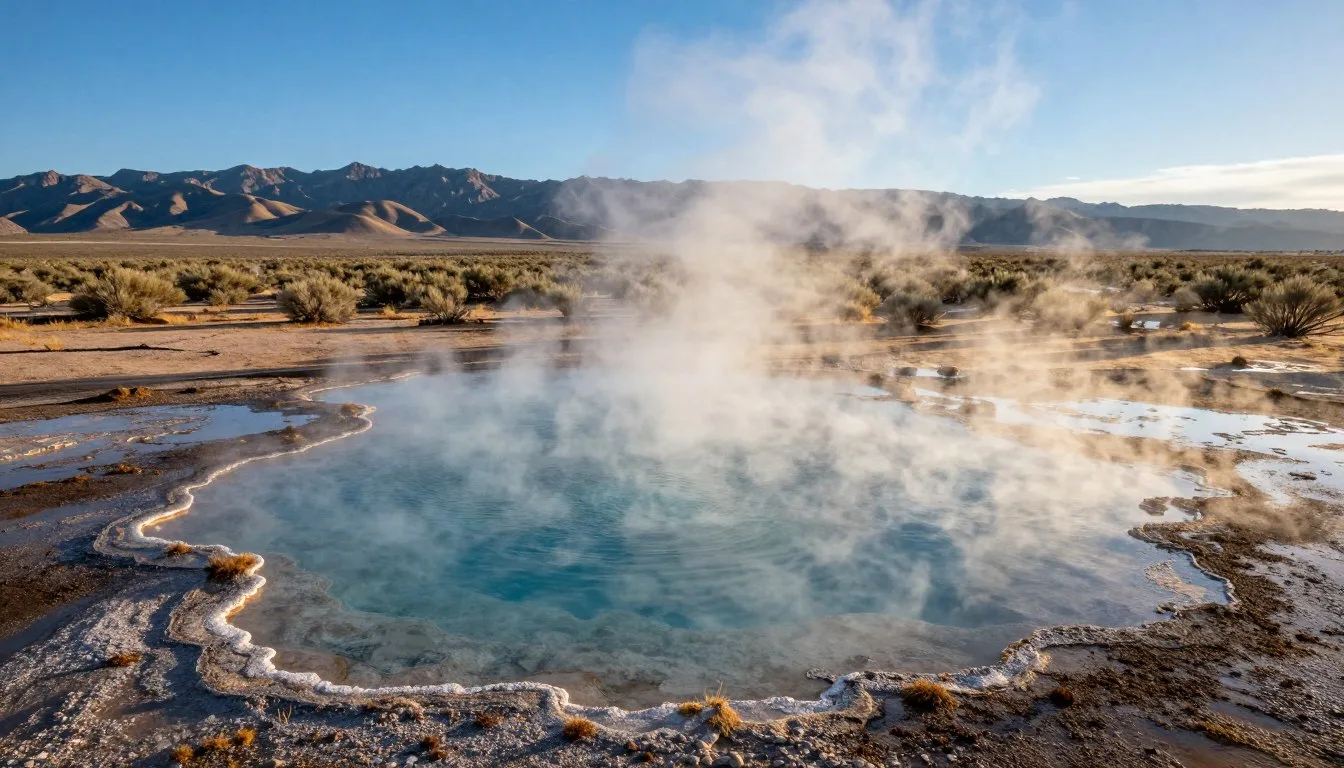
These natural hot springs sit roughly 97 km (60 miles) north of Mount Jefferson along Highway 50. The simple concrete tubs filled by geothermal water offer relaxation after strenuous mountain hiking. The springs attract locals and travelers seeking a quintessential Nevada roadside experience.
No facilities or development exists at Spencer Hot Springs beyond the tubs themselves. The site operates on an informal first-come basis. Evening visits under the stars provide memorable soaking experiences, though the exposed location can be windy.
Lunar Crater Volcanic Field
This dramatic landscape of volcanic cones, craters, and lava flows lies south of the Toquima Range. The area showcases Nevada’s volcanic past through easily accessible features visible from dirt roads. Hiking to crater rims reveals the power of geological forces that shaped the region.
The remote location means few visitors discover this volcanic wonderland. Those who make the effort find an otherworldly landscape that truly looks lunar. Photography opportunities abound, especially during sunrise and sunset when low light emphasizes the terrain’s texture.
Mountain Destinations
- Arc Dome Wilderness: Similar alpine hiking, slightly easier access
- Alta Toquima: Gentler terrain, wildflower meadows
- Great Basin National Park: Wheeler Peak, developed facilities
Cultural & Natural Sites
- Berlin-Ichthyosaur State Park: Ghost town and fossils
- Spencer Hot Springs: Natural geothermal soaking
- Lunar Crater: Volcanic landscape exploration
Each of these destinations adds unique elements to a central Nevada adventure. Some require minimal detours from Highway 50, while others demand dedicated side trips. Together, they showcase the incredible diversity packed into Nevada’s seemingly empty interior.
Practical Travel Tips
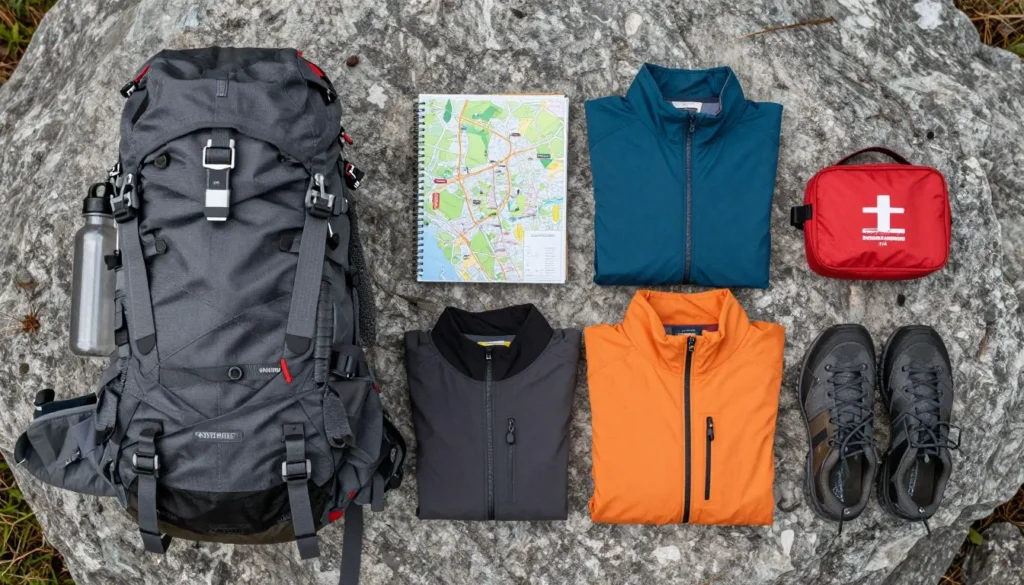
Successful Mount Jefferson trips depend on thorough preparation and realistic expectations. These practical tips address common questions and help visitors avoid preventable problems in this remote environment.
Physical Preparation
The summit hike demands good cardiovascular fitness and strong legs. Train for several weeks before your trip with hill climbs and loaded backpack walks. The combination of distance, elevation gain, and altitude challenges even experienced hikers.
Practice hiking on loose rock and talus if possible. Much of the route crosses unstable surfaces that require different techniques than maintained trails. Ankle strength becomes crucial for safely navigating these sections without injury.
Gear Essentials
Sturdy hiking boots with ankle support prevent injuries on the rocky terrain. Break in your footwear completely before the trip to avoid blisters. Trekking poles help with balance on talus and reduce knee stress during the long descent.
Layer your clothing for temperature swings between trailhead and summit. Start with moisture-wicking base layers, add insulation like fleece, and top with a windproof shell. The summit often feels 11°C to 17°C (20°F to 30°F) cooler than the parking area.
Sun protection requires special attention at high elevation. UV radiation intensifies with altitude. Bring sunscreen rated SPF 30 or higher, sunglasses with UV protection, and a wide-brimmed hat. Reapply sunscreen frequently, especially on exposed skin.
Water Management
Carry at least 3-4 liters of water per person for a summit day. More is better in hot weather or for slower hikers. No reliable water sources exist along the route during late summer when creeks often run dry.
Water weighs approximately 1 kg per liter, making hydration one of your heaviest pack items. Balance the need for adequate fluid against pack weight by drinking well before starting and immediately after finishing. Consider electrolyte supplements to replace minerals lost through sweat.
Navigation Skills
Learn basic map and compass navigation before attempting Mount Jefferson. The mountain lacks maintained trails over much of the route. GPS devices help but can fail due to dead batteries or technical problems. Paper maps and compass skills provide reliable backup.
Download offline maps to your phone if you use apps for navigation. Cell service doesn’t exist at the mountain, rendering online maps useless. Mark waypoints at key junctions and reference points to aid route-finding on the descent.
Timing Considerations
Start hiking by 6:00 AM during summer months to avoid afternoon thunderstorms. The early start also means cooler temperatures during the ascent and better summit conditions. Headlamps allow pre-dawn departures if needed.
Budget more time than you think necessary. The rough terrain slows progress compared to maintained trails. Plan for 6-8 hours minimum, and don’t hesitate to turn back if you’re running late. Descending in darkness creates unnecessary risks.
Essential Checklist
- Broken-in hiking boots
- Layered clothing system
- 3-4 liters of water
- High-energy snacks and lunch
- Map, compass, and GPS device
- First aid kit
- Sun protection (screen, hat, glasses)
- Emergency shelter and fire-starting tools
Smart Planning Tips
- Check weather forecast multiple times
- Fill gas tank in Austin
- Arrive at trailhead the night before
- Start hiking before 6:00 AM
- Tell someone your plan and expected return
- Bring more food and water than needed
- Turn back early if weather deteriorates
- Practice Leave No Trace principles
Vehicle Preparation
Inspect your vehicle thoroughly before the dirt road journey. Check tire pressure, tread depth, and spare tire condition. Bring basic tools and know how to change a flat tire. The rough road increases puncture risk compared to paved highways.
Carry extra fuel if your vehicle has limited range. The elevation gain and rough surface reduce fuel efficiency. Some high-clearance vehicles struggle with the steep grades, burning more gas than normal highway driving.
Communication Plans
Satellite communicators provide peace of mind in emergencies. Devices like the Garmin inReach allow two-way messaging even without cell coverage. While not mandatory, this technology can summon help if serious problems arise.
Establish clear check-in protocols with your emergency contact. Specify when you’ll communicate and what action they should take if you don’t make contact. This simple planning can expedite rescue if something goes wrong.
Budget Expectations
Mount Jefferson trips remain relatively inexpensive compared to developed tourist destinations. Main costs include fuel for the long drive, basic motel or camping fees, and meals in Austin. Budget $100-200 per person for a weekend trip excluding travel to Nevada.
The wilderness experience itself costs nothing beyond normal hiking expenses. No entrance fees or permits apply to day hiking Mount Jefferson. This accessibility makes the peak attractive for budget-conscious outdoor enthusiasts.
Your Nevada Mountain Adventure Awaits
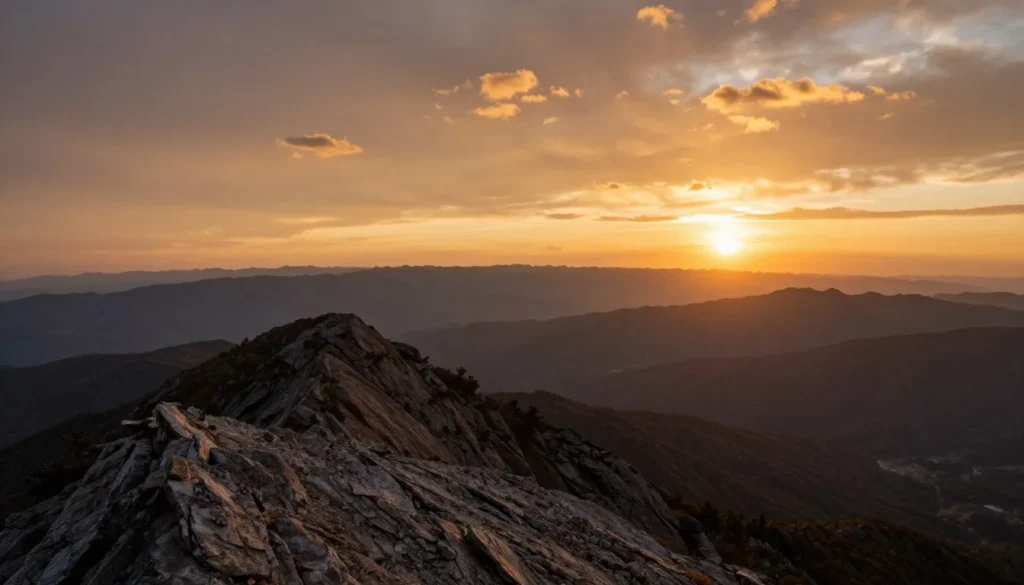
Mount Jefferson Middle Summit stands as a testament to Nevada’s wild heart. This remarkable peak rewards those willing to venture beyond popular destinations with experiences that stay etched in memory long after the hike ends.
The combination of challenging terrain, spectacular views, and genuine solitude creates something increasingly rare in our connected world. Here, you’ll find silence broken only by wind and ravens, horizons stretching to mountain ranges most people never see, and the satisfaction of reaching a summit through your own effort and determination.
Whether you’re drawn by the alpine hiking, the ancient bristlecone pines, the chance to stand on Nevada’s sixth-highest point, or simply the need to escape crowded trails, Mount Jefferson delivers. The mountain asks for preparation, respect, and physical effort in return for gifts that can’t be bought or downloaded.
Start planning your trip now. Study the maps, train for the elevation gain, and mark your calendar for that perfect summer weather window. The Toquima Range waits with open ridges and endless sky, ready to share its secrets with those adventurous enough to seek them out.
Your Nevada mountain adventure begins the moment you commit to the journey. Mount Jefferson Middle Summit will be there, timeless and patient, ready to test your limits and expand your horizons in ways only wild places can.