Hotels by Trip.com
Flights by Trip.com
Standing at 3,660 meters (12,067 feet), Mount Moriah ranks as Nevada’s fifth-highest peak, yet receives fewer than 500 summit hikers annually compared to Wheeler Peak’s 10,000-plus visitors. This hidden gem in the Snake Range offers wilderness solitude that’s increasingly rare in America’s crowded national parks.
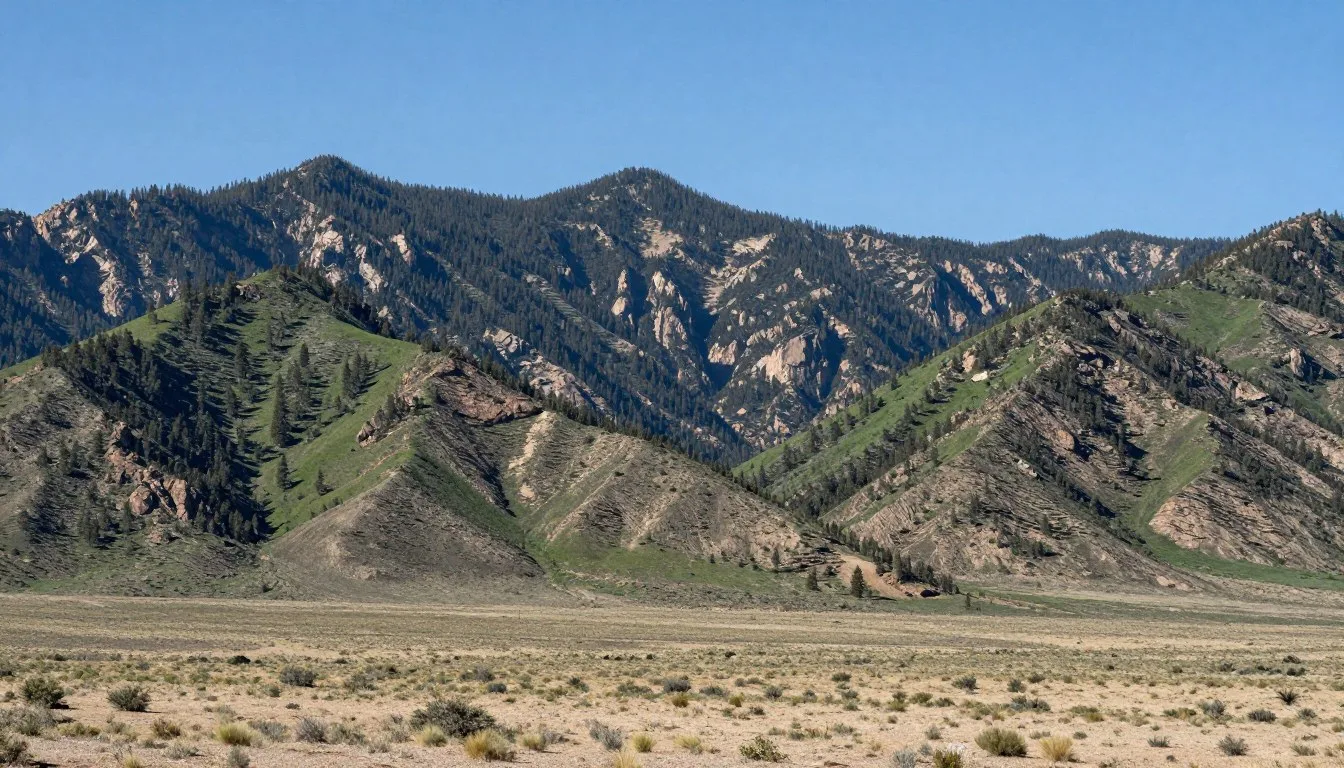
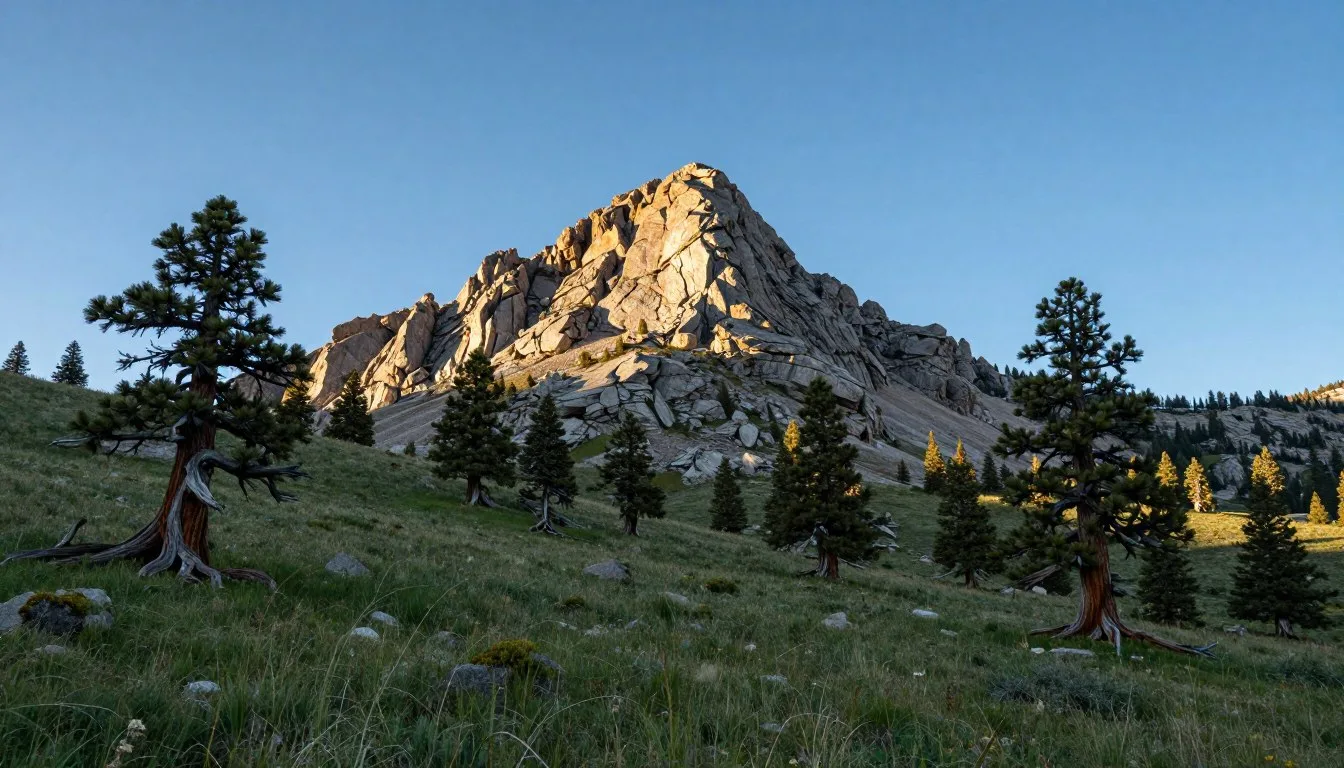
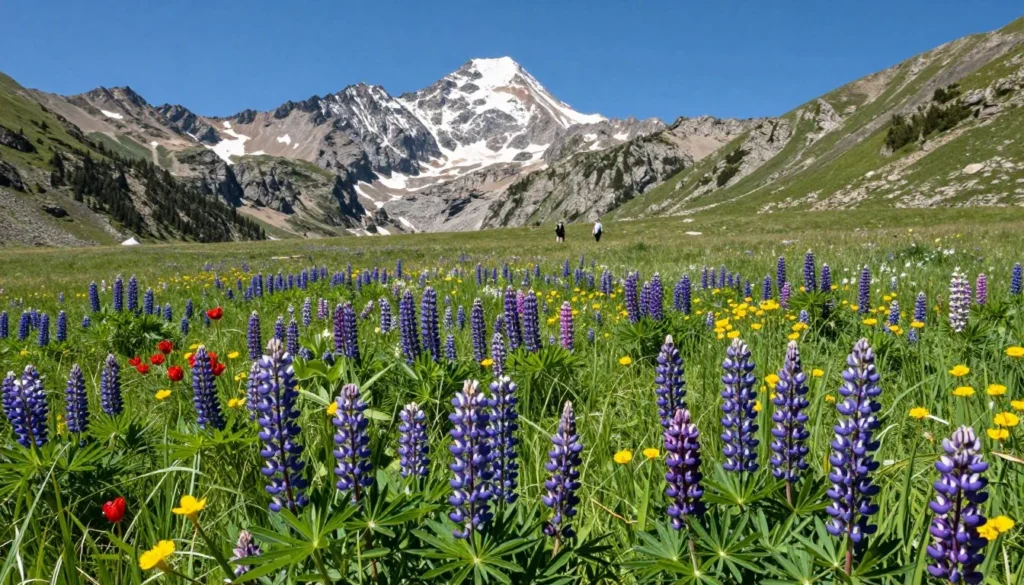
The Mount Moriah Wilderness encompasses over 32,000 hectares (79,075 acres) of pristine high-desert terrain. Ancient bristlecone pine forests cling to rocky slopes, and alpine meadows burst with wildflowers each summer.
Most visitors combine their Mount Moriah adventure with Great Basin National Park explorations. The area remains blissfully uncrowded even during peak summer months.
Getting There and Planning Your Journey
The closest major airport sits in Las Vegas, approximately 483 kilometers (300 miles) south of the Mount Moriah trailhead. Salt Lake City International Airport offers another option, located 386 kilometers (240 miles) northeast.
From Las Vegas, drive north on US-93 through Pioche and continue to the small town of Baker. The journey takes roughly five hours. Salt Lake City visitors follow US-6 west, then US-50 (the “Loneliest Road in America”) to the turnoff, requiring about four and a half hours.
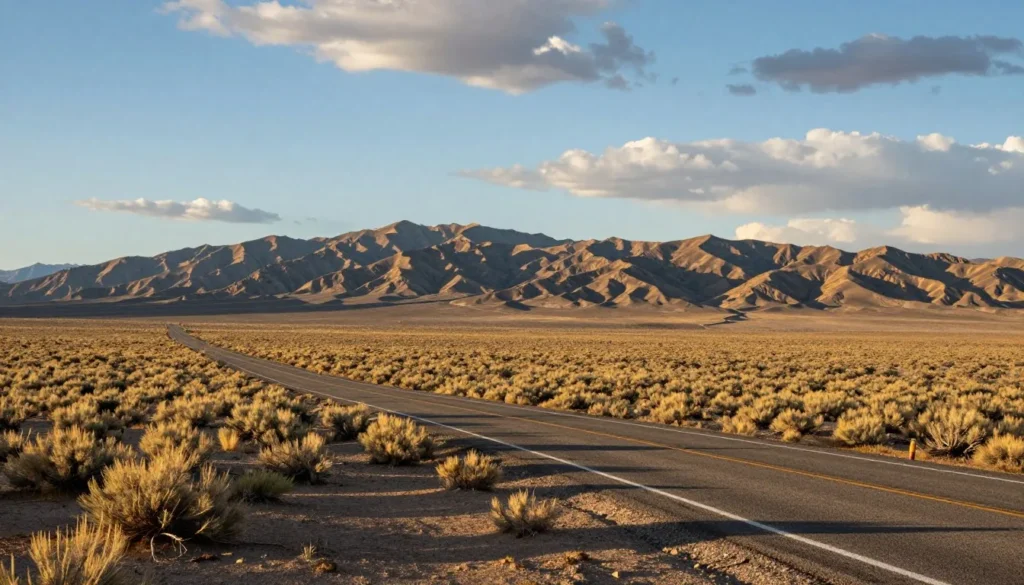
The final approach requires a high-clearance vehicle. From Baker, take the signed road toward Hendrys Creek. This dirt road extends 21 kilometers (13 miles) to the trailhead.
Four-wheel drive becomes essential after heavy rains or snowmelt. The road climbs steadily through juniper woodlands before reaching the parking area at 2,438 meters (8,000 feet) elevation.
Best Time to Visit and Weather Tips
Best Time to Visit Mount Moriah
Late June through September offers the most reliable weather window. Snow typically blocks the access road until mid-June, and early October storms can arrive without warning.
July and August bring peak conditions with daytime temperatures reaching 21°C to 27°C (70°F to 80°F) at the trailhead. Summit temperatures remain much cooler, often staying below 15°C (59°F).
Recommended Months
- July: Wildflower peak season, stable weather
- August: Warmest temperatures, lowest precipitation
- September: Cooler temps, golden aspen colors, fewer people
- Late June: Snow melting, wildflowers emerging
Months to Avoid
- November through May: Heavy snow, road closure
- October: Unpredictable snowstorms possible
- Early June: Lingering snowpack on trails
- Late afternoon summer: Lightning danger increases
Mornings start crisp even in summer. Temperatures at the trailhead often hover around 7°C (45°F) at dawn. Pack layers regardless of season.
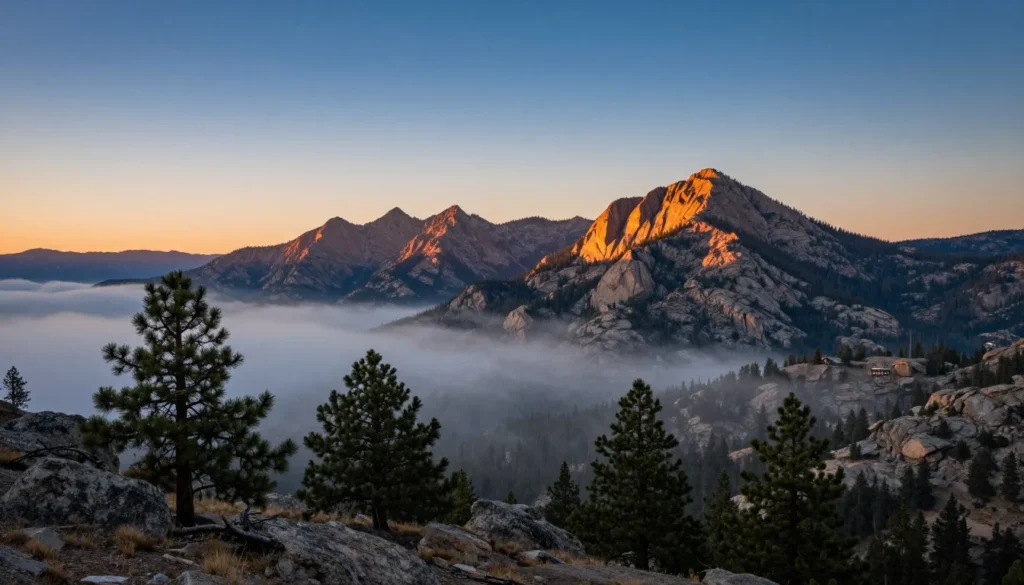
Afternoon thunderstorms develop frequently in July and August. Start your hike early to reach the summit before noon and descend before weather deteriorates.
Notable Annual Festivals
The nearby town of Baker hosts the Great Basin Astronomy Festival each September. This three-day event celebrates the region’s exceptional dark skies with telescope viewing and expert presentations.
✓ Check 30,000+ Local Sightseeing Tours Worldwide
Contact the festival organizers for specific dates: (775) 234-7331
Ely, located 113 kilometers (70 miles) north, holds the Renaissance Faire each June. This weekend celebration features period costumes, crafts, and entertainment suitable for families.
Getting Around Locally
Personal vehicles remain essential for exploring the Mount Moriah area. No public transportation serves this remote region.
The nearest services cluster in Baker, a tiny community with one general store and limited fuel availability. Fill your tank in Ely or Delta before venturing into the backcountry.
Cell phone coverage disappears beyond Baker. Download offline maps before your trip. The Gaia GPS and AllTrails apps work well for navigation without signal.
Dirt roads crisscross the area, connecting various trailheads and dispersed camping spots. These range from well-maintained gravel routes to rough four-wheel-drive tracks requiring high clearance.
Where to Stay
Accommodation options near Mount Moriah remain limited but cover basic needs. Planning ahead ensures you secure lodging during summer weekends.
Camping Options
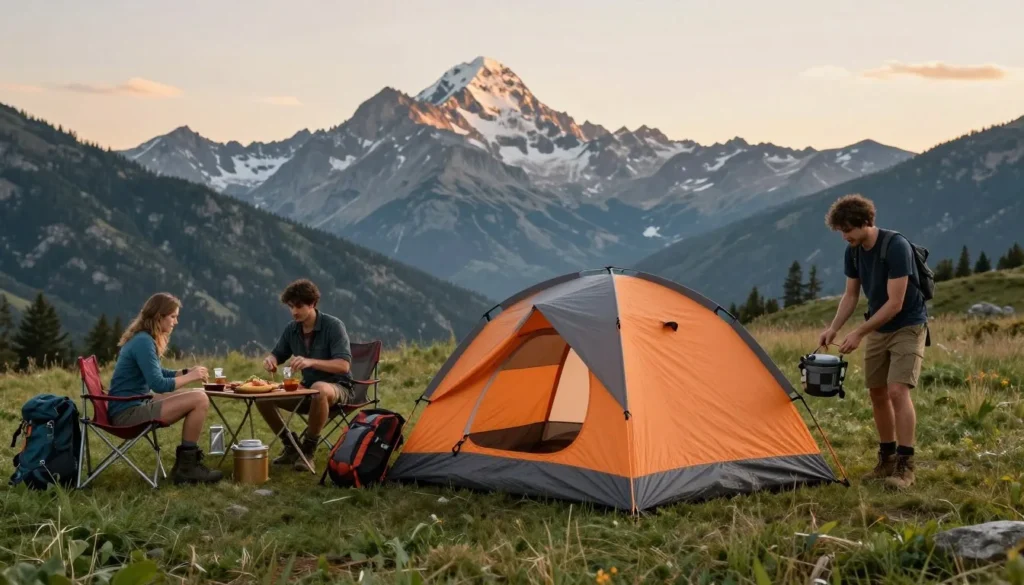
Dispersed camping along the access road provides free wilderness experiences. Choose established sites to minimize impact.
Great Basin National Park campgrounds sit 32 kilometers (20 miles) away. These developed sites offer water, restrooms, and reasonable fees.
Backcountry camping requires no permits in the Moriah Wilderness. Practice Leave No Trace principles and camp at least 61 meters (200 feet) from water sources.
Baker Lodging
The Stargazer Inn offers clean, simple rooms in Baker. This small establishment books quickly during peak season.
Several vacation rentals provide full kitchens and more space for groups. These private homes require advance booking through rental platforms.
The Border Inn straddles the Nevada-Utah state line, 8 kilometers (5 miles) from Baker. This quirky spot combines lodging, restaurant, and casino.
Regional Towns
Ely provides numerous hotels and motels with standard amenities. The 113-kilometer (70-mile) drive takes about ninety minutes on paved roads.
Delta, Utah offers similar services 161 kilometers (100 miles) northeast. This agricultural town features several chain hotels and restaurants.
Both towns provide better dining and shopping options than Baker’s single store.
Dining and Local Cuisine
Dining options in the immediate Mount Moriah area remain extremely limited. Baker supports just one restaurant serving basic American fare.
The Border Inn offers hearty breakfasts and dinner specials. Their portions satisfy hungry hikers, though menu variety stays minimal. Expect standard diner food rather than culinary adventures.
Most visitors pack their own meals. The Baker general store stocks basic supplies but limited fresh produce. Shop in Ely or Delta before arriving if you plan to camp and cook.
Ely restaurants provide the nearest real dining variety. The town features Mexican, Italian, and classic American steakhouses. Several casinos operate buffets with reasonable prices.
Pack plenty of water and high-energy snacks for trail days. No water sources exist along the upper Mount Moriah trail, and afternoon heat can surprise unprepared hikers.
Attractions, Sightseeing, and Activities
Mount Moriah Summit Trail
The primary attraction remains the summit hike itself. This 16-kilometer (10-mile) round trip climb gains 1,097 meters (3,600 feet) of elevation through diverse ecosystems.
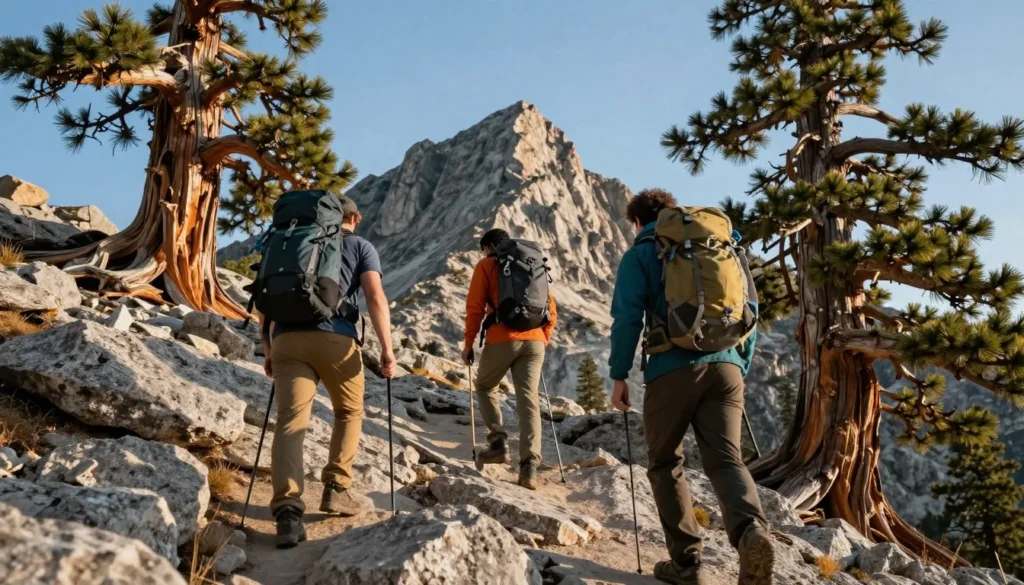
The trail begins in mixed conifer forest before climbing into ancient bristlecone pine groves. These gnarled trees, some over 3,000 years old, create otherworldly landscapes.
Above timberline, the path crosses alpine tundra dotted with seasonal wildflowers. Views expand to include Wheeler Peak and the entire Snake Range.
Allow eight to ten hours for the round trip. Most hikers start before dawn to avoid afternoon storms and enjoy sunrise from the summit.
Table Mountain
This distinctive flat-topped peak sits adjacent to Mount Moriah along the ridgeline. Experienced scramblers can combine both summits in one long day.
The Table Mountain extension adds roughly 3 kilometers (2 miles) and two hours to your journey. The ridge walk between peaks offers spectacular exposure and 360-degree views.
Hendrys Creek Valley
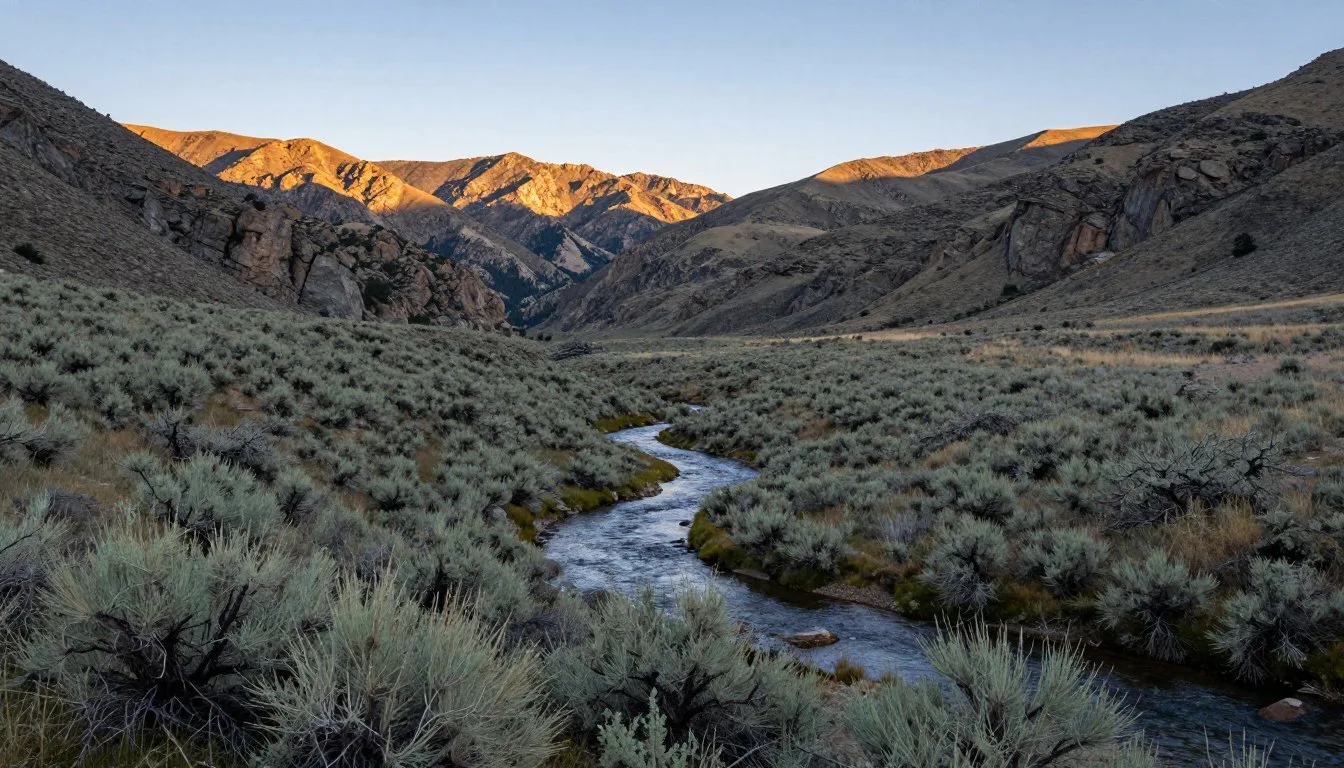
The approach road follows scenic Hendrys Creek through a beautiful valley. Stop along the way to explore side canyons and enjoy mountain streams.
This area offers excellent opportunities for shorter day hikes and nature photography without committing to the full summit climb.
Museums, Cultural Spots, and Festivals
The Great Basin Visitor Center in Baker provides excellent exhibits about local geology, ecology, and human history. Rangers offer current trail conditions and weather forecasts.
Lehman Caves, part of Great Basin National Park, showcases stunning underground formations. Guided tours run daily during summer months, requiring advance reservations.
The Nevada Northern Railway Museum in Ely preserves authentic railroad history. Steam train excursions operate on weekends, offering rides through historic mining country.
White Pine Public Museum, also in Ely, displays regional mining artifacts and pioneer history. Admission remains free, though donations support operations.
Cultural events cluster in late summer. Check local calendars for small-town rodeos, county fairs, and Native American heritage celebrations in surrounding communities.
Nature and Outdoor Experiences
The Moriah Wilderness offers exceptional opportunities beyond the main trail. Experienced backpackers find endless exploration possibilities across this vast roadless area.
Wildlife Watching
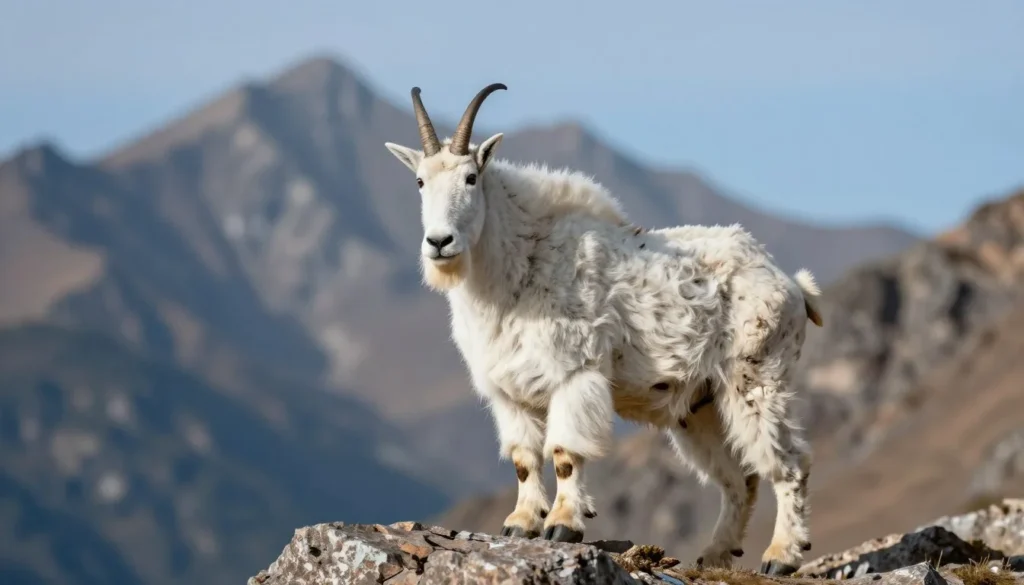
Mountain goats inhabit the highest elevations, though sightings require patience and luck. Early morning and evening increase your chances.
Mule deer browse throughout the forested zones. Listen for elk bugles during September’s rutting season.
Raptors patrol the skies. Golden eagles and red-tailed hawks circle on thermals above the ridgelines.
Photography
Photographers find abundant subjects in every season. The bristlecone pine groves provide dramatic foregrounds for mountain compositions.
Sunrise and sunset light transforms the landscape. The top of the ridge catches first light well before the valley floor.
Star photography excels here thanks to minimal light pollution. The Milky Way arches brilliantly overhead on moonless nights.
Fishing and Water Activities
No significant lakes exist within the immediate Mount Moriah area. Small creeks contain native trout populations but remain tiny and brushy.
Nearby Great Basin National Park offers better fishing at Stella and Teresa Lakes. These high-elevation waters require hiking to reach.
Winter Recreation
Snow closes the access road from November through May. Experienced winter mountaineers occasionally ski-tour to Mount Moriah during spring.
These expeditions require avalanche training, proper equipment, and winter camping skills. Most visitors should wait for summer conditions.
Safety, Etiquette, and Local Customs
Wilderness Safety
Start early to avoid afternoon thunderstorms. Lightning poses serious danger above treeline. Descend immediately if storms develop.
Carry at least three liters of water per person for summit hikes. No reliable water sources exist along the upper trail.
Altitude affects many visitors. The trailhead sits above 2,438 meters (8,000 feet), and the summit reaches 3,660 meters (12,067 feet). Spend a night at elevation before attempting long hikes.
Weather changes rapidly in mountains. Pack warm layers, rain gear, and emergency supplies even for day hikes. Temperatures can drop 17°C (30°F) during storms.
Trail Etiquette
Stay on established trails to prevent erosion. Cutting switchbacks damages fragile alpine vegetation that takes decades to recover.
Pack out all trash including organic waste. The Leave No Trace principle of “pack it in, pack it out” applies strictly in wilderness areas.
Keep noise levels low. Many visitors seek solitude and quiet in these remote mountains. Respect others’ wilderness experience.
Essential Safety Items
- Navigation: Map, compass, GPS device
- Sun protection: Sunscreen, sunglasses, hat
- First aid kit with blister treatment
- Emergency shelter and fire starter
- Extra food and water beyond planned needs
- Headlamp with extra batteries
Recommended Footwear and Gear
- Sturdy hiking boots with ankle support
- Trekking poles for steep sections
- Layered clothing system for temperature changes
- Rain jacket and pants (waterproof, breathable)
- Warm hat and gloves even in summer
- Plenty of high-energy snacks
Local Considerations
Cell service disappears quickly. Inform someone of your plans and expected return time before heading into the backcountry.
The nearest hospital operates in Ely, over an hour away on good roads. Wilderness first aid knowledge proves valuable in this remote area.
Private property borders some access routes. Respect posted signs and stay on public lands. Forest Service maps clearly show boundaries.
Visitor Comments About Mount Moriah
G.B., Boise
“Mount Moriah exceeded every expectation. The bristlecone forest alone justified the drive, but reaching the summit felt truly special. We saw maybe five people total on a July Saturday. Compare that to Wheeler Peak’s crowds! The trail stays well-marked, and the views from the top stretch forever. Just remember to start early because afternoon storms roll in fast.”
I.S., Drogheda
“Traveled from Ireland specifically to explore Nevada’s remote peaks. Mount Moriah delivered everything we hoped for. The approach road requires careful driving but rewards you with incredible scenery. We camped near the trailhead and woke to elk bugling at dawn. The summit hike challenged us but never felt dangerous. Proper shoes and plenty of water made all the difference.”
S.P., Cork
“Absolutely brilliant experience on Mount Moriah. The lack of crowds made this feel like true wilderness exploration. We combined the hike with Great Basin National Park and spent five days in the area. Baker’s limited services meant we came prepared with supplies from Ely. The night skies here rank among the darkest I’ve seen anywhere. Highly recommend for anyone seeking solitude and natural beauty.”
✓ Check 30,000+ Local Sightseeing Tours Worldwide
Additional Nearby Destinations
Great Basin National Park lies just 32 kilometers (20 miles) from the Mount Moriah trailhead. This undervisited national park protects diverse landscapes from desert valleys to 3,982-meter (13,063-foot) Wheeler Peak.
Lehman Caves offers an underground contrast to mountain hiking. These limestone caverns contain beautiful formations including rare shield formations found in few other caves worldwide.
Cathedral Gorge State Park sits 177 kilometers (110 miles) south near Pioche. Dramatic eroded clay formations create cathedral-like spires and narrow slot canyons perfect for exploration.
Ward Charcoal Ovens State Historic Park preserves unusual beehive-shaped stone structures 113 kilometers (70 miles) north. These ovens produced charcoal for 19th-century silver smelters.
The Extraterrestrial Highway (Nevada State Route 375) passes east of the area. This quirky route embraces UFO culture and provides access to several remote valley viewpoints.
Ruby Mountains Wilderness offers similar alpine terrain 241 kilometers (150 miles) north. These peaks feature Nevada’s most extensive glacial landscapes and excellent backpacking routes.
Practical Travel Tips
Vehicle Preparation
Check your spare tire and carry basic tools. Cell service disappears quickly, making roadside assistance impossible in many areas.
Fuel up completely in Ely or Delta. Baker’s single gas pump sometimes runs dry during busy weekends.
Wash your vehicle after driving dusty dirt roads. Fine alkaline dust damages paint and works into every crevice.
Money and Services
Bring cash for small purchases. Baker’s limited businesses don’t always accept cards reliably.
The nearest ATM operates in Ely. Plan accordingly if you need substantial cash.
No medical facilities exist in Baker. Pack a comprehensive first aid kit and any prescription medications you need.
Communication
Download offline maps before leaving areas with cell coverage. Paper maps provide backup navigation when electronics fail.
Satellite communicators like inReach devices enable emergency contact from anywhere. These prove valuable for solo travelers and peace of mind.
Check the Great Basin National Park website or call their visitor center for current conditions before driving out. Road closures and weather events change rapidly.
Permits and Regulations
No permits required for day hiking in the Mount Moriah Wilderness. Backcountry camping needs no advance registration either.
Great Basin National Park charges no entrance fee. Developed campgrounds charge nightly fees, but dispersed camping on surrounding Forest Service land remains free.
Campfires are sometimes restricted during dry periods. Check current fire regulations before your trip and practice Leave No Trace camping principles.
What to Pack
- More water than you think necessary
- High-SPF sunscreen and lip balm
- Insect repellent for forested areas
- Camera with extra batteries (cold drains power quickly)
- Binoculars for wildlife observation
- Field guides for wildflowers, birds, or geology
- Trash bags for packing out all waste
- Repair tape for gear fixes
Your Mount Moriah Adventure Awaits
Mount Moriah stands as Nevada’s best-kept secret for mountain lovers seeking genuine wilderness experiences. While crowds flock to more famous peaks, you’ll find solitude among ancient bristlecone pines and expansive summit views that rival anything in the American West.
The journey requires commitment with rough access roads and substantial elevation gain. But these barriers filter out casual visitors, preserving the wild character that makes this destination so special.
Pack your gear, fill your water bottles, and point your vehicle toward the Snake Range. The summit of Mount Moriah and the silence of true wilderness are calling your name.