Hotels by Trip.com
Flights by Trip.com
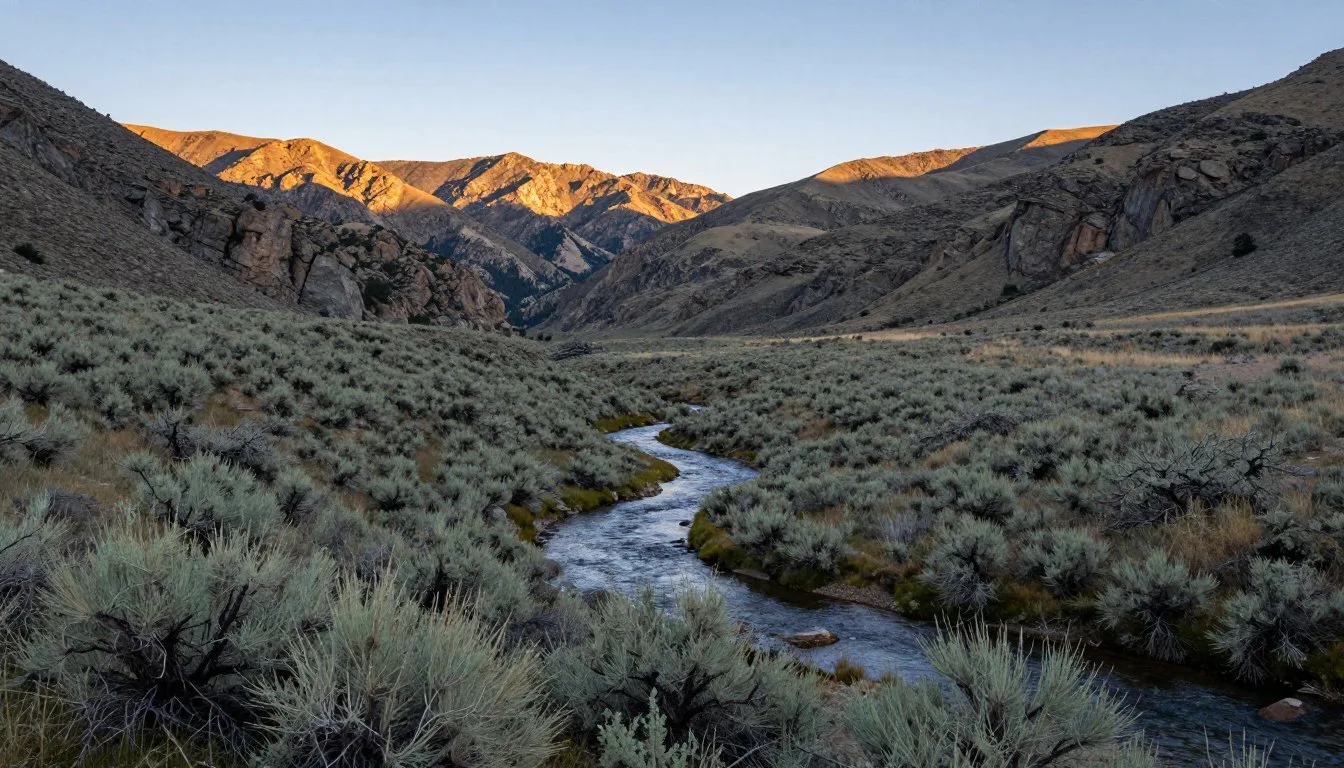
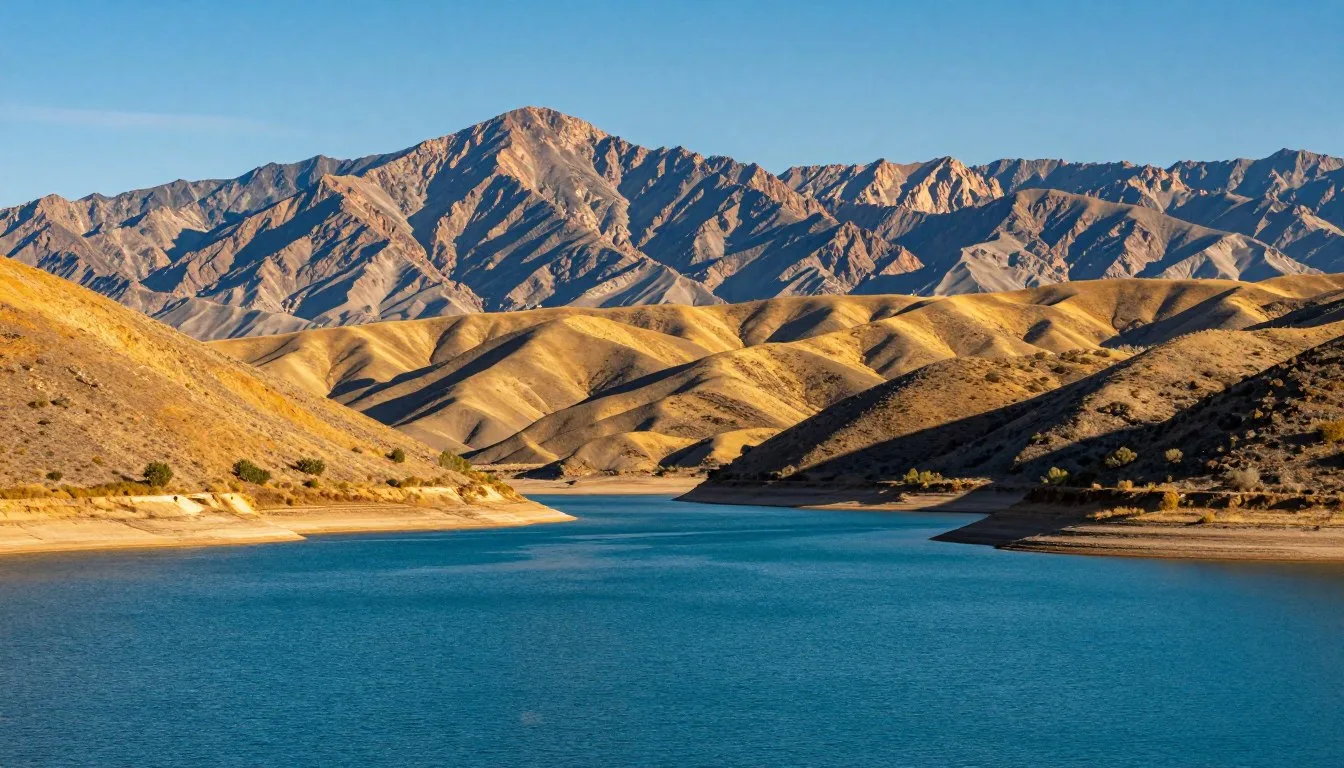
Did you know that the Great Basin Desert is the only “cold desert” in North America, where temperatures can plummet below freezing at night even in summer? This fascinating ecosystem stretches across Nevada, creating landscapes so unique that they seem almost otherworldly. The Rubi Desert region within the Great Basin combines dramatic mountain ranges with sprawling desert valleys, offering travelers an authentic Western adventure far from crowded tourist destinations.
This comprehensive travel guide reveals everything you need to experience the best of this remarkable destination. From alpine hikes in the Ruby Mountains to exploring ancient bristlecone pine forests, the Great Basin region delivers outdoor experiences that rival any destination in the West. Whether you’re planning a summer road trip or a winter adventure, this area promises unforgettable memories.
The Great Basin spans roughly 200,000 square miles, but the Rubi Desert area offers concentrated beauty that makes it perfect for travelers seeking authentic wilderness experiences. You’ll discover pristine trails, crystal-clear mountain lakes, and night skies so dark that the Milky Way appears in stunning detail. This guide walks you through every essential detail to make your trip extraordinary.
Getting There & Planning Your Journey
Planning your route to the Great Basin region requires understanding Nevada’s vast distances. The closest major airports serve as your gateways to this remote wilderness area. Salt Lake City International Airport sits approximately 234 miles northeast and offers the most flight options for travelers coming from across the country.
Elko Regional Airport provides a closer option at just 88 miles from the Ruby Mountains, though with fewer direct flight connections. Reno-Tahoe International Airport, located 290 miles to the west, serves as another excellent entry point, especially if you’re combining your Great Basin trip with other Nevada destinations.
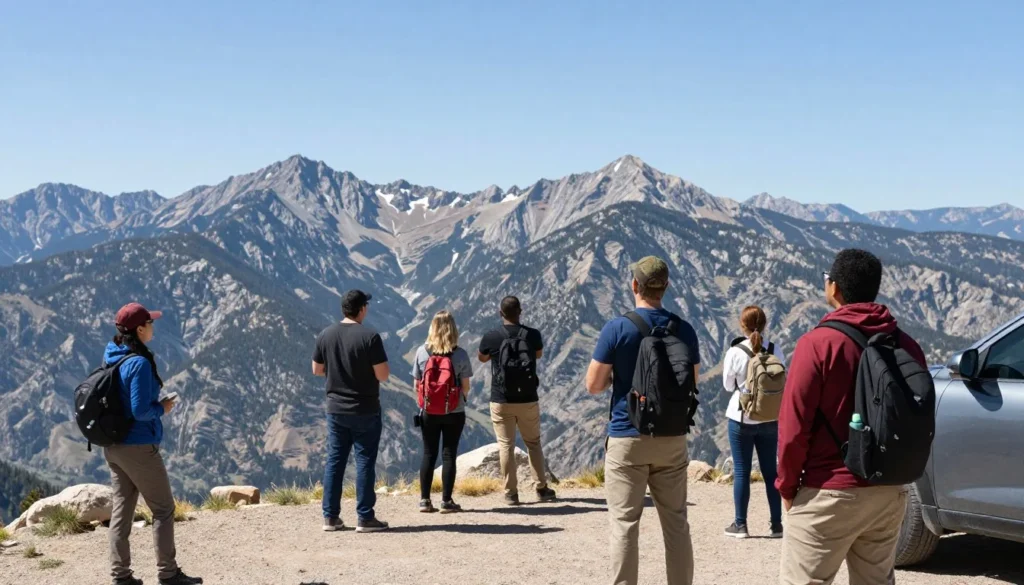
Most visitors choose to drive from Salt Lake City, following Interstate 80 west through scenic Nevada terrain. The route takes approximately four hours depending on your final destination within the Great Basin. Car rentals at any of these airports give you the freedom to explore multiple areas at your own pace.
The drive itself becomes part of your adventure. You’ll pass through small Western towns, witness stunning desert vistas, and experience the vastness that defines Nevada. Plan for gas station stops in towns like Wells or Elko, as services become sparse once you venture into more remote areas.
For international travelers, Salt Lake City offers the most convenient customs and immigration facilities. The city provides excellent rental car options and straightforward highway access to Nevada. Allow extra time for border procedures if you’re arriving from outside the United States.
Best Time to Visit & Weather Tips
Understanding Great Basin weather patterns ensures you pack appropriately and schedule activities wisely. The region experiences dramatic temperature swings between day and night throughout most of the year. Summer days might reach 32°C (90°F) while dropping to 10°C (50°F) after sunset.
Recommended Visiting Seasons
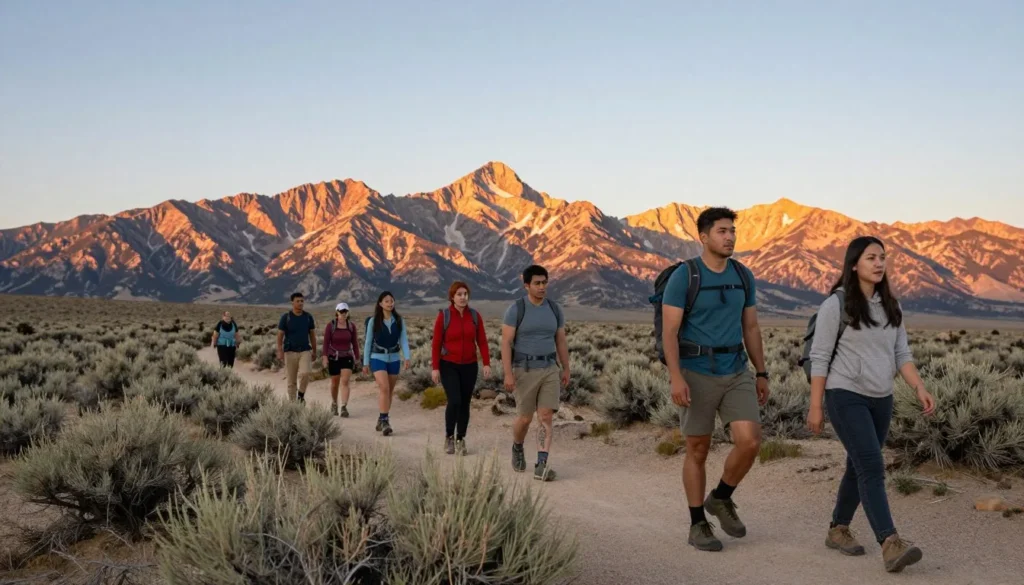
Late spring through early fall offers the most comfortable weather for outdoor exploration. June through September delivers warm days perfect for hiking the Ruby Mountains and exploring high-elevation trails. Water sources remain accessible, and most mountain roads stay open during these months.
September and October provide spectacular fall colors as aspen groves turn golden yellow. These months also bring cooler temperatures that make desert hiking more enjoyable. Crowds thin out after Labor Day, giving you more solitude on popular trails.
Peak Season Tip: July and August bring the warmest weather but also afternoon thunderstorms in the mountains. Start hikes early in the day and carry rain gear for sudden weather changes.
Seasons to Approach with Caution
Winter transforms the Great Basin into a challenging destination for most travelers. Heavy snow blankets the Ruby Mountains from November through April, closing many mountain roads and trails. Temperatures regularly drop below freezing, with overnight lows reaching -18°C (0°F) or colder.
✓ Check 30,000+ Local Sightseeing Tours Worldwide
Early spring (March through May) brings unpredictable conditions. Snow lingers at high elevations while lower areas begin warming. Roads may remain impassable due to mud or late-season snowfall. If you visit during shoulder seasons, confirm road conditions before departure.
Notable Annual Festivals
The region hosts several events that celebrate Western heritage and outdoor culture. The Elko Cowboy Poetry Gathering takes place each January, drawing visitors despite winter conditions. This internationally recognized festival celebrates ranching culture through poetry, music, and storytelling.
The Ruby Mountain Balloon Festival launches each June, filling skies with colorful hot air balloons against mountain backdrops. Summer also brings the Elko County Fair in August, featuring rodeos, agricultural exhibits, and traditional Western entertainment.
Several smaller community events occur in towns throughout the Great Basin during summer months. These gatherings offer authentic glimpses into rural Nevada life and provide opportunities to meet local residents who know the area intimately.
Getting Around Locally
A personal vehicle remains essential for exploring the Great Basin effectively. The region’s vast distances and limited public transportation make car travel the only practical option for most visitors. Rental cars from airports provide the flexibility needed to reach remote trailheads and scenic viewpoints.
Highway 93 serves as the main north-south route through the area, connecting communities and providing access to side roads leading into mountain ranges. State Route 227 takes you into Lamoille Canyon, one of the most spectacular drives in Nevada. These paved roads handle regular passenger cars comfortably.
Many rewarding destinations require high-clearance vehicles or four-wheel drive capability. Forest Service roads leading to remote trailheads often feature rough surfaces with rocks and ruts. Research your intended destinations and rent an appropriate vehicle if you plan extensive backcountry exploration.
Gas stations appear infrequently once you leave main highways. Fill your tank whenever you pass through towns like Elko or Ely. Carrying extra water, food, and emergency supplies makes sense given the remote nature of much of the region.
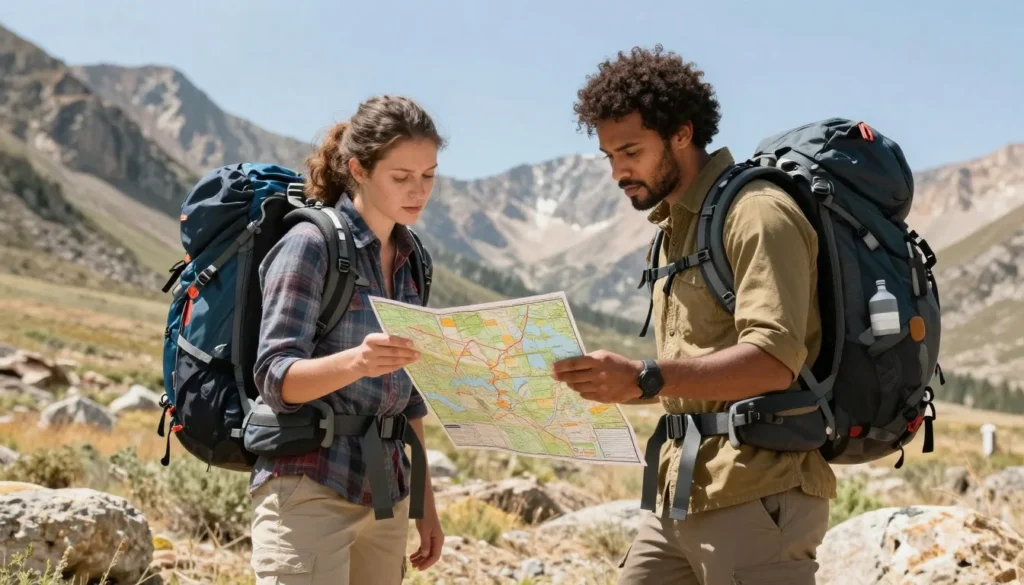
Cell phone coverage remains spotty throughout much of the Great Basin. Download offline maps before leaving areas with reliable service. Paper maps from visitor centers provide excellent backup navigation resources.
The nearest towns offer limited taxi or ride-sharing services. Plan your daily adventures assuming you’ll need to drive yourself to every destination. This independence allows you to adjust schedules based on weather, energy levels, and changing interests.
Where to Stay
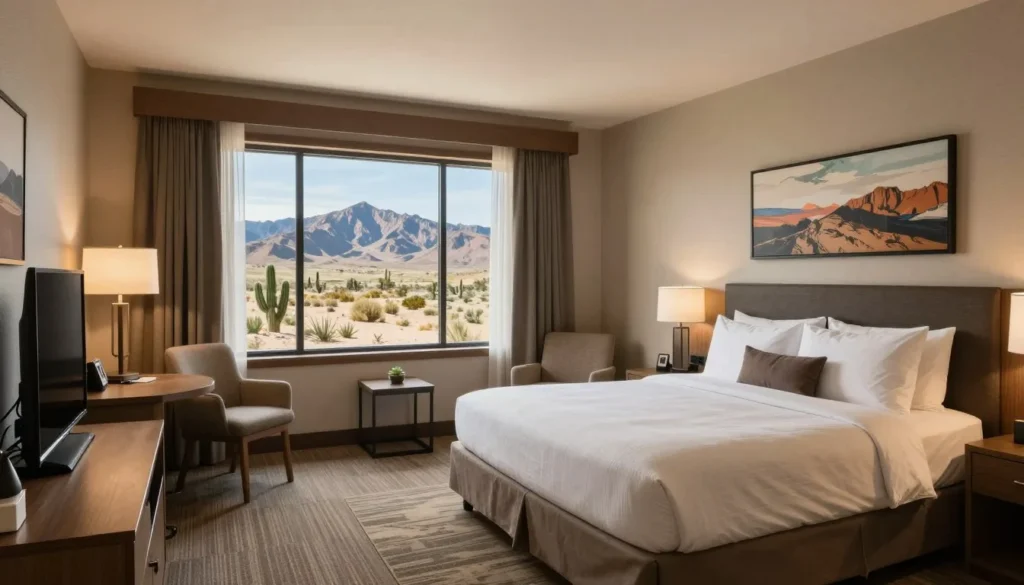
Accommodation options range from rustic campgrounds to comfortable hotels, depending on your preferences and budget. The towns of Elko and Ely provide the most developed lodging infrastructure, with multiple hotel chains and locally-owned motels offering clean, affordable rooms.
Hotels and Motels
Elko features several major hotel brands along Interstate 80, providing reliable accommodations with amenities like pools, restaurants, and high-speed internet. These properties serve as excellent base camps for day trips into surrounding mountains and desert areas. Prices typically range from $80 to $150 per night depending on season and property.
Smaller towns closer to specific attractions offer more limited but often charming options. The community of Baker, near Great Basin National Park, has a small motel and several bed-and-breakfast establishments. These properties provide intimate experiences and hosts who share extensive local knowledge.
Camping and RV Sites
Camping allows you to immerse yourself fully in Great Basin landscapes. Humboldt-Toiyabe National Forest operates numerous campgrounds throughout the Ruby Mountains. These sites typically offer basic amenities like vault toilets and picnic tables, with fees around $10-20 per night.
Great Basin National Park maintains several developed campgrounds with sites available on a first-come, first-served basis. These locations fill quickly during summer weekends, so arrive early in the day to secure your spot. Dispersed camping on public lands gives you even more freedom, though you’ll need to follow Leave No Trace principles.
RV parks in Elko and other communities provide full hookups for travelers with recreational vehicles. These facilities include amenities like showers, laundry, and dump stations. Reservations help ensure availability during peak travel months.
Dining & Local Cuisine
Great Basin dining reflects its ranching heritage and Western roots. Don’t expect elaborate culinary scenes, but do anticipate hearty portions, friendly service, and authentic regional flavors. Elko offers the widest restaurant selection, while smaller communities provide more limited but often memorable options.
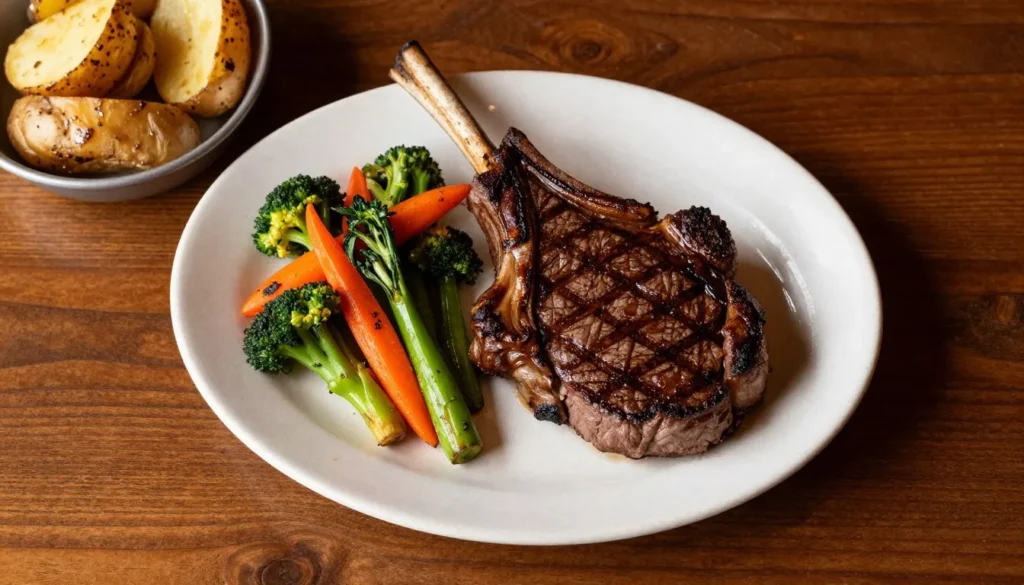
Steakhouses dominate the local dining landscape, serving beef raised on nearby ranches. These establishments take pride in their meat quality and generous portions. Many restaurants also feature Basque cuisine, reflecting the significant Basque population that settled in northeastern Nevada during the mining era.
Basque family-style dinners represent a unique cultural experience. These meals bring multiple courses to your table, served in large portions meant for sharing. Expect dishes like oxtail stew, lamb, beans, salad, and homemade bread. Several Elko restaurants maintain this traditional dining format.
Casual dining options include standard American fare at diners and cafes throughout the region. Breakfast establishments serve early to accommodate ranchers and travelers hitting the road at dawn. Coffee shops in larger towns provide WiFi and comfortable spaces to plan your day.
Pack snacks and drinks for day trips into remote areas. Small towns may have only one or two dining options with limited hours. Grocery stores in Elko and Ely allow you to stock up on picnic supplies and trail food before venturing into wilderness areas.
Local bakeries occasionally feature Basque pastries and breads worth seeking out. Ask residents for recommendations, as the best spots often maintain low profiles without extensive advertising or online presence.
Attractions, Sightseight & Activities
The Great Basin region delivers diverse experiences across its varied landscapes. From alpine lakes nestled in mountain cirques to vast desert valleys stretching to distant horizons, every day brings new discoveries. This area rewards adventurous spirits willing to venture beyond main highways.
Ruby Mountains Exploration
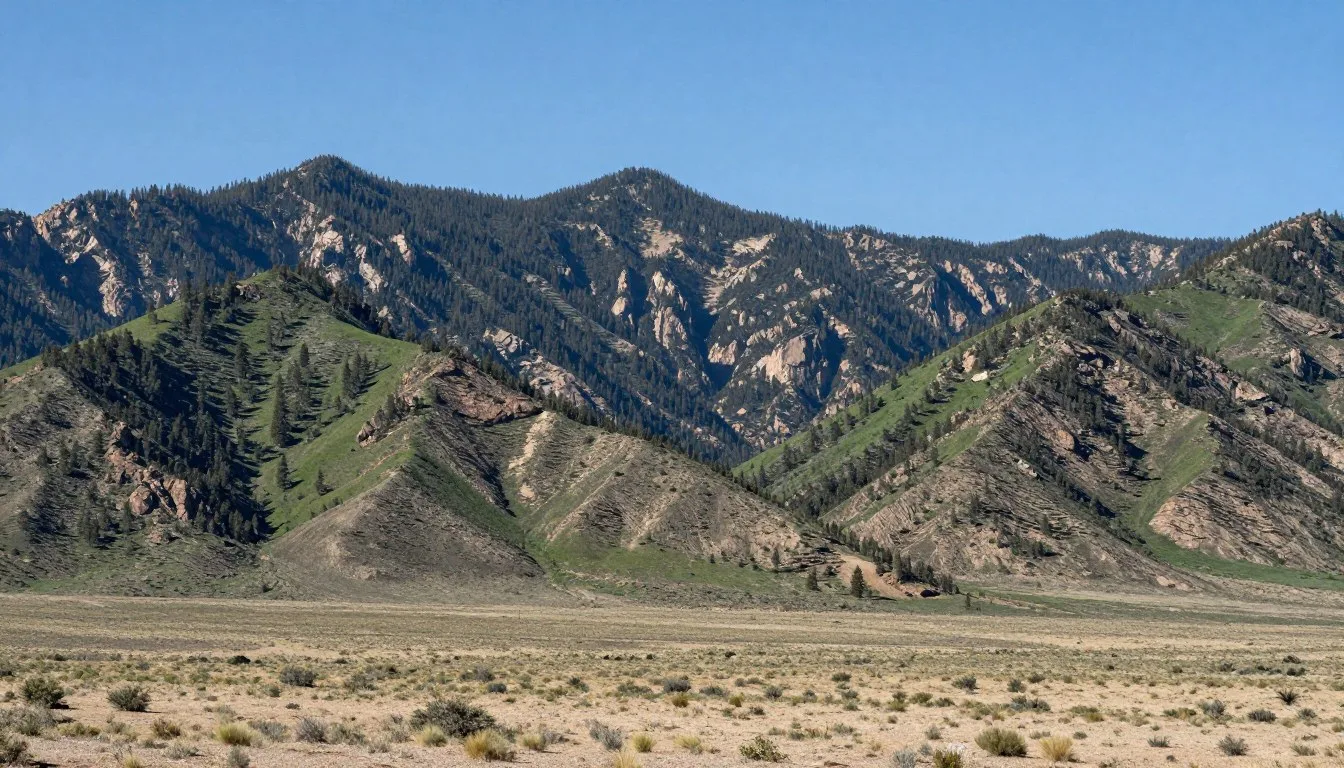
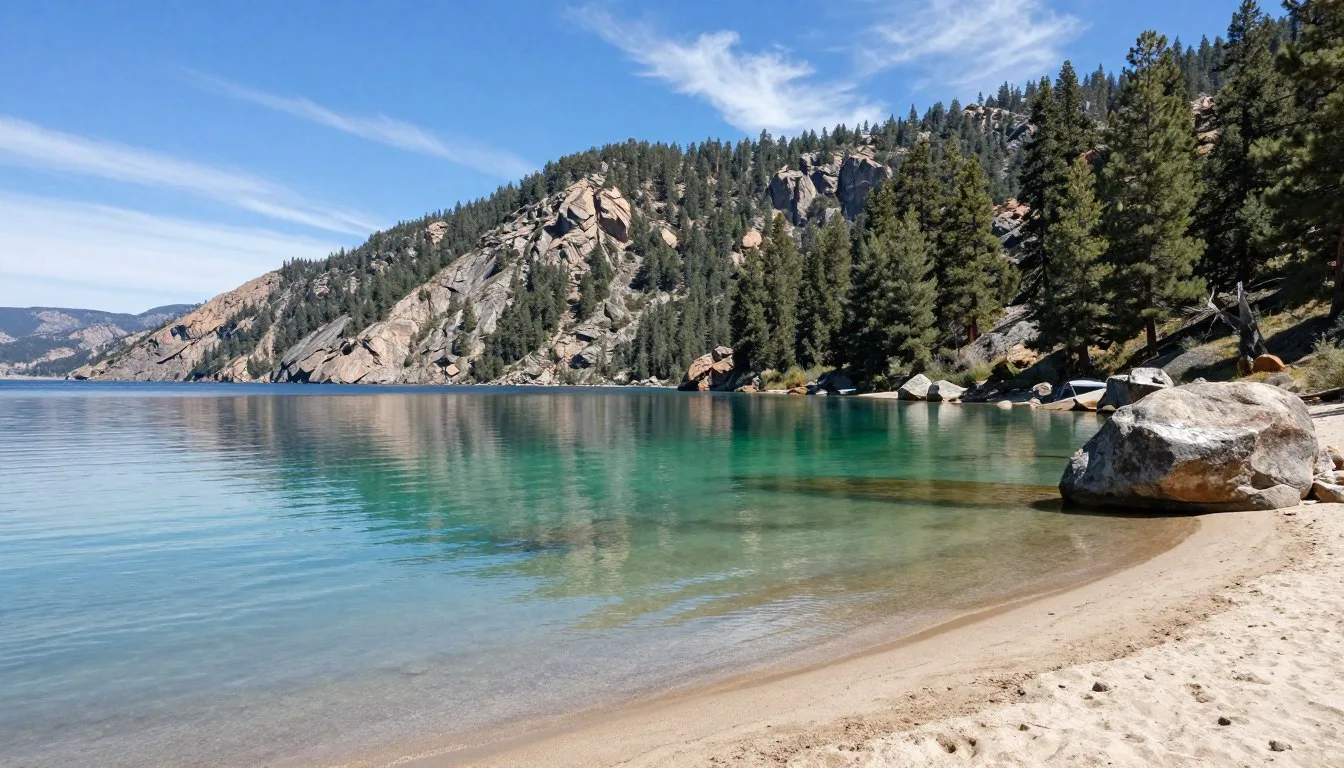
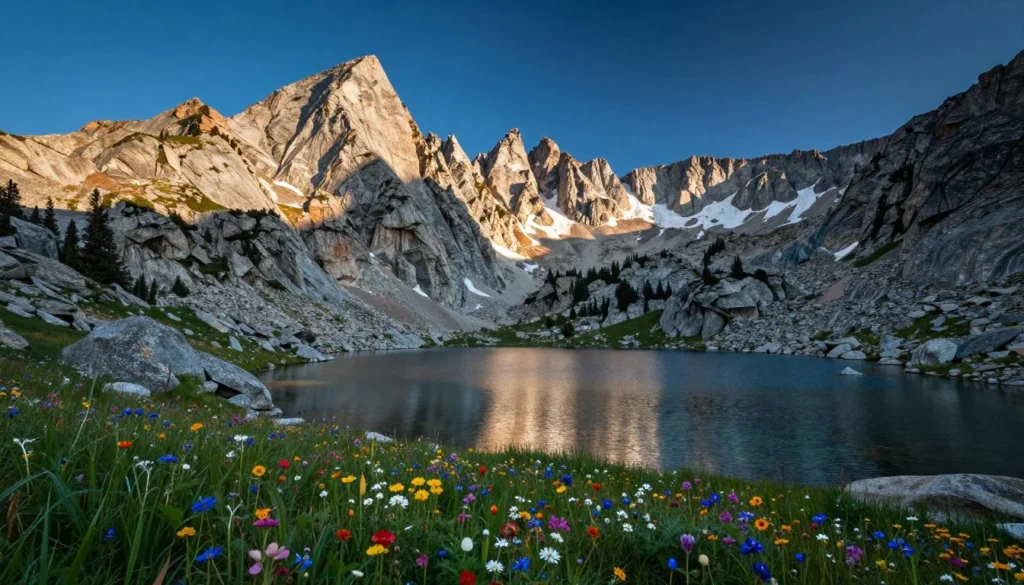
The Ruby Mountains rise dramatically from surrounding desert, creating Nevada’s most impressive mountain range outside of the Sierra Nevada. These peaks reach elevations above 3,350 meters (11,000 feet), supporting ecosystems rarely found in Nevada. Glacially-carved valleys contain turquoise lakes that reflect surrounding cliffs.
Lamoille Canyon provides paved road access deep into the mountains. This scenic drive climbs through multiple ecological zones, from sagebrush at the base to alpine tundra near the road’s end. Pullouts along the route offer photography opportunities and short nature walks. The canyon becomes especially beautiful in fall when aspens turn golden.
Numerous trailheads at the canyon’s terminus launch day hikes and overnight backpacking trips. The Ruby Crest Trail ranks among the finest long-distance trails in the West, traversing 64 kilometers (40 miles) of high-country terrain. Shorter options include hikes to Island Lake, Dollar Lakes, and Liberty Pass.
Great Basin National Park
This national park protects 31,300 hectares (77,000 acres) of representative Great Basin ecosystems. Wheeler Peak, Nevada’s second-highest summit at 3,982 meters (13,065 feet), dominates the landscape. The park offers experiences ranging from cave tours to alpine hiking.
Lehman Caves showcases stunning underground formations created over millions of years. Ranger-led tours lasting 60 to 90 minutes reveal limestone passages decorated with stalactites, stalagmites, and rare shield formations. The cave maintains a constant 10°C (50°F) temperature year-round.
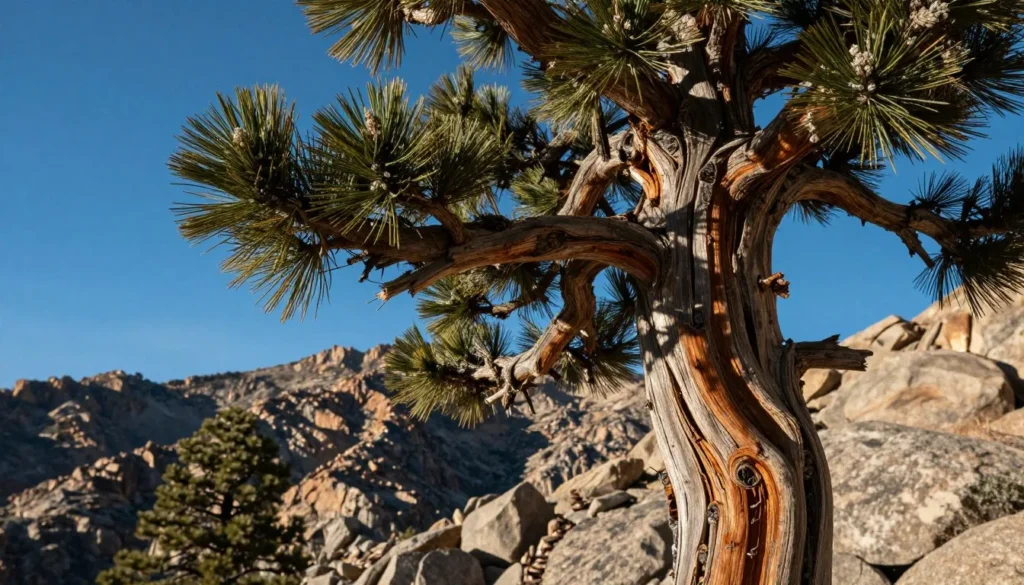
The Wheeler Peak Scenic Drive climbs to 3,050 meters (10,000 feet), accessing trailheads for popular hikes. The bristlecone pine grove here contains trees over 3,000 years old, making them among Earth’s oldest living organisms. A short, accessible trail loops through this ancient forest.
Desert and Valley Experiences
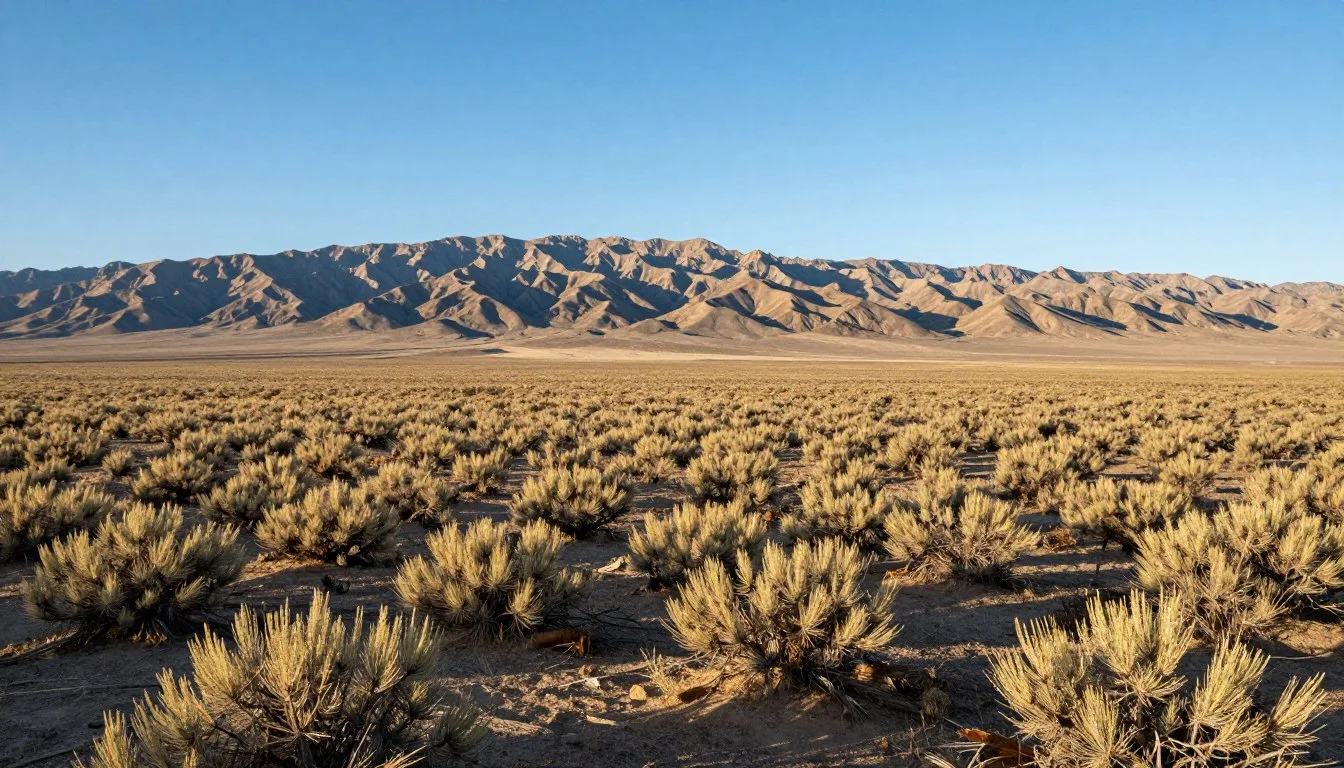
The vast valleys between mountain ranges offer their own compelling attractions. Wildlife viewing opportunities abound in sagebrush habitats supporting pronghorn antelope, mule deer, and numerous bird species. Golden eagles and prairie falcons soar overhead hunting for prey.
Ghost towns scattered across the region tell stories of Nevada’s mining history. Many sites remain accessible via graded dirt roads, though some require high-clearance vehicles. These abandoned communities provide glimpses into the boom-and-bust cycles that shaped the American West.
Stargazing reaches extraordinary quality in the Great Basin due to minimal light pollution. The Milky Way appears as a brilliant band stretching across the night sky. Many visitors consider dark skies among the area’s greatest natural resources.
Museums, Cultural Spots & Festivals
Cultural attractions throughout the Great Basin preserve and share the region’s rich history. These institutions cover topics from Native American heritage to pioneer settlement and mining history. Most charge modest admission fees or request donations.
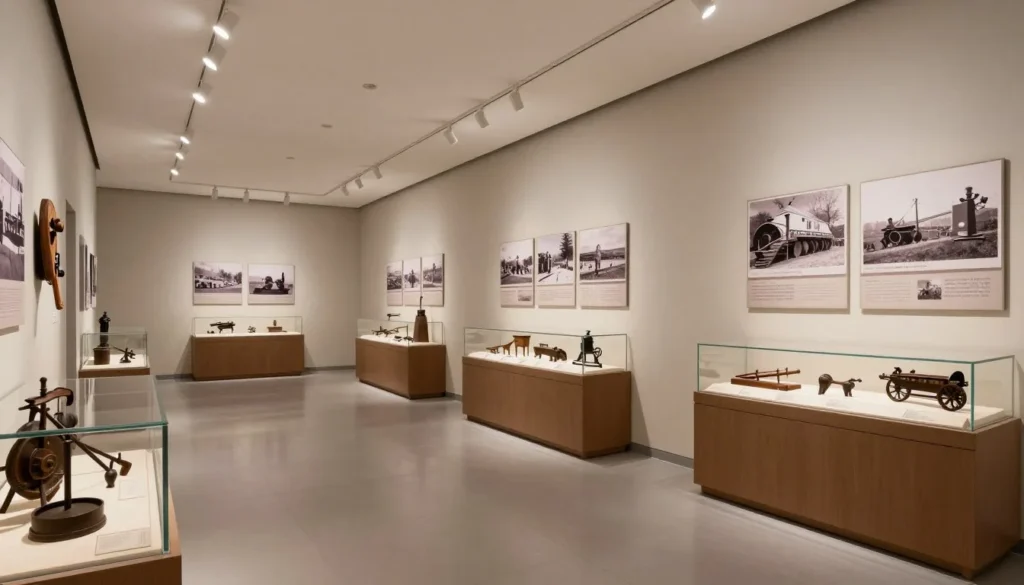
The Northeastern Nevada Museum in Elko houses extensive collections documenting regional history. Exhibits cover Basque culture, ranching heritage, mining operations, and local wildlife. The museum’s art gallery features works by regional artists inspired by Great Basin landscapes.
Great Basin National Park’s visitor center includes exhibits explaining the area’s natural and cultural history. Rangers provide information about current conditions, trail recommendations, and interpretive programs. The center’s bookstore stocks field guides and regional literature.
Small historical societies in communities like Ely and Baker maintain local museums with artifacts and photographs. These intimate collections often reveal fascinating details about specific mining operations, pioneer families, and early settlement challenges.
Native American petroglyphs appear at several locations accessible to visitors. These ancient rock art sites require respectful viewing from designated areas to prevent damage. Local ranger stations provide information about culturally significant locations open to the public.
The annual Cowboy Poetry Gathering mentioned earlier represents the region’s most significant cultural event. This weeklong festival brings together working cowboys, ranchers, and Western culture enthusiasts from across North America. Performances include traditional poetry recitations, music, and storytelling.
Nature & Outdoor Experiences
Outdoor recreation defines the Great Basin experience for most visitors. The region’s public lands offer nearly unlimited opportunities for hiking, fishing, photography, and wildlife observation. Understanding the environment helps you plan activities matching your interests and abilities.
Hiking Adventures
Trail options range from easy nature walks to challenging multi-day backpacking routes. The Ruby Mountains contain the highest concentration of developed trails, though you’ll find rewarding hikes throughout the area. Always check current conditions before departing, as weather changes rapidly at high elevations.
Popular day hikes in the Rubies include the trail to Liberty Lake, a moderate 13-kilometer (8-mile) round trip gaining 457 meters (1,500 feet) of elevation. This route passes through alpine meadows filled with wildflowers during summer before reaching a pristine lake surrounded by granite walls.
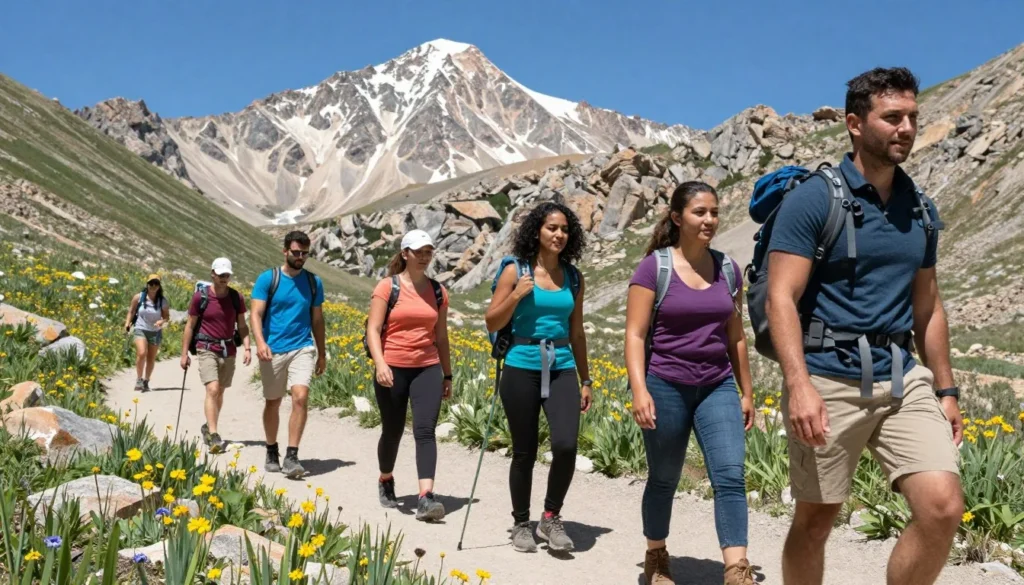
The Wheeler Peak Summit Trail in Great Basin National Park challenges hikers with a strenuous climb to Nevada’s second-highest point. This 13-kilometer (8-mile) round trip gains 884 meters (2,900 feet), requiring good fitness and acclimatization to altitude. Summit views encompass vast desert valleys and distant mountain ranges.
Desert hiking requires different preparation than mountain trails. Start early to avoid afternoon heat, carry abundant water, and protect yourself from intense sun exposure. Spring wildflower displays in lower elevations can be spectacular following wet winters.
Fishing Opportunities
Mountain streams and alpine lakes harbor wild trout populations that attract anglers from distant locations. Ruby Mountain lakes contain brook, rainbow, and cutthroat trout. Many lakes require hikes of several miles to reach, ensuring light fishing pressure.
Nevada fishing licenses are required for anyone age 12 and older. These can be purchased online or at sporting goods stores in communities like Elko. Regulations vary by location, so review current rules before fishing.
Fishing Tip: High-elevation lakes typically don’t become ice-free until late June or early July. Contact local ranger stations for current conditions before planning fishing trips early in the season.
Stream fishing in lower elevations remains productive throughout summer. Smaller creeks often hold surprisingly large trout in deep pools. Terrestrial insect patterns work well during summer months when grasshoppers become abundant.
Wildlife Watching
The Great Basin supports diverse wildlife adapted to harsh desert conditions. Patient observers can spot numerous species throughout the day. Binoculars enhance wildlife viewing significantly, allowing you to watch animals without disturbing them.
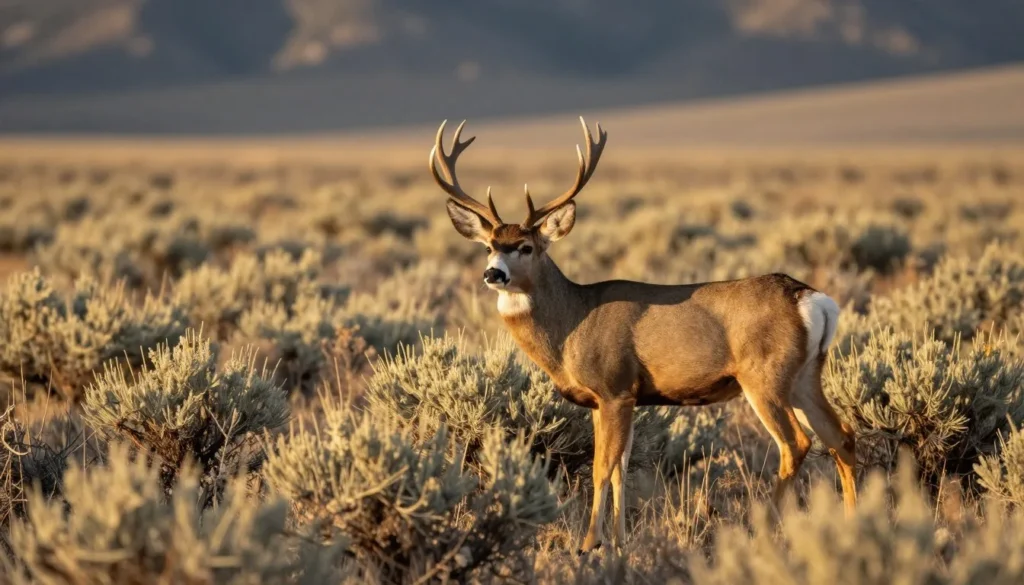
Mule deer browse in mountain valleys during morning and evening hours. These large mammals move to higher elevations during summer, following the green-up of vegetation. Pronghorn antelope inhabit open desert valleys, where their incredible speed helps them escape predators.
Bighorn sheep inhabit rocky slopes in several mountain ranges. These impressive animals demonstrate remarkable climbing abilities on steep terrain. Spring brings lambing season, when you might observe young sheep following their mothers across cliffsides.
Bird diversity peaks during spring and fall migrations. Raptors including golden eagles, red-tailed hawks, and prairie falcons patrol skies hunting for rodents. Songbirds concentrate near water sources, making riparian areas excellent birding locations.
Mountain lakes occasionally host nesting waterfowl during summer. Mallards and other ducks raise young in protected wetland areas. These oases attract wildlife from surrounding dry habitats.
Travel With Children
Families can enjoy Great Basin adventures with appropriate planning and realistic expectations. The region offers experiences that educate and inspire young travelers while creating lasting memories. Adjusting adult expectations helps ensure everyone has positive experiences.
Cave tours at Lehman Caves captivate children’s imaginations. The underground environment stays comfortably cool during summer, providing relief from desert heat. Rangers tailor presentations to include younger visitors, explaining cave formation in accessible terms.
Shorter hiking trails work better for families than ambitious mountain climbs. The Island Lake Trail in the Ruby Mountains offers moderate difficulty with rewarding scenery. Most children can complete this hike with adequate breaks and snacks.
Scenic drives provide low-effort ways to experience mountain beauty. Kids enjoy spotting wildlife from car windows and collecting interesting rocks at pullouts. The Lamoille Canyon Scenic Byway delivers spectacular views without requiring difficult hiking.
Junior Ranger programs at Great Basin National Park engage children through activity books and ranger interactions. Completing program requirements earns kids an official badge and certificate. These programs teach outdoor ethics and natural history in age-appropriate formats.
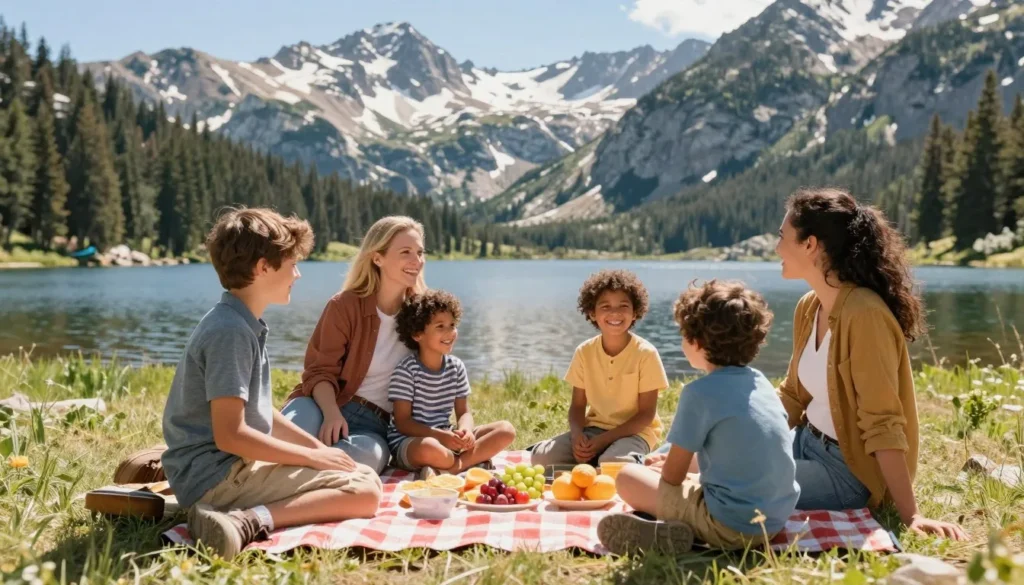
Pack extra snacks, water, and entertainment for car travel between destinations. Distances surprise visitors accustomed to more densely developed regions. Audio books or music help pass time during long drives across open desert.
Many campgrounds offer level sites suitable for families. Kids enjoy camping’s adventure while parents appreciate the cost savings compared to hotels. Campfire programs and evening stargazing create special family experiences unavailable in cities.
Money Saving Tips
Great Basin travel can fit various budgets with smart planning. The region’s public lands provide free recreation opportunities, while accommodation and dining choices let you control costs. These strategies help stretch your travel budget further.
Camping dramatically reduces lodging expenses compared to hotels. National Forest campgrounds charge $10-20 per night, while dispersed camping on public lands costs nothing. If you own camping equipment, this option saves hundreds of dollars on multi-day trips.
Preparing your own meals saves money and increases flexibility. Grocery shopping in Elko or Ely costs far less than restaurant dining for every meal. Pack coolers with lunch ingredients for day trips, returning to accommodations for dinner preparation.
Budget Tip: America the Beautiful Pass ($80 annually) covers entrance fees at Great Basin National Park plus hundreds of other federal recreation sites nationwide. The pass pays for itself quickly if you visit multiple national parks or forests.
Visit during shoulder seasons for lower accommodation rates and smaller crowds. May, June, and September offer excellent weather while hotels often charge less than peak summer rates. You’ll also find more availability at campgrounds and better solitude on trails.
Free activities dominate Great Basin experiences. Hiking costs nothing beyond transportation to trailheads. Wildlife watching, photography, stargazing, and scenic drives require no fees. The area’s greatest treasures remain accessible regardless of budget.
Fill gas tanks in larger towns where competition keeps prices lower. Remote gas stations charge premium rates due to their isolation. Planning fuel stops in Elko or Ely saves money over the course of your trip.
Many museums and cultural sites charge modest admission fees or operate on donations. Budget-conscious travelers can still enjoy these experiences without significant expense. Ranger programs at the national park are free with park admission.
Carpooling or traveling with another family splits gas costs and potentially accommodation expenses. The social aspects of group travel often enhance experiences while reducing per-person costs.
Safety, Etiquette & Local Customs
Understanding Great Basin safety considerations and local customs ensures positive experiences for everyone. The remote environment demands self-reliance and preparation. Respecting both natural resources and local communities creates goodwill and protects resources for future visitors.
Wilderness Safety Essentials
Dehydration poses the most common danger for Great Basin visitors. Dry air and high elevation increase water needs beyond what most people anticipate. Carry more water than you think necessary, especially for desert hiking. Clear urine indicates proper hydration levels.
✓ Check 30,000+ Local Sightseeing Tours Worldwide
Afternoon thunderstorms develop rapidly during summer months. These storms bring lightning danger to exposed ridges and peaks. Start mountain hikes early to reach trailheads before storms arrive. If thunder sounds nearby, move away from exposed locations and wait for storms to pass.
Cell phone coverage remains unreliable throughout much of the region. Don’t depend on phones for emergency communication or navigation. Carry paper maps and inform someone of your plans before heading into backcountry areas.
Wildlife generally avoids human contact, but maintain respectful distances. Never approach or feed wild animals. Mountain lions inhabit the area, though encounters remain extremely rare. Make noise while hiking to avoid surprising wildlife at close range.
Altitude affects many lowland visitors. The combination of elevation and exertion can cause headaches, nausea, and fatigue. Acclimatize gradually by spending time at moderate elevations before attempting high mountain activities. Reduce exertion levels if altitude symptoms develop.
Leave No Trace Principles
Public lands remain pristine because visitors practice environmental stewardship. Pack out all trash, including food scraps and toilet paper. Carry bags specifically for waste removal. Leave natural objects and cultural artifacts in place for others to discover.
Stay on established trails to prevent erosion and vegetation damage. Cutting switchbacks creates erosion channels that take years to heal. Camp only in designated sites or established dispersed locations showing previous use.
Campfire regulations vary by location and season. Many areas prohibit fires during dry periods due to wildfire danger. Use camp stoves instead of fires when possible. If fires are permitted, use established fire rings and burn only dead wood found on the ground.
Local Customs and Courtesy
Rural Nevada communities value courtesy and self-reliance. Residents willingly help travelers but appreciate those who prepare adequately before venturing into remote areas. Don’t expect extensive services or amenities in small towns.
Respect private property boundaries. Much land interspersed with public holdings remains privately owned. Ranching operations require large areas to remain economically viable. Ask permission before crossing private land, even if no fences are visible.
Tipping standards in restaurants follow typical American practices. Fifteen to twenty percent of the pre-tax bill represents appropriate gratuity for satisfactory service. Many servers in rural areas depend heavily on tips as part of their income.
Support local businesses when possible. Small communities depend on tourism dollars but often struggle to compete with chain operations. Shopping at local stores and eating at independent restaurants helps sustain these economies.
Visitor Comments About Rubi Desert Great Basin
Real travelers share their experiences exploring this remarkable region. Their insights provide valuable perspectives for planning your own adventure. These authentic voices highlight what makes the Great Basin so special.
“The Ruby Mountains exceeded every expectation. We hiked to Liberty Lake and couldn’t believe such alpine beauty existed in Nevada. The wildflowers were incredible, and we had the trail almost entirely to ourselves. This place deserves far more recognition than it receives.”
“Great Basin National Park surprised us completely. The cave tour fascinated our kids, and hiking through the bristlecone pine forest felt like stepping back in time. We camped three nights and saw more stars than we knew existed. Already planning our return trip.”
“As someone who’s traveled extensively throughout the West, I can’t believe I waited so long to visit this area. The combination of mountains, desert, and authentic Western culture creates something truly unique. Lamoille Canyon ranks among the most beautiful places I’ve photographed.”
Additional Nearby Destinations
The Great Basin’s central location makes it an excellent base for exploring additional Nevada and Western attractions. These nearby destinations complement your trip and justify longer stays in the region.
Jarbidge Wilderness
This remote wilderness area sits approximately 113 kilometers (70 miles) north of Elko. The Jarbidge River carves a dramatic canyon through mountains accessible only via unpaved roads. The tiny community of Jarbidge offers basic services and serves as a gateway to exceptional hiking and fishing.
Getting there requires high-clearance vehicles and dry weather. The drive itself becomes an adventure through roadless country. Visitors who make the effort discover Nevada backcountry few people experience.
Nevada Northern Railway Museum
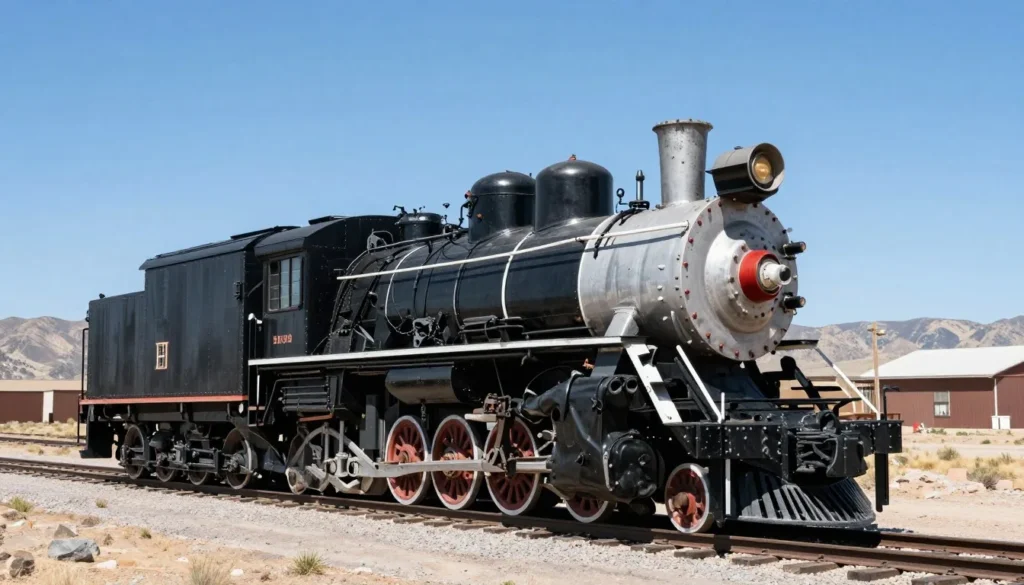
Located in Ely, about 225 kilometers (140 miles) south of Elko, this museum preserves a complete historic railroad operation. Ride restored steam locomotives through desert landscapes while learning about mining history. The museum’s collection includes rare equipment spanning a century of railroad development.
Tonopah and Central Nevada
The drive south through central Nevada reveals some of America’s most remote highway stretches. Tonopah preserves mining heritage while serving modern visitors. The town’s dark skies offer exceptional stargazing opportunities at high elevation.
Highway 50, labeled “The Loneliest Road in America,” crosses Nevada east to west. Driving this route provides authentic experiences of Western space and solitude. Plan carefully, as services appear infrequently along the route.
Great Salt Lake Area
Salt Lake City lies within a few hours’ drive, offering urban amenities and cultural attractions. The Great Salt Lake itself creates unique ecosystems worth exploring. Antelope Island State Park within the lake provides wildlife viewing and recreational opportunities.
This combination allows travelers to experience both wilderness and city, balancing outdoor adventures with comfortable accommodations and diverse dining options. The contrast between environments highlights the Great Basin’s special qualities.
Practical Travel Tips
These final details help ensure smooth travel throughout your Great Basin adventure. Small preparations prevent common problems and enhance overall experiences. Consider these practical matters as you finalize trip plans.
Money and Banking
ATMs appear in larger towns like Elko and Ely but remain scarce elsewhere. Withdraw adequate cash before venturing into remote areas. Many small businesses prefer cash, though credit cards work at most hotels and restaurants.
No foreign currency exchange services exist in the region. International visitors should exchange money in Salt Lake City or Reno before arriving. Major credit cards are widely accepted at established businesses.
Communication
Cell service from major carriers works in towns and along main highways but fades quickly in remote areas. Download maps, trail information, and entertainment before leaving service areas. Consider this digital detox an opportunity to connect with nature.
WiFi availability is standard in hotels but often absent in small motels and certainly unavailable in wilderness areas. Plan accordingly if you need reliable internet access for work or communication.
Health and Medical Services
Elko and Ely maintain hospitals with emergency departments. Smaller communities may have only basic medical clinics with limited hours. Carry personal medications in original containers with adequate supplies for your entire trip plus extra days.
Pharmacies in larger towns can fill most prescriptions, though specialized medications might not be available. Bring copies of prescriptions in case you need refills. Travel insurance covering medical evacuation makes sense given the remote location.
Sun Protection: Nevada’s high elevation and dry air create intense UV exposure. Wear broad-spectrum sunscreen rated SPF 30 or higher. Reapply every two hours during outdoor activities. Lip balm with sun protection prevents painful chapped lips.
Seasonal Considerations
Summer brings hot days in valleys while maintaining pleasant temperatures at higher elevations. Layer clothing to adjust for changing conditions as you move between elevations. Afternoon thunderstorms require rain gear in mountains.
Fall delivers Nevada’s most stable weather but shorter days. Sunset arrives earlier than summer, requiring earlier starts for day hikes. Aspens turn golden, creating photography opportunities throughout mountain areas.
Internet and Technology
GPS devices work throughout the region, though topographic maps provide better detail for backcountry navigation. Download offline maps before leaving cellular coverage. Satellite messengers offer emergency communication in areas without cell service.
Camera batteries drain faster in cold weather. Carry spares and keep them warm in inside pockets. Memory cards fill quickly when photographing stunning landscapes, so bring adequate storage capacity.
Shopping and Supplies
Walmart and outdoor retailers in Elko stock camping supplies, hiking gear, and general provisions. Smaller towns have limited shopping, usually restricted to basic groceries and gas station convenience items.
Sporting goods stores carry fishing licenses, topographic maps, and outdoor equipment. Staff members often provide valuable local knowledge about current conditions and productive fishing locations.
Your Great Basin Adventure Awaits
The Rubi Desert Great Basin region stands ready to reward adventurous travelers with experiences rivaling any destination in the American West. From alpine lakes reflecting granite peaks to vast desert valleys stretching toward distant horizons, this landscape offers authentic wilderness increasingly rare in our connected world.
Your journey here promises more than beautiful scenery. You’ll discover genuine Western culture in small communities where ranching heritage remains vibrant. You’ll hike trails where solitude comes easily and wildlife encounters happen regularly. You’ll witness night skies so dark that the universe reveals itself in stunning detail.
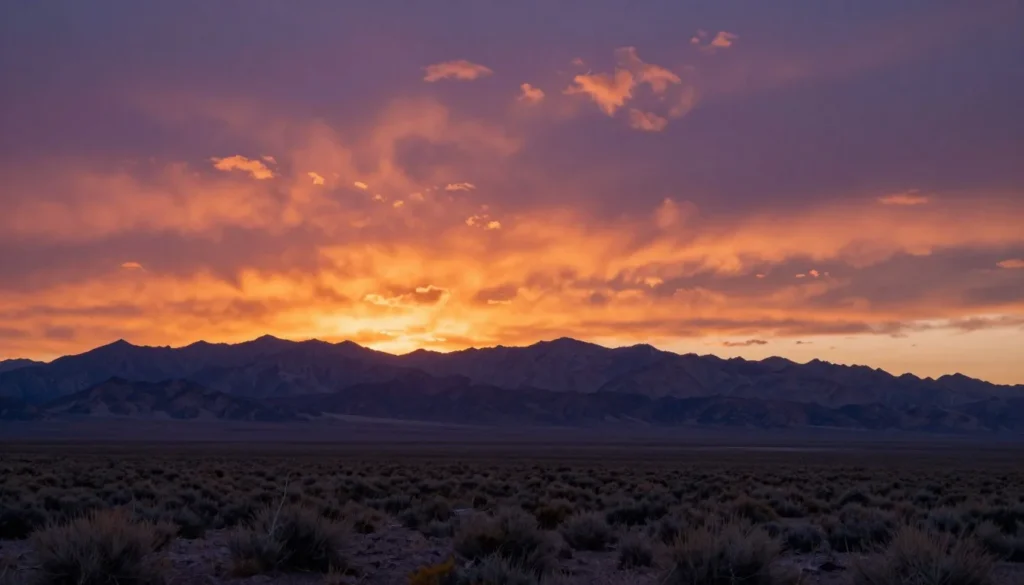
This comprehensive guide provides the foundation for planning your trip, but the real magic happens when you experience these places firsthand. Pack your sense of adventure along with practical supplies. Embrace the remoteness that defines this special region. Allow yourself to slow down and notice details that urban life obscures.
The Great Basin has remained largely overlooked despite its extraordinary beauty. That oversight works in your favor, ensuring uncrowded trails and authentic experiences. Come prepared, stay flexible, and open yourself to wonder. This remarkable corner of Nevada will exceed your expectations and likely call you back for future visits.