Hotels by Trip.com
Flights by Trip.com
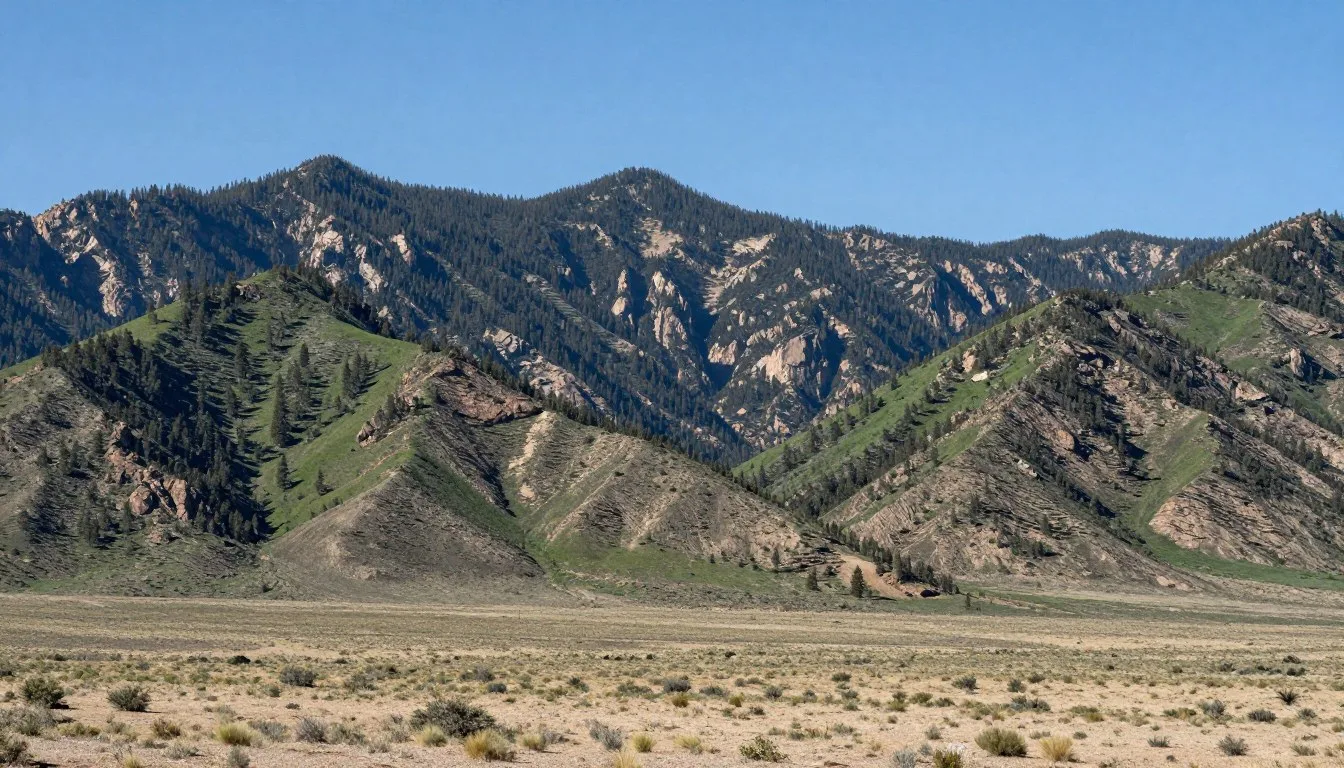
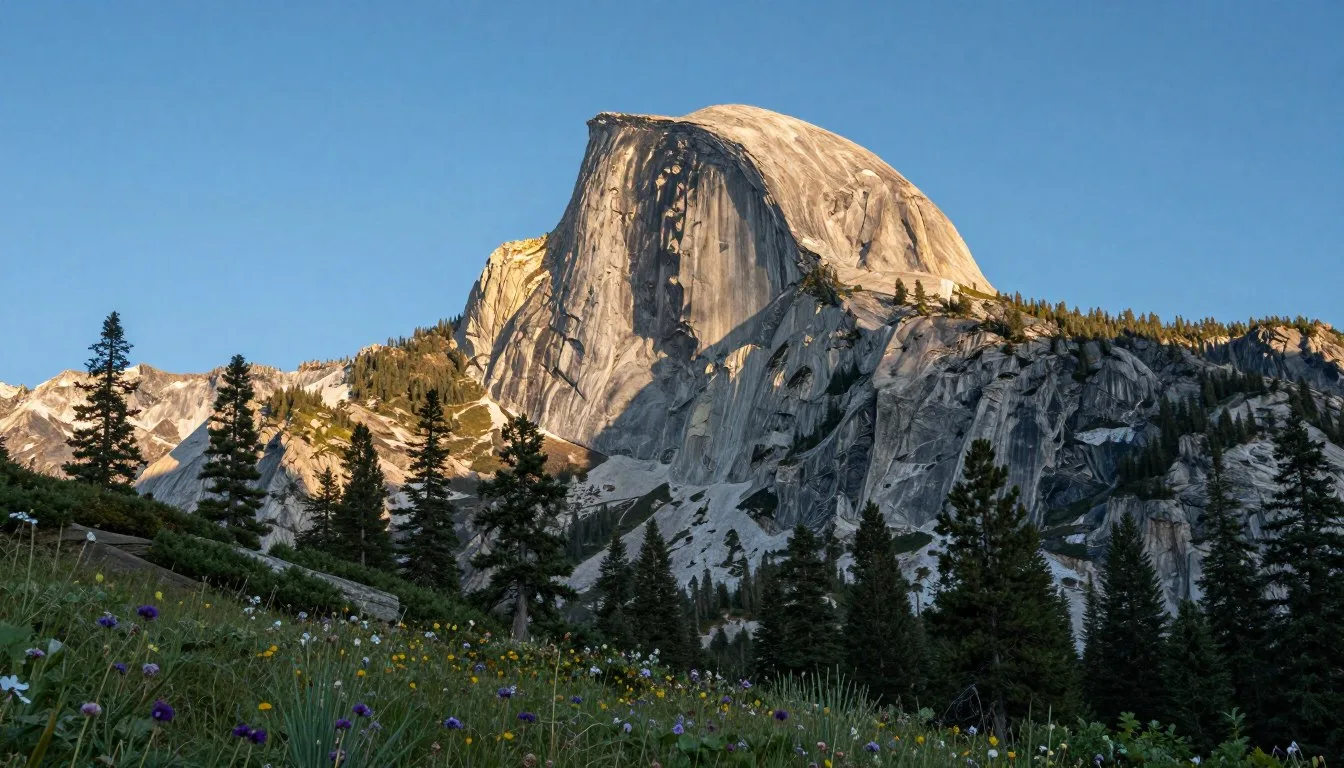
Fewer than 500 people summit Ruby Dome each year, making it one of Nevada’s most exclusive alpine experiences. This towering 3,471 m (11,387 feet) peak dominates the Ruby Mountains, a range named by early explorers who mistook red garnets in the rocks for rubies.
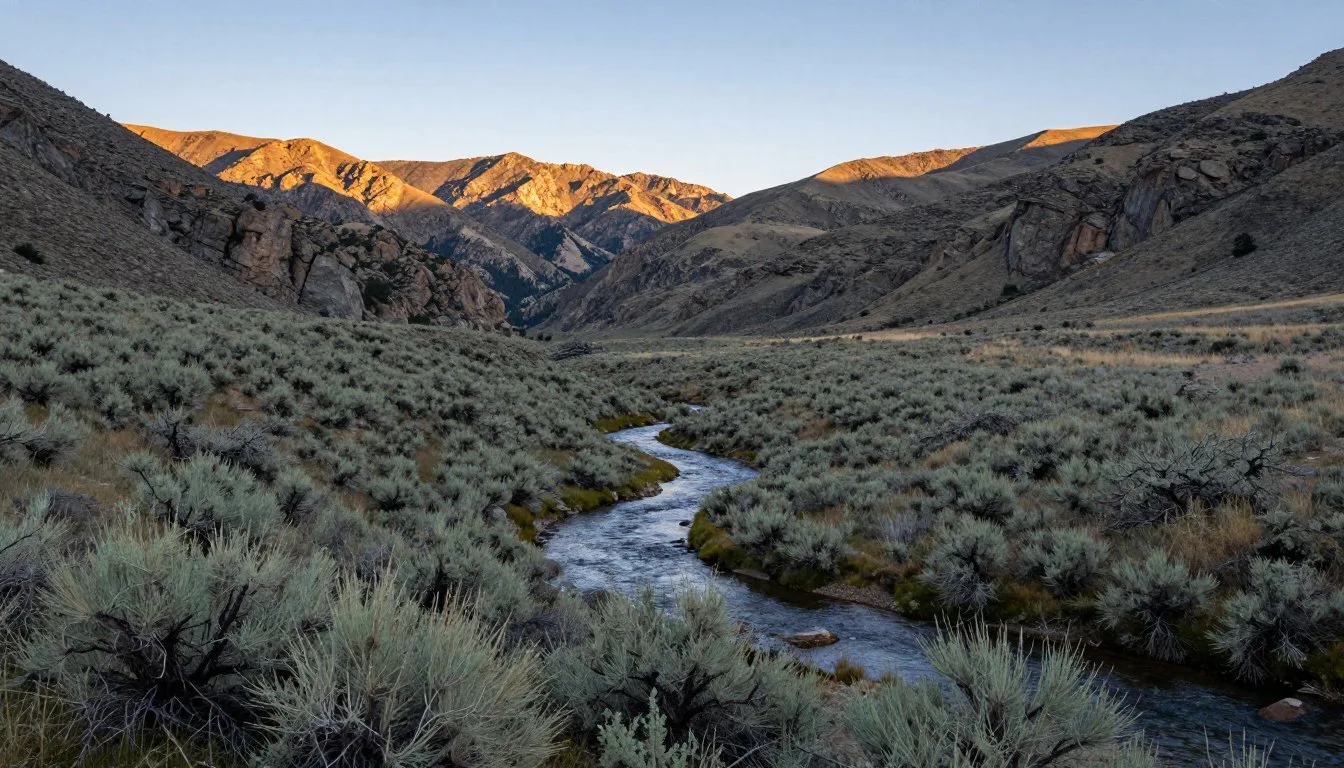
The Ruby Mountains rise dramatically from the high desert of northeastern Nevada. These peaks create a vertical wilderness playground just 48 km (30 miles) from the town of Elko. Visitors discover a landscape that seems transplanted from the Swiss Alps.
This comprehensive guide covers everything you need to plan your Ruby Dome adventure. From reaching the trailhead to conquering the summit, you’ll find practical tips for exploring this remarkable destination.
Getting There & Planning Your Journey
The closest major airport sits in Elko, Nevada. Elko Regional Airport receives daily flights from Salt Lake City. Most visitors rent vehicles here for the scenic drive to the Ruby Mountains.
Salt Lake City International Airport offers another option. This larger hub provides more flight choices and competitive rental rates. The drive from Salt Lake City takes approximately four hours via Interstate 80.
From Elko, head southeast on State Route 227 toward Lamoille. The well-maintained highway winds through ranchland before entering Lamoille Canyon. Total driving time from Elko averages 45 minutes.
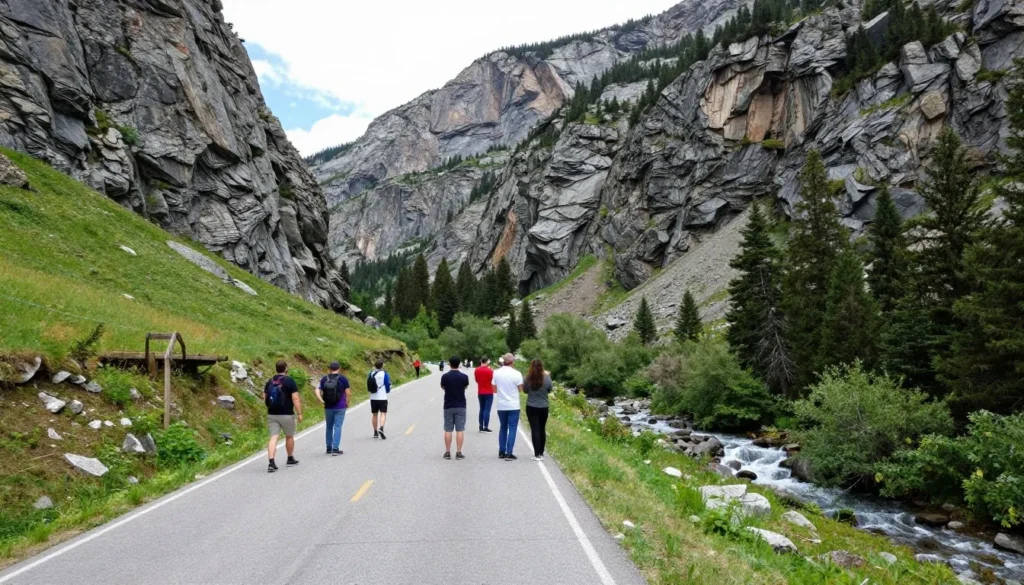
The Lamoille Canyon Scenic Byway provides the primary access route. This spectacular 19 km (12 miles) paved road climbs from the canyon mouth to the road end at 2,621 m (8,600 feet). The byway opens May through October depending on snowpack.
Planning Resources
Contact the Humboldt-Toiyabe National Forest Ruby Mountains Ranger District for current trail conditions and weather updates.
Ranger District Office: (775) 738-5171
Most Ruby Dome trips begin from the road end parking area. This trailhead provides access to multiple backcountry routes. Arrive early during summer weekends as parking fills quickly by mid-morning.
Best Time to Visit & Weather Tips
The optimal window for Ruby Dome adventures runs from late June through September. Snow typically clears from high-elevation trails by mid-June. Early season visitors may encounter lingering snowfields.
July and August deliver the most stable weather conditions. Daytime temperatures in Lamoille Canyon range from 21°C to 26°C (70°F to 80°F). Nights cool significantly, often dropping to 4°C to 10°C (40°F to 50°F).
Best Months
- Late June: Wildflowers peak, fewer crowds
- July: Best weather stability, warmest temperatures
- August: Excellent conditions, popular fishing season
- September: Cooler temps, stunning fall colors, reduced crowds
Avoid These Times
- October through May: Heavy snow closes roads
- Early June: Trails often snow-covered
- Late September: Early winter storms possible
- Midday summer hours: Afternoon thunderstorms frequent
Mountain weather changes rapidly in the Ruby Mountains. Morning sunshine can transform into afternoon thunderstorms within hours. Start hikes early to reach high peaks before noon.
Check 30,000+ Local Sightseeing Tours Worldwide
✓ Numerous languages and currencies are available
Winter transforms the area into backcountry skiing terrain. The Lamoille Canyon Scenic Byway closes completely from November through April. Only experienced winter mountaineers should attempt Ruby Dome during these months.
Notable Annual Festivals
The Ruby Mountain Rally takes place each July in nearby Lamoille. This celebration features local crafts, live music, and mountain heritage activities. The family-friendly event connects visitors with the region’s ranching culture.
Event Information: (775) 753-7800
Elko hosts the National Cowboy Poetry Gathering each January. While timing doesn’t suit Ruby Dome visits, this week-long celebration showcases Western traditions through poetry, music, and storytelling.
The Ruby Mountain Balloon Festival launches each September in Spring Creek. Hot air balloons float against the mountain backdrop during this three-day event featuring vendors and entertainment.
Getting Around Locally

Personal vehicles provide the only practical transportation in the Ruby Mountains area. No public transit serves Lamoille Canyon or surrounding wilderness regions. Rental cars from Elko work perfectly for paved road access.
High-clearance vehicles prove essential for backcountry exploration beyond the scenic byway. Many remote trailheads require navigating rough dirt roads. Four-wheel drive becomes necessary during wet conditions or early season.
The Lamoille Canyon Scenic Byway accommodates all vehicle types. This paved route features numerous pullouts for photography and wildlife viewing. Drive slowly and watch for wildlife crossing the road, especially during dawn and dusk hours.
Limited cell phone coverage exists throughout the mountains. Download offline maps before departing Elko. Carry paper maps from the ranger station as backup navigation tools.
Parking at popular trailheads fills early during peak season. The road end lot holds approximately 30 vehicles. Overflow parking along the roadway requires careful attention to avoid blocking traffic.
Where to Stay
Accommodation options near Ruby Dome range from rustic camping to comfortable lodges. Most visitors base themselves in Lamoille, Elko, or wilderness campsites within the Humboldt-Toiyabe National Forest.
Camping Options
Three developed campgrounds operate within Lamoille Canyon. Thomas Canyon Campground sits at 2,377 m (7,800 feet) with 40 sites featuring picnic tables and fire rings. The campground opens May through October depending on conditions.
Terraces Picnic Area offers day-use facilities but no overnight camping. Many backpackers use this spot for final preparations before multi-day trips into the Ruby Mountains Wilderness.
Dispersed camping is permitted throughout national forest lands. Backcountry enthusiasts find excellent tent sites near alpine lakes along the Ruby Crest Trail. All backcountry camping follows Leave No Trace principles.
Camping Tip: Reserve developed campsites in advance during July and August. Sites fill quickly on weekends. Arrive by Thursday afternoon for best selection.
Nearby Lodging
The Pine Lodge in Lamoille provides the closest indoor accommodation. This small property offers basic rooms with mountain views. The lodge sits 16 km (10 miles) from the canyon entrance.
Elko features numerous chain hotels along Interstate 80. These properties offer more amenities and dining options. The 45-minute drive to Lamoille Canyon makes Elko a practical base for day adventures.
Several guest ranches operate in the valley below the Ruby Mountains. These working cattle ranches provide authentic Western experiences with comfortable accommodations. Most include meals and horseback riding in their rates.
Elko Convention & Visitors Authority: (775) 738-4091
Dining & Local Cuisine
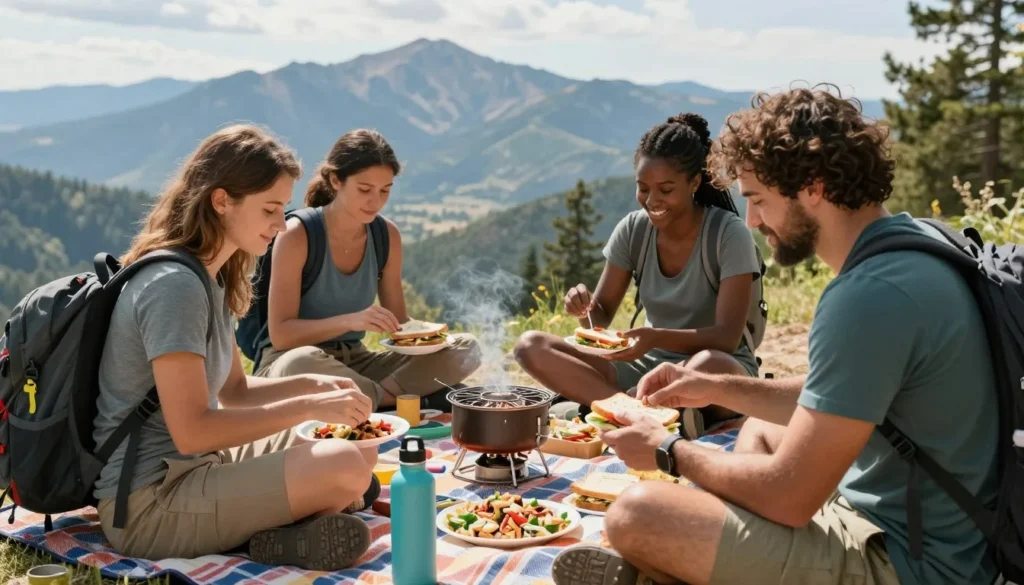
Dining near Ruby Dome requires advance planning. No restaurants operate within Lamoille Canyon. Visitors must bring all food or eat in nearby towns before and after mountain adventures.
Pack substantial meals and snacks for day hikes. High-elevation activity increases calorie needs significantly. Trail mix, energy bars, sandwiches, and fresh fruit provide portable nutrition.
Water sources exist throughout the mountains, but purification remains essential. Bring filtration systems or purification tablets. The stream water in Lamoille Canyon flows cold and clean but requires treatment before drinking.
Lamoille Dining
The tiny community of Lamoille hosts one restaurant. The Lamoille Depot serves hearty breakfasts and lunches perfect for fueling mountain adventures. This local favorite specializes in Western comfort food.
Stock up on groceries and supplies in Elko before heading to the mountains. Several supermarkets carry camping food, snacks, and outdoor essentials. Elko also features numerous restaurants representing various cuisines.
Basque Cuisine
Elko’s Basque restaurants offer unique dining experiences. The area’s Basque heritage dates to sheepherders who settled here in the late 1800s. Family-style dinners include multiple courses of traditional dishes.
Nevada’s ranching culture influences local menus throughout the region. Expect generous portions of beef, lamb, and potatoes. Basque restaurants serve picon punch, a regional cocktail combining brandy and grenadine.
Attractions, Sightseeing & Activities
Summit Ruby Dome
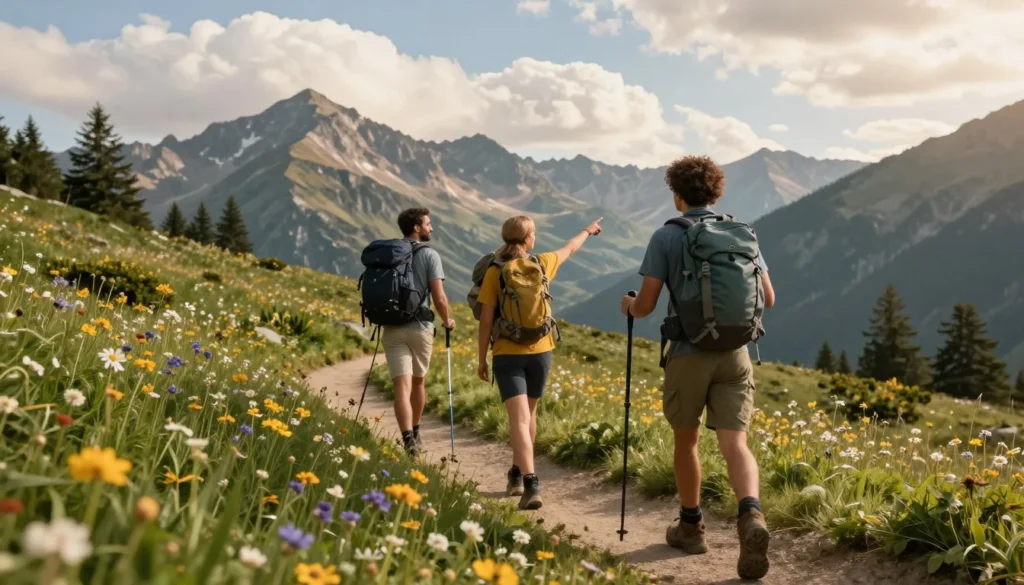
Reaching Ruby Dome’s 3,471 m (11,387 feet) summit represents the ultimate Ruby Mountains challenge. The standard route follows the Liberty Creek Trail before breaking cross-country through alpine terrain. Total distance covers approximately 22 km (14 miles) round trip.
Most hikers complete the ascent as a demanding day trip. Strong climbers finish in 8 to 10 hours. The final approach involves Class 2 scrambling over loose rock. Early starts ensure afternoon thunderstorm avoidance.
The summit provides spectacular 360-degree views. On clear days, visibility extends across northeastern Nevada into Utah. Neighboring peaks including Thomas, Wines, and Verdi create a dramatic alpine panorama.
Explore Lamoille Canyon Scenic Byway
This 19 km (12 miles) paved road ranks among Nevada’s most beautiful drives. The route climbs 853 m (2,800 feet) from the valley floor to the road end. Numerous pullouts allow photography stops and short walks.
Interpretive signs along the route explain geology, wildlife, and human history. The canyon walls tower over 610 m (2,000 feet) in places. Hanging valleys demonstrate ancient glacial carving.
Wildflower displays peak in July throughout the canyon. Columbine, Indian paintbrush, and lupine carpet meadows in brilliant colors. Early morning offers best lighting for photography and wildlife observation.
Hike the Ruby Crest Trail
This premier backpacking route traverses 64 km (40 miles) of high-altitude wilderness. The trail follows the crest of the Ruby Mountains, connecting alpine lakes and passes above 2,743 m (9,000 feet). Most backpackers complete the route in 3 to 5 days.
The northern trailhead begins at the Lamoille Canyon road end. Southbound hikers pass Island Lake, Liberty Pass, and Overland Lake before finishing at Harrison Pass. Permit requirements don’t exist, but signing trail registers helps with emergency response.
Trail Information
Check current conditions before attempting the Ruby Crest Trail. Snow can linger on north-facing slopes through July. Stream crossings run highest during snowmelt.
Trail Conditions Hotline: (775) 738-5171
Fish Mountain Lakes and Streams
Over 20 alpine lakes dot the Ruby Mountains high country. These pristine waters support populations of brook, rainbow, and cutthroat trout. Fishing pressure remains light compared to more accessible Nevada fisheries.
Island Lake receives the heaviest angling attention due to road end proximity. The 2.4 km (1.5 miles) trail gains minimal elevation. This family-friendly hike reaches productive trout water within an hour.
Lamoille Creek flows through the canyon bottom paralleling the scenic byway. This freestone stream provides excellent fishing for wild trout. Regulations require artificial lures and catch-and-release practices in designated sections.
Nevada fishing licenses are mandatory for anyone 12 years and older. Purchase licenses online or at sporting goods stores in Elko. Daily and annual options accommodate various trip lengths.
Museums, Cultural Spots & Festivals
The Ruby Mountains area emphasizes outdoor adventure over cultural attractions. However, nearby Elko offers several museums exploring regional heritage and natural history.
Northeastern Nevada Museum
This Elko institution showcases the region’s pioneer history, Native American heritage, and wildlife. Exhibits feature mining equipment, ranching tools, and extensive natural history displays. The museum includes an outdoor pioneer village with historic buildings.
A wildlife gallery presents mounted specimens of animals inhabiting the Ruby Mountains. Bears, mountain lions, bighorn sheep, and numerous bird species appear in realistic habitat dioramas. This preview helps visitors identify creatures they might encounter.
Western Folklife Center
Located in Elko’s historic Pioneer Hotel, this center preserves Western ranching and cowboy culture. Year-round exhibits explore Great Basin traditions through photography, artifacts, and oral histories. The center hosts the famous National Cowboy Poetry Gathering each January.
Educational programs throughout summer teach traditional Western skills. Workshops cover topics including Dutch oven cooking, leather working, and cowboy poetry composition. Check schedules for visiting artist presentations.
California Trail Interpretive Center
Twenty minutes west of Elko, this Bureau of Land Management facility tells the story of westward migration. Interactive exhibits place visitors aboard wagon trains crossing Nevada in the 1840s and 1850s. The California Trail passed just north of the Ruby Mountains.
Outdoor trails wind through sagebrush landscape similar to what pioneers encountered. Interpretive panels mark actual wagon ruts still visible after 175 years. The center offers ranger-led programs during summer months.
Nature & Outdoor Experiences
Alpine Lake Exploration
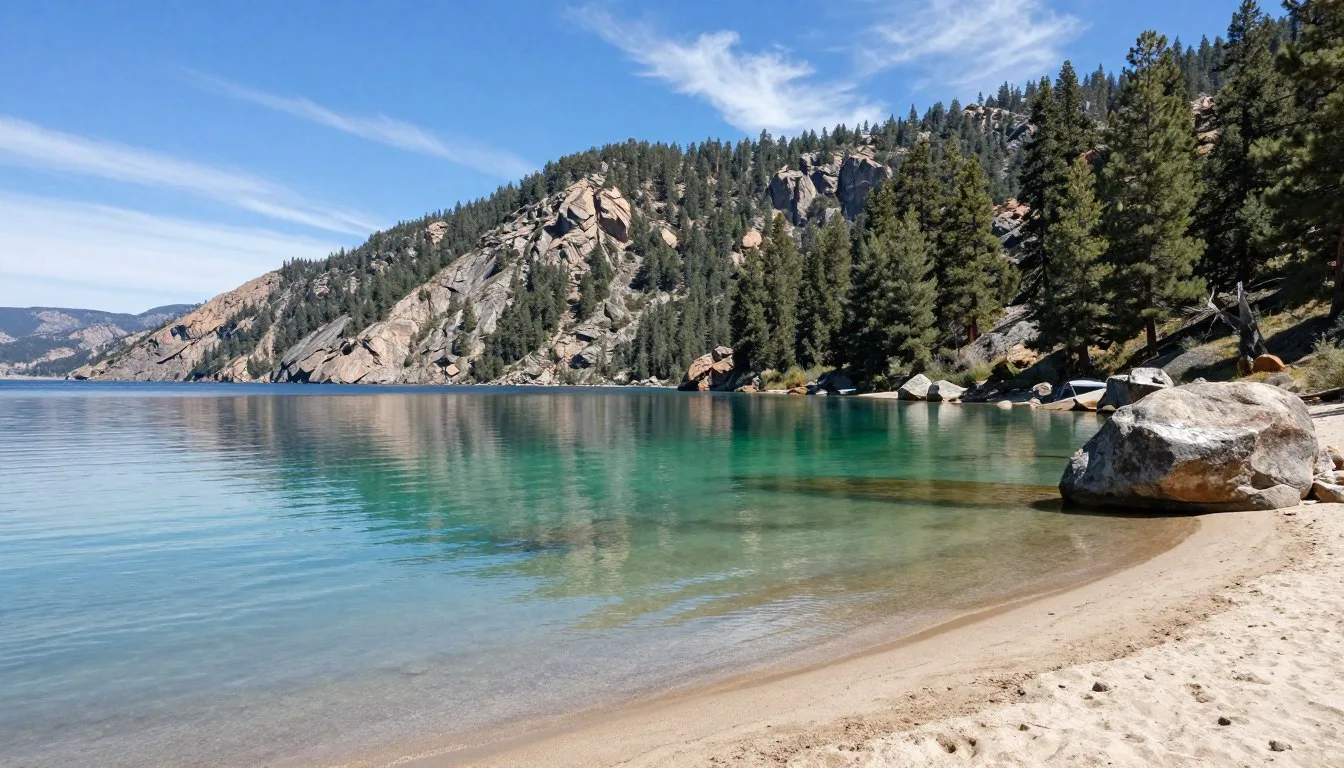
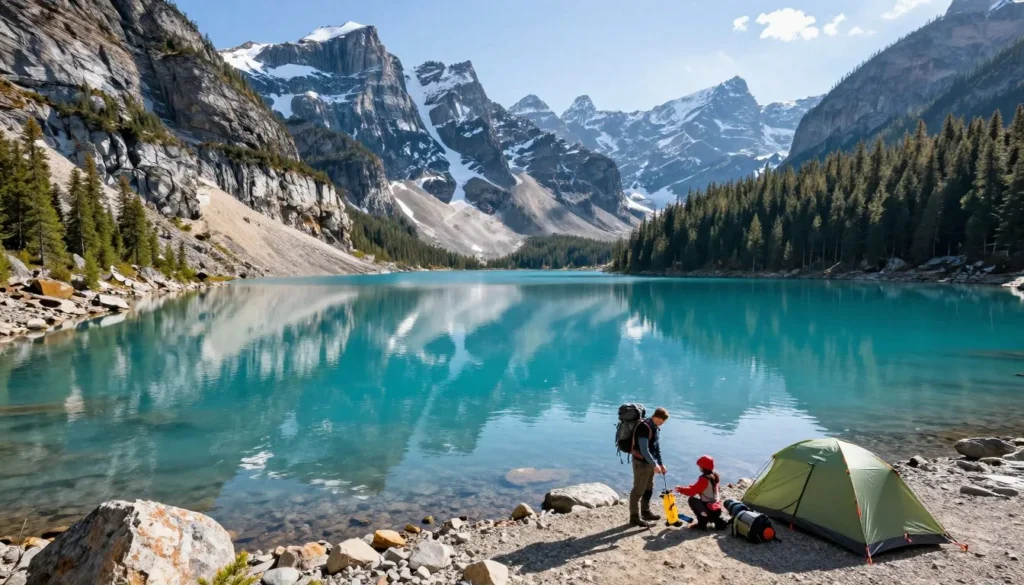
The Ruby Mountains contain more alpine lakes than any other Nevada range. These glacially carved basins hold cold, clear water at elevations above 2,743 m (9,000 feet). Each lake offers unique character and surrounding scenery.
Lamoille Lake sits 6.4 km (4 miles) from the road end via the Ruby Crest Trail. This large lake nestles in a dramatic cirque beneath Liberty Peak. Camping spots dot the shoreline among stunted whitebark pines.
Favre Lake requires more effort but rewards with solitude and stunning beauty. The 11 km (7 miles) approach gains significant elevation. Fewer visitors reach this remote gem surrounded by towering peaks.
Wildlife Watching
The Ruby Mountains support diverse wildlife populations. Mountain goats inhabit the highest peaks and ridges. These sure-footed animals often appear near Ruby Dome’s summit. Bring binoculars for safe observation without disturbing them.
Mule deer graze in canyon meadows during morning and evening hours. Large herds move between summer and winter ranges. Lamoille Canyon provides excellent viewing opportunities from roadside pullouts.
Black bears roam throughout the range. Though sightings remain uncommon, proper food storage proves essential. Use bear canisters in the backcountry. Never leave food unattended at campsites.
Bird diversity increases during summer months. Mountain bluebirds, Clark’s nutcrackers, and gray jays frequent high elevations. Raptors including golden eagles and prairie falcons nest on cliff faces.
Photography Opportunities
The Ruby Mountains rank among Nevada’s most photogenic landscapes. Dramatic granite peaks, wildflower meadows, and alpine lakes create endless compositions. Early morning and late afternoon provide optimal lighting.
The scenic byway offers numerous pullouts positioned for landscape photography. Hanging valleys, waterfalls, and rock formations appear around every corner. Summer thunderstorms create dramatic cloudscapes.
Wildflower photography peaks in July when high meadows explode with color. Macro lenses capture intricate bloom details. Wide-angle lenses emphasize flowers against mountain backdrops.
Travel With Children
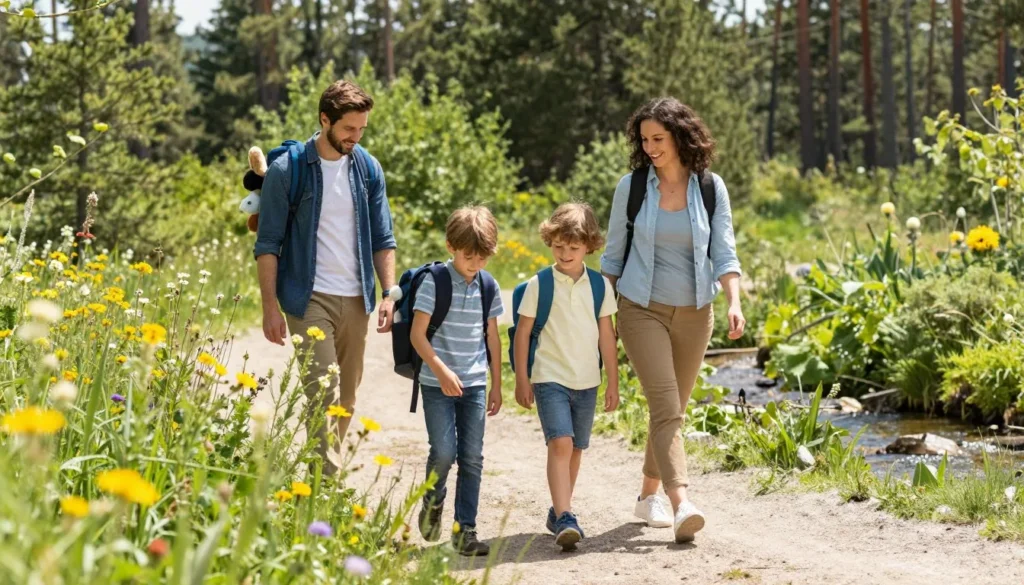
Families discover excellent options for introducing children to mountain environments. Several easy hikes near the Lamoille Canyon road end suit young adventurers. These trails provide wilderness experiences without demanding endurance.
The Island Lake Trail offers the best family destination. The 2.4 km (1.5 miles) distance and gradual grade work well for children ages five and up. The lake shoreline provides spots for picnicking and rock skipping.
Dollar Lakes Trail presents another family-friendly option. This 4.8 km (3 miles) round trip visits two small alpine lakes. Children enjoy searching for trout in the clear water. Bring fishing rods for added entertainment.
Shorter nature walks along the scenic byway introduce children to mountain ecology. Interpretive signs teach about plants, animals, and geology. The pullouts allow easy turnarounds if young hikers tire.
Safety considerations increase when hiking with children. Keep groups together on trails. Afternoon thunderstorms develop quickly, requiring early starts. Pack extra layers as temperatures drop significantly at high elevations.
The Thomas Canyon Campground welcomes families with children. Level tent sites and vault toilets provide basic comfort. The nearby stream fascinates young explorers. Evening campfires create memorable family moments.
Junior Ranger programs operate during summer at nearby national forest sites. These free activities teach children about wilderness stewardship. Completing activity books earns official badges.
Money Saving Tips
Ruby Dome adventures naturally cost less than many vacation destinations. The area’s lack of commercial development eliminates temptations for excessive spending. Smart planning maximizes savings without sacrificing experience quality.
Free Activities
- All hiking trails charge no fees or permits for day use
- Dispersed camping in national forest lands remains free
- Lamoille Canyon Scenic Byway driving costs nothing
- Wildlife watching requires only patience and binoculars
- Photography opportunities exist everywhere without access charges
Budget Accommodation
Camping dramatically reduces lodging costs. Thomas Canyon Campground charges only modest fees per night. Dispersed backcountry camping costs nothing if you carry appropriate gear.
Elko hotel rates drop significantly on weekdays. Book Sunday through Thursday for substantial savings over weekend rates. Chain hotel loyalty programs often provide free nights after accumulating points.
Food Savings
Prepare meals rather than dining in restaurants. Elko supermarkets stock camping food at reasonable prices. Bringing a cooler from home eliminates the need for expensive freeze-dried meals.
Pack reusable water bottles and filter water from streams. This eliminates costly bottled water purchases. Mountain streams provide unlimited clean water after proper treatment.
Fuel and Transportation
Carpooling with other outdoor enthusiasts splits gas costs. Online forums connect travelers heading to the Ruby Mountains. Shared rides also reduce environmental impact.
Check 30,000+ Local Sightseeing Tours Worldwide
✓ Numerous languages and currencies are available
Fill fuel tanks in Elko where competition keeps prices lower. No gas stations operate beyond town. Running out of fuel in remote areas creates expensive problems.
Budget Tip: Visit during September after Labor Day. Trails remain accessible with excellent weather, but summer crowds disappear. Some Elko accommodations offer shoulder-season discounts.
Safety & Local Customs
Mountain Safety
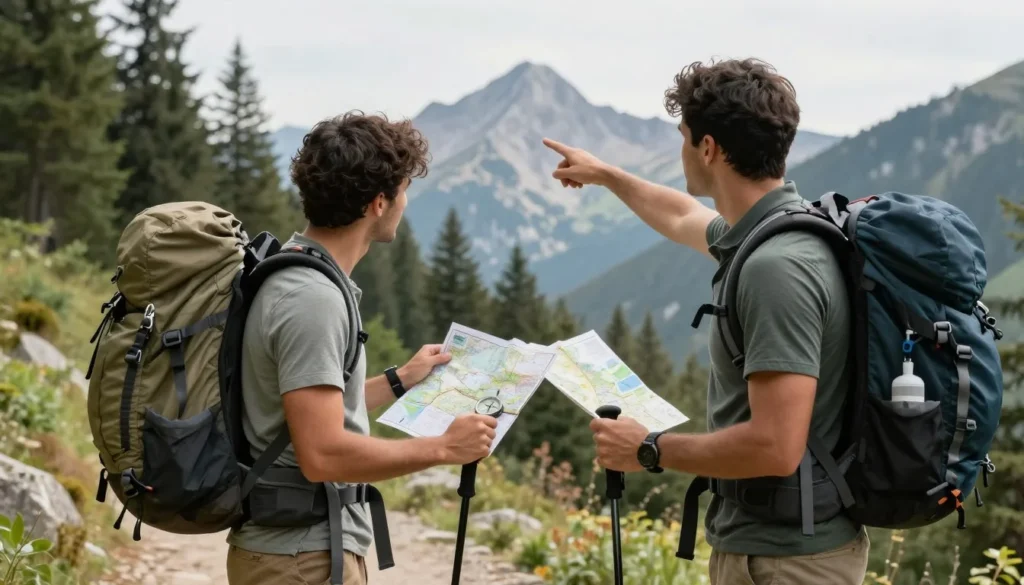
High-elevation wilderness demands respect and preparation. Weather changes rapidly above 2,743 m (9,000 feet). Afternoon thunderstorms develop frequently during summer months. Lightning poses serious danger on exposed ridges and summits.
Start hikes before dawn for summit attempts. Aim to reach high points by noon and begin descending as clouds build. Turn back if thunderstorms approach regardless of how close you are to goals.
Altitude sickness affects some visitors at Ruby Dome elevations. Symptoms include headache, nausea, and fatigue. Acclimatize by spending time at the road end before attempting high peaks. Descend immediately if symptoms worsen.
Water sources exist throughout the mountains but require purification. Giardia and other organisms contaminate even pristine-looking streams. Always filter or chemically treat drinking water.
Limited cell coverage means self-reliance becomes essential. Carry paper maps and compass as backup navigation. Tell someone your itinerary and expected return time before entering the backcountry.
Emergency Contact
For emergencies in the Ruby Mountains, contact Elko County Sheriff’s Office or the Forest Service. In life-threatening situations, call 911 if you have signal.
Elko County Sheriff: (775) 738-3421
Forest Service Emergency: (775) 738-5171
Wildlife Precautions
Black bears inhabit the Ruby Mountains though encounters remain uncommon. Store food in bear canisters in the backcountry. Hang food at least 3.7 m (12 feet) high and 1.2 m (4 feet) from tree trunks if canisters aren’t available.
Mountain lions live throughout the range. These elusive cats rarely show themselves. Make noise while hiking to avoid surprise encounters. Never hike alone if concerned about mountain lions.
Rattlesnakes occupy lower elevations, especially on sunny south-facing slopes. Watch where you place hands and feet when scrambling over rocks. Snakes avoid confrontation and strike only when threatened.
Leave No Trace
The Ruby Mountains Wilderness designation requires visitors to minimize environmental impact. Pack out all trash including toilet paper. Bury human waste at least 61 m (200 feet) from water sources.
Camp on durable surfaces rather than creating new sites. Use existing fire rings where present. Consider carrying a camp stove instead of building fires. Wood remains scarce at high elevations.
Respect wildlife by observing from distance. Never feed animals or leave food scraps. Store scented items including toothpaste and sunscreen with food.
Local Customs
The Ruby Mountains region maintains strong ranching traditions. Respect private property boundaries and close gates behind you. Many valley areas remain working cattle operations.
Small-town courtesy prevails in Lamoille and surrounding communities. Friendly waves and conversation come naturally. Local residents appreciate visitors who respect the landscape they call home.
Water rights carry serious importance in Nevada’s arid climate. Never interfere with irrigation systems or livestock water sources. These resources sustain the region’s agricultural economy.
Visitor Comments About Ruby Dome
“The Ruby Mountains completely exceeded expectations. We spent five days hiking the Ruby Crest Trail and passed maybe ten other people total. The alpine lakes were pristine, and the wildflowers in July were absolutely stunning. This rivals any mountain range I’ve visited in the American West.”
“Ruby Dome challenged us more than anticipated. The scramble to the summit required good route-finding skills and comfort on loose rock. That said, the views from the top made every difficult step worthwhile. Just respect the mountain and start early to avoid afternoon storms.”
“We brought our kids ages eight and eleven to Island Lake. The trail was perfect for them, and they loved fishing for trout at the lake. Lamoille Canyon is beautiful and much less crowded than other mountain destinations we’ve visited. We’re already planning a return trip.”
Additional Nearby Destinations
Northeastern Nevada offers numerous attractions within reasonable driving distance from Ruby Dome. These destinations complement a Ruby Mountains visit with different landscapes and activities.
Great Basin National Park
Located 241 km (150 miles) south, this national park protects Wheeler Peak and ancient bristlecone pines. Lehman Caves offers underground touring. The park provides another perspective on Great Basin mountain environments.
Jarbidge Wilderness
Nevada’s most remote town sits at the gateway to this pristine wilderness. Jarbidge lies 105 km (65 miles) north of Elko. The area offers excellent hiking, fishing, and camping with even fewer crowds than the Ruby Mountains.
Wild Horse State Recreation Area
This reservoir 97 km (60 miles) north of Elko provides water-based recreation. The area features camping, fishing, and swimming. It creates nice contrast to high mountain experiences.
Ruby Lake National Wildlife Refuge
Situated on the Ruby Mountains’ eastern slope, this wetland complex attracts tremendous bird diversity. Over 200 species visit during migration. The refuge offers excellent wildlife photography opportunities from March through November.
Practical Travel Tips
What to Pack
- Layered clothing for variable mountain weather conditions
- Rain jacket and warm insulating layer even in summer
- Sturdy hiking boots with ankle support for rocky terrain
- Sun protection including hat, sunglasses, and high-SPF sunscreen
- Water filtration system or purification tablets
- Topographic maps and compass for navigation backup
- First aid kit with blister treatment and pain medication
- Headlamp with extra batteries for early starts
- Bear canister for overnight trips in backcountry
- Trekking poles to reduce knee strain on descents
Fitness Preparation
Ruby Dome demands good physical conditioning. Begin training several months before your trip. Focus on cardiovascular endurance and leg strength. Stair climbing with a weighted pack builds specific fitness.
Altitude affects everyone differently. Spend at least one day acclimating before attempting Ruby Dome. Hike shorter trails from the road end on your first day.
Permits and Regulations
No permits required for day hiking or overnight camping in the Ruby Mountains Wilderness. However, signing trail registers helps search and rescue efforts if needed. Wilderness regulations prohibit mechanized travel including bicycles.
Group size limits restrict parties to 15 people. Stock users must follow additional regulations regarding feed and camping. Contact the ranger district for current wilderness rules.
Best Resources
Purchase detailed topographic maps before your trip. The USGS Ruby Mountains quad covers most hiking areas. National Geographic’s Trails Illustrated map provides excellent overview coverage.
Several guidebooks detail Ruby Mountains hiking routes. These resources include trail descriptions, elevation profiles, and current condition information. Local outdoor shops in Elko stock relevant publications.
Online trip reports provide recent condition updates. Check hiking forums and social media for current snow levels, water availability, and trail status before departure.
Visitor Center Information
Stop at the Ruby Mountains Ranger District office in Elko for maps, current conditions, and local advice. The staff provides invaluable knowledge about the area.
Address: 2035 Last Chance Road, Elko, NV 89801
Office Hours: Monday-Friday, 8:00 AM – 4:30 PM
Phone: (775) 738-5171
Cell Coverage and Communication
Limited cell service exists throughout the Ruby Mountains. Expect no coverage beyond the lower canyon. Satellite communication devices provide emergency contact capability in the backcountry.
Personal locator beacons allow one-way emergency messaging. Two-way satellite messengers enable communication with family and emergency services. Consider renting devices if you don’t own them.
Photography Equipment
Serious photographers carry multiple lenses for varied compositions. Wide-angle lenses capture expansive mountain vistas. Telephoto lenses compress distant peaks and photograph wildlife safely.
Tripods stabilize cameras for sharp landscape images. Carbon fiber models reduce pack weight. Early morning and evening golden hours provide optimal light for photography.
Your Ruby Dome Adventure Awaits
The Ruby Mountains stand as Nevada’s best-kept secret. These spectacular peaks offer wilderness experiences rivaling famous ranges while maintaining remarkable solitude. Crystal alpine lakes reflect granite walls beneath endless blue skies.
Whether you summit Ruby Dome, backpack the Ruby Crest Trail, or simply drive the scenic byway, this destination rewards every visitor. The combination of accessibility and remoteness creates unique appeal. You’ll discover why those who know the Ruby Mountains return again and again.
Start planning your adventure today. The mountains await with their pristine lakes, challenging peaks, and unmatched beauty. Soon you’ll understand why explorers mistook garnets for rubies. The real treasure lies in experiencing this remarkable landscape yourself.