Hotels by Trip.com
Flights by Trip.com
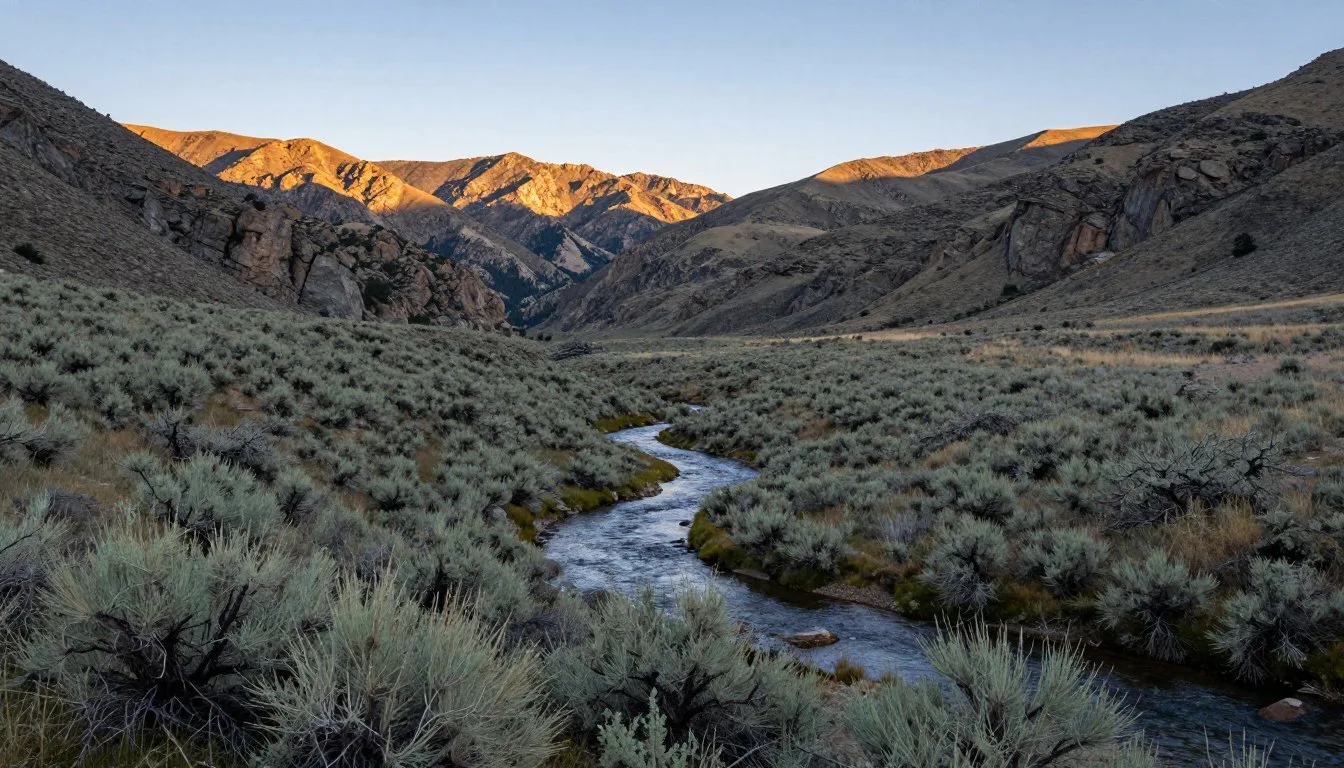
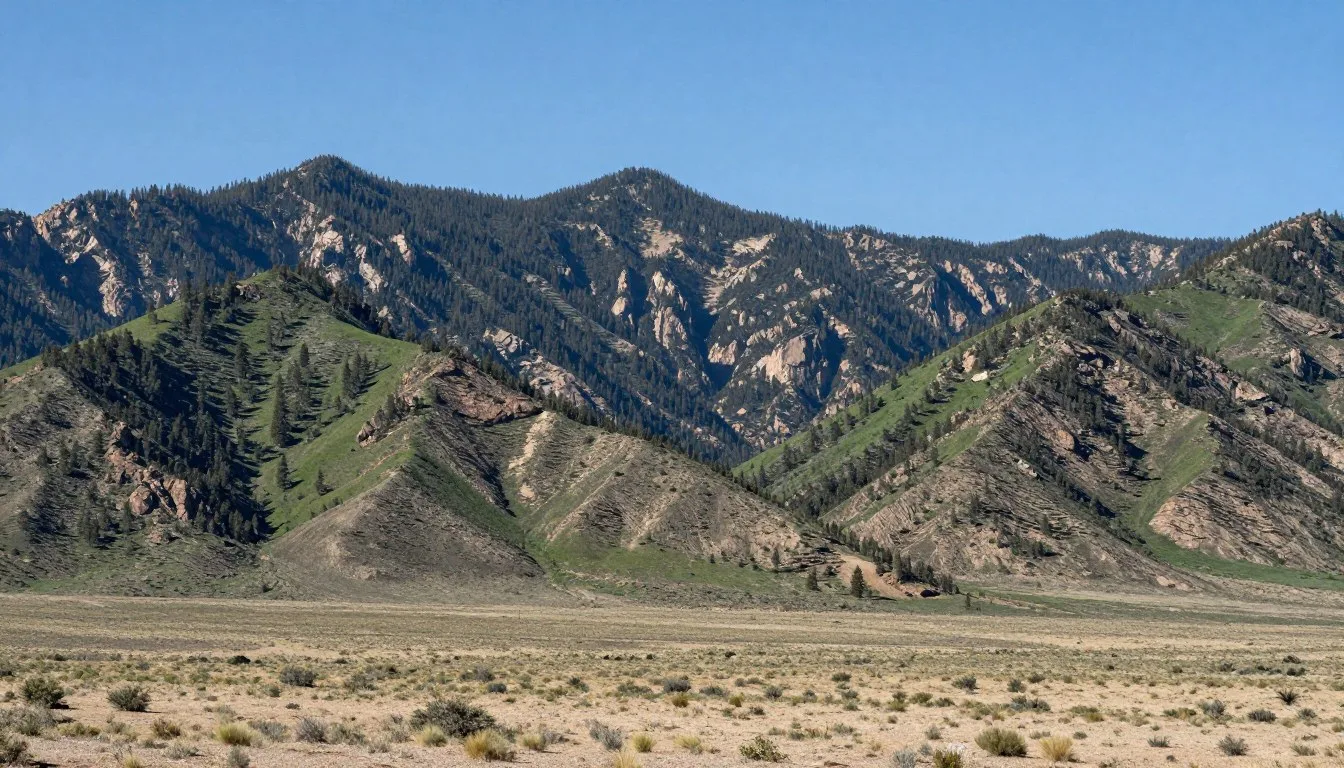
Every year, over 80% of visitors to the Ruby Mountains report they had never heard of this spectacular range before their trip, making it one of America’s best-kept mountain secrets. These dramatic peaks rise unexpectedly from Nevada’s high desert, creating an alpine paradise that rivals more famous ranges.
The Ruby Mountains earned their name from the deep red garnets found throughout the range. Early settlers noticed these gems sparkling in the rock faces and streams.
This comprehensive Ruby Mountains Nevada travel guide covers everything you need to plan an unforgettable adventure. From towering peaks reaching over 3,350 m (11,000′) to pristine alpine lakes and stunning Lamoille Canyon scenic drives, you will discover why outdoor enthusiasts consider this destination their favorite hidden gem.
Getting There & Planning Your Journey
Reaching the Ruby Mountains requires some planning. The closest major airport is Elko Regional Airport, located just 35 km (22 miles) from the mountain access points. This small airport offers daily connections through Salt Lake City.
Reno-Tahoe International Airport sits 450 km (280 miles) west. It provides more flight options and competitive rental car rates. The drive from Reno takes about four and a half hours along Interstate 80.
Salt Lake City International Airport is another excellent option, positioned 375 km (233 miles) east. This route offers scenic high-desert views during the four-hour drive.
From Elko, drive south on State Route 227 toward Lamoille. The town of Lamoille serves as the primary gateway to the Ruby Mountains and sits at the base of Lamoille Canyon. Most visitors use this charming community as their starting point.
The best months for visiting depend on your interests. Summer months from June through September offer the most access. Winter transforms the area into a backcountry skiing paradise, though you need proper equipment and experience.
Best Time to Visit & Weather Tips
Best Time to Visit Ruby Mountains
Peak summer season runs from July through early September. During these months, Lamoille Canyon road stays fully open and alpine lakes become accessible. Daytime temperatures reach comfortable 21-26°C (70-80°F) at lower elevations.
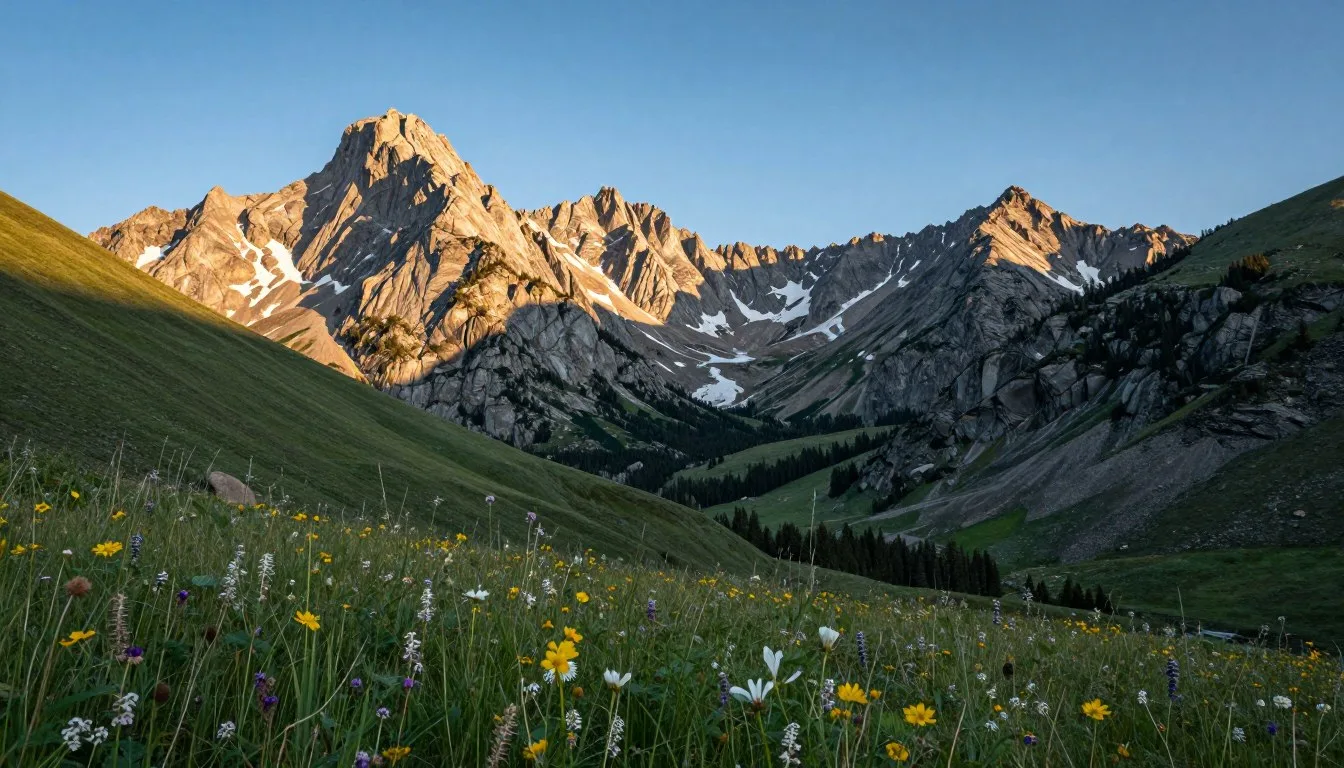
Late June brings wildflower displays across mountain meadows. However, some high-elevation trails may still have snow patches. Always check conditions before hiking.
September offers spectacular fall colors and fewer crowds. Aspen groves turn golden yellow against the grey granite peaks. Temperatures drop to 15-21°C (60-70°F), creating perfect hiking weather.
Winter months from November through May bring heavy snow. The Lamoille Canyon road closes, typically from late October through June. Only experienced winter backcountry travelers should visit during these months. Snow depths can exceed 3 m (10′) at higher elevations.
Check 30,000+ Local Sightseeing Tours Worldwide
✓ Numerous languages and currencies are available
Weather Preparation: Mountain weather changes rapidly. Morning temperatures might start at 4°C (40°F) and climb to 24°C (75°F) by afternoon. Pack layers, rain gear, and sun protection regardless of forecasts. Afternoon thunderstorms develop frequently during summer months.
Notable Annual Festivals
The region hosts several events celebrating its outdoor heritage and culture. These festivals provide unique opportunities to experience local traditions.
Ruby Mountain Balloon Festival takes place each January in nearby Elko. Hot air balloons fill the winter sky against the snowy mountain backdrop. Contact organizers at 775-738-7135 for current dates.
National Cowboy Poetry Gathering happens each January in Elko. This week-long celebration features Western music, poetry, and art. The Ruby Mountains provide a stunning backdrop for this cultural event. Reach the organizing committee at 775-738-7508.
Lamoille Canyon Summer Concert Series runs July through August. Free outdoor concerts happen at the canyon’s base on Saturday evenings. Local and regional musicians perform against the mountain scenery.
Getting Around Locally
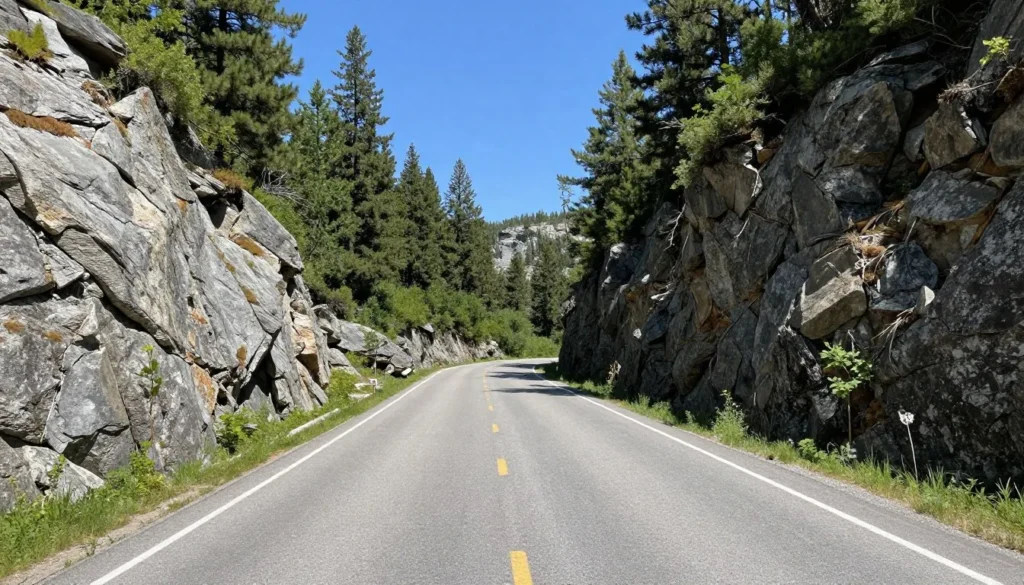
A personal vehicle is essential for exploring the Ruby Mountains area. No public transportation serves the mountain access points. The region remains rural and spread out.
The Lamoille Canyon scenic drive forms the main route into the mountains. This paved road extends 19 km (12 miles) from the canyon entrance to Roads End. The route gains 915 m (3,000′) in elevation, offering spectacular views at every turn.
Most rental cars handle the Lamoille Canyon road without problems during summer. However, a high-clearance vehicle helps if you plan to explore dirt forest roads. Four-wheel drive becomes necessary for accessing some trailheads.
Parking areas line the Lamoille Canyon road at popular trailheads. These fill quickly on summer weekends. Arrive before 8 AM to secure a spot during peak season. Parking is free at all locations.
Cell phone coverage remains spotty throughout the Ruby Mountains. Download offline maps before leaving Elko. Carry paper maps as backup navigation.
Where to Stay
Lodging options around the Ruby Mountains range from rustic to comfortable. Most accommodations cluster in Elko and the small community of Lamoille.
The Pine Lodge in Lamoille offers the closest accommodations to the canyon entrance. This historic property features simple rooms with mountain views. Rates start around $85 per night during peak season. Book well in advance for summer weekends.
Elko provides more hotel choices, located 35 km (22 miles) from the mountains. Chain hotels offer standard amenities with rates from $95-150 per night. The town serves as a convenient base for day trips into the Ruby Mountains.
Ruby Mountain Campground sits at the mouth of Lamoille Canyon. This Humboldt-Toiyabe National Forest campground offers 11 sites on a first-come basis. Fees run $8 per night. The location cannot be beaten for early morning access to trails.
Several other developed campgrounds line the Lamoille Canyon road. Thomas Canyon and Terraces campgrounds provide similar amenities and pricing. All campgrounds operate from June through September, depending on snow conditions.
Backcountry camping is permitted throughout the Ruby Crest National Recreation Trail corridor. You need to pack in all supplies and pack out all waste. No permits are required, though the Nevada Department of Wildlife recommends registering your trip for safety purposes.
Dining & Local Cuisine
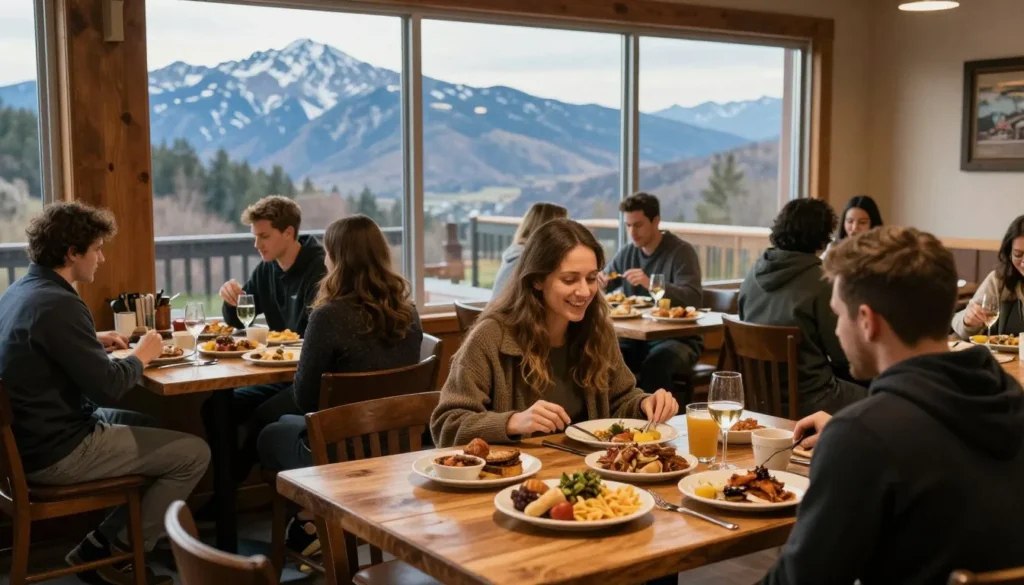
Dining options near the Ruby Mountains reflect the region’s ranching heritage. Hearty Western fare dominates menus throughout the area.
The Lamoille Valley Inn serves home-style meals in a casual atmosphere. Their breakfast starts at 7 AM, perfect for early hiking departures. Lunch and dinner feature steaks, burgers, and homemade pies.
In Elko, Star Hotel offers Basque family-style dining. This unique Nevada tradition seats strangers together at long tables. Servers bring multiple courses of food to share. Reservations are highly recommended for dinner.
Several Elko restaurants serve excellent steaks and prime rib. The Nevada Dinner House and Stockmen’s Casino both offer quality beef from local ranches. Expect to pay $25-40 for dinner entrees.
Pack a lunch for mountain adventures. No restaurants or stores operate within the Ruby Mountains themselves. The nearest supplies come from Lamoille or Elko. Many visitors prepare picnics to enjoy at scenic overlooks along the canyon road.
Water sources exist throughout the mountains, but you must treat or filter all water before drinking. Carry plenty of water on hikes, especially during summer months when temperatures climb.
Attractions, Sightseeing & Activities
Lamoille Canyon Scenic Drive
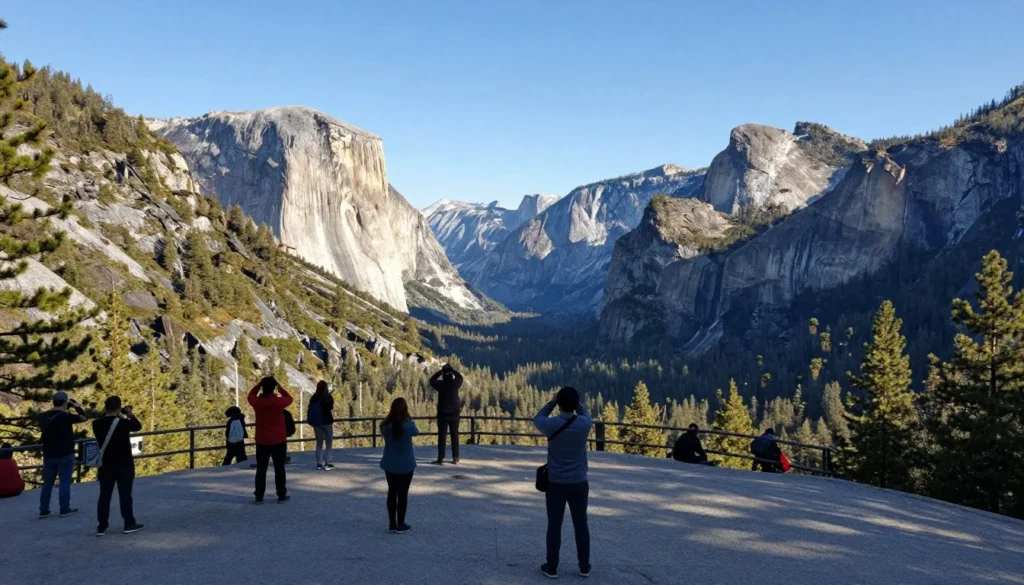
The Lamoille Canyon scenic drive ranks as Nevada’s most spectacular mountain road. This paved route climbs through one of the deepest glacially-carved canyons in North America. Sheer granite walls rise hundreds of meters on both sides.
Multiple pullouts allow you to stop and photograph waterfalls cascading down cliff faces. Interpretive signs explain the geology and natural history. The entire drive takes about 45 minutes without stops, but plan at least two hours to fully appreciate the scenery.
Roads End sits at 2,590 m (8,500′) elevation. A large parking area provides access to several trails. The views from this point alone justify the drive. Looking back down the canyon, you see the full glacial valley stretching to the desert below.
Hiking the Ruby Crest National Recreation Trail
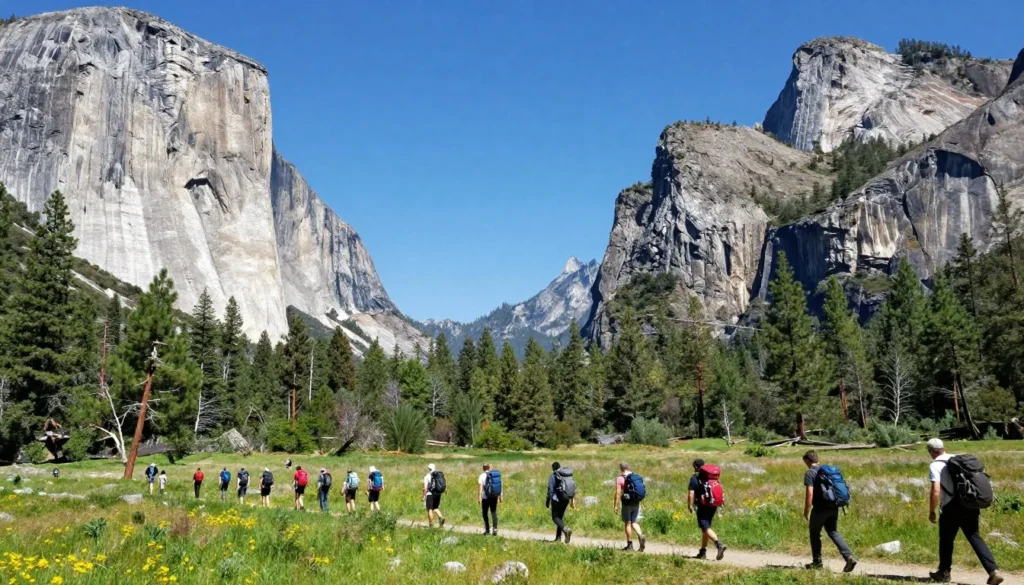
The Ruby Crest National Recreation Trail forms the crown jewel of hiking in the Ruby Mountains. This 64 km (40-mile) route traverses the high country along the mountain crest. Most hikers complete the trail in four to six days.
You walk through some of Nevada’s most dramatic alpine scenery. The route passes over a dozen alpine lakes, crosses numerous passes above 2,900 m (9,500′), and offers constant views of peaks and valleys. Wildlife sightings include mountain goats, bighorn sheep, and golden eagles.
The Nevada Department of Wildlife manages much of the surrounding land. They work closely with the Humboldt-Toiyabe National Forest to maintain trails and protect wildlife habitat.
Day hikers can sample sections of the Ruby Crest National Recreation Trail. The hike from Roads End to Lamoille Lake covers 3.2 km (2 miles) one way. This relatively easy trail gains 245 m (800′) and showcases classic Ruby Mountains scenery.
Alpine Lakes Fishing
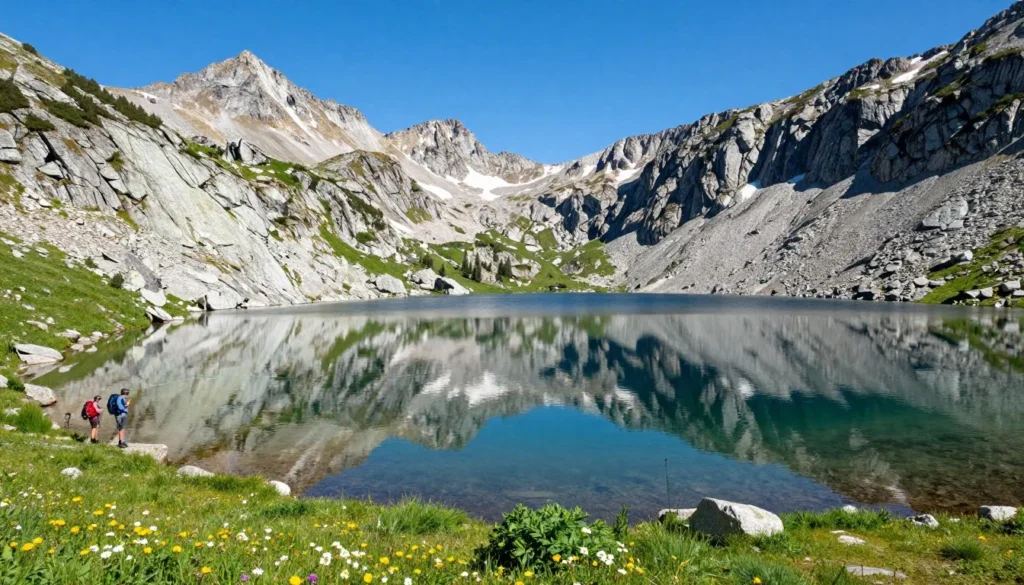
Over 20 alpine lakes dot the high country of the Ruby Mountains. Most lakes sit between 2,700-3,050 m (9,000-10,000′) elevation. These pristine waters hold healthy populations of trout.
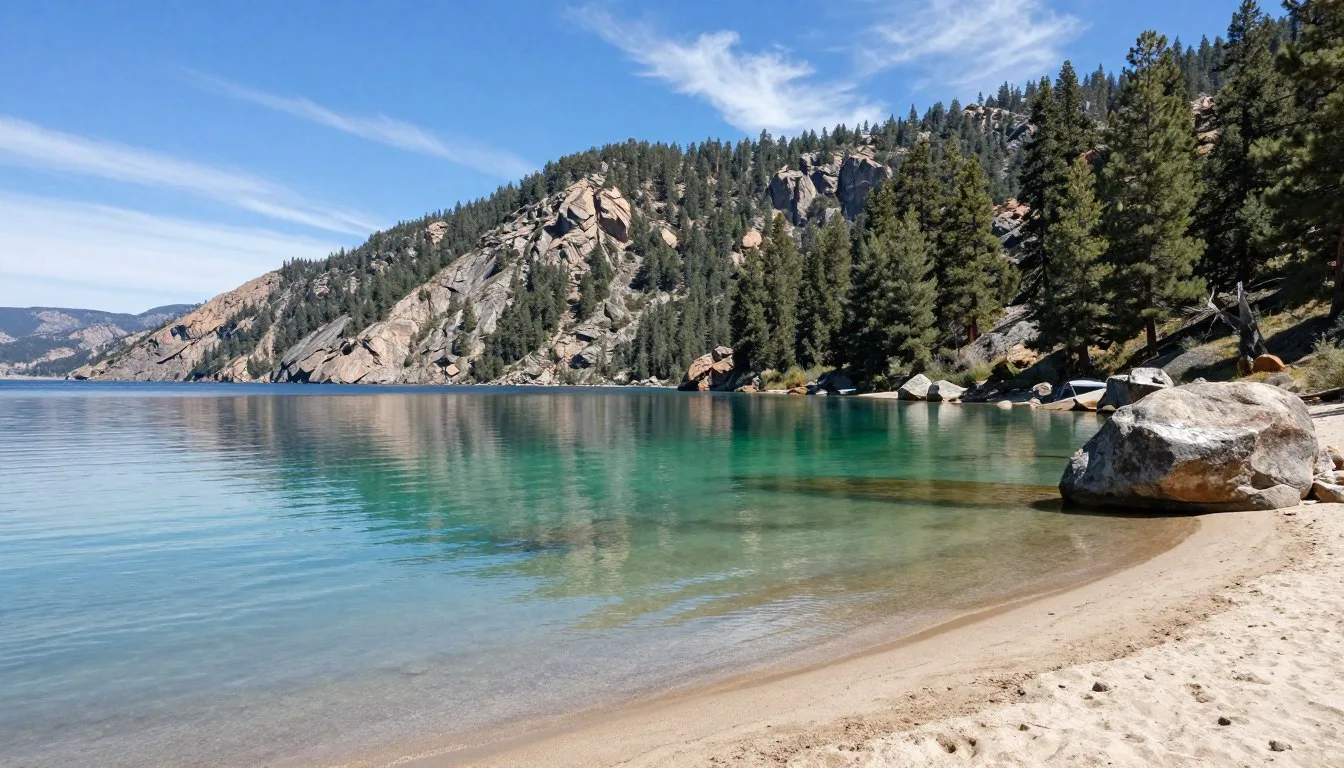
Lamoille Lake spans approximately 16 hectares (40 acres) and offers the easiest access. Brook trout and rainbow trout cruise the cold waters. The lake sits in a spectacular cirque surrounded by granite peaks.
Liberty Lake requires a longer hike but rewards anglers with excellent fishing. This 12-hectare (30-acre) lake contains brook trout averaging 25-30 cm (10-12 inches). The scenic beauty rivals the fishing quality.
Nevada fishing licenses are required for all anglers 12 years and older. Purchase licenses online through the Nevada Department of Wildlife or at sporting goods stores in Elko. Special regulations apply to some lakes, so check current rules before fishing.
Most alpine lakes fish best during late afternoon and evening hours. Dry flies work well during summer months when insects hatch. Small spinners also produce consistent results.
Museums, Cultural Spots & Festivals
While the Ruby Mountains themselves hold no museums, nearby Elko offers several cultural attractions that complement your mountain visit.
The Northeastern Nevada Museum in Elko explores regional history from Native American times through mining and ranching eras. Excellent wildlife exhibits showcase animals found in the Ruby Mountains. Admission costs $5 for adults, with children under 12 entering free.
Western Folklife Center occupies a restored hotel building in downtown Elko. The center preserves and presents Western cultural traditions through exhibits, performances, and workshops. It serves as year-round headquarters for the National Cowboy Poetry Gathering.
California Trail Interpretive Center sits 16 km (10 miles) west of Elko. This modern facility tells the story of westward migration during the 1840s-1860s. Interactive exhibits bring pioneer history to life. The Ruby Mountains formed a significant landmark for wagon trains crossing Nevada.
Indigenous peoples called the Newe (Western Shoshone) lived in and around the Ruby Mountains for thousands of years. They established seasonal camps to hunt, gather pine nuts, and fish. Respect any archaeological sites you encounter while exploring the mountains.
Nature & Outdoor Experiences
Wildlife Watching
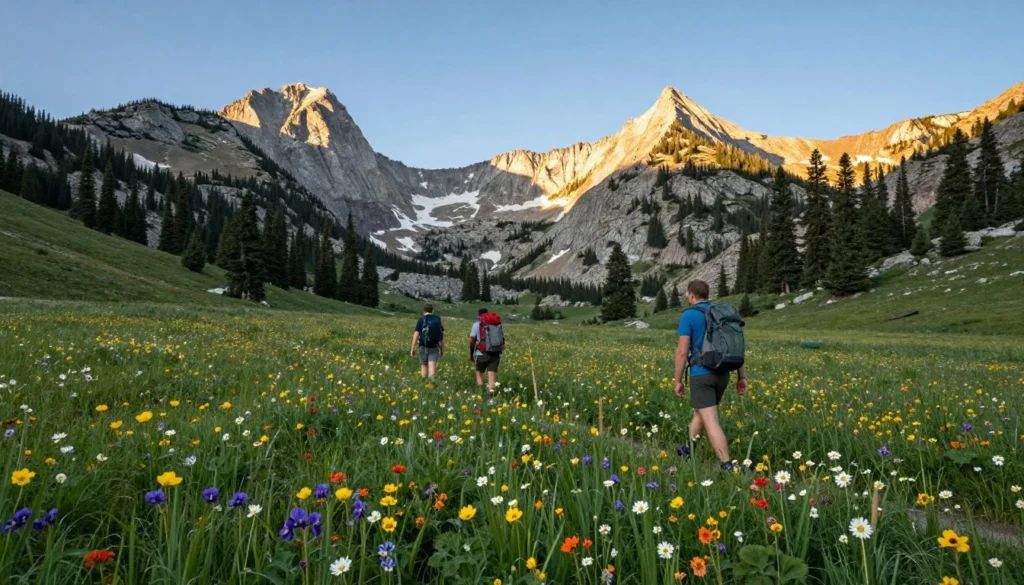
The Ruby Mountains support diverse wildlife populations. Early morning and evening hours offer the best viewing opportunities. Bring binoculars to spot animals at safe distances.
Mountain goats inhabit the highest peaks and rocky areas above treeline. These white-coated animals navigate impossibly steep terrain with ease. Look for them on cliff faces and ridgelines, especially near Wines Peak and Ruby Dome.
Bighorn sheep frequent the canyon walls and high meadows. The Nevada Department of Wildlife has successfully restored sheep populations through careful management. Rams sport impressive curved horns that can weigh over 14 kg (30 pounds).
Mule deer browse throughout forested areas and meadows. Does often travel with spotted fawns during summer months. Bucks grow impressive antlers and become more visible during fall rutting season.
Bird enthusiasts can spot golden eagles soaring above ridges. Clark’s nutcrackers, Steller’s jays, and mountain bluebirds inhabit forested areas. Watch for waterfowl on alpine lakes during migration periods.
Photography Opportunities
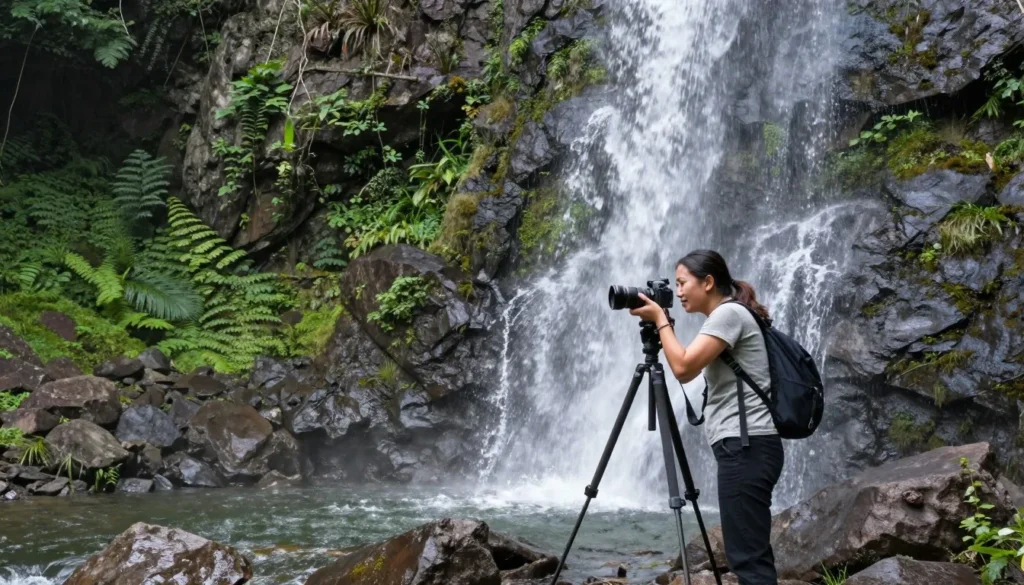
Photographers find endless subjects in the Ruby Mountains. The dramatic landscapes change with the light throughout the day. Golden hour provides the most spectacular lighting on granite peaks.
Waterfalls along the Lamoille Canyon road flow strongest during June and early July. These cascades create excellent foreground subjects with mountain backdrops. A polarizing filter helps manage the bright Nevada sunlight.
Wildflower season peaks from late June through July. Alpine meadows explode with color including lupine, Indian paintbrush, and columbine. Macro lenses capture intimate flower portraits.
Star photography rewards patient night shooters. The dark skies far from city lights reveal the Milky Way clearly. Alpine lakes provide mirror-like reflections for creative compositions.
Rock Climbing and Mountaineering
Granite walls throughout the Ruby Mountains attract technical climbers. Routes range from moderate multi-pitch climbs to challenging big-wall adventures. Most climbing happens during summer and early fall months.
Ruby Dome stands as the highest peak at 3,471 m (11,387′). The standard route requires scrambling but no technical climbing. More challenging routes exist on the north face.
Bring all necessary equipment, as no climbing shops operate near the mountains. The nearest outdoor gear retailers are in Elko, with limited selection. Most visiting climbers bring equipment from home.
Travel With Children
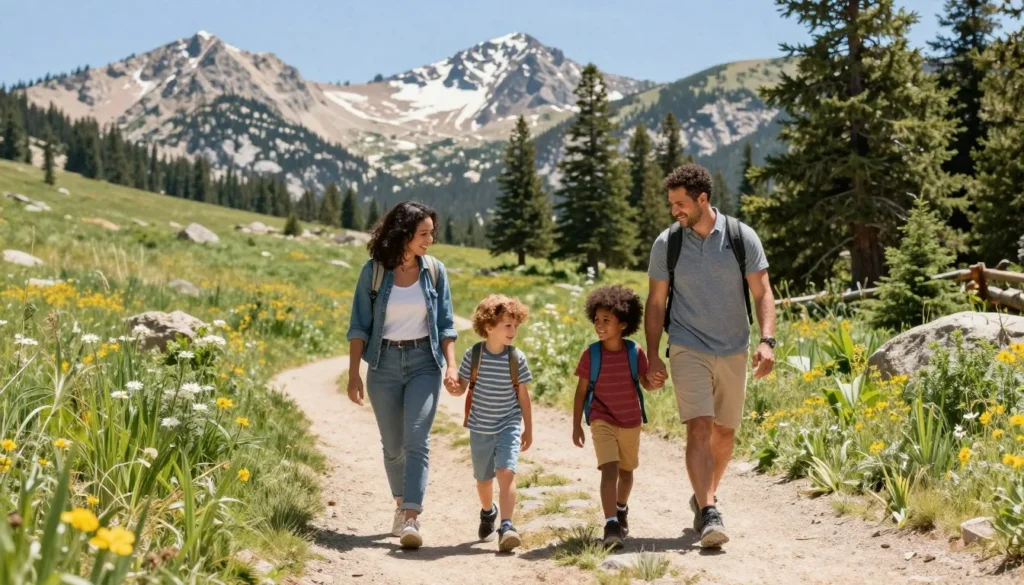
The Ruby Mountains offer excellent family adventures with proper planning. Several easy trails and activities suit children of various ages.
The Island Lake Trail from Roads End provides a moderate family hike. The route covers 2.4 km (1.5 miles) one way with 120 m (400′) elevation gain. Most kids aged 6 and up handle this trail comfortably. The lake destination gives children a clear goal and swimming opportunities.
Driving the Lamoille Canyon road entertains younger children who cannot hike long distances. Stop at pullouts to explore, throw rocks in streams, and watch for wildlife. Pack snacks and games for the drive.
The Terraces Picnic Area offers playground equipment and easy walking paths. Tables sit under shade trees with mountain views. Restroom facilities make this a convenient lunch stop.
Teach children about Leave No Trace principles before your trip. Kids enjoy collecting trash they find on trails. This helps them feel responsible for protecting the mountains. Always supervise children near water and cliff edges.
Altitude affects children more quickly than adults. Watch for signs of altitude sickness including headaches, nausea, and fatigue. Descend immediately if symptoms develop. Keep everyone well-hydrated and moving at a comfortable pace.
Money Saving Tips
Visiting the Ruby Mountains costs less than many mountain destinations. These tips help stretch your budget further.
Camp instead of staying in hotels. The Humboldt-Toiyabe National Forest campgrounds charge only $8 per night. Dispersed camping costs nothing. A family of four saves $80-150 per night compared to hotel rates.
Pack all your food from home. Grocery prices in Elko run higher than urban areas. Bring coolers with ice and prepare simple camp meals. You will save $30-50 per day for a family compared to restaurant dining.
Visit during shoulder seasons in June or September. Accommodation rates drop 20-30% compared to peak July and August. Weather remains excellent for most activities, with fewer crowds on trails.
No entrance fees apply to the Ruby Mountains or Lamoille Canyon. Parking is free at all trailheads and viewpoints. This saves the $25-35 entrance fees charged at many national parks.
Purchase an annual Nevada fishing license if you plan multiple fishing days. The annual license costs $73 for non-residents versus $49 for three-day licenses. Break-even comes at five fishing days.
Check 30,000+ Local Sightseeing Tours Worldwide
✓ Numerous languages and currencies are available
Fill water bottles from streams and treat water rather than buying bottled water. A simple filter costs $30-40 and eliminates buying dozens of water bottles. This saves money and reduces plastic waste.
Safety & Local Customs
Emergency Contacts: Cell service is unreliable throughout the Ruby Mountains. In emergencies, call 911 if you have signal. The Elko County Sheriff can be reached at 775-738-3421. Always tell someone your hiking plans and expected return time before heading into the backcountry.
Mountain Safety
High altitude poses the most common safety challenge. Lamoille Canyon starts at 1,980 m (6,500′) and trails quickly reach over 2,740 m (9,000′). Allow time to acclimatize before strenuous activities. Drink extra water and move at a comfortable pace.
Weather changes rapidly in the mountains. Afternoon thunderstorms develop frequently during summer. Lightning strikes pose serious danger above treeline. Start hikes early and plan to descend by 2 PM during thunderstorm season.
Bear encounters remain rare but possible. Black bears occasionally wander through the area. Store food properly in bear-resistant containers when camping. Make noise while hiking to avoid surprising wildlife.
Stream crossings challenge hikers during snowmelt season. Water runs high and cold during June and early July. Scout crossing points carefully and use trekking poles for stability. Never attempt to cross swollen streams.
Carry the ten essentials on every hike: navigation tools, sun protection, insulation, illumination, first-aid supplies, fire starter, repair kit, nutrition, hydration, and emergency shelter. Mountain weather can turn dangerous quickly.
Local Etiquette
Nevada’s rural communities value politeness and self-reliance. Locals appreciate visitors who respect the land and follow Leave No Trace principles. Pack out everything you pack in, including toilet paper.
Ranching remains the economic foundation for communities around the Ruby Mountains. You may encounter cattle grazing in the Humboldt-Toiyabe National Forest under permit. Give livestock plenty of space and do not harass them.
Mining holds deep cultural significance throughout Nevada. Active and historic mining claims exist in the mountains. Respect private property and do not disturb mining equipment or structures.
Water is precious in Nevada’s desert climate. Never waste water at campgrounds or other facilities. Locals take conservation seriously in this arid region.
Visitor Comments About Ruby Mountains
“We stumbled upon the Ruby Mountains while driving across Nevada and decided to take the Lamoille Canyon road. It turned into the highlight of our entire western road trip. The scenery rivals anything we saw at more famous national parks, but we practically had the place to ourselves. The alpine lakes were absolutely pristine.”
“I have hiked in mountain ranges across four continents, and the Ruby Crest Trail ranks among my top three experiences. The combination of dramatic peaks, beautiful alpine lakes, and abundant wildlife made every day memorable. What impressed me most was the solitude. We saw only three other groups during our five-day trek.”
“My family spent a week camping in Lamoille Canyon and we created memories that will last forever. Our children loved exploring different trails each day and fishing in the alpine lakes. The dark night skies allowed us to see countless stars and teach our kids about constellations. Best family vacation we have taken.”
Additional Nearby Destinations

Several other attractions sit within day-trip distance of the Ruby Mountains. These destinations complement your mountain adventure nicely.
Jarbidge Wilderness lies 110 km (68 miles) north of Elko. This remote area protects Nevada’s most northern mountains. The tiny town of Jarbidge claims to be the state’s most isolated community. Good gravel roads provide access during summer months.
Ruby Lake National Wildlife Refuge sits 100 km (62 miles) south along Ruby Valley. This extensive marsh attracts over 220 bird species. The 1,517-hectare (3,750-acre) wetland provides critical habitat in Nevada’s arid landscape. A scenic drive loops through the refuge with multiple viewing areas.
Great Basin National Park sits 240 km (150 miles) south. Wheeler Peak rises to 3,982 m (13,065′), making it Nevada’s second-highest mountain. Lehman Caves offer underground tours, and the park protects ancient bristlecone pine forests. Plan a full day or overnight trip to explore this area.
The historic mining town of Austin lies 200 km (125 miles) west along US Highway 50, “The Loneliest Road in America.” This wonderfully preserved community retains many Victorian-era buildings. Several museums document Nevada’s silver mining heritage.
Angel Lake sits in the East Humboldt Range, 45 km (28 miles) south of Wells. This beautiful alpine lake requires only a short walk from the parking area. The scenic drive up Angel Lake Road rivals the Lamoille Canyon road for spectacular views.
Practical Travel Tips
What to Pack
Layered clothing is essential for mountain conditions. Temperatures swing 20°C (35°F) or more between morning and afternoon. Bring base layers, insulating mid-layers, and waterproof outer shells. Synthetic fabrics or wool work better than cotton in mountain environments.
Sturdy hiking boots provide necessary ankle support and traction on rocky trails. Break in new boots before your trip to avoid blisters. Bring camp shoes or sandals for wearing around campgrounds.
Sun protection is critical at high elevation. Pack sunscreen with SPF 30 or higher, sunglasses with UV protection, and wide-brimmed hats. The thin atmosphere provides little protection from intense solar radiation.
Insect repellent helps during early summer when mosquitoes emerge near water sources. August and September see fewer bugs.
Connectivity and Services
Do not expect reliable cell phone service in the Ruby Mountains. Verizon provides the best coverage in the region, but even that carrier has gaps. AT&T and T-Mobile work in Elko but drop service quickly in the mountains.
Download offline maps and trail information before leaving Elko. Paper maps provide backup navigation. The Humboldt-Toiyabe National Forest produces excellent topographic maps available at outdoor retailers.
The nearest hospital operates in Elko. Northeastern Nevada Regional Hospital provides full emergency services. The drive from Lamoille Canyon to Elko takes 45 minutes under good conditions.
Gas stations in Lamoille are limited. Fill your tank in Elko before heading into the mountains. The nearest reliable fuel comes from Elko.
Regulations and Permits
No permits are required for day hiking in the Ruby Mountains. Backpackers do not need wilderness permits either, though the Nevada Department of Wildlife recommends registering your trip online for safety purposes.
Campfires are allowed in developed campgrounds within metal fire rings. Backcountry campfires require extra caution. Check current fire restrictions before your trip, as regulations change based on conditions. Many hikers bring camp stoves instead of building fires.
Dogs are allowed on trails but must remain under control. Keep pets leashed around wildlife and other hikers. Pack out all dog waste. Some alpine lakes have special fishing regulations, so review current rules.
Your Ruby Mountains Adventure Awaits
The Ruby Mountains stand ready to reward adventurous travelers with experiences found nowhere else. These granite peaks rising from Nevada’s high desert create an alpine paradise that remains blissfully uncrowded. Whether you spend a single day driving the Lamoille Canyon scenic drive or a week backpacking the Ruby Crest National Recreation Trail, you will discover why those who visit consider these mountains their secret treasure.
Pack your gear, fill your water bottles, and point your compass toward these spectacular peaks. The alpine lakes reflect perfect blue skies, the waterfalls cascade down ancient granite, and the trails lead to adventures you will remember forever. The Ruby Mountains await your discovery.