Hotels by Trip.com
Flights by Trip.com
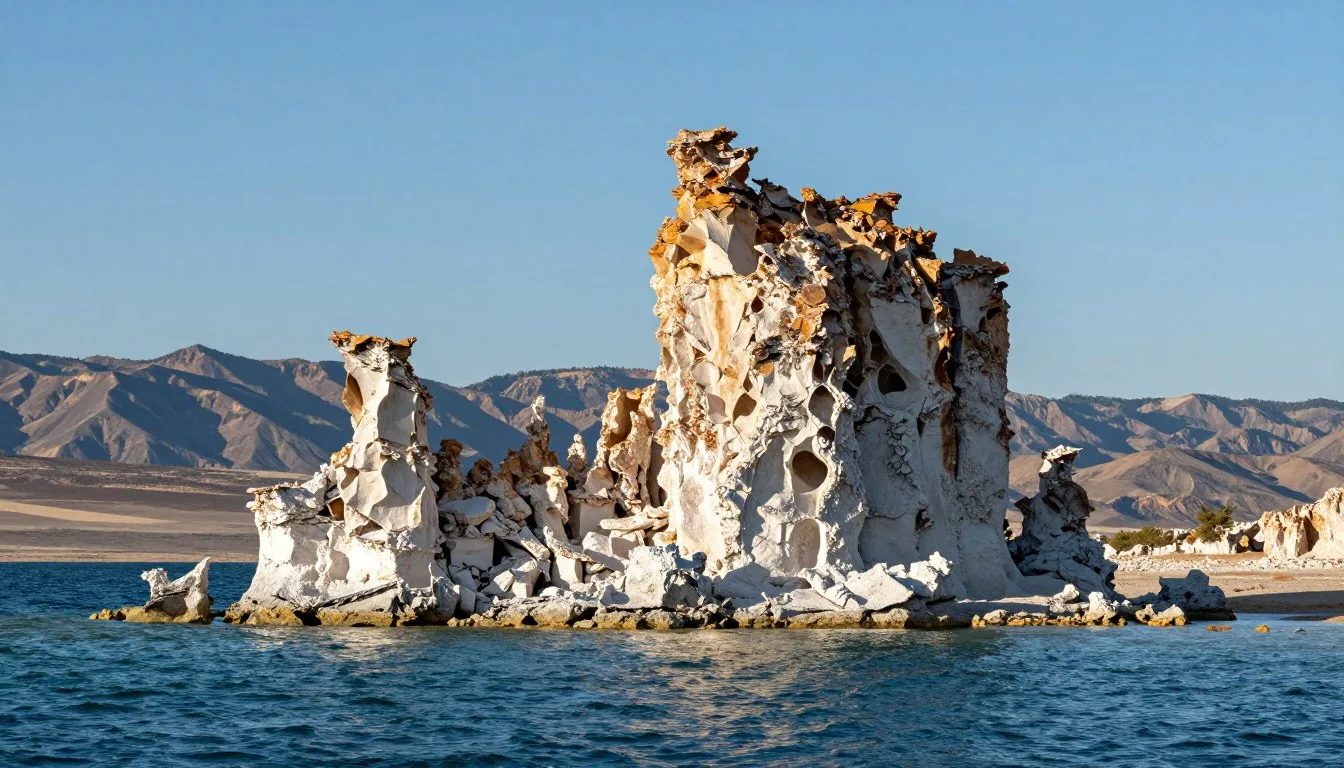
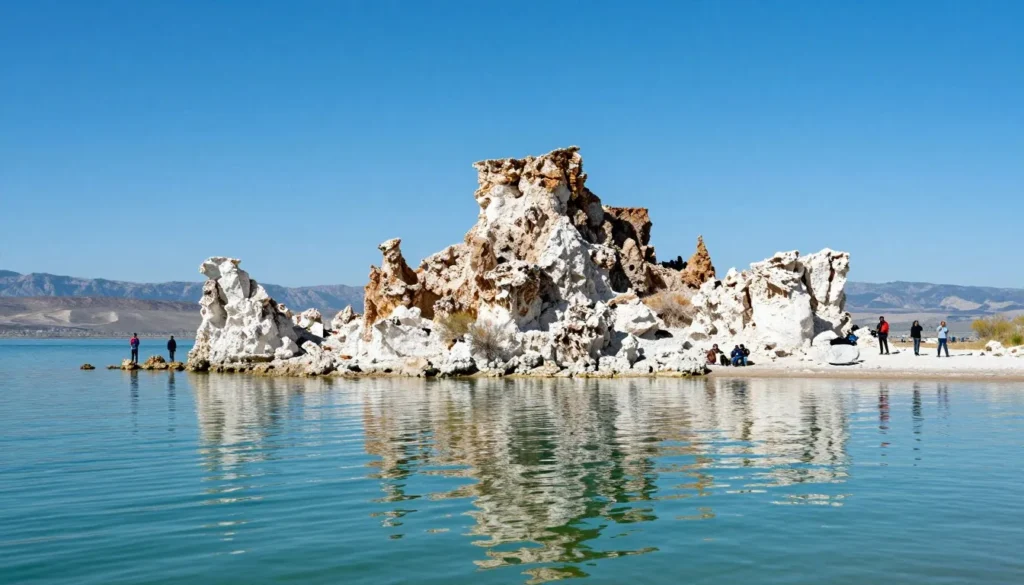
Pyramid Lake holds more water than Lake Tahoe and Lake Mead combined during certain times of the year. This ancient desert lake stretches across 48,562 hectares (120,000 acres) of northern Nevada landscape. The lake takes its name from the pyramid-shaped tufa rock formations that rise dramatically from its waters, with Sail Rock being among the most iconic of these natural sculptures.
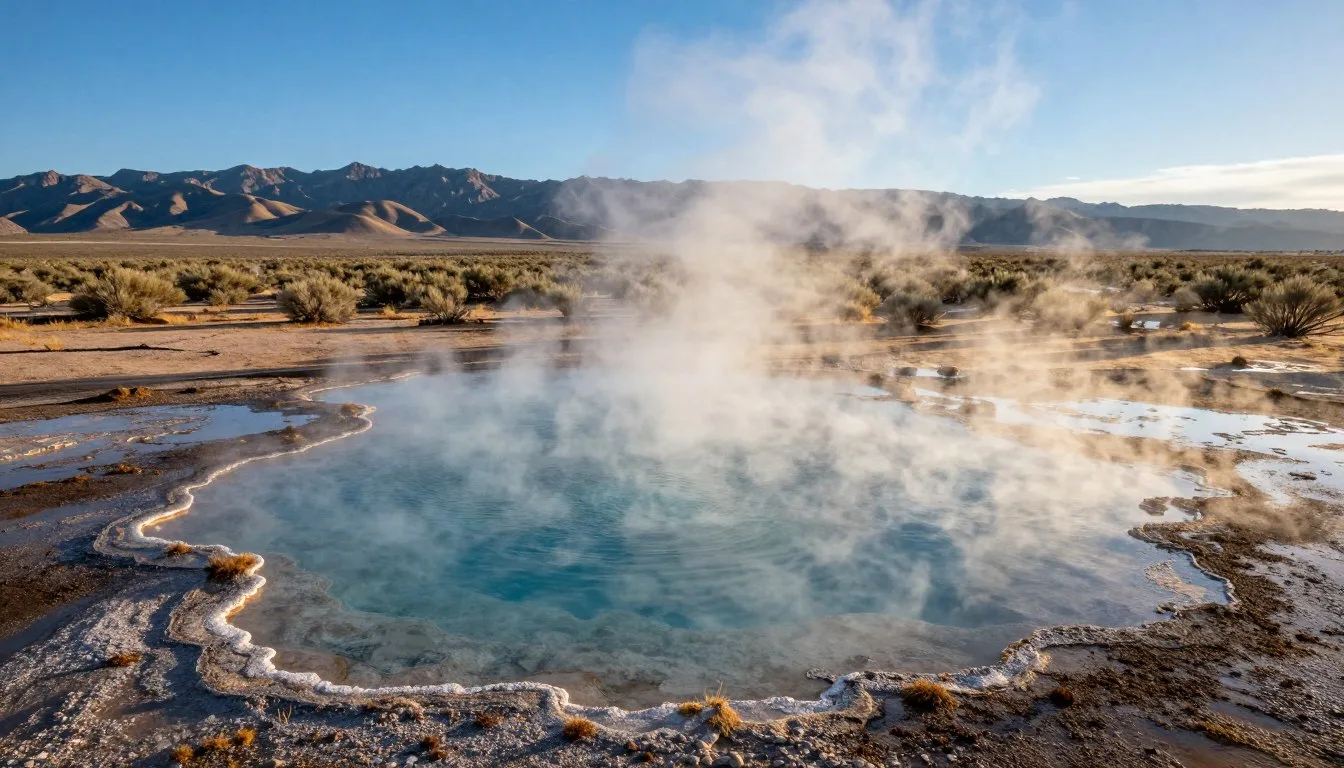
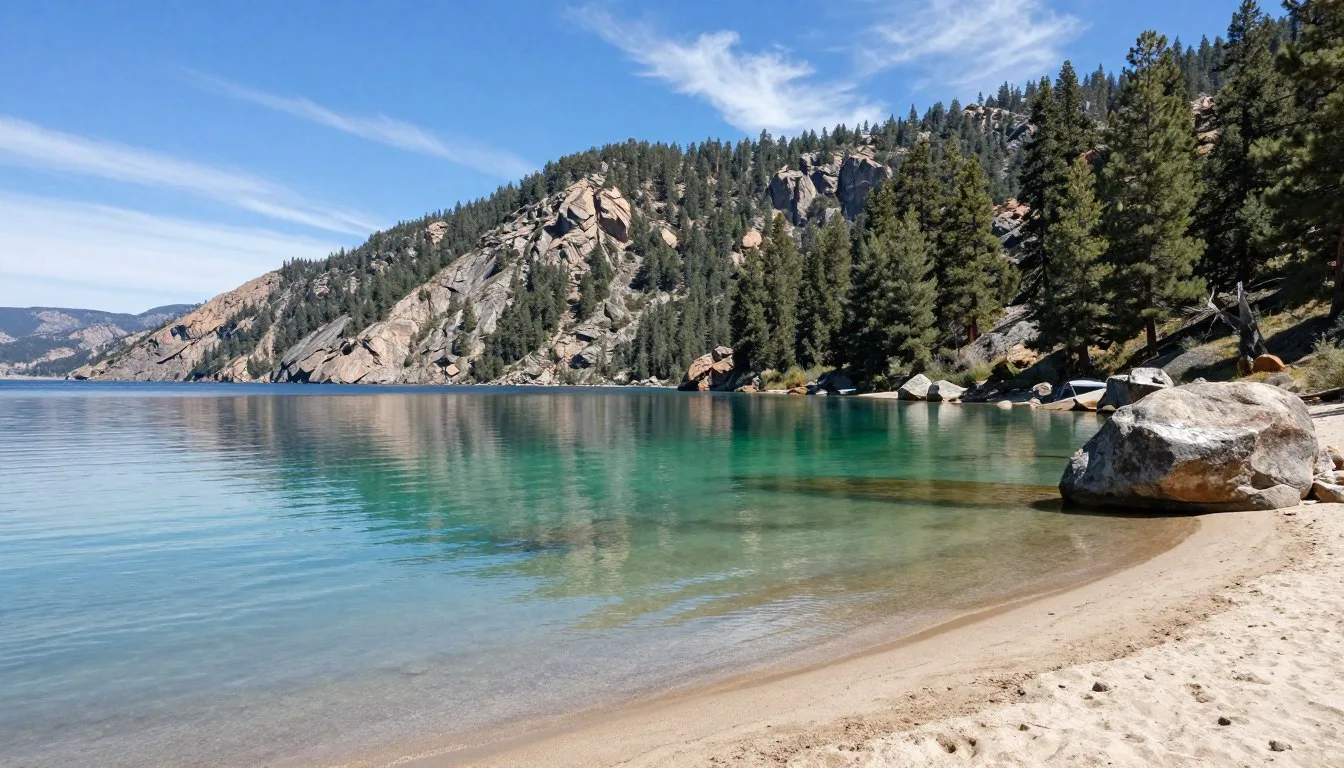
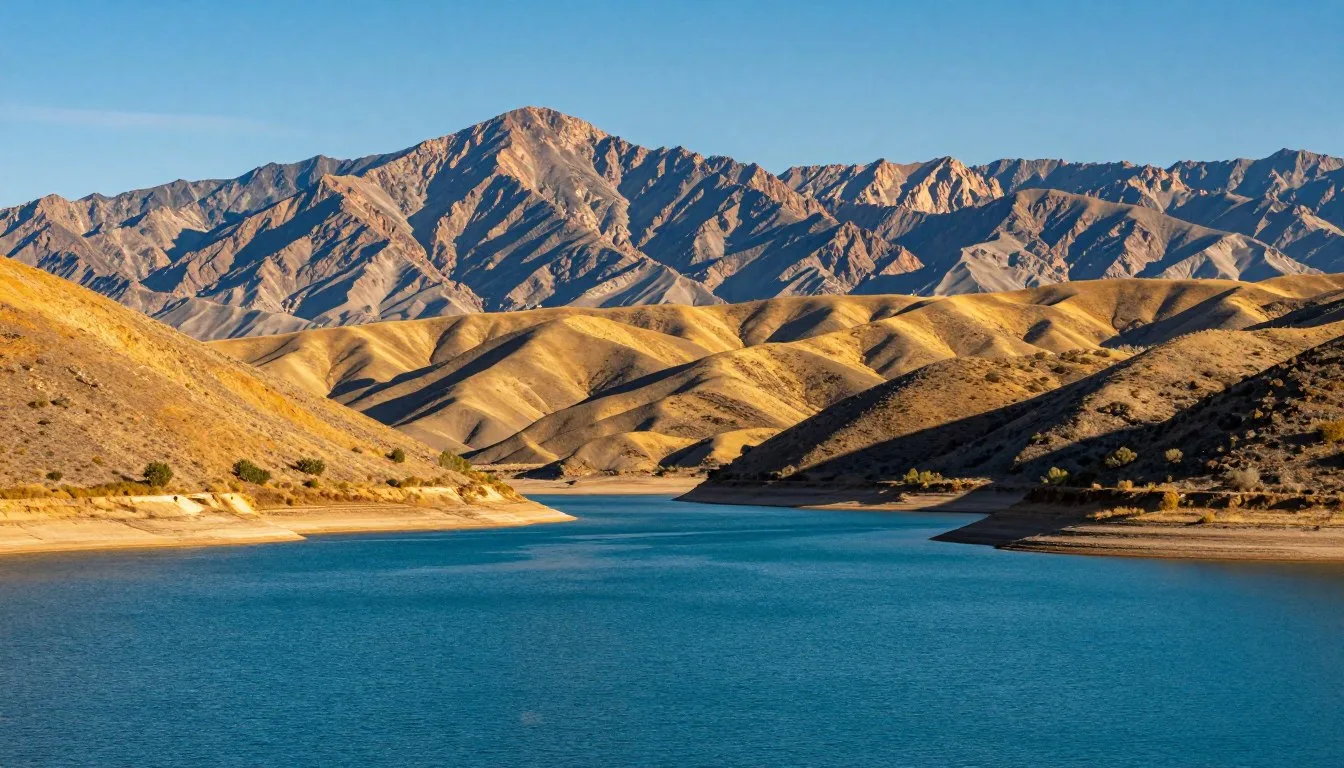
Located on Pyramid Lake Paiute Tribe reservation land, this remarkable body of water serves as one of the last remaining habitats for the endangered cui-ui fish. The lake waters shimmer in shades of turquoise and jade. Desert mountains frame every view.
Visitors come from around the world to fish for massive Lahontan cutthroat trout. Others seek the otherworldly tufa formations. Photographers capture stunning desert lake vistas. Each person discovers something unique about this special place.
This comprehensive guide covers everything you need to plan your visit. You’ll learn about getting there, permits, accommodations, and activities. We’ll share insider tips from locals and recent visitors. Whether you’re an angler, photographer, or nature enthusiast, Pyramid Lake offers unforgettable experiences.
Getting There and Planning Your Journey
Reaching Pyramid Lake requires planning. The lake sits about 64 kilometers (40 miles) northeast of Reno. Most visitors arrive through Nevada’s largest city.
Closest Airports
Reno-Tahoe International Airport (RNO) serves as the primary gateway. This airport offers numerous daily flights from major United States cities. The facility sits just 48 kilometers (30 miles) southwest of the lake.
From the airport, rental cars provide the best transportation option. Major rental companies operate at the terminal. The drive takes approximately 45 minutes via Interstate 80 and State Route 445.
Sacramento International Airport (SMF) presents an alternative. Located 209 kilometers (130 miles) west, this airport serves travelers coming from California. The drive takes roughly two hours through scenic Sierra Nevada foothills.
Driving Directions
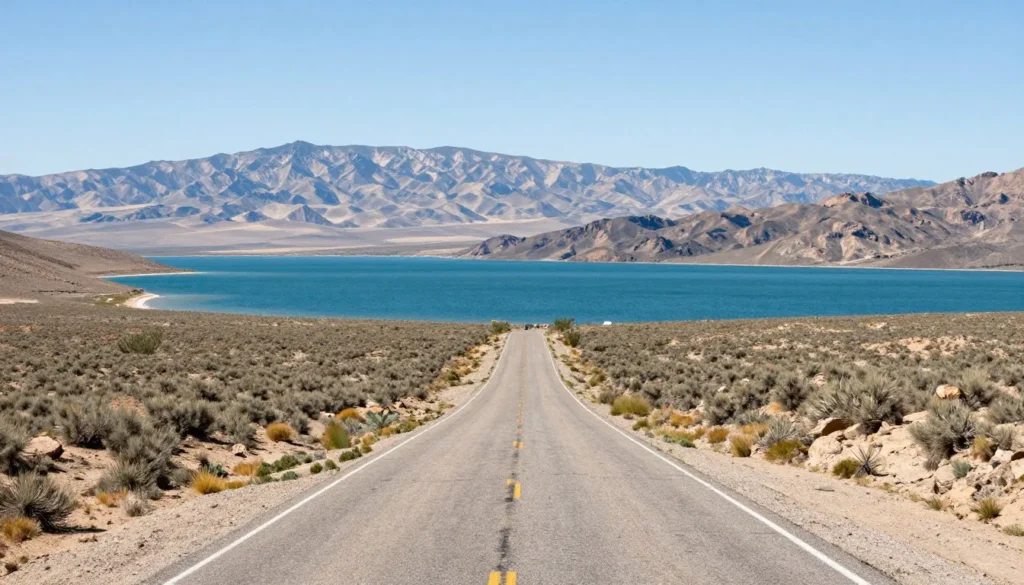
From Reno, take Interstate 80 east to Exit 43. Turn north onto State Route 445. This two-lane highway leads directly to the lake’s western shore. The route passes through Nixon, the primary community on the reservation.
The road offers spectacular views as you approach. Desert landscape transitions to lake vistas. Tufa formations become visible from several kilometers away.
Important Planning Note: All visitors must obtain permits from the Pyramid Lake Paiute Tribe before accessing the lake. Permits are required for fishing, camping, and day use. Contact the Pyramid Lake Paiute Tribe Ranger Station at 775-476-1155 for current permit information and regulations.
Cell phone service becomes limited near the lake. Download directions and maps before leaving urban areas. Bring physical maps as backup. The reservation covers remote desert terrain.
Gas stations exist in Nixon and Sutcliffe. Fill your tank before heading to remote areas. The nearest major services remain in Reno.
Best Time to Visit and Weather Tips
Best Time to Visit Pyramid Lake
Spring months from March through May offer ideal conditions. Temperatures range from 15°C to 24°C (60°F to 75°F). The cutthroat trout fishing reaches peak activity. Water levels typically run high from Truckee River snowmelt.
Fall provides another excellent window. September through November brings comfortable temperatures between 13°C and 21°C (55°F to 70°F). Crowds thin after summer. The desert landscape displays beautiful autumn colors in surrounding hills.
Early morning visits reward photographers with stunning light. The low sun illuminates tufa formations dramatically. Water surfaces often remain calm before afternoon winds develop.
Seasons to Approach with Caution
Summer heat from June through August can exceed 38°C (100°F). The desert sun beats down relentlessly. Afternoon winds create challenging conditions for fishing. Limited shade exists along the shore.
Winter months bring freezing temperatures. Ice can form along shorelines. Roads may close during snow events. Fishing slows significantly in cold water temperatures.
Weather Considerations
Desert conditions mean dramatic temperature swings. Morning temperatures may start at 7°C (45°F). Afternoons can reach 27°C (80°F). Layer your clothing appropriately.
Wind represents the most consistent weather challenge. Afternoon gusts frequently exceed 32 kilometers per hour (20 mph). Waves develop quickly on the open water. Plan water activities for calm morning hours.
The high desert elevation sits at 1,158 meters (3,799 feet). Sun intensity increases with altitude. Apply sunscreen liberally. Wear protective clothing and sunglasses.
Weather Safety: Summer temperatures can be dangerous. Bring twice as much water as you think you need. Heat exhaustion develops quickly in desert conditions. Know the signs and seek shade immediately if symptoms appear.
Notable Annual Festivals
The Pyramid Lake Paiute Tribe hosts several cultural events throughout the year. These gatherings celebrate tribal heritage and welcome respectful visitors.
The Numaga Indian Days Celebration occurs each September. This multi-day event features traditional dancing, crafts, and cultural demonstrations. Activities include powwow competitions and food vendors. For specific dates and information, contact the Pyramid Lake Paiute Tribe at 775-574-1000.
The All Indian Rodeo takes place during summer months. Professional and amateur cowboys compete in traditional rodeo events. The community gathers for this popular celebration. Contact the tribe’s events office for current scheduling.
Fishing derbies happen several times per year. These tournaments attract anglers seeking prize catches. Entry fees support tribal programs. The Pyramid Lake Fisheries at 775-476-0500 provides tournament schedules and registration details.
Getting Around Locally
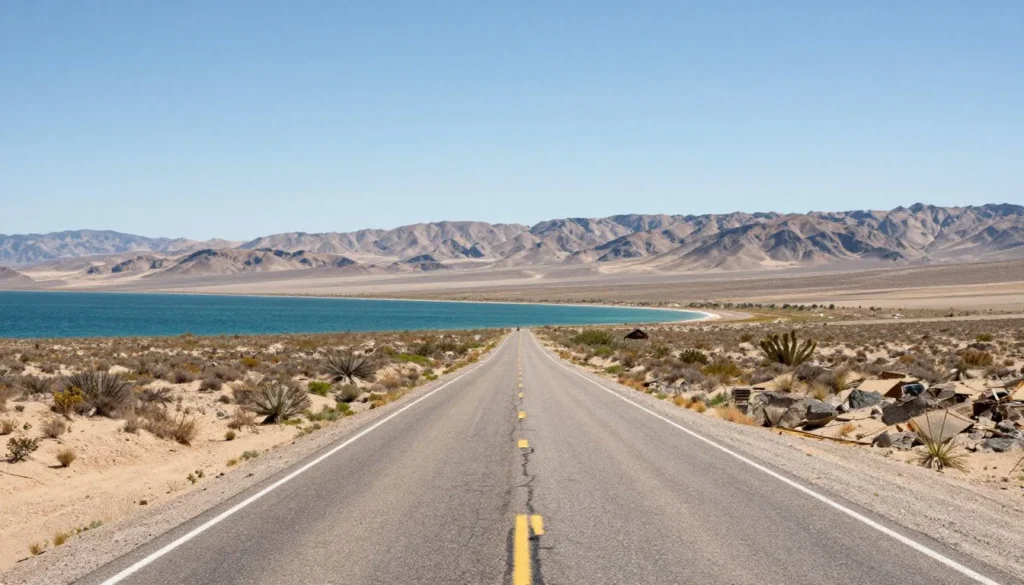
Personal vehicles provide the only practical transportation around Pyramid Lake. No public transit serves the reservation. Taxi services from Reno don’t typically travel this far.
Navigating the Reservation
State Route 445 forms the main artery along the western shore. This paved highway connects all major access points. The road quality remains good year-round.
Numerous dirt roads branch toward the shoreline. Some require high-clearance vehicles. Check road conditions before venturing onto unpaved surfaces. Spring runoff and summer storms can make routes impassable.
The eastern shore accessed via State Route 446 offers remote fishing spots. This route provides different perspectives of Sail Rock and other tufa formations. The pavement eventually transitions to graded dirt roads.
Parking and Access
Designated parking areas exist at popular fishing beaches. These spots fill quickly during peak season weekends. Arrive early to secure preferred locations.
Parking directly on beaches requires proper permits. The Lake Paiute Tribe strictly enforces parking regulations. Vehicles must display valid permits visibly. Rangers patrol regularly.
Some areas prohibit vehicle access entirely. These protected zones preserve sensitive habitats and cultural sites. Respect all closure signs and barriers.
Navigation Tip: GPS systems and smartphone apps work poorly near the lake. Paper maps from the ranger station prove invaluable. Mark your location when parking in remote areas. The desert landscape looks similar in all directions.
Boat launches exist at several locations. The Pelican Point launch accommodates larger boats. Smaller boats and kayaks can launch from designated beach areas. Launch fees apply in addition to fishing permits.
Where to Stay
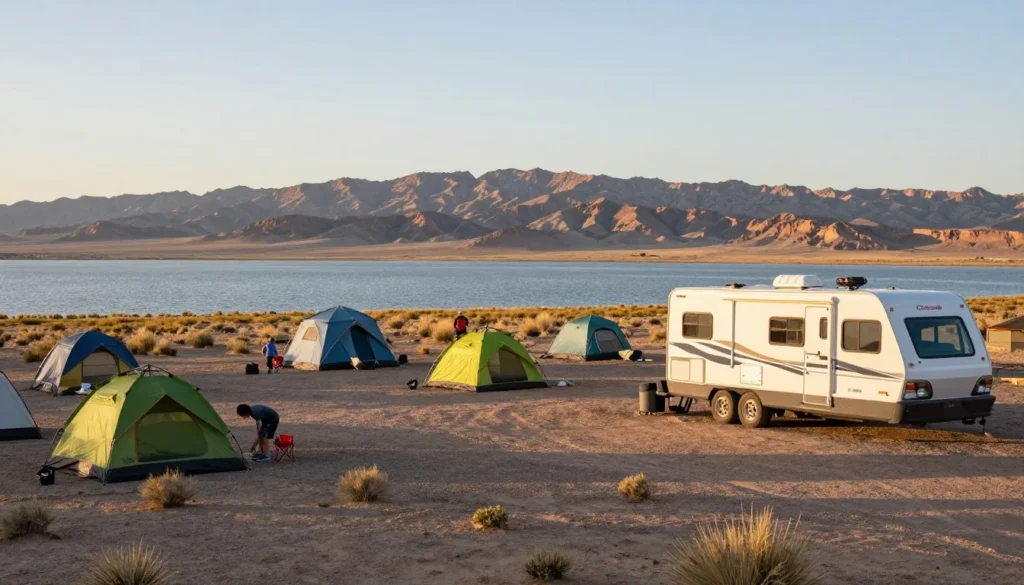
Accommodation options near Pyramid Lake remain limited. Planning ahead ensures you secure lodging during your visit.
On-Reservation Camping
The Pyramid Lake Paiute Tribe operates several campgrounds along the shore. These basic facilities offer the closest lodging to prime fishing areas.
Pelican Point provides developed camping with restrooms. This popular spot fills quickly during fishing season. Sites accommodate both tents and RVs. No hookups exist. Generators have restricted hours.
Primitive camping is permitted at designated beaches. These sites offer no facilities beyond pit toilets at some locations. Pack out all trash. Leave no trace of your visit.
Camping permits cost extra beyond day-use fees. Rates change annually. Contact the ranger station at 775-476-1155 for current pricing and availability. Reservations aren’t accepted for most sites. First-come, first-served policies apply.
Nearby Towns
Reno offers the widest selection of hotels. Chains and independent properties provide options for every budget. The 64-kilometer (40-mile) distance makes day trips feasible.
Sparks, adjacent to Reno, provides additional hotel choices. Several properties near Interstate 80 offer convenient highway access. Rates typically run lower than downtown Reno establishments.
Fernley, located 32 kilometers (20 miles) south, presents a closer alternative. This small town has several chain motels. Amenities remain basic but adequate. The drive to Pyramid Lake takes about 30 minutes.
Vacation Rentals
Private homes and cabins occasionally appear on rental platforms. These properties typically sit in Nixon or Sutcliffe. Availability varies greatly by season. Book well in advance if considering this option.
Some local residents offer rooms in their homes. These arrangements provide authentic cultural experiences. Ask at tribal offices or local businesses for current options.
Lodging Planning: No hotels or motels exist at the lake itself. The nearest accommodations with amenities sit 32 kilometers (20 miles) away. Consider camping for the full Pyramid Lake experience. Early morning fishing requires shoreline presence at dawn.
RV travelers find limited hookup facilities. The Pyramid Lake Marina offers some services. Call ahead at 775-476-1156 to check availability and reserve spots. Dry camping provides more options around the lake.
Dining and Local Cuisine
Dining options remain extremely limited at Pyramid Lake itself. Most visitors bring their own food and supplies.
On-Site Options
The Crosby Lodge in Sutcliffe serves basic American fare. This small establishment offers burgers, sandwiches, and breakfast items. Hours vary seasonally. Call 775-476-0400 to confirm they’re open before making the trip.
A small market in Nixon stocks basic groceries and supplies. Selection focuses on camping essentials and fishing gear. Prices run higher than urban stores. The market provides necessary items if you forget something.
No restaurants exist directly on the lake shore. Pack coolers with food and beverages for day visits. Bring more than you think you’ll need. The desert sun and wind increase appetite.
Preparing Your Own Meals
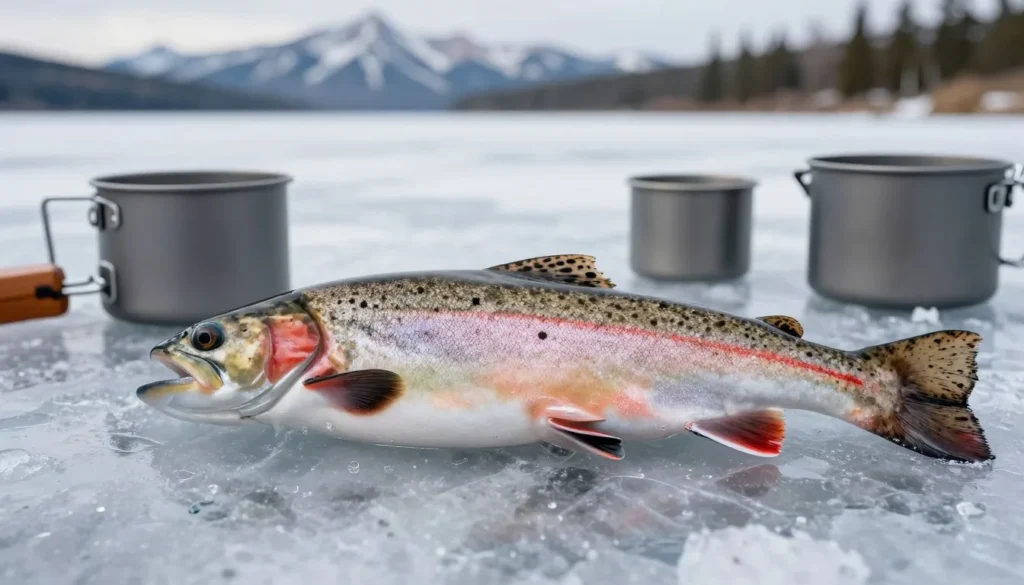
Most campers cook their own catches. Lahontan cutthroat trout offers excellent eating. The firm, white flesh has mild, sweet flavor. Grilling over campfires creates memorable meals.
Proper fish cleaning facilities exist at some access points. Dispose of remains in designated areas only. Never leave fish waste on beaches. This protects water quality and respects the lake.
Campfire cooking requires precautions. Use established fire rings. Check current fire restrictions before your visit. High winds and dry conditions often lead to fire bans.
Regional Specialties
The Pyramid Lake Paiute Tribe has deep fishing traditions. Cui-ui fish holds sacred significance in tribal culture. This endangered species receives complete protection. Only tribal members can harvest cui-ui for ceremonial purposes.
Traditional foods like pine nuts appear at cultural events. These native ingredients sustained the tribe for centuries. Respectful visitors can learn about indigenous foodways during festivals.
Stocking Up in Reno
Purchase supplies in Reno before heading to the lake. Major grocery chains offer full selections. Sporting goods stores carry camping food and supplies.
Reno restaurants provide diverse cuisine. Enjoy a good meal before your trip. Stock your cooler with perishables. Bring non-perishable snacks for the road.
Food Safety Reminder: Temperatures inside vehicles can exceed 60°C (140°F) in summer. Store food in insulated coolers with plenty of ice. Spoiled food in remote locations creates serious problems. Pack safely and check food temperatures regularly.
Water remains the most critical supply. Bring at least four liters (one gallon) per person per day. Desert conditions and physical activity increase consumption dramatically. The reservation has limited water sources.
Attractions, Sightseeing, and Activities
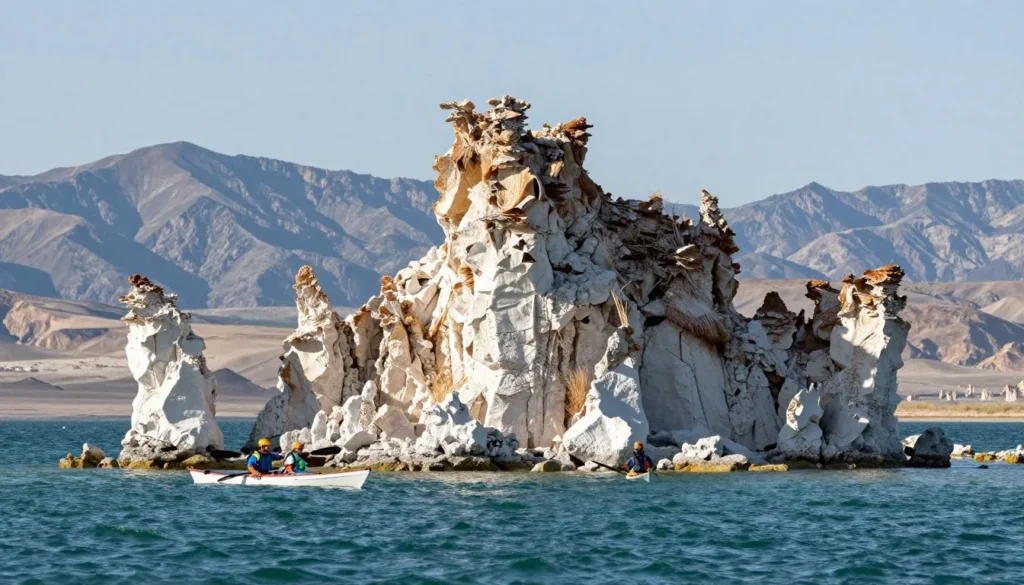
Pyramid Lake offers unique attractions found nowhere else in the world. The landscape combines water and desert in striking ways.
Sail Rock and Tufa Formations
Sail Rock stands as the lake’s most photographed feature. This massive tufa formation rises from the water like a ship’s sail. The white calcium carbonate structure contrasts brilliantly against turquoise water and blue sky.
Tufa forms when underwater springs mix calcium-rich water with lake carbonates. The deposits accumulate over thousands of years. Ancient lake levels left formations exposed as towers and islands.
The Pyramid, the lake’s namesake formation, rises prominently from the southeastern shore. This cone-shaped rock formation visible for miles around. Native peoples considered it sacred for centuries.
The Stone Mother watches over the lake from the eastern hills. This rock formation resembles a woman carrying a basket. Tribal legend says she weeps for her lost children, her tears forming the lake.
Photography opportunities abound. Early morning and late afternoon provide optimal lighting. The golden hour transforms white tufa into warm amber tones. Sunrise behind Sail Rock creates spectacular silhouettes.
World-Class Fishing
Pyramid Lake ranks among America’s premier trophy trout fisheries. The Lahontan cutthroat trout here grow to massive sizes. Fish over nine kilograms (20 pounds) swim these waters. The lake record exceeds 18 kilograms (40 pounds).
These trout represent a unique strain. The cui-ui fish provides their primary food source. This diet produces rapid growth and large sizes. The cutthroat trout population descended from fish saved when Truckee River dams blocked spawning runs.
Shore fishing remains the most popular method. Anglers cast from rocky points and sandy beaches. The Nets area on the western shore produces consistently. Pelican Point provides another productive location.
Ladder fishing utilizes tall platforms. Anglers climb ladders to cast over shallow water. This traditional technique reaches fish cruising offshore. Several ladder locations dot the western shore.
Boat fishing allows access to deeper waters. Trolling and stillwater techniques both work well. The lake’s size means finding fish requires knowledge and persistence.
Fishing Permits Required: All anglers must purchase Pyramid Lake Paiute Tribe fishing permits. Nevada state licenses don’t apply here. Tribal regulations differ from state rules. Special tackle requirements exist. Contact Pyramid Lake Fisheries at 775-476-0500 for complete regulations, permit sales, and current conditions.
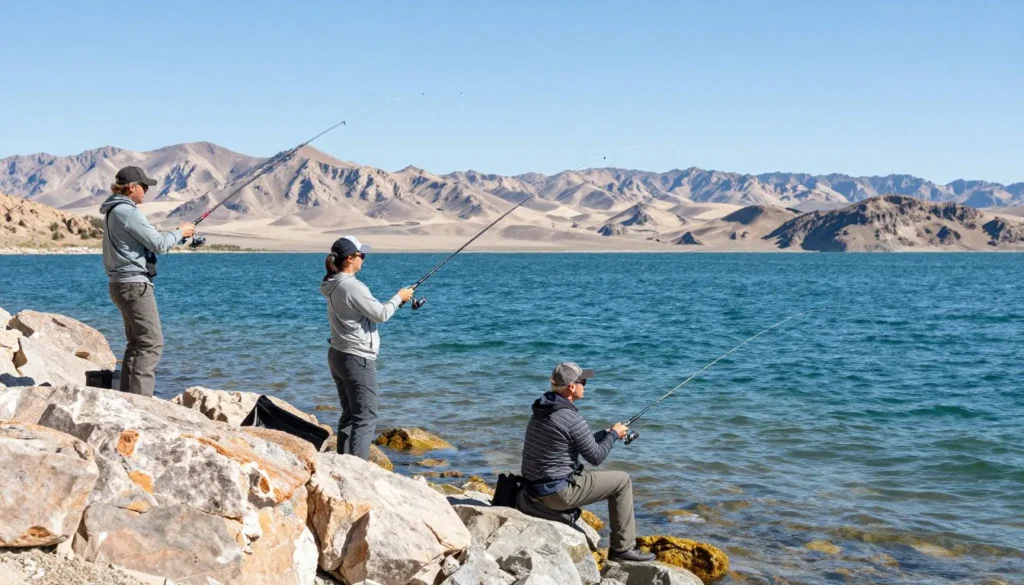
Fishing season runs year-round. Peak activity occurs October through May. Water temperatures in this range trigger increased feeding. Summer heat slows fishing significantly.
Fly fishing has gained popularity. Large streamers imitate cui-ui and chubs. Sinking lines reach proper depths. Patience and persistence lead to success.
Photography and Sightseeing
The lake presents endless photographic subjects. Landscape photographers find inspiration everywhere. Desert mountains frame turquoise water. Tufa formations create foreground interest. Wildlife adds movement to compositions.
Sunrise shoots require planning. Scout locations the previous afternoon. Arrive well before dawn. The pre-sunrise glow often surpasses the actual sunrise.
Storm photography produces dramatic results. Dark clouds contrast with illuminated formations. Lightning over the lake creates unforgettable images. Exercise extreme caution during electrical storms.
Wildlife photography opportunities include pelicans, herons, and numerous waterfowl species. The lake serves as an important bird habitat. Migrations bring additional species seasonally.
Scenic drives along State Route 445 provide constantly changing views. Pull over at designated viewpoints. The perspective shifts dramatically with each mile.
Water Recreation
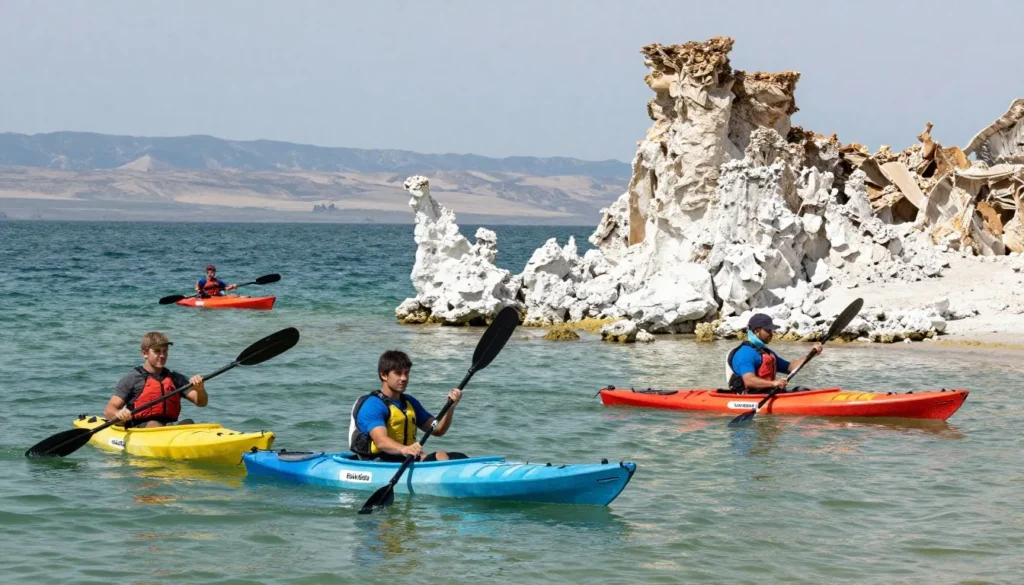
Kayaking and paddleboarding let visitors explore tufa formations up close. The calm morning water provides ideal conditions. Afternoon winds make paddling challenging.
No designated swimming beaches exist. The lake’s extreme depth and cold temperatures create hazards. Strong swimmers occasionally enter the water. Always wear life jackets and never swim alone.
Boating regulations apply on the lake. Valid permits must display on all watercraft. Boat inspections prevent invasive species introduction. The Pyramid Lake Paiute Tribe enforces strict rules protecting water quality.
Museums, Cultural Spots, and Festivals
Understanding the cultural significance of Pyramid Lake enhances any visit. The Pyramid Lake Paiute Tribe maintains deep connections to these waters and lands.
Tribal Heritage
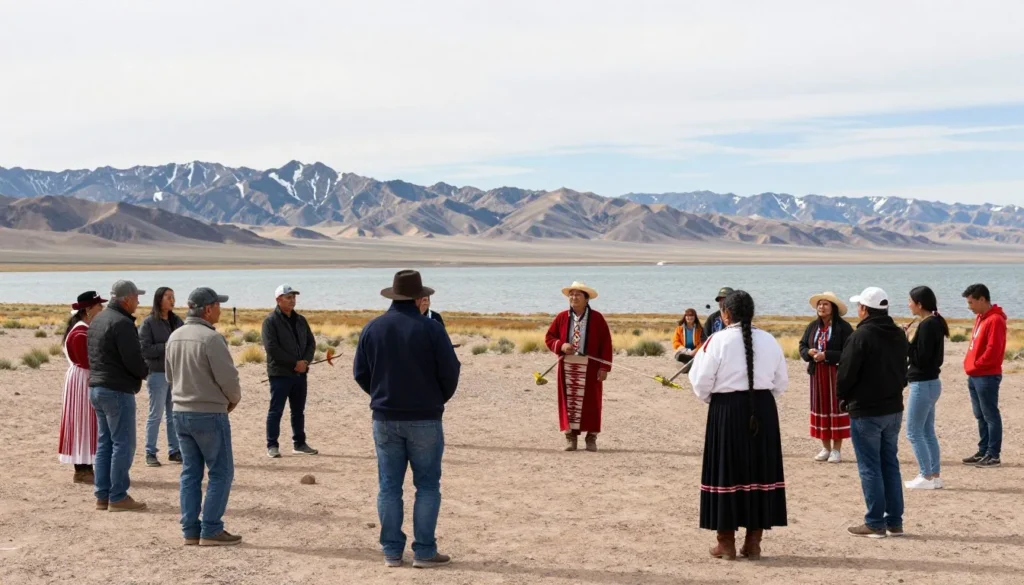
The Pyramid Lake Paiute Tribe has called this area home for thousands of years. Tribal members descend from people who lived throughout the Great Basin. They practiced sustainable resource management long before modern conservation.
The tribe considers Pyramid Lake sacred. Traditional stories explain the lake’s formation and features. The Stone Mother legend remains central to tribal identity. These stories pass down through generations.
Visitors must respect that they’re guests on tribal land. The reservation encompasses the entire lake and surrounding territory. Tribal sovereignty means tribal laws apply. Understanding this creates better experiences for everyone.
Cultural Learning Opportunities
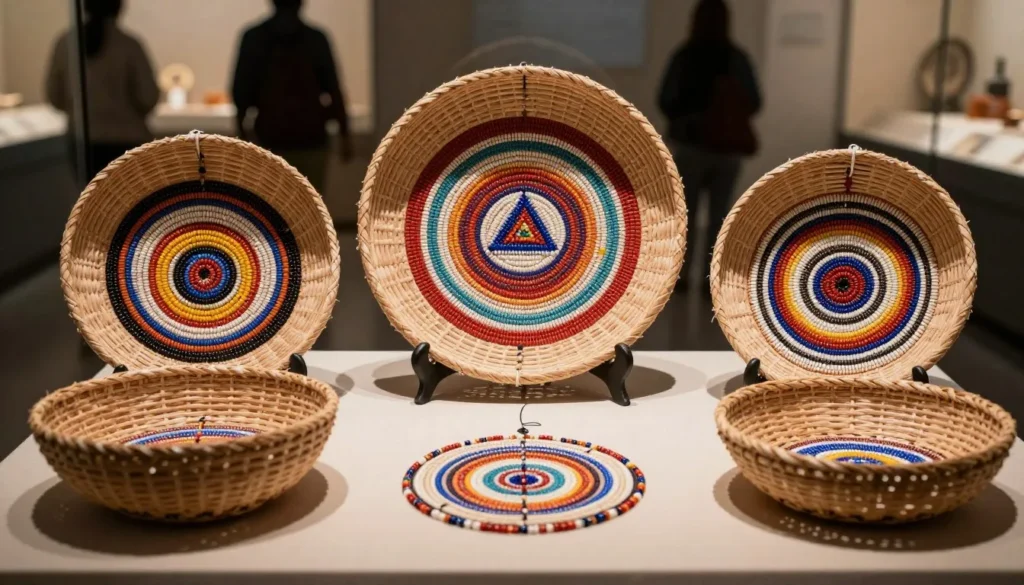
The Pyramid Lake Paiute Tribe Museum and Visitor Center in Nixon provides cultural education. Exhibits explain tribal history and contemporary life. Traditional crafts and historical photographs tell important stories. The center offers insights into the tribe’s relationship with the lake.
Hours vary seasonally. Call ahead at 775-574-1000 to confirm the center is open. Staff members answer questions and provide current information about the lake and reservation.
Cultural demonstrations sometimes occur during special events. Basket weaving and traditional crafts showcase ancestral skills. These demonstrations offer rare glimpses into living traditions.
Respecting Sacred Sites
Certain areas around the lake hold spiritual significance. Some formations and locations remain off-limits to visitors. Signs indicate restricted areas. Honor these boundaries without exception.
Archaeological sites exist throughout the reservation. Federal and tribal laws protect these resources. Never disturb artifacts or structures. Report any damage to tribal authorities.
Photography restrictions may apply at cultural events. Always ask permission before photographing tribal members or ceremonies. Some traditions remain private. Respectful visitors understand and honor these boundaries.
Cultural Respect: The Pyramid Lake Paiute Tribe welcomes respectful visitors. Learn basic cultural protocols before your visit. Never enter restricted areas. Ask permission before taking photographs of people or cultural activities. Your respectful behavior honors the tribe’s generosity in sharing their homeland.
Annual Cultural Events
The tribe hosts public events celebrating their heritage. These gatherings welcome visitors who approach with respect and genuine interest.
Powwows bring together tribal members and visitors. Traditional dancing, drumming, and singing create powerful experiences. Food vendors offer both traditional and contemporary cuisine. These multi-day events usually occur during warmer months.
The Pyramid Lake Paiute Tribe’s website and social media announce upcoming events. Planning your visit around a cultural celebration adds meaningful dimension to your trip.
Nature and Outdoor Experiences
Pyramid Lake exists within a unique ecosystem. The desert lake environment supports surprising biodiversity.
Wildlife Watching
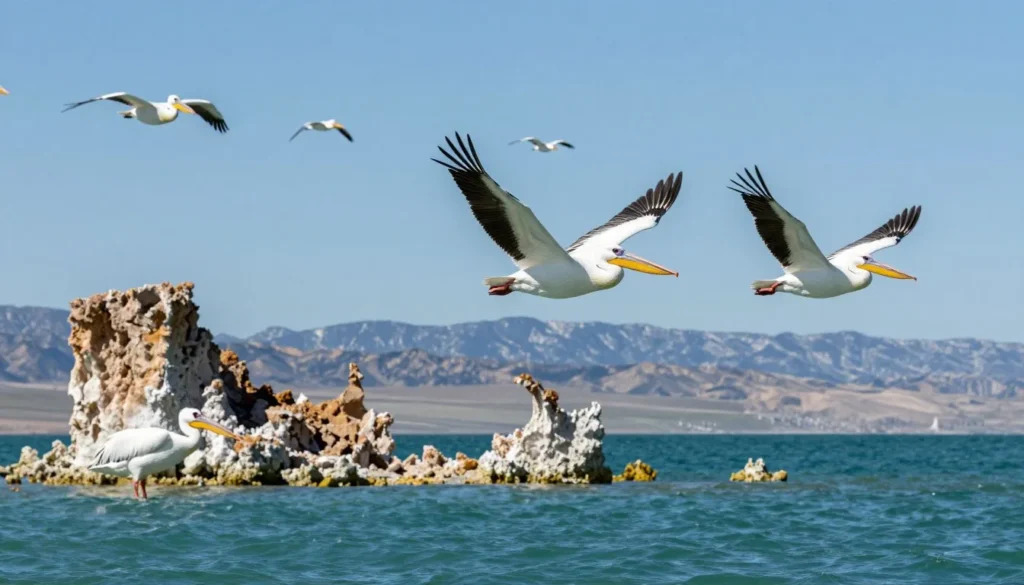
The lake attracts remarkable bird populations. American white pelicans nest on Anaho Island. This National Wildlife Refuge protects one of North America’s largest pelican colonies. Over 10,000 birds gather during nesting season.
The island remains off-limits to protect nesting birds. Binoculars or spotting scopes allow viewing from shore. The pelicans’ impressive wingspans exceed 2.7 meters (nine feet). Watching these massive birds fish provides entertainment for hours.
Great blue herons stalk shallow waters. Their patient hunting technique demonstrates perfect adaptation. Double-crested cormorants dive for fish. California gulls patrol the shoreline.
Migratory waterfowl stop at Pyramid Lake during spring and fall. Northern pintails, canvasbacks, and numerous duck species visit seasonally. The lake serves as a critical stopover on the Pacific Flyway.
Coyotes inhabit the surrounding desert. Their howls echo across the landscape at dusk. Jackrabbits bound through sagebrush. Occasional bobcat sightings reward patient observers.
Desert Ecology
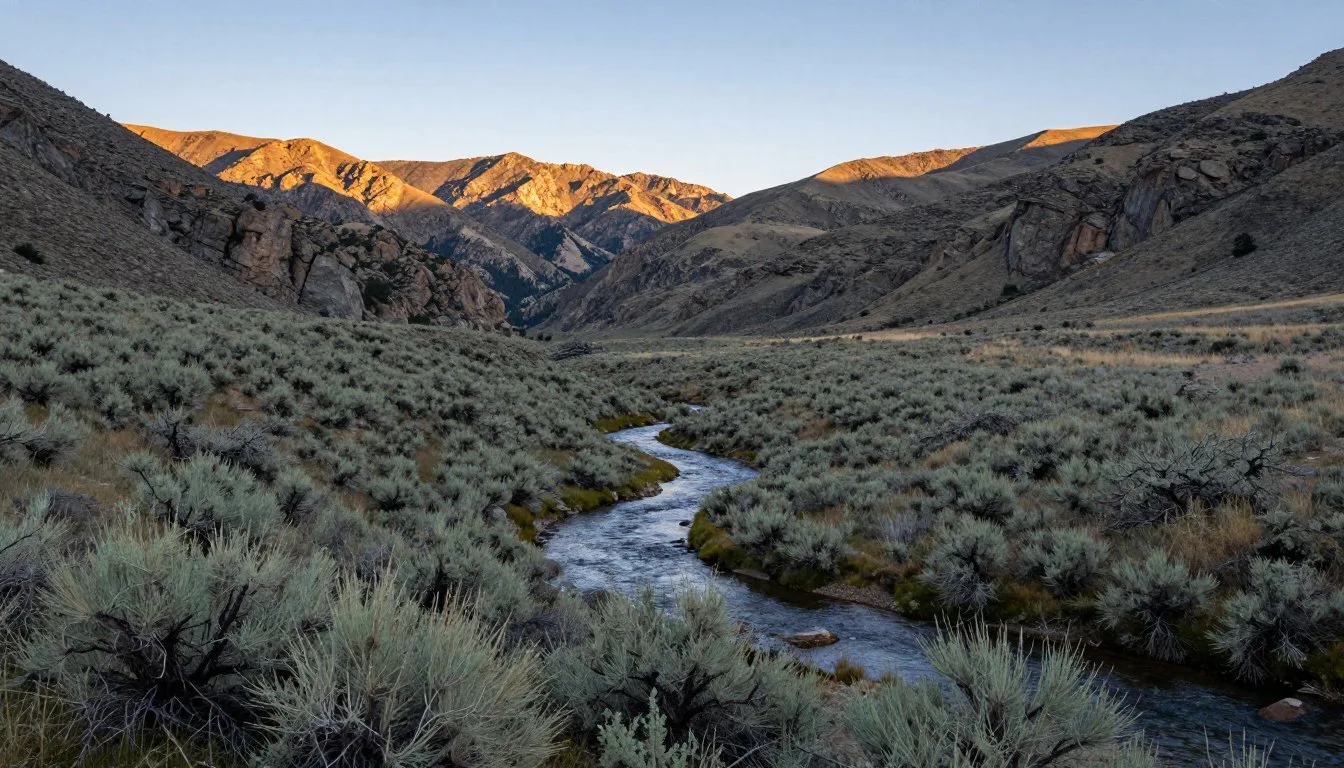
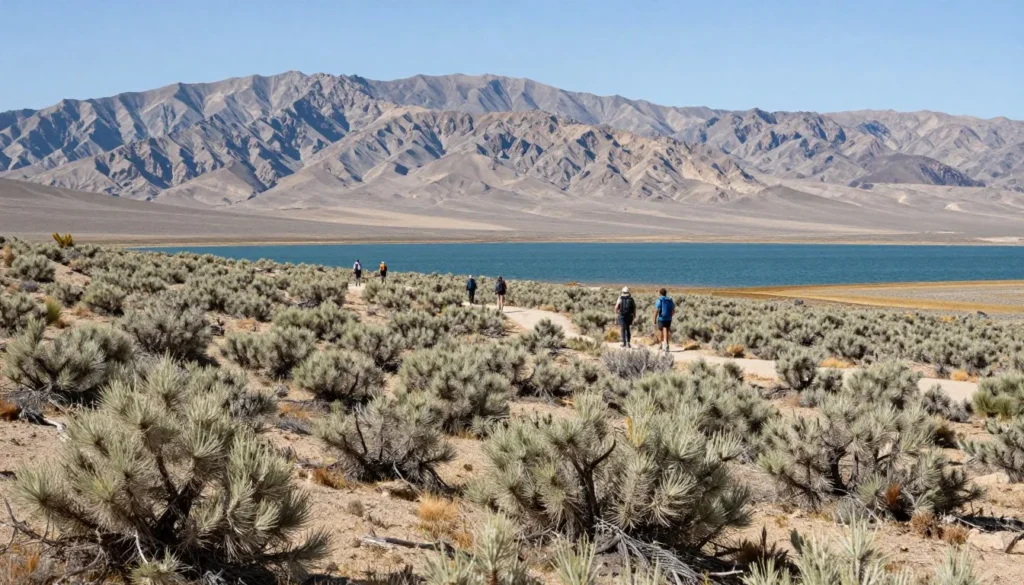
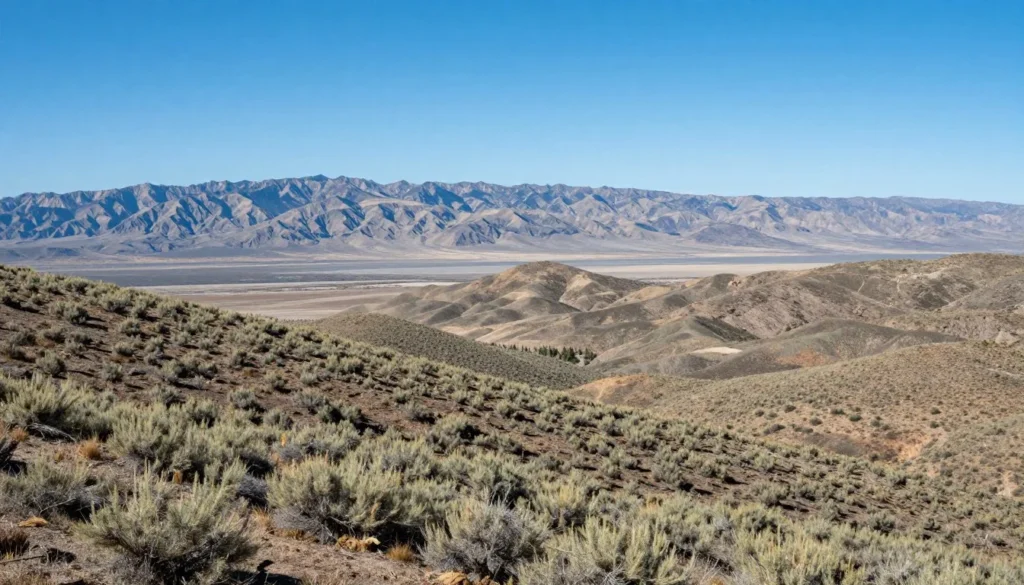
The high desert ecosystem surrounds the lake. Sagebrush dominates the landscape. This hardy plant survives extreme conditions. Its distinctive scent fills the air.
Spring wildflowers transform the desert briefly. Lupines paint hillsides purple. Desert marigolds add yellow splashes. The bloom depends on winter precipitation levels.
Reptiles include various lizard species. Western fence lizards sun themselves on rocks. Side-blotched lizards dart among vegetation. Rattlesnakes inhabit the area but encounters remain rare. Watch where you step and reach.
Geological Features
Pyramid Lake occupies an ancient basin. The lake once formed part of prehistoric Lake Lahontan. This massive water body covered much of northwestern Nevada during the last ice age.
As climate changed, Lake Lahontan receded. Pyramid Lake remains as one of its largest remnants. The high water lines visible on surrounding mountains mark ancient shorelines.
Tufa formations tell geological stories. These calcium carbonate deposits formed underwater over millennia. Changing water levels exposed different formations at different times. Each structure reflects specific conditions during its creation.
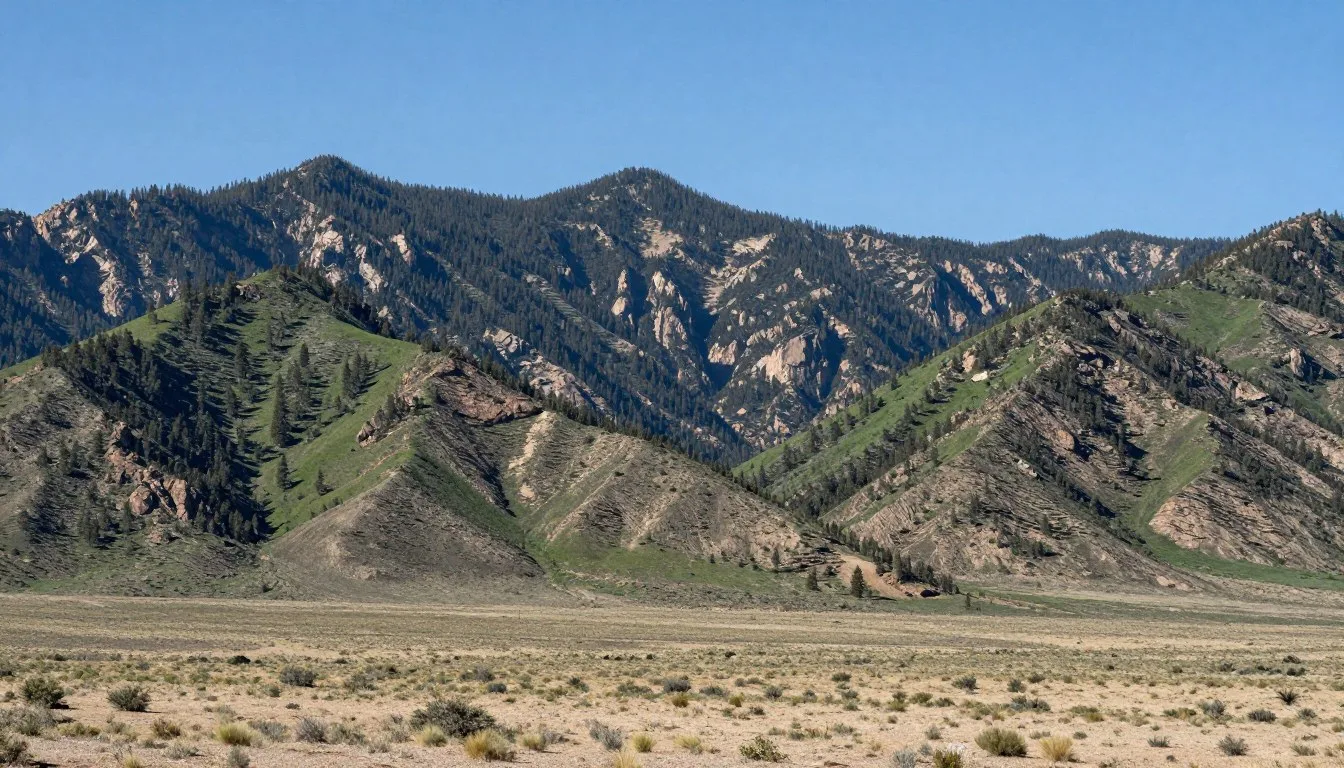
The surrounding mountains consist primarily of volcanic rocks. Ancient eruptions shaped this landscape. The geology creates the stunning contrasts between dark mountains and bright tufa formations.
Hiking and Exploration
Limited maintained trails exist around the lake. Most exploration happens along the shoreline. Walking rocky beaches provides exercise and scenery.
The eastern shore offers remote hiking opportunities. Dirt roads provide access to trailheads. Distances can deceive in clear desert air. Objects appear closer than actual distance.
Always inform someone of your plans. Carry navigation tools and emergency supplies. The desert environment presents real hazards. Cell phone service remains unreliable.
Desert Hiking Safety: Bring more water than seems necessary. The dry air causes rapid dehydration. Wear sun protection including hat and long sleeves. Start hikes early before peak heat. Tell someone your route and expected return time. Emergency response takes longer in remote locations.
Stargazing
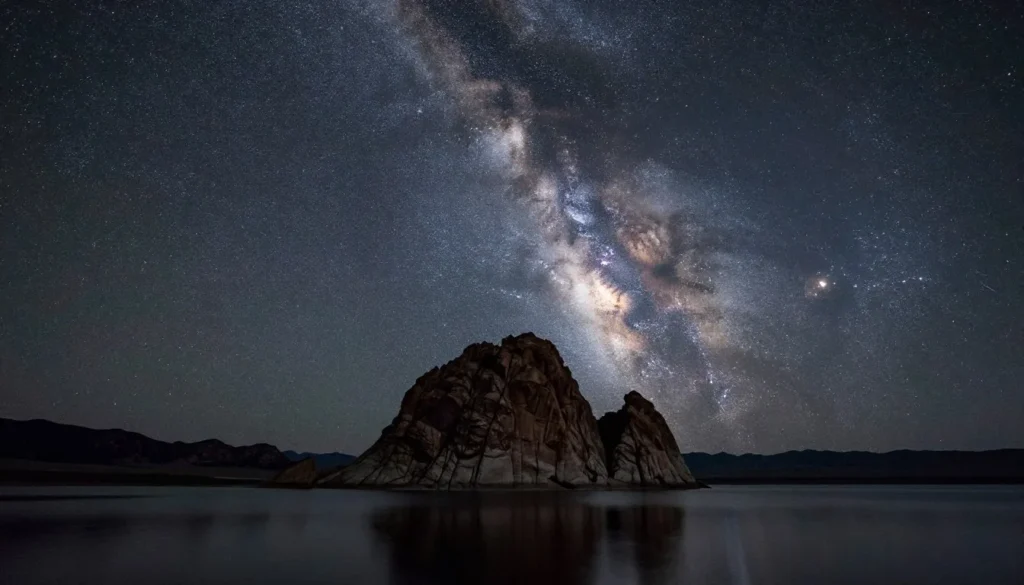
Dark skies make Pyramid Lake exceptional for astronomy. Minimal light pollution allows incredible star viewing. The Milky Way stretches clearly across the sky on moonless nights.
Bring blankets or reclining chairs. Allow eyes to adjust to darkness for thirty minutes. Planets, satellites, and occasional meteors provide entertainment. The desert silence enhances the experience.
Winter offers the longest dark hours. Cold temperatures require warm clothing. Summer nights remain comfortable. The desert cools quickly after sunset even in summer.
Travel With Children
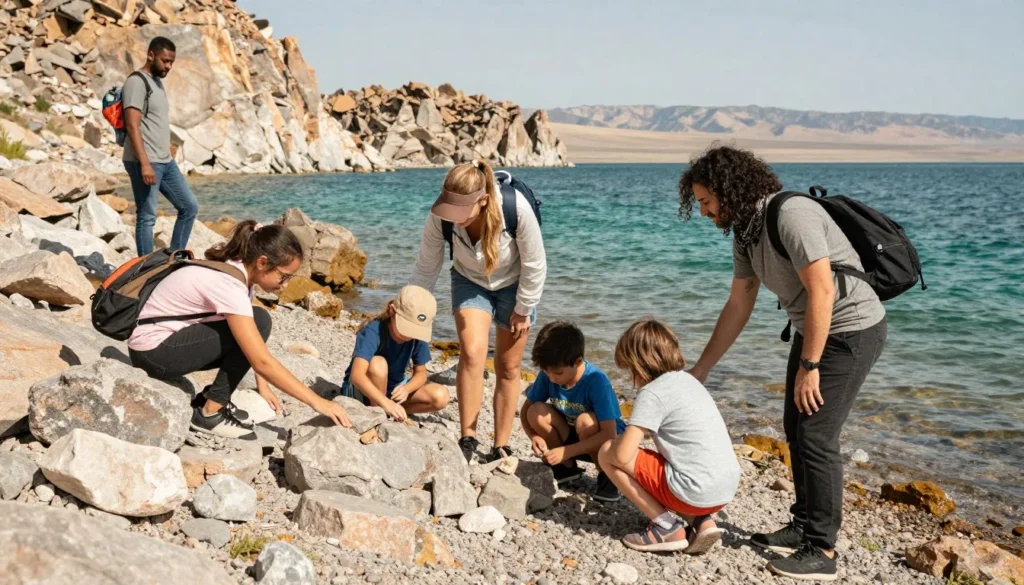
Pyramid Lake can create wonderful family memories. Proper planning ensures children enjoy the experience safely.
Kid-Friendly Activities
Exploring the shoreline fascinates children. Unusual rock formations spark imagination. Kids enjoy searching for interesting stones and shells. The white tufa rocks contrast with dark volcanic stones.
Fishing introduces children to outdoor traditions. Shore fishing allows easy supervision. Catching even small fish thrills young anglers. The chance of hooking trophy trout adds excitement for older children.
Wildlife watching entertains children of all ages. Pelicans flying overhead capture attention. Identifying different bird species becomes a fun game. Bring field guides appropriate for children’s reading levels.
Photography projects engage creative kids. Give children cameras to document their visit. They’ll capture unique perspectives adults miss. The dramatic landscape provides endless subjects.
Safety Considerations
Constant supervision remains essential. The lake’s deep water and lack of lifeguards create drowning hazards. Keep children within arm’s reach near water. Life jackets should be worn by children near the shoreline.
Desert sun affects children more quickly than adults. Apply high-SPF sunscreen every two hours. Provide wide-brimmed hats and sun-protective clothing. Seek shade regularly.
Hydration requires vigilance. Children forget to drink enough water. Bring more than you think necessary. Offer water every thirty minutes even if children don’t ask. Dehydration symptoms include irritability and fatigue.
Rocky shorelines present tripping hazards. Closed-toe shoes with good traction prevent injuries. Sharp rocks can cut bare feet. Athletic shoes or hiking boots work better than sandals.
Child Safety Alert: Never leave children unsupervised near the water. The lake reaches extreme depths close to shore. No lifeguards patrol the area. Cold water temperatures create additional risks even for swimmers. Make water safety your top priority when visiting with children.
Practical Tips for Families
Shorter visits work better with young children. Plan half-day trips rather than full days. Desert conditions tire children quickly. Build in rest time.
Pack entertainment for downtime. Books, games, and toys prevent boredom between activities. The drive to and from the lake takes time. Having entertainment prevents car complaints.
Bring plenty of snacks and meals. No restaurants exist at the lake. Hungry children become unhappy children. Pack favorite foods that don’t require refrigeration.
Consider camping as an adventure. Children often love sleeping in tents. The experience creates lasting memories. Choose campgrounds with facilities if possible.
Teach children about respecting nature and tribal land. This creates learning opportunities about environmental stewardship and cultural respect. Children can understand basic concepts of taking care of special places.
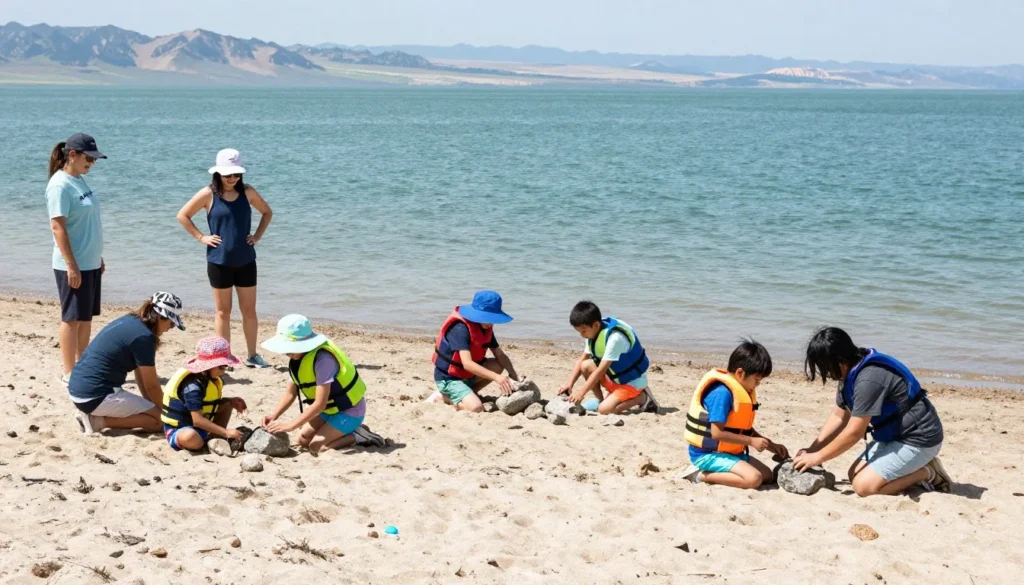
Money Saving Tips
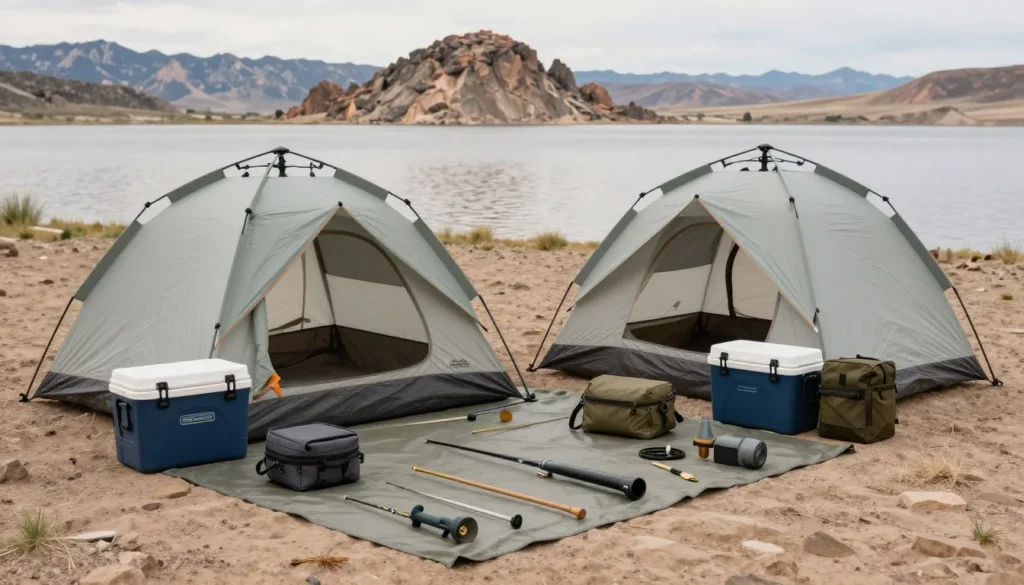
Visiting Pyramid Lake on a budget requires planning. These strategies help reduce costs without sacrificing experience.
Permit Planning
Purchase permits matching your actual activities. Day-use permits cost less than camping permits. If you’re not staying overnight, avoid unnecessary camping fees. Fishing permits add cost but provide value if you actually fish.
Multi-day permits offer better per-day rates. Calculate your planned visit length. Buying a longer permit upfront saves money compared to multiple single-day permits.
Senior discounts may apply to certain permits. Ask about age-based reductions when purchasing. Military discounts sometimes exist. Bring appropriate identification.
Accommodation Strategies
Camping costs significantly less than hotels. Primitive camping on the reservation runs cheaper than developed campgrounds. Bring all necessary equipment from home.
Day trips from Reno eliminate accommodation costs entirely. The drive takes less than an hour. Leave early, spend the full day, return in evening.
If staying in Reno, choose properties away from downtown. Rates drop with distance from casinos. Chain motels along Interstate 80 offer consistent quality at lower prices.
Consider weekday visits. Hotel rates in Reno surge during weekends. Monday through Thursday bookings save substantial money.
Food and Supplies
Bring all food from Reno. Grocery stores offer far better prices than small reservation markets. Plan meals before shopping. Buy only what you need.
Pack lunches and snacks from home. This eliminates the temptation to buy expensive convenience foods. Sandwiches, fruit, and trail mix provide good hiking fuel.
Bring refillable water bottles. Purchase large water jugs before leaving the city. This costs much less than buying individual bottles at inflated prices.
Cook meals at camp rather than eating in restaurants. Simple camping meals cost fraction of restaurant prices. One-pot meals save both money and cleanup effort.
Activity Costs
Shore fishing requires less expensive equipment than boat fishing. A basic rod and reel setup catches fish effectively. Borrow or rent equipment rather than buying if you’re trying fishing for the first time.
Free activities include photography, wildlife watching, and exploring. These pursuits cost nothing beyond permit fees. The landscape provides entertainment without admission charges.
Bring your own recreational equipment. Purchasing kayaks or paddleboards costs less than repeated rentals. If you visit regularly, ownership makes financial sense.
Transportation Savings
Fill gas tank in Reno where prices run lower. Gas on the reservation costs more. Top off before leaving the city.
Carpool with friends or family. Split fuel costs and permit fees. Shared vehicles reduce per-person expenses significantly.
Plan efficient routes. Minimize driving back and forth. Organize your day to visit locations logically. Wasted fuel equals wasted money.
Budget Planning: A budget-conscious day trip for one person might include a day-use permit ($10-15), fishing permit ($10-15), packed meals from home ($5), and gas ($15). Total cost approximately $40-50 for a full day of world-class fishing and scenery. Camping overnight adds $10-20 but extends the experience.
Smart Shopping
Buy fishing tackle before arriving. Reno sporting goods stores stock everything needed at competitive prices. Small reservation shops charge premium prices for limited selection.
Purchase ice in Reno. Better selection and lower prices exist in the city. Bring coolers from home rather than buying at convenience stores.
Download free maps and information before your visit. Print physical copies at home. This eliminates paying for maps at visitor centers.
Safety and Local Customs
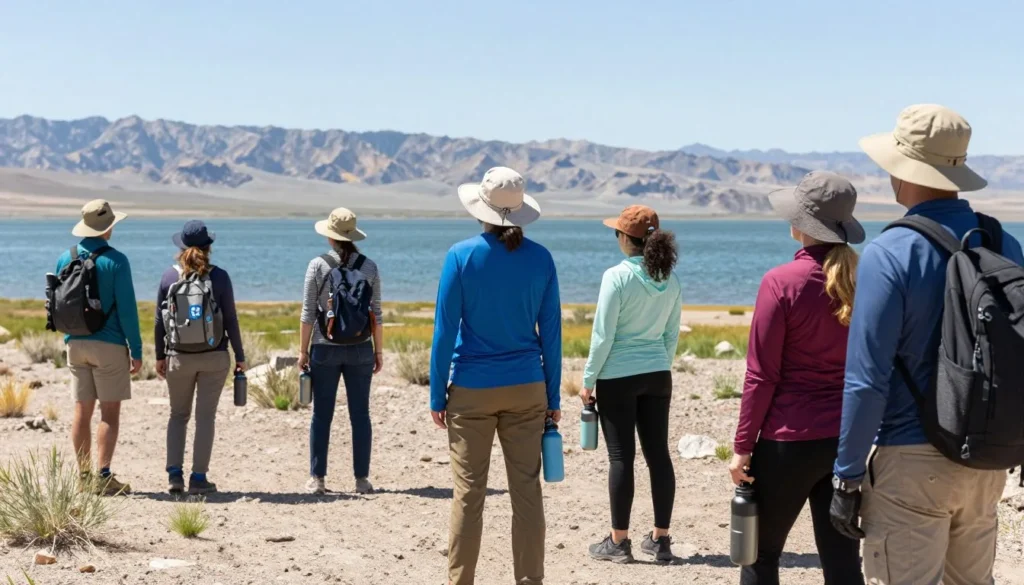
Understanding safety considerations and cultural protocols ensures positive experiences for everyone.
Physical Safety
Desert heat poses the primary danger. Temperatures exceed 38°C (100°F) regularly in summer. Heat exhaustion and heat stroke develop quickly. Know the warning signs including dizziness, nausea, and confusion.
Drink water constantly. Dehydration happens faster than you expect. Don’t wait until you feel thirsty. By then dehydration has already begun. Bring twice as much water as seems reasonable.
The sun’s intensity increases with elevation. Apply SPF 30 or higher sunscreen every two hours. Wear protective clothing including long sleeves and wide-brimmed hats. Sunglasses prevent eye damage.
Cold water poses hypothermia risks. Pyramid Lake water temperatures rarely exceed 21°C (70°F) even in summer. Deeper water remains much colder year-round. Anyone entering the water should wear appropriate protection.
Wildlife Safety
Rattlesnakes inhabit the area. Watch where you step and place your hands. Snakes typically avoid people if given opportunity. Make noise while hiking. Most bites occur when snakes are accidentally surprised.
If you encounter a rattlesnake, back away slowly. Give the snake space to retreat. Never attempt to handle or kill snakes. Most bites happen during handling attempts. Seek immediate medical attention for any bite.
Scorpions exist in the region. Shake out shoes before putting them on. Check bedding before sleeping. Stings are painful but rarely dangerous to healthy adults.
Water Safety
The lake reaches extreme depths close to shore. Drop-offs can be sudden and unexpected. Non-swimmers should never enter the water. Even strong swimmers should wear life jackets.
Afternoon winds create rough water quickly. Waves appear suddenly. Kayakers and boaters should monitor conditions constantly. Head to shore at first sign of increasing wind.
No lifeguards patrol the lake. Emergency response takes significant time. Practice extreme caution around water. Never swim alone.
Cultural Respect
Remember you’re visiting tribal land. The Pyramid Lake Paiute Tribe generously shares their homeland with visitors. Respectful behavior honors this privilege.
Follow all posted rules and regulations. These exist for good reasons including safety and resource protection. Tribal rangers enforce regulations. Violations can result in fines and permit revocation.
Ask permission before photographing tribal members. Some people prefer not to be photographed. Respect these wishes without argument. Cultural events may have photography restrictions.
Never remove artifacts or natural objects. Archaeological sites receive legal protection. Disturbing these areas violates federal and tribal laws. Fines and prosecution can result.
Respect Tribal Sovereignty: The Pyramid Lake Paiute Tribe exercises governmental authority over the reservation. Tribal law enforcement has full jurisdiction. Respect all regulations as you would any local laws. For questions about rules or cultural protocols, contact the Pyramid Lake Paiute Tribe Ranger Station at 775-476-1155.
Emergency Preparedness
Cell phone service remains unreliable. Don’t depend on phones for emergencies. Tell someone your plans before departing. Provide expected return times.
Carry basic first aid supplies. Include treatments for cuts, burns, blisters, and insect stings. Know how to use everything in your kit.
Bring emergency supplies even for day trips. Include flashlight, extra batteries, emergency blanket, and basic tools. Weather changes rapidly in the desert.
Know the location of the nearest help. The ranger station in Sutcliffe provides assistance. Emergency services dispatch from Reno. Response times can exceed thirty minutes.
Leave No Trace Principles
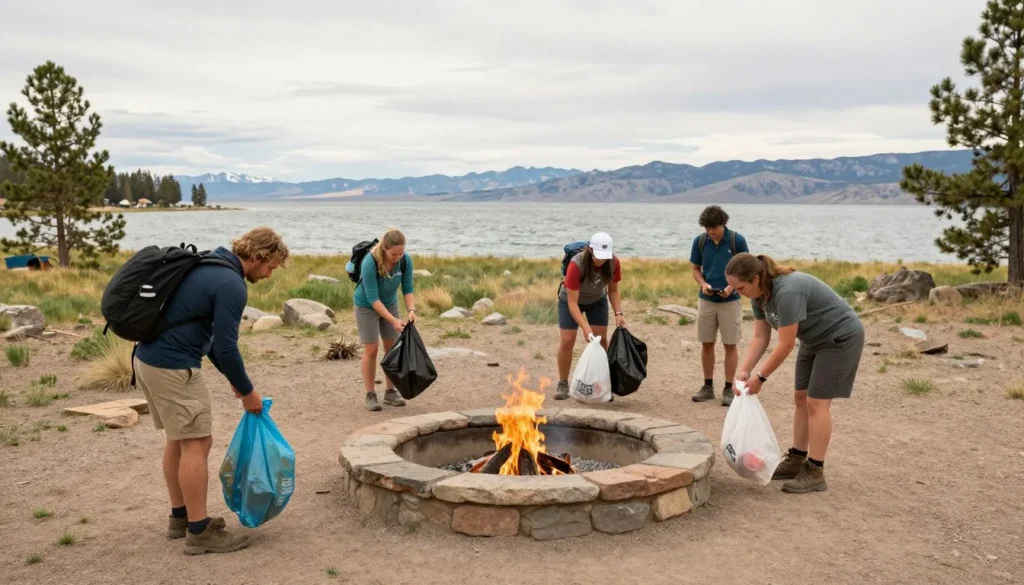
Pack out everything you bring in. Leave nothing behind. This includes trash, food waste, and cigarette butts. Carry bags for collecting your garbage.
Use established fire rings only. Never create new fire pits. Completely extinguish fires before leaving. Scatter cold ashes widely.
Stay on established roads and trails. Desert soils damage easily. Tire tracks and footpaths remain visible for years. Protect fragile desert ecosystems.
Visitor Comments About Pyramid Lake
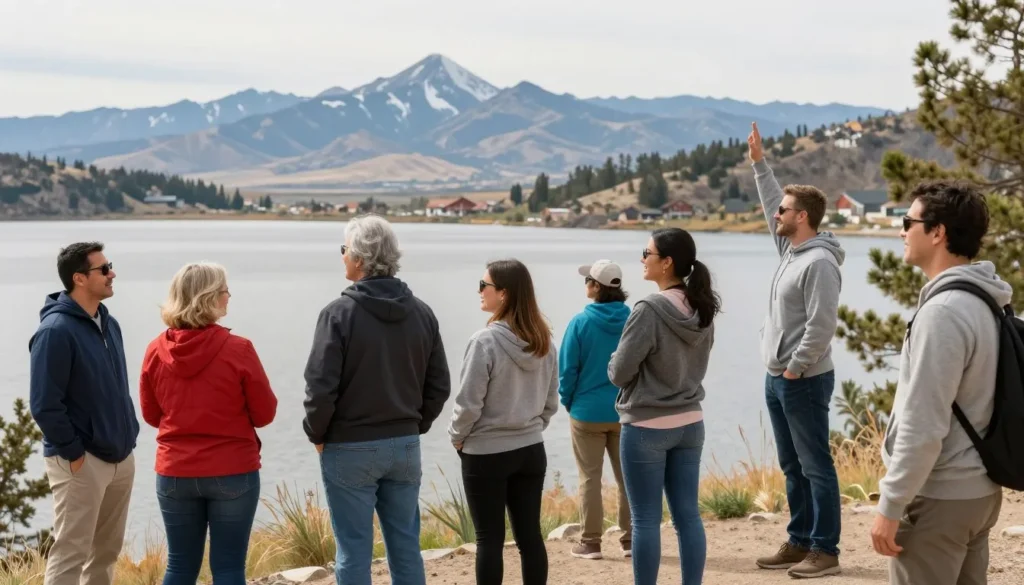
Recent visitors share their experiences at Pyramid Lake. These authentic comments provide insights from people who’ve explored the area.
“The fishing at Pyramid Lake exceeded all expectations. I caught my personal best cutthroat trout, a beautiful fish over eight kilograms. The setting makes it even better – turquoise water, dramatic rock formations, and not another person in sight for miles. This place feels like another planet. The drive from Reno was easy. I stayed at a motel in Fernley which worked perfectly for early morning fishing. The Pyramid Lake Paiute Tribe rangers were helpful and provided great information about productive spots. I’m already planning my return trip.”
“Pyramid Lake is stunning for photography. I visited during golden hour and captured some of my best landscape images ever. Sail Rock looks absolutely magical in the right light. The contrast between the white tufa formations and the blue-green water is incredible. I recommend bringing a polarizing filter – it really makes the colors pop. The place feels spiritual somehow. You can sense why it holds such importance to the tribal people. I spent three days camping and exploring different areas of the shore. Each location offered unique perspectives. Don’t miss sunrise at the Pyramid formation itself.”
“Our family had a wonderful day trip from Reno. The kids loved exploring the rocky beaches and finding interesting stones. We saw huge pelicans fishing, which fascinated everyone. My teenage son tried fishing for the first time and actually caught a trout. That made his entire year. The desert landscape is so different from anything near our home. It’s beautiful in an stark, dramatic way. We learned about the Paiute tribe at the visitor center. The staff was welcoming and educational. Make sure you bring plenty of water and sunscreen – we went through more than expected. We’ll definitely visit again on our next Nevada trip.”
These comments reflect common themes. Visitors consistently mention the exceptional fishing opportunities. The unique landscape and photographic potential receive frequent praise. The cultural significance resonates with many travelers. Proper preparation for desert conditions appears in multiple reviews.
Many visitors express surprise at how different Pyramid Lake feels from typical tourist destinations. The remote, unspoiled character appeals to people seeking authentic experiences. The combination of natural beauty and cultural depth creates lasting impressions.
Additional Nearby Destinations
Several interesting destinations lie within reasonable driving distance. Extending your trip allows exploration of more northern Nevada attractions.
Reno
The “Biggest Little City in the World” offers urban amenities 64 kilometers (40 miles) south. Casinos provide entertainment and dining. The National Automobile Museum showcases automotive history. The Nevada Museum of Art features regional and contemporary works.
Riverwalk District along the Truckee River provides pleasant walking. Restaurants and shops line the pedestrian area. The Truckee River Whitewater Park attracts kayakers. Art installations add visual interest throughout downtown.
Virginia City
This historic mining town sits 88 kilometers (55 miles) southwest. The town preserves its 1800s character remarkably well. Wooden sidewalks and Victorian buildings transport visitors to the past.
Underground mine tours explain silver mining history. Museums display period artifacts and mining equipment. Saloons and restaurants operate in historic buildings. The town provides fascinating glimpses into Nevada’s mining heritage.
Lake Tahoe
Alpine Lake Tahoe lies 97 kilometers (60 miles) southwest. This world-famous destination offers completely different scenery from Pyramid Lake. Clear blue water surrounded by pine forests and mountain peaks creates stunning vistas.
Summer activities include hiking, swimming, and boating. Winter brings skiing and snowboarding at numerous resorts. The scenic drive from Pyramid Lake takes about ninety minutes.
Black Rock Desert
The vast playa stretches north of Pyramid Lake approximately 145 kilometers (90 miles). This dry lakebed extends seemingly forever. The flat surface allows high-speed vehicle activities when dry.
Burning Man Festival occurs here annually. The temporary city draws tens of thousands of participants. Outside festival season, the playa offers extreme solitude. Hot springs bubble up at several locations around the desert’s edge.
Ruby Mountains
This dramatic range rises 209 kilometers (130 miles) northeast. Alpine scenery rivals any mountain range in North America. Glacial valleys, mountain lakes, and high peaks create “Nevada’s Alps.”
Lamoille Canyon Scenic Byway provides easy access to spectacular views. Hiking trails range from easy walks to challenging climbs. Wildlife includes mountain goats and mule deer. The area remains far less crowded than more famous mountain destinations.
Stillwater National Wildlife Refuge
This wetland complex sits 113 kilometers (70 miles) east. The marshes provide critical habitat for migratory birds. Over 280 species have been recorded at Stillwater.
Canoe trails wind through wetlands. Auto tour routes allow wildlife viewing from vehicles. The refuge demonstrates the importance of desert wetlands. Peak birding occurs during spring and fall migrations.
Trip Extension Idea: Combine Pyramid Lake with Virginia City for a weekend trip. Fish Pyramid Lake at sunrise. Spend afternoons exploring mining history in Virginia City. Stay in Reno for accommodation convenience. This combination showcases both natural beauty and cultural history.
Each nearby destination offers distinct character. Some provide historical context. Others showcase different natural environments. Together they demonstrate Nevada’s remarkable diversity. The state offers far more than desert and casinos.
Practical Travel Tips
These practical details help ensure smooth travels to Pyramid Lake.
What to Bring
Water tops the essential items list. Bring at least four liters per person per day. Desert conditions increase consumption dramatically. Pack more for active pursuits like fishing or hiking.
Sun protection includes high-SPF sunscreen, wide-brimmed hat, sunglasses, and long-sleeved shirts. The intense sun at this elevation causes burns quickly. Reapply sunscreen every two hours.
Navigation tools should include physical maps. Don’t rely on GPS or smartphones. Download offline maps before leaving cell service areas. Mark your parking location.
Fishing equipment for Pyramid Lake requires specific tackle. Heavy spinning rods handle large trout. Use leaders testing at least 3.6 kilogram (8 pounds). Flies, lures, or bait all work depending on regulations and personal preference.
Emergency supplies belong in every vehicle. Include first aid kit, flashlight with extra batteries, emergency blanket, and basic tools. Tire repair kit and jack prevent being stranded.
Camera equipment should include extra batteries and memory cards. The landscape offers countless photo opportunities. Polarizing filters enhance water colors. Telephoto lenses help with wildlife photography.
Best Practices
Arrive early for the best experiences. Sunrise brings optimal lighting and wind-free conditions. Popular fishing spots fill quickly. Early birds claim the best locations.
Check weather forecasts before departing. Desert weather changes rapidly. High winds develop with little warning. Thunderstorms bring lightning dangers.
Fill gas tanks before leaving Reno. Fuel availability on the reservation is limited. Prices run higher than city stations. Running out of gas creates serious problems.
Inform someone of your plans. Provide expected return times. The remote location means help takes longer to arrive. This simple precaution could save your life.
Permit Information
All visitors must obtain permits before accessing the lake. These support tribal resource management. Permit types include day use, camping, and fishing. Different activities require different permits.
Purchase permits at designated locations. The ranger station in Sutcliffe sells permits daily. Some sporting goods stores in Reno also sell Pyramid Lake permits. Online purchasing may be available through the tribal website.
Display permits visibly in your vehicle. Rangers patrol regularly. Violations result in citations and fines. The tribe takes enforcement seriously.
Regulations change periodically. Check current rules before your visit. Fishing regulations especially may differ from past visits. Tackle restrictions exist to protect fish populations.
Critical Contact Information: Save these numbers in your phone before losing cell service. Pyramid Lake Paiute Tribe Ranger Station: 775-476-1155. Pyramid Lake Fisheries: 775-476-0500. Pyramid Lake Paiute Tribe Main Office: 775-574-1000. These offices provide permits, current regulations, and emergency assistance.
Seasonal Considerations
Spring and fall offer the most comfortable conditions. Temperatures remain moderate. Fishing activity peaks during these seasons. Wind patterns tend to be milder.
Summer visits require extra precautions. Start activities at dawn. Seek shade during peak afternoon heat. Carry substantially more water. Consider midweek visits when crowds thin.
Winter brings cold temperatures and possible snow. Ice forms along shorelines. Road conditions may deteriorate. Check conditions before attempting winter visits. Fishing slows but doesn’t stop entirely.
Cultural Sensitivity
Approach your visit with respect and humility. You’re a guest on tribal land. The Pyramid Lake Paiute Tribe shares their homeland generously. Honor this privilege through respectful behavior.
Learn basic history before arriving. Understanding context enhances experiences. The tribe’s relationship with the lake spans thousands of years. This perspective matters.
Support tribal businesses when possible. Purchases help the local economy. Buying permits and supplies on the reservation directly benefits the community.
Ask questions respectfully. Tribal members often welcome genuine interest. Approach conversations with curiosity rather than assumptions. Listen more than you speak.
Photography Ethics
Always ask permission before photographing people. This applies especially to tribal members and cultural events. Some people prefer privacy. Respect these wishes immediately.
Don’t trespass for photographs. Stay on public areas and designated trails. Private property and restricted areas exist throughout the reservation. No photograph justifies violating boundaries.
Consider sharing exceptional images with the tribe. Outstanding photographs may interest tribal communications offices. This gesture shows appreciation for access to their lands.
Communication
Cell phone service remains unreliable at best. Don’t depend on phones for navigation or communication. This actually enhances the experience for many visitors. Disconnecting from constant connectivity allows fuller immersion in nature.
The ranger station maintains regular radio contact with emergency services. In true emergencies, seek help there. Response times still exceed urban standards.
Satellite communicators provide peace of mind for solo travelers. These devices work where cell phones fail. Consider renting or purchasing one for remote adventures.
Essential Checklist
These items ensure prepared visitors:
- Valid permits for all planned activities
- Four liters of water per person minimum
- Sun protection including SPF 30+ sunscreen
- Physical maps and navigation tools
- First aid kit and emergency supplies
- Appropriate clothing for desert conditions
- Fishing gear meeting tribal regulations
- Camera with extra batteries and storage
Safety Priorities
Keep these safety factors in mind:
- Hydration prevents most desert emergencies
- Sun protection reduces burn and heat risks
- Early starts avoid peak afternoon heat
- Life jackets required for water activities
- Wildlife awareness prevents unwanted encounters
- Emergency contacts saved before losing service
- Trip plans shared with reliable person
- Weather monitoring throughout your visit
Cultural Respect
Demonstrate respect through these actions:
- Follow all posted rules and regulations
- Ask permission before photographing people
- Stay out of restricted areas completely
- Learn basic tribal history before visiting
- Support tribal businesses when possible
- Practice Leave No Trace principles always
- Speak respectfully about sacred sites
- Thank the tribe for sharing their homeland
Best Practices
These tips improve experiences:
- Arrive early for optimal conditions
- Check current regulations before each visit
- Bring more supplies than seem necessary
- Download maps and save contacts beforehand
- Plan activities around weather patterns
- Allow extra time for remote location travel
- Pack out everything you bring in
- Share your experience respectfully with others
Location Map
Pyramid Lake location in northern Nevada, approximately 64 kilometers (40 miles) northeast of Reno
Your Pyramid Lake Adventure Awaits
Pyramid Lake stands apart from typical tourist destinations. The turquoise water and white tufa formations create landscapes found nowhere else on Earth. Trophy cutthroat trout swim these ancient waters. The Pyramid Lake Paiute Tribe generously shares this remarkable place with respectful visitors.
Whether you cast for record fish, photograph otherworldly rock formations, or simply absorb the stark desert beauty, Pyramid Lake leaves lasting impressions. The quiet solitude restores something lost in busy modern life. Each visit reveals new details in this extraordinary landscape.
Plan your trip with the respect this special place deserves. Obtain proper permits. Prepare for desert conditions. Honor cultural protocols. Follow Leave No Trace principles. Your responsible behavior protects Pyramid Lake for future generations.
The lake has witnessed thousands of years of human history. It will outlast all of us. What we do during our brief visits matters. Treat this place with the reverence it has earned. The experience you gain will stay with you forever.
Start planning now. Check permit requirements. Study the fishing regulations. Book accommodations. Gather your gear. Pyramid Lake waits to share its wonders. Your adventure to this desert jewel promises memories that last a lifetime. The turquoise waters and towering tufa formations call to those ready to discover something truly extraordinary.