Hotels by Trip.com
Flights by Trip.com
Sand Mountain Recreation Area rises 183 m (600 feet) above the surrounding desert floor. This makes it one of Nevada’s tallest singing sand dunes. The area attracts over 150,000 visitors each year. Most come for the unique off-road vehicle experiences.
The mountain takes its name from the distinctive booming sound the sand makes. This happens when large amounts of sand cascade down the steep slopes. The phenomenon occurs due to the specific grain size and composition of the sand.
This ancient landmark sits in what was once part of Lake Lahontan. The lake covered much of northwestern Nevada thousands of years ago. Today, the area offers remarkable recreational opportunities and a glimpse into Nevada’s geological past.
Getting There & Planning Your Journey
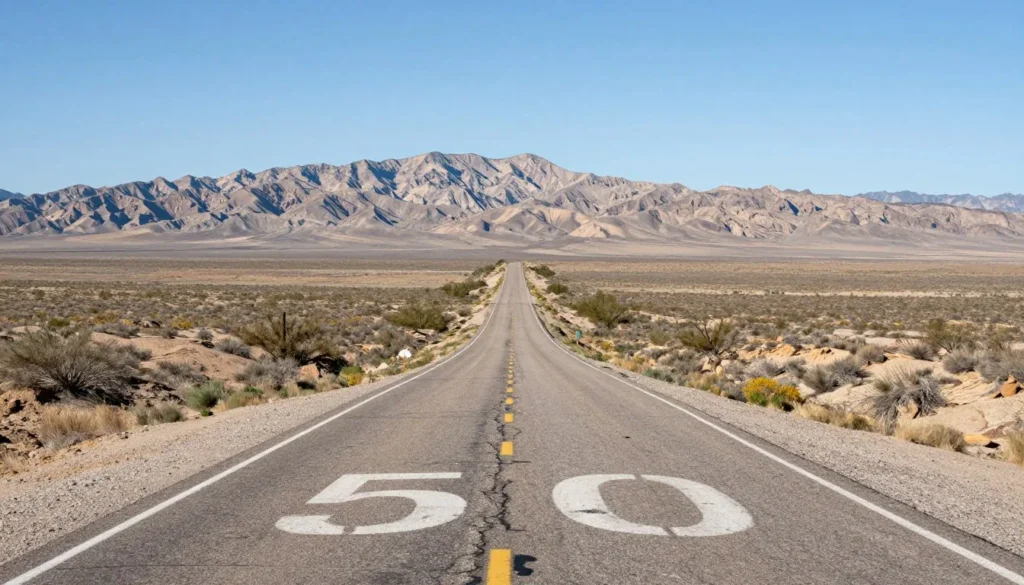
Sand Mountain Recreation Area sits along U.S. Highway 50 in central Nevada. The area is located approximately 161 km (100 miles) east of Carson City. It’s also about 40 km (25 miles) east of Fallon.
The closest major airport is Reno-Tahoe International Airport. This airport is located about 177 km (110 miles) west of Sand Mountain. From Reno, visitors can rent a vehicle and drive east on Highway 50.
Another option is the Fresno Yosemite International Airport in California. This airport sits approximately 483 km (300 miles) southwest. Las Vegas McCarran International Airport is about 531 km (330 miles) southeast of the area.
Important Planning Note: Highway 50 is known as the Loneliest Road in America. Services and gas stations are limited between towns. Fill up your tank in Fallon before heading to Sand Mountain.
The Bureau of Land Management Carson City District Office manages the recreation area. Visitors can contact them for current conditions and regulations.
Best Time to Visit & Weather Tips
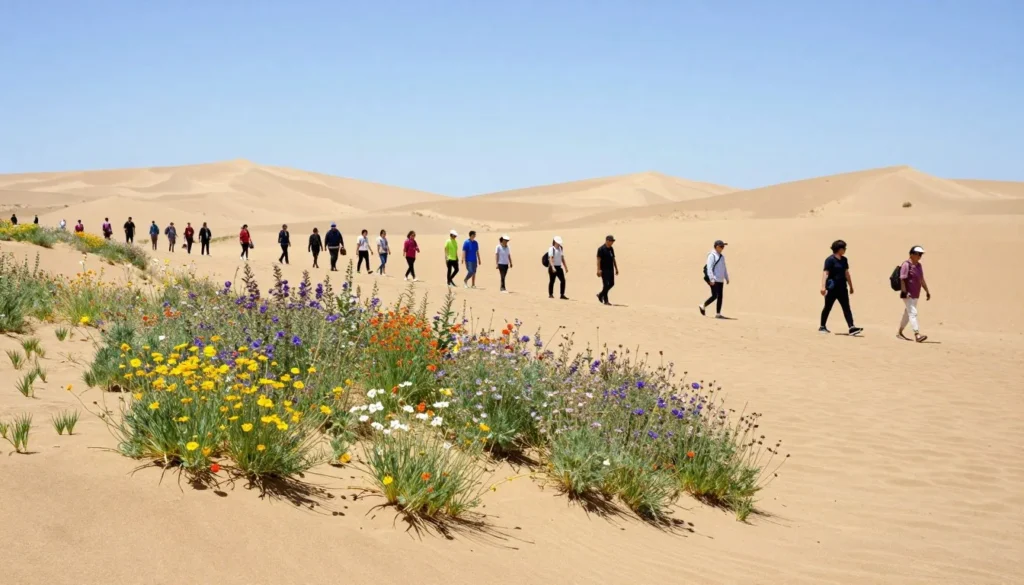
Best Time to Visit Sand Mountain Recreation Area Nevada
The recreation area is open year-round. However, the most comfortable visiting periods vary by activity preference.
Recommended Months: March through May offers mild temperatures. September through November provides another excellent window. During these months, daytime temperatures range from 16°C to 27°C (60°F to 80°F).
Peak Season: Memorial Day weekend through Labor Day attracts the most off-roading enthusiasts. Summer temperatures can reach 38°C to 43°C (100°F to 110°F). Early morning and evening riding becomes essential during these hot days.
Months to Avoid: December through February brings cold nights. Temperatures can drop below freezing. Snow occasionally covers the dunes. Strong winds are more common during winter months.
Spring (March-May)
- Mild daytime temperatures
- Occasional wildflower blooms
- Moderate visitor numbers
- Comfortable camping weather
Fall (September-November)
- Pleasant riding conditions
- Cooler evenings
- Less crowded than summer
- Clear desert skies
Notable Annual Festivals
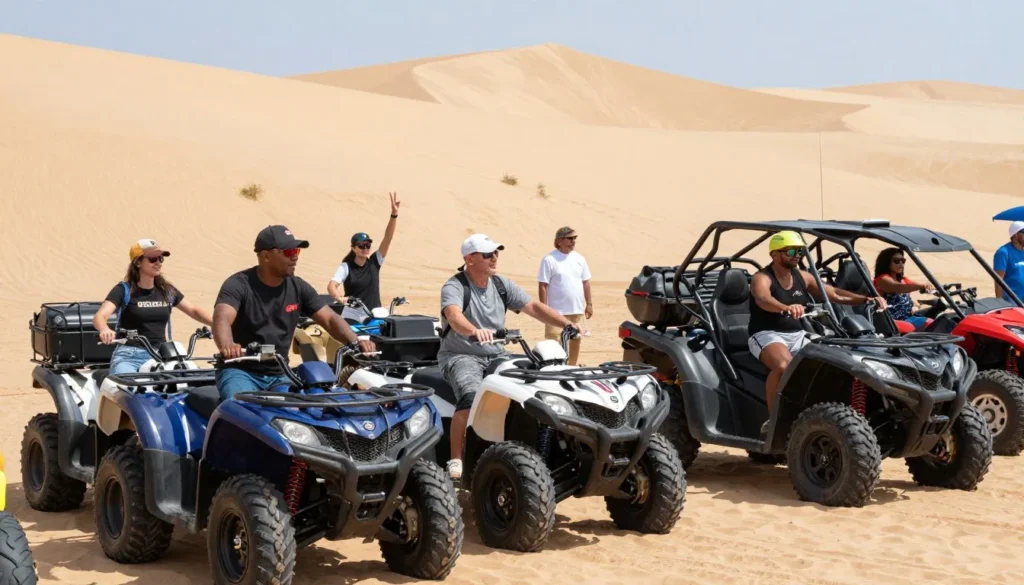
Sand Mountain hosts several popular off-road events throughout the year. These gatherings bring together riding enthusiasts from across the western United States.
Memorial Day Weekend Rally: This unofficial gathering typically draws thousands of riders. The event occurs annually during the last weekend of May. No formal organization sponsors this event.
Labor Day Weekend Gathering: Another major unofficial rally takes place the first weekend of September. Riders celebrate the end of summer with group rides and camping.
For official event information and permits, contact the Bureau of Land Management Carson City District Office at the number provided earlier in this guide.
Weather Safety Tip: Desert weather changes rapidly. Pack layers for temperature swings. Afternoon thunderstorms can develop quickly during summer months. Always check weather forecasts before your visit.
Getting Around Locally
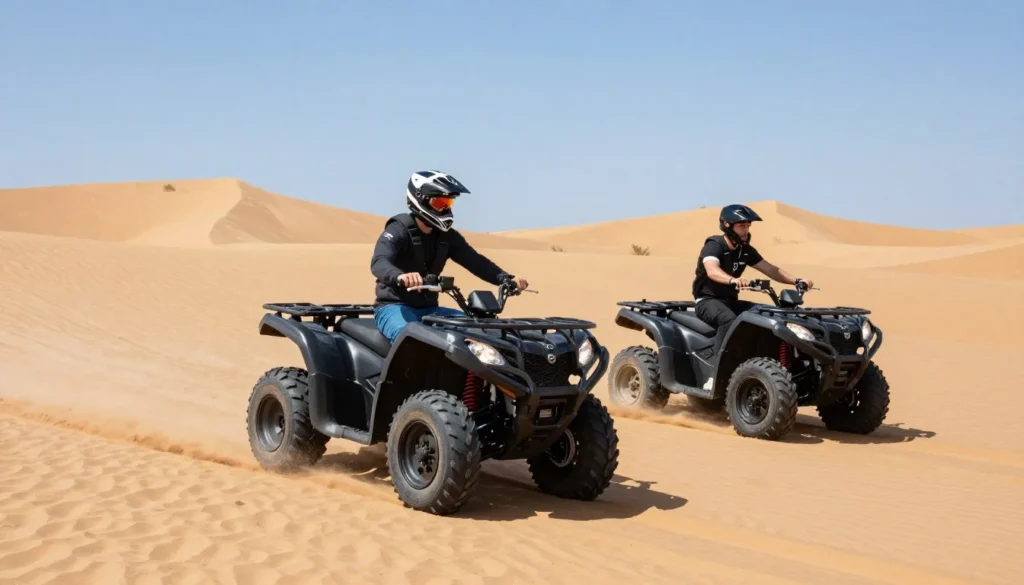
Sand Mountain Recreation Area is designed primarily for off-road vehicle exploration. The area spans approximately 2,023 hectares (5,000 acres) of rideable sand dunes and desert terrain.
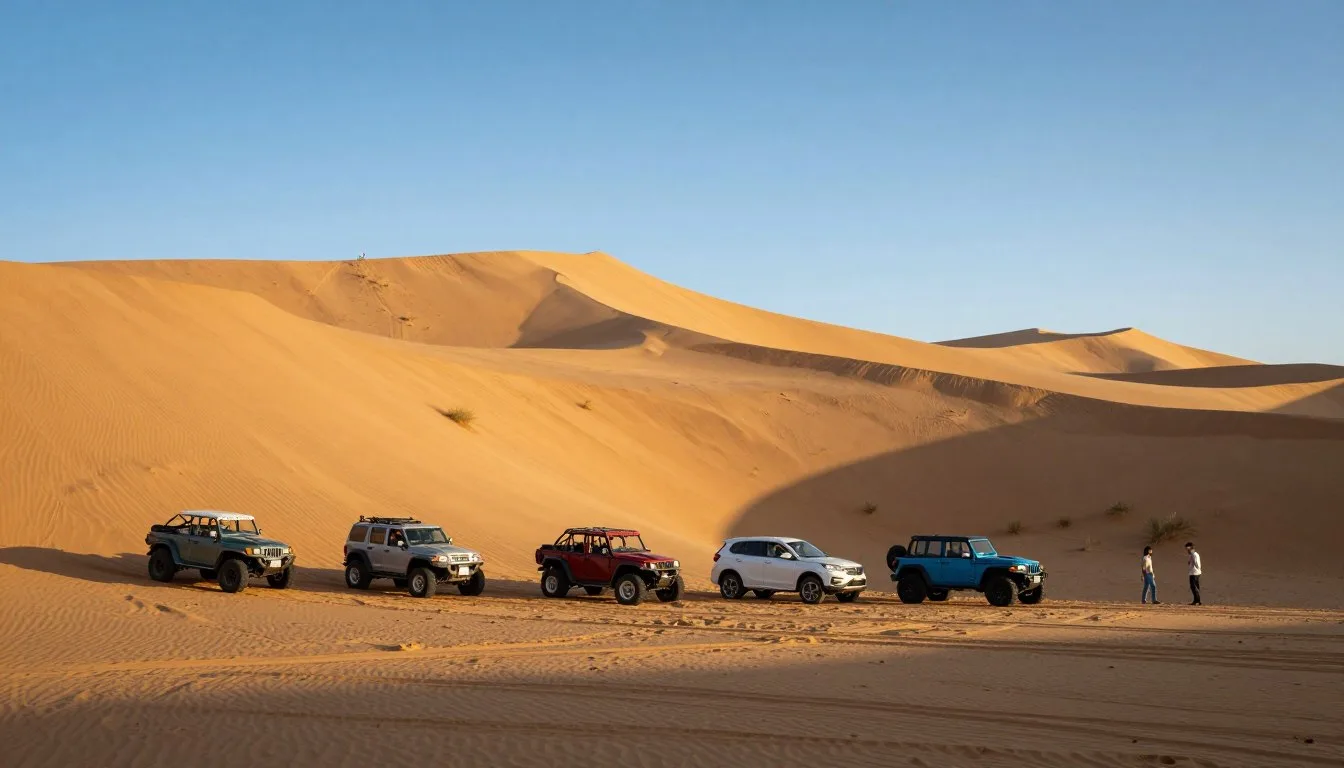
Most visitors bring their own off-road vehicles. Popular choices include all-terrain vehicles, dirt bikes, dune buggies, and sand rails. The nearest vehicle rental options are located in Fallon, about 40 km (25 miles) west.
A high-clearance four-wheel-drive vehicle is recommended for accessing the camping areas. The dirt roads can be soft sand in some sections. Two-wheel-drive vehicles often struggle in these conditions.
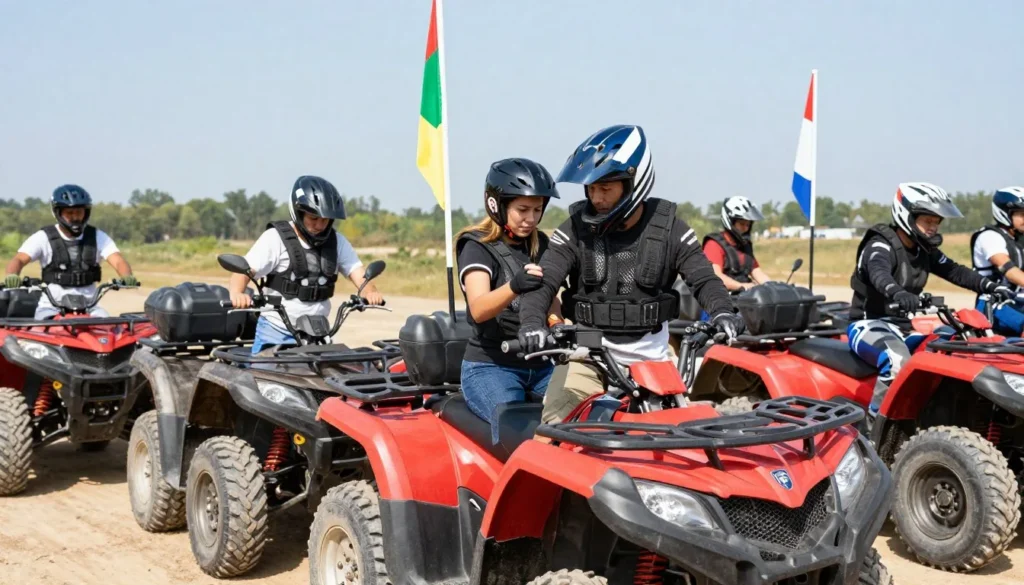
Vehicle Requirements: All off-road vehicles must display a valid Nevada OHV sticker or other state’s OHV permit. Spark arresters are required on all motorized vehicles. Red or orange safety flags are mandatory and must extend at least 2.4 m (8 feet) above the ground.
Walking and hiking are permitted throughout the area. Many visitors enjoy climbing the main sand mountain on foot. The climb to the summit takes about 45 minutes to one hour.
Where to Stay
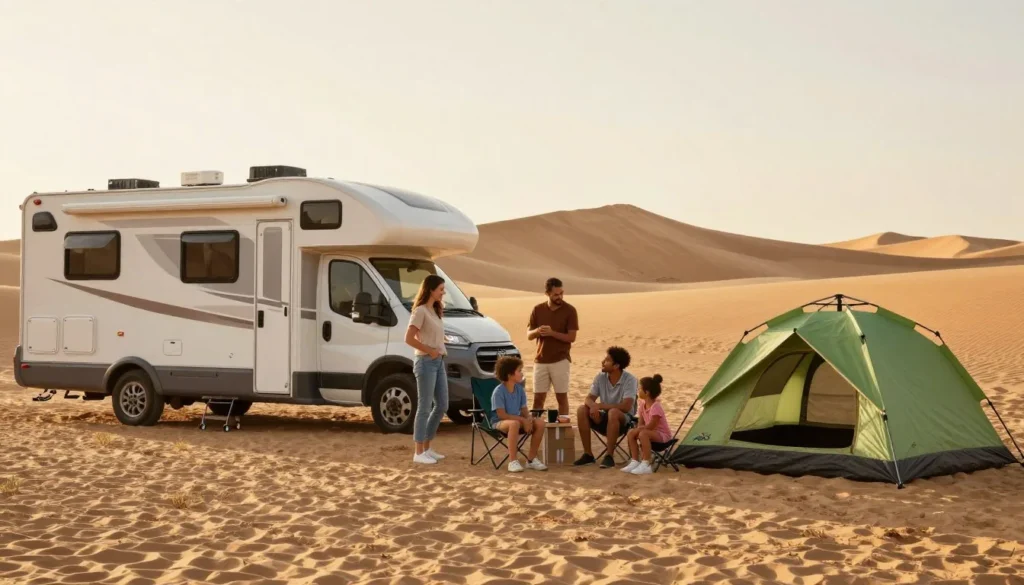
Camping is the primary lodging option at Sand Mountain Recreation Area. The recreation area offers primitive dispersed camping throughout the designated zones. No hookups or facilities are available on-site.
The camping areas are located on both the north and south sides of Highway 50. The north side typically sees more activity during major holiday weekends. The south side offers more solitude for those seeking a quieter experience.
A camping fee is required. The current fee is $40 for a weekend pass or $120 for an annual pass. Self-pay stations are located at the entrance points.
Nearby Lodging Options
For visitors preferring hotel accommodations, Fallon offers the closest options. The town is approximately 40 km (25 miles) west on Highway 50.
Fallon Hotels
- Budget motels and chain hotels
- Full amenities including WiFi
- Restaurants nearby
- Easy highway access
Austin Lodging
- Small historic town option
- Located east on Highway 50
- Limited availability
- Unique character accommodations
Camping Reservations: Sand Mountain operates on a first-come, first-served basis. No reservations are accepted. Arrive early during popular weekends to secure a good camping spot.
Dining & Local Cuisine
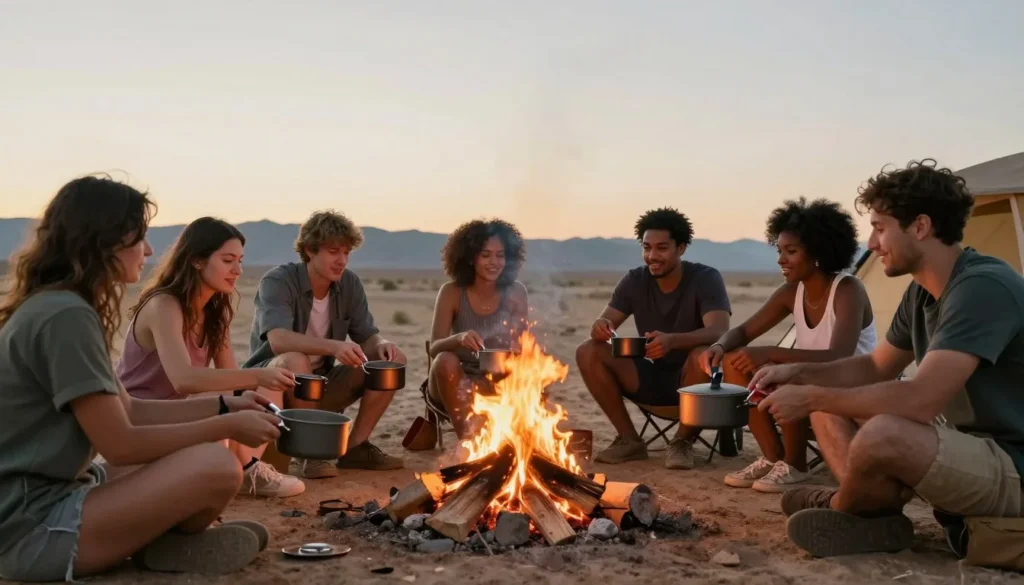
No dining facilities exist at Sand Mountain Recreation Area. Visitors must bring all their own food and water. The nearest restaurants and grocery stores are located in Fallon.
Most campers prepare meals at their campsites. Popular options include portable grills, camp stoves, and campfire cooking. Remember that open fires are only permitted in designated fire rings.
Essential Food Supplies
Stock up on supplies before leaving Fallon. The town offers several grocery stores and fast-food restaurants. Consider these essential items for your Sand Mountain visit:
- Plenty of drinking water (at least 4 liters per person per day)
- Non-perishable foods and snacks
- Ice and coolers for perishables
- Cooking fuel for camp stoves
- Portable grill or cooking equipment
Water Warning: No potable water is available at Sand Mountain. Bring significantly more water than you think you’ll need. Dehydration happens quickly in the desert environment.
Fallon Dining Options
Fallon provides various dining choices for meals before or after your Sand Mountain visit. The town features American diners, fast food chains, and local cafes. Some restaurants serve Basque cuisine, reflecting the area’s cultural heritage.
Attractions, Sightseeing & Activities

Off-Road Vehicle Riding
Off-road riding is the primary attraction at Sand Mountain. The main dune offers steep faces and challenging terrain. Experienced riders tackle the 183 m (600-foot) vertical climb to the summit.
The recreation area provides terrain suitable for all skill levels. Beginners can practice on smaller dunes and flatter areas. Advanced riders enjoy the steep bowls and drop-offs on the main sand mountain.

Sand Boarding and Sledding
Many visitors bring sand boards or sleds for sliding down the dunes. This activity requires no motorized equipment. It’s an affordable way to enjoy the sand mountain.
The steepest faces offer the fastest runs. Some sections of the main dune drop at angles exceeding 30 degrees. Always check the landing area before sliding down.
Photography Opportunities
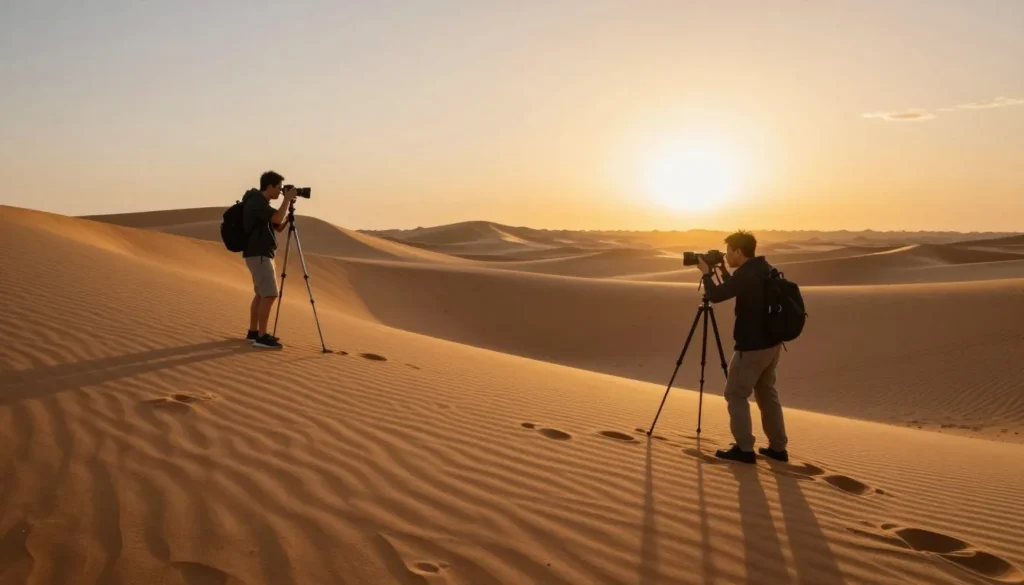
Sand Mountain offers exceptional photography opportunities. Sunrise and sunset create dramatic shadows across the dunes. The contrast between light and shadow reveals the dunes’ sculpted forms.
Photographers appreciate the area’s minimal light pollution. Night sky photography captures the Milky Way with stunning clarity. The dark desert skies provide excellent conditions for astrophotography.
Museums, Cultural Spots & Festivals
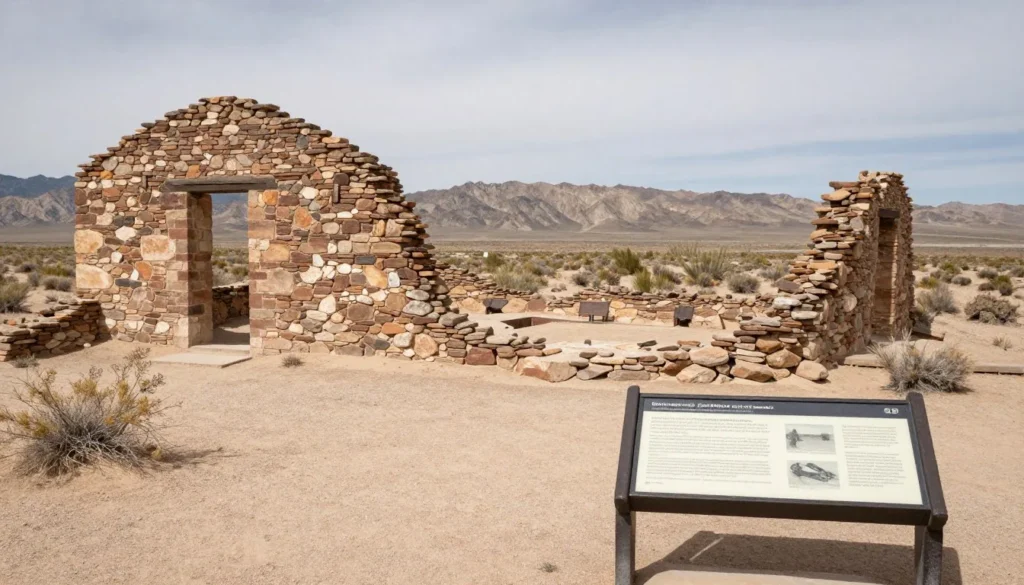
Sand Springs Pony Express Station
Located just a few miles from Sand Mountain, the Sand Springs Pony Express Station represents an important part of American history. This station served as a relay point along the Pony Express route from 1860 to 1861.
The station ruins remain visible today. Stone walls mark where the structure once stood. Interpretive signs explain the station’s role in the Pony Express system.
Sand Springs Station was one of the most isolated stops along the entire Pony Express route. Riders changed horses here during the grueling journey across Nevada. The station sat along what is now known as the Loneliest Road in America.
Ancient Lake Lahontan History
Sand Mountain formed from the remnants of ancient Lake Lahontan. This massive prehistoric lake covered much of northwestern Nevada. The lake existed during the last ice age, roughly 12,000 years ago.
As Lake Lahontan dried up, it left behind various geological features. Sand Mountain is one of the most dramatic. The sand consists of tiny particles eroded from the surrounding mountains and deposited by lake currents.
Geological Significance: Sand Mountain is considered a “singing sand dune.” The specific grain size and composition create a booming sound when large amounts of sand slide down the slopes. This phenomenon occurs at only a few locations worldwide.
Nearby Cultural Attractions
Fallon offers several museums worth visiting. The Churchill County Museum showcases local history, including Pony Express artifacts. The museum displays Native American artifacts and pioneer-era items.
The nearby town of Austin, located east on Highway 50, features several historic buildings. This old mining town preserves its 19th-century character. The Stokes Castle and other landmarks attract history enthusiasts.
Nature & Outdoor Experiences
Hiking and Climbing
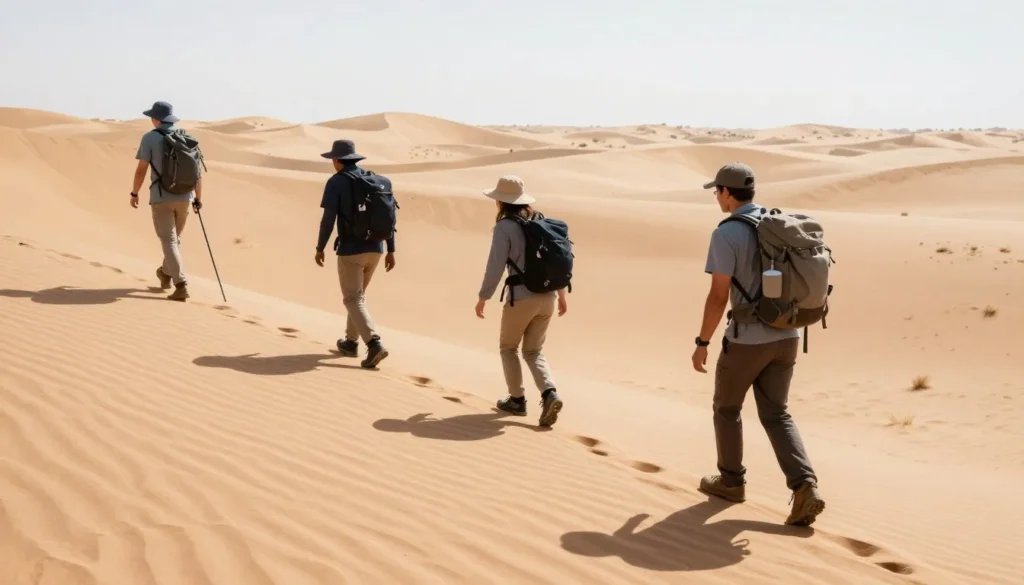
Hiking to the summit of Sand Mountain provides an excellent workout. The climb covers approximately 183 m (600 feet) of elevation gain. Soft sand makes each step challenging.
The summit rewards hikers with panoramic desert views. On clear days, you can see mountain ranges in multiple directions. The Stillwater Range lies to the north. The Clan Alpine Mountains stand to the south.
Early morning hikes avoid the intense midday heat. The sand surface can reach temperatures of 66°C (150°F) or higher during summer afternoons. Wear sturdy shoes and bring plenty of water.
Wildlife Viewing
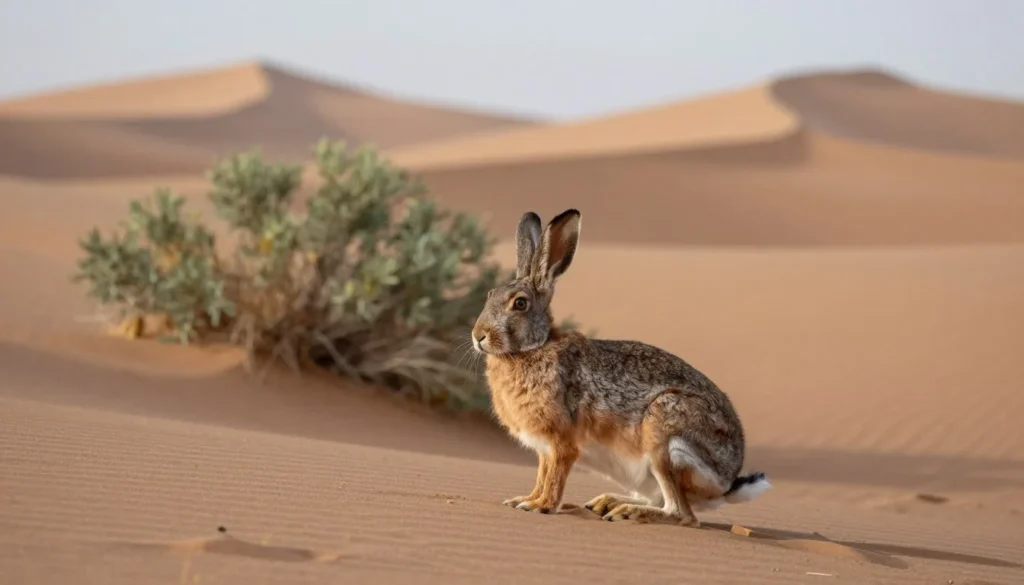
Despite the harsh environment, Sand Mountain supports various desert wildlife. Jackrabbits often appear near the camping areas. Lizards scurry across the sand during warm days.
Bird watchers spot ravens, hawks, and various desert songbirds. Early morning and evening hours offer the best wildlife viewing opportunities. Many animals stay hidden during the hottest part of the day.
Stargazing
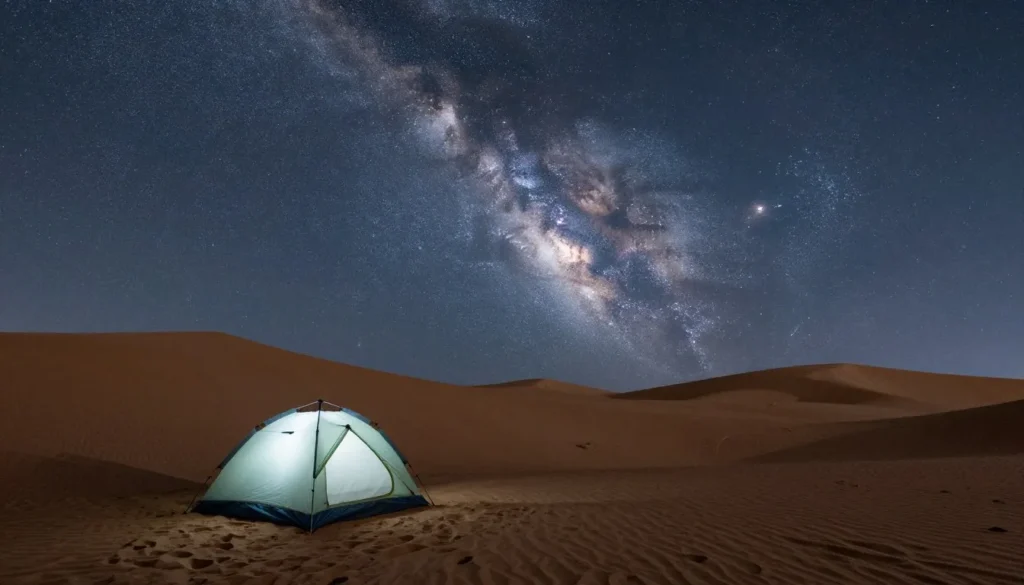
The remote location provides exceptional stargazing conditions. Light pollution is minimal in this part of Nevada. The Milky Way appears clearly on moonless nights.
Meteor showers are particularly spectacular from Sand Mountain. The annual Perseids in August and Geminids in December offer excellent viewing opportunities. The open desert landscape provides unobstructed views of the entire sky.
Desert Flora
The area surrounding Sand Mountain features typical Great Basin Desert vegetation. Sagebrush dominates the landscape. Greasewood and saltbush grow in the alkaline soils.
Spring rains occasionally bring desert wildflowers. Colorful blooms can appear in March or April during wet years. The flowers typically last only a few weeks before the summer heat arrives.
Travel With Children
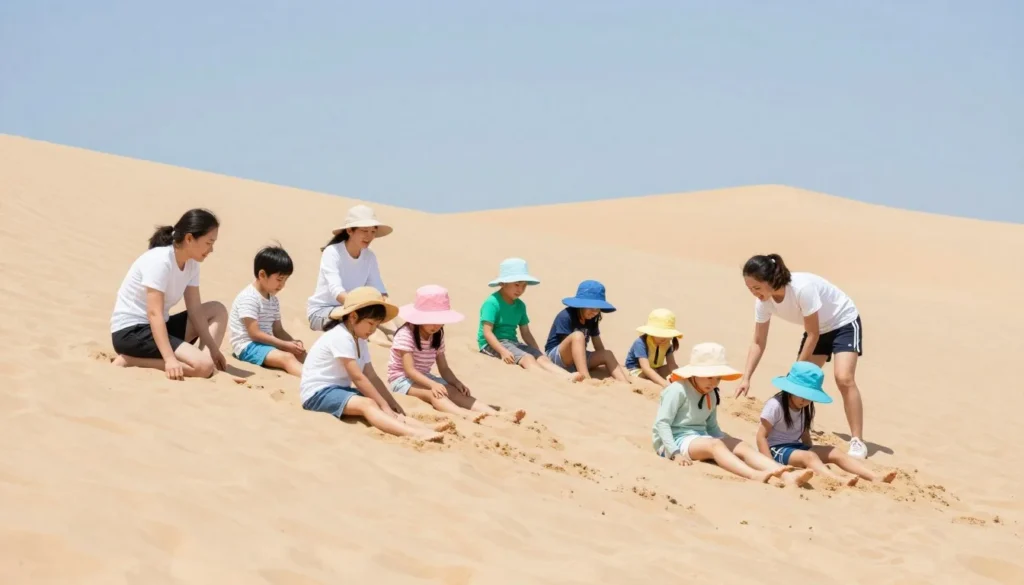
Sand Mountain can be an exciting destination for families with children. However, the remote location and extreme environment require careful planning and supervision.
Age-Appropriate Activities
Younger children enjoy playing in the sand and sliding down smaller dunes. Bring sleds or boogie boards for sand sledding. This activity entertains kids for hours.
Older children may ride as passengers on off-road vehicles. Always use appropriate safety gear. Youth-sized ATVs allow supervised riding for experienced young drivers.
Recommended for Families
- Sand sledding on gentle slopes
- Building sandcastles and sculptures
- Supervised ATV passenger rides
- Evening walks under the stars
Safety Considerations
- Constant sun protection needed
- High temperatures in summer
- No emergency services on-site
- Off-road vehicles present hazards
Family Safety Tips
Sun protection is critical for children. Apply sunscreen frequently throughout the day. Bring wide-brimmed hats and protective clothing. Schedule outdoor activities for early morning and late afternoon.
Hydration becomes especially important for kids. Children may not recognize their own dehydration symptoms. Offer water regularly, even if they don’t request it.
Child Safety Alert: Never leave children unsupervised near riding areas. Off-road vehicles travel at high speeds. Keep young children away from active riding zones. Designate a safe play area away from vehicle traffic.
Entertainment Ideas
Bring entertainment for downtime at camp. Board games, cards, and books help pass the evening hours. Some families bring portable speakers for music around the campfire.
Educational activities work well at Sand Mountain. Teach children about desert ecology and geology. Explain the formation of sand dunes and the history of ancient Lake Lahontan.
Money Saving Tips
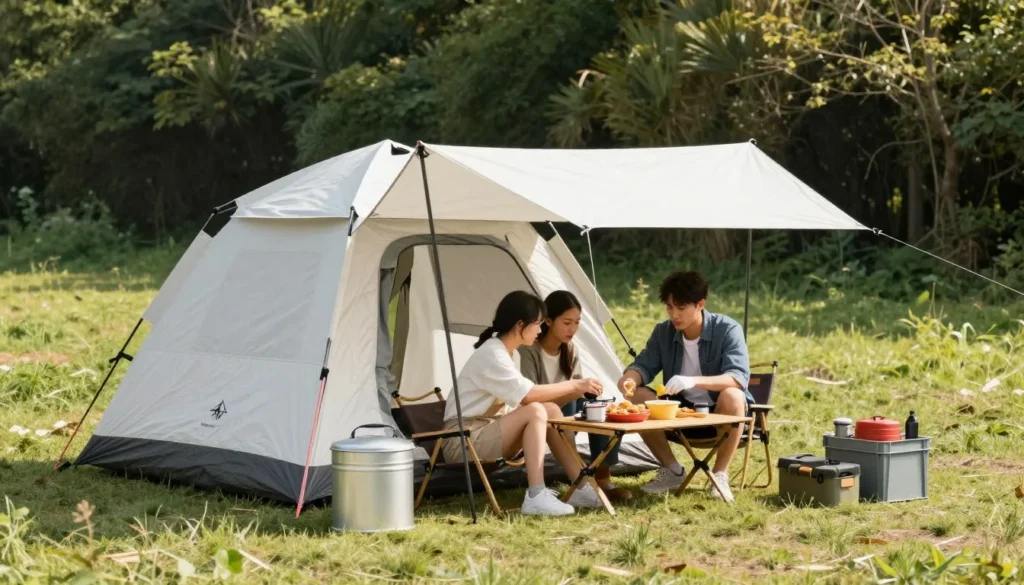
Visiting Sand Mountain Recreation Area Nevada can be an affordable adventure with proper planning. These tips help minimize expenses while maximizing your experience.
Annual Pass Savings
Purchase an annual pass if you plan multiple visits. The annual pass costs $120 compared to $40 per weekend. The pass pays for itself after four weekend visits. It’s valid for one calendar year from the purchase date.
Fuel Efficiency
Fill your gas tank in larger cities before reaching Fallon. Fuel prices increase as you travel into more remote areas. Carson City typically offers lower prices than small towns along Highway 50.
Money-Saving Strategy: Bring all supplies from home. Food and gear purchased in Fallon cost more than in larger cities. Stock up on groceries, ice, and camping supplies before your trip.
Camping Cost Reduction
- Share camping fees by grouping with friends or family
- Bring your own firewood rather than buying it locally
- Pack meals rather than eating in restaurants
- Use refillable water containers instead of buying bottled water
- Maintain your off-road vehicle to prevent costly repairs
Free Activities
Many activities at Sand Mountain cost nothing beyond the camping fee. Hiking, sand sledding, stargazing, and exploring the Pony Express Station are all free. Photography and wildlife watching require no additional expenses.
Equipment Sharing
Consider sharing equipment costs with friends. Split the expense of larger items like generators or camping gear. Carpooling to Sand Mountain reduces fuel costs significantly.
Safety & Local Customs
Essential Safety Precautions
Sand Mountain’s remote location means emergency services are far away. The nearest hospital is in Fallon, approximately 40 km (25 miles) west. Cell phone coverage is limited or nonexistent in many areas.
Always carry a first aid kit with comprehensive supplies. Include treatments for burns, cuts, sprains, and dehydration. Bring any prescription medications you might need.
Emergency Contact: In case of serious emergency, call 911. Be prepared to provide detailed location information. Emergency response times can exceed one hour due to the remote location.
Off-Road Vehicle Safety
Wear appropriate safety gear at all times. Helmets are mandatory for all riders under 18 years old. However, helmets are strongly recommended for riders of all ages.
- Install and maintain safety flags on all vehicles
- Check vehicles before each ride for mechanical issues
- Never ride alone in remote areas
- Avoid riding during extreme heat hours
- Carry tools and spare parts for basic repairs
Heat and Sun Protection
Summer temperatures regularly exceed 38°C (100°F). Heat exhaustion and heat stroke are serious risks. Learn to recognize the symptoms of heat-related illness.
Drink water continuously throughout the day. Don’t wait until you feel thirsty. Thirst indicates you’re already becoming dehydrated. Aim for at least 4 liters (1 gallon) of water per person per day.
Leave No Trace Principles
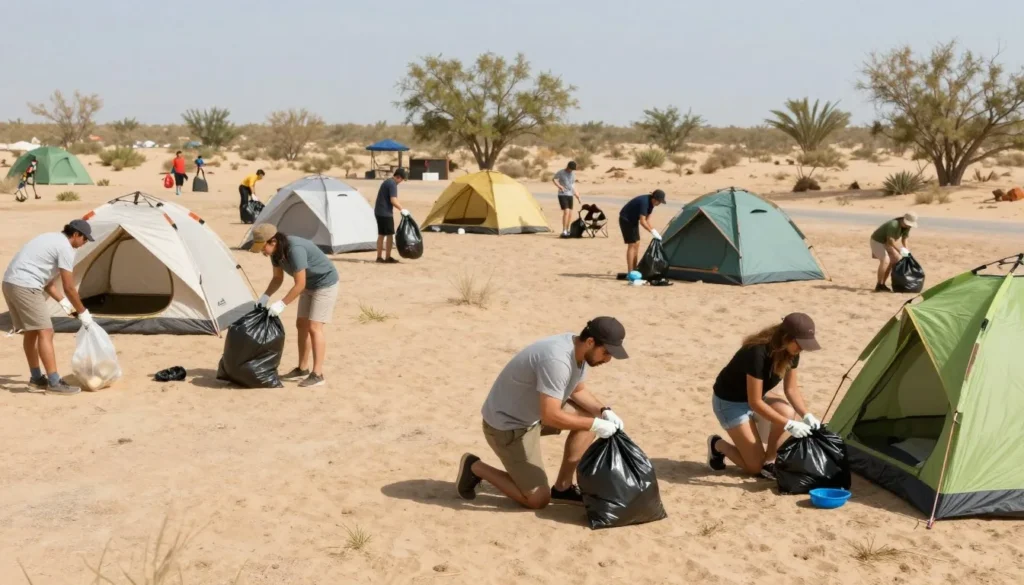
Pack out everything you pack in. No trash services exist at Sand Mountain. Bring garbage bags and remove all waste when you leave. This includes food scraps and recyclables.
Use designated toilet facilities when available. If camping in remote areas, follow proper human waste disposal methods. Bury waste at least 15 cm (6 inches) deep and 61 m (200 feet) from water sources.
Respectful Behavior
Sand Mountain attracts diverse groups of outdoor enthusiasts. Respect other visitors’ space and experience. Keep noise levels reasonable, especially during evening and early morning hours.
The off-roading community values courtesy and mutual assistance. Help fellow riders when they experience breakdowns or get stuck. This unwritten rule ensures everyone’s safety and enjoyment.
Wildlife and Plant Protection
Avoid disturbing wildlife. Never feed animals, as this disrupts their natural behaviors. Observe from a distance and use binoculars for closer viewing.
Stay on designated riding areas. Avoid damaging desert vegetation. Plants grow slowly in this harsh environment. Vehicle tracks can damage fragile desert ecosystems for years.
Visitor Comments About Sand Mountain Recreation Area Nevada
“Sand Mountain exceeded our expectations in every way. The main dune offers challenging terrain for experienced riders, while the surrounding areas provide perfect practice spots for beginners. Our family spent an entire weekend exploring different sections of the recreation area. The camping was primitive but comfortable, and the stargazing at night was absolutely spectacular. We’ve already planned our return trip.”
“I’ve visited sand dunes in several states, but Sand Mountain stands out for its sheer size and variety of terrain. The singing sand phenomenon is real and quite remarkable when conditions are right. The location along the Loneliest Road in America adds to the adventure. Just be sure to bring plenty of water and supplies. The nearest town is a bit of a drive, and you don’t want to run out of essentials. The historical Pony Express connection makes the area even more interesting.”
“Our group makes an annual trip to Sand Mountain every Memorial Day weekend. The atmosphere during the holiday gatherings is incredible, with thousands of fellow off-road enthusiasts sharing the same passion. Yes, it gets crowded during peak times, but that’s part of the experience. The camaraderie among riders is fantastic. Everyone helps each other out when someone gets stuck or has mechanical issues. The Bureau of Land Management does a good job maintaining the area while keeping it natural and accessible.”
Additional Nearby Destinations
Along the Loneliest Road in America
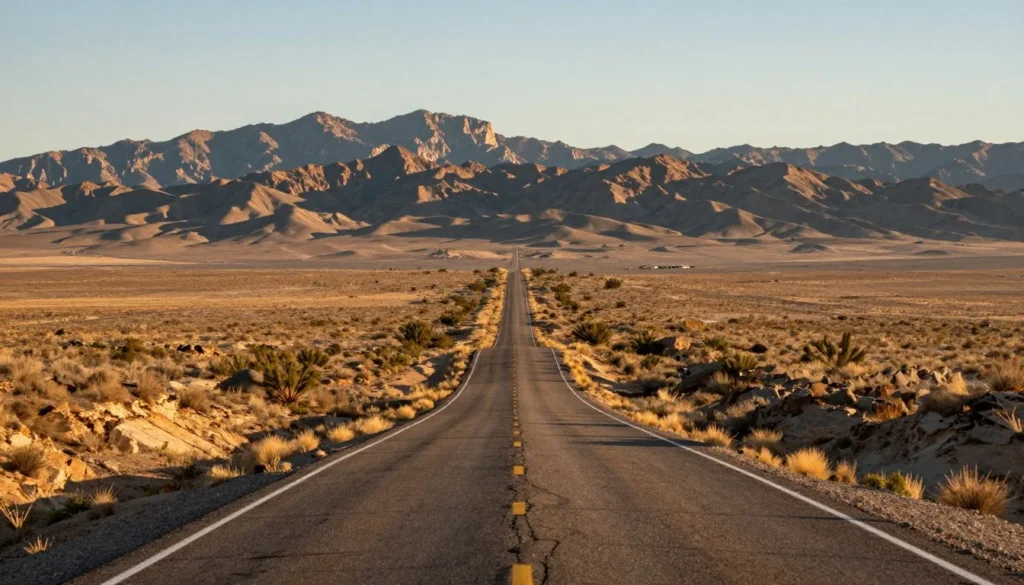
Highway 50 offers numerous attractions within a reasonable drive from Sand Mountain. This historic route crosses Nevada from west to east. The highway earned its “Loneliest Road” nickname from its remote character and sparse population.
Grimes Point Archaeological Area
Located about 19 km (12 miles) east of Fallon, Grimes Point features ancient petroglyphs. These rock carvings date back thousands of years. Native American peoples created the images long before European contact.
A short interpretive trail leads to several petroglyph panels. The site offers insight into the region’s prehistoric inhabitants. Admission is free, and the site is open year-round.
Berlin-Ichthyosaur State Park
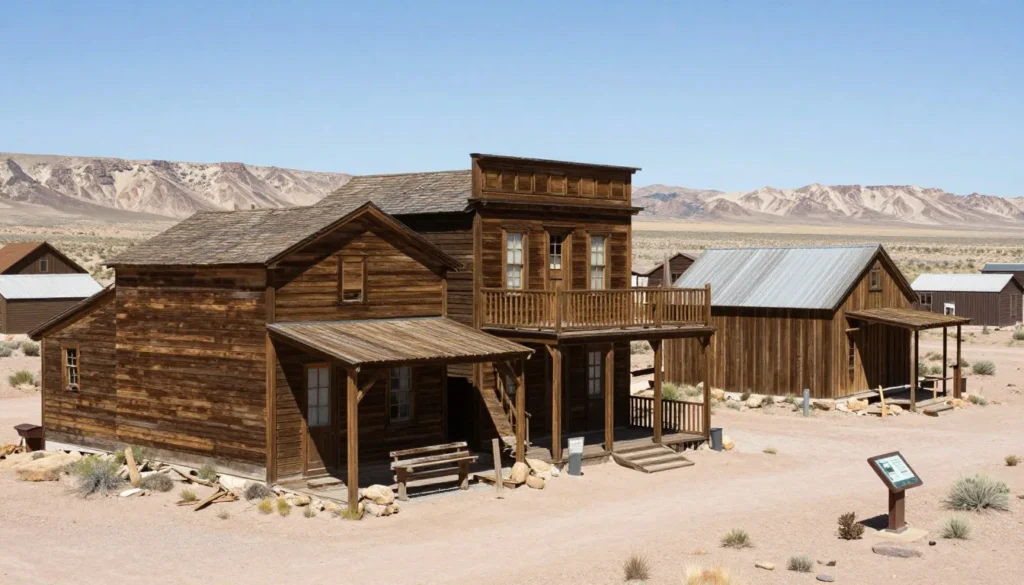
This unique state park combines a ghost town with fossils of ancient marine reptiles. The park sits about 161 km (100 miles) east of Sand Mountain. The drive takes roughly two hours on Highway 50.
Berlin was a small mining town that operated in the early 1900s. Many original buildings still stand. The fossil shelter houses ichthyosaur remains from ancient Lake Lahontan’s predecessor sea.
Austin
Austin is a historic mining town located about 113 km (70 miles) east on Highway 50. This small community preserves much of its 19th-century character. The town features several historic churches and buildings.
Stokes Castle, an unusual three-story stone tower, sits just outside town. The structure was built in 1897 and offers panoramic valley views. Austin also provides basic services including a small grocery store and cafe.
Lahontan State Recreation Area
This recreation area surrounds Lahontan Reservoir, located about 27 km (17 miles) west of Fallon. The reservoir offers water-based recreation including boating, fishing, and swimming. Several campgrounds provide amenities lacking at Sand Mountain.
The area makes a good addition to a Sand Mountain trip. Visitors can cool off in the water after riding in the desert heat. The reservoir covers approximately 7,000 hectares (17,000 acres) when full.
Walker Lake
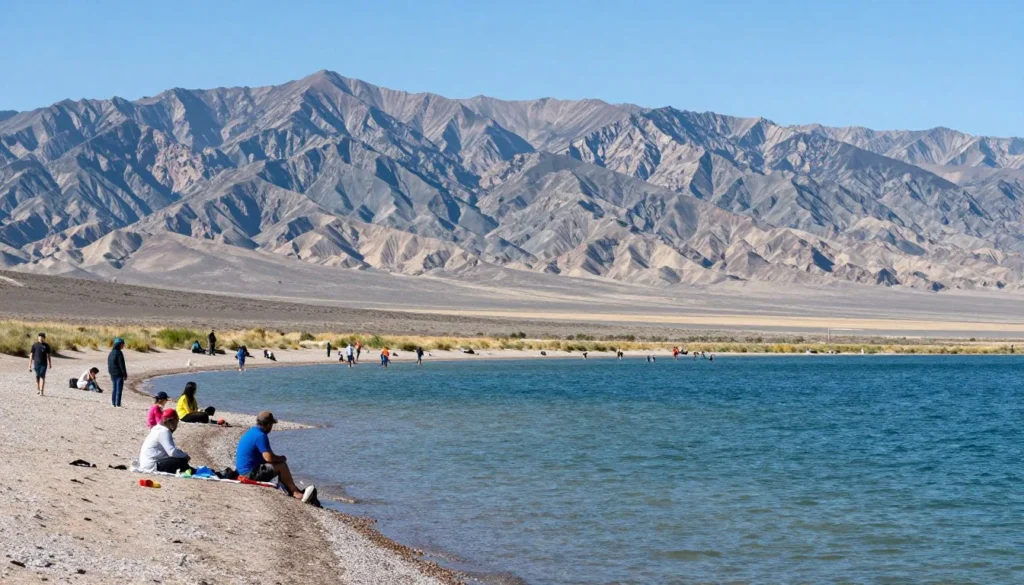
Walker Lake lies about 97 km (60 miles) south of Sand Mountain. This natural desert lake offers a stark contrast to the sandy dunes. The lake covers approximately 13,000 hectares (32,000 acres).
Fishing attracts many visitors to Walker Lake. The lake contains Lahontan cutthroat trout. Swimming and boating are also popular activities. The surrounding mountains provide scenic views.
Practical Travel Tips
What to Pack
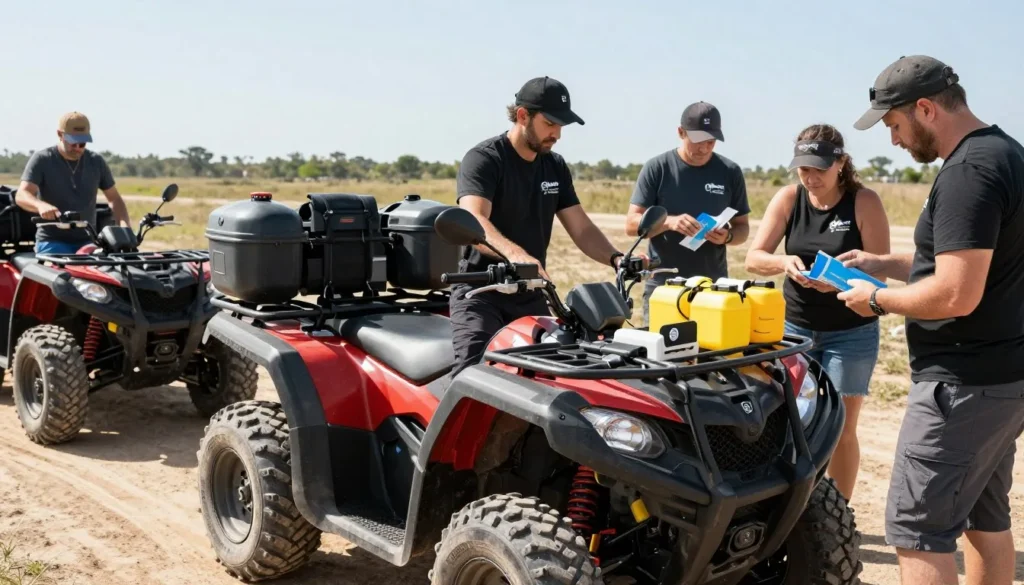
Successful Sand Mountain trips require thorough preparation. The remote location means you can’t easily purchase forgotten items. Create a detailed packing list before your departure.
Essential Items
- Abundant water supply
- Comprehensive first aid kit
- Sun protection (sunscreen, hats, protective clothing)
- Tools and spare parts for vehicles
- Camping gear and bedding
- Food and cooking equipment
Recommended Extras
- Portable air compressor
- Recovery straps and equipment
- Extra fuel containers
- Portable shade structures
- GPS device or detailed maps
- Headlamps and flashlights
Vehicle Preparation
Inspect your off-road vehicle thoroughly before the trip. Check tire pressure, fluid levels, and all mechanical systems. Soft sand requires lower tire pressure for better traction.
Carry basic tools and common spare parts. Items like extra spark plugs, drive belts, and air filters can save your trip. Many riders bring a portable air compressor for tire pressure adjustments.
Communication
Cell phone service is unreliable at Sand Mountain Recreation Area. Don’t depend on your phone for emergency communication. Consider bringing a satellite communication device for true emergencies.
Two-way radios help groups stay connected while riding. These devices work well for coordinating activities and maintaining safety contact. Choose radios with good range and durable construction.
Weather Monitoring
Check weather forecasts before departing. Desert thunderstorms can develop quickly during summer months. Lightning poses a serious risk in this exposed terrain.
Wind conditions affect riding quality significantly. Strong winds create sandstorms that reduce visibility. Postpone riding during severe wind events.
Permits and Regulations
All off-highway vehicles must display valid registration. Nevada requires an OHV sticker for operation on public lands. Out-of-state permits are generally accepted.
Spark arresters are mandatory on all internal combustion engines. Red or orange safety flags must extend at least 2.4 m (8 feet) above the vehicle. These requirements are strictly enforced.
Permit Information: Purchase camping permits at the self-pay stations upon arrival. Bring exact change or checks, as credit cards are not accepted at the pay stations. Keep your receipt visible on your vehicle dashboard.
Environmental Considerations
Minimize your environmental impact during your visit. Stay within designated riding areas to protect sensitive desert ecosystems. Avoid creating new trails or shortcuts.
Protect water sources from contamination. The desert environment contains limited water. Keep soap, fuel, and other pollutants away from any springs or seeps.
Group Travel Tips
Traveling with a group enhances both safety and enjoyment. Establish a buddy system before rides begin. Never let anyone ride alone in remote areas of Sand Mountain.
Designate a meeting point and time if your group separates. Without reliable cell service, predetermined meeting locations prevent confusion and worry.
Your Sand Mountain Adventure Awaits

Sand Mountain Recreation Area Nevada stands as one of the American West’s most unique outdoor destinations. The towering singing sand dune rises dramatically from the ancient Lake Lahontan lakebed. It beckons adventurers seeking something beyond ordinary recreation.
Whether you’re an experienced off-road enthusiast or a family looking for desert adventure, this remarkable place offers unforgettable experiences. The combination of geological wonder, historical significance, and recreational opportunity creates a destination unlike any other.
The remote location along the Loneliest Road in America adds to the sense of discovery. Every visit to Sand Mountain becomes a journey into Nevada’s wild heart. The vast open spaces, endless starry skies, and challenging terrain reward those who make the trip.
Start planning your Sand Mountain adventure today. Gather your gear, prepare your vehicle, and set your sights on this incredible Nevada destination. The singing sands are calling, and countless memories await your arrival.