Hotels by Trip.com
Flights by Trip.com
Every year, over 200,000 adventure seekers venture into Nevada’s remote desert to experience one of North America’s most unique geological phenomena. The Sand Springs Desert Nevada area encompasses thousands of acres of pristine wilderness, where ancient history meets modern outdoor recreation. This remarkable region takes its name from the natural springs that once provided life-saving water to Pony Express riders crossing the unforgiving terrain in the 1860s.
The site holds a special place in American frontier history. Sand Springs Station served as a critical stop along the Pony Express route, where exhausted riders could rest and horses could drink before continuing their perilous journey across the desert.
Today, visitors discover a landscape that blends historical significance with thrilling outdoor activities. The area features towering dunes, remnants of ancient Lake Lahontan, and well-preserved ruins from the Pony Express era.
Getting There & Planning Your Journey
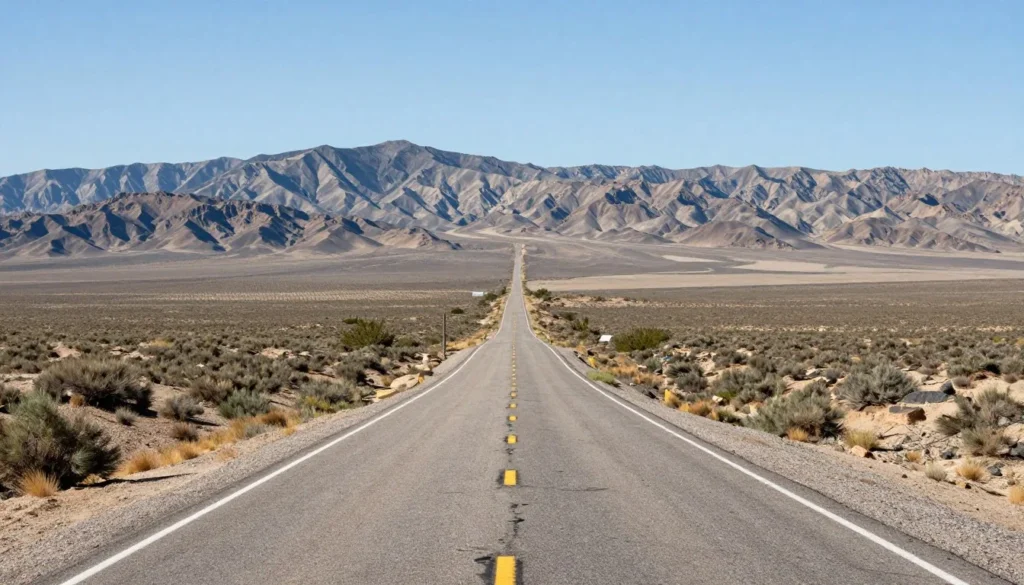
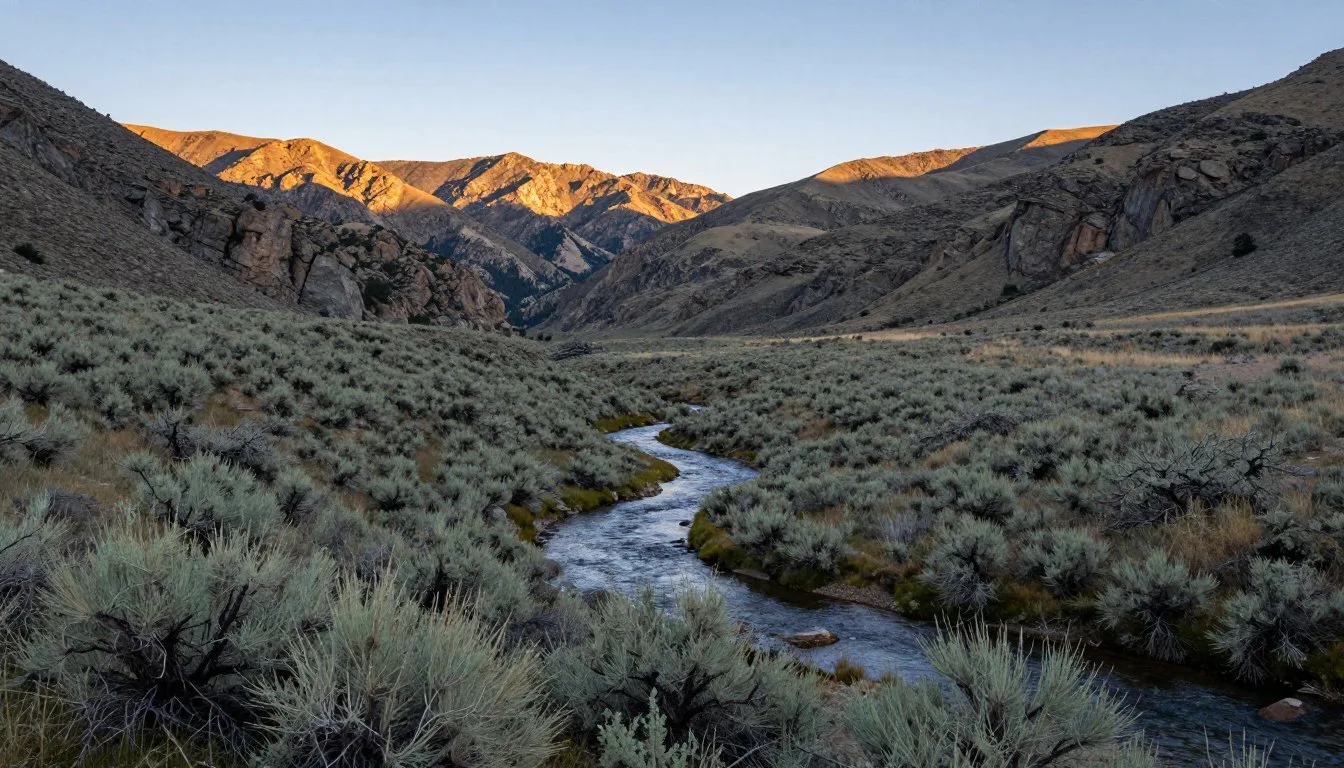
Reaching Sand Springs Desert Nevada requires careful planning, as this remote location sits approximately 80 miles east of Reno. The journey takes you through authentic Nevada backcountry, offering stunning views of the Great Basin Desert.
The closest major airport is Reno-Tahoe International Airport, located about 70 miles west of the Sand Mountain Recreation Area. This facility serves multiple airlines and offers rental car services essential for desert exploration. Alternative options include Carson City Airport, though it provides limited commercial service.
From Reno, travelers take US Highway 50 east toward Fallon, then continue to the Sand Mountain Recreation Area turnoff. The drive typically takes 90 minutes under normal conditions. Road quality varies seasonally, with dirt access roads becoming challenging after rain.
Important Travel Information: Contact the Bureau of Land Management Carson City District Office for current road conditions and area closures before your trip.
Four-wheel drive vehicles are recommended, particularly for reaching remote areas and historic sites. Standard vehicles can access main camping areas during dry months, but high clearance proves advantageous on unpaved roads throughout the region.
Best Time to Visit & Weather Tips
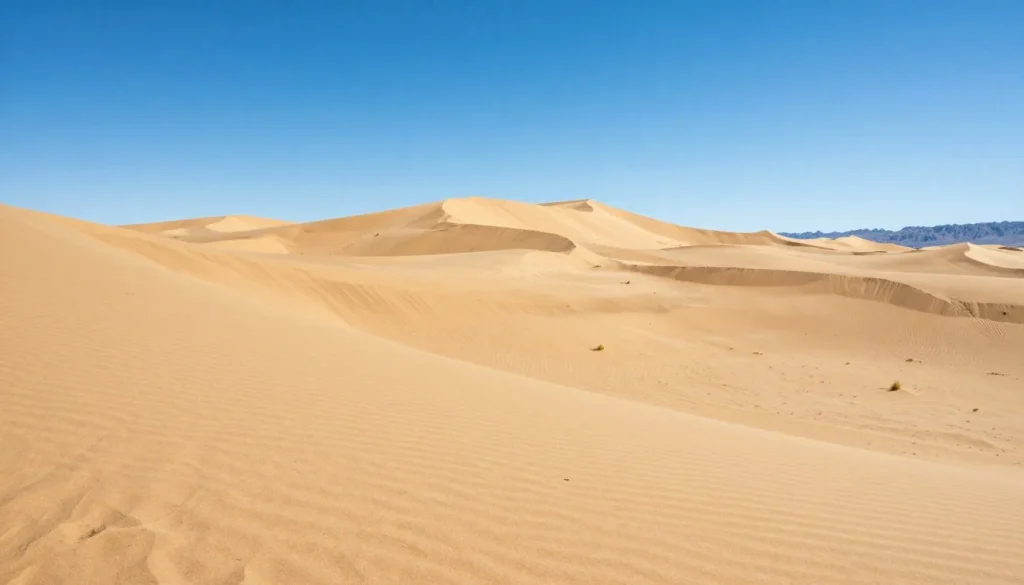
Best Time to Visit Sand Springs Desert Nevada
Spring and fall offer the most comfortable conditions for exploring this desert environment. March through May provides moderate temperatures ranging from 15°C to 24°C (59°F to 75°F), perfect for hiking and historical site visits.
September through November delivers similar pleasant conditions, with cooler evenings ideal for camping under star-filled skies. These shoulder seasons avoid extreme summer heat while providing reliable weather for outdoor activities.
Summer months from June through August bring intense heat, with temperatures frequently exceeding 38°C (100°F). Only experienced desert travelers should visit during this period, and activities must be limited to early morning or evening hours.
Check 30,000+ Local Sightseeing Tours Worldwide
✓ Numerous languages and currencies are available
Winter visits remain possible from December through February, though temperatures can drop below freezing at night. Snow occasionally dusts the dunes, creating unique photographic opportunities. Daytime temperatures hover around 7°C to 13°C (45°F to 55°F).
Weather Advisory: Desert conditions change rapidly. Always check forecasts before departure and prepare for temperature swings of 20°C (36°F) or more between day and night.
Notable Annual Festivals
The Sand Mountain Recreation Area hosts several popular events that attract thousands of off-highway vehicle enthusiasts and outdoor recreation fans each year.
Memorial Day Weekend traditionally marks the busiest period, with organized rides and informal gatherings throughout the dunes. Independence Day weekend draws similar crowds for desert celebrations and fireworks displays visible for miles across the flat terrain.
Labor Day Weekend concludes the main recreation season with end-of-summer events. These holiday weekends require advance camping reservations, as sites fill quickly.
Getting Around Locally
Transportation within the Sand Springs Desert Nevada area requires personal vehicles, as no public transit serves this remote region. Most visitors base themselves in Fallon, located 26 miles west, which provides the nearest services and amenities.
The Sand Mountain Recreation Area encompasses approximately 4,800 acres, with designated routes for different vehicle types. Off-highway vehicles including ATVs, dirt bikes, and dune buggies can access most areas, while standard vehicles must remain on established roads.
Walking and hiking remain popular for exploring the Sand Springs Pony Express station ruins and surrounding desert. Trails are unmarked, requiring strong navigation skills and proper desert hiking equipment.
Bicycles work well on packed dirt roads but prove impractical on loose sand. Mountain bikes can navigate some terrain during cooler months, though the soft surface demands significant effort.
Distances deceive in open desert. The walk from parking areas to the dune summit covers approximately 1.6 kilometers (1 mile) but takes 45 minutes due to soft sand. Plan accordingly and carry ample water for any foot travel.
Where to Stay
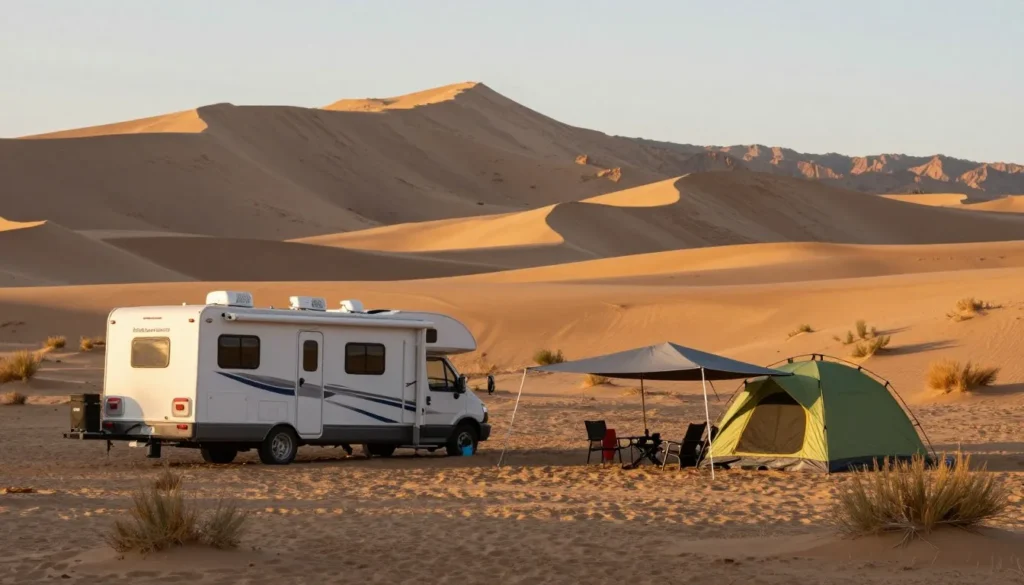
Accommodation options near Sand Springs Desert Nevada range from primitive camping to comfortable hotels, though most facilities cluster in Fallon rather than at the recreation site itself.
Camping at Sand Mountain Recreation Area
The Bureau of Land Management maintains designated camping areas throughout the Sand Mountain site. These primitive campgrounds offer vault toilets but no water, electricity, or shade structures. Fees apply during peak season from March through November.
Campers must practice Leave No Trace principles and pack out all waste. Sites operate on a first-come basis except during major holidays. Group camping requires advance permits for parties exceeding 15 people.
Fallon Lodging
Fallon provides several hotel and motel options approximately 26 miles from the recreation area. Properties range from budget motels to mid-range chain hotels, all offering air conditioning essential for summer visits.
Local establishments include facilities with RV parking, restaurants, and fuel services. Booking ahead proves critical during holiday weekends and special events when rooms fill rapidly.
Alternative Options
Nearby communities including Silver Springs and Fernley offer additional lodging choices. These towns sit along the access route from Reno, making them convenient stopover points. Vacation rentals appear occasionally but remain limited in this rural region.
Dining & Local Cuisine
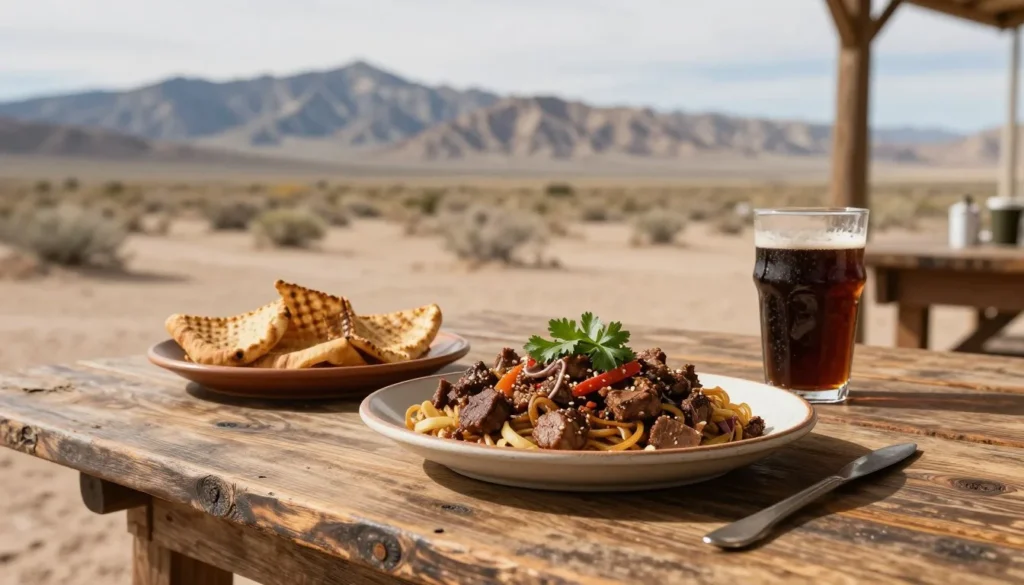
Dining near Sand Springs Desert Nevada centers entirely in Fallon, as the recreation area itself has no food services. Visitors must bring all meals and snacks for desert excursions, along with more water than seems necessary.
Fallon offers diverse restaurants ranging from classic American diners to Mexican cuisine and Asian fare. Local establishments serve generous portions suited to appetites built by outdoor adventure.
The Main Street district features family-owned restaurants that have fed locals and travelers for decades. These spots specialize in hearty breakfasts, homemade pies, and Nevada beef raised on nearby ranches.
Fast food chains line the highway corridor for quick meals before heading to the dunes. Several grocery stores stock camping supplies, ice, and provisions for extended desert stays.
Local specialty items include Basque cuisine reflecting the region’s ranching heritage. Some restaurants serve Basque family-style dinners featuring lamb, beans, and salad courses that satisfy hungry adventurers.
Desert Dining Tip: Pack a cooler with extra ice, as desert heat melts ice rapidly. Bring non-perishable snacks and at least 4 liters of water per person for day trips to Sand Mountain.
Attractions, Sightseeing & Activities
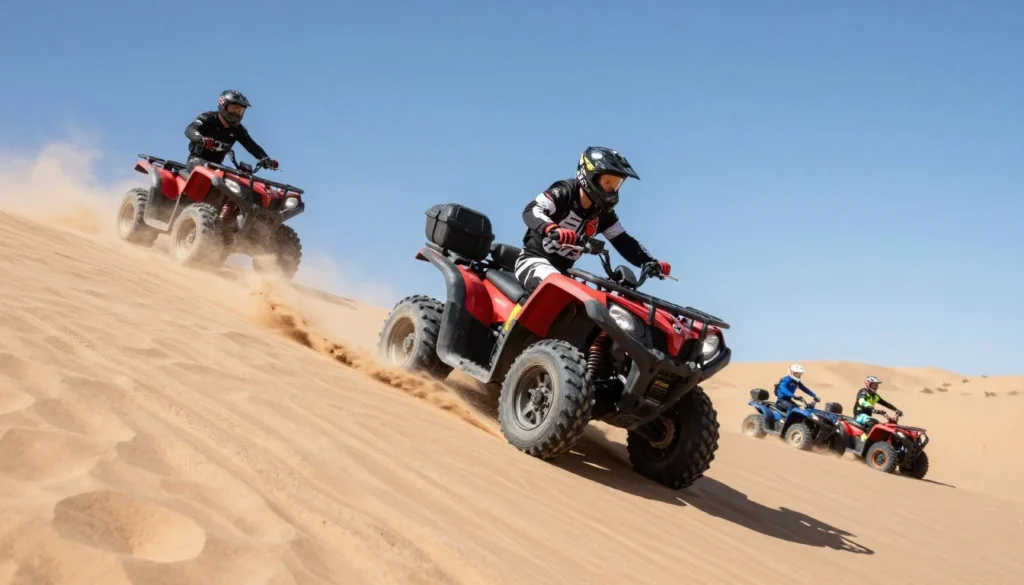
Sand Mountain Recreation Area
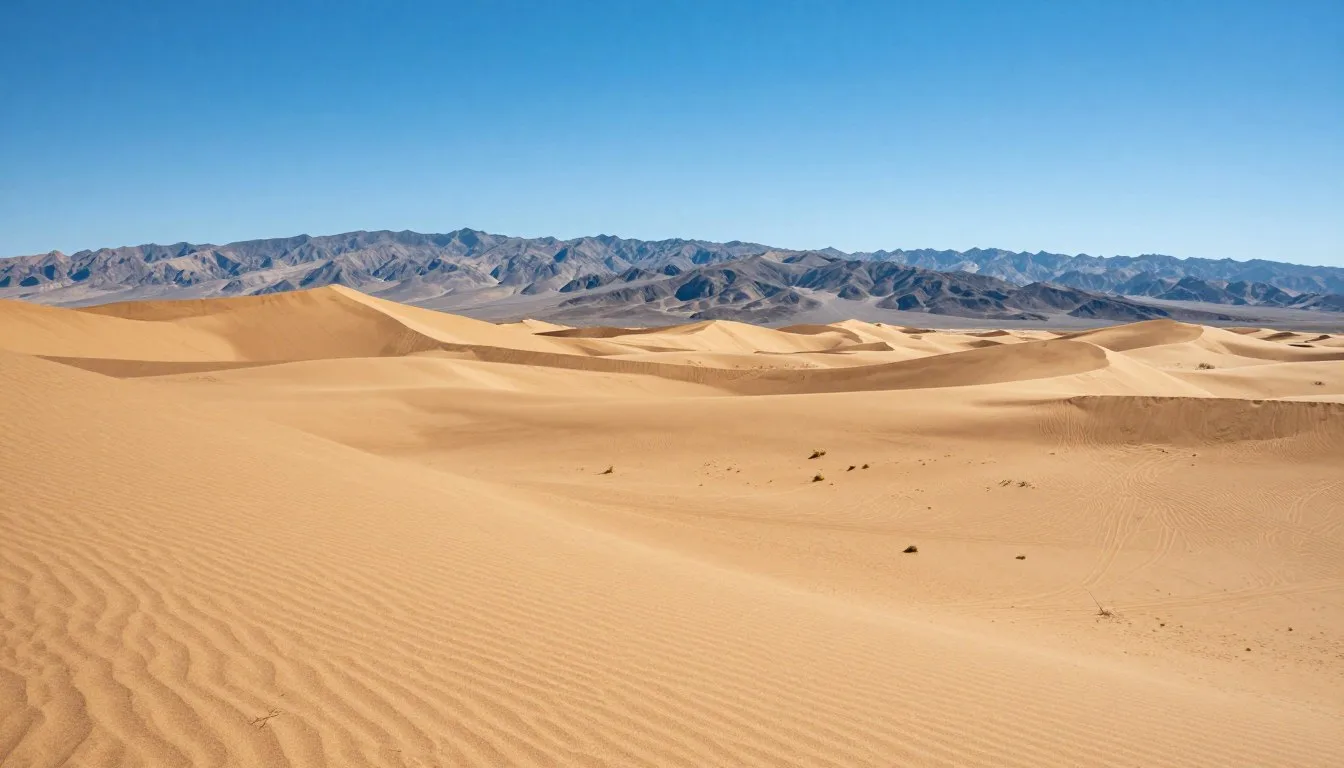
The 600-foot-tall Sand Mountain dominates the landscape as Nevada’s premier off-highway vehicle destination. This massive dune spans approximately 3.2 kilometers (2 miles) in length and produces a distinctive humming sound when sand cascades down its slopes, earning the nickname “singing sand.”
Formed from sediments of ancient Lake Lahontan over 10,000 years ago, the dune attracts thousands of OHV enthusiasts annually. Riders tackle steep faces, while beginners practice on gentler slopes at the base.
The recreation area permits various vehicle types including dirt bikes, ATVs, sand rails, and dune buggies. Required equipment includes safety flags, helmets, and appropriate registration. Day-use fees support site maintenance and ranger services.
Sand Springs Pony Express Station
Historic ruins mark the location where Pony Express riders changed horses during their cross-country mail runs from 1860 to 1861. The Sand Springs Station served as one of the most isolated and dangerous stops along the 3,100-kilometer (1,966-mile) route.
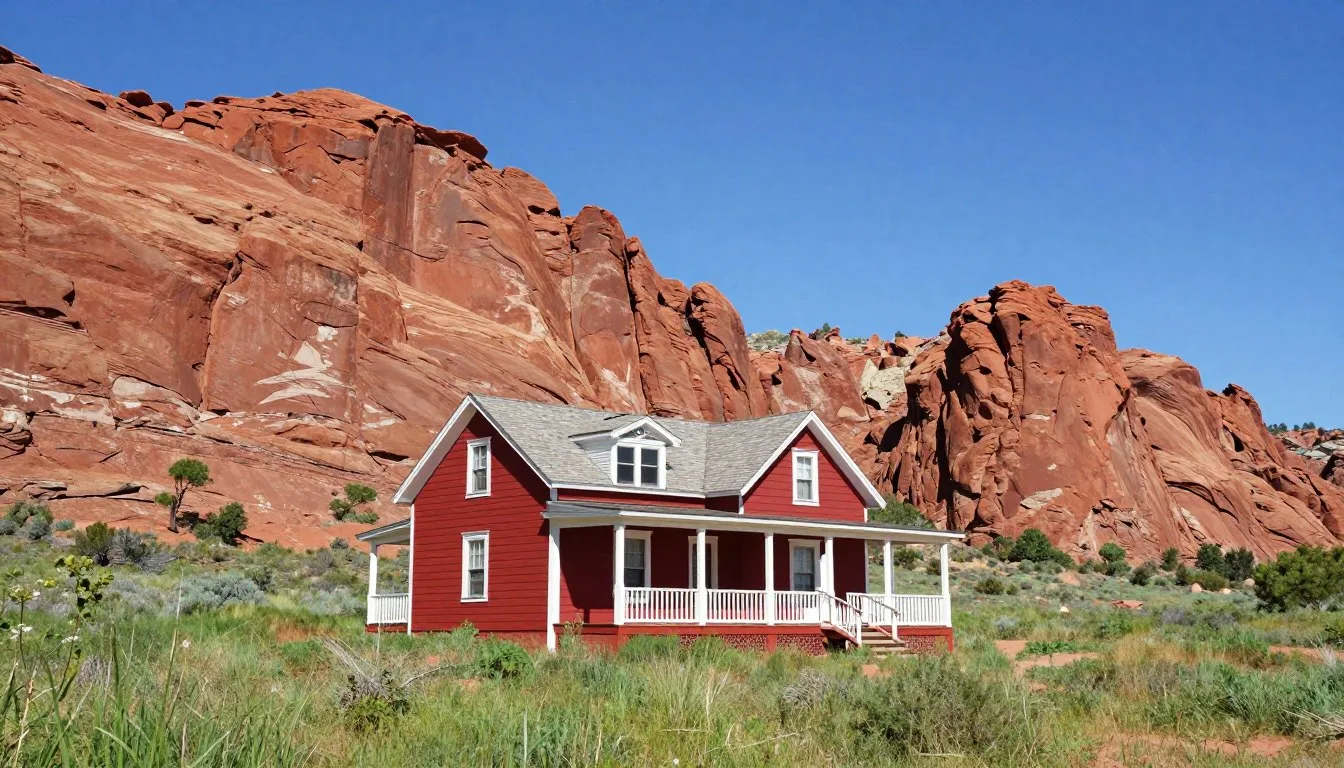
Remaining stone foundations and partial walls tell the story of the station keeper who lived alone in this desolate location. Interpretive signs provide historical context about the Pony Express operation and the hardships faced by station personnel.
The site sits approximately 10 kilometers (6 miles) from Sand Mountain along a rough dirt road. High-clearance vehicles handle the route best, though passenger cars can make the journey during dry conditions.
Wilderness Exploration
Beyond the main dune, thousands of acres of desert invite exploration. Smaller dunes, dry lake beds, and desert basins showcase the region’s geological diversity.
Wildlife viewing opportunities include desert bighorn sheep, coyotes, kit foxes, and numerous bird species. Spring wildflower blooms transform the landscape when winter rains provide adequate moisture.
Photography enthusiasts find endless subjects from sunrise dune shadows to star trail images under dark skies free from light pollution. The area’s remoteness creates ideal conditions for astrophotography.
Museums, Cultural Spots & Festivals
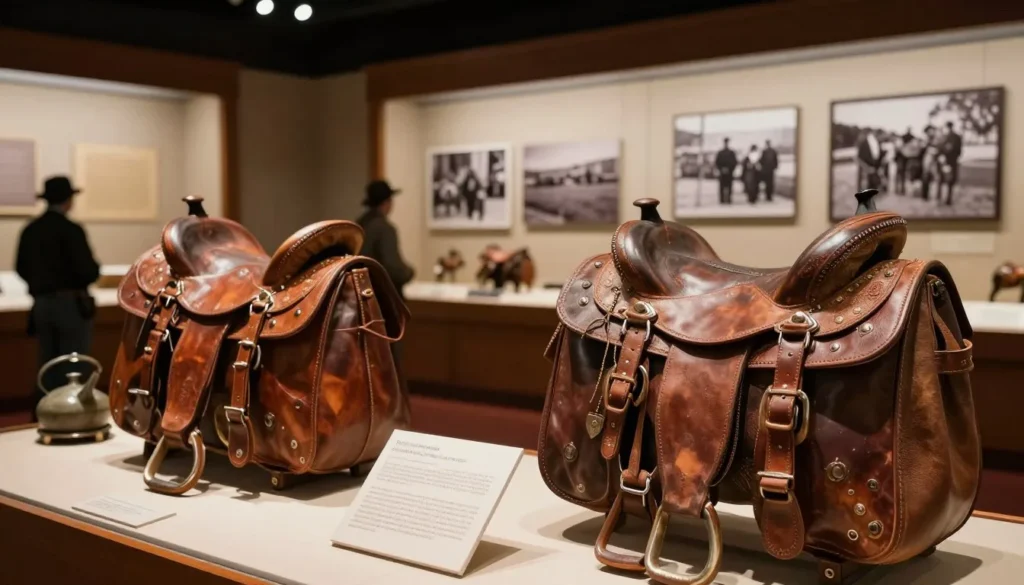
Cultural attractions related to Sand Springs Desert Nevada concentrate in nearby Fallon, where several museums preserve the region’s frontier heritage and military history.
Churchill County Museum
This comprehensive museum chronicles the area’s development from Native American habitation through Pony Express days to modern agricultural settlement. Exhibits feature authentic Pony Express artifacts, pioneer tools, and photographs documenting early desert crossings.
The facility operates year-round with free admission, making it an excellent first stop for understanding the historical context of Sand Springs Station and the surrounding desert. Knowledgeable staff answer questions about local history and provide directions to historical sites.
Stillwater National Wildlife Refuge
Located northeast of Fallon, this 79,600-acre wetland complex attracts over 250 bird species and offers stark contrast to the arid dunes. The refuge preserves critical habitat along the ancient Lake Lahontan basin.
A visitor center provides interpretive displays about wetland ecology and the region’s geological history. Auto tour routes allow wildlife observation without leaving your vehicle.
Cultural Events
Fallon hosts several annual events celebrating Western heritage. The Hearts o’ Gold Cantaloupe Festival each September honors the region’s agricultural tradition with local produce, crafts, and entertainment.
The All-Indian Rodeo and Pow Wow brings Native American culture to the area each May, featuring traditional dancing, drumming, and rodeo competitions.
Nature & Outdoor Experiences
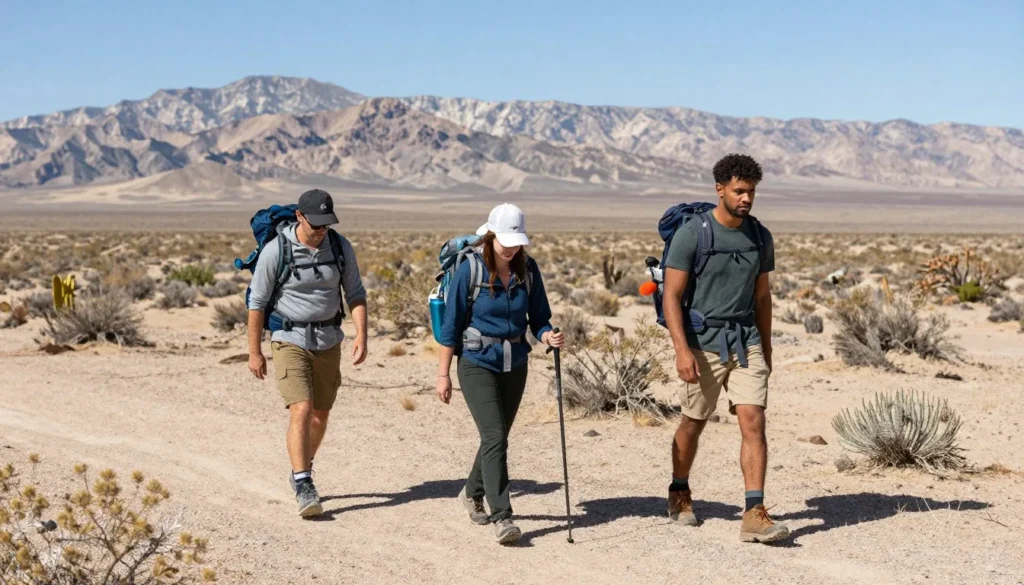
The Sand Springs Desert Nevada region offers exceptional opportunities for nature enthusiasts seeking authentic wilderness experiences beyond the motorized recreation at Sand Mountain.
Desert Hiking
Unmarked routes allow exploration across public lands surrounding the main recreation area. Experienced desert hikers navigate by landmarks and GPS, discovering hidden canyons, fossil beds, and geological formations shaped by ancient Lake Lahontan.
The trek to Sand Springs Pony Express Station ruins provides moderate hiking on relatively flat terrain. The round trip covers approximately 3.2 kilometers (2 miles) from the nearest parking area.
Essential hiking gear includes navigation tools, sun protection, sturdy boots, and significantly more water than mountain hiking requires. The desert environment offers no shade and dehydration occurs rapidly even during moderate temperatures.
Wildlife Observation
Patient observers spot diverse desert species adapted to extreme conditions. Early morning and late evening provide the best wildlife viewing opportunities when temperatures moderate and animals become active.
Birdwatchers record species including golden eagles, prairie falcons, and various hawks. The desert also supports populations of lizards, snakes, and small mammals that emerge at dawn and dusk.
Stargazing
Dark skies free from urban light pollution make Sand Springs Desert Nevada exceptional for astronomy. The Milky Way appears clearly overhead, and meteor showers provide spectacular displays.
Photographers capture long-exposure star trail images and time-lapse sequences showing celestial rotation over the dunes. New moon periods offer the darkest skies for deep sky observation.
Geological Study
The landscape serves as an outdoor classroom for understanding desert formation, wind erosion, and ancient lake environments. Exposed sediment layers in surrounding hills reveal the region’s aquatic past when Lake Lahontan covered much of northwestern Nevada.
Rock hounds find various specimens including tufa formations, volcanic rocks, and fossilized materials in designated collection areas. Regulations protect certain sites, so verify collection rules before removing any materials.
Travel With Children
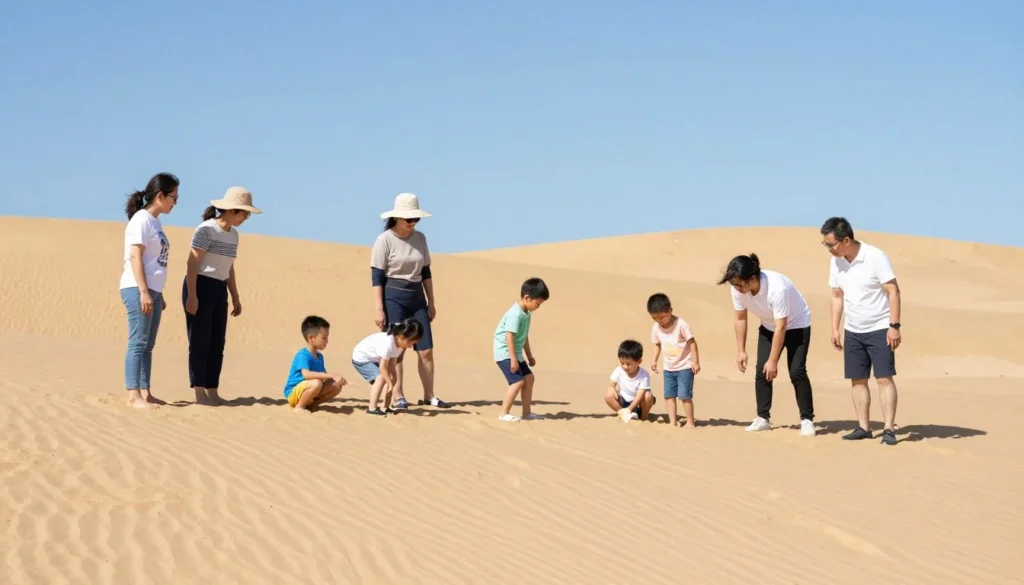
Visiting Sand Springs Desert Nevada with children requires extra preparation but offers educational opportunities and outdoor adventures that create lasting memories.
The soft sand provides a forgiving surface for younger children to play, though constant supervision remains essential. Building sand castles, sliding down smaller dunes, and searching for animal tracks engage kids while teaching desert ecology.
Heat safety becomes critical when traveling with children. Plan activities for early morning or late afternoon, avoiding midday sun exposure. Apply sunscreen frequently, provide wide-brimmed hats, and ensure kids drink water regularly even if they don’t feel thirsty.
Educational opportunities abound at the Pony Express ruins, where children can imagine life on the frontier. The Churchill County Museum in Fallon offers hands-on exhibits that bring history alive for younger visitors.
For families with teens interested in motorized recreation, several outfitters in Fallon rent youth-sized ATVs and provide safety instruction. Supervised riding on designated beginner areas introduces kids to off-highway vehicle sports in controlled environments.
Family Safety Reminder: Children dehydrate faster than adults in desert heat. Bring at least 3 liters of water per child for half-day outings, and limit sun exposure to early and late hours.
Camping with kids works well during spring and fall when nighttime temperatures remain comfortable. The dark skies provide opportunities to teach constellations and astronomy. Bring binoculars for safe wildlife observation from appropriate distances.
Money Saving Tips
Exploring Sand Springs Desert Nevada on a budget remains entirely feasible with strategic planning and smart choices throughout your visit.
Camping dramatically reduces lodging costs compared to hotels. The BLM charges modest day-use and camping fees, making multi-day desert stays affordable for families and groups. Primitive camping requires no reservations during most periods, eliminating booking fees.
Bringing all food and supplies from home or purchasing groceries in larger cities like Reno saves significantly compared to restaurant meals. Fallon grocery stores offer reasonable prices, but selection and costs improve in bigger towns along your route.
Check 30,000+ Local Sightseeing Tours Worldwide
✓ Numerous languages and currencies are available
Free activities dominate the area’s attractions. Hiking to Sand Springs Station, exploring dunes on foot, stargazing, and wildlife watching cost nothing beyond transportation. The Churchill County Museum offers free admission, providing hours of educational entertainment.
Fuel costs add up quickly on desert adventures. Fill tanks in Fallon where prices run lower than remote stations. Efficient route planning minimizes unnecessary driving on rough roads that decrease fuel economy.
Visit during shoulder seasons to avoid holiday weekend crowds and premium pricing. Mid-week trips find fewer visitors and sometimes waived day-use fees at the recreation area.
Equipment rental from Fallon outfitters costs less than bringing your own OHV if you plan only occasional riding. Compare rental rates to transportation costs for hauling personal vehicles across hundreds of miles.
Group travel splits campsite fees and fuel costs among multiple families. Coordinating with friends creates both financial benefits and enhanced safety for remote desert camping.
Safety & Local Customs
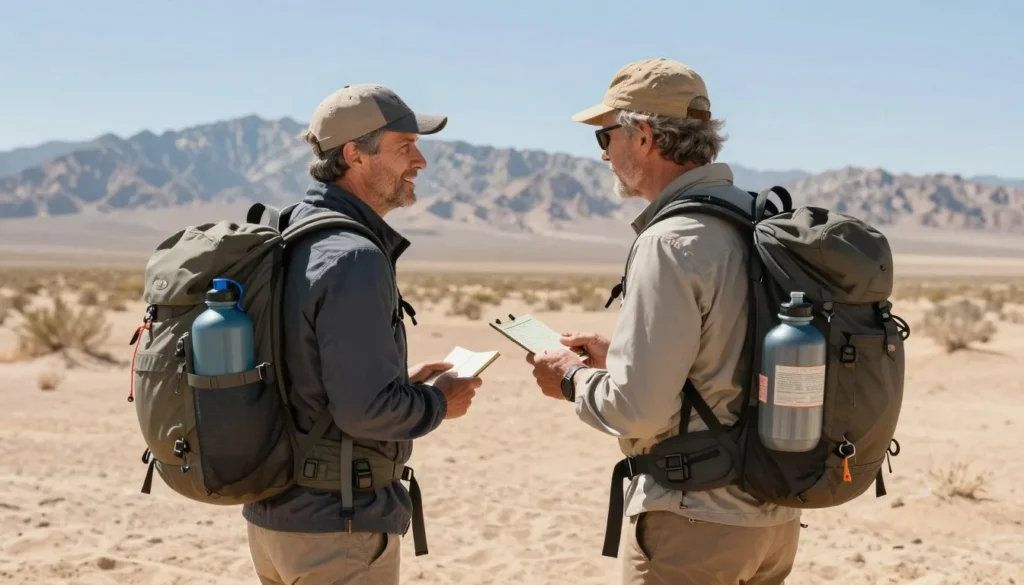
Desert environments present unique hazards that demand respect and preparation. Understanding local safety practices and cultural norms ensures enjoyable experiences in the Sand Springs Desert Nevada region.
Essential Safety Practices
Water carries paramount importance in desert survival. Bring at least twice the amount you think necessary, with minimum recommendations of 4 liters per person daily. Dehydration symptoms appear quickly under desert conditions even during moderate temperatures.
Inform someone of your travel plans, intended routes, and expected return time. Cell phone coverage remains unreliable throughout most of the area, making communication impossible during emergencies.
Navigation tools including GPS units, paper maps, and compasses prevent dangerous disorientation. Landmarks look similar across open desert, and getting lost can quickly become life-threatening.
Vehicle preparation includes spare tires, tools, extra fuel, and emergency supplies. Breakdowns miles from paved roads create serious situations, particularly during extreme temperatures.
Emergency Contact Information:
Churchill County Sheriff: 911 or +1 (775) 423-5251
BLM Law Enforcement: +1 (775) 885-4400
OHV Safety Requirements
Nevada law mandates safety equipment for off-highway vehicles including helmets, goggles, and orange safety flags extending at least eight feet above the ground. Flags prevent collisions by making vehicles visible over dune crests.
Never ride alone in remote areas. Travel with companions who can assist during mechanical failures or injuries. Establish clear communication signals before separating even briefly.
Wildlife and Environmental Hazards
Rattlesnakes inhabit the desert during warmer months. Watch where you place hands and feet, particularly around rocks and vegetation. Most snakes avoid humans if given opportunity to retreat.
Flash floods can occur suddenly during thunderstorms, even miles from rainfall. Avoid camping in dry washes, and move to higher ground if storms threaten.
Local Customs and Etiquette
The surrounding area includes working ranches and private property. Respect gates and fencing, leaving them as you found them. Stay on public lands and designated routes to avoid trespassing.
Fallon hosts Naval Air Station Fallon, creating strong military presence in the community. Respect military personnel and understand that some areas remain off-limits due to training activities.
Pack out all trash and waste following Leave No Trace principles. The desert’s fragile ecosystem recovers slowly from disturbance, and future visitors deserve pristine conditions.
Visitor Comments About Sand Springs Desert Nevada
“The Sand Mountain dunes exceeded all expectations. We spent three days exploring, and our teenagers couldn’t get enough of the OHV riding. The Pony Express ruins added unexpected historical depth to our adventure. Just remember to bring way more water than you think you’ll need!”
“Visiting Sand Springs Station gave me chills imagining the Pony Express riders stopping at this isolated desert outpost. The remoteness is both beautiful and humbling. Spring wildflowers were blooming during our April visit, transforming the landscape. This area deserves more recognition for its historical significance.”
“Our family camped at Sand Mountain over Memorial Day weekend. The singing sand phenomenon is real – you can actually hear the dunes hum as sand slides down the slopes. Kids loved hiking to the top despite the challenging climb. The stargazing at night was absolutely incredible, better than any planetarium.”
Additional Nearby Destinations
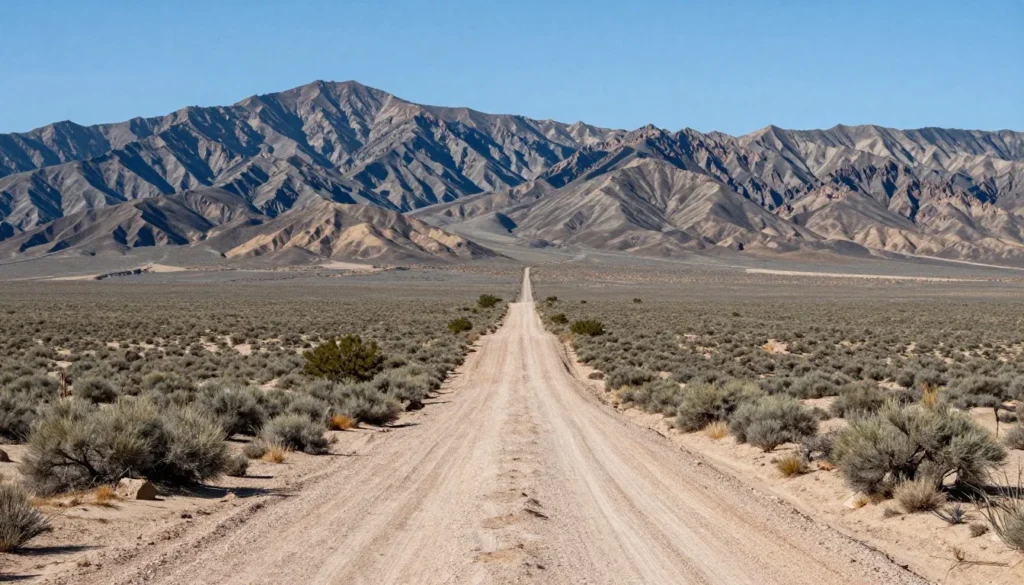
The Sand Springs Desert Nevada region serves as an excellent base for exploring additional attractions throughout western Nevada’s Great Basin.
Grimes Point Archaeological Site
Located 19 kilometers (12 miles) east of Fallon, this site preserves thousands of petroglyphs created by indigenous peoples over 8,000 years. A self-guided trail with interpretive signs explains the rock art and archaeological significance.
Lake Lahontan State Recreation Area
This reservoir approximately 32 kilometers (20 miles) west of Fallon offers water recreation including fishing, boating, and swimming. The lake provides welcome relief from desert heat during summer months.
Virginia City
This famous historic mining town sits 97 kilometers (60 miles) west. The preserved Wild West community features museums, saloons, and mine tours that transport visitors to Nevada’s silver boom era.
Berlin-Ichthyosaur State Park
Ancient marine fossils and a ghost town combine at this unique park 145 kilometers (90 miles) southeast. Guided tours show ichthyosaur fossils embedded in rock, remnants of Nevada’s oceanic past.
Great Basin National Park
Nevada’s only national park lies approximately 402 kilometers (250 miles) east. The park protects ancient bristlecone pines, Lehman Caves, and Wheeler Peak reaching 3,982 meters (13,065 feet) elevation.
Practical Travel Tips
Successful Sand Springs Desert Nevada adventures depend on thorough preparation and understanding the unique challenges of remote desert travel.
Seasonal planning affects every aspect of your visit. Spring and fall provide ideal conditions, but these popular periods require advance camping arrangements. Summer demands extreme heat precautions, while winter brings cold nights and occasional road closures.
Vehicle preparation cannot be overstated. Check all fluids, tires, and cooling systems before departure. Carry emergency supplies including water, food, first aid kit, tools, and communication devices. A working spare tire and jack prove essential on rough desert roads.
Physical conditioning helps visitors enjoy hiking and climbing the dunes. The soft sand demands significantly more effort than trail walking. Start with shorter excursions and gradually increase distance as you acclimate to desert conditions.
Sun protection extends beyond sunscreen. Wide-brimmed hats, lightweight long sleeves, and UV-protective sunglasses prevent overexposure. Desert reflection intensifies sunlight, increasing burn risk even during moderate temperatures.
Time management requires realistic expectations. Desert travel takes longer than anticipated, and activities in soft sand consume extra time and energy. Build flexibility into schedules, avoiding tight timelines that create stress.
Photography equipment needs protection from sand and dust. Use UV filters to shield lenses, and store cameras in sealed bags when not shooting. The finest sand penetrates surprising spaces, potentially damaging sensitive electronics.
Respect closure notices and seasonal restrictions at Sand Mountain Recreation Area. Nesting birds and severe weather occasionally close sections temporarily. Current information prevents wasted trips to inaccessible areas.
BLM Carson City District Office – Current Conditions and Closures:
Your Desert Adventure Awaits
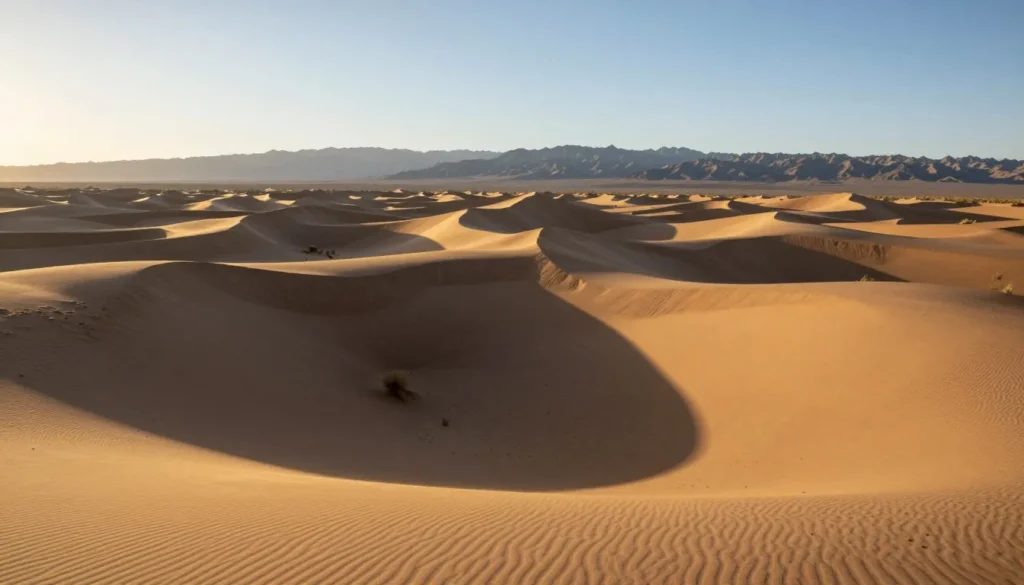
Sand Springs Desert Nevada represents a remarkable convergence of American history, geological wonder, and outdoor adventure. From the storied Pony Express station ruins to the towering singing dunes, this corner of Nevada offers experiences found nowhere else.
Whether you seek adrenaline-pumping OHV action across massive sand formations, quiet contemplation at historic frontier sites, or pristine stargazing under the darkest skies in the western United States, this desert landscape delivers unforgettable moments. The region’s remoteness and raw beauty create the authentic Nevada backcountry experience that adventurous travelers crave.
Start planning your journey to this extraordinary destination where ancient lake beds transformed into mountains of singing sand, where Pony Express riders risked everything for communication, and where modern adventurers discover the timeless appeal of Nevada’s Great Basin Desert. Your desert story begins here.