Hotels by Trip.com
Flights by Trip.com
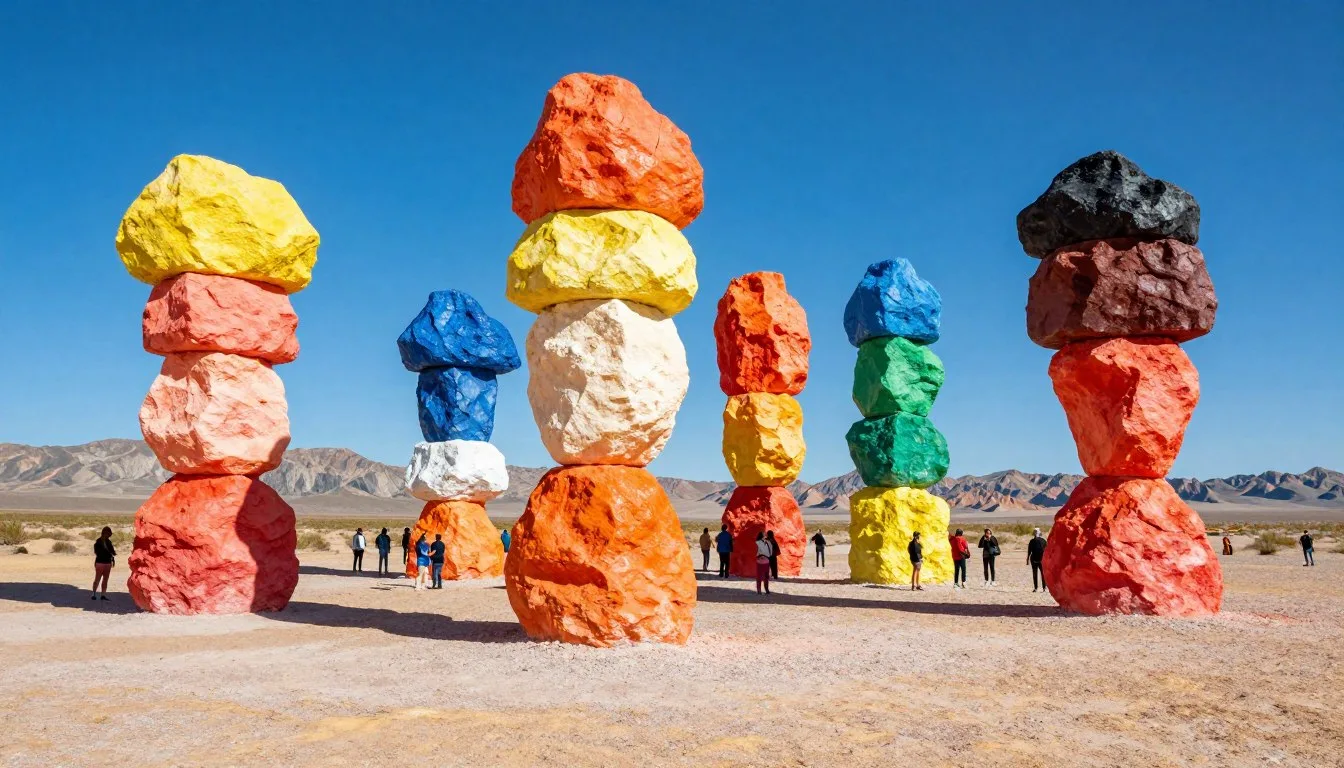
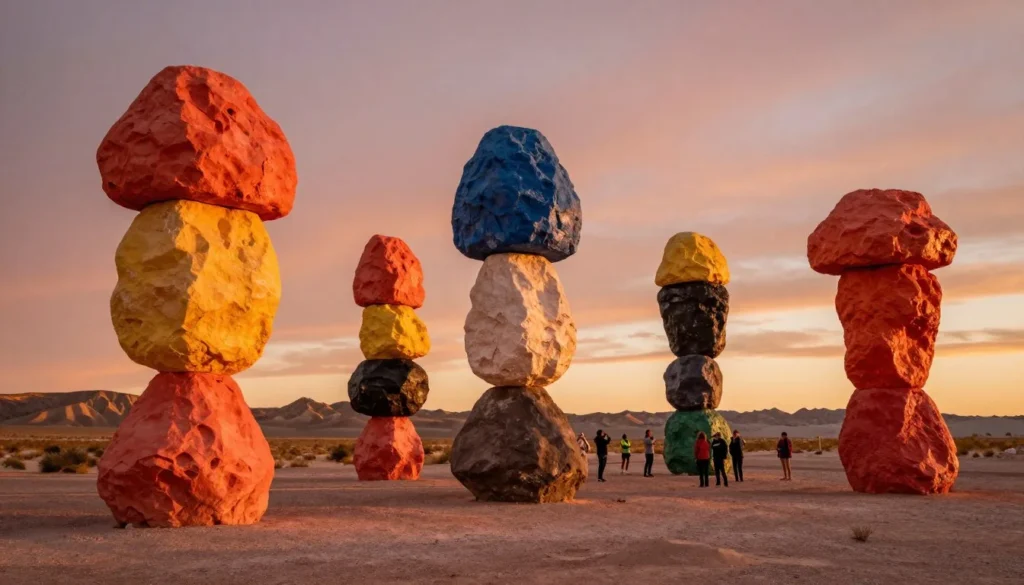
More than 1.5 million people have visited this temporary art installation since 2016, making Seven Magic Mountains one of the most photographed artworks in the American Southwest. The name comes from the seven towers of brightly painted boulders that rise from the desert floor like a rainbow emerging from the sand.
Artist Ugo Rondinone created this striking work to explore the relationship between nature and human creativity. The installation stands in stark contrast to its barren surroundings, creating an almost surreal experience for visitors.
This comprehensive guide covers everything you need to plan your visit to this remarkable desert landmark. From practical travel tips to hidden gems in the surrounding area, you’ll discover how to make the most of your journey to Seven Magic Mountains.
Getting There and Planning Your Journey
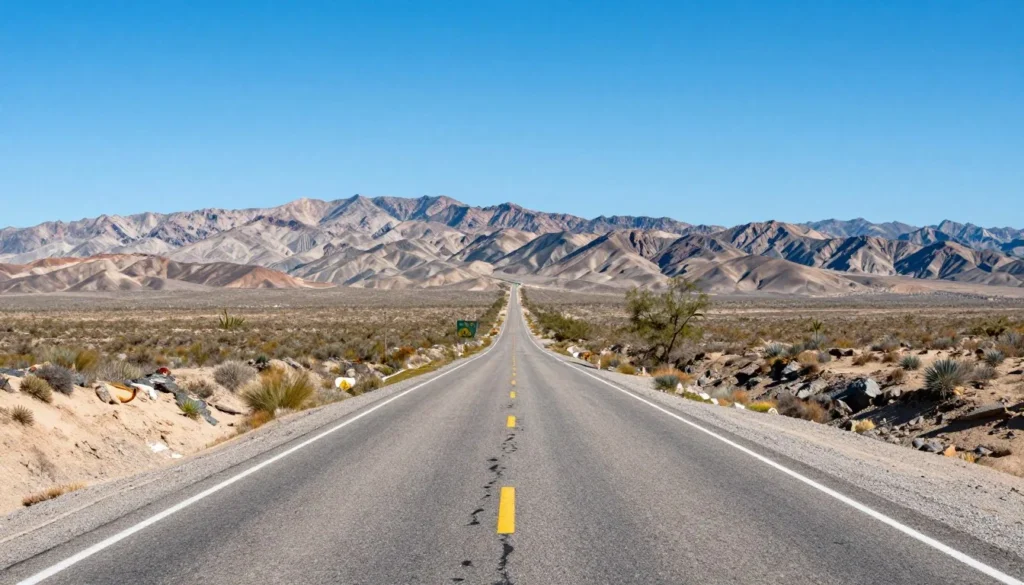
Seven Magic Mountains sits just 16 km (10 miles) south of Las Vegas along Interstate 15. The art installation occupies public land managed by the Bureau Land Management near the small town of Jean, Nevada.
Closest Airports
Harry Reid International Airport in Las Vegas serves as the primary gateway for most visitors. The airport sits just 32 km (20 miles) from the installation, making it incredibly convenient for travelers.
From the airport, you can rent a car and reach the site in roughly 25 minutes. The drive takes you south on I-15 through the desert landscape that defines southern Nevada.
Alternative airports include Henderson Executive Airport for private flights and Boulder City Municipal Airport for smaller aircraft. However, most people find Las Vegas the most practical option due to better flight connections and car rental availability.
Driving Directions
From the Las Vegas Strip, take I-15 South toward Los Angeles. Exit at milepost 25 and follow the signs to the installation parking area. The Bureau Land Management has created clear signage to guide visitors.
GPS coordinates make navigation simple: 35.8411° N, 115.3206° W. Most smartphone mapping apps recognize “Seven Magic Mountains” as a destination and provide accurate directions.
The parking lot accommodates approximately 20 vehicles. During peak times, especially sunrise and sunset, spaces fill quickly. Arriving early or visiting during weekday afternoons often guarantees parking access.
Best Time to Visit and Weather Tips
The desert climate surrounding Seven Magic Mountains creates distinct seasons that dramatically affect your visit. Understanding weather patterns helps you plan the perfect experience at this unique art installation.
Best Time to Visit Seven Magic Mountains
Late autumn through early spring offers the most comfortable visiting conditions. November through March brings mild daytime temperatures ranging from 15°C to 21°C (60°F to 70°F).
Early morning visits reward you with softer light and smaller crowds. The magic mountains look spectacular during sunrise when the low angle sun illuminates the painted boulders against the desert backdrop.
Winter months provide the coolest temperatures and clearest skies. December and January see average highs around 14°C (58°F), perfect for comfortable outdoor exploration without the intense desert heat.
Months to Avoid
Summer months from June through August bring extreme heat that can make visiting uncomfortable and potentially dangerous. Temperatures regularly exceed 40°C (104°F), with some days reaching 46°C (115°F) or higher.
If you must visit during summer, plan for very early morning arrival before 7:00 AM. Bring abundant water and limit your time at the site to prevent heat exhaustion.
Late spring (May) and early fall (September) present shoulder seasons with moderate heat. These months can work well for visitors who prefer fewer crowds and can tolerate temperatures around 32°C to 35°C (90°F to 95°F).
Notable Annual Festivals
While Seven Magic Mountains itself doesn’t host regular festivals, the nearby Las Vegas area offers numerous events that pair well with your visit to the installation.
Life is Beautiful Festival in downtown Las Vegas celebrates art, music, and food each September. This three-day event showcases contemporary art similar in spirit to Ugo Rondinone’s work.
First Friday Las Vegas occurs monthly in the Arts District, featuring gallery openings, street performances, and local artists. The event runs year-round on the first Friday of each month from 5:00 PM to 11:00 PM.
For festival information and specific dates, contact the Las Vegas Convention and Visitors Authority at 702-892-0711.
Getting Around Locally
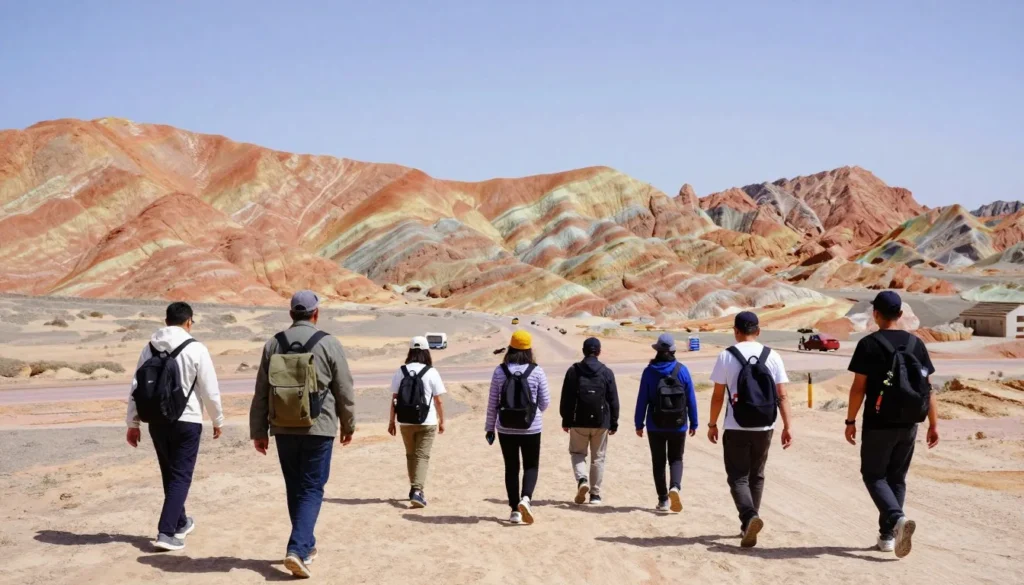
The Seven Magic Mountains site itself requires minimal navigation. A short walk from the parking area brings you directly to the art installation. The entire location spans a relatively compact area that most visitors explore in 30 to 60 minutes.
The installation sits on flat desert terrain that’s easily walkable for most fitness levels. However, the ground consists of natural desert sand and gravel, so sturdy walking shoes provide better comfort than sandals or flip-flops.
No public transportation serves the site directly. Personal vehicles or tour services from Las Vegas remain the only practical transportation options. Several tour companies offer guided trips that include transportation, though booking ahead ensures availability.
The surrounding area lacks sidewalks or formal paths. Visitors create their own routes around the boulder stacks, photographing from various angles. This freedom allows creative exploration but requires attention to desert ground conditions.
Parking attendants occasionally assist during peak visiting hours, but the site generally operates on a self-guided basis. The Bureau of Land Management maintains the location but doesn’t staff it continuously.
Where to Stay
Most visitors base themselves in Las Vegas and make Seven Magic Mountains a day trip. The 25-minute drive from the city offers the best combination of accommodation variety, dining options, and entertainment.
Las Vegas Hotels
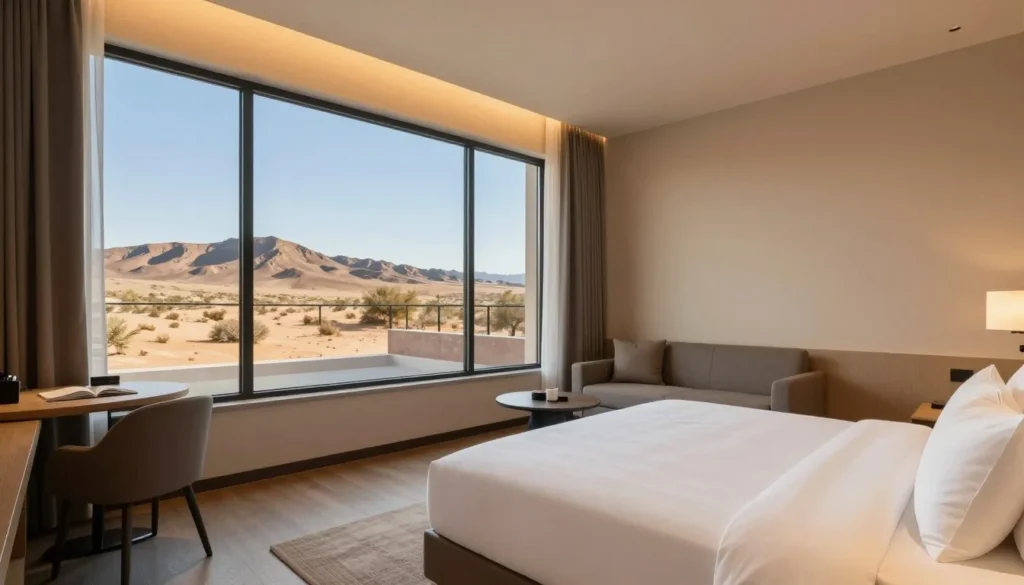
The Las Vegas Strip provides hundreds of hotel options ranging from budget-friendly to ultra-luxury. Properties like Luxor, Mandalay Bay, and MGM Grand sit on the southern end of the Strip, closest to the installation.
Downtown Las Vegas hotels offer a different vibe with lower prices and a more intimate feel. The Golden Nugget and The D provide comfortable accommodations at reasonable rates, though they sit farther from Seven Magic Mountains.
Off-Strip properties often deliver better value for budget-conscious travelers. Hotels near the airport or along I-15 South reduce driving time while offering competitive rates and modern amenities.
Jean and Nearby Towns
Jean, Nevada sits closest to the installation but offers limited lodging. The tiny town contains just a couple of hotel-casinos that serve primarily as rest stops for travelers between Las Vegas and Los Angeles.
Primm, located 16 km (10 miles) south of Seven Magic Mountains, provides several casino hotels. These properties work well for visitors who want to minimize driving while keeping costs lower than Las Vegas rates.
Henderson, a suburb east of Las Vegas, combines proximity with a quieter atmosphere than the Strip. Multiple chain hotels serve business travelers and tourists seeking a more relaxed base of operations.
Dining and Local Cuisine
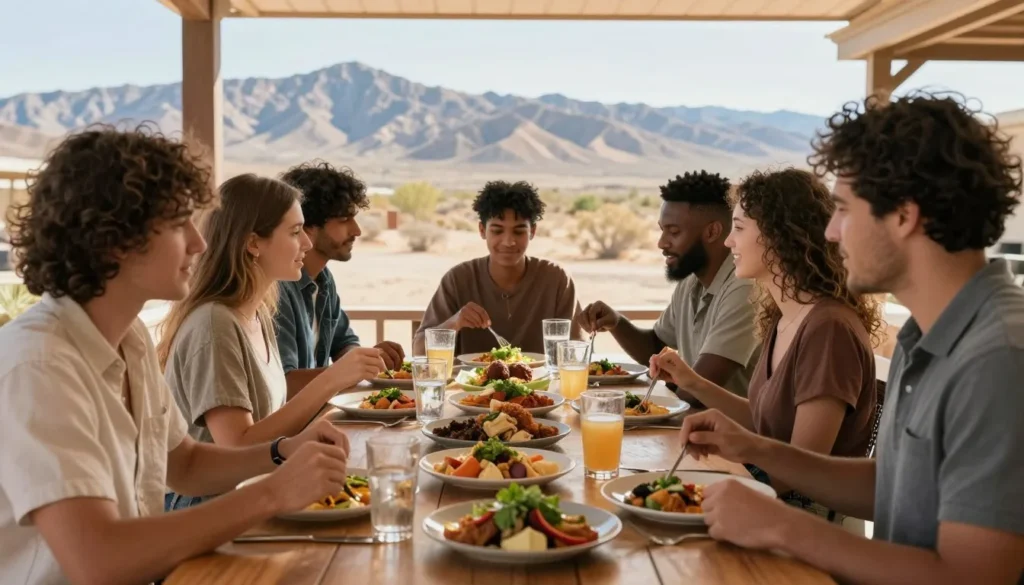
Seven Magic Mountains has no dining facilities on site. The installation sits in an undeveloped desert area managed by the Bureau Land Management, with no restaurants, cafes, or food vendors within walking distance.
Pack snacks and drinks for your visit, especially during warmer months. Bringing a cooler with cold water and light refreshments makes the experience more comfortable, particularly if you’re visiting during midday hours.
Nearby Dining Options
Las Vegas offers every dining style imaginable, from celebrity chef restaurants to casual buffets. The southern Strip hotels feature numerous options convenient for visitors heading to or from the magic mountains.
Local favorites include Mexican cuisine that reflects Nevada’s southwestern heritage. Tacos Mexico on Eastern Avenue serves authentic street-style food beloved by Las Vegas residents and tourists alike.
For a quick meal before or after your visit, the In-N-Out Burger location on Las Vegas Boulevard South sits directly on your route. This California-based chain represents West Coast food culture and provides quality fast food.
Jean’s limited dining consists mainly of casino restaurants. These spots serve basic American fare at reasonable prices, suitable for travelers who want to eat near the installation without returning to Las Vegas.
Attractions, Sightseeing and Activities
Seven Magic Mountains functions as both a destination and a photography opportunity. The art installation invites visitors to walk around the boulder stacks, examine the vibrant colors, and capture images from multiple angles.
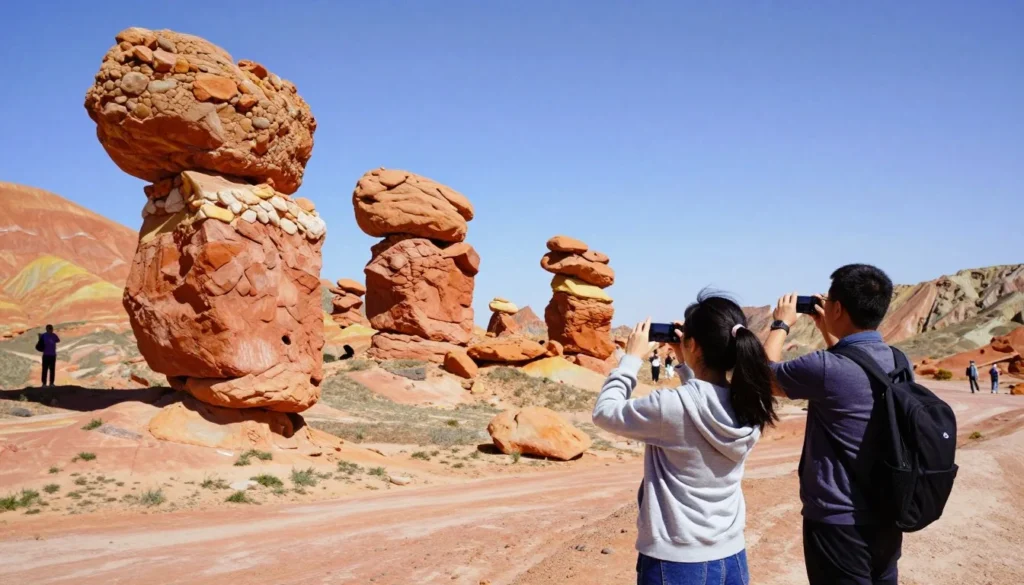
Artist Ugo Rondinone designed the work to create dialogue between natural and artificial elements. Each of the seven towers stands between 9 m and 11 m (30 to 35 feet) tall, constructed from locally sourced limestone boulders painted in fluorescent colors.
The installation’s remote location adds to its impact. Standing amid the vast Mojave Desert, the bright totems create a striking visual contrast that makes the experience memorable and unique.
Photography Tips
Golden hour provides the best natural lighting for photography. The hour after sunrise and hour before sunset bathe the installation in warm light that enhances the painted colors beautifully.
Experiment with different perspectives by walking completely around the installation. Each angle offers distinct compositions, and the changing viewpoints reveal how Rondinone arranged the seven towers in relationship to one another.
Wide-angle lenses capture the full context of the art in its desert setting. However, telephoto lenses allow you to isolate individual towers and compress the perspective for more abstract compositions.
Visiting Experience
Most visitors spend 30 to 60 minutes at the site. This duration allows ample time for photography, exploration, and simply experiencing the work’s presence in the landscape.
The installation is accessible 24 hours daily, though visiting during daylight hours is recommended for safety and optimal photography. Night visits under stars can be magical but require extra caution in the desert environment.
No formal tours or guides operate at the location. The experience centers on personal exploration and contemplation of the art installation’s relationship with its desert surroundings.
Museums, Cultural Spots and Festivals
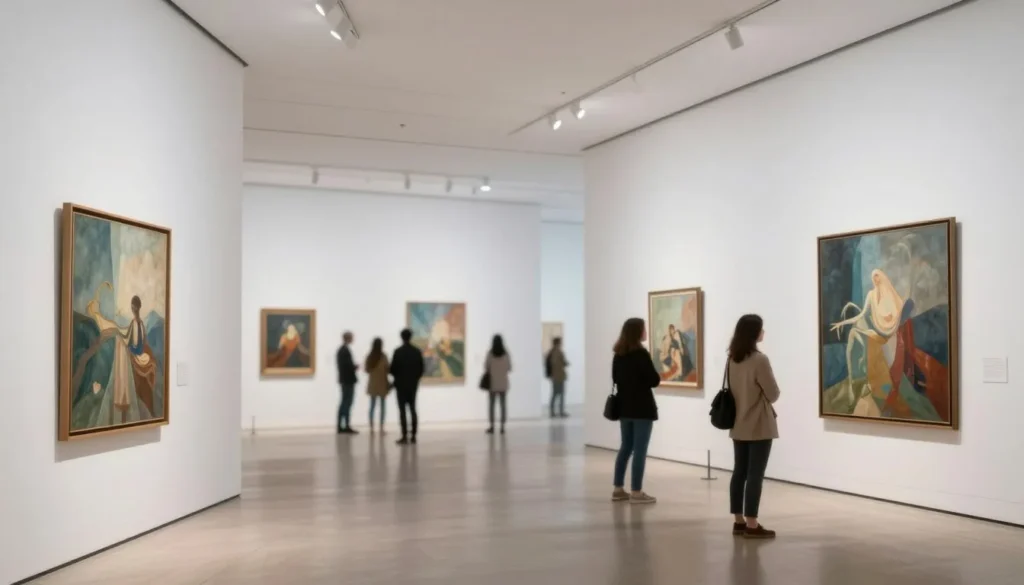
While Seven Magic Mountains stands as an outdoor art installation rather than a traditional museum, the surrounding Las Vegas area offers rich cultural experiences that complement your visit to this contemporary artwork.
The Neon Museum in Las Vegas preserves iconic signs from the city’s history. This outdoor exhibition shares Seven Magic Mountains’ interest in color, place, and the intersection of art with the desert landscape.
For contemporary art enthusiasts, the Bellagio Gallery of Fine Art presents rotating exhibitions featuring works from major artists and museums worldwide. The intimate gallery space provides a climate-controlled contrast to the desert art installation.
Arts District Las Vegas
Downtown’s Arts District showcases local creativity through galleries, studios, and street art. First Friday events each month bring the area alive with performances, food trucks, and open galleries.
The Arts Factory complex houses multiple galleries under one roof. Local and regional artists display paintings, sculptures, and mixed media works that reflect Nevada’s vibrant contemporary art scene.
Emergency Arts provides studio space for working artists and hosts exhibitions, performances, and community events. The building represents the grassroots creativity that thrives alongside major installations like Seven Magic Mountains.
Nature and Outdoor Experiences
The Mojave Desert surrounding Seven Magic Mountains offers dramatic landscapes and unique ecosystems. While the art installation draws most attention, the desert itself presents opportunities for nature appreciation and exploration.
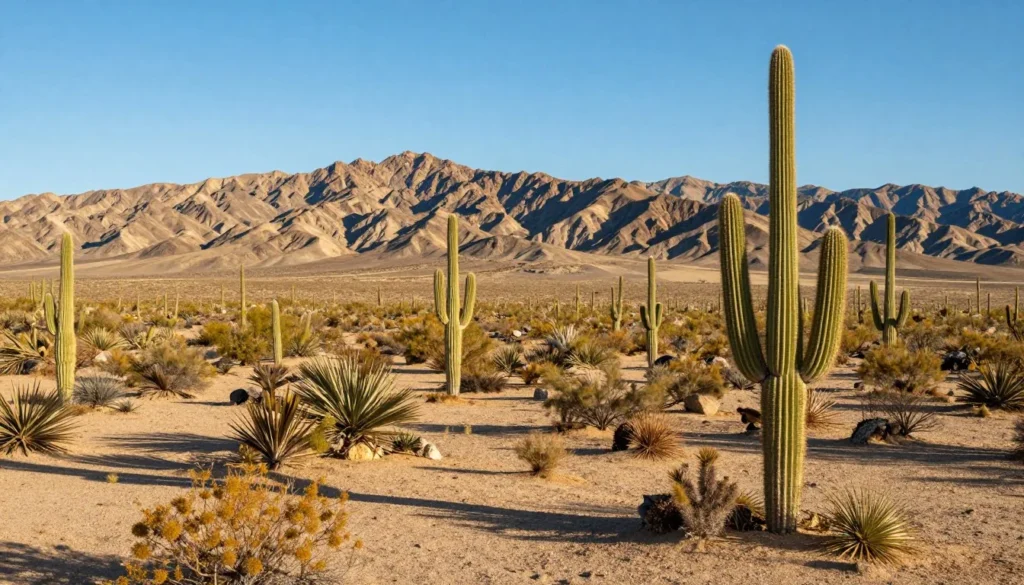
Red Rock Canyon National Conservation Area sits 48 km (30 miles) northwest of the installation. This stunning area features dramatic red rock formations, hiking trails, and rock climbing routes suitable for various skill levels.
Spring Mountain Ranch State Park preserves a historic ranch property at the base of the Spring Mountains. The park offers picnicking, hiking, and guided tours of historic buildings surrounded by beautiful mountain scenery.
Desert Wildlife
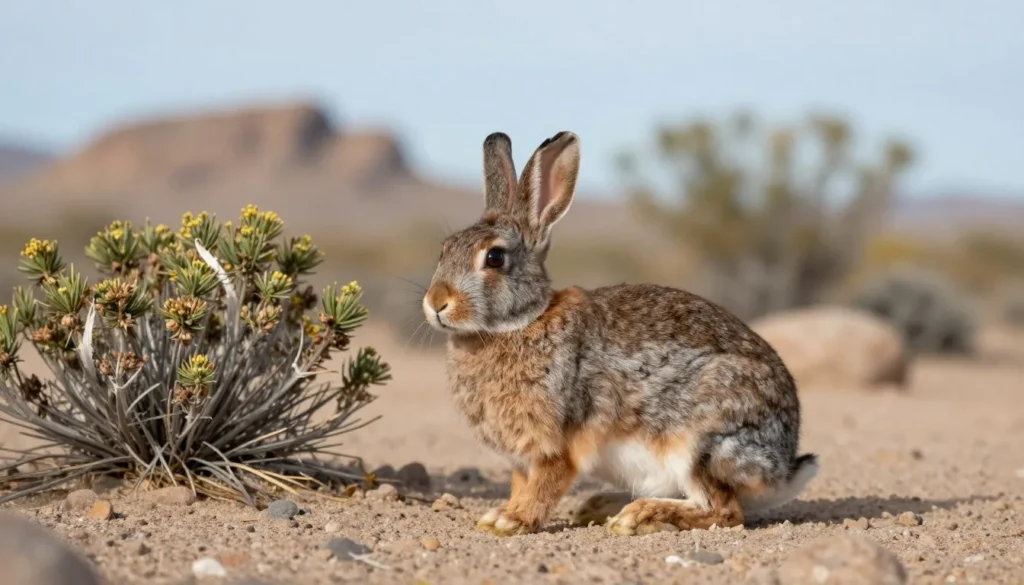
The area around Seven Magic Mountains supports diverse desert wildlife. Early morning or late afternoon visits might reveal jackrabbits, lizards, or desert birds adapted to the harsh environment.
Desert tortoises inhabit the region, though spotting these endangered reptiles requires luck and patience. The Bureau Land Management protects their habitat, and visitors should never disturb or approach any wildlife they encounter.
Coyotes occasionally appear near the installation, particularly during cooler hours. These adaptable animals generally avoid people but should always be observed from a safe distance.
Lake Mead National Recreation Area
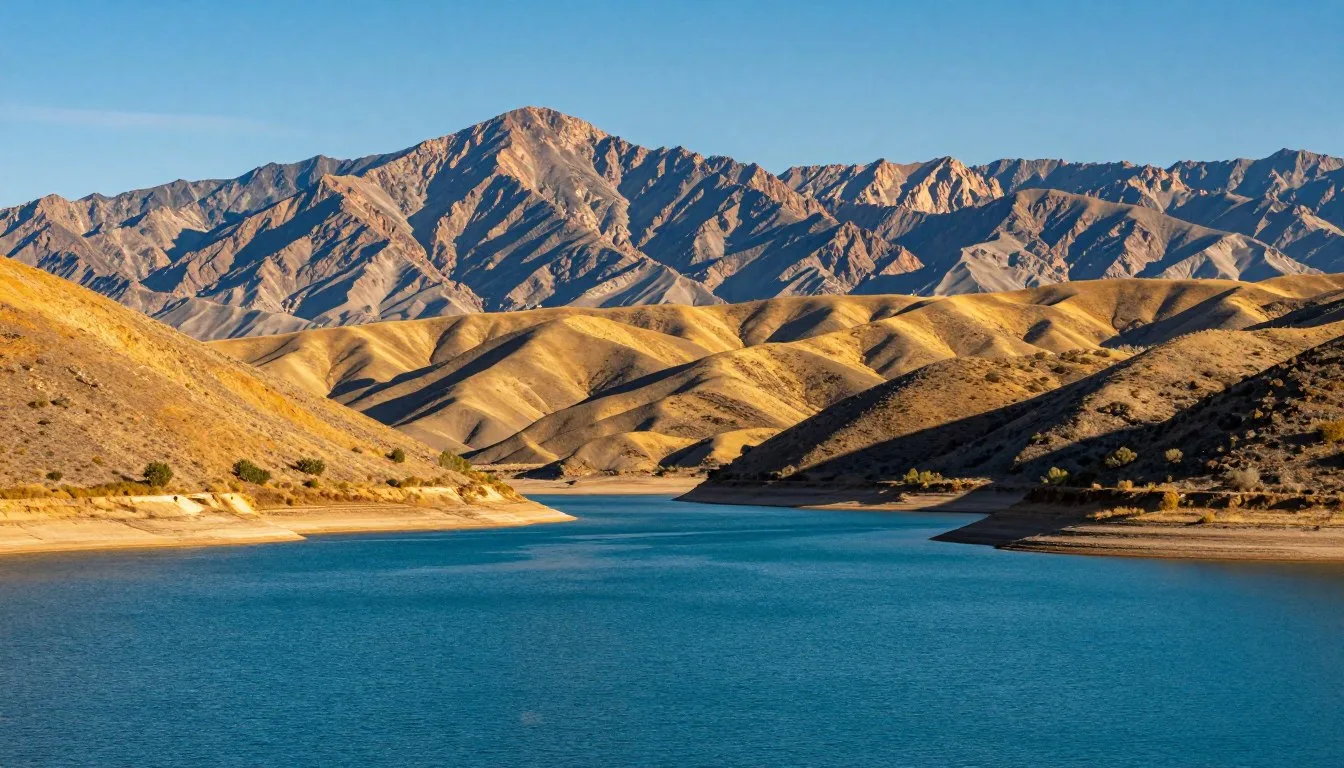
Lake Mead, America’s largest reservoir, lies 48 km (30 miles) northeast of Seven Magic Mountains. The lake covers 64,750 hectares (160,000 acres) when full, offering boating, fishing, and water recreation.
Historic Railroad Tunnel Trail provides an easy hike through former railroad tunnels with stunning lake views. The flat, paved trail works well for families and offers a completely different landscape experience from the desert installation.
Boulder Beach and other Lake Mead swimming areas provide relief from desert heat during summer months. These spots make excellent additions to a trip that includes Seven Magic Mountains during warmer weather.
Travel With Children
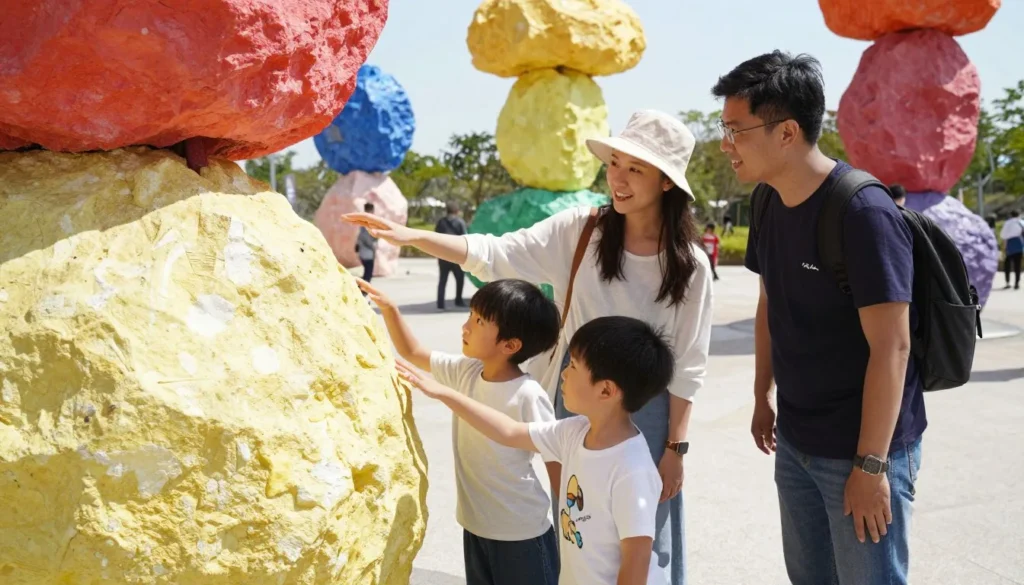
Children often love Seven Magic Mountains for its bright colors and unusual appearance. The installation creates a sense of wonder that appeals to young visitors while remaining accessible and easy to navigate.
The compact site allows families to keep children in sight while exploring. Unlike large parks or complex attractions, parents can supervise easily while kids examine the colorful boulder stacks from different angles.
Safety Considerations for Families
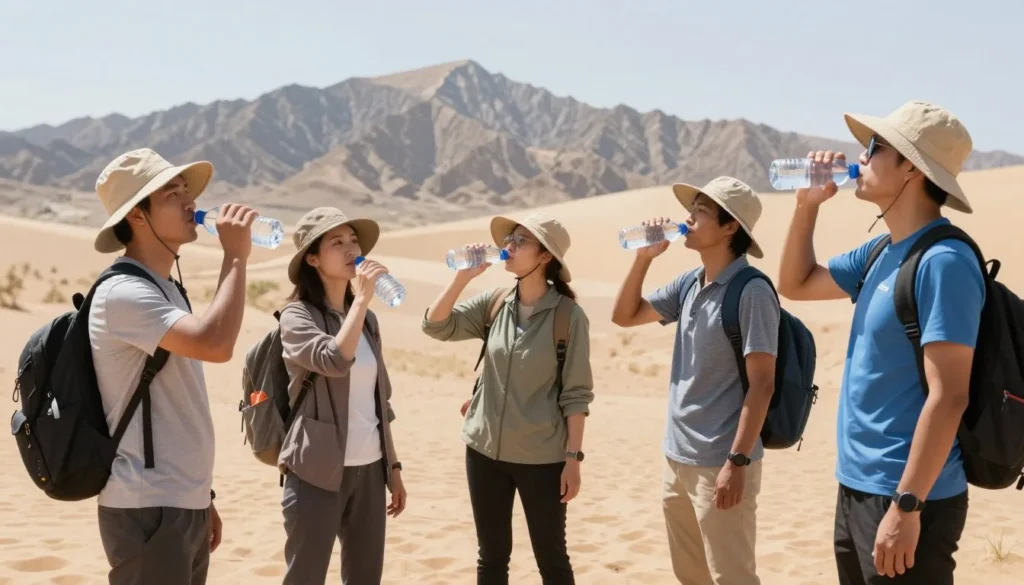
Desert conditions require extra attention when visiting with children. Bring plenty of water and ensure kids drink regularly, even if they don’t feel thirsty. Dehydration develops quickly in the dry desert air.
Sun protection is essential for all ages. Apply sunscreen generously before arriving, and reapply every hour. Hats and lightweight long-sleeved clothing provide additional protection from intense desert sun.
Limit visit duration during hot weather. Plan for 20 to 30 minutes at the site during summer months, saving longer exploration for cooler seasons when children can enjoy the experience comfortably.
Educational Opportunities
The installation offers learning moments about contemporary art, desert ecosystems, and color theory. Encourage children to discuss what they see and how the bright towers contrast with the natural desert landscape.
Photography activities engage older children. Let them capture their own perspectives of the art installation, then discuss their favorite angles and what made certain shots interesting to them.
Counting and color games work well with younger children. Have them count the seven towers, identify different colors, or compare the heights of various stacks to develop observation skills while having fun.
Money Saving Tips
Seven Magic Mountains charges no admission fee. The Bureau Land Management maintains this public art installation as a free attraction accessible to everyone, making it one of Nevada’s best budget-friendly destinations.
Free parking means your only costs are fuel and any food or drinks you bring. A visit from Las Vegas requires minimal gas expense, making this an economical addition to any Nevada trip.
Reducing Overall Trip Costs
Time your visit during Las Vegas off-peak periods. Hotel rates drop significantly during summer heat and mid-week periods, though remember that summer visits to the desert installation can be uncomfortable.
Stay off the Strip for better accommodation value. Hotels near the airport or in Henderson offer substantially lower rates while maintaining quality and putting you closer to Seven Magic Mountains.
Pack your own snacks and drinks rather than purchasing them at convenience stores. Las Vegas supermarkets like Smith’s or Albertsons sell supplies at normal prices, unlike tourist-area shops that charge premium rates.
Free Las Vegas Activities
Combine your visit with other free Las Vegas attractions. The Bellagio Fountains, Fremont Street light show, and volcano show at The Mirage cost nothing and create a full day of entertainment.
First Friday in the Arts District is completely free. Gallery openings, street performances, and people-watching provide entertainment without spending money beyond optional food purchases from trucks and vendors.
Downtown Container Park offers free admission to browse the unique shopping area. While purchases cost money, walking through the creative space and watching the praying mantis fire sculpture costs nothing.
Safety and Local Customs
Desert safety should be every visitor’s top priority when exploring Seven Magic Mountains. The remote location and harsh environment demand respect and proper preparation to ensure a positive experience.
Desert Safety Essentials
Bring more water than you think necessary. Each person should carry at least one liter of water, even for a brief visit. Desert heat causes rapid dehydration that can become dangerous quickly.
Wear sunscreen with high SPF protection. The desert sun reflects off light-colored sand and intensifies UV exposure. Apply sunscreen 30 minutes before arriving and reapply frequently during your visit.
Check weather forecasts before departing. Flash floods can occur during rainy periods, and extreme heat warnings indicate conditions dangerous for outdoor activities. Postpone your visit during severe weather.
Respecting the Installation
Do not climb on the boulder stacks. The artwork is designed for viewing, not touching or climbing. Climbing damages the installation and creates safety hazards for yourself and the artwork’s preservation.
Practice Leave No Trace principles. Carry out everything you bring in, including water bottles, food wrappers, and any other items. The desert ecosystem is fragile, and litter degrades the experience for future visitors.
Stay on established paths around the installation. Creating new trails damages desert vegetation that takes decades to regenerate in this harsh environment. Respect the land management guidelines for the area.
Local Customs and Etiquette
Nevada culture values independence and respects personal space. People generally maintain friendly but reserved interactions with strangers. A simple greeting and smile suffices for most casual encounters.
Photography etiquette matters at popular spots. Wait your turn for unobstructed shots, and be mindful of other visitors trying to capture their own images. The installation’s popularity means patience enhances everyone’s experience.
Cell phone reception can be unreliable in the area. Download offline maps before leaving Las Vegas, and don’t depend on mobile data for navigation or emergency communication. Let someone know your plans before visiting remote locations.
Visitor Comments About Seven Magic Mountains
“The colors against the desert landscape create something truly unique. We visited at sunrise and had the place almost to ourselves. The light was perfect, and the experience felt almost meditative. Definitely worth the short drive from Las Vegas.”
“My family loved this stop on our Southwest road trip. The kids were fascinated by the bright colors, and we all enjoyed walking around taking photos from different angles. It’s a quick visit but memorable, and the fact that it’s free makes it even better.”
“As a photography enthusiast, I found the magic mountains endlessly interesting. The way Ugo Rondinone’s work interacts with the natural desert creates compelling compositions from every direction. I returned three times during my Las Vegas trip to capture different lighting conditions.”
Additional Nearby Destinations
The area surrounding Seven Magic Mountains offers numerous attractions that extend your desert adventure. These destinations showcase the diverse landscapes and experiences available in southern Nevada.
Sloan Canyon National Conservation Area
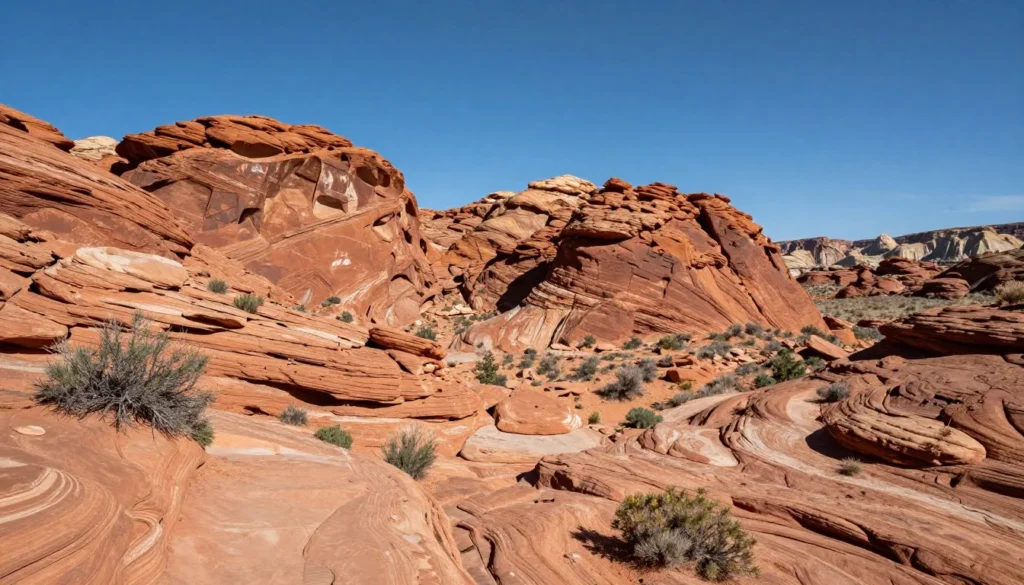
Located 32 km (20 miles) north of the installation, Sloan Canyon protects extensive Native American petroglyphs. The conservation area features over 300 rock art panels created by ancestral Puebloan peoples.
Hiking trails range from easy to moderate difficulty. The Petroglyph Canyon Trail extends 6.4 km (4 miles) round trip, revealing ancient artwork carved into desert varnish on rock faces throughout the canyon.
Goodsprings Ghost Town
This historic mining town sits 24 km (15 miles) west of Seven Magic Mountains. Goodsprings preserves buildings from Nevada’s mining boom era, including the Pioneer Saloon dating to 1913.
The Pioneer Saloon still operates as a restaurant and bar, serving burgers and drinks in an authentic Old West atmosphere. Historic photos and mining artifacts decorate the walls, creating a tangible connection to Nevada’s past.
Mojave National Preserve
Crossing into California, Mojave National Preserve protects 647,500 hectares (1.6 million acres) of diverse desert ecosystems. The preserve lies 80 km (50 miles) south of the installation, making it accessible for day trips.
Kelso Dunes rise 213 m (700 feet) above the desert floor. These massive sand mountains create opportunities for sand boarding, hiking, and experiencing the phenomenon of singing sand that produces haunting sounds when conditions align.
Valley of Fire State Park
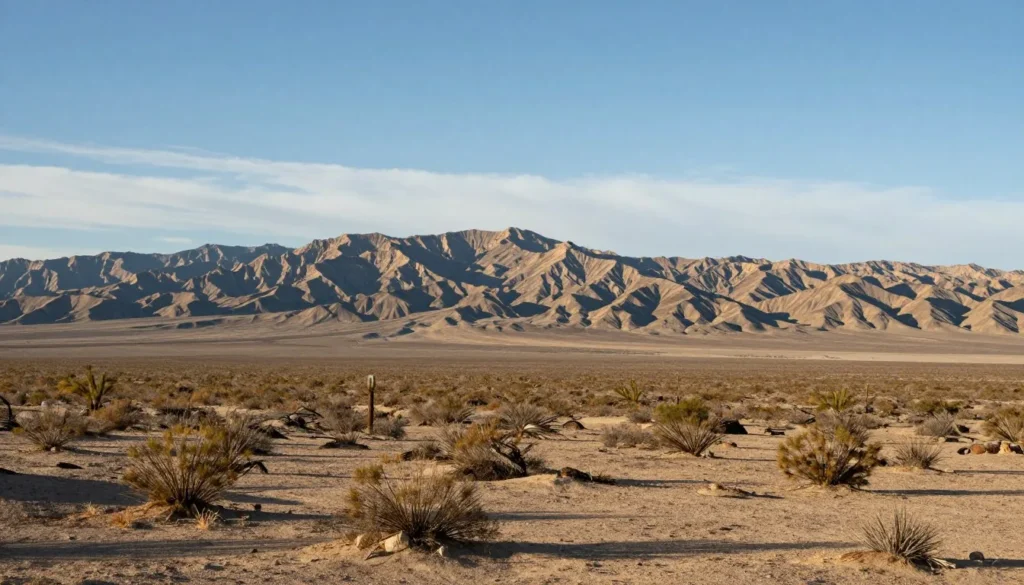
Nevada’s oldest state park showcases spectacular red sandstone formations 80 km (50 miles) northeast of Seven Magic Mountains. The park’s vivid geology creates landscapes that rival any desert scenery in the Southwest.
Petroglyphs at Atlatl Rock and Mouse’s Tank display ancient Native American rock art. Well-maintained trails lead to these sites, making cultural history accessible to visitors of all ages and abilities.
Fire Wave, a stunning geological formation with alternating bands of red and white stone, has become one of Nevada’s most photographed natural features. The moderate hike takes about one hour round trip.
Practical Travel Tips
Successful visits to Seven Magic Mountains require basic preparation and awareness of desert conditions. These practical tips help ensure your experience is enjoyable, safe, and memorable.
What to Bring
Essential items make your visit comfortable and safe in the desert environment.
- Water bottles with at least one liter per person
- High SPF sunscreen and lip balm with UV protection
- Wide-brimmed hat or cap for sun protection
- Sunglasses with UV protection
- Camera or smartphone for photography
- Comfortable closed-toe walking shoes
What to Wear
Appropriate clothing protects you from sun and heat while allowing comfortable movement.
- Lightweight, light-colored, breathable fabrics
- Long sleeves and pants for maximum sun protection
- Layers for temperature changes between seasons
- Avoid dark colors that absorb heat
- Skip open-toed shoes on desert terrain
- Bring light jacket for winter visits
Timing Your Visit
Strategic timing enhances your experience and comfort at the installation.
- Arrive during golden hours for best photography
- Weekday mornings have smallest crowds
- Avoid midday during summer months
- Sunset visits offer beautiful light and cooler temperatures
- Plan 30 to 60 minutes for full experience
- Check sunrise and sunset times before planning
Additional Considerations
Small details can significantly improve your visit to this desert art installation.
- Download offline maps before leaving cell coverage
- Fuel up in Las Vegas as gas prices increase in small towns
- Bring trash bags to pack out all waste
- Consider portable phone charger for photography
- Check the installation’s current status before visiting
- Tell someone your plans when visiting remote areas
Photography Guidelines
Capturing great images of Seven Magic Mountains requires understanding both photography basics and the unique challenges of desert light. The installation’s vibrant colors photograph beautifully but require some technical consideration.
Shoot in RAW format if your camera allows it. This captures maximum color information and provides flexibility for adjusting exposure and white balance during post-processing, essential for accurately representing the neon boulder colors.
Avoid photographing during harsh midday sun. The intense overhead light creates hard shadows and washes out colors. Early morning and late afternoon light brings out the installation’s vibrancy while creating dimensional shadows.
Include context in some shots. Wide-angle images showing the towers in their desert setting tell a more complete story than close-ups alone, though both perspectives have artistic merit.
Accessibility Information
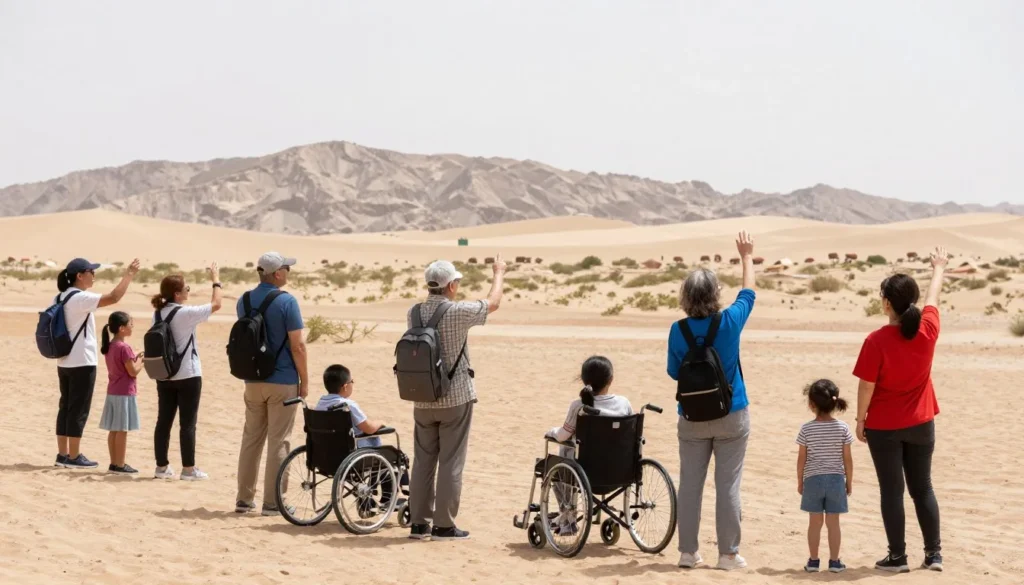
The site lacks formal accessibility infrastructure. The parking area consists of graded dirt, and paths to the installation cross natural desert terrain with sand, gravel, and uneven ground.
Wheelchair users may find access challenging due to soft sand and lack of paved surfaces. However, some visitors with mobility limitations have successfully viewed the installation from the parking area using zoom lenses for photography.
No restroom facilities exist at the site. Plan accordingly by using facilities in Las Vegas, Jean, or Primm before arriving. The nearest public restrooms are approximately 11 km (7 miles) away.
Your Desert Art Adventure Awaits
Seven Magic Mountains stands as a testament to art’s power to transform landscape and perception. Ugo Rondinone’s vibrant creation invites you to experience the desert through fresh eyes, where human creativity and natural beauty engage in colorful dialogue.
This remarkable installation won’t remain forever. Originally planned as a temporary exhibit, its extended presence offers you the opportunity to witness something truly special before it eventually returns the desert to its natural state.
Whether you’re an art enthusiast, photography lover, or simply curious traveler, the magic mountains promise an experience unlike any other. The short journey from Las Vegas delivers outsized rewards in visual impact, creative inspiration, and desert wonder.
Plan your visit during the cooler months, arrive early to beat crowds and heat, and bring your camera to capture this unique intersection of art and nature. The desert awaits with its rainbow towers, ready to inspire your next great adventure.