Hotels by Trip.com
Flights by Trip.com
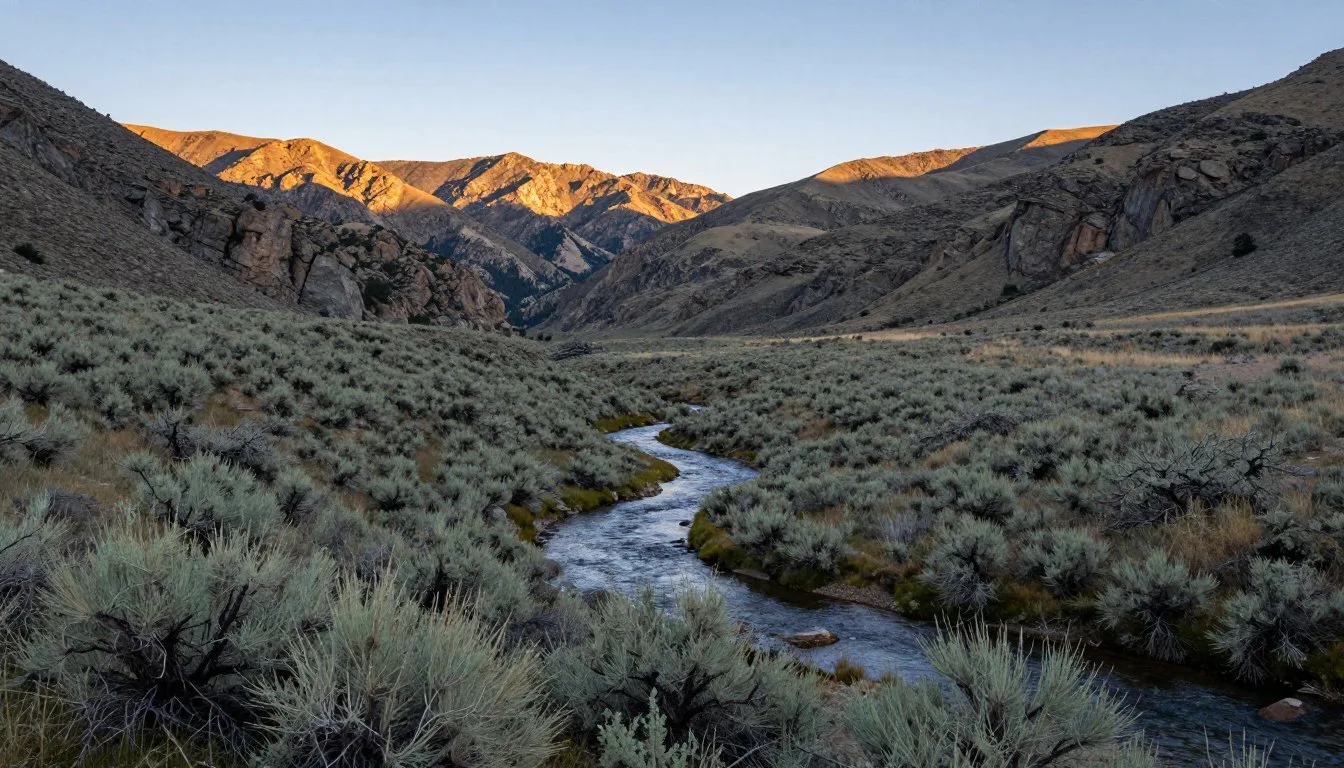
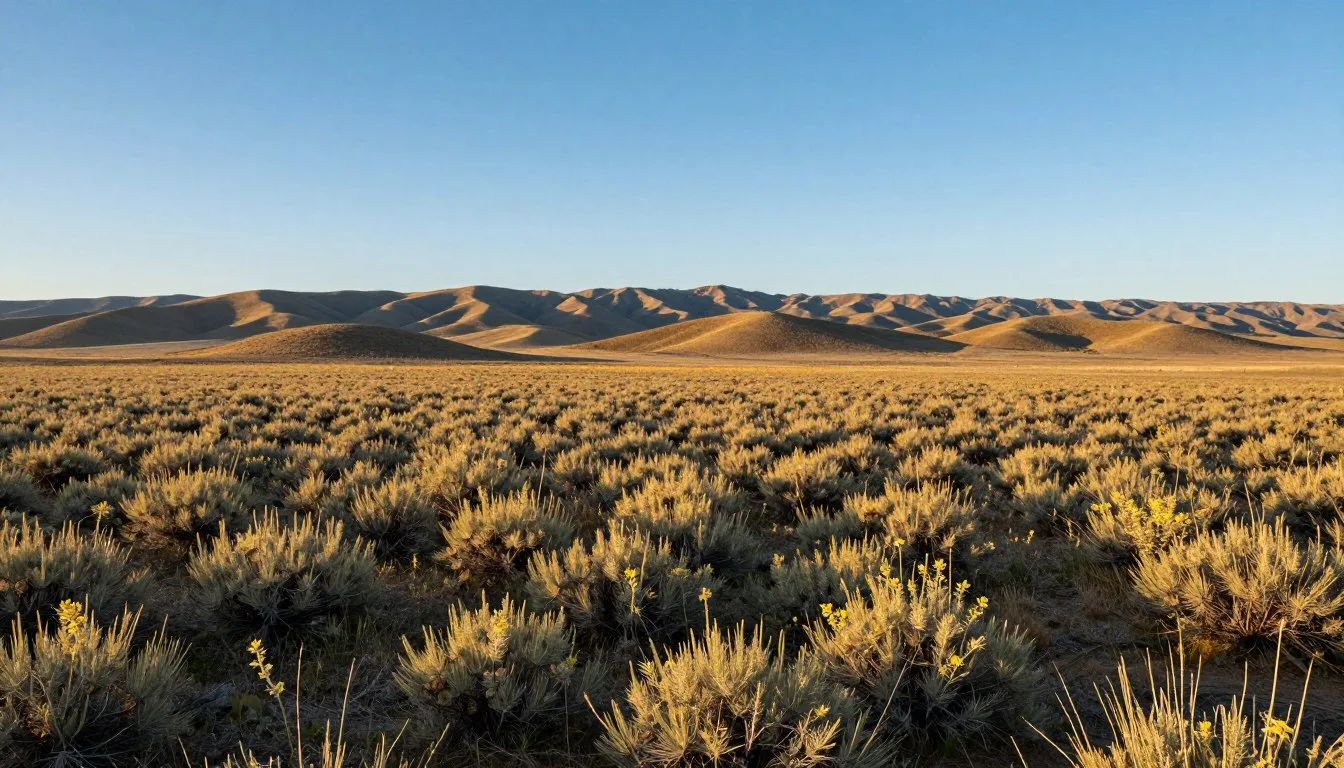
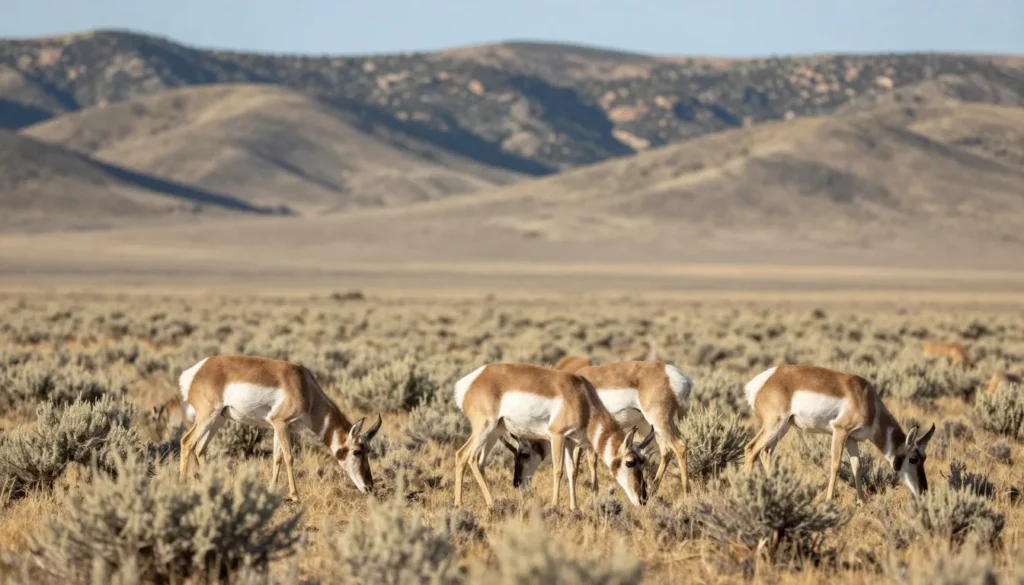
Spanning over 575,000 acres, Sheldon National Wildlife Refuge protects one of North America’s largest remaining intact sagebrush ecosystems. This massive protected area in northwestern Nevada hosts more pronghorn antelope than people within 100 miles.
The refuge was named after Charles Sheldon, a naturalist and conservationist who championed the protection of this unique high desert region in the early 1900s. His advocacy led to the establishment of this sanctuary for wildlife in 1931.
This remote wilderness offers visitors a rare chance to experience the Great Basin ecosystem in its natural state. Unlike crowded national parks, Sheldon National Wildlife Refuge remains one of Nevada’s best-kept secrets for those seeking solitude and authentic wildlife encounters.
Getting There & Planning Your Journey
Reaching Sheldon National Wildlife Refuge requires careful planning due to its remote location. The refuge sits in northwestern Nevada, approximately 100 miles from the nearest significant town.
Nearest Airports
The closest commercial airports to the refuge are:
- Reno-Tahoe International Airport (RNO) – approximately 225 km (140 miles) south
- Boise Airport (BOI) – approximately 370 km (230 miles) northeast
- Redmond Municipal Airport (RDM) – approximately 400 km (250 miles) northwest in Oregon
From any of these airports, you’ll need a rental vehicle. A high-clearance vehicle is strongly recommended, and four-wheel drive becomes essential during spring and after rain events.
Driving Routes
From Reno, take US-395 north to Cedarville, California, then follow State Route 8A east into the refuge. The journey takes approximately three hours under good conditions.
Most roads within Sheldon National Wildlife Refuge are unpaved gravel surfaces. Cell phone service is virtually nonexistent throughout the refuge area.
Visitor Information: Contact the refuge headquarters before your visit to check current road conditions and accessibility. Road closures are common during spring snowmelt and summer thunderstorms.
Best Time to Visit & Weather Tips
Best Time to Visit Sheldon National Wildlife Refuge
Late spring through early fall offers the most accessible conditions for visiting this refuge. Each season brings distinct experiences and challenges.
May through June: This period provides excellent wildlife viewing as newborn pronghorn and mule deer appear across the refuge. Wildflowers carpet the sagebrush landscape. However, roads can be muddy and difficult to navigate.
July through September: Summer brings warm, dry conditions perfect for exploring. Temperatures range from 21°C to 29°C (70°F to 85°F) during the day. This is peak season for camping and backcountry adventures.
✓ Check 30,000+ Local Sightseeing Tours Worldwide
October: Fall colors transform the aspen groves. Cooler temperatures make hiking comfortable, with daytime highs around 15°C (60°F). Wildlife becomes more active as animals prepare for winter.
Seasons to Avoid
November through April: Winter conditions make most refuge roads impassable. Heavy snow blankets the area, and temperatures frequently drop below -12°C (10°F). The refuge essentially closes to casual visitors during this period.
Weather Considerations
The refuge sits at elevations between 1,372 m and 2,286 m (4,500′ and 7,500′). This high desert environment experiences dramatic temperature swings between day and night, often 17°C (30°F) or more.
Summer afternoon thunderstorms develop quickly throughout the refuge. Lightning poses a serious hazard in open terrain. Morning activities are generally safer and offer better wildlife viewing opportunities.
Ideal Months
- May – Wildflowers and newborn wildlife
- June – Peak spring conditions
- September – Comfortable temperatures
- October – Fall colors and active wildlife
Challenging Months
- December through March – Snow and ice
- April – Unpredictable conditions
- November – Early winter storms
Notable Annual Festivals
Sheldon National Wildlife Refuge maintains a focus on wilderness preservation rather than organized events. No annual festivals occur within the refuge boundaries.
However, nearby communities host several events that attract visitors to the region:
Winnemucca Basque Festival (June): This celebration in Winnemucca, Nevada, approximately 160 km (100 miles) southeast, honors Basque heritage with traditional dancing, food, and cultural demonstrations.
Lakeview Hang Gliders Festival (July): Held in Lakeview, Oregon, about 130 km (80 miles) northwest, this event showcases hang gliding and paragliding in the high desert environment.
The refuge does offer occasional ranger-led programs during summer months. These informal educational sessions focus on wildlife biology, sage grouse conservation, and the unique sagebrush ecosystem.
Getting Around Locally
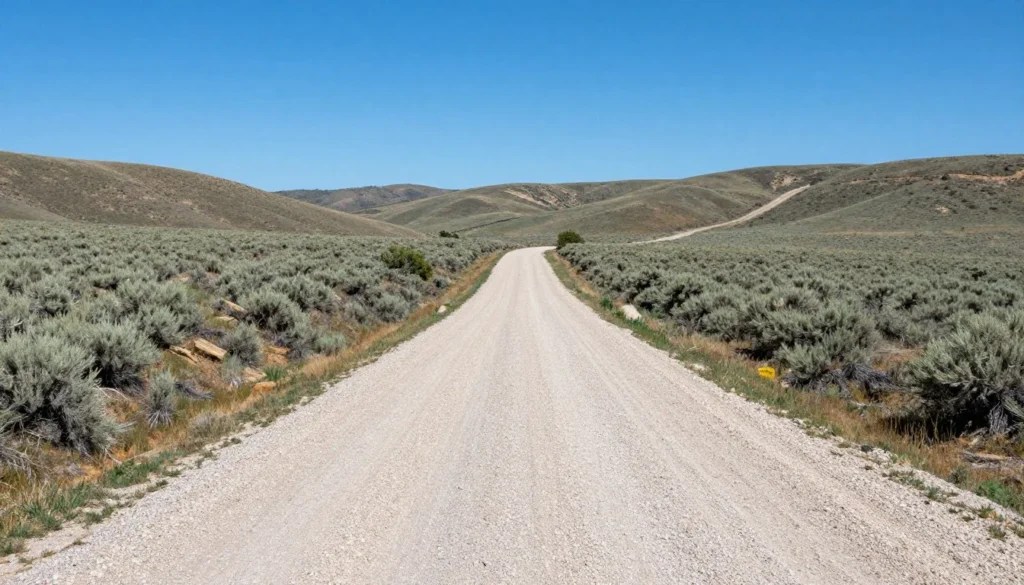
Navigation within Sheldon National Wildlife Refuge requires self-sufficiency and preparation. The refuge encompasses such a vast area that getting around demands careful planning.
Vehicle Requirements
A personal vehicle is absolutely essential. No public transportation, shuttle services, or tour operators serve the refuge. High-clearance vehicles handle the gravel roads better than standard cars.
Four-wheel drive becomes necessary when exploring side roads or visiting more remote water sources like Virgin Valley or Thousand Creek. Many refuge roads are single-track primitive routes.
Navigation Tools
GPS devices and detailed paper maps are crucial navigation tools. Cell phone service does not exist throughout most of the refuge. Download offline maps before arrival.
The refuge headquarters provides free maps showing main roads, camping areas, and water sources. These maps prove invaluable for trip planning.
Distances and Drive Times
Key locations within the refuge can be hours apart. From the southern boundary near Virgin Valley to Big Spring Reservoir in the north spans approximately 65 km (40 miles) on gravel roads. This drive typically takes 90 minutes under good conditions.
Plan for slower speeds on refuge roads. Maintaining 40 km/h (25 mph) is often the maximum safe speed on the main gravel routes.
Where to Stay
Accommodation options near Sheldon National Wildlife Refuge are extremely limited due to its remote location. Most visitors choose between primitive camping or lodging in distant towns.

Camping Within the Refuge
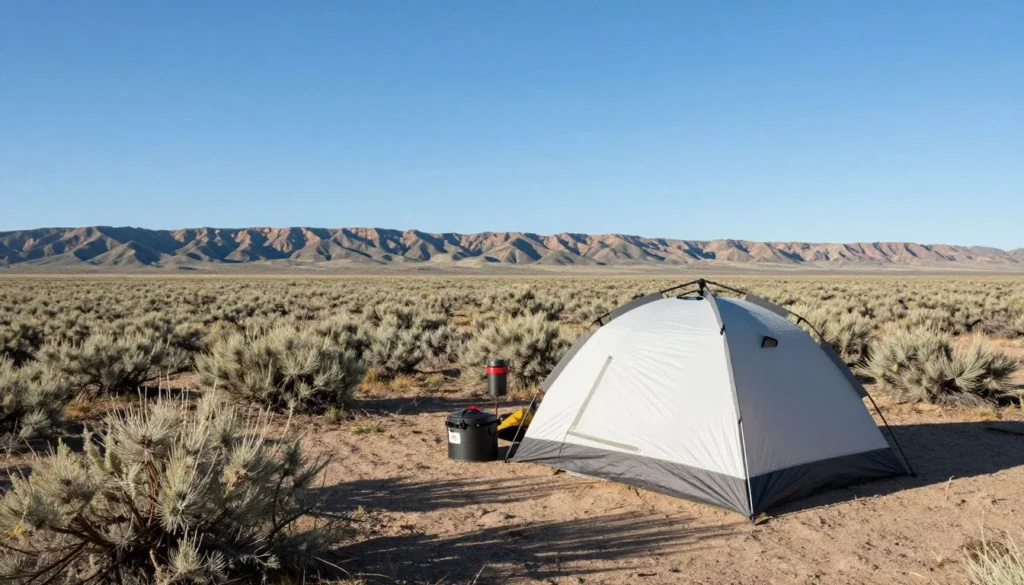
Primitive camping is permitted throughout Sheldon National Wildlife Refuge at no charge. Designated camping areas exist near Big Spring, Catnip Mountain, and several other locations with seasonal water access.
These campsites offer no facilities whatsoever. Visitors must bring everything needed, including water, and pack out all waste. Campfires are often prohibited due to fire danger.
The refuge allows dispersed camping in most areas. You can set up camp anywhere that doesn’t disturb wildlife or block roads. This freedom provides incredible solitude and flexibility.
Nearby Towns
Denio, Nevada: This tiny settlement on the refuge’s eastern edge offers the Denio Junction Motel, the closest accommodation to the refuge. Basic rooms with essential amenities serve travelers. The community has a population of fewer than 50 residents.
Cedarville, California: Located about 65 km (40 miles) west, Cedarville provides several small motels and the Surprise Valley Hot Springs Resort. This town serves as a more comfortable base for refuge exploration.
Lakeview, Oregon: Approximately 130 km (80 miles) northwest, Lakeview offers the widest selection of hotels, including chain properties. This larger town provides full services and supplies.
Accommodation Tip: Book lodging well in advance during summer months. The limited rooms in nearby communities fill quickly with hunters, anglers, and other outdoor enthusiasts.
Backcountry Considerations
Many visitors spend multiple days camping deep in the refuge backcountry. This requires complete self-sufficiency with food, water purification systems, and emergency supplies for several days.
Water sources throughout the refuge are seasonal and unreliable. Big Spring and Bog Hot Springs provide more consistent water, but treatment is absolutely essential before drinking.
Dining & Local Cuisine
Dining options near Sheldon National Wildlife Refuge are as sparse as the landscape itself. The refuge contains no restaurants, stores, or food services of any kind.
Nearby Dining
The Denio Junction establishment near the refuge’s eastern boundary offers simple home-style meals when open. Hours are limited and unpredictable, so calling ahead is wise.
Cedarville, California provides a couple of small cafes serving traditional American fare. The Country Hearth restaurant offers hearty breakfasts and dinners popular with locals and ranchers.
Lakeview, Oregon hosts the greatest variety of restaurants. Family-style establishments serve classic comfort food, and a few spots offer Mexican cuisine and pizza.
Self-Sufficiency is Essential
Most refuge visitors bring all their food. Coolers, camping stoves, and careful meal planning become necessary for multi-day visits.
The nearest full-service grocery stores are in Lakeview, Oregon and Winnemucca, Nevada, both over 130 km (80 miles) from the refuge. Stock up before arrival.
Water is the most critical provision. Bring several gallons per person per day. Natural water sources require treatment before consumption.
Attractions, Sightseeing & Activities
Sheldon National Wildlife Refuge offers attractions centered on wildlife observation and wilderness exploration rather than developed tourist sites. The refuge’s remoteness is its greatest asset.
Wildlife Viewing
Pronghorn antelope are the refuge’s most abundant large mammals. Herds of these remarkable animals graze across the sagebrush landscape. Pronghorn are North America’s fastest land animals, capable of sustained speeds over 55 km/h (35 mph).
Mule deer populations thrive throughout the refuge. Early morning and evening hours offer the best viewing opportunities as these animals emerge from sheltered areas to feed.
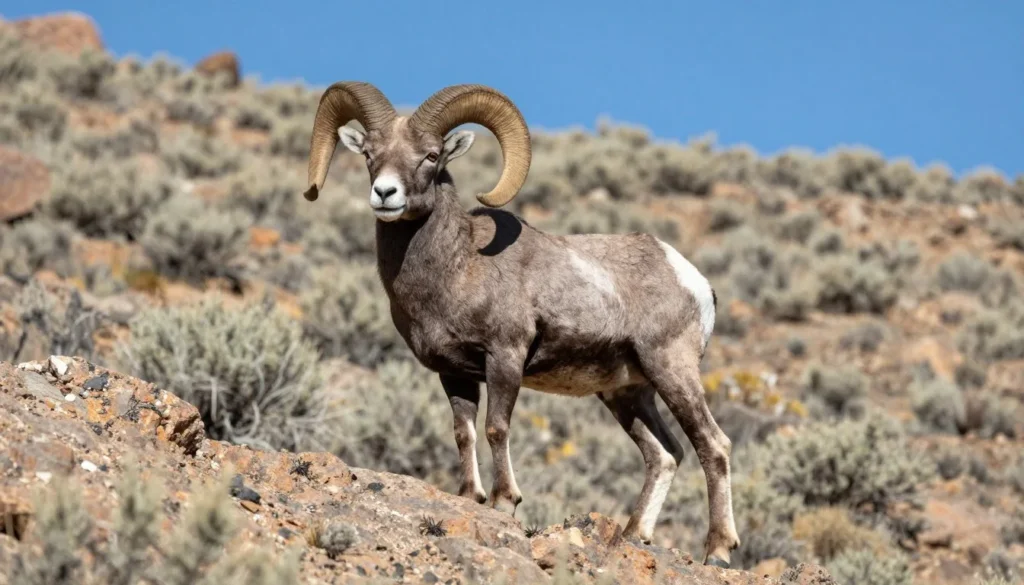
Bighorn sheep inhabit the rocky areas, particularly around Catnip Mountain and the northern sections. These impressive animals navigate steep terrain with remarkable agility.
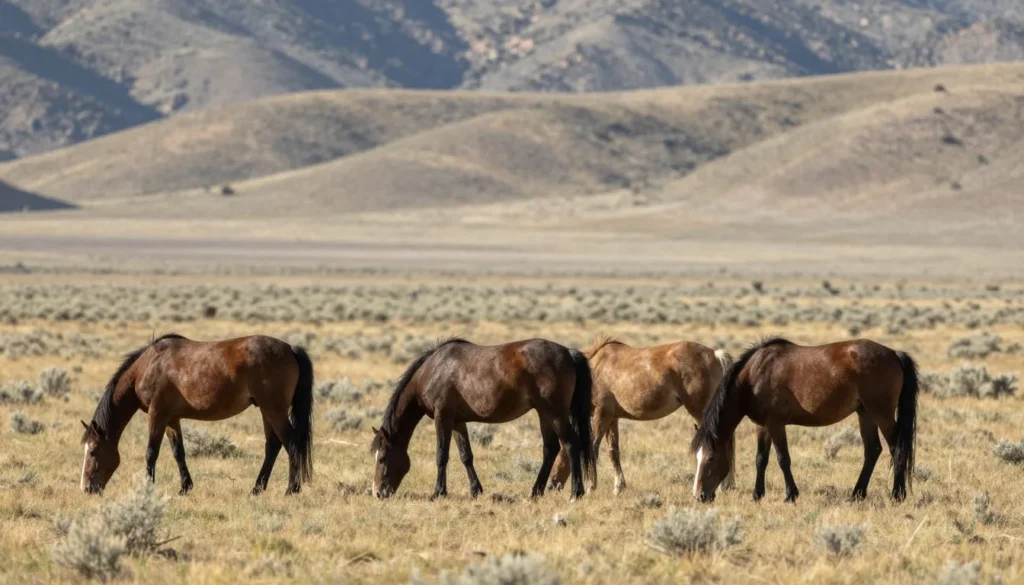
Wild horses roam free across parts of the refuge. These feral mustangs represent descendants of horses brought to North America centuries ago. Observing these animals in their natural habitat provides a glimpse into the Old West.
Bird Watching
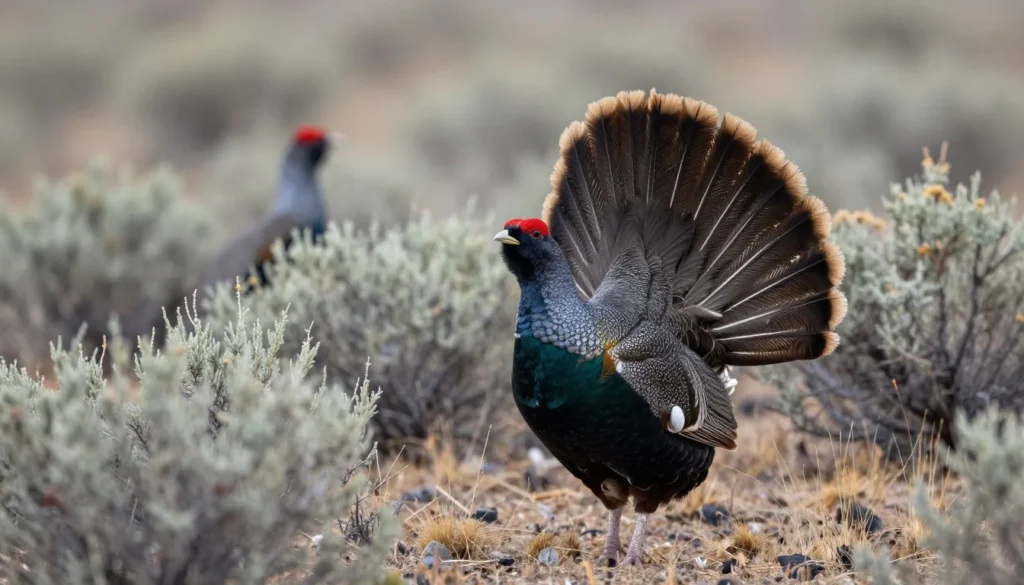
Sage grouse perform their spectacular mating displays on traditional leks each spring. These strutting grounds host dozens of males competing for female attention through elaborate dances and vocalizations.
Raptors patrol the skies year-round. Golden eagles, red-tailed hawks, and prairie falcons hunt across the open terrain. The refuge supports healthy populations of these magnificent predators.
Over 200 bird species have been documented throughout Sheldon National Wildlife Refuge. Waterfowl concentrate at Big Spring Reservoir and other water sources during migration periods.
Scenic Drives
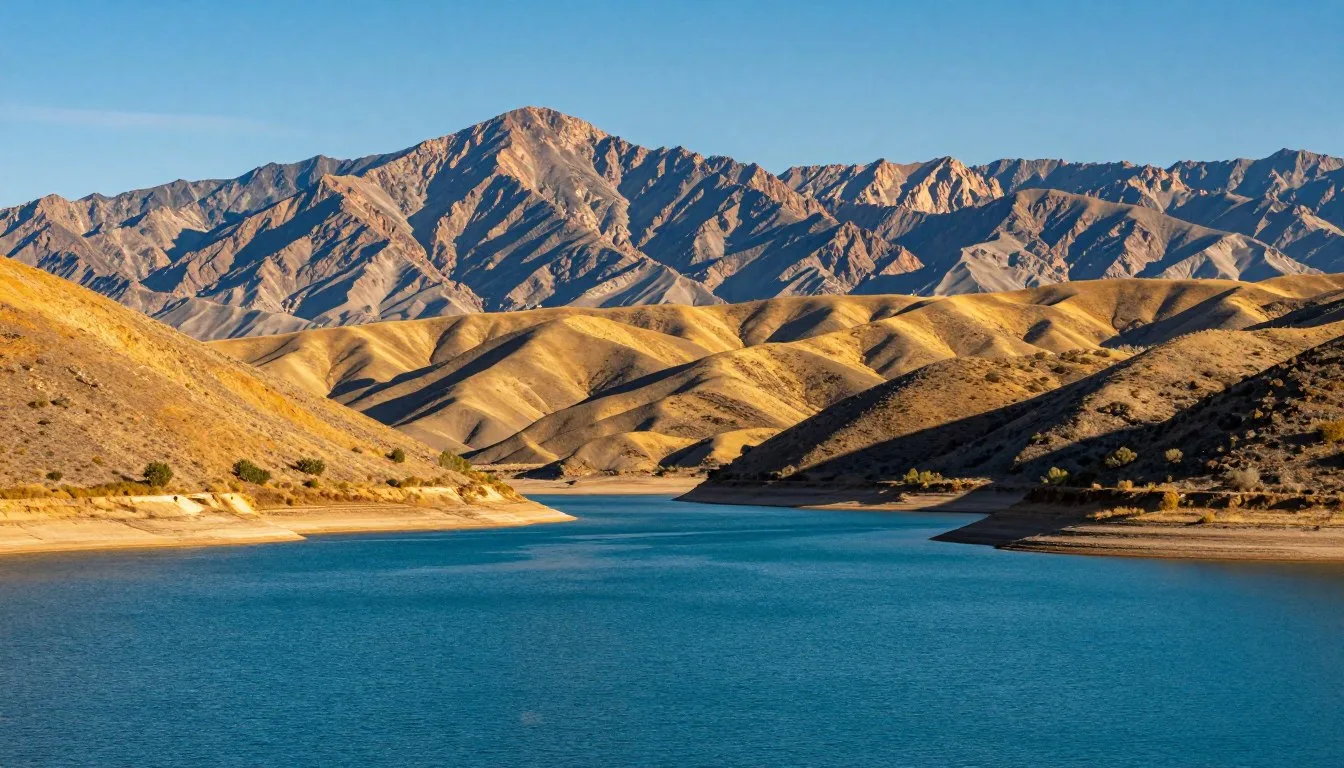
The Virgin Valley Scenic Byway traverses the southern portion of the refuge. This route showcases the characteristic rolling hills covered in sagebrush that define the Great Basin ecosystem.
Exploring the network of gravel roads throughout the refuge rewards adventurous drivers with constantly changing vistas. Each ridge reveals new panoramas of seemingly endless wilderness.
Hot Springs
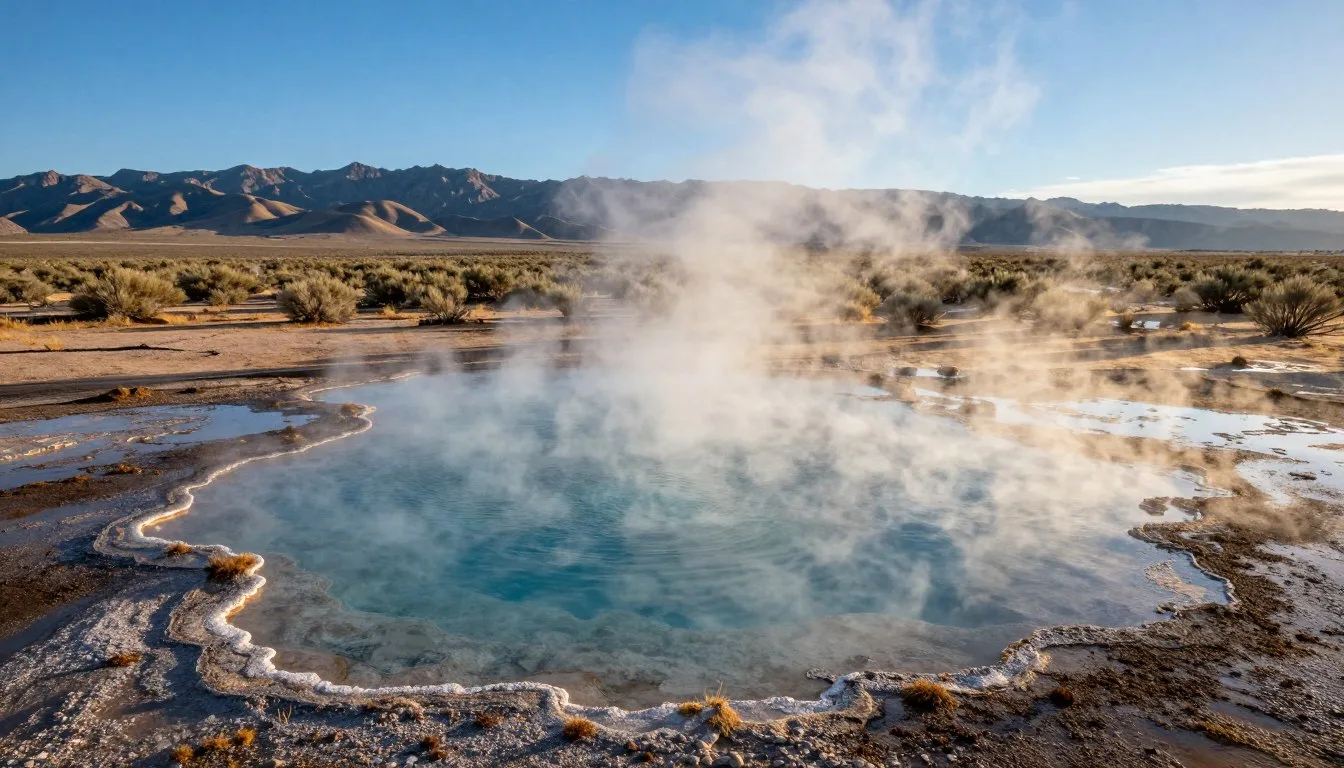
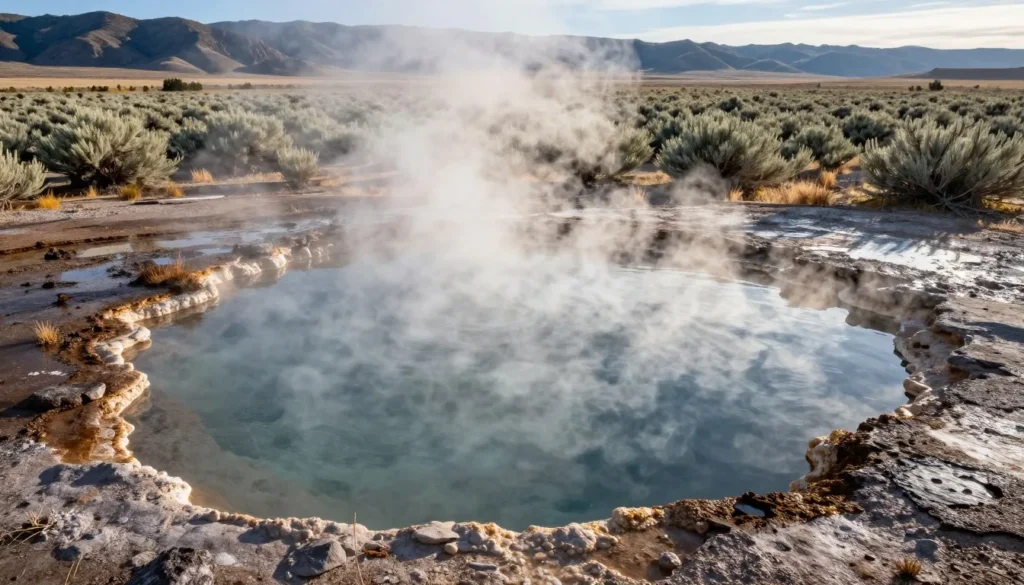
Bog Hot Springs provides a natural soaking opportunity in a remote setting. The springs maintain comfortable temperatures year-round, though the primitive facilities consist of just the natural pools.
Several other warm springs exist throughout the refuge. These geothermal features attract wildlife and create unique ecosystems in this arid environment.
Museums, Cultural Spots & Festivals
Sheldon National Wildlife Refuge contains no museums or cultural facilities within its boundaries. The refuge’s purpose centers on wildlife conservation and habitat protection rather than cultural programming.
The refuge headquarters, when staffed, offers interpretive displays about the sagebrush ecosystem and wildlife species. Rangers share information about conservation efforts and current research projects.
Historical artifacts from early ranching operations occasionally appear along old trails. These remnants provide glimpses into the area’s past, when homesteaders attempted to make a living in this harsh environment.
Regional Cultural Sites
The Surprise Valley Museum in Cedarville preserves local history. Exhibits showcase Native American artifacts, pioneer life, and the development of ranching in this remote region.
Fort Bidwell, a historic military post near the California-Nevada border, offers insights into frontier military life. The fort served to protect settlers and travelers during the late 1800s.
Nature & Outdoor Experiences
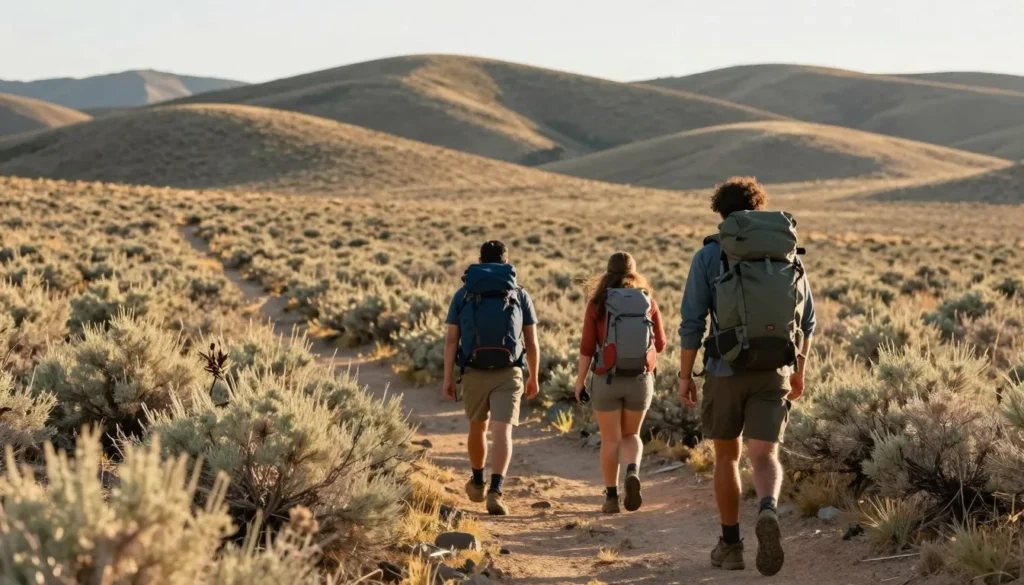
Outdoor recreation at Sheldon National Wildlife Refuge emphasizes primitive, low-impact experiences in a true wilderness setting. The lack of development preserves the area’s wild character.
Hiking and Backpacking
No maintained hiking trails exist within the refuge. Cross-country travel across the sagebrush landscape provides the hiking experience. This pathless wandering requires strong navigation skills and stamina.
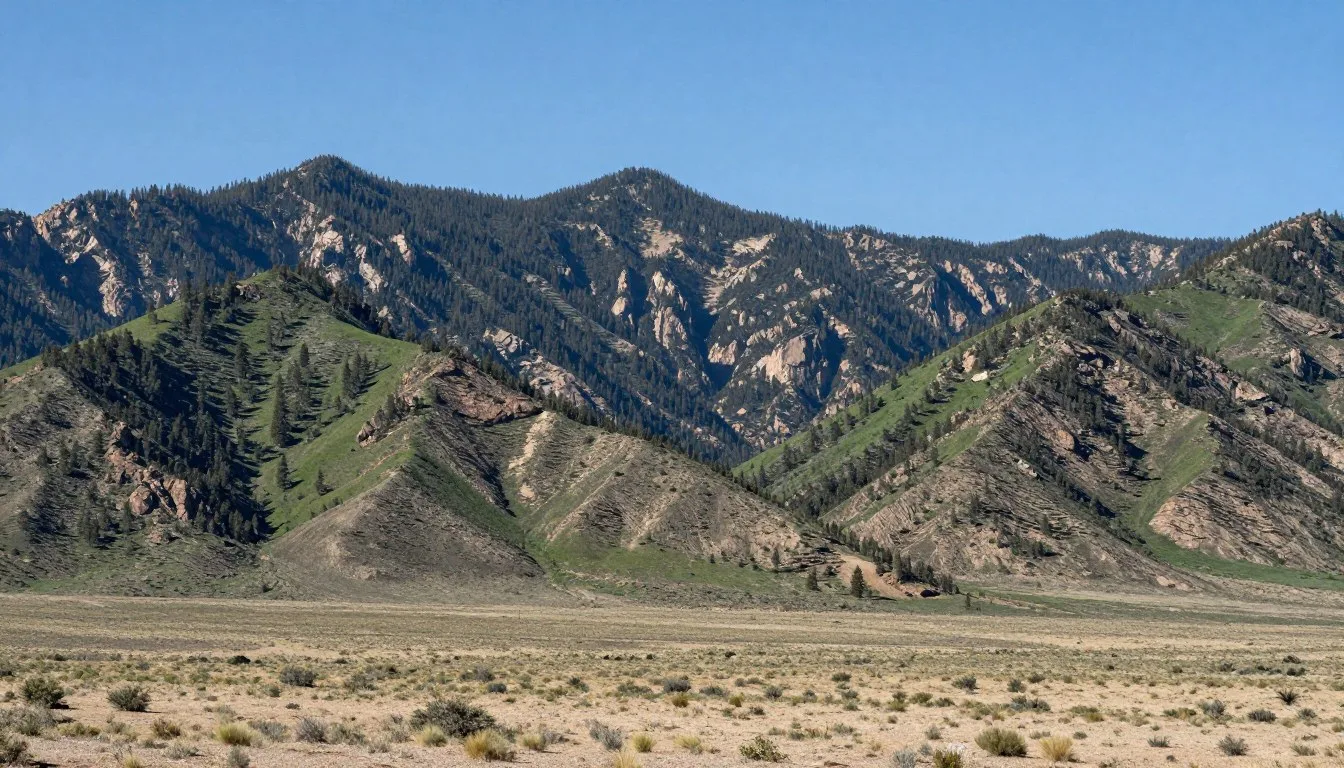
Catnip Mountain offers rewarding summit hikes for those willing to bushwhack through the terrain. The peak rises to 2,286 m (7,500′), providing panoramic views across the refuge and into three states.
Multi-day backpacking trips deep into the refuge offer exceptional solitude. You might spend days without encountering another human. This level of isolation is rare in modern America.
Fishing
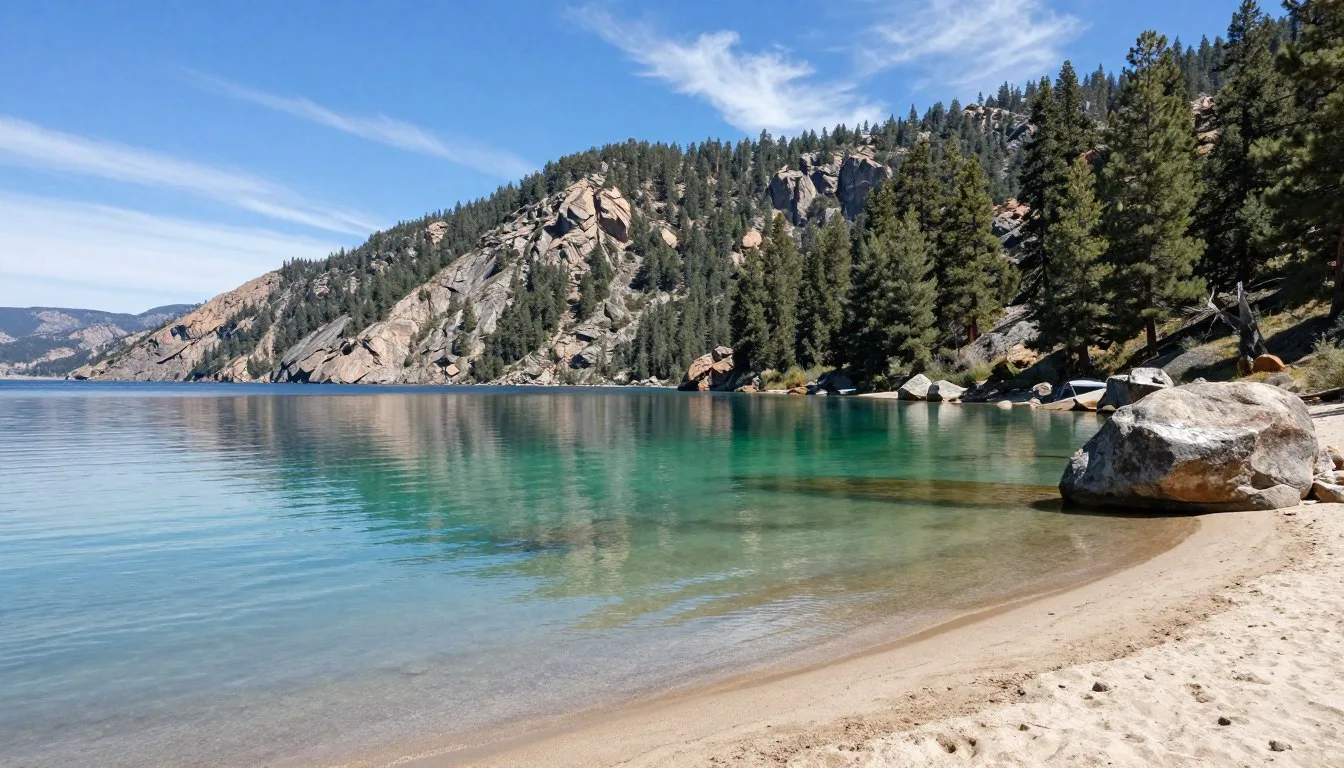
Big Spring Reservoir supports populations of trout and offers primitive fishing opportunities. The lake’s remote location means you’ll likely have the water to yourself.
Valid Nevada fishing licenses are required. Regulations vary, so check current rules before casting a line. Some waters have special restrictions to protect native fish species.
Photography
The refuge provides exceptional opportunities for wildlife and landscape photography. The combination of abundant animals and dramatic scenery creates ideal conditions for capturing memorable images.
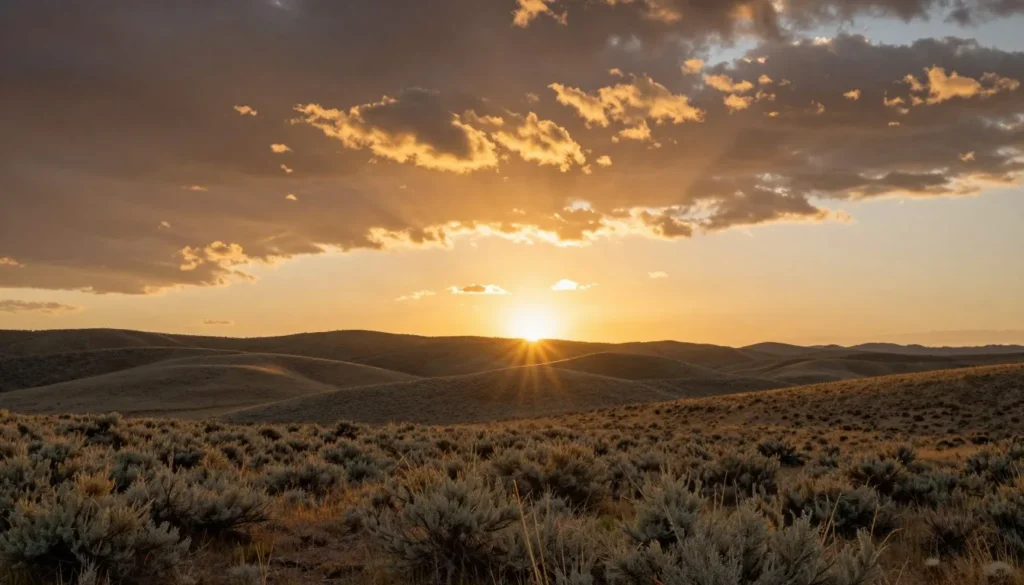
Early morning and late evening light transforms the landscape. The golden hours bring out the subtle colors in the sagebrush and rock formations.
Stargazing
The complete absence of light pollution makes the refuge exceptional for astronomy. On clear nights, the Milky Way stretches across the sky in stunning detail.
The high elevation and dry air provide exceptional atmospheric clarity. Meteor showers appear particularly spectacular from this dark location.
Seasonal Activities
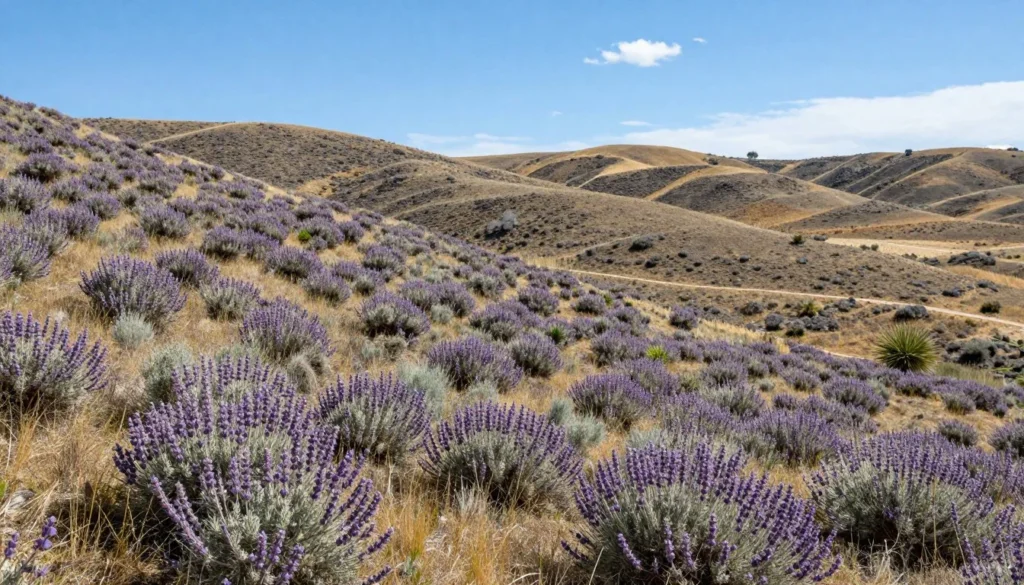
Spring brings wildflower displays across the refuge. Lupine, Indian paintbrush, and dozens of other species carpet the landscape in waves of color.
Fall transforms the scattered aspen groves into golden highlights against the green sagebrush. The contrast creates stunning photographic opportunities.

Travel With Children
Visiting Sheldon National Wildlife Refuge with children requires careful consideration of the challenges this remote wilderness presents. The refuge lacks facilities designed for families.
Older children who enjoy outdoor adventures often thrive in this environment. The wildlife viewing opportunities and sense of exploring true wilderness can create lasting memories.
Considerations for Families
The isolation can be difficult for younger children accustomed to entertainment and amenities. No playgrounds, visitor centers, or structured activities exist within the refuge.
Long drives on rough roads test patience. The distances between points of interest mean extended periods in the vehicle. Bring activities and snacks to occupy restless passengers.
Wildlife viewing can captivate children when animals cooperate. Binoculars sized for smaller hands help kids spot distant pronghorn and birds. Make it a game to identify different species.
Safety Considerations
The remoteness poses safety challenges for families. Medical facilities are hours away. A well-stocked first aid kit and knowledge of wilderness first aid are essential.
✓ Check 30,000+ Local Sightseeing Tours Worldwide
Children must stay close to adults due to the open terrain and wildlife. Getting separated in this vast landscape could have serious consequences.
Proper hydration becomes even more critical for children in the dry climate. Monitor water consumption closely and encourage frequent drinking.
Educational Opportunities
The refuge provides excellent outdoor education opportunities. Children learn about ecosystems, wildlife biology, and the importance of habitat conservation through direct observation.
Teaching Leave No Trace principles in this pristine environment helps children understand their environmental impact. The visible effects of human presence make these lessons concrete and memorable.
Money Saving Tips
Visiting Sheldon National Wildlife Refuge can be remarkably affordable compared to more developed tourist destinations. The lack of entrance fees and commercial facilities keeps costs minimal.
Free Activities
No entrance fees apply to the refuge. All roads, camping areas, and trails are free to use. This represents significant savings compared to national parks.
Wildlife viewing, photography, hiking, and stargazing cost nothing. These activities form the core refuge experience without requiring any expenditure.
Camping Savings
Primitive camping throughout the refuge is completely free. Unlike developed campgrounds that charge nightly fees, you can camp as long as desired at no cost.
This free camping allows extended stays on tight budgets. Week-long visits cost nothing for accommodation, saving hundreds compared to hotels.
Food and Supplies
Bringing all food from home eliminates restaurant expenses. Meal planning and cooking at camp cost a fraction of dining out.
Shop for supplies in larger towns before reaching the refuge. Prices in tiny communities near the refuge are higher due to limited competition and long supply chains.
Fuel Efficiency
Plan your route to minimize backtracking. The distances on gravel roads consume considerable fuel. Efficient routing saves money on gasoline.
Fill your tank in larger towns where prices are lower. Gas stations in remote areas charge premium prices due to delivery costs.
Timing Considerations
Visit during shoulder seasons when nearby lodging costs less. If you need a hotel before or after your refuge visit, spring and fall rates are lower than peak summer prices.
Safety & Local Customs
Safety takes on heightened importance at Sheldon National Wildlife Refuge due to extreme remoteness and lack of services. Preparation and self-sufficiency are not optional here.
Emergency Preparedness
Cell phone service does not exist throughout most of the refuge. Satellite phones or emergency beacons provide the only reliable communication in emergencies.
The nearest hospital is over 130 km (80 miles) away in Lakeview, Oregon. Response times for emergencies can be measured in hours rather than minutes.
Emergency Contact: In case of emergency, if you can reach a phone signal, contact the Humboldt County Sheriff’s Office or Harney County Sheriff’s Office depending on your location.
Weather Hazards
Summer thunderstorms develop rapidly with little warning. Lightning poses serious danger in open terrain with minimal shelter. Monitor sky conditions and seek low ground when storms approach.
Temperature swings between day and night require layered clothing. Hypothermia can occur even in summer if you’re unprepared for nighttime temperatures.
Wildlife Safety
Maintain respectful distances from all wildlife. Pronghorn and mule deer generally flee from humans, but wild horses and bighorn sheep may hold their ground.
Rattlesnakes inhabit the refuge, though encounters are relatively rare. Watch where you place hands and feet, especially around rocks and brush.
Navigation Safety
Getting lost in the refuge’s vast landscape is a real possibility. GPS devices and detailed maps are essential. Share your itinerary with someone outside the refuge before entering.
Roads can become impassable quickly after rain. Never drive around barricades or into standing water. Getting stuck means a very long walk for help.
Water Safety
Dehydration is a serious concern in the dry climate. Carry more water than you think necessary. A gallon per person per day is the minimum for active adults.
All natural water sources require treatment before drinking. Giardia and other pathogens contaminate even clear-looking springs and streams.
Local Customs
The refuge exists primarily for wildlife, not recreation. Respect closures designed to protect sensitive habitats and nesting areas, particularly during spring sage grouse season.
Leave No Trace principles are expected, not optional. Pack out all trash and waste. The refuge’s pristine condition depends on visitor responsibility.
Ranching operations exist on some lands adjacent to the refuge. Respect private property boundaries and leave gates as you found them.
Visitor Comments About Sheldon National Wildlife Refuge
“The solitude here is unlike anything I’ve experienced. We spent four days camping and saw maybe two other vehicles the entire time. The pronghorn herds were incredible, and watching sage grouse at dawn was absolutely worth the early wake-up. This place feels like stepping back in time to when the West was truly wild.”
“Sheldon National Wildlife Refuge isn’t for everyone, and that’s what makes it special. You need to be completely self-sufficient and comfortable with rough roads and primitive conditions. But if you want to see wildlife in a completely natural setting without crowds, this is as good as it gets. The stars at night are phenomenal.”
“We visited in early June and the wildflowers were stunning. The refuge roads were rougher than expected, so definitely bring a capable vehicle. The hot springs were a great bonus after a long day of exploring. This isn’t a polished tourist experience, it’s real wilderness, and that’s exactly what we wanted.”
Additional Nearby Destinations
Several other natural areas and points of interest lie within reasonable driving distance of Sheldon National Wildlife Refuge, though “nearby” is relative in this remote region.

Hart Mountain National Antelope Refuge
Located approximately 130 km (80 miles) north in Oregon, Hart Mountain protects similar high desert habitat. The dramatic fault scarp rises over 900 m (3,000′) above Warner Valley, creating spectacular scenery.
Like Sheldon National Wildlife Refuge, Hart Mountain offers primitive camping and exceptional wildlife viewing. Pronghorn, bighorn sheep, and mule deer roam the refuge. Hot springs provide natural soaking opportunities.
Black Rock Desert
This vast playa lies about 160 km (100 miles) south. The flat, dry lake bed stretches for miles, creating an otherworldly landscape. The area is famous as the site of Burning Man festival and land speed record attempts.
Steens Mountain
Oregon’s Steens Mountain rises approximately 200 km (125 miles) northwest. The highest peak in southeastern Oregon reaches 2,962 m (9,718′). The Steens Loop Road provides access to alpine terrain and sweeping views.
High Desert Museum
For those seeking indoor attractions, the High Desert Museum near Bend, Oregon offers excellent exhibits about Great Basin ecology and history. The drive is approximately 370 km (230 miles) northwest.
Practical Travel Tips
Vehicle Preparation
- Full spare tire and jack
- Extra fuel – gas stations are scarce
- Tire repair kit
- Jumper cables
- Basic tools
Essential Supplies
- Multiple gallons of water per person
- Complete first aid kit
- All food for your stay
- Cold weather gear year-round
- Sun protection
Navigation and Communication
Download offline maps before arrival. Cell service is nonexistent throughout most of the refuge. GPS devices are valuable, but bring paper maps as backup.
Tell someone your plans before entering the refuge. Provide expected return dates and your intended route. This information proves critical if rescue becomes necessary.
Permits and Regulations
No permits are required for general recreation at Sheldon National Wildlife Refuge. Hunting requires appropriate Nevada hunting licenses and tags. Fishing requires valid Nevada fishing licenses.
Some areas close seasonally to protect wildlife during sensitive periods. Check current closures at refuge headquarters before your visit.
Photography Tips
Bring extra batteries and memory cards. The remote location means no opportunities to purchase these supplies. The abundant wildlife and scenery will fill storage quickly.
Telephoto lenses prove essential for wildlife photography. Animals maintain their distance from humans, requiring focal lengths of 300mm or longer for quality shots.
Leave No Trace
Pack out everything you bring in, including toilet paper. The refuge has no trash facilities. Practice proper waste disposal techniques for human waste.
Camp on durable surfaces to minimize impact. Avoid camping directly on vegetation when possible. Use existing fire rings if building permitted fires.
Timing Your Visit
Early morning hours provide the best wildlife viewing. Animals are most active at dawn and retreat to shelter as temperatures rise.
Plan to arrive with plenty of daylight remaining. Navigating unfamiliar gravel roads after dark is challenging and increases the risk of becoming lost.
Seasonal Considerations
Spring visitors should expect muddy roads and unpredictable weather. The landscape comes alive with wildflowers and newborn wildlife, but conditions can change rapidly.
Summer brings hot days but comfortable nights. Afternoon thunderstorms develop frequently. Carry rain gear and be prepared to wait out storms in your vehicle.
Fall offers comfortable temperatures and active wildlife preparing for winter. The brief window of ideal conditions typically lasts from late September through October.
Your Wild West Adventure Awaits

Sheldon National Wildlife Refuge represents one of the last true wilderness areas in the American West. Here, nature operates on its own terms, unchanged by human development.
The refuge demands more from visitors than typical tourist destinations. Self-sufficiency, preparation, and respect for the wild environment are prerequisites. Those willing to meet these requirements discover rewards that transcend conventional travel experiences.
Watching pronghorn race across endless sagebrush plains, soaking in remote hot springs under star-filled skies, and experiencing complete solitude in vast open spaces creates memories that last a lifetime. This is the West as it existed before highways and cities transformed the landscape.
Plan carefully, come prepared, and embrace the adventure. Sheldon National Wildlife Refuge will challenge you and inspire you in equal measure.