Hotels by Trip.com
Flights by Trip.com
The Sierra Nevada mountain range spans an astonishing 640 kilometers (400 miles) and contains more than 500 peaks exceeding 3,658 meters (12,000 feet) in elevation. This vast wilderness encompasses some of North America’s most spectacular natural treasures.
The name Sierra Nevada comes from Spanish explorers who called it “snowy mountain range” when they first glimpsed its snow-covered peaks from California’s Central Valley. The range stretches primarily through California, with its eastern slopes touching Nevada’s western border.
This comprehensive guide unveils the region’s most captivating experiences. From towering sequoias to pristine alpine lakes, from challenging mountain trails to family-friendly attractions, the High Sierra delivers unforgettable adventures year-round.
Whether planning your first visit or returning to explore new corners of this magnificent range, this guide provides essential insights. Discover when to visit, where to stay, what to experience, and how to maximize every moment in the Sierra Nevada Mountains.
Getting There & Planning Your Journey
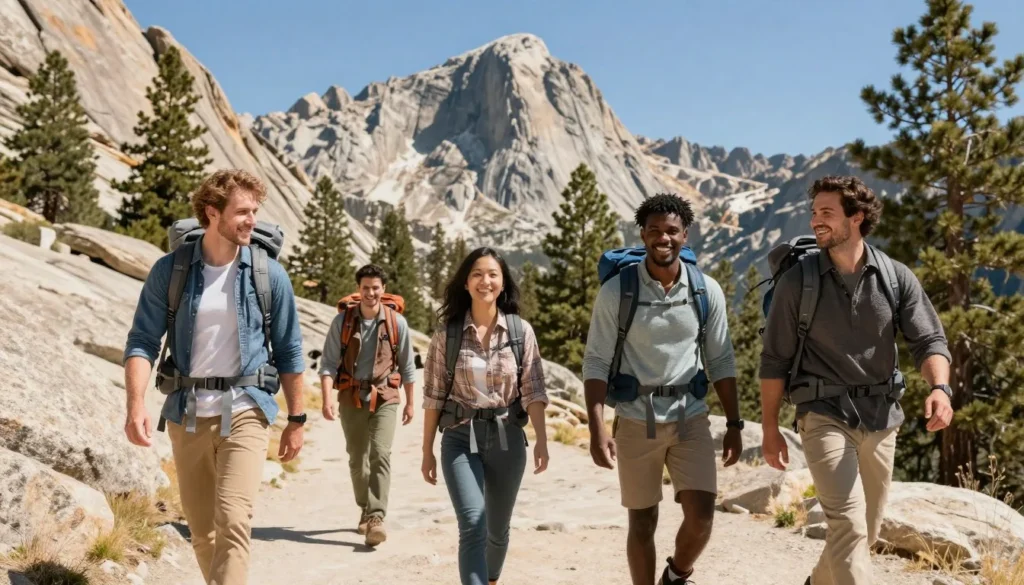
Reaching the Sierra Nevada Mountains Nevada requires planning around your specific destination. The region’s vastness means access points vary considerably depending on whether you’re heading to the high sierra wilderness or South Lake Tahoe.
Closest Airports to Sierra Nevada Mountains Nevada
The Reno-Tahoe International Airport serves as the primary gateway for Sierra Nevada Mountains Nevada visitors. Located just 24 kilometers (15 miles) from downtown Reno, this airport provides year-round access.
Major airlines operate daily flights connecting Reno to cities across the United States. The airport handles approximately 4 million passengers annually, offering modern facilities and rental car services.
Sacramento International Airport presents another excellent option. Situated 209 kilometers (130 miles) from Lake Tahoe, it provides access to the western slopes of the mountain range and Yosemite National Park.
Fresno Yosemite International Airport serves travelers heading to southern Sierra destinations. This smaller airport sits 105 kilometers (65 miles) from Yosemite Valley’s south entrance.
Ground Transportation Options
Rental vehicles provide maximum flexibility for exploring the Sierra Nevada region. All major airports feature multiple car rental companies with various vehicle options including SUVs suitable for mountain driving.
Shuttle services operate between Reno-Tahoe International Airport and South Lake Tahoe year-round. These convenient options eliminate driving concerns during winter conditions when mountain passes require snow chains.
Public transportation reaches limited areas within the mountain range. The Eastern Sierra Transit Authority connects communities along Highway 395 on the east side of the sierra mountains.
Private transfer services offer door-to-door convenience to specific destinations. Many South Lake Tahoe hotels and resorts arrange airport pickups for guests booking accommodations.
Planning Your Route
Highway 395 runs along the eastern sierra providing spectacular views of the mountain range. This route accesses trailheads, campgrounds, and small mountain communities throughout the region.
Interstate 80 crosses the northern section connecting Reno to Sacramento through Truckee and the Lake Tahoe basin. Winter travelers should monitor California Highway Patrol road condition reports.
Highway 50 traverses the central sierra from Sacramento to South Lake Tahoe. Designated a National Scenic Byway, this route showcases pristine wilderness and historic gold rush towns.
The Tioga Road crosses through Yosemite National Park connecting the western and eastern slopes. This seasonal route typically opens late May and closes with the first significant snowfall around November.
Best Time to Visit Sierra Nevada Mountains Nevada & Weather Tips
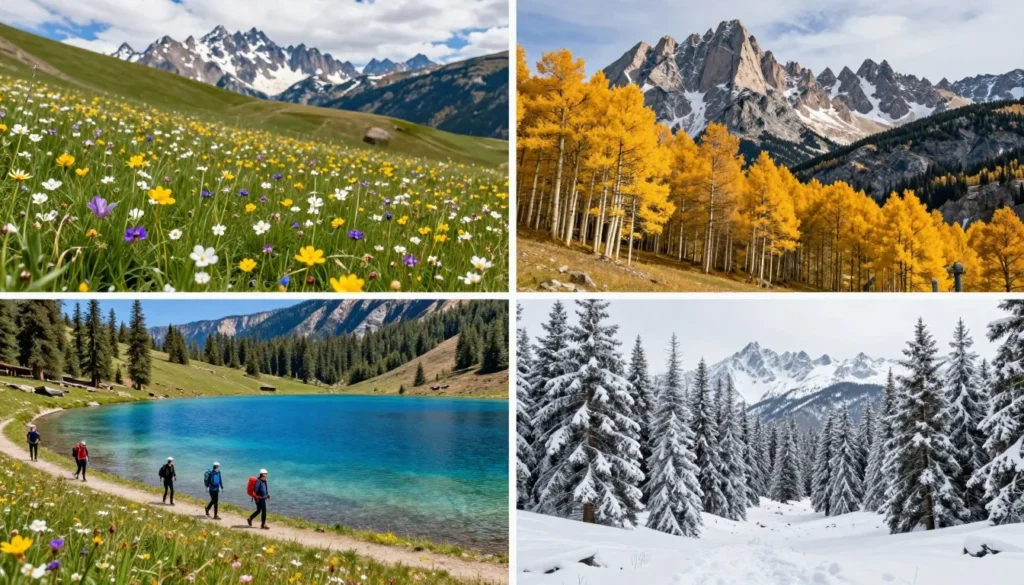
Best Time to Visit Sierra Nevada Mountains Nevada
Summer months from July through September offer ideal conditions for high sierra exploration. Trails become snow-free, campgrounds open, and weather patterns stabilize with warm days and cool nights.
July temperatures range from 10°C to 27°C (50°F to 80°F) at mid-elevations around Lake Tahoe. Higher elevations remain cooler with afternoon thunderstorms developing regularly after 2 PM.
September delivers exceptional conditions for wilderness areas. Crowds diminish after Labor Day while weather remains pleasant. Autumn colors transform aspen groves throughout the eastern sierra into golden spectacles.
Winter transforms the mountain range into premier snow sports territory. December through March brings reliable snowfall to ski resorts around South Lake Tahoe and Mammoth Lakes.
Months to Consider Carefully
April and May present challenging conditions throughout the high sierra. Snowpack remains heavy at higher elevations while lower areas experience muddy trails and swollen streams from snowmelt.
November transitions into winter with unpredictable weather patterns. Early season snowstorms can close mountain passes before ski resorts open fully. Many wilderness areas become inaccessible.
June weather varies dramatically by elevation and location. Lower elevation trails dry out while high country remains buried under winter snow. Yosemite Valley experiences peak visitation during this month.
Weather Patterns Throughout the Year
The Sierra Nevada creates its own weather patterns as Pacific storms encounter the mountain range. Western slopes receive substantially more precipitation than the rain shadow effect eastern side.
Winter storms deposit 3 to 10 meters (10 to 33 feet) of snow annually in higher elevations. The 2023 snowpack broke records with some areas measuring over 15 meters (50 feet) of accumulated snow.
Summer remains predominantly dry with occasional afternoon thunderstorms. Lightning poses serious risks in exposed high country terrain. Morning starts help avoid afternoon storm development.
Autumn brings stable weather with the region’s most reliable conditions. Clear skies, moderate temperatures, and minimal precipitation create perfect conditions for outdoor activities throughout the mountain range.
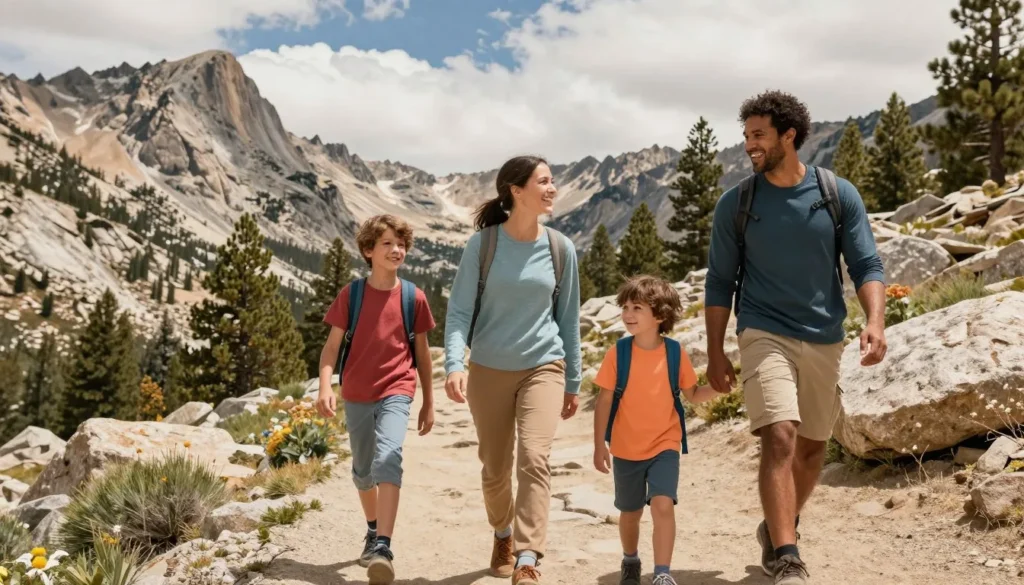
Seasonal Highlights
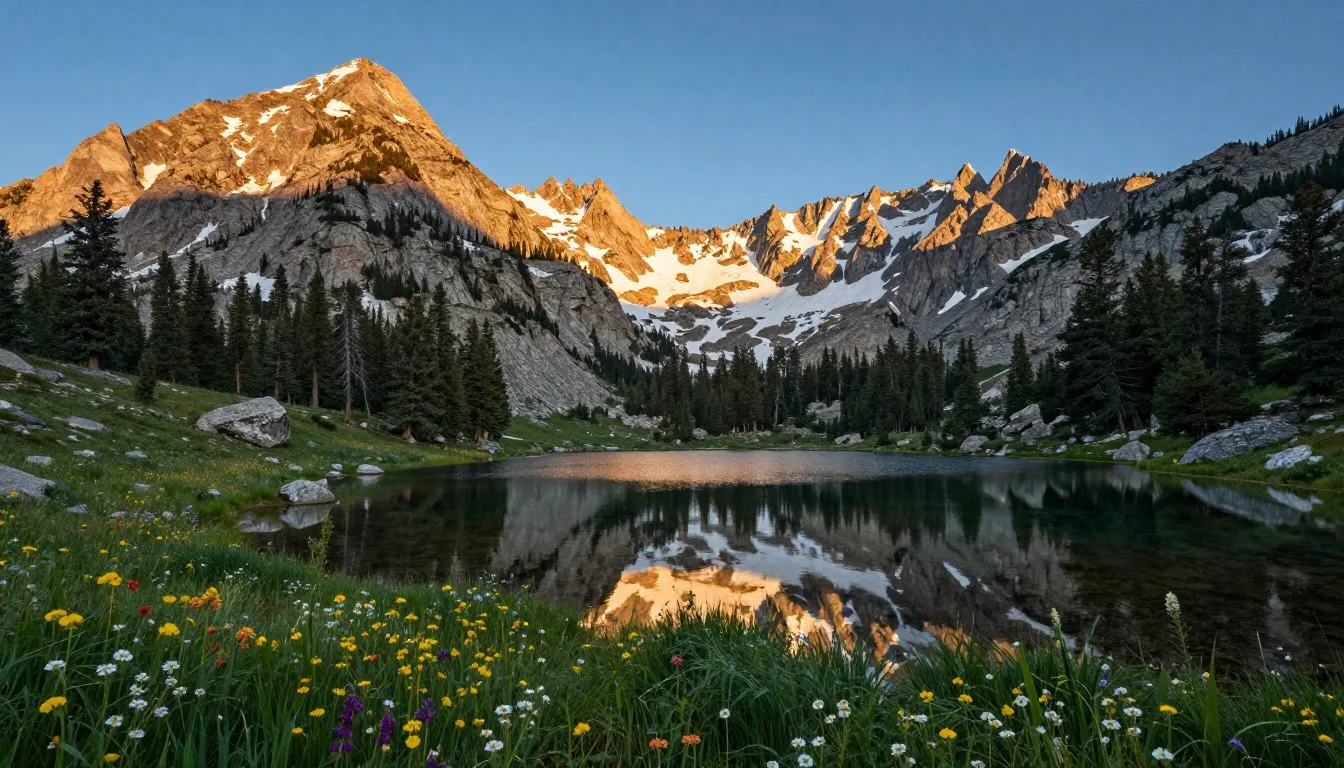
Spring wildflower displays transform lower elevation meadows from late May through June. The southern Sierra hosts particularly impressive shows with lupine, paintbrush, and monkey flowers carpeting hillsides.
Summer opens access to pristine wilderness areas throughout Sequoia National Park and Kings Canyon National Parks. Backpackers enjoy nearly unlimited trail options under long daylight hours.
Fall foliage peaks typically occur from late September through mid-October. The June Lake Loop and Convict Lake areas showcase spectacular golden aspen stands against granite peaks.
Winter sports enthusiasts find world-class skiing and snowboarding at numerous resorts. Heavenly Mountain Resort, Squaw Valley, and Mammoth Mountain operate extensive lift-served terrain.
Notable Annual Festivals
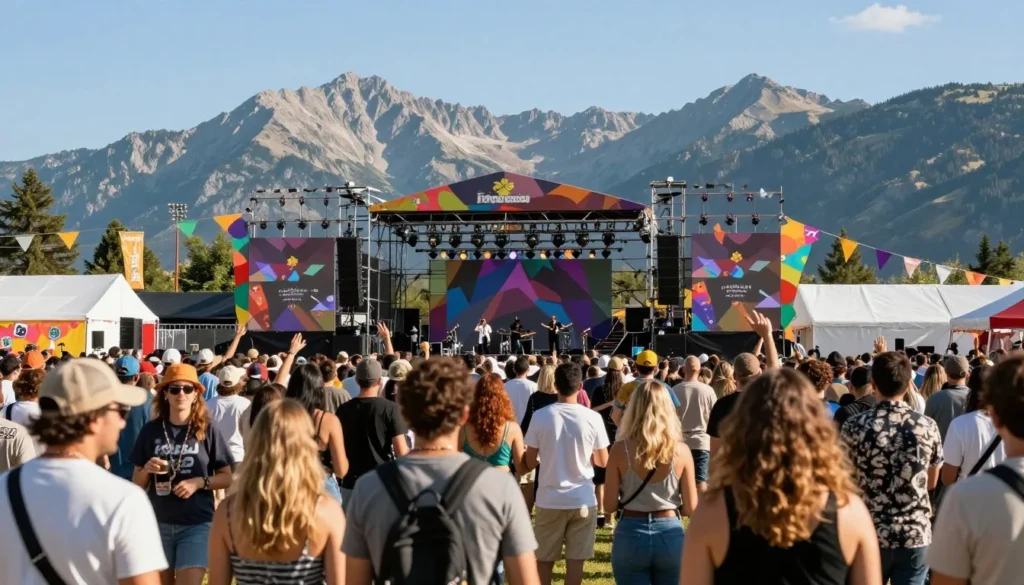
Lake Tahoe Shakespeare Festival
This beloved cultural event transforms summer evenings into magical theatrical experiences. Professional actors perform classic Shakespeare plays and contemporary works against stunning Lake Tahoe backdrops from mid-July through August.
The outdoor Sand Harbor venue seats 500 attendees under the stars. Sunset views across the lake create unforgettable ambiance as performances begin at dusk.
Mammoth Lakes Jazz Jubilee
Traditional jazz fills the mountain air each July during this four-day celebration. Multiple venues throughout Mammoth Lakes host more than 20 bands performing Dixieland, swing, and contemporary jazz styles.
Festival passes grant access to all performances while individual concert tickets accommodate shorter visits. The event typically occurs during the second weekend of July.
Autumn Food & Wine Festival
South Lake Tahoe celebrates harvest season each September with this premier culinary event. Regional chefs, wineries, and craft breweries showcase their finest creations across multiple venues.
The three-day festival features cooking demonstrations, wine tastings, and gourmet dinners. Local restaurants participate with special menus highlighting seasonal ingredients from the region.
Snowfest Winter Carnival
North Lake Tahoe kicks off March with this ten-day winter celebration. Events include polar plunges, fireworks displays, ski competitions, and the famous Main Street parade through Truckee.
Families enjoy snow sculpture contests, torchlight parades down ski slopes, and live music performances. Many events require no admission fees making this festival accessible for budget-conscious travelers.
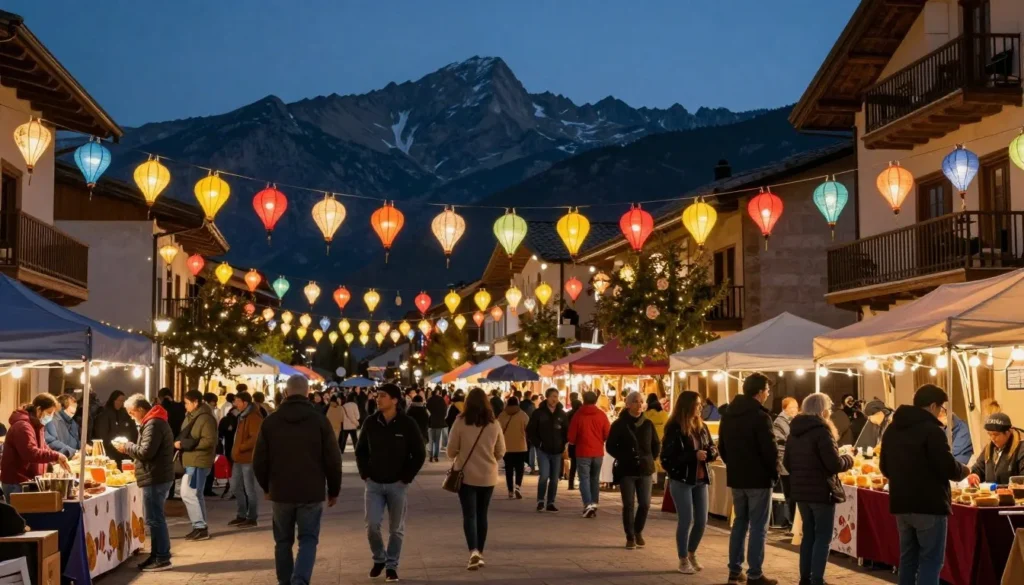
Wanderlust Yoga Festival
Squaw Valley hosts this transformative wellness gathering each July. Renowned yoga instructors, musicians, and speakers create four days of classes, workshops, and performances.
Activities span all skill levels from beginner meditation sessions to advanced yoga practices. The mountain setting provides inspiring backdrops for outdoor classes and evening concerts.
Reno-Tahoe Odyssey
This unique relay race challenges teams to cover 290 kilometers (180 miles) from Reno through the sierra mountains to Lake Tahoe. The overnight May event attracts runners from across North America.
Teams of twelve alternate running segments through varying terrain and elevations. The course showcases spectacular mountain scenery while testing endurance and teamwork.
Getting Around Locally

Personal Vehicle Navigation
Personal vehicles offer maximum flexibility for exploring the sierra nevada mountains. Well-maintained highways connect major destinations though winter conditions require preparation and appropriate equipment.
Snow chains become mandatory during winter storms on most mountain passes. California Highway Patrol enforces chain requirements strictly. Visitors should purchase chains before reaching mountain areas where prices increase significantly.
Gas stations appear infrequently throughout wilderness areas. Travelers should refuel in larger communities like Mammoth Lakes, South Lake Tahoe, or Bishop before venturing into remote regions.
Parking fills quickly at popular trailheads during summer weekends. Arriving before 8 AM secures spots at high-demand locations like Yosemite Valley and Lake Tahoe hiking areas.
Public Transportation Systems
The Tahoe Area Regional Transit operates free trolley services around South Lake Tahoe connecting hotels, casinos, beaches, and ski resorts. Buses run year-round with extended hours during peak seasons.
Yosemite National Park maintains an extensive free shuttle system. Valley floor routes operate year-round while seasonal shuttles access Glacier Point, Tuolumne Meadows, and other high country destinations.
Eastern Sierra Transit Authority serves communities from Reno to Lancaster along Highway 395. This affordable service connects small mountain towns though schedules run infrequently.
Mammoth Lakes offers free town trolley service during winter and summer peak seasons. Routes connect lodging areas to ski resorts and the Village at Mammoth shopping district.
Bicycle and Alternative Transport
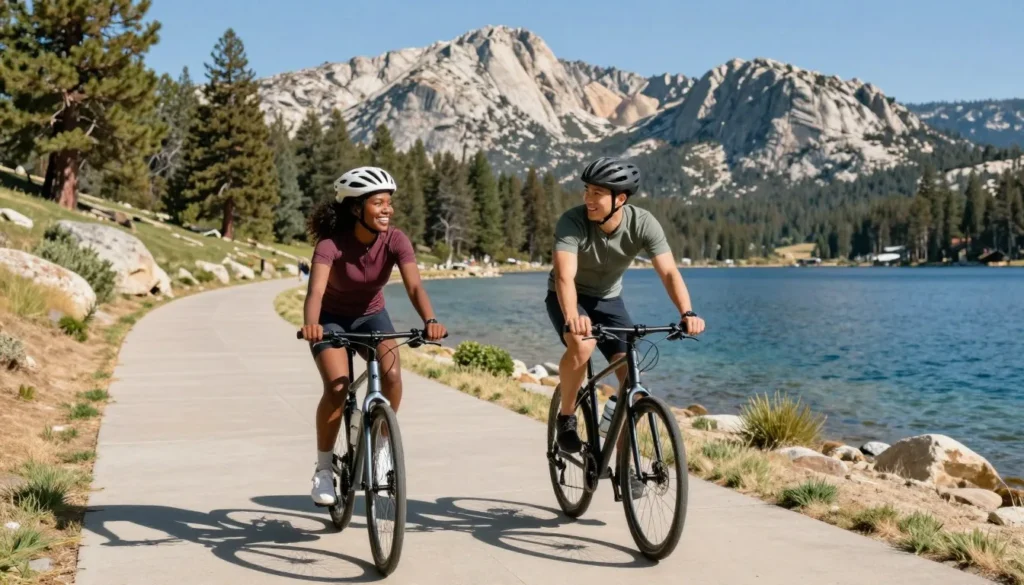
Lake Tahoe features an expanding network of paved bike paths. The Tahoe East Shore Trail provides 4.8 kilometers (3 miles) of car-free cycling with stunning lake views.
Mountain bike rentals are available in most resort communities. Trail systems accommodate all skill levels from gentle valley floors to challenging downhill runs.
E-bike rentals have grown popular for exploring without vehicle hassles. These electric-assist bicycles help riders tackle elevation changes throughout the mountain range.
Water taxis operate across Lake Tahoe during summer months. These services transport passengers between north and south shore destinations while avoiding highway traffic.
Guided Transportation Services
Commercial tour operators provide transportation to remote wilderness areas. These services handle driving logistics while guides share knowledge about the sierra nevada ecosystems and history.
Ski resort shuttles transport guests from lodging to slopes during winter. Many South Lake Tahoe hotels coordinate with nearby resorts offering complimentary shuttle services.
Ride-sharing services operate in larger communities though coverage becomes sparse in remote areas. Cellular service limitations affect app functionality in wilderness regions.
Helicopter tours launch from several locations offering aerial perspectives of the mountain range. These expensive but spectacular flights showcase the high sierra terrain from unique vantage points.
Where to Stay
Luxury Resort Accommodations
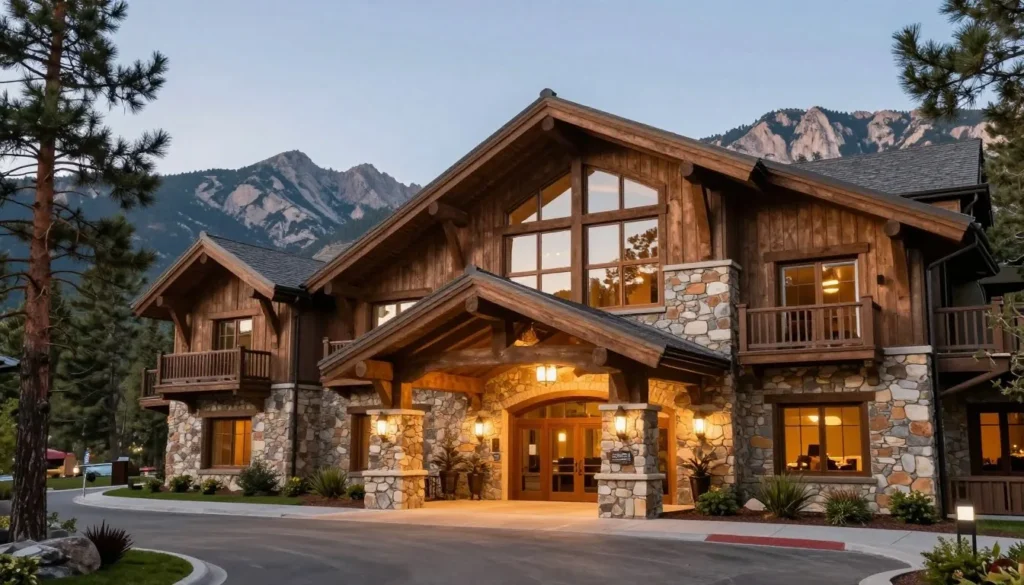
The Ritz-Carlton Lake Tahoe defines mountain elegance with ski-in ski-out access at Northstar California Resort. This five-star property features 170 rooms, a world-class spa, and multiple dining venues showcasing regional cuisine.
Edgewood Tahoe Resort sits directly on Lake Tahoe’s pristine shoreline offering private beach access. The property combines luxury suites with championship golf, fine dining, and a spa overlooking the crystal waters.
Resort at Squaw Creek provides comprehensive amenities including three pools, ice skating, and direct mountain access. Families appreciate the kids’ programs while adults enjoy the full-service spa and fine dining options.
Mammoth Mountain Inn delivers slope-side convenience with rustic mountain charm. This property connects directly to ski lifts while offering comfortable rooms, multiple restaurants, and stunning high sierra views.
Mid-Range Hotels and Lodges
Basecamp Tahoe South provides modern accommodations with reasonable rates near Heavenly Mountain Resort. This contemporary hotel features an outdoor pool, fire pits, and a convenient location for accessing both lake and slopes.
Juniper Springs Resort in Mammoth Lakes offers spacious condominium-style units with full kitchens. The property includes pools, hot tubs, and shuttle service to nearby ski areas during winter months.
Cedar Glen Lodge in Tahoe Vista combines lakefront location with affordable pricing. Private beach access, barbecue areas, and cozy rooms make this family-friendly property popular year-round.
The Village Lodge in Mammoth Lakes places guests steps from shops, restaurants, and the free village gondola. Modern rooms, complimentary breakfast, and underground parking add convenience.
Vacation Rentals and Cabins
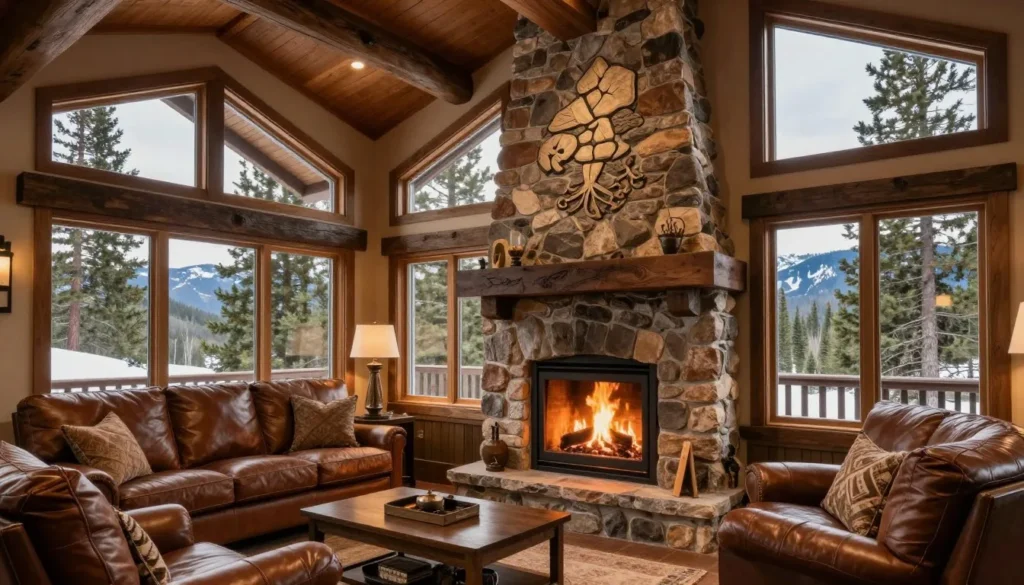
Private cabin rentals dot communities throughout the mountain range offering seclusion and space. Many feature full kitchens, multiple bedrooms, and hot tubs with forest or lake views.
South Lake Tahoe hosts numerous vacation rental properties ranging from studio condos to large lakefront estates. These options work well for groups seeking shared accommodations and cost savings.
Historic cabins near Yosemite National Park provide authentic sierra nevada experiences. Properties in communities like Groveland and Oakhurst combine vintage charm with modern amenities.
Mammoth Lakes vacation rentals often include access to shared resort amenities. Pools, hot tubs, and recreation facilities enhance stays while providing flexibility for families and groups.
Camping and Outdoor Accommodations
Sequoia National Park operates 14 campgrounds from low elevation sites to high country locations. Lodgepole Campground provides 214 sites with easy access to Giant Forest groves.
Lake Tahoe camping options span from developed campgrounds with showers to primitive backcountry sites. D.L. Bliss State Park offers 168 campsites with lake access and hiking trails.
Yosemite Valley campgrounds require advance reservations months ahead. Upper Pines, Lower Pines, and North Pines provide 378 combined sites near iconic landmarks and shuttle stops.
Dispersed camping throughout national forests allows free overnight stays in designated areas. The Eastern Sierra offers numerous spots along forest roads with spectacular mountain views.
Budget-Friendly Options
Hostel accommodations exist in select locations offering dorm-style lodging at fraction of hotel costs. These properties provide basic amenities and opportunities to meet fellow travelers.
Motel properties in gateway communities like Bishop and Bridgeport offer clean simple rooms at reasonable rates. These establishments provide convenient bases for exploring nearby wilderness areas.
Forest Service cabins rent affordably in some locations providing rustic shelter. These basic structures typically include wood stoves, bunks, and minimal amenities requiring visitors bring sleeping bags and supplies.
RV parks throughout the region accommodate motorhomes and travel trailers. Full hookup sites cost less than hotel rooms while providing camping experiences with convenience amenities.
Dining & Local Cuisine
Fine Dining Experiences
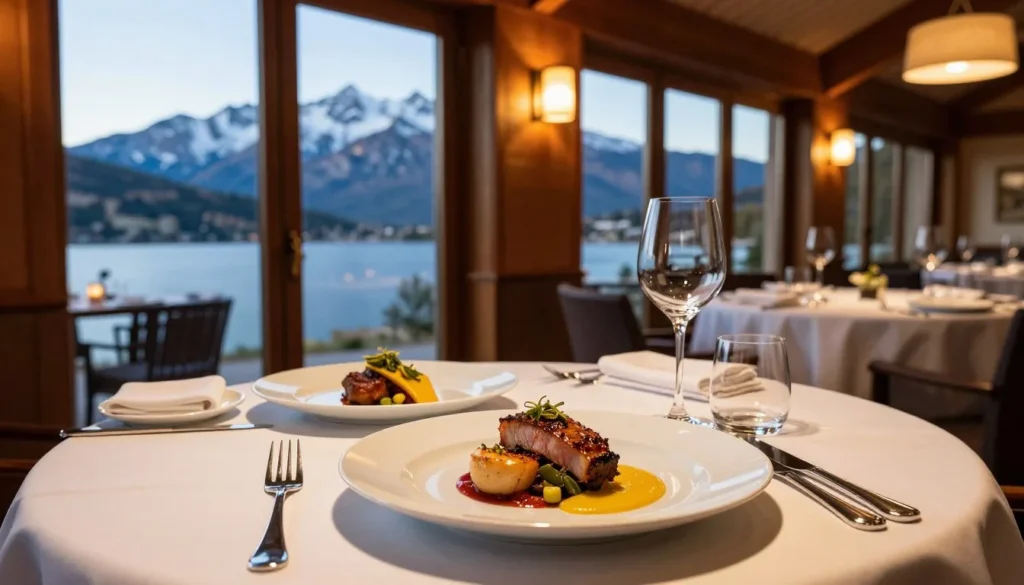
Evan’s American Gourmet Cafe in South Lake Tahoe consistently ranks among the region’s finest restaurants. Chef-owner creates seasonal menus featuring locally sourced ingredients in an intimate 40-seat setting.
The Restaurant at Edgewood Tahoe showcases farm-to-table cuisine with spectacular lake views. Each dish highlights seasonal ingredients from regional producers paired with extensive wine selections.
Gar Woods Grill and Pier in Carnelian Bay combines upscale dining with lakefront ambiance. The restaurant became famous for its Wet Woody cocktail and fresh seafood preparations featuring sustainable catches.
Petra’s Bistro and Wine Bar in Mammoth Lakes brings European flair to mountain dining. The intimate restaurant features Mediterranean-inspired dishes, house-made pastas, and carefully curated wine pairings.
Casual Mountain Eateries
Sprouts Natural Foods Cafe in South Lake Tahoe serves wholesome organic fare. Fresh smoothies, grain bowls, and vegetarian options fuel outdoor enthusiasts before sierra nevada adventures.
The Warming Hut in Mammoth Lakes welcomes skiers with hearty breakfast burritos and strong coffee. This no-frills spot focuses on generous portions and quick service for hungry adventurers.
Bridgetender Tavern in Tahoe City has served burgers and craft beers since 1977. The casual atmosphere, riverside deck, and classic American menu make this local favorite perfect after hiking.
Schat’s Bakery operates locations throughout the eastern sierra offering Dutch-style baked goods. Their sheepherder bread has become legendary among road-trippers exploring Highway 395.

Local Specialties and Regional Flavors
Lake Tahoe trout appears on menus throughout the region though most fish now comes from sustainable farms. Traditional preparations include pan-frying in butter with almonds or smoking over applewood.
Wild game dishes reflect the sierra nevada hunting traditions. Elk, venison, and wild boar appear in stews, sausages, and grilled preparations at restaurants emphasizing regional cuisine.
Huckleberries grow throughout higher elevations providing tart sweet berries for pies, jams, and pancake toppings. These wild harvested treats taste best from late summer through early autumn.
Craft breweries have flourished across the mountain range producing beers suited to altitude and adventure. Many breweries incorporate local ingredients like pine tips and wildflower honey.
Quick Bites and Food Trucks
Taco trucks park throughout South Lake Tahoe and Mammoth Lakes serving authentic Mexican cuisine. These mobile kitchens offer excellent value with generous portions of carne asada, al pastor, and fresh salsas.
Base Camp Pizza Company in South Lake Tahoe delivers New York-style slices until late night. Located steps from casinos and nightlife, this spot feeds hungry crowds after skiing or hiking.
The Mobil Mart in Lee Vining serves surprisingly good fish tacos and breakfast burritos. This gas station eatery has earned cult following among climbers and backpackers heading to Yosemite high country.
Stellar Brew and Deli in Mammoth Lakes combines coffee bar with sandwich shop serving fresh-baked goods and creative lunch combinations. Outdoor seating provides mountain views during pleasant weather.
Grocery and Self-Catering Options
Safeway and Raley’s supermarkets operate in South Lake Tahoe and Mammoth Lakes offering full grocery selections. Prices run higher than valley locations though selection meets most needs.
Farmer’s markets appear during summer months in larger communities. These weekend events showcase local produce, artisan cheeses, baked goods, and prepared foods from regional vendors.
Vons and Grocery Outlet provide budget-friendly shopping options in South Lake Tahoe. Smart shoppers stock vacation rentals at these stores before prices increase at mountain specialty shops.
Small markets in remote areas carry limited selections at premium prices. Travelers venturing to wilderness regions should purchase supplies in larger towns before heading into backcountry.
Attractions, Sightseeing & Activities
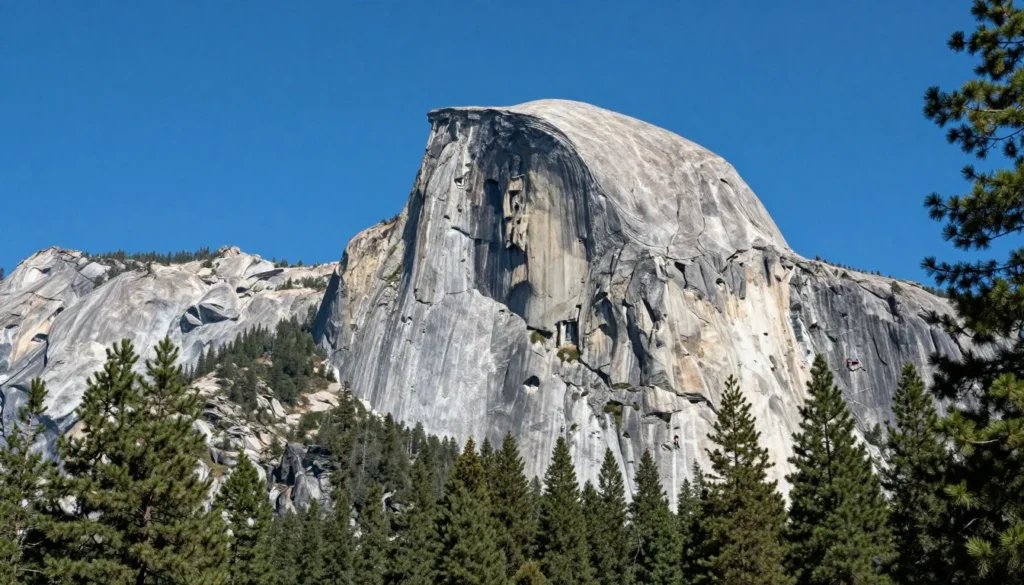
Yosemite National Park Wonders
Yosemite Valley showcases some of North America’s most iconic landscapes. Towering granite cliffs rise 1,219 meters (4,000 feet) above the valley floor where the Merced River meanders through meadows and forests.
Half Dome dominates the eastern valley with its distinctive shape rising 1,444 meters (4,737 feet) above sea level. The strenuous 22 kilometer (14 mile) round-trip hike requires permits and challenges even experienced trekkers.
Yosemite Falls drops 739 meters (2,425 feet) in three sections making it North America’s tallest waterfall. Peak flows occur during May and June when snowmelt reaches maximum volume.
Glacier Point provides panoramic vistas encompassing Half Dome, Yosemite Valley, and the High Sierra beyond. The viewpoint sits 2,199 meters (7,214 feet) elevation accessed by car during summer months.
Lake Tahoe Shoreline Attractions
Emerald Bay State Park protects Lake Tahoe’s most photographed location. Fannette Island rises from the bay’s turquoise waters while Vikingsholm castle sits along the shoreline.
The lake spans 496 square kilometers (122,200 acres) straddling the California Nevada border. Maximum depth reaches 501 meters (1,645 feet) making it America’s second deepest lake.
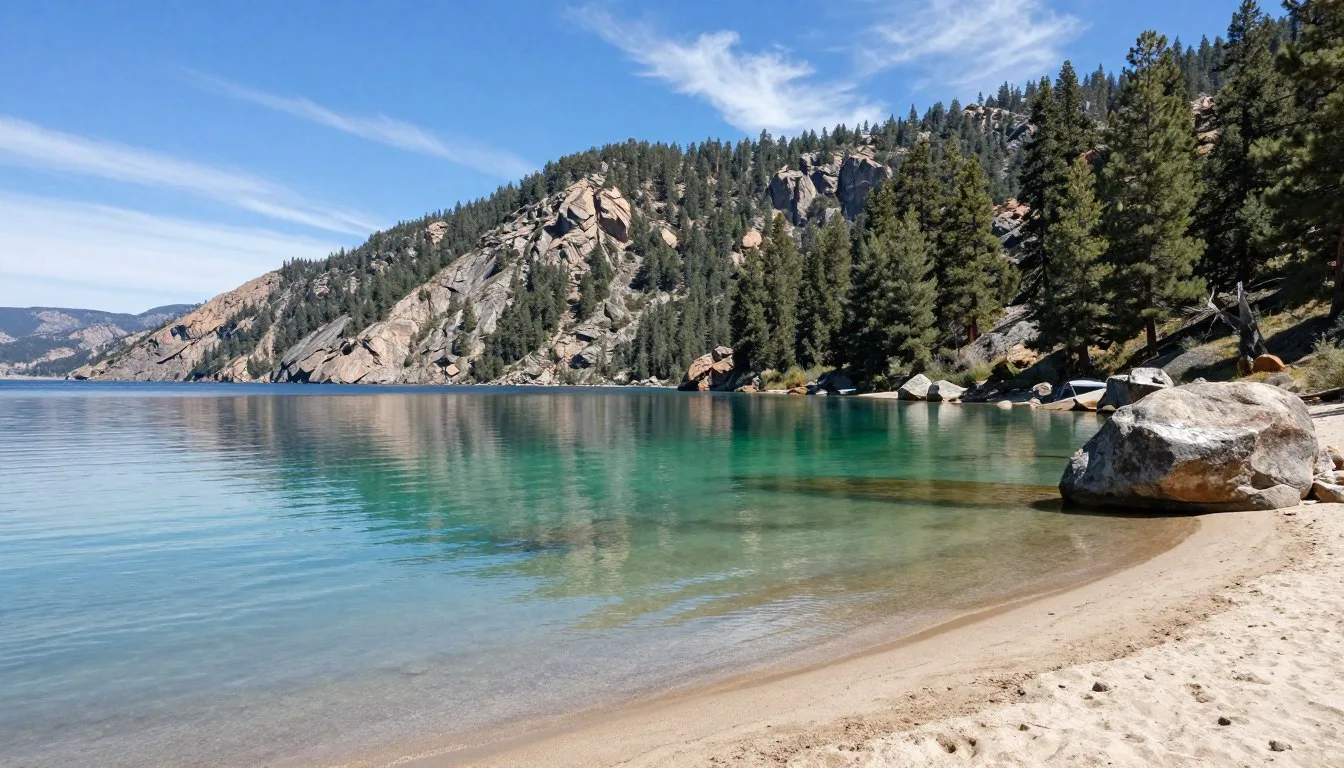
Sand Harbor on the Nevada side offers swimming beaches and striking rock formations. Clear waters reveal boulders beneath the surface creating stunning compositions photographers capture throughout summer.
Cave Rock towers 91 meters (300 feet) above the lake’s eastern shore. This sacred Washoe tribal site features tunnels carved through solid rock when Highway 50 was constructed.
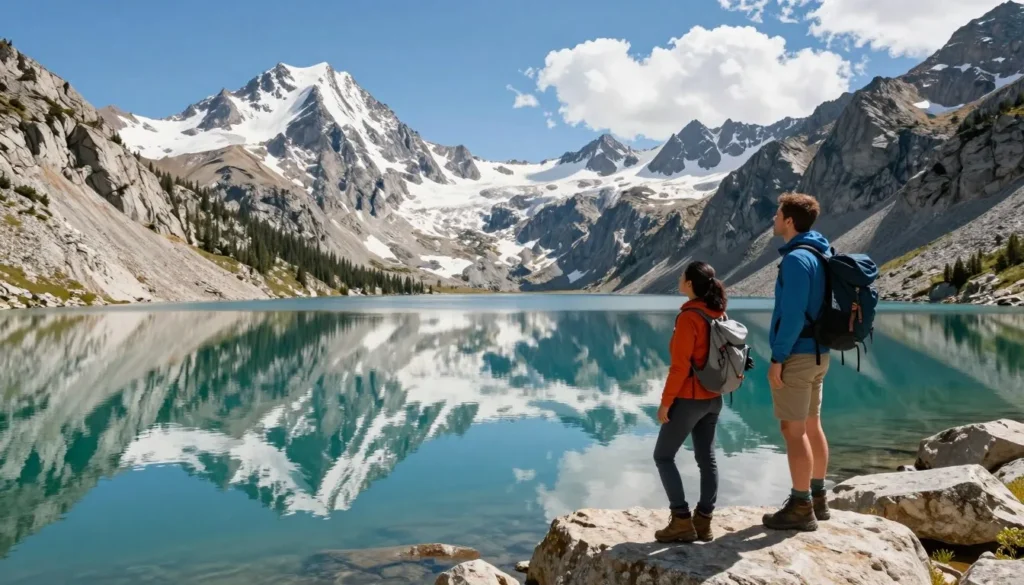
Sequoia and Kings Canyon National Parks
General Sherman Tree claims the title of world’s largest living organism by volume. This giant sequoia measures 84 meters (275 feet) tall and 31 meters (102 feet) in circumference at its base.
Congress Trail loops 3.2 kilometers (2 miles) through Giant Forest passing numerous massive sequoias. The paved accessible path allows visitors to walk among these ancient giants.
Kings Canyon plunges 2,480 meters (8,200 feet) from rim to river making it one of North America’s deepest canyons. The scenic byway descends through diverse ecosystems from alpine to chaparral.
Crystal Cave features marble caverns formed over millions of years. Guided tours lead visitors through passageways adorned with stalactites and underground streams from late May through September.
Devils Postpile National Monument
This geological wonder displays columnar basalt formations created by ancient lava flows. Hexagonal columns rise 18 meters (60 feet) resembling a giant pipe organ carved from stone.
Rainbow Falls drops 31 meters (101 feet) over volcanic rock formations downstream from the postpile. Afternoon light creates rainbows in the mist giving this cascade its descriptive name.
The monument operates seasonally from mid-June through October depending on snow conditions. Mandatory shuttle buses transport visitors from Mammoth Mountain Inn reducing traffic congestion.
Backcountry permits allow overnight camping in the Ansel Adams Wilderness surrounding the monument. Popular destinations include Thousand Island Lake and the John Muir Trail corridor.
Eastern Sierra Scenic Attractions
Mono Lake’s otherworldly tufa towers rise from alkaline waters three times saltier than the ocean. This ancient lake supports unique ecosystems including brine shrimp and alkali flies.
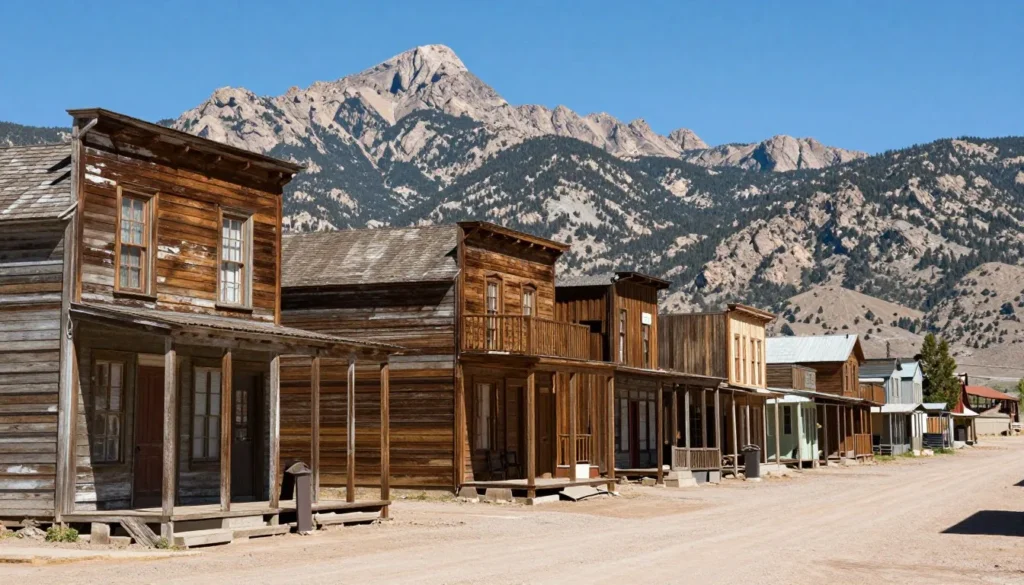
Bodie State Historic Park preserves an authentic gold rush ghost town. More than 100 weathered buildings remain in arrested decay showcasing life during California’s gold rush era.
Convict Lake sits beneath towering peaks with a perimeter trail offering stunning reflections. The lake’s dark history involves a deadly shootout between escaped convicts and lawmen in 1871.
Alabama Hills provide a dramatic landscape of rounded boulders and rock formations. Countless western films were shot here with the sierra nevada forming spectacular backdrops.
Scenic Drives and Byways
The June Lake Loop circles 26 kilometers (16 miles) through stunning alpine scenery. Four sparkling lakes reflect the surrounding peaks while autumn aspen groves create golden corridors.
Tioga Pass Road traverses Yosemite high country connecting the valley to the eastern sierra. At 3,031 meters (9,945 feet), this seasonal route crosses California’s highest highway pass.
Highway 108 over Sonora Pass reaches 2,986 meters (9,624 feet) while winding through dramatic granite landscapes. The steep narrow sections reward brave drivers with spectacular vistas.
Ebbetts Pass Highway climbs through pine forests and alpine meadows showcasing sierra nevada wildflower displays. This less-traveled route provides solitude compared to busier Tioga and Sonora passes.
Museums, Cultural Spots & Festivals
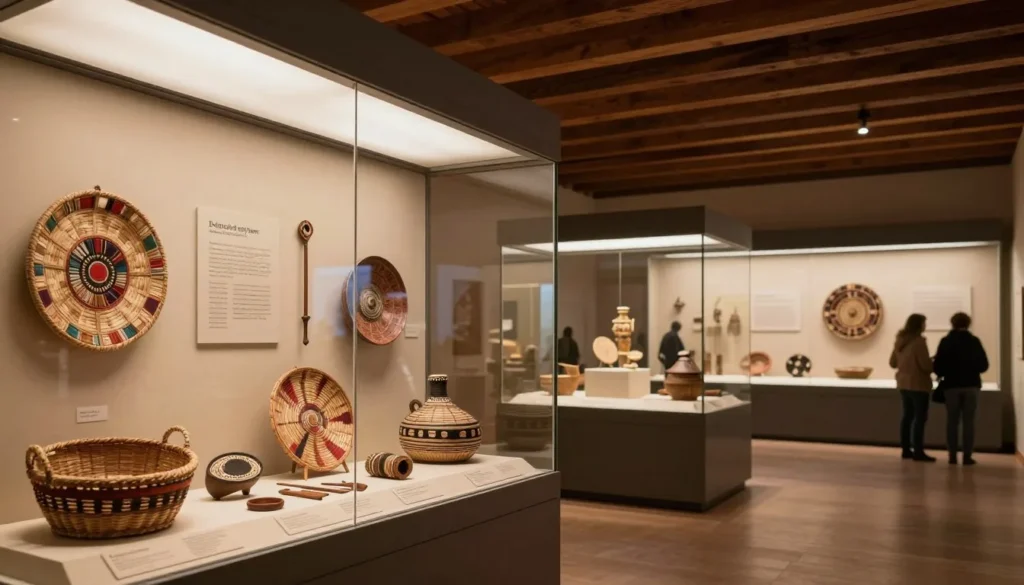
Yosemite Museum and Cultural Center
This facility preserves and presents the cultural heritage of the Ahwahneechee people who inhabited Yosemite Valley for thousands of years. Exhibits showcase traditional basketry, tools, and photographs documenting native life.
The adjacent Indian Village of Ahwahnee reconstructs traditional bark houses and demonstrates construction techniques. Cultural demonstrations occur regularly during summer months including basket weaving and traditional games.
Ansel Adams Gallery occupies the valley showcasing photography and art inspired by Yosemite National Park. The gallery maintains connections to the famous photographer who helped establish the park’s protected status.
Free ranger programs throughout the park cover natural history, geology, and cultural topics. Evening presentations at various campgrounds and lodges provide entertainment and education after hiking.
Tallac Historic Site
Three restored estates along Lake Tahoe’s south shore preserve the area’s gilded age history. The Pope, Baldwin, and Valhalla estates showcase how wealthy families summered at the lake during the early 1900s.
The Tallac Museum displays photographs, artifacts, and exhibits chronicling Lake Tahoe’s development from native lands through resort destination. Guided tours operate during summer months.
Valhalla Arts and Music Festival transforms the historic boathouse into a performance venue each summer. Classical concerts, theater productions, and art exhibits celebrate the region’s creative spirit.
Forest trails connect the estates allowing visitors to explore the lakefront property. Interpretive signs explain the natural and human history throughout this 29 hectare (74 acre) site.

Eastern Sierra Interpretive Centers
Mono Basin National Forest Scenic Area Visitor Center explains the unique ecosystem surrounding Mono Lake. Interactive exhibits detail the lake’s geology, wildlife, and conservation efforts that saved it from depletion.
The center sits 2,110 meters (6,923 feet) above sea level providing panoramic views across the basin. Naturalist-led walks to the tufa formations depart regularly during summer months.
Laws Railroad Museum preserves a narrow-gauge railroad depot and historic village near Bishop. The 4.5 hectare (11 acre) outdoor museum features original buildings relocated from throughout Inyo County.
Volunteers maintain operational equipment including steam engines and period railcars. The museum operates year-round though schedule varies seasonally with peak visiting during summer months.
Mammoth Museum at the Hayden Cabin
This log cabin built in 1927 now serves as the Mammoth Lakes historical museum. Exhibits cover mining history, early tourism, and the development of Mammoth Mountain ski area.
Original furnishings and photographs show pioneer life in the high sierra during the early 1900s. The small museum provides context for understanding the region’s transformation from mining camp to resort town.
Volunteers staff the museum during summer months offering free admission and guided tours. Winter access becomes limited due to snow accumulation around the historic structure.
Special exhibits rotate through the cabin highlighting different aspects of local history. The museum maintains archives and photographs available for researchers studying sierra nevada settlement.
Cultural Events and Performances
Lake Tahoe Summer Concert Series brings major musical acts to outdoor venues throughout the basin. Concerts occur at various locations from intimate settings to large amphitheaters accommodating thousands.
South Lake Tahoe’s weekly Live at Lakeview summer series presents free concerts at Lakeview Commons. Local and regional musicians perform various genres from rock to country every Thursday evening.
Mammoth Lakes hosts Art in Public Places installations throughout the town. Sculptures and murals created by regional artists transform the mountain community into an outdoor gallery.
First Friday Art Walks in South Lake Tahoe open galleries and studios to the public. These monthly events combine art appreciation with wine tasting and opportunities to meet local artists.
Nature & Outdoor Experiences
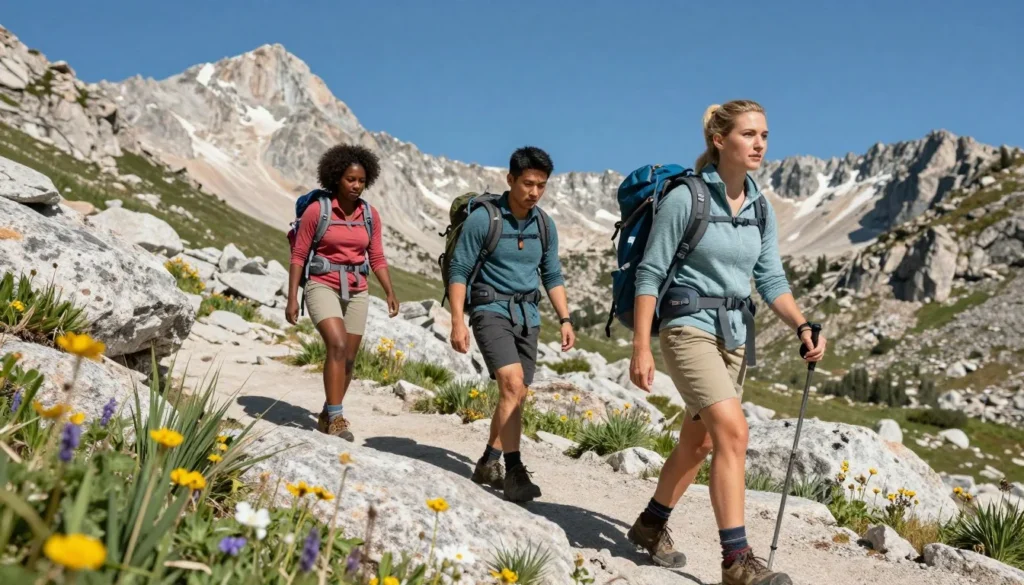
Premier Hiking Trails
The John Muir Trail extends 339 kilometers (211 miles) from Yosemite Valley through the high sierra to Mount Whitney. This legendary route passes through Sequoia National Park and Kings Canyon National Parks crossing wilderness areas.
Most hikers complete the trail southbound spending three weeks in the backcountry. Permits remain highly competitive with applications opening January for summer season hiking from July through September.
Clouds Rest Trail in Yosemite rewards fit hikers with superior Half Dome views. The 23 kilometer (14.5 mile) round trip climbs 610 meters (2,000 feet) to a granite summit offering 360-degree panoramas.
Mount Tallac Trail ascends 3,056 meters (9,735 feet) above Lake Tahoe’s southwestern shore. The strenuous 15 kilometer (9.4 mile) round trip passes pristine alpine lakes before reaching the summit.
Backpacking Adventures
Rae Lakes Loop in Kings Canyon National Park covers 66 kilometers (41 miles) through spectacular alpine terrain. This popular circuit passes pristine lakes, crosses two passes above 3,353 meters (11,000 feet), and traverses the famous painted lady wildflower fields.
The Ansel Adams Wilderness encompasses 93,500 hectares (231,000 acres) of pristine high sierra country. Thousand Island Lake sits beneath Banner Peak providing one of the range’s most photographed locations.
Desolation Wilderness west of Lake Tahoe protects 25,505 hectares (63,000 acres) of granite peaks and alpine lakes. The wilderness requires permits though day-use quotas allow flexible planning compared to overnight allocations.
Evolution Basin in Kings Canyon showcases the sierra nevada high country at its finest. Remote location and elevation above 3,353 meters (11,000 feet) limits crowds while rewarding wilderness purists with solitude.
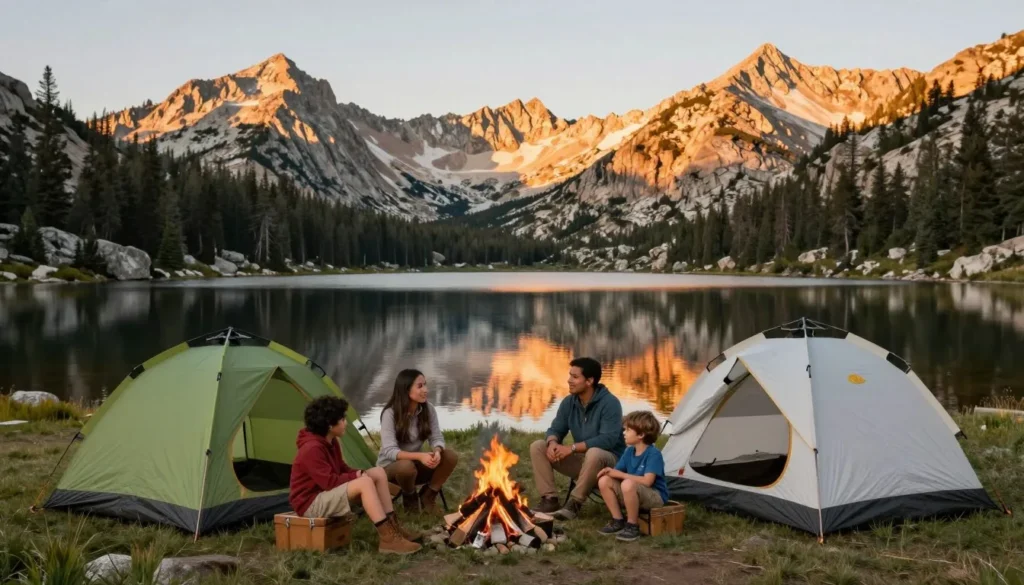
Rock Climbing Destinations
Yosemite Valley attracts climbers worldwide with its legendary big wall routes. El Capitan’s 914 meter (3,000 foot) granite face hosts dozens of multi-day routes testing skills and endurance.
Tuolumne Meadows provides high country climbing on immaculate granite domes. Daff Dome, Fairview Dome, and Lembert Dome offer routes ranging from beginner to advanced difficulty.
The Buttermilks near Bishop feature world-class bouldering on glacially deposited granite blocks. Hundreds of problems span all difficulty grades making this area popular during spring and fall.
Lover’s Leap towers above Highway 50 near South Lake Tahoe offering multi-pitch traditional climbing. The 180 meter (600 foot) granite cliff features classic routes with spectacular views across the sierra nevada.
Water Activities
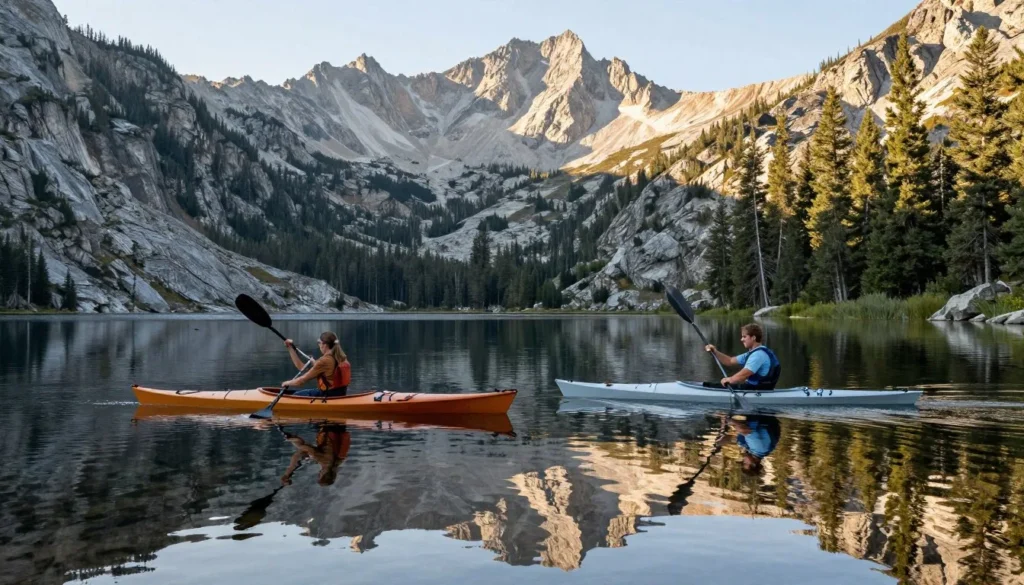
Kayaking and paddleboarding have grown increasingly popular on Lake Tahoe’s crystal clear waters. Emerald Bay, Sand Harbor, and D.L. Bliss State Park provide protected launching areas for paddlers.
Whitewater rafting on the American River delivers thrilling rapids ranging from Class II to Class V depending on section and season. The South Fork offers excellent beginner runs while the North Fork challenges experts.
Stand-up paddleboarding allows peaceful exploration of alpine lakes throughout the mountain range. June Lake, Convict Lake, and Donner Lake provide scenic paddling with mountain backdrops.
Swimming beaches dot Lake Tahoe’s shoreline though water temperatures rarely exceed 20°C (68°F) even during summer. Kings Beach, Zephyr Cove, and Pope Beach offer sandy shores and shallow entry.
Winter Sports and Snow Activities
Heavenly Mountain Resort spans the California Nevada border offering 1,900 hectares (4,800 acres) of skiable terrain. The resort’s 30 lifts access runs ranging from gentle groomers to steep chutes.
Mammoth Mountain operates one of America’s longest ski seasons extending into June most years. The mountain receives average annual snowfall exceeding 10 meters (400 inches) ensuring reliable conditions.
Cross-country skiing and snowshoeing open wilderness areas to winter exploration. Royal Gorge in the northern sierra nevada maintains North America’s largest cross-country resort with 330 kilometers (205 miles) of groomed trails.
Backcountry skiing attracts advanced skiers seeking untracked powder in remote locations. Popular areas include Mammoth Pass, Carson Pass, and the terrain surrounding Alpine Meadows resort.
Wildlife Viewing Opportunities
Black bears inhabit forests throughout the sierra nevada with populations concentrated in Yosemite and Sequoia National Parks. Early morning and evening hours offer best viewing opportunities though proper food storage remains mandatory.
Mule deer frequent meadows and forest edges especially during dawn and dusk. Bucks grow impressive antlers visible during summer and autumn before shedding in winter.
Bighorn sheep populations have recovered in several wilderness areas. The Wheeler Crest area near Bishop hosts viewable populations often spotted from Highway 395.
Bird watching attracts enthusiasts seeking mountain species including Clark’s nutcrackers, Steller’s jays, and occasional golden eagles. The Mono Basin supports millions of migratory birds during spring and fall.

Photography Locations
Tunnel View in Yosemite Valley provides the park’s most iconic composition. El Capitan rises left, Bridalveil Fall descends right, and Half Dome dominates the distant center creating perfectly balanced scenes.
Schwabacher Landing in Grand Teton provides stunning dawn reflections though sierra nevada photographers prefer Convict Lake for similar compositions. Calm mornings create mirror images of surrounding peaks.
Alabama Hills offer endless foreground compositions with the sierra nevada rising dramatically beyond. Golden hour lighting transforms the rounded boulders into warm sculptures against snowy peaks.
Zabriskie Point overlooks Death Valley though nearby Manzanar provides dramatic sierra nevada sunset shots. The eastern escarpment rises abruptly from Owens Valley creating compelling scale.
Travel With Children
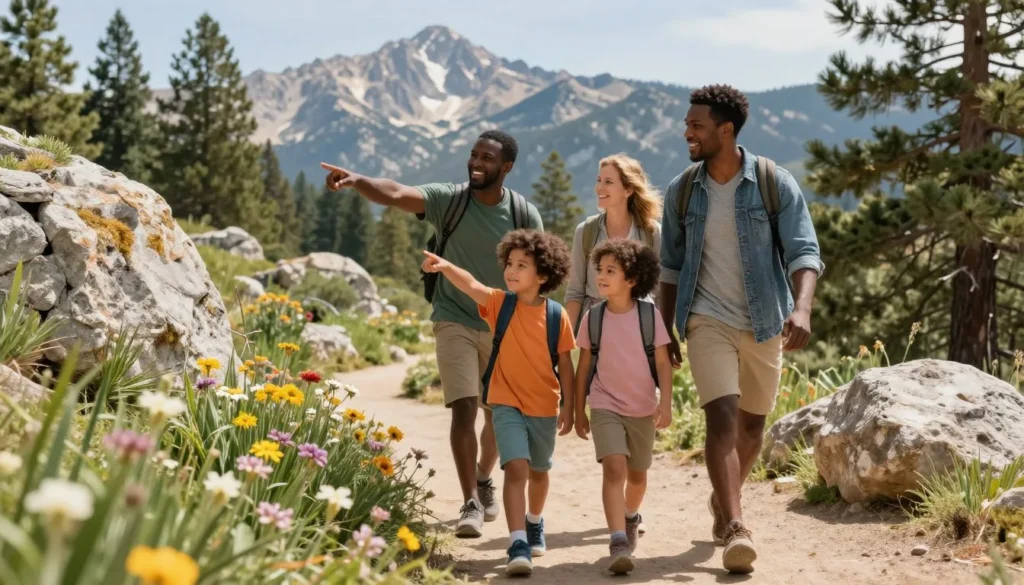
Family-Friendly Hiking Trails
Mirror Lake Loop in Yosemite Valley offers an easy 8 kilometer (5 mile) walk suitable for children. The flat paved path follows Tenaya Creek to a seasonal lake reflecting Half Dome and surrounding cliffs.
Taylor Creek Stream Profile Chamber near Lake Tahoe allows kids to observe fish through underwater windows. The short interpretive trail teaches about stream ecosystems while keeping young hikers engaged.
Zumwalt Meadow Trail in Kings Canyon winds 2.4 kilometers (1.5 miles) through lush meadows. The level boardwalk path prevents muddy shoes while providing excellent wildlife viewing opportunities.
Rainbow Falls Trail near Mammoth Lakes descends 1.6 kilometers (1 mile) to spectacular cascade viewpoints. The mostly downhill route works well for families though the return climb challenges smaller children.
Educational Programs and Junior Ranger Activities
Yosemite National Park Junior Ranger program engages children through activity booklets and ranger-led programs. Kids complete age-appropriate tasks earning official badges and certificates.
Sequoia and Kings Canyon national parks offer similar programs focused on giant sequoias and cave ecosystems. Children learn about conservation while exploring these unique environments.
Lake Tahoe Science Center provides hands-on exhibits explaining the lake’s clarity and ecosystem. Touch tanks, microscopes, and interactive displays make learning fun for elementary-aged children.
Mammoth Lakes Welcome Center hosts free nature programs during summer months. Guided walks, campfire programs, and wildlife presentations teach families about high sierra environments.

Child-Appropriate Attractions
Heavenly Gondola transports families 735 meters (2,400 feet) above Lake Tahoe without hiking. The observation deck provides stunning views while a small activity area keeps children entertained.
Tallac Historic Site beaches offer shallow swimming areas perfect for young children. The protected cove creates calm conditions while parents relax on sandy shores.
Mammoth Mountain Bike Park operates terrain specifically designed for children including pump tracks and beginner trails. Equipment rentals include appropriately sized bikes and safety gear.
Bodie State Historic Park fascinates children with its authentic ghost town atmosphere. Peering through windows into abandoned buildings sparks imagination about frontier life.
Family Accommodations and Services
Tenaya Lodge near Yosemite’s south entrance caters specifically to families with children’s programs, pools, and spacious rooms. The resort offers supervised activities allowing parents occasional breaks.
Granlibakken Tahoe provides affordable family lodging with sledding hills, rope courses, and nature programs. The property’s central location allows easy access to lake activities.
Mammoth Lakes hotels frequently offer kids-stay-free promotions during shoulder seasons. Many properties include pools, game rooms, and complimentary breakfast appealing to family travelers.
Vacation rentals throughout the region provide space for families to spread out. Full kitchens allow meal preparation reducing dining costs while accommodating picky eaters.
Safety Considerations for Family Travel
Altitude affects children differently than adults requiring slower acclimatization. Families should spend a day at moderate elevations before ascending to high sierra destinations above 2,438 meters (8,000 feet).
Sun protection becomes critical at higher elevations where UV radiation intensifies. Children need high SPF sunscreen, wide-brimmed hats, and UV-blocking sunglasses regardless of temperature.
Wildlife encounters require supervision and education. Teaching children to observe bears, deer, and other animals from safe distances prevents dangerous situations.
Proper hydration prevents altitude sickness and heat exhaustion. Children should drink water regularly even when not feeling thirsty, especially during physical activities.
Money Saving Tips
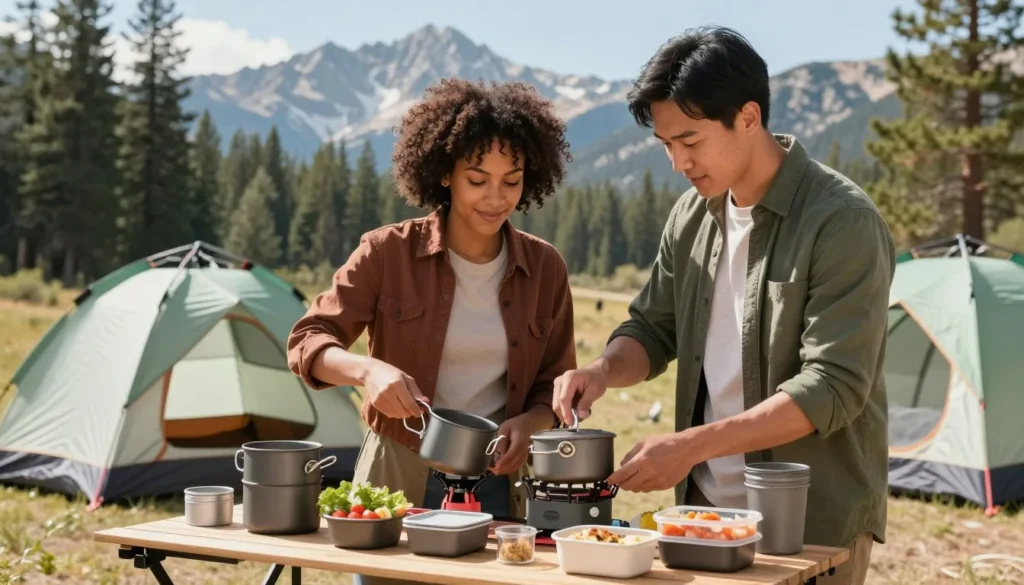
Timing Your Visit for Value
Shoulder season travel during May, June, September, and October delivers significant savings. Accommodation rates drop 30 to 50 percent compared to peak summer and winter periods.
Midweek visits cost substantially less than weekends at Lake Tahoe resorts. Monday through Thursday rates often run half weekend prices while providing identical access to attractions.
Early season skiing from November through mid-December offers discounted lift tickets before holiday crowds arrive. Spring skiing from March through April provides similar value with longer daylight hours.
Booking accommodations several months ahead secures best rates while last-minute deals occasionally appear when properties need to fill rooms. Flexibility allows capitalizing on either strategy.
Free and Low-Cost Activities
National park entry fees provide exceptional value considering access duration. The $35 Yosemite pass allows seven days of unlimited entry while the $80 America the Beautiful pass covers all federal recreation sites.
Free ranger programs throughout Yosemite, Sequoia, and Kings Canyon deliver expert interpretation without additional cost. Evening programs, guided walks, and talks occur daily during summer months.
Public beaches around Lake Tahoe charge no admission fees. Sand Harbor requires Nevada State Park entry but dozens of free access points exist along both shores.
Hiking costs nothing beyond transportation to trailheads. Thousands of miles of trails traverse the sierra nevada without permits or fees for day use.
Accommodation Cost Reduction
Camping dramatically reduces lodging expenses with developed campground fees ranging from $20 to $35 nightly. A family of four saves hundreds compared to hotel costs.
National forest dispersed camping allows free overnight stays in designated areas. These primitive sites lack amenities but provide spectacular locations without fees.
Hostels in South Lake Tahoe and Mammoth Lakes offer dorm beds from $40 to $60 nightly. Private rooms cost less than budget motels while including kitchen access.
Vacation rentals split among multiple families reduce per-person costs below hotel rates. Shared condos and cabins work well for groups traveling together.

Food and Dining Savings
Grocery shopping for breakfast and lunch items significantly reduces meal costs. Preparing trail snacks, sandwiches, and simple meals saves $50 to $100 daily for families.
Restaurant happy hours provide discounted appetizers and drinks at reduced prices. Many South Lake Tahoe establishments offer early dinner specials from 4 to 6 PM.
Farmer’s markets during summer months sell fresh produce at reasonable prices. These weekend events also feature prepared foods offering good value.
Picnicking at scenic overlooks and lakeshores combines cost savings with memorable dining experiences. Many pullouts and parking areas include tables and trash facilities.
Transportation Economies
Free shuttle systems in Yosemite Valley, Mammoth Lakes, and South Lake Tahoe eliminate parking hassles and vehicle costs. These services connect major attractions and lodging areas.
Carpooling with other travelers shares fuel costs while potentially qualifying for carpool lane access. Online forums and hostel bulletin boards facilitate ride connections.
Renting vehicles for only necessary days rather than entire trips reduces costs. Some visitors fly into Reno, use rental cars briefly, then rely on shuttles and tours.
Gasoline purchases in larger towns like Reno, Carson City, or Bishop cost substantially less than mountain resort areas. Filling tanks before ascending saves $10 to $20 per tank.
Activity and Equipment Savings
Multi-day ski lift tickets reduce per-day costs significantly. Five-day passes cost 40 percent less per day compared to single-day tickets at major resorts.
Equipment rental packages bundled with lodging often include discounts. Booking ski packages through resort websites or travel agencies provides better value than separate arrangements.
Borrowing or renting specialized gear costs less than purchasing items for occasional use. Outdoor retailers in major cities rent camping equipment, skis, and technical climbing gear.
Free community events throughout the region provide entertainment without admission costs. Concerts, art walks, and seasonal celebrations occur regularly during summer months.
Safety & Local Customs
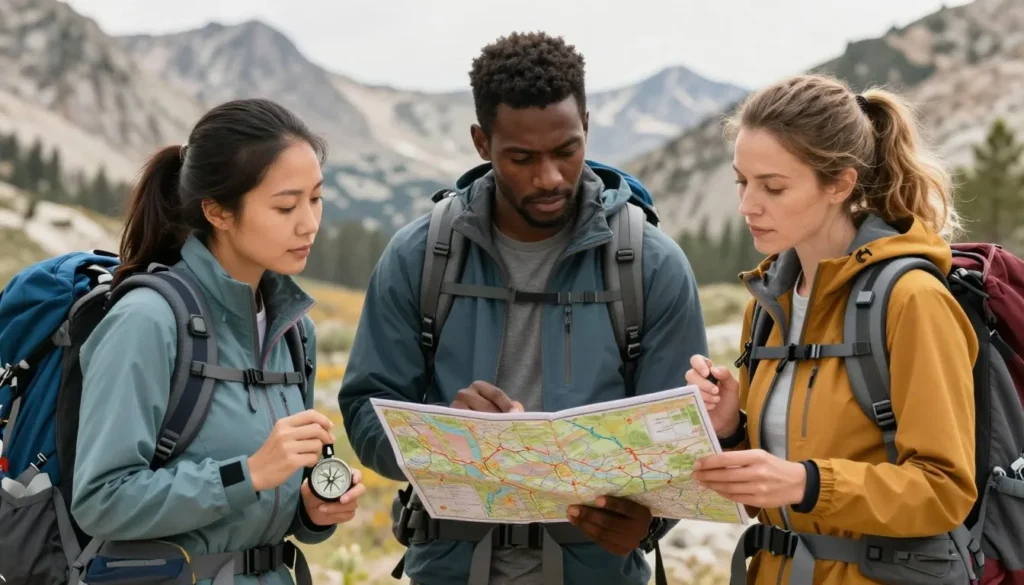
Altitude Awareness and Acclimatization
Elevation sickness affects visitors ascending rapidly to sierra nevada heights. Symptoms include headaches, nausea, fatigue, and shortness of breath beginning above 2,438 meters (8,000 feet).
Gradual ascent allows bodies to adjust to reduced oxygen levels. Spending a night at moderate elevation before reaching high country reduces altitude illness risk significantly.
Hydration becomes crucial at elevation where dehydration occurs faster. Adults should consume at least 3 liters (100 ounces) of water daily when active in the mountains.
Severe altitude sickness requires immediate descent to lower elevations. Anyone experiencing confusion, extreme fatigue, or fluid in lungs needs emergency medical attention.
Wildlife Safety Protocols
Black bears inhabit all forested areas requiring proper food storage. Hard-sided bear canisters protect backpacking food while developed campgrounds provide metal lockers.
Never approach or feed wildlife regardless of species. Animals appearing tame remain wild and may attack if feeling threatened or protecting young.
Mountain lions rarely appear though hikers should remain alert especially during dawn and dusk. Groups make more noise than solo travelers reducing encounter risks.
Rattlesnakes sun on warm rocks throughout lower elevations from April through October. Watching where hands and feet go prevents most snake encounters.
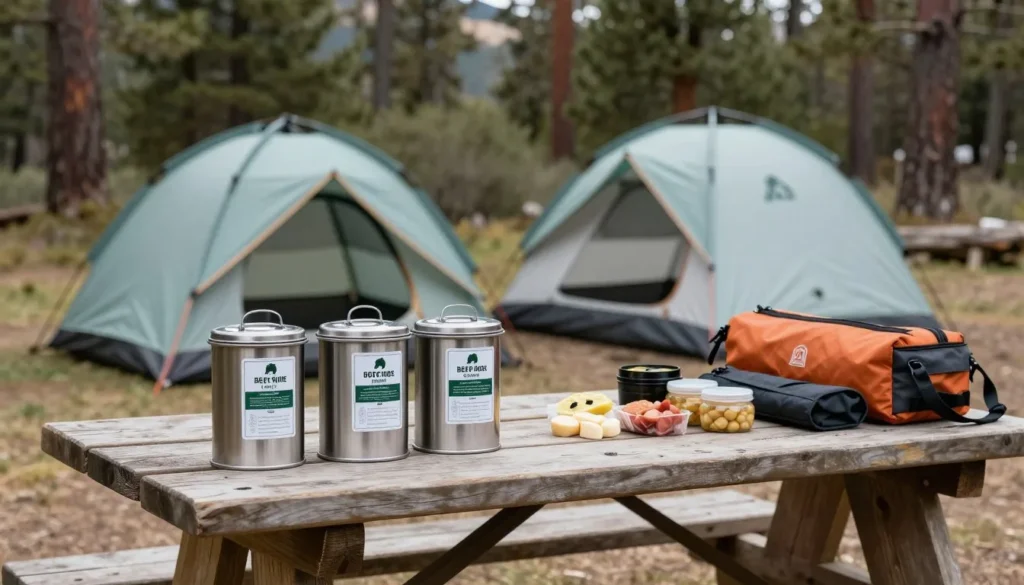
Weather-Related Precautions
Afternoon thunderstorms develop regularly during summer months especially in high country. Lightning poses serious risks on exposed ridges and peaks requiring early starts and afternoon descents.
Hypothermia threatens even during summer when wet clothes and wind combine. Carrying extra layers, rain protection, and fire-starting materials prevents dangerous situations.
Winter avalanche danger closes certain areas and requires proper training for backcountry travel. The Eastern Sierra Avalanche Center provides daily forecasts and education.
Flash floods can occur in canyons during intense thunderstorms. Avoid camping in dry washes and monitor weather forecasts before entering narrow canyons.
Fire Safety and Restrictions
Campfire regulations change based on conditions and location. Many wilderness areas prohibit fires above certain elevations while drought conditions trigger complete fire bans.
Portable stoves provide cooking heat without fire risks. These lightweight devices burn efficiently while leaving no trace compared to campfires.
Cigarette disposal requires complete extinguishing. A single ember can ignite catastrophic wildfires during dry conditions destroying thousands of hectares.
Report smoke or unattended fires immediately. The sooner firefighters respond, the better chance of containing small fires before they spread.
Water Safety Guidelines
All wilderness water requires treatment before drinking. Giardia and other pathogens contaminate even pristine-looking streams requiring filtration, purification, or boiling.
Lake Tahoe’s cold water creates hypothermia risks even for strong swimmers. Water temperatures rarely exceed 20°C (68°F) limiting safe swimming duration.
River currents during spring snowmelt become dangerously powerful. Many fatalities occur when people underestimate current strength or venture onto slippery rocks.
Swift water crossings require caution and proper technique. Unbuckle backpack waist belts, use trekking poles for stability, and cross at widest points where current slows.
Local Etiquette and Leave No Trace Principles
Pack out all trash including toilet paper and food scraps. The Leave No Trace ethic preserves wilderness character for future visitors.
Stay on established trails preventing erosion and vegetation damage. Shortcutting switchbacks creates erosion scars lasting decades.
Respect quiet hours in campgrounds typically enforced from 10 PM to 6 AM. Other campers appreciate consideration especially families with young children.
Yield to uphill hikers on narrow trails and mountain bikers yield to hikers. These common courtesy rules reduce conflicts and improve everyone’s experience.
Visitor Comments About Sierra Nevada Mountains Nevada
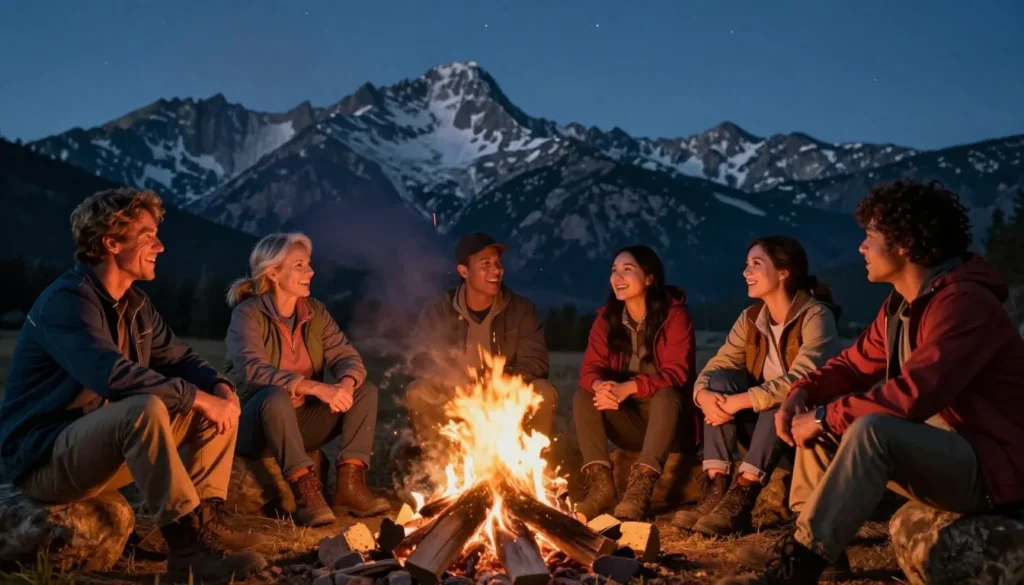
“The High Sierra exceeded every expectation. We spent ten days backpacking through Kings Canyon National Parks and encountered maybe twenty other people the entire trip. The pristine alpine lakes, towering peaks, and ancient forests created memories our family will treasure forever. The solitude and natural beauty reminded us why protecting wilderness areas matters so much.”
“Lake Tahoe’s clarity amazed me. Swimming in water where I could see 20 meters down felt surreal. We split our week between hiking, paddleboarding, and simply relaxing on beaches. The mountain scenery provided constant entertainment whether driving the shoreline or riding the gondola at Heavenly. South Lake Tahoe offered plenty of dining and nightlife options after outdoor activities.”
“Yosemite National Park deserves its reputation as America’s crown jewel. Half Dome, El Capitan, and Yosemite Falls delivered iconic views while less-traveled areas like Tuolumne Meadows provided solitude. The giant sequoias in Mariposa Grove left me speechless standing beside trees older than recorded history. Three days barely scratched the surface of everything available.”
Additional Nearby Destinations
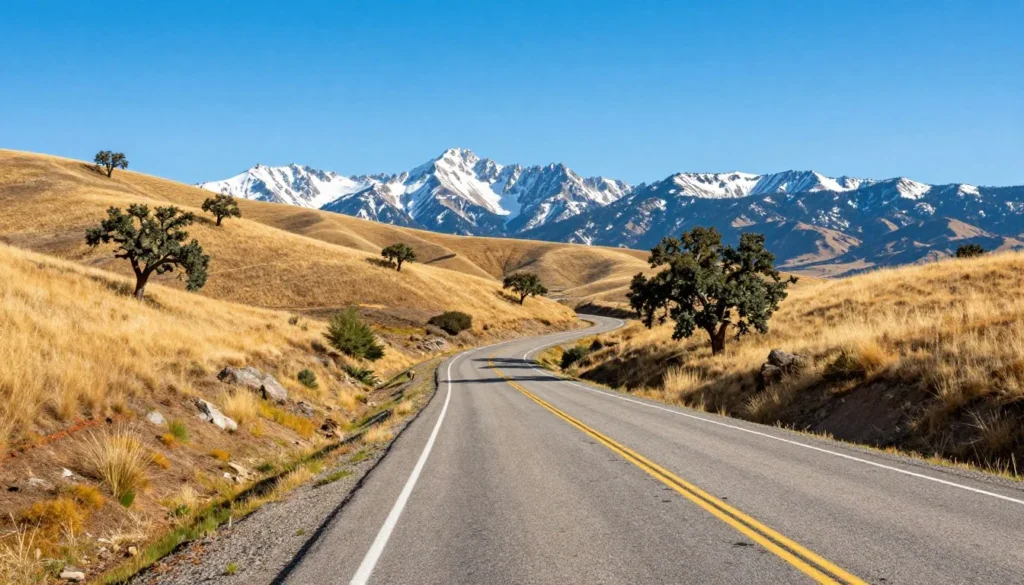
Reno: The Biggest Little City
Reno sits just 56 kilometers (35 miles) northeast of Lake Tahoe offering urban amenities and entertainment. Casinos, restaurants, museums, and the revitalized downtown Riverwalk district provide diversions from mountain adventures.
The National Automobile Museum showcases over 200 classic vehicles in engaging exhibits. The facility ranks among America’s finest automotive collections displaying cars spanning a century of innovation.
Nevada Museum of Art presents contemporary works and traveling exhibitions. The building’s distinctive architecture makes it landmark while interior galleries house thought-provoking collections.
Reno also serves as gateway for exploring nearby hot springs, ghost towns, and the Black Rock Desert famous for hosting Burning Man festival annually.
Carson City: Nevada’s Capital
The state capital lies 48 kilometers (30 miles) from South Lake Tahoe providing historical attractions and government tours. The Nevada State Museum occupies a former U.S. Mint building displaying natural history and cultural exhibits.
Kit Carson Trail winds through historic neighborhoods past Victorian mansions and significant buildings. Self-guided walking tours follow bronze medallions embedded in sidewalks marking notable structures.
Nevada State Railroad Museum preserves vintage locomotives and passenger cars. Train rides operate select weekends allowing visitors to experience historic rail travel.
Nearby Virginia City preserves an authentic mining boomtown atmosphere. This National Historic Landmark contains museums, mine tours, and period buildings from the Comstock Lode silver rush.
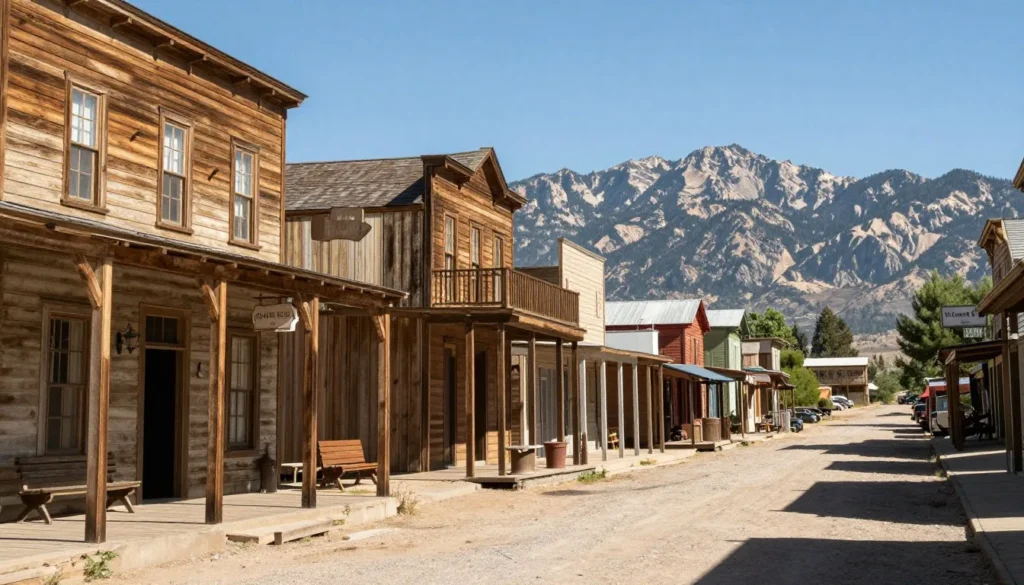
Mono County Attractions
Mono Lake’s unique tufa towers and saline ecosystem warrant dedicated visits. The county also contains Devils Postpile National Monument and numerous hot springs along Highway 395.
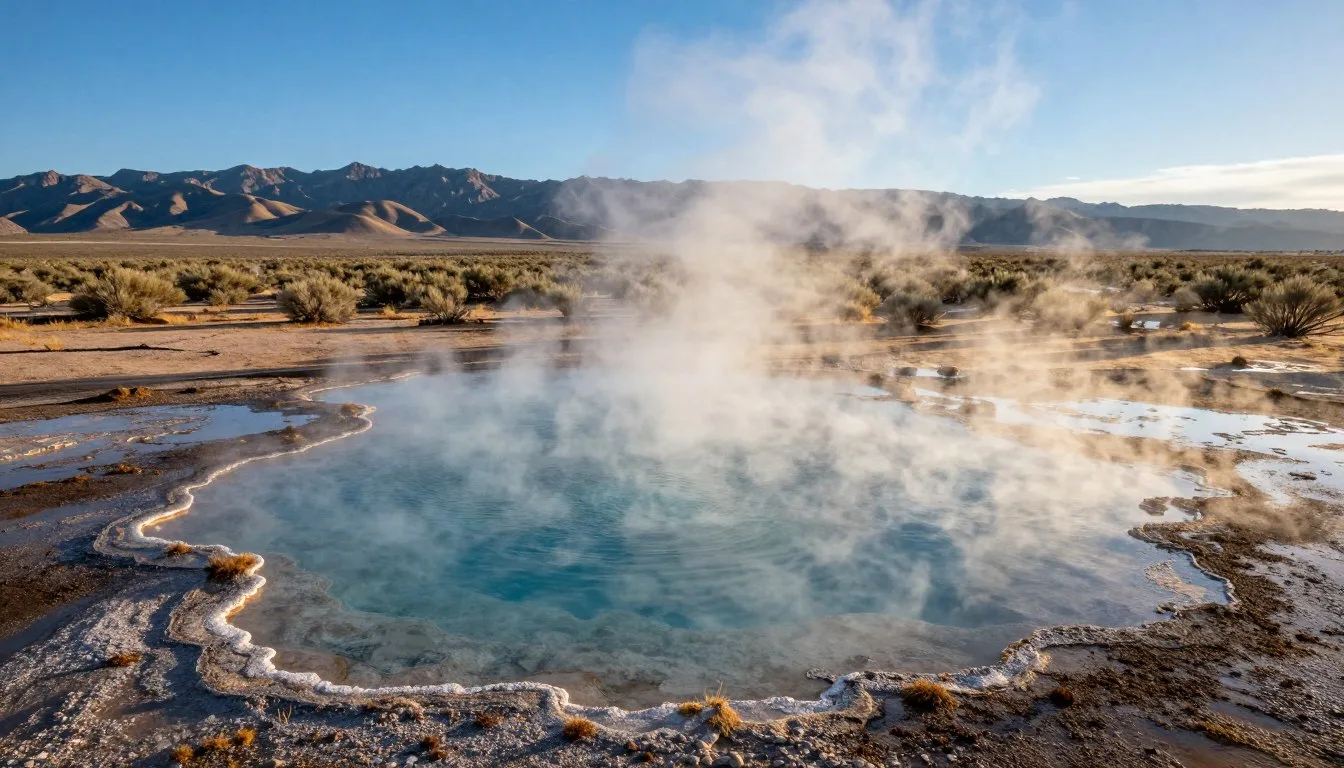
Travertine Hot Springs near Bridgeport offers free soaking pools with stunning sierra nevada views. Multiple pools at varying temperatures accommodate different preferences while sunrise and sunset enhance the experience.
Lundy Canyon provides spectacular fall color displays typically peaking in late September. The short hike to Lundy Falls passes through golden aspen groves beneath steep canyon walls.
June Lake Loop creates perfect day trip from Mammoth Lakes showcasing four alpine lakes beneath dramatic peaks. The 26 kilometer (16 mile) circuit includes fishing, hiking, and photography opportunities.
Eastern Sierra Communities
Bishop serves as the eastern sierra home base offering accommodations, services, and access to surrounding wilderness. The town supports climbers, hikers, and anglers heading into nearby mountains.
Ancient Bristlecone Pine Forest east of Big Pine protects trees exceeding 4,000 years old. These gnarled survivors grow at extreme elevations where harsh conditions create extraordinary longevity.
Owens Valley provides dramatic contrast between the high sierra and White Mountains. Highway 395 traverses this fault-block valley showcasing geologic forces that shaped California’s landscape.
Independence contains historic sites including Manzanar National Historic Site. This preserved internment camp reminds visitors of Japanese American incarceration during World War II.
Gold Country and Foothills
Highway 49 winds through California’s historic gold rush towns west of the sierra nevada. Nevada City, Grass Valley, and Placerville preserve Victorian architecture and mining heritage.
Columbia State Historic Park recreates an 1850s mining town with preserved buildings, costumed interpreters, and stagecoach rides. The living history museum provides authentic glimpses into frontier life.
Auburn serves as gateway to both gold country and the sierra nevada. The town’s old quarter features historic buildings while nearby recreation areas offer rafting and hiking.
Apple Hill east of Placerville transforms into harvest celebration each autumn. Dozens of ranches sell fresh apples, pies, cider, and seasonal treats drawing visitors from throughout northern California.
Practical Travel Tips
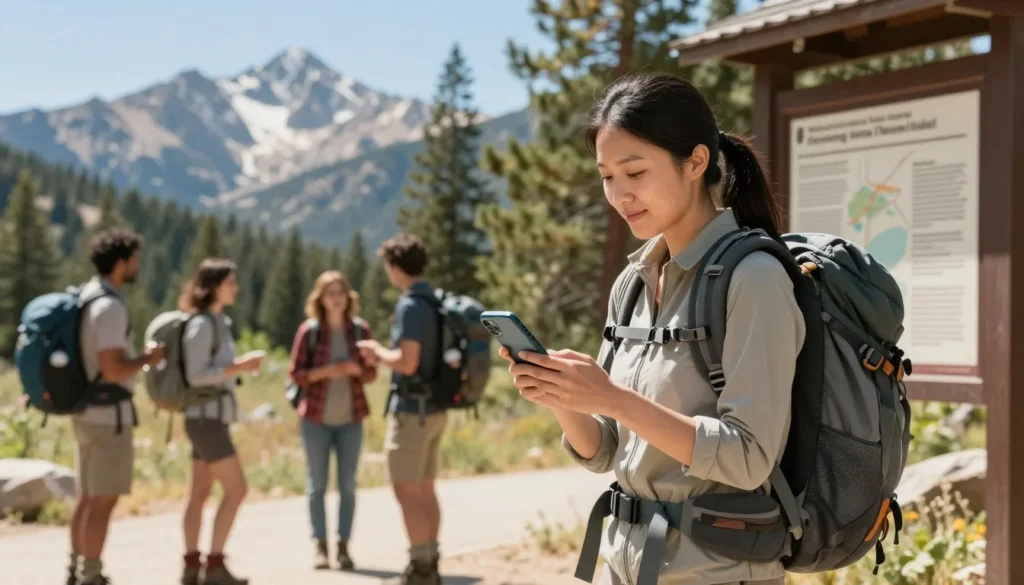
Cell Phone Coverage and Connectivity
Cell phone service remains spotty throughout much of the sierra nevada mountains. Major carriers provide coverage in populated areas like South Lake Tahoe and Mammoth Lakes though wilderness areas lack signals.
Download offline maps before entering remote regions. Google Maps and various hiking apps allow saving map data for use without cellular connection.
Satellite communicators provide emergency contact capability in areas without cell coverage. Devices like Garmin inReach allow two-way messaging and SOS functions anywhere.
WiFi availability concentrates in hotels, cafes, and visitor centers. Connection speeds vary widely with many establishments offering limited bandwidth.
What to Pack for Sierra Nevada Adventures
Layered clothing systems adapt to changing mountain weather. Temperatures fluctuate dramatically between sun and shade, morning and afternoon, valley and peak.
Sun protection includes high SPF sunscreen, sunglasses, and wide-brimmed hats. UV radiation intensifies at elevation causing burns even on cloudy days.
Water purification equipment allows safe drinking from natural sources. Filters, purification tablets, or UV sterilizers weigh little while preventing illness.
First aid supplies, emergency shelter, fire-starting materials, and extra food constitute essential safety items. The Ten Essentials list provides comprehensive packing guidance.
Permits and Regulations
Overnight wilderness permits limit visitor numbers protecting fragile ecosystems. Yosemite, Sequoia, and Kings Canyon require advance reservations for popular trails and areas.
Campfire permits from the Forest Service allow fires in permitted areas. These free permits include fire safety information and current restriction details.
Fishing licenses from California or Nevada depending on location cost approximately $50 for non-residents. Special stamps may apply for specific waters.
Parking passes for various jurisdictions prevent citations. National park passes differ from National Forest Adventure Passes and state park permits.
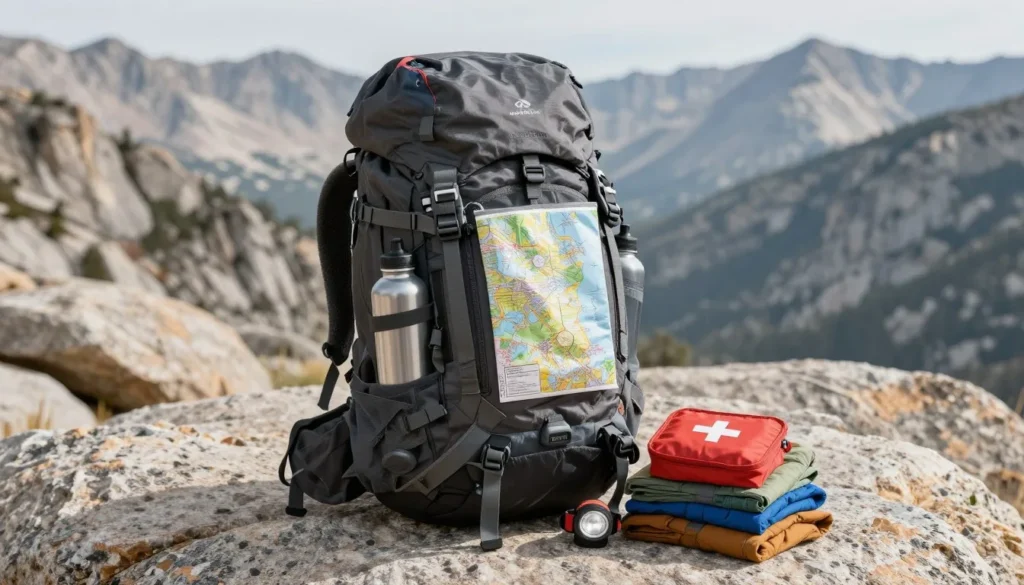
Best Photography Practices
Golden hour lighting during first and last hours of daylight creates ideal conditions. Morning light often surpasses evening due to clearer atmospheric conditions and calm winds.
Tripods stabilize cameras for sharp landscape images especially in low light. Carbon fiber models reduce weight for backpacking photographers.
Polarizing filters reduce glare on water and enhance sky saturation. These essential accessories improve nearly all outdoor photography.
Respecting wildlife means using telephoto lenses rather than approaching animals. Disturbing wildlife for photographs violates park regulations and endangers animals.
Health and Medical Considerations
Nearest hospitals concentrate in Reno, South Lake Tahoe, and Mammoth Lakes. Remote areas may require hours to reach emergency medical care.
Comprehensive travel insurance should cover medical evacuation. Helicopter rescues from wilderness areas cost tens of thousands of dollars without insurance.
Prescription medications should be carried in original containers with extra doses. Replacing lost medications becomes difficult in mountain communities.
Dental emergencies can occur during trips though dentists exist in larger communities. Carrying temporary filling material helps manage problems until reaching professional care.
Environmental Considerations
Minimize impact following Leave No Trace principles. These seven guidelines protect natural areas while ensuring future visitors enjoy pristine conditions.
Human waste disposal requires proper techniques. Catholes should be dug 15 to 20 centimeters (6 to 8 inches) deep at least 60 meters (200 feet) from water sources.
Soap even biodegradable varieties should never enter lakes or streams. Carry water 60 meters from sources before washing dishes or bathing.
Noise pollution affects wildlife and other visitors. Maintain reasonable sound levels especially in campgrounds and on trails.
Your Sierra Nevada Adventure Awaits
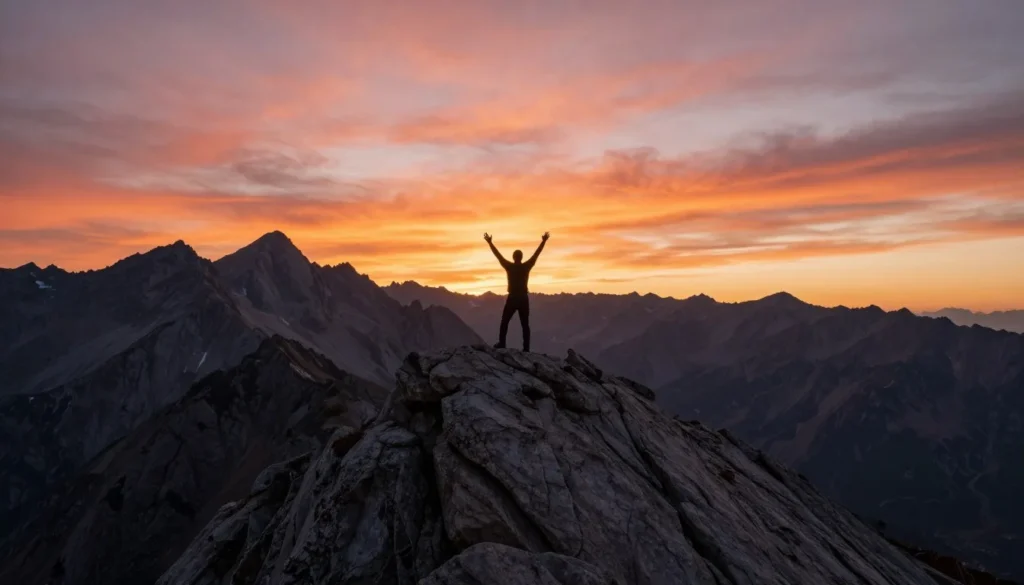
The Sierra Nevada Mountains Nevada region encompasses wilderness adventures, cultural experiences, and natural wonders spanning every season. From towering sequoias to pristine alpine lakes, from challenging peaks to family-friendly trails, this magnificent range delivers unforgettable moments.
Whether seeking solitude in the high sierra wilderness, exploring Yosemite National Park icons, enjoying Lake Tahoe recreation, or discovering hidden gems along Highway 395, these mountains reward every visitor. The diversity of experiences ensures return trips reveal new treasures each visit.
Start planning your sierra nevada adventure today. Research specific destinations, book accommodations matching your preferences, and prepare for the journey. The mountains await with experiences that will inspire, challenge, and renew your spirit.
Pack your bags, gather your companions, and head toward these magnificent peaks. Your Sierra Nevada story begins the moment you glimpse those snowy summits rising above the horizon.