Hotels by Trip.com
Flights by Trip.com
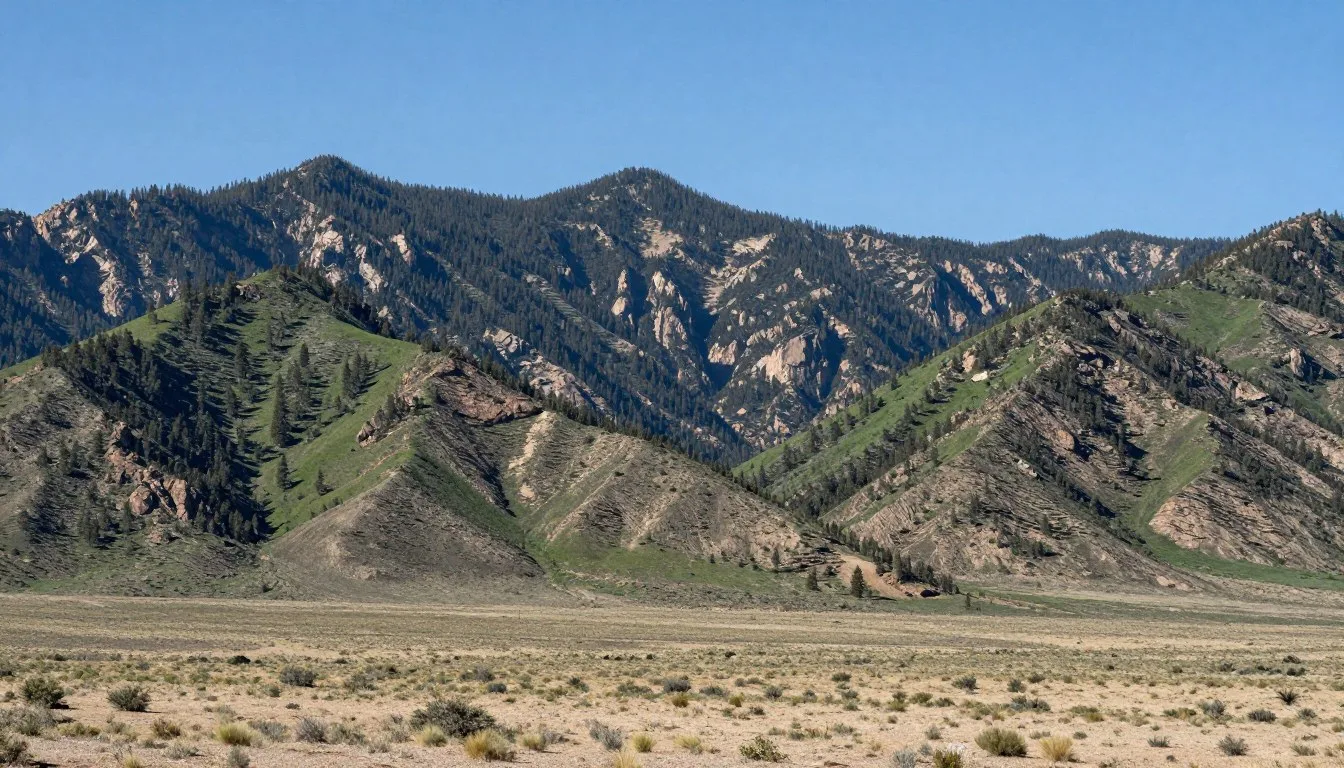
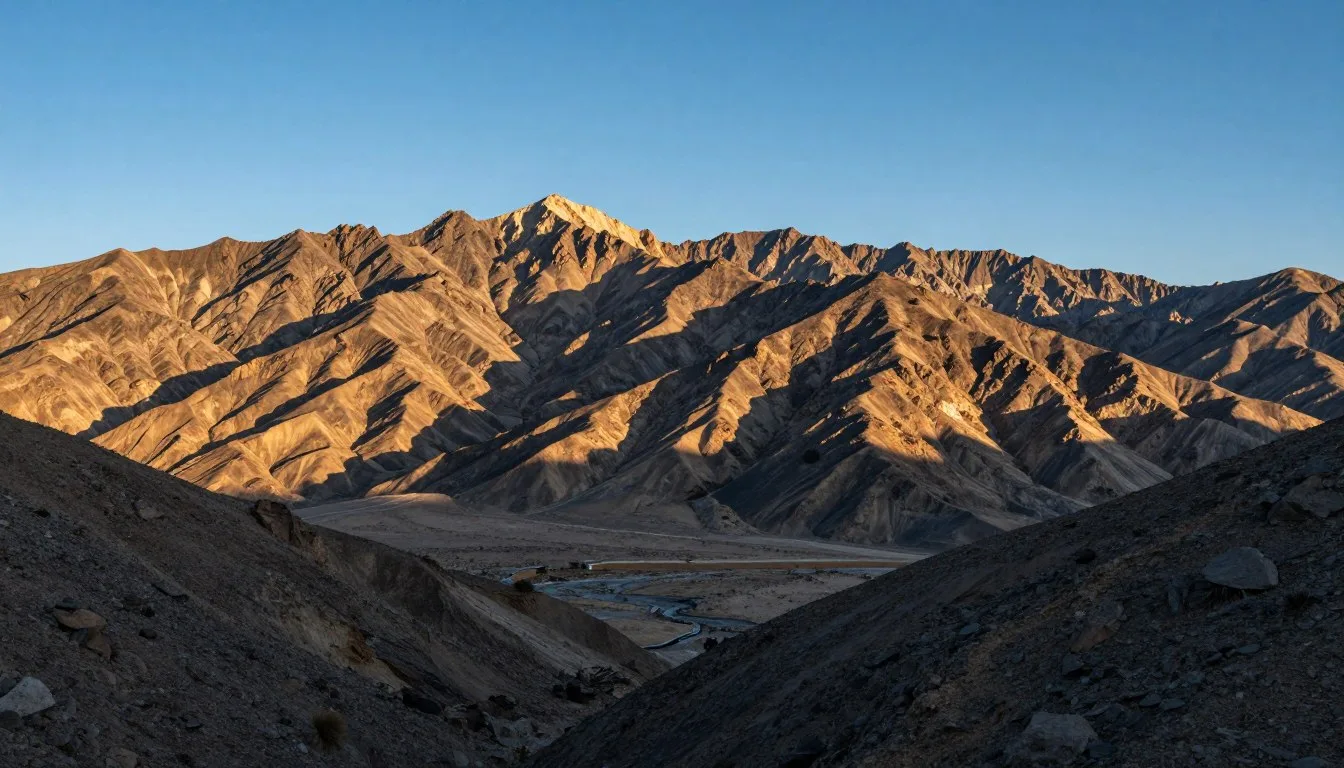
Deep within eastern Nevada, Wheeler Peak towers at 3,982 m (13,065′) above sea level, making it the second-highest mountain in the state and the crowning jewel of the Snake Range. Even more remarkable? This mountain range harbors one of the world’s oldest living organisms: ancient bristlecone pines that were already centuries old when the Egyptian pyramids were being built. The Snake Range gets its distinctive name from the winding, serpentine pattern its ridgeline creates when viewed from surrounding valleys, resembling a massive snake stretched across the high desert landscape.
This remote mountain wilderness offers visitors a rare combination of alpine adventure, ancient forests, and fascinating cave systems. While the area remains one of Nevada’s best-kept secrets, those who make the journey discover hiking trails that rival any in the American West, stargazing opportunities unmatched by few places on Earth, and a sense of solitude increasingly rare in our crowded world.
Whether you seek challenging summit hikes, family-friendly nature walks, or simply a peaceful escape from modern life, the Snake Range delivers experiences that stay with you long after you return home. This guide provides everything you need to plan an unforgettable trip to this remarkable corner of the Great Basin.
Getting There and Planning Your Journey
Reaching the Snake Range requires some planning, as this remote area lies far from major metropolitan centers. The nearest commercial airports provide your starting point for the overland journey into this pristine wilderness.
Closest Airports
Cedar City Regional Airport in Utah sits approximately 161 km (100 miles) east of the Snake Range. This smaller facility offers limited commercial service but provides the shortest driving distance to Great Basin National Park. Most visitors find this the most convenient option despite fewer flight choices.
Las Vegas McCarran International Airport lies 483 km (300 miles) southwest. This major hub offers extensive flight options from cities across the United States and beyond. The drive takes approximately five hours but provides an opportunity to experience Nevada’s diverse landscapes along the way.
Salt Lake City International Airport in Utah sits 386 km (240 miles) northeast. This major airport serves as another excellent option, particularly for visitors coming from western or northern states. The four-hour drive crosses varied terrain and passes through several interesting small communities.
Vehicle Requirements
A standard passenger car handles paved roads to Baker and Great Basin National Park without issue. However, exploring beyond main routes requires consideration of vehicle capabilities and current road conditions.
- High-clearance vehicles recommended for backcountry roads
- Four-wheel drive beneficial during winter months
- Check road conditions before attempting remote routes
- Carry spare tire and basic emergency supplies
Route Planning
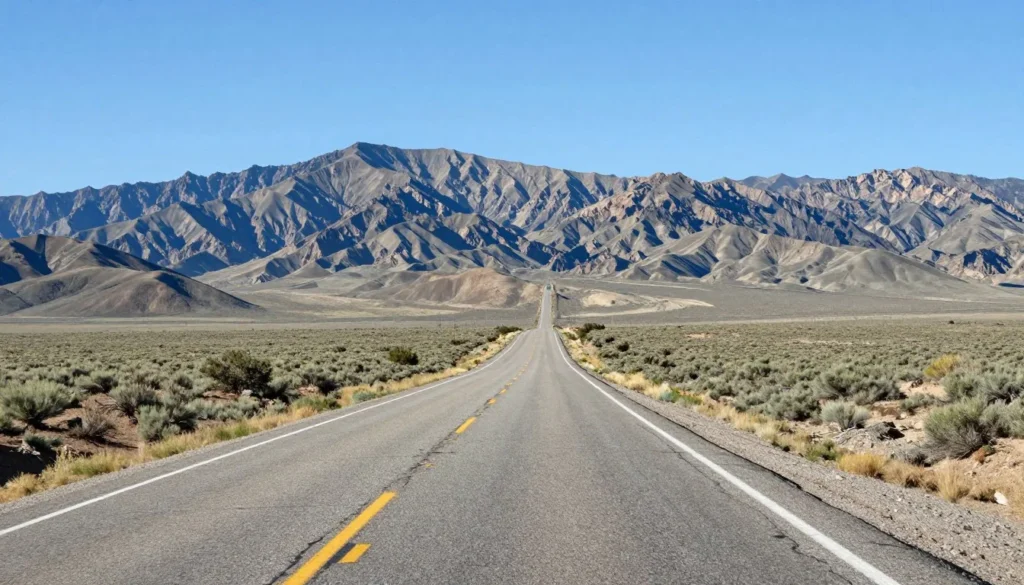
Most visitors approach via US Highway 50, known as “The Loneliest Road in America.” This scenic route offers spectacular views but requires preparation for long stretches between services.
- Fill fuel tank at every opportunity in small towns
- Download offline maps before departure
- Allow extra time for wildlife viewing and photo stops
- Check weather forecasts for mountain areas
Entry Points
Baker, Nevada serves as the primary gateway community for the Snake Range. This tiny town provides essential services and lies just 8 km (5 miles) from Great Basin National Park entrance.
- Baker offers lodging, dining, and basic supplies
- National park visitor center provides current information
- Gas stations in Baker and Ely only
- Limited cell phone coverage throughout area
Time Considerations
Plan your journey with generous time buffers. Remote locations, variable weather, and limited services require flexible scheduling and patience during travel.
- Allow full day for driving from major airports
- Add buffer time for weather delays in mountains
- Schedule arrival during daylight hours when possible
- Consider overnight stop in Ely for longer drives
Best Time to Visit and Weather Tips
The Snake Range experiences dramatic seasonal variation, with weather patterns changing significantly with elevation. Understanding these patterns helps you choose the ideal time for your visit and pack appropriately.
Check 30,000+ Local Sightseeing Tours Worldwide
✓ Numerous languages and currencies are available
Best Time to Visit Snake Range
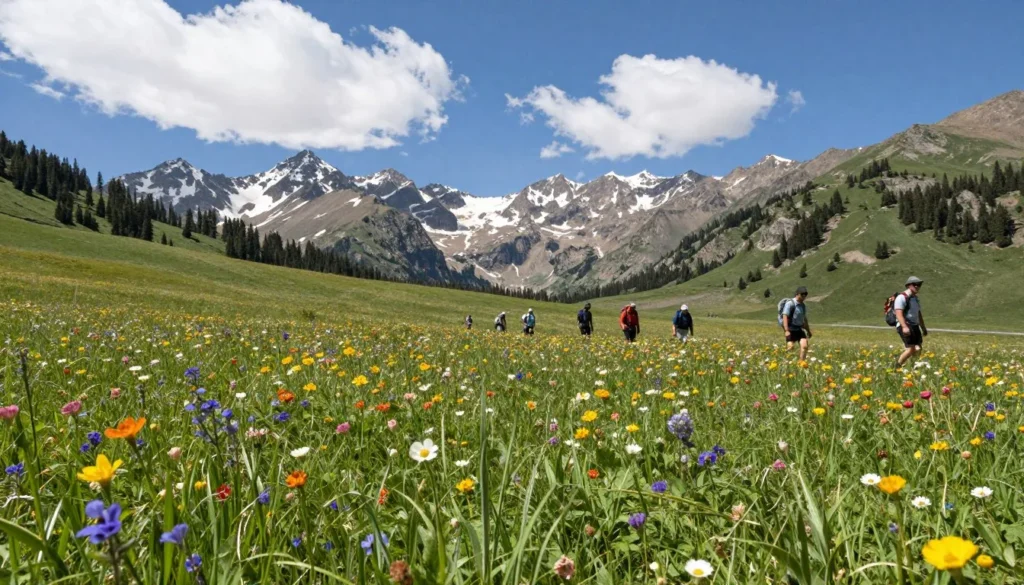
Late spring through early fall offers the most accessible conditions for exploring the Snake Range. Each season brings distinct advantages and challenges worth considering.
June through September provides the best overall weather for hiking and outdoor activities. Temperatures range from comfortable to warm at lower elevations, while higher areas remain pleasantly cool. All roads typically remain open, and trails become snow-free by mid-June in most years.
September and early October deliver spectacular conditions with comfortable temperatures, fewer crowds, and golden aspen groves painting hillsides in brilliant color. This period represents peak time for many experienced visitors who appreciate the combination of excellent weather and solitude.
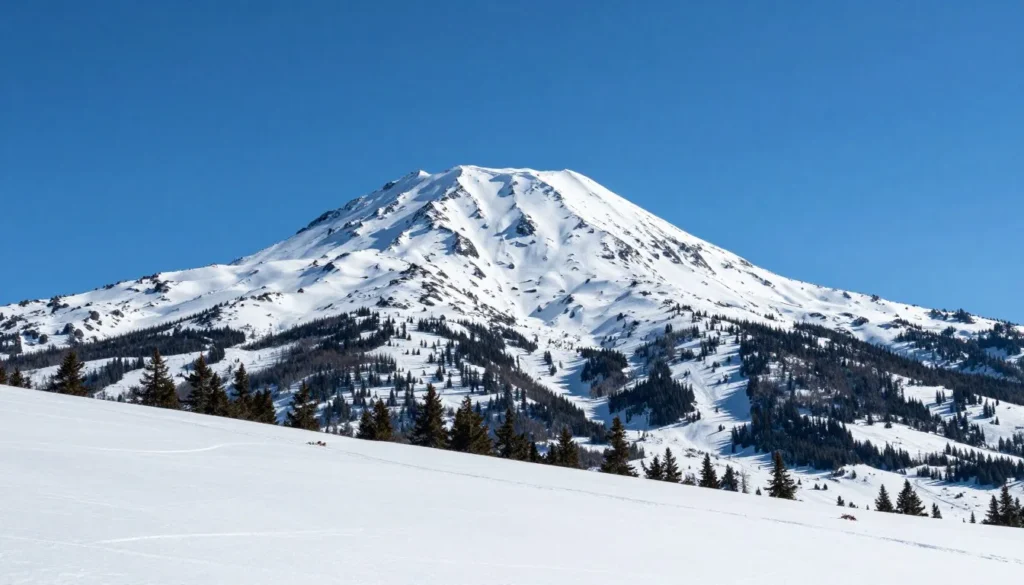
Late October through May presents significant challenges. Heavy snow blankets higher elevations, closing Wheeler Peak Scenic Drive and many hiking trails. Only winter sports enthusiasts and experienced mountaineers should plan visits during these months.
Seasonal Weather Patterns
Understanding seasonal weather helps you pack properly and plan realistic activities for your visit to this high-elevation mountain environment.
Spring (April-May)
Lower elevations warm quickly while higher areas remain snow-covered. Wildflowers begin blooming in valleys. Temperatures range from 10-20°C (50-68°F) at lower elevations.
- Variable weather with occasional storms
- Wheeler Peak Scenic Drive often closed
- Excellent bird watching opportunities
- Fewer visitors than summer months
Summer (June-August)
Peak season brings warm days and cool nights. Lower elevations reach 27-32°C (80-90°F) while mountains stay comfortable at 15-21°C (60-70°F). Afternoon thunderstorms possible.
- All trails and roads typically open
- Alpine wildflowers at peak in July
- Busiest season for park visitation
- Ideal stargazing conditions
Fall (September-October)
Crisp, clear days with brilliant foliage. Daytime temperatures range 15-24°C (60-75°F) at lower elevations. First snow arrives at high elevations by mid-October.
- Spectacular aspen color displays
- Comfortable hiking temperatures
- Reduced visitor numbers after Labor Day
- Weather becomes unpredictable late season
Weather Preparation Tips
Mountain weather changes rapidly regardless of season. Preparing for temperature swings and sudden storms keeps you safe and comfortable.
Important Weather Considerations: Temperature drops approximately 3.5°C per 305 m (6.5°F per 1,000 feet) of elevation gain. A comfortable 27°C (80°F) day in Baker transforms into a chilly 10°C (50°F) at Wheeler Peak summit.
- Layer clothing for temperature variation between valley and peaks
- Carry rain gear even during seemingly clear weather
- Start alpine hikes early to avoid afternoon thunderstorms
- Check current conditions at visitor center before hiking
- Bring warm layers year-round for evening temperatures
- Stay hydrated in dry desert air at all elevations
Months to Avoid
November through April presents the most challenging conditions for casual visitors. Heavy snowfall closes high-elevation roads, and winter storms can strand unprepared travelers. Limited services in Baker during winter further complicate visits. Unless you specifically seek winter mountaineering or snowshoeing, plan your trip for warmer months.
Notable Annual Festivals
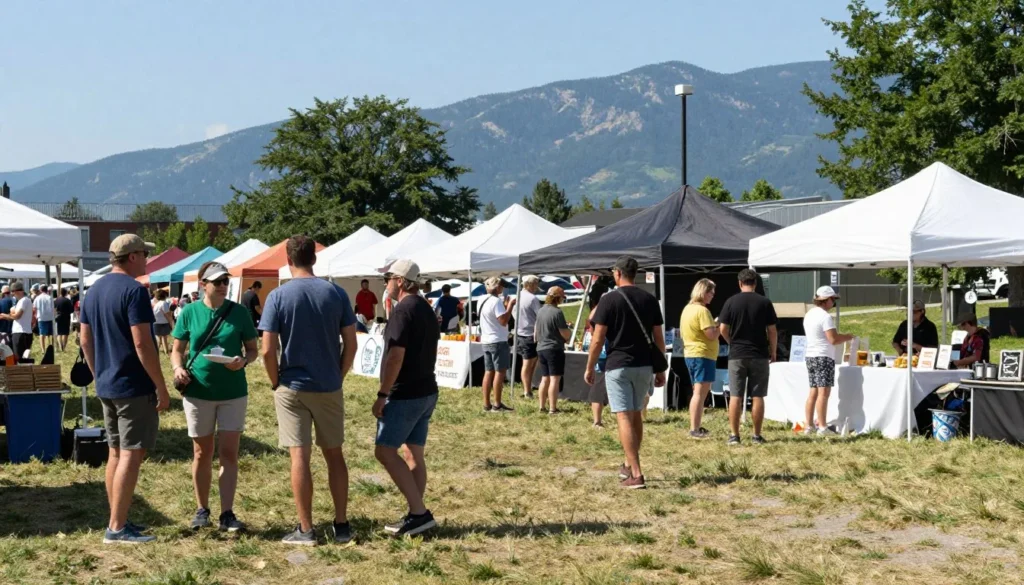
The remote Snake Range area hosts fewer organized festivals than urban destinations, but several annual events celebrate the region’s unique character and provide opportunities to connect with local culture.
Great Basin National Park Star Party
Each summer, the park hosts astronomy events taking advantage of some of North America’s darkest skies. Telescopes provide views of distant galaxies, nebulae, and planets. Rangers and volunteers share knowledge about celestial objects visible overhead.
The event typically occurs in August when weather conditions provide optimal viewing. Contact Great Basin National Park visitor center at +1 (775) 234-7331 for current year dates and program details.
Silver State Classic Challenge
This September road rally brings automotive enthusiasts to Highway 318, which passes along the eastern edge of the Snake Range. Participants attempt high-speed runs along Nevada’s open highway. Spectators gather to witness everything from vintage cars to modern supercars.
Contact event organizers at +1 (775) 289-8877 for spectator information and viewing locations.
Baker Ranch Cowboy Poetry Gathering
Local ranching families gather each spring to share traditional cowboy poetry and music. This small, authentic event provides insight into the working culture of Nevada’s rural communities. The informal gathering welcomes visitors interested in western heritage.
The event date varies annually. Contact Baker Community Hall at +1 (775) 234-7323 for current information.
Festival Planning Tips: These small community events offer authentic experiences but require advance planning. Accommodations book quickly during festivals. Reserve lodging months ahead and confirm event dates directly with organizers before finalizing travel plans.
Getting Around Locally
Personal vehicles provide the only practical transportation within the Snake Range area. No public transit, rideshare services, or taxi companies operate in this remote region. Understanding local road conditions and navigation challenges helps you explore safely.

Road Network Overview
Nevada State Route 487 provides paved access from US Highway 50 to Baker and the Great Basin National Park entrance. This well-maintained road handles all vehicle types comfortably. Beyond Baker, Wheeler Peak Scenic Drive climbs 19 km (12 miles) into the mountains, offering spectacular views along the way.
Wheeler Peak Scenic Drive typically opens in June after snow removal and closes again with first heavy snowfall in October or November. The road reaches elevations above 3,048 m (10,000 feet), where weather changes rapidly. Check current conditions before attempting the drive.
Backcountry Roads
Numerous unpaved roads branch from main routes, providing access to remote areas of the Snake Range. These routes vary from well-maintained gravel to rough two-track trails requiring high-clearance vehicles. Many receive no regular maintenance.
- Obtain current road condition information from park rangers
- Carry detailed topographic maps for backcountry exploration
- Inform someone of your route and expected return time
- Pack emergency supplies including food, water, and warm clothing
- Download offline maps before leaving areas with cell service
Fuel Considerations
Baker offers limited fuel availability. The single gas station keeps irregular hours and sometimes runs dry during busy weekends. Never enter the area with less than a full tank.
Ely, located 113 km (70 miles) north, provides the nearest reliable fuel stations with consistent hours. Top off your tank there before heading to the Snake Range. Calculate your mileage carefully if planning extensive exploration.
Critical Safety Note: Cell phone coverage remains virtually nonexistent throughout most of the Snake Range. Satellite phones or emergency beacons provide the only reliable communication in remote areas. Never assume you can call for help if your vehicle breaks down on backcountry roads.
Where to Stay
Lodging options near the Snake Range remain limited due to the area’s remote location. Planning accommodation well in advance ensures you secure desired dates, particularly during summer months when the small number of available rooms books quickly.
Baker Accommodations
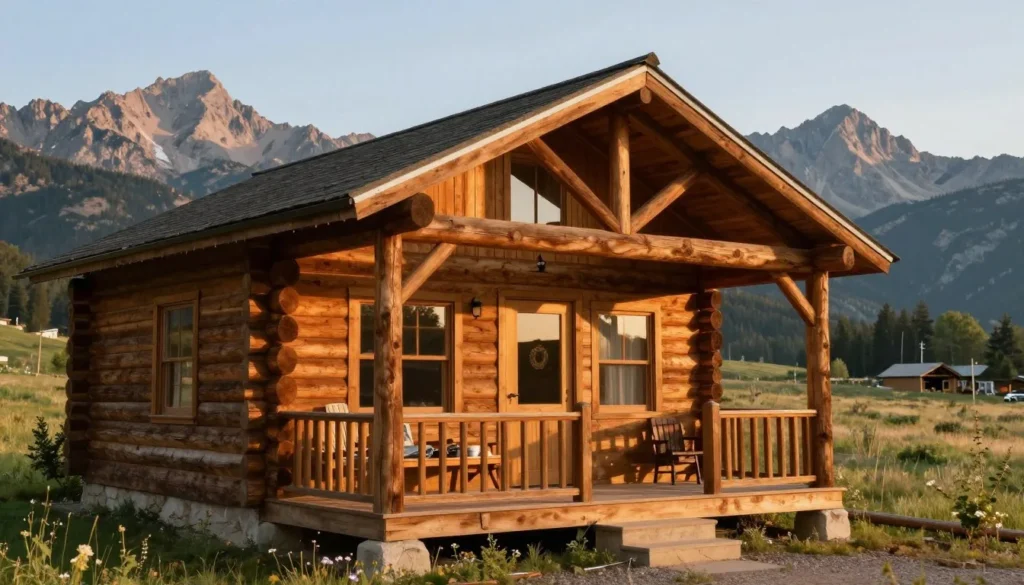
Baker hosts several small motels and vacation rentals providing basic but comfortable lodging. These family-owned establishments offer personal service and local knowledge that larger hotels cannot match.
The Stargazer Inn provides clean, comfortable rooms within walking distance of Baker’s restaurants and shops. Contact them at +1 (775) 234-7323. Hidden Canyon Ranch offers cabin rentals with full kitchens, ideal for longer stays. Reservations can be made by calling +1 (775) 234-7172.
Several vacation rental homes scatter throughout Baker and surrounding areas. These properties often provide more space and amenities than motel rooms, particularly benefiting families or groups. Book through major vacation rental platforms months in advance for summer travel.
Camping Options
Great Basin National Park operates five developed campgrounds offering various amenities and elevation levels. Lower Lehman Creek Campground sits at 2,256 m (7,400 feet) and typically opens first in spring. Upper Lehman Creek Campground reaches 2,408 m (7,900 feet) with sites among pinyon and juniper trees.
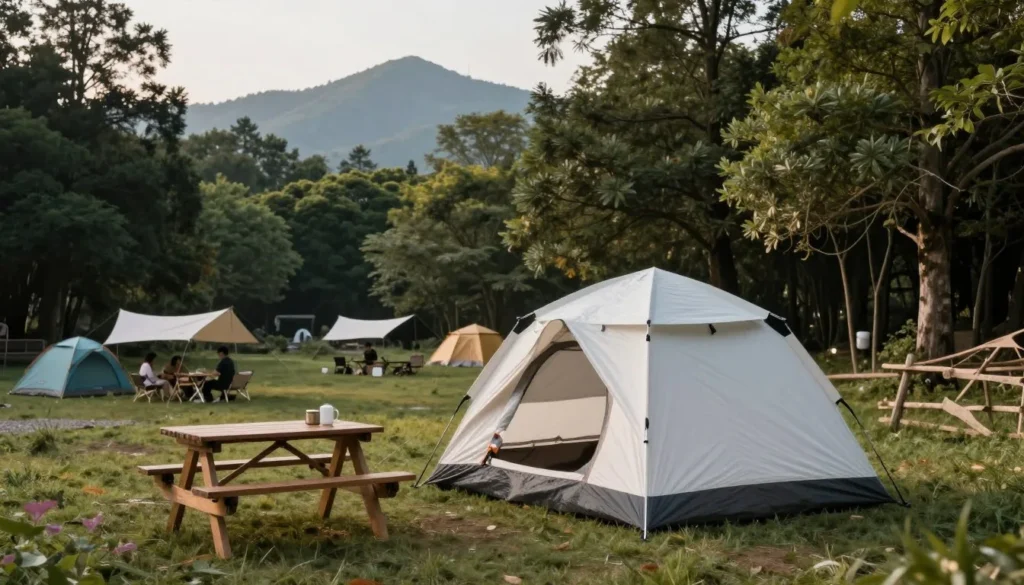
Wheeler Peak Campground sits highest at 3,048 m (10,000 feet), offering cool temperatures and access to alpine trails. This popular campground fills quickly on summer weekends. Arrive early or plan midweek visits for better availability.
Baker Creek Campground and Snake Creek Campground provide smaller, quieter alternatives with primitive facilities. These campgrounds suit visitors seeking more solitude and natural settings.
- Most campgrounds operate first-come, first-served basis
- Sites cost $15-20 per night depending on facilities
- Water available at most developed campgrounds
- No hookups available for RVs at any location
- Group sites require advance reservations
Backcountry Camping
Dispersed camping outside developed campgrounds provides unlimited opportunities for those properly equipped. The park allows backcountry camping throughout much of the Snake Range with free permits obtained at the visitor center.
Select sites at least 61 m (200 feet) from water sources, trails, and roads. Practice Leave No Trace principles by packing out all waste and leaving no trace of your presence. Weather at high elevations can turn severe quickly, so carry appropriate gear for all conditions.
Nearby Towns
Ely, Nevada, located 113 km (70 miles) north, offers the nearest full range of lodging options. This larger community features national chain hotels, independent motels, and historic properties. Ely makes a reasonable base for day trips to the Snake Range, though the drive requires careful time planning.
Delta, Utah, sits 161 km (100 miles) east and provides additional lodging alternatives. The longer drive makes Delta less convenient, but the town offers more services than any location in the immediate Snake Range area.
Dining and Local Cuisine
Dining options near the Snake Range reflect the area’s remote, rural character. Expect simple, hearty meals rather than sophisticated cuisine. The limited number of restaurants means planning ahead and maintaining flexible expectations.
Baker Dining
Baker supports two primary restaurants serving visitors and locals. Both establishments offer home-style cooking with generous portions. Operating hours vary seasonally, with reduced schedules during winter months.
The Border Inn Restaurant straddles the Nevada-Utah state line and serves breakfast, lunch, and dinner daily during peak season. Their menu features American classics including burgers, steaks, and homemade pies. Contact them at +1 (775) 234-7300 for current hours.
Kerouac’s Restaurant in Baker provides another dining option with a menu focusing on fresh ingredients and regional specialties. They maintain more limited hours than Border Inn, typically serving dinner only. Call +1 (775) 234-7323 for reservations and hours.
Food Shopping
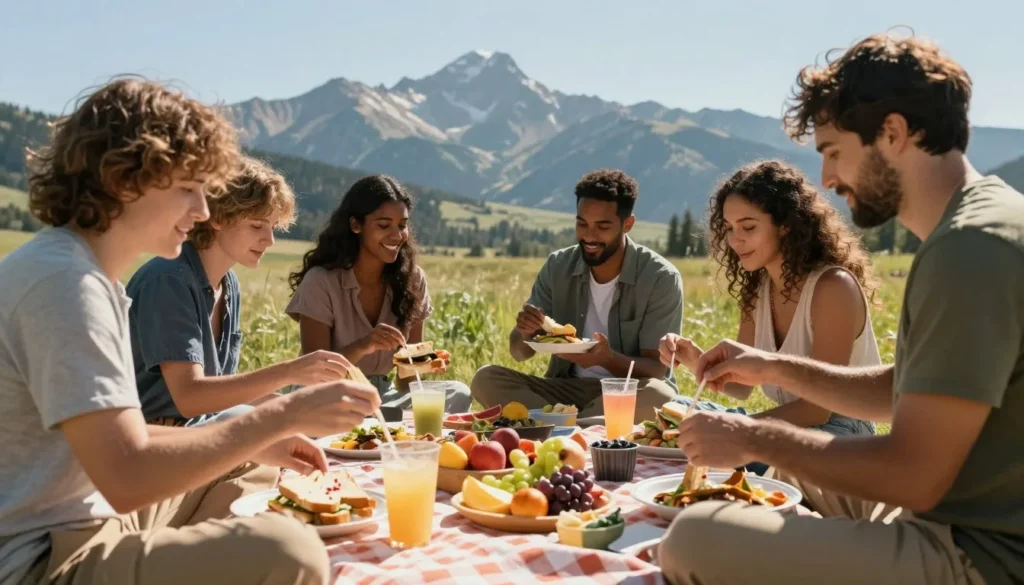
Baker’s small general store stocks basic groceries, camping supplies, and picnic items. Selection remains limited compared to urban supermarkets, but you can assemble simple meals and snacks. The store carries ice, propane, firewood, and other camping necessities.
Serious grocery shopping requires a trip to Ely, where full supermarkets provide complete selection. Stock up before heading to the Snake Range if you plan to cook at your campsite or vacation rental.
Meal Planning Tips
The limited dining options make advance planning essential, particularly for groups or families with specific dietary needs. Consider these strategies for successful meal planning.
- Bring non-perishable snacks and trail food from home
- Pack cooler with sandwich fixings and breakfast items
- Call restaurants ahead to verify hours and make reservations
- Prepare for higher prices than urban areas due to remote location
- Carry water and snacks for day hikes and drives
Local Specialties
While the Snake Range area does not boast distinctive regional cuisine, local restaurants serve Nevada favorites including Basque-style meals reflecting the state’s shepherding heritage. These hearty, family-style dinners feature multiple courses and generous portions.
Fresh trout sometimes appears on menus when available from local sources. The simple preparation highlights the quality of the fish. Homemade pies provide favorite dessert options, with recipes passed through generations of local families.
Attractions, Sightseeing and Activities
The Snake Range offers diverse attractions spanning geological wonders, historic sites, and outdoor adventures. Great Basin National Park anchors the area’s tourism, but numerous other attractions reward exploration.
Lehman Caves
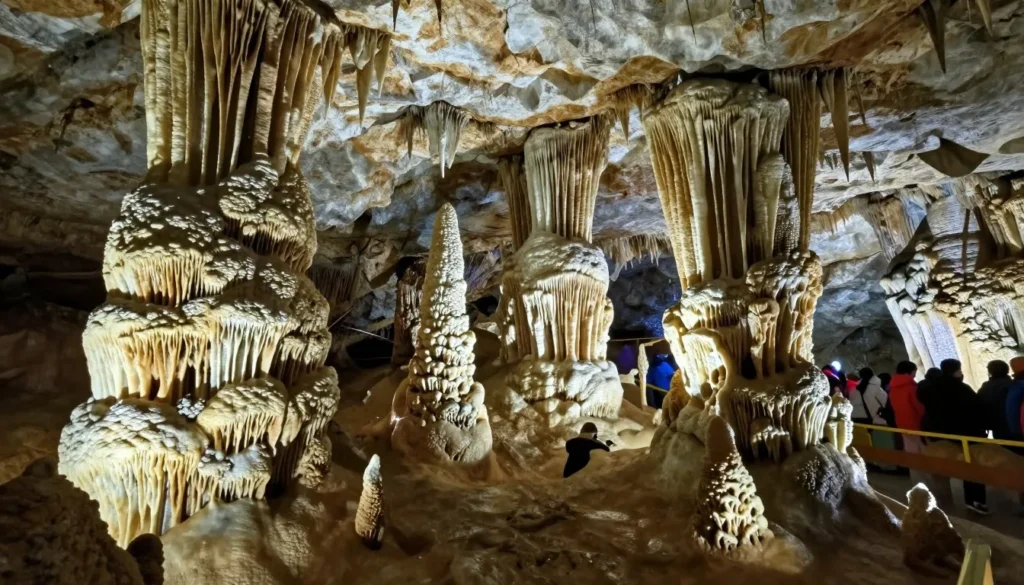
These spectacular limestone caverns contain rare shield formations found in few caves worldwide. Guided tours lead visitors through chambers decorated with delicate stalactites, massive stalagmites, and intricate helictites. The 0.8 km (0.5 mile) tour takes 90 minutes and maintains a constant 10°C (50°F) temperature year-round.
Tickets must be purchased at the visitor center on a first-come, first-served basis. Tours fill quickly during summer, often selling out by mid-morning. Arrive early or reserve spots the day before when possible. The caves remain open year-round, making this an excellent winter activity.
Wheeler Peak Scenic Drive
This paved mountain road climbs from the valley floor to 3,048 m (10,000 feet), gaining over 1,219 m (4,000 feet) of elevation in 19 km (12 miles). The spectacular route passes through multiple life zones, from sagebrush desert to alpine tundra. Numerous pullouts provide photo opportunities and trail access.

Plan at least two hours for the round trip drive with stops. The road typically opens in June and closes with first heavy snowfall in October. Wildflowers peak in July at higher elevations. Wildlife including marmots, deer, and birds frequent the route.
Bristlecone Pine Grove
Ancient bristlecone pines, among Earth’s oldest living organisms, cling to exposed slopes near treeline. Some specimens exceed 3,000 years of age. A short interpretive trail winds through the grove, explaining these remarkable trees’ adaptations to harsh alpine conditions.
The grove sits at 3,292 m (10,800 feet) along Wheeler Peak Scenic Drive. The trail covers 4.4 km (2.7 miles) round trip with moderate elevation gain. Cool temperatures and thin air at this elevation require slow pace and frequent rest breaks.
Historic Ranches
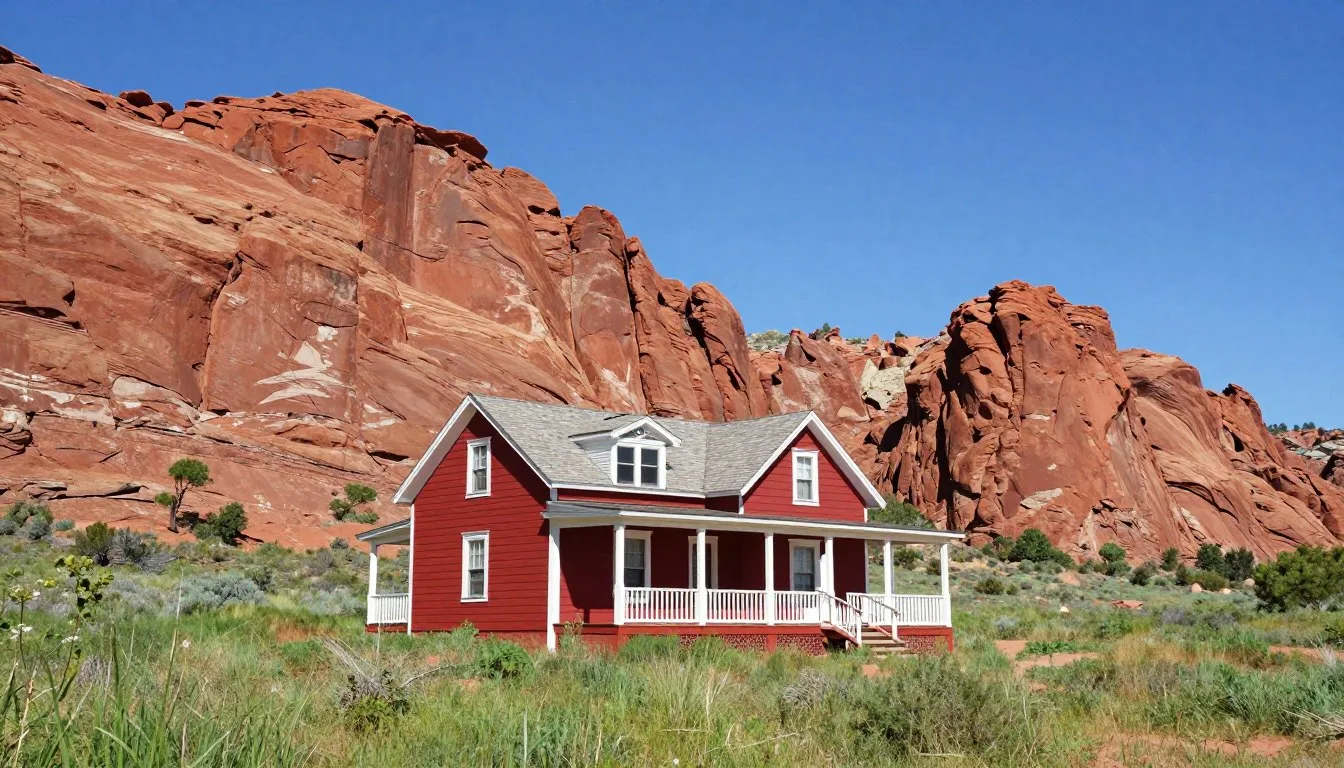
Several historic ranch properties dot the Snake Range area, preserving the region’s ranching heritage. The Lehman family ranch, adjacent to the caves, operated from the 1880s until park establishment. Original buildings remain, offering glimpses into pioneer life.
Self-guided tours allow exploration of ranch structures during daylight hours. Interpretive signs explain ranching operations and family history. Respect private property boundaries, as working ranches still operate throughout the area.
Wildlife Viewing
The diverse elevations support varied wildlife populations. Early morning and evening hours offer best viewing opportunities when animals actively feed.
- Mule deer frequent meadows and forest edges
- Rocky Mountain elk inhabit higher elevations
- Golden eagles soar over peaks
- Marmots sun on rocky outcrops
- Pronghorn antelope range valley floors
Photography Locations
The Snake Range provides endless photographic subjects from dramatic peaks to intimate wildflower details. Golden hour lighting creates particularly stunning conditions.
- Wheeler Peak from Mather Overlook
- Bristlecone pines at sunset
- Star trails over mountain silhouettes
- Alpine lakes reflecting peaks
- Wildflower meadows in July
Scenic Drives
Beyond Wheeler Peak Scenic Drive, several other routes showcase the region’s beauty. These less-traveled roads reveal hidden corners of the Snake Range.
- Success Loop Road circles valley floor
- Snake Creek Road accesses backcountry areas
- Strawberry Creek Road reaches ghost towns
- Osceola Ditch traces historic mining infrastructure
- Highland Ridge Road offers panoramic views
Museums, Cultural Spots and Festivals
While the Snake Range area lacks traditional museums, several cultural and historical sites preserve the region’s heritage. The remote location means fewer formal institutions, but informal learning opportunities abound.
Great Basin National Park Visitor Center
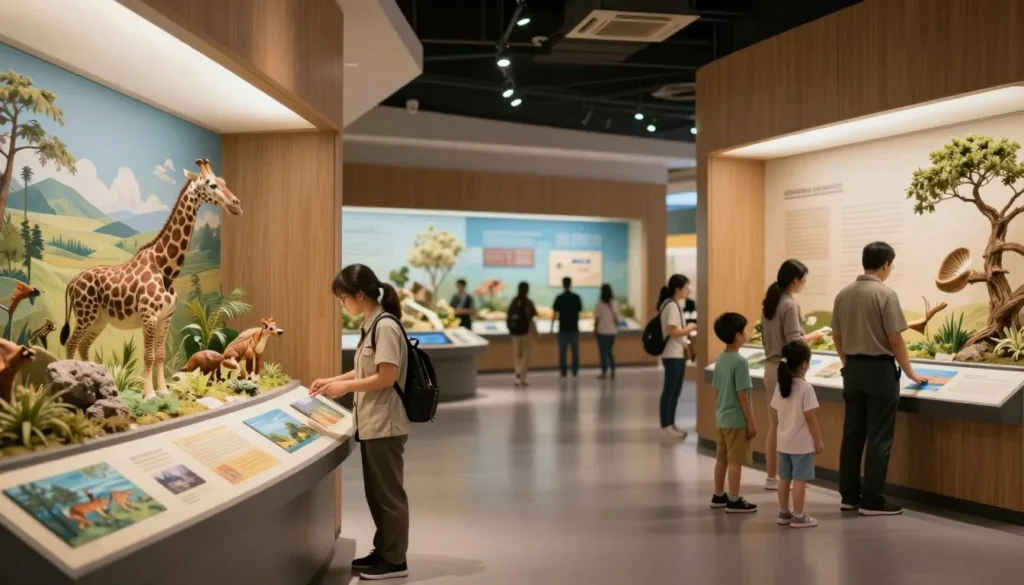
The park visitor center serves as the primary interpretive facility for the area. Exhibits explain the region’s geology, ecology, and human history. Rangers provide programs throughout summer months covering topics from astronomy to wildlife biology.
The center maintains a bookstore offering field guides, maps, and regional history books. Interactive displays engage children while adults appreciate detailed scientific information. The facility opens year-round with extended summer hours. Contact them at +1 (775) 234-7331 for program schedules.
Ghost Towns
Mining booms of the late 1800s created numerous settlements throughout the Snake Range. Most disappeared when ore played out, leaving scattered ruins and foundations. Osceola, located northwest of Baker, preserves the most extensive remains.
Check 30,000+ Local Sightseeing Tours Worldwide
✓ Numerous languages and currencies are available

Exploring ghost towns requires respect for historic preservation and safety awareness. Many structures stand dangerously unstable. Photograph from safe distances and never enter collapsed buildings. Federal and state laws protect all artifacts. Leave everything as you find it for future visitors to appreciate.
Petroglyph Sites
Ancient rock art scattered throughout the Great Basin documents thousands of years of human presence. Several accessible sites near the Snake Range display enigmatic symbols pecked into stone by peoples long vanished. These fragile cultural resources require careful protection.
View petroglyphs from established trails only. Never touch rock art, as oils from skin accelerate deterioration. Photograph respectfully without using flash or touching surfaces. Report any vandalism to park rangers immediately.
Cultural Heritage Programs
Summer ranger programs explore the region’s cultural history through guided walks, evening presentations, and interpretive activities. Topics range from Native American heritage to pioneer ranching and mining operations.
Programs typically run June through August. Check at visitor center for current schedule and registration requirements. Most programs require no advance reservation, though popular activities may fill quickly.
Nature and Outdoor Experiences
The Snake Range’s outdoor recreation opportunities rival any in the American West. From easy nature walks to challenging alpine climbs, trails accommodate all ability levels. The pristine wilderness setting provides backdrop for unforgettable adventures.
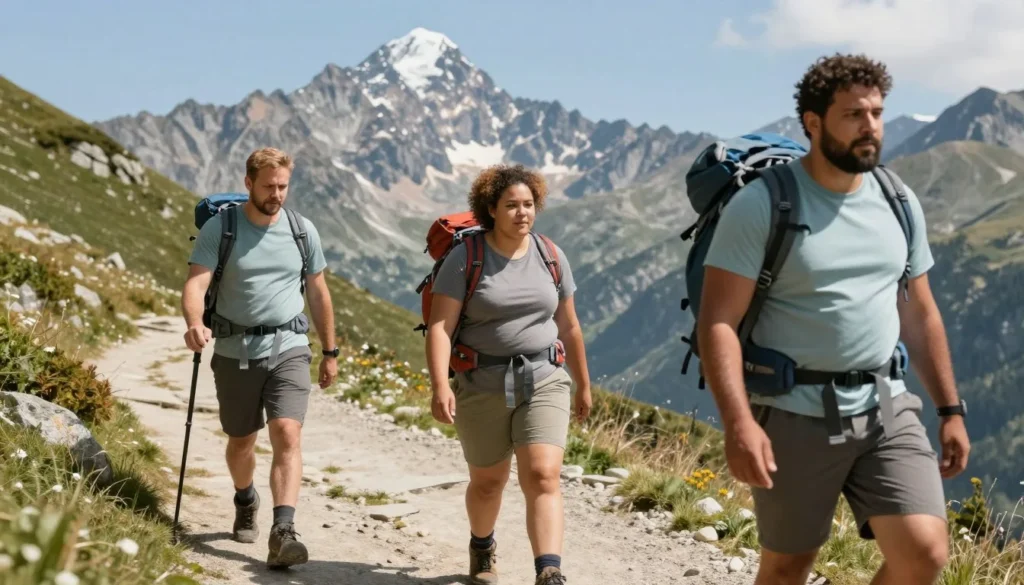
Hiking Trails
Great Basin National Park maintains over 97 km (60 miles) of established trails ranging from easy interpretive walks to strenuous mountain climbs. Each trail showcases different aspects of the Snake Range’s remarkable diversity.
Wheeler Peak Summit Trail
This challenging route climbs to Nevada’s second-highest summit at 3,982 m (13,065 feet). The 13.7 km (8.5 mile) round trip gains 915 m (3,000 feet) of elevation through alpine terrain. Stunning views extend across hundreds of kilometers of basin and range country.
Start early to avoid afternoon thunderstorms common in summer. Thin air at high elevation requires slower pace than normal. Bring layers for temperature changes and weather protection. The trail typically becomes snow-free by mid-July and remains accessible through September.
Alpine Lakes Loop
This moderate 4.3 km (2.7 mile) trail visits Teresa and Stella Lakes, pristine alpine tarns reflecting surrounding peaks. Wildflowers carpet meadows in July and early August. The relatively short distance makes this popular for families, though elevation still requires acclimatization.
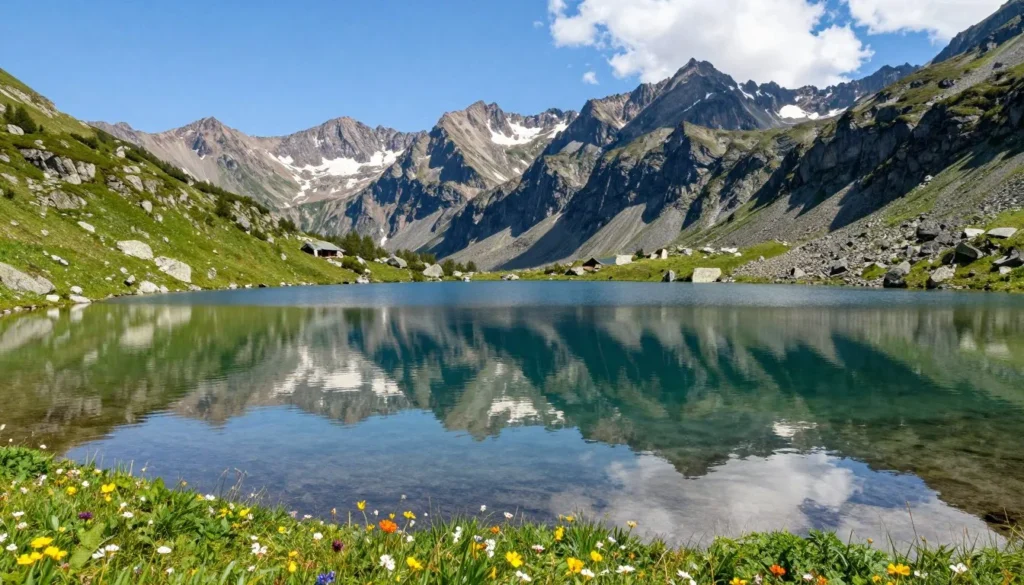
Bristlecone Pine Trail
As mentioned earlier, this 4.4 km (2.7 mile) round trip visits the ancient bristlecone pine grove. Moderate difficulty results primarily from high elevation rather than steep terrain. Interpretive signs explain these remarkable trees’ ecology and longevity.
Baker Lake Trail
This longer trek covers 19.3 km (12 miles) round trip to a remote alpine lake basin. The strenuous route gains 853 m (2,800 feet) through diverse life zones. Backpackers often camp at the lake, while strong day hikers can complete the journey in one long day.
Backcountry Hiking
Experienced hikers find unlimited opportunities throughout the Snake Range backcountry. Cross-country travel requires navigation skills, proper equipment, and realistic assessment of abilities. Free backcountry permits, required for overnight trips, are available at the visitor center.
- Study topographic maps and plan routes carefully
- Inform rangers of intended route and return time
- Carry GPS device or compass and know how to use them
- Pack bear canister for food storage
- Prepare for rapid weather changes at high elevations
- Carry water purification system or filter
Rock Climbing
The Snake Range offers excellent climbing on solid limestone and quartzite. Routes range from easy scrambles to technical multi-pitch climbs. Wheeler Peak’s east face provides classic alpine routes for experienced climbers.
No established climbing guide exists for the area. Route information passes through climbing community via word-of-mouth and online forums. Come prepared to scout and establish your own routes. Afternoon thunderstorms pose serious hazard for climbers exposed on high routes.
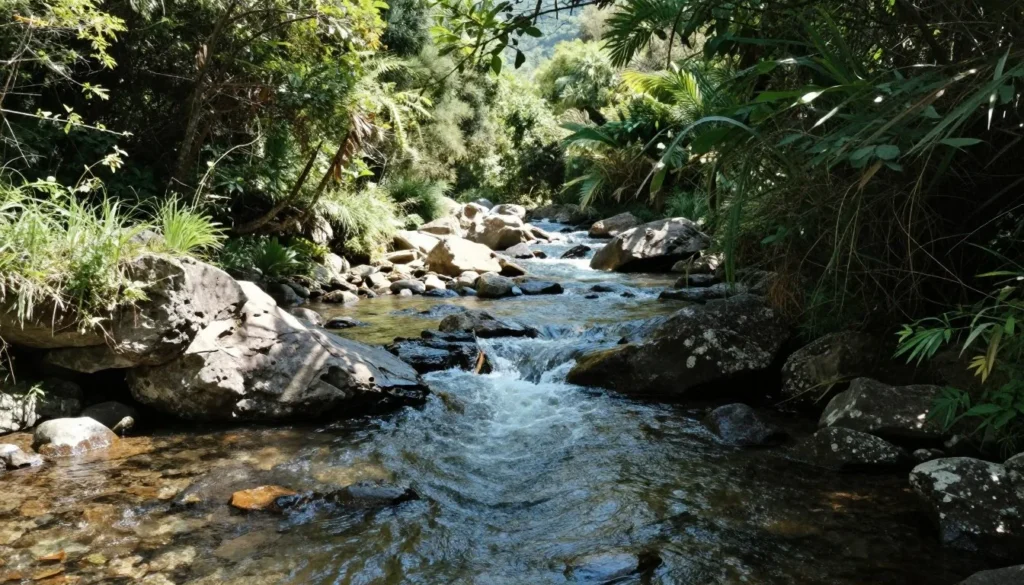
Fishing
Several streams and alpine lakes contain wild trout populations. Nevada fishing licenses, required for all anglers over 12 years, can be purchased in Baker or Ely. Regulations limit catch and specify lure restrictions in certain waters.
Baker Creek, Snake Creek, and Lehman Creek provide stream fishing opportunities. Small wild trout inhabit these waters. Alpine lakes contain larger fish but require significant hiking to reach. Practice catch-and-release to preserve populations in these fragile alpine ecosystems.
Mountain Biking
Mountain bikes are permitted on roads within Great Basin National Park but prohibited on trails. Numerous unpaved roads throughout surrounding national forest lands provide excellent riding opportunities. Routes range from easy valley roads to challenging mountain passes.
Wheeler Peak Scenic Drive offers a superb road ride with spectacular scenery and serious climbing. The 38 km (24 mile) round trip gains over 1,219 m (4,000 feet). Start early to avoid midday heat and afternoon thunderstorms.
Stargazing
The Snake Range’s remote location provides extraordinarily dark skies rarely found in modern America. On moonless nights, the Milky Way casts shadows and thousands of stars blaze overhead. The park holds International Dark Sky Park designation, recognizing its exceptional conditions.
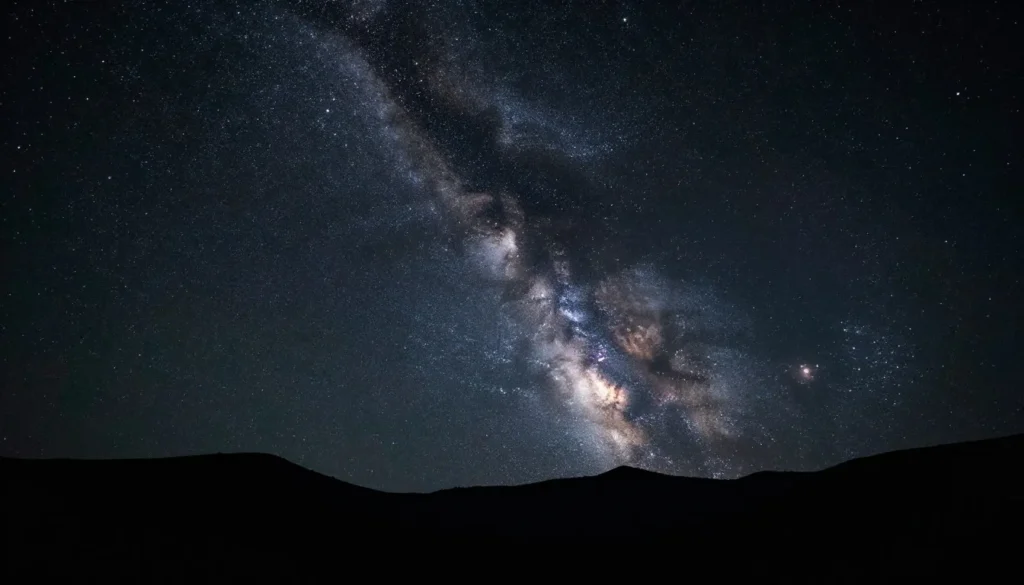
Rangers lead stargazing programs during summer months. Telescopes provide close-up views of planets, star clusters, and distant galaxies. Check at visitor center for program schedules. Bring warm layers, as mountain nights cool significantly even in summer.
Winter Activities
Snowshoeing and cross-country skiing attract hardy winter visitors. Wheeler Peak Scenic Drive closes to vehicles but remains accessible for winter recreation. Backcountry skiing draws experienced mountaineers to high alpine terrain.
Winter visitors must come prepared for serious mountain conditions. Avalanche danger exists on steep slopes. Carry appropriate safety equipment and knowledge. The visitor center reduces hours during winter but provides trail condition updates.
Travel With Children
The Snake Range offers excellent opportunities for families, though the remote location and high elevations require special considerations when traveling with children. Proper planning ensures safe, enjoyable experiences for all ages.
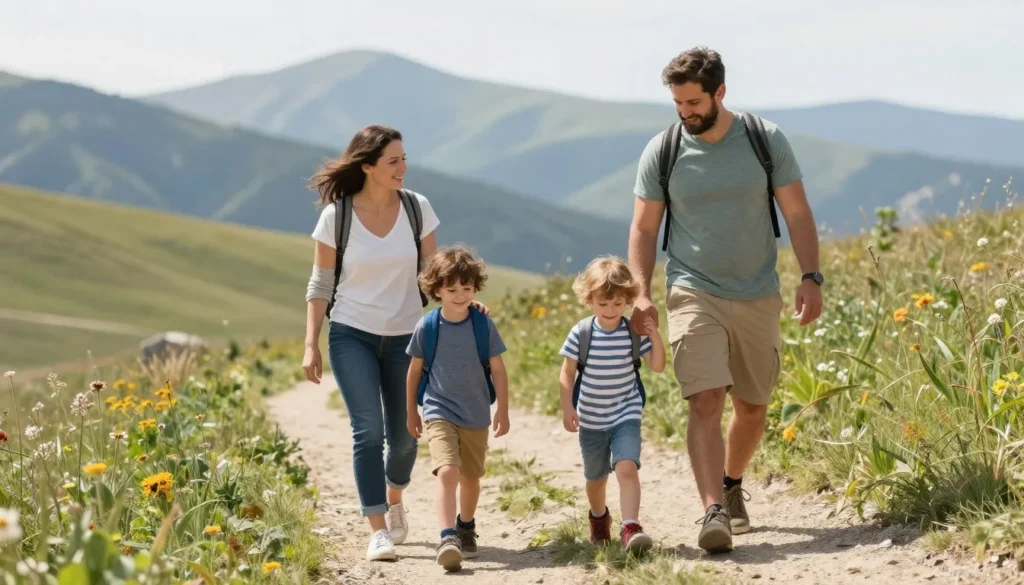
Age-Appropriate Activities
Lehman Caves tours captivate children with underground wonders. The 90-minute tour keeps most kids engaged, though restless toddlers may struggle. No strollers are permitted in the caves. Children must stay with adults throughout the tour.
Several short nature trails suit families with young children. The Mountain View Nature Trail offers an easy 0.5 km (0.3 mile) loop with interpretive signs explaining plants and wildlife. Children enjoy spotting animals and identifying flowers along the way.
Ranger-led programs include activities designed specifically for families. Junior Ranger programs allow children to earn badges by completing activity booklets. Evening campfire programs share stories and natural history in engaging formats.
Safety Considerations
High elevation affects children more than adults. Watch for signs of altitude sickness including headache, nausea, and unusual fatigue. Descend immediately if symptoms develop. Allow extra time for acclimatization before attempting strenuous activities.
Sun exposure intensifies at elevation. Apply sunscreen frequently and ensure children wear hats and protective clothing. Dehydration occurs quickly in dry mountain air. Encourage children to drink water regularly even when not thirsty.
- Pack extra layers for temperature changes
- Bring more snacks than normal for energy needs
- Choose shorter trails and allow generous time
- Stay on established trails to avoid getting lost
- Teach children to recognize and avoid wildlife
- Supervise children closely near cliff edges and streams
Educational Opportunities
The visitor center offers hands-on exhibits children can touch and explore. Microscopes reveal tiny creatures living in pond water. Relief maps show how mountains formed over millions of years. Rangers answer questions and share fascinating facts.
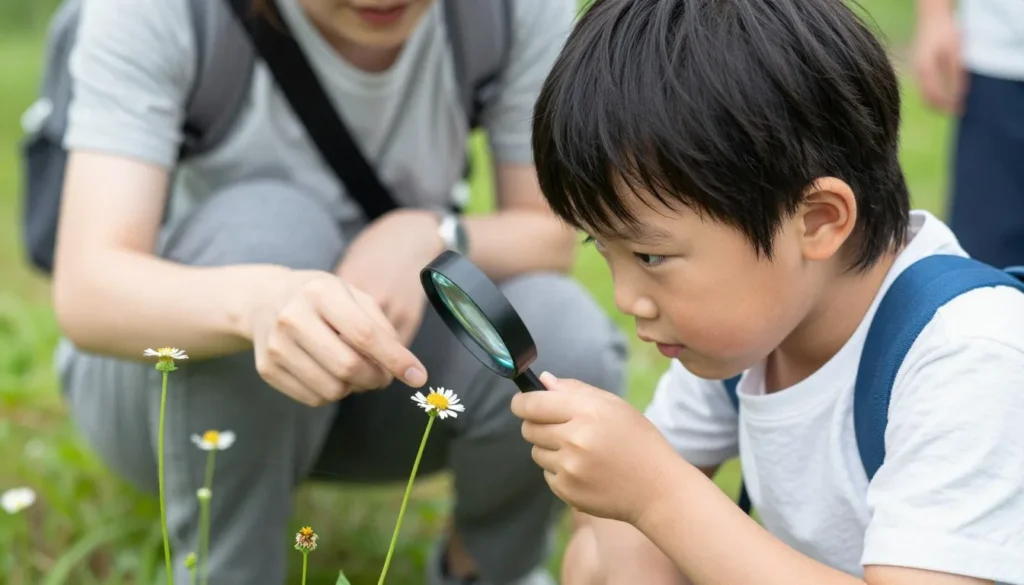
Consider these learning activities to enrich your family visit. Keep a nature journal documenting plants and animals seen each day. Collect small specimens like pinecones and rocks for later identification. Take photos of interesting discoveries to research at home. Complete scavenger hunts listing specific items to find along trails.
Practical Tips
Pack entertainment for inevitable downtime. Books, cards, and travel games fill quiet evenings at campgrounds or motels. Download movies or shows before losing cell service for backup entertainment during weather delays.
Bring a first aid kit with children’s pain reliever, bandages, and any prescription medications. The nearest medical facilities lie hours away in Ely. Minor injuries need immediate attention to prevent infection in backcountry conditions.
Plan realistic daily schedules accounting for shorter attention spans and frequent breaks. Attempt one major activity per day rather than cramming too much in. Children appreciate time to play and explore at their own pace.
Money Saving Tips
Visiting the remote Snake Range need not break your budget. Strategic planning and smart choices significantly reduce expenses while maintaining quality experiences.
Accommodation Savings
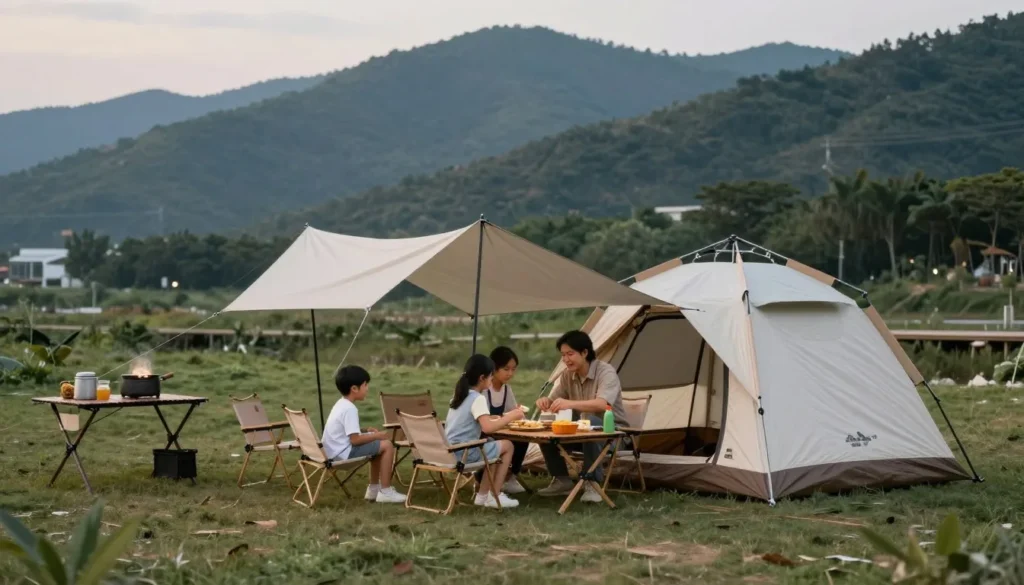
Camping provides the most economical lodging option. Sites cost $15-20 nightly compared to $80-150 for motel rooms. A family of four saves hundreds of dollars over several nights by camping. Modern camping equipment makes the experience comfortable even for those new to outdoor sleeping.
Book accommodations directly with small Baker establishments rather than through booking platforms. Direct reservations often cost less without third-party commission fees. Off-season visits, particularly September and early October, sometimes offer reduced rates.
Food Cost Reduction
Prepare most meals rather than eating at restaurants. Shop for groceries in Ely where prices run lower than Baker’s small store. Pack coolers with sandwich ingredients, breakfast items, and snacks. Camp stoves allow hot meals without restaurant expenses.
Trail mix, energy bars, and fresh fruit provide economical snacks for day hikes. Purchase these items before leaving home where selection and prices beat limited local options. Refillable water bottles eliminate beverage costs and reduce waste.
Free Activities
The Snake Range offers countless free activities requiring only time and energy. Hiking costs nothing beyond basic gear most outdoor enthusiasts already own. Scenic drives require only fuel. Wildlife watching, stargazing, and photography provide hours of entertainment at no charge.
- National park entrance fee ($25 per vehicle) covers seven days
- America the Beautiful Annual Pass ($80) worthwhile for multiple park visits
- Ranger programs and nature walks offered free
- Visitor center exhibits and information provided free
- Backcountry permits free for overnight trips
Transportation Savings
Fuel represents a significant expense given the distances involved. Drive fuel-efficient vehicles when possible. Consolidate errands and sightseeing to minimize unnecessary mileage. Wheeler Peak Scenic Drive makes an excellent car-based activity requiring no additional fuel beyond the single trip.
Carpooling with friends or family divides transportation costs. Splitting a vacation rental among multiple families dramatically reduces per-person lodging expenses. Group camping creates social experience while keeping costs low.
Timing Strategies
Shoulder season visits in May or October offer lower prices and fewer crowds. Some accommodations reduce rates during slower periods. Cooler weather means lower campground occupancy and easier site availability. Pack appropriate clothing for variable spring and fall conditions.
Weekday visits cost less than weekends at some properties. Plan trips to avoid holiday weekends when prices peak and availability shrinks. Extended stays sometimes qualify for discounted weekly rates at motels and vacation rentals.
Safety and Local Customs
Understanding regional safety considerations and local customs helps ensure positive experiences while visiting the Snake Range. The remote setting and unique environment require awareness beyond typical vacation destinations.
Wilderness Safety
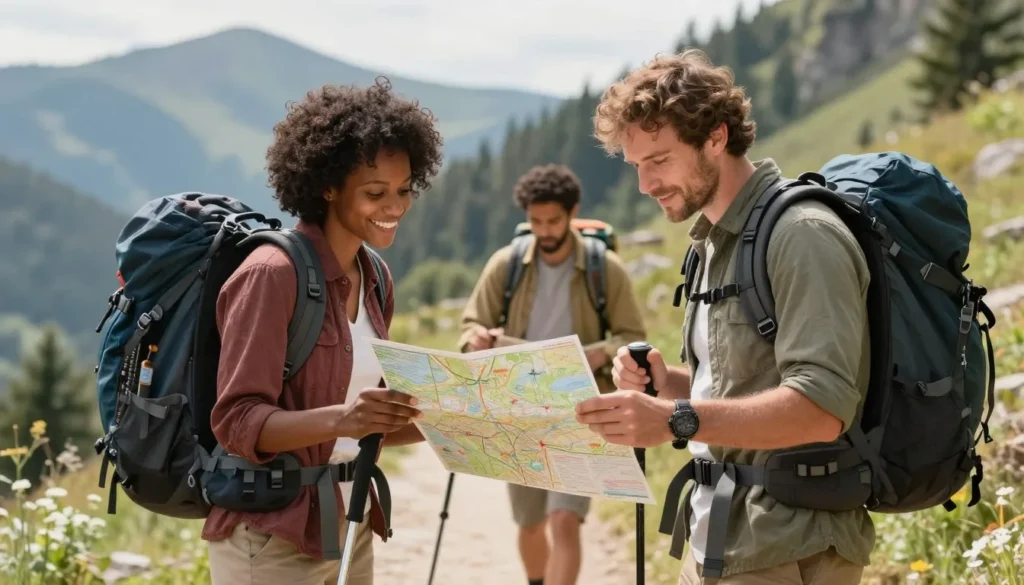
Remote location means help arrives slowly in emergencies. Self-reliance and preparation prevent most problems. Always inform someone of your plans and expected return time. Carry the Ten Essentials on every hike regardless of length: navigation tools, sun protection, insulation, illumination, first-aid supplies, fire starter, repair kit, nutrition, hydration, and emergency shelter.
Weather changes rapidly in mountains. Morning sunshine can transform into afternoon thunderstorms with little warning. Lightning poses serious danger on exposed ridges and peaks. Descend immediately when storms approach. Avoid starting alpine hikes after 11 AM during summer months.
Wildlife Encounters
The Snake Range hosts black bears, mountain lions, and rattlesnakes. Attacks remain extremely rare but require awareness. Make noise while hiking to avoid surprising animals. Store food properly at campsites using bear canisters or hanging food bags. Never approach or feed wildlife regardless of how harmless animals appear.
Rattlesnakes inhabit lower elevations during warm months. Watch where you place hands and feet when scrambling over rocks. Give snakes wide berth if encountered. Most bites occur when people attempt to handle or kill snakes. Back away slowly and allow the snake to retreat.
Altitude Concerns
Elevations throughout the Snake Range exceed 1,676 m (5,500 feet), with peaks reaching above 3,962 m (13,000 feet). Altitude sickness affects many visitors, particularly those arriving from sea level. Symptoms include headache, nausea, dizziness, and fatigue.
Acclimatize gradually by spending first day at lower elevations before attempting high mountain activities. Drink extra water and avoid alcohol for the first 24 hours. Descend immediately if altitude sickness symptoms worsen. Most people adjust within a day or two.
Critical Safety Alert: Cell phone coverage does not exist throughout most of the Snake Range. Do not assume you can call for help in emergencies. Satellite phones or personal locator beacons provide the only reliable emergency communication in backcountry areas.
Local Customs
Rural Nevada maintains traditional western values emphasizing self-reliance, respect for private property, and neighborly assistance. Locals appreciate visitors who demonstrate similar values. Wave to passing vehicles on backcountry roads. Offer help to stranded motorists when safely possible.
Respect private property strictly. Many ranches operate throughout the area. Closing gates behind you maintains good relations with landowners. Never drive on private land without explicit permission. Stay on designated routes in undeveloped areas.
Leave No Trace Principles
The fragile high desert and alpine environments show damage easily. Practice Leave No Trace ethics to preserve the Snake Range for future visitors. Pack out all trash including organic waste like fruit peels and nut shells. Use established campsites rather than creating new ones. Stay on trails to prevent erosion and vegetation damage.
- Plan ahead and prepare for changing conditions
- Travel and camp on durable surfaces
- Dispose of waste properly by packing everything out
- Leave natural and cultural artifacts undisturbed
- Minimize campfire impacts by using camp stoves
- Respect wildlife by observing from distance
- Be considerate of other visitors seeking solitude
Medical Considerations
The nearest hospital operates in Ely, 113 km (70 miles) from Baker. Emergency response times exceed one hour in many locations. Bring adequate supplies of prescription medications plus extra in case delays extend your trip. Carry comprehensive first aid supplies for treating minor injuries.
Notify park rangers about serious medical conditions before undertaking strenuous activities. Rangers can provide guidance about appropriate activities given individual health concerns. Emergency evacuation from remote backcountry locations requires hours and sometimes involves helicopter rescue.
Visitor Comments About Snake Range
Travelers who have explored the Snake Range share their experiences and insights. These authentic perspectives provide valuable guidance for planning your own visit.
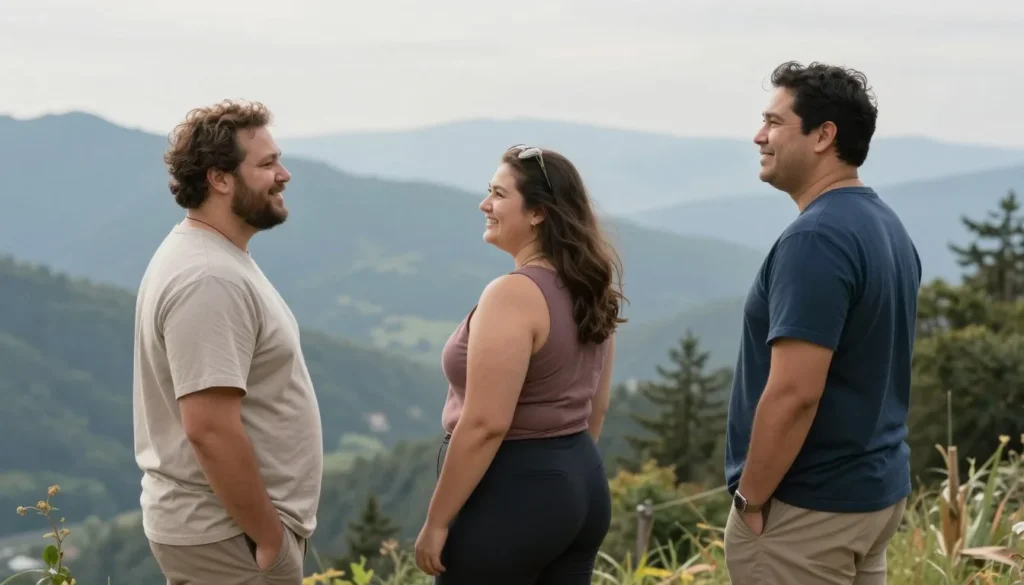
“The Snake Range exceeded every expectation. Wheeler Peak’s summit hike challenged us, but views from the top stretched forever across basin and range country. Ancient bristlecone pines looked like sculptures shaped by wind and time. Lehman Caves amazed us with formations we’ve never seen in other cave systems. The area’s remoteness means you genuinely disconnect from everyday stress. We camped four nights and could have stayed a month.”
“Our family discovered the Snake Range last September and immediately started planning our return trip. The kids earned Junior Ranger badges while learning about high desert ecology. We hiked to alpine lakes where wildflowers still bloomed. Night skies absolutely blew our minds—we’ve never seen so many stars. Limited dining options meant cooking most meals, but we enjoyed family time around the campfire. Baker’s small-town atmosphere charmed us. Everyone we met offered friendly advice and genuine hospitality.”
Check 30,000+ Local Sightseeing Tours Worldwide
✓ Numerous languages and currencies are available
“As a photographer, I chase unique landscapes. The Snake Range provided endless subjects from twisted ancient trees to dramatic mountain peaks. Early morning light painted Wheeler Peak in alpenglow while mist filled valleys below. I spent hours photographing stars wheeling overhead in perfectly dark skies. The remote location initially concerned me, but solitude became the trip’s greatest gift. No crowds competed for prime locations. I returned home with thousands of images and memories of peaceful days spent entirely in nature.”
Additional Nearby Destinations
The Snake Range’s location in eastern Nevada places several other interesting destinations within reasonable driving distance. Extending your trip to explore these areas maximizes your travel investment while revealing more of the Great Basin’s remarkable diversity.
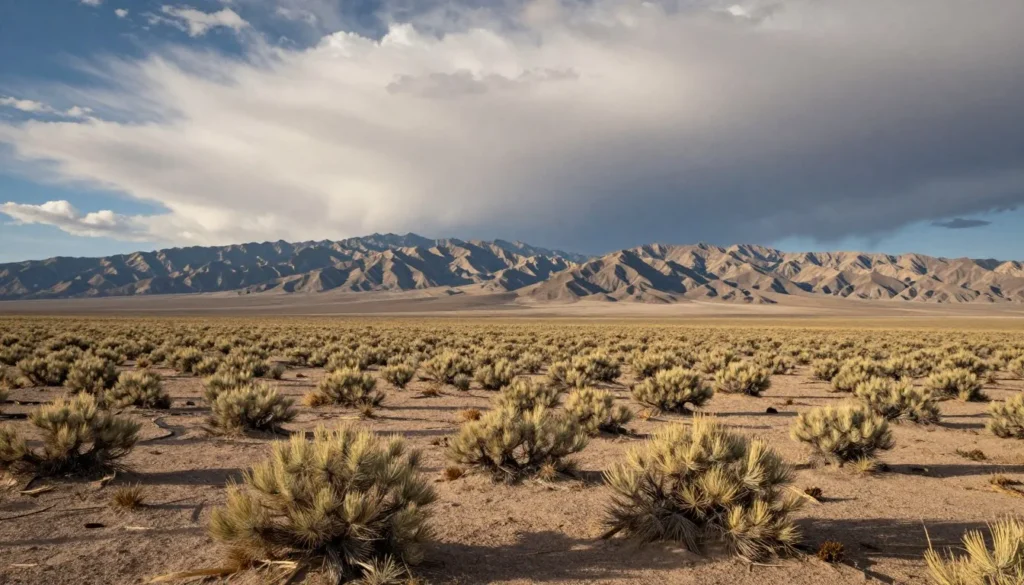
Cathedral Gorge State Park
Located 161 km (100 miles) south, this unusual state park features dramatic erosional formations carved from soft bentonite clay. Narrow slot canyons and towering spires create an otherworldly landscape. Short trails wind through the formations. The park offers camping and picnic facilities.
Plan a half-day visit to explore the main trails and viewpoints. Summer temperatures soar, making spring and fall optimal seasons. Bring plenty of water as shade remains scarce.
Ward Charcoal Ovens State Historic Park
Six massive stone ovens stand preserved 108 km (67 miles) northwest of Baker. These beehive-shaped structures produced charcoal for silver smelters during the 1870s. Each oven rises 9 m (30 feet) tall and measures 8 m (27 feet) across.
The scenic drive passes through high mountain country. A small campground operates near the ovens. Historical interpretive signs explain the charcoal-making process and mining history.
Cave Lake State Park
This reservoir 129 km (80 miles) north near Ely offers fishing, boating, and camping. Rainbow trout and brown trout attract anglers year-round. Ice fishing draws winter visitors. The campground provides modern facilities with electric hookups available.
The area’s lower elevation makes it accessible when high mountain areas remain snow-covered. Wildlife viewing opportunities include mule deer, elk, and numerous bird species.
Nevada Northern Railway
This museum in Ely preserves a complete early 1900s railroad complex. Historic locomotives and passenger cars operate on excursion trains during summer months. The extensive facility includes engine houses, repair shops, and rolling stock spanning decades of railroad history.
Several tour options run throughout the week during peak season. Special event trains include wine tastings, murder mysteries, and holiday themes. The museum complex merits several hours for thorough exploration.
Ruby Mountains
These spectacular peaks rise 241 km (150 miles) northwest. Often called the “Swiss Alps of Nevada,” the Ruby Mountains feature glaciated valleys, alpine lakes, and dramatic granite peaks. Lamoille Canyon provides paved access into high country similar to Wheeler Peak Scenic Drive.
Multiple day hiking trails explore the range. Backcountry opportunities attract experienced wilderness travelers. The Ruby Crest Trail ranks among the finest multi-day hikes in Nevada.
Ely
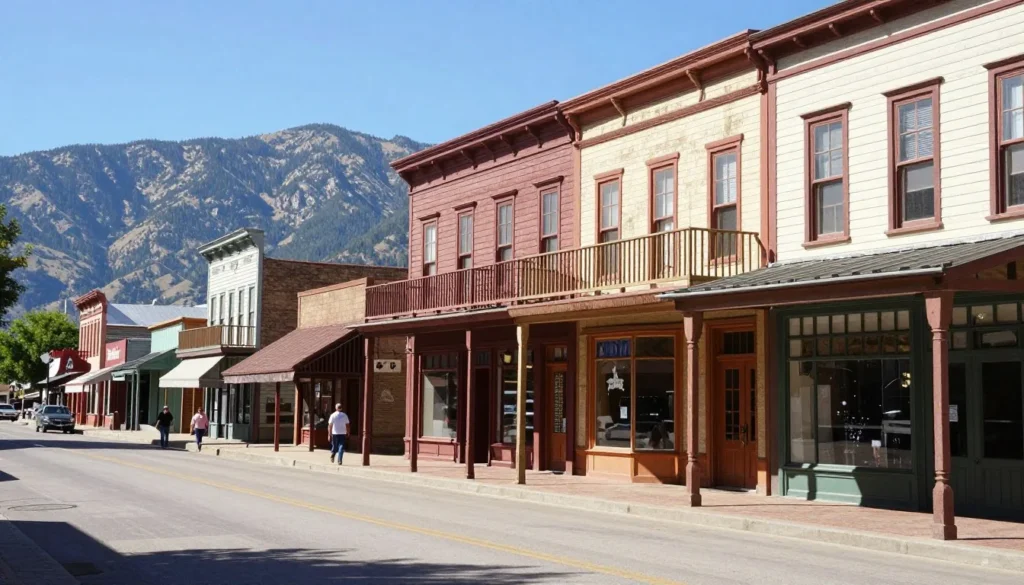
The largest community in the area offers a base camp for regional exploration. Several museums preserve copper mining heritage. Historic downtown buildings house shops and restaurants. The town provides all services visitors might need.
- Full range of lodging from budget to upscale
- Grocery stores, pharmacies, and gas stations
- Medical clinic with limited emergency services
- Equipment shops for outdoor gear
Practical Travel Tips
These final practical considerations help ensure smooth travels throughout your Snake Range adventure. Small details often make the difference between frustrating problems and seamless experiences.
Essential Packing List
The high desert environment and remote location require specific items beyond typical vacation packing. Prepare for temperature extremes, intense sun, and limited shopping opportunities.
- Layered clothing for temperature ranges from 0-32°C (32-90°F)
- Sturdy hiking boots broken in before trip
- Sun protection including high-SPF sunscreen, hat, and sunglasses
- Reusable water bottles and hydration system
- First aid kit with blister treatment and pain relievers
- Headlamp or flashlight with extra batteries
- Topographic maps and compass or GPS device
- Multi-tool or knife
- Cash for small businesses without card readers
- Binoculars for wildlife watching
Technology Considerations
Limited cell coverage means downloading essential information before arrival. Save offline maps, trail descriptions, and emergency contact numbers. Portable battery packs keep devices charged when electrical outlets remain scarce.
Consider bringing a satellite phone or personal locator beacon for backcountry travel. These devices provide emergency communication where cell phones fail. Rental options exist if purchasing seems excessive for a single trip.
Photography Tips
The Snake Range provides spectacular photographic opportunities. Bring extra memory cards and batteries as replacement opportunities don’t exist. Tripods enable sharp images in low light and creative long exposures of stars.
Golden hour lighting—the first hour after sunrise and last hour before sunset—creates dramatic conditions. Plan to be at scenic locations during these times. Midday light appears harsh, making this time better for hiking between photographic locations.
Polarizing filters reduce haze and enhance sky color in landscape photos. UV filters protect expensive lenses from dust and scratches. Clean lenses frequently as desert dust settles on everything.

Pet Considerations
Great Basin National Park restricts pets on trails but allows them in campgrounds and along roadsides when leashed. Surrounding national forest land permits pets on trails. Summer heat makes pavement and rocks dangerously hot for pet paws. Consider leaving pets home or in cool accommodations during midday hours.
Accessibility
The visitor center provides wheelchair-accessible facilities including restrooms and exhibits. Several shorter trails offer accessible surfaces, though the mountainous terrain limits options. Lehman Caves tours present significant accessibility challenges with 500 stairs and uneven surfaces. Contact the park directly at +1 (775) 234-7331 to discuss specific accessibility needs and available accommodations.
Best Resources
Before your trip, gather current information from official sources. The Great Basin National Park website provides weather updates, road conditions, and special alerts. Check the site within days of departure for latest information.
Detailed topographic maps prove essential for backcountry travel. The park’s Trails Illustrated map shows all established trails with elevation profiles. United States Geological Survey maps provide comprehensive coverage of the entire Snake Range at 1:24,000 scale.
Environmental Responsibility
Your visit impacts this fragile environment. Minimize that impact through conscious choices. Use refillable water bottles rather than disposable plastic. Stay on established trails even when shortcuts tempt. Pack out all trash including toilet paper and biodegradable items.
Report trail damage, vandalism, or wildlife issues to rangers. Your observations help protect resources for future generations. Consider volunteering for trail maintenance or educational programs if time permits.
Your Snake Range Adventure Awaits
The Snake Range stands as one of America’s least-discovered mountain wildernesses, offering experiences increasingly rare in our crowded world. Ancient forests whisper stories spanning millennia. Alpine peaks challenge your limits while rewarding effort with views across endless basins. Cave systems reveal underground wonders few places can match. Stars blaze in skies unmarred by light pollution.
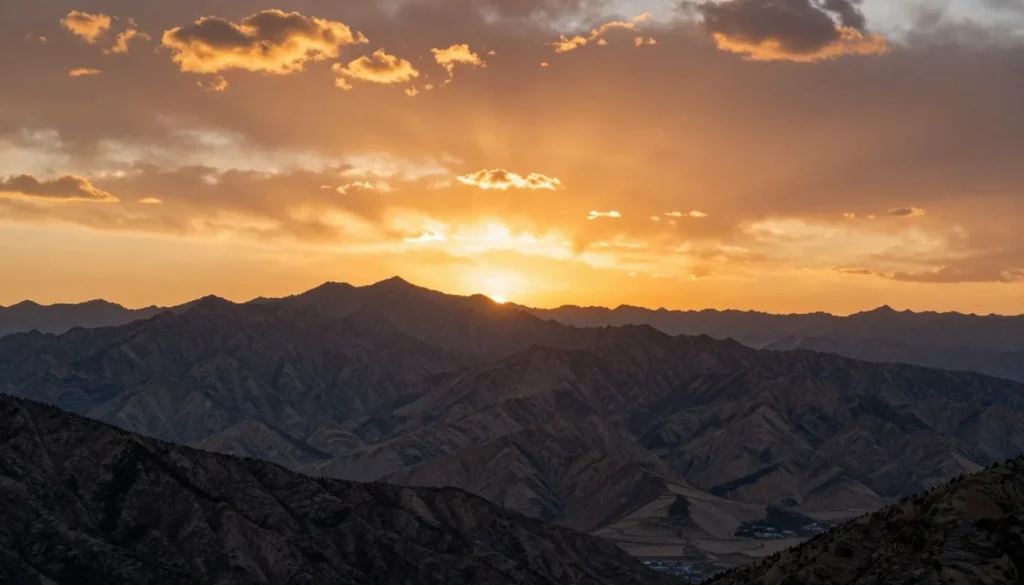
This remote corner of Nevada rewards those willing to venture beyond familiar destinations. The journey requires more effort than visiting heavily developed parks. Services remain limited. Solitude replaces crowds. These characteristics transform from obstacles into advantages for travelers seeking authentic wilderness experiences.
Whether you spend a single day touring Lehman Caves and Wheeler Peak Scenic Drive or a week exploring backcountry trails, the Snake Range leaves lasting impressions. The scale of the landscape humbles. The night sky inspires wonder. The quiet refreshes spirits worn by modern life’s constant noise.
Pack your bags, fill your tank, and point your vehicle toward eastern Nevada. The Snake Range waits to share its secrets with those who make the journey. Your adventure through this remarkable mountain wilderness begins now.