Hotels by Trip.com
Flights by Trip.com
Each year, over 60 million people visit Nevada, yet fewer than 2% venture into the spectacular Snowstorm Mountains region. This hidden gem in the Great Basin offers an extraordinary escape from the crowds that flock to Las Vegas and Lake Tahoe. The area earned its evocative name from early settlers who witnessed the dramatic winter storms that transform these peaks into a crystalline wonderland between November and March.
This comprehensive guide reveals everything you need to know about exploring Snowstorm Mountains. Whether you seek outdoor adventures, cultural experiences, or peaceful mountain retreats, this destination delivers authentic Nevada beauty without the tourist masses.
The region sits at the intersection of high desert and alpine environments. This creates unique ecosystems rarely found elsewhere in the United States. You’ll discover world-class hiking, fascinating ghost towns, and night skies so clear that the Milky Way appears close enough to touch.
Getting There & Planning Your Journey
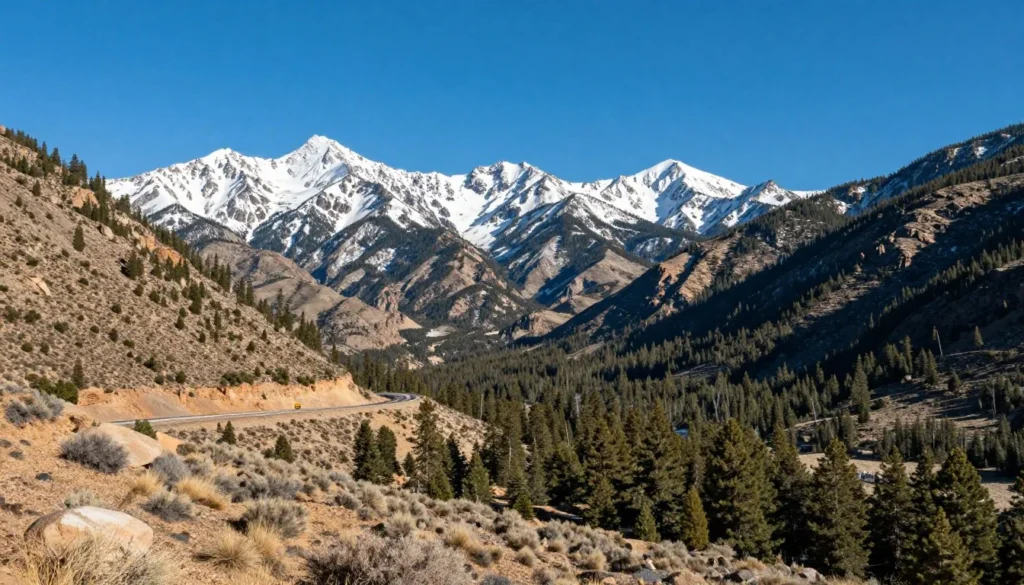
Reaching Snowstorm Mountains requires some planning, but the journey itself becomes part of your adventure. The area lies approximately 250 km (155 miles) northeast of Las Vegas and 320 km (199 miles) southeast of Reno, making either city a viable starting point for your trip.
Closest Airports
Most visitors arrive through one of three major airports. Each offers distinct advantages depending on your travel plans and preferred route to the mountains.
McCarran International Airport (Las Vegas)
This bustling hub serves as the most popular gateway. Located 386 km (240 miles) from Snowstorm Mountains, it offers the most flight options and competitive prices.
- Largest selection of rental car companies
- Direct flights from most major US cities
- Scenic desert-to-mountain drive via US-93
- Approximately 4.5 hours driving time
Reno-Tahoe International Airport
This northern Nevada airport provides closer access to Snowstorm Mountains at just 290 km (180 miles) away. The route takes you through some of Nevada’s most beautiful territory.
- Shorter driving distance to destination
- Route passes near Lake Tahoe
- Less congested than Las Vegas
- Approximately 3.5 hours driving time
Salt Lake City International Airport
Eastern travelers sometimes prefer this Utah gateway. While farther at 483 km (300 miles), it offers another routing option and potential cost savings.
- Alternative for eastern US travelers
- Major Delta Airlines hub
- Scenic Great Basin crossing
- Approximately 5 hours driving time
Ground Transportation Options
Once you arrive at your chosen airport, you’ll need reliable transportation. The remote nature of Snowstorm Mountains makes certain options more practical than others.
- Rental car strongly recommended for flexibility
- Four-wheel drive advisable in winter months
- No public transportation to the area
- Shuttle services available from major hotels
Driving Routes and Road Conditions
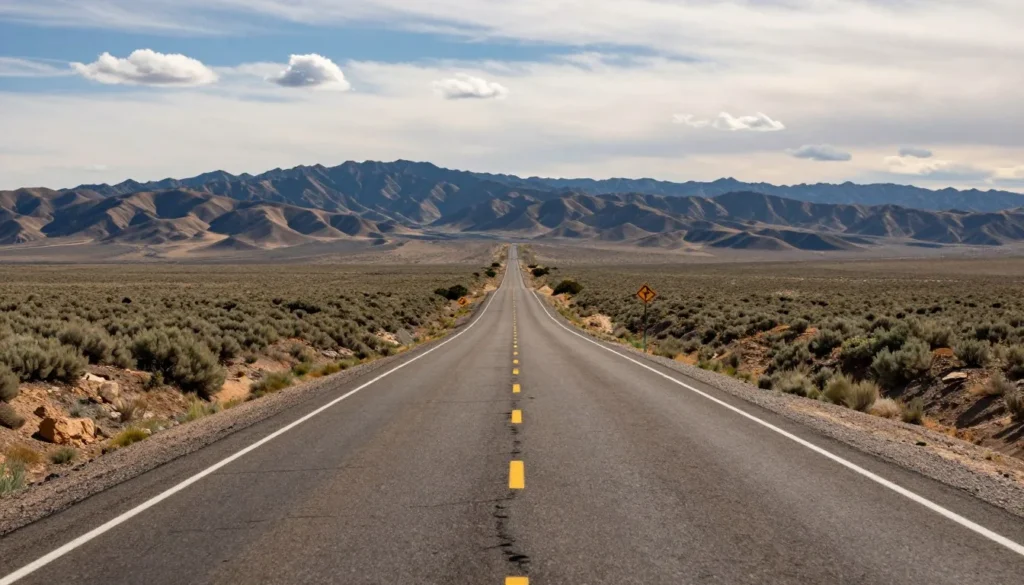
The drive to Snowstorm Mountains rewards travelers with constantly changing scenery. From Las Vegas, take US-93 north through the Mojave Desert before transitioning to US-50, known as “The Loneliest Road in America.” This route passes through historic mining towns and offers stunning vistas of the Great Basin.
From Reno, follow US-50 east through Carson City and past Lake Tahoe’s southern shores. This scenic route climbs through mountain passes and descends into beautiful valleys. The highway condition remains excellent year-round, though winter travelers should check weather forecasts and road conditions before departure.
Both routes require advance planning for fuel stops. Gas stations appear infrequently along these highways. Fill your tank at every opportunity and carry emergency supplies including water, snacks, and a first-aid kit. Cell phone coverage proves spotty in remote areas, so download offline maps before leaving urban areas.
Check 30,000+ Local Sightseeing Tours Worldwide
✓ Numerous languages and currencies are available
Best Time to Visit & Weather Tips
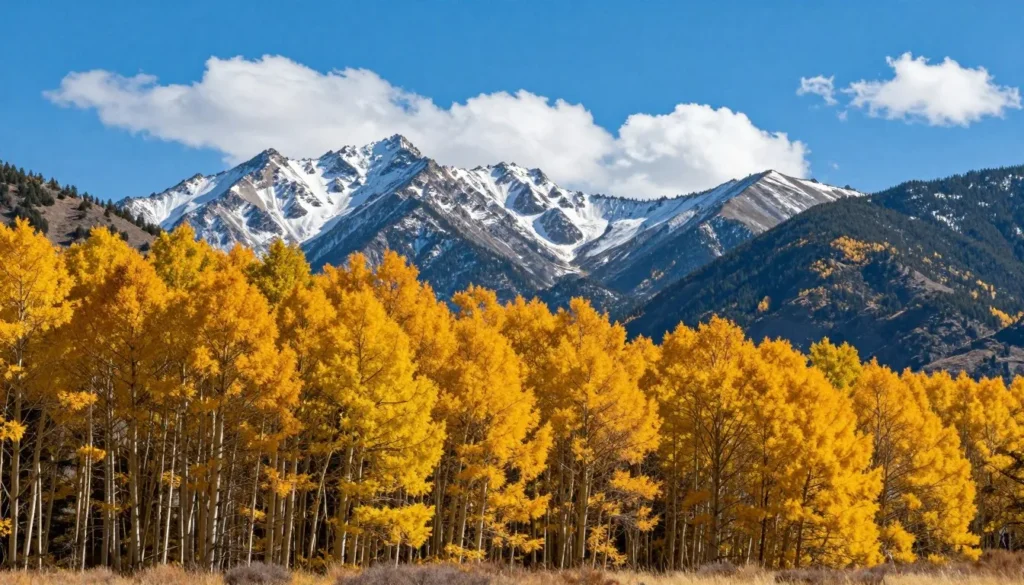
Timing your visit to Snowstorm Mountains significantly impacts your experience. The area enjoys four distinct seasons, each offering unique advantages for different types of travelers. Understanding weather patterns helps you pack appropriately and plan activities that match conditions.
Best Time to Visit Snowstorm Mountains
The ideal visiting period depends entirely on your preferred activities and tolerance for crowds. Here’s what each season offers:
Peak Season: September through October
These autumn months deliver perfect conditions for most visitors. Daytime temperatures range from 15°C to 21°C (59°F to 70°F), making outdoor exploration comfortable. Aspen trees paint mountainsides in brilliant gold, and the area receives minimal rainfall. This represents the busiest time for tourism, so book lodging well in advance.
Shoulder Season: May through June
Late spring brings wildflower blooms across mountain meadows and moderate crowds. Temperatures climb from 10°C to 18°C (50°F to 64°F). Some higher elevation trails may still carry snow until mid-June. This period offers excellent value for budget-conscious travelers, with lodging rates 20-30% below peak season prices.
Winter Season: December through March
Winter transforms Snowstorm Mountains into a snow-covered wonderland. Temperatures drop to -7°C to 4°C (19°F to 39°F), with regular snowfall. This season attracts winter sports enthusiasts but requires proper equipment and experience. Many secondary roads close during heavy snow events. Always check road conditions before traveling.
Summer Season: July through August
Summer brings warm days from 21°C to 29°C (70°F to 84°F) and cool nights. Afternoon thunderstorms occur regularly, typically between 2 PM and 5 PM. Morning activities work best during this period. Despite the heat, the high elevation keeps temperatures more comfortable than surrounding desert areas.
Monthly Weather Patterns
| Month | Avg High | Avg Low | Precipitation | Conditions |
| January | 1°C (34°F) | -9°C (16°F) | 38 mm (1.5 in) | Heavy snow, winter sports season |
| February | 4°C (39°F) | -7°C (19°F) | 41 mm (1.6 in) | Cold with frequent snow |
| March | 9°C (48°F) | -4°C (25°F) | 33 mm (1.3 in) | Transition month, variable weather |
| April | 13°C (55°F) | 0°C (32°F) | 25 mm (1.0 in) | Spring arrives, occasional rain |
| May | 18°C (64°F) | 4°C (39°F) | 28 mm (1.1 in) | Wildflowers bloom, excellent hiking |
| June | 24°C (75°F) | 8°C (46°F) | 18 mm (0.7 in) | Warm days, cool nights, dry |
| July | 29°C (84°F) | 12°C (54°F) | 13 mm (0.5 in) | Warmest month, afternoon storms |
| August | 27°C (81°F) | 11°C (52°F) | 15 mm (0.6 in) | Hot days, regular thunderstorms |
| September | 22°C (72°F) | 7°C (45°F) | 20 mm (0.8 in) | Perfect weather, peak season begins |
| October | 15°C (59°F) | 2°C (36°F) | 23 mm (0.9 in) | Fall colors, ideal conditions |
| November | 8°C (46°F) | -3°C (27°F) | 30 mm (1.2 in) | Early snow possible, fewer visitors |
| December | 3°C (37°F) | -7°C (19°F) | 36 mm (1.4 in) | Winter conditions established |
What to Pack for Different Seasons
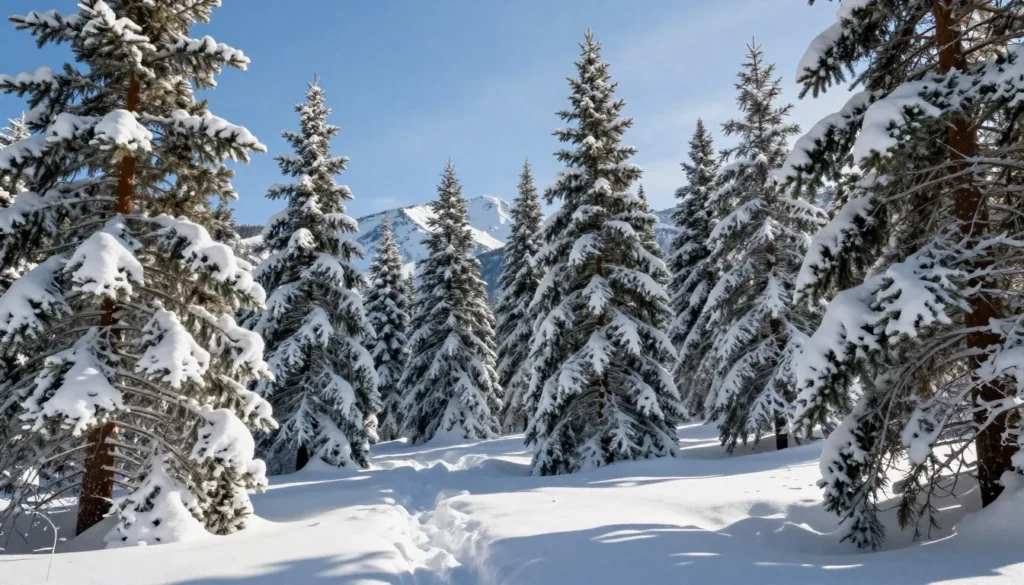
Packing appropriately ensures comfort throughout your visit. The mountain environment creates temperature swings of 15°C (27°F) or more between day and night, even in summer. Layering systems work better than single heavy garments.
Spring and fall visitors should pack medium-weight jackets, long pants, and closed-toe hiking shoes. Bring a warm hat and gloves for early morning excursions. Summer travelers need sun protection including wide-brimmed hats, sunscreen, and sunglasses. The high elevation intensifies UV exposure. Evening temperatures may still drop enough to warrant a light jacket or fleece.
Winter expeditions require serious cold-weather gear. Insulated jackets, waterproof boots, thermal layers, and winter accessories become essential. If you plan backcountry activities, consider renting or purchasing specialized equipment locally rather than traveling with bulky items.
Notable Annual Festivals
Snowstorm Mountains and surrounding communities host several annual festivals that celebrate local culture and outdoor recreation. These events attract visitors from across Nevada and provide unique cultural experiences.
Great Basin Astronomy Festival
This September event celebrates the area’s exceptional dark skies. Amateur and professional astronomers gather for telescope viewing, lectures, and night photography workshops. The festival takes advantage of the new moon period for optimal stargazing conditions.
Information: Contact Great Basin National Park Visitor Center at +1 (775) 234-7331
Mountain Heritage Days
Held each June in nearby Ely, this festival showcases Nevada’s mining history and mountain culture. Demonstrations include gold panning, blacksmithing, and period crafts. The Nevada Northern Railway offers special excursions during the three-day event.
Information: Contact White Pine County Tourism at +1 (775) 289-3720
Snowstorm Summit Challenge
This October trail running event attracts endurance athletes to tackle challenging mountain courses. Race distances range from 10 km to 50 km, with routes showcasing autumn scenery. Even non-participants enjoy the festival atmosphere and vendor booths.
Information: Contact event organizers at +1 (775) 289-8877
Winter Solstice Celebration
This December gathering marks the longest night of the year with guided snowshoe hikes, bonfire gatherings, and traditional music performances. Local artisans sell handcrafted gifts perfect for holiday shopping.
Information: Contact Snowstorm Mountains Visitor Center at +1 (775) 289-4100
Getting Around Locally
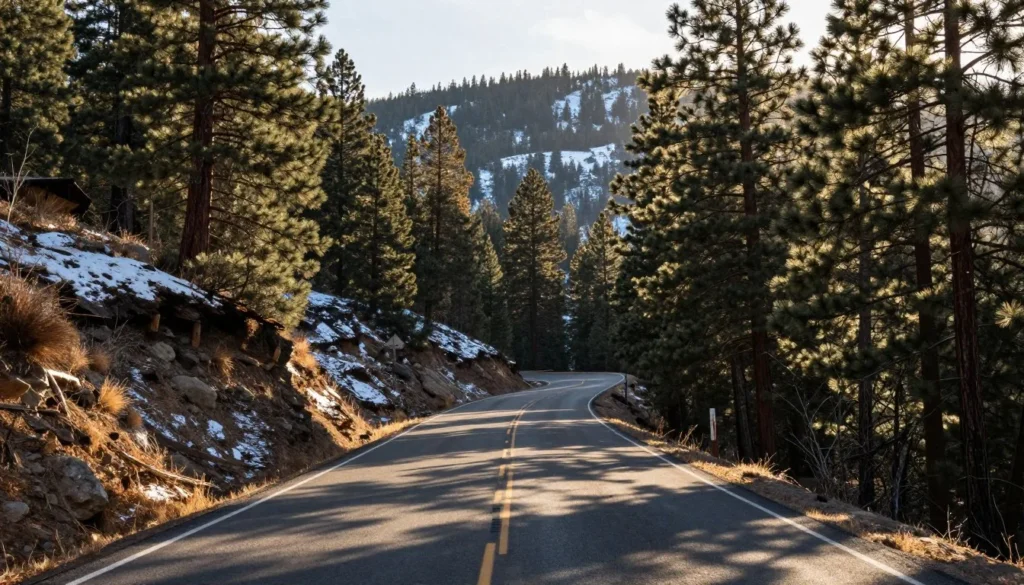
Transportation within the Snowstorm Mountains area relies almost exclusively on private vehicles. The remote location and dispersed attractions make a car essential for exploring the region thoroughly. Unlike urban Nevada destinations, you won’t find ride-sharing services, taxis, or public transit in this mountain territory.
Vehicle Requirements and Rental Options
Most visitors rent vehicles at their arrival airport. Standard passenger cars work fine during summer months on paved roads. However, a vehicle with higher ground clearance proves advantageous year-round. Many scenic overlooks and trailheads require short drives on unpaved roads.
Winter visitors absolutely need four-wheel drive or all-wheel drive vehicles. Snow and ice make mountain roads treacherous for two-wheel drive cars. Rental companies in Reno and Las Vegas stock appropriate vehicles, but reserve winter-capable cars well in advance of your trip. Demand peaks during ski season.
Check your rental agreement for mileage restrictions. Exploring Snowstorm Mountains and nearby attractions easily generates 160 to 240 km (100 to 150 miles) of daily driving. Unlimited mileage contracts save money for multi-day visits.
Road Types and Navigation
The area features a network of paved highways, maintained gravel roads, and primitive dirt tracks. US Highway 50 serves as the primary artery, connecting small towns and providing access to side routes leading into the mountains. State Route 487 offers another major route through the northern section.
Secondary roads vary significantly in quality. Some receive regular grading and remain passable for standard vehicles. Others deteriorate quickly after storms and require high-clearance or four-wheel drive capability. Always inquire locally about current road conditions before attempting unfamiliar routes.
GPS navigation works reliably on main highways but struggles in remote canyons and valleys. Download offline maps before leaving cellular coverage areas. Physical maps from the visitor center provide valuable backup navigation. Mark your planned route and inform someone of your itinerary when exploring backcountry areas.
Fuel and Services
Gas stations appear infrequently throughout the region. Plan fuel stops carefully and top off your tank whenever you encounter a station. The longest stretch without services runs nearly 130 km (81 miles) along certain routes. Carry extra fuel in approved containers for extended backcountry trips.
Mechanical services exist in larger towns like Ely and Eureka, but specialized repairs may require towing to Reno or Las Vegas. Ensure your vehicle receives a thorough inspection before departing urban areas. Check tire pressure, fluid levels, and carry a spare tire in good condition.
Vehicle emergency kits become essential rather than optional in this environment. Stock your car with water, non-perishable food, warm clothing, flashlights, and basic tools. A portable battery jumper and tire repair kit can save hours of waiting for assistance on remote roads.
Pro Navigation Tip
Download the area’s offline maps through Google Maps or Maps.me before your trip. Cell coverage remains spotty throughout Snowstorm Mountains. Offline maps function without cellular connection, ensuring you can navigate even in remote locations. Update these maps regularly, as road conditions and closures change seasonally.
Where to Stay
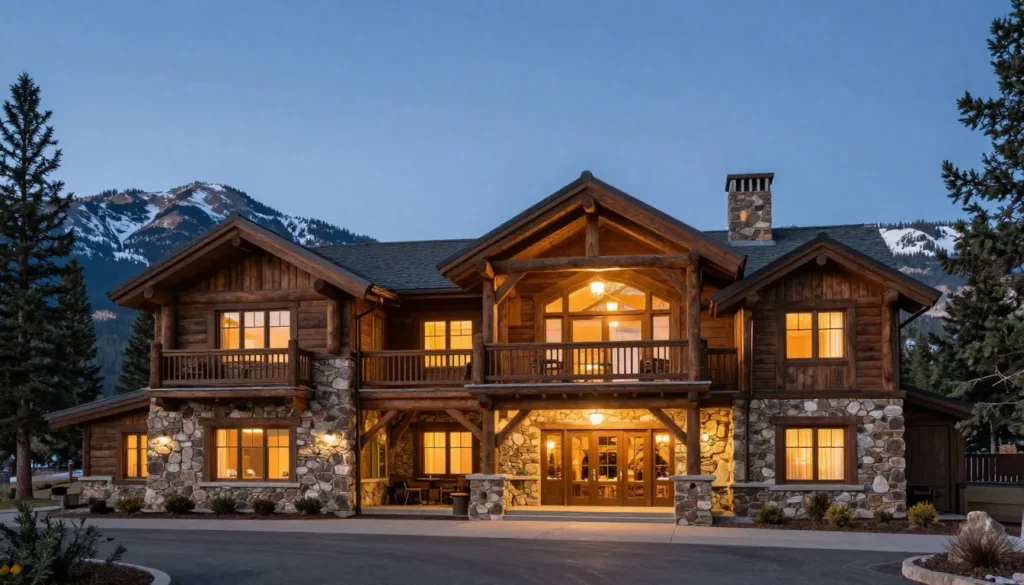
Lodging options near Snowstorm Mountains range from rustic camping to comfortable hotels, though choices remain more limited than in major Nevada cities. Most accommodations cluster in small towns within 30 to 50 km (19 to 31 miles) of the main attractions. Book reservations several weeks ahead during peak season from September through October.
Hotels and Motels
The town of Ely, located 43 km (27 miles) east of Snowstorm Mountains, offers the largest selection of traditional accommodations. This historic mining town features about a dozen hotels and motels ranging from budget-friendly chains to locally-owned properties with historic character.
Most Ely hotels provide clean, comfortable rooms with standard amenities including WiFi, cable television, and complimentary breakfast. Prices typically range from $75 to $150 per night depending on season and property. The Nevada Northern Railway Museum sits right in town, making Ely an excellent base for combining mountain exploration with cultural attractions.
Smaller communities like McGill and Ruth offer limited motel options. These tend toward basic, no-frills accommodations but provide closer proximity to certain trailheads. Expect fewer amenities but friendly local hospitality and rates around $60 to $90 per night.
Bed and Breakfasts
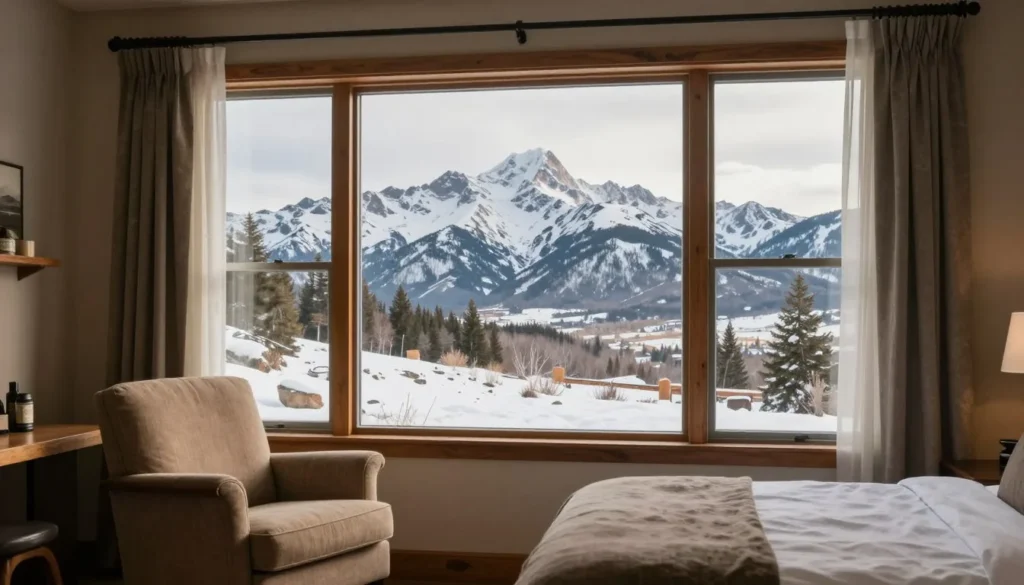
Several charming bed and breakfast inns operate in the area. These owner-operated properties deliver personalized service and insider knowledge about local attractions. Hosts often provide detailed trail recommendations and historical information you won’t find in guidebooks.
Breakfast at these establishments typically features homemade dishes using local ingredients when possible. Common rooms encourage guests to share trip experiences and swap hiking tips. Rates run $90 to $180 per night, with higher prices during autumn peak season.
Many B&Bs occupy restored historic buildings, adding architectural interest to your stay. Some restrict children or pets, so verify policies when booking if traveling with family or animals. The intimate scale means limited rooms; popular properties book solid months in advance for September and October weekends.
Camping and RV Parks
Outdoor enthusiasts find excellent camping throughout the region. Developed campgrounds offer restrooms, picnic tables, and fire rings. Primitive dispersed camping on public lands provides ultimate solitude for self-sufficient adventurers.
Great Basin National Park maintains several campgrounds with sites costing $15 to $20 per night. These fill quickly during summer weekends, but midweek availability remains good. Facilities include vault toilets and drinking water at most locations. The high elevation keeps nights cool even in July and August.
Bureau of Land Management areas surrounding Snowstorm Mountains permit free dispersed camping in most locations. Follow Leave No Trace principles and camp at least 61 m (200 feet) from water sources. Check current fire restrictions before lighting campfires, as seasonal bans apply during dry periods.
RV travelers find several parks in Ely offering full hookups, dump stations, and laundry facilities. Daily rates range from $35 to $50 depending on amenities and season. Many RV parks welcome tent campers as well, providing a middle ground between primitive camping and hotel stays.
Vacation Rentals
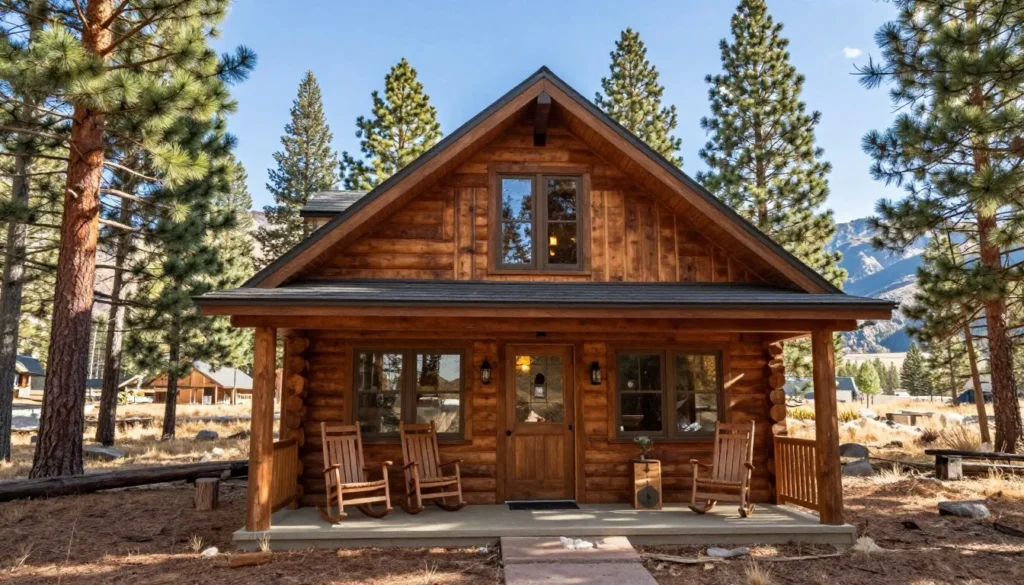
A growing number of vacation homes and cabins offer rentals through online platforms. These work particularly well for families or groups wanting more space and kitchen facilities. Entire houses sleep four to eight people and cost $150 to $300 per night.
Many vacation rentals sit in scenic mountain locations with exceptional views. Full kitchens allow you to prepare meals, saving money versus restaurant dining for every meal. Outdoor spaces often include grills, fire pits, and deck seating perfect for enjoying cool mountain evenings.
Book vacation rentals carefully and read reviews thoroughly. Remote locations mean limited service options if problems arise. Verify check-in procedures and emergency contact information. Some properties lack reliable cell service, so confirm WiFi availability if connectivity matters during your stay.
Lodging Tips and Recommendations
- Reserve accommodations 4-6 weeks ahead for September-October visits
- Choose Ely for maximum lodging variety and town amenities
- Consider camping to maximize budget for activities and dining
- Verify cancellation policies before booking during uncertain weather seasons
- Ask about package deals combining rooms with local attraction tickets
- Check altitude if you’re sensitive to elevation changes (most lodging sits at 1,800 to 2,100 m / 5,900 to 6,900 feet)
- Confirm heating systems work properly for winter visits
- Request rooms away from highway noise if you’re a light sleeper
Dining & Local Cuisine
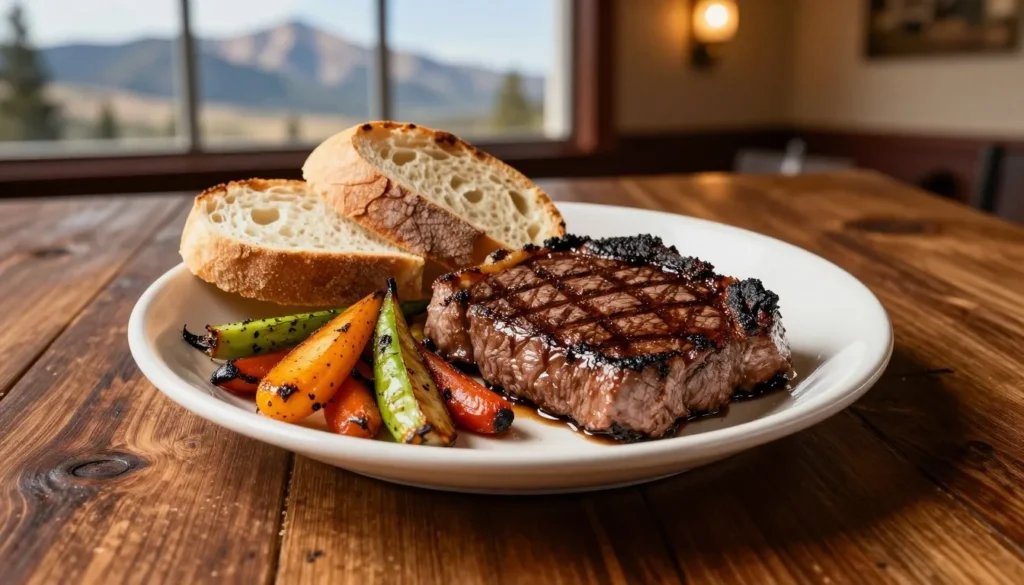
Dining options near Snowstorm Mountains reflect the area’s small-town character and ranching heritage. While you won’t find the variety of Las Vegas or Reno, local restaurants serve satisfying meals emphasizing hearty portions and Western hospitality. Most establishments occupy historic buildings in downtown Ely, the region’s culinary hub.
Restaurant Types and Atmosphere
Ely supports roughly 20 restaurants ranging from classic diners to steakhouses and family-style cafes. Breakfast spots open early to serve hunters, anglers, and hikers heading into the mountains. These serve traditional American breakfasts with generous portions of eggs, bacon, pancakes, and strong coffee.
Lunch options include sandwich shops, burger joints, and Mexican restaurants. Several establishments offer daily specials featuring comfort food like meatloaf, pot roast, and chicken fried steak. Prices remain remarkably affordable, with most lunch entrees costing $10 to $15.
Dinner choices expand to include steakhouses serving locally-raised beef. These restaurants pride themselves on thick cuts grilled to order and served with baked potatoes and salad bars. A few establishments offer Nevada game meats including elk and venison when available. Expect dinner entrees from $18 to $35.
Local Specialties and Regional Flavors
Nevada’s ranching tradition influences local menus significantly. Beef appears prominently, often sourced from nearby ranches where cattle graze on high desert grasslands. The result delivers meat with distinctive flavor appreciated by steak enthusiasts.
Basque cuisine represents an unexpected culinary highlight in the region. Basque immigrants settled in Nevada during the mining boom, establishing a cultural presence that persists today. Family-style Basque restaurants serve multi-course dinners featuring soups, salads, sides, and large meat portions. These convivial meals encourage conversation with fellow diners seated at communal tables.
Don’t overlook simple pleasures like homemade pies available at local cafes. Bakers prepare fresh fruit pies daily, with seasonal offerings like cherry, apple, and huckleberry. A slice of pie with coffee makes the perfect mid-afternoon break from hiking.
Practical Dining Information
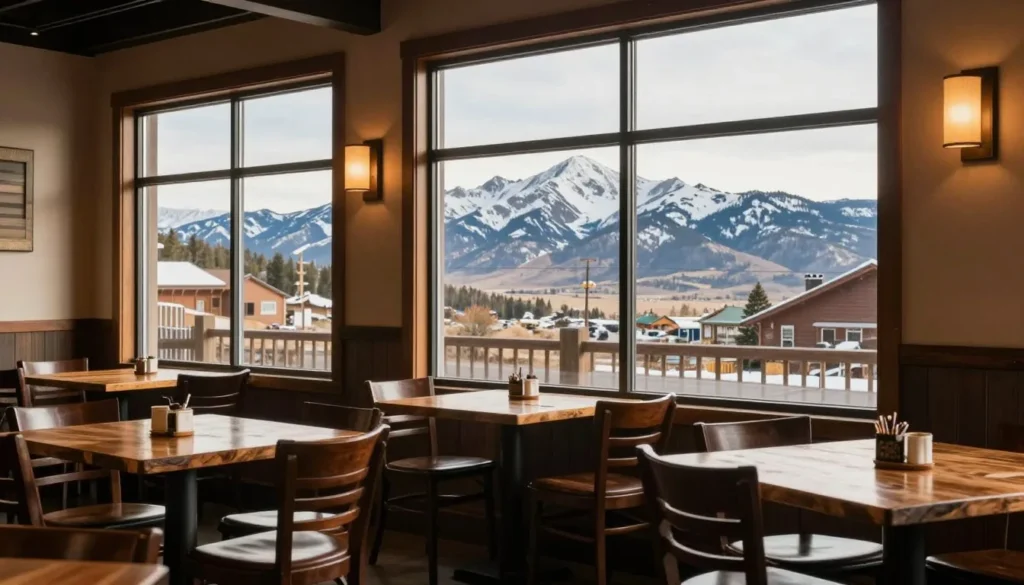
Restaurant hours in small Nevada towns differ from urban areas. Many establishments close by 8:00 PM or 9:00 PM, particularly on weekdays. Sunday and Monday closures occur frequently, so check schedules when planning meals. Calling ahead prevents disappointment, especially during slower seasons when restaurants may adjust hours.
Reservations rarely require much advance notice except during special events or September-October peak season. However, popular restaurants may fill up on weekend evenings. A quick phone call ensures you get seated without waiting.
Tipping customs follow standard American practices. Fifteen to twenty percent of the pre-tax bill represents appropriate gratuity for table service. Counter-service cafes often have tip jars, though tipping isn’t required for takeout orders.
Groceries and Self-Catering
Ely has two full-service supermarkets where you can stock up on groceries, camping supplies, and snacks. Prices run slightly higher than urban supermarkets due to transportation costs, but selection covers all basics. Both stores sell fresh produce, meats, dairy products, and packaged goods.
A natural foods store offers organic produce, whole grain products, and specialty items like gluten-free options. Health-conscious travelers appreciate this alternative to conventional supermarkets. The store also carries outdoor gear, maps, and local honey.
Convenience stores attached to gas stations stock limited groceries, beverages, and quick snacks. These work for emergency supplies or trail food but lack the selection and value of supermarkets. Several stores sell hunting and fishing licenses if you plan outdoor recreation requiring permits.
Dining with Dietary Restrictions
Vegetarian and vegan options exist but require some searching. Most restaurants can accommodate requests for meatless meals, though choices may be limited to salads, pasta, or vegetable sides. Call ahead to discuss options with kitchen staff who often willingly prepare custom dishes.
Gluten-free diners face more challenges in this meat-and-potatoes region. Some restaurants now mark gluten-free items on menus, typically including grilled meats, salads, and baked potatoes. Always verify preparation methods and potential cross-contamination with staff.
Families with food allergies should communicate clearly with restaurant staff. The small-town dining scene means chefs often personally take allergy requests and can detail ingredients and preparation methods. Most establishments genuinely want to accommodate special dietary needs.
Check 30,000+ Local Sightseeing Tours Worldwide
✓ Numerous languages and currencies are available
Budget Dining Tips
- Take advantage of generous breakfast portions that can carry you to dinner
- Look for daily specials offering full meals at reduced prices
- Pack picnic lunches for day trips using supermarket ingredients
- Share large entrees, as portions often exceed what one person needs
- Purchase snacks and drinks at supermarkets rather than convenience stores
- Brew coffee in your room rather than buying coffee shop beverages
Local Dining Etiquette
- Casual dress works everywhere; no need for formal attire
- Service may be slower than urban restaurants during busy times
- Engage friendly staff who often know best hiking trails and local sites
- Cash still preferred at some smaller establishments
- Asking about daily specials often reveals best values
- Local knowledge freely shared with courteous visitors
Attractions, Sightseeing & Activities
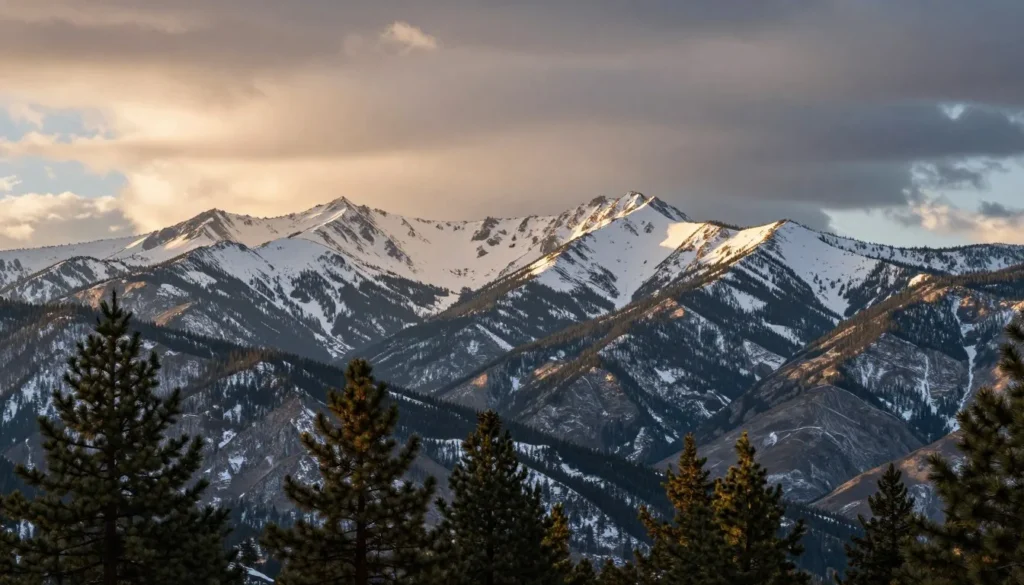
Snowstorm Mountains and the surrounding Great Basin region offer diverse attractions appealing to outdoor adventurers, history buffs, and anyone seeking spectacular natural scenery. The area’s remote location preserves landscapes and historic sites that disappeared elsewhere in Nevada. Most attractions require some driving, but the journey itself provides constant scenic rewards.
Great Basin National Park
This magnificent national park sits 64 km (40 miles) east of Snowstorm Mountains and absolutely deserves a full day of exploration. The park protects 310 square km (77,000 acres) of pristine mountain wilderness, ancient bristlecone pine forests, and the stunning Lehman Caves.
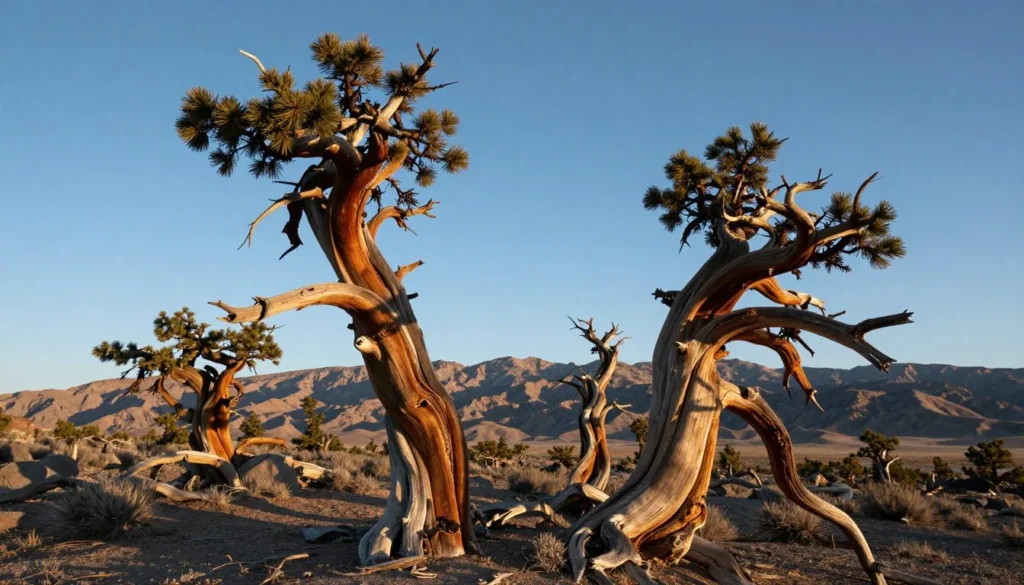
The Wheeler Peak Scenic Drive climbs 3,962 m (13,000 feet) in just 19 km (12 miles), passing through multiple ecological zones. The route winds through sagebrush desert, aspen groves, and finally alpine tundra. Developed overlooks provide safe spots to stop and photograph the expanding vistas.
Lehman Caves tours run year-round and showcase intricate limestone formations created over millions of years. Rangers guide small groups through decorated passages filled with stalactites, stalagmites, and rare shield formations. Tour tickets cost $10 for adults and $5 for children. Reserve tours at the visitor center; summer weekends sell out early.
Wheeler Peak itself stands as Nevada’s second-highest mountain at 3,982 m (13,065 feet). A strenuous 13 km (8.1 mile) round-trip trail climbs to the summit, gaining 900 m (2,900 feet) of elevation. Only experienced, well-conditioned hikers should attempt this challenging route. The alpine environment requires proper gear even in summer.
Nevada Northern Railway Museum
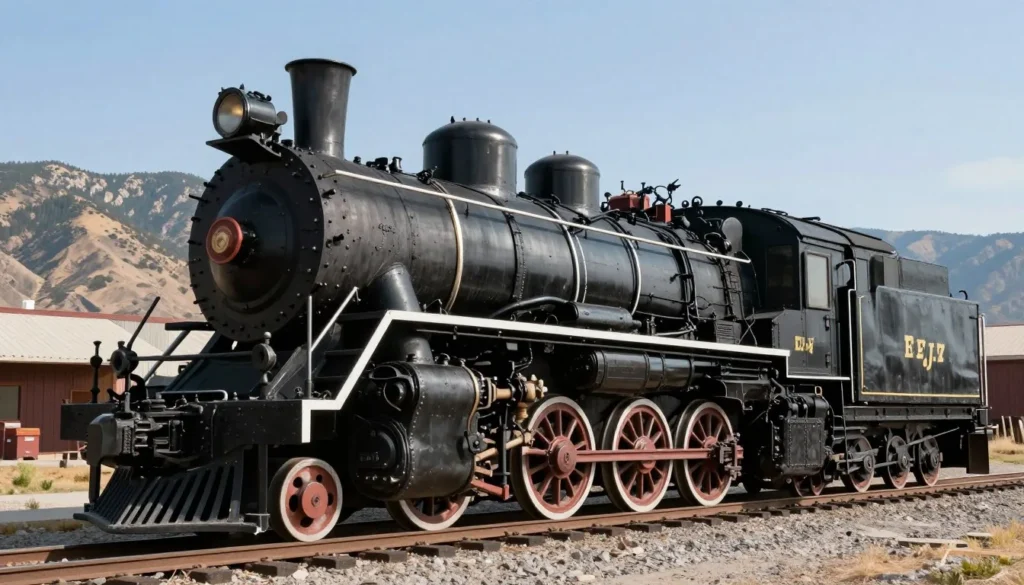
Located in downtown Ely, this exceptional museum preserves one of the best-maintained historic railroad operations in America. The Nevada Northern Railway operated from 1906 to 1983, hauling copper ore from local mines to smelters and distant markets. Today, the entire complex functions as a working museum where history comes alive.
Guided tours explore the engine house, machine shops, and extensive rail yards. You’ll see vintage steam locomotives, historic passenger cars, and the tools that kept trains running through Nevada’s harsh environment. Knowledgeable docents explain the railroad’s vital role in developing Nevada’s mining industry.
Weekend excursion trains operate from April through October, pulling vintage passenger cars behind restored steam or diesel locomotives. The basic 90-minute trip costs $29 for adults and $15 for children. Special events include dinner trains, photography sessions, and the popular Polar Express rides during December.
Photography enthusiasts particularly love this museum. The authentic, un-restored industrial environment provides incredible visual opportunities. Early morning light striking weathered locomotives creates images impossible at more polished museums. The museum actively welcomes photographers and even offers special photo charter opportunities.
Ward Charcoal Ovens State Historic Park
These remarkable beehive-shaped structures stand 9 m (30 feet) tall and date to the 1870s mining boom. The ovens converted local pinyon and juniper wood into charcoal used for ore smelting. Six ovens remain in excellent condition thanks to their solid construction and Nevada’s dry climate.
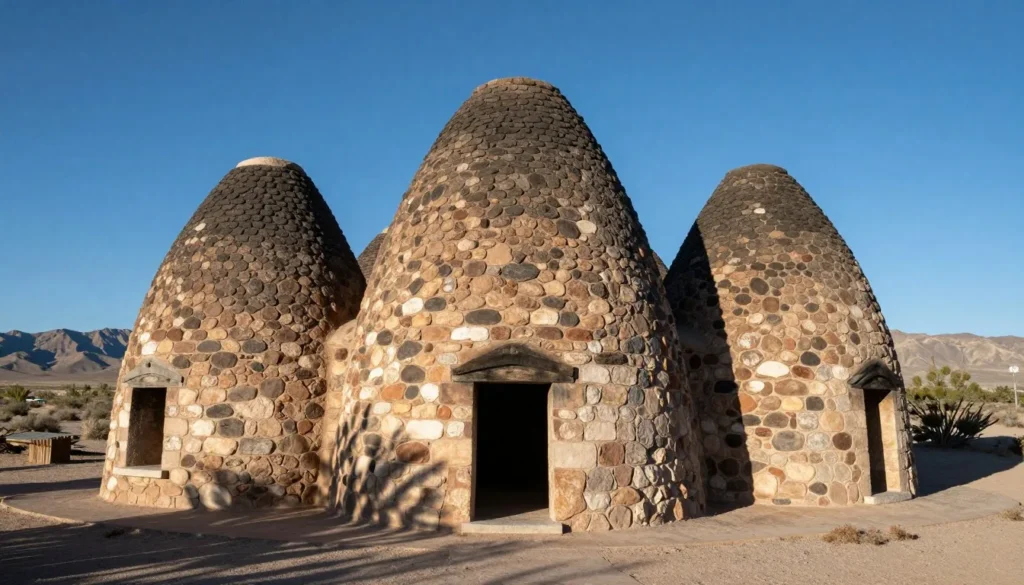
The state park sits 29 km (18 miles) south of Ely via a paved road. A small picnic area and vault toilet provide basic facilities. Interpretive panels explain the ovens’ operation and the area’s mining history. You can walk right up to and inside the ovens, creating unique photo opportunities.
The site offers excellent stargazing after dark. Minimal light pollution allows the Milky Way to arch brilliantly across the sky. Bring a blanket and lie beneath the ovens for an unforgettable celestial show. The park has no entrance fee and stays open 24 hours daily.
Cave Lake State Park
This 810-hectare (2,000-acre) state park wraps around a scenic reservoir 11 km (7 miles) southeast of Ely. The lake covers 13 hectares (32 acres) and sits at 2,316 m (7,600 feet) elevation, creating a high-mountain oasis surrounded by pinyon-juniper forest.
Fishing attracts many visitors to Cave Lake. The Nevada Division of Wildlife stocks rainbow and brown trout regularly. Shore fishing works well, though small boats and kayaks allow access to deeper water. Ice fishing becomes popular once winter freeze arrives, typically by late December.
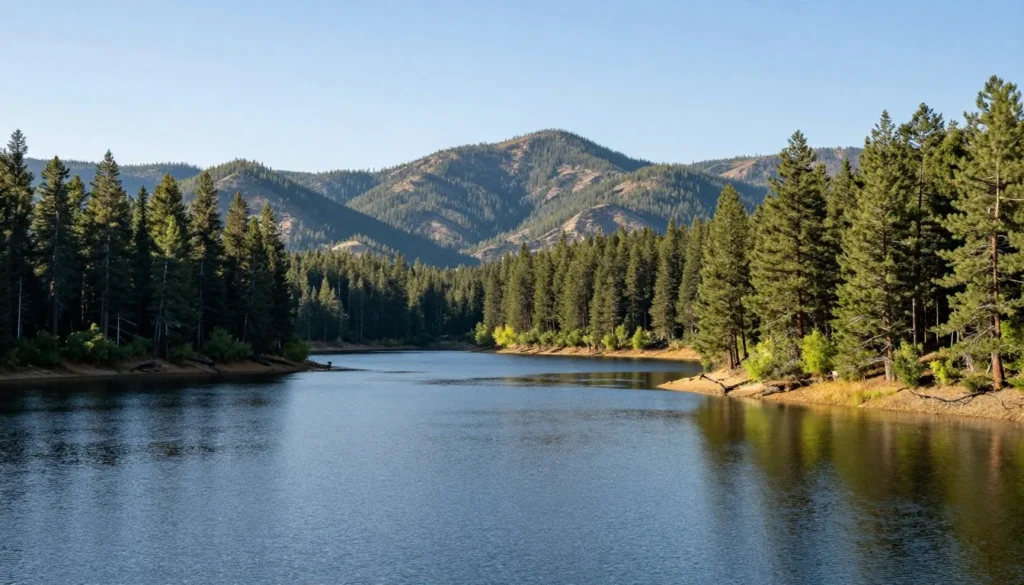
The park maintains developed campsites and day-use areas. Facilities include picnic tables, fire rings, vault toilets, and a boat ramp. Sites cost $15 per night and operate first-come, first-served. The elevation keeps summer temperatures comfortable while winter brings heavy snow limiting access.
Wildlife viewing opportunities abound. Mule deer frequent the area, particularly during early morning and evening hours. Birdwatchers spot numerous species including mountain bluebirds, juncos, and occasional bald eagles. Keep safe distances from all wildlife and never feed animals.
Historic Mining Towns
The region surrounding Snowstorm Mountains contains dozens of ghost towns and mining camps representing Nevada’s boom-and-bust mining era. These atmospheric sites range from completely abandoned ruins to partially occupied communities maintaining remnants of their glory days.
McGill, 21 km (13 miles) north of Ely, presents a fascinating semi-ghost town. The massive copper smelter ceased operations decades ago, but several hundred residents remain. The enormous smelter building dominates the landscape, visible for miles. Walking around McGill reveals abandoned company houses, a closed school, and other industrial archaeology.
Cherry Creek lies 89 km (55 miles) north via US-50 and represents classic Great Basin mining town character. A handful of residents maintain homes among historic buildings dating to the 1870s gold rush. The town sits in a beautiful valley with minimal modern intrusions spoiling the historic atmosphere.
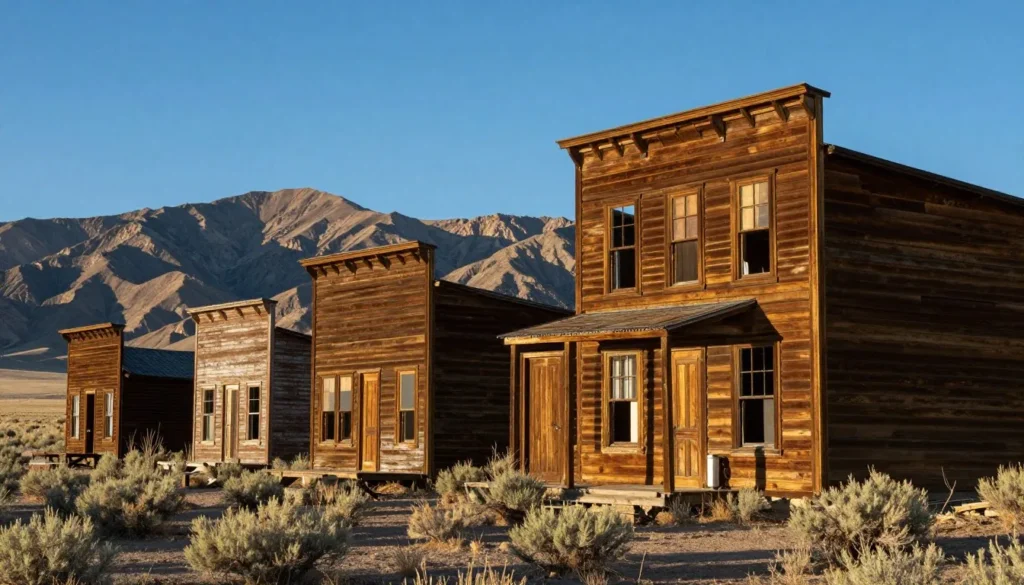
Always exercise extreme caution when exploring abandoned mining sites. Old mine shafts and unstable structures present serious hazards. Never enter mine tunnels or deteriorating buildings. Photograph from safe distances and stay on established roads. Respect private property signs, as some seemingly abandoned sites remain under private ownership.
Scenic Drives
The route to Snowstorm Mountains passes through some of Nevada’s most spectacular scenery. US-50, nicknamed “The Loneliest Road in America,” traverses the Great Basin in grand style. The highway crosses alternating mountain ranges and desert valleys, creating rhythm to the landscape that becomes almost hypnotic.
Success Summit sits along US-50 at 2,254 m (7,395 feet) elevation. The high pass offers 360-degree views across multiple mountain ranges. A pullout provides safe parking for photos. On clear days, you can see over 160 km (100 miles) in every direction across the sparsely populated Great Basin.
The Loneliest Road in America designation actually works in visitors’ favor. Light traffic means you can drive at a relaxed pace, stopping frequently for photos without worrying about impeding other drivers. The Nevada Tourism Commission even issues certificates to travelers who complete the route and collect stamps from towns along the way.
Museums, Cultural Spots & Festivals
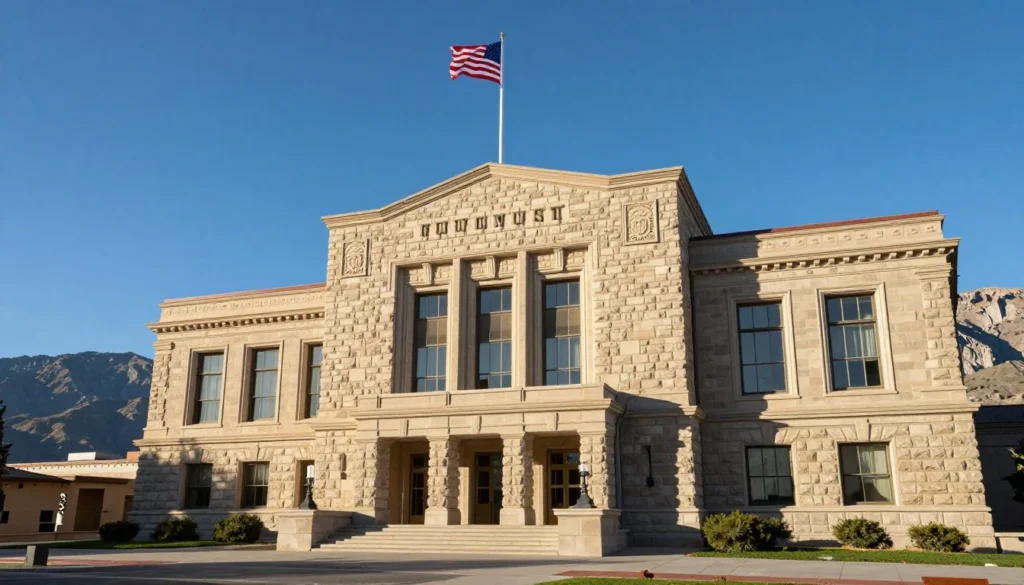
Cultural attractions near Snowstorm Mountains focus heavily on mining history, railroad heritage, and the hardy individuals who built communities in Nevada’s remote interior. While you won’t find world-class art museums, the region’s historical and cultural sites provide genuine insights into the American West experience.
White Pine Public Museum
This community museum in downtown Ely chronicles the county’s rich history from indigenous peoples through mining booms to modern times. Exhibits display Native American artifacts, mining equipment, vintage photographs, and household items from early settlers. The collection grows through ongoing donations from local families.
A highlight includes the mineral collection featuring spectacular specimens from area mines. White Pine County produced enormous quantities of copper, gold, and silver. The museum displays samples showing the quality and variety of minerals that created Nevada’s mining economy.
The museum occupies a historic building adding architectural interest to your visit. Admission costs just $5 for adults, with children under 12 entering free. Hours run Tuesday through Saturday, 10 AM to 4 PM. Knowledgeable volunteers staff the museum and enthusiastically share stories about local history.
National Automobile Museum

Though located 402 km (250 miles) away in Reno, this exceptional museum merits mention for travelers passing through on their way to Snowstorm Mountains. The collection includes over 200 vehicles spanning automotive history from the 1890s to modern supercars.
Four galleries arranged chronologically showcase vehicles in period street scenes. You’ll see horseless carriages, classic roadsters, muscle cars, and celebrity-owned vehicles. The presentation quality exceeds many larger automotive museums. Famous cars include Elvis Presley’s 1973 Cadillac Eldorado and John Wayne’s 1953 Chevrolet Corvette.
Museum admission runs $12 for adults and $6 for children ages 6-18. Plan two to three hours to properly appreciate the extensive collection. The facility includes a gift shop selling automotive memorabilia and books. Parking is plentiful in the downtown Reno location.
Pinball Hall of Fame
Located in Las Vegas 386 km (240 miles) south of Snowstorm Mountains, this unique attraction houses the world’s largest pinball collection. Over 200 playable machines span from the 1950s to modern digital games. Unlike typical museums, you can actually play these vintage machines.
Admission is free, though you’ll need quarters to play the machines. Most games cost 25 to 50 cents per play, making this an affordable entertainment option. Proceeds benefit the Salvation Army. The relaxed atmosphere encourages lingering and playing multiple games across different eras.
Pinball enthusiasts consider this a pilgrimage site, but casual visitors enjoy the nostalgic experience too. The collection includes rare machines worth tens of thousands of dollars alongside common games from neighborhood arcades. Hours run daily from 11 AM to 9 PM.
Ely Renaissance Village
This evolving cultural district in downtown Ely transforms historic buildings into artist studios, galleries, and performance spaces. The project breathes new life into structures that previously sat vacant or underutilized. Walking the area reveals murals, sculptures, and architectural restoration projects.
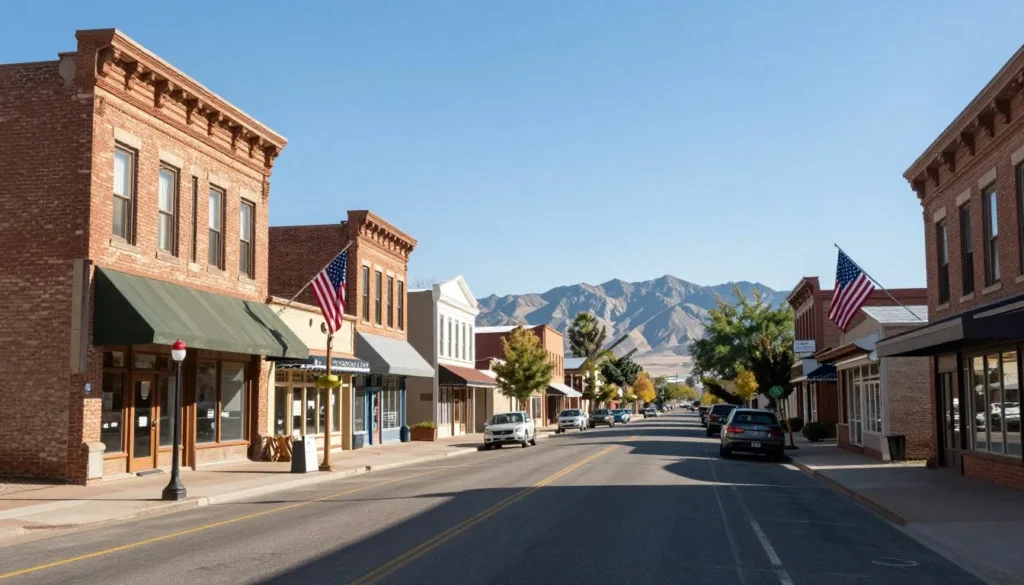
Several galleries showcase work by regional artists. Paintings, photography, sculpture, and crafts reflect Great Basin landscapes and Western themes. Gallery hours vary, but most open Friday through Sunday afternoons. During summer months, the village hosts outdoor concerts and art fairs bringing the community together.
The renaissance represents ongoing grassroots efforts to preserve Ely’s heritage while creating economic opportunities. Visitors witness authentic community development rather than artificial tourist attractions. Chatting with artists and business owners provides insights into contemporary rural Nevada life.
Local Art Scene
While not a major art destination, the area supports working artists inspired by dramatic landscapes and unique light quality. Small galleries in Ely and occasional studio visits let you meet creators and purchase original works.
Landscape painting and photography dominate local art production. Artists capture the stark beauty of high desert mountains, abandoned mining infrastructure, and spectacular night skies. Quality varies, but talented artists produce work that genuinely reflects the region’s character.
Some artists maintain studios in former mining buildings, adding industrial character to the creative environment. A few welcome visitors by appointment. Ask at the visitor center for current information about artists studios and gallery hours.
Cultural Events and Performances
The small population limits regular cultural programming, but seasonal events provide entertainment and community connection. Summer months bring outdoor concerts to parks and historic venues. Local musicians perform country, rock, and folk music in casual settings.
Community theater groups stage occasional productions in the Ely Renaissance Village performance space. These amateur productions show genuine enthusiasm even if they lack Broadway polish. Supporting local arts builds connections with residents and enriches your travel experience.
Check with the White Pine County Tourism office for current event schedules. Many happenings receive minimal advertising beyond local word-of-mouth. Asking at your lodging or restaurants often reveals events not listed online.
Nature & Outdoor Experiences
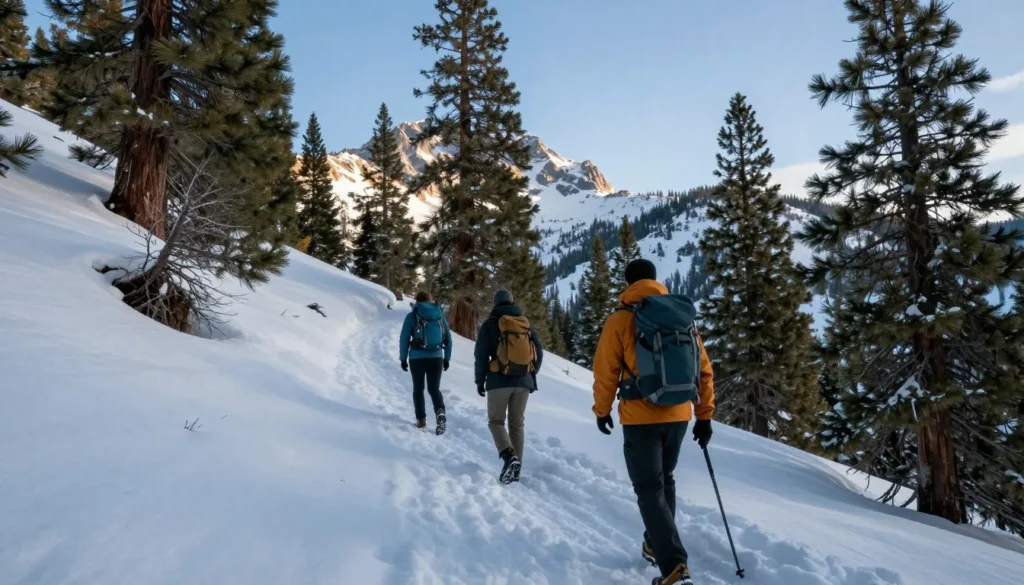
Outdoor recreation forms the primary attraction drawing visitors to Snowstorm Mountains. The area’s dramatic topography, diverse ecosystems, and minimal development create outstanding opportunities for hiking, rock climbing, wildlife watching, and backcountry exploration. The high elevation environment requires proper preparation but rewards prepared adventurers with unforgettable experiences.
Hiking Trails
Trails throughout the region range from easy nature walks to challenging alpine routes. The Great Basin National Park alone contains over 100 km (62 miles) of established trails accessing bristlecone pine groves, alpine lakes, and mountain summits. Surrounding wilderness areas offer hundreds more kilometers of maintained and primitive routes.
The Bristlecone Pine Trail makes an excellent introduction to high-elevation hiking. This 4.6 km (2.9 mile) loop at 3,048 m (10,000 feet) elevation winds through a grove of ancient trees, some over 4,000 years old. The well-maintained path gains minimal elevation, making it accessible for most fitness levels. Interpretive signs explain these remarkable trees’ adaptations to harsh mountain conditions.
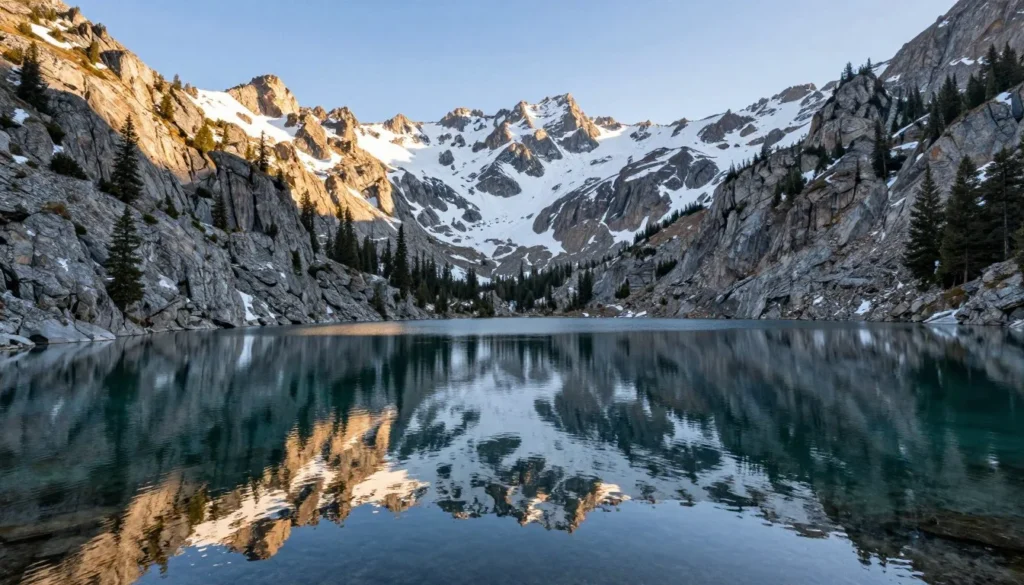
Alpine Lakes Loop provides a more challenging 4.3 km (2.7 mile) hike gaining 183 m (600 feet) in elevation. The trail climbs through alpine meadows to reach Stella and Teresa Lakes nestled in a glacial cirque. Wildflowers peak in July and August, painting meadows in brilliant colors. The lakes offer excellent brook trout fishing for anglers willing to hike in with lightweight gear.
Lexington Arch Trail leads 5.5 km (3.4 miles) to Nevada’s largest natural limestone arch. The route crosses varied terrain including sagebrush flats, juniper woodland, and pine forest. The arch spans 23 m (75 feet) and towers 12 m (40 feet) high, creating an impressive geological feature in an unexpected location. This trail sees fewer visitors than popular Great Basin National Park routes.
Backcountry permits aren’t required for day hiking in most areas. However, inform someone of your route and expected return time. The remote environment means help arrives slowly if emergencies occur. Carry the “Ten Essentials” on every hike: navigation tools, sun protection, insulation, illumination, first-aid supplies, fire-starting materials, repair kit, nutrition, hydration, and emergency shelter.
Rock Climbing
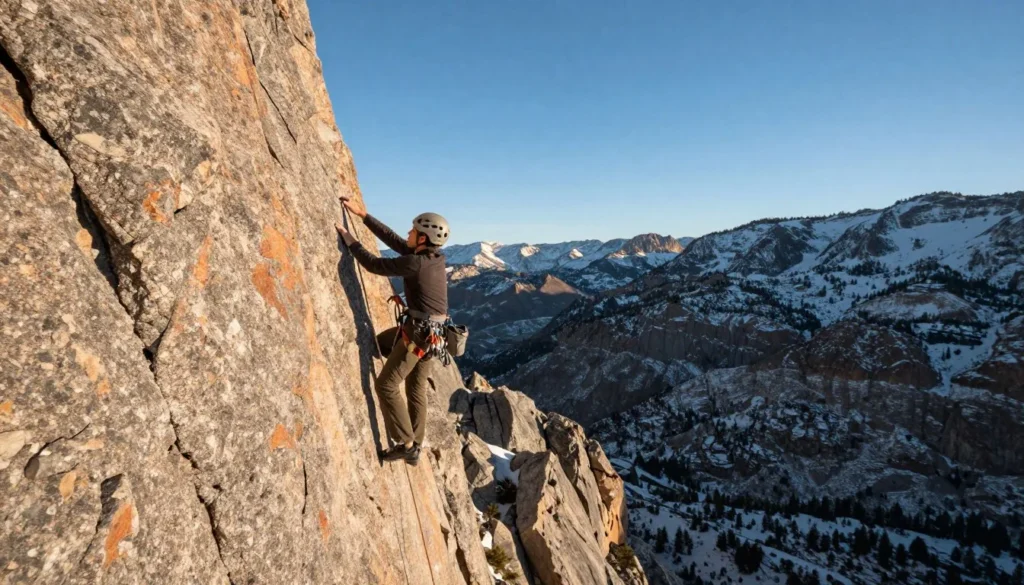
Rock climbing opportunities abound throughout Snowstorm Mountains on various rock types including limestone, granite, and volcanic formations. Routes span difficulty ratings from beginner-friendly scrambles to extreme technical climbs requiring advanced skills.
Limestone cliffs near Cave Lake offer developed sport climbing routes with bolted anchors. Over 40 established routes range from 5.6 to 5.12 in difficulty. The area attracts local climbers and visiting enthusiasts seeking Nevada limestone, which differs in character from more famous areas like Red Rock Canyon near Las Vegas. Most routes run 12 to 24 m (40 to 80 feet) in height.
No climbing guides operate regularly in the area. Visiting climbers should bring complete equipment and possess solid outdoor climbing skills. Guidebook information exists but remains limited compared to famous climbing destinations. Online resources and climbing forums provide the best current route information.
Traditional climbing on natural features requires advanced skills and proper gear placement knowledge. The remote setting and limited rescue resources mean climbers must practice conservative decision-making and risk management. Climb within your ability level and retreat from routes when conditions warrant caution.
Wildlife Watching
The diverse habitats surrounding Snowstorm Mountains support remarkable wildlife variety. Mule deer thrive throughout the area, often visible during morning and evening hours. Large herds migrate between summer and winter ranges, concentrating in valleys during harsh weather.
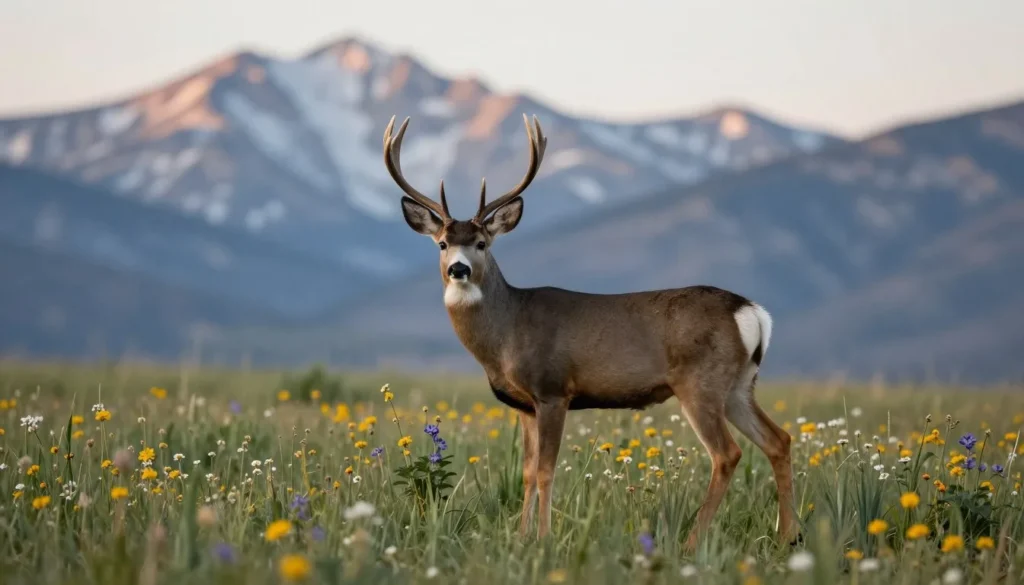
Elk reintroduction efforts in recent decades have succeeded, creating a growing population. Bugling bulls during September rut attract hunters and wildlife photographers. Spring brings elk to lower elevations where new grass greens up earliest. Respect distance from all elk; bulls become aggressive during mating season, and cows defend calves vigorously.
Mountain lions inhabit the area but rarely show themselves to humans. These apex predators hunt deer across rugged terrain. Encounters remain extremely rare, though you may spot tracks or scat while hiking. Make noise while hiking to avoid surprising wildlife, and travel in groups when possible.
Birdwatching opportunities include both resident species and seasonal migrants. Golden eagles soar on thermals above ridges. Mountain bluebirds, juncos, and nuthatches frequent pine forests. Waterfowl stop at Cave Lake and other water sources during spring and fall migrations. Bring binoculars and field guides to identify species.
Smaller mammals include yellow-bellied marmots, pikas, chipmunks, and ground squirrels. These creatures provide endless entertainment at alpine elevations. Never feed wildlife; human food harms animals and creates dangerous habituation to human presence.
Fishing
Trout fishing attracts anglers to area streams, rivers, and lakes. Cave Lake receives regular trout stocking and provides convenient access near Ely. Bank fishing works well, though float tubes and kayaks allow reaching deeper water where larger fish hold.
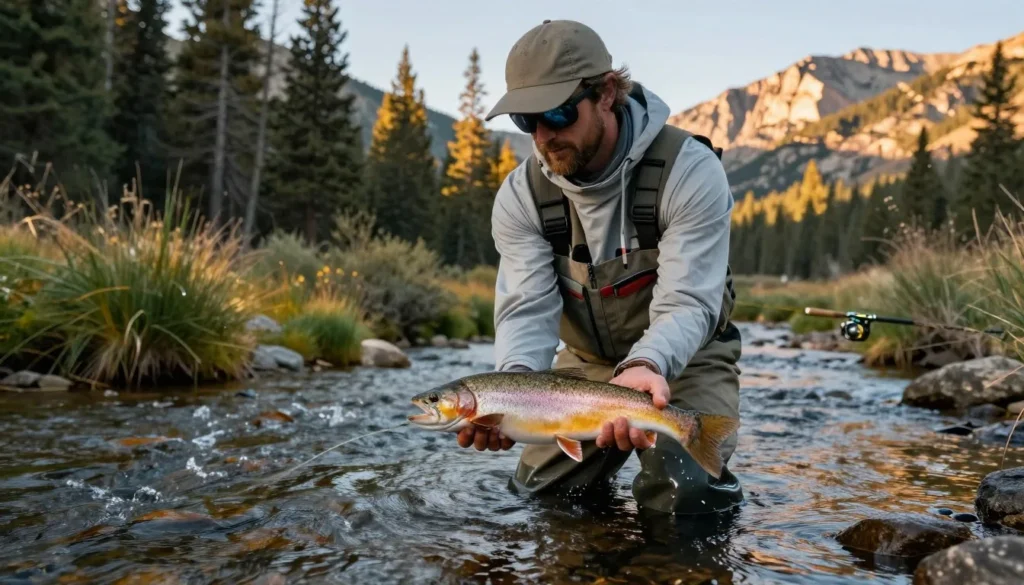
Small creeks flowing from Snowstorm Mountains hold wild brook trout populations. These fish run small but provide excellent sport on lightweight tackle. Hiking to headwater streams rewards anglers with solitude and beautiful settings. Practice catch-and-release fishing on wild trout to preserve limited populations.
Nevada fishing licenses cost $18 for one day or $61 for a full season for non-residents. Purchase licenses online through the Nevada Department of Wildlife or at sporting goods stores in Ely. Regulations vary by water body, so review current rules before fishing. Trout seasons and limits change periodically.
Winter Sports
Snowfall transforms Snowstorm Mountains into excellent winter recreation terrain. Cross-country skiing and snowshoeing allow exploration of snow-covered landscapes. No developed ski areas operate nearby, making this strictly backcountry winter activity.
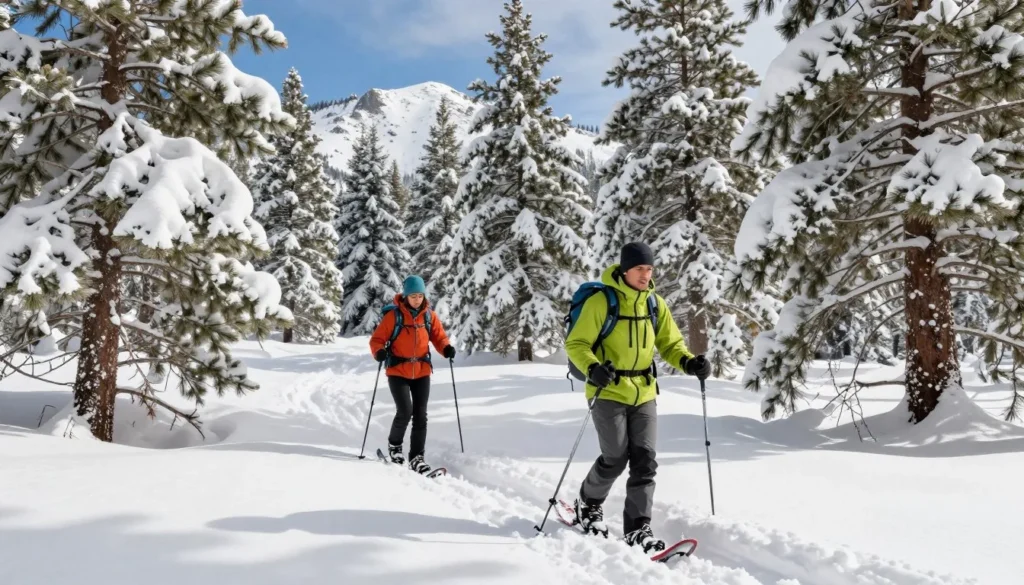
Popular routes follow summer hiking trails buried under snow. Navigation skills become critical when landmarks disappear beneath snow. Carry avalanche safety equipment including beacon, probe, and shovel. Take avalanche awareness courses before venturing into mountain terrain. Slope angles, recent weather, and snowpack stability all affect avalanche danger.
Ice fishing develops on Cave Lake once ice reaches safe thickness, typically by late December. Anglers drill holes and fish for trout through the ice. Shanties provide shelter from wind and cold. Always verify ice thickness before venturing onto frozen lakes. Minimum safe thickness is 10 cm (4 inches) for foot travel.
Photography Opportunities
Photographers find endless subjects throughout Snowstorm Mountains. Landscape opportunities range from sweeping vistas to intimate forest details. The high elevation and clean air create exceptional clarity and dramatic lighting conditions.
Check 30,000+ Local Sightseeing Tours Worldwide
✓ Numerous languages and currencies are available
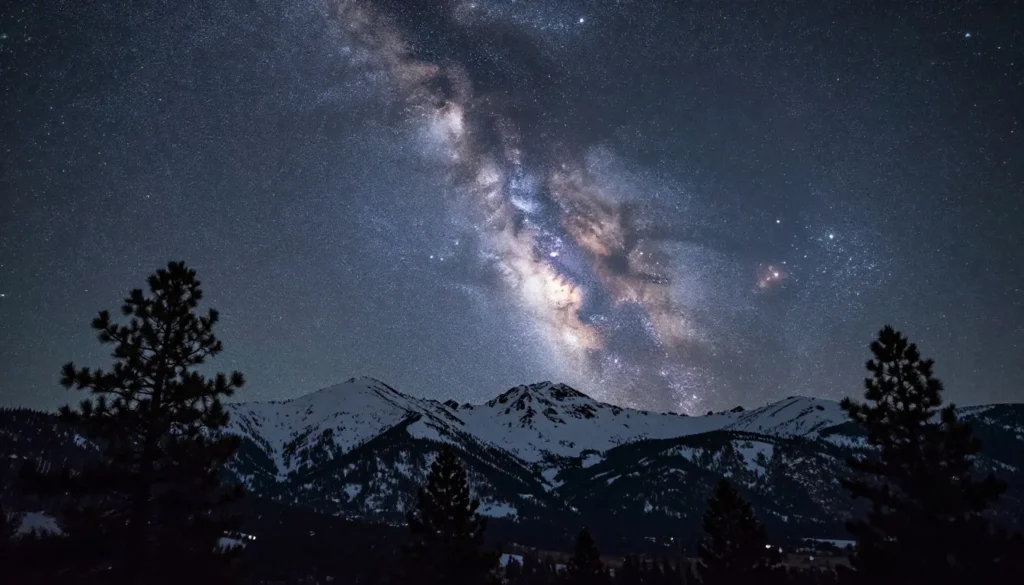
Astrophotography reaches world-class potential thanks to minimal light pollution. The Milky Way appears brilliant on moonless nights. Long exposures reveal cosmic details invisible to urban dwellers. Meteor showers like the August Perseids and December Geminids put on spectacular displays in these dark skies.
Wildlife photography requires patience and proper equipment. Telephoto lenses let you maintain safe distances while capturing frame-filling images. Early morning and late evening provide the best light and wildlife activity. Respect animals by never approaching too closely or altering their behavior for photographs.
Historic mining sites offer industrial archaeology subjects. Weathered wood structures, rusting equipment, and abandoned towns create atmospheric images. Always photograph from safe distances and never enter unstable structures for the sake of a photograph.
Travel With Children
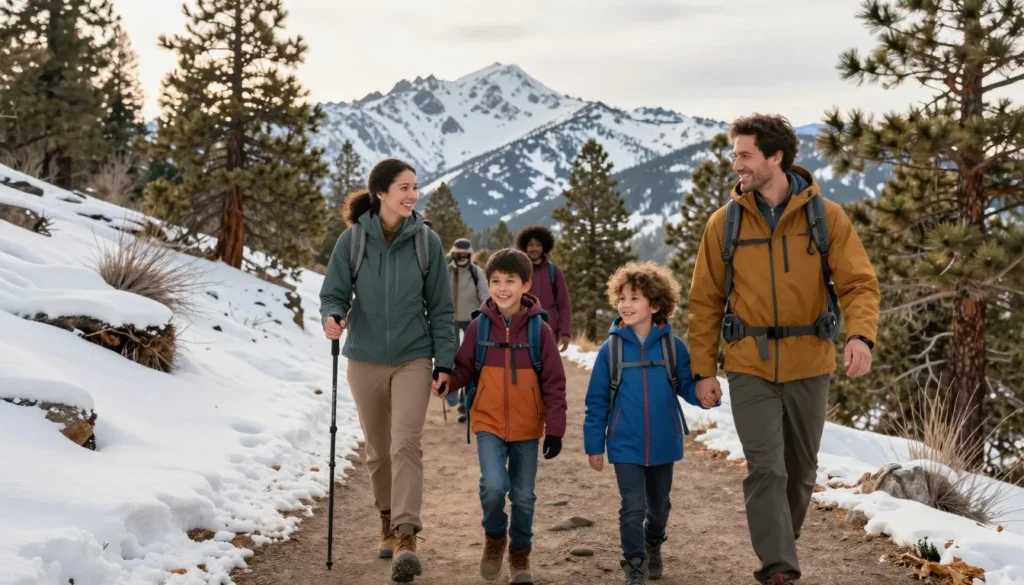
Snowstorm Mountains welcomes families, though the remote location and outdoor focus require additional planning when traveling with children. The area lacks typical commercial attractions like theme parks or arcades. Instead, families bond through shared outdoor experiences and exposure to authentic Western history and nature.
Age-Appropriate Activities
Young children enjoy short nature walks where discovery matters more than distance covered. The Bristlecone Pine Trail’s easy grade and ancient trees fascinate kids while keeping mileage manageable. Bring field guides and encourage children to identify plants, birds, and animal tracks. This transforms a simple walk into an educational adventure.
Cave Lake provides excellent family-friendly activities. Fishing from shore requires minimal skill or equipment. Even if fish don’t bite constantly, children enjoy being outdoors and may spot frogs, birds, and other wildlife. The lake’s day-use area includes picnic tables and shade perfect for lunch breaks.
Lehman Caves tours captivate children’s imaginations. The underground world of formations and total darkness creates memorable experiences. However, tours require children to stay with the group and follow ranger instructions. Kids under age five may struggle with the 90-minute duration. Consider your children’s attention spans before booking.
Family-Friendly Lodging
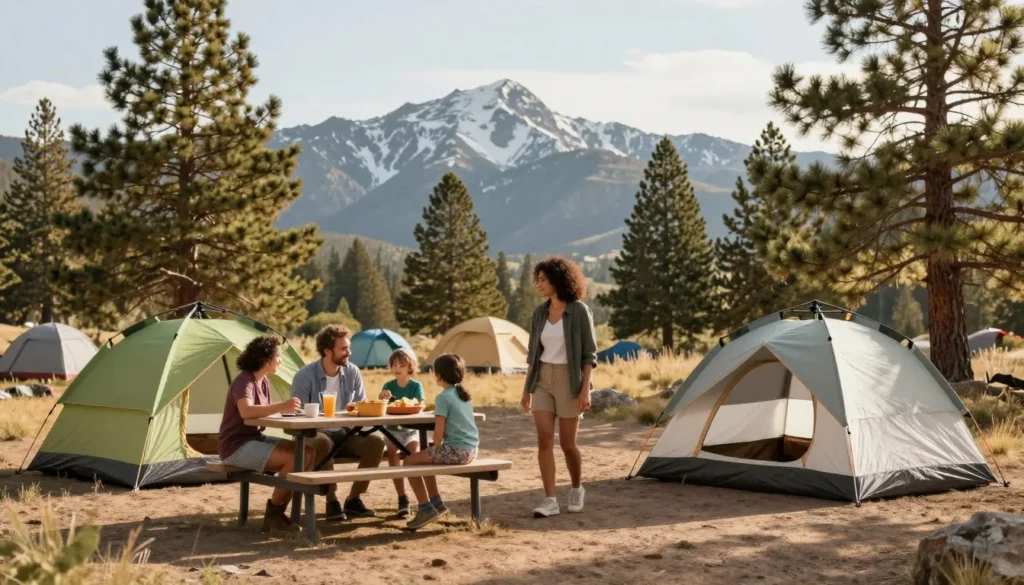
Most Ely hotels accommodate families with double queen or king rooms. Some properties offer suites with separate sleeping areas and kitchenettes. Having space to spread out reduces stress when traveling with kids. Pools remain rare at area hotels, so don’t count on swimming as a daily activity.
Camping works wonderfully for families comfortable with outdoor sleeping. Kids love campfires, s’mores, and sleeping under stars. Great Basin National Park campgrounds and Cave Lake State Park offer developed sites with tables and fire rings. Reserve campground sites at state parks online; national park sites operate first-come, first-served.
Vacation rentals provide home-like environments ideal for families. Full kitchens allow preparing kids’ favorite meals. Outdoor spaces let children run around after being confined in cars. Look for rentals with games, books, or outdoor play equipment.
Dining with Children
Small-town Nevada restaurants generally welcome families warmly. Most menus include standard kids’ favorites like burgers, chicken fingers, and pasta. Portions run large enough that parents can often share meals with smaller children, reducing costs and food waste.
Pack snacks and drinks for day trips. Trailhead parking areas and overlooks lack concessions. Having familiar snacks prevents meltdowns when hunger strikes between towns. A cooler stocked with sandwiches, fruit, and beverages saves money versus restaurant meals for every lunch.
Children often enjoy novel experiences like Basque-style communal dining. Sharing tables with other guests teaches social skills and exposes kids to different food traditions. The family-style service means food arrives quickly, reducing wait times that challenge children’s patience.
Safety Considerations
The high elevation affects children just like adults. Altitude sickness symptoms include headache, nausea, and unusual tiredness. Ascend gradually when possible, encourage extra water consumption, and watch for symptoms. Most children adapt quickly, but severe symptoms require descending to lower elevations.
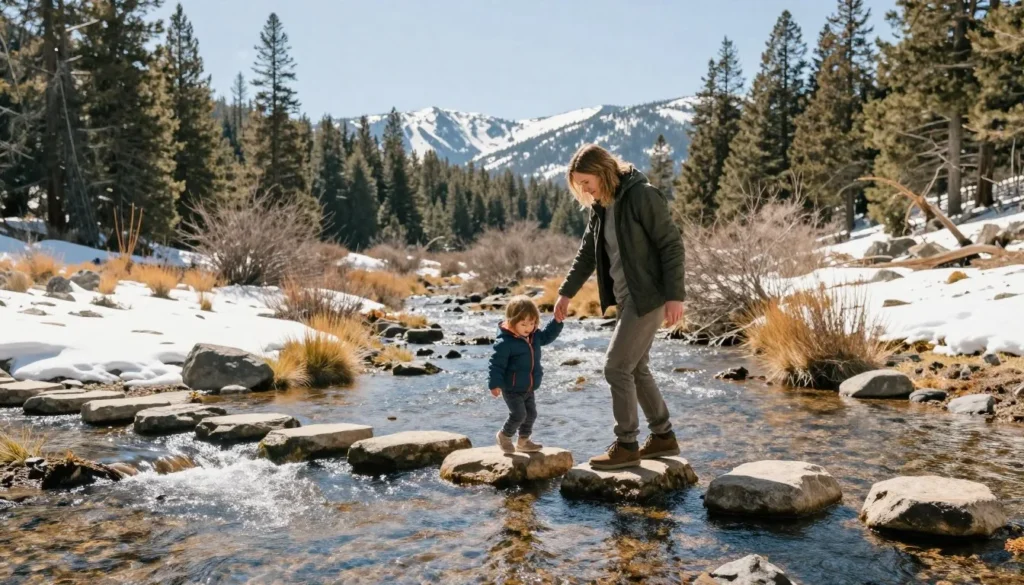
Sun protection becomes critical at high elevations where UV radiation intensifies. Apply sunscreen liberally and frequently to children’s exposed skin. Wide-brimmed hats and long-sleeved shirts provide additional protection. Sunglasses prevent eye damage from intense mountain sunlight.
Teach children to stay on trails and within sight of adults. The rugged terrain includes cliffs, unstable rocks, and other hazards. Bright-colored clothing makes children easier to spot in forested or rocky areas. Consider child locator devices or whistles for older kids exploring within bounded areas.
Wildlife encounters excite children but require adult supervision and education. Teach kids to observe animals from safe distances and never attempt to feed or touch wildlife. Even cute squirrels and chipmunks bite when handled. Deer, despite seeming gentle, can kick forcefully if approached too closely.
Educational Opportunities
Travel to Snowstorm Mountains creates countless teaching moments. Children learn geology examining rock formations and fossil beds. Ancient bristlecone pines demonstrate concepts of deep time and adaptation. Abandoned mining sites illustrate Western expansion and boom-bust economic cycles.
The Nevada Northern Railway Museum offers hands-on history engaging for kids. Climbing into locomotive cabs and exploring vintage passenger cars makes the past tangible. Many children develop fascination with trains after experiencing this authentic railroading environment.
Junior Ranger programs at Great Basin National Park engage kids through age-appropriate activities. Children complete workbooks while exploring the park, then receive badges and certificates. These programs encourage learning while making park visits more engaging for young visitors.
Practical Family Tips
- Plan shorter hikes than you’d attempt without children; kids tire quickly at altitude
- Bring layers for temperature changes throughout the day
- Pack extra snacks and water beyond what you think necessary
- Schedule regular breaks rather than pushing through long drives
- Let children help plan activities to increase buy-in and enthusiasm
- Build flexibility into itineraries for tired or cranky moments
- Carry basic first-aid supplies including bandages and antiseptic
- Download offline entertainment for devices to occupy kids during drives through areas without cell coverage
- Visit the bathroom at every opportunity; facilities appear infrequently
Money Saving Tips
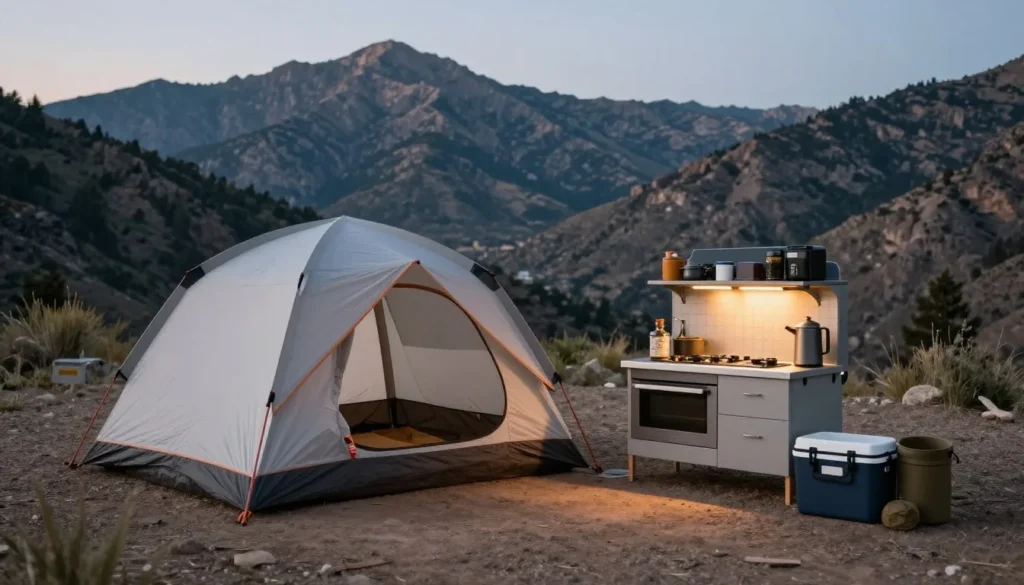
Visiting Snowstorm Mountains need not break your budget. The area’s outdoor focus naturally costs less than entertainment-heavy destinations. Smart planning and strategic choices stretch travel dollars significantly further while maintaining an excellent experience.
Accommodation Savings
Camping represents the most economical lodging option. State park and national park campgrounds charge $15 to $20 per night compared to $75 to $150 for hotel rooms. Free dispersed camping on Bureau of Land Management lands eliminates lodging costs entirely for self-sufficient campers.
Book hotels during midweek periods when rates drop 20-30% below weekend prices. Tuesday through Thursday nights offer the best value, particularly during shoulder seasons in May-June and November. Avoid holiday weekends when limited rooms inflate prices.
Share vacation rental homes or larger hotel suites when traveling with friends or family. Per-person costs decrease dramatically when splitting accommodations. Full kitchens in vacation rentals enable meal preparation, multiplying savings beyond just lodging costs.
Food and Dining Savings
Stock groceries from supermarkets rather than relying entirely on restaurants. A simple breakfast of yogurt, fruit, and granola costs $3-4 versus $12-15 at a restaurant. Pack trail lunches using supermarket ingredients for additional savings. A family of four easily saves $50-75 daily preparing some meals themselves.
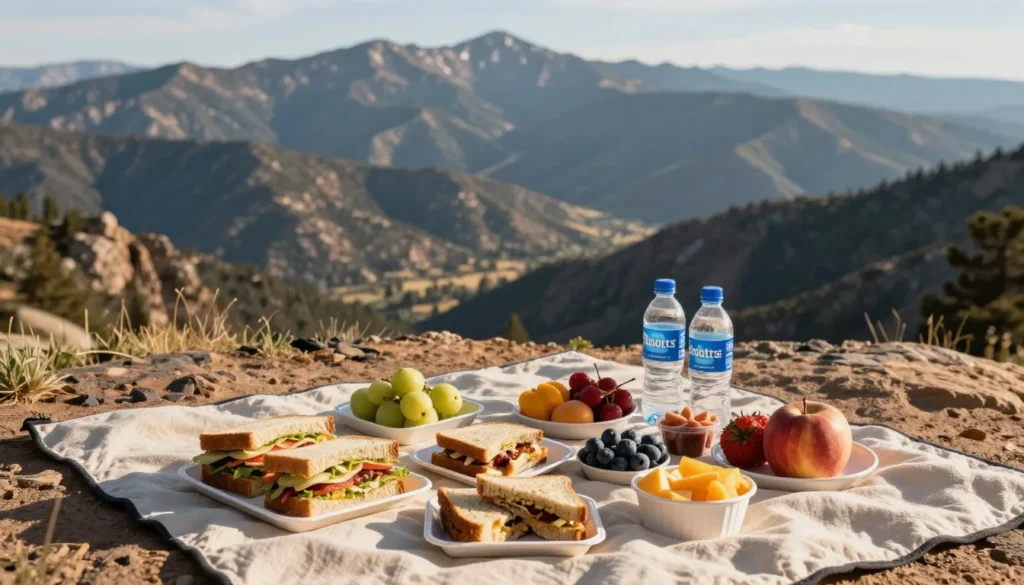
When dining out, take advantage of generous portions by sharing entrees or requesting half portions. Many restaurants willingly split meals or box half for later. Lunch menus typically offer smaller portions at lower prices than identical dinner items.
Happy hour specials in Ely restaurants provide substantial discounts on appetizers and drinks. Some establishments offer early-bird dinner specials for meals before 6 PM. Ask servers about daily specials and promotions not listed on standard menus.
Activity and Attraction Savings
Most outdoor activities cost nothing beyond transportation. Hiking, wildlife watching, photography, and exploring ghost towns require no entrance fees or guide charges. These free activities often provide the most memorable experiences.
Great Basin National Park charges no entrance fee, unlike many national parks. This saves $30 per vehicle compared to places like Yosemite or Yellowstone. Lehman Caves tours represent the only significant activity cost in the park at $10 for adults.
Visit museums on free or reduced-price days. Some small museums offer discounted admission on specific weekdays or for seniors and students. Ask about family rates that cost less than individual tickets. Many museums accept donations rather than charging fixed admission.
Transportation Savings
Rent vehicles at airport locations rather than downtown offices to avoid additional fees and surcharges. Compare rental companies thoroughly; prices vary substantially for identical vehicles. Book far in advance during peak season when limited availability drives up last-minute rental costs.
Fuel costs add up quickly given the long distances. Drive at moderate speeds to maximize fuel efficiency. Cruise control on highway stretches improves gas mileage 5-10%. Combine errands and sightseeing to minimize total miles driven.
Consider meeting points that reduce overall driving. Flying into Reno instead of Las Vegas saves 96 km (60 miles) each direction to Snowstorm Mountains. The shorter route may offset slightly higher Reno airfares when rental car and fuel costs factor in.
Timing and Seasonal Savings
Shoulder season visits in May-June and November slash costs across the board. Lodging rates drop 20-40% outside peak September-October period. Restaurants may offer promotions during slower months. Attractions remain open but less crowded, improving overall experience value.
Last-minute hotel bookings sometimes yield deep discounts when properties need to fill unsold rooms. However, this strategy risks no availability during busy periods. Book refundable rates allowing cancellation if better deals appear closer to travel dates.
Multi-day stays often earn discounts at hotels and vacation rentals. Weekly rates can save 15-20% versus nightly rates for week-long visits. Ask about extended stay discounts even if not advertised on booking websites.
Additional Money-Saving Strategies
- Fill water bottles from lodging taps rather than purchasing bottled water
- Pack layers instead of buying forgot items at inflated resort-area prices
- Use free WiFi at lodging and cafes rather than paying international data charges
- Borrow or rent specialized gear locally instead of purchasing equipment you’ll rarely use
- Visit the library or visitor center for free maps and trail guides
- Take advantage of free ranger programs and guided walks in national parks
- Shop local markets for snacks and souvenirs at better prices than tourist shops
- Carry reusable bags and containers to pack leftovers and picnic supplies
Safety & Local Customs
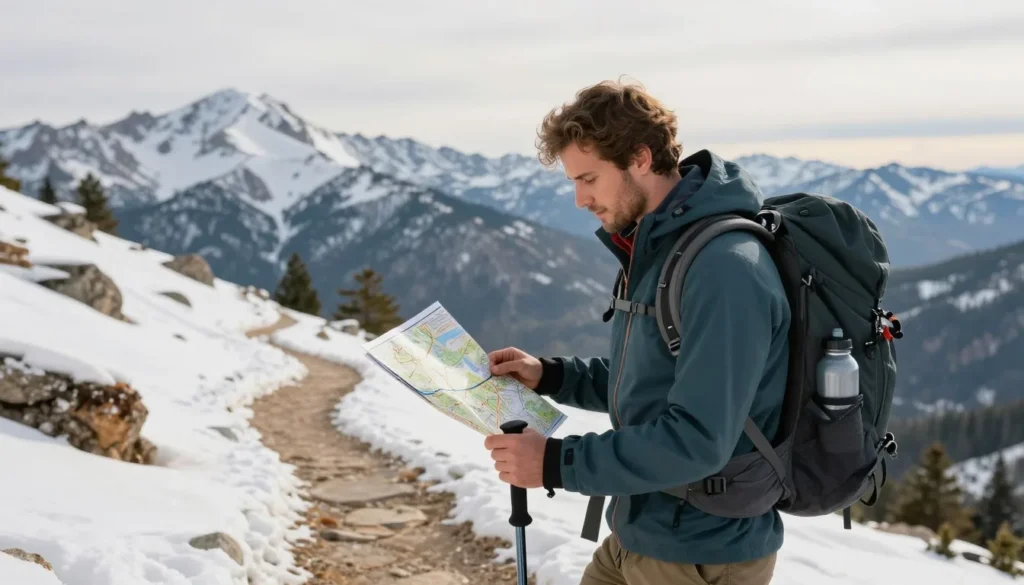
Understanding safety protocols and local customs ensures a smooth, enjoyable visit to Snowstorm Mountains. The remote environment demands self-sufficiency and preparation beyond typical vacation planning. Local residents appreciate visitors who respect the area’s character and take responsibility for their own wellbeing.
Wilderness Safety
The backcountry environment presents genuine hazards requiring respect and preparation. Weather changes rapidly in mountains. Blue skies can give way to afternoon thunderstorms within hours. Lightning strikes pose serious risks at exposed high elevations. Descend from ridges and peaks when thunderheads develop.
Carry comprehensive first-aid supplies and know how to use them. The nearest hospital sits in Ely, potentially hours from backcountry locations. Cell phone coverage remains unreliable throughout most of the area. Satellite communicators provide emergency contact capability where phones fail.
Hypothermia threatens even during summer months. Temperatures drop dramatically after sunset, and afternoon thunderstorms can soak clothing. Pack insulating layers and waterproof shells on every hike. Cotton clothing loses all insulating value when wet; choose synthetic or wool materials instead.
Dehydration develops quickly at high elevations. The dry air and increased respiration rate deplete fluids faster than at sea level. Drink water regularly rather than waiting until thirsty. Carry at least 2 liters per person for half-day hikes, more for longer trips. Water treatment tablets or filters allow refilling from natural sources.
Wildlife Safety
Mountain lions inhabit the area though sightings remain rare. If you encounter a mountain lion, never run. Running triggers chase instincts. Instead, face the animal, make yourself appear large, speak firmly, and back away slowly. Fight back aggressively if attacked. Mountain lion attacks remain extremely uncommon but knowing proper response reduces risk.
Black bears occasionally wander into the area from adjacent ranges. Store all food, toiletries, and scented items in bear-proof containers or your vehicle when camping. Never keep food in tents overnight. Dispose of trash properly in designated receptacles. Bears that obtain human food often require relocation or euthanization.
Rattlesnakes sun themselves on rocks and trails during warm months. Watch where you place hands and feet when scrambling over rocks or logs. Give snakes space to retreat; they strike only when threatened. Wear boots rather than sandals in snake habitat. If bitten, remain calm, immobilize the affected limb, and seek immediate medical attention. Don’t attempt outdated treatments like cutting or sucking venom.
Road Safety
Wildlife crossings create collision hazards, particularly during dawn and dusk hours when animals move most actively. Scan roadsides constantly and reduce speed when you spot animals near the road. Deer often travel in groups; if one crosses, expect more following behind.
Unpaved roads deteriorate rapidly after storms. What appears as a smooth gravel route can wash out within hours during heavy rain. Flash floods fill normally-dry washes and make crossings impassable. Never attempt to drive through standing water when you cannot see the road surface beneath.
Winter driving demands extreme caution. Black ice forms on shaded road sections and remains invisible to drivers. Four-wheel drive helps but doesn’t prevent sliding on ice. Carry chains even if you have four-wheel drive. Some mountain passes close during severe storms. Check road conditions before departing and turn back if conditions exceed your skill or equipment capabilities.
Local Customs and Etiquette
Rural Nevada culture values self-reliance, courtesy, and respect for both people and land. Residents appreciate visitors who show genuine interest in the area rather than treating it as a backdrop for selfies. Engaging respectfully with locals often results in insider tips worth more than any guidebook.
The “range wave” greeting remains common on rural roads. Drivers acknowledge each other with a raised finger or two from the steering wheel when passing on remote highways. This simple gesture recognizes the shared experience of traveling through isolated country.

Tipping applies at restaurants and bars following standard American customs. Fifteen to twenty percent of the pre-tax bill represents appropriate gratuity. Small-town servers often work multiple jobs and rely heavily on tips. Generous tipping for good service builds goodwill and supports local economies.
Respect private property boundaries rigorously. Nevada has many private inholdings within public lands. No Trespassing signs mean exactly that. Abandoned buildings often remain under private ownership despite appearing neglected. Always ask permission before crossing or photographing private property.
Leave No Trace Principles
Practice Leave No Trace ethics throughout your visit. Pack out all trash including organic waste like orange peels and apple cores. Bury human waste at least 15 cm (6 inches) deep and 61 m (200 feet) from water sources. Use established campsites rather than creating new ones that damage vegetation.
Keep noise levels reasonable, particularly in campgrounds and natural areas. Other visitors seek peace and quiet that excessive noise destroys. Avoid playing amplified music in outdoor settings. The natural soundscape of wind, birds, and running water provides superior ambiance to electronic devices.
Stay on designated trails to prevent erosion and protect fragile alpine vegetation. Shortcutting switchbacks causes erosion damage requiring years to heal. Walking single-file on trails minimizes impact width. Avoid trampling vegetation at campsites and rest areas.
Emergency Contacts and Resources
Program emergency numbers into your phone before leaving cellular coverage areas. White Pine County Sheriff: +1 (775) 289-8808. William Bee Ririe Hospital in Ely: +1 (775) 289-3001. Nevada Highway Patrol: +1 (775) 687-0400. For life-threatening emergencies, call 911, though response times in remote areas will be extended.
The Great Basin National Park Visitor Center provides valuable safety information and current conditions: +1 (775) 234-7331. Bureau of Land Management Ely District Office: +1 (775) 289-1800. These agencies supply updates on road conditions, fire restrictions, and other important safety information.
Share your itinerary with someone who will notice if you fail to return. Include vehicle description, planned route, expected return time, and emergency contact information. This simple precaution can save lives if you encounter serious problems in backcountry areas.
Visitor Comments About Snowstorm Mountains
Hearing from fellow travelers provides valuable insights into the Snowstorm Mountains experience. These authentic comments from recent visitors highlight what makes this destination special and offer practical perspectives beyond standard guidebook descriptions.
“We stumbled upon Snowstorm Mountains almost by accident while driving across Nevada, and it became the unexpected highlight of our entire western road trip. The solitude and unspoiled scenery exceeded anything we experienced at more famous national parks. We hiked the Bristlecone Pine Trail and felt transported to another world among those ancient trees. The dark night skies absolutely blew our minds – we saw the Milky Way like never before. The area lacks commercial development and feels genuinely authentic. Ely provided comfortable lodging and surprisingly good dining options. We’re already planning a return visit to explore more of the backcountry trails and spend time at Great Basin National Park.”
“As a photographer, I’m always seeking locations offering unique opportunities without massive crowds ruining compositions. Snowstorm Mountains delivered beyond my expectations. The combination of dramatic peaks, ancient forests, historic mining sites, and pristine night skies created endless subjects. I spent a week exploring different areas and barely scratched the surface. The Nevada Northern Railway Museum alone provided two full days of photography. Local residents proved incredibly welcoming and shared locations I’d never have found on my own. The only challenge was the remote location requiring significant driving, but that very remoteness preserves the area’s character. This ranks among the best landscape photography destinations I’ve discovered in the American West.”
“Our family visited Snowstorm Mountains seeking an alternative to overdeveloped tourist areas where kids just want to play on devices. We wanted genuine outdoor experiences, and this area delivered perfectly. Our children ages 8 and 11 loved exploring Lehman Caves, fishing at Cave Lake, and learning about Nevada history at local museums. The hiking challenged them appropriately without being overwhelming. We camped three nights at Great Basin National Park and our kids still talk about roasting marshmallows under the incredible stars. Yes, the area lacks theme parks and shopping malls, but that’s precisely what we wanted. The trip reminded our family that simple outdoor adventures create the best memories. We returned home refreshed and reconnected in ways that wouldn’t happen at typical vacation destinations.”
Additional Nearby Destinations
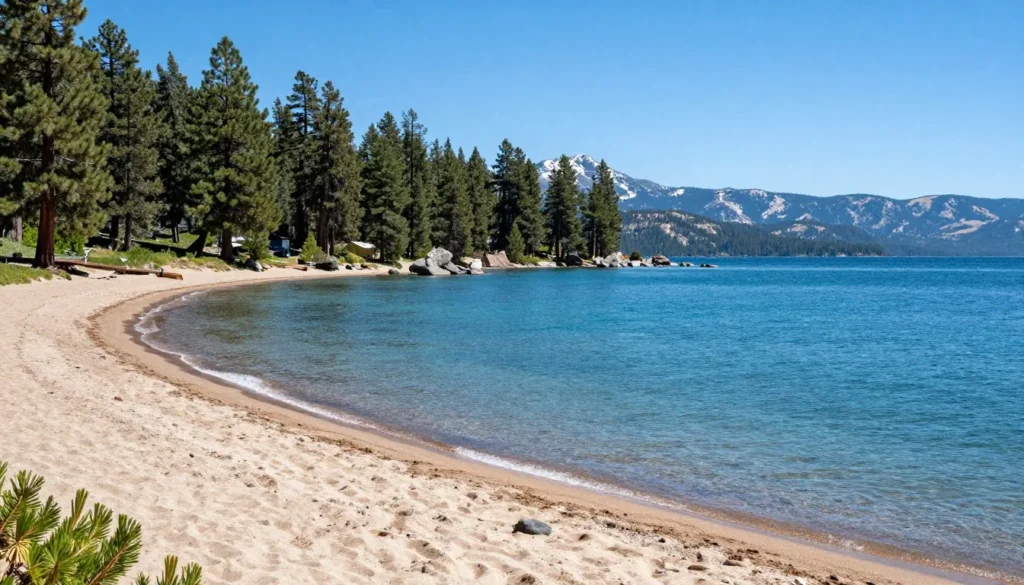
Snowstorm Mountains sits within day-trip distance of several notable Nevada destinations. Combining visits creates a comprehensive Nevada experience showcasing the state’s diversity beyond the Las Vegas Strip’s neon glow. These additional destinations work as standalone trips or extensions to your Snowstorm Mountains adventure.
Lake Tahoe
This legendary alpine lake straddles the Nevada-California border 320 km (199 miles) west of Snowstorm Mountains. Lake Tahoe covers 49,166 hectares (121,464 acres) and reaches depths of 501 m (1,645 feet), creating intense blue water famous worldwide. The lake sits at 1,897 m (6,225 feet) elevation, surrounded by Sierra Nevada peaks.
The Nevada side of Lake Tahoe offers different character than California’s western shore. Casinos, restaurants, and lodging cluster around Stateline, providing entertainment options absent at Snowstorm Mountains. However, the eastern shore also features beautiful beaches, hiking trails, and water sports opportunities.
Sand Harbor State Park on the northeast shore ranks among the lake’s most scenic spots. Crystal-clear water laps against granite boulders, creating Caribbean-like scenes at this mountain lake. Summer weekends see heavy crowds; visit midweek or during shoulder seasons for better experiences.
Carson City
Nevada’s capital city lies 370 km (230 miles) west of Snowstorm Mountains. Carson City combines government functions with historic attractions and outdoor recreation access. The town feels more authentic than tourist-focused destinations, offering glimpses of modern Nevada beyond gambling and entertainment.
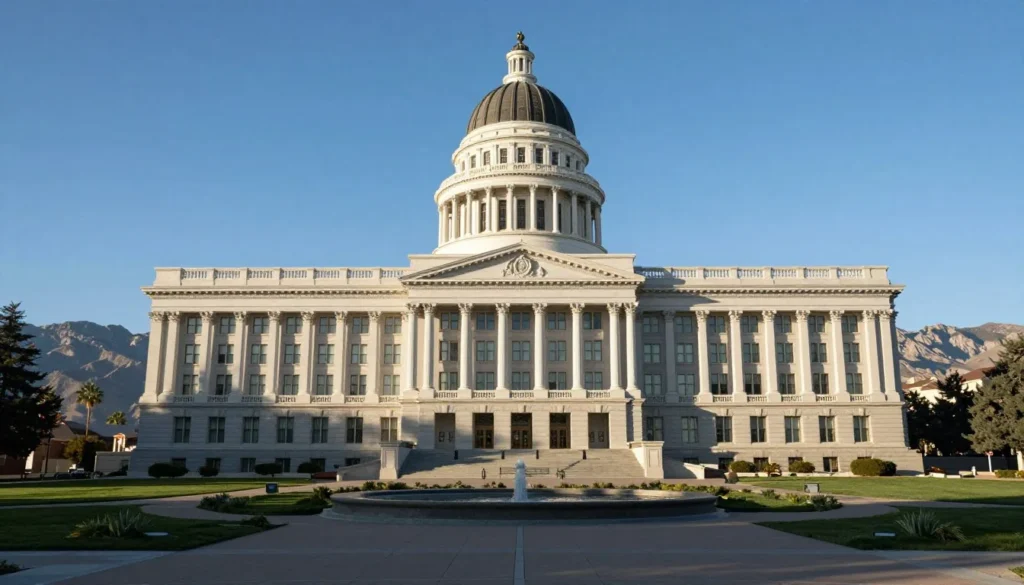
The Nevada State Museum occupies the historic Carson City Mint building. Exhibits cover Nevada’s natural history, Native American cultures, and mining heritage. An underground mine reproduction and vintage coins from the mint era highlight the collection. Admission costs $10 for adults.
The Nevada State Railroad Museum displays over 30 locomotives and cars from Nevada’s railroad history. Many vehicles operated on Virginia and Truckee Railroad, one of the West’s most famous short lines. Steam train rides operate on weekends during summer months.
Virginia City
This extraordinarily well-preserved mining town sits 35 km (22 miles) from Carson City. Virginia City boomed during the Comstock Lode silver rush in the 1860s, becoming one of the West’s wealthiest communities. Today the entire town functions as a National Historic Landmark.
Check 30,000+ Local Sightseeing Tours Worldwide
✓ Numerous languages and currencies are available
C Street contains numerous historic saloons, shops, and museums. Unlike many ghost towns, Virginia City maintains active businesses in original buildings. You can tour underground mines, ride historic railroads, and visit the Territorial Enterprise newspaper office where Mark Twain worked as a young reporter.
The town embraces its Wild West heritage enthusiastically. Weekends feature staged gunfights, period-dressed merchants, and saloon entertainment. Some visitors find it overly touristy, while others enjoy the accessible living history. Either way, the preserved Victorian architecture impresses.
Las Vegas
The world-famous entertainment capital sits 386 km (240 miles) south of Snowstorm Mountains. Las Vegas needs little introduction – the Strip’s mega-resorts, world-class entertainment, and 24-hour casinos attract over 40 million annual visitors. The city offers dramatic contrast to Snowstorm Mountains’ wilderness solitude.
Beyond gambling and shows, Las Vegas provides convenient access to Red Rock Canyon National Conservation Area and Hoover Dam. The downtown Fremont Street Experience offers a different vibe than the Strip with vintage neon signs and covered pedestrian mall.
Many visitors fly into Las Vegas McCarran International Airport for Snowstorm Mountains trips. Consider spending a day before or after your mountain visit experiencing Las Vegas attractions. The contrast between Nevada’s wilderness and urban entertainment showcase the state’s incredible diversity.
Hoover Dam
This engineering marvel spans the Colorado River 48 km (30 miles) southeast of Las Vegas. Completed in 1935, Hoover Dam stands 221 m (726 feet) tall and creates Lake Mead, America’s largest reservoir by volume. The Art Deco structure attracts 7 million annual visitors.
Guided tours explore the dam’s interior, explaining construction techniques and ongoing power generation. The visitor center features exhibits about the dam’s history and the Colorado River. Parking costs $10, while tours range from $15 to $30 depending on depth and access.
The drive from Las Vegas to Hoover Dam passes through dramatic desert landscapes. The new bypass bridge completed in 2010 offers spectacular dam views from 275 m (900 feet) above the Colorado River. Photography opportunities abound at various pullouts and viewpoints.
Great Basin Heritage Area
This national heritage area encompasses much of eastern Nevada including the Snowstorm Mountains region. The designation recognizes the area’s unique combination of natural landscapes, historic mining sites, ranching culture, and indigenous heritage. A scenic byway connects communities and attractions across 400 km (250 miles).
The heritage area includes numerous small towns preserving authentic Western character. Eureka, Austin, and Pioche each offer historic downtown districts, small museums, and access to nearby ghost towns and mining sites. These communities see few tourists, providing genuine small-town Nevada experiences.
Planning Multi-Destination Trips
Combining Snowstorm Mountains with other Nevada destinations creates well-rounded trips. A typical 7-10 day itinerary might include three days at Snowstorm Mountains and Great Basin National Park, two days at Lake Tahoe, one day exploring Carson City and Virginia City, and one or two days in Las Vegas.
Consider routing carefully to minimize backtracking. Flying into Reno allows visiting Lake Tahoe and Carson City first, then driving across to Snowstorm Mountains before ending in Las Vegas. Alternatively, reverse the route starting and ending in Las Vegas. Both options create logical geographic progression.
Practical Travel Tips
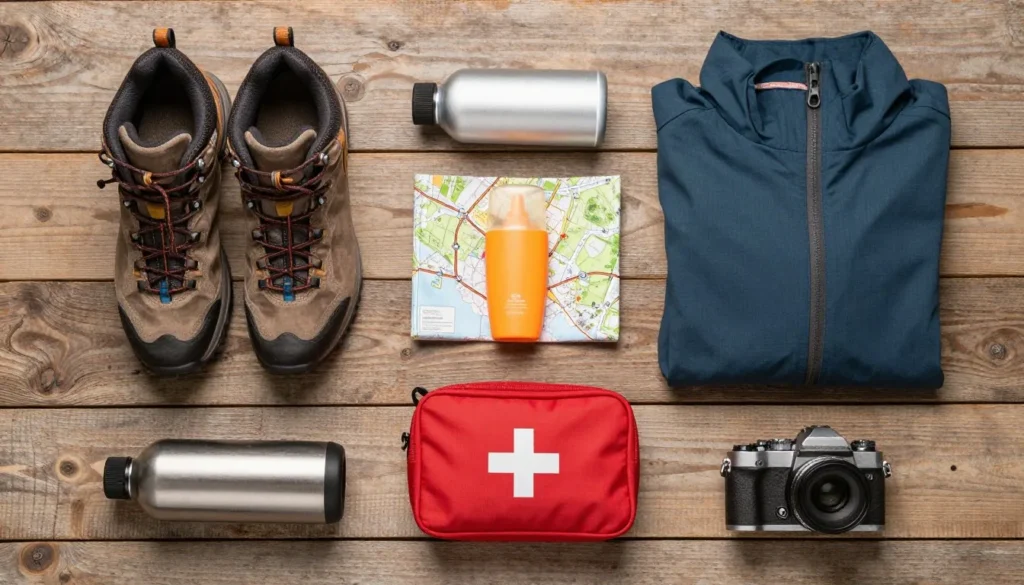
These final practical considerations help ensure smooth travels throughout your Snowstorm Mountains adventure. Advance preparation in these areas prevents common problems and enhances overall trip satisfaction.
Cell Phone Coverage and Internet
Cell phone service remains spotty throughout much of the Snowstorm Mountains area. Major carriers provide coverage in Ely and along US-50, but signals disappear quickly when you leave main highways and populated areas. Don’t count on your phone for navigation or emergency communication in backcountry locations.
Download offline maps through Google Maps or dedicated apps before leaving urban areas with reliable coverage. Mark planned destinations and routes while you have internet access. Screenshots of important information like lodging confirmations and directions prevent problems when connectivity fails.
Most hotels and some restaurants in Ely offer WiFi, though speeds may seem slow compared to urban connections. Vacation rentals typically include internet, but verify before booking if connectivity matters for work or entertainment. Embrace the digital detox opportunity the remote location provides.
Banking and Money
ATMs exist in Ely at banks and some convenience stores. Smaller communities may lack cash machines entirely. Withdraw sufficient cash in larger towns to cover expenses for several days. Many small businesses prefer cash over credit cards, particularly for small purchases.
Major credit cards work at most hotels, restaurants, and gas stations. However, some smaller establishments remain cash-only operations. Ask before ordering meals or booking services to avoid awkward situations when the bill arrives. Having cash backup prevents payment problems.
Banks in Ely maintain regular business hours, typically Monday through Friday 9 AM to 5 PM. Saturday hours are limited, and Sunday closures are universal. Plan cash needs accordingly and don’t count on weekend banking services.
Weather Preparation
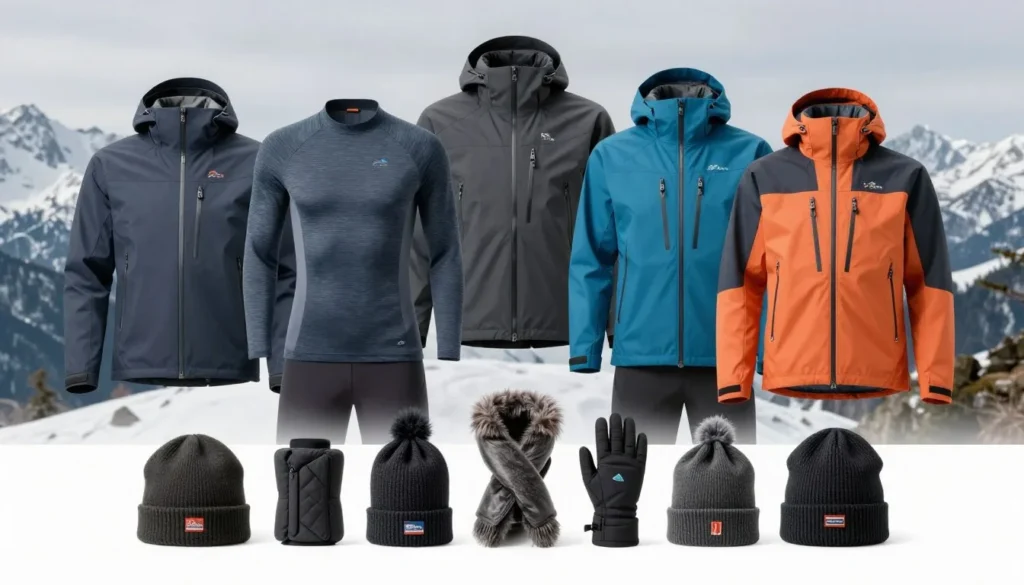
Check weather forecasts before each day’s activities, not just once at trip start. Mountain weather changes rapidly and forecasts provide valuable planning information. The National Weather Service offers detailed forecasts for the Ely area and Great Basin National Park.
Pack for temperature extremes regardless of season. Summer visitors should bring warm layers for cool mornings and evenings. Winter travelers need serious cold-weather gear for sub-freezing temperatures. The layering system works year-round: moisture-wicking base layer, insulating middle layer, weather-protective outer shell.
Sun protection cannot be overstated at high elevations. UV radiation intensifies with altitude, causing sunburns faster than sea-level locations. Apply broad-spectrum sunscreen with SPF 30 or higher every two hours. Wear wide-brimmed hats and UV-protective sunglasses. Lips burn easily; use lip balm with sun protection.
Health Considerations
The high elevation affects most lowland visitors initially. Altitude sickness symptoms include headache, nausea, fatigue, and difficulty sleeping. Ascend gradually when possible, drink extra water, avoid alcohol for the first day, and rest if symptoms develop. Most people adapt within 24-48 hours.
Carry personal medications in original containers with prescription information. The nearest pharmacy sits in Ely; remote locations offer no access to forgotten medications. Pack a basic first-aid kit including bandages, pain relievers, antiseptic, and any specialized items you might need.
Dental emergencies can arise anywhere. Ely has dental offices providing emergency services during business hours. For after-hours emergencies, the hospital emergency room can address acute dental pain until dental offices reopen.
Packing Checklist
- Layered clothing for variable temperatures
- Sturdy hiking boots with ankle support
- Rain jacket and rain pants
- Sun hat and warm winter hat
- Sunglasses and sunscreen
- Water bottles or hydration system
- Headlamp or flashlight with extra batteries
- Basic first-aid supplies
- Personal medications
- Insect repellent
- Camera and extra memory cards
- Binoculars for wildlife viewing
- Maps and compass or GPS device
- Snacks and trail food
- Reusable water bottle
- Power bank for charging devices
- Cash for small purchases
- Important documents in waterproof container
Environmental Responsibility
Visitors bear responsibility for minimizing their environmental impact. The fragile high-desert and alpine ecosystems recover slowly from disturbance. Practice Leave No Trace principles consistently throughout your visit.
Wildfire prevention becomes critical during dry seasons. Follow all fire restrictions, which may include bans on campfires and smoking. Use only established fire rings where fires are permitted. Fully extinguish campfires by drowning with water and stirring until cold to the touch.
Water conservation matters even in this land of mountain streams. Use biodegradable soap at least 61 m (200 feet) from water sources. Minimize water usage at campgrounds during drought periods. The desert environment makes every drop precious.
Seasonal Considerations
Spring brings muddy conditions as snow melts. Some trails and roads remain impassable until late May or early June. Call ahead to verify conditions before attempting spring visits. The tradeoff for mud comes in spectacular wildflower displays throughout May and June.
Summer afternoon thunderstorms develop quickly. Start early for high-elevation hikes, finishing before noon when possible. Lightning danger increases dramatically on exposed ridges and peaks. Seek lower elevations and shelter if storms develop.
Autumn offers the most stable weather but also the biggest crowds. Book lodging well ahead for September and October visits. The combination of mild temperatures, beautiful fall colors, and comfortable hiking conditions attracts peak visitor numbers.
Winter transforms the area into a challenging environment requiring specialized skills and equipment. Some roads close entirely. Others require chains or four-wheel drive. Check road conditions before traveling. Winter camping demands proper gear and cold-weather experience.
Important Contact Information
White Pine County Tourism and Recreation: +1 (775) 289-3720
Great Basin National Park Visitor Center: +1 (775) 234-7331
Nevada Northern Railway Museum: +1 (775) 289-2085
White Pine County Sheriff (non-emergency): +1 (775) 289-8808
William Bee Ririe Hospital: +1 (775) 289-3001
Nevada Road Conditions: +1 (877) 687-6237
Emergency Services: 911
Your Snowstorm Mountains Adventure Awaits
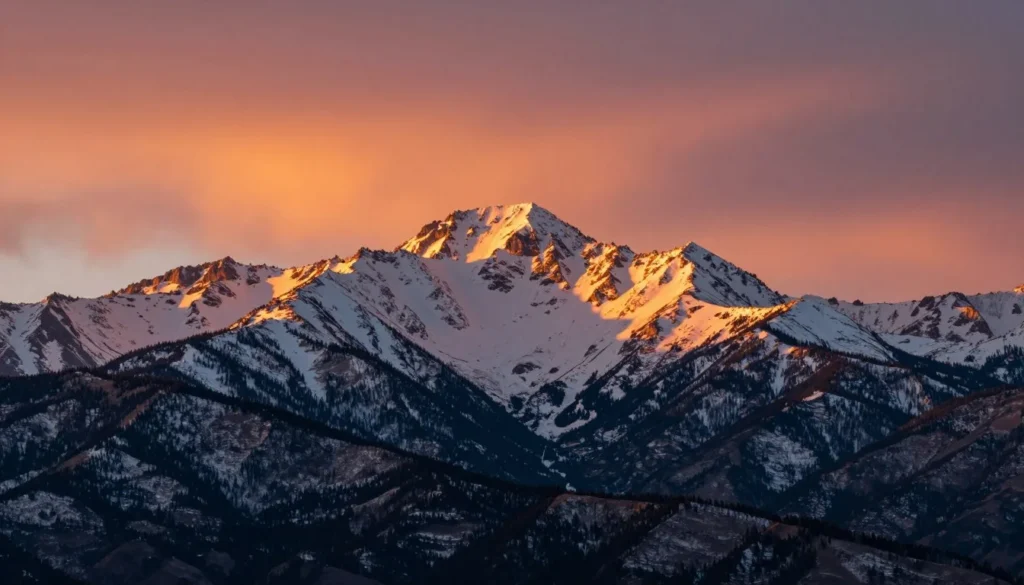
Snowstorm Mountains represents Nevada at its most authentic and unspoiled. Far from the crowds that pack famous destinations, this magnificent region rewards adventurous travelers with genuine wilderness experiences and rich cultural heritage. The dramatic peaks, ancient forests, and dark night skies create memories that last far longer than typical vacation snapshots.
Whether you spend days hiking mountain trails, exploring historic mining sites, or simply soaking in the silence broken only by wind through pines, Snowstorm Mountains offers something increasingly rare in our crowded world – space to breathe and reconnect with both nature and yourself. The journey to this remote corner of Nevada takes effort, but that very remoteness preserves the qualities that make it special.
Start planning your Snowstorm Mountains adventure today. Check current conditions, book your lodging, and prepare for landscapes and experiences unlike anywhere else in Nevada. The mountains are calling – will you answer?