Hotels by Trip.com
Flights by Trip.com
The Spirit Cave mummy discovered in 1940 near Fallon, Nevada, remained the oldest mummy in North America for decades, with radiocarbon dating revealing the remains were approximately 10,600 years old before being repatriated to the Fallon Paiute-Shoshone Tribe in 2016. This remarkable cave mummy was found wrapped in rabbit-skin blankets and woven mats, preserved by the dry Great Basin climate for over 10,000 years.
Spirit Cave takes its name from the spiritual significance Native American tribes, particularly the Fallon Paiute-Shoshone Tribe, attribute to this sacred archaeological site in the Nevada desert.
The area surrounding Spirit Cave offers visitors a unique blend of archaeological wonder, outdoor recreation, and insight into one of North America’s most significant prehistoric discoveries. While Spirit Cave itself remains protected by the Bureau of Land Management and is not open for casual visitation, the broader region provides numerous opportunities to explore Great Basin ecology, learn about the spirit cave mummy findings at regional museums, and experience the landscape that preserved these ancient remains for millennia.
This comprehensive guide covers everything you need to plan an enriching visit to the Spirit Cave Nevada area, from museums displaying artifacts related to the cave mummy discovered in 1940 to outdoor adventures in the Great Basin, accommodation options in nearby Fallon, and practical tips for respectful exploration of this culturally significant region.
Getting There & Planning Your Journey
The Spirit Cave site lies approximately 21 km (13 miles) east of Fallon, Nevada, in the Great Basin region managed by the Bureau of Land Management. While the actual cave remains closed to public access to protect its archaeological integrity, visitors can explore the surrounding area and learn about the spirit cave mummy at nearby museums and visitor centers.
The closest major airport is Reno-Tahoe International Airport, located approximately 97 km (60 miles) northwest of Fallon. This facility offers numerous daily flights from major US cities and provides rental car services essential for exploring the region. Sacramento International Airport in California, about 290 km (180 miles) west, serves as an alternative gateway with additional airline options.
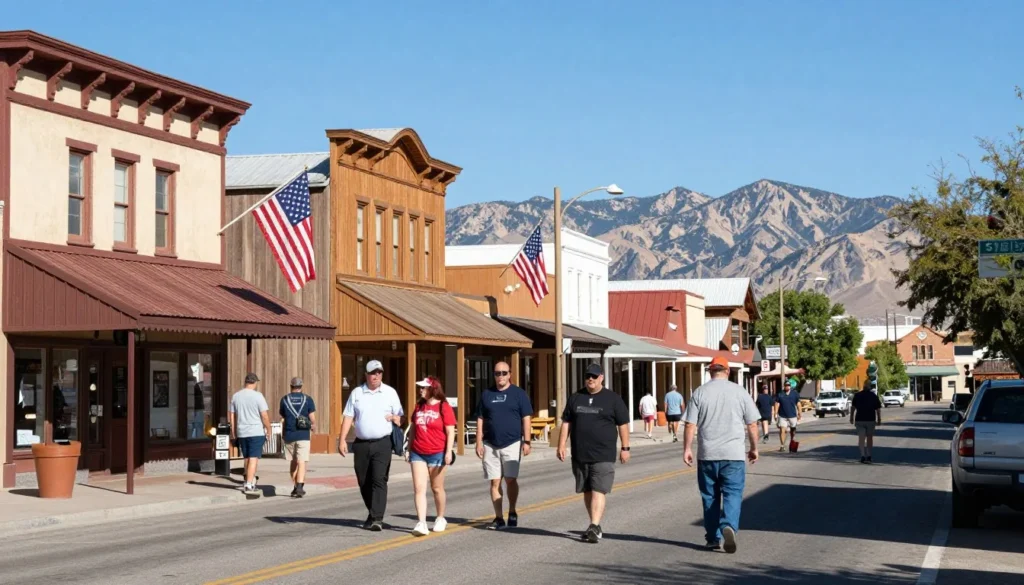
From Reno, take US Highway 50 East directly to Fallon, a scenic 90-minute drive through high desert terrain. The route passes through historic mining communities and offers spectacular views of the Lahontan Valley. Those arriving from Sacramento should take Interstate 80 East to Fernley, then US 50 Alt East to Fallon.
For information about visiting Bureau of Land Management sites in the area and guidance on respectful exploration of archaeological regions, contact the Carson City District Office:
Plan to base yourself in Fallon, which provides the most convenient access to Spirit Cave-related attractions, the Nevada State Museum, outdoor recreation areas, and services. The town serves as an ideal headquarters for day trips throughout the region while offering modern amenities and cultural experiences.
Best Time to Visit & Weather Tips
Best Time to Visit Spirit Cave Nevada
The optimal months to visit the Spirit Cave Nevada region are April through June and September through October. During these periods, temperatures remain comfortable for outdoor exploration, typically ranging from 15°C to 27°C (59°F to 81°F), with minimal precipitation and pleasant conditions for hiking and archaeological site tours.
Spring months showcase wildflower blooms across the Great Basin landscape, creating photographic opportunities and highlighting the ecosystem that supported ancient peoples. Fall brings spectacular sunsets over the desert terrain and cooler evenings perfect for stargazing in one of Nevada’s darkest sky regions.
Avoid visiting during July and August when temperatures frequently exceed 38°C (100°F), making outdoor activities uncomfortable and potentially dangerous. Winter months from December through February bring cold temperatures, occasional snow, and limited museum hours, though the area maintains a stark beauty during this season.
Check 30,000+ Local Sightseeing Tours Worldwide
✓ Numerous languages and currencies are available
Weather Patterns and Seasonal Considerations
The Great Basin climate near Spirit Cave features hot, dry summers and cold winters with minimal annual precipitation of approximately 13 cm (5 inches). This extreme aridity contributed to the exceptional preservation of the spirit cave mummy and artifacts discovered alongside the remains.
- Spring temperatures range from 10°C to 24°C (50°F to 75°F) with occasional wind
- Summer heat peaks in July with averages of 35°C (95°F) and low humidity
- Fall offers mild days around 21°C (70°F) and crisp nights near 4°C (40°F)
- Winter brings freezing temperatures from -2°C to 10°C (28°F to 50°F)
Pack layers regardless of season, as desert temperature swings can exceed 20°C (36°F) between day and night. Sun protection remains essential year-round due to high elevation and limited cloud cover. The dry climate requires increased water consumption, particularly during physical activities.
Notable Annual Festivals
The Fallon area hosts several events celebrating Native American heritage, agricultural traditions, and regional history throughout the year. These gatherings offer cultural insights relevant to understanding the Spirit Cave Nevada archaeological context.
The Fallon Cantaloupe Festival occurs each Labor Day weekend in late August or early September, celebrating the region’s agricultural heritage with food vendors, live entertainment, and community activities. While summer heat remains intense, this event provides authentic local cultural immersion.
Native American Heritage celebrations take place periodically at the Fallon Paiute-Shoshone Tribe Cultural Center. These events honor the traditions of the people whose ancestors inhabited Spirit Cave thousands of years ago. For current schedule information, contact the tribal office at +1 (775) 423-6075.
The Churchill County Museum hosts archaeological lecture series during fall and winter months, often featuring presentations about Great Basin prehistory, radiocarbon dating techniques, and discoveries like the spirit cave mummy. These educational programs typically occur monthly from October through March.
Getting Around Locally
Personal transportation is essential for exploring the Spirit Cave Nevada area, as public transit options remain extremely limited in this rural region. Most visitors rent vehicles at Reno-Tahoe International Airport, selecting SUVs or trucks for improved clearance on unpaved Bureau of Land Management roads leading to archaeological areas and outdoor recreation sites.
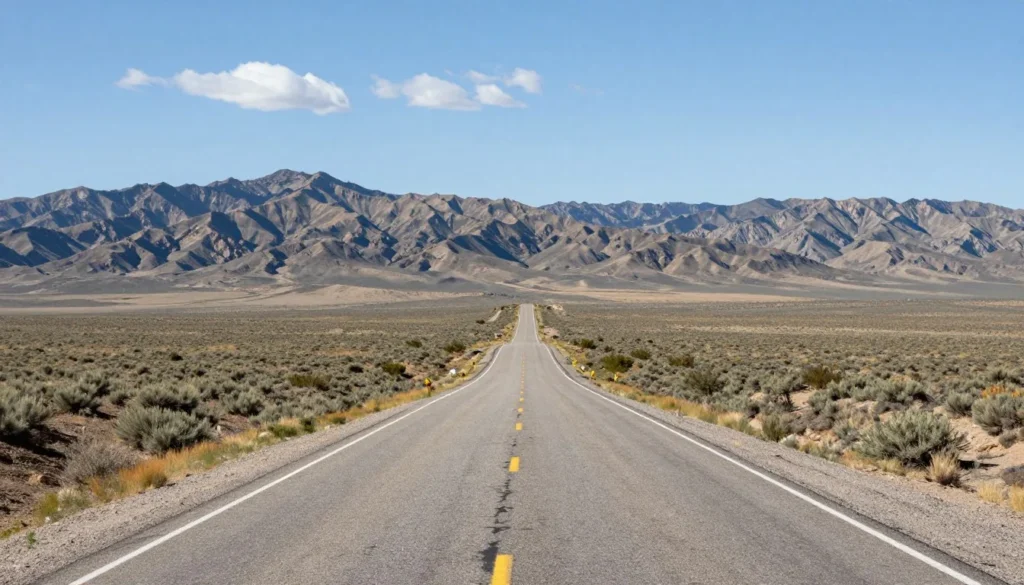
Fallon’s compact downtown area allows for pleasant walking between museums, restaurants, and shops concentrated along Maine Street. However, reaching Spirit Cave vicinity, the Nevada State Museum, recreational areas, and natural attractions requires driving. Most destinations lie within a 32 km (20 mile) radius of Fallon’s center.
When venturing onto dirt roads maintained by the Bureau of Land Management, check current conditions before departure. Spring runoff and occasional summer thunderstorms can temporarily render routes impassable. Download offline maps as cellular coverage becomes unreliable outside Fallon proper.
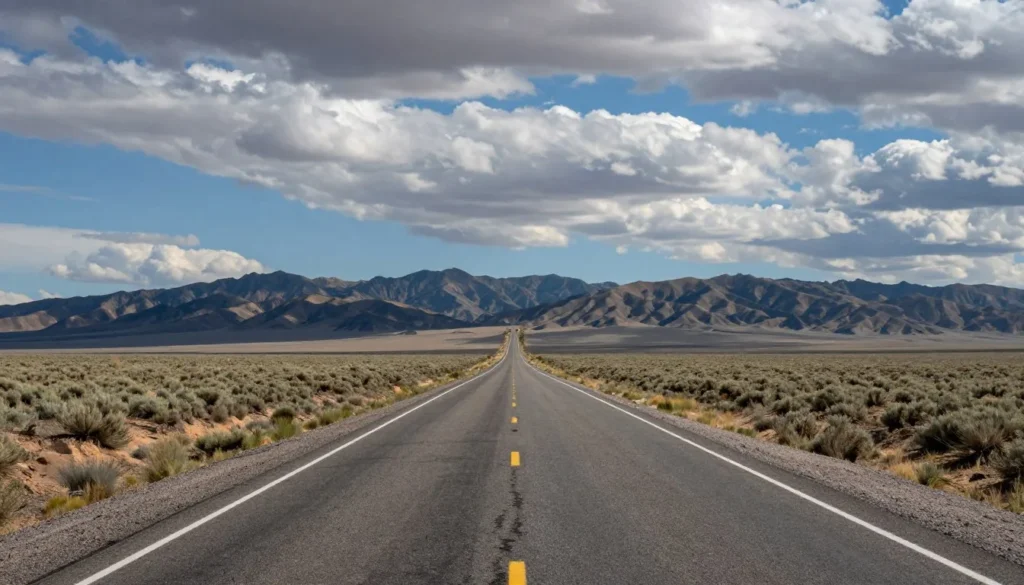
Bicycle touring appeals to experienced riders comfortable with long distances, limited services, and high desert conditions. US Highway 50, known as the “Loneliest Road in America,” passes through Fallon and attracts cross-country cyclists. However, summer heat and strong winds can challenge even experienced riders.
Where to Stay
Fallon offers the most convenient lodging base for Spirit Cave Nevada visitors, with accommodations ranging from budget motels to comfortable chain hotels. Most properties provide parking, air conditioning, and Wi-Fi, with rates significantly lower than Nevada’s resort destinations.
The Bonanza Inn & Casino on West Williams Avenue combines affordable rooms with casual dining, slot machines, and friendly local atmosphere. This family-owned property reflects authentic Nevada character and provides clean, comfortable accommodations approximately 3 km (2 miles) from downtown attractions.
Chain hotels along US Highway 50 include properties from national brands, offering consistent amenities like pools, complimentary breakfast, and business centers. These establishments cater to travelers seeking predictable comfort and modern facilities after days exploring archaeological sites and Great Basin landscapes.
For extended stays or family groups, Fallon features several vacation rental homes providing full kitchens, multiple bedrooms, and residential neighborhood settings. These properties often prove more economical for week-long visits and offer space for storing outdoor equipment, preparing meals, and spreading out after adventure-filled days.
Camping enthusiasts can access Bureau of Land Management dispersed camping areas east of Fallon in the surrounding Great Basin. These primitive sites require complete self-sufficiency but provide stunning night skies, solitude, and authentic desert experiences near the spirit cave mummy discovery region. Obtain current regulations and site recommendations from the BLM Carson City office.
The nearest full-service campground with hookups, Lahontan State Recreation Area, lies approximately 24 km (15 miles) west of Fallon. This facility offers lakeside camping, restrooms, showers, and boat launch access for water recreation combined with Spirit Cave area exploration.
Dining & Local Cuisine
Fallon’s dining scene reflects its agricultural heritage and western character, with restaurants emphasizing hearty portions, locally sourced ingredients when possible, and unpretentious atmospheres. The town’s farming community produces exceptional cantaloupes, alfalfa, and beef that appear on menus throughout the region.
The Stockman’s Casino Cafe & Steakhouse serves breakfast, lunch, and dinner in a classic Nevada setting. Their steaks, sourced from regional ranches, showcase high-quality beef prepared simply to highlight natural flavors. Breakfast offerings feature generous portions perfect for fueling archaeological site explorations.
Main Street Bistro provides farm-to-table dining with seasonal menus incorporating Churchill County produce. This establishment elevates local ingredients through creative preparations while maintaining approachable pricing and welcoming atmosphere suitable for families and couples alike.
For authentic Mexican cuisine, several family-owned restaurants along Maine Street offer traditional preparations using recipes passed through generations. These establishments provide flavorful alternatives to steakhouse fare and welcome visitors with genuine hospitality.
Coffee shops and bakeries clustered downtown supply morning fuel and afternoon refreshments. Many feature locally roasted coffee, homemade pastries, and comfortable spaces for planning daily adventures or reviewing photographs from Spirit Cave area explorations.
Grocery stores in Fallon stock essentials for preparing picnic lunches before day trips to Bureau of Land Management lands or the Nevada State Museum. Local produce appears seasonally, including the famous Fallon cantaloupes celebrated at the annual harvest festival.
Attractions, Sightseeing & Activities
While Spirit Cave itself remains closed to protect its archaeological resources, the broader region offers numerous opportunities to engage with Great Basin prehistory, natural wonders, and cultural heritage connected to the spirit cave mummy discovery.
Churchill County Museum
This excellent regional museum in downtown Fallon presents comprehensive exhibits about local history, including significant coverage of the Spirit Cave mummy findings. Displays explain the radiocarbon dating techniques that revealed the remains were approximately 10,600 years old, making them among North America’s most ancient human remains.

The museum houses artifacts from various Great Basin archaeological sites, providing context for understanding how ancient peoples adapted to this challenging environment. Exhibits feature stone tools, basketry, and textile fragments similar to items discovered alongside the cave mummy found wrapped in woven materials.
Open Tuesday through Saturday, the museum offers free admission donations welcome. Knowledgeable staff can answer questions about regional prehistory and direct visitors to additional archaeological resources. Plan to spend 60 to 90 minutes exploring the collections thoroughly.
Hidden Cave
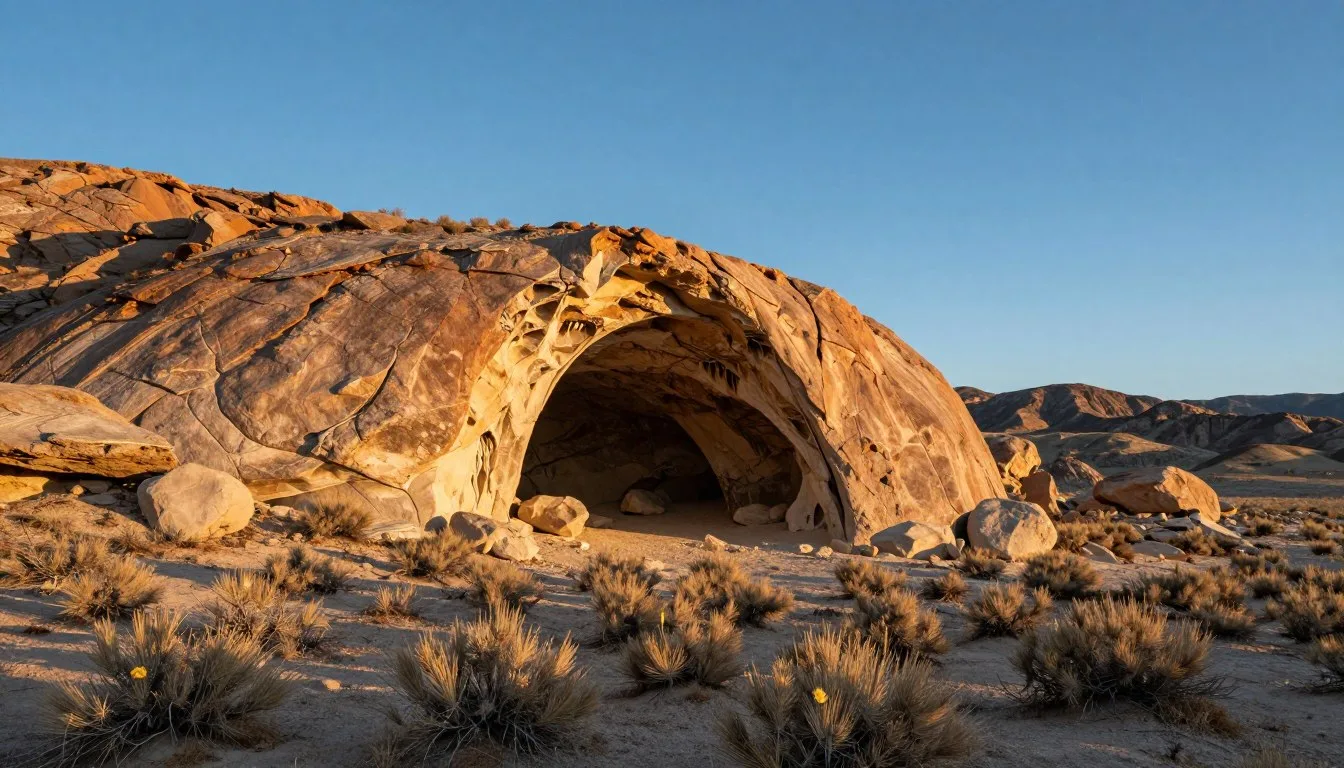
This important archaeological site, located in Grimes Point Archaeological Area approximately 19 km (12 miles) east of Fallon, offers Bureau of Land Management-guided tours on selected dates throughout the year. Unlike Spirit Cave, Hidden Cave welcomes visitors through this structured program.
The cave served as a storage facility for Great Basin peoples over thousands of years, preserving basketry, nets, and other perishable artifacts. Tours require advance reservations and moderate fitness for the steep approach trail. Contact the BLM office for current tour schedules and reservation procedures.
Grimes Point Petroglyph Trail
Adjacent to Hidden Cave, this self-guided 0.8 km (0.5 mile) interpretive trail showcases dozens of petroglyphs created by Native American artists thousands of years ago. The rock art demonstrates symbolic communication systems developed by peoples contemporary with those who left remains in Spirit Cave Nevada.
Informative signs explain petroglyph creation techniques, possible meanings, and cultural significance. The trail requires minimal exertion and provides excellent photography opportunities, particularly during early morning or late afternoon when angular sunlight emphasizes the carved images.
Museums, Cultural Spots & Festivals
Nevada State Museum – Las Vegas
For years after the spirit cave mummy discovered in 1940 came under scientific study, the Nevada State Museum system displayed artifacts and information about this remarkable find. Following the 2016 repatriation to the Fallon Paiute-Shoshone Tribe, museum exhibits shifted focus to respectfully explaining the discovery’s scientific significance while honoring tribal cultural affiliation with the remains.
The Nevada State Museum in Carson City, approximately 113 km (70 miles) west of Fallon, maintains exhibits about Great Basin archaeology and Nevada’s prehistoric peoples. For current exhibit information and hours, contact the museum:
Museum displays explain how radiocarbon dating revolutionized archaeological understanding of North American prehistory. The spirit cave mummy’s age determination challenged previous theories about continental colonization timing and demonstrated the Great Basin’s role as a refuge for early peoples.
Fallon Paiute-Shoshone Tribe Cultural Center
This important facility preserves and shares the heritage of the Native American tribe whose ancestors included the man whose body became the spirit cave mummy. The cultural center offers educational programs, traditional craft demonstrations, and exhibits exploring thousands of years of Great Basin occupation.
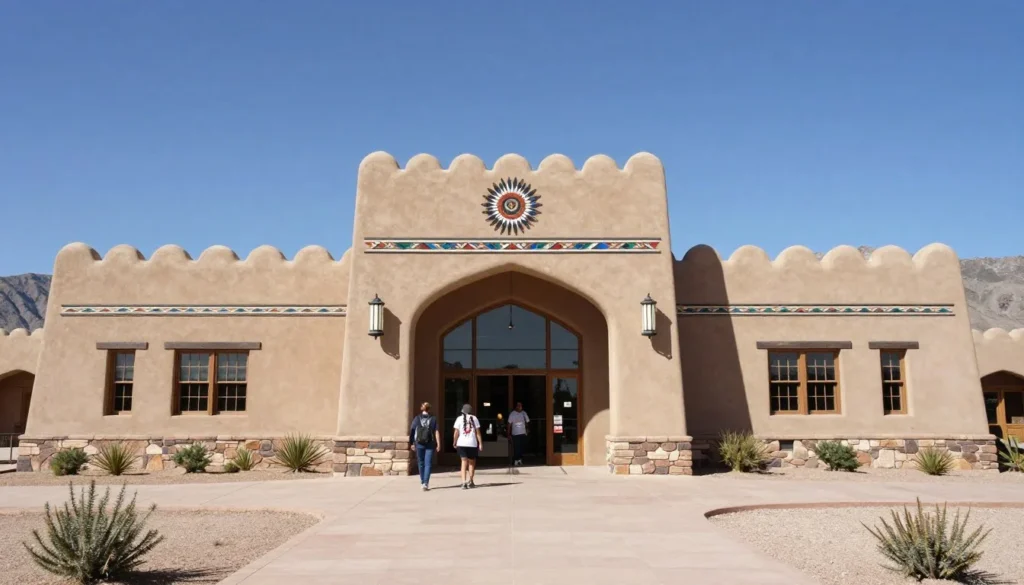
Recent DNA research confirmed genetic connections between the Fallon Paiute-Shoshone Tribe and the spirit cave mummy, supporting the tribe’s long-held knowledge of their ancestral ties to the region spanning over 10,000 years. This scientific validation reinforced cultural affiliation claims that led to repatriation of the remains.
Visitors interested in learning about contemporary Native American perspectives on archaeological findings and cultural preservation should contact the tribal office to arrange visits and inquire about public programs. Respect for tribal sovereignty and cultural protocols remains essential when engaging with this community.
Cultural Sensitivity and Archaeological Ethics
Spirit Cave Nevada and similar archaeological sites hold profound spiritual and cultural significance for Native American tribes. The spirit cave mummy’s repatriation in 2016 after decades of museum display reflects growing recognition of tribal rights and cultural affiliation with ancestral remains. Visitors should approach the region with respect, avoid disturbing any archaeological features, and recognize that some areas remain sacred spaces not appropriate for casual tourism.
Federal laws protect archaeological resources on Bureau of Land Management and other public lands. Removing artifacts, disturbing sites, or accessing restricted areas carries serious legal penalties. Appreciate archaeological treasures through photographs and designated viewing opportunities rather than physical contact or collection.
Nature & Outdoor Experiences
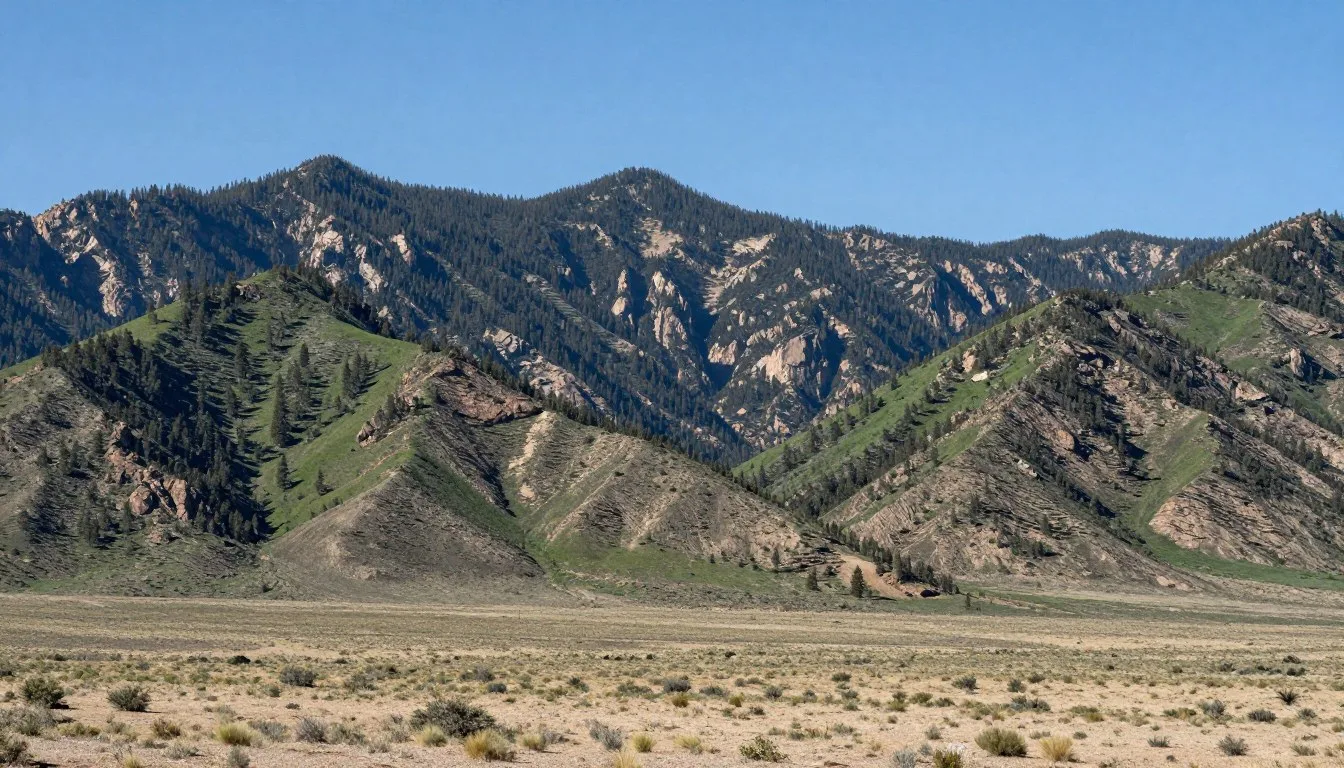
The Great Basin landscape surrounding Spirit Cave Nevada offers exceptional outdoor recreation opportunities in an environment remarkably similar to conditions ancient peoples experienced thousands of years ago. High desert ecosystems, mountain ranges, and unique geological features create diverse environments for exploration.
Lahontan State Recreation Area
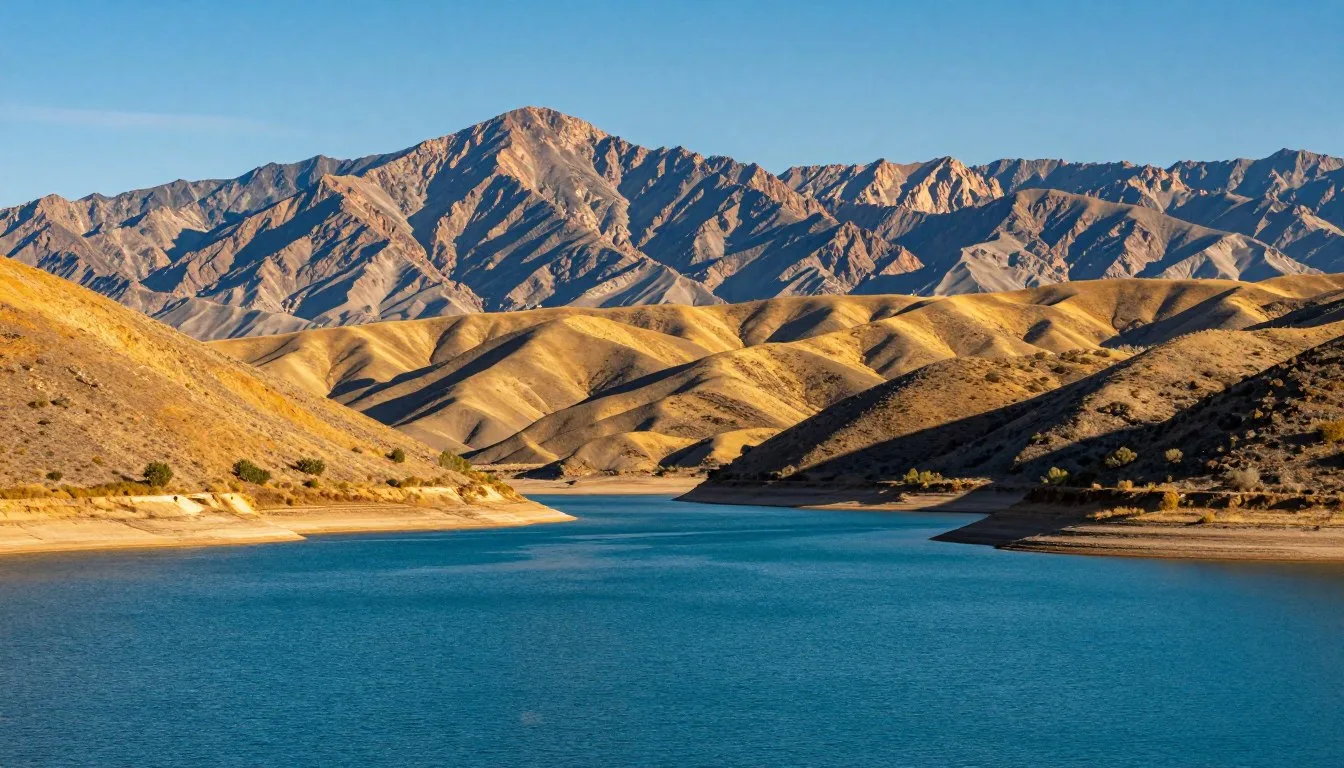
This reservoir approximately 24 km (15 miles) west of Fallon provides water-based recreation in the desert environment. The lake covers 7,000 hectares (17,000 acres) when full, offering boating, fishing, swimming, and wildlife viewing opportunities.
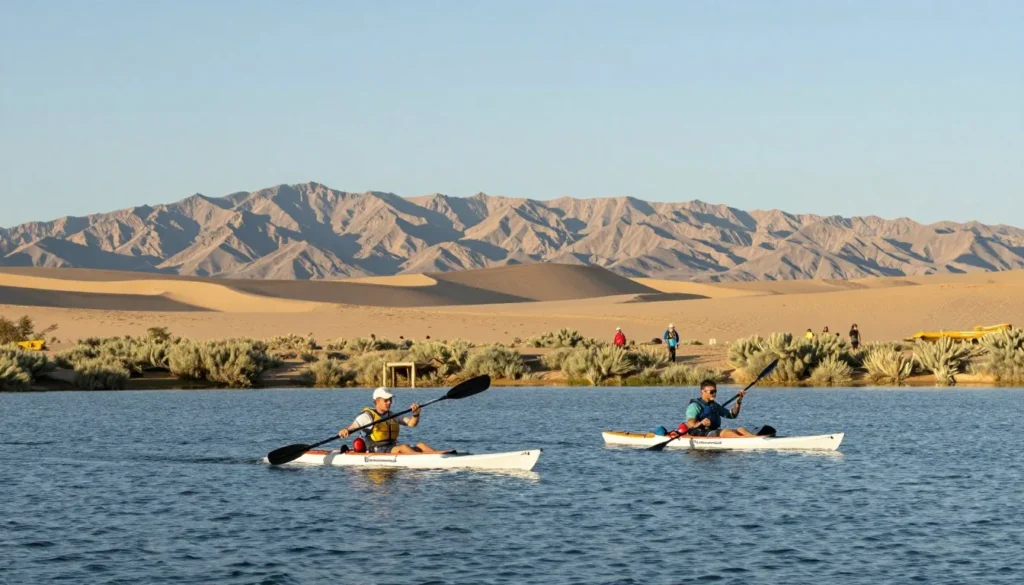
Fishing for white bass, catfish, and walleye attracts anglers year-round. The area’s birdwatching opportunities include waterfowl, raptors, and shorebirds utilizing the wetlands habitat. Camping facilities provide bases for multi-day outdoor adventures combined with Spirit Cave area cultural exploration.
Desert Hiking and Backcountry Exploration
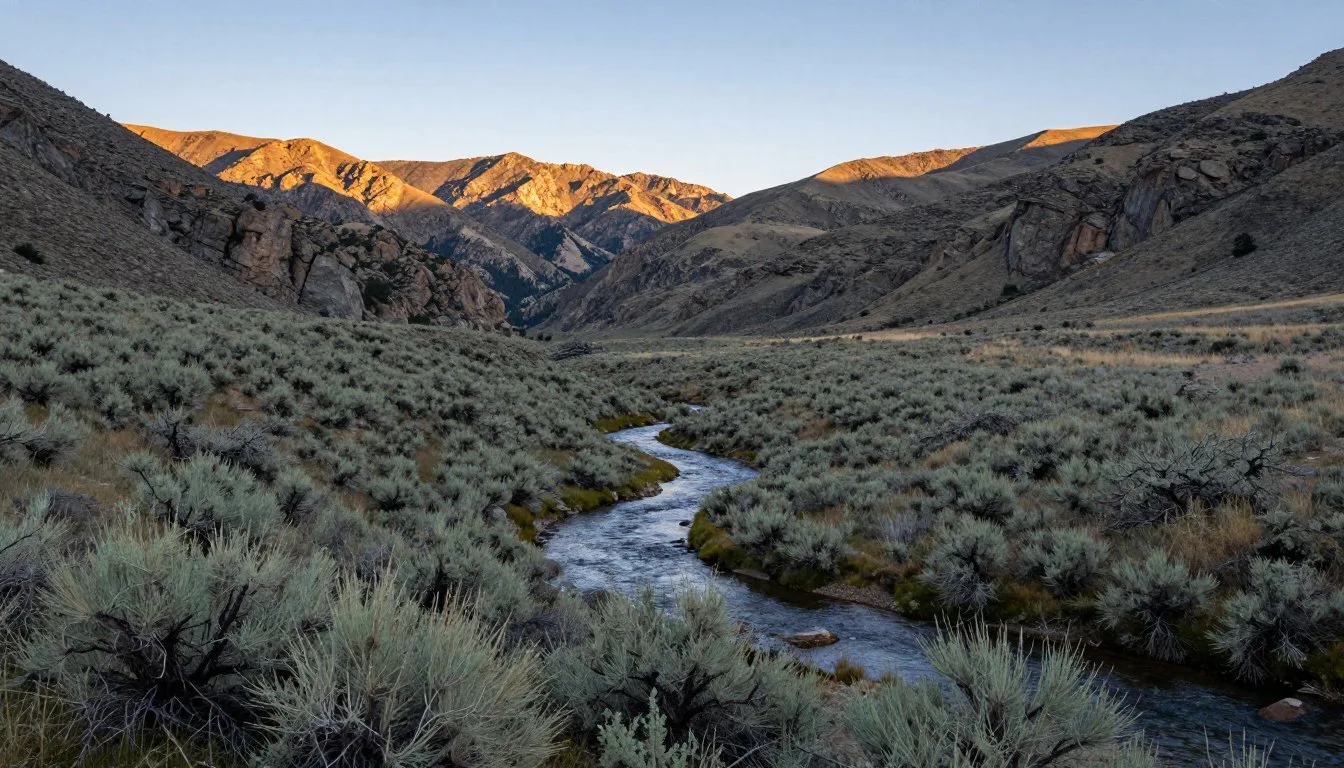
Bureau of Land Management lands surrounding Fallon encompass hundreds of square kilometers of public territory available for hiking, photography, and nature study. The terrain features sagebrush flats, volcanic rock formations, seasonal streams, and distant mountain vistas characteristic of Great Basin geography.
Spring wildflower displays transform portions of the landscape with colorful blooms adapted to harsh conditions. Species like desert paintbrush, lupine, and penstemon create photographic opportunities while demonstrating ecological adaptations that sustained ancient peoples including those who lived near Spirit Cave Nevada.
Always carry abundant water—minimum 3-4 liters per person for day hikes—as sources remain scarce and unreliable. Inform others of your plans, carry navigation tools, and prepare for rapid weather changes. The same environmental challenges that preserved the spirit cave mummy for 10,000 years continue to demand respect from modern visitors.
Wildlife Watching
The Great Basin ecosystem supports diverse wildlife adapted to extreme conditions. Pronghorn antelope, mule deer, coyotes, and kit foxes inhabit the region. Bird species include sage grouse, golden eagles, prairie falcons, and numerous songbirds.
Early morning and evening hours provide optimal wildlife viewing opportunities when animals remain active despite temperature extremes. Binoculars enhance observations while maintaining respectful distances that avoid disturbing natural behaviors.
Travel With Children
The Spirit Cave Nevada region offers educational experiences that engage children with archaeology, natural history, and outdoor adventure. However, the remote location and desert environment require careful planning when traveling with young ones.
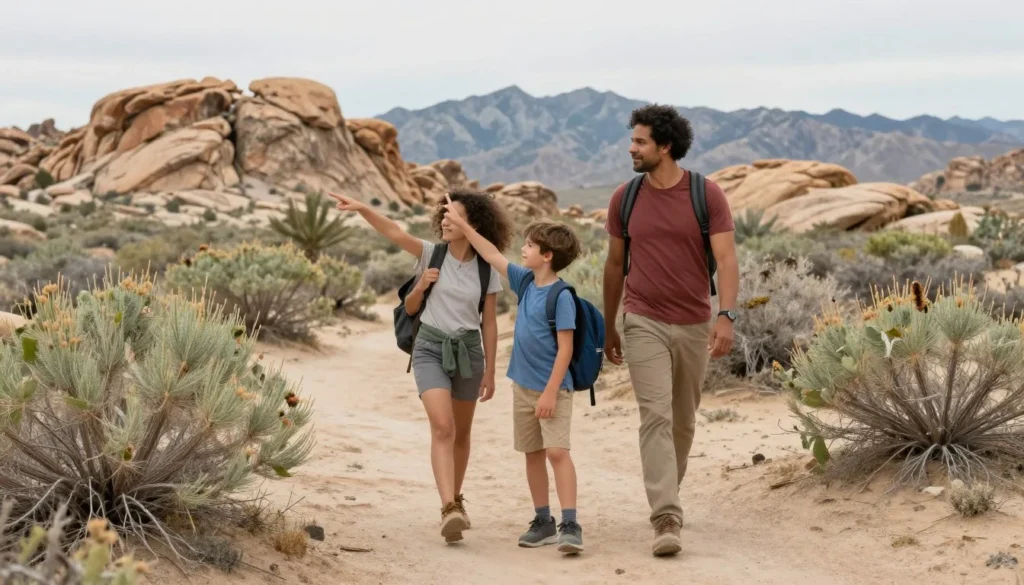
The Churchill County Museum provides child-friendly exhibits explaining how archaeologists discovered the spirit cave mummy and studied the artifacts found wrapped with the body. Interactive displays help younger visitors understand radiocarbon dating concepts and prehistoric daily life in accessible ways.
The Grimes Point Petroglyph Trail suits families with children of various ages. The short distance, minimal elevation change, and fascinating rock art hold children’s attention while providing educational content about Native American artistic traditions and prehistoric Great Basin cultures.
- Pack extra water and snacks for children who may consume more than adults expect
- Apply and reapply sunscreen frequently as desert sun intensity affects young skin quickly
- Plan shorter outdoor excursions during mid-day heat, saving longer hikes for morning or evening
- Bring entertainment for driving time between Fallon attractions and sites
- Choose lodging with pools for afternoon cooling and energy release after educational activities
Transform archaeological sites into treasure hunts where children search for specific rock art symbols or geological features. Explain how the people who left the remains found in Spirit Cave were children once, living and playing in these same landscapes thousands of years ago.
Teach children archaeological ethics through clear rules about not touching rock art, not removing rocks or artifacts, and staying on designated trails. These lessons create future advocates for cultural resource preservation while ensuring current site protection.
Money Saving Tips
Visiting the Spirit Cave Nevada area costs significantly less than Nevada’s resort destinations, with strategic planning enabling budget-conscious exploration of archaeological and natural attractions.
Accommodation costs in Fallon remain modest compared to Reno or Las Vegas. Booking mid-week rather than weekends sometimes yields additional savings, though differences remain minimal in this rural area. Extended stays in vacation rentals often provide better value for families or groups than multiple hotel rooms.
Many archaeological sites including Grimes Point Petroglyph Trail charge no admission fees, as Bureau of Land Management facilities emphasize public access to cultural resources. The Churchill County Museum requests donations rather than mandatory entrance fees. These free or low-cost attractions provide the primary Spirit Cave-related experiences.
Grocery shopping and picnic preparation costs less than restaurant meals for every outing. Fallon’s supermarkets stock everything needed for trail lunches, with locally grown produce offering fresh, affordable options during harvest seasons.
Camping on Bureau of Land Management dispersed sites eliminates accommodation costs entirely while providing authentic Great Basin experiences. Even visitors preferring indoor lodging might consider one or two nights camping to reduce overall trip expenses and enjoy spectacular stargazing impossible in developed areas.
Fuel costs constitute a significant expense given the driving required between sites. Consolidate destinations to minimize backtracking, and refuel in Fallon where prices typically run lower than remote highway stops.
Visit during shoulder seasons—April through May or September through October—when comfortable weather prevails without premium pricing. Summer’s heat challenges outdoor activities anyway, while winter cold limits some attractions without necessarily reducing accommodation rates substantially.
Safety & Local Customs
The Spirit Cave Nevada region presents specific safety considerations related to its remote location, desert environment, and cultural sensitivities surrounding archaeological resources.
Desert Safety Essentials
Carry abundant water for all outdoor activities—dehydration occurs rapidly in low humidity conditions even without obvious sweating. One gallon per person per day represents the minimum for active hiking, with additional reserves for emergencies. Heat exhaustion and heatstroke constitute serious risks during summer months.
Cell phone coverage remains spotty outside Fallon proper. Download offline maps, inform others of your plans, and carry paper backup navigation. Bureau of Land Management roads may not appear on consumer GPS devices, requiring topographic maps for backcountry exploration near the Spirit Cave area.
Wildlife encounters rarely prove dangerous, but rattlesnakes inhabit the region and require respectful avoidance. Watch footing, avoid reaching into unseen spaces, and give snakes wide berth if encountered. Scorpions present minor concerns—shake out shoes before wearing and check sleeping bags before entering.
Cultural Respect and Archaeological Protection
Federal law protects archaeological sites on public lands. Disturbing, damaging, or removing artifacts from Spirit Cave Nevada vicinity or any prehistoric location carries penalties including fines up to $100,000 and imprisonment. Even seemingly insignificant actions like moving rocks or touching rock art can damage irreplaceable cultural resources. Observe sites only through photography and leave everything exactly as found.
The spirit cave mummy’s repatriation to the Fallon Paiute-Shoshone Tribe reflects Native American perspectives on ancestral remains and sacred sites. Areas may hold spiritual significance not apparent to outside observers. Respect closure signs, avoid loud or disruptive behavior at cultural sites, and recognize that archaeological features represent real people’s lives and deaths, not simply scientific curiosities.
When visiting tribal lands or cultural centers, follow posted guidelines and staff directions. Photography restrictions may apply at certain locations. Approach Native American cultural experiences with genuine interest and respect rather than treating communities as tourist attractions.
Check 30,000+ Local Sightseeing Tours Worldwide
✓ Numerous languages and currencies are available
Local Customs and Community Interaction
Fallon’s small-town character means friendly, unpretentious interactions. Locals appreciate genuine interest in their community and region. Many residents possess detailed knowledge about Great Basin history, archaeology, and outdoor recreation opportunities they willingly share with respectful visitors.
Support local businesses when possible—small restaurants, independent shops, and service providers sustaining Fallon’s economy appreciate tourism dollars. The agricultural community works hard in challenging conditions, producing quality food products worth seeking out and purchasing.
The nearby Naval Air Station contributes significantly to Fallon’s character and economy. Jet noise occurs regularly as pilots train over the Great Basin. Approach this military presence with respect, avoiding restricted areas and understanding its importance to community identity.
Visitor Comments About Spirit Cave Nevada
“The Churchill County Museum’s Spirit Cave exhibits provided incredible context for understanding how archaeologists discovered the mummy and determined its age through radiocarbon dating. Seeing the Great Basin landscape where ancient peoples lived for thousands of years made the archaeological findings feel immediate and real. The museum staff answered all our questions about the spirit cave mummy with impressive knowledge and genuine passion.”
“Visiting Grimes Point Petroglyph Trail after learning about Spirit Cave Nevada created powerful connections to prehistoric peoples. The rock art demonstrates sophisticated symbolic systems, while the Hidden Cave tour showed how archaeologists piece together daily life from artifacts preserved in dry Great Basin conditions. Understanding that the Fallon Paiute-Shoshone Tribe maintains direct ancestral ties to these ancient sites added profound depth to our experience.”
“The Spirit Cave area exceeded expectations for archaeological tourism. While the actual cave remains appropriately protected, the surrounding region offers numerous opportunities to explore similar Great Basin environments and learn about the cave mummy discovered in 1940. Fallon provided a comfortable, affordable base with surprisingly good restaurants and genuinely welcoming locals who shared their knowledge generously.”
Additional Nearby Destinations
The Spirit Cave Nevada region serves as an excellent base for exploring other significant Great Basin archaeological, natural, and cultural attractions within reasonable driving distances.
Carson City and Nevada State Museum
Nevada’s capital city lies 113 km (70 miles) west of Fallon via US Highway 50. The Nevada State Museum houses extensive Great Basin prehistory exhibits, providing broader context for Spirit Cave’s significance within North American archaeology. The museum’s collections include artifacts from numerous sites dating back thousands of years.
Carson City also offers the Nevada State Railroad Museum, historic downtown district, and proximity to Lake Tahoe for visitors combining archaeological tourism with other Nevada attractions.
Virginia City
This exceptionally preserved 19th-century mining town perches in mountains 129 km (80 miles) northwest of Fallon. While representing a much later historical period than the spirit cave mummy, Virginia City demonstrates another chapter of Nevada heritage through authentic Victorian architecture, museums, and mining history.
The dramatic contrast between prehistoric Great Basin cultures and the Comstock Lode mining boom illustrates Nevada’s diverse cultural layers spanning over 10,000 years.
Great Basin National Park
Located 354 km (220 miles) east of Fallon, this spectacular national park preserves high desert mountains, ancient bristlecone pine forests, and Lehman Caves. The park demonstrates the ecological diversity within Great Basin geography that supported human occupation since prehistoric times.
Hiking trails range from easy nature walks to challenging alpine routes. The park’s dark skies offer exceptional stargazing opportunities. Plan a full day for the drive and initial exploration, or overnight in nearby Baker or Ely to fully experience this remarkable landscape.
Pyramid Lake
This striking desert lake 97 km (60 miles) northwest of Fallon features bizarre tufa formations and sacred significance to the Pyramid Lake Paiute Tribe. The lake represents remnants of ancient Lake Lahontan, whose recession created the desert environment where Spirit Cave formed and preserved human remains for millennia.
Access requires permits obtained from the tribal nation. Fishing, boating, and photography attract visitors to this otherworldly landscape where geology, ecology, and human history intersect dramatically.
Practical Travel Tips
Successful Spirit Cave Nevada area exploration requires understanding regional practicalities that differ from typical tourist destinations.
Cell phone coverage remains reliable in Fallon but deteriorates quickly when driving east toward archaeological sites. Download offline maps and area information before departing accommodations. Satellite communicators provide safety backup for serious backcountry exploration.
ATMs exist in Fallon, but cash remains less critical than in many destinations as most businesses accept cards. However, carry some cash for small purchases, farm stands, or potential card system failures in this rural area.
Gasoline stations concentrate along US Highway 50 in Fallon. Fuel vehicles before day trips as services become extremely sparse in surrounding areas. The nearest stations east toward Spirit Cave vicinity may lie 50 km (31 miles) or more apart.
Visitor information and current conditions for Bureau of Land Management sites, road status, and archaeological area access are available from:
Water remains the single most critical supply for desert exploration. Carry more than seems necessary, as consumption increases dramatically in low humidity. Hydration systems or multiple water bottles ensure constant access during outdoor activities.
The high elevation near Spirit Cave Nevada (approximately 1,200 meters or 4,000 feet) combined with intense sun requires serious sun protection. Broad-spectrum sunscreen, wide-brimmed hats, and UV-protective sunglasses prevent discomfort and potential health problems.
Road conditions on Bureau of Land Management routes vary seasonally and after weather events. Check current status before attempting access to remote areas. High-clearance vehicles handle rough roads better than standard passenger cars, though many major sites remain accessible without four-wheel drive.
Respect private property boundaries throughout the region. Much land surrounding public Bureau of Land Management parcels belongs to ranchers or the Fallon Paiute-Shoshone Tribe. Trespassing damages relationships between communities and visitors while potentially creating legal problems.
Archaeological research continues throughout the Great Basin. You may occasionally encounter scientists conducting fieldwork near prehistoric sites. Give research teams wide berth and avoid disturbing their work. Their studies contribute to understanding human history represented by discoveries like the spirit cave mummy.
Your Great Basin Adventure Awaits
Spirit Cave Nevada represents far more than an archaeological curiosity. The spirit cave mummy discovered in 1940, the cultural connections maintained by the Fallon Paiute-Shoshone Tribe, and the harsh yet beautiful Great Basin landscape combine to create a destination of profound significance.
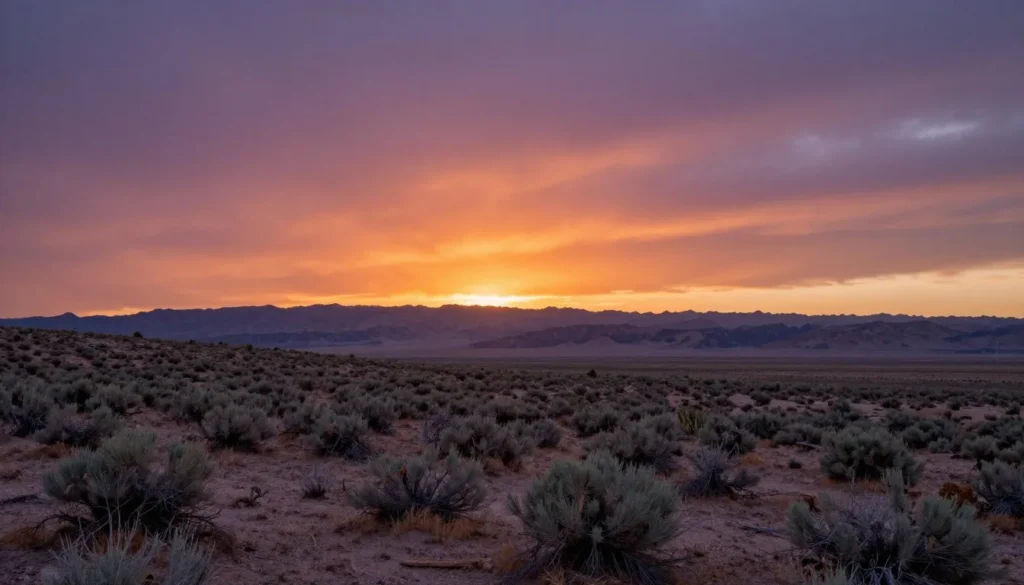
Your journey through this region offers opportunities to walk landscapes essentially unchanged since prehistoric peoples left their remains and artifacts in desert caves, to contemplate human resilience across 10,000 years, and to understand how modern archaeology and Native American perspectives intersect around shared heritage.
The museums, petroglyphs, and outdoor experiences surrounding Spirit Cave Nevada provide windows into ancient lives while the Fallon community offers genuine western hospitality. Whether you spend two days or two weeks exploring, you’ll leave with deeper appreciation for human adaptation, archaeological science, and the stark beauty of the Great Basin.
Start planning your visit to uncover the stories preserved in stone, sand, and the remarkable remains found wrapped in rabbit-skin blankets over eighty years ago—stories that continue revealing secrets about North America’s earliest peoples.