Hotels by Trip.com
Flights by Trip.com
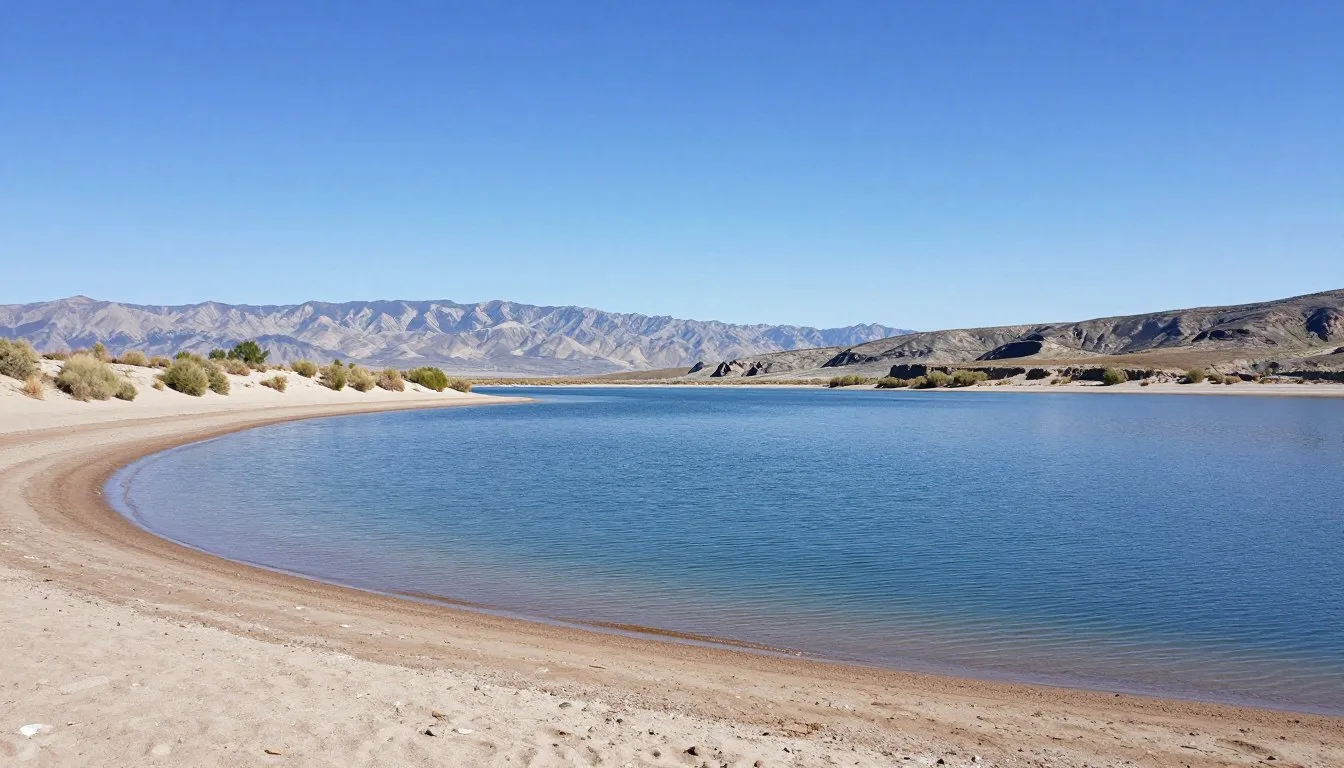
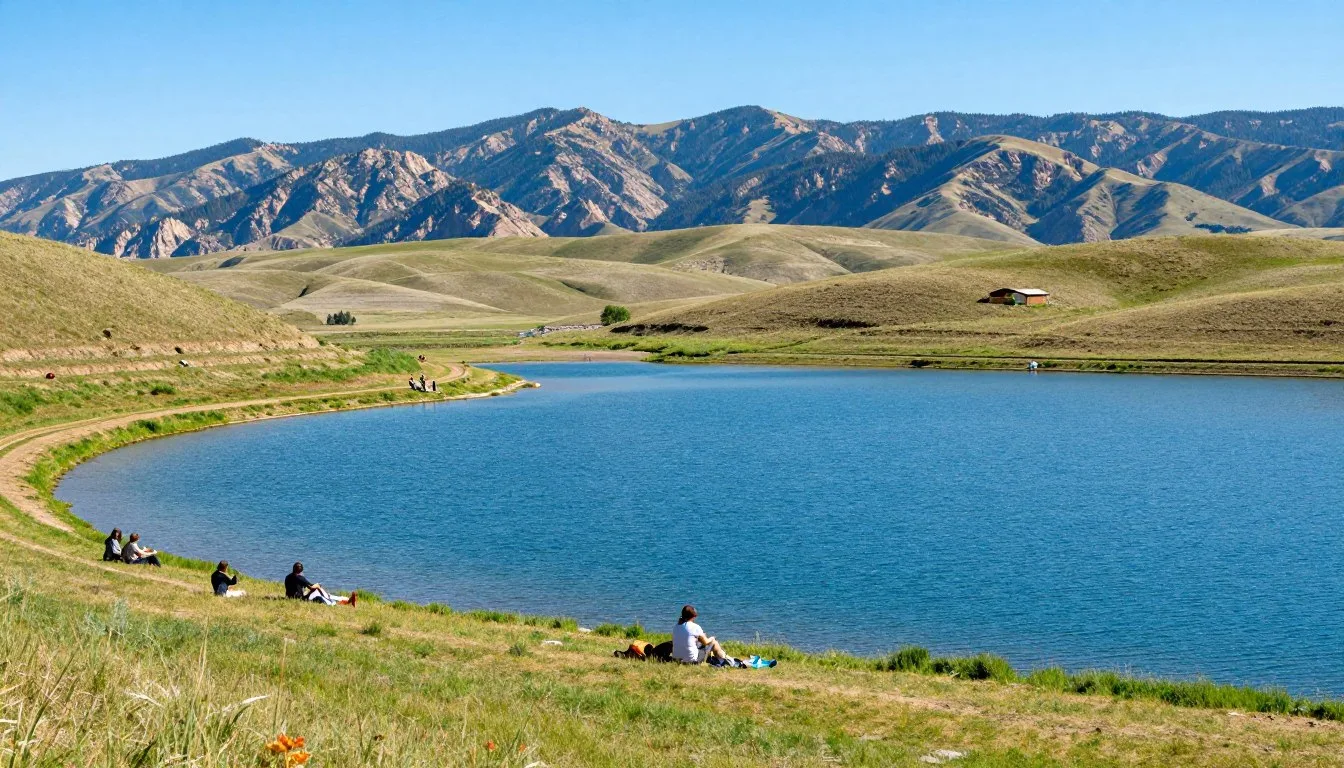
Hidden among the rolling hills of Cache Valley, Hyrum Reservoir quietly holds more water than 12,000 Olympic-sized swimming pools. This 182-hectare (450-acre) lake state park remains one of northern Utah’s best-kept secrets. While travelers rush toward the Great Salt Lake or Park City, locals have been enjoying Hyrum State Park Utah for decades.
This comprehensive guide reveals everything you need to know about visiting this remarkable destination. You will discover premier fishing spots where trophy bass hide beneath the surface. You will find peaceful camping areas perfect for stargazing. You will learn about family-friendly beaches and picnic areas where children play safely.
Whether you seek adventure on the water or relaxation under towering cottonwood trees, Hyrum State Park delivers authentic outdoor experiences. The park sits just 13 km (8 miles) south of Logan, making it accessible yet tranquil. Let’s explore what makes this Cache Valley gem worth your visit.
Getting There and Planning Your Journey

Reaching Hyrum State Park Utah requires simple planning. The park location sits in northern Utah’s Cache Valley region. Most visitors arrive through Salt Lake City, which serves as the primary gateway to this area.
Closest Airports to Hyrum State Park
Salt Lake City International Airport stands as your best option for flying into the region. This major hub sits approximately 137 km (85 miles) south of the park. The airport offers numerous daily flights from cities across the United States and international destinations.
Direct flights connect Salt Lake City to major hubs including Los Angeles, Denver, Seattle, and Dallas. Car rental facilities operate directly at the airport. The drive from Salt Lake City takes roughly 90 minutes via Interstate 15 North and Highway 165.
Logan-Cache Airport provides an alternative for private aircraft and charter flights. This smaller facility sits just 16 km (10 miles) north of Hyrum. Commercial airline service remains limited at this regional airport.
Driving Routes and Road Conditions
Interstate 15 North from Salt Lake City provides the most direct route. Exit at Brigham City and continue north on Highway 89/91. Turn east on Highway 165 near Hyrum town. Clear signage directs you to the state park entrance.
The road to Hyrum State Park remains accessible year-round. Winter conditions may require snow tires or chains between November and March. Summer driving proves straightforward with well-maintained pavement throughout the journey.
Visitors from Idaho can access the park via Highway 91 South from Preston. This scenic route follows the western side of Cache Valley. The mountains create stunning backdrops during your approach.
Distance From Major Cities
- Salt Lake City: 137 km (85 miles), 1.5 hours
- Ogden: 100 km (62 miles), 1 hour
- Logan: 13 km (8 miles), 15 minutes
- Pocatello, Idaho: 161 km (100 miles), 1.75 hours
Essential Planning Information
- Day use fees apply at park entrance
- Annual Utah State Parks pass accepted
- GPS coordinates: 41.6294° N, 111.8519° W
- Parking available near all main areas
Best Time to Visit and Weather Tips

Timing your visit to Hyrum State Park Utah significantly impacts your experience. Each season offers distinct advantages for different activities. Understanding weather patterns helps you pack appropriately and plan suitable adventures.
Peak Season: Late Spring Through Early Fall
May through September represents the prime time for visiting this lake state park. Water temperatures rise enough for comfortable swimming by late June. Air temperatures range from 21°C to 32°C (70°F to 90°F) during summer months.
July and August bring the warmest weather and busiest crowds. Families flock to the beach area during school vacation periods. Campground sites fill quickly on weekends throughout this peak time. Booking camping reservations weeks in advance becomes essential.
Early September offers a sweet spot for visitors seeking fewer crowds. The weather remains pleasant with daytime temperatures around 24°C (75°F). Water stays warm enough for swimming through mid-September. Fall colors begin appearing in the surrounding mountains.
Shoulder Seasons: Spring and Fall
April and October provide excellent fishing opportunities with fewer visitors. Spring brings hungry fish feeding actively after winter. October sees fish preparing for colder months ahead. These periods suit anglers seeking solitude and productive fishing.
Spring weather proves unpredictable with temperatures ranging from 10°C to 21°C (50°F to 70°F). Afternoon thunderstorms occur frequently in April and May. Pack layers and rain gear for spring visits.
Fall temperatures drop to 7°C to 18°C (45°F to 65°F) by late October. Crisp mornings give way to pleasant afternoons. The changing leaves create beautiful scenery around the reservoir. Camping remains comfortable with proper cold-weather gear.
Winter Considerations
November through March sees limited park activity. Ice fishing attracts hardy anglers when the lake freezes solid. Winter temperatures range from -7°C to 4°C (20°F to 40°F). Snow covers the ground frequently during these months.
The campground typically closes from November through March. Day use area access continues year-round when road conditions permit. Check with park staff about current winter conditions before planning a cold-weather visit.
Best Months to Visit
- June: Perfect water temps begin
- July: Peak summer activities
- August: Warmest swimming weather
- September: Fewer crowds, great fishing
Months to Avoid or Prepare For
- December-February: Very cold, limited services
- March: Unpredictable weather, muddy conditions
- November: Cold water, approaching winter closure
- April: Variable weather, cold water temps

Weather Preparation Tips
Cache Valley experiences four distinct seasons with significant temperature swings. Summer nights cool down considerably even after hot days. Bring warm layers for evening campfires and early morning fishing trips.
Afternoon thunderstorms develop quickly during summer months. Lightning poses serious danger on open water and exposed areas. Monitor weather forecasts and retreat to vehicles or buildings when storms approach. Morning hours typically offer the calmest conditions.
High altitude sun intensity surprises many visitors. The park sits at approximately 1,463 m (4,800 feet) elevation. Sunscreen, hats, and sunglasses become essential gear even on partly cloudy days. UV radiation increases with elevation.
Wind picks up frequently in the afternoon across the reservoir. Small boats and inflatable watercraft should stay near shore during windy conditions. Early morning typically provides the best time for paddling and fishing from small craft.
Notable Annual Festivals

Cache Valley and the town of Hyrum host several annual events that enhance your visit. These celebrations showcase local culture and provide entertainment beyond park activities. Planning your trip around these festivals adds extra dimension to your experience.
Hyrum City Celebration
Each July, the town of Hyrum hosts its annual city celebration just minutes from the state park. This multi-day event features a parade, carnival rides, and live entertainment. Local food vendors serve regional specialties. Fireworks light up the sky over the valley.
The celebration typically occurs during the third week of July. Exact dates vary annually. Families enjoy this small-town festival atmosphere with affordable activities. Parking becomes limited near the town center during peak celebration times.
For current year dates and schedules, contact Hyrum City offices at (435) 245-6033. Event organizers can provide detailed information about specific activities and timing. The celebration has occurred continuously for over 60 years.
Cache Valley Cruise-In
Classic car enthusiasts gather each summer for the Cache Valley Cruise-In. This rolling car show passes through Hyrum and surrounding communities. Hundreds of vintage automobiles participate in this nostalgic event. Spectators line the roads to admire carefully restored vehicles.
The cruise typically happens in June on a Saturday afternoon. Participants drive a scenic route through Cache Valley towns. Some drivers park near Hyrum State Park for photos with the reservoir backdrop. The event celebrates automotive history and craftsmanship.
Contact the Cache Valley Visitors Bureau at (435) 752-2161 for exact dates and route information. This free event welcomes spectators at any point along the cruise route. Many participants gather at Logan locations before and after the drive.
Logan Summerfest
The nearby city of Logan hosts Summerfest each June. This arts and music festival occurs just 13 km (8 miles) north of Hyrum State Park. Local and regional artists display work throughout downtown Logan. Multiple stages feature live music performances ranging from folk to rock.
Food trucks and craft vendors create a festive atmosphere. Children’s activities include face painting and interactive art projects. The event draws thousands of visitors to the Cache Valley area. Combining a Summerfest visit with your park trip maximizes your regional experience.
For festival dates and performer lineups, call the Logan Downtown Alliance at (435) 716-9268. Parking in downtown Logan fills quickly during Summerfest. Consider arriving early or using shuttle services from outlying areas.

American West Heritage Center Events
Located between Logan and Hyrum, the American West Heritage Center presents living history events throughout the year. Festival of the American West occurs each July. This multi-day celebration features historical reenactments, crafts demonstrations, and Western entertainment.
Blacksmiths hammer iron, weavers work traditional looms, and cowboys demonstrate roping skills. Native American cultural presentations educate visitors about indigenous peoples of the region. Evening concerts feature country and folk musicians. The festival celebrates pioneer and Western heritage.
Contact the American West Heritage Center at (435) 245-6050 for current season schedules. The center also hosts smaller events during spring and fall months. Educational programs complement your outdoor adventures at nearby Hyrum State Park.
- Most festivals occur during summer peak season when park visitation is highest
- Accommodation prices may increase during major festival weekends
- Combining festival attendance with park activities creates memorable multi-day trips
- Small town festivals offer authentic local culture experiences
Getting Around Locally

Navigating the Hyrum area requires understanding local transportation options. Most visitors rely on personal vehicles for maximum flexibility. The rural setting offers limited public transit compared to urban destinations.
Personal Vehicle Transportation
Having your own car provides the best way to explore Hyrum State Park Utah and surrounding attractions. The park entrance sits directly off Highway 165 with ample parking near all facilities. Paved roads lead to the campground, day use area, and boat ramp.
Parking spaces fill quickly near the beach on summer weekends. Arriving before 10:00 AM secures better spot selection. Additional overflow parking exists but requires longer walks to prime locations. RVs and vehicles with boat trailers need extra space at the ramp area.
Gas stations in Hyrum town provide fuel and basic supplies. The nearest full-service station sits 3 km (2 miles) from the park entrance. Logan offers more extensive automotive services including repair facilities. Plan fuel stops before heading to the park for day trips.
Bicycle Access and Trails
Cycling to the park from Hyrum town proves feasible for experienced riders. Highway 165 carries moderate traffic with narrow shoulders in some sections. Exercise caution when riding on this route. The 5 km (3-mile) ride from town includes gentle hills.
Inside the park, bicycles share roads with vehicles. No designated bike lanes exist within park boundaries. Families with children should supervise young riders carefully. The campground loop road provides relatively safe cycling away from main traffic.
Mountain biking trails surround the greater Cache Valley area. Nearby Green Canyon and Logan Canyon offer extensive trail systems. These locations sit within 24 km (15 miles) of Hyrum State Park. Serious cyclists often combine park camping with trail riding adventures.
Walking and Hiking Within the Park
Hyrum State Park features a modest trail system suitable for casual walking. A path circles part of the reservoir shoreline. This relatively flat route extends approximately 2.4 km (1.5 miles). Families with small children navigate it easily. The trail offers lakeside views and bird watching opportunities.
Shaded areas along the path provide rest spots during hot weather. Benches overlook the water at several locations. Early morning walks reward visitors with wildlife sightings including deer, waterfowl, and occasional foxes. The trail remains open year-round when not snow-covered.
Distances between park facilities remain walkable for most visitors. The campground sits roughly 800 m (half mile) from the main beach area. Families often walk between camping sites and day use facilities. A wagon or stroller helps transport small children and beach gear.

Boat Launch and Water Access
The boat ramp provides the primary water access point for motorized craft. This concrete ramp accommodates boats up to moderate size. Parking for vehicles with trailers exists adjacent to the ramp. Launch facilities include courtesy docks for loading and unloading.
Kayak and canoe users can launch from several shoreline points. The beach area allows easy access for small watercraft. Paddlers should avoid swimming zones when launching or landing. Morning hours offer calmer water conditions for paddle sports.
A small marina area provides temporary boat mooring. No long-term slips or rentals operate at this location. Boaters must trailer their watercraft daily. The park does not offer boat storage facilities overnight.
Regional Transportation Options
Cache Valley Transit District (CVTD) operates limited bus service in the region. Routes primarily serve Logan and surrounding urban areas. No direct public bus service reaches Hyrum State Park. Visitors without vehicles find accessing the park challenging via public transit.
Rideshare services including Uber and Lyft operate in Cache Valley with limited availability. Service proves more reliable in Logan than rural areas. Expect higher fares and longer wait times compared to urban markets. Pre-scheduling rides improves reliability for park visits.
Taxi services based in Logan can provide transportation to the park. Advance reservations work better than attempting to hail cabs on demand. Round-trip arrangements should be confirmed when booking. Keep contact information for return pickup.
Transportation Tips
- Personal vehicle offers most flexibility
- Arrive early for best parking on busy days
- Bicycle with caution on Highway 165
- Walking paths connect main park areas
Navigation Resources
- GPS coordinates work reliably for directions
- Cell service available throughout park
- Paper maps available at entrance station
- Logan offers full automotive services
Where to Stay

Accommodation options near Hyrum State Park Utah range from on-site camping to nearby hotels. Your lodging choice depends on desired comfort level, budget, and group size. Both rustic and modern options exist within the area.
Hyrum State Park Campground
The state park campground offers the most immersive nature experience. This facility provides both tent and RV camping sites. Each campsite includes a picnic table and fire ring. Trees provide shade and privacy between most sites.
The campground features approximately 40 sites spread across two main loops. Sites vary in size and proximity to facilities. Some locations sit just steps from the reservoir shore. Others offer more seclusion deeper in the camping area. All sites provide level ground for tent setup or RV parking.
Modern restroom buildings include flush toilets and coin-operated showers. Hot water availability makes camping more comfortable after days spent swimming and hiking. Drinking water spigots are located throughout the campground. These facilities operate during the main camping season from April through October.
RV sites accommodate vehicles up to 12 m (40 feet) in length. Electrical hookups are available at most RV sites. Water and sewer connections exist at select premium spots. The campground does not provide dump station services for gray or black water tanks.

Reservations for campsites can be made through Utah State Parks reservation system. Popular summer weekends book months in advance. Weekday availability proves easier to secure on short notice. Some sites remain available for first-come, first-served registration.
Nightly camping fees include day use park access. Additional occupants beyond base limits incur small per-person charges. Annual Utah camping passes provide discounts for frequent campers. Check current rates with park staff when planning your stay.
Hotels and Motels in Logan
Logan city offers numerous hotel options just 13 km (8 miles) from the park. National chain hotels provide familiar amenities including pools, breakfast, and wifi. Rates vary significantly based on season and local events. Summer months and Utah State University functions increase demand and prices.
Budget-friendly chains include Super 8, Days Inn, and Motel 6. Mid-range options feature Hampton Inn, SpringHill Suites, and La Quinta. These properties offer clean rooms, parking, and continental breakfast. Most sit near restaurants and shopping centers along Logan’s main commercial corridors.
The Best Western Weston Inn and Comfort Inn provide reliable accommodations. Families appreciate the pool facilities during summer visits. Business travelers find these hotels convenient for Logan area activities. All major Logan hotels accept online reservations through standard booking platforms.
Downtown Logan boutique options include older historic properties. These smaller hotels offer character and walkability to restaurants and shops. Parking may be more limited than suburban chain hotels. Rates can exceed chain properties during peak periods.
Vacation Rentals and Private Options
Vacation rental homes exist throughout Cache Valley including some near Hyrum. These properties range from small cabins to large family homes. Groups and extended stays often find rentals more economical than hotels. Full kitchens allow meal preparation and money savings.
Online platforms list Cache Valley rental properties. Options include lakeside cottages, valley farmhouses, and mountain cabins. Quality and amenities vary widely. Read reviews carefully before booking. Verify exact locations relative to Hyrum State Park.
Some rental properties allow pets with additional deposits or fees. This option suits families traveling with dogs. Ensure rental policies permit animals before booking. Clean up requirements typically apply to pet-friendly accommodations.

Nearby Communities and Alternative Bases
Wellsville sits 11 km (7 miles) southwest of the park. This small town offers limited lodging but provides a quiet rural base. One or two small motels operate seasonally. Rates typically run lower than Logan properties.
Paradise and College Ward represent tiny communities even closer to the park. These rural areas have virtually no commercial lodging. Vacation rentals occasionally appear in these locations. The peaceful setting appeals to visitors seeking authentic small-town Utah experiences.
Smithfield and Providence sit between Logan and Hyrum. These communities provide neighborhood settings with easy park access. A few bed and breakfast establishments operate in these towns. Local charm exceeds commercial hotel amenities.
On-Site Camping
- Tent and RV sites available
- Full restroom facilities with showers
- Direct reservoir access
- Reservations recommended summer
- Most affordable option
Logan Hotels
- 15-minute drive to park
- Multiple chain hotel options
- Pools and breakfast included
- Restaurant variety nearby
- Higher comfort level
Vacation Rentals
- Full kitchen facilities
- Good for groups and families
- Variable locations and quality
- Pet-friendly options exist
- Book well in advance
Accommodation Planning Tips
Book summer accommodations as early as possible. June through August sees highest demand for all lodging types. University events in Logan create unexpected accommodation shortages. Check Utah State University calendar when planning spring and fall visits.
Camping reservations open months before arrival dates. Popular lakeside campsites disappear quickly for weekend dates. Consider weekday visits for easier campground availability. Mid-week camping often provides quieter, more relaxing experiences.
Off-season rates drop significantly during shoulder months. April, May, September and October offer value pricing at hotels. Some vacation rentals require minimum stay lengths during peak summer. Flexibility with dates helps secure better deals.
Dining and Local Cuisine

Dining options near Hyrum State Park Utah cater to various tastes and budgets. The small town of Hyrum offers limited but authentic local restaurants. Logan provides extensive choices just minutes away. Many park visitors bring food for picnics and campfire cooking.
Dining in Hyrum Town
Hyrum’s compact downtown features several family-owned eateries. The Main Street Café serves breakfast and lunch with home-style cooking. Locals frequent this spot for hearty morning meals. Pancakes, omelets, and biscuits with gravy top the popular items list.
Pizza restaurants provide casual dinner options in town. These establishments deliver to the park campground area. Ordering pizza for your campsite creates convenient meal solutions after active days. Most places close by 9:00 PM on weeknights.
A small grocery store in Hyrum stocks basic supplies and deli items. You can purchase sandwich makings, snacks, and beverages. Selection remains limited compared to Logan supermarkets. The store serves adequately for emergency supplies or forgotten items.
Logan Restaurant Scene
Logan’s diverse dining scene reflects its university town character. Main Street downtown hosts numerous restaurants within walking distance of each other. Ethnic cuisines include Mexican, Thai, Chinese, and Italian options. American classics and fast food chains line the commercial strips.
Bluebird Restaurant stands as a Logan institution operating since 1914. This classic diner serves traditional American fare in a nostalgic setting. The original soda fountain still dispenses handmade ice cream treats. Locals recommend the homemade pies for dessert.
Beehive Grill attracts visitors seeking upscale dining without formal atmosphere. The menu features steaks, seafood, and creative entrées. Local artwork decorates the walls. Reservations help during busy weekend evenings. The restaurant sits in downtown Logan near shopping areas.

Café Sabor serves excellent Mexican food with generous portions. Fresh ingredients and authentic recipes draw repeat customers. The salsa bar offers multiple heat levels and flavor profiles. Outdoor patio seating provides pleasant summer dining. Takeout proves popular for bringing meals to the park.
For quick casual dining, Firehouse Pizzeria serves New York-style slices and whole pies. The college crowd keeps this spot busy during school sessions. Large portions appeal to hungry hikers and campers. Late hours accommodate evening meal needs.
Local Specialties and Regional Foods
Cache Valley produces exceptional dairy products. Local cheese features prominently in area restaurants. Gossner Foods manufactures cheese products distributed worldwide but originated in Logan. Sample cheese curds and aged cheddars at area markets.
Ice cream holds special significance in Mormon culture. Numerous ice cream shops operate in Logan and surrounding towns. Aggie Ice Cream, made at Utah State University, ranks among local favorites. The Bluebird’s fountain creates traditional malts and sundaes.
Trout from local waters including Hyrum Reservoir appears on some restaurant menus. Freshwater fish preparations vary from simple grilled fillets to elaborate dishes. Ask servers about daily fish specials featuring locally caught trout.
Berry farms operate in Cache Valley during summer months. Fresh strawberries, raspberries, and cherries reach peak ripeness July through August. Farm stands sell directly to consumers. These fruits enhance picnic meals and camping breakfasts.
Grocery Stores and Supplies
Logan hosts several full-service supermarkets for provisioning camping trips. Smith’s Food King and Walmart Supercenter provide one-stop shopping. These stores stock camping supplies alongside groceries. Propane exchange services exist at both locations.
Natural food stores cater to health-conscious visitors. Straw Ibis and the Cache Meadow Creamery offer organic produce and specialty items. Prices run higher than conventional supermarkets. Selection includes unique local products unavailable elsewhere.
Sporting goods stores sell fishing bait, tackle, and licenses. Sportsman’s Warehouse carries extensive camping and outdoor equipment. Lee’s Marketplace combines groceries with sporting goods sections. These shops provide last-minute gear needs.

Picnic and Campfire Cooking
Hyrum State Park provides excellent picnic facilities throughout the day use area. Covered pavilions shelter groups from sun and occasional rain. Grills attached to many picnic tables enable cooking. Bring charcoal or use wood from approved sources.
Campground fire rings accommodate traditional campfire cooking. Cast iron Dutch ovens work perfectly for this setting. Many campers prepare elaborate meals over open flames. Others prefer portable camping stoves for convenience.
Remember proper food storage in the campground. Bears occasionally visit the area. Coolers should remain in vehicles overnight. Never leave food unattended at campsites. Clean up thoroughly after meals to avoid attracting wildlife.
Water from park spigots is safe for drinking and cooking. Fill bottles and cooking pots before settling in for the night. Morning coffee tastes better with fresh cold water. Conserve water during busy camping periods when demand runs high.
Restaurant Recommendations
- Main Street Café (Hyrum): Breakfast
- Bluebird Restaurant (Logan): Classic diner
- Beehive Grill (Logan): Upscale casual
- Café Sabor (Logan): Mexican cuisine
Food Shopping Options
- Smith’s Food King: Full grocery
- Walmart Supercenter: Budget option
- Straw Ibis: Natural foods
- Hyrum grocery: Emergency supplies
Attractions, Sightseeing and Activities

Hyrum State Park Utah offers diverse recreational opportunities centered around its 182-hectare (450-acre) reservoir. Water activities dominate summer months while shoreline pursuits remain popular year-round. The park attracts outdoor enthusiasts seeking both relaxation and adventure.
Fishing at Hyrum Reservoir
Fishing represents the primary draw for many park visitors. The reservoir sustains healthy populations of several game fish species. Rainbow trout, largemouth bass, bluegill, and yellow perch inhabit these waters. Each species requires different techniques and offers unique challenges.
Spring fishing produces excellent results as water temperatures rise. Trout feed actively near the surface during April and May. Bass begin moving into shallow water for spawning by late May. Early morning and evening hours typically yield best catches during warm weather.
Shore fishing locations dot the entire reservoir perimeter. The dam area provides deep water access from land. Rocky points extending into the water create ambush spots where bass hide. The inlet area attracts fish seeking current and fresh oxygen.

Boat fishing expands your coverage of productive water. Trolling along the old river channel yields trout throughout the season. Drop-shot rigging around submerged structure tempts bass to strike. Electronic fish finders help locate suspended schools in deeper water.
Ice fishing develops when winter temperatures freeze the reservoir solid. Anglers drill holes through ice typically between January and early March. Perch provide the most reliable ice fishing action. Small jigs tipped with wax worms or mealworms work effectively through the ice.
Utah fishing licenses are required for anyone 12 years old and above. Purchase licenses online through Utah Division of Wildlife Resources or at local sporting goods stores. Both resident and non-resident licenses are available for various durations. Keep licenses accessible while fishing.
Boating and Water Sports
The boat ramp accommodates watercraft from small fishing boats to ski boats and pontoons. No horsepower restrictions limit engine size. Water skiing and wakeboarding occur in designated zones away from swimming areas. Morning hours before wind increases provide best conditions for towed sports.
Kayaking and canoeing allow peaceful reservoir exploration. Paddlers navigate the entire shoreline discovering quiet coves and wildlife habitat. Rental kayaks are not available on-site. Bring your own watercraft or rent from Logan area outfitters before arriving.
Stand-up paddleboarding has grown popular on the calm reservoir surface. The shallow areas near shore suit beginners learning balance. Experienced paddlers venture farther out for exercise and sightseeing. Early morning paddling sessions offer glassy water conditions.

Personal watercraft (jet skis) operate under Utah boating regulations. Maintain safe speeds near shore and swimming zones. Noise from these machines can disturb other visitors. Practice courtesy and awareness when operating loud watercraft. Designated ski zones provide open water for high-speed activities.
All boats must display current Utah registration or valid out-of-state documentation. Boaters born after December 31, 1988 need a boater education card. Life jackets for each passenger remain mandatory equipment. Safety equipment including fire extinguisher and sound device must be aboard.
Swimming and Beach Activities
The designated swimming beach offers sandy entry into the reservoir. This area receives heavy use during summer weekends. Families spread blankets and umbrellas across the grass behind the beach. Lifeguards do not patrol this location so parental supervision stays essential.
Water quality testing occurs regularly during swimming season. The reservoir typically maintains clean, safe conditions for swimming. Avoid swimming after heavy rains when runoff affects water clarity. Check with park staff about current water quality status during your visit.
Beach volleyball courts provide recreational options on land. These sand courts host pickup games throughout summer. Bring your own volleyball as equipment rentals are not available. Courts operate on first-come availability without reservation systems.

Shade remains limited in the beach area during midday hours. Bring pop-up canopies or large umbrellas for sun protection. Trees at the perimeter of the beach area offer some natural shade. Afternoon temperatures can exceed 32°C (90°F) in July and August requiring sun awareness.
Hiking and Nature Walks
A paved path follows portions of the reservoir shoreline. This accessible trail accommodates wheelchairs and strollers. The relatively flat terrain suits all fitness levels. Distance markers help track your walking progress along the route.
Interpretive signs along the trail identify local plants and wildlife. Learn about native species adapted to this high desert valley ecosystem. Seasonal wildflowers bloom alongside the path during spring and early summer. Bring cameras to photograph colorful displays.
Extended hiking requires traveling to nearby mountain areas. Green Canyon east of Logan offers extensive trail networks. Blacksmith Fork Canyon provides additional options within 30 minutes of the park. These locations feature elevation gain and mountain scenery absent at the reservoir.
Wildlife Watching and Photography
Bird watchers document numerous species around the reservoir throughout the year. Waterfowl migrate through during spring and fall. Great blue herons hunt shallows for small fish. Bald eagles occasionally patrol the lake during winter months.
Mule deer frequent the park especially during early morning and evening hours. Does with fawns appear near the campground in summer. Bucks sporting antler velvet browse vegetation along the shoreline. Maintain safe distances and never feed wild animals.

Sunset photography produces spectacular images across the reservoir. Western light illuminates the Wellsville Mountains creating dramatic backdrops. Silhouettes of boats and wildlife enhance compositions. Tripods help stabilize cameras during low-light conditions.
Wildflower photography peaks during May and June at lower elevations. Purple lupines and yellow balsamroot blanket hillsides near the park. Macro lenses capture detail in individual blooms. Visit during morning hours when flowers remain fresh and dew adds sparkle.
Water Activities
- Fishing (shore and boat)
- Swimming at designated beach
- Kayaking and canoeing
- Water skiing and wakeboarding
- Stand-up paddleboarding
Land Activities
- Hiking accessible trails
- Wildlife watching
- Beach volleyball
- Picnicking under trees
- Photography opportunities
Equipment Needed
- Fishing gear and license
- Watercraft (no rentals on-site)
- Sun protection items
- Camera and binoculars
- Beach and picnic supplies
Museums, Cultural Spots and Festivals

Cache Valley’s rich pioneer heritage and university presence create diverse cultural opportunities near Hyrum State Park Utah. Museums, historic sites, and performing arts venues sit within easy driving distance. These attractions complement outdoor adventures with educational experiences.
American West Heritage Center
Located just 8 km (5 miles) from Hyrum State Park, this living history site brings the 1800s to life. Costumed interpreters demonstrate pioneer skills including blacksmithing, weaving, and cooking. Historic buildings transported from across the region create an authentic frontier village atmosphere.
The center sprawls across 61 hectares (150 acres) of farmland. A working farm showcases heritage livestock breeds. Children interact with chickens, sheep, and horses. Wagon rides transport visitors between activity stations throughout the property.
Special events occur year-round highlighting different aspects of Western heritage. The Festival of the American West in July represents the largest annual gathering. Mountain man rendezvous, Native American cultural presentations, and Western music fill three days. Advance tickets reduce admission costs for this popular event.
Regular admission allows access to buildings and demonstrations during operating hours. The center closes during winter months typically from November through March. Call (435) 245-6050 for current seasonal hours and special event schedules. Educational programs serve school groups and families throughout the open season.
Utah State University Campus
Logan’s Utah State University contributes significantly to regional culture. The campus spans over 161 hectares (400 acres) on a hillside overlooking Cache Valley. Visitors are welcome to explore the grounds and attend public events throughout the year.
The Nora Eccles Harrison Museum of Art houses rotating exhibitions of contemporary and historical works. Admission remains free to all visitors. Regional artists feature alongside nationally recognized names. The museum’s permanent collection focuses on ceramic art and Western American artwork.
Old Main stands as the university’s iconic building dating to 1902. This limestone structure anchors the historic quad area. Climb to upper campus levels for panoramic valley views. The campus proves especially beautiful during fall when mature trees display autumn colors.

Ellen Eccles Theatre in downtown Logan hosts performing arts events. Broadway touring shows, symphony concerts, and dance performances grace this renovated historic venue. The 1913 building retains original architectural details while offering modern amenities. Check event calendars for performance schedules during your visit.
Daughters of Utah Pioneers Museum
This small museum in Logan preserves pioneer artifacts and stories. Volunteers maintain exhibits showcasing life in early Cache Valley. Quilts, furniture, clothing, and tools illustrate the hardships and triumphs of settlement era families.
Located in a historic building itself, the museum operates limited hours. Admission by donation allows budget-conscious families to experience local history. Genealogy resources help visitors research pioneer ancestors. The museum focuses specifically on contributions of women to frontier settlement.
Guided tours provide context for displayed items. Stories of individual pioneers bring artifacts to life. The museum sits near downtown Logan making it accessible during shopping or dining trips. Plan approximately one hour to explore the collection thoroughly.
Hyrum City Museum
Tiny Hyrum operates a community museum preserving local history. This volunteer-run facility occupies the historic city hall building. Exhibits highlight agriculture, early settlement, and notable residents. Rotating displays showcase different aspects of town heritage.
The museum keeps irregular hours depending on volunteer availability. Call Hyrum City offices at (435) 245-6033 to arrange visits. Admission is free though donations support ongoing preservation efforts. This intimate museum provides authentic small-town character often missing from larger institutions.
Willow Park Zoo
Logan’s small municipal zoo features native wildlife and domestic animals. Children enjoy this free attraction perfect for family outings. Elk, deer, birds of prey, and waterfowl inhabit naturalistic enclosures. A small petting area allows interaction with gentle farm animals.

Willow Park sits adjacent to a playground and picnic areas. The zoo wraps around a picturesque pond where ducks swim freely. Shaded walking paths wind through the 5-hectare (12-acre) park. Spring baby animals attract crowds eager to see newborn wildlife.
Operating hours extend throughout daylight during summer months. Winter access becomes limited as some animals move to heated facilities. The zoo depends entirely on donations and city funding. Consider contributing to support this community treasure.
Cultural Events and Performances
Summer concert series occur in various Cache Valley locations. Logan’s Summer Concert Series brings free performances to parks each week. Genres range from classical to country attracting diverse audiences. Bring lawn chairs or blankets for these casual outdoor events.
Cache Valley Gardeners Market operates downtown Logan every Saturday morning during growing season. Local farmers sell fresh produce alongside craft vendors. Live music and food trucks create festive atmosphere. This market runs May through October weather permitting.
Art galleries scattered through Logan showcase regional artists. The Caine College of the Arts at Utah State presents student and faculty exhibitions. First Friday art strolls connect multiple venues on monthly schedules. Many galleries welcome browsers without purchase pressure.
Museums Near Hyrum State Park
- American West Heritage Center: 8 km (5 miles)
- Nora Eccles Harrison Museum: 13 km (8 miles)
- Daughters of Utah Pioneers: 13 km (8 miles)
- Hyrum City Museum: 3 km (2 miles)
Cultural Venues
- Ellen Eccles Theatre (performances)
- Utah State campus (free to explore)
- Willow Park Zoo (free admission)
- Art galleries (downtown Logan)
Nature and Outdoor Experiences

Hyrum State Park Utah serves as gateway to extensive outdoor recreation throughout Cache Valley. While the park itself focuses on water-based activities, surrounding areas offer mountain adventures. These nearby locations expand possibilities for nature enthusiasts visiting the region.
Wellsville Mountains
The steep Wellsville Range rises immediately west of the reservoir creating a dramatic backdrop. These mountains form the steepest range in North America for their height. Box Elder Peak reaches 2,945 m (9,663 feet) elevation. The vertical rise from valley floor exceeds 1,524 m (5,000 feet).
Hiking trails climb into the Wellsville Mountains Wilderness. Deep Canyon Trail and Rattlesnake Canyon Trail provide access to high country. These strenuous routes challenge fit hikers with steep sustained climbing. Views from upper elevations encompass all of Cache Valley.
Wildlife including mountain goats inhabit the Wellsville peaks. These sure-footed animals navigate impossibly steep terrain. Spotting goats requires binoculars and patience. Fall hunting seasons bring additional visitors to these mountains. Wear bright colors during autumn if hiking in this area.
Bear River Range
East of Hyrum State Park, the Bear River Mountains offer gentler terrain and extensive trail systems. Logan Canyon cuts through this range providing access to numerous trailheads. Green Canyon, Millville Canyon, and Blacksmith Fork Canyon create additional entry points.
Tony Grove Lake sits at 2,438 m (8,000 feet) elevation in Logan Canyon. This alpine lake offers camping, fishing, and hiking amid spectacular scenery. The 6 km (4-mile) White Pine Lake Trail ranks among the area’s most scenic hikes. Wildflowers blanket meadows during July peak bloom.

Beaver Mountain Ski Resort operates during winter months in Logan Canyon. This family-friendly ski area offers affordable lift tickets and uncrowded slopes. Summer visitors find hiking trails and mountain biking routes on ski runs. The resort sits approximately 48 km (30 miles) from Hyrum State Park.
Hardware Ranch Elk Refuge
Located in Blacksmith Fork Canyon, Hardware Ranch maintains a wintering elk herd. During winter months, hundreds of elk gather where supplemental feed sustains them. Sleigh rides transport visitors among the elk herds from December through February.
Summer visits to Hardware Ranch offer hiking and wildlife watching opportunities. The 7,284-hectare (18,000-acre) wildlife management area protects diverse habitats. Moose, deer, and various bird species live here year-round. The visitor center provides educational exhibits about elk biology and habitat.
The ranch sits approximately 45 km (28 miles) southeast of Hyrum State Park. Allow one hour driving time on the winding canyon road. Winter conditions require four-wheel drive or chains during snow periods. Contact Hardware Ranch at (435) 753-6206 for current conditions and sleigh ride reservations.
Rock Climbing Areas
Logan Canyon contains several established rock climbing zones. The Limestone Cliffs near Logan provide sport climbing routes. Hundreds of bolted lines challenge climbers from beginner to expert levels. Warm south-facing walls offer year-round climbing potential.
Bouldering areas exist in various canyon locations. The Garden bouldering zone features dozens of problems across all difficulty grades. Crash pads and climbing shoes represent minimum equipment needs. Local climbing shops in Logan provide beta and route information.

Beginners should hire guides or join experienced climbers. The Logan chapter of the Wasatch Mountain Club welcomes visitors to group outings. Rock climbing carries inherent dangers requiring proper training and equipment. Never climb alone or beyond your skill level.
Mountain Biking Trails
Extensive mountain biking networks crisscross the mountains surrounding Cache Valley. Green Canyon offers trails suitable for intermediate riders. The Steed Canyon Trail System provides flow trails and technical challenges. These locations sit within 24 km (15 miles) of Hyrum State Park.
Logan Ranger District maintains many trails open to mountain biking. Purchase trail maps at the Forest Service office in Logan. Many routes climb significantly requiring good fitness levels. Downhill sections reward the effort with thrilling descents.
Bike shops in Logan rent mountain bikes and provide shuttle services to trailheads. Renting equipment allows visitors to try the sport without traveling with bikes. Shop staff offer valuable trail recommendations based on skill levels. Most rentals include helmets and basic repair kits.
Camping Beyond the State Park
Logan Canyon hosts numerous Forest Service campgrounds. These sites sit alongside the Logan River amid pine and aspen forests. Facilities range from primitive sites to developed campgrounds with water and toilets. First-come availability applies to most sites with some reservation options.
Dispersed camping is allowed in many National Forest areas outside designated campgrounds. This free option suits self-sufficient campers with appropriate gear. Follow Leave No Trace principles and camp on previously used sites. Fire restrictions often apply during dry summer months.

Blacksmith Fork Canyon and Green Canyon contain additional camping opportunities. These less-traveled areas offer quieter experiences than popular Logan Canyon. Road conditions vary with some areas requiring high-clearance vehicles. Check current access information before venturing to remote sites.
Mountain Adventures
- Wellsville Mountains hiking
- Bear River Range trails
- Tony Grove Lake alpine area
- Mountain biking networks
- Rock climbing in Logan Canyon
Wildlife Experiences
- Hardware Ranch elk viewing
- Mountain goats in Wellsvilles
- Moose in canyon riparian areas
- Bird watching opportunities
- Wildflower photography
Nearby Recreation
- Forest Service campgrounds
- Logan Canyon scenic drive
- Beaver Mountain ski area
- Backcountry exploration
- Canyon fishing streams
Travel With Children

Hyrum State Park Utah ranks as an excellent family destination with activities suited to various age groups. The park’s relatively small size allows parents to supervise children easily. Safe swimming areas and gentle terrain reduce common vacation stress. Planning around children’s needs ensures everyone enjoys the experience.
Age-Appropriate Activities
Toddlers and preschoolers love the sandy beach area. Building sandcastles, splashing in shallow water, and collecting rocks entertains young children for hours. The gentle slope into the water allows safe wading under parental watch. Bring beach toys including buckets, shovels, and floating toys.
Elementary age children enjoy fishing from shore. Bluegill and perch bite readily providing action that holds kids’ attention. Simple bobber rigs with worms work effectively. Teach catch-and-release practices to instill conservation values. Many children catch their first fish at this accessible location.
Teenagers appreciate water sports including kayaking and paddleboarding. These activities provide independence while remaining safe. Swimming races and volleyball games engage older kids socially. The relatively small park allows teens some freedom without parents losing track of their location.
Camping With Kids
Family camping at Hyrum State Park creates lasting memories. Choose campsites near restrooms to minimize nighttime walks. Sites with shade keep tents cooler during hot summer days. Involving children in setting up camp teaches valuable skills.

Campfire cooking engages kids in meal preparation. S’mores remain the quintessential camping treat. Roasting hot dogs on sticks provides dinner and entertainment. Keep buckets of water near fires and supervise all fire activities closely.
Nighttime activities include stargazing and storytelling around the campfire. The dark skies away from urban areas reveal countless stars. Download stargazing apps to identify constellations. Ghost stories add excitement but gauge age-appropriateness to avoid nightmares.
Bring plenty of activities for campground downtime. Card games, books, and nature scavenger hunts keep kids occupied. Rainy weather requires backup entertainment plans. Many families appreciate the screen-free bonding time camping encourages.
Safety Considerations for Families
Water safety remains paramount at any lake destination. Ensure children wear properly fitted life jackets near and on water. Non-swimmers should wear jackets even on shore. Constant supervision prevents tragic accidents in seconds of inattention.
Teach kids to recognize poison ivy, though it’s less common in this area. Stay on designated trails to avoid encounters with rattlesnakes during warm months. These snakes prefer to avoid humans but can strike if surprised or cornered. Make noise while hiking to alert wildlife of your presence.
Sun protection requires vigilance at high elevation. Apply waterproof sunscreen frequently throughout the day. Hats and UV-protective clothing shield delicate skin. Schedule indoor or shaded activities during peak sun intensity between 11:00 AM and 3:00 PM.
Stay hydrated especially during hot weather activities. Children often forget to drink water while playing. Bring plenty of water bottles and encourage regular drinking. Dehydration symptoms include headache, fatigue, and decreased urination.
Kid-Friendly Facilities
Modern restrooms with flush toilets serve the day use area and campground. These facilities clean regularly during peak season. Bring hand sanitizer for additional hygiene. Changing tables exist in larger restroom buildings for families with infants.

The paved walking path accommodates strollers and wagons. Parents push young children while older siblings explore independently. The flat terrain prevents the exhaustion steep trails cause. This accessibility allows multigenerational family outings including grandparents.
Picnic areas with tables and grills suit family gatherings. Several covered pavilions provide shade and weather protection. Reserving pavilions guarantees space for large family reunions or birthday parties. Contact park office for pavilion reservation procedures and fees.
Nearby Child-Friendly Attractions
Willow Park Zoo in Logan provides a free activity for restless children. Small scale and easy walking suit young visitors perfectly. The petting zoo area allows interaction with gentle animals. Plan 1-2 hours for a complete zoo visit.
The American West Heritage Center offers hands-on historical experiences. Children milk cows, churn butter, and ride wagons. Interactive demonstrations hold kids’ attention better than passive museum exhibits. Special children’s programs run during summer months.
Several Logan parks feature excellent playgrounds. Lundstrom Park and Pioneer Park contain modern equipment suited to various ages. These parks provide alternative activities when lake time needs breaking up. Free parking and restroom facilities support family visits.
Best Activities for Young Kids
- Beach play and wading
- Simple shore fishing
- Nature walk on paved path
- Playground visits nearby
- Feeding ducks (approved food only)
Activities for Older Children
- Kayaking and paddleboarding
- Swimming in designated areas
- Beach volleyball games
- Bike riding on park roads
- Wildlife watching and photography
Packing Essentials for Family Trips
Create a comprehensive packing list to avoid forgetting important items. Life jackets in proper sizes for each child top the list for water activities. Extra clothing handles inevitable wetness and mess. Beach towels serve multiple purposes beyond drying.
First aid supplies including bandages, antibiotic ointment, and pain reliever address minor injuries. Insect repellent keeps mosquitoes from ruining evening activities. Aloe vera soothes unexpected sunburns despite best prevention efforts.
Snacks and drinks prevent meltdowns from hunger and thirst. Coolers keep food safe in hot weather. Pack more than you think necessary as outdoor activities increase appetites. Avoid glass containers near beach and water areas.
Entertainment options for quiet time include books, coloring supplies, and card games. Downloaded movies or shows on tablets provide backup during weather delays. Portable phone chargers keep devices powered for emergency communication and photos.
Money Saving Tips

Visiting Hyrum State Park Utah on a budget requires strategic planning but remains entirely achievable. Many park activities cost nothing beyond entry fees. Smart choices about timing, food, and equipment stretch vacation dollars significantly. These tips help families enjoy nature without financial stress.
Timing Your Visit for Value
Weekday visits reduce crowding and sometimes offer lower camping rates. Many families save vacation days for peak summer weeks when kids are out of school. Visiting during shoulder seasons in May or September provides pleasant weather with fewer crowds. Campsite availability improves dramatically on weekdays throughout the season.
Utah State Parks annual pass saves money for frequent visitors. The pass covers day use fees at all Utah state parks for one year. Families planning multiple park visits within 12 months recover the pass cost quickly. Purchase annual passes at any state park entrance station.
Reserve campsites well in advance to secure lower-cost options. Premium lakeside sites command higher fees than interior locations. Basic sites without hookups cost significantly less than full-service RV spots. Tent camping always provides the most affordable overnight option.
Food and Meal Planning
Bringing food from home dramatically reduces vacation costs compared to restaurant dining. Plan menus before shopping to avoid impulse purchases. Simple meals cooked over campfires or portable stoves taste delicious outdoors. Breakfast burritos, hot dogs, and foil-wrapped dinners provide easy camping fare.

Shop at discount grocery stores in Logan before heading to the park. Walmart and Smith’s offer competitive prices on camping staples. Buy generic brands for basic items like hot dogs, buns, and marshmallows. The small Hyrum grocery charges premium prices for convenience.
Pack coolers efficiently to minimize ice purchases. Freeze water bottles to serve double duty as ice and drinking water. Pre-freeze meats at home to extend cooler life. Block ice lasts longer than cubed ice in coolers.
Eating one restaurant meal instead of three saves substantial money while providing variety. Lunch at affordable pizza or Mexican restaurants costs less than dinner. Takeout brought to the park combines restaurant food with free picnic settings. Share large portions to reduce per-person costs.
Equipment and Gear
Borrow camping equipment from friends or family when possible. Many people own gear they rarely use and gladly lend to others. Outdoor recreation Facebook groups often facilitate gear sharing within communities. This approach avoids major purchases for occasional camping trips.
Rent equipment locally if borrowing isn’t possible. Logan outdoor shops rent tents, sleeping bags, and cooking gear at daily rates. Rental costs stay lower than buying quality equipment used infrequently. This option also allows trying activities before investing in gear.
Purchase used equipment from thrift stores, yard sales, or online marketplaces. Camping gear often sells cheaply when owners upgrade or abandon the hobby. Inspect used items carefully for damage or missing parts. Simple gear works as well as expensive alternatives for basic camping.
Start with minimal equipment and add gradually based on actual needs. Beginning campers often overbuy unnecessary gear. A basic tent, sleeping bags, cooler, and cooking pot cover essentials. Upgrade as you discover what really enhances your camping experience.
Free and Low-Cost Activities
Swimming at the park beach costs only the entrance fee already paid. This activity entertains children for hours without additional expense. Building sandcastles requires only imagination and beach sand. Simple beach toys from discount stores provide affordable enhancement.

Hiking the park trail is completely free beyond entrance costs. The paved path offers pleasant walks suitable for all fitness levels. Nature scavenger hunts create engaging activities using printed lists from online sources. Children love finding specific plants, rocks, or animal signs.
Fishing from shore requires only basic tackle purchased affordably. A simple rod and reel combo costs less than dinner out. Fishing licenses represent the main ongoing expense. Catch-and-release fishing costs nothing after initial equipment investment.
Evening campfire programs provide free entertainment and education. Check with park staff about scheduled ranger talks or programs. Stargazing requires only clear skies and darkness. Free astronomy apps enhance learning about constellations visible overhead.
Avoiding Common Money Traps
Resist impulse souvenir purchases that add up quickly. Children often want every trinket in gift shops. Set souvenir budgets before shopping to manage expectations. Choose one meaningful item instead of multiple forgettable purchases.
Bring all consumables from home rather than buying at premium locations. Sunscreen, insect repellent, and firewood cost significantly more at park concessions. Stock up on these items at discount stores before leaving home. Forgotten items become expensive when purchased out of necessity.
Avoid paid activities when free alternatives exist nearby. Some families spend hundreds on commercial attractions while free state parks sit unused. Hyrum State Park provides outdoor recreation matching expensive alternatives. The natural setting surpasses manufactured entertainment for many children.
Biggest Money Savers
- Utah State Parks annual pass for frequent visitors
- Bring all food and cook at campsites
- Borrow or rent camping equipment
- Visit during shoulder season weekdays
- Choose free activities over paid attractions
Budget-Friendly Activities
- Swimming at park beach (included in entry)
- Hiking on park trails (free)
- Shore fishing (license required only)
- Wildlife watching (free)
- Campfire programs and stargazing (free)
Sample Budget Breakdown
A family of four can enjoy three days camping at Hyrum State Park for under $300 total. This budget includes camping fees, park entrance, groceries, and minimal incidentals. Driving costs vary by distance traveled to reach the park.
Camping fees run approximately $25-35 per night depending on site type. Two nights equal $50-70 for lodging. This compares to $200+ for hotel rooms in Logan. The cost savings alone justify camping for budget-conscious families.
Groceries for simple camping meals total around $80-100 for three days. This assumes breakfast, lunch, dinner, and snacks for four people. Restaurant meals for the same period would exceed $300 easily. The savings fund future vacation adventures.
Fishing licenses for adults add $15-30 depending on Utah residency status. Children under 12 fish free without licenses. This one-time seasonal cost provides unlimited fishing throughout the trip. The potential for catching dinner adds both value and excitement.
Safety, Etiquette and Local Customs

Visiting Hyrum State Park Utah safely and respectfully enhances your experience while protecting the environment. Understanding local expectations prevents awkward situations. Simple safety practices prevent most outdoor accidents. Courtesy toward other visitors ensures everyone enjoys their time at this shared resource.
Water Safety Essentials
Life jackets save lives on the water. Utah law requires children 12 and under to wear properly fitted jackets while boating. Adults should wear them too especially when boating alone or in rough conditions. Keep one Coast Guard-approved jacket per person aboard all watercraft.
Never swim alone even in designated swimming areas. The buddy system provides immediate help if problems occur. Supervise children constantly near water regardless of swimming ability. Drowning happens silently and quickly without the splashing shown in movies.
Check weather forecasts before heading onto the reservoir. Afternoon thunderstorms develop rapidly during summer months. Lightning poses extreme danger on open water. Head to shore immediately when you see lightning or hear thunder. Wait 30 minutes after the last thunder before returning to water.
Cold water creates danger even during summer. Hyrum Reservoir water temperatures rarely exceed 21°C (70°F). Hypothermia can occur in water this cool especially during extended exposure. Limit swimming time and exit the water if you begin shivering.
Wildlife Interactions
Maintain safe distances from all wildlife encountered in the park. Deer may seem docile but can kick if threatened. Never attempt to feed or touch wild animals. Human food harms wildlife and teaches dangerous behaviors.

Rattlesnakes inhabit rocky areas around the reservoir especially on sunny slopes. Watch where you place hands and feet when climbing on rocks. Snakes typically flee from approaching humans. Give them escape routes rather than cornering them. Bites are rare and usually occur when people try to handle snakes.
Waterfowl including ducks and geese frequent the park. Do not feed bread or human food to birds. These items provide no nutritional value and cause health problems. Appreciate waterfowl from a distance without interaction. Never chase or harass birds for photos.
Fire Safety and Regulations
Use only designated fire rings for campfires. Never build fires directly on the ground where flames can spread to roots and cause underground fires. Keep fires small and manageable. Large bonfires waste wood and create unnecessary hazards.
Completely extinguish fires before leaving campsites or going to sleep. Drown fires with water then stir ashes and add more water. The fire is out when you can hold your hand on the ashes. Escaped campfires cause devastating wildfires annually in the West.
Fire restrictions occur during extreme dry periods typically in late summer. These bans prohibit all open flames including charcoal grills. Check current fire status with park staff before your visit. Violating fire restrictions can result in fines and liability for damages caused.
Bring only firewood purchased locally or collected at the park. Transporting firewood long distances spreads invasive insects that kill trees. Several pests including emerald ash borer travel in firewood. Buy or gather wood within 50 km (30 miles) of where you burn it.
Leave No Trace Principles
Pack out everything you pack in including all trash and recyclables. Leave campsites cleaner than you found them. Pick up litter even if others left it. This stewardship protects the park for future visitors. Trash attracts animals and degrades the natural setting.

Use existing campsites, trails, and fire rings rather than creating new impact. Concentrated use in developed areas protects larger natural areas. Resist the urge to improve campsites by moving rocks or cutting vegetation. Leave natural features undisturbed for others to enjoy.
Dispose of waste water properly. Gray water from washing dishes should be scattered widely at least 60 m (200 feet) from water sources. Use biodegradable soap sparingly even when it claims environmental safety. All soaps affect water quality when concentrated.
Respect quiet hours typically from 10:00 PM to 7:00 AM in campgrounds. Other campers came for peaceful nature experiences. Keep music at levels that don’t travel beyond your immediate campsite. Loud generators and excessive noise create conflicts between visitors.
Local Cultural Considerations
Cache Valley has strong ties to The Church of Jesus Christ of Latter-day Saints. Many residents don’t consume alcohol or caffeine. While these items are legal, discretion in public areas shows respect. Most restaurants don’t serve alcohol reflecting local preferences.
Sunday activities may find limited services in the area. Some businesses close on Sundays based on religious observance. Plan ahead by shopping on Saturday for Sunday needs. The state park itself operates seven days weekly.
Modest dress standards prevail in Cache Valley communities. While swimwear is appropriate at the beach, cover up when leaving water areas. This courtesy particularly applies when entering town businesses or restaurants. Local culture values modesty more than in some urban areas.
Parking and Traffic Etiquette
Park only in designated spaces and pullouts. Creating your own parking spot damages vegetation and causes erosion. Boats and trailers require specific parking areas. Don’t block access roads or other vehicles when parking large rigs.
Drive slowly on park roads watching for pedestrians and cyclists. Children often dart across roads unexpectedly. Speed limits exist for safety not harassment. Wildlife crossings occur frequently especially during dawn and dusk hours.
Yield to uphill traffic on narrow roads. Pull into wide spots to allow passing when safe. Use turn signals even where not legally required. Courtesy prevents frustration and conflicts between visitors.
Essential Safety Rules
- Wear life jackets on water
- Never swim alone
- Completely extinguish fires
- Maintain wildlife distance
- Check weather before boating
Etiquette Expectations
- Pack out all trash
- Respect quiet hours
- Keep noise levels reasonable
- Use designated facilities
- Show local cultural awareness
Visitor Comments About Hyrum State Park

Real visitor experiences provide valuable insights about Hyrum State Park Utah. These authentic comments reflect diverse perspectives from families, anglers, and outdoor enthusiasts. Their observations help set realistic expectations for your own visit.
“We discovered Hyrum State Park while visiting family in Logan and absolutely loved it. The camping area exceeded our expectations with clean facilities and beautiful lakeside sites. Our kids spent entire days swimming and building sandcastles on the beach. The relaxed atmosphere felt worlds away from crowded tourist destinations. Fishing from shore produced enough bluegill to keep our eight-year-old engaged for hours. We’ve already booked sites for next summer.”
“As an avid angler, I’ve fished Hyrum Reservoir for over a decade. The bass fishing consistently produces quality catches especially during spring spawn. Early morning hours offer the best action before recreational boaters arrive. The boat ramp stays in good condition and rarely becomes crowded even on weekends. I appreciate the relatively low fishing pressure compared to other Utah lakes. The park maintains facilities well while preserving a natural setting. This spot remains my top choice for local fishing trips.”
“Our European vacation included national parks and major cities, but Hyrum State Park provided our most memorable camping experience. The intimate scale allowed our children freedom to explore safely. We enjoyed conversations with friendly locals who shared tips about the area. The mountain backdrop created stunning photography opportunities throughout our stay. Cooking over campfires and stargazing reminded us why we love outdoor adventures. This small park delivered authentic American camping without overwhelming crowds or commercialization.”
These visitor perspectives highlight Hyrum State Park’s appeal across different interests and backgrounds. Families appreciate the safe environment and engaging activities for children. Anglers value consistent fishing success and well-maintained access. International visitors recognize the authentic outdoor experiences this location provides.
Common themes emerge from visitor feedback. The park’s manageable size creates comfortable environments for families with young children. Clean, well-maintained facilities exceed expectations for state park campgrounds. The relaxed atmosphere contrasts with crowded commercial destinations.
Fishing quality receives consistent praise from serious anglers and casual families alike. Multiple species ensure varied fishing experiences throughout the season. Shore access accommodates those without boats while the ramp serves boaters efficiently.
The mountain setting provides beautiful backdrops often mentioned in visitor comments. Photographers and nature lovers appreciate scenic views absent from flatland lakes. The Cache Valley location combines accessibility with natural beauty.
Additional Nearby Destinations

Hyrum State Park sits within easy reach of numerous attractions throughout northern Utah and southern Idaho. Extending your visit to explore the region reveals diverse landscapes and experiences. These nearby destinations complement your park stay with variety and adventure.
Logan and Cache Valley
Logan offers small-city amenities just 13 km (8 miles) from Hyrum State Park. Historic downtown features locally-owned shops and restaurants in restored buildings. Utah State University campus provides green spaces and cultural venues. The town balances modern conveniences with mountain town character.
The Tabernacle on Main Street showcases impressive pioneer-era architecture. This historic building hosts concerts and community events. Free tours explain construction techniques and religious significance. The surrounding historic district includes homes dating to the 1800s.
Cache Valley encompasses numerous small towns worth exploring. Each community maintains distinct character despite proximity. Wellsville’s rural atmosphere contrasts with college-influenced Logan. Providence preserves historic buildings along quiet residential streets. These towns provide glimpses of authentic small-town Utah.
Logan Canyon
Highway 89 climbs east from Logan into spectacular Logan Canyon. This scenic byway winds through limestone cliffs and pine forests. Numerous pullouts provide photo opportunities and trailhead access. The canyon connects Logan to Bear Lake creating a popular loop drive.
Camping, hiking, and rock climbing opportunities line the canyon. Nearly a dozen Forest Service campgrounds offer alternatives to Hyrum camping. The Logan River attracts fly fishing enthusiasts throughout its length. Fall colors transform the canyon into brilliant orange and gold displays.

Wind Caves Trail ranks among the most popular canyon hikes. This moderate 2.4 km (1.5-mile) trail climbs to unique honeycomb rock formations. Views encompass the canyon and distant Bear Lake. Arrive early on summer weekends as the small parking area fills quickly.
Bear Lake
Bear Lake straddles the Utah-Idaho border 64 km (40 miles) northeast of Hyrum. This massive natural lake spans 282 square km (109 square miles). Brilliant turquoise water earned it the nickname “Caribbean of the Rockies.” The color results from limestone particles suspended in water.
Bear Lake State Park on the Utah shore provides beach access and camping. Water sports including jet skiing and sailing thrive on this large water body. Rental shops along the shore offer equipment from kayaks to pontoon boats. Summer weekends see heavy visitation from throughout the region.
The area is famous for raspberry shakes served at multiple establishments. Local raspberry farms produce fruit used in these thick, sweet treats. The raspberry tradition dates back to early Mormon settlers who cultivated berries commercially. Try shakes at LaBeau’s or Zipz for authentic versions.
Great Salt Lake
The Great Salt Lake lies 137 km (85 miles) south near Salt Lake City. This massive saline lake covers approximately 4,400 square km (1,700 square miles) though size fluctuates significantly. Antelope Island State Park provides the best access for visitors exploring this unique ecosystem.
Wildlife viewing opportunities include bison herds, pronghorn antelope, and millions of migratory birds. The surreal landscape creates otherworldly scenery for photography. Swimming in the hypersaline water provides a novel experience though facilities remain limited.

Spiral Jetty, Robert Smithson’s famous earthwork sculpture, extends into the lake’s north arm. This remote art installation requires significant effort to reach via dirt roads. The massive spiral of rocks becomes visible or submerged depending on lake levels. Art enthusiasts make pilgrimages to this iconic land art piece.
Bear River Migratory Bird Refuge
Located 95 km (59 miles) southwest near Brigham City, this refuge protects critical wetland habitat. Over 250 bird species utilize the area during migration periods. Spring and fall bring massive congregations of waterfowl and shorebirds. The 19 km (12-mile) auto tour route provides excellent viewing without leaving your vehicle.
Bring binoculars and bird identification guides to enhance your visit. Photography opportunities abound with birds often approaching closely. The refuge entrance is free though donations support habitat management. Visit during morning hours for most active bird behavior.
City of Rocks National Reserve
This unique area sits 145 km (90 miles) northwest in southern Idaho. Towering granite formations create a landscape resembling a city of stone buildings. Rock climbers flock here for world-class granite routes. California Trail wagon ruts remain visible where pioneers passed through in the 1800s.
Camping exists within the reserve at developed campgrounds and dispersed sites. Night skies achieve exceptional darkness earning International Dark Sky designation. Stargazing reveals countless stars invisible in light-polluted areas. The remote location requires planning with limited services nearby.
Close Destinations
- Logan: 13 km (8 miles)
- Logan Canyon: 20 km (12 miles)
- American West Heritage Center: 8 km (5 miles)
- Hardware Ranch: 45 km (28 miles)
Regional Attractions
- Bear Lake: 64 km (40 miles)
- Bear River Bird Refuge: 95 km (59 miles)
- Great Salt Lake: 137 km (85 miles)
- Antelope Island: 145 km (90 miles)
Extended Trips
- City of Rocks, Idaho: 145 km (90 miles)
- Yellowstone National Park: 402 km (250 miles)
- Grand Teton National Park: 386 km (240 miles)
- Salt Lake City: 137 km (85 miles)
Multi-Day Loop Trips
Create memorable road trips combining multiple northern Utah destinations. A popular loop includes Hyrum State Park, Logan Canyon, Bear Lake, and return via Wellsville. This route covers approximately 193 km (120 miles) revealing diverse landscapes within Cache Valley and beyond.
Extended trips can include Yellowstone and Grand Teton National Parks. These world-famous destinations sit roughly 400 km (250 miles) northeast. Plan minimum three days for this ambitious itinerary. Hyrum State Park provides base camp before or after visiting the national parks.
Southern Idaho attractions including Craters of the Moon National Monument lie within reasonable driving distance. This volcanic landscape contrasts dramatically with Cache Valley’s mountains and lakes. Combining diverse ecosystems creates educational trips showcasing regional geology and ecology.
Practical Travel Tips

Successful visits to Hyrum State Park Utah depend on proper preparation and realistic expectations. These practical tips address common questions and potential challenges. Learning from others’ experiences helps you avoid mistakes and maximize enjoyment.
What to Pack
Create comprehensive packing lists well before departure. Essential items include shelter, sleeping gear, clothing, food, and safety equipment. Breaking lists into categories prevents forgetting important items. Check off items as you pack them into vehicles.
Camping gear starts with appropriate shelter. Tents should accommodate your group size comfortably with extra space for gear. Test new tents at home before relying on them in the field. Sleeping bags rated for expected temperatures prevent cold miserable nights.
Cooking equipment ranges from simple to elaborate based on preferences. Minimalists need only a portable stove, pot, and basic utensils. Others prefer complete camp kitchens with multiple burners and extensive cookware. Coolers keep perishables safe though ice melts quickly in summer heat.
Clothing layers adapt to changing mountain weather. Mornings start cool even during summer. Afternoons heat up significantly requiring sun protection. Evenings cool again necessitating sweatshirts or light jackets. Pack more layers than you think necessary.
Cell Service and Communication
Cell phone service works reliably throughout Hyrum State Park. Most major carriers provide coverage in Cache Valley. Data speeds support basic internet access though bandwidth may slow during peak usage times. The reliable service differentiates this park from remote wilderness areas.
Download offline maps before arriving in case service interruptions occur. Google Maps allows saving map areas for offline access. Paper maps provide backup navigation without battery dependence. The park’s compact size makes getting lost virtually impossible.
Emergency contact numbers should be programmed into phones before trips. Utah State Parks dispatch can be reached in emergencies. Local Cache County Sheriff provides law enforcement services. Know the park’s physical address for directing emergency responders if needed.

Weather Monitoring
Mountain weather changes rapidly requiring constant awareness. Check forecasts before leaving home and monitor updates throughout your stay. Weather apps provide hourly forecasts showing approaching system timing. National Weather Service forecasts for Logan apply to the Hyrum area.
Visual weather observation helps predict short-term changes. Darkening western skies often precede afternoon thunderstorms. Increasing winds signal approaching frontal systems. Experienced outdoor enthusiasts learn to read cloud patterns and atmospheric conditions.
Lightning poses the most serious weather threat during summer. Seek substantial shelter when thunderstorms approach. Avoid open water, tall isolated trees, and exposed ridges. Wait 30 minutes after the last thunder before resuming outdoor activities.
Pet Policies
Dogs are welcome at Hyrum State Park under specific regulations. Pets must remain leashed at all times with maximum 2 m (6-foot) leads. Clean up all pet waste immediately and dispose of it properly. These rules protect wildlife and maintain sanitation.
Dogs cannot enter designated swimming beaches during peak season. This restriction prevents conflicts and maintains water quality. Pets can swim in non-designated areas away from human swimmers. Early morning hours before crowds arrive provide best pet swimming opportunities.
Some campground loops prohibit pets while others welcome them. Confirm pet policies when making camping reservations. Additional pet fees may apply per night. Never leave pets unattended at campsites where they may bark or disturb neighbors.
Accessibility Information
Hyrum State Park provides accessible facilities for visitors with mobility challenges. Paved parking areas lead to accessible restrooms in day use zones. The paved shoreline path accommodates wheelchairs and walkers. Smooth surfaces make the park more inclusive than many natural areas.
Some campsites meet ADA accessibility standards with level pads and nearby accessible restrooms. Reserve accessible sites specifically when booking if accommodation is needed. Park staff can answer questions about specific accessibility features and services.
Accessible picnic tables with extended tops accommodate wheelchairs. These tables scatter throughout the park at various day use locations. Beach access remains challenging for wheelchairs due to sand surfaces. Assistance from companions helps mobility-limited visitors reach waterfront areas.

Reservation Procedures
Reserve campsites through Utah State Parks online reservation system or by phone. The website allows viewing specific site locations and features. Photos help you select sites matching your needs and preferences. Reservation fees apply in addition to camping charges.
Popular dates book months in advance especially for summer weekends. Reserve as early as possible when dates become available. Some sites remain available for first-come walk-up registration. Weekday availability typically exceeds weekend openings.
Cancellation policies allow changes with sufficient notice. Fees may apply for late cancellations. Review policy terms before booking. Changing weather or personal circumstances sometimes require flexibility in travel plans.
Day Use Versus Camping
Day use visitors pay lower fees than overnight campers. These fees grant access to beaches, trails, and picnic areas. Day use proves ideal for local residents or travelers based elsewhere. Swimming and picnicking work well as day activities.
Camping provides immersive experiences impossible during brief day visits. Sunrise and sunset viewing, evening campfires, and stargazing require overnight stays. The park transforms between day and night visitors. Wildlife becomes more active during dawn and dusk hours when day visitors typically absent.
Consider hybrid approaches using nearby hotel accommodations with day use park visits. This arrangement combines comfort with access to park activities. Families with very young children sometimes prefer hotels despite camping appeal. No single approach suits all visitors equally.
Essential Items to Pack
- Shelter and sleeping gear rated for weather
- Clothing layers for variable temperatures
- Sun protection including hats and sunscreen
- First aid supplies and medications
- Food, water, and cooking equipment
- Fishing gear and valid license
Important Reminders
- Reserve popular dates well in advance
- Check weather forecasts frequently
- Keep pets leashed at all times
- Download offline maps for backup
- Bring extra layers for cool evenings
- Pack out all trash and recyclables
Best Practices for Enjoyable Visits
Arrive with reasonable expectations about park facilities and amenities. Hyrum State Park offers developed campgrounds and day use areas but lacks resort-level services. This balance provides outdoor experiences without excessive commercialization. Embrace the natural setting rather than expecting urban conveniences.
Flexibility improves camping experiences when unexpected situations arise. Weather changes, equipment failures, or simply different-than-expected conditions require adaptable attitudes. The best camping memories often come from overcoming small challenges together as families or groups.
Connect with fellow campers and visitors sharing common interests. The camping community generally embraces friendly interactions. Swapping fishing tips or campfire cooking advice enriches experiences beyond solitary enjoyment. Outdoor recreation builds community across diverse backgrounds.
Disconnect from constant digital engagement to fully appreciate natural surroundings. While cell service exists, resist the urge to remain constantly connected. Allow children and adults alike to experience boredom that sparks creativity and observation. Nature’s pace differs from modern digital life rhythms.
Your Cache Valley Adventure Awaits

Hyrum State Park Utah offers the perfect blend of accessibility and natural beauty. This 182-hectare (450-acre) gem provides outdoor recreation just minutes from modern conveniences. Families create lasting memories swimming, fishing, and camping beside the peaceful reservoir. The dramatic Wellsville Mountains backdrop transforms ordinary activities into extraordinary experiences.
Whether you spend a single afternoon or an entire week, Hyrum State Park delivers authentic Utah outdoor adventure. The manageable size creates comfortable environments for first-time campers and experienced outdoors enthusiasts alike. Children explore safely while adults relax knowing everyone can enjoy freedom within reason.
Cache Valley’s rich culture and additional attractions extend your visit beyond park boundaries. Logan’s restaurants, museums, and university atmosphere complement lakeside recreation perfectly. Nearby Bear Lake, Logan Canyon, and wilderness areas provide endless exploration opportunities. One trip reveals why locals treasure this region while inspiring return visits.
Start planning your Hyrum State Park adventure today. Reserve campsites for summer weekends before they disappear. Mark your calendar for optimal visiting months when weather and activities align with your interests. Gather your gear, load your family, and head north to discover this Cache Valley treasure. The mountains, water, and endless blue skies are waiting.