Hotels by Trip.com
Flights by Trip.com
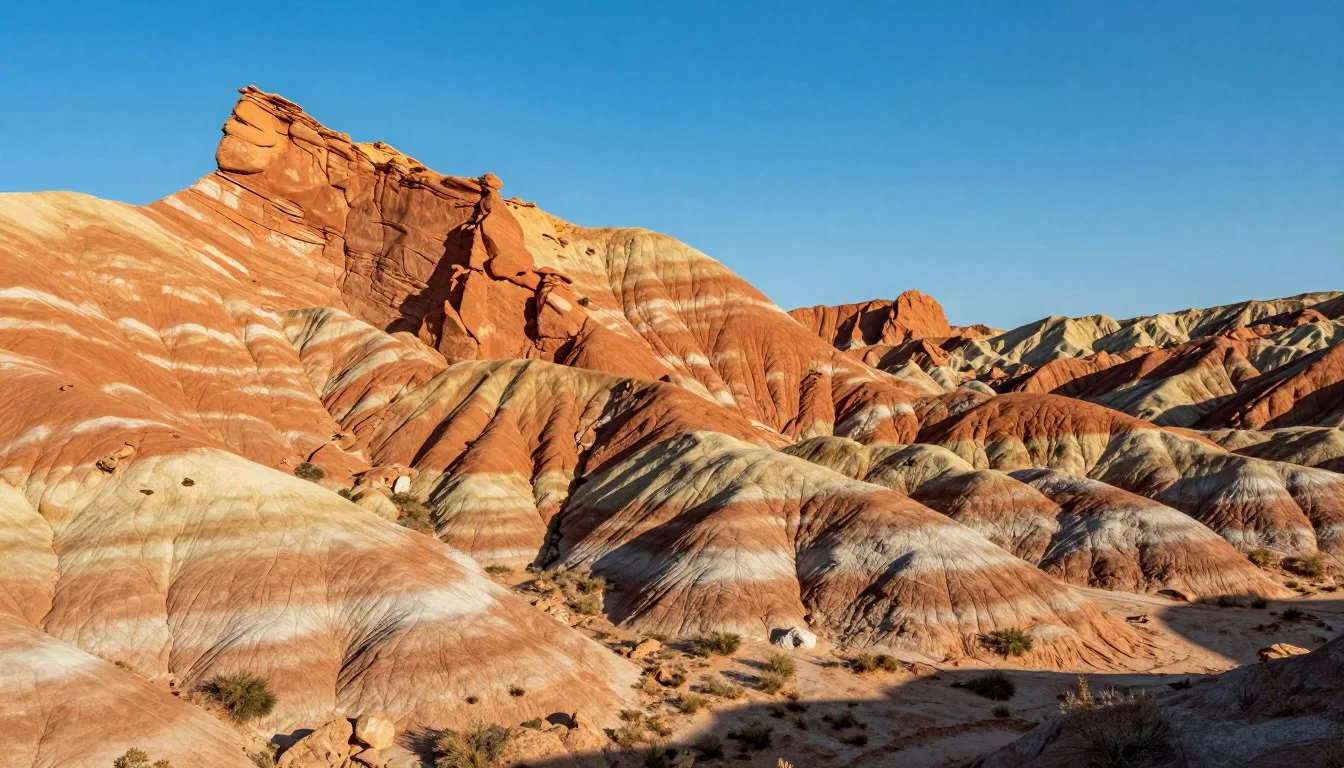
Hidden among Utah’s famous canyon country lies a secret that even seasoned travelers often miss. Kodachrome Basin State Park contains 67 monolithic stone spires called sedimentary pipes found nowhere else on Earth in such concentration. The National Geographic Society named this geological wonder in 1949, recognizing its film-worthy landscape of chimneys, spires, and brilliantly colored rock formations.
This remarkable basin state park showcases nature’s artistry through ancient stone pillars that rise dramatically from the desert floor. The unique formations create a photographer’s paradise where every turn reveals another stunning vista.
Whether you seek challenging hikes along the Grand Parade Trail, family-friendly exploration around the park floor, or simply a peaceful camping experience under star-filled sky, this hidden gem delivers unforgettable moments. The park’s compact size makes it perfect for visitors wanting to experience Utah’s geological wonders without the overwhelming crowds found at nearby Bryce Canyon National Park.
Getting There and Planning Your Journey

Reaching Kodachrome Basin State Park requires some planning, but the journey rewards you with spectacular scenery. The park sits approximately 9 miles southeast of Cannonville in southern Utah, accessible via a well-maintained paved road.
Closest Airports
Several airports serve as gateways to this basin state park. St. George Regional Airport lies 145 km (90 miles) southwest and offers the closest commercial flights. Salt Lake City International Airport, located 435 km (270 miles) north, provides the most flight options and rental car availability.
Cedar City Regional Airport sits 121 km (75 miles) west and serves as another convenient option for reaching the park. Most visitors fly into one of these hubs and rent vehicles for the scenic drive through Utah’s canyon country.
Driving Directions
From Cannonville, follow Cottonwood Canyon Road south for 7.2 miles. The final stretch turns onto the park access road. The route passes through stunning red rock country that builds anticipation for your arrival.
Visitors coming from Bryce Canyon National Park should head south on Highway 12, then take Highway 89 south to Cannonville. This drive takes approximately 45 minutes and showcases the region’s diverse geological features.
The park entrance sits at an elevation of 1,750 m (5,800 feet). The visitor center provides maps, current trail conditions, and ranger assistance. Contact the park directly for road conditions during winter months or after heavy rains.
Road Conditions
The main access road stays paved and suitable for all vehicles year-round. However, some backcountry roads within the park require high-clearance vehicles. Check with rangers before attempting unpaved routes, especially after storms.
Best Time to Visit and Weather Tips

Ideal Visiting Seasons
Spring and fall offer the most comfortable conditions for exploring Kodachrome Basin State Park. March through May brings mild temperatures perfect for hiking, with daytime highs reaching 18-24°C (65-75°F). Wildflowers bloom across the desert floor during April, adding bursts of color to the already vibrant landscape.
September through November provides another excellent window. The weather remains pleasant with temperatures ranging from 16-27°C (60-80°F) during the day. These shoulder seasons deliver fewer crowds compared to peak summer months.
Summer Considerations
June through August sees the highest visitor numbers at the state park. Temperatures soar to 32-38°C (90-100°F) during afternoon hours. Early morning hikes before 9 AM or evening explorations after 5 PM help you avoid the intense midday heat.
Thunderstorms develop frequently during July and August. These brief but intense storms create dramatic skies and spectacular photo opportunities. Always check weather forecasts and seek shelter if lightning appears.
Winter Season
December through February brings cold nights and mild days. Temperatures drop to -7°C (20°F) at night but warm to 10°C (50°F) during sunny afternoons. Snow occasionally dusts the colorful sandstone formations, creating unique photography conditions.
The park remains open year-round, though some facilities close during winter. The campground stays accessible, offering solitude for hardy winter camping enthusiasts.
Months to Avoid
Late June through early August presents the most challenging conditions. Extreme heat, afternoon thunderstorms, and peak crowds converge during this period. If you must visit during summer, plan for very early morning activities and midday breaks.
Weather Tip: Pack layers regardless of season. Desert temperatures swing dramatically between day and night, often dropping 20°C (35°F) after sunset.
Notable Annual Festivals

While Kodachrome Basin State Park itself hosts limited formal festivals, the surrounding region celebrates several annual events that enhance any visit to the area.
Bryce Canyon Winter Festival
This February celebration takes place just 30 minutes from the park at Ruby’s Inn near Bryce Canyon National Park. The festival features cross-country skiing, snowshoeing clinics, and geological talks. Rangers often discuss the unique formations found throughout the region, including the distinctive sand pipes at Kodachrome Basin.
Escalante Canyons Art Festival
Held each September in nearby Escalante, this festival showcases regional artists inspired by the stunning landscape. Many featured works depict scenes from Kodachrome Basin State Park and the surrounding canyon country. The event includes workshops, gallery exhibitions, and plein air painting demonstrations.
Panguitch Valley Balloon Rally
Every June, colorful hot air balloons fill the sky over nearby Panguitch. The early morning launches create spectacular photo opportunities, and many pilots fly over the scenic terrain between Panguitch and Kodachrome Basin. The event runs for three days with evening balloon glows.
Tropic Mineral and Gem Show
This small but fascinating show happens each May in Tropic, just 15 minutes from the park. Local rockhounds display specimens and explain the geological forces that created the region’s remarkable formations. Experts discuss the unique sandstone pipes found within Kodachrome Basin State Park.
Getting Around Locally

Navigating Kodachrome Basin State Park requires minimal effort thanks to its compact layout and well-marked routes. The park covers approximately 2,240 acres, making it easy to explore thoroughly during a day trip or weekend visit.
Park Roads
A main paved loop road circles through the campground and accesses all major trailheads within the park. This 3.2 km (2 mile) route accommodates all vehicle types, including RVs up to 12 m (40 feet) in length. Several pullouts along the drive provide photo opportunities without disrupting traffic flow.
The park speed limit stays at 24 km/h (15 mph) to protect wildlife and ensure visitor safety. Watch for free-roaming mule deer, especially during dawn and dusk hours.
Hiking as Primary Transportation
Most visitors explore the basin state park on foot. The trail system connects to all significant geological features and viewpoints. Distances remain manageable even for casual hikers. The longest trail, Panorama Trail, extends just 9.6 km (6 miles) round trip.
Trail maps are available at the visitor center and posted at major trailheads throughout the park. Cell phone coverage remains spotty, so download offline maps before arrival or pick up a paper copy.
Bicycle Access
Cycling is permitted on all paved park roads. The relatively flat terrain and light traffic make biking an enjoyable way to move between campground, trails, and scenic overlooks. Mountain bikes can access some unpaved roads with ranger approval.
No bike rentals exist within the park. Bring your own or rent from outfitters in nearby Bryce Canyon City or Tropic before arriving.
Guided Tours
Several outfitters based in Cannonville and Tropic offer guided tours into Kodachrome Basin State Park. These excursions include transportation, geological interpretation, and often combine visits to nearby attractions like Grand Staircase Escalante National Monument.
Rangers lead occasional guided hikes during peak season. Check the visitor center bulletin board or call ahead for the current schedule of ranger-led programs.
Where to Stay

Kodachrome Basin State Park Campground
The park operates a well-maintained campground with 62 sites nestled among the unique rock formations. Each site includes a picnic table, fire ring, and access to modern restrooms with hot showers. The campground offers both electric hookup sites and primitive tent camping options.
Sites 1 through 24 provide full hookups suitable for RVs and trailers. Sites 25 through 62 serve tent campers and smaller vehicles. Several sites sit directly beneath towering sandstone spires, creating unforgettable camping experiences.
Reservations are strongly recommended from March through October. Book sites up to four months in advance through the Utah State Parks reservation system. Walk-up availability exists during winter months.
Group Camping
Two group sites accommodate up to 35 people each. These areas work perfectly for family reunions, scout troops, or organized tours exploring the basin state park. Group sites require advance reservations and fill quickly during spring and fall.
Nearby Lodging Options
Cannonville, located 14 km (9 miles) northwest, offers several small motels and vacation rentals. These properties provide comfortable beds and modern amenities for visitors preferring indoor accommodations.
Tropic and Bryce Canyon City, both within 32 km (20 miles), feature larger hotel selections. Options range from budget motels to upscale lodges with full-service restaurants. Many properties offer package deals combining accommodations with guided tours to Kodachrome Basin State Park and Bryce Canyon National Park.
Backcountry Options
Adjacent Bureau of Land Management lands allow dispersed camping outside the state park boundaries. These free camping areas provide more solitude but lack facilities. High-clearance vehicles are necessary to access most dispersed sites.
Always practice Leave No Trace principles when camping on public lands. Pack out all trash and use established fire rings where available.
Dining and Local Cuisine

Kodachrome Basin State Park contains no restaurants or food services. Visitors must bring their own meals or dine in nearby communities. This limitation encourages picnicking among the spectacular rock formations, creating memorable outdoor dining experiences.
Picnicking in the Park
Several designated picnic areas sit scattered throughout the park grounds. Each location features tables, shade structures, and trash receptacles. The best picnic spots offer views of the surrounding sandstone spires and the vast desert floor stretching toward distant mesas.
Bring coolers with ice to keep perishables fresh in the desert heat. The nearest grocery stores are located in Cannonville and Tropic, both requiring a short drive from the park entrance.
Cannonville Dining
This small community offers limited but satisfying dining options. The Kodachrome Cafe serves hearty breakfasts and lunches featuring classic American comfort food. Their homemade pies make perfect trail snacks for afternoon hikes.
A small market in town stocks basic groceries, camping supplies, and deli sandwiches. Stock up here if you plan extended camping at the state park.
Tropic Restaurants
Located 24 km (15 miles) away, Tropic provides more diverse dining choices. Several family-owned restaurants serve everything from burgers to home-style dinners. The Stone Hearth Grille specializes in locally sourced ingredients and creative preparations.
Tropic also features a well-stocked supermarket where you can purchase fresh produce, meats, and camping supplies. Many visitors stop here before heading to Kodachrome Basin to prepare their own meals.
Regional Specialties
Southern Utah cuisine reflects pioneer heritage and ranching traditions. Local menus often feature beef dishes, fry bread, and fruit pies made with regional berries. Dutch oven cooking remains popular at campgrounds throughout the area.
Several restaurants near Bryce Canyon National Park serve Navajo tacos and other Native American-inspired dishes. These regional specialties provide tasty alternatives to typical tourist fare.
Provisions Tips
Plan meals carefully before visiting the basin state park. The remote location means limited access to restaurants or stores. Bring extra water, as desert conditions increase hydration needs significantly.
Consider packing energy bars, trail mix, and plenty of fresh fruit. These portable snacks sustain energy during hikes along the Grand Parade Trail or Panorama Trail without requiring refrigeration.
Attractions, Sightseeing and Activities

The Sand Pipes
Kodachrome Basin State Park earned fame for its 67 sedimentary sand pipes, unique geological features found in such concentration nowhere else on Earth. These towering spires formed when underground springs pushed sediment upward through softer rock layers millions of years ago.
The largest sand pipes reach heights of 52 m (170 feet), creating dramatic vertical elements against the desert sky. Each formation displays distinct coloring patterns in shades of red, white, orange, and cream created by different mineral deposits.
Walk the Angels Palace Trail for close-up views of several impressive pipes. This 2.4 km (1.5 mile) loop provides excellent photography angles and interpretive signs explaining pipe formation.
Grand Parade Trail
This moderate 2.4 km (1.5 mile) trail leads to one of the park’s most photographed formations. The path winds between colorful rock walls before opening onto a natural amphitheater ringed by towering spires. Early morning light paints the formations in brilliant orange and gold tones.
The trailhead sits near campsite 20. Allow 90 minutes for the round trip, including time to explore and photograph the Grand Parade formation area. The relatively flat path suits most fitness levels.
Panorama Trail
Adventure seekers should tackle the Panorama Trail, the longest route within Kodachrome Basin State Park. This 9.6 km (6 mile) loop climbs onto the rim surrounding the basin, delivering 360-degree views across the entire state park and beyond toward Bryce Canyon National Park.
The trail gains 150 m (500 feet) elevation through a series of gradual switchbacks. Views improve with each step, eventually revealing the full extent of the colorful basin floor below. Budget four to five hours for completion, bringing plenty of water and sun protection.
Cool Cave
A short 0.8 km (0.5 mile) trail leads to this natural shelter carved into the sandstone cliffs. The cave stays noticeably cooler than surrounding areas, providing welcome relief during hot summer afternoons. Ancient pictographs mark the walls, evidence of early human use.
The trail begins near the park entrance and follows mostly level terrain. It makes an excellent choice for families with young children or visitors wanting a quick introduction to the basin state park.
Scenic Drive
Even visitors with limited time or mobility can appreciate the park’s beauty via the scenic drive. The paved loop passes numerous pullouts where you can photograph distinctive formations without leaving your vehicle.
The 4.8 km (3 mile) drive takes just 20 minutes without stops. Allow at least an hour to enjoy photo opportunities and read interpretive displays at each viewpoint. Sunset transforms the entire landscape into a glowing showcase of reds and golds.
Photography Opportunities
Professional and amateur photographers flock to Kodachrome Basin State Park for its exceptional light and color. The National Geographic Society named the park after Kodak’s famous color film, recognizing its photogenic qualities.
Golden hour, occurring in the first hour after sunrise and last hour before sunset, produces the most dramatic lighting. The low-angle sun emphasizes texture in the sandstone formations and intensifies color saturation.
Night photography reveals incredible star fields above the desert. The park’s remote location far from city lights creates ideal conditions for astrophotography. The Milky Way appears clearly overhead during summer months.
Horseback Riding
Trail Ridge Stables operates within the park, offering guided horseback tours ranging from one hour to full-day adventures. Horses provide access to more remote areas of the basin state park while delivering a traditional Western experience.
Rides traverse the same trails used by hikers but cover more ground, allowing visitors to see the Grand Parade, panorama viewpoints, and sand pipes in a single outing. Reservations are required, especially during peak season.
Museums, Cultural Spots and Festivals

Kodachrome Basin Visitor Center
The small but informative visitor center serves as the gateway to understanding the park’s unique geology. Rangers staff the center during peak season, answering questions and providing trail recommendations based on current conditions and visitor interests.
Exhibits explain the formation of the distinctive sand pipes and the geological forces that created the colorful landscape. A relief map shows the relationship between Kodachrome Basin State Park, Bryce Canyon National Park, Grand Staircase Escalante National Monument, and Capitol Reef National Park.
A small bookstore sells field guides, topographic maps, and books about regional geology and natural history. Proceeds support educational programs within the Utah State Parks system.
Anasazi State Park Museum
Located 64 km (40 miles) east near Boulder, this museum preserves an ancient Puebloan village site. The facility displays artifacts recovered from excavations and includes a reconstructed dwelling showing how ancestral peoples lived in this harsh environment 800 years ago.
The museum provides context for understanding the long human history of the Colorado Plateau region. Native peoples certainly knew of the distinctive formations now protected within Kodachrome Basin State Park, though no permanent settlements existed in the immediate area.
Bryce Canyon Visitor Center
Just 45 minutes northwest, the Bryce Canyon National Park Visitor Center offers extensive exhibits about regional geology. Rangers explain how the same geological processes created both the hoodoos at Bryce Canyon and the sand pipes at Kodachrome Basin State Park.
The bookstore carries comprehensive geology texts and photography guides covering the entire region. Many visitors combine trips to both parks, creating a comprehensive tour of southern Utah’s most spectacular landscapes.
Cultural Connections
The Paiute people traditionally inhabited this region. Their descendants maintain cultural ties to lands now included in various parks and monuments. Several cultural centers in nearby communities share Paiute history, art, and traditions.
Rock art panels found throughout the region, including within Grand Staircase Escalante National Monument, demonstrate thousands of years of human presence. Rangers can direct interested visitors to accessible rock art sites on adjacent public lands.
Nature and Outdoor Experiences

Desert Flora
The basin floor supports diverse plant communities adapted to harsh desert conditions. Sagebrush dominates the landscape, filling the air with its distinctive aroma, especially after rain. Pinyon pine and Utah juniper dot the higher elevations surrounding the park.
Spring wildflower displays transform portions of the desert floor into carpets of color. Indian paintbrush, globe mallow, and evening primrose bloom from late March through May, attracting pollinators and photographers alike.
Prickly pear and other cacti species grow throughout the basin state park. These drought-adapted plants produce brilliant yellow and pink flowers during May and June. Always maintain safe distances from spiny vegetation while exploring trails.
Wildlife Watching
Mule deer frequently graze near the campground during early morning and evening hours. These gentle creatures show little fear of humans but should never be approached or fed. Watch from your campsite or vehicle for best viewing opportunities.
Smaller mammals include cottontail rabbits, jackrabbits, and numerous species of mice and voles. Predators such as coyotes and kit foxes hunt these prey animals, though sightings are less common due to their nocturnal habits.
Bird enthusiasts can spot ravens, several hawk species, and golden eagles soaring above the rock formations. Smaller birds like canyon wrens, rock wrens, and black-throated sparrows nest among the sand pipes and cliff faces throughout the park.
Stargazing
Remote location and minimal light pollution make Kodachrome Basin State Park exceptional for astronomy. On moonless nights, thousands of stars appear overhead, along with the glowing band of the Milky Way stretching across the sky.
The campground occasionally hosts astronomy programs during summer months. Visiting astronomers set up telescopes and guide visitors through identification of planets, star clusters, and deep-sky objects visible in the dark desert sky.
Bring binoculars or a small telescope to enhance your viewing experience. Even basic equipment reveals craters on the moon and Jupiter’s largest moons. Photography enthusiasts should bring sturdy tripods for long-exposure star trail images.

Seasonal Changes
Each season transforms the landscape in subtle but meaningful ways. Spring brings new growth and wildflowers. Summer afternoon thunderstorms create dramatic cloud formations and brief waterfalls cascading down cliff faces.
Fall displays subtle color changes as grasses turn golden and scattered deciduous shrubs show red and orange foliage. Winter occasionally dusts the colorful formations with snow, creating unique photographic opportunities that highlight the rock’s vibrant hues.
Geological Exploration
Amateur geologists find endless fascination in the rock layers exposed throughout the park. The formations span millions of years, recording ancient environments from shallow seas to wind-swept sand dunes.
Cross-bedded sandstone reveals the direction of ancient winds. Ripple marks preserved in stone show where water once flowed across mudflats. Each cliff face tells part of Earth’s story, written in stone.
Rangers lead occasional geology walks, explaining the forces that created the unique sand pipes. These programs help visitors understand why this particular landscape looks so different from nearby Bryce Canyon National Park or Capitol Reef National Park.
Travel With Children

Kid-Friendly Trails
Several short trails within Kodachrome Basin State Park suit families with young children. The Cool Cave Trail covers just 0.8 km (0.5 mile) with minimal elevation change, perfect for little legs. The cave itself fascinates kids who enjoy exploring the shaded alcove.
The Nature Trail creates a 0.4 km (0.25 mile) loop near the visitor center with interpretive signs explaining desert ecology at a child-appropriate reading level. Families can complete this walk in 20 minutes, making it ideal for restless youngsters.
Angels Palace Trail, while slightly longer at 2.4 km (1.5 mile), features dramatic scenery that keeps children engaged. The moderate terrain allows most school-age kids to complete the loop comfortably.
Junior Ranger Program
Children ages 6 through 12 can participate in the Utah State Parks Junior Ranger program. Pick up activity booklets at the visitor center. Kids complete age-appropriate challenges while exploring the basin state park, learning about geology, ecology, and conservation.
After finishing their booklets, young rangers meet with park staff to review their answers and receive an official Junior Ranger badge. The program encourages environmental stewardship while making visits educational and fun.
Safety Considerations
Desert environments present unique hazards for families. Ensure children carry water bottles on all hikes, even short ones. Dehydration occurs quickly in the dry climate, especially during summer months.
Apply sunscreen liberally and frequently. The high elevation increases ultraviolet radiation exposure. Wide-brimmed hats provide additional protection for faces and necks.
Stay on designated trails to avoid contact with cacti and other thorny vegetation. Teach children to look but not touch interesting plants or geological features. The fragile desert environment recovers slowly from damage.
Campground Activities
The campground provides a safe base for family exploration. Level campsites make setup easy, and modern restrooms with showers ensure comfort. Many families spend evenings around campfires, roasting marshmallows beneath the star-filled sky.
The relatively small park size means children can explore nearby areas safely. Walking between campsites and the visitor center takes just minutes, allowing older kids some independence while remaining close to parents.
Educational Opportunities
The dramatic landscape provides countless teaching moments. Discuss how water and wind shaped the rock formations over millions of years. Examine fossils embedded in stone. Identify bird species and desert plants.
Bring field guides appropriate for children’s reading levels. The visitor center bookstore stocks several excellent choices covering geology, wildlife, and desert ecology written specifically for young readers.
Money Saving Tips

Annual Park Pass
Visitors planning to explore multiple Utah State Parks should purchase an annual pass. The pass costs less than visiting five individual parks and provides unlimited access to all state park facilities for one year.
The annual pass works especially well for families spending weeks exploring southern Utah’s canyon country. Use it at Kodachrome Basin State Park, Dead Horse Point, Goblin Valley, and dozens of other spectacular locations.
Camping Instead of Hotels
Campground fees at the state park cost significantly less than hotel rooms in nearby tourist towns. A tent site runs about one-tenth the price of even budget accommodations in Tropic or Bryce Canyon City.
Camping also eliminates driving time and fuel costs associated with commuting to the park each day. You wake up surrounded by the formations you came to see, maximizing your time in nature.
Pack Your Own Meals
Restaurant meals add up quickly during multi-day trips. Bring coolers stocked with groceries from home or shop at supermarkets in larger towns before reaching the park area. Small mountain communities near the basin state park charge premium prices for groceries.
Prepare simple meals at your campsite using portable stoves or campfire grills. Breakfast burritos, sandwiches, and one-pot dinners require minimal equipment while saving substantial money compared to restaurant dining.
Visit During Off-Peak Season
Spring and fall shoulder seasons offer pleasant weather at lower costs. Nearby accommodations drop prices significantly outside the peak summer months. Campground sites fill less quickly, allowing more spontaneous trip planning.
Some area businesses offer mid-week discounts during slower periods. Call ahead to ask about special rates available outside typical vacation times.
Free Activities
Most activities within Kodachrome Basin State Park cost nothing beyond the entrance fee. Hiking, photography, wildlife watching, and geological exploration require no additional payment.
Evening ranger programs during summer months provide free entertainment and education. These programs often include slideshows, guided walks, and talks about regional natural history.
Fuel Efficiency
Gas stations in remote areas charge higher prices than urban areas. Fill up in larger towns like Panguitch or Richfield before venturing into canyon country. Some rural stations add 25% or more to fuel costs.
Once established at your campsite, explore the park on foot or bicycle rather than driving. The compact layout makes vehicle travel unnecessary for accessing most trails and viewpoints.
Safety, Etiquette and Local Customs

Desert Safety Essentials
Desert environments demand respect and preparation. Carry at least one liter of water per person per hour of hiking. Dehydration sneaks up quickly in the dry climate, especially during warmer months when temperatures soar above 32°C (90°F).
Sun protection goes beyond just sunscreen. Wear lightweight long sleeves, wide-brimmed hats, and quality sunglasses. The combination of high elevation and reflective sandstone intensifies sun exposure at Kodachrome Basin State Park.
Always tell someone your hiking plans before setting out. Cell phone coverage remains unreliable throughout much of the park. Carry a basic first aid kit and know how to treat common trail injuries.
Flash Flood Awareness
Summer thunderstorms can create dangerous flash floods within narrow canyons and dry washes. Never enter slot canyons or drainage areas when storms appear on any horizon. Water from distant storms can funnel through canyon systems with little warning.
Rangers post flash flood warnings at trailheads when conditions warrant concern. Heed these warnings seriously. People die each year in Utah from underestimating flash flood danger.
Wildlife Interactions
Observe all wildlife from safe distances. Never approach, feed, or attempt to touch any wild animals encountered within the basin state park. Feeding wildlife creates dangerous dependencies and aggressive behaviors.
Keep food secured in vehicles or bear-proof containers when not in use. While black bears rarely visit the park, ravens, mice, and other creatures will ransack unprotected food supplies.
Leave No Trace Principles
Pack out everything you pack in. No trash receptacles exist along trails, so carry a small bag for your refuse. Even organic waste like orange peels and apple cores should go home with you. These items take years to decompose in the desert environment.
Stay on designated trails to prevent erosion and protect fragile desert soils. Cryptobiotic soil crust, a living layer of lichens and bacteria, takes decades to recover from a single footstep. Stick to established paths.
Never touch or deface rock art, fossils, or geological features. Federal and state laws protect cultural and paleontological resources. Violators face substantial fines and possible jail time.
Campground Etiquette
Observe quiet hours between 10 PM and 7 AM. Sound travels far in the open desert, and late-night noise disturbs other campers trying to sleep.
Keep pets leashed at all times. Clean up after animals immediately. Some trails prohibit dogs entirely to protect wildlife and prevent conflicts with other visitors.
Respect campsite boundaries. Don’t cut through occupied sites or allow children to run through other people’s camping areas. The compact campground requires courtesy from all visitors.
Fire Safety
Use established fire rings only. Never gather firewood from within the park. Dead wood provides critical habitat for insects and small animals. Bring your own firewood from outside the area or purchase it from camp hosts.
During dry conditions, fire restrictions may close campfire rings entirely. Respect these closures. They exist to prevent devastating wildfires in the arid landscape.
Visitor Comments About Kodachrome Basin State Park Utah

“We spent three days camping among those incredible rock spires and wished we had planned a week. Every trail revealed something new. The sand pipes are unlike anything we have seen in all our travels through the Southwest. The campground was clean and well-maintained, and we loved falling asleep under the stars.”
“This park exceeded our expectations completely. We originally planned just a quick stop while visiting Bryce Canyon but ended up staying two full days. The Panorama Trail provided spectacular views across the entire basin. Our kids loved exploring the Cool Cave and spotting wildlife around camp. Much less crowded than the national park, which made the experience feel more authentic and peaceful.”
“Photography paradise! The colors at sunrise and sunset are absolutely stunning. I have been to many famous locations in Utah, but Kodachrome Basin might be my favorite. The formations are bizarre and beautiful, and the light quality is exceptional. Rangers were incredibly helpful with local knowledge. Already planning our return trip for different seasons to capture new images.”
Additional Nearby Destinations

Bryce Canyon National Park
Located just 45 minutes northwest, Bryce Canyon National Park showcases thousands of hoodoos in a massive natural amphitheater. The geological forces that created these distinctive spires differ from those that formed the sand pipes at Kodachrome Basin State Park, making a visit to both locations educational and visually spectacular.
The park offers extensive trail systems, scenic drives, and ranger programs. Plan a full day to explore the rim trails and venture below the rim on routes like Queens Garden or Navajo Loop.
Grand Staircase Escalante National Monument
This vast monument encompasses 760,000 hectares (1.9 million acres) of slot canyons, arches, and remote wilderness. The monument surrounds Kodachrome Basin State Park on three sides, offering unlimited opportunities for adventure.
Popular areas include Calf Creek Falls, Devils Garden, and the Escalante River corridor. Many visitors combine camping at the state park with day trips into the national monument backcountry.
Capitol Reef National Park
Drive 97 km (60 miles) northeast to explore Capitol Reef National Park, famous for its Waterpocket Fold geological formation. This park preserves pioneer history alongside spectacular geology, with historic orchards still producing fruit available for visitors to pick during harvest season.
The scenic drive through Capitol Reef rivals any in the Southwest. Plan at least half a day to drive the main road and explore short trails to petroglyphs and natural arches.
Escalante Petrified Forest State Park
Just 56 km (35 miles) east, this smaller park protects colorful petrified wood scattered across hiking trails. Wide Hollow Reservoir within the park offers fishing and limited boating, providing water-based recreation rare in this arid region.
The campground makes another excellent base for exploring the region. Combine visits to both state parks for diverse experiences from dramatic canyons to ancient forests turned to stone.
Scenic Byway 12
This All-American Road connects many of the region’s highlights. The 200 km (124 mile) route traverses some of the most spectacular terrain in North America. Narrow ridgelines, vast vistas, and geological diversity make every mile memorable.
Allow a full day to drive Byway 12 without rushing. Multiple pullouts provide photo opportunities and interpretive information about the landscapes you are crossing.
Practical Travel Tips

What to Pack
Layer your clothing for dramatic temperature swings between day and night. Mornings may start at 7°C (45°F) and climb to 27°C (80°F) by afternoon, especially during shoulder seasons. Bring both warm layers and sun protection.
Sturdy hiking boots with ankle support prevent injuries on rocky trails. Break in new footwear before your trip to avoid painful blisters miles from the trailhead.
A headlamp or flashlight proves essential for nighttime campground navigation and early morning hikes. Extra batteries ensure your light source remains reliable throughout your visit.
Photography Equipment
Serious photographers should bring both wide-angle and telephoto lenses. Wide angles capture the expansive landscapes, while longer lenses isolate individual formations and compress distant layers of cliffs.
A sturdy tripod enables sharp images during golden hour when light levels drop. The tripod also proves necessary for long-exposure night sky photography.
Bring lens cloths and a blower to remove dust. The desert environment is unforgiving to camera equipment. Protect gear in sealed bags between shooting sessions.
Communication
Cell phone service remains unreliable throughout much of the park and surrounding region. Download offline maps before arrival. Paper maps from the visitor center provide backup navigation.
Let family or friends know your itinerary before entering remote areas. Establish a check-in time and stick to it. This simple precaution could prove life-saving in an emergency.
Vehicle Preparation
Start your trip with a full fuel tank. Gas stations become sparse in this remote region. The nearest reliable fuel stops sit in Panguitch or Escalante, both requiring significant drives from the basin state park.
Check tire pressure and tread before departing. Unpaved roads in the region can be rough. Carry a spare tire, jack, and basic tools. Cell service will not save you from a flat tire miles from pavement.
Weather Monitoring
Check detailed forecasts before and during your visit. Weather changes rapidly in canyon country. Afternoon thunderstorms develop with little warning during summer months.
The visitor center posts current weather information and trail conditions. Stop in upon arrival to get the latest updates from rangers familiar with local patterns.
Accessibility
The visitor center and several campground restroom facilities meet ADA accessibility standards. The campground includes accessible campsites with paved pads and accessible picnic tables.
Trail accessibility varies significantly. The paved scenic drive provides the best option for visitors with mobility challenges. Several pullouts offer excellent views without leaving vehicles.
Pets
Dogs are permitted throughout Kodachrome Basin State Park but must remain leashed at all times. Pets cannot exceed 6-foot leash lengths. Owners must clean up after their animals immediately.
Consider your pet’s comfort in desert conditions. Hot sand can burn paw pads, and dogs need significantly more water in arid environments. Some trails may prove too challenging for pets during summer months.
Reservations
Book campsites well in advance for visits between March and October. The most desirable sites beneath dramatic formations fill months ahead. Walk-up availability exists during winter but never during peak season.
Day use requires no reservations. However, arriving early ensures parking spots at popular trailheads. The compact parking areas fill by mid-morning on busy weekends.
Your Adventure Awaits Among Ancient Stone Spires

Kodachrome Basin State Park stands as one of Utah’s most remarkable yet surprisingly uncrowded treasures. The 67 ancient sand pipes rising from the colorful basin floor create a landscape found nowhere else on Earth. Whether you spend a single afternoon or a full week exploring the trails, you will discover why the National Geographic Society recognized this place as worthy of photography’s most famous color film.
The intimate scale allows thorough exploration without the overwhelming distances found at larger parks. You can hike to the Grand Parade in the morning, relax at camp during midday heat, then catch sunset painting the spires in brilliant gold and crimson. The night sky reveals countless stars, reminding you of nature’s grand scale and your privileged position witnessing it.
Start planning your journey to this hidden gem today. The ancient stone spires have waited millions of years. They will still be there when you arrive, ready to inspire wonder and create memories that last a lifetime. Your adventure among the most unique geological formations in the Southwest awaits.
The above is subject to change.
Check back often to TRAVEL.COM for the latest travel tips and deals.