

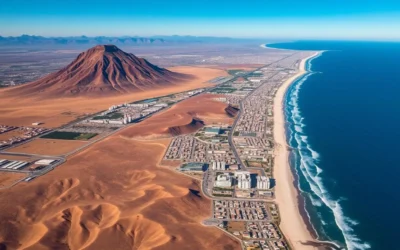
Did you know the Atacama Desert is the driest non-polar desert on Earth, with some areas not having received a single drop of rain in over 400 years? This otherworldly landscape in northern Chile stretches across 105,000 km² (41,000 mi²) of Mars-like terrain, creating a surreal playground for adventurers and nature enthusiasts alike. With its rust-colored valleys, bubbling geysers, and night skies so clear that astronomers from around the world flock here, the Atacama offers experiences that simply can’t be found anywhere else on our planet.
Getting There & Planning Your Journey
Most travelers reach the Atacama Desert by flying into El Loa Airport (CJC) in Calama, the gateway city to the region. International visitors typically connect through Santiago, Chile’s capital. From Calama, it’s a scenic 100 km (62 mi) drive to San Pedro de Atacama, the main tourist hub in the desert.
Another popular route is entering from Bolivia after touring the Uyuni Salt Flats, though this requires advance planning and usually involves booking a multi-day tour. If you’re already in Chile, you can also reach San Pedro by long-distance bus from Santiago, Calama, or other northern cities, though the journey can take 24+ hours from Santiago.
When planning your trip, allow at least 3-4 days to explore the major attractions, though a week would give you time to experience the desert at a more relaxed pace and venture to some of the less-visited areas.
Best Time to Visit Atacama Desert

The Atacama Desert is a year-round destination thanks to its consistently dry climate, but certain months offer better experiences than others.
Recommended Seasons:
- September to November (Spring): Mild temperatures (20-25°C/68-77°F during day), fewer tourists, and occasional desert blooms if there’s been rare rainfall.
- March to May (Fall): Pleasant temperatures, clear skies, and excellent stargazing conditions with fewer visitors than summer.
- June to August (Winter): Prime time for stargazing with the clearest night skies, though temperatures drop significantly at night (often below freezing).
Seasons to Avoid:
- December to February (Summer): Peak tourist season with higher prices and crowded attractions. Daytime temperatures can exceed 30°C (86°F).
- February: The “Altiplanic Winter” can bring occasional thunderstorms and flash floods to higher elevations.
Weather in the Atacama is characterized by dramatic temperature swings between day and night due to the high altitude and desert conditions. Daytime temperatures are generally pleasant year-round, but nights can be extremely cold, especially in winter when temperatures can drop below freezing. Always pack layers regardless of when you visit.
Getting Around Locally

Navigating the Atacama Desert requires some planning, as many attractions are spread out across this vast landscape. Here are your options:
Guided Tours
The most popular way to explore the Atacama is through guided tours departing from San Pedro de Atacama. Local agencies offer half-day and full-day excursions to all major attractions. While not the cheapest option (expect to pay $30-80 USD per tour), they provide transportation, knowledgeable guides, and often include meals. This is the recommended option for solo travelers or those without driving experience on desert terrain.
Rental Cars
For families or groups, renting a car offers flexibility and can be more economical. Vehicles can be rented at Calama Airport or in San Pedro, though the selection is limited in the latter. A standard SUV is sufficient for most main attractions, but a 4×4 is recommended for more remote areas. Note that some rental companies restrict driving on unpaved roads, so check the terms carefully.
Bicycles
For exploring San Pedro and nearby attractions like Valle de la Luna (15 km/9 mi round trip), bicycles can be rented in town for around $10-15 USD per day. This is a great option for active travelers, but be aware of the intense sun, high altitude, and limited water sources.
Important Note
Some attractions have restricted hours for independent visitors or require you to be accompanied by a certified guide. Always check current regulations before planning self-guided visits, as rules can change seasonally.
Where to Stay

Most visitors base themselves in San Pedro de Atacama, a charming adobe-style town that serves as the tourism hub for the region. Accommodation options range from basic hostels to luxury desert lodges.
Budget Options
Hostels and guesthouses in San Pedro offer dormitory beds starting around $15-25 USD per night, while basic private rooms range from $30-60 USD. Many include breakfast and common areas where you can meet fellow travelers. Recommended budget options include Hostal Campo Base and Backpackers San Pedro.
Mid-Range Hotels
For $80-150 USD per night, you can find comfortable hotels with private bathrooms, swimming pools, and gardens. Many feature traditional adobe architecture that blends beautifully with the desert surroundings. Look for properties like Hotel Kimal or La Casa de Don Tomás.
Luxury Experiences
The Atacama has become known for its world-class luxury lodges that offer all-inclusive experiences with gourmet dining, private guides, and exclusive excursions. Properties like Alto Atacama, Explora Atacama, and Tierra Atacama provide unparalleled comfort in the desert, with prices starting around $600 USD per night (all-inclusive).
Alternative Locations
While San Pedro is the main hub, some travelers choose to stay in Calama for better prices, though it lacks charm and requires commuting to attractions. For a unique experience, some luxury properties are located outside town in more remote desert settings, offering incredible stargazing opportunities away from any light pollution.
Regardless of your budget, booking in advance is essential, especially during high season (December-February) when accommodations fill up quickly.
Dining & Local Cuisine

The culinary scene in the Atacama Desert reflects both its indigenous heritage and international influences due to tourism. San Pedro de Atacama offers a surprising variety of dining options for such a small town.
Local Specialties
Don’t miss these regional dishes and ingredients:
- Chañar: A sweet syrup made from local desert fruits, used in desserts and cocktails
- Rica Rica: An aromatic desert herb used in teas, cocktails, and as a seasoning
- Patasca: A hearty stew with corn, meat, and vegetables
- Llama meat: Served as steaks or in stews, leaner than beef with a mild flavor
- Empanadas: Baked or fried pastries filled with meat, cheese, or vegetables
- Quinoa: A staple grain of the Andes, featured in many dishes
Restaurants in San Pedro
The main street, Caracoles, is lined with restaurants ranging from budget-friendly to high-end. Most restaurants offer a “menu del día” (set menu) for lunch, which typically includes a starter, main course, and sometimes dessert for a fixed price of 8,000-12,000 CLP ($10-15 USD).
For an authentic experience, try Adobe, La Estaka, or Baltinache, which serve traditional Atacameño cuisine. International options are also plentiful, with Italian, Thai, and fusion restaurants catering to global tastes.
Dining Tips
- Restaurants in San Pedro can be pricier than elsewhere in Chile due to the remote location
- Make reservations for dinner at popular restaurants, especially during high season
- Many tours include meals, so check your itinerary before making additional plans
- Pack snacks and water for day trips, as food options are limited at most attractions
- Try the local craft beers made with desert ingredients like rica rica or chañar
For those self-catering, San Pedro has several small grocery stores and a produce market where you can stock up on supplies, though selection is limited and prices are higher than in larger cities.
Attractions, Sightseeing & Activities

The Atacama Desert offers a remarkable variety of landscapes and natural wonders. Here are the must-see attractions:
Valle de la Luna (Moon Valley)
Just 13 km (8 mi) from San Pedro, this otherworldly valley features dramatic rock formations sculpted by wind and water over millennia. The landscape truly resembles the lunar surface, with salt caves, sand dunes, and unusual geological formations. Visit at sunset when the changing light creates a spectacular display of colors on the mineral-rich rocks. Entry fee: 3,000 CLP ($4 USD).
El Tatio Geysers
The world’s third-largest geyser field sits at 4,320 m (14,170 ft) above sea level. Tours depart San Pedro around 4:00 AM to arrive at sunrise when the contrast between the cold air and hot water creates impressive steam columns. After watching the geothermal show, visitors can bathe in a natural hot spring. Entry fee: 10,000 CLP ($12 USD).
Lagunas Altiplánicas (High Plateau Lagoons)
The stunning blue lagoons of Miscanti and Miñiques sit at over 4,200 m (13,800 ft) elevation, surrounded by volcanoes and inhabited by flamingos and other wildlife. Nearby, the Salar de Talar offers impressive views of the intensely turquoise Piedras Rojas (Red Rocks). Entry fee: 3,000 CLP ($4 USD).
Salar de Atacama
Chile’s largest salt flat covers over 3,000 km² (1,200 mi²). Visit the Chaxa Lagoon within the Los Flamencos National Reserve to see three species of flamingos against the backdrop of the salt flat and distant volcanoes. Entry fee: 3,000 CLP ($4 USD).
Stargazing
The Atacama’s clear skies, high altitude, and minimal light pollution make it one of the world’s premier stargazing destinations. Several observatories offer nightly tours with powerful telescopes, allowing visitors to see planets, nebulae, and distant galaxies. ALMA Observatory, the world’s most powerful radio telescope, offers free weekend visits (advance reservation required).
Rainbow Valley (Valle Arcoíris)
Less visited than other attractions, this valley features mineral-rich mountains in striking colors of red, green, blue, and yellow. The colorful hills are complemented by ancient petroglyphs, making it a fascinating geological and archaeological site.
For the most comprehensive experience, consider booking a multi-day tour package that includes transportation, guides, and entry fees to multiple attractions.
Museums, Cultural Spots & Festivals

Beyond its natural wonders, the Atacama Desert has a rich cultural heritage spanning thousands of years. The region was home to the Atacameño people long before European arrival and served as an important trade route during the Inca Empire.
Museums
- R.P. Gustavo Le Paige Archaeological Museum: Houses an impressive collection of Atacameño artifacts, including well-preserved mummies, pottery, and tools. The museum provides insight into the pre-Columbian cultures that thrived in this harsh environment. Entry fee: 3,000 CLP ($4 USD).
- Meteorite Museum: A small but fascinating collection of meteorites found in the Atacama, whose dry conditions preserve these space rocks exceptionally well. Entry fee: 2,500 CLP ($3 USD).
Cultural Sites
- Church of San Pedro: Dating from the 17th century, this adobe church in the center of town represents the Spanish colonial influence in the region.
- Pukará de Quitor: A 12th-century stone fortress built by the Atacameño people, located just 3 km (2 mi) from San Pedro. The site offers impressive views of the surrounding landscape. Entry fee: 3,000 CLP ($4 USD).
- Tulor Village: One of the oldest settlements in Chile, dating back 2,800 years. The partially excavated circular adobe structures provide a glimpse into ancient desert life. Entry fee: 3,000 CLP ($4 USD).
Festivals
The Atacama region celebrates several traditional festivals that blend indigenous, colonial, and contemporary influences:
- Festival of San Pedro and San Pablo (June 29): The town’s patron saint celebration featuring processions, music, and dancing.
- Atacama Crossing (October): An ultra-marathon across the desert, drawing athletes from around the world.
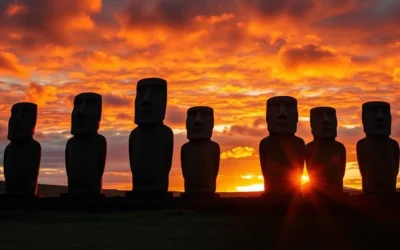
- Tapati Rapa Nui (February, Easter Island): While not in the Atacama itself, this cultural festival is often combined with Atacama visits in extended Chile itineraries.
Cultural Experiences
Several tour operators offer cultural experiences led by indigenous guides, including traditional cooking classes, medicinal plant walks, and astronomy from an indigenous perspective. These provide deeper insight into the connection between the Atacameño people and their desert environment.
Sports, Nature & Outdoor Experiences

The Atacama’s diverse landscapes provide a playground for outdoor enthusiasts. From relaxing soaks in thermal springs to adrenaline-pumping adventures, there’s something for every activity level.
Adventure Activities
- Sandboarding: Slide down the massive dunes of Death Valley on a sandboard. Equipment rental and lessons are available in San Pedro for around 10,000 CLP ($12 USD).
- Mountain Biking: Explore desert trails on two wheels, with routes suitable for various skill levels. Full-day bike rentals cost approximately 8,000-12,000 CLP ($10-15 USD).
- Hiking: Numerous trails wind through the desert’s diverse terrain. Popular routes include Guatin Canyon, Kari Gorge, and the ascent of Cerro Toco (5,604 m/18,386 ft), a non-technical volcano climb.
- Horseback Riding: Experience the desert as the locals have for centuries, on horseback. Tours range from 2-hour rides to full-day excursions.
Relaxation & Wellness
- Puritama Hot Springs: Eight natural pools with mineral-rich waters at temperatures around 33°C (91°F), nestled in a canyon about 30 km (19 mi) from San Pedro. Entry fee: 15,000 CLP ($19 USD).
- Cejar Lagoon: A salt lake with a salt concentration higher than the Dead Sea, allowing visitors to float effortlessly. The turquoise waters against the white salt crust make for stunning photos. Entry fee: 15,000 CLP ($19 USD).
Wildlife Watching
Despite its harsh conditions, the Atacama hosts surprising biodiversity:
- Flamingos: Three species (Andean, Chilean, and James’s) can be observed at the salt flats and high-altitude lagoons.
- Vicuñas and Guanacos: Wild relatives of llamas that roam the higher elevations.
- Andean Foxes: Often spotted at dawn or dusk near popular tourist sites.
- Vizcachas: Rabbit-like rodents that inhabit rocky areas, especially around Valle de la Luna.
For the best wildlife viewing, join a tour with a knowledgeable guide who can help spot animals and explain their adaptations to desert life.
Safety, Etiquette & Local Customs

The Atacama Desert is generally a safe destination, but its extreme environment requires some precautions:
Health & Safety
- Altitude: Many attractions are at high elevations (3,000-4,500 m/9,800-14,800 ft). Spend at least 24 hours in San Pedro (2,400 m/7,900 ft) to acclimatize before visiting higher areas. Consider medication like acetazolamide if you’re prone to altitude sickness.
- Sun Protection: UV radiation is extremely intense due to the altitude and clear atmosphere. Wear SPF 50+ sunscreen, reapply frequently, and use hats, sunglasses, and long-sleeved clothing.
- Hydration: The desert air is exceptionally dry. Drink at least 3-4 liters (100-135 oz) of water daily, even if you don’t feel thirsty.
- Temperature Fluctuations: Prepare for temperature swings of 20°C (36°F) or more between day and night. Dress in layers that can be added or removed.
Local Etiquette
Respecting local customs enhances your experience and supports sustainable tourism:
- Ask permission before photographing local people, especially indigenous residents
- Remove shoes when entering someone’s home if you see shoes by the door
- Tipping is customary in restaurants (10%) and for tour guides (5-10% of tour cost)
- Greet people with a handshake or cheek kiss (common among friends in Chile)
- Learn basic Spanish phrases – while tourism workers speak English, locals appreciate the effort
Environmental Responsibility
The Atacama’s fragile ecosystem requires responsible tourism:
- Stay on marked trails to avoid damaging delicate desert crusts
- Never remove rocks, plants, or artifacts – they’re protected by law
- Pack out all trash, including organic waste which decomposes very slowly in the dry climate
- Respect wildlife by maintaining distance and not feeding animals
- Conserve water, a precious resource in the world’s driest desert
By following these guidelines, you’ll help preserve the Atacama for future generations while enjoying a safe and respectful visit.
Practical Travel Tips
Money & Costs
- The Chilean currency is the Chilean Peso (CLP). ATMs are available in San Pedro but can run out of cash, so bring backup funds.
- Credit cards are accepted at most hotels and restaurants but may not work at smaller establishments or for tours. Always carry some cash.
- The Atacama is more expensive than other parts of Chile due to its remote location. Budget travelers should expect to spend at least $50-70 USD per day, mid-range travelers $100-200 USD, and luxury travelers $300+ USD.
Connectivity
- Wi-Fi is available in most accommodations and restaurants in San Pedro but can be slow and unreliable.
- Mobile coverage is limited outside town. Consider purchasing a local SIM card (Entel has the best coverage in the region) if connectivity is important.
- Download maps, translation apps, and entertainment before arriving, as large downloads may be difficult once there.
Packing Essentials
- Layers for temperature fluctuations (thermal base layers, fleece, windproof jacket)
- Sun protection (high SPF sunscreen, hat, sunglasses, lip balm with SPF)
- Comfortable hiking shoes with good traction
- Reusable water bottle and hydration system
- Headlamp or flashlight for early morning tours and stargazing
- Swimwear for hot springs
- Basic first aid kit including blister treatment and altitude sickness medication
- Camera with extra batteries (cold nights drain batteries quickly)
Language
Spanish is the official language in Chile. While tourism professionals in San Pedro generally speak English, learning basic Spanish phrases will enhance your experience and is appreciated by locals. Consider downloading an offline translation app before your trip.
Electricity
Chile uses 220V electricity with Type C (European-style) and Type L plugs. Bring appropriate adapters and note that power outages occasionally occur in San Pedro.
Ready for Your Atacama Adventure?

The Atacama Desert offers a truly otherworldly experience that can’t be found anywhere else on Earth. From floating in salt lagoons and witnessing powerful geysers to marveling at the clearest night skies imaginable, this remarkable destination rewards travelers with unforgettable memories. Whether you’re an adventure seeker, nature lover, or cultural enthusiast, the Atacama’s diverse landscapes and experiences will leave you in awe of our planet’s incredible diversity.
As you plan your journey to this extraordinary corner of Chile, remember that the desert’s magic lies not just in its famous attractions but also in the quiet moments – watching the sunset paint the Valle de la Luna in golden hues, feeling the profound silence of the vast salt flats, or gazing up at a sky so filled with stars it seems impossible. Take your time, respect the fragile environment, and prepare to be transformed by the world’s driest desert.

0 Comments