

Did you know that Chile’s Lake District is home to one of the world’s most unique temperate rainforests? The Valdivian Rainforest survived the last Ice Age and harbors ancient trees found nowhere else on Earth. Nestled between the Andes Mountains and the Pacific Ocean, this enchanting region boasts over 12 major lakes formed by ancient glaciers, surrounded by snow-capped volcanoes, lush forests, and charming German-influenced towns. It’s a place where nature’s grandeur meets cultural diversity, offering travelers an unforgettable blend of adventure, relaxation, and authentic experiences.
What is the Chilean Lake District?
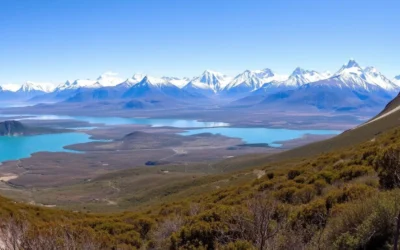
The Chilean Lake District (known locally as “Los Lagos”) is a breathtaking geographical area located in the mid-south of Chile, encompassing three administrative regions: Araucanía, Los Ríos, and Los Lagos. Lying approximately 650-1000 km south of Santiago, this region is characterized by its spectacular landscape of lakes, rivers, waterfalls, hot springs, ancient forests, and perfectly conical volcanoes. The area also represents a fascinating cultural crossroads where indigenous Mapuche heritage blends with the influence of German settlers who arrived in the mid-1800s.
The northern part of the district (Araucanía) is the heartland of the indigenous Mapuche people and features unique araucaria (monkey puzzle) tree forests. The central region (Los Ríos) is famous for its rivers surrounding the city of Valdivia and remnants of ancient Valdivian temperate rainforest. The southern part (Los Lagos) showcases the strongest German influence, with charming towns like Puerto Varas and Frutillar offering distinctive architecture, cuisine, and cultural traditions.
Unlike the more famous Patagonia region further south, the Lake District offers a perfect balance of accessibility and pristine natural beauty. It’s an ideal destination for travelers seeking outdoor adventures, cultural experiences, and scenic landscapes without venturing to the remote extremes of Chile. Whether you’re hiking through national parks, climbing volcanoes, relaxing in hot springs, or sampling local cuisine, the Chilean Lake District promises unforgettable experiences for every type of traveler.
Getting There & Planning Your Journey
The Chilean Lake District is well-connected to the rest of Chile and neighboring Argentina, making it relatively easy to access despite its seemingly remote location. Here are the best ways to reach this beautiful region:
By Air
Flying is the most convenient way to reach the Lake District from Santiago or other parts of Chile:
- Puerto Montt’s Tepual Airport (PMC) serves the southern Lake District with multiple daily flights from Santiago (1.75 hours) and connections to Punta Arenas for those combining with Torres del Paine.
- Temuco’s Araucanía Airport (ZCO) is the gateway to the northern Lake District with daily flights from Santiago (1.25 hours).
- Castro’s Mocopulli Airport (MHC) on Chiloé Island offers direct flights from Santiago (2 hours).
All three domestic airlines in Chile (LATAM, Sky Airlines, and JetSmart) serve these routes with competitive fares, especially when booked in advance.
By Bus
Chile has an excellent long-distance bus network with comfortable overnight services:
- Regular overnight buses connect Santiago to Temuco (9-10 hours), Valdivia (11-12 hours), and Puerto Montt (12-13 hours).
- For budget travelers, buses offer comfortable semi-cama (semi-reclining) and cama (fully reclining) options.
- Major companies include Turbus, Pullman, and Cruz del Sur with online booking available.
By Car
Driving to the Lake District from Santiago takes approximately 9-12 hours depending on your destination, following the well-maintained Panamerican Highway (Route 5):
- The journey offers beautiful scenery and passes through Chile’s wine country.
- Consider breaking up the drive with an overnight stop in Temuco or Valdivia.
- Rental cars are readily available in Santiago and at regional airports.
From Argentina
The Lake District shares a border with Argentina’s own lake region, offering scenic crossing options:
- The spectacular Cruce Andino route combines buses and boats to travel between Puerto Varas and Bariloche, Argentina (full day journey).
- Direct buses connect Puerto Varas and Bariloche (7 hours) and Pucón and San Martín de los Andes (5 hours).
- Several mountain passes are open during summer months for those driving.
From Southern Patagonia
If you’re coming from Torres del Paine or other parts of southern Patagonia:
- Direct flights connect Punta Arenas to Puerto Montt (2 hours).
- The scenic Navimag ferry travels between Puerto Natales and Puerto Montt (4 days/3 nights), offering a unique journey through Chile’s fjords.
- The Carretera Austral highway connects southern Patagonia to Puerto Montt for those driving or taking buses.
Best Time to Visit & Weather Tips

The Chilean Lake District experiences four distinct seasons, each offering a different experience for visitors. The region is known for its rainfall (it’s what makes those forests so lush!), but with proper planning, you can maximize sunny days during your visit.
Best Time to Visit the Chilean Lake District
| Season | Months | Temperature | Precipitation | Pros | Cons |
| Summer (High Season) | December – February | 8-24°C (46-75°F) | Low to Moderate | Longest daylight hours, warmest temperatures, all services operating | Crowded, higher prices, advance bookings required |
| Fall | March – May | 4-22°C (39-72°F) | Moderate | Beautiful foliage, fewer crowds, lower prices | Unpredictable weather, some services reduced |
| Winter | June – August | 4-14°C (39-57°F) | High | Skiing available, thermal springs ideal, lowest prices | Many attractions closed, shorter days, frequent rain |
| Spring | September – November | 5-22°C (41-72°F) | Moderate to High | Blooming landscapes, increasing daylight, pre-season rates | Trails may be muddy, some snow at higher elevations |
Recommended Months to Visit
The ideal time to visit the Chilean Lake District is during the summer months (December to February) when temperatures are warmest and rainfall is at its lowest. This period offers the best conditions for outdoor activities, hiking, and water sports. However, this is also high season, so expect more tourists and higher prices.
For those seeking a balance between good weather and fewer crowds, the “shoulder seasons” of November and March-April can be excellent alternatives. During these months, you’ll still find pleasant temperatures, most attractions open, and significantly fewer tourists.
Months to Avoid
The winter months (June to August) are best avoided unless you’re specifically interested in winter sports or hot springs. This period sees the heaviest rainfall, shorter daylight hours, and many attractions and services operate on limited schedules or close entirely. The exception is ski enthusiasts, who will find excellent conditions at ski centers on volcanoes like Villarrica and Osorno.
Weather Tips
- Pack for all conditions: Even in summer, temperatures can vary widely between day and night. Layering is essential.
- Rain gear is a must: Regardless of when you visit, bring waterproof clothing and footwear.
- UV protection: The Chilean sun can be intense, especially at higher elevations. Bring sunscreen, sunglasses, and a hat.
- Flexible itinerary: Have indoor alternatives planned for rainy days, which can occur in any season.
- Check volcanic activity: Before planning activities around volcanoes like Villarrica, check current activity levels as they can affect accessibility.
Getting Around Locally

The Chilean Lake District covers a vast area with many attractions spread out across the region. Having a good transportation strategy is essential for making the most of your visit. Here are the best ways to get around:
Rental Car
Renting a car provides the most flexibility and is highly recommended for exploring the Lake District:
- Major rental companies operate at airports in Puerto Montt, Temuco, and Valdivia.
- Roads are generally well-maintained, especially the main Panamerican Highway (Route 5).
- The scenic Ruta Interlagos (Lake Route) connects many key destinations with beautiful views.
- A standard car is sufficient for most areas, though a 4×4 is beneficial for some remote locations or during winter.
- International driving permits are recommended but not strictly required for most visitors.
Public Buses
Chile has an excellent bus network connecting cities and towns throughout the Lake District:
- Comfortable long-distance buses connect major cities like Temuco, Valdivia, Osorno, and Puerto Montt.
- Local minibuses (micros) serve smaller towns and rural areas with frequent departures.
- Bus stations (terminales) in each town are central hubs for all routes.
- Tickets can usually be purchased on the day of travel except during peak holiday periods.
Ferries and Boats
Water transportation is an integral part of exploring the Lake District:
- Car ferries connect the mainland to Chiloé Island from Pargua to Chacao (30 minutes).
- Scenic boat trips operate on major lakes including Villarrica, Llanquihue, and Todos los Santos.
- The Cruce Andino ferry-bus combination offers a spectacular way to cross to Argentina.
- Smaller ferries connect islands within the Chiloé archipelago.
Taxis and Colectivos
For shorter distances within towns or to nearby attractions:
- Colectivos: Shared taxis that run set routes for fixed prices, popular with locals.
- Traditional taxis: Available in all major towns but less common than in larger cities.
- Ride-sharing apps: Limited availability, primarily in larger cities like Temuco and Puerto Montt.
Organized Tours
If you prefer not to drive or navigate public transportation:
- Day tours to major attractions depart from tourism hubs like Puerto Varas and Pucón.
- Multi-day organized tours can cover the entire region efficiently.
- Specialized adventure tours provide transportation to hiking trails, volcanoes, and rafting sites.
Where to Stay

The Chilean Lake District offers a diverse range of accommodation options to suit every budget and travel style. From luxury lakeside resorts to cozy cabins and family-run guesthouses, you’ll find plenty of choices in the region’s main hubs:
Main Accommodation Hubs
Puerto Varas
Known as the tourism capital of the southern Lake District, Puerto Varas offers the widest range of accommodation options:
- Luxury hotels with lake views and volcano vistas
- Boutique hotels in restored German-style houses
- Mid-range options near the town center
- Hostels and budget guesthouses
Perfect base for exploring Vicente Pérez Rosales National Park, Osorno Volcano, and southern lakes.
Pucón
The adventure capital of the northern Lake District caters to all types of travelers:
- Upscale resorts with hot springs and spa facilities
- Adventure lodges offering activity packages
- Cabins and apartments for independent travelers
- Numerous hostels for the backpacker crowd
Ideal location for accessing Villarrica Volcano, Huerquehue National Park, and northern lakes.
Valdivia
This riverside university city offers a more authentic Chilean experience:
- Riverfront hotels with views of the converging rivers
- Mid-range business hotels in the city center
- Guesthouses in residential neighborhoods
- University-area budget accommodations
Great base for exploring the Valdivian coastal reserve and experiencing local culture.
Other Notable Accommodation Areas
Frutillar
This charming German-influenced town on Lake Llanquihue offers:
- Boutique hotels in historic buildings
- Lakeside cabins with volcano views
- B&Bs in traditional German-style houses
Perfect for those seeking a quieter alternative to Puerto Varas with easy access to the same attractions.
Castro (Chiloé)
The main city on Chiloé Island features unique accommodation options:
- Converted palafitos (stilt houses) over the water
- Small hotels in the historic center
- Rural lodges in the countryside
Ideal base for exploring Chiloé’s unique culture, national parks, and penguin colonies.
Rural Retreats
Throughout the Lake District, you’ll find secluded accommodation options:
- Eco-lodges in private nature reserves
- Thermal spa resorts near hot springs
- Working farm stays (agroturismo)
- Wilderness lodges in national parks
Perfect for nature lovers seeking immersion in the region’s spectacular landscapes.
Accommodation Tips
- Book ahead: During high season (December-February), accommodations in popular areas like Pucón and Puerto Varas fill up quickly.
- Consider location: The Lake District is vast, so choose accommodations based on the attractions you plan to visit.
- Check heating: Even in summer, nights can be cool. Ensure your accommodation has adequate heating, especially in winter.
- Ask about views: Many properties advertise volcano or lake views, but the quality varies widely.
- Connectivity: If you need reliable internet, confirm availability in advance, especially in rural areas.
Dining & Local Cuisine

The Chilean Lake District offers a unique culinary experience that blends indigenous Mapuche traditions, Spanish colonial influences, and German heritage. The region’s abundant natural resources—from fresh seafood to wild mushrooms and berries—create a distinctive food culture worth exploring.
Regional Specialties
- Curanto: Chiloé’s signature dish consisting of shellfish, meat, potatoes, and dumplings traditionally cooked in an earth oven covered with nalca (Chilean rhubarb) leaves.
- Cancato: Fresh fish (typically trout or salmon) stuffed with cheese, tomatoes, and herbs, then grilled over wood.
- Milcaos: Potato pancakes typical of Chiloé, made with raw and cooked potatoes, often filled with chicharrones (pork cracklings).
- Chapaleles: Potato dumplings boiled or steamed, sometimes served with honey.
- Asado al palo: Whole lamb slowly roasted on a vertical spit over an open fire, a Patagonian specialty found throughout the region.
- German pastries: Kuchen (fruit tarts), strudel, and other German-influenced desserts are popular throughout the region, especially in towns like Frutillar and Puerto Varas.
Local Ingredients
The Lake District’s cuisine relies heavily on local, seasonal ingredients:
- Seafood: Mussels, clams, sea urchins, and various fish from both the Pacific Ocean and freshwater lakes.
- Potatoes: Chiloé is known for cultivating over 200 varieties of native potatoes.
- Berries: Wild blackberries, murtilla (Chilean guava), and calafate berries are used in desserts and jams.
- Mushrooms: Wild mushrooms like digüeñes and changle are collected in forests during autumn.
- Piñones: Seeds from the araucaria (monkey puzzle) tree, traditionally harvested by Mapuche communities.
Where to Eat
Puerto Varas
Offers the most sophisticated dining scene in the region:
- Mesón Alemán: Traditional German cuisine in a historic setting.
- La Olla: Seafood specialties with lake views.
- Café Dane’s: Excellent pastries and coffee in German tradition.
Pucón
Features a cosmopolitan mix of restaurants catering to international visitors:
- La Maga: Innovative fusion cuisine using local ingredients.
- Ecole: Upscale dining with creative Chilean dishes.
- Café de la P: Casual spot for sandwiches and Chilean comfort food.
Chiloé
The place to experience authentic island cuisine:
- Mercado Municipal (Castro): Food stalls serving traditional Chilote dishes.
- Rucalaf (Ancud): Family-run restaurant specializing in curanto.
- Fogón de Quehui: Authentic island cooking in a rustic setting.
Dining Tips
- Meal times: Chileans typically eat lunch between 1-3 PM and dinner after 8 PM.
- Seafood markets: For the freshest seafood, visit the Angelmó market in Puerto Montt or the floating market in Valdivia.
- Tipping: A 10% service charge is usually included in restaurant bills; additional tipping is appreciated but not expected.
- Reservations: During high season, make dinner reservations at popular restaurants, especially in Puerto Varas and Pucón.
- Local beverages: Try Chilean wines, craft beers from Valdivia (known as Chile’s beer capital), and navegado (hot spiced wine) in winter.
Attractions, Sightseeing & Activities

The Chilean Lake District offers an incredible diversity of attractions and activities, from exploring national parks and climbing volcanoes to discovering unique cultural sites and relaxing in thermal hot springs. Here are the region’s top attractions and experiences:
Must-Visit National Parks
Vicente Pérez Rosales National Park
Chile’s oldest national park offers spectacular natural beauty:
- Petrohué Falls: Emerald-green rapids flowing over volcanic rock with Osorno Volcano in the background.
- Lake Todos los Santos: Known as the “Emerald Lake” for its striking color.
- Osorno Volcano: Perfect conical volcano with skiing in winter and hiking in summer.
- Hiking trails: Network of paths through ancient forests and volcanic landscapes.
Villarrica National Park
Centered around the active Villarrica Volcano near Pucón:
- Villarrica Volcano: One of Chile’s most active volcanoes, offering guided climbing tours.
- Laguna Azul: Beautiful blue lake with hiking trails.
- Ancient araucaria forests: Distinctive monkey puzzle trees in higher elevations.
- Hot springs: Several thermal areas within and near the park.
Conguillío National Park
Known as “Los Paraguas” (The Umbrellas) for its araucaria trees:
- Llaima Volcano: One of Chile’s largest and most active volcanoes.
- Sierra Nevada trail: Spectacular day hike with panoramic views.
- Araucaria forests: Some of the oldest and most extensive in Chile.
- Lava fields: Dramatic landscapes from past eruptions.
Chiloé National Park
Protecting the unique ecosystems of Chiloé Island:
- Coastal temperate rainforest: One of the world’s rarest forest types.
- Cole Cole Beach: Remote, pristine beach accessible by hiking trail.
- Wildlife viewing: Marine mammals, Magellanic and Humboldt penguins, and forest birds.
- Muelle de las Almas: “Dock of Souls” – a wooden pier with mythological significance.
Alerce Andino National Park
Home to ancient alerce trees, some over 3,000 years old:
- Alerce trees: Some of the oldest living organisms in South America.
- Sargazo trail: Popular hiking route through pristine forest.
- Chaiquenes Lagoon: Beautiful mountain lake with clear waters.
- Diverse wildlife: Including pudú (world’s smallest deer) and pumas.
Puyehue National Park
Featuring diverse volcanic landscapes and hot springs:
- Antillanca Ski Center: Winter skiing and summer hiking.
- Aguas Calientes hot springs: Natural thermal pools in forest setting.
- Raihuen crater: Dramatic volcanic landscape.
- Diverse hiking trails: From easy walks to challenging multi-day routes.
Cultural Attractions
Chiloé’s UNESCO Churches
The archipelago is famous for its wooden churches built by Jesuit missionaries in the 17th and 18th centuries:
- Church of Santa María de Loreto (Achao): The oldest surviving wooden church in Chile.
- Church of San Francisco (Castro): The iconic yellow and purple church in Castro’s main square.
- Church of Quinchao: One of the largest wooden churches on the island.
- Church of Tenaún: Known for its three distinctive towers.
In total, 16 churches are designated UNESCO World Heritage sites, representing a unique fusion of European and indigenous building techniques.
German Heritage Towns
Several towns showcase the strong German influence in the region:
- Frutillar: Picturesque town with German colonial architecture, the Teatro del Lago (Theater by the Lake), and the German Colonial Museum.
- Puerto Octay: Charming town with well-preserved German buildings and churches.
- Nueva Braunau: Founded by immigrants from Braunau, Austria, with distinctive architecture and traditions.
- La Unión: Known for its German-style dairy industry and cheese production.
Mapuche Culture
The indigenous Mapuche people have a strong presence in the northern Lake District:
- Ruka Mapuche: Traditional dwellings where visitors can learn about Mapuche culture and cuisine.
- Museo Regional de la Araucanía (Temuco): Excellent museum showcasing Mapuche history and artifacts.
- Mapuche markets: Handicrafts, textiles, and silver jewelry in towns like Villarrica and Pucón.
- Cultural experiences: Opportunities to participate in traditional ceremonies and meals with local communities.
Historic Cities
Several cities offer interesting historical and cultural attractions:
- Valdivia: River city with Spanish colonial forts, a lively riverside market, and sea lion colonies.
- Puerto Montt: Commercial hub with the colorful Angelmó fish market and handicraft stalls.
- Ancud (Chiloé): Former capital of Chiloé with the Regional Museum and Fort San Antonio.
- Osorno: City with strong German heritage and the Pleistocene Park showcasing Ice Age fauna.
Unique Experiences
- Cruce Andino: The spectacular lake crossing between Chile and Argentina, combining bus and boat travel through the Andes.
- Hot springs: The region is dotted with thermal springs, from rustic natural pools to luxury spa resorts. Highlights include Termas Geométricas, Termas de Puyehue, and Termas de Los Pozones.
- Navimag ferry: The multi-day ferry journey between Puerto Montt and Puerto Natales through the Chilean fjords.
- Chilote mythology tour: Learning about the unique mythological creatures and stories of Chiloé Island.
- Craft beer tasting: Valdivia is Chile’s beer capital, with numerous breweries offering tours and tastings.
Museums, Cultural Spots & Festivals

Beyond its natural beauty, the Chilean Lake District offers rich cultural experiences through its museums, cultural venues, and vibrant festivals that celebrate the region’s diverse heritage. From German colonial history to indigenous Mapuche traditions, there’s much to discover:
Notable Museums
German Colonial Museum (Frutillar)
Set in a beautiful lakeside park, this open-air museum showcases the life of German settlers who arrived in the mid-19th century:
- Restored colonial buildings including a mill, blacksmith shop, and traditional houses
- Period furniture and household items
- Agricultural implements and tools
- Beautiful gardens with traditional plants
Regional Museum of Ancud (Chiloé)
The best place to learn about Chiloé’s unique culture and history:
- Exhibits on Chilote mythology and traditions
- Archaeological artifacts from indigenous cultures
- Models of the UNESCO-listed wooden churches
- Maritime history displays
Regional Museum of La Araucanía (Temuco)
Dedicated to the history and culture of the Mapuche people and the Araucanía region:
- Extensive collection of Mapuche artifacts and textiles
- Exhibits on traditional ceremonies and customs
- Historical displays about the Mapuche resistance to colonization
- Contemporary indigenous art
Nuestro Museo (Puerto Varas)
Small but informative museum about the history of Puerto Varas and German immigration:
- Photographs and documents from early settlers
- Traditional clothing and household items
- Exhibits on the development of the town
Historical and Anthropological Museum (Valdivia)
Housed in a historic building on Isla Teja, this museum focuses on the colonial history of Valdivia:
- Archaeological finds from pre-Columbian cultures
- Spanish colonial artifacts
- Exhibits on German immigration
- Historical photographs and documents
Pablo Fierro Museum (Puerto Varas)
A quirky, private museum created by artist Pablo Fierro in a distinctive house:
- Eclectic collection of antiques and curiosities
- Original artwork by Fierro
- Found objects transformed into art
- Unique architecture that is an artwork itself
Cultural Venues
Teatro del Lago (Frutillar)
One of South America’s premier performing arts centers, this stunning lakeside theater hosts:
- Classical music concerts and orchestral performances
- Ballet and contemporary dance
- Opera productions
- Educational programs and workshops
- The famous “Semanas Musicales de Frutillar” (Musical Weeks) festival each summer
Cultural Centers
Throughout the region, cultural centers showcase local arts and traditions:
- Centro Cultural El Austral (Valdivia): Art exhibitions, film screenings, and performances.
- Casa del Arte Diego Rivera (Puerto Montt): Contemporary art gallery and performance space.
- Centro Cultural Mapuche (Temuco): Demonstrations of traditional crafts and cultural practices.
- Artisan Markets: Found in most towns, showcasing local crafts including Mapuche textiles, Chiloé wool knitting, and wood carving.
Major Festivals
| Festival | Location | Timing | Description |
| Semanas Musicales de Frutillar | Frutillar | Late January – Early February | Chile’s most important classical music festival, featuring international orchestras and soloists performing at Teatro del Lago. |
| Costumbrista Festival | Various towns in Chiloé | Throughout summer (Dec-Feb) | Traditional festivals celebrating Chilote culture with food, music, crafts, and demonstrations of local traditions like curanto preparation. |
| We Tripantu | Mapuche communities (mainly Araucanía) | June 21-24 (Winter Solstice) | Mapuche New Year celebration with traditional ceremonies, music, dance, and food. |
| Muestra Costumbrista de Castro | Castro, Chiloé | February | The largest cultural festival on Chiloé, featuring traditional food, crafts, music, and agricultural exhibitions. |
| Bierfest Valdivia | Valdivia | Late January | Beer festival celebrating Valdivia’s German brewing heritage with tastings, music, and food. |
| Festival de Cine de Valdivia | Valdivia | October | One of Chile’s most important film festivals, showcasing international and Latin American cinema. |
Cultural Experiences
- Mapuche cultural tours: Participate in traditional ceremonies, learn about medicinal plants, and enjoy authentic cuisine with Mapuche communities in the Araucanía region.
- Chilote mythology tours: Learn about the unique mythological creatures of Chiloé, including the Trauco, Pincoya, and Caleuche ghost ship.
- Curanto demonstrations: Watch the preparation of this traditional Chilote feast, cooked in an earth oven with hot stones.
- German colonial heritage tours: Explore the German influence in architecture, cuisine, and traditions in towns like Frutillar and Puerto Varas.
- Traditional craft workshops: Learn techniques like Chilote wool knitting, Mapuche silver jewelry making, or wood carving from local artisans.
Sports, Nature & Outdoor Experiences

The Chilean Lake District is a paradise for outdoor enthusiasts, offering an incredible variety of activities in stunning natural settings. From adrenaline-pumping adventures to peaceful nature experiences, the region caters to all interests and fitness levels.
Volcano Climbing
The region’s iconic volcanoes offer some of Chile’s most exciting climbing experiences:
- Villarrica Volcano: The most popular climb, accessible to beginners with proper guidance. The 6-8 hour round trip rewards with views of the active crater and surrounding lakes.
- Osorno Volcano: A more challenging climb with spectacular views of Lake Llanquihue and the Andes. Technical equipment and experience required.
- Casablanca Volcano: Less visited but offering beautiful views and a more solitary experience.
- Llaima Volcano: One of Chile’s most active volcanoes, located in Conguillío National Park.
Most volcano climbs are guided tours that include equipment rental, transportation, and experienced guides. The best season is December to March, with early morning starts to reach the summit before afternoon clouds roll in.
Hiking & Trekking
With numerous national parks and nature reserves, hiking options abound:
- Day hikes: Accessible trails in all major parks, including Huerquehue National Park’s Lagos Trail, Vicente Pérez Rosales’ Desolación Trail, and Alerce Andino’s Sargazo Trail.
- Multi-day treks: For more adventurous hikers, routes like the Villarrica Traverse and trails in Puyehue National Park offer backcountry experiences.
- Coastal hiking: On Chiloé Island, trails in the national park lead to remote beaches and through unique coastal forests.
- Volcano basin trails: Hike around crater lakes and through lava fields in volcanic landscapes.
Water Sports
Rafting & Kayaking
The region’s rivers offer excellent whitewater experiences:
- Trancura River (Pucón): Options for beginners (Class III) and advanced rafters (Class IV-V).
- Petrohué River: Emerald waters with Osorno Volcano views, Class III-IV rapids.
- Futaleufú River: World-class rafting with challenging Class V rapids (southern edge of the region).
- Lake kayaking: Peaceful paddling on lakes like Villarrica, Llanquihue, and Todos los Santos.
Fishing
The Lake District is a world-renowned fly fishing destination:
- Species: Rainbow trout, brown trout, and salmon in pristine rivers and lakes.
- Top spots: Petrohué, Puelo, and Futaleufú rivers; Lakes Llanquihue and Todos los Santos.
- Season: November to April, with peak conditions from December to February.
- Guides: Numerous outfitters offer guided fishing trips with equipment rental.
Sailing & Boating
Explore the region’s lakes and coastlines by boat:
- Lake cruises: Scenic boat trips on major lakes, including the famous Cruce Andino route.
- Sailing: Yacht charters and sailing lessons available on larger lakes.
- Fjord exploration: Boat trips from Puerto Montt into the Chilean fjords.
- Island hopping: Ferry services connect the islands of the Chiloé archipelago.
Winter Sports
From June to September, the region transforms into a winter sports destination:
- Skiing and snowboarding: Ski centers on Osorno, Villarrica, and Antillanca volcanoes offer unique skiing on volcanic slopes with lake views.
- Backcountry skiing: Guided tours for experienced skiers to access untouched powder.
- Snowshoeing: Explore winter forests and volcanic landscapes on guided snowshoe excursions.
- Hot springs: The perfect après-ski activity, with many thermal centers operating year-round.
Wildlife Watching
The region’s diverse ecosystems support abundant wildlife:
- Birdwatching: Over 100 species including Magellanic woodpeckers, Chilean flamingos, and black-necked swans.
- Marine mammals: Dolphin and sea lion watching in Valdivia and along the coast.
- Penguin colonies: Humboldt and Magellanic penguins at Puñihuil Natural Monument on Chiloé.
- Forest wildlife: Pudú (miniature deer), foxes, and the elusive puma in national parks.
Thermal Hot Springs
The volcanic activity in the region creates numerous natural hot springs:
- Termas Geométricas: Stunning Japanese-inspired hot spring complex with 17 pools connected by wooden walkways in a forested ravine.
- Termas de Puyehue: Luxury hot spring resort with indoor and outdoor pools.
- Termas Los Pozones: Rustic natural pools near Pucón at affordable prices.
- Termas El Rincón: Secluded hot springs in a wilderness setting.
- Termas de Aguas Calientes: Located within Puyehue National Park with natural forest surroundings.
Safety, Etiquette & Local Customs

The Chilean Lake District is generally a safe and welcoming destination for travelers. Understanding local customs, safety considerations, and proper etiquette will enhance your experience and show respect for the communities you visit.
Safety Considerations
- Volcanic activity: The region’s volcanoes are active, particularly Villarrica. Check current activity reports before planning climbs or nearby activities.
- Weather preparedness: Weather can change rapidly, especially in mountain areas. Always carry rain gear and warm layers, even in summer.
- Water safety: Lakes can be extremely cold even in summer. Be cautious when swimming and always use life jackets for water activities.
- Hiking safety: Register with park rangers before remote hikes, carry sufficient water and supplies, and stick to marked trails.
- Road conditions: While main roads are excellent, rural roads may be unpaved or affected by weather. Drive cautiously, especially in winter.
- Crime: The region has low crime rates, but take standard precautions in cities and tourist areas. Don’t leave valuables visible in parked cars.
Cultural Etiquette
Mapuche Communities
The indigenous Mapuche people have a strong presence in the northern Lake District:
- Always ask permission before photographing people or cultural ceremonies.
- Show respect for sacred sites and traditional practices.
- When visiting Mapuche communities, go with a local guide who understands protocols.
- Support authentic indigenous tourism initiatives rather than exploitative ones.
- Learn a few basic Mapudungun (Mapuche language) greetings as a sign of respect.
Chilote Culture
Chiloé Island has unique customs and traditions:
- Remove shoes when entering traditional homes if you see shoes by the door.
- Churches are active places of worship; dress modestly and be quiet during visits.
- Ask permission before entering private property, even in rural areas.
- Respect local mythology and beliefs, which remain important to many islanders.
- Participate in the tradition of “minga” (community work) if invited—it’s an honor.
General Chilean Customs
- Greetings: Chileans typically greet with a handshake and, among friends, a kiss on the right cheek. Men shake hands, women exchange kisses.
- Personal space: Chileans stand closer during conversations than North Americans or Northern Europeans might be accustomed to.
- Punctuality: Social events often start 15-30 minutes later than the stated time, but be punctual for business meetings and tours.
- Tipping: A 10% service charge is customary in restaurants (often added to the bill). Small tips for guides and drivers are appreciated.
- Dining etiquette: Keep hands visible on the table, not in your lap. Wait for the host to say “buen provecho” before starting to eat.
Environmental Etiquette
The Lake District’s natural beauty depends on responsible tourism:
- Leave no trace: Pack out all trash from parks and natural areas.
- Stay on trails: Protect fragile ecosystems by keeping to marked paths.
- Fire safety: Never make campfires outside of designated areas, especially in forest regions prone to wildfires.
- Wildlife respect: Observe animals from a distance and never feed wildlife.
- Water conservation: Despite abundant rainfall, many rural areas face water shortages in summer. Use water responsibly.
Language
Spanish is the primary language throughout the region:
- English is spoken in major tourist areas and hotels but less common in rural areas.
- Learning basic Spanish phrases will enhance your experience and is appreciated by locals.
- The Chilean dialect has unique slang and pronunciation that differs from standard Spanish.
- In Mapuche areas, some words from Mapudungun are incorporated into daily speech.
- German influence is evident in some place names and local vocabulary, especially in the southern Lake District.
Practical Travel Tips

Money & Costs
- Currency: Chilean Peso (CLP). ATMs are available in all major towns but can be scarce in rural areas.
- Credit cards: Widely accepted in hotels, restaurants, and larger stores in tourist areas. Carry cash for smaller establishments and rural locations.
- Costs: The Lake District is moderately priced by international standards. Budget travelers can manage on $50-70 USD per day, mid-range travelers on $100-150 USD, and luxury travelers on $200+ USD.
- Tipping: 10% is standard in restaurants (often included in the bill). Tour guides typically receive $10-20 USD per day.
- Bargaining: Not customary in stores or restaurants, but some negotiation may be possible at artisan markets, especially for multiple purchases.
Connectivity & Communications
- Internet: Wi-Fi is available in most accommodations and cafes in towns, but can be slow or unavailable in remote areas.
- Mobile coverage: Good in towns and along main roads, but patchy in national parks and rural areas.
- SIM cards: Easily available for unlocked phones from providers like Entel, Movistar, and Claro in major towns.
- Power: Chile uses 220V with Type C/L plugs. Bring an adapter if needed.
Health & Medical
- Medical facilities: Good hospitals in larger cities like Temuco, Valdivia, and Puerto Montt. Basic clinics in smaller towns.
- Travel insurance: Highly recommended, including coverage for adventure activities and emergency evacuation.
- Altitude: Most activities are at moderate elevations, but volcano climbs can reach over 2,800 meters (9,200 feet). Acclimatize properly.
- Drinking water: Generally safe in towns, but use bottled or purified water in remote areas.
- Sun protection: UV radiation can be intense, especially at higher elevations. Use high SPF sunscreen.
Packing Essentials
- Layered clothing: Weather can change rapidly. Bring waterproof outer layers, warm mid-layers, and breathable base layers.
- Hiking boots: Essential for exploring national parks and volcanic terrain.
- Swimwear: For hot springs, lakes, and beaches (in summer).
- Insect repellent: Particularly important in forested areas during summer.
- Daypack: For carrying essentials during hikes and day trips.
- Camera: The scenery is spectacular—you’ll want to capture it!
Transportation Tips
- Rental car insurance: Opt for comprehensive coverage, especially if driving on gravel roads.
- Ferry reservations: Book in advance for the Chiloé ferry during high season and for the Navimag ferry year-round.
- Bus tickets: Purchase a day ahead for long-distance routes during peak season.
- Driving times: Allow extra time for journeys, as scenic routes often tempt you to stop for photos.
- Navigation: Download offline maps, as cellular service can be unreliable in remote areas.
Booking & Reservations
- High season: Book accommodations and popular activities at least 2-3 months in advance for December-February travel.
- National park permits: Some parks require advance online reservations, particularly in high season.
- Flexibility: In shoulder seasons, you can often book accommodations just a few days ahead.
- Tour operators: Research and book with reputable companies, especially for adventure activities.
Conclusion

The Chilean Lake District stands as one of South America’s most captivating yet underappreciated destinations. This enchanting region offers a perfect blend of natural wonders and cultural richness that rewards travelers willing to venture beyond Chile’s more famous attractions. From the perfect cones of snow-capped volcanoes reflected in crystal-clear lakes to ancient forests harboring thousand-year-old trees, the landscape alone justifies the journey.
What truly sets the Lake District apart, however, is its fascinating cultural tapestry. Here, indigenous Mapuche traditions blend with German colonial heritage and distinctive Chilote island culture to create experiences found nowhere else. Whether you’re sampling kuchen in a German-style café, participating in a traditional Mapuche ceremony, or marveling at wooden churches built by Jesuit missionaries centuries ago, the cultural encounters are as memorable as the natural scenery.
For adventure seekers, the region offers endless possibilities: climbing active volcanoes, rafting emerald rivers, hiking through pristine national parks, or relaxing in steaming hot springs. For those seeking a more relaxed pace, charming lakeside towns, fresh local cuisine, and warm Chilean hospitality provide the perfect setting for a rejuvenating escape.
As you plan your journey to Chile, consider dedicating at least a week to exploring this remarkable region. Whether you’re drawn by the promise of outdoor adventure, cultural discovery, or simply the allure of breathtaking landscapes, the Chilean Lake District offers experiences that will linger in your memory long after you’ve returned home. The region’s perfect balance of accessibility and authenticity makes it an ideal destination for travelers seeking to experience the true essence of Chile beyond the usual tourist trail.
The above is subject to change.
Check back often to TRAVEL.COM for the latest travel tips and deals.

0 Comments