Hotels by Trip.com
Flights by Trip.com
Did you know that Puerto Natales, the gateway to Torres del Paine National Park, was once a humble sheep farming outpost before transforming into Patagonia’s premier adventure hub? Today, this colorful port town welcomes over 250,000 visitors annually, yet most travelers spend less than 24 hours here before rushing to the famous national park—missing out on the town’s hidden treasures and surrounding natural wonders.
Getting There & Planning Your Journey
Puerto Natales sits at the southern edge of Chilean Patagonia, serving as the main gateway to Torres del Paine National Park. Most international travelers arrive via one of three routes:
- Flying to Punta Arenas: Most common route is flying into Punta Arenas International Airport (PUQ) from Santiago, then taking a 3-hour bus to Puerto Natales. operate daily during high season.
- Direct flights to Puerto Natales: During peak season (November-March), limited direct flights operate from Santiago to Puerto Natales Airport (PNT), though these tend to book quickly.
- Overland from Argentina: Many travelers cross from El Calafate, Argentina via a 5-7 hour bus journey that includes a border crossing.
When planning your trip, allow at least 5-7 days to properly experience Puerto Natales and Torres del Paine National Park. Remember that park entrance tickets must be purchased online in advance—no exceptions! The current fee for foreign visitors is 32,400 CLP (approximately $34 USD) for a 3-day pass.
Best Time to Visit & Weather Tips
Puerto Natales experiences four distinct seasons, each offering a different perspective on Patagonia’s dramatic landscapes:
| Season | Months | Temperature | Advantages | Considerations |
| Summer (Peak) | December-February | 50-65°F (10-18°C) | Longest daylight hours, all trails open, abundant wildlife | Crowded, higher prices, advance bookings essential |
| Fall | March-May | 40-55°F (4-13°C) | Beautiful autumn colors, fewer crowds | Increasing wind, some services begin closing |
| Winter | June-August | 30-45°F (-1-7°C) | Snow-capped mountains, lowest prices | Limited services, some trails closed, shorter days |
| Spring | September-November | 40-55°F (4-13°C) | Wildflowers blooming, newborn wildlife, fewer crowds | Unpredictable weather, strong winds |

The legendary Patagonian wind is no myth—gusts can reach over 100 km/h (60 mph), especially during spring and summer. Always pack windproof and waterproof outer layers regardless of when you visit. The weather can change dramatically within hours, so the local saying “four seasons in one day” is absolutely true here.
Getting Around Locally
Puerto Natales itself is compact and walkable, with most accommodations, restaurants, and shops concentrated within a few blocks of the main square. For exploring beyond the town limits, you have several options:
Public Transportation
- Buses to Torres del Paine: Multiple companies run daily buses to the park during high season (November-April). The journey takes about 2 hours and costs around 15,000 CLP ($16 USD) each way.
- Local Taxis: Readily available in town for short trips. Agree on a price before departing.
- Shuttle Services: Many hotels and tour operators offer shuttle services to popular destinations.
Rental Options
- Rental Cars: Having your own vehicle provides maximum flexibility for exploring at your own pace. are available in town but book up quickly in high season.
- Bicycles: Several shops rent bicycles for exploring the town and nearby areas.
- Organized Tours: For those who prefer not to drive, numerous include transportation from town.
If you’re planning to do the famous W Trek or O Circuit in Torres del Paine, note that you’ll need to take a bus to the park and then a shuttle or catamaran to your trailhead. During peak season, these can fill up quickly, so book your transportation at least a day in advance.
Where to Stay (Lodging Options)
Puerto Natales offers a surprising variety of accommodations for a small town, ranging from budget-friendly hostels to luxury lodges with spectacular views. Most places fill up quickly during high season (December-February), so booking well in advance is essential.

Budget Options
- Wild Hostel: Popular with trekkers, offering private rooms and dorms plus excellent burgers and craft beer.
- Hostal Nataly: Centrally located budget option with clean rooms and helpful staff.
- Kaluve Patagonia: Comfortable guesthouse with surprisingly spacious rooms and friendly management.
Mid-Range Options
- Cabañas Última Esperanza: Self-contained cabins/apartments perfect for longer stays or families.
- Hotel Costaustralis: Waterfront hotel with panoramic views of the Última Esperanza Fjord.
- AKA Patagonia: Modern, private lodging with upscale amenities and mountain views.
Luxury Options
- Remota Lodge: Architectural marvel with grass-covered roofs, luxury amenities, and all-inclusive packages with guided excursions.
- The Singular Patagonia: Historic cold-storage plant transformed into a 5-star hotel with exceptional dining and spa facilities.
- Explora Patagonia: Located inside Torres del Paine Park with all-inclusive programs and guided adventures.
Dining & Local Cuisine
Despite its remote location, Puerto Natales boasts an impressive culinary scene that showcases Patagonian specialties alongside international fare. After a day of adventure, you’ll find plenty of places to refuel and relax.

Local Specialties to Try
- Cordero al Palo: Patagonian lamb slow-roasted on a cross-shaped spit over an open fire—a regional specialty you shouldn’t miss.
- Centolla: King crab from the Magellan Strait, typically served in empanadas or with a simple garlic butter sauce.
- Guanaco: Similar to llama, this lean meat is a traditional Patagonian protein, often served as carpaccio or in stews.
- Calafate Berry: Try this local berry in desserts, jams, or the popular Calafate sour cocktail. Local legend says eating these berries ensures your return to Patagonia!
Top Restaurants in Puerto Natales
For Local Cuisine
- El Asador Patagónico: Classic Patagonian grill specializing in perfectly cooked lamb and local wines.
- La Disqueria: Beloved for its ever-changing menu of Gaucho Stew and other regional specialties.
- Afrigonia: Unique fusion of African cooking techniques with local Patagonian ingredients.
International & Casual Options
- Mesita Grande: Popular Italian restaurant with delicious and affordable meals.
- Wild Café: Great for burgers, coffee, and relaxed atmosphere with friendly dogs.
- Restaurant Bahía Mansa: Excellent seafood and ceviche with friendly service.
Coffee & Treats
- Holaste! Specialty Coffee: Exceptional coffee shop loved by locals and tourists alike.
- The Coffee Maker: Cozy café with delicious drinks and a great environment for relaxing.
- Helados La Dorotea: Artisanal gelato shop with generous portions and local flavors like Calafate berry.
Many restaurants in Puerto Natales close during the winter off-season (May-September), and some observe siesta hours even during high season. It’s always good to check current hours, especially if you’re visiting outside peak months.
Attractions, Sightseeing & Activities
While Torres del Paine National Park is the region’s crown jewel, Puerto Natales and its surroundings offer numerous attractions worth exploring. Here are the top things to do in and around Puerto Natales:

In Town Experiences
- Costanera Waterfront Walk: Stroll along the scenic waterfront promenade for sweeping views of the Última Esperanza Fjord, especially beautiful at sunset when the mountains turn golden.
- Historic Frigorífico Puerto Bories: Visit this former cold storage plant, now a national monument and luxury hotel, to learn about the region’s sheep farming history.
- Venture Patagonia Shop: Support local artisans by purchasing handcrafted souvenirs, from Patagonian wool products to local gourmet foods.
- Last Hope Distillery: Sample locally produced gin and whiskey at this Australian-owned distillery that offers free tours during high season.
Day Trips & Tours
- Torres del Paine Highlights Tour: Perfect for those short on time or not keen on hiking, this full-day tour hits the park’s main viewpoints and photo spots.
- Base of the Towers Hike: The signature day hike in Torres del Paine, this challenging 18km (11-mile) trek rewards with the iconic view of the three granite towers.
- Glacier Grey Boat Tour: Get up close to the impressive Grey Glacier on a boat tour across Lake Grey.
- Balmaceda and Serrano Glaciers Boat Tour: A full-day cruise through the fjords to view two impressive glaciers, often including a traditional Patagonian barbecue lunch.
- Cueva del Milodón: Explore this large cave system where remains of prehistoric ground sloths were discovered, located just 24km from town.

Museums, Cultural Spots & Festivals
While Puerto Natales is primarily known for outdoor adventures, the town offers several cultural attractions that provide insight into Patagonia’s unique history and heritage.
Museums & Cultural Sites
- Museo Histórico Municipal: Small but informative museum showcasing the indigenous history of the region and the European settlement period.
- Centro Cultural Última Esperanza: Local cultural center hosting art exhibitions, performances, and community events.
- Monumento al Viento: The “Monument to the Wind” sculpture celebrates Patagonia’s ever-present natural force.
- Petroglyphs at Cueva del Milodón: Ancient rock art believed to be up to 1,000 years old can be found in the cave complex area.
Annual Events & Festivals
- Fiesta a la Chilena (January): Traditional Chilean festival with rodeo competitions, folk dancing, and local food.
- Aniversario de Puerto Natales (May 31): The town’s anniversary celebration featuring parades, music, and community events.
- Festival de la Lluvia (June): The “Rain Festival” celebrates the winter season with music, art, and gastronomy.
- Ultra Paine (September): Ultra-marathon through Torres del Paine National Park, drawing athletes from around the world.

Sports, Nature & Outdoor Experiences
Puerto Natales is a paradise for outdoor enthusiasts, with activities ranging from world-class trekking to unique Patagonian adventures. Here are the top outdoor experiences to consider:
✓ Check 30,000+ Local Sightseeing Tours Worldwide

Multi-Day Treks
- W Trek: The iconic 5-day, 80km route through Torres del Paine, hitting all the park’s highlights including Glacier Grey, French Valley, and the Base of the Towers.
- O Circuit: The complete 8-day, 120km loop around the Paine Massif, including the W Trek plus the more remote backside of the park.
- Q Trek: An extended version of the O Circuit that includes additional trails on the eastern side of the park.
For multi-day treks in Torres del Paine, campsite and refugio (mountain hut) reservations are mandatory and should be made months in advance for the high season (December-February).
Adventure Activities
Water Adventures
- Kayaking the Fjords: Paddle through the calm waters of Eberhard Fjord, spotting local wildlife and visiting historic estancias.
- Fishing Expeditions: Try your hand at fishing in the pristine rivers and lakes around Puerto Natales.
- Stand-Up Paddleboarding: Available on calm days on the fjord or on Lake Sofía.
Land Adventures
- Horseback Riding: Experience Patagonia like a traditional gaucho with rides through the steppe and lenga forests.
- Mountain Biking: Explore the hills and valleys around Puerto Natales on two wheels.
- Rock Climbing: Test your skills on the conglomerate rock faces at Cerro Benítez near Laguna Sofía.
Wildlife Viewing
- Puma Tracking: Join specialized guides to search for the elusive Patagonian puma in their natural habitat.
- Birdwatching: Spot Andean condors, black-necked swans, flamingos, and many other species in the diverse ecosystems around Puerto Natales.
- Marine Wildlife: Look for dolphins, sea lions, and cormorants during boat tours through the fjords.

Safety, Etiquette & Local Customs
Puerto Natales is generally a safe destination for travelers, with low crime rates and friendly locals. However, as with any travel destination, it’s important to be aware of local customs and safety considerations.
Safety Tips
- Weather Preparedness: Patagonian weather is notoriously unpredictable. Always pack layers, waterproof gear, and sun protection regardless of the forecast.
- Trekking Safety: If hiking in Torres del Paine or surrounding areas, always register with park rangers, stick to marked trails, and carry appropriate emergency supplies.
- Wildlife Awareness: Keep a safe distance from wildlife, especially pumas and guanacos, which can be territorial.
- Water Safety: Tap water in Puerto Natales is generally safe to drink, but bottled water is readily available if preferred.
Local Etiquette & Customs
- Greeting Customs: Chileans typically greet with a handshake or a kiss on the right cheek for women and close friends.
- Tipping: A 10% tip is customary in restaurants and for tour guides. Some restaurants automatically add this to the bill (labeled “propina”), so check before adding more.
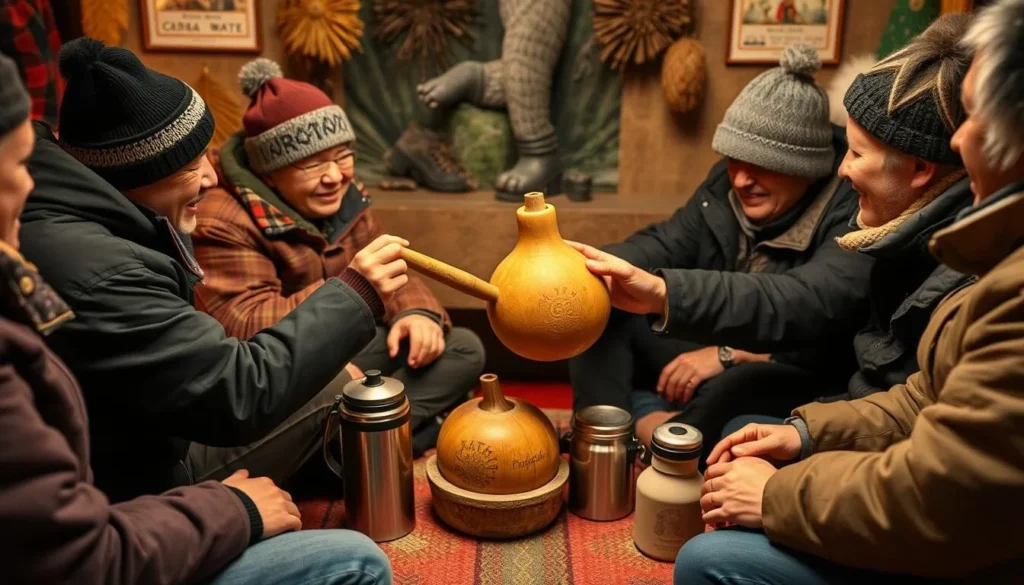
- Mate Culture: If offered mate (a traditional South American herbal tea), it’s considered polite to accept. The same mate gourd and bombilla (metal straw) are shared among the group.
- Environmental Respect: Patagonia places a strong emphasis on environmental conservation. Follow all park rules, pack out all trash, and practice Leave No Trace principles.
Practical Travel Tips
These final practical tips will help you make the most of your visit to Puerto Natales and navigate any challenges that might arise in this remote Patagonian destination.
Money & Banking
- Currency: Chilean Peso (CLP) is the local currency. While some places accept US dollars or credit cards, always have some local currency on hand.
- ATMs: Several banks in Puerto Natales have ATMs, but they occasionally run out of cash during peak season. Withdraw what you need when you can.
- Credit Cards: Major credit cards are accepted at most hotels and larger restaurants, but smaller establishments and markets may be cash-only.
Communication
- Wi-Fi: Most accommodations and many cafes offer free Wi-Fi, though connection speeds can be slow.
- Cell Service: Coverage is good in town but limited to non-existent in Torres del Paine and remote areas.
- Language: While tourism staff often speak some English, learning basic Spanish phrases will enhance your experience.
Packing Essentials
- Layered Clothing: The Patagonian climate demands a layering system—base layers, insulating mid-layers, and waterproof/windproof outer layers.
- Hiking Gear: Quality hiking boots, trekking poles, and a comfortable daypack are essential for exploring the region.
- Sun Protection: The Patagonian sun is intense, and the ozone layer is thinner here. Bring high-SPF sunscreen, sunglasses, and a wide-brimmed hat.
- Power Adapters: Chile uses Type C and Type L plugs (European-style round pins) with 220V electricity.

Useful Resources
- CONAF Office: The national park service office in Puerto Natales provides up-to-date information on trail conditions and park regulations.
- Erratic Rock: This gear shop offers a free daily information session about hiking in Torres del Paine during high season.
- Local Tourism Office: Located near the main square, staff can provide maps and information about local attractions.
Conclusion
Puerto Natales is far more than just a gateway to Torres del Paine National Park. This charming Patagonian town offers a perfect blend of outdoor adventure, cultural experiences, and culinary delights that deserve at least a few days of exploration. Whether you’re hiking to the iconic towers, kayaking through pristine fjords, or simply enjoying a Calafate sour while watching the sunset over the mountains, Puerto Natales will leave you with memories to last a lifetime.
As the local saying goes, once you eat the Calafate berry, you’re destined to return to Patagonia. After experiencing all that Puerto Natales has to offer, you’ll likely find yourself planning your next visit before you’ve even left.