

Did you know that Manta processes over 40% of Ecuador’s tuna catch, making it the country’s largest fishing port? This vibrant coastal city blends authentic Ecuadorian culture with stunning Pacific beaches, creating a destination that’s refreshingly off the typical tourist path. Unlike the polished resort towns you might find elsewhere, Manta offers something more genuine – a real glimpse into coastal Ecuadorian life, complete with bustling fish markets, artisanal crafts, and pristine beaches that locals love.
Planning Your Journey to Manta
Nestled on Ecuador’s central Pacific coast, Manta combines the charm of a working fishing town with growing tourism infrastructure. Whether you’re looking to relax on beautiful beaches, explore nearby ecological reserves, or immerse yourself in local culture, Manta offers a diverse range of experiences for travelers.
Getting to Manta
Manta has its own domestic airport (Eloy Alfaro International Airport) that connects to major Ecuadorian cities. For international travelers, you’ll typically arrive through either Quito or Guayaquil before taking a connecting flight.
- By Air: Currently, Manta’s airport only handles domestic flights. International travelers should fly into Quito or Guayaquil first, then take a short domestic flight to Manta.
- From Quito: An 8-hour bus ride (approximately $15 per person) or a 30-minute domestic flight.
- From Guayaquil: A 3-hour bus ride (approximately $10 per person) or a 20-minute domestic flight.
Best Time to Visit Manta
Manta enjoys a warm climate year-round, but timing your visit can make a difference in your experience.

Weather and Climate
Manta experiences its hottest temperatures between March and April, when thermometers can reach up to 30°C (86°F). The city sees rainfall throughout the year, though April typically has the lowest chance of precipitation.
| Season | Months | Weather | Tourism |
| High Season | December-April | Hot and mostly dry | Busiest, higher prices |
| Shoulder Season | May-July, November | Warm with occasional rain | Moderate crowds, better deals |
| Low Season | August-October | Mild with more frequent rain | Fewest tourists, lowest prices |
For the ideal balance of good weather and manageable crowds, consider visiting between August and October. This period offers pleasant temperatures perfect for both beach activities and city exploration.
Getting Around Manta
Navigating Manta is relatively straightforward, with several transportation options available to visitors.
Local Transportation
- Taxis: The most convenient option for tourists. Fares are inexpensive, making taxis ideal for getting around the city and to nearby attractions.
- Buses: Local buses serve various routes throughout Manta and to neighboring towns. While affordable, some routes may not be ideal for tourists unfamiliar with the area.
- Rental Cars: For those wanting to explore the region at their own pace, rental cars are available in Manta.
Where to Stay in Manta
Manta offers a range of accommodation options to suit different budgets and preferences. From upscale hotels to budget-friendly hostels, you’ll find something that meets your needs.

Hotels
Oro Verde Manta
A top choice offering excellent amenities at a reasonable price (around $100/night). Enjoy free parking, 24-hour front desk service, and attentive room service in this centrally located hotel.
Hotel Poseidon
Known for its inviting pool, poolside bar, and complimentary guest parking. Rates typically start around $120 per night, making it a great option for a bit of affordable luxury.
Balandra Hotel
Offers a free buffet breakfast, reliable Wi-Fi, and complimentary parking. With an outdoor pool and fitness center, it’s ideal for both relaxation and staying active during your visit (around $100/night).
Hostels
Hostal Antares
Rates range from $45-90 with free breakfast, Wi-Fi access, and parking included.
Hostal Naufrago
Ideal for solo travelers or couples on a budget, with rates starting at $25. Free Wi-Fi is available.
Golden Mar Hostal
Features an outdoor pool, free Wi-Fi, and parking. Single rooms typically cost around $70.
Best Things to Do in Manta, Ecuador
From beautiful beaches to cultural experiences, Manta offers a diverse range of activities for visitors to enjoy.

Explore Manta’s Beautiful Beaches
Manta’s location on Ecuador’s Pacific coast means it’s home to several stunning beaches, each with its own unique character.
San Mateo Beach
A quieter beach with a laid-back vibe and a small fishing village nearby. Perfect for those seeking a more secluded spot to relax and enjoy the ocean without crowds.
Playa Santa Marianita
Known for incredible sunset views, excellent food options, and a vibrant kitesurfing scene. The beach offers a perfect blend of relaxation and water sports activities.
Playa San Lorenzo
Features scenic cliffside views and unique rock formations. A short hike up the cliff rewards visitors with panoramic views of the beach and ocean below.
Water Sports and Activities
Manta’s geographical location makes it ideal for various water sports and activities.

- Kitesurfing: Playa Santa Marianita is Ecuador’s kitesurfing capital, offering steady winds and excellent conditions for both beginners and experienced kitesurfers.
- Surfing: San Mateo Beach provides great waves, especially between December and March. Lessons are available for beginners.
- Sport Fishing: Join a fishing charter to experience deep-sea fishing in waters known for marlin, tuna, and other game fish.
Cultural Experiences in Manta

Montecristi Panama Hats
Just a short drive from Manta, the town of Montecristi is world-famous for its Panama hats (which, despite the name, originated in Ecuador). These meticulously handwoven hats are crafted from the fibers of the toquilla palm and represent an important part of Ecuador’s cultural heritage.
Visit a workshop to see how these iconic hats are made, from the cultivation of the specific palm tree to the months of intricate weaving required for high-quality pieces. The quality of a Panama hat is judged by the fineness of the weave, categorized as fino, fino fino, and super fino, with the latter taking several months to create.
Museums and Cultural Sites
- Museo Arqueológico del Banco Central: Explore Ecuador’s rich history through valuable artifacts, Ecuadorian paintings, and unique fishing equipment that highlight Manta’s cultural heritage.
- Ciudad Alfaro Museum: Located in Montecristi, this museum features artisanal exhibitions and displays about local indigenous cultures.
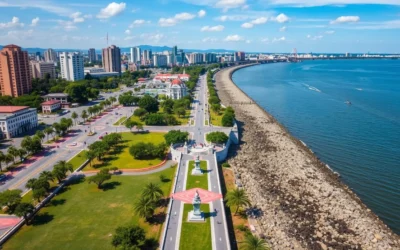
- Malecón Escénico: Stroll along this waterfront promenade with its shops, restaurants, and views of the fishing fleet, offering a glimpse into Manta’s connection to the sea.
Day Trips from Manta
Manta serves as an excellent base for exploring nearby natural wonders and cultural sites.

Machalilla National Park
Created to protect Ecuador’s incredible wildlife habitats, Machalilla National Park is one of the country’s most stunning protected areas. The park features three main highlights:
Los Frailes
A pristine beach with soft, fine sand, deep blue waters, and picturesque rolling hills. Part of the beach is set aside as a protected area for nesting sea turtles.
Isla de Plata
Often called the “poor man’s Galapagos” due to its similar wildlife, including Blue-footed, Red-footed, and Nazca Boobies. The waters around the island offer excellent snorkeling and diving opportunities.
Agua Blanca
A community offering an archaeological museum, native forest, and a sulfur lagoon perfect for a rejuvenating dip. The mineral-rich waters are a local favorite.
Pacoche Rainforest
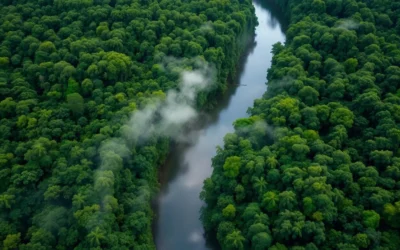
Just 30 minutes from Manta, this 13,000-hectare microclimate sustains a lush rainforest in an otherwise arid region. Guided hikes through the forest offer opportunities to spot howler monkeys, tarantulas, and learn about medicinal plants from knowledgeable local guides.

What to Eat in Manta
As a coastal city with a thriving fishing industry, Manta is known for its fresh seafood and traditional Ecuadorian dishes.

Must-Try Local Dishes
Ceviche
This refreshing cold fish soup is a favorite along the South American coast. Made with a mix of fish and shellfish, topped with diced onions, peppers, and parsley, and served with crispy plantains.
Encebollado
A beloved warm fish soup traditionally made with albacore fish, onions, and yucca. Locals often enjoy this dish for breakfast, and it’s famously recommended as a hangover remedy.
Seco de Chivo
A traditional Ecuadorian goat stew where the meat is slowly braised in a rich, flavorful sauce made with achiote, oregano, peppers, onions, tomatoes, and various spices.
Where to Eat
For an authentic dining experience, visit the fish market at Playa de Tarqui in the early morning to see fishermen bringing in their catch and sample the freshest seafood. Local restaurants along the Malecón Escénico offer a variety of seafood dishes with ocean views.
For a unique dining experience outside the city, visit Restaurante las Heliconias near Pacoche Rainforest, which offers a diverse menu including vegetable curry with a Thailand-inspired twist.
Safety Tips for Exploring Manta
While Manta is generally welcoming to tourists, it’s always wise to take standard precautions when traveling.

- Stay in tourist areas: Stick to mainstream areas and popular beaches, especially at night.
- Protect your belongings: Don’t walk with your phone in hand, as this makes it an easy target for theft.
- Carry small change: Having loose change is helpful for small transactions at local markets, shops, and taxis.
- Sun protection: Manta’s weather tends to be hot, so pack essentials like hats, sunscreen, and a compact umbrella.
- Local guidance: When possible, travel with a local friend or guide to avoid tourist price hikes and discover authentic experiences.
The safest areas for tourists include Malecón, Flavio Reyes, Barbasquillo, and the beaches along Via San Mateo and Santa Marianita. It’s advisable to avoid outlying neighborhoods, especially after dark.
Practical Travel Tips
What to Pack
- Light, breathable clothing: Manta’s climate is warm year-round.
- Sun protection: Hat, sunglasses, and high-SPF sunscreen.
- Comfortable walking shoes: For exploring beaches and nearby attractions.
- Light rain jacket or umbrella: Especially if visiting during the rainy season.
- Insect repellent: Particularly if you plan to visit Pacoche Rainforest.
Language
Spanish is the primary language spoken in Manta. While some people in the tourism industry may speak English, having a few basic Spanish phrases will enhance your experience and help you connect with locals.
Currency
Ecuador uses the US dollar as its official currency, which makes transactions straightforward for American travelers. ATMs are available in Manta, but it’s advisable to carry some cash, especially when visiting smaller establishments or markets.
Experience the Authentic Charm of Manta
Manta offers travelers a genuine slice of coastal Ecuadorian life that goes beyond the typical tourist experience. From its beautiful beaches and water sports to its rich cultural heritage and nearby natural wonders, this vibrant city provides a diverse range of experiences for visitors.
Whether you’re watching fishermen bring in their morning catch, learning about the intricate craft of Panama hat making, or relaxing on the pristine sands of Los Frailes, Manta’s authentic charm will leave you with lasting memories of Ecuador’s Pacific coast.
The city may not be a polished resort destination, but that’s precisely what makes it special – it’s a place where you can experience the real Ecuador, connect with local culture, and discover the natural beauty of this fascinating region.
The above is subject to change.
Check back often to TRAVEL.COM for the latest travel tips and deals.


0 Comments