
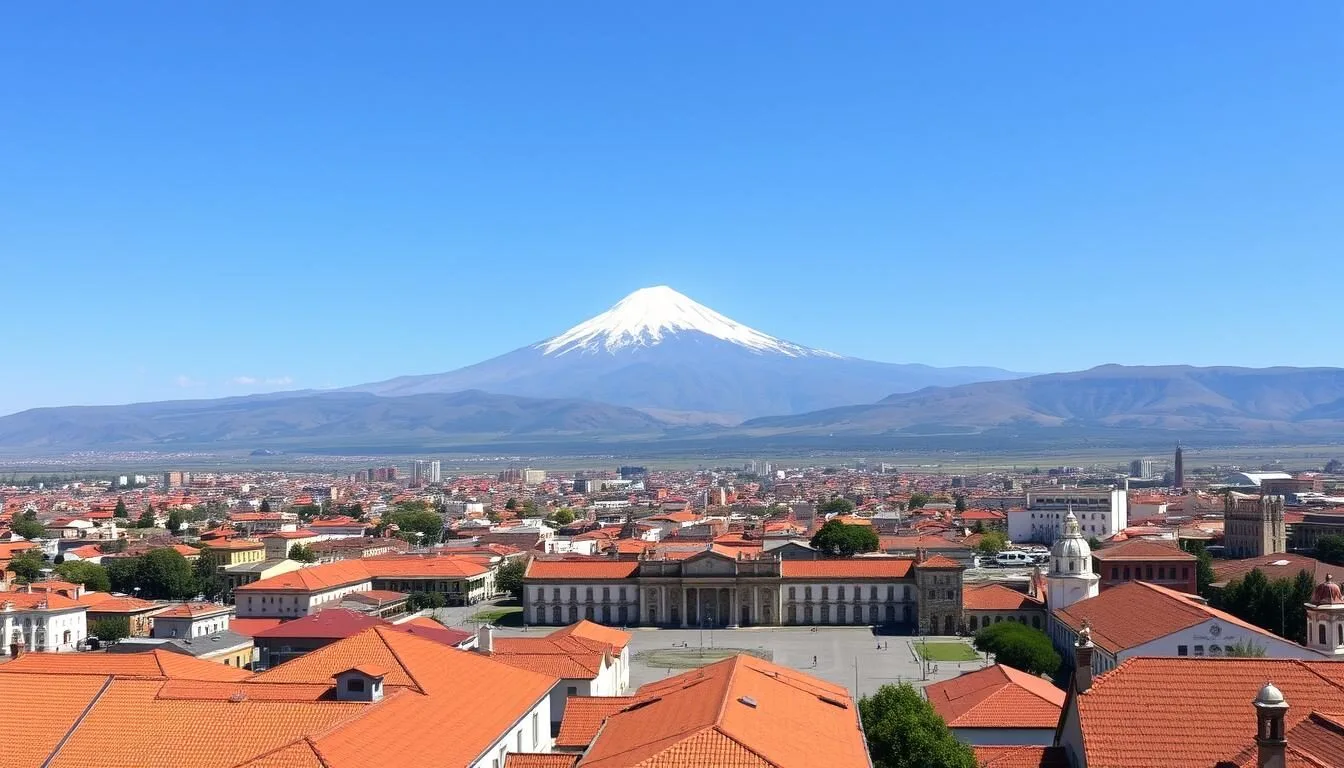
Did you know Riobamba sits at the foot of Ecuador’s highest peak, Chimborazo, which is actually the farthest point from the Earth’s center due to our planet’s equatorial bulge? This means when you’re standing on Chimborazo, you’re technically closer to space than someone on Mount Everest! This fascinating city, known as the “Sultan of the Andes,” offers travelers a perfect blend of colonial architecture, indigenous culture, and breathtaking mountain landscapes that remain surprisingly uncrowded compared to Ecuador’s more touristy destinations.
The stunning view of Riobamba with the majestic Chimborazo volcano in the background
Getting to Riobamba & Planning Your Journey
Riobamba is conveniently located in central Ecuador, making it accessible from major cities like Quito, Guayaquil, and Cuenca. While the city doesn’t have its own commercial airport, reaching this Andean gem is straightforward with several transportation options.
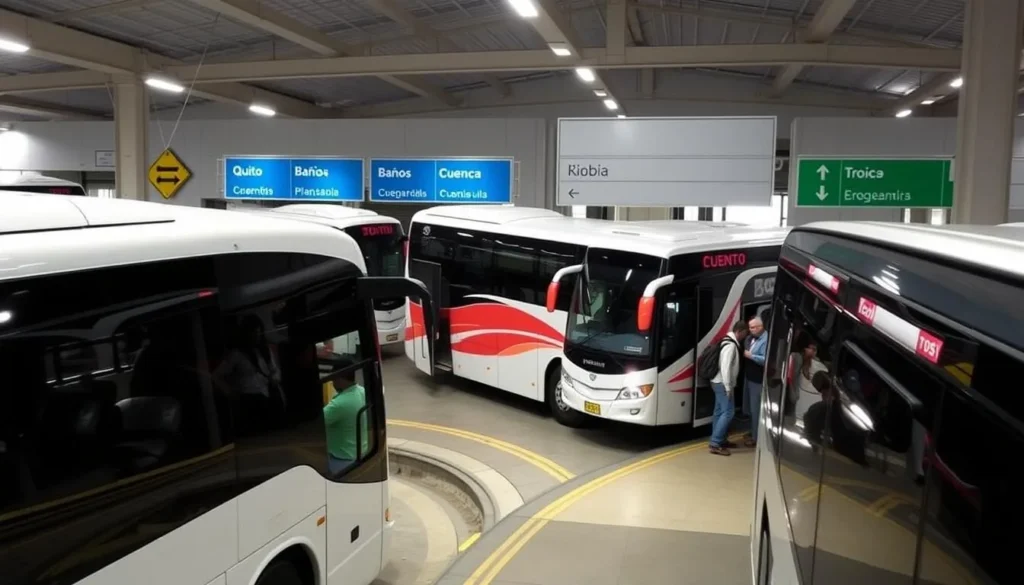
Modern buses connect Riobamba to major Ecuadorian cities
Transportation Options
- By Bus: The most common way to reach Riobamba. Regular services run from Quito (3-4 hours), Guayaquil (5-6 hours), Cuenca (5 hours), and Baños (1.5 hours).
- By Car: Well-maintained highways connect Riobamba to major cities. The drive from Quito takes approximately 3 hours along the scenic Pan-American Highway.
- By Train: For a unique experience, consider the tourist train that connects Riobamba to Alausí (for the famous Devil’s Nose route) or the Ice Train that travels to the slopes of Chimborazo.
Best Time to Visit & Weather Tips
Riobamba’s high-altitude location (2,750 meters) creates a cool, spring-like climate year-round. However, certain months offer better conditions for exploring the city and its surrounding attractions, especially if you’re planning to visit Chimborazo.
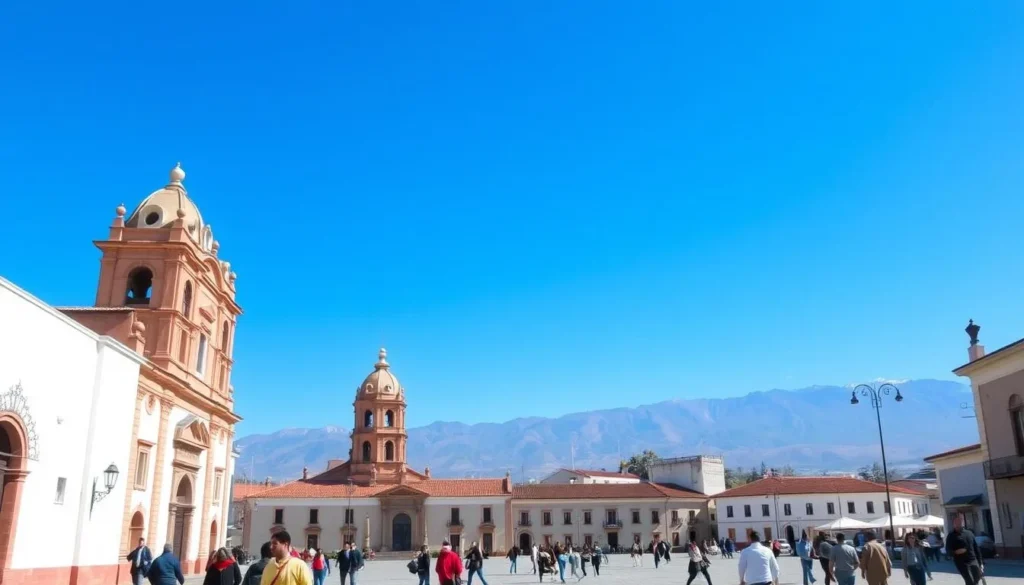
Clear skies during the dry season offer perfect conditions for exploring Riobamba
Seasonal Considerations
Dry Season (June to September)
- Clearest skies and best views of Chimborazo
- Ideal for hiking, mountain biking, and outdoor activities
- Cooler temperatures, especially at night (bring layers)
- Peak tourist season with slightly higher prices
Rainy Season (October to May)
- Morning activities recommended before afternoon showers
- Lush, green landscapes throughout the region
- Fewer tourists and better accommodation deals
- April features the colorful Fiesta del Niño Rey celebrations
Altitude Tip: Riobamba sits at 2,750 meters (9,022 ft), and nearby Chimborazo reaches over 6,200 meters. Allow 1-2 days to acclimatize before attempting high-altitude activities. Stay hydrated and consider taking altitude sickness medication if you’re sensitive to elevation.
Getting Around Riobamba
Riobamba’s compact city center makes it easy to explore on foot, but several transportation options are available for venturing further afield or visiting attractions outside the city.
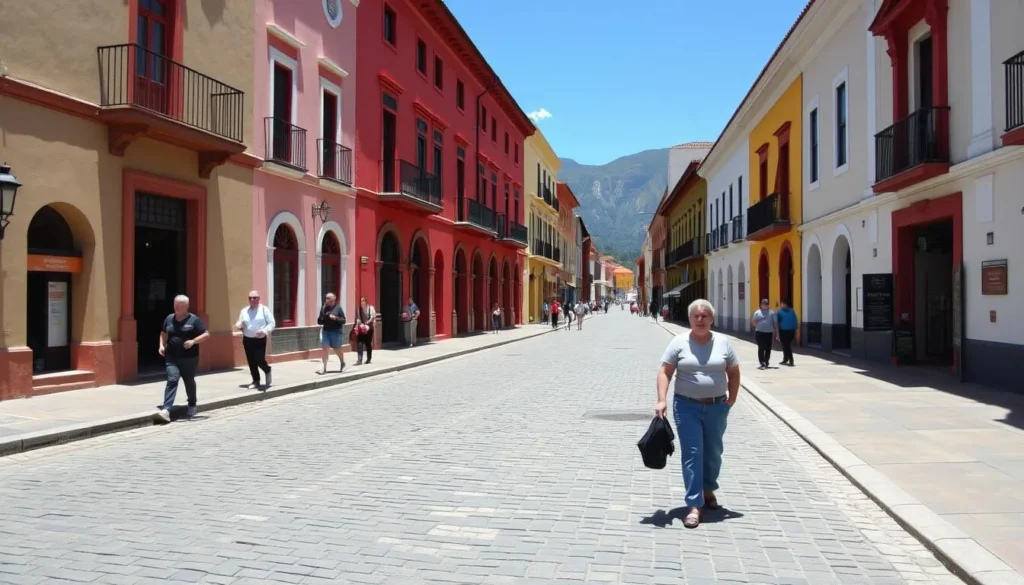
Riobamba’s walkable colonial streets make exploring the city center a pleasure
Local Transportation Options
- Walking: The historic center follows a grid pattern and most attractions are within walking distance of each other.
- Taxis: Abundant and affordable (typically $1-3 for trips within the city). Always negotiate the fare before getting in, as meters are rarely used.
- Local Buses: Cost around $0.30 per ride and connect all parts of the city. Look for route numbers displayed on the windshield.
- Rental Cars: Useful for exploring attractions outside the city like Chimborazo Reserve. Several agencies offer daily rentals in the city center.
Where to Stay in Riobamba
Riobamba offers a range of accommodation options to suit every budget and travel style. From historic boutique hotels in colonial buildings to budget-friendly hostels and luxurious haciendas in the surrounding countryside, you’ll find comfortable places to rest after exploring the city.
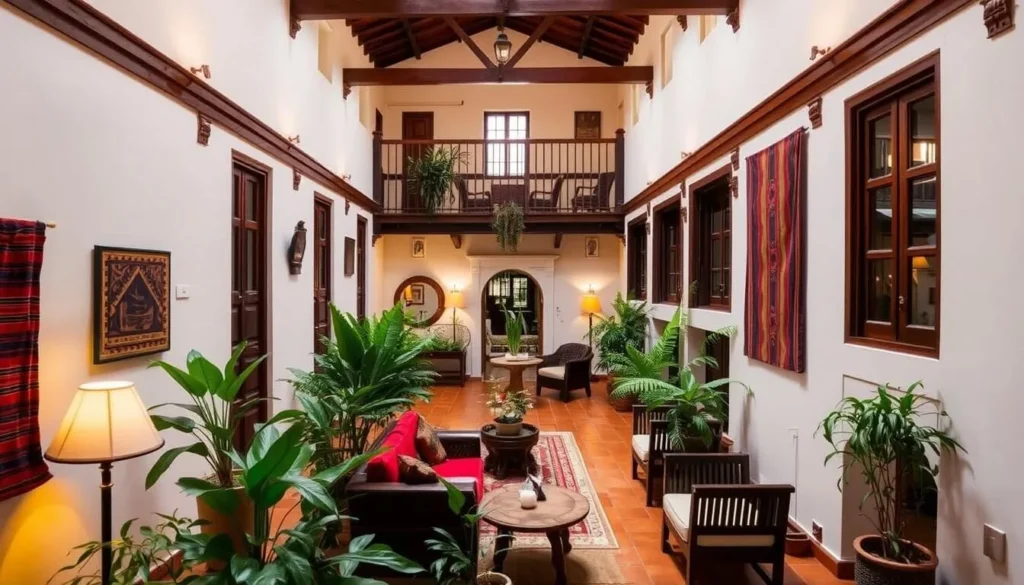
Many Riobamba hotels are housed in beautifully restored colonial buildings
Accommodation Options
Budget Options
- Hotel Estación: Clean rooms near the train station with rooftop views of Chimborazo.
- Hostel Villa Bonita: Affordable private rooms and dormitories with kitchen access.
- Home Humboldt: Budget-friendly option with a communal kitchen and rooftop terrace.
Mid-Range Hotels
- Casa 1881: Boutique hotel in a historic 19th-century building with antique furnishings.
- Hotel Santa Isabella: Colonial-style hotel with bright rooms and indigenous toiletries.
- Hotel Quindeloma: Comfortable rooms with modern amenities in a central location.
Luxury Stays
- Hacienda Abraspungo: Elegant boutique hotel in a converted hacienda with mountain views.
- Chimborazo Lodge: Closest accommodation to Chimborazo Reserve with stunning views.
- Hostería La Andaluza: Historic 16th-century hacienda with luxurious rooms and fine dining.
Dining & Local Cuisine in Riobamba
Riobamba’s culinary scene offers a delicious introduction to Ecuadorian highland cuisine. From traditional markets serving authentic local dishes to restaurants offering refined interpretations of Andean classics, food lovers will find plenty to enjoy in this Andean city.
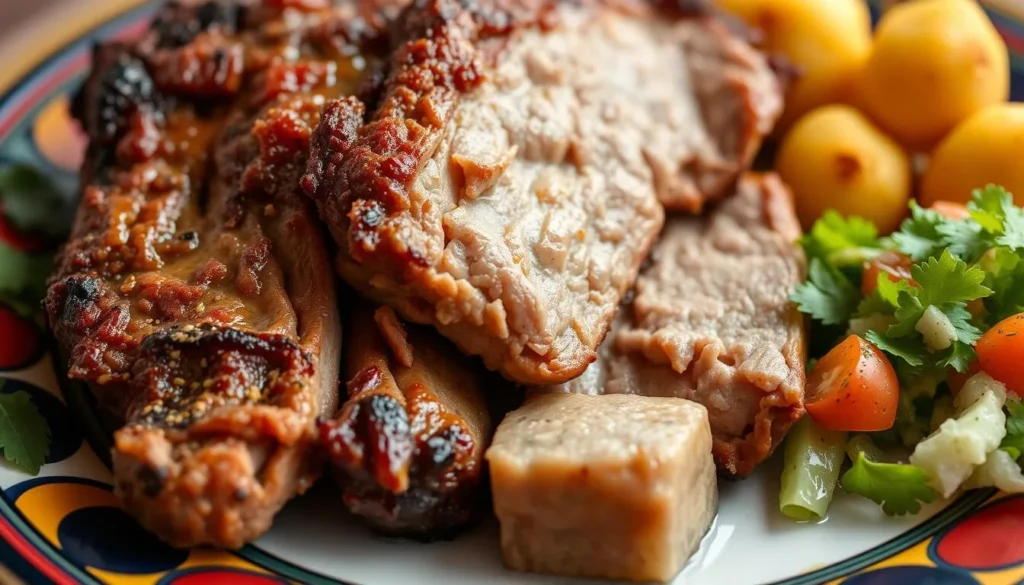
Hornado (roast pork) is a must-try local specialty in Riobamba
Must-Try Local Specialties
- Hornado: Crispy roast pork served with mote (hominy) and llapingachos (potato patties). Try it at Mercado La Merced.
- Ceviche de Chochos: A unique highland version of ceviche made with lupini beans instead of seafood, in a tomato-based sauce.
- Rompenunca: A refreshing drink made with fresh fruit and glacier ice harvested from Chimborazo.
- Fritada: Fried pork served with corn, plantains, and avocado.
- Llapingachos: Potato patties stuffed with cheese and served with peanut sauce.
Where to Eat in Riobamba
Local Markets
- Mercado La Merced: Best for traditional hornado and other local dishes.
- Mercado San Alfonso: Bustling Saturday market with food stalls and fresh produce.
- Mercado Santa Rosa: Authentic local eateries serving inexpensive meals.
Restaurants
- El Delirio: Refined Ecuadorian cuisine in a historic building.
- Bonny Restaurant: Popular local spot for traditional dishes.
- La Rayuela: International menu with vegetarian options.
Top Attractions & Sightseeing in Riobamba
Riobamba offers a wealth of attractions both within the city and in the surrounding countryside. From colonial architecture and historic churches to the magnificent Chimborazo volcano, there’s something for every type of traveler.
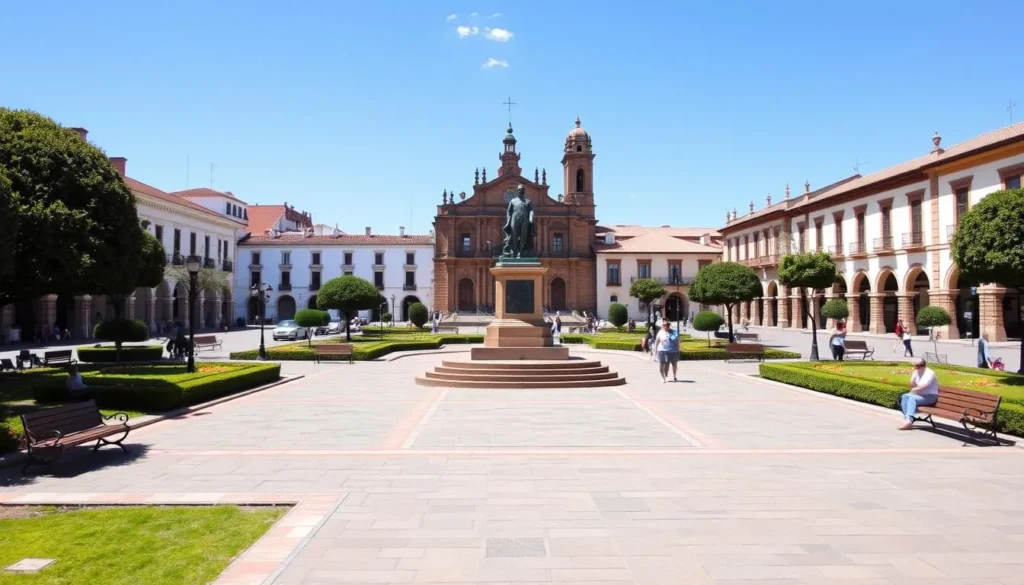
Parque Maldonado is the heart of Riobamba’s historic center
City Attractions
- Parque Maldonado: The city’s main square, surrounded by impressive colonial buildings including the Cathedral.
- Riobamba Cathedral (Catedral de San Pedro): Impressive church built with stones from the original city destroyed in the 1797 earthquake.
- Basilica of the Sacred Heart of Jesus: Ecuador’s only round church, featuring impressive architecture.
- La Concepción Church: Beautiful church with a religious art museum housing colonial-era artifacts.
- Parque Sucre: Lovely park featuring the Neptune Fountain, which marked the beginning of Riobamba’s potable water system in 1913.
- Riobamba Railway Station: Historic station with a small museum documenting Ecuador’s railway history.
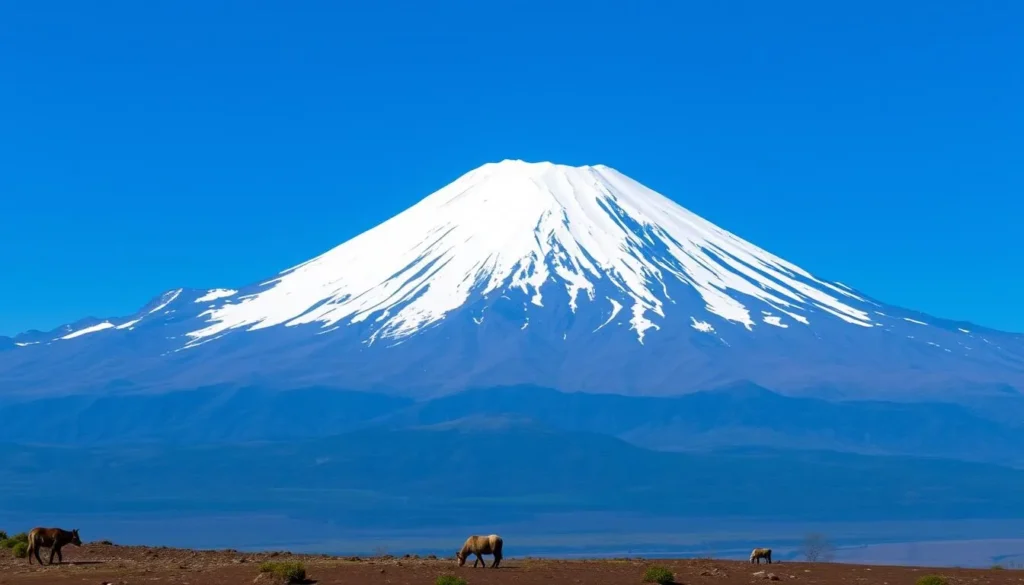
The majestic Chimborazo volcano is Ecuador’s highest peak and a must-visit attraction
Surrounding Attractions
- Chimborazo Wildlife Reserve: Home to Ecuador’s highest peak (6,263m) and wildlife including vicuñas, llamas, and Andean condors.
- La Balbanera Church: The oldest church in Ecuador, established in the 16th century, located 15 minutes from Riobamba.
- Calpi Cattle Market: Authentic rural market where locals trade livestock (Saturdays only).
- Guano: Nearby town famous for its leather goods and archaeological museum.
Cultural Experiences & Museums
Riobamba offers rich cultural experiences that provide insight into Ecuador’s indigenous heritage and colonial past. The city’s museums, markets, and cultural centers showcase the unique blend of Spanish and indigenous influences that shape the region’s identity.
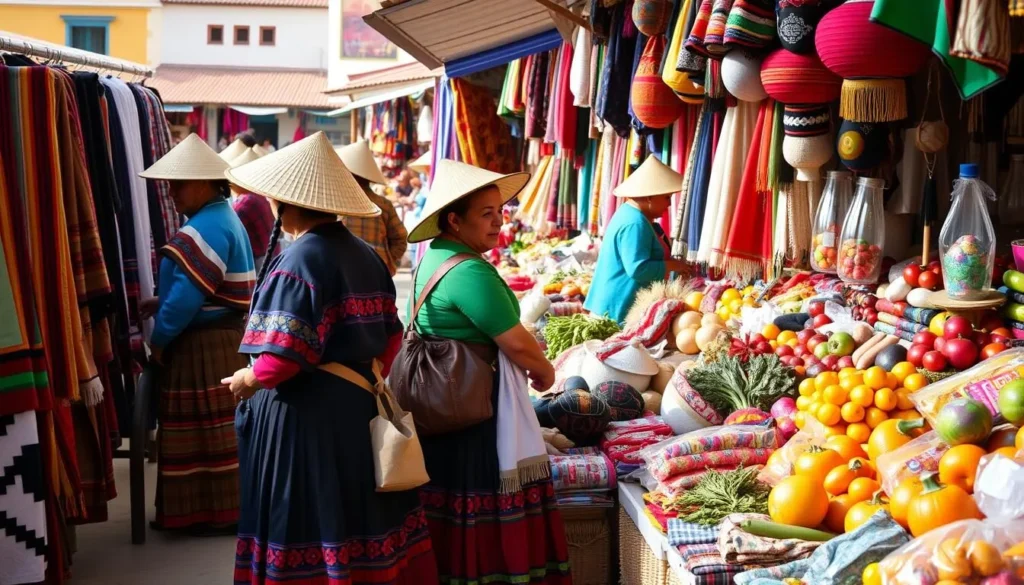
Riobamba’s markets offer a glimpse into the region’s indigenous culture and traditions
Museums & Cultural Sites
- Museo de la Ciudad: Housed in a beautiful old mansion, this free museum features rotating exhibits on Riobamba’s history and culture.
- La Concepción Religious Art Museum: Collection of religious paintings, sculptures, and artifacts from the colonial period.
- Museo del Banco Central: Archaeological exhibits showcasing pre-Columbian artifacts from the region.
- Casa de la Cultura: Cultural center hosting art exhibitions, performances, and events.
Markets & Cultural Experiences
- Saturday Market: Riobamba’s main market day when indigenous people from surrounding communities come to sell their goods.
- Tagua Workshops: Visit artisans working with tagua nuts (vegetable ivory) to create jewelry and figurines.
- La Moya Community: Visit this Andean village on the Ice Train route to learn about traditional rural life.
- Meeting Baltazar Ushca: The last ice merchant who still harvests glacier ice from Chimborazo to sell in Riobamba’s markets.
Outdoor Adventures & Nature Experiences
The area surrounding Riobamba is a paradise for outdoor enthusiasts. From hiking on Ecuador’s highest peak to mountain biking down volcanic slopes, adventure awaits in every direction. The region’s dramatic landscapes provide the perfect backdrop for unforgettable experiences in nature.
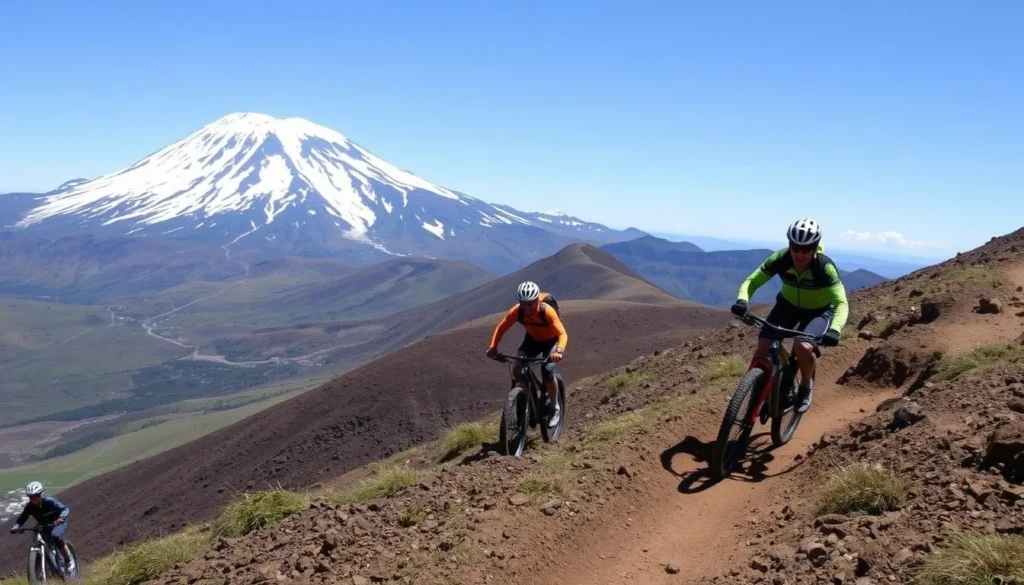
Mountain biking down Chimborazo’s slopes offers thrills and spectacular views
Chimborazo Adventures
- Hiking to 5,000m: A challenging but rewarding trek from Carrel Refuge (4,800m) to the high alpine lake.
- Summit Climb: For experienced mountaineers, reaching Chimborazo’s summit (6,263m) is the ultimate achievement.
- Mountain Biking: Exhilarating downhill rides from Carrel Refuge through varied terrain.
- Wildlife Viewing: Spot wild vicuñas, Andean foxes, and condors in the Chimborazo Wildlife Reserve.
- The Iceman Trail: Follow the path of Baltazar Ushca, the last ice merchant who harvests glacier ice from Chimborazo.
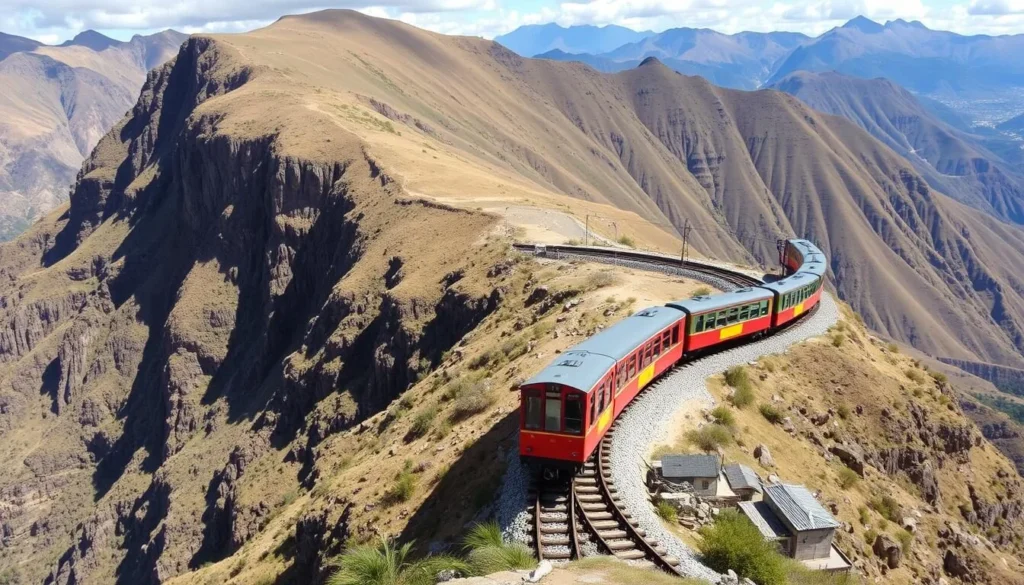
The famous Devil’s Nose train ride offers spectacular views of the Andean landscape
Other Outdoor Activities
- Train Rides: The historic Tren del Hielo (Ice Train) or the famous Devil’s Nose route from nearby Alausí.
- Sangay National Park: Day trips to this UNESCO World Heritage site with active volcanoes, waterfalls, and diverse ecosystems.
- Altar Volcano: Trekking to the beautiful crater lake of this extinct volcano.
- Ozogoche Lakes: Visit this system of 30+ high-altitude lakes, famous for the annual bird migration phenomenon.
Safety, Etiquette & Local Customs
Riobamba is generally considered one of the safer cities in Ecuador, but as with any travel destination, it’s important to be aware of local customs and take basic precautions to ensure a smooth and respectful visit.
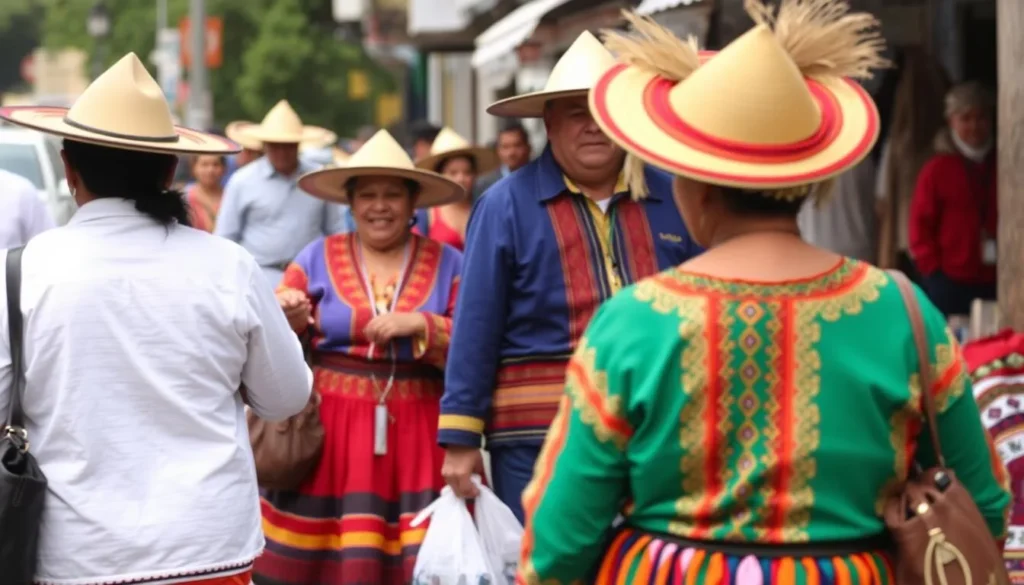
Riobamba has a significant indigenous population with rich cultural traditions
Safety Tips
- General Safety: Riobamba is relatively safe, but take normal precautions like avoiding isolated areas after dark.
- Valuables: Keep important documents and excess cash in your hotel safe. Carry only what you need for the day.
- Transportation: Use registered taxis, especially at night. Agree on fares before getting in as meters are rarely used.
- Altitude: Riobamba sits at 2,750m, and nearby attractions are even higher. Allow time to acclimatize and stay hydrated.
- Weather: Mountain weather can change quickly. Bring layers, rain protection, and sun protection even on clear days.
Cultural Etiquette
- Photography: Always ask permission before photographing local people, especially indigenous individuals. Be prepared to pay a small tip.
- Dress: Dress modestly, especially when visiting churches or rural communities.
- Bargaining: Gentle bargaining is expected in markets, but remember that small differences in price mean more to vendors than to tourists.
- Language: Learning a few basic Spanish phrases is appreciated. While some tourism professionals speak English, it’s limited in Riobamba.
- Tipping: A 10% service charge is usually included in restaurant bills. Additional tipping is appreciated but not required.
Practical Travel Tips
These practical tips will help you prepare for your visit to Riobamba and ensure a smooth, enjoyable experience in this Andean city and its surroundings.
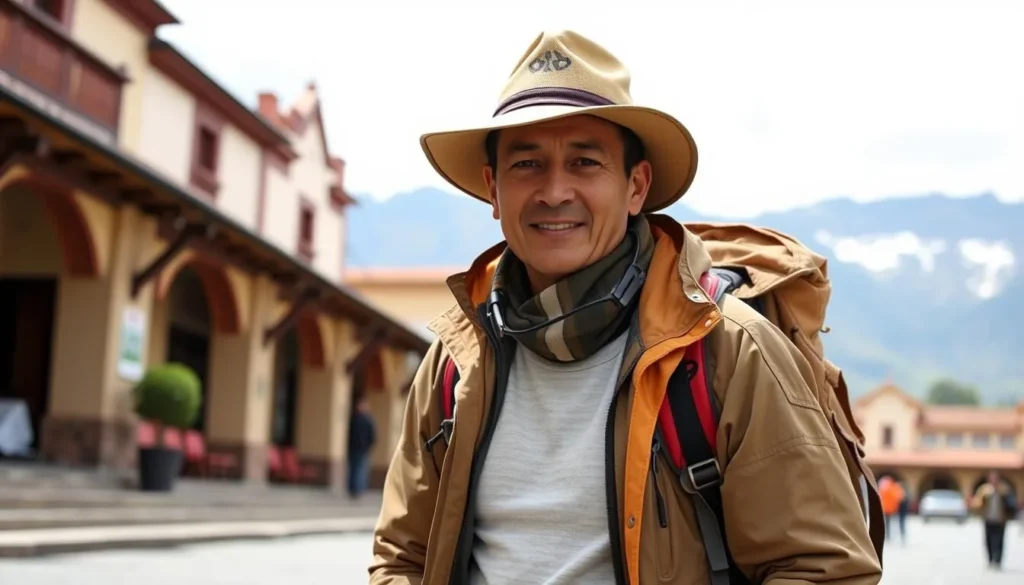
Proper clothing and preparation are essential for enjoying Riobamba’s high-altitude environment
Essential Information
What to Pack
- Clothing: Layers for variable temperatures (warm days, cool nights)
- Sun Protection: Hat, sunglasses, and high SPF sunscreen (UV exposure is intense at high altitudes)
- Rain Gear: Waterproof jacket, especially during the rainy season
- Hiking Gear: Proper boots and walking poles if planning mountain activities
- Altitude Medication: Consider bringing medication for altitude sickness
Practical Details
- Currency: US Dollar is Ecuador’s official currency
- ATMs: Available in the city center, but carry some cash for rural areas
- Internet: Most hotels and many cafés offer free Wi-Fi
- Electricity: 120V, 60Hz with American-style plugs
- Emergency Number: 911 (same as in the US)
Useful Spanish Phrases
- Hello/Goodbye: Hola/Adiós
- Please/Thank you: Por favor/Gracias
- How much does it cost?: ¿Cuánto cuesta?
- Where is…?: ¿Dónde está…?
- I don’t understand: No entiendo
- Do you speak English?: ¿Habla inglés?
Riobamba is centrally located in Ecuador’s Andean highlands
Conclusion: Your Riobamba Adventure Awaits
Riobamba may not be Ecuador’s most famous destination, but this “Sultan of the Andes” offers authentic experiences that many more touristy spots have lost. From the awe-inspiring Chimborazo volcano to the charming colonial architecture and rich indigenous culture, Riobamba rewards travelers who venture off the beaten path. Whether you’re seeking adventure in the Andean highlands, cultural immersion in local markets, or simply a glimpse of traditional Ecuadorian life, Riobamba delivers unforgettable experiences in a setting of breathtaking natural beauty.
As you plan your journey through Ecuador, consider giving Riobamba the time it deserves—at least two days to explore the city and experience Chimborazo. You’ll be rewarded with memories of a place where Ecuador’s natural grandeur and cultural heritage come together in perfect harmony.


0 Comments