Hotels by Trip.com
Flights by Trip.com
While Tokyo draws 15 million international visitors annually, fewer than 100,000 travelers venture to Akita Prefecture, making it one of Japan’s best-kept secrets. This northern region offers an authentic glimpse into traditional Japanese culture, where samurai heritage meets pristine natural beauty. The prefecture takes its name from the ancient Akita clan, powerful feudal lords who ruled this area for centuries.
Nestled on the Sea of Japan side of Honshu, Akita Prefecture beckons adventurous travelers with its untouched hot springs, UNESCO World Heritage sites, and festivals that have remained unchanged for generations. From the deepest lake in Japan to winter celebrations illuminated by thousands of paper lanterns, this guide reveals everything you need to experience Akita’s magic.
Getting There & Planning Your Journey
Reaching Akita Prefecture is remarkably straightforward thanks to excellent rail connections. The Akita Shinkansen provides the most convenient route from Tokyo, with the journey taking approximately four hours. This bullet train departs from Tokyo Station and travels through scenic countryside before arriving at Akita Station, the prefecture’s main transportation hub.
The closest major airport is Akita Airport, located about 30 minutes from Akita city center. The airport receives domestic flights from Tokyo, Osaka, and Sapporo. For international travelers, flying into Tokyo’s Narita or Haneda airports and continuing by Akita Shinkansen remains the most efficient option.
Travel Tip: Purchase your JR Pass before arriving in Japan to save significantly on shinkansen travel. The pass covers the entire Akita Shinkansen route and local JR trains throughout the prefecture.
From Akita Station, the prefecture’s attractions spread across diverse regions. The journey to Lake Tazawa takes about one hour by train, while the Oga Peninsula lies roughly 40 minutes away. Local buses and rental cars provide access to more remote areas like Nyuto Onsen village.
Akita Prefecture Tourist Information Center
Best Time to Visit & Weather Tips
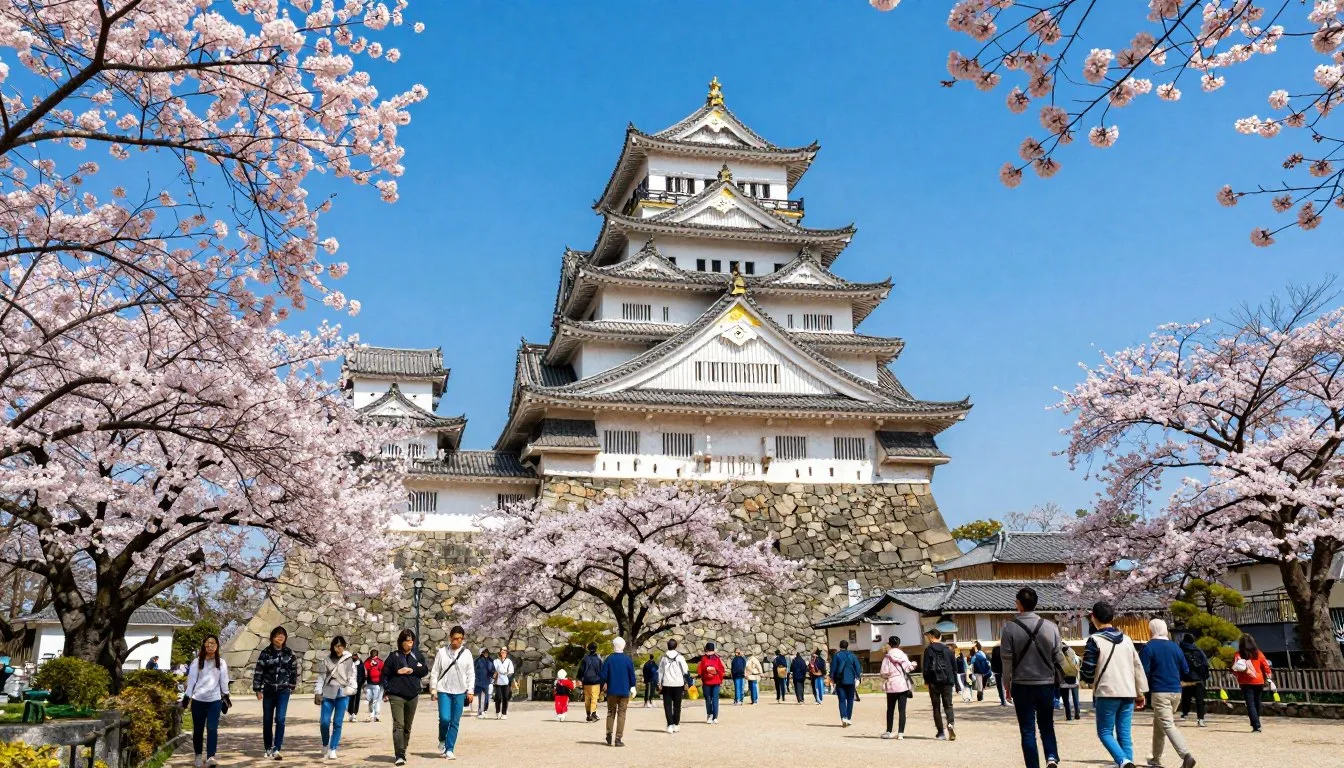
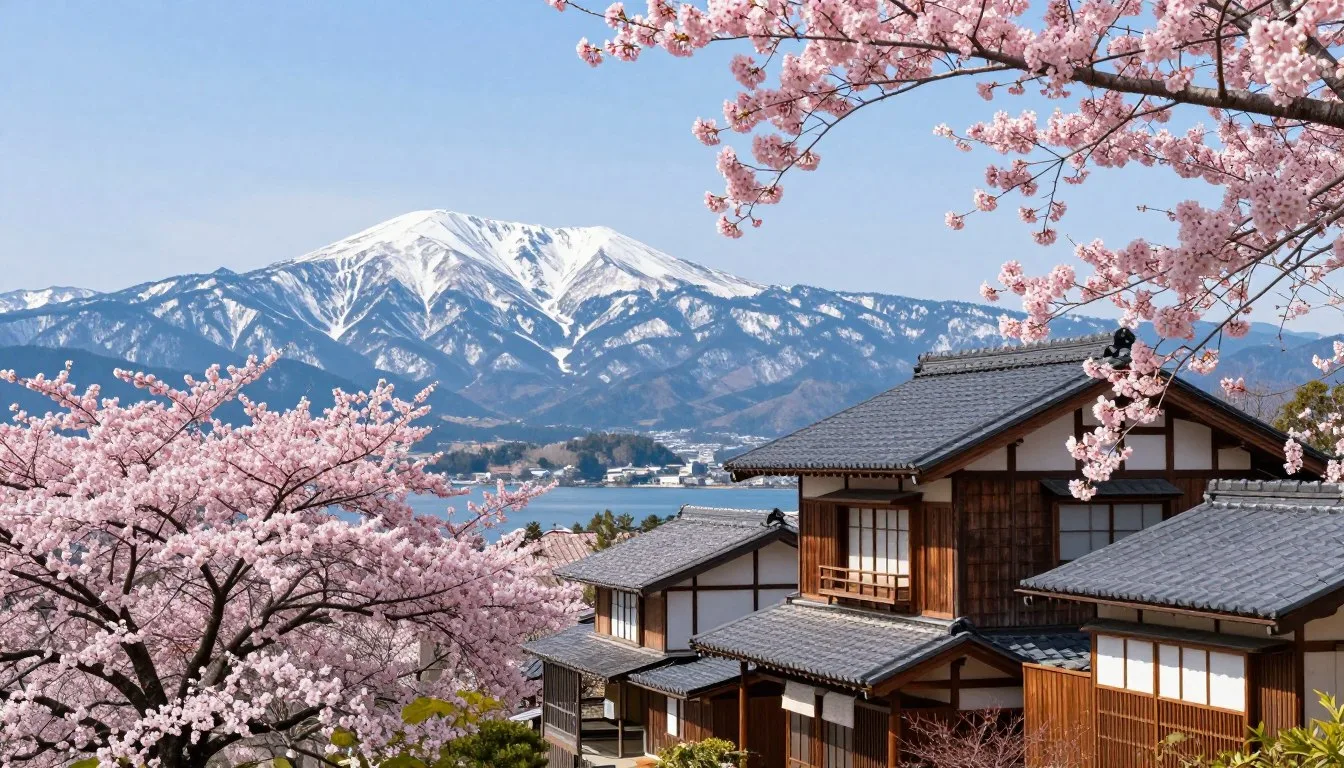
Akita Prefecture transforms dramatically with each season, offering distinct experiences throughout the year. Spring arrives late here, with cherry blossoms typically blooming from mid-April through early May. This delayed spring creates spectacular viewing opportunities when cherry trees frame the region’s historic sites and castle ruins.
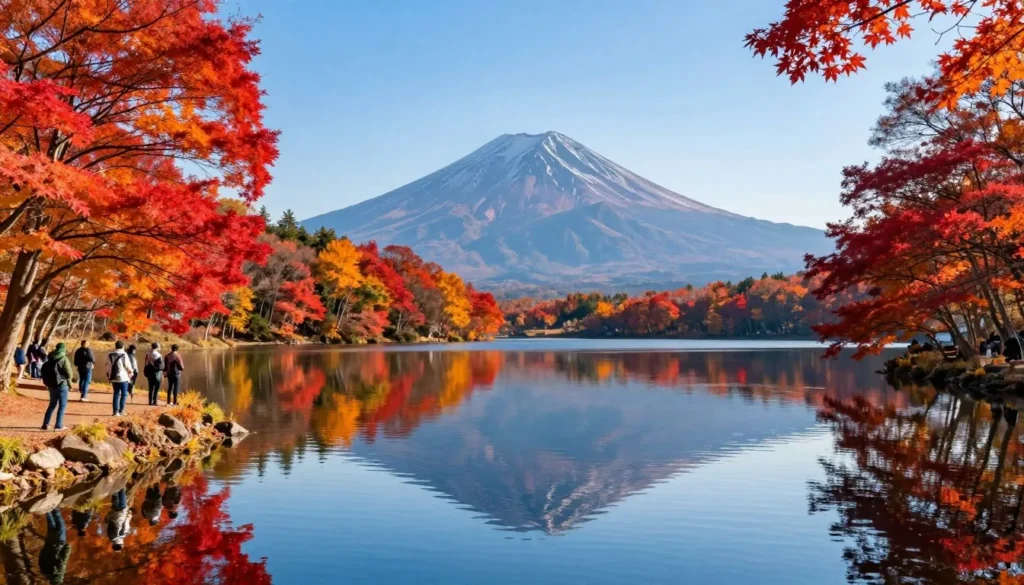
Summer brings comfortable temperatures averaging 26°C (80°F), perfect for exploring Lake Tazawa and hiking Mount Chokai. The season runs from June through August, with occasional rainfall in June. Autumn emerges as many travelers’ favorite season, when mountainsides explode in crimson and gold from late September through November.
Best Months to Visit
- April to May – Cherry blossom season with fewer crowds
- September to November – Stunning autumn foliage throughout the prefecture
- February – Winter festivals and pristine snow conditions
- July to August – Warm weather ideal for lake activities and mountain hiking
Months to Avoid or Plan Carefully
- January – Extremely heavy snowfall can limit travel
- March – Unpredictable transition weather
- June – Rainy season with frequent precipitation
- December – Early winter storms before festival season
Winter in Akita Prefecture means serious snow, with some areas receiving over 5 meters (16 feet) annually. Temperatures frequently drop below -5°C (23°F). However, winter reveals the region’s most magical side through spectacular festivals and world-class hot spring experiences.
Notable Annual Festivals
Akita’s festival calendar preserves centuries-old traditions that showcase the region’s unique culture. These celebrations attract visitors from across Japan and offer unforgettable cultural experiences.
Yokote Kamakura Festival
Every February, the town of Yokote transforms into a wonderland of snow houses called kamakura. Children invite visitors inside these igloo-like structures to share rice cakes and warm amazake. The festival takes place over three days in mid-February, with hundreds of kamakura illuminated across Senshu Park and throughout the city.
Check 30,000+ Local Sightseeing Tours Worldwide
✓ Numerous languages and currencies are available
Yokote Kamakura Festival Information
Akita Kanto Festival
Held from August 3-6, this spectacular summer celebration features performers balancing massive bamboo poles adorned with 46 paper lanterns. The poles reach heights of 12 meters (39 feet) and weigh up to 50 kilograms (110 pounds). Skilled participants balance these structures on their foreheads, shoulders, and hips while parading through central Akita city.
Akita Kanto Festival Committee
Namahage Sedo Festival
This mid-February event on the Oga Peninsula combines ancient folklore with dramatic performance. Namahage demons, wearing fearsome masks and straw capes, descend from the mountains in a torch-lit procession. The festival takes place at Shinzan Shrine and showcases this region’s most iconic tradition.
Namahage Museum & Festival Information
Getting Around Locally
Navigating Akita Prefecture requires planning, as public transportation serves major routes well but becomes limited in rural areas. JR trains connect Akita city with key destinations including Kakunodate, Tazawako Station, and Odate. These trains run regularly throughout the day, making them reliable for reaching primary attractions.
Local buses extend the rail network’s reach, particularly useful for accessing Nyuto Onsen and remote mountain areas. Bus schedules align with train arrivals at major stations, though frequency decreases significantly outside peak tourist seasons. Always check return bus times upon arrival to avoid being stranded.
Renting a car offers maximum flexibility, especially for exploring the Oga Peninsula and accessing hidden onsen villages. The prefecture’s well-maintained roads make driving pleasant, though winter conditions require snow tires and cautious navigation. Major rental agencies operate from Akita Station and Akita Airport.
Money-Saving Strategy: Consider purchasing a regional rail pass if visiting multiple destinations. The JR East Tohoku Area Pass covers five consecutive days of unlimited travel on JR lines throughout Akita Prefecture and neighboring regions.
Where to Stay
Accommodation options in Akita Prefecture range from luxurious ryokan to budget-friendly business hotels. Your choice depends on desired experience, location, and budget.
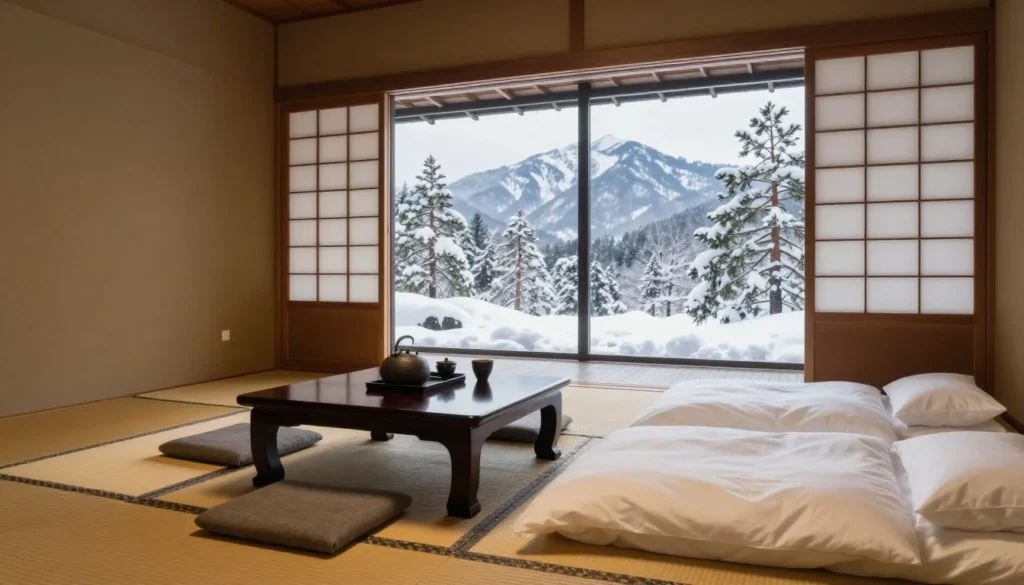
Ryokan and Traditional Inns
Staying at a traditional ryokan provides authentic Japanese hospitality. Nyuto Onsen village, nestled in the mountains near Lake Tazawa, houses seven historic ryokan. These establishments feature natural hot spring baths, kaiseki cuisine, and rooms with tatami mat floors. Tsurunoyu Onsen, the area’s most famous ryokan, has welcomed guests for over 300 years.
Business Hotels
Akita city offers numerous business hotels near Akita Station. These practical accommodations provide comfortable rooms, typically ranging from 6,000 to 10,000 yen per night. Facilities usually include free Wi-Fi, breakfast buffets, and coin laundries. The location allows easy access to restaurants and the shinkansen.
Minshuku Guesthouses
Family-run minshuku provide budget-friendly lodging with personal touches. These guesthouses serve home-cooked meals featuring local ingredients and offer opportunities to interact with hosts. Prices typically range from 5,000 to 8,000 yen per night including breakfast and dinner.
Booking Tip: Reserve accommodations at least three months in advance for festival periods, especially the Yokote Kamakura Festival and Akita Kanto Festival. Popular ryokan in Nyuto Onsen often book six months ahead for autumn foliage season.
Dining & Local Cuisine
Akita Prefecture’s culinary traditions revolve around rice cultivation, abundant seafood from the Sea of Japan, and preserved foods developed for harsh winters. The region produces some of Japan’s finest rice, which forms the foundation of exceptional sake brewing and local dishes.
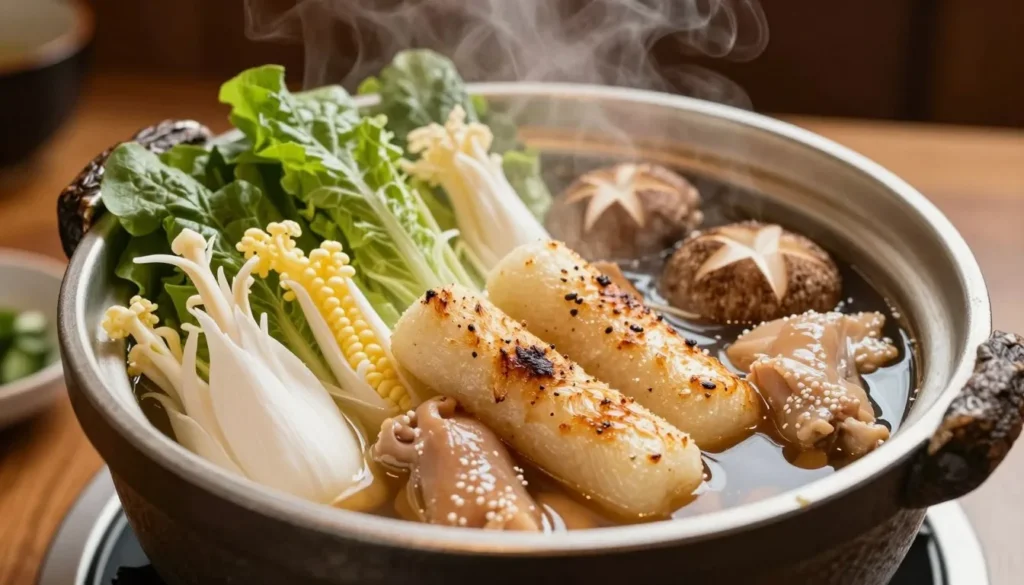
Kiritanpo
This regional specialty transforms rice into a unique comfort food. Freshly cooked rice gets pounded into a paste, formed around cedar skewers, and grilled over charcoal. The result resembles a rice sausage. Locals enjoy kiritanpo grilled with miso or simmered in nabemono hot pot with chicken, vegetables, and mushrooms.
Shottsuru
This fish sauce made from fermented sandfish has been produced in Akita for centuries. The amber-colored condiment flavors local dishes, particularly shottsuru nabe, a hot pot featuring seasonal fish and vegetables. The umami-rich sauce elevates simple ingredients into memorable meals.
Akita Sake
The prefecture’s pure mountain water and premium rice create ideal sake brewing conditions. Over 30 breweries operate throughout Akita, producing refined sake known for clean, crisp flavors. Many breweries offer tours and tastings, particularly in Akita city and the historic samurai town of Kakunodate.
Inaniwa Udon
These thin, smooth noodles represent one of Japan’s three great udon varieties. Handcrafted through a labor-intensive process, Inaniwa udon has a delicate texture unlike thick Sanuki udon. Restaurants serve them hot in broth or cold with dipping sauce.
Where to Eat in Akita City
- Kawabata Doki – Traditional izakaya serving local specialties
- Akita Dining Namahage – Regional cuisine in atmospheric setting
- Sato Yosuke – Famous Inaniwa udon restaurant since 1860
Regional Food Markets
- Akita City Minzoku Geino Denshokan – Local craft and food market
- Kakunodate Samurai District – Street food during cherry blossom season
- Morning markets in fishing villages along the coast
Attractions, Sightseeing & Activities
Akita Prefecture balances natural wonders with cultural treasures, offering diverse experiences across varied landscapes.
Lake Tazawa
Japan’s deepest lake plunges 423 meters (1,387 feet) below its pristine surface. The nearly circular lake, covering 2,577 hectares (6,367 acres), maintains a cobalt blue color year-round. A golden statue of Princess Tatsuko stands on the eastern shore, embodying the lake’s romantic legend. Visitors can cycle the 20-kilometer (12-mile) perimeter, rent paddle boats, or simply admire the reflection of Mount Komagatake in the calm waters.
Kakunodate Samurai District
This exceptionally preserved samurai town transports visitors to feudal Japan. Six former samurai residences open to the public, displaying authentic architecture, gardens, and family heirlooms. The Aoyagi and Ishiguro families maintained their estates for over 300 years. Cherry trees line the streets, creating spectacular tunnel-like canopies each spring. The weeping cherry varieties here bloom slightly later than Tokyo, typically peaking in late April.
Oga Peninsula
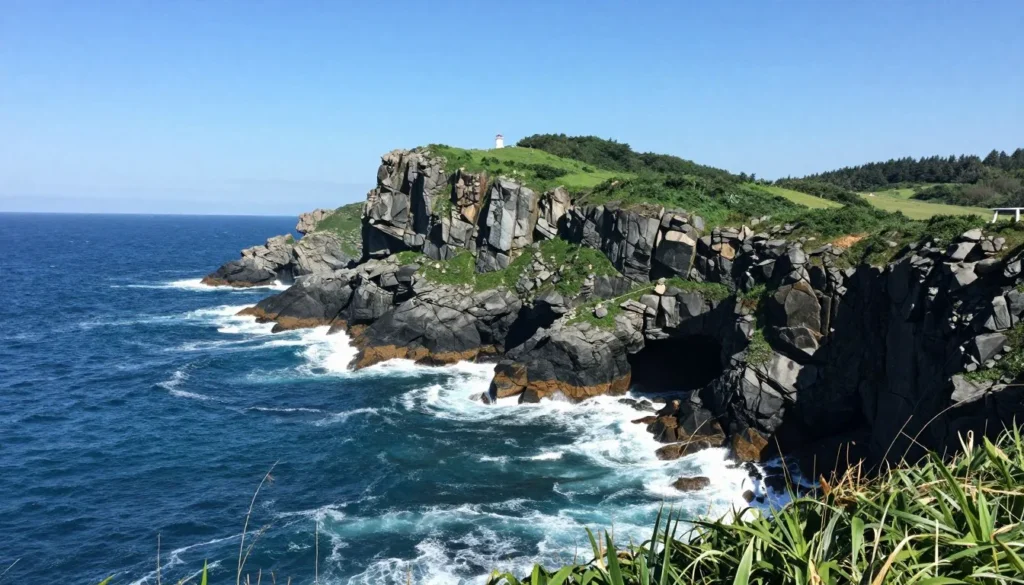
This rugged coastline jutting into the Sea of Japan offers dramatic scenery and unique cultural experiences. The peninsula is home to the Namahage tradition, where demon-masked figures visit homes on New Year’s Eve. The Namahage Museum preserves hundreds of masks and costumes while explaining this UNESCO-recognized cultural practice. Cape Nyudozaki, at the peninsula’s tip, provides panoramic ocean views from its historic lighthouse.
Akita Museum of Art
This contemporary museum showcases works by Tsuguharu Foujita, particularly his masterpiece painting depicting seasonal Akita events. The building’s modern architecture, designed by Tadao Ando, contrasts beautifully with views of Senshu Park. Regular exhibitions feature both Japanese and international artists.
Museums, Cultural Spots & Festivals
Beyond major festivals, Akita Prefecture maintains numerous cultural institutions preserving local heritage and traditions.
Akita Senshu Museum of Art
Located within Senshu Park in central Akita city, this museum occupies part of the former Kubota Castle grounds. Collections focus on regional artists and historical artifacts related to the Satake clan, who ruled Akita domain for centuries. The museum provides context for understanding the area’s samurai history and artistic traditions.
Akarenga Folklore Museum
Housed in a distinctive red-brick building from the Meiji era, this museum displays traditional crafts, folk art, and tools illustrating rural life in historical Akita. Exhibits include Namahage masks, festival costumes, and agricultural implements. The building itself represents early Western architectural influence in northern Japan.
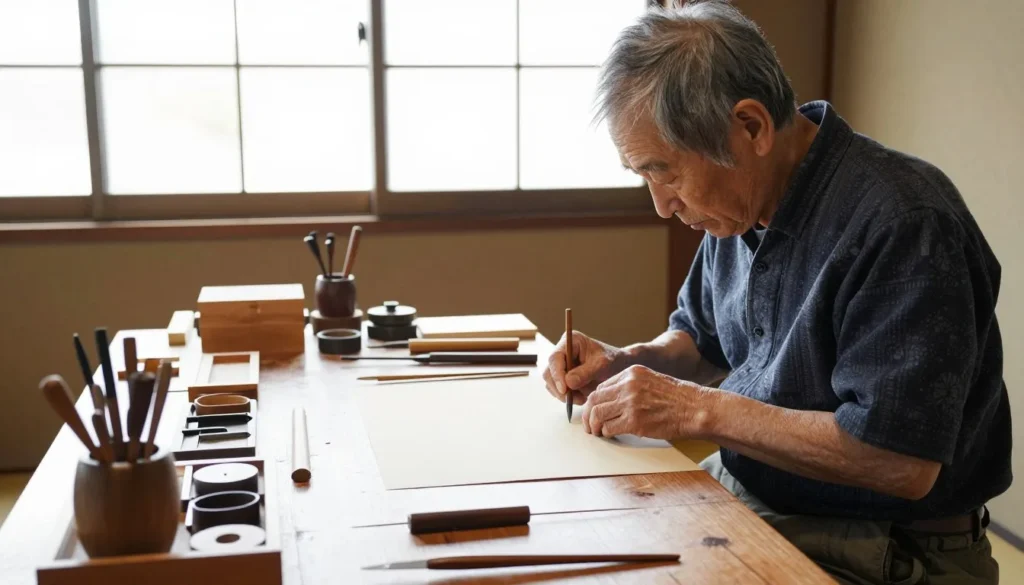
Magewappa Craft Workshops
Akita’s signature bentwood craft, magewappa, creates elegant lunch boxes and containers from thin cedar wood. Several workshops in Odate city offer demonstrations and hands-on experiences. These circular containers, bent using centuries-old techniques, showcase exceptional craftsmanship passed through generations.
Cultural Insight: Many museums and cultural sites close on Mondays and national holidays. Plan cultural visits for Tuesday through Friday to ensure access. Most locations offer English pamphlets, though guided tours typically operate in Japanese only.
Nature & Outdoor Experiences
Akita Prefecture’s diverse landscapes create exceptional opportunities for outdoor enthusiasts throughout the year.
Mount Chokai
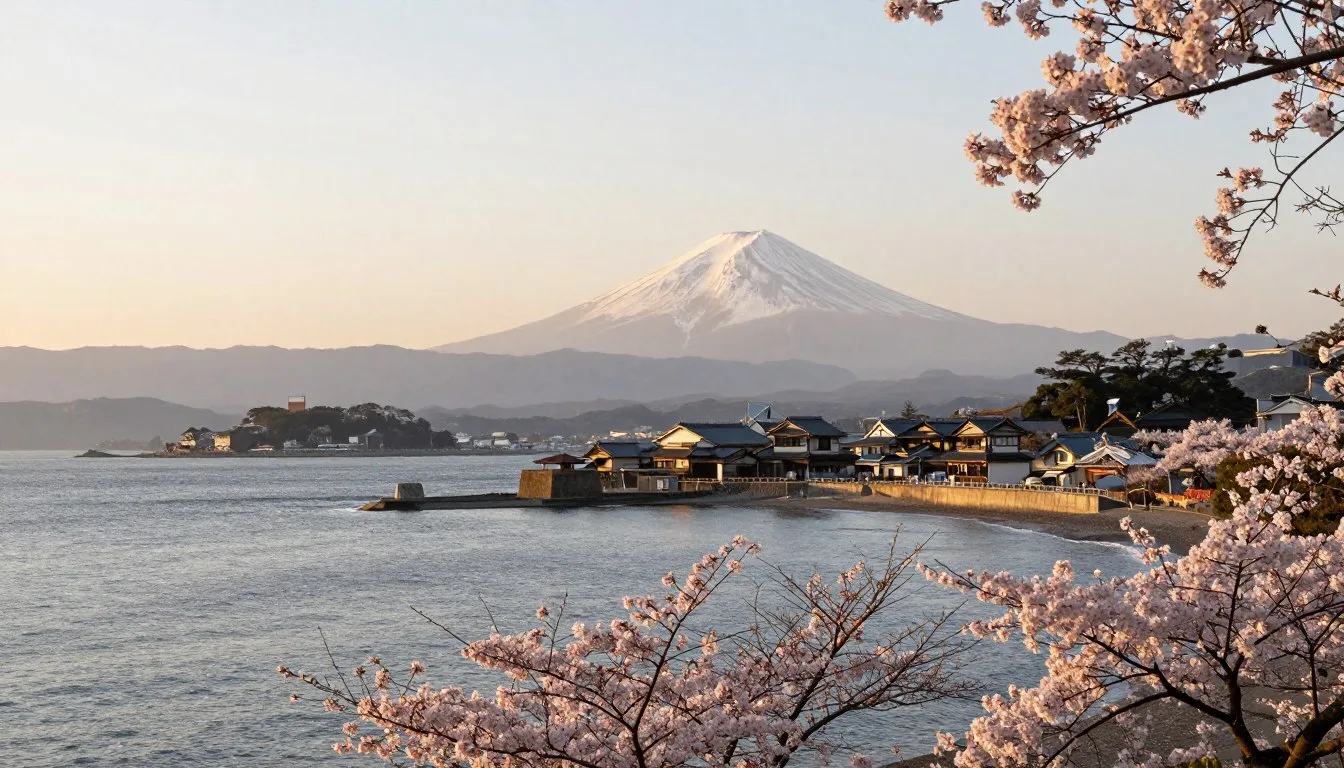
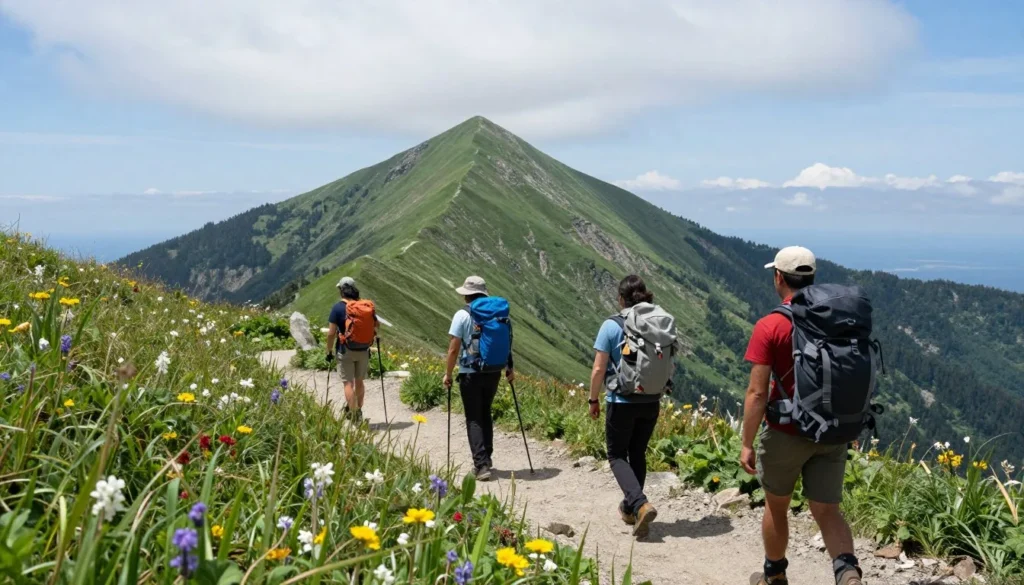
This sacred peak rises 2,236 meters (7,336 feet) on the Akita-Yamagata border, commanding views across the Sea of Japan. The mountain’s conical shape resembles Mount Fuji, earning it the nickname “Dewa Fuji.” Summer hiking trails range from moderate half-day routes to challenging summit climbs. Wildflowers blanket alpine meadows in July and August.
Nyuto Onsen Hot Spring Village
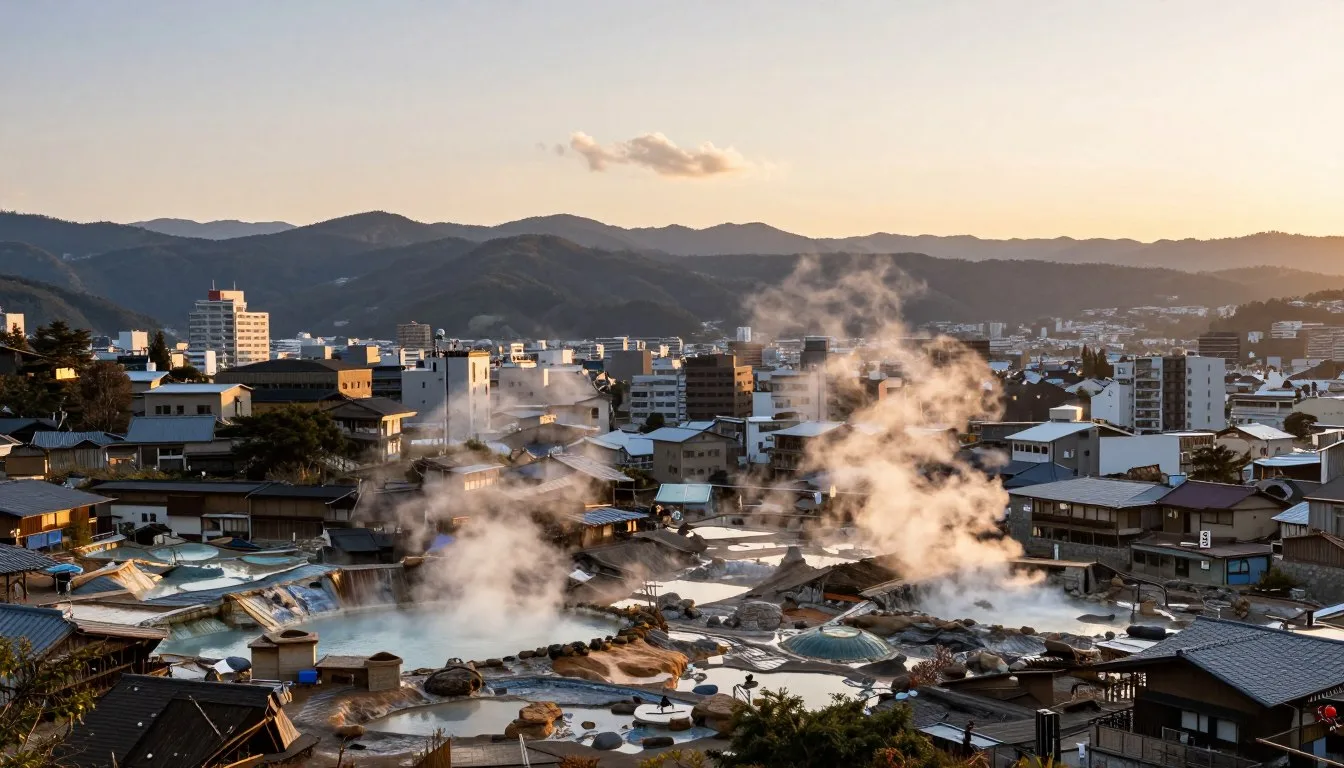
Seven traditional ryokan cluster in this mountain valley, each drawing from different natural hot springs. The waters vary in color and mineral content, from milky white to clear. Tsurunoyu’s outdoor mixed-gender bath, surrounded by snow in winter, offers an iconic Japanese experience. Day visitors can bathe at multiple ryokan by purchasing a bathing pass.
Dakigaeri Gorge
This stunning river valley near Kakunodate features walking trails alongside crystal-clear waters. The path winds through narrow gorge sections where rock walls rise dramatically on both sides. Autumn transforms the gorge into a masterpiece of crimson maples and golden birches. The 2.5-kilometer (1.6-mile) trail takes about one hour at a leisurely pace.
Lake Towada
Though shared with neighboring Aomori Prefecture, this caldera lake’s southern shore belongs to Akita. The lake fills a volcanic crater, creating depths reaching 327 meters (1,073 feet). Boat tours depart from several ports, providing perspectives on the lake’s unusual double-caldera formation. The surrounding Towada-Hachimantai National Park offers hiking trails through virgin beech forests.
Skiing and Winter Sports
Heavy snowfall creates excellent skiing conditions from December through March. Tazawako Ski Resort, near Lake Tazawa, offers varied terrain and spectacular mountain views. The resort’s long season and abundant powder snow attract winter sports enthusiasts seeking uncrowded slopes. Several smaller resorts throughout the prefecture provide family-friendly options.
Travel With Children
Akita Prefecture welcomes families with children-friendly attractions and practical amenities that make traveling with young ones manageable.
The Akita Omoriyama Zoo, located just outside Akita city, houses over 100 species in naturalistic habitats. Children particularly enjoy the petting zoo area where they can interact with rabbits and guinea pigs. The zoo’s compact size prevents exhaustion while providing several hours of entertainment.
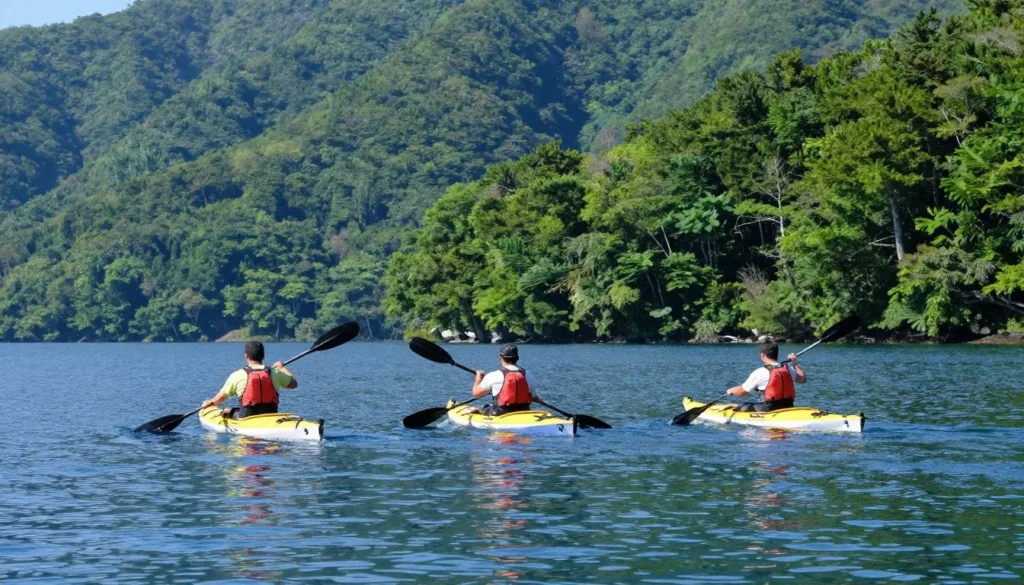
Lake Tazawa’s calm waters suit families with older children. Pedal boats and kayaks accommodate multiple passengers, allowing families to explore together. The flat cycling path around the lake works well for children comfortable on bicycles. Rental shops provide child-sized bikes and safety equipment.
Winter festivals captivate children’s imaginations, particularly the Yokote Kamakura Festival. Kids can enter snow houses, warm their hands by charcoal braziers, and receive treats from local children hosting each kamakura. The magical atmosphere creates memorable experiences for all ages.
Child-Friendly Accommodations
- Many ryokan provide family rooms with private facilities
- Business hotels offer connecting rooms for larger families
- Most lodgings supply futon bedding suitable for children
- Major hotels include coin laundries for extended stays
Practical Considerations
- Convenience stores sell diapers, baby food, and supplies
- Restaurants typically welcome children and provide high chairs
- Public facilities include clean, well-equipped restrooms
- Trains offer spacious seating and changing facilities
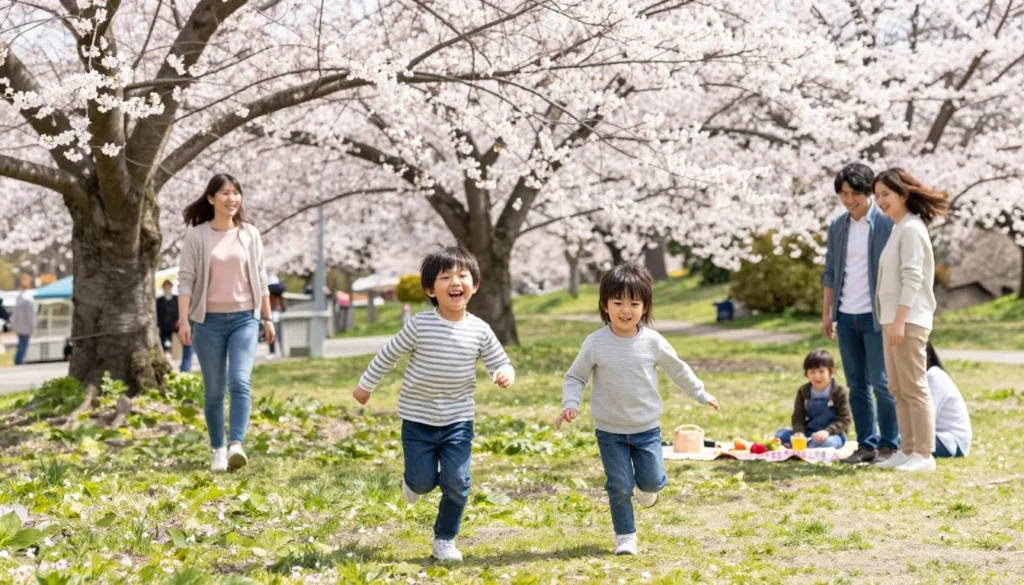
Senshu Park in Akita city provides safe playgrounds and open spaces for children to burn energy. The park’s central location makes it convenient for breaks between sightseeing activities. Cherry blossom season adds natural beauty to playtime.
Money Saving Tips
Strategic planning helps travelers experience Akita Prefecture without exceeding budgets. Transportation represents the largest expense, making rail passes valuable investments.
The JR East Tohoku Area Pass covers unlimited travel on JR trains throughout Akita Prefecture and neighboring regions for five consecutive days. The pass costs significantly less than purchasing individual shinkansen tickets. It includes not only the Akita Shinkansen but also local trains, making it ideal for exploring multiple destinations.
Budget Strategy: Visit during shoulder seasons (April-May or September-November) when accommodation prices drop 20-30% compared to peak summer and winter festival periods. Autumn offers spectacular scenery at reduced rates.
Convenience stores provide inexpensive meal options without sacrificing quality. Freshly prepared onigiri rice balls, bento boxes, and hot foods cost a fraction of restaurant prices. Many convenience stores brew decent coffee for under 150 yen.
Municipal and prefectural facilities charge minimal admission fees. Senshu Park and its museum levy small entrance charges, typically 200-300 yen. Natural attractions like Dakigaeri Gorge and Lake Tazawa’s shoreline remain completely free.
Buying onsen passes allows bathing at multiple ryokan in Nyuto Onsen for less than individual entry fees. The pass saves approximately 1,000 yen compared to paying separately at each location. This option works well for day visitors not staying overnight.
Free Attractions
- Kakunodate samurai district streets and exterior viewing
- Senshu Park grounds and castle ruins
- Lake Tazawa shoreline and Princess Tatsuko statue area
- Temple and shrine visits throughout the prefecture
Money-Saving Accommodations
- Minshuku guesthouses with meals included
- Business hotels near Akita Station
- Camping facilities at Towada-Hachimantai National Park
- Youth hostels in major towns
Safety & Local Customs
Akita Prefecture maintains Japan’s reputation for safety and order. Violent crime remains extremely rare, and visitors can explore confidently at any time of day. However, natural hazards require awareness and preparation.
Winter conditions present the primary safety consideration. Heavy snowfall creates slippery sidewalks and roads. Wear appropriate footwear with good traction. Many hotels provide temporary boot chains for walking on ice. Drive cautiously in winter or avoid renting cars during heavy snowfall periods.
Mountain hiking demands proper preparation. Weather changes rapidly at elevation, particularly on Mount Chokai. Carry layers, rain gear, and sufficient water. Register your climbing plans at trailhead stations before ascending. Cell phone coverage becomes unreliable in remote mountain areas.
Onsen Etiquette
Hot spring bathing follows specific customs. Remove all clothing before entering bathing areas. Wash thoroughly at provided stations before entering pools. Keep towels out of the water. Most onsen prohibit tattoos, though some rural locations show flexibility for foreign visitors.
Cultural Considerations
Akita residents appreciate respectful behavior. Speak quietly in public spaces, especially trains and restaurants. Many older residents speak limited English, but patience and basic Japanese phrases facilitate interactions. Cash remains preferred in rural areas, though major establishments accept credit cards.
Emergency Contacts: Dial 110 for police, 119 for fire and ambulance. Major hospitals in Akita city provide emergency services. Akita Red Cross Hospital (+81 18-829-5000) offers 24-hour emergency care with some English-speaking staff.
Respect for Nature and Property
Leave no trace when enjoying natural areas. Carry out all trash as disposal bins remain scarce in remote locations. Stay on marked trails to protect fragile ecosystems. Many temples and shrines prohibit photography inside buildings. Always ask permission before photographing local residents.
Visitor Comments About Akita
“The Kamakura Festival exceeded every expectation. Local children invited us into their snow houses, served hot amazake, and chatted despite the language barrier. Walking through Senshu Park with hundreds of illuminated kamakura created pure magic. Akita Prefecture feels like stepping into a different Japan, one where traditions thrive authentically rather than performed for tourists.”
“Lake Tazawa’s beauty stopped me in my tracks. The impossibly blue water surrounded by mountains reminded me why I love exploring lesser-known destinations. We cycled the entire perimeter, stopped at small shrines, and watched the sunset paint Mount Komagatake golden. The Nyuto Onsen village that evening provided the perfect way to relax tired muscles in milky white hot springs under stars.”
“Kakunodate during cherry blossom season was everything I hoped for and more. The samurai residences transported us back centuries, while weeping cherry trees created pink canopies overhead. Unlike crowded spots in Tokyo or Kyoto, we actually enjoyed peaceful moments beneath the blossoms. The local sake brewery tour and tasting added unexpected pleasure to the day.”
Additional Nearby Destinations
Akita Prefecture’s location in the Tohoku region positions it perfectly for extended northern Japan exploration.
Aomori Prefecture
Journey north to experience the Nebuta Festival, explore Hirosaki Castle, and visit the northern shore of Lake Towada. The journey from Akita takes approximately two hours by train. Aomori’s apple orchards and seafood markets provide distinct regional flavor.
Yamagata Prefecture
Head south to discover Yamadera temple, dramatically perched on mountainside cliffs, and the historic hot spring town of Ginzan Onsen. Yamagata lies roughly 90 minutes from Akita by train. The prefecture shares Mount Chokai with Akita, offering different perspectives on this sacred peak.
Iwate Prefecture
Travel east to explore Hiraizumi’s UNESCO World Heritage temples and Morioka’s castle town atmosphere. The Sanriku coast provides dramatic Pacific Ocean scenery contrasting with Akita’s Sea of Japan side. Journey time from Akita ranges from one to three hours depending on destination.
Niigata Prefecture
Venture southwest to Japan’s snow country, famous for rice terraces, sake brewing, and exceptional skiing. Niigata offers direct train connections from Akita, with journey times around three hours. The region’s onsen culture complements Akita’s hot spring traditions perfectly.
Combining Akita with neighboring prefectures creates comprehensive Tohoku region experiences. The JR East Tohoku Area Pass covers this entire area, making multi-prefecture itineraries economically practical. Most travelers allocate 10-14 days to explore Tohoku thoroughly while maintaining a comfortable pace.
Practical Travel Tips
Several practical considerations smooth your Akita Prefecture journey and enhance overall experiences.
Money and Banking
Japan remains largely cash-based, particularly outside major cities. Seven Bank ATMs at 7-Eleven convenience stores accept most international cards. Japan Post Bank ATMs also work with foreign cards and operate in post offices throughout the prefecture. Withdraw sufficient cash in Akita city before venturing to rural areas.
Check 30,000+ Local Sightseeing Tours Worldwide
✓ Numerous languages and currencies are available
Language Considerations
English proficiency remains limited, especially among older residents. Download Google Translate’s offline Japanese dictionary before arrival. Learning basic phrases like “arigatou gozaimasu” (thank you) and “sumimasen” (excuse me) facilitates smoother interactions. Most train stations display English signage, though smaller stops may use Japanese only.
Internet and Connectivity
Free Wi-Fi exists in major hotels, train stations, and some tourist facilities. Coverage becomes spotty in rural areas and mountains. Consider renting a pocket Wi-Fi device or purchasing a prepaid SIM card at the airport for reliable connectivity throughout your journey.
Packing Essentials
Seasonal packing varies dramatically. Winter visits require heavy coats, thermal layers, and waterproof boots. Summer trips need light, breathable clothing plus sun protection. Regardless of season, bring comfortable walking shoes as many attractions involve considerable walking. Carrying a small backpack proves useful for day trips.
Dining Reservations
Popular restaurants in Akita city accept walk-ins, though language barriers may complicate ordering. Tourist information centers can assist with restaurant reservations. Ryokan require advance dinner reservations if staying overnight. Most establishments serve dinner early, typically between 6:00 and 8:00 PM.
Essential Japanese Phrases
- Konnichiwa – Hello/Good afternoon
- Arigatou gozaimasu – Thank you very much
- Sumimasen – Excuse me/I’m sorry
- Eigo wa hanasemasu ka? – Do you speak English?
Local Information Resources
- Akita Prefecture tourist website provides downloadable maps
- Tourist information desks at Akita Station offer English assistance
- Japan National Tourism Organization provides regional guides
- Local tourism apps show real-time transport information
Shipping and Luggage
Takkyubin luggage forwarding services operate throughout Japan. Ship bags between hotels rather than carrying them on trains. This service costs approximately 2,000 yen per bag and delivers next day to most destinations. Particularly useful when changing accommodations frequently or traveling with heavy winter gear.
Your Akita Adventure Awaits
Akita Prefecture reveals a Japan many travelers never discover. Here, centuries-old festivals continue unchanged, samurai heritage lives in preserved districts, and natural hot springs flow as they have for millennia. Whether you find yourself inside a snow house during the Kamakura Festival, cycling beside impossibly blue Lake Tazawa, or soaking in milky onsen waters beneath winter stars, Akita creates moments that transcend typical tourism.
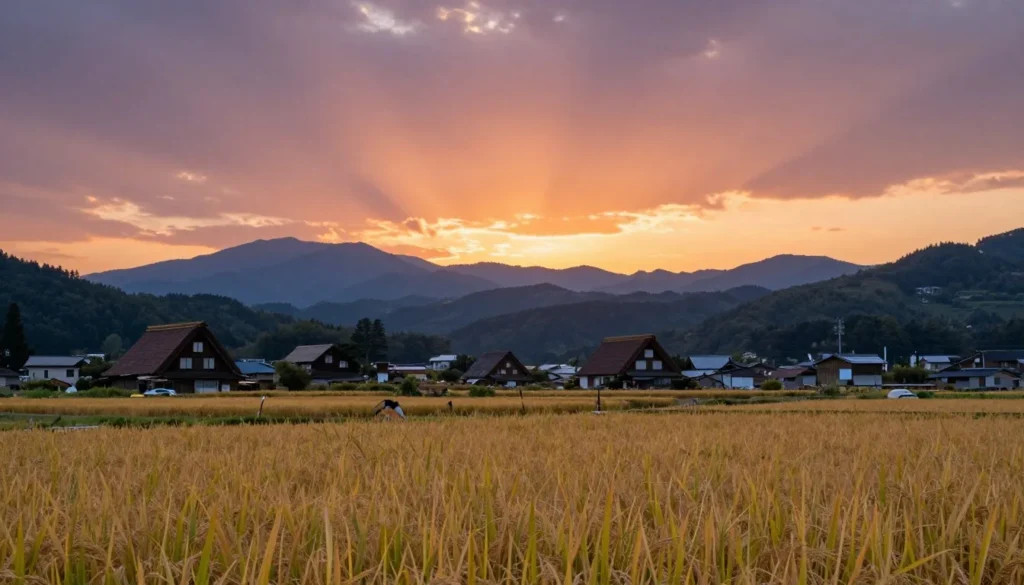
This corner of northern Japan rewards those who venture beyond well-trodden paths. The rice fields that feed the nation, the artisans preserving traditional crafts, and the locals maintaining ancient customs all contribute to experiences money cannot buy elsewhere. Your journey through Akita Prefecture will not simply be a trip—it becomes a story you will share for years, inspiring others to discover this remarkable place where authentic Japan thrives.