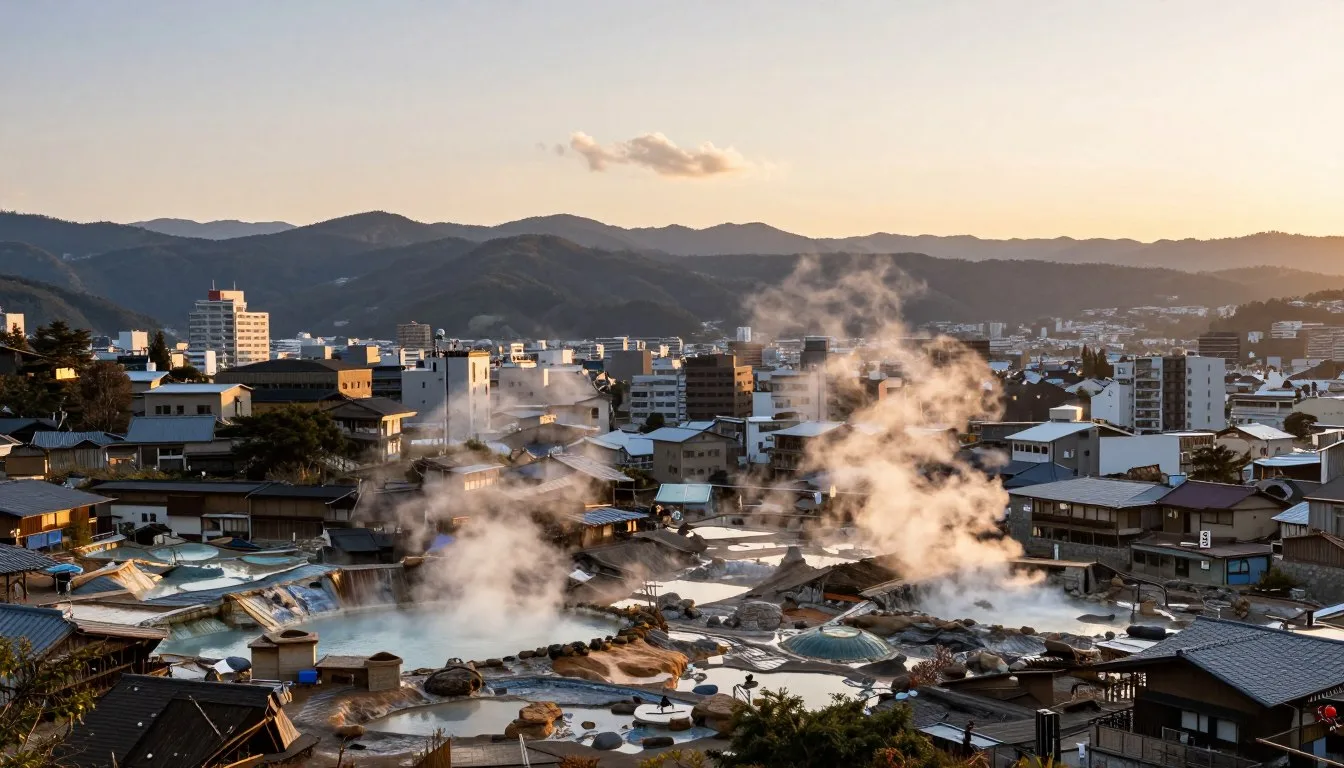
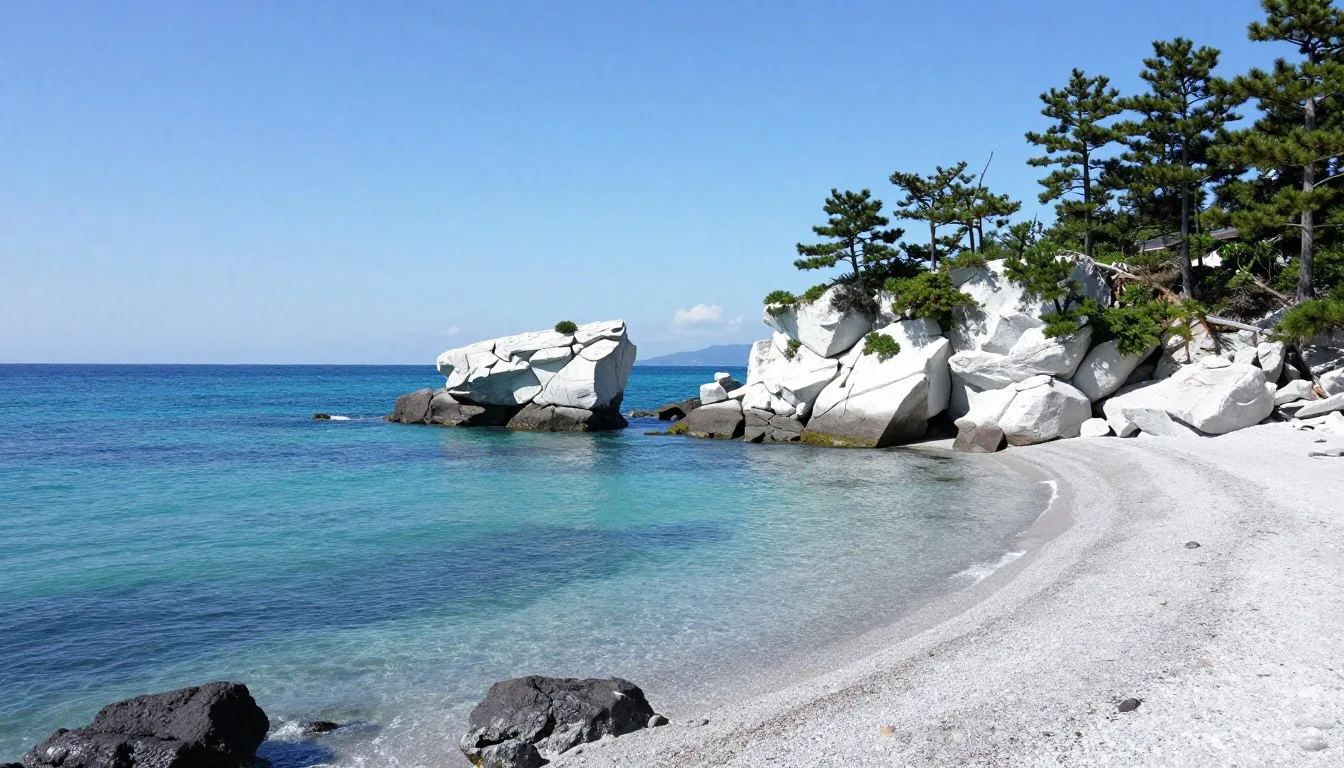
Did you know that Aomori Prefecture produces over half of Japan’s apples and transforms into a winter wonderland with spectacular ice formations that attract visitors from around the world? This northernmost prefecture of Honshu remains one of Japan’s best-kept secrets, offering authentic experiences away from crowded tourist circuits. The name “Aomori” literally translates to “blue forest,” referencing the lush woodlands that once dominated this stunning region.
Nestled at the northern tip of Japan’s main island, this area blends dramatic natural beauty with rich cultural heritage. From the iconic Nebuta festival to serene hot springs tucked into snow-covered mountains, every corner reveals something extraordinary. Winter blankets the region in heavy snow, creating unique landscapes and activities. Spring brings cherry blossoms and apple blooms, while summer offers perfect conditions for outdoor exploration.
Whether you seek adventure in the Hakkoda Mountains, fresh seafood at bustling markets, or quiet moments in centuries-old temples, this travel guide covers everything you need. The region provides exceptional value compared to Tokyo or Kyoto, with fewer crowds and more authentic interactions. Local hospitality shines throughout your trip, making visitors feel genuinely welcome in this northern Japan gem.
Getting There & Planning Your Journey
Reaching Aomori Prefecture has never been easier thanks to excellent rail connections and air access. The bullet train provides the most scenic and convenient option for most travelers arriving from Tokyo or other major cities.
By Train
The Tohoku Shinkansen connects Tokyo to Shin-Aomori Station in approximately three hours and thirty minutes. This high-speed rail service runs frequently throughout the day, offering comfortable seating and spectacular views as you travel north. The Japan Rail Pass covers this route, making it an economical choice for international visitors exploring multiple regions.
From Shin-Aomori Station, local trains provide easy access to Aomori City center in just five minutes. The train network extends throughout the prefecture, connecting major attractions and towns efficiently.
By Air
Aomori Airport serves as the main gateway for air travelers. Direct flights connect from Tokyo Haneda Airport in about one hour and twenty minutes. Additional connections operate from Osaka, Nagoya, and Sapporo during peak seasons.
The airport sits approximately 30 minutes south of Aomori City by bus. Regular shuttle services coordinate with flight arrivals, transporting guests directly to major hotels in the city area. Car rental facilities operate at the airport for those preferring independent exploration.
By Ferry
Ferry services across the Tsugaru Strait connect Aomori with Hokkaido, offering a unique arrival experience. The crossing takes roughly four hours and provides stunning views of northern Japan coastal scenery.
Aomori Tourist Information Center
Located inside Aomori Station, the tourist information center provides English-language assistance, maps, and booking help. Staff can arrange accommodation, answer questions about local attractions, and provide updated festival schedules.
Phone: +81-17-723-4670
Open daily from 8:30 AM to 7:00 PM
Best Time to Visit & Weather Tips
Aomori Prefecture experiences four distinct seasons, each offering unique advantages for visitors. Understanding seasonal patterns helps you plan activities and pack appropriately for your trip.
Best Time to Visit Aomori Prefecture
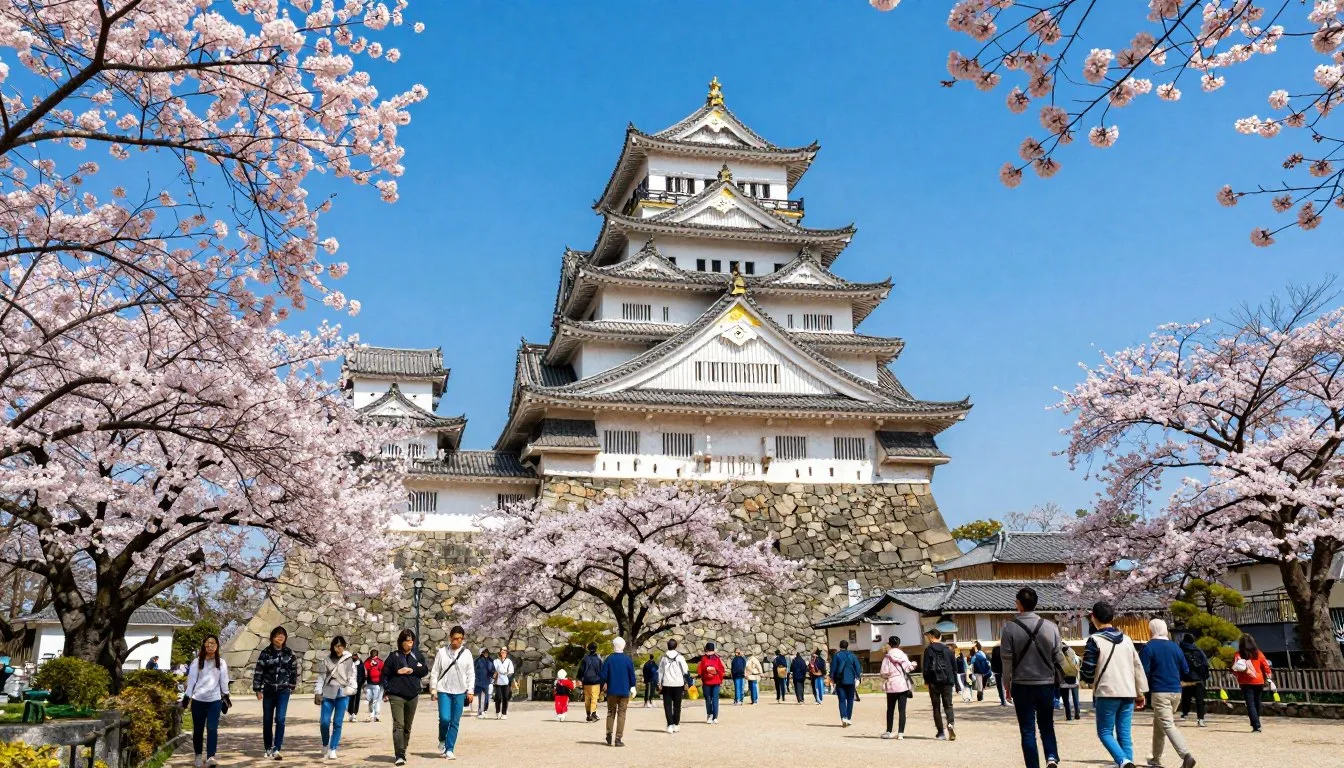
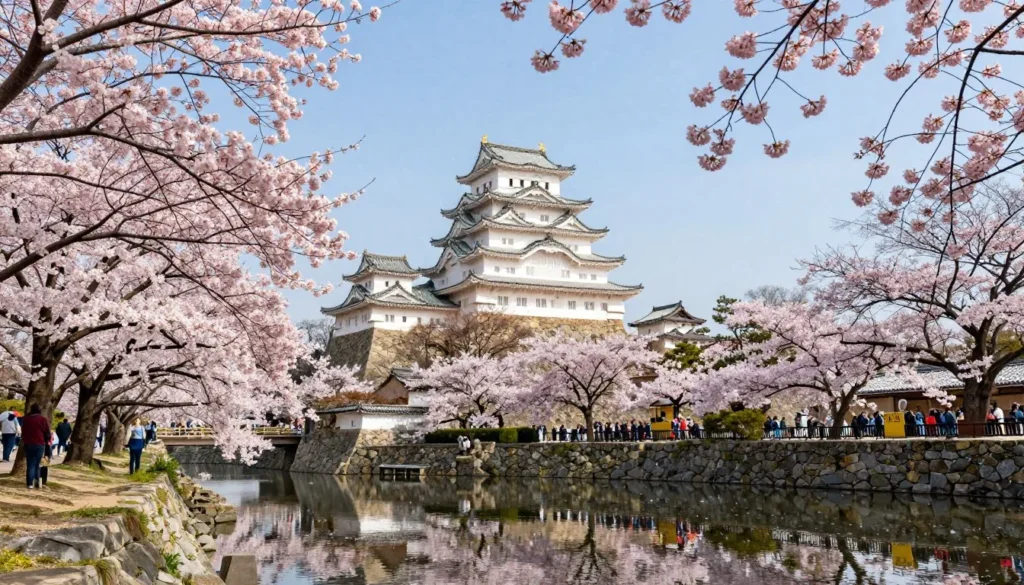
Late spring through early autumn provides the most comfortable conditions for general sightseeing and outdoor activities. April and May showcase spectacular cherry blossoms, with Hirosaki Castle hosting one of Japan’s most beautiful hanami celebrations.
Summer months from June through August bring warm temperatures ranging from 20°C to 26°C (68°F to 79°F). This season offers ideal conditions for hiking in the Hakkoda Mountains and exploring coastal areas around Aomori Bay. The famous Nebuta Festival takes place in early August, drawing enormous crowds to the city.
Autumn transforms the region into a tapestry of red and gold foliage. September and October provide crisp weather perfect for mountain excursions and apple picking experiences. Temperatures range from 15°C to 20°C (59°F to 68°F).
Winter attracts visitors seeking snow experiences and hot spring relaxation. Heavy snowfall creates the famous “snow monsters” on Mount Hakkoda from December through March. Temperatures drop to -5°C to 2°C (23°F to 36°F), requiring warm clothing and winter gear.
Months to Avoid
Late June through mid-July marks the rainy season, bringing persistent precipitation and high humidity. February delivers the heaviest snowfall, which can disrupt transportation and limit accessibility to certain attractions.
Notable Annual Festivals
The region celebrates numerous festivals throughout the year, showcasing local culture and traditions. These events provide unforgettable experiences and insights into northern Japan heritage.
- Aomori Nebuta Festival (August 2-7) – Massive illuminated floats parade through streets accompanied by traditional music and dancers. This spectacular event ranks among Japan’s most famous summer festivals. Contact: +81-17-723-7211
- Hirosaki Cherry Blossom Festival (late April to early May) – Over 2,600 cherry trees bloom around Hirosaki Castle, creating stunning pink landscapes. Evening illuminations enhance the magical atmosphere. Contact: +81-172-35-3131
- Towada Lake Winter Story (late January to mid-February) – Light installations transform the lakeside into a winter wonderland. Ice sculptures and snow activities complement the visual displays.
- Hirosaki Castle Snow Lantern Festival (early February) – Hundreds of snow lanterns illuminate the castle grounds, creating a romantic winter scene with ice sculptures and traditional performances.
Getting Around Locally
Navigating Aomori Prefecture requires planning, as public transportation differs significantly from major metropolitan areas. Multiple options suit different travel styles and budgets.
Public Transportation
Local train lines connect major towns and attractions throughout the prefecture. The JR Ou Main Line runs south from Aomori Station toward Hirosaki and beyond. Regular departures make day trips convenient, though service frequency decreases in rural areas.
Bus networks fill gaps where train service doesn’t reach. Routes connect Aomori City with Hakkoda Mountains, hot spring areas, and coastal destinations. The Konan Bus Company operates most local services, with schedules coordinated around train arrivals. Purchase tickets from drivers or at stations, with fares typically ranging from 200 to 1,500 yen depending on distance.
Aomori City operates a convenient loop bus specifically for tourists, connecting major attractions including the Nebuta Museum, Aspam Building, and waterfront area. Day passes offer unlimited rides at economical rates.
Car Rental
Renting a car provides maximum flexibility for exploring remote areas and natural attractions. Major rental agencies operate offices at Aomori Airport and near Aomori Station. International visitors need an International Driving Permit along with their home country license.
Winter driving requires experience with snow conditions. Rental cars come equipped with winter tires from November through March, but mountain roads may close during heavy snowfall. GPS navigation systems typically include English language options.
Taxis
Taxis operate throughout the city and can be hailed on streets or found at designated stands near stations. Fares start at approximately 730 yen, increasing based on distance and time. Few drivers speak English, so having your destination written in Japanese characters helps ensure smooth communication.
Cycling
Bicycle rentals provide an enjoyable way to explore Aomori City and surrounding flat areas during warmer months. Several shops near the station offer hourly and daily rentals. The waterfront area features dedicated cycling paths with beautiful bay views.
Where to Stay
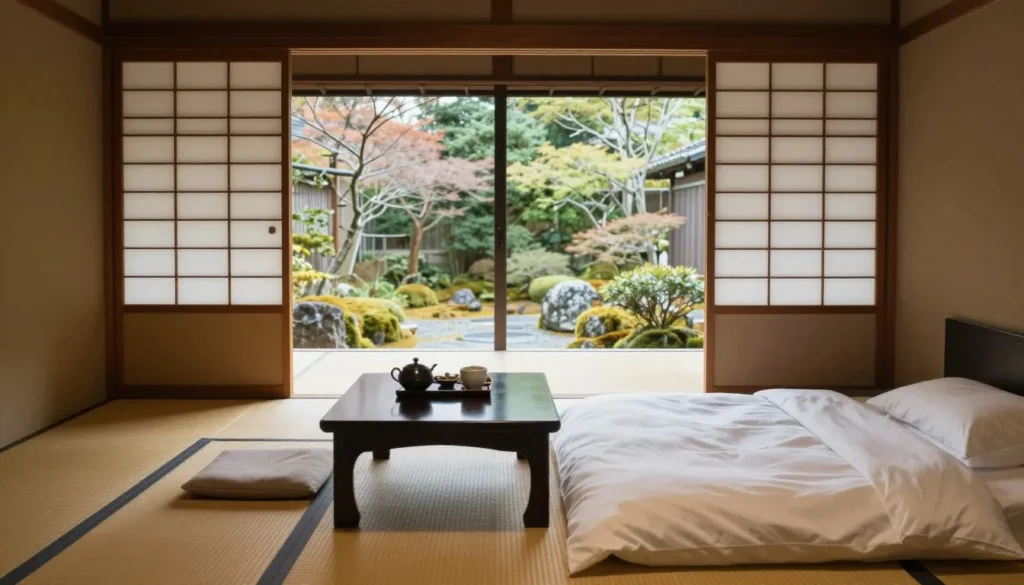
Accommodation options throughout Aomori Prefecture range from modern hotels to traditional ryokan inns. Each area offers distinct advantages depending on your interests and itinerary.
Aomori City
The capital provides the widest selection of hotels and convenient access to transportation hubs. Business hotels near Aomori Station offer clean, efficient rooms at moderate prices, typically ranging from 7,000 to 12,000 yen per night. These properties include breakfast and provide easy access to restaurants and shopping.
Upscale hotels along the waterfront deliver bay views and comprehensive facilities including restaurants, spas, and concierge services. Expect rates from 15,000 to 25,000 yen per night.
Hirosaki Area
This historic castle town features charming accommodations near cultural attractions. Traditional merchant houses converted into guesthouses offer authentic experiences with personalized service. Prices range from 8,000 to 18,000 yen per night including breakfast.
Budget travelers find hostel options and simple business hotels starting around 4,500 yen per night, providing basic comfort near the train station.
Hot Spring Resorts
Mountain onsen resorts provide quintessential Japanese relaxation experiences. Sukayu Onsen, famous for its large mixed-gender bath, offers traditional lodging with multiple meal plans. Rates typically start at 12,000 yen per person including dinner and breakfast.
These mountain retreats deliver complete immersion in nature, with outdoor baths offering views of surrounding peaks. Winter visits provide opportunities to bathe while snow falls around you, creating magical memories.
Rural Stays
Farm stays and minshuku (family-run guesthouses) scattered throughout the region offer intimate glimpses into local life. Guests often share meals with hosts, learning about regional cuisine and traditions. These economical options range from 6,000 to 10,000 yen per person with meals included.
Book accommodations well in advance during festival periods and peak seasons, as popular properties fill quickly. Many establishments outside major cities have limited English communication, though hospitality always remains warm and genuine.
Dining & Local Cuisine
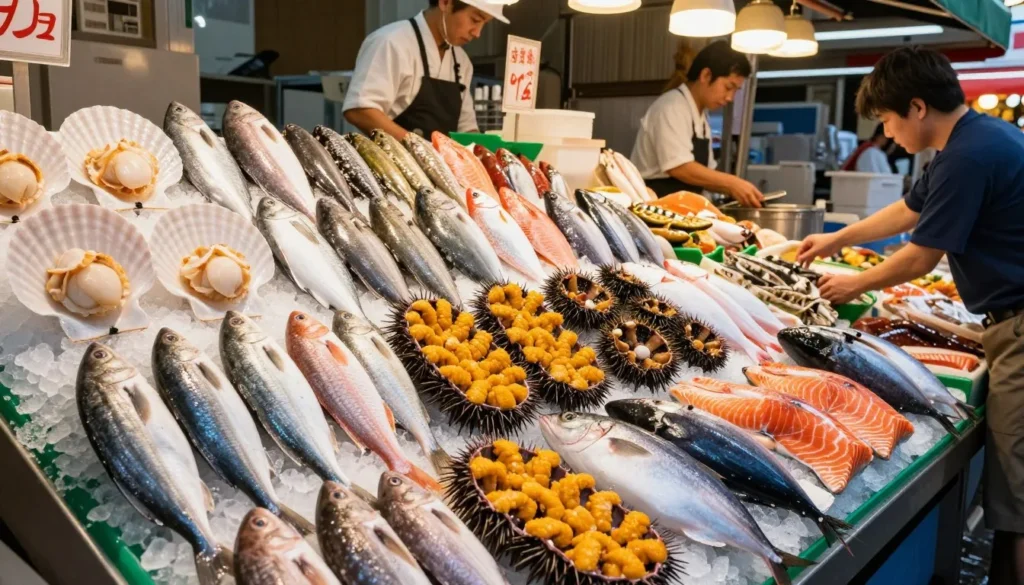
Aomori’s culinary scene revolves around exceptional seafood, locally grown apples, and unique regional specialties. The prefecture’s position between two seas provides access to incredible marine bounty year-round.
Seafood Specialties
Fresh seafood defines the local dining experience. Scallops from Mutsu Bay rank among Japan’s finest, appearing in countless preparations from simple sashimi to grilled dishes. The sweet, tender meat showcases why this area supplies premium scallops nationwide.
Sea urchin harvested from coastal waters delivers rich, creamy flavor especially prized during summer months. Local sushi restaurants serve it atop rice or in donburi bowls, allowing the natural taste to shine.
Tuna from Oma, at the prefecture’s northern tip, commands premium prices at Tokyo’s famous Tsukiji market. Sample this prized catch at local restaurants for a fraction of city prices, experiencing melt-in-your-mouth fatty tuna that defines exceptional sushi.
Regional Dishes
Nokke-don at Aomori Gyosai Center provides a unique dining experience. Purchase tickets, then visit different seafood stalls selecting toppings for your rice bowl. Fresh salmon, scallops, sea urchin, salmon roe, and more create a customized seafood feast reflecting personal preferences.
Ichigoni, a special soup combining sea urchin and abalone, represents celebratory coastal cuisine. The delicate broth highlights premium ingredients without overwhelming their natural flavors.
Barayaki features grilled beef and onions seasoned with sweet soy-based sauce. This Towada City specialty satisfies heartier appetites, especially after mountain activities.
Apple Products
As Japan’s top apple-producing region, fruit appears in numerous creative preparations beyond fresh eating. Apple pie shops throughout the area compete to create the perfect version, using local varieties that balance sweetness and tartness.
Cider made from Aomori apples offers refreshing beverages both alcoholic and non-alcoholic. Local breweries craft crisp, clean-tasting drinks showcasing the fruit’s natural character. Rice wine infused with apple provides another regional specialty worth sampling.
Where to Eat
Aomori Gyosai Center near the train station delivers the ultimate seafood market experience with your custom nokke-don creation. Arrive early for the freshest selection and smallest crowds.
A-Factory along the waterfront combines restaurant, market, and cider brewery under one roof. Sample regional products while enjoying bay views, with multiple dining options accommodating different budgets.
Small izakaya pubs throughout the city offer casual atmospheres perfect for trying various local dishes alongside sake or beer. Picture menus help navigate ordering even with language barriers.
Attractions, Sightseeing & Activities
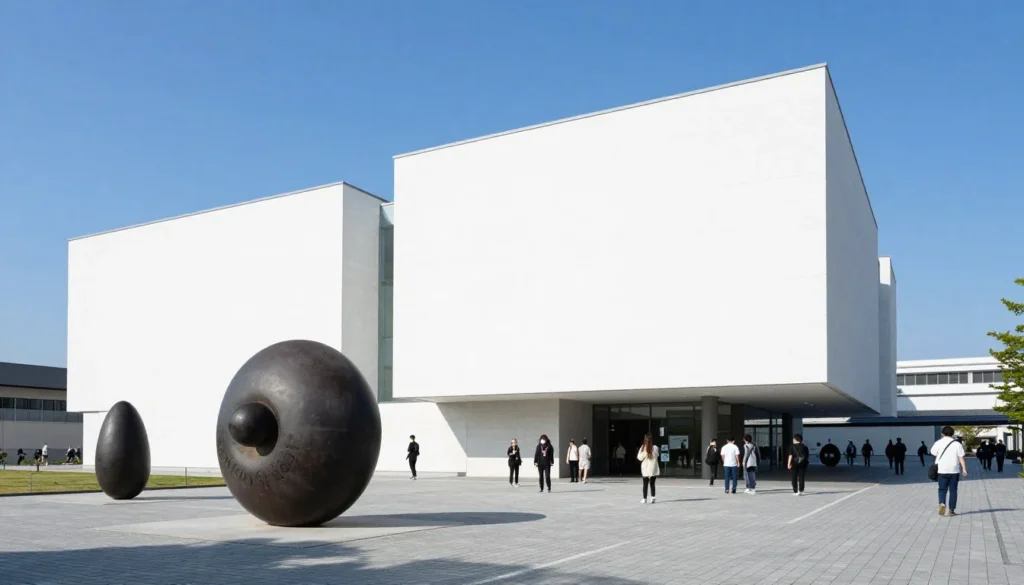
The region offers diverse attractions blending cultural heritage with natural wonders. Each experience reveals different aspects of this fascinating area.
Aomori City Highlights
The Nebuta Museum Wa Rasse brings festival excitement to life year-round. Full-sized illuminated floats from previous celebrations fill the exhibition space, allowing visitors to appreciate intricate craftsmanship up close. Interactive displays explain festival history and construction techniques. The museum sits minutes from Aomori Station, making it easily accessible.
Aspam Building’s distinctive triangular shape dominates the waterfront skyline. The observation deck on the thirteenth floor provides panoramic views across Aomori Bay and surrounding mountains. The ground floor features shops selling regional products and fresh apples directly from local farms.
Sannai-Maruyama Site preserves Jomon period archaeological remains dating back 5,500 years. Reconstructed pit dwellings and observation towers illustrate prehistoric life in northern Japan. The free museum displays artifacts excavated from this significant historical location.
Hirosaki Castle and Park
This beautifully preserved castle stands as one of twelve original Japanese castles surviving from feudal times. The main keep houses exhibits about regional history and samurai culture. Surrounding grounds transform seasonally, from spring cherry blossoms to autumn foliage to winter snow lanterns.
The castle park covers 49 hectares (121 acres) with traditional gardens, moats, and over 2,600 cherry trees. Hirosaki Castle remains a top destination for visitors seeking authentic historical atmosphere combined with natural beauty.
Towada-Hachimantai National Park
Lake Towada, a volcanic caldera lake, sparkles with incredibly clear blue water. The scenic shoreline offers walking trails, boat rides, and stunning viewpoints. Autumn colors reflecting on the lake surface create particularly photogenic moments.
Oirase Gorge stretches 14 kilometers downstream from the lake, featuring rushing streams, waterfalls, and moss-covered rocks. The walking path follows the river through pristine forest, with numerous photo opportunities at each cascade. This area showcases northern Japan natural beauty at its finest.
Shimokita Peninsula
Mount Osore, considered one of Buddhism’s holiest sites, presents a stark volcanic landscape. Bubbling hot springs and sulfurous air create otherworldly atmosphere. The remote location at the peninsula’s northern tip requires extra travel time but rewards adventurous visitors with unforgettable experiences.
Museums, Cultural Spots & Festivals
Cultural institutions throughout Aomori Prefecture preserve and celebrate regional heritage through diverse collections and programs.
Aomori Museum of Art
This striking modern facility showcases contemporary and traditional art with strong connections to the region. The signature piece, Marc Chagall’s massive Aleko ballet backdrop, occupies a dedicated gallery. Japanese artists including Shiko Munakata receive prominent displays highlighting their contributions to modern art movements.
The museum architecture itself deserves appreciation, with geometric white forms emerging from excavated ground. Outdoor sculptures dot the surrounding grounds, creating dialogue between art and landscape. Admission costs 510 yen for adults.
Tsugaru-jamisen
This distinctive three-stringed instrument originated in the Tsugaru region of western Aomori. The percussive playing style creates energetic music recognized throughout Japan. Several venues offer live performances, allowing guests to experience this powerful traditional art form.
Workshops provide opportunities to try playing under expert instruction. Even beginners can produce basic sounds, appreciating the skill required for mastery.
Neputa Museum (Hirosaki)
While similar to Aomori’s Nebuta, Hirosaki’s Neputa Festival features fan-shaped floats rather than three-dimensional figures. The museum displays these artistic creations along with historical information about local festival traditions. Visitors can observe float construction during certain periods.
Traditional Crafts
Tsugaru lacquerware, kogin-zashi embroidery, and Nanbu senbei rice crackers represent important regional crafts. Workshops throughout the area offer hands-on experiences creating these traditional products. Taking home something you made yourself provides a meaningful souvenir.
The Hirosaki area particularly concentrates craft shops and studios where artisans demonstrate their techniques. Watching skilled craftspeople work reveals the patience and precision required for these time-honored traditions.
Nature & Outdoor Experiences
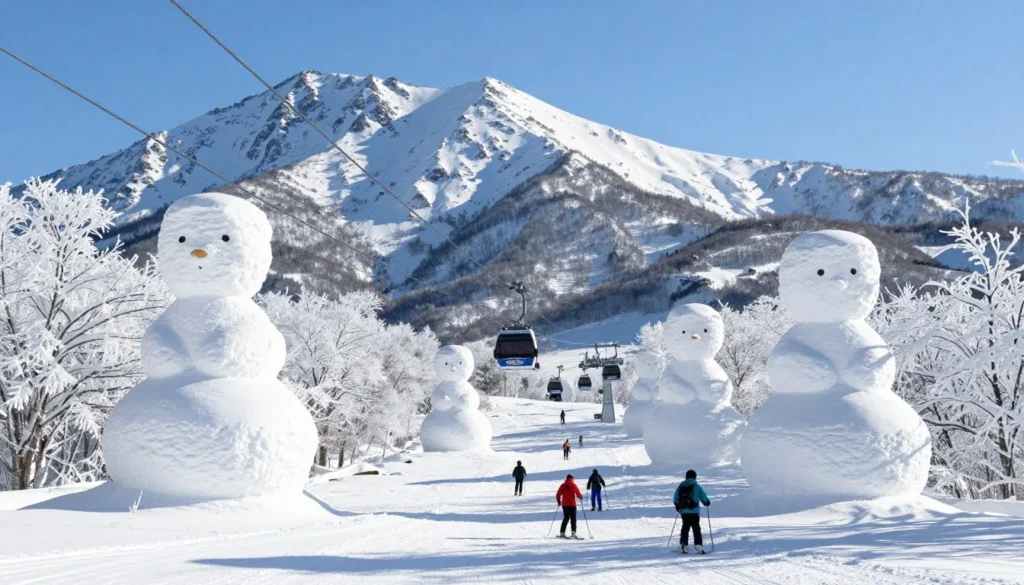
The prefecture’s diverse landscapes provide endless opportunities for outdoor adventures throughout every season. Mountains, coastlines, and forests await exploration.
Hakkoda Mountains
This volcanic mountain range dominates the region’s interior, offering spectacular scenery and outdoor activities year-round. The Hakkoda Ropeway transports visitors to upper slopes in ten minutes, climbing 650 meters for expansive views across northern Japan.
Winter transforms the mountains into a snow sports paradise. The famous “snow monsters” form when heavy snowfall and freezing winds coat trees in thick ice formations, creating surreal sculptures. Backcountry skiing and snowboarding attract powder enthusiasts, though proper equipment and local knowledge remain essential for safety.
Summer hiking trails wind through alpine meadows filled with wildflowers. Multiple routes accommodate different fitness levels, from gentle nature walks to challenging summit climbs. The highest peak, Mount Odake, reaches 1,585 meters (5,200 feet).
Hot Springs
Natural hot springs bubble throughout the mountain areas, providing relaxation after active days. Sukayu Onsen features the famous Sennin-buro, a massive 1,000-person mixed-gender bath filled with milky mineral water. The healing properties of these waters have attracted visitors for centuries.
Numerous smaller onsen dot the region, each with unique mineral compositions and settings. Forest baths, riverside locations, and mountain-view facilities offer choices matching different preferences. Day-use bathing typically costs 500-800 yen at public facilities.
Coastal Exploration
The Tsugaru Strait coastline features dramatic cliffs, fishing villages, and beaches perfect for summer relaxation. Tappi Cape at the peninsula’s northern tip provides views across to Hokkaido on clear days.
Boat tours operate during warmer months, offering different perspectives on coastal formations and opportunities for wildlife viewing. Seabirds nest along cliff faces, while seals occasionally appear near shore.
Apple Orchards
Visiting working orchards provides insight into the region’s agricultural heritage. Many farms welcome guests for picking experiences from late August through November. The experience of selecting your own apples directly from trees, surrounded by rows of fruit-laden branches, creates lasting memories.
Some orchards operate cafes serving fresh-pressed cider, apple pie, and other treats made from their harvest. Spring visits coincide with beautiful apple blossoms covering the countryside.
Travel With Children

Aomori Prefecture welcomes families with children, offering attractions and activities suitable for various ages. The relaxed pace compared to major cities reduces stress while traveling with young ones.
Kid-Friendly Attractions
The Nebuta Museum captivates children with colorful giant floats and interactive displays. Young visitors can try traditional instruments and learn festival dance steps. The hands-on approach keeps attention better than passive observation.
Aomori Prefectural Museum features natural history exhibits including local wildlife and geological displays. Dinosaur fossils and interactive science areas appeal particularly to elementary-aged children.
Animal encounters at small farms throughout rural areas allow children to feed animals and learn about agriculture. These experiences provide educational value alongside entertainment.
Outdoor Activities
Beaches along Aomori Bay offer safe swimming areas during summer months. Gentle waves and shallow waters suit younger children, while older kids enjoy water sports opportunities. Several beaches maintain lifeguard services during peak season.
Easy hiking trails around Lake Towada accommodate families, with short loops perfect for little legs. The flat Oirase Gorge path allows stroller access along portions, though uneven surfaces in some sections require carrier backpacks for infants.
Snow play areas near major ski resorts provide sledding and snowman-building opportunities without requiring skiing skills. Equipment rentals and gentle slopes create safe environments for first snow experiences.
Practical Considerations
Most restaurants welcome children and often provide kids’ menus or smaller portions upon request. High chairs appear less common outside major cities, though staff accommodate families whenever possible.
Changing facilities exist in shopping malls, major stations, and tourist attractions. Nursing rooms provide privacy for mothers, though Japanese culture generally accepts discreet breastfeeding in public spaces.
Public transportation offers reduced fares for children, with infants traveling free on laps. Reserved seats on trains ensure comfortable family travel, especially important for longer journeys.
Money Saving Tips
Traveling in Aomori Prefecture costs significantly less than major tourist destinations while delivering equally memorable experiences. Strategic planning stretches budgets further.
Transportation Savings
The Japan Rail Pass provides excellent value if your trip includes multiple cities. Calculate costs of individual tickets versus pass prices to determine savings. For Aomori-focused visits, regional passes covering northern Tohoku offer better value than nationwide options.
Rental cars split among groups reduce per-person transportation costs while increasing flexibility. Gas prices run lower than Tokyo area, and parking remains affordable or free at most attractions.
Local buses cost less than taxis and reach most destinations, though requiring more time and planning. Day passes for unlimited bus travel deliver savings when visiting multiple spots.
Accommodation Deals
Business hotels near stations provide clean, efficient rooms at reasonable rates. Booking directly sometimes yields better prices than third-party sites, especially for multiple nights.
Guesthouses and hostels offer budget options with opportunities to meet fellow travelers. Some properties include communal kitchens, allowing meal preparation to reduce dining expenses.
Visiting during shoulder seasons (April-May, September-October) brings lower accommodation rates while maintaining pleasant weather. Avoiding peak festival periods significantly reduces costs.
Dining Strategies
Lunch sets at restaurants cost substantially less than dinner while offering similar quality and portions. Taking advantage of these midday deals stretches food budgets considerably.
Convenience stores provide surprisingly good prepared meals, rice balls, and snacks at fraction of restaurant prices. These quick options work well for picnic lunches during outdoor excursions.
Local markets sell fresh fruit, including apples, at prices far below tourist shops. Purchasing directly from farmers at roadside stands delivers the best value and freshest products.
Free and Low-Cost Activities
Many temples, shrines, and parks charge no admission fees. Historical sites and natural areas provide hours of exploration without impacting budgets.
Public observation decks offer free panoramic views. The Aspam Building and several government buildings maintain accessible viewing areas at no cost.
Beach access remains free throughout the coast. Bring your own gear for swimming, and enjoy full days of ocean recreation without expenses beyond transportation.
Safety & Local Customs
Aomori Prefecture maintains the safety standards typical throughout Japan, with extremely low crime rates and helpful residents. Understanding local customs enhances interactions and shows respect for regional culture.
General Safety
The area ranks among Japan’s safest regions for travelers. Violent crime occurs rarely, and theft remains uncommon. Still, practice normal precautions with valuables and important documents.
Natural hazards deserve more attention than crime concerns. Winter snow and ice create slippery conditions requiring appropriate footwear. Mountain weather changes rapidly, necessitating proper preparation including maps, extra clothing, and emergency supplies.
Tsunami warning systems operate along coastal areas. Familiarize yourself with evacuation routes posted at beaches and harbors. Follow instructions from officials if sirens sound.
Winter Safety
Heavy snowfall creates unique challenges from December through March. Icicles falling from buildings pose dangers during warm spells. Walk away from building edges and look upward regularly in snowy areas.
Driving in snow requires experience and caution. If unfamiliar with winter conditions, consider public transportation or organized tours rather than renting cars during peak snow periods.
Dress in layers for warmth, and protect extremities from cold. Temperatures drop significantly in mountain areas and during evening hours.
Cultural Customs
Remove shoes when entering homes, traditional inns, temples, and some restaurants. Slippers provided at entrances indicate this expectation. Never wear outdoor shoes on tatami mat floors.
Bowing remains the standard greeting. Slight head nods work for casual situations, while deeper bows show more respect. Follow the lead of Japanese people you meet.
Speaking quietly in public spaces demonstrates good manners. Phone conversations on trains and buses disturb others; switch devices to silent mode.
Tipping isn’t practiced and may cause confusion. Excellent service is expected standard, not requiring additional payment. Instead, express gratitude verbally.
Hot Spring Etiquette
Wash thoroughly before entering communal baths. Shower facilities surround the tubs for this purpose. Never bring soap or towels into the bath itself.
Tattoos may restrict access to some facilities, though attitudes gradually relax. Smaller establishments and private baths provide alternatives if needed.
Understanding and following these guidelines ensures comfortable, respectful interactions throughout your trip. Locals appreciate visitors making efforts to embrace regional customs.
Emergency Contacts
Police: 110 (emergency), Aomori Police: +81-17-723-0110
Ambulance/Fire: 119
Japan Helpline (24-hour English support): +81-570-000-911
Visitor Comments About Aomori Prefecture
“The Nebuta Festival exceeded every expectation. Those massive glowing floats parading through streets created pure magic. We stayed extra days just exploring the quieter towns nearby, and honestly, that became our favorite part. Fresh scallops at the morning market, mountain onsen with nobody around, apple orchards as far as you could see. This region deserves way more attention than it gets.”
“Taking the bullet train up from Tokyo felt like entering a different Japan entirely. Everything moved slower, people were incredibly welcoming, and prices made us wonder why we spent so much time in the big cities. The Hakkoda ropeway ride showed us those incredible snow-covered trees everyone calls snow monsters. Worth the trip alone. Our kids still talk about picking apples and feeding them to horses at the farm we visited.”
“I went specifically for the seafood, and wow, did it deliver. The nokke-don experience at the fish market let us create custom bowls with the freshest tuna, uni, and scallops imaginable. Cost a fraction of Tokyo prices. Hirosaki Castle during cherry blossom season looked like something from a painting. The whole trip felt authentic in ways tourist-heavy destinations never do. Already planning to return in winter.”
Additional Nearby Destinations
Aomori’s location makes it an ideal base for exploring broader northern Japan. Several worthwhile destinations sit within easy reach.
Akita Prefecture
Directly south of Aomori, Akita offers additional cultural experiences and natural beauty. The prefectural capital features well-preserved samurai districts and excellent sake breweries. Lake Tazawa, Japan’s deepest lake, provides stunning scenery and outdoor recreation. Travel time from Aomori City runs approximately ninety minutes by train.
Hokkaido
Japan’s northern island connects to Aomori via the Seikan Tunnel, the world’s longest undersea railway tunnel. Hakodate, Hokkaido’s southern gateway, delivers its own distinctive character with Western architectural influences, exceptional seafood, and Mount Hakodate’s famous night views. The Hokkaido Shinkansen reaches Hakodate in under one hour from Shin-Aomori Station.
Iwate Prefecture
South of Aomori, Iwate contains numerous historical and natural attractions. Hiraizumi preserves Pure Land Buddhist temples and gardens designated UNESCO World Heritage sites. The dramatic Sanriku Coast recovered beautifully from 2011 tsunami damage, now welcoming visitors to fishing villages and scenic viewpoints. Access from Aomori takes roughly two hours by train.
Combining Destinations
Many visitors create northern Japan itineraries incorporating multiple prefectures. The excellent rail network facilitates multi-destination trips, with the Japan Rail Pass covering most routes. Consider spending three to four days in Aomori before continuing north to Hokkaido or south through Tohoku region.
This approach provides diverse experiences while maintaining reasonable travel times between locations. Each area offers distinct character, cuisine, and attractions that together paint a comprehensive picture of northern Japan’s appeal.
Practical Travel Tips
These final considerations help ensure smooth, enjoyable visits to Aomori Prefecture.
Language and Communication
English speakers work at major hotels and tourist information centers, but outside these locations, English fluency drops significantly. Download translation apps before arrival, and consider carrying a pocket phrase book.
Hotel staff can write destination names in Japanese characters for showing taxi drivers or asking directions. This simple step prevents communication frustration.
Many restaurants display plastic food models in windows. Pointing at desired items works when verbal communication fails. Picture menus at tourist-friendly establishments also ease ordering.
Money Matters
Cash remains king in Aomori, with many smaller establishments and rural locations not accepting credit cards. ATMs at post offices accept international cards reliably, while some convenience store ATMs also work.
Exchange currency before leaving major cities, as exchange services in Aomori are limited. Banks typically offer better rates than airport kiosks.
Internet and Connectivity
Purchase a portable WiFi device or SIM card at airports upon arrival. These provide reliable internet access throughout your trip for navigation, translation, and staying connected.
Free WiFi exists at major hotels, stations, and some restaurants, but coverage remains less comprehensive than Tokyo or Osaka. Don’t depend on finding public WiFi consistently.
Packing Essentials
Bring universal power adapters, as Japan uses 100-volt outlets with Type A plugs. Electronic devices from most countries function with appropriate adapters.
Comfortable walking shoes prove essential, as exploring involves significant time on foot. Weather-appropriate clothing for your visit season prevents discomfort.
Small packets of tissues serve multiple purposes in a country where public restroom paper sometimes runs out. Hand sanitizer also comes in handy.
Reservations and Timing
Book accommodations months ahead for festival periods, especially early August during Nebuta Festival. Popular properties fill quickly, leaving limited options for last-minute travelers.
Restaurant reservations aren’t typically necessary except at high-end establishments. Arrive slightly before standard meal times to avoid waits at popular spots.
Attractions generally require no advance tickets, though checking operating hours prevents wasted trips. Some facilities close on specific weekdays, typically Mondays.
Your Northern Japan Adventure Awaits

Aomori Prefecture stands ready to reveal its treasures to travelers seeking authentic Japanese experiences beyond typical tourist circuits. From the thunderous energy of Nebuta Festival to quiet moments soaking in mountain hot springs, every day here brings discovery and delight. The combination of spectacular nature, rich cultural heritage, exceptional food, and genuine hospitality creates travel memories that last lifetimes.
Whether you’re watching snow monsters form on winter peaks, savoring the sweetest scallops you’ll ever taste, or standing beneath illuminated cherry blossoms at Hirosaki Castle, this region captures something essential about Japan. The pace allows real connection with places and people, while prices make extended stays feasible. Your adventure through northern Japan promises experiences that tourist-crowded destinations simply cannot match. Start planning your visit to discover why those who venture to Aomori invariably wish they’d allocated more time to explore this remarkable prefecture.