Hotels by Trip.com
Flights by Trip.com
Did you know that Fukuoka Prefecture welcomes over 20 million visitors annually, making it one of Japan’s fastest-growing travel destinations? Yet despite this popularity, many travelers rush through on their way to other Japanese cities, missing the incredible depth this region offers. The prefecture takes its name from the merging of two historic castle towns – Fukuoka and Hakata – which unified in 1889 to create the vibrant hub we know today.
Nestled on Japan’s southern island of Kyushu, Fukuoka Prefecture blends ancient history with cutting-edge modernity in ways that surprise even seasoned travelers. From sacred shrines dating back over a thousand years to steaming bowls of world-famous Tonkotsu ramen, this destination offers authentic Japanese experiences without the overwhelming crowds found in Tokyo or Kyoto.
This comprehensive Fukuoka Prefecture Japan travel guide walks you through everything you need to plan an unforgettable trip. Whether you’re drawn to centuries-old temples, natural hot springs, or the electric energy of a modern Japanese city, Fukuoka delivers experiences that stay with you long after you return home.
Getting There and Planning Your Journey
Getting to Fukuoka Prefecture is straightforward thanks to excellent air connections and Japan’s legendary rail network. The region serves as Kyushu’s primary transportation hub, making it an ideal starting point for exploring southern Japan.
Major Airports Serving Fukuoka
Fukuoka Airport stands as the closest and most convenient option for international travelers. Located just 5 km (3 miles) from the city heart, it ranks among Asia’s most accessible urban airports. The subway connects the airport to Hakata Station in merely 5 minutes, a convenience that surprises many visitors.
International flights arrive from Seoul, Shanghai, Hong Kong, Bangkok, and several other Asian cities. For travelers coming from the United States, you’ll typically connect through Tokyo Narita, Tokyo Haneda, or Seoul Incheon before reaching Fukuoka. The domestic terminal handles frequent flights from all major Japanese cities, with hourly connections to Tokyo taking approximately 2 hours.
Kitakyushu Airport offers an alternative gateway about 70 km (43 miles) northeast of Fukuoka city. This smaller airport primarily serves domestic routes but provides a quieter entry point with direct bus connections to central Fukuoka taking roughly 90 minutes.
Arriving by Train
Japan’s famous Shinkansen bullet train system connects Fukuoka seamlessly to the rest of the country. The Sanyo Shinkansen line terminates at Hakata Station, bringing travelers from Tokyo in about 5 hours, Osaka in 2.5 hours, and Hiroshima in just over an hour. These high-speed trains depart frequently throughout the day, offering spectacular views of the Japanese countryside along the way.
If you’re traveling extensively within Japan, consider purchasing a JR Pass before leaving your home country. This pass provides unlimited travel on most JR train lines, including the Shinkansen, making it an excellent value for tourists visiting multiple cities. A seven-day pass costs approximately 29,650 yen for ordinary class, easily paying for itself with just one Tokyo-Fukuoka round trip.
Planning Your Travel Timeline
Most travelers find that 3 to 5 days in Fukuoka Prefecture provides enough time to experience the major attractions without feeling rushed. This allows a couple of days exploring Fukuoka city itself, plus time for day trips to places like Dazaifu or the canal town of Yanagawa.
If your trip includes other Kyushu destinations such as Nagasaki, Beppu, or Kumamoto, consider spending 2 to 3 days in Fukuoka Prefecture as part of a longer regional journey. The prefecture’s central location makes it an ideal base for exploring the wider area.
Best Time to Visit and Weather Tips
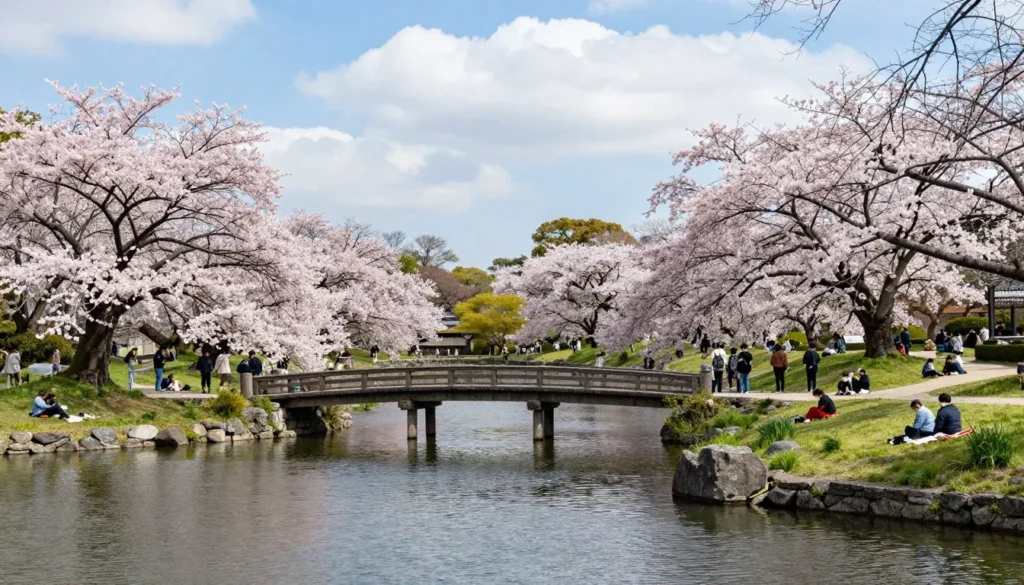
Fukuoka Prefecture experiences four distinct seasons, each offering unique advantages for travelers. Understanding the weather patterns helps you pack appropriately and time your visit to match your travel preferences.
Best Time to Visit Fukuoka Prefecture
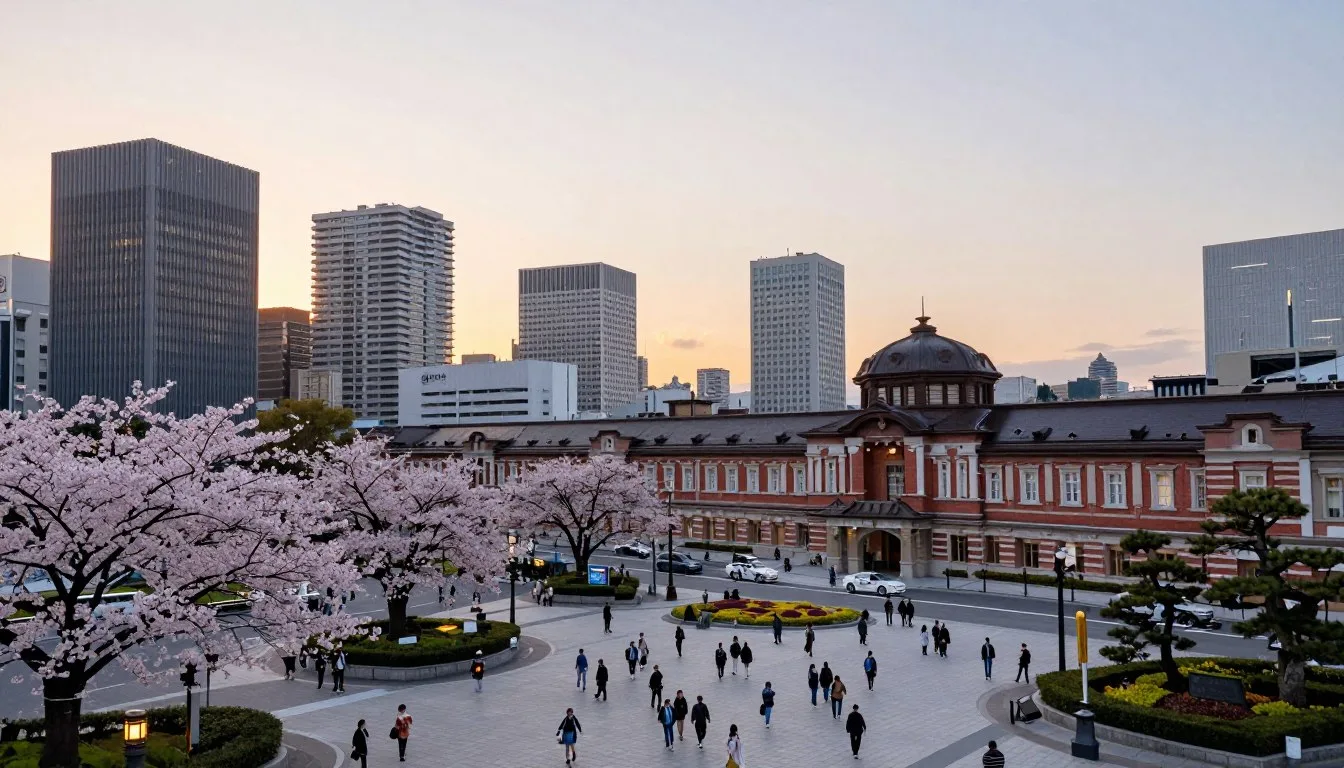
Spring (March through May) ranks as the most popular season for good reason. Cherry blossoms typically bloom from late March into early April, transforming parks and temple grounds into breathtaking pink wonderlands. Temperatures during this time range from 10°C to 20°C (50°F to 68°F), perfect for walking tours and outdoor exploration. Book accommodations several months in advance if you’re planning to visit during cherry blossom season, as hotels fill quickly.
✓ Check 30,000+ Local Sightseeing Tours Worldwide
Autumn (September through November) offers equally compelling reasons to visit. Comfortable temperatures between 15°C and 25°C (59°F to 77°F) make sightseeing pleasant, while fall foliage paints the mountains in brilliant reds and golds. The autumn weather tends to be more stable than spring, with fewer rainy days interrupting your travel plans.
Winter (December through February) brings mild conditions compared to northern Japan. Temperatures rarely drop below 5°C (41°F), though the occasional cold snap can occur. This season offers the smallest crowds and best hotel rates, making it ideal for budget-conscious travelers who don’t mind cooler weather. Clear winter days provide excellent visibility for photography and sightseeing.
Seasons to Approach with Caution
Summer (June through August) challenges visitors with heat and humidity. Temperatures climb to 30°C (86°F) or higher, with humidity levels that make outdoor activities uncomfortable during midday hours. June brings tsuyu, the rainy season, which lasts about three weeks and features daily showers. If you must visit during summer, plan indoor activities during the hottest part of the day and save outdoor exploration for mornings and evenings.
Typhoon season runs from August through October, with September seeing the highest risk. While modern forecasting provides plenty of warning, these powerful storms can disrupt travel plans and close attractions for a day or two. Always purchase travel insurance that covers weather-related disruptions if you’re visiting during this period.
Weather Preparation Tips
Pack layers regardless of season. Air conditioning runs strong in Japanese buildings during summer, while many traditional temples and shrines remain naturally cool year-round. A light jacket serves you well during spring and autumn evenings.
Bring quality walking shoes broken in before your trip. You’ll cover several kilometers daily exploring attractions, shrines, and neighborhoods. Rain gear including a compact umbrella or light rain jacket proves essential from late spring through early autumn.
Summer visitors should pack a small towel for wiping perspiration, a hat for sun protection, and a refillable water bottle. Convenience stores throughout the city sell cold drinks, but having your own container reduces plastic waste and saves money.
Notable Annual Festivals
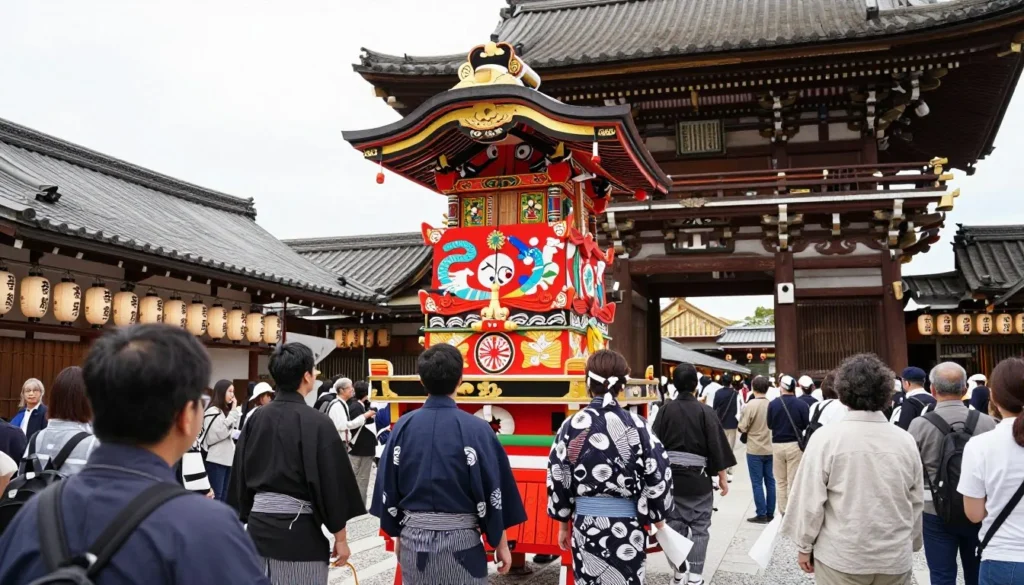
Fukuoka Prefecture celebrates numerous festivals throughout the year, each offering unique glimpses into local culture and traditions. Planning your visit around these events adds an unforgettable dimension to your travel experience.
Hakata Gion Yamakasa Festival
Held annually from July 1 through 15, this UNESCO-recognized festival represents Fukuoka’s most spectacular cultural event. Teams of men race through the streets carrying massive decorated floats called yamakasa, some weighing over one ton. The climax occurs on July 15 at 4:59 AM sharp, when runners sprint a 5-km course in under 30 minutes.
The festival centers around Kushida Shrine, where elaborate stationary floats stand on display throughout the two-week period. These towering structures reach heights of 10 to 13 meters (33 to 43 feet), decorated with intricate scenes from Japanese legends and folklore. For festival inquiries, contact Kushida Shrine at +81-92-291-2951.
Dontaku Festival
Taking place during Golden Week (May 3 and 4), the Hakata Dontaku Festival transforms the entire city into one massive celebration. Over two million people participate in or watch colorful parades featuring thousands of performers, traditional shamoji paddle dances, and musical performances.
The festival dates back over 800 years, making it one of Japan’s oldest. Modern celebrations blend traditional costumes with contemporary performances, creating an event that appeals to all ages. The main parade route runs through central Fukuoka, with stages set up at key locations throughout the city. Contact the Fukuoka City Tourism Office at +81-92-733-5050 for current year details.
Ohori Park Fireworks Festival
Usually held on August 1, this spectacular fireworks display launches over 6,000 pyrotechnic shells above Ohori Park. The reflections dancing across the park’s large pond create magical double images that photographers love. Arrive early to secure a good viewing spot, as over 350,000 spectators typically attend.
The show runs for approximately one hour starting around 8:00 PM. Many locals spread blankets on the grass hours beforehand, enjoying picnic dinners before the main event. For specific dates and times, contact Nishi-Nippon Shimbun at +81-92-711-5491.
Hojoya Festival at Hakozaki Shrine
This autumn festival spans one week in mid-September, featuring over 500 street food stalls and carnival games. It ranks as one of Kyushu’s three major festivals and attracts around one million visitors annually. The festival grounds stretch for several blocks around Hakozaki Shrine, creating a lively atmosphere perfect for families.
Traditional performances include sumo wrestling demonstrations and gagaku court music. The festival began as a Buddhist ceremony and evolved into the cultural celebration seen today. Hakozaki Shrine can be reached at +81-92-641-7431.
Getting Around Locally
Fukuoka’s efficient public transportation system makes navigating the city and surrounding areas remarkably easy, even for first-time visitors. The combination of subway, bus, and train networks ensures you can reach virtually any attraction without renting a car.
Subway System
The Fukuoka City Subway operates three color-coded lines that connect all major points of interest. The Airport Line (orange) runs from Fukuoka Airport through Hakata Station to the Tenjin shopping district and beyond. The Hakozaki Line (blue) serves the eastern parts of the city, while the Nanakuma Line (green) covers the southern area.
Trains run approximately every 6 to 8 minutes during daytime hours, from around 5:30 AM until midnight. Single journey fares range from 210 to 370 yen depending on distance. Station names appear in English, and announcements include English translations at major stations.
Purchase a rechargeable Nimoca or Hayakaken IC card at any ticket machine for 2,000 yen (including 1,500 yen usable credit and a 500 yen deposit). These cards work across all subway lines, buses, and even convenience store purchases, eliminating the need to buy individual tickets for each trip. Simply tap the card on readers when entering and exiting stations.
Bus Network
Nishitetsu buses supplement the subway, reaching areas the train lines don’t cover. The bus system requires more familiarity with Japanese, as English signage appears less frequently than on trains. However, bus stop numbers and route maps help overcome language barriers.
Most city buses charge a flat 100 yen fare within central zones, making them incredibly economical for short trips. For longer journeys, fares vary based on distance, typically ranging from 180 to 250 yen. Board buses through the rear door and exit through the front, paying as you leave.
The highway bus terminal at Hakata Station offers express buses to destinations throughout Kyushu. These comfortable coaches provide an affordable alternative to trains for reaching cities like Nagasaki or Kumamoto. Reserve seats in advance during peak travel periods.
Trains Beyond the City
JR Kyushu operates conventional train lines radiating from Hakata Station to suburbs and neighboring prefectures. The JR Kagoshima Main Line connects to coastal towns, while the JR Sasaguri Line provides access to temple areas.
Nishitetsu Railway runs a private line from Nishitetsu-Fukuoka (Tenjin) Station to Dazaifu, home of the famous Dazaifu Tenmangu shrine. This 30-minute train journey costs 400 yen one way and operates every 15 minutes throughout the day. The scenic route passes through residential neighborhoods and rural areas, offering glimpses of everyday Japanese life.
Taxis
Taxis provide convenience but come at a premium. Base fares start around 680 yen for the first 2 km (1.2 miles), with additional charges accruing quickly. Taxis wait at major stations and hotels, or you can hail them on the street. Few drivers speak English, so having your destination written in Japanese characters helps ensure smooth communication.
Walking and Cycling
Fukuoka’s compact city center rewards exploration on foot. The distance from Hakata Station to the Tenjin shopping area spans only 2 km (1.2 miles), easily walkable in 20 to 25 minutes. Well-maintained sidewalks and pedestrian-friendly crossings make walking safe and pleasant.
Several companies offer bicycle rentals, though the hilly terrain in some areas challenges casual cyclists. Community cycle share stations dot the city, allowing short-term rentals for getting between nearby points of interest.
Where to Stay
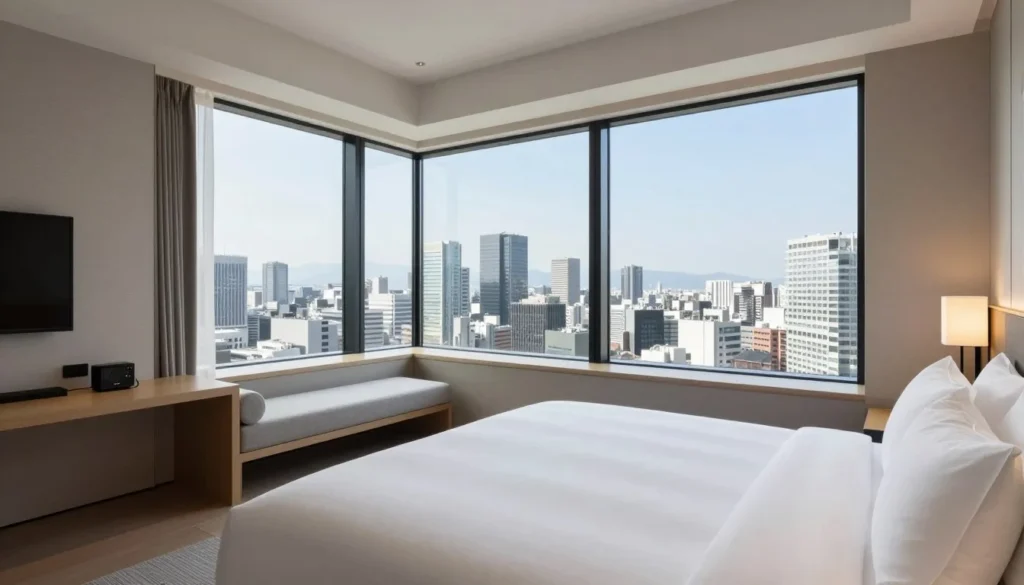
Fukuoka Prefecture offers accommodation options spanning all budgets and travel styles. Your choice of location significantly impacts your experience, with each area providing distinct advantages.
Hakata Station Area
Staying near Hakata Station puts you at the transportation heart of the city. This location serves travelers planning day trips to other Kyushu destinations or those with early morning train departures. The station area features modern business hotels, international chain properties, and several luxury options.
Rooms at business hotels typically start around 8,000 to 12,000 yen per night for a single, with doubles ranging from 12,000 to 18,000 yen. These properties offer compact but efficiently designed rooms with all essential amenities. Many include complimentary breakfast, though quality varies significantly between properties.
The KITTE Hakata shopping complex and Hakata Hankyu department store connect directly to the station, providing dining and shopping convenience without stepping outside. Underground passages link to the subway, offering weather-protected transit during rainy days.
Tenjin District
This bustling shopping and entertainment hub attracts visitors who prioritize being in the thick of urban energy. Tenjin’s maze of department stores, boutiques, restaurants, and bars keeps the area lively from morning until late evening. Hotels here range from budget capsule accommodations to upscale properties.
Mid-range hotels in Tenjin charge 10,000 to 20,000 yen for standard rooms, with location and star rating influencing prices. The area’s superior dining scene gives you countless food options within walking distance. The proximity to Ohori Park also provides easy access to green space for morning runs or peaceful walks.
Canal City Area
Positioned between Hakata Station and Tenjin, the Canal City area offers a middle ground for location. Several hotels cluster around this massive shopping and entertainment complex, providing modern accommodations with good access to both major districts. Expect to pay 9,000 to 16,000 yen for standard rooms in this area.
Traditional Ryokan
For travelers seeking authentic Japanese accommodation, several traditional ryokan operate in Fukuoka Prefecture. These typically feature tatami mat floors, futon bedding, and kaiseki multi-course dinners. Prices run higher than standard hotels, generally starting around 15,000 yen per person including meals.
Ryokan in hot spring areas like Futsukaichi or Harazuru provide the full onsen experience. The ritual of bathing in mineral-rich waters before enjoying an elaborate Japanese dinner creates memories that last a lifetime. Remember that most ryokan have strict check-in times, usually between 3:00 PM and 6:00 PM.
Budget Options
Capsule hotels and hostels serve cost-conscious travelers, with beds starting around 2,500 to 4,000 yen per night. Modern capsule hotels bear little resemblance to the cramped spaces of old, now featuring comfortable pods with privacy screens, reading lights, and secure storage.
Hostels provide dormitory beds for similar prices, plus common areas where travelers mingle and share experiences. Private rooms at hostels cost 6,000 to 9,000 yen, offering budget accommodation for couples or friends traveling together.
Booking Considerations
Reserve accommodations at least two to three months ahead if visiting during spring cherry blossom season or major festivals. Summer and winter offer more availability, often with last-minute discounts. Many properties offer free cancellation up to several days before arrival, providing flexibility if your plans change.
Check whether breakfast is included, as this can represent significant value. Japanese breakfast typically includes grilled fish, rice, miso soup, pickles, and various small dishes. Western options usually feature bread, eggs, and coffee.
Dining and Local Cuisine
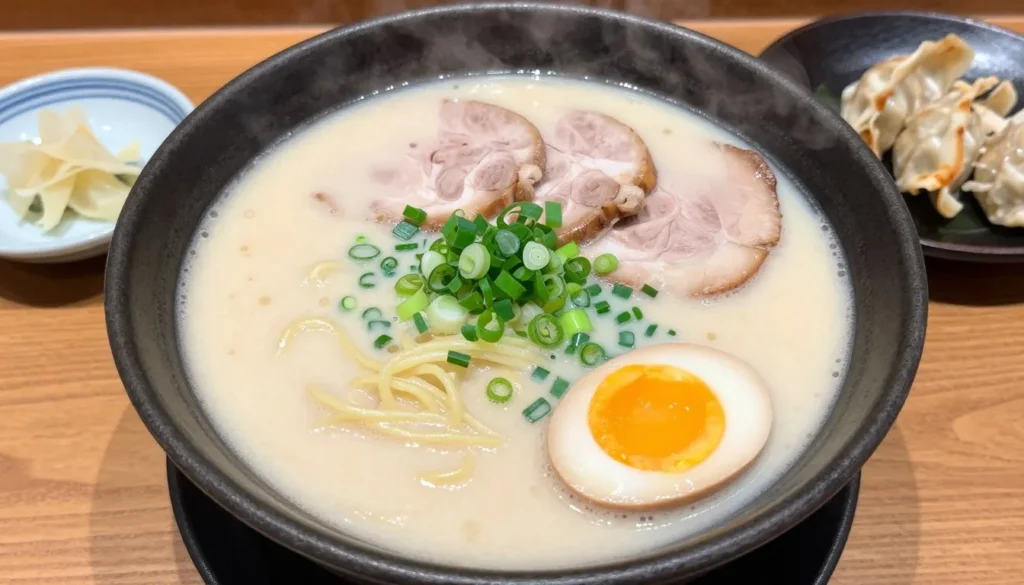
Fukuoka’s food scene ranks among Japan’s finest, with the prefecture claiming some of the country’s most beloved dishes. The local saying “Fukuoka is delicious” isn’t mere boasting – generations of culinary tradition combine with fresh ingredients to create unforgettable meals.
Hakata Ramen
No visit to Fukuoka Prefecture is complete without experiencing authentic Hakata tonkotsu ramen. This signature dish features ultra-thin noodles swimming in creamy pork broth that simmers for hours, creating a rich, milky-white soup. The broth develops its distinctive flavor from pork bones boiled so long they break down completely, releasing collagen and marrow.
Unlike ramen in other regions, Hakata style intentionally uses firm noodles with just a bit of bite. When you finish your first serving of noodles, order kaedama – a second helping of noodles added to your remaining broth for just 100 to 150 yen extra. Most shops offer this service, maximizing the value of that flavorful broth.
Ichiran Ramen originated in Fukuoka and pioneered the individual booth dining concept, allowing you to focus entirely on your bowl without distraction. However, countless small neighborhood shops serve equally delicious versions, often at lower prices and with more character. Look for shops with lines of locals waiting outside – that’s usually your signal of quality.
Yatai Food Stalls
As evening falls, Fukuoka’s famous yatai food stalls emerge along rivers and in entertainment districts. These mobile establishments set up folding chairs and small counters, creating intimate dining experiences under canvas roofs. The concentrated area near Nakasu features the highest density of stalls, with roughly 100 operating throughout the city.
Yatai menus typically include ramen, grilled skewers (yakitori), oden hot pot, and various small dishes paired with beer or sake. Prices remain reasonable, with most meals costing 1,500 to 2,500 yen per person including drinks. The close quarters naturally foster conversation with fellow diners, offering opportunities to meet both locals and other travelers.
Peak hours from 8:00 PM to 10:00 PM see lines forming at popular stalls. Arrive earlier or later to avoid waits. Some stalls maintain the same location for decades, building loyal followings among regular customers who stop by weekly.
Fresh Seafood
Fukuoka’s coastal location means exceptional seafood year-round. Local specialties include mentaiko (spicy cod roe), which appears as a topping for rice, pasta, and various dishes. The slightly spicy, umami-rich flavor becomes addictive quickly. Many shops sell mentaiko as souvenirs, vacuum-sealed for travel.
Saba (mackerel) enjoys particular fame here, served grilled, as sashimi, or in sushi. The fish arrives at restaurants within hours of being caught, ensuring peak freshness. Motsunabe, a hot pot featuring beef or pork intestines with cabbage and garlic, represents another local favorite that adventurous eaters should try.
Department Store Food Halls
The basement floors (depachika) of major department stores near Hakata Station and in Tenjin house spectacular food halls. These treasure troves display beautifully packaged sweets, fresh produce, prepared foods, and artisanal products from across Japan. Samples flow freely, allowing you to taste before purchasing.
Visit these food halls around 7:00 PM or 8:00 PM when many vendors discount prepared foods by 20 to 50 percent. This practice, called hansoku, lets you enjoy high-quality meals at fraction of regular prices. The selection still remains impressive despite reduced variety at closing time.
Mizutaki and Local Hot Pots
Fukuoka claims mizutaki, a delicate chicken hot pot, as another regional specialty. This dish features chicken pieces cooked at the table in a light, clear broth with vegetables. Diners dip pieces in ponzu citrus sauce before eating. The simple preparation lets the quality of ingredients shine through.
Restaurants specializing in mizutaki generally require reservations and charge 3,000 to 5,000 yen per person. The experience includes multiple courses and typically serves a minimum of two people. Plan this meal when you have time to relax and enjoy the leisurely pace.
Casual Dining and Quick Meals
Convenience stores (konbini) throughout the city offer surprisingly good quick meals. Onigiri rice balls, sandwiches, and bento boxes provide inexpensive options when you need fuel between attractions. Prices for these meals typically range from 300 to 600 yen.
Standing soba and udon shops near stations serve hot noodle soups in minutes for 400 to 600 yen. These establishments cater to commuters but welcome travelers equally. Order from vending machines at the entrance, hand your ticket to staff, and receive your steaming bowl within moments.
Attractions, Sightseeing and Activities
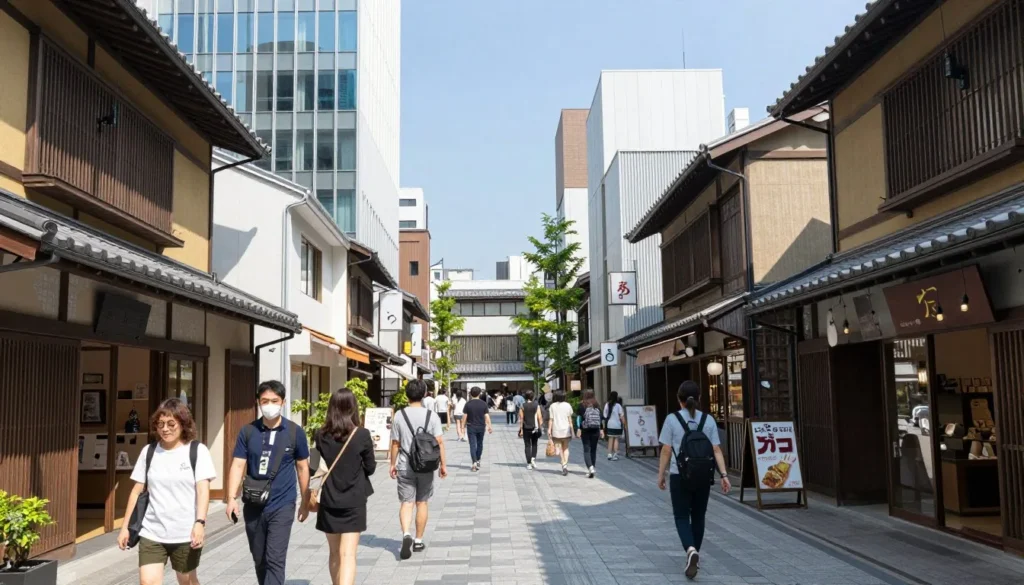
Fukuoka Prefecture balances urban excitement with cultural treasures, giving travelers diverse ways to spend their time. The compact nature of Fukuoka city means you can experience multiple attractions in a single day without feeling rushed.
Fukuoka Castle Ruins and Maizuru Park
The former site of a powerful feudal castle, Maizuru Park preserves stone walls, gates, and moats from the Edo period. Though the main keep no longer stands, wandering the grounds reveals impressive defensive architecture and strategic positioning. The elevated location provides sweeping views across the city toward Hakata Bay.
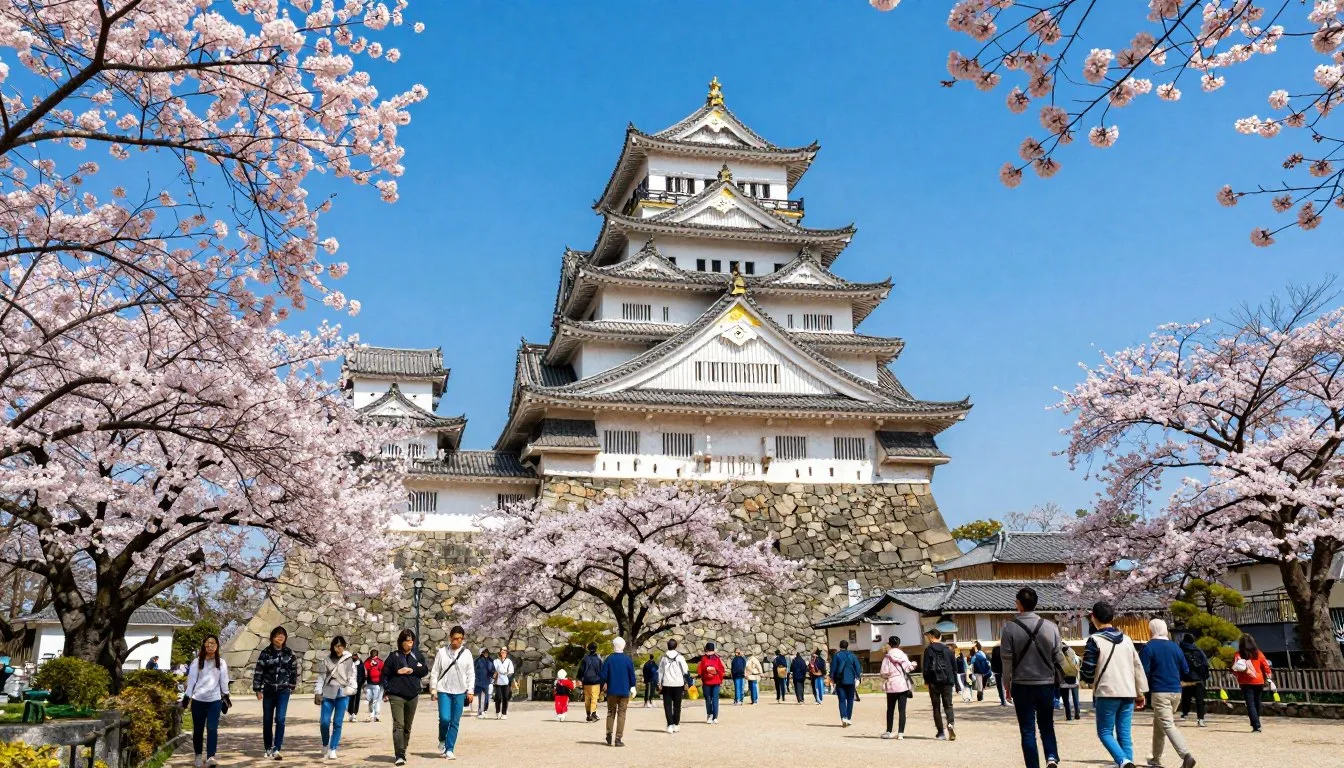
Cherry trees planted throughout the park create one of Fukuoka’s premier hanami (flower viewing) spots each spring. During bloom season, thousands gather here for picnics under pink petals. The park remains beautiful year-round, with different seasonal plantings ensuring color in every season.
Plan to spend 1 to 2 hours exploring the park and ruins. The Korokan ruins nearby mark an ancient diplomatic guest house that welcomed envoys from China and Korea over 1,200 years ago. Free admission makes this an excellent budget-friendly attraction.
Ohori Park
This beautiful urban park centers on a large pond originally built as part of Fukuoka Castle’s defensive moat system. A 2-km (1.2-mile) path circles the water, popular with joggers, cyclists, and families taking leisurely walks. Traditional Japanese gardens occupy an island in the pond’s center, accessible via stone bridges.
The park offers paddle boat rentals for 600 yen per 30 minutes, allowing you to experience the pond from a different perspective. Several small watercraft, limited to a maximum of 5, glide across the calm waters on pleasant days. Swan-shaped boats appeal particularly to children and couples seeking a romantic activity.
Visit early morning to see residents practicing tai chi or doing morning exercises. The park takes on a different character as day progresses, transforming from peaceful retreat to lively gathering space. The nearby Fukuoka Art Museum and Japanese Garden charge separate admission but merit the additional cost if time allows.
Fukuoka Tower
Standing 234 m (768 feet) tall, Fukuoka Tower dominates the city’s western skyline. The observation deck at 123 m (404 feet) provides 360-degree views encompassing city, mountains, and sea. On clear days, you can spot neighboring islands and observe the curve of Hakata Bay.
The tower’s mirrored exterior reflects sky and clouds, creating an ever-changing appearance throughout the day. Evening visits offer the advantage of watching sunset transform into glittering night cityscape. Admission costs 800 yen for adults, with the deck open until 10:00 PM.
The surrounding Seaside Momochi area features a artificial beach, modern shopping complexes, and waterfront restaurants. Many visitors combine tower visits with time on the beach or meals at nearby establishments. The area reflects Fukuoka’s modern development while maintaining connection to the ocean.
Tenjin Shopping Districts
The Tenjin area serves as Fukuoka’s primary shopping hub, featuring everything from luxury department stores to quirky boutiques. The main shopping street stretches for several blocks, lined with stores offering fashion, electronics, cosmetics, and souvenirs.
Several department stores cluster in this area, including Daimaru, Mitsukoshi, and Iwataya. These multi-floor complexes house both international brands and Japanese specialty shops. Tax-free shopping for tourists makes major purchases more affordable – bring your passport to qualify for savings.
Underground shopping arcades provide weather-protected browsing, particularly appreciated during summer heat or rainy days. These subterranean passages connect to subway stations and stretch for surprising distances. Getting lost becomes half the fun as you discover unexpected shops and restaurants tucked into corners.
Canal City Hakata
This massive shopping and entertainment complex reimagines the typical mall format with an artificial canal running through its center. Water features and outdoor spaces create a resort-like atmosphere despite the urban location. The complex houses over 250 shops, restaurants, a theater, and a hotel.
✓ Check 30,000+ Local Sightseeing Tours Worldwide
Hourly fountain shows choreograph water, lights, and music into entertaining displays. Children particularly enjoy these performances, which provide free entertainment for families. The complex attracts both tourists and locals, creating vibrant energy throughout the day and into the evening.
Restaurants span all price ranges and cuisines, from fast food to upscale dining. The top floors house a multiplex cinema showing both Japanese and international films. English subtitles appear on some foreign films, though most screenings use Japanese audio.
Nakasu Entertainment District
This lively neighborhood squeezed between two rivers becomes Fukuoka’s nightlife heart after dark. Countless bars, restaurants, clubs, and entertainment venues pack the small area. The reflection of neon signs dancing on the river water creates an iconic Fukuoka scene frequently featured in photographs.
The district maintains a generally safe atmosphere despite the concentration of nighttime establishments. However, some venues cater specifically to Japanese business entertainment and may not welcome walk-in tourists. Stick to obvious tourist-friendly restaurants and bars, or ask your hotel to recommend specific establishments.
Many of Fukuoka’s yatai food stalls cluster along the riverside here, providing casual dining options alongside the more formal restaurants. The area remains worth visiting even if nightlife isn’t your primary interest, as the unique atmosphere represents an essential part of Fukuoka’s character.
Museums, Cultural Spots and Festivals
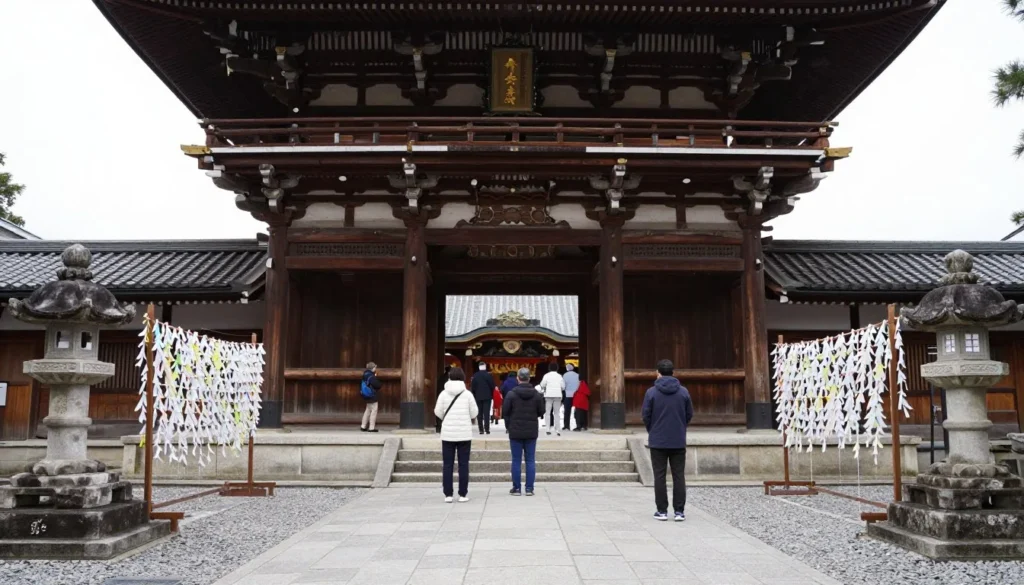
Fukuoka’s cultural attractions reveal layers of history stretching back over a millennium. The prefecture served as Japan’s gateway to continental Asia, creating a unique cultural blend that continues to influence the region today.
Kushida Shrine
Founded in 757 CE, Kushida Shrine stands as Fukuoka’s most important Shinto site. This compact but beautiful shrine serves as the spiritual heart of the city, hosting numerous festivals throughout the year. The famous Hakata Gion Yamakasa festival centers on this location, with massive floats housed here permanently for public viewing.
The shrine grounds feature traditional architecture beautifully maintained across centuries. A large ginkgo tree estimated at over 1,000 years old dominates one corner, its golden leaves creating spectacular displays each autumn. The tree survived fires, wars, and natural disasters, earning status as a living symbol of resilience.
Visitors can receive omikuji (fortune papers) for 100 yen and purchase various protective amulets called omamori. The shrine also offers goshuin, decorative stamps collected by temple and shrine visitors in special books. Staff members create beautiful calligraphy commemorating your visit for 300 to 500 yen.
The shrine stays open from dawn until evening daily, with no admission fee. The location in central Fukuoka makes it easy to visit between other activities. Morning visits offer the most peaceful experience before crowds arrive.
Dazaifu Tenmangu
Located about 30 minutes southeast of central Fukuoka, Dazaifu Tenmangu ranks among Japan’s most significant shrines. This spectacular complex honors Sugawara no Michizane, a 9th-century scholar deified as the patron of learning and education. Students preparing for exams journey here from across Japan to pray for academic success.
The shrine’s main hall features ornate architecture typical of important religious sites, surrounded by over 6,000 plum trees. These bloom in late winter, usually from mid-February through early March, creating pink and white clouds of blossoms that predate the famous cherry blossoms. The plums hold special significance as Michizane loved these trees.
The approach to the shrine passes through charming streets lined with shops selling local specialties. Umegae mochi, a warm rice cake filled with sweet red bean paste and marked with a plum blossom stamp, makes an essential snack. Several shops along the path have baked these treats for generations.
Plan 2 to 3 hours for your visit, including time to explore the shrine grounds, surrounding gardens, and museum. The Kyushu National Museum, one of Japan’s four national museums, sits a short walk from the shrine. Its impressive collection spans Asian art and artifacts, with excellent English explanations.
Trains from Nishitetsu-Fukuoka (Tenjin) Station reach Dazaifu in 30 minutes for 400 yen each way. This easy day trip should rank high on every Fukuoka visitor’s list.
Fukuoka Asian Art Museum
This unique museum focuses exclusively on modern and contemporary Asian art, the only institution of its kind in the world. The collection includes over 3,000 works from 23 Asian countries, showcasing diverse artistic traditions and contemporary interpretations.
Rotating exhibitions ensure fresh displays even for repeat visitors. The museum occupies floors 7 and 8 of the Hakata Riverain Center, with floor-to-ceiling windows offering river views between galleries. Admission costs 200 yen for general exhibits, with special exhibitions charging additional fees.
English explanations accompany most displays, making the museum accessible to international visitors. The small scale means you can thoroughly explore the collection in 1 to 2 hours without feeling overwhelmed.
Hakozaki Shrine
One of Japan’s three major Hachiman shrines, Hakozaki dates to 923 CE and has witnessed centuries of history. The massive main gate bears a plaque reading “The Land of the Rising Sun,” presented by Emperor Kameyama in the 13th century. This shrine played a significant role in repelling Mongol invasions, earning deep reverence across generations.
The shrine grounds stretch from the main buildings toward the coast, historically positioned to protect against naval threats. Modern development has altered the surroundings, but the shrine maintains its dignified atmosphere. Visit during the September Hojoya Festival when the area transforms into a massive celebration.
The shrine stays open daily with free admission to the grounds. The treasure hall charges 300 yen and houses artifacts dating back centuries, including items related to the Mongol invasion attempts.
Tocho-ji Temple
Housing Japan’s largest wooden seated Buddha, Tocho-ji Temple attracts both Buddhist pilgrims and curious travelers. The impressive 10.8-m (35-foot) statue sits in a darkened hall, creating a powerful visual impact as your eyes adjust to the low light. The temple complex also features a multi-story pagoda and beautiful gardens.
The wooden Buddha was reconstructed in 1992 after the original burnt in a fire, but the craftsmanship maintains traditional techniques. Carved from Hinoki cypress, the statue required years of work by skilled artisans. Admission costs 50 yen, an almost symbolic price that barely covers maintenance.
The temple sits near Hakata Station, making it an convenient stop when you have 30 to 45 minutes between activities. The peaceful grounds provide welcome quiet contrast to the busy station area just blocks away.
Fukuoka City Museum
This museum tells Fukuoka’s story from ancient times through the modern era. The most famous artifact on display is the gold seal granted by China’s Han Dynasty to a Japanese king in 57 CE. This national treasure proves ancient diplomatic and trade relationships between Japan and continental Asia.
Exhibits cover the Mongol invasion attempts, Fukuoka’s role as a trade hub, and its development into a modern city. The top floor features temporary exhibitions on various historical and cultural topics. English audio guides provide detailed information for foreign visitors.
Admission costs 200 yen for permanent exhibits. The museum stands near Ohori Park, allowing you to combine visits in a single outing. Budget 1 to 2 hours to see the main exhibits without rushing.
Nature and Outdoor Experiences
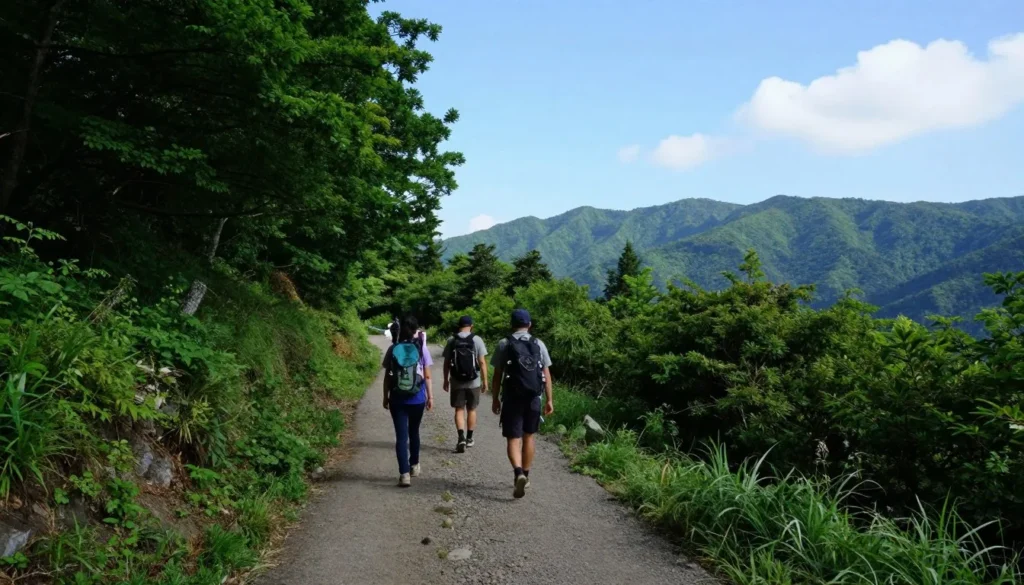
While Fukuoka city itself buzzes with urban energy, the broader prefecture encompasses mountains, coastlines, and rural areas offering natural beauty and outdoor activities. These experiences provide refreshing balance to city sightseeing.
Mount Homan Hiking
Rising 829 m (2,720 feet) above sea level, Mount Homan towers behind Dazaifu and offers relatively accessible hiking for those with moderate fitness. The mountain has held sacred status for over 1,300 years, with Buddhist monks practicing here for centuries.
Several trails lead to the summit, with the most popular route beginning near Dazaifu Tenmangu. The climb takes approximately 2 to 3 hours depending on pace and fitness level. The trail passes through beautiful forests, with the route becoming progressively steeper as you ascend.
Summit views encompass Fukuoka city, Hakata Bay, and on clear days, the mountains of neighboring prefectures. A small shrine sits at the peak, where hikers often rest and enjoy packed lunches before descending. The descent typically requires 1.5 to 2 hours.
Bring adequate water, snacks, and appropriate footwear. Even on warm days, the summit can be significantly cooler and windier than the base. Check weather forecasts before starting, as fog can reduce visibility dramatically on the mountain.
Nokonoshima Island
A 10-minute ferry ride from Meinohama port transports visitors to this small island paradise. Nokonoshima spans just 3.8 km (2.4 miles) in circumference, perfect for leisurely exploration by bicycle or on foot. The island park features seasonal flower fields that create spectacular displays throughout the year.
Spring brings golden nanohana (rape flowers), summer showcases sunflowers, autumn displays cosmos flowers, and winter features daffodils. The changing colors transform the landscape with each season, ensuring unique experiences regardless of when you visit. Admission to the park costs 1,200 yen for adults.
The island maintains a rural, peaceful atmosphere that contrasts sharply with city life. Small restaurants serve fresh seafood and local vegetables, often featuring fish caught that morning. Plan a half-day excursion, allowing time to explore the park, enjoy a meal, and perhaps relax on the small beach.
Ferries depart hourly from Meinohama, with the last return ferry around 6:00 PM. The round-trip ferry costs 460 yen per adult. Bicycle rentals on the island run 500 yen for the day.
Itoshima Peninsula Beaches
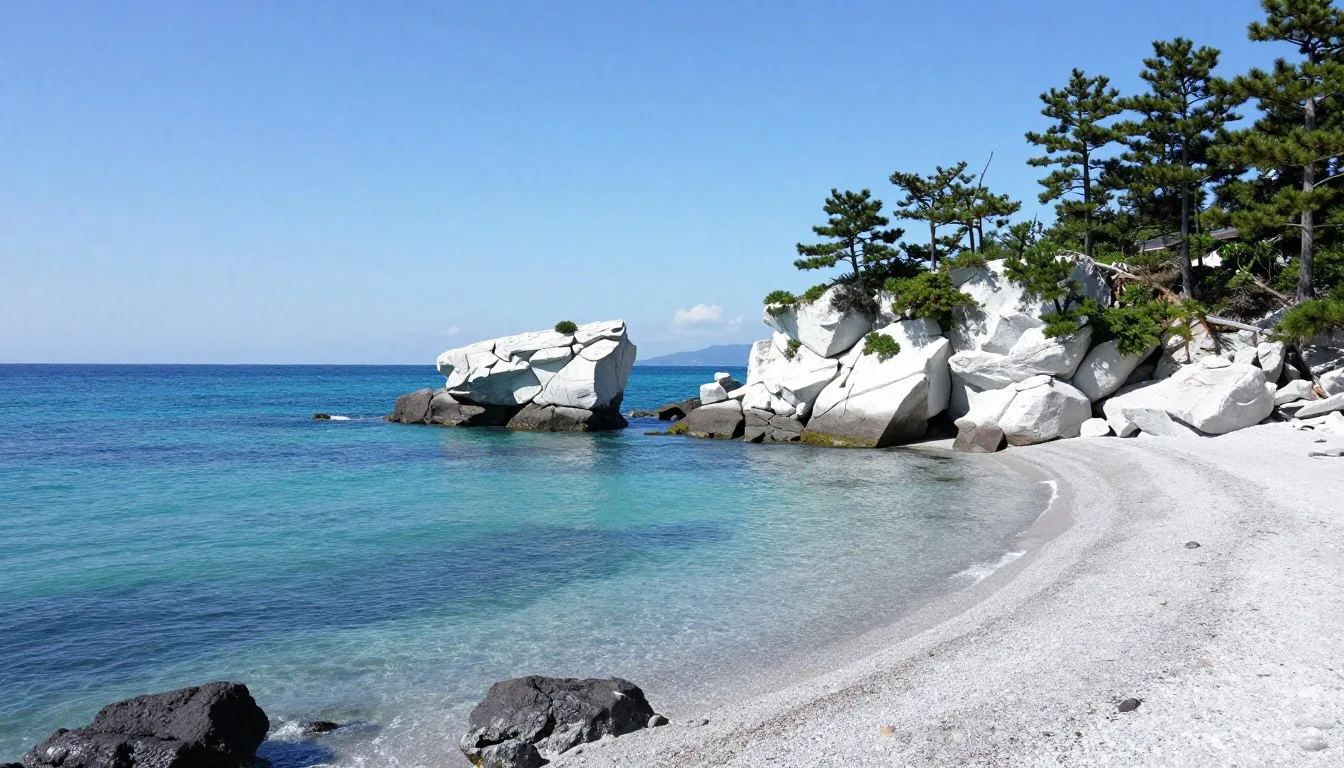
The Itoshima Peninsula west of Fukuoka city boasts some of Kyushu’s most beautiful beaches. White sand and relatively clear water attract both locals and tourists during summer months. The most famous spot, Futamigaura Beach, features two sacred rocks connected by a heavy rope, creating a scene reminiscent of the more famous Meoto Iwa in Mie Prefecture.
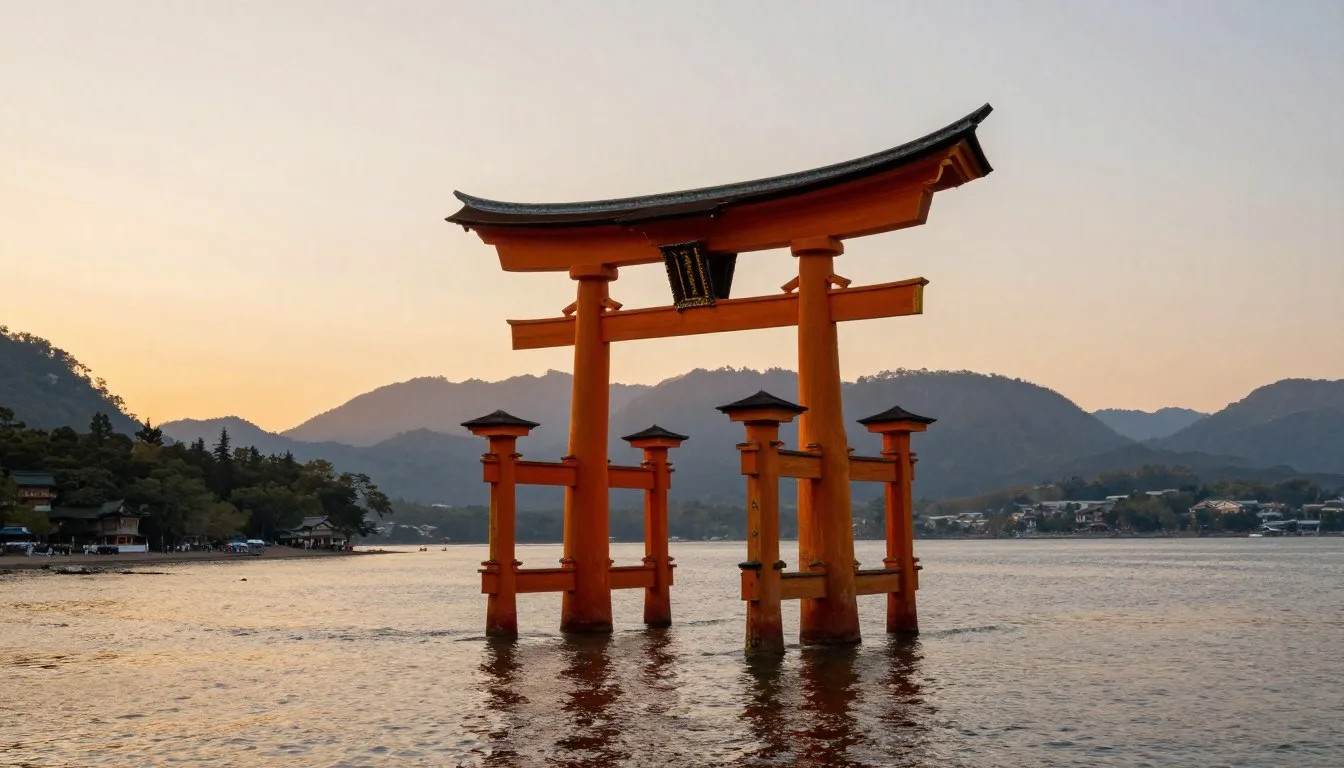
The torii gate standing in the shallow water at Sakurai Futamigaura becomes particularly photogenic at sunset, when the sinking sun frames perfectly between the rocks. This scene has become increasingly popular on social media, drawing photographers and couples seeking memorable photos.
Beach facilities include showers, changing rooms, and rental equipment during peak season (July through August). Several beach houses serve grilled seafood and refreshing drinks. The beaches see heavy use during summer weekends but remain relatively quiet on weekdays and outside peak season.
Reaching the Itoshima beaches requires either a rental car or combination of train and bus, taking about 45 minutes to 1 hour from central Fukuoka. The extra effort rewards you with beautiful coastal scenery and a more relaxed atmosphere than city beaches.
Kawachi Wisteria Garden
Though technically in neighboring Kitakyushu, this private garden merits inclusion for flower enthusiasts visiting Fukuoka. The spectacular wisteria tunnels bloom from late April through mid-May, creating ethereal purple passages that photographers dream about. The gardens feature over 150 wisteria plants of 20 different varieties.
Peak bloom time requires advance reservations and commands admission fees of 1,500 yen, reflecting the garden’s popularity. The limited season and restricted access help preserve the delicate plants. Even outside peak bloom, the garden maintains beauty worth seeing if wisteria holds special interest for you.
Reaching the garden requires about 90 minutes from central Fukuoka by train and taxi. The journey makes sense as a half-day or full-day excursion, possibly combined with visits to other Kitakyushu area attractions.
Hiking in Hiraodai Karst Plateau
This expansive limestone plateau creates an otherworldly landscape unique in Japan. White karst formations dot rolling grasslands, creating scenes more reminiscent of European highlands than typical Japanese scenery. The area includes several walking trails ranging from easy strolls to more challenging hikes.
Cave systems beneath the plateau offer spelunking opportunities for those interested in underground exploration. Senbutsu Cave stretches 900 m (2,953 feet) and features an underground stream. The cave maintains a constant cool temperature year-round, providing relief during hot summer months.
Plan 3 to 4 hours for a visit including hiking and cave exploration. The location about 60 km (37 miles) from central Fukuoka requires a rental car for the most convenient access, though tour buses operate during peak seasons.
Uminonakamichi Seaside Park
This massive 300-hectare (741-acre) park occupies a narrow peninsula separating Hakata Bay from the ocean. Seasonal flower gardens, playgrounds, pools, and cycling paths create entertainment for all ages. The park becomes particularly popular during spring tulip displays and autumn cosmos flower season.
Bicycle rentals allow efficient exploration of the vast grounds. Multiple playgrounds cater to different age groups, making this an excellent destination for families traveling with children. A small amusement park, zoo, and aquarium provide additional activities.
The park connects to central Fukuoka via JR train, with the journey taking about 30 minutes. Entry costs 450 yen for adults. The scale of the park means you could easily spend an entire day here without seeing everything.
Travel With Children
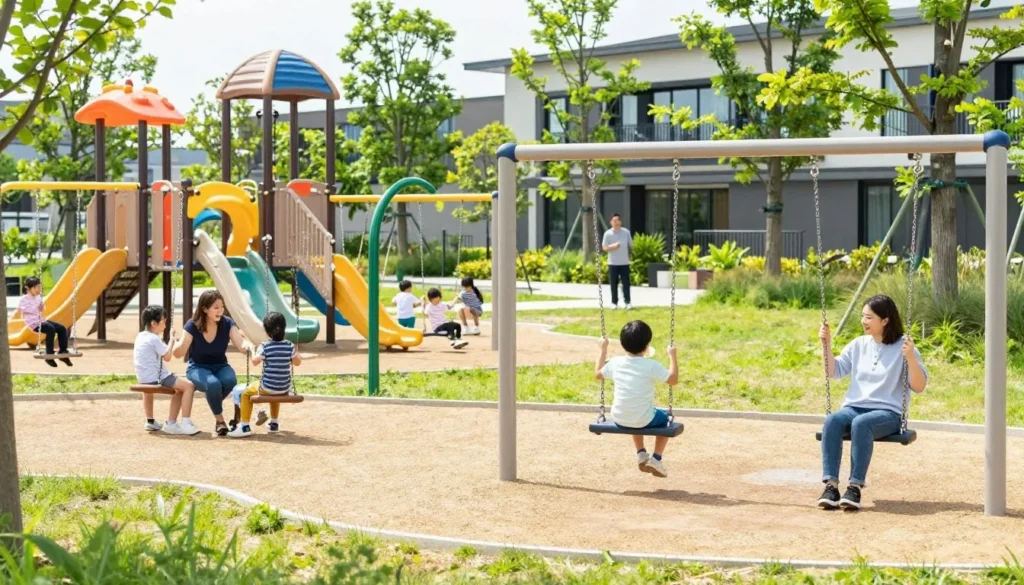
Fukuoka Prefecture welcomes families with children, offering numerous kid-friendly attractions and generally safe, clean environments. Japanese culture’s emphasis on cleanliness and consideration for others creates comfortable travel conditions for families.
Family-Friendly Attractions
Marine World Uminonakamichi aquarium showcases over 30,000 marine creatures in creative displays. The dolphin and sea lion shows delight children, while touch pools allow gentle interaction with starfish and small rays. The location adjacent to Uminonakamichi Seaside Park enables combining both attractions in one day trip.
Fukuoka Anpanman Children’s Museum celebrates the beloved Japanese cartoon character through interactive exhibits, play areas, and live performances. Younger children (ages 2 through 6) particularly enjoy this attraction, though parents should note the heavily commercial atmosphere with numerous souvenir opportunities.
The Fukuoka City Zoo and Botanical Garden houses over 120 animal species in relatively spacious enclosures. The zoo emphasizes conservation and education while maintaining entertainment value. Admission costs just 600 yen for adults with children under junior high school age entering free.
Transportation with Children
Fukuoka’s public transportation accommodates families well. Subway stations feature elevators, making stroller navigation easier than in some other Japanese cities. Priority seating areas near train car doors provide space for families with young children or strollers.
Children under 6 years old ride public transportation free when accompanied by an adult. Elementary school-aged children pay half fare. These policies make family travel remarkably affordable compared to many international destinations.
Taxis offer an alternative when children become tired or situations require faster transport. While more expensive than trains, the convenience sometimes justifies the cost. All taxis feature automatic sliding doors – wait for the driver to open and close doors rather than handling them yourself.
Dining Considerations
Many restaurants welcome children, though traditional upscale establishments might have age restrictions. Look for establishments displaying plastic food models in windows – these typically operate as family-friendly casual restaurants. Chain family restaurants like Gusto, Saizeriya, and Royal Host provide familiar foods alongside Japanese options, with English picture menus.
Convenience stores serve as emergency meal solutions when children refuse to eat available restaurant food. Onigiri rice balls, chicken nuggets, and sweet pastries provide familiar fallbacks. Most convenience stores include microwave ovens available for customer use, allowing you to heat purchased items.
Nursing rooms (授乳室, junyushitsu) appear in most department stores, shopping centers, and major attractions. These private, clean spaces provide comfortable seating, changing tables, and sometimes hot water for preparing bottles. Many facilities include separate spaces for nursing and bottle feeding.
Practical Tips for Family Travel
Pack patience for bath time at your accommodation. Many Japanese families bathe together, and public baths represent cultural experiences children should try at least once. However, children must wash thoroughly before entering the bath water, following the same protocols as adults.
Bring or buy small toys and activities for train rides and restaurant waits. While Japanese children often sit quietly in public, foreign children aren’t always accustomed to this expectation. Having entertainment options prevents boredom and maintains peaceful surroundings for other passengers.
Japanese culture values quietness in public spaces. Teach children to use “indoor voices” on trains and in restaurants. While people generally make allowances for foreign children, making reasonable efforts to respect local customs creates better experiences for everyone.
Coin lockers at major stations solve the challenge of managing luggage while sightseeing. Store bags for the day, explore freely, then retrieve items before returning to your hotel. Large lockers cost 600 to 700 yen for 24 hours – money well spent when traveling with children and their accompanying gear.
Money Saving Tips
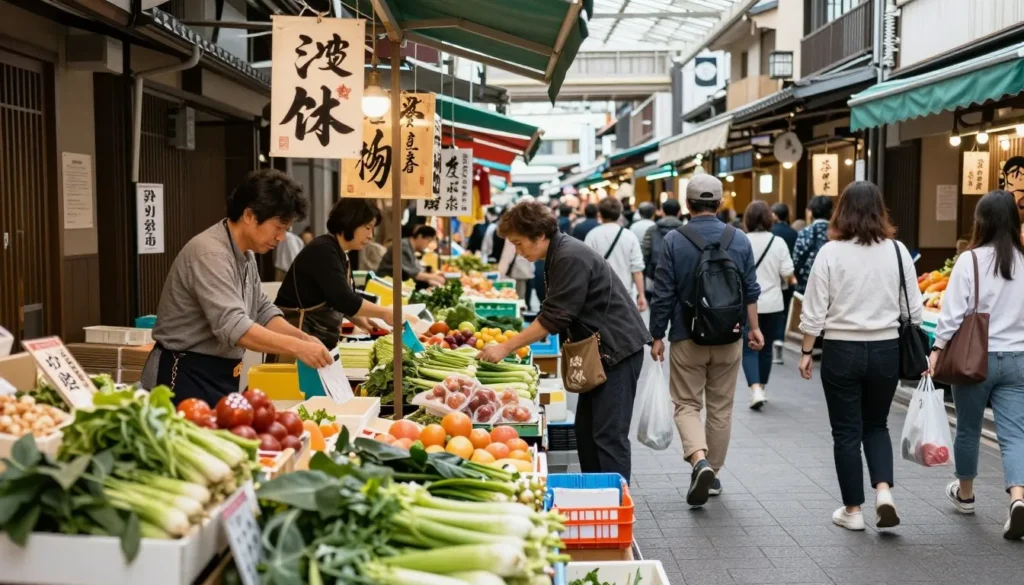
Fukuoka offers excellent value compared to Tokyo or Kyoto, but smart strategies help stretch your budget further. A bit of planning combined with local knowledge creates significant savings.
Transportation Savings
Purchase a Fukuoka Tourist City Pass if you plan extensive subway use. The one-day pass costs 820 yen and provides unlimited subway rides, easily paying for itself with just three or four trips. Some versions include discounts at attractions, offering additional value beyond transportation.
✓ Check 30,000+ Local Sightseeing Tours Worldwide
Walk between nearby destinations rather than automatically taking trains. The distance from Hakata Station to Tenjin spans just 2 km (1.2 miles), easily walkable in 20 to 25 minutes. Walking reveals small shops, local restaurants, and neighborhood atmosphere that train travel bypasses.
Meal Strategies
Eat your main meal at lunch rather than dinner. Many restaurants offer lunch sets (定食, teishoku) featuring the same quality food as dinner menus at significantly reduced prices. A lunch set that costs 900 to 1,200 yen at midday might run 2,500 to 3,500 yen in the evening at the same establishment.
Shop for prepared foods at supermarkets and department store food halls in the evening. The practice of discounting items approaching their sell-by date (typically after 7:00 PM or 8:00 PM) offers opportunities to purchase high-quality meals at 20 to 50 percent off regular prices. The selection remains impressive despite reduced variety.
Convenience stores provide inexpensive breakfast options. A typical breakfast of rice ball, yogurt, and coffee costs 400 to 500 yen, substantially less than hotel breakfast buffets. Most hotels include a small refrigerator in rooms, allowing you to store purchases overnight.
Attraction Savings
Many of Fukuoka’s best attractions charge no admission. Ohori Park, Maizuru Park, Kushida Shrine, and other outdoor areas provide hours of exploration without spending a yen. The city’s walkable nature means you can see multiple free attractions in a single day.
Visit attractions offering free admission days. Some museums provide free entry on specific dates each month or year. Check individual attraction websites or ask at tourist information centers about upcoming free admission opportunities.
Purchase combination tickets when visiting multiple paid attractions in one day. Some areas offer passes combining several attractions at discounted rates compared to buying individual tickets. For example, the Dazaifu area offers a combined ticket covering the shrine treasure house and nearby museums.
Accommodation Savings
Stay in business hotels rather than tourist-oriented properties. These efficient hotels cater primarily to Japanese business travelers, offering clean, compact rooms at lower prices than similar Western hotel chains. Free breakfast, when included, represents genuine value.
Book accommodations well ahead for best rates, but also check for last-minute deals during slower periods. Many hotels offer discounted rates to fill rooms, particularly during winter months or weekdays outside festival periods.
Consider staying slightly outside central areas. Hotels a station or two away from Hakata or Tenjin often cost 20 to 30 percent less while remaining fully accessible via the efficient subway system. The extra 10 to 15 minutes of commute time creates substantial savings.
Shopping Smart
Shop at 100-yen stores for basic supplies rather than hotel shops or convenience stores. Daiso and other 100-yen chains stock everything from toiletries to snacks at fixed prices, providing excellent value for many items. Most locations cluster near major stations.
Take advantage of tax-free shopping for larger purchases. Foreign visitors can shop tax-free at participating stores when spending over 5,000 yen. The 10 percent savings becomes significant on major purchases. Bring your passport as proof of tourist status.
Buy omiyage (souvenirs) at supermarkets rather than tourist shops. Local cookies, snacks, and food items sold in regular stores cost substantially less than identical products in airport shops or tourist areas. The quality and authenticity remain the same.
Communication Savings
Use free Wi-Fi rather than purchasing a data plan if possible. Most hotels, convenience stores, train stations, and many cafes offer free wireless internet. Download offline maps and information before leaving your accommodation each morning to minimize data needs.
If mobile data becomes necessary, purchase a prepaid SIM card or portable Wi-Fi router for the duration of your stay rather than using international roaming. Prepaid options for week-long visits typically cost 3,000 to 5,000 yen, dramatically less than roaming charges.
Safety and Local Customs
Fukuoka ranks among Japan’s safest major cities, with low crime rates and generally honest, helpful residents. Understanding local customs and expectations helps you navigate smoothly and respectfully.
Personal Safety
Violent crime remains extremely rare in Fukuoka. Women traveling alone, families, and solo travelers of all types generally feel safe walking through most areas even after dark. The Nakasu entertainment district late at night represents the only area where extra awareness might be prudent, though even here serious problems rarely occur.
Petty crime like pickpocketing exists but occurs far less frequently than in most international cities. Nevertheless, maintain awareness of belongings in crowded areas and on public transportation. The bigger risk involves leaving items behind – while many lost items are turned in to lost-and-found offices, prevention avoids inconvenience.
Emergency services reach 110 for police and 119 for ambulance or fire services. English-speaking operators may not always be immediately available, so having a Japanese speaker nearby helps in serious situations. Many hotels provide 24-hour assistance for guests needing to contact emergency services.
Natural Disaster Preparedness
Japan’s location makes earthquakes possible, though major damaging quakes affect Fukuoka less frequently than some other regions. Buildings comply with strict seismic codes designed to withstand significant shaking. If a quake occurs, follow local leads – Japanese residents learn earthquake safety from childhood.
Typhoons represent a more common concern during late summer and early autumn. These powerful storms can disrupt transportation and close attractions. Modern forecasting provides several days warning, allowing you to adjust plans accordingly. Hotels serve as safe shelter during storms – avoid going outside during peak wind and rain.
Etiquette Fundamentals
Remove shoes when entering homes, traditional restaurants, temples, and some other spaces. Look for shoe racks or observe what others do if uncertain. Many establishments provide slippers for indoor use. Never wear bathroom slippers outside the bathroom – this represents a significant faux pas.
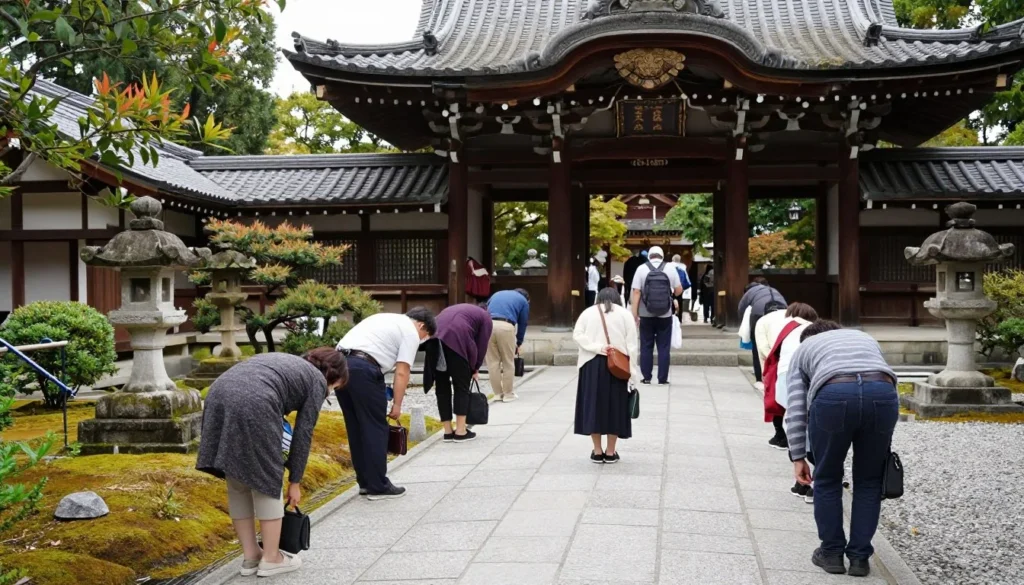
Bow when greeting people or thanking them, though handshakes have become more common with foreigners. A slight bow from the shoulders shows respect and appreciation. Deeper bows indicate greater respect or more serious apologies, though casual visitors need only master the basic greeting bow.
Avoid eating while walking in public. This custom, while relaxing slightly in modern times, remains considered impolite by many Japanese people. Find a place to stand or sit while consuming food, then continue walking after finishing.
Public Transportation Etiquette
Form orderly lines when waiting for trains or buses. Floor markings at many stations indicate where to queue. Board after allowing passengers to exit first. This system relies on everyone following the same protocol.
Keep conversations quiet on public transportation. Phone calls are particularly frowned upon, though texting is acceptable. Set your phone to silent mode and avoid disturbing others with music or videos, even with headphones at low volume.
Priority seats near doors are reserved for elderly passengers, pregnant women, people with disabilities, and those with small children. Even if these seats appear empty, able-bodied adults without special needs should avoid them during crowded periods.
Dining Customs
Say “itadakimasu” before eating and “gochisousama deshita” after finishing. These expressions show gratitude for the meal. While not mandatory for foreign visitors, making the effort to use basic Japanese phrases is appreciated.
Slurping noodles is not only acceptable but actually expected, particularly with ramen and soba. The sound indicates enjoyment and helps cool the hot noodles. Don’t feel embarrassed to make noise while eating noodle dishes.
Never tip at restaurants, taxis, or hotels. Excellent service represents the standard expectation, not something requiring additional payment. Attempting to tip may confuse staff or even cause offense. The price you see includes everything.
Temple and Shrine Etiquette
Bow when passing through torii gates at shrines. These gates mark the transition from mundane to sacred space. Purify yourself at the temizuya (water basin) before approaching the main hall – wash left hand, right hand, rinse mouth (don’t swallow), then rinse the ladle handle.
Photograph thoughtfully and respectfully at religious sites. While photos are generally permitted at most shrines and temples, avoid flash photography inside buildings and remain mindful of worshippers. Some areas prohibit photography entirely – watch for signs or ask permission if uncertain.
Dress modestly when visiting religious sites. While formal attire isn’t necessary, avoid extremely revealing clothing. Cover shoulders and wear longer shorts or pants rather than very short options. This shows respect for the sacred nature of these spaces.
Cash Culture
Despite Japan’s technological advancement, cash remains king in many situations. While major hotels, department stores, and chain restaurants accept credit cards, smaller establishments often operate cash-only. ATMs at 7-Eleven convenience stores accept most foreign cards and charge reasonable fees for withdrawals.
Handle money respectfully. Place cash in the small tray provided at store counters rather than handing it directly to staff. Wait for your change to be placed in the tray before picking it up. These small rituals maintain the formal politeness embedded in Japanese business culture.
Visitor Comments About Fukuoka Prefecture
“Fukuoka surprised us in the best way possible. We expected just another Japanese city, but found this perfect mix of ancient temples, incredible food, and modern energy. The ramen alone justified the trip, but everything from the friendly locals to the easy transportation made us wish we’d planned more time here. Already planning our return visit!”
“Traveling with our two young children, we appreciated how family-friendly Fukuoka proved to be. The parks, aquarium, and even the temples welcomed kids warmly. The subway system made getting around with a stroller surprisingly easy. We felt safe everywhere we went, and the combination of culture and modern conveniences hit the perfect balance for our family.”
“As someone who’s visited Tokyo and Kyoto multiple times, Fukuoka offered something refreshingly different. Less crowded, more affordable, yet equally fascinating. The day trip to Dazaifu Tenmangu became the highlight of our entire Japan journey. Don’t sleep on Fukuoka – it deserves far more attention than it gets from international travelers.”
Additional Nearby Destinations
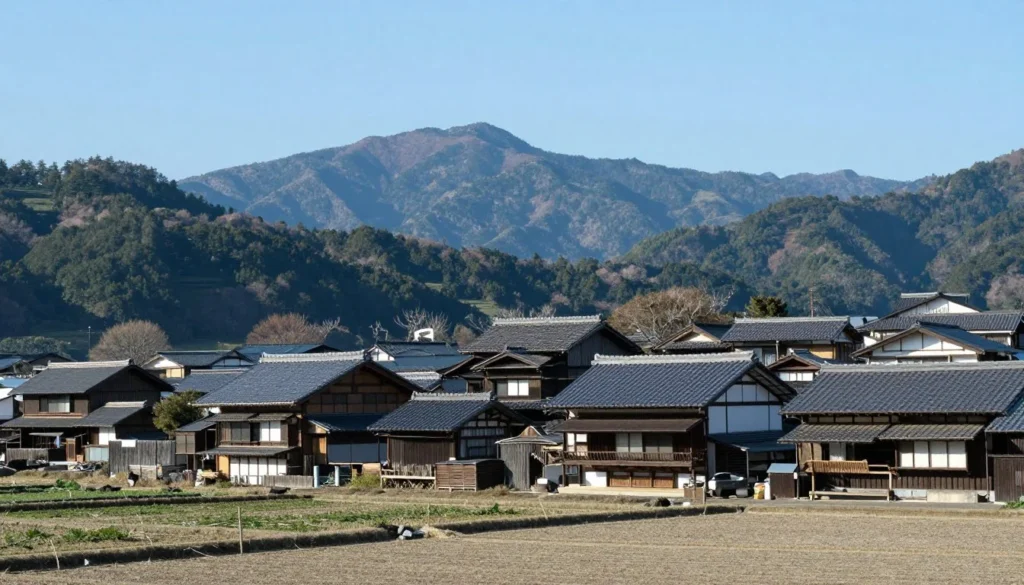
Fukuoka’s central location on Kyushu makes it an ideal base for exploring surrounding areas. Several nearby destinations offer distinctive experiences worth adding to your itinerary if time allows.
Nagasaki
Located about 2 hours west by train, Nagasaki tells powerful stories of international trade, Christian history, and atomic tragedy. The city’s unique history as Japan’s only port open to foreign trade during the isolation period created fascinating cultural blends. Visit the Peace Park and Atomic Bomb Museum to understand this pivotal historical moment, then explore Glover Garden’s Western-style homes and harbor views.
Nagasaki’s Chinatown, though smaller than Yokohama’s, offers excellent Chinese cuisine adapted to Japanese tastes over centuries. The cable car ride to Mount Inasa rewards visitors with night views ranked among Japan’s three best. Consider staying overnight to fully appreciate Nagasaki’s depth.
Beppu
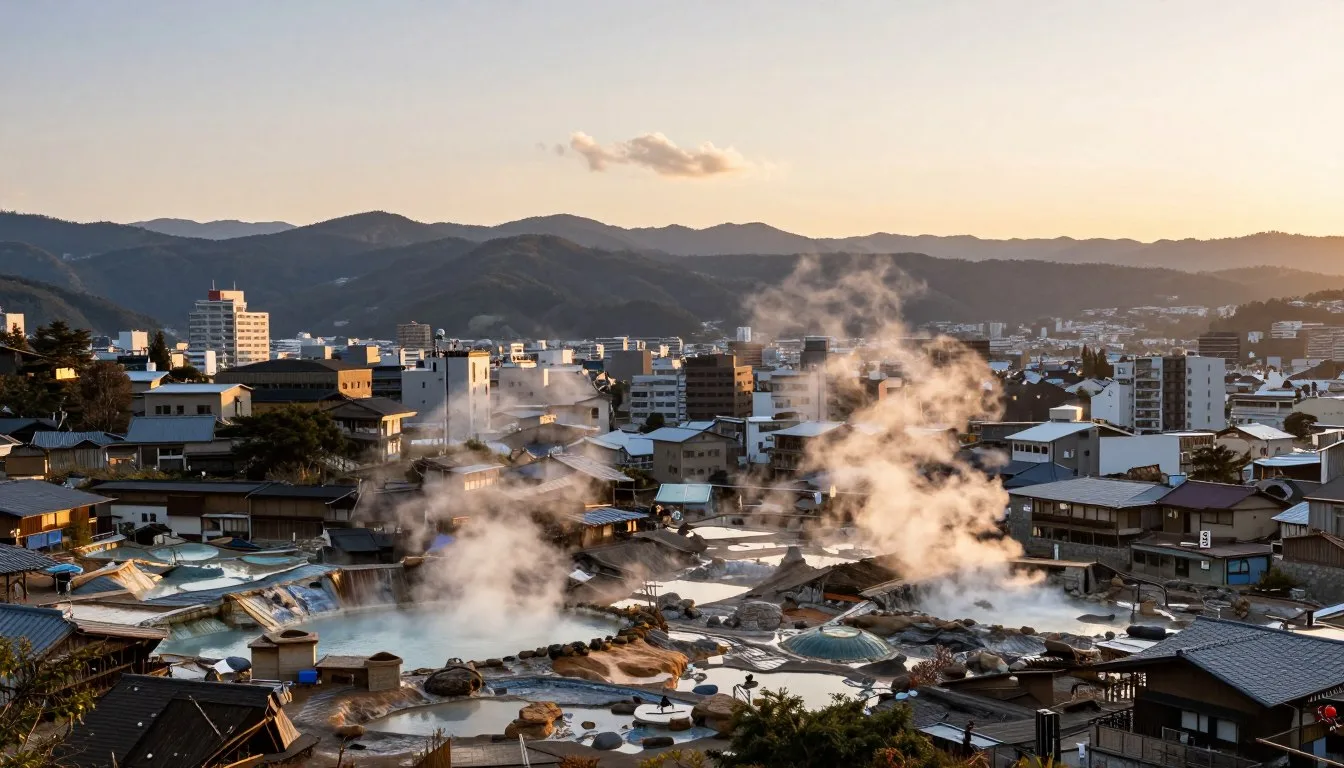
The “hot spring capital of Japan” sits roughly 2.5 hours northeast of Fukuoka. Beppu produces more hot spring water than anywhere else in the country, with steam rising from vents throughout the city. The famous “hells” (jigoku) showcase hot springs too powerful for bathing, featuring brilliant colors and dramatic effects.
After touring the hells, soak in one of hundreds of public bathhouses or enjoy sand baths where you’re buried in naturally heated sand. The experience provides relaxation like nothing else. Many ryokan in Beppu offer elaborate kaiseki dinners and private hot spring baths.
Kumamoto
About 90 minutes south by Shinkansen, Kumamoto centers on its impressive castle, currently undergoing restoration after earthquake damage in 2016. Parts of the castle remain accessible, with restoration efforts visible to visitors. The city also serves as a gateway to Mount Aso, one of the world’s largest active volcanoes.
Suizenji Garden creates a miniature representation of the 53 stations along the historic Tokaido road connecting Tokyo and Kyoto. This traditional Japanese garden demonstrates landscape design principles through carefully arranged elements representing famous locations.
Yanagawa
Just 30 minutes south of Fukuoka by train, this canal town offers peaceful boat rides through waterways dating to the feudal era. Boatmen pole flat-bottomed boats through narrow channels while explaining local history and singing traditional songs. The 70-minute cruise provides relaxation and perspective on traditional Japanese water towns.
Yanagawa’s specialty, unagi (eel) steamed over rice, rivals anywhere in Japan. Multiple restaurants near the canal boarding points serve this regional delicacy. The combination of canal cruise and eel lunch makes an excellent half-day trip from Fukuoka.
Kitakyushu
The industrial city directly north of Fukuoka might not sound appealing, but it offers surprising attractions. The Kawachi Wisteria Garden (previously mentioned) creates stunning seasonal displays. Kokura Castle, rebuilt in the 1950s, houses an interesting museum explaining samurai culture.
The fresh fish market in Mojiko draws seafood lovers, while the retro district preserves early 20th-century architecture. Kitakyushu demonstrates Japan’s successful transformation of industrial areas into livable cities with cultural attractions.
Yufuin
This charming hot spring town nestled in mountains about 2 hours from Fukuoka by train offers upscale onsen ryokan and boutique shopping. Less developed than Beppu, Yufuin maintains a more refined, quieter atmosphere. The town specializes in art galleries, craft shops, and cafes alongside traditional bathhouses.
Lake Kinrinko creates a picturesque scene, particularly during early morning when mist rises from its warm waters. The walk from the station through town to the lake takes you past numerous shops and restaurants worth exploring. Yufuin works well as either a day trip or overnight getaway.
Practical Travel Tips
Language and Communication
English proficiency varies widely in Fukuoka. Major hotels, tourist information centers, and popular attractions typically have some English-speaking staff. However, smaller restaurants, shops, and local businesses often operate entirely in Japanese.
Download a translation app before your trip. Google Translate’s camera function lets you point your phone at signs or menus to see instant translations. This technology proves invaluable for reading restaurant menus and understanding signs.
Learn basic Japanese phrases. “Sumimasen” (excuse me), “arigatou gozaimasu” (thank you), and “eigo ga hanasemasu ka?” (do you speak English?) carry you far. Most Japanese people appreciate any effort to speak their language, even if your pronunciation isn’t perfect.
Internet and Connectivity
Free Wi-Fi has expanded significantly in recent years. Look for “Japan Connected-free Wi-Fi” and similar services at train stations, convenience stores, and major attractions. However, speeds can be slow and connections sometimes unreliable.
For consistent internet access, consider renting a portable Wi-Fi router from the airport or arranging one for hotel delivery. These devices cost about 1,000 yen per day and provide reliable connectivity for multiple devices simultaneously. Alternatively, purchase a prepaid SIM card if your phone is unlocked.
Electrical Needs
Japan uses 100-volt electricity with Type A plugs (same as United States). Most modern electronics like phone chargers and camera batteries work fine with the slight voltage difference. However, heat-producing devices like hair dryers may perform differently. Many hotels provide hair dryers, eliminating the need to pack one.
Time Zone
Fukuoka operates on Japan Standard Time (JST), which is UTC+9. Japan doesn’t observe daylight saving time, maintaining the same time year-round. This stability helps when scheduling international calls or planning arrival times.
Business Hours
Most shops open around 10:00 AM and close between 8:00 PM and 10:00 PM. Department stores and shopping centers typically maintain longer hours than independent shops. Many restaurants close between lunch and dinner service (roughly 2:30 PM to 5:00 PM), reopening for dinner.
Convenience stores operate 24 hours, providing emergency supplies, snacks, and basic services anytime. These stores truly live up to their name in Japan, offering far more services and products than typical convenience stores in other countries.
Seasons and Packing
Pack layers regardless of season. Indoor spaces maintain aggressive air conditioning in summer and strong heating in winter, creating significant temperature differences between indoors and outdoors. A light jacket or cardigan provides flexibility.
Bring comfortable, broken-in walking shoes. You’ll cover several kilometers daily exploring the city and visiting attractions. Blisters from new shoes ruin sightseeing experiences. Pack a second pair in case one becomes wet or uncomfortable.
Health and Medical Services
Japan’s healthcare system ranks among the world’s best, though costs for tourists without insurance can be high. Purchase comprehensive travel insurance covering medical expenses before leaving home. Most policies cost far less than even minor medical treatment abroad.
Pharmacies sell over-the-counter medications, though finding specific brands requires knowing Japanese names. Bring adequate supplies of prescription medications in original containers, carrying a letter from your doctor explaining their necessity. Many common Western medications aren’t available in Japan.
Tap water throughout Japan is safe to drink. Hotels provide glasses or cups in rooms, and public water fountains appear in parks and stations. This eliminates the need to constantly purchase bottled water, though many travelers still prefer it.
Luggage Storage
Coin lockers at major stations solve luggage storage needs. Small lockers cost 300 yen per day, medium sizes run 500 yen, and large lockers charge 700 yen. These operate on 24-hour cycles, with time starting when you lock the door. Keep the key secure, as losing it requires calling station staff to open the locker.
Many hotels hold luggage after checkout if you have a late-day flight or train. This service is typically free for guests, allowing you to explore without dragging bags around. Ask at the front desk when checking out about luggage storage options.
Tipping Culture
Japan maintains a strict no-tipping culture. Excellent service represents the expected standard rather than something requiring extra payment. Restaurant bills, taxi fares, and hotel costs include everything. The only exception involves high-end ryokan, where leaving a small cash gift in an envelope for room attendants is occasionally done, though not required or expected.
Postal Services and Souvenirs
Japan Post operates reliably and reasonably priced. Sending packages internationally costs less than many countries, with tracking available on all shipments. Post offices near major stations offer international services, though smaller branches may direct you to larger locations.
Popular souvenirs from Fukuoka include mentaiko (spicy cod roe), Hakata dolls (traditional clay figurines), yame tea from the prefecture’s tea-growing region, and various food items like ramen kits or local sweets. Buy these at department store food halls, specialty shops, or even the airport, where selection remains excellent despite slight price premiums.
Your Fukuoka Adventure Awaits
Fukuoka Prefecture stands ready to exceed your expectations in ways both expected and surprising. The perfect tonkotsu ramen you’ll remember for years, the peaceful moment standing before a thousand-year-old shrine, the laughter shared with new friends at a yatai stall – these experiences define Fukuoka travel.
This corner of Japan offers something increasingly rare in our modern world: authentic cultural experiences without overwhelming crowds or inflated prices. You can still discover your own favorite neighborhood restaurant, stumble upon a local festival, or find that perfect viewpoint without competing with dozens of other photographers.
Whether you spend three days or three weeks exploring Fukuoka Prefecture, you’ll leave with stories, photographs, and memories that capture something essential about Japan. The prefecture’s unique position bridging ancient and modern, traditional and contemporary, creates travel experiences that satisfy both first-time visitors and seasoned Japan travelers.
Pack your sense of adventure along with your comfortable walking shoes. Fukuoka Prefecture isn’t just another destination to check off your list – it’s a place that invites you to slow down, pay attention, and discover why those who know Japan well often call this region their favorite. Your journey through castles, temples, mountains, and city streets begins whenever you’re ready. Fukuoka is waiting.