Hotels by Trip.com
Flights by Trip.com
Did you know that Gifu Prefecture holds the geographic center of Japan? This remarkable location earned its name from Oda Nobunaga, the legendary samurai warlord who chose “Gifu” by combining characters meaning “auspicious mountain,” believing this central position would help him unify the country.
While travelers flock to Tokyo and Kyoto, this hidden treasure in central Japan offers something extraordinary. Ancient traditions thrive alongside natural wonders here. You will find UNESCO World Heritage sites, centuries-old craft villages, and therapeutic hot springs waiting to be explored.
The prefecture sits between the Japanese Alps and the Nagara River valley. This unique position creates diverse landscapes perfect for adventure and relaxation. From watching traditional cormorant fishing under moonlight to soaking in mountain hot springs, Gifu Prefecture delivers authentic Japanese experiences without the crowds.
Getting There & Planning Your Journey
Reaching Gifu Prefecture is straightforward from major Japanese cities. The region sits in the heart of Japan, making it accessible through multiple entry points.
Closest Airports
Chubu Centrair International Airport in Nagoya serves as the primary gateway. Located approximately 90 km (56 miles) from Gifu city, this airport offers excellent international connections. Direct trains and buses connect the airport to various cities throughout the prefecture.
Alternative options include Komatsu Airport in Ishikawa Prefecture and Toyama Airport. Both provide access to the northern Hida region of Gifu. These smaller airports work well if you plan to explore the Japanese Alps first.
By Train
The Tokaido Shinkansen makes reaching Gifu Prefecture incredibly convenient. From Tokyo, the journey takes approximately two hours to Nagoya Station. Transfer to the JR Tokaido Line for a 20-minute ride to Gifu Station.
The Limited Express Hida connects Nagoya with Takayama in about 2.5 hours. This scenic route showcases the changing landscapes as you travel north into mountain territory. The train runs several times daily, offering flexibility for your travel plans.
By Bus
Highway buses provide economical alternatives between major cities. Overnight buses from Tokyo reach Takayama in approximately 5.5 hours. Daytime services connect Osaka, Kyoto, and Nagoya with various destinations throughout Gifu Prefecture.
Regional bus networks link smaller towns and villages. These services prove essential when exploring rural areas and historical sites off the main train routes.
Best Time to Visit & Weather Tips
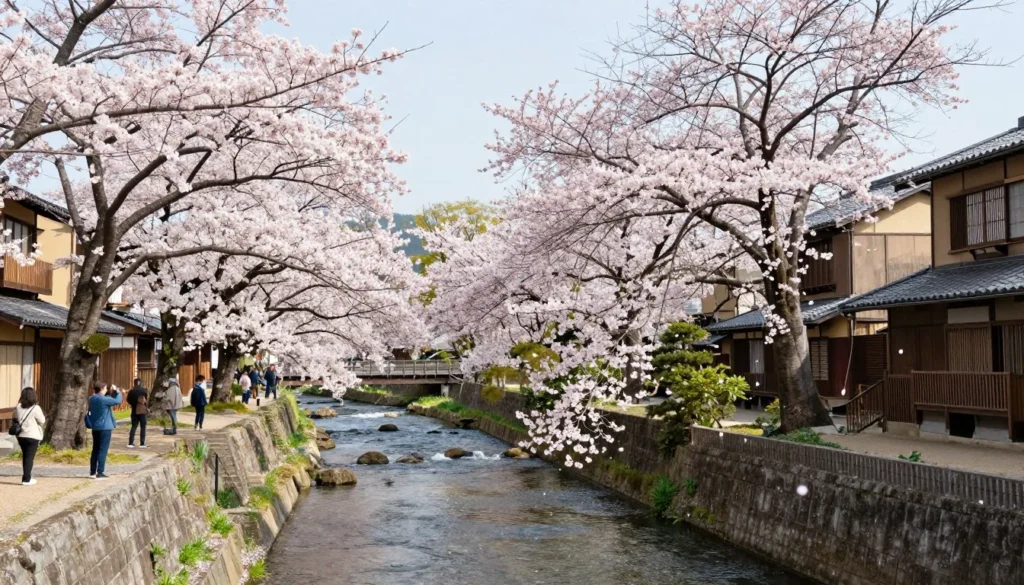
Best Time to Visit Gifu Prefecture
Spring and autumn emerge as the ideal seasons for exploring this region. April through May brings comfortable temperatures ranging from 15°C to 22°C (59°F to 72°F). Cherry blossoms paint the landscape pink during early April.
September through November offers spectacular autumn colors. The mountains transform into vibrant displays of red, orange, and gold. Temperatures stay pleasant between 12°C and 20°C (54°F to 68°F). This period sees fewer crowds compared to Kyoto and Tokyo.
Summer months from June through August bring warmth and humidity. Temperatures climb to 30°C (86°F) or higher. The rainy season typically runs from mid-June through mid-July. Mountain areas provide cooler retreats during hot summer days.
Check 30,000+ Local Sightseeing Tours Worldwide
✓ Numerous languages and currencies are available
Winter transforms the Hida region into a snowy wonderland. December through March sees significant snowfall in mountainous areas. Temperatures drop to -5°C to 5°C (23°F to 41°F) in highland regions. This season attracts winter sports enthusiasts and hot spring lovers.
Months to Avoid
Late June through mid-July presents challenges due to heavy rainfall. Flash flooding can occur in mountain regions during this period. Outdoor activities become limited, and some hiking trails close temporarily.
Mid-August brings extreme heat and humidity to lower elevations. Temperatures frequently exceed 35°C (95°F) in valley areas. Air conditioning becomes essential for comfortable sightseeing during this time.
Notable Annual Festivals
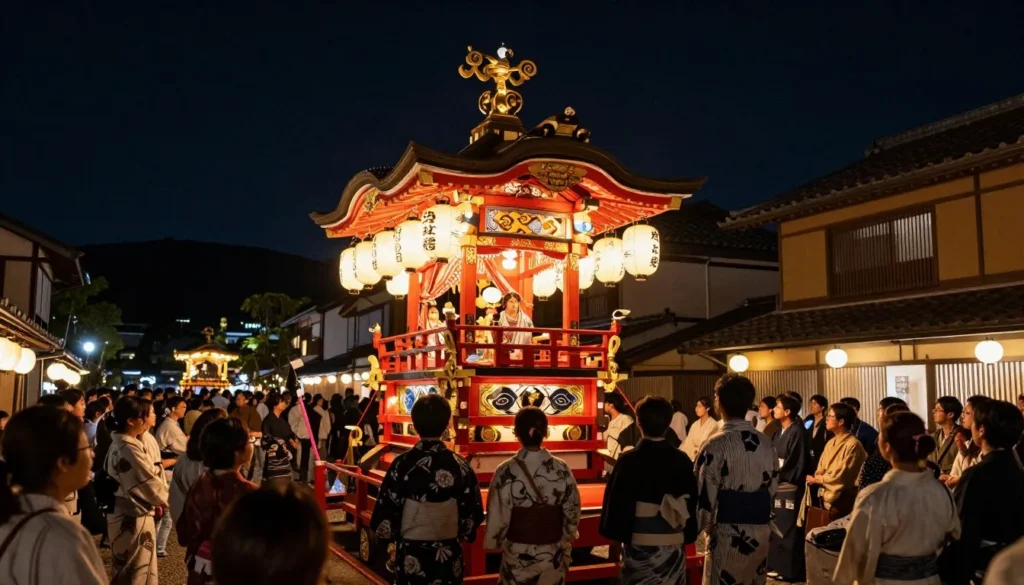
Gifu Prefecture hosts remarkable festivals throughout the year. These celebrations showcase centuries-old traditions and community spirit.
Takayama Matsuri
The Takayama Festival ranks among Japan’s three most beautiful festivals. Spring celebrations occur April 14-15, while autumn festivities take place October 9-10. Elaborately decorated floats parade through historic streets. Mechanical marionettes perform traditional dances atop the floats.
Contact the Takayama City Tourism Office for specific event details and schedules.
Gujo Odori Dance Festival
This remarkable dance festival runs from mid-July through early September in Gujo Hachiman. The peak occurs during Obon week in mid-August. Dancing continues from dusk until dawn for four consecutive nights. Everyone can join regardless of experience level.
Traditional music fills the streets as thousands dance together. The simple steps make participation easy and enjoyable for visitors.
Nagara River Cormorant Fishing
While not technically a festival, this ancient tradition runs from May 11 through October 15. Skilled fishermen use trained cormorants to catch ayu fish. Boats illuminated by burning torches create magical nighttime scenes.
Viewing boats depart nightly except during full moons and after heavy rain. Reservations are recommended during peak summer months.
Mino Washi Akari Art Festival
This enchanting event occurs in mid-October in Mino city. Traditional Japanese paper lanterns line historic streets. Local artisans and international artists create stunning light installations.
The festival celebrates Mino’s UNESCO-recognized papermaking heritage. Thousands of handmade washi paper lanterns transform the town into a glowing wonderland.
Getting Around Locally
Transportation options vary significantly between urban and rural areas of Gifu Prefecture. Understanding these differences helps you plan efficient travel routes.
Public Transportation
JR train lines connect major cities including Gifu, Ogaki, and Takayama. Local trains run frequently between urban centers during daytime hours. Service becomes limited in rural areas and after evening hours.
The JR Rail Pass covers most train routes throughout the prefecture. This pass offers excellent value for travelers exploring multiple destinations. Purchase your pass before arriving in Japan for maximum savings.
Bus networks fill gaps where trains don’t reach. The Nohi Bus Company operates extensive routes throughout the Hida region. Buses connect UNESCO World Heritage villages and mountain attractions.
Rental Cars
Renting a car provides maximum flexibility when exploring rural areas. Major rental companies operate offices near train stations in Gifu city and Takayama. International driving permits are required for foreign visitors.
Mountain roads require careful attention, especially during winter months. Snow tires become mandatory from December through March in highland areas. Navigation systems with English language options simplify route planning.
Bicycles
Many towns offer bicycle rental services perfect for local exploration. Takayama’s compact historic district becomes easily navigable by bike. Flat riverside paths along the Nagara River provide pleasant cycling routes.
Electric-assist bicycles help tackle hilly terrain in mountain towns. Reserve bikes in advance during popular spring and autumn seasons.
Where to Stay
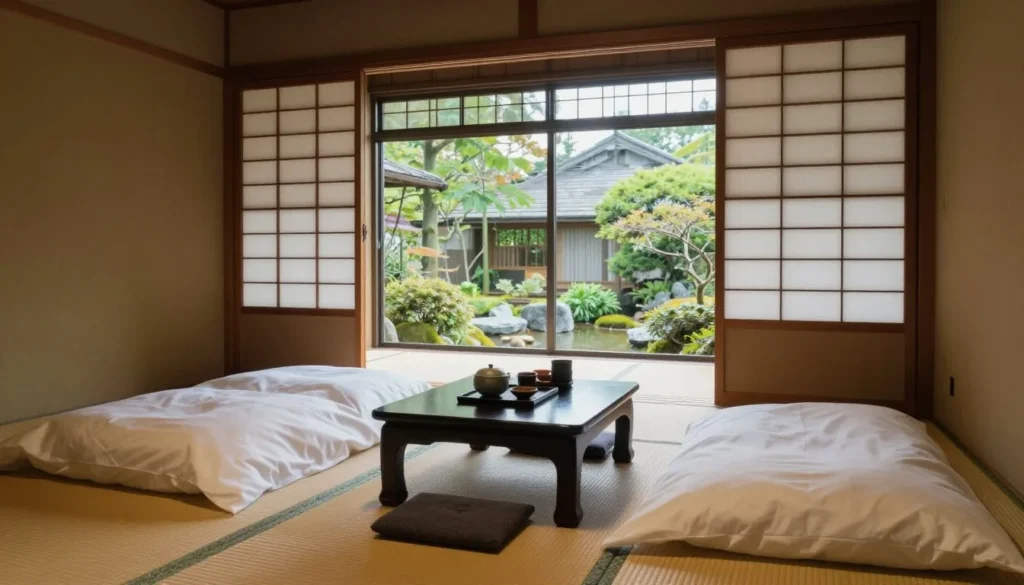
Accommodations throughout Gifu Prefecture range from traditional inns to modern hotels. Your choice depends on location, budget, and desired experience.
Traditional Ryokan
Staying in a traditional Japanese inn offers unforgettable cultural immersion. Ryokan typically include tatami mat rooms, futon bedding, and kaiseki dinner courses. Many feature natural hot spring baths on the premises.
Gero Onsen hosts numerous renowned ryokan. This famous hot spring town provides therapeutic waters and mountain views. Prices range from moderate to luxury depending on amenities and meal options.
The UNESCO World Heritage villages of Shirakawa-go and Gokayama offer gassho-style farmhouse stays. These unique thatched-roof buildings date back centuries. Advance reservations are essential, especially during peak seasons.
Modern Hotels
Gifu city and Takayama feature international hotel chains and business hotels. These properties provide Western-style rooms with private bathrooms. Convenient locations near train stations simplify transportation.
Business hotels offer clean, efficient accommodation at reasonable prices. Rooms tend toward compact sizes but include essential amenities. Breakfast buffets featuring Japanese and Western options often come included.
Budget Options
Guesthouses and hostels provide economical alternatives in popular tourist areas. Shared dormitory rooms and private rooms cater to different budgets. Common spaces encourage meeting fellow travelers.
Takayama’s guesthouse scene thrives with friendly, English-speaking staff. These properties often organize local tours and cultural activities. Prices typically start around 3,000 yen per night for dormitory beds.
Dining & Local Cuisine
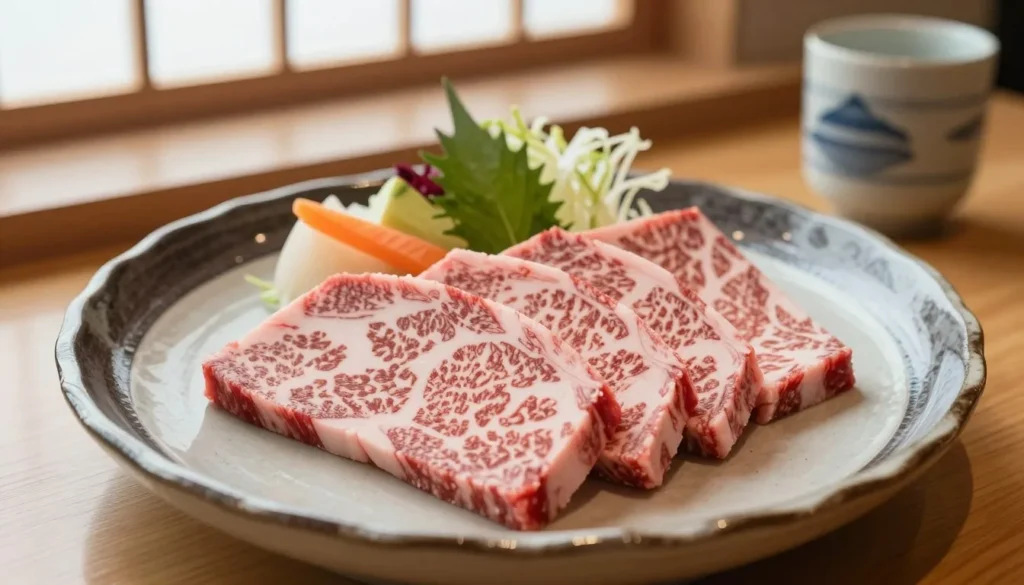
Gifu Prefecture’s culinary traditions reflect its geography and history. Mountain ingredients and river fish dominate regional specialties.
Hida Beef
This premium wagyu beef rivals Kobe’s fame among food enthusiasts. Cattle raised in the Hida region develop exceptional marbling and tender texture. Local restaurants serve it as yakiniku grilled beef, shabu-shabu hotpot, or sushi.
Takayama’s restaurants specialize in Hida beef preparations. Morning markets also sell beef croquettes and skewers perfect for quick snacks. Quality comes at premium prices, but the taste justifies the expense.
River Fish
Ayu sweetfish from the Nagara River represents a summer delicacy. These small fish are typically grilled whole with salt. The cormorant fishing tradition exists specifically to catch this prized species.
Restaurants along the Nagara River offer multi-course ayu meals during summer months. The delicate, slightly sweet flavor distinguishes this fish from ocean varieties.
Hoba Miso
This mountain specialty involves grilling miso paste and vegetables on magnolia leaves. The leaves impart subtle fragrance to the dish. Mushrooms, green onions, and sometimes Hida beef accompany the sweet miso sauce.
Many ryokan serve hoba miso for breakfast. The dish originated as preserved food for mountain workers and evolved into regional comfort food.
Keichan
This local soul food features chicken marinated in miso or soy sauce, then grilled with cabbage. Working-class origins made it popular in industrial areas. Today, restaurants throughout the prefecture serve their unique variations.
The dish pairs perfectly with rice and cold beer. Each region claims slightly different seasoning traditions.
Local Sake
Clean mountain water creates ideal conditions for sake brewing. Over a dozen breweries operate throughout the prefecture. The Hida region produces particularly acclaimed varieties.
Brewery tours and tastings welcome visitors in cities like Takayama. Many restaurants stock local labels rarely found outside the region.
Attractions, Sightseeing & Activities
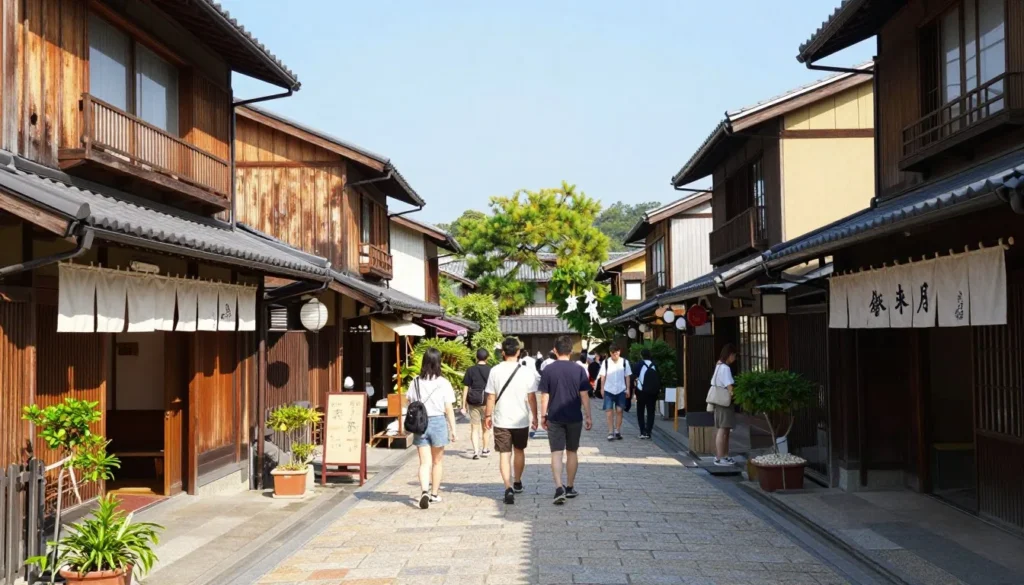
Takayama Old Town
The Sanmachi Suji district preserves Edo-period merchant houses and sake breweries. Wooden buildings line narrow streets creating an atmospheric historic quarter. Traditional shops sell local crafts, sweets, and antiques.
Morning markets operate daily along the Miyagawa River. Fresh produce, crafts, and local specialties fill vendor stalls. The relaxed atmosphere invites leisurely browsing and chatting with friendly vendors.
Shirakawa-go
This UNESCO World Heritage site showcases gassho-zukuri farmhouses with steep thatched roofs. The unique architectural style developed to withstand heavy snowfall. Several houses function as museums displaying traditional rural life.
The village becomes especially photogenic during winter illumination events. Snow-covered roofs and warm interior lighting create fairytale scenes. Observation points offer panoramic views of the entire settlement.
Gifu Castle
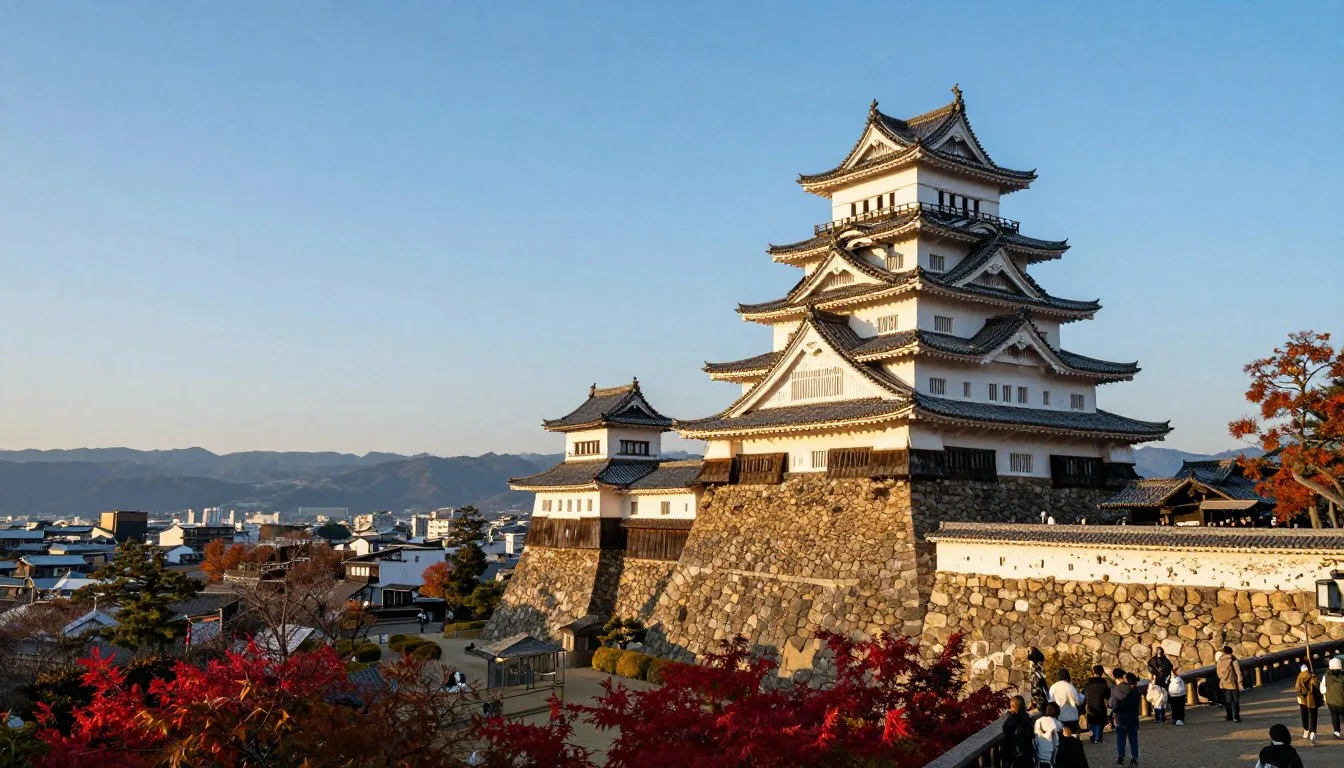
Perched atop Mount Kinka, this reconstructed castle commands spectacular views. Oda Nobunaga once ruled from this strategic location. A ropeway carries visitors up the mountain in just three minutes.
The castle museum displays samurai artifacts and local history. Observation decks provide 360-degree views across the city and surrounding mountains. Night illumination enhances the dramatic hilltop silhouette.
Gujo Hachiman
This charming castle town built around waterways maintains strong traditional character. Crystal-clear spring water flows through stone-lined channels. Residents still use these communal water sources for daily tasks.
The preserved historic district invites wandering through narrow lanes. Food replica workshops demonstrate this unusual local craft industry. The town castle, though small, offers pleasant views over traditional rooflines.
Nagara River
One of Japan’s three clearest rivers flows through central Gifu. Traditional cormorant fishing continues using methods unchanged for 1,300 years. Summer evening cruises let you witness this ancient practice.
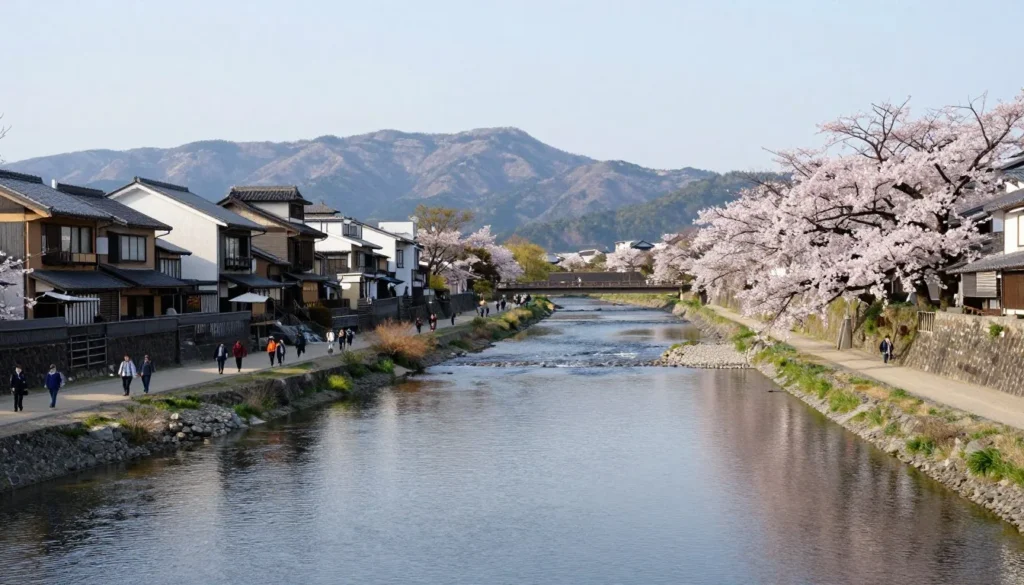
Riverside parks provide spots for relaxation and seasonal festivals. Cherry blossoms line the banks in spring. Summer brings fireworks displays reflected in the water’s surface.
Magome and Tsumago
These preserved post towns along the ancient Nakasendo road maintain Edo-period character. Steep stone-paved streets climb through mountain valleys. Traditional inns and shops occupy historic wooden buildings.
A scenic 8 km (5 mile) hiking trail connects the two towns. The well-maintained path follows the original road through forests and farmland. Baggage forwarding services let you hike unencumbered.
Museums, Cultural Spots & Festivals
Takayama Festival Floats Exhibition Hall
This museum displays the ornate yatai floats used during Takayama Matsuri. Intricate carvings, metalwork, and lacquer demonstrate extraordinary craftsmanship. Mechanical marionettes perform demonstrations several times daily.
The hall preserves four actual festival floats in climate-controlled conditions. Detailed explanations in multiple languages explain construction techniques and historical significance. Video presentations show the floats in festival procession.
Hida Folk Village
Over 30 traditional buildings from throughout the region gather in this open-air museum. Thatched-roof farmhouses showcase rural life across different time periods. Craft demonstrations include weaving, woodworking, and straw crafts.
The village setting against mountain backdrop creates photogenic scenes throughout seasons. Snow transforms the site into a winter wonderland. Autumn colors frame the historic structures beautifully.
Museum of Chiune Sugihara
This museum honors the Japanese diplomat who saved thousands of Jewish refugees during World War II. Sugihara issued transit visas against orders, enabling escape from Nazi-occupied territory. His courageous story inspires visitors from around the world.
The museum displays original documents, personal artifacts, and testimonies from survivors. Located in Yoro town, the site provides quiet reflection space. English translations accompany most exhibits.
Mino Washi Museum
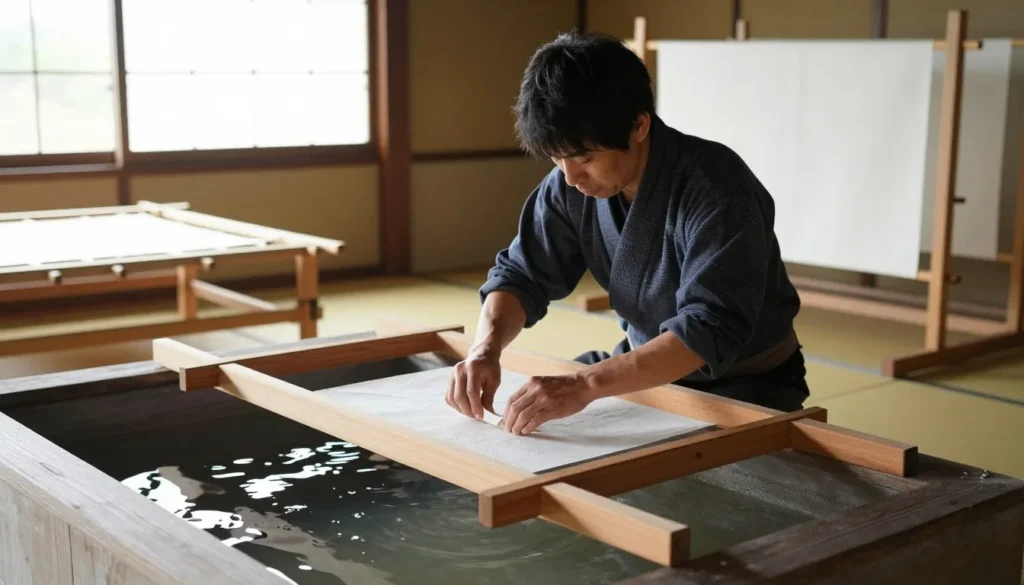
Traditional Japanese papermaking receives UNESCO cultural heritage recognition. This museum demonstrates the painstaking process using bark fibers. Visitors can try making their own sheet of washi paper.
The museum shop sells exquisite paper products from local artisans. Prices reflect the handcrafted quality and labor-intensive production. The historic Udatsu district surrounds the museum with preserved merchant houses.
Seki Traditional Swordsmith Museum
Seki city earned fame for producing exceptional Japanese swords dating back 700 years. Today the tradition continues through cutlery manufacturing. The museum explains forging techniques and sword history.
Live demonstrations occur on specified days throughout the year. Master craftsmen forge blades using traditional methods. The intense heat and precise hammering captivate audiences. Modern Seki cutlery shops offer high-quality kitchen knives descended from sword-making expertise.
Nature & Outdoor Experiences
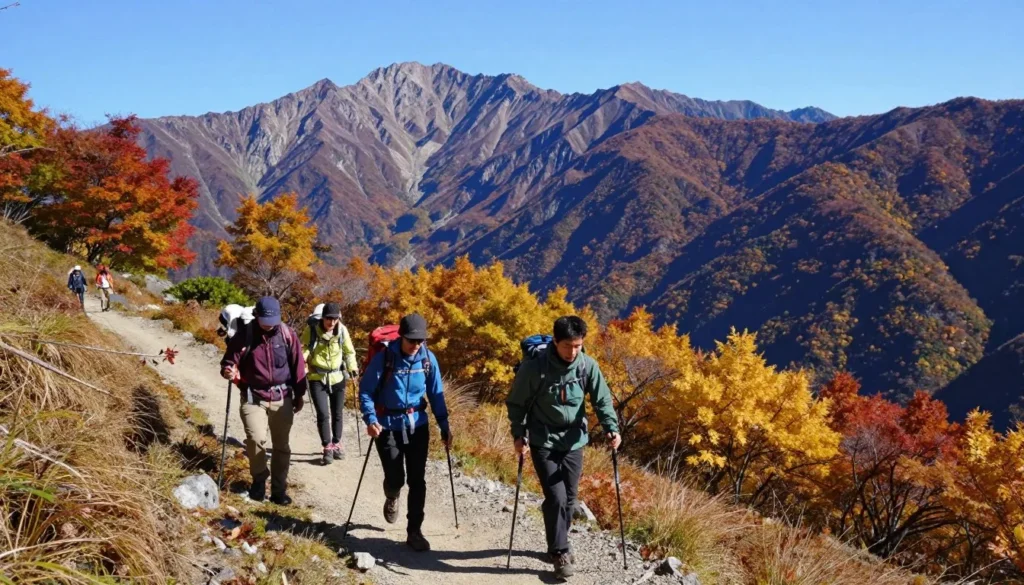
Japanese Alps
The northern Hida region encompasses part of the Northern Japanese Alps. Dramatic mountain scenery attracts hikers and nature lovers year-round. Well-maintained trails suit various fitness levels from casual walks to challenging climbs.
Mount Norikura rises to 3,026 m (9,928 ft) as one of Japan’s highest peaks. A mountain road provides access to 2,700 m (8,858 ft) elevation. From there, hiking trails reach the summit in about 90 minutes. Snow remains on high peaks into summer months.
The Kamikochi valley offers spectacular alpine scenery without difficult climbing. Crystal-clear rivers flow through the valley floor. Hiking trails follow the Azusa River beneath towering peaks. The area remains closed to private vehicles, preserving natural tranquility.
Gero Onsen
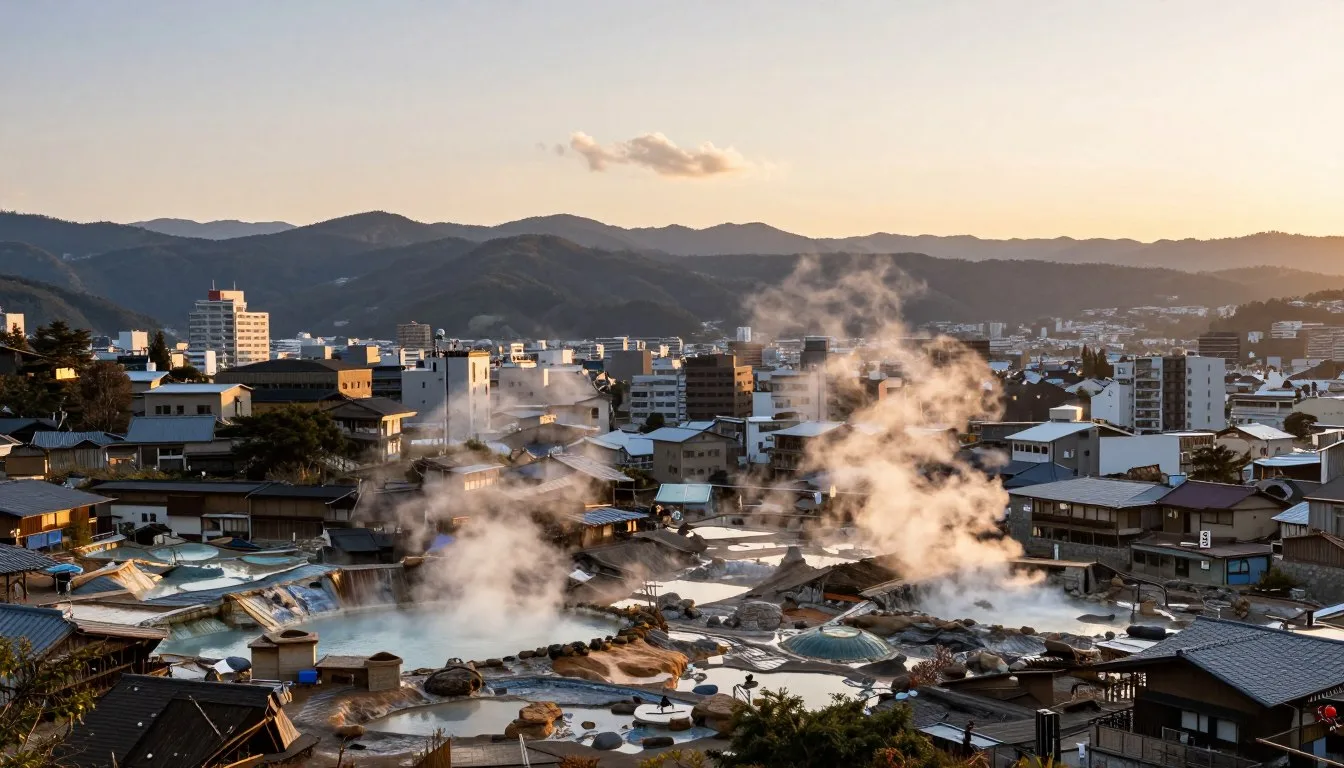
One of Japan’s three most famous hot springs draws visitors seeking therapeutic relaxation. The alkaline water leaves skin feeling smooth and refreshed. Public bathhouses and hotel facilities provide various bathing experiences.
The hot spring town spreads along the Hida River valley. Traditional wooden bridges and riverside paths create pleasant strolling routes. Evening atmosphere enhances the nostalgic onsen town charm.
Several ryokan offer day-use bathing for non-guests. Rotenburo outdoor baths provide mountain views while soaking. Spring water maintains temperatures around 84°C (183°F) at the source.
Mount Hakusan
This sacred mountain straddling three prefectures holds deep spiritual significance. Alpine flowers blanket high meadows during brief summer seasons. Clear weather reveals views across multiple mountain ranges.
Several hiking routes approach the summit from different directions. The trails pass mountain huts offering overnight accommodation. Snow typically limits access from November through June.
Mossbrae Falls
The Amou Gorge features dramatic rock formations and waterfalls. Walking trails follow the rushing Maze River through narrow canyons. Spring brings fresh green moss covering rocks and cliffs.
Check 30,000+ Local Sightseeing Tours Worldwide
✓ Numerous languages and currencies are available
The 4 km (2.5 mile) trail takes about two hours to complete. Wooden walkways navigate the most scenic sections. Autumn colors reflect in pools and cascades.
Nagaragawa Adventure Park
This outdoor activity center offers rafting, canyoning, and kayaking experiences. Professional guides lead trips suitable for beginners and families. The Nagara River provides exciting rapids during spring snowmelt.
Summer programs include gentler float trips perfect for hot weather. Equipment and safety instruction come included with all activities.
Travel With Children
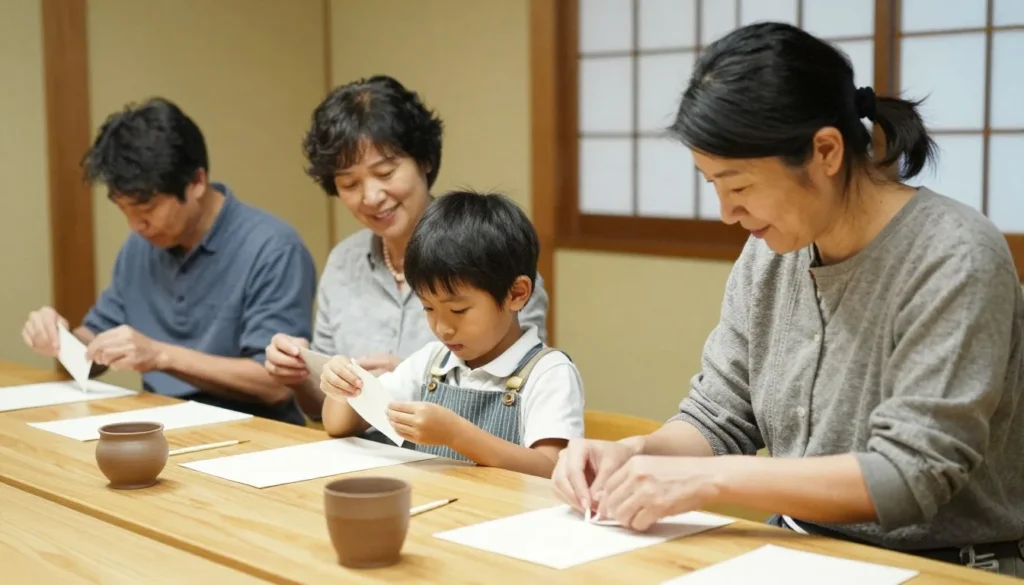
Gifu Prefecture offers numerous family-friendly attractions and activities. Many destinations welcome children with open arms and special programs.
Hands-On Experiences
Traditional craft workshops let children create their own souvenirs. Paper-making in Mino, pottery in various towns, and food replica creation in Gujo Hachiman engage young hands. Sessions typically last 30 to 60 minutes.
The Hida Folk Village provides space for children to explore traditional architecture safely. Staff demonstrate traditional toys and games. Kids enjoy trying these simple historical entertainment methods.
Nature Activities
Easy hiking trails in Kamikochi suit families with elementary-age children. Flat, well-maintained paths follow rivers with mountain backdrops. Wildlife spotting adds excitement to walks. Japanese macaques sometimes appear in mountain areas.
River activities during summer include gentle rafting and supervised swimming. Many ryokan feature family-size rooms and kid-friendly hot spring baths. Special children’s meals accommodate less adventurous palates.
Transportation Considerations
Trains and buses accommodate strollers, though space can become limited during busy periods. Many tourist sites provide stroller rental services. Mountainous terrain and historic districts with stairs challenge stroller navigation.
Baby-changing facilities exist in larger train stations and shopping centers. Rural areas may lack these amenities. Many restaurants provide high chairs upon request.
Accommodation Tips
Family rooms at ryokan often include extra futon bedding. Western-style hotels provide connecting rooms for larger families. Some guesthouses offer family rooms with private bathrooms.
Inform accommodations about traveling with young children when booking. Many properties provide special amenities like children’s yukatas and meal arrangements.
Money Saving Tips
Strategic planning helps stretch your budget while experiencing Gifu Prefecture’s highlights.
Transportation Savings
The JR Rail Pass provides significant savings if visiting multiple cities. Calculate your planned train trips to determine if the pass offers value. Regional passes covering specific areas cost less than nationwide versions.
Highway buses cost significantly less than express trains. Overnight buses eliminate one night’s accommodation expense. Book tickets in advance for best prices and seat selection.
Accommodation Strategies
Guesthouses and hostels cost 60-70% less than hotels and ryokan. Many include free breakfast and communal kitchens. Staying in dormitories reduces costs further while meeting fellow travelers.
Business hotels near train stations offer practical, affordable rooms. Rates drop significantly on weekends and off-season periods. Booking websites frequently offer discount promotions.
Dining on Budget
Lunch sets at restaurants cost half the dinner prices for similar meals. Many establishments offer substantial set meals between 11:00 AM and 2:00 PM. Evening street food and market vendors provide inexpensive alternatives.
Supermarkets discount bento boxes and prepared foods before closing time. Convenience stores offer decent meals at reasonable prices. Morning markets sell fresh produce and snacks at fair rates.
Free and Low-Cost Activities
Many temples and shrines charge no admission fees. Historic districts like Takayama’s Sanmachi Suji cost nothing to explore. Riverside walks and public parks provide free recreation.
Free hot spring foot baths appear in many onsen towns. Local tourist offices often list free cultural events and festivals. Museum admission rarely exceeds 1,000 yen per person.
Shopping Smart
Tax-free shopping saves 10% on purchases over certain amounts. Bring your passport to participating stores. Local markets offer better prices than tourist shops for similar crafts.
Generic brands at drugstores provide quality products at lower prices. 100-yen shops stock useful travel items and snacks. Shopping at larger cities typically costs less than tourist destinations.
Safety & Local Customs
Gifu Prefecture maintains Japan’s reputation for safety and order. Understanding local customs enhances your experience and shows respect.
General Safety
Crime rates remain remarkably low throughout the region. Violent crime against tourists virtually never occurs. Petty theft happens rarely but take normal precautions with valuables. Police boxes called koban appear throughout cities offering assistance.
Mountain areas require proper preparation and respect for nature. Weather changes rapidly at high elevations. Carry appropriate clothing, water, and supplies. Inform someone of hiking plans before departing.
Winter brings heavy snow to mountain regions. Roads become hazardous requiring chains or winter tires. Check weather forecasts and road conditions before traveling during cold months.
Onsen Etiquette
Hot springs follow strict protocols unfamiliar to many visitors. Wash thoroughly before entering communal baths. Small towels must not touch bath water. Most facilities prohibit swimwear in traditional onsen.
Tattoos may cause entry refusal at some establishments. This policy stems from historical associations rather than discrimination. Some modern facilities accommodate tattooed guests in private baths or designated hours.
Dining Customs
Slurping noodles signals enjoyment and cools hot soup. Chopstick etiquette matters – never stick them upright in rice. Pouring drinks for others before yourself demonstrates good manners.
Many restaurants display plastic food models outside. Point to desired items if language barriers exist. Tipping is not practiced and may cause confusion. Service charges when applied appear clearly on bills.
Temple and Shrine Behavior
Purify hands and mouth at water basins before entering shrines. Bow respectfully when passing through torii gates. Photography restrictions apply at some sacred sites. Speak quietly and dress modestly at religious locations.
Small offerings of coins accompany prayers at shrines. Ring bells or clap hands according to specific shrine customs. These practices show respect whether you follow the faith or not.
Social Interactions
Japanese communication tends toward indirect and polite expressions. Loud talking in public spaces draws disapproval. Remove shoes when entering homes, traditional restaurants, and some establishments.
English proficiency varies widely outside major tourist areas. Learning basic Japanese phrases shows effort and appreciation. Locals generally respond warmly to respectful visitors attempting their language.
Visitor Comments About Gifu Prefecture
“Gifu Prefecture exceeded every expectation. The combination of history and natural beauty created perfect balance. Takayama’s old town transported us back centuries while hot springs provided modern relaxation. Cormorant fishing on the Nagara River offered unique cultural insight. We found the region far less crowded than Kyoto with equally impressive sights.”
“Staying overnight in Shirakawa-go ranked among our trip highlights. The gassho-zukuri farmhouse accommodation gave authentic experience of traditional mountain life. Our hosts shared stories passed down through generations. Morning mist over thatched roofs created magical atmosphere. The village maintains genuine character despite UNESCO recognition. We appreciated discovering this lesser-known region of Japan.”
“Gifu Prefecture surprised us with its diversity. The Japanese Alps offered spectacular hiking while cities provided cultural depth. We enjoyed wandering Takayama without tourist crowds overwhelming us. Local people showed genuine friendliness and patience with our limited Japanese. Hida beef lived up to its reputation as some of Japan’s finest. The prefecture deserves more international attention as a destination.”
Additional Nearby Destinations
Gifu Prefecture’s central location makes it an excellent base for exploring surrounding regions. Several worthwhile destinations lie within easy reach.
Nagoya
Japan’s fourth-largest city sits just 20 minutes from Gifu by train. The massive Nagoya Castle dominates the skyline with impressive architecture. The city offers excellent shopping, dining, and urban attractions. Day trips from Gifu to Nagoya work perfectly.
Matsumoto
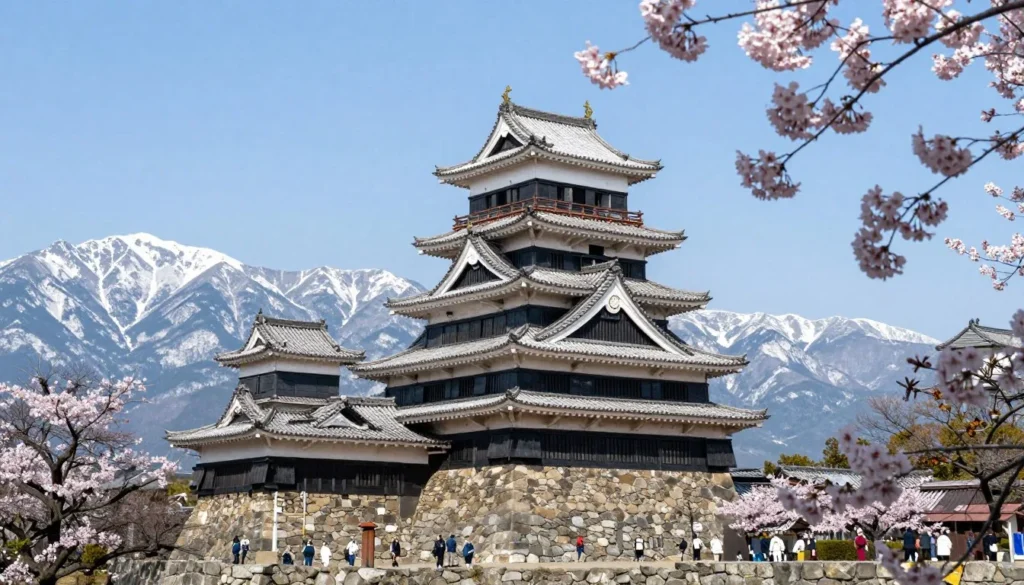
This historic castle town in neighboring Nagano Prefecture lies about 2.5 hours away. Matsumoto Castle ranks among Japan’s finest original castles. The city serves as gateway to Northern Alps hiking destinations. Art museums and craft shops add cultural depth.
Kanazawa
Rich cultural heritage distinguishes this coastal city two hours north. Kenrokuen Garden ranks among Japan’s three most beautiful landscapes. Preserved geisha districts and samurai quarters maintain historic atmosphere. Fresh seafood from the Sea of Japan enhances culinary experiences.
Takayama to Kanazawa Route
The scenic bus route connecting these cities passes through spectacular mountain terrain. The journey takes about 2.5 hours through the Chubu region. This route allows multi-destination itineraries combining Gifu with other highlights.
Tateyama Kurobe Alpine Route
This famous mountain traverse becomes accessible from northern Gifu. The route operates seasonally from mid-April through November. Cable cars, buses, and ropeways transport visitors across the Northern Alps. Spring reveals snow walls up to 20 m (65 ft) high.
Practical Travel Tips
These additional pointers help smooth your Gifu Prefecture adventure.
Language and Communication
English signage appears in major tourist areas but becomes rare elsewhere. Download translation apps before arriving. Google Translate’s camera function helps read signs and menus. Learn basic Japanese phrases for greetings and thanks.
Tourist information centers staff often speak English. They provide maps, advice, and sometimes make accommodation reservations. These free services prove invaluable when facing language barriers.
Money Matters
Japan remains largely cash-based despite technological advancement. Many small businesses and rural establishments don’t accept cards. ATMs at 7-Eleven convenience stores accept most foreign cards reliably. Post office ATMs also work with international cards.
Currency exchange counters exist at airports and major train stations. Banks offer exchange services during business hours. Hotels typically provide poor exchange rates. Withdraw sufficient cash before visiting rural areas where ATMs may be scarce.
Internet and Connectivity
Free WiFi appears at many accommodations, cafes, and tourist facilities. Connection quality varies significantly by location. Renting portable WiFi devices or buying SIM cards ensures reliable internet access. Major mobile carriers offer tourist-friendly data plans.
Train stations and convenience stores often provide free WiFi hotspots. Download offline maps and translation data before visiting remote areas.
Seasonal Packing
Layered clothing works best for variable temperatures. Spring and autumn require light jackets for temperature changes. Summer brings heat and humidity demanding breathable fabrics. Winter in mountain areas requires substantial cold-weather gear.
Comfortable walking shoes prove essential for exploring historic districts. Slip-on shoes simplify frequent removal when entering buildings. Rain gear belongs in bags year-round given Japan’s changeable weather.
Medical Preparation
Bring adequate prescription medications as specific brands may not be available. English-speaking medical facilities exist in larger cities. Travel insurance covering medical emergencies provides important peace of mind.
Pharmacies called yakkyoku sell over-the-counter medications. Staff may not speak English but often help identify needed products. Drugstores provide personal care items at reasonable prices.
Local Transportation Apps
Hyperdia and Google Maps help navigate complex train schedules. These apps provide route options, costs, and platform information. Japan Transit Planner offers similar services with English interface.
Local bus systems often lack English information. Tourist offices can help decipher schedules and routes. Many cities offer day passes for unlimited local bus travel.
Location Map
Your Journey Through Japan’s Hidden Heart Awaits
Gifu Prefecture stands ready to reward curious travelers seeking authentic Japanese experiences. While crowds surge through Tokyo and Kyoto, this central region preserves traditions and natural beauty with quiet dignity. The prefecture offers something rare in today’s world – a chance to slow down and experience culture at its own pace.
From mountain peaks where ancient gods dwell to riverside towns where craftspeople continue centuries-old traditions, each day brings discovery. Whether you seek outdoor adventure, cultural immersion, or simply peaceful escape, Gifu Prefecture delivers. The warm welcome from local people adds another layer of richness to every encounter.
Check 30,000+ Local Sightseeing Tours Worldwide
✓ Numerous languages and currencies are available
Start planning your journey to discover why this remarkable region deserves recognition as one of Japan’s most compelling destinations. Your own Gifu story waits to unfold.