Hotels by Trip.com
Flights by Trip.com
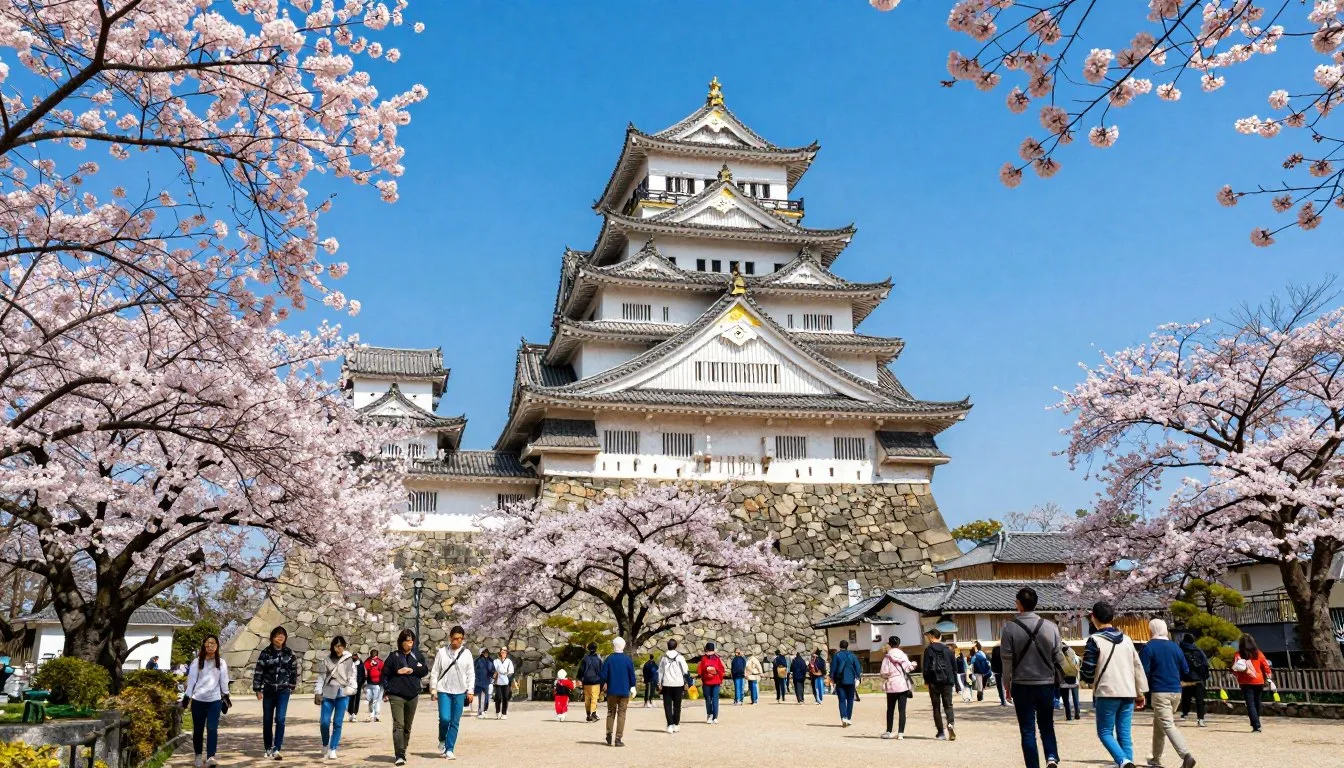
Did you know that Hyogo Prefecture is home to the most photographed castle in Japan, attracting over 2.8 million visitors annually? This remarkable region stretches from the mountains to the Seto Inland Sea, offering travelers an authentic slice of Japanese culture. The name Hyogo comes from the ancient word meaning “weapons storehouse,” reflecting its historical role as a strategic military location during feudal times.
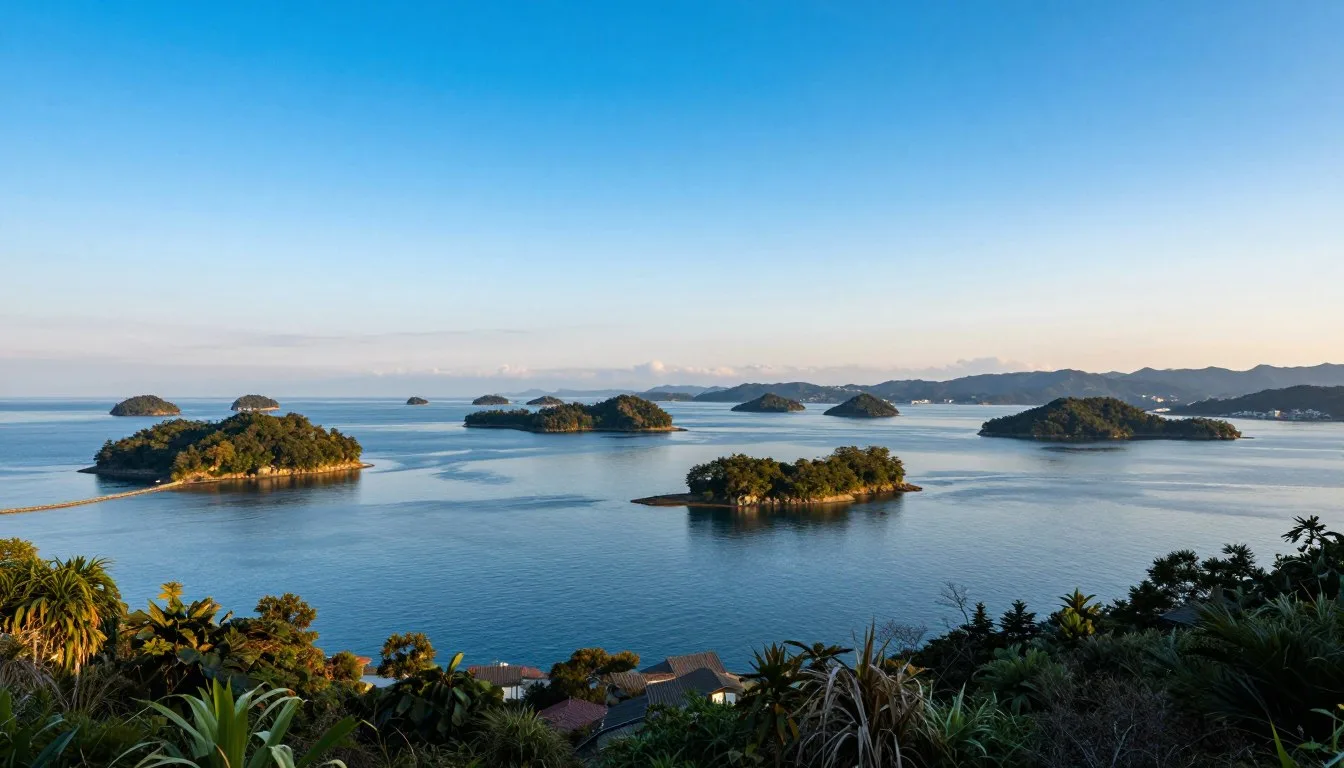
Nestled in the Kansai region of western Japan, Hyogo Prefecture presents a captivating blend of ancient castles, relaxing hot springs, world-renowned beef, and coastal beauty. From the architectural marvel of Himeji Castle to the therapeutic waters of Kinosaki Onsen, this diverse prefecture offers something for every traveler.
Whether you’re seeking cultural immersion, culinary adventures, or natural wonders, Hyogo Prefecture delivers experiences that will stay with you long after you return home. The region combines the sophistication of Kobe city with the tranquility of rural mountain towns, creating a destination that captures the essence of Japan.
Getting There & Planning Your Journey

Reaching Hyogo Prefecture is straightforward thanks to excellent transportation connections throughout Japan. The region is served by three major airports that provide convenient access points for international visitors.
Kansai International Airport sits approximately 70 km (43 miles) south of Kobe city and serves as the primary gateway for international travelers. Direct airport limousine buses connect to Kobe in about 65 minutes, while trains offer alternative routes through Osaka.
Osaka International Airport, also known as Itami Airport, lies closer to Hyogo Prefecture at just 25 km (16 miles) from downtown Kobe. This airport handles primarily domestic flights and provides quick access to the region via airport buses that reach Kobe in approximately 40 minutes.
Kobe Airport, located on an artificial island, serves domestic routes and sits right within Hyogo Prefecture itself. A speedy Port Liner train connects the airport to Sannomiya Station in central Kobe in just 18 minutes.
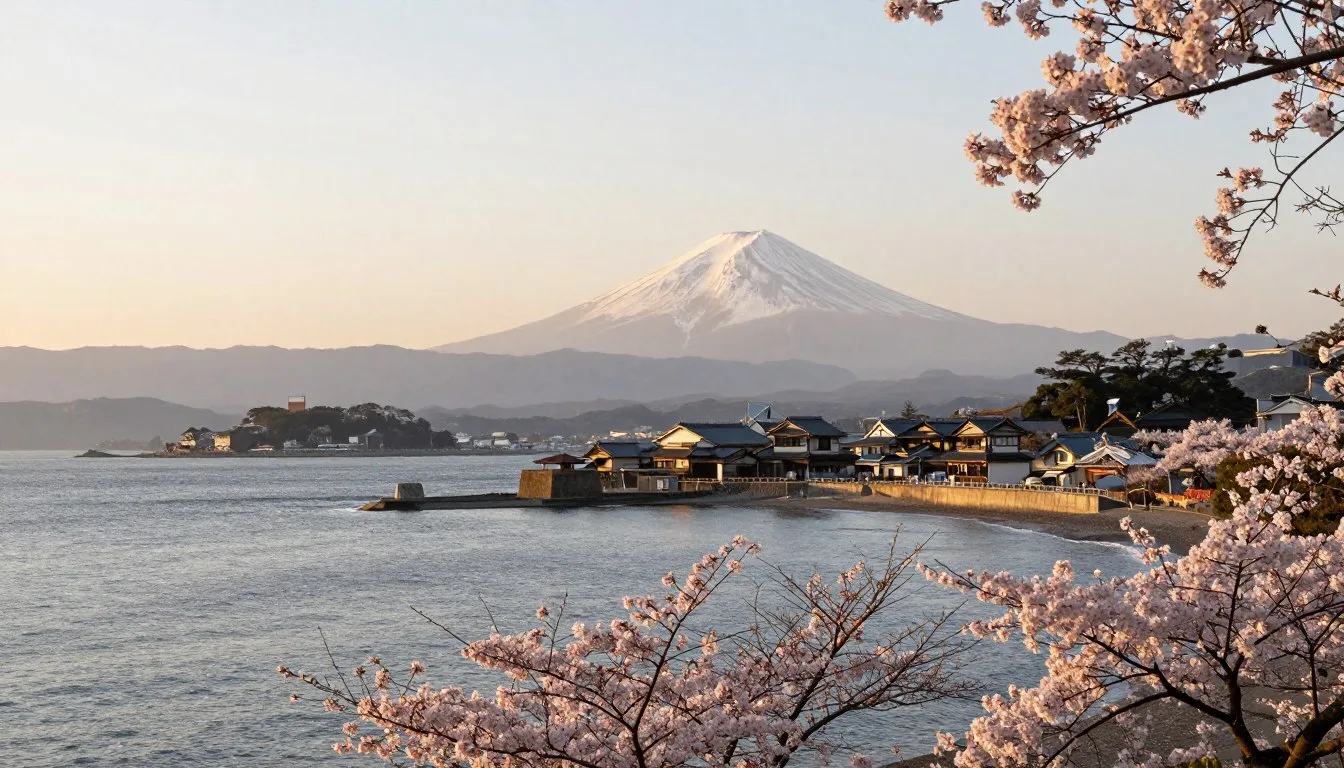
Planning Tip: Japan Rail Pass holders can maximize value by taking the Shinkansen bullet train from Tokyo to Shin-Kobe Station. The journey takes about 2 hours and 40 minutes, offering spectacular views of Mount Fuji on clear days.
The prefecture’s central location in western Japan makes it an ideal base for exploring the Kansai region. Cities like Osaka, Kyoto, and Nara are all within 30 to 90 minutes by train, allowing travelers to experience multiple destinations during one trip.
Best Time to Visit & Weather Tips
Best Time to Visit Hyogo Prefecture
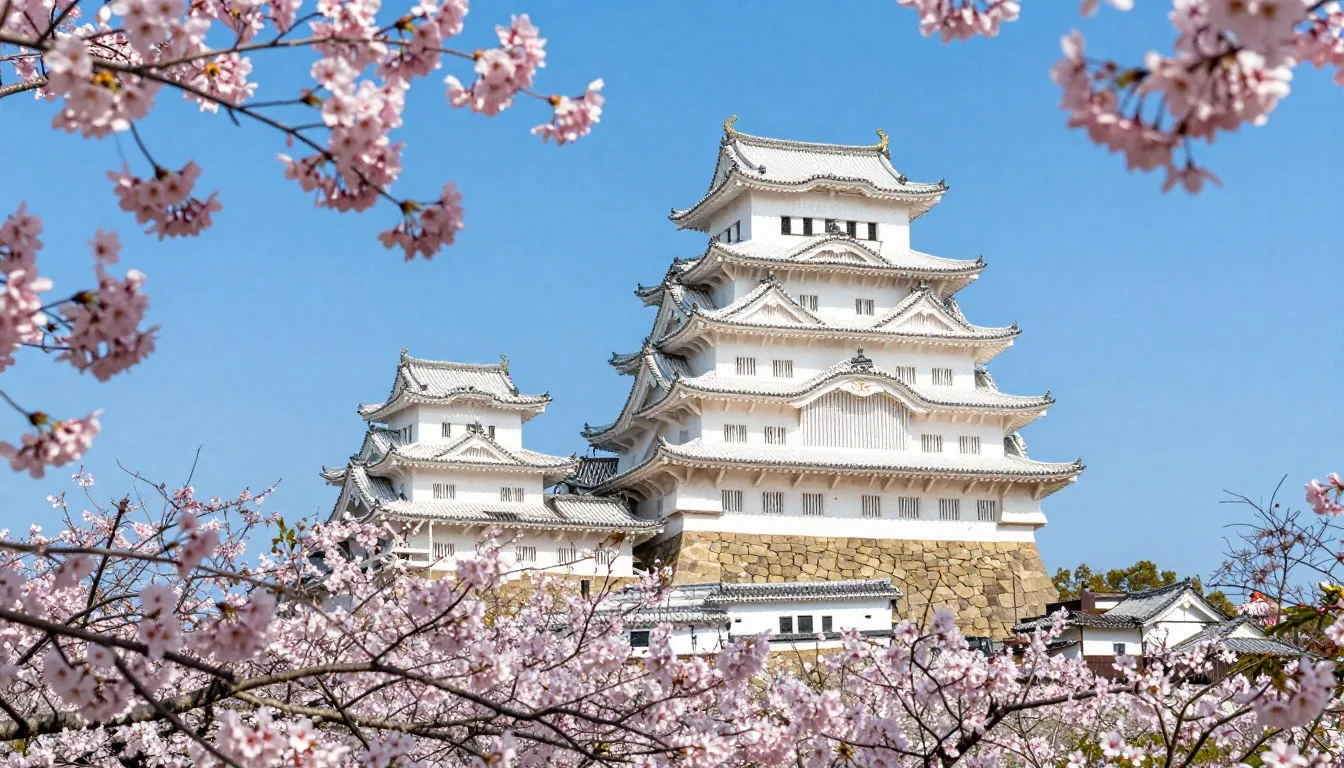
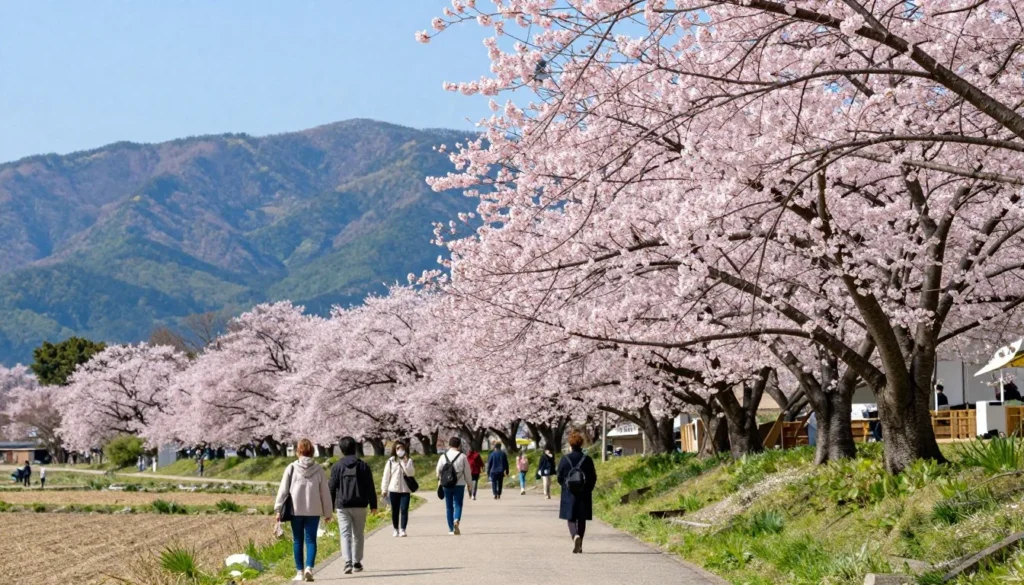
The ideal months to explore Hyogo Prefecture span from March through May and September through November. Spring brings the magical cherry blossom season, when Himeji Castle becomes draped in delicate pink blooms. Temperatures range from 12°C to 20°C (54°F to 68°F), creating comfortable conditions for sightseeing.
Autumn transforms the region into a canvas of red, orange, and gold foliage. September through November offers pleasant weather with temperatures between 15°C and 23°C (59°F to 73°F). This season provides excellent visibility for mountain hiking and coastal exploration.
Summer months from June through August bring warm, humid weather with temperatures reaching 28°C to 32°C (82°F to 90°F). While the rainy season typically occurs in June, summer festivals and beach activities make this period appealing for specific interests.
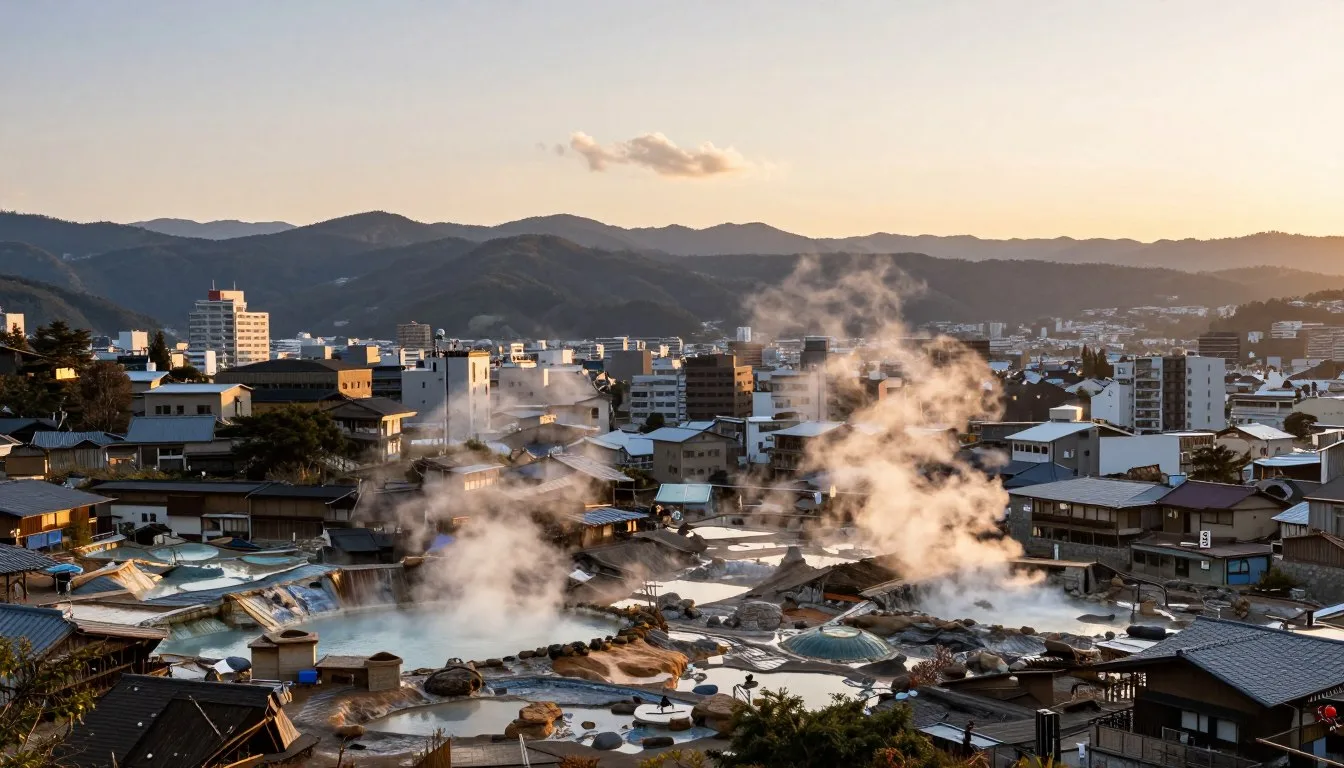
Winter from December through February sees temperatures drop to 2°C to 10°C (36°F to 50°F). This season attracts visitors to hot spring towns like Kinosaki Onsen and Arima Onsen, where soaking in therapeutic waters becomes especially inviting.
✓ Check 30,000+ Local Sightseeing Tours Worldwide
Months to Avoid: Late June and early July coincide with the rainy season, bringing frequent downpours that can disrupt outdoor plans. Mid-August sees peak domestic tourism and higher accommodation prices throughout the region.
Notable Annual Festivals
Hyogo Prefecture hosts spectacular festivals throughout the year that showcase traditional culture and community spirit. The Nada Fighting Festival takes place every October in Himeji, featuring dramatic portable shrine battles that have earned it recognition as one of Japan’s most exciting autumn events.
Kobe Luminarie illuminates the city each December, commemorating the Great Hanshin Earthquake with stunning light installations. Millions of LED lights create architectural masterpieces along the streets, transforming Kobe into a winter wonderland from early to mid-December.
The Himeji Castle Cherry Blossom Viewing Festival occurs annually in early April when approximately 1,000 cherry trees bloom around the castle grounds. Evening illuminations create an ethereal atmosphere as visitors stroll beneath flowering branches.
Summer brings the Sumiyoshi Festival to Kobe in August, one of the region’s most important Shinto celebrations. Traditional music, dance performances, and a spectacular procession of portable shrines honor the guardian deities of seafarers.
Getting Around Locally
Navigating Hyogo Prefecture proves remarkably straightforward thanks to efficient public transportation and well-maintained roads. The region’s train network connects major cities and towns, making day trips effortless for visitors.
JR West operates extensive rail services throughout the prefecture, including the Sanyo Shinkansen bullet train that stops at Shin-Kobe, Nishi-Akashi, Himeji, and Aioi stations. Local train lines branch into smaller towns and coastal areas, with English signage available at most stations.
Kobe’s city center features multiple subway lines, the Port Liner to Kobe Airport, and the Rokko Cable Car ascending to mountain viewpoints. A one-day pass costs around ¥900 (approximately $6 USD) and covers unlimited rides on city buses and subways.
Rental cars offer flexibility for exploring rural areas, hot spring towns, and coastal regions where public transport runs less frequently. International driving permits are required, and most major rental companies have offices near train stations. Daily rates start around ¥6,000 (about $40 USD) for compact vehicles.
Bicycles provide an eco-friendly option for local exploration, with rental shops near major train stations charging ¥500 to ¥1,000 ($3 to $7 USD) per day. Many cities offer dedicated cycling paths along rivers and coastal areas, making two-wheeled travel both safe and scenic.
Taxis remain readily available in urban areas, with starting fares around ¥680 ($4.50 USD) for the first 2 km (1.2 miles). Most drivers speak limited English, so having your destination written in Japanese characters helps ensure smooth communication.
Where to Stay
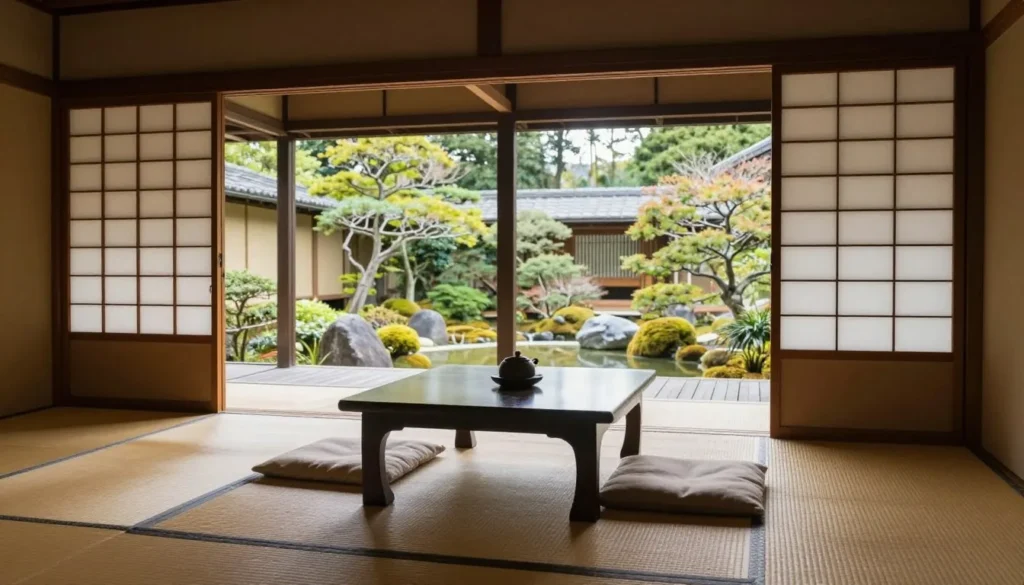
Hyogo Prefecture offers diverse accommodation options ranging from luxury hotels to traditional inns, ensuring comfortable stays regardless of budget or travel style. Each area within the region provides distinct lodging experiences that complement local attractions.
Kobe city presents upscale international hotels near Sannomiya Station and the waterfront area. Business hotels cluster around major train stations, offering clean, efficient rooms starting from ¥8,000 ($53 USD) per night. The harborfront district features luxury properties with stunning views of the Seto Inland Sea and the iconic Akashi Kaikyo Bridge.
Traditional ryokan inns define the accommodation experience in hot spring towns like Kinosaki Onsen and Arima Onsen. These establishments serve elaborate kaiseki dinner courses, provide yukata robes, and include access to private or communal hot spring baths. Expect to pay ¥15,000 to ¥40,000 ($100 to $265 USD) per person including two meals.
Himeji offers convenient hotels within walking distance of the castle, with mid-range options starting around ¥10,000 ($66 USD) per night. The area provides excellent value compared to larger cities while maintaining easy access to major attractions.
Budget-Friendly Options
- Capsule hotels in Kobe from ¥3,500 ($23 USD)
- Guesthouses with shared facilities from ¥4,000 ($26 USD)
- Business hotels near stations from ¥6,500 ($43 USD)
Luxury Experiences
- Five-star hotels in Kobe from ¥25,000 ($165 USD)
- Premium ryokan with private hot springs from ¥50,000 ($330 USD)
- Resort hotels on Awaji Island from ¥30,000 ($198 USD)
Awaji Island provides resort-style accommodations with ocean views and access to beaches. Family-friendly hotels offer larger rooms and kid-friendly amenities, making the island an excellent choice for travelers with children.
Booking accommodations well in advance becomes essential during cherry blossom season, autumn foliage periods, and major festivals. Summer weekends and national holidays also see increased demand throughout the prefecture.
Dining & Local Cuisine
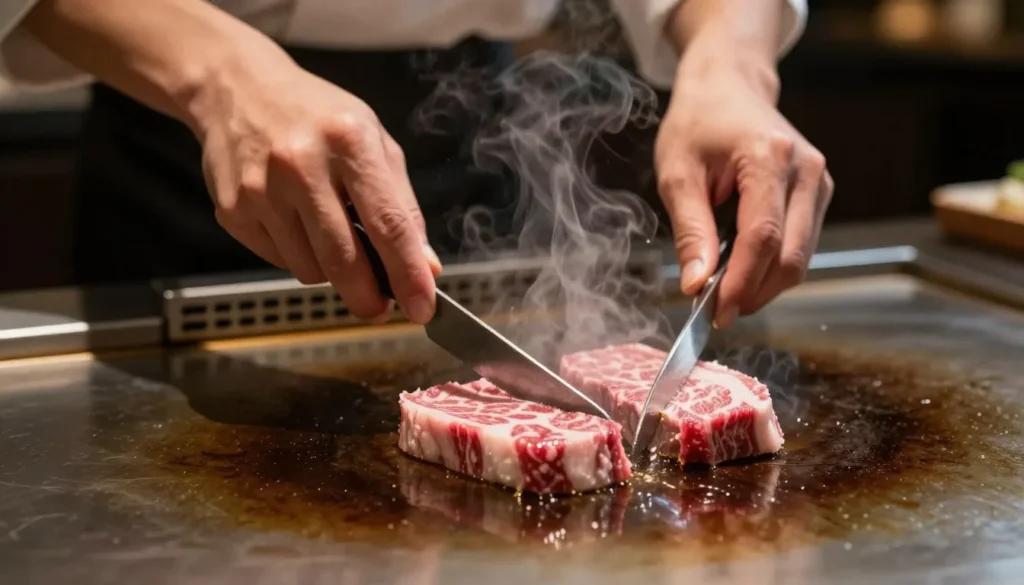
Hyogo Prefecture’s culinary landscape centers on one of the world’s most celebrated ingredients: Kobe beef. This premium beef comes from Tajima cattle raised under strict conditions, resulting in intense marbling that creates an extraordinarily tender, flavorful experience. Authentic Kobe beef restaurants throughout Kobe city serve this delicacy as steaks, shabu-shabu, or sukiyaki.
A proper Kobe beef meal at a reputable teppanyaki restaurant typically costs ¥10,000 to ¥20,000 ($66 to $132 USD) per person. Look for restaurants displaying official Kobe Beef certification to ensure authenticity, as many establishments claim to serve Kobe beef without meeting the stringent requirements.
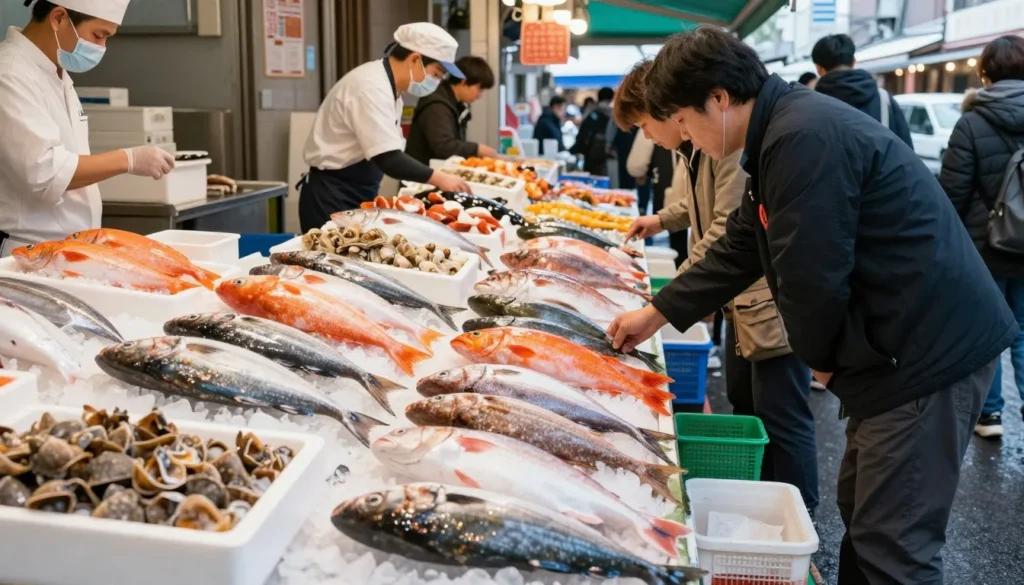
Coastal areas specialize in extraordinarily fresh seafood, with Akashi known for tai (sea bream) and tako (octopus). The swift currents of the Akashi Strait produce seafood with firm texture and concentrated flavor. Local restaurants serve these catches as sashimi, grilled dishes, or tempura within hours of being caught.
Himeji’s specialty oden features daikon radish and other ingredients simmered in dashi broth, often enjoyed with local sake. The region produces excellent nihonshu (sake) thanks to pristine water from the Rokko Mountains and high-quality rice from surrounding agricultural areas.
Street food culture thrives in urban centers, with takoyaki (octopus balls) and okonomiyaki (savory pancakes) available at casual eateries. These affordable options cost ¥500 to ¥800 ($3 to $5 USD) per serving and provide satisfying meals between sightseeing activities.
Must-Try Dishes
- Kobe beef steak or sukiyaki
- Akashi sea bream sashimi
- Himeji oden hot pot
- Awaji onion dishes
Local Specialties
- Botan nabe (wild boar hot pot)
- Ikayaki (grilled squid)
- Rokkosan cheese products
- Local craft sake varieties
Sweet Treats
- Takenoko monaka wafers
- Awaji milk soft cream
- Traditional wagashi sweets
- Kobe chocolate confections
Dining etiquette in Hyogo Prefecture follows standard Japanese customs. Remove shoes when entering traditional restaurants with tatami seating. Saying “itadakimasu” before eating and “gochisousama” after finishing shows appreciation. Tipping is not customary and may cause confusion.
Attractions, Sightseeing & Activities
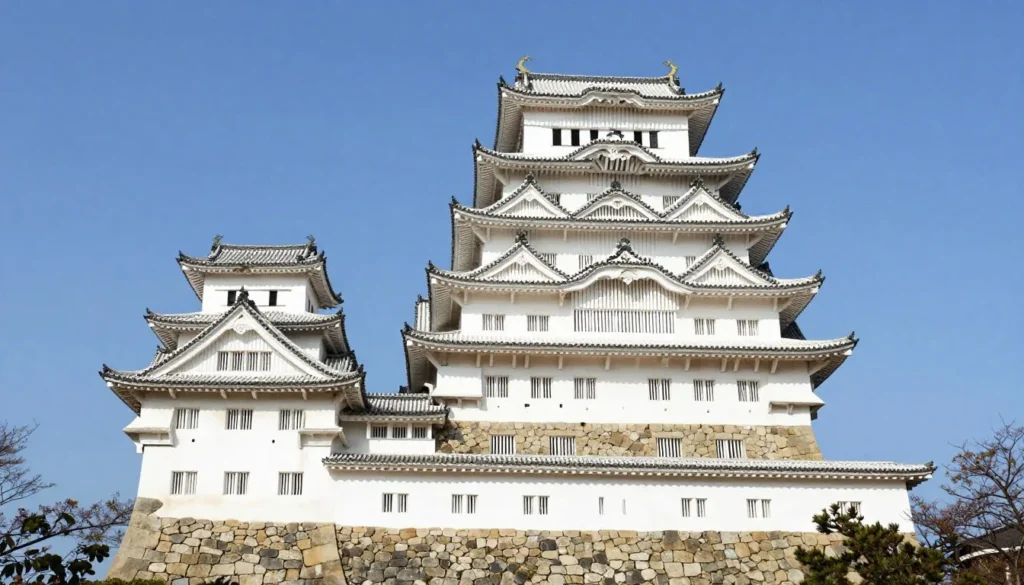
Himeji Castle
Himeji Castle stands as Japan’s most spectacular surviving feudal castle and UNESCO World Heritage site. Its brilliant white exterior earned the nickname “White Heron Castle,” and the complex features 83 buildings connected by defensive walls and gates. The main keep soars six stories externally while containing seven floors internally, showcasing ingenious medieval military architecture.
Visitors can explore the castle’s interior, climbing steep wooden staircases to reach observation levels with panoramic views across Himeji city. The surrounding grounds contain beautiful gardens that burst into color during cherry blossom season, creating one of Japan’s most photographed spring scenes.
Plan to spend 2 to 3 hours exploring the castle complex thoroughly. Arrive early during peak seasons, as admission lines can extend beyond one hour during cherry blossom and autumn foliage periods. Entry costs ¥1,000 ($6.60 USD) for adults.
Kinosaki Onsen
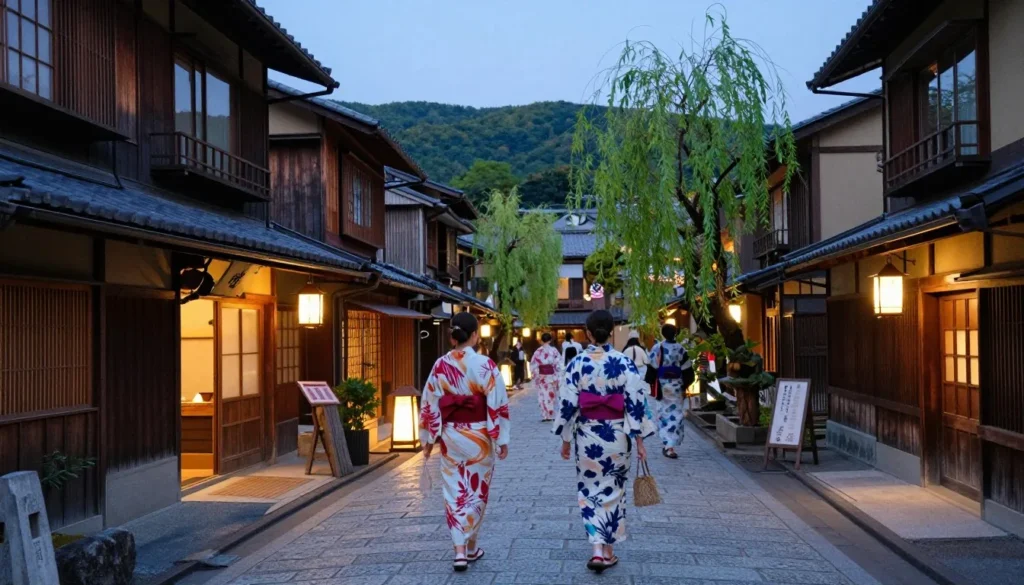
This charming hot spring town invites visitors to experience traditional Japanese bathing culture in seven public bathhouses, each with distinct architectural styles and therapeutic properties. The town’s willow-lined canal creates a picturesque setting where guests stroll between bathhouses wearing yukata robes and wooden geta sandals.
Each public bath charges a small entry fee of ¥800 ($5.30 USD), or visitors staying at local ryokan receive free passes to all seven bathhouses. The ritual of bathing at multiple facilities throughout an evening provides an authentic glimpse into Japanese relaxation traditions.
The town comes alive in the evening when lanterns illuminate the streets and visitors dressed in colorful yukata create a scene straight from historical Japan. Small shops sell local crafts, snacks, and souvenirs along the main thoroughfare.
Akashi Kaikyo Bridge
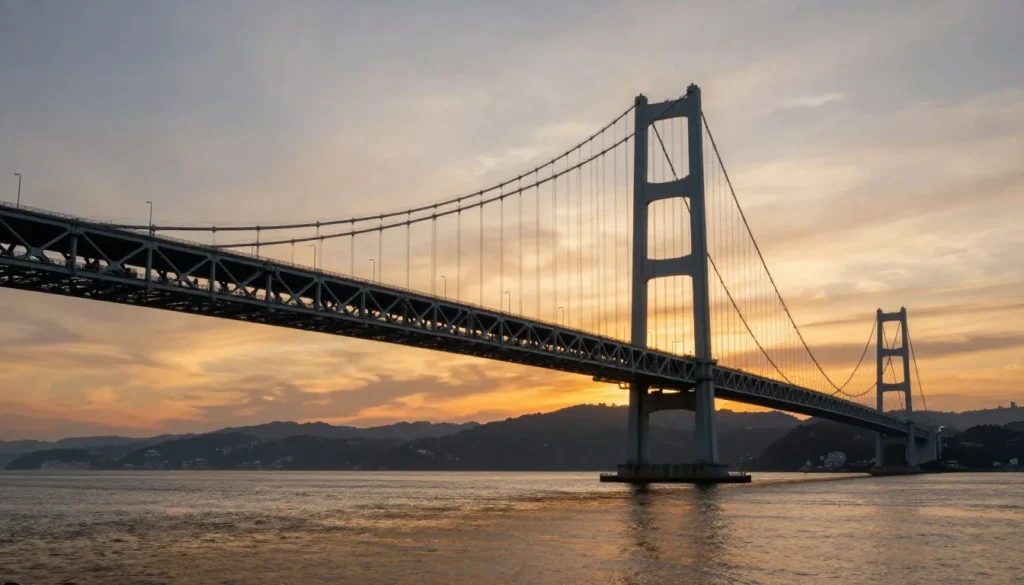
The world’s longest suspension bridge connects Kobe to Awaji Island, spanning 3,911 m (12,831 feet) across the Akashi Strait. This engineering masterpiece features two towers rising 298 m (978 feet) above sea level, making them taller than Tokyo Tower.
The bridge experience includes walking tours that allow visitors to venture onto maintenance catwalks 47 stories above the water. These tours must be booked in advance and require good physical condition, but they offer unforgettable views and insights into the bridge’s construction.
Maiko Marine Promenade extends beneath the bridge, providing observation decks with transparent floor panels for thrilling views directly down to the swirling currents below. This facility costs ¥310 ($2 USD) to enter and includes exhibits about the bridge’s engineering.
Kobe City Highlights
Kobe blends international influences with Japanese traditions, creating a sophisticated urban environment. The Kitano district preserves Western-style houses from the late 19th century, when foreign merchants settled in the area. Several of these homes welcome visitors, showcasing period furnishings and architecture.
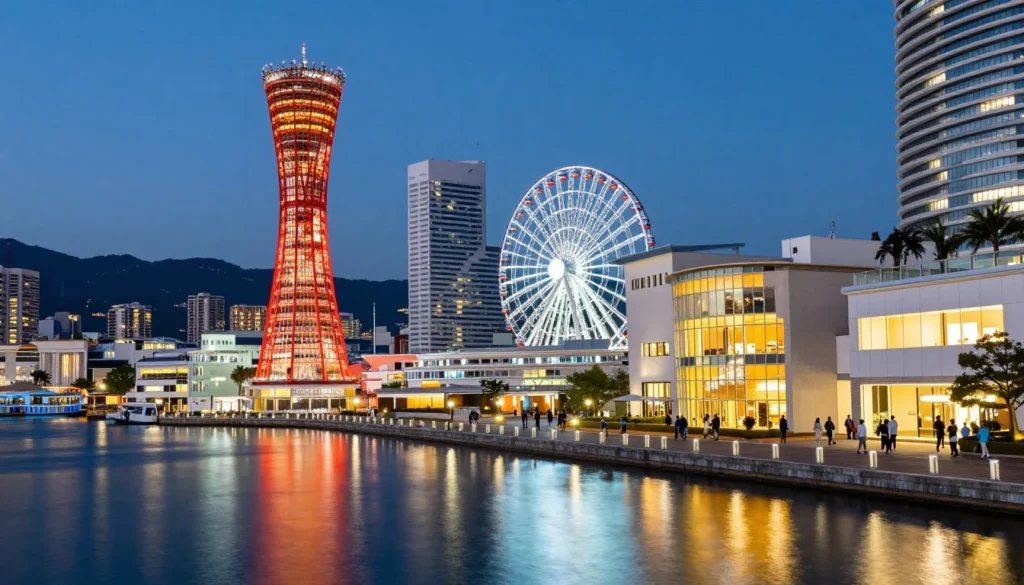
Kobe Harborland provides waterfront entertainment with shopping, dining, and the iconic red Kobe Port Tower. The area transforms at night when illuminations reflect off the water, creating a romantic atmosphere perfect for evening strolls.
Nankinmachi, Kobe’s Chinatown, serves as one of Japan’s largest Chinese districts. The compact area packed with restaurants serves authentic Chinese cuisine alongside Japanese interpretations of Chinese dishes. Colorful gates mark the entrances to this vibrant neighborhood.
Arima Onsen
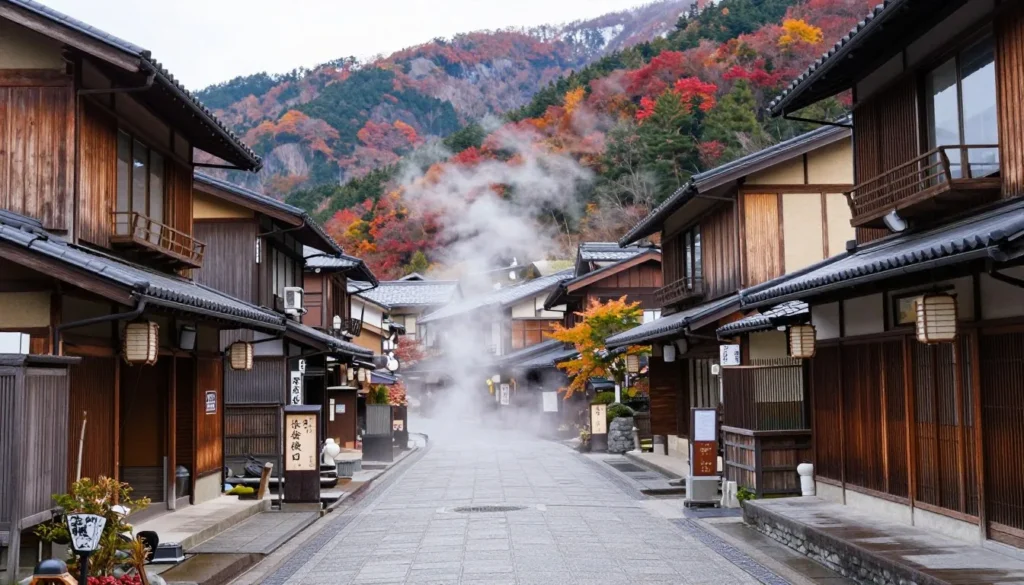
One of Japan’s oldest hot spring resorts nestles in the mountains behind Kobe, offering distinctive golden and silver spring waters. The golden springs contain iron and salt, turning a rusty brown color, while silver springs remain clear and contain radium and carbonate.
The compact town allows easy walking between bathhouses, temples, and shops. Public bathhouses charge around ¥650 ($4.30 USD), while premium facilities with multiple baths and amenities cost ¥2,500 ($16.50 USD). Day-trip visitors can enjoy hot springs without staying overnight at a ryokan.
A ropeway connects Arima Onsen to the summit of Mount Rokko, combining hot spring relaxation with mountain scenery. The journey takes about 12 minutes and provides spectacular views over Kobe and Osaka Bay.
Museums, Cultural Spots & Festivals
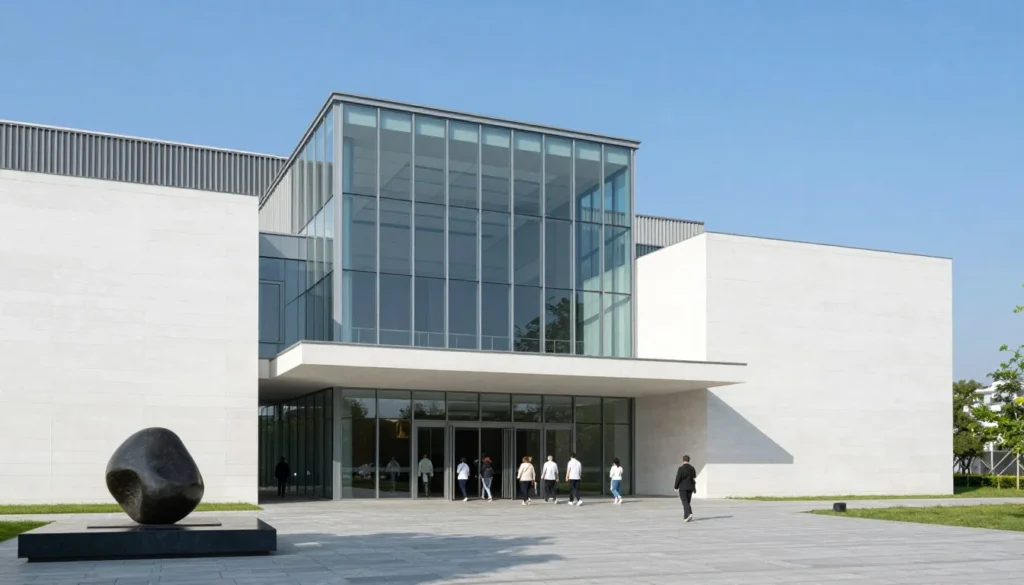
Hyogo Prefecture preserves and showcases Japanese culture through excellent museums and cultural institutions. The Hyogo Prefectural Museum of Art in Kobe features contemporary Japanese and international works within a building designed by renowned architect Tadao Ando. The geometric concrete structure sits along the waterfront, with admission costing ¥510 ($3.40 USD).
The Kobe City Museum presents the region’s history from ancient times through its development as an international port city. Exhibits include archaeological finds, historical documents, and displays about foreign settlements. Entry fees run ¥300 ($2 USD), making this an affordable educational stop.
Himeji Castle contains a museum within its grounds that explains samurai culture, castle construction techniques, and the building’s 400-year history. Original armor, weapons, and household items provide tangible connections to feudal Japan.
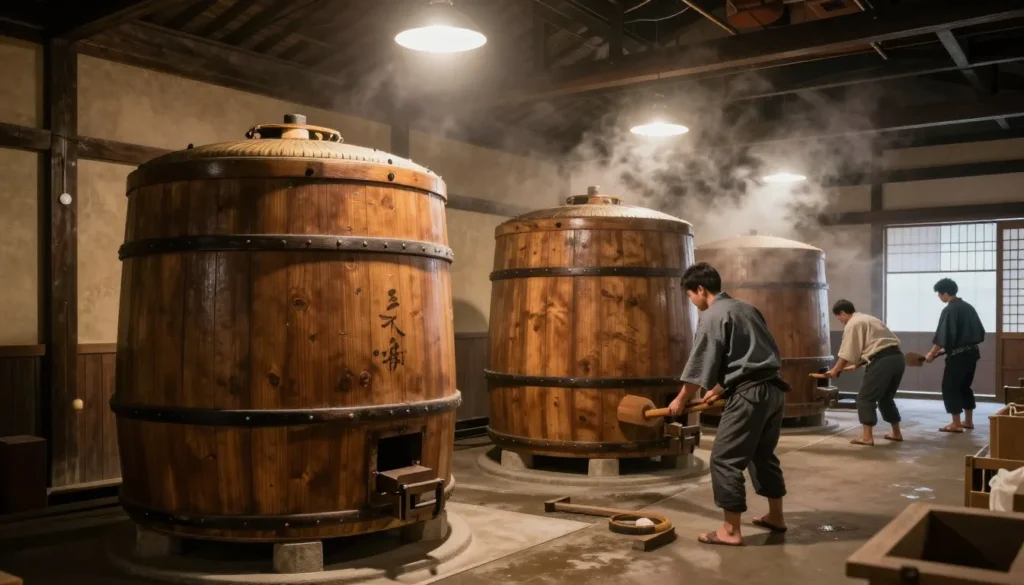
The Nada district of Kobe operates several sake breweries offering tours and tastings. This region produces approximately 30% of Japan’s sake output, thanks to ideal water from Mount Rokko and cool winter temperatures. Many breweries welcome visitors free of charge, with optional paid tastings of premium varieties.
Takarazuka City hosts the famous all-female Takarazuka Revue theater company. This unique theatrical tradition began in 1914 and continues performing elaborate musicals with performers trained from adolescence. Tickets range from ¥3,500 to ¥12,000 ($23 to $79 USD) depending on seat location.
Cultural workshops throughout the region offer hands-on experiences in traditional crafts. Visitors can try pottery making, indigo dyeing, or wagashi sweet creation. These activities typically cost ¥2,000 to ¥5,000 ($13 to $33 USD) per person and last 1 to 2 hours.
Cultural Etiquette: Remove shoes before entering temples, museums with tatami areas, and traditional houses. Photography may be restricted inside some cultural sites, so watch for signs or ask staff before taking pictures.
Nature & Outdoor Experiences
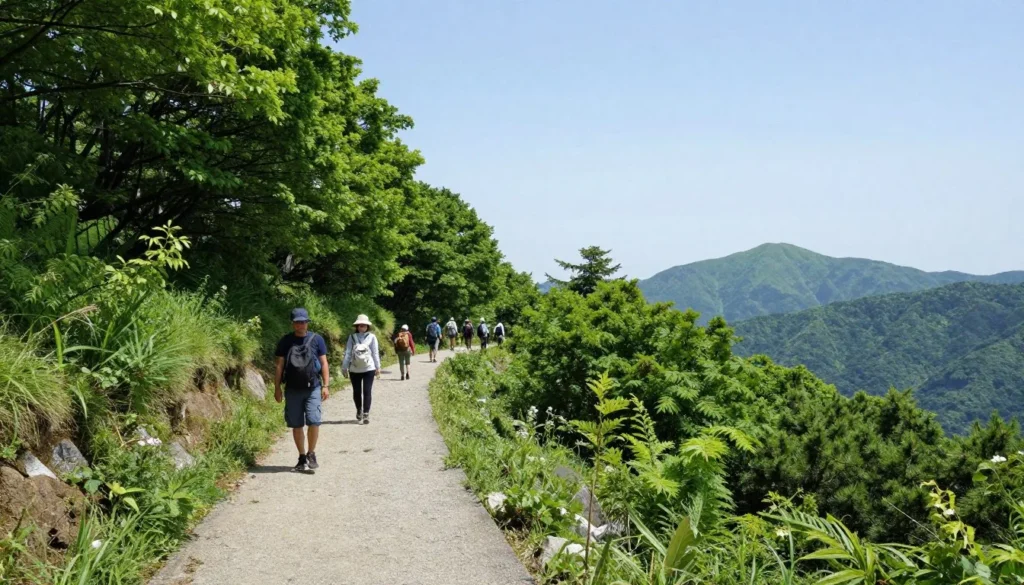
Hyogo Prefecture’s diverse topography creates exceptional opportunities for outdoor adventures. Mount Rokko offers hiking trails ranging from gentle walks to challenging mountain routes. The summit area provides panoramic views stretching from Osaka Bay to the Seto Inland Sea on clear days.
The Rokko Alpine Botanical Garden sits at 865 m (2,838 feet) elevation, showcasing alpine and high-altitude plants from around the world. Cool summer temperatures make this mountain retreat popular during hot weather, with entry costing ¥700 ($4.60 USD).
Cable cars and ropeways provide access to mountain areas for visitors preferring not to hike. The Rokko Cable Car operates since 1932 and climbs from Kobe to the mountain resort area in about 10 minutes. Round-trip tickets cost ¥1,110 ($7.30 USD).
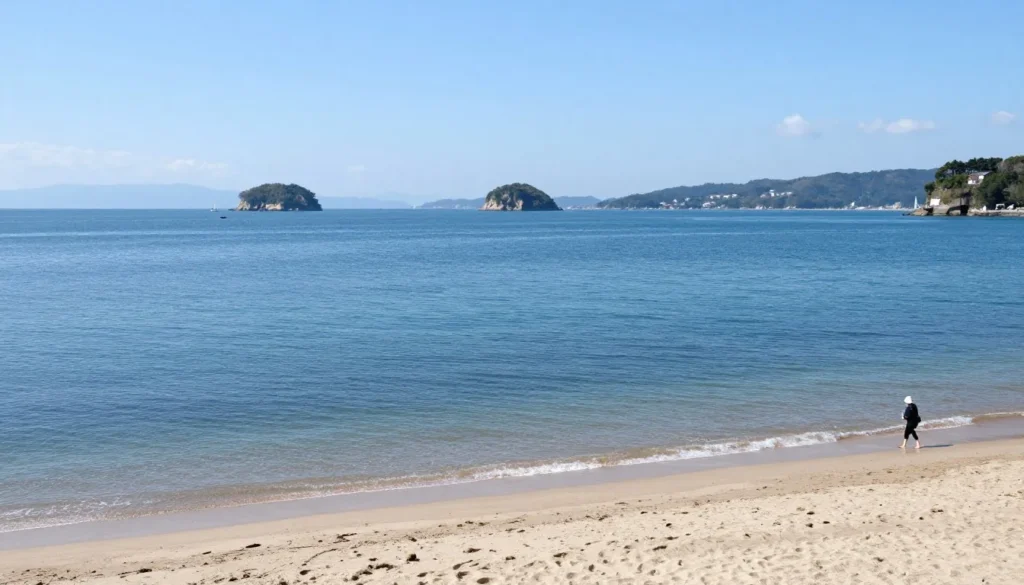
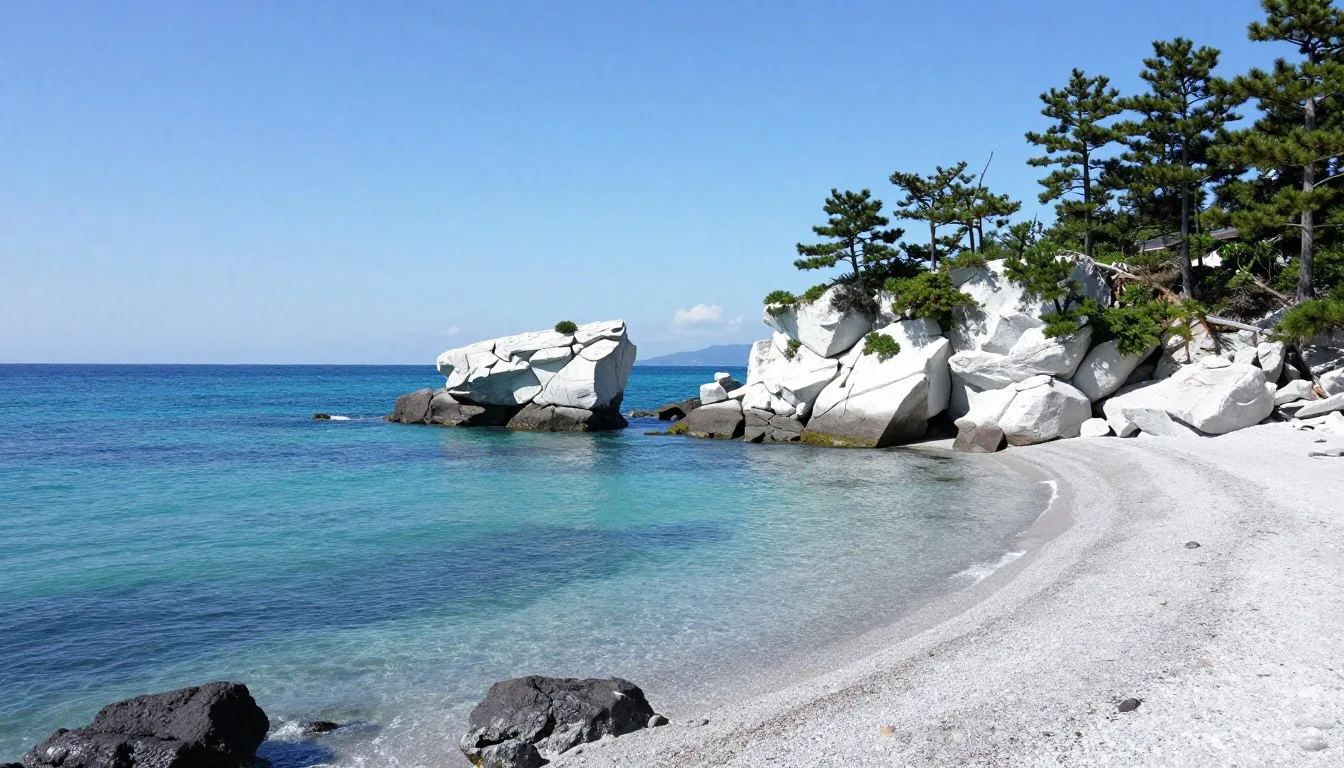
Awaji Island delivers beach experiences and coastal nature along the Seto Inland Sea. The island’s mild climate and sheltered waters create ideal conditions for swimming, sailing, and beach activities from June through September. Several public beaches offer free access, with parking available nearby.
Naruto Strait separates Awaji Island from Shikoku, creating powerful whirlpools during tidal changes. Sightseeing boats depart regularly to view these natural phenomena up close, with tours lasting about 30 minutes and costing ¥2,000 ($13.20 USD) per person.
The Akashi Strait provides opportunities for sea kayaking with views of the Akashi Kaikyo Bridge from water level. Guided tours include equipment and instruction, suitable for beginners. These excursions typically last 2 to 3 hours and cost around ¥8,000 ($53 USD) per person.
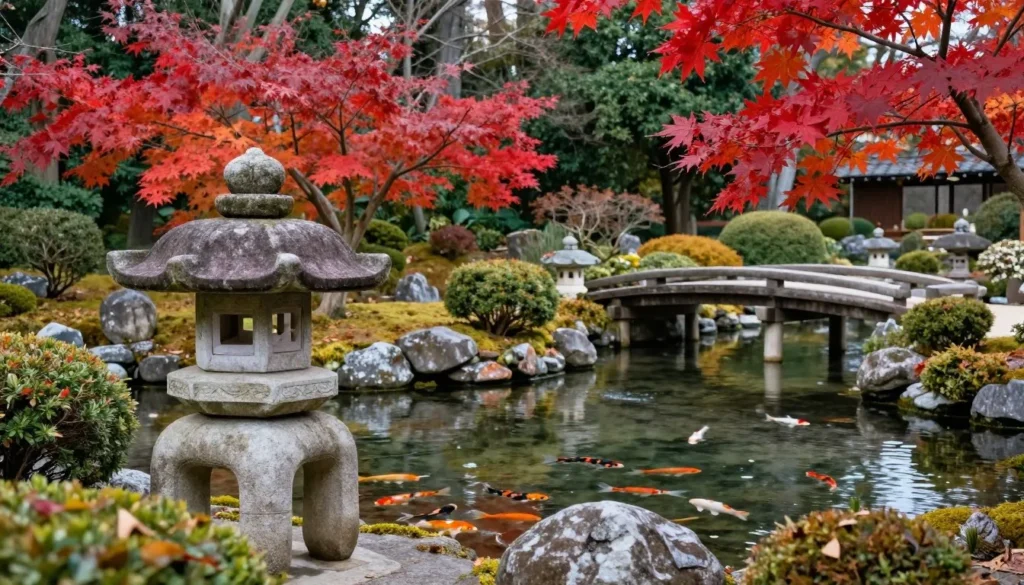
Japanese gardens throughout the prefecture showcase traditional landscape design principles. Sorakuen Garden in Kobe combines Western and Japanese styles, featuring a European-style residence surrounded by traditional Japanese garden elements. Admission costs ¥300 ($2 USD), and the garden provides a tranquil escape within the urban environment.
Bird watching enthusiasts find excellent locations along the coast during migration seasons. The Seto Inland Sea serves as an important flyway for migratory species, with spring and autumn bringing diverse bird populations to coastal wetlands and tidal areas.
Cycling routes connect coastal towns and rural areas, with rental bicycles available in many locations. The Awaji Island coastal route offers relatively flat terrain with ocean views, making it popular for leisurely rides. Bike rentals cost approximately ¥1,000 ($6.60 USD) per day.
Travel With Children
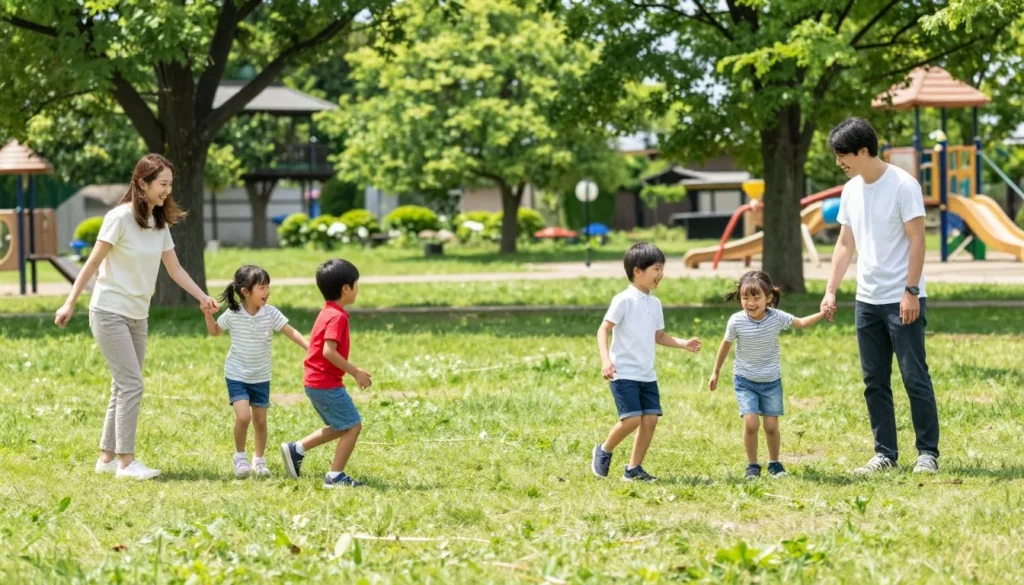
Hyogo Prefecture welcomes families with attractions and facilities designed for children. Kobe Animal Kingdom creates close encounters with animals in a climate-controlled environment. Children can feed alpacas, touch rabbits, and watch bird shows. Entry costs ¥1,800 ($11.90 USD) for adults and ¥1,000 ($6.60 USD) for children.
The Akashi Kaikyo Bridge exhibition area includes interactive displays explaining bridge construction and engineering. Children enjoy walking on the glass-bottomed observation deck, though height requirements apply for bridge tour participation.
Kobe Harborland features Anpanman Children’s Museum, dedicated to Japan’s popular cartoon character. This indoor facility provides play areas, shows, and character meet-and-greets. Admission runs ¥1,800 ($11.90 USD) for ages 1 and up, with adults paying the same price.
Kid-Friendly Activities
- Interactive science exhibits at Kobe Science Museum
- Beach play on Awaji Island during summer
- Easy hiking trails on Mount Rokko
- Feeding deer at Nara Park (nearby day trip)
- Viewing whirlpools from sightseeing boats
Family Travel Tips
- Many restaurants provide high chairs and children’s menus
- Train stations have elevators and accessible facilities
- Convenience stores stock baby supplies and snacks
- Public restrooms often include diaper changing stations
- Children under 6 ride trains free when accompanied by adults
Public transportation accommodates families well, with priority seating areas and assistance from station staff. Many trains feature cartoon character designs that delight young travelers. Children ages 6 to 11 receive half-price tickets on most transportation.
Restaurants throughout the region welcome families, with many offering special children’s meals at reduced prices. Japanese restaurants typically serve child-friendly options like rice, chicken, and noodles even without specific kids’ menus.
Accommodations range from family-friendly hotels with connecting rooms to ryokan inns that welcome children. Some traditional inns may have age restrictions or suggest alternative properties better suited for young guests, so confirm policies when booking.
Money Saving Tips
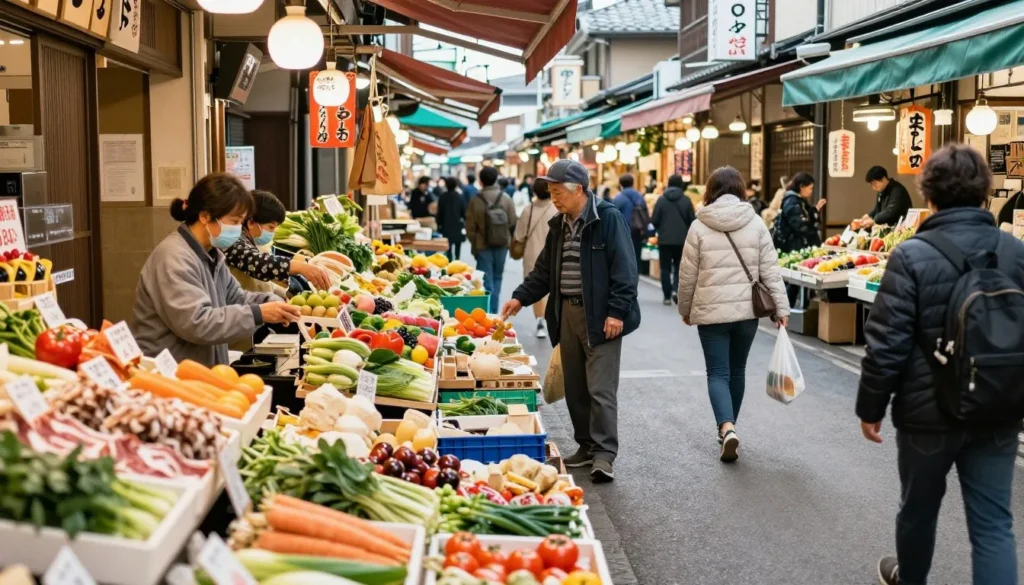
Traveling in Hyogo Prefecture can fit various budgets with strategic planning. Purchasing combination tickets saves money when visiting multiple attractions. Himeji Castle and surrounding gardens offer combo tickets at reduced rates compared to separate admissions.
The JR Kansai Wide Area Pass provides unlimited train travel throughout Hyogo Prefecture and surrounding regions for three days at ¥10,000 ($66 USD). This pass delivers excellent value for visitors planning multiple destinations within the Kansai region.
Eating like locals reduces food costs significantly. Standing soba shops near train stations serve filling noodle bowls for ¥400 to ¥600 ($2.60 to $4 USD). Convenience stores offer quality prepared meals, sandwiches, and salads at reasonable prices, typically ¥500 to ¥800 ($3.30 to $5.30 USD) per meal.
- Visit free attractions like Kobe Harborland waterfront
- Pack lunch from convenience stores for day trips
- Stay in business hotels or guesthouses
- Use public bathhouses instead of private hot springs
- Travel during off-peak seasons for lower rates
- Take advantage of free walking tours in Kobe
Budget-Friendly Choices
- Authentic Kobe beef teppanyaki dinner
- One night at a traditional ryokan with kaiseki meal
- Akashi Kaikyo Bridge walking tour experience
- Quality sake tasting at premium breweries
- Cable car rides for mountain views
- Professional kaiseki dinner at renowned restaurant
Worth the Splurge
Many museums offer discounted admission on specific days or for students and seniors. The Kobe City Museum provides free entry once monthly, typically on the first Saturday. Check individual attraction websites for promotional periods and discount opportunities.
Shopping at local supermarkets instead of tourist-oriented stores saves money on snacks, drinks, and supplies. Evening hours bring discounted prices on prepared foods and bento boxes as stores clear inventory before closing.
Free Wi-Fi is available at major train stations, convenience stores, and many public facilities. However, renting a portable Wi-Fi device for the trip costs around ¥500 ($3.30 USD) per day and provides reliable connectivity everywhere.
Tap water throughout Japan is safe to drink, eliminating the need to purchase bottled water. Carry a refillable water bottle to stay hydrated while exploring without recurring beverage costs.
Safety & Local Customs
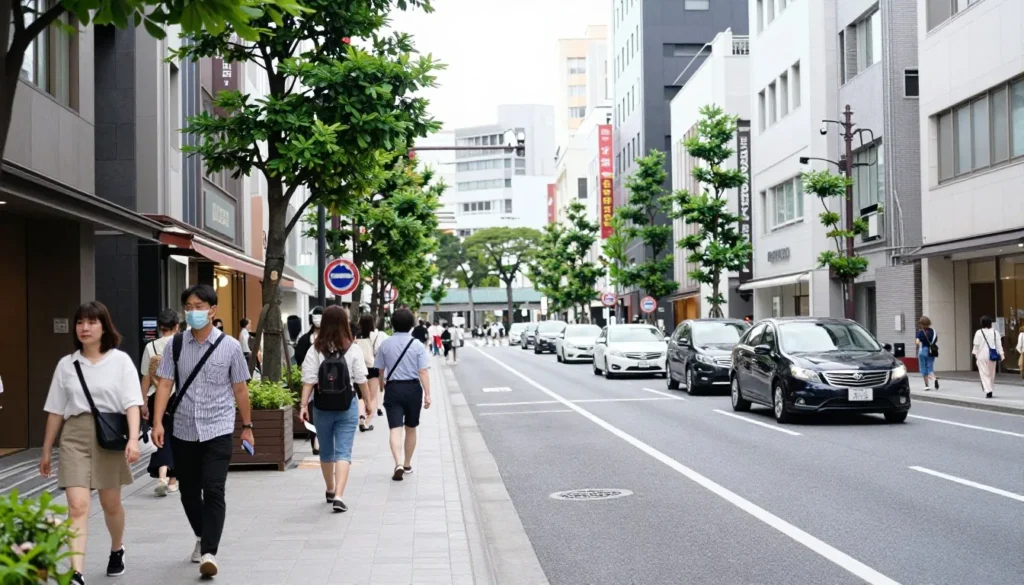
Hyogo Prefecture maintains Japan’s reputation as one of the world’s safest travel destinations. Violent crime remains extremely rare, and lost items are frequently returned to their owners. However, standard travel precautions still apply in crowded areas and at night.
Natural disaster preparedness deserves attention in this seismically active region. Hotels and public facilities display earthquake evacuation routes and procedures. Familiarize yourself with emergency exits and evacuation areas upon arrival at accommodations.
The home region experienced the devastating 1995 Great Hanshin Earthquake, leading to comprehensive disaster preparedness infrastructure. Modern buildings meet strict seismic codes, and emergency warning systems alert residents to potential dangers.
✓ Check 30,000+ Local Sightseeing Tours Worldwide
Emergency Numbers: Dial 110 for police assistance, 119 for fire or ambulance services. English support is available through emergency services, though response times may vary in rural areas.
Cultural Customs to Observe
Japanese society values harmony and consideration for others. Speaking quietly in public spaces, especially on trains, shows respect for fellow passengers. Avoid eating while walking on streets, as this is considered poor manners.
Bowing serves as the standard greeting, though handshakes are becoming more common in international contexts. A slight bow of the head acknowledges service staff, while deeper bows show greater respect or gratitude.
Shoes must be removed before entering homes, traditional restaurants, temples, and some museums. Slippers are typically provided at the entrance. Note that bathroom slippers should never be worn in other rooms, a common mistake that causes embarrassment.
Bathing etiquette in hot springs requires washing thoroughly before entering communal baths. Tattoos may restrict access to some facilities due to traditional associations with organized crime, though attitudes are gradually changing. Small tattoos can often be covered with waterproof patches.
Do’s
- Remove shoes when entering homes and traditional spaces
- Wash before entering hot spring baths
- Wait in orderly lines for trains and buses
- Carry cash, as not all places accept cards
- Learn basic Japanese phrases like “arigatou” (thank you)
Don’ts
- Don’t tip at restaurants or hotels
- Don’t talk loudly on trains or in public spaces
- Don’t eat while walking on streets
- Don’t stick chopsticks upright in rice
- Don’t wear outdoor shoes on tatami mats
- Don’t touch produce at markets unless indicated
Cash remains the preferred payment method at smaller establishments, temples, and local restaurants. ATMs at convenience stores accept international cards and provide 24-hour access to cash withdrawal services.
Visitor Comments About Hyogo Prefecture
“Hyogo Prefecture exceeded every expectation. Himeji Castle took my breath away, and the hot springs in Kinosaki Onsen provided the most relaxing experience of my entire Japan trip. The combination of cultural sites, natural beauty, and incredible food made this region unforgettable. I especially loved how authentic everything felt compared to more touristy areas.”
“As a family of four, we found Hyogo Prefecture surprisingly easy to navigate with children. The Kobe Animal Kingdom was a huge hit with our kids, and even the adults enjoyed the interactive exhibits. We stayed at a ryokan in Arima Onsen, and the staff went above and beyond to accommodate our children. The prefecture offers a perfect balance of education and entertainment for family travelers.”
“The Kobe beef experience alone justified the trip, but discovering Awaji Island’s beaches and the engineering marvel of Akashi Kaikyo Bridge made Hyogo Prefecture one of my favorite destinations in Japan. Everything felt less crowded than Kyoto or Tokyo, yet the quality of attractions remained world-class. I’m already planning a return visit to explore areas I missed.”
Additional Nearby Destinations
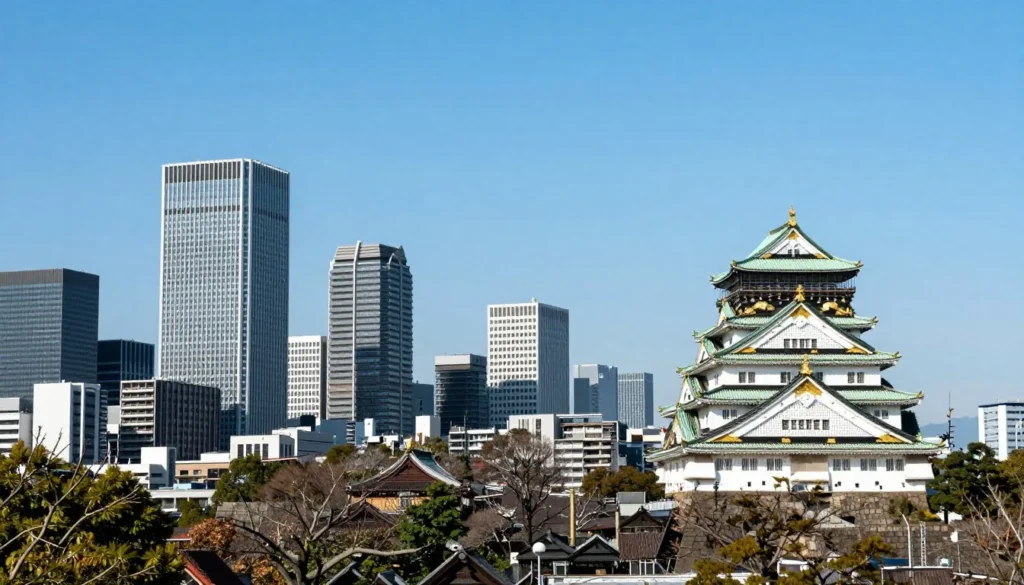
Hyogo Prefecture’s central location within the Kansai region makes it an ideal base for exploring surrounding areas. These nearby destinations are easily accessible via day trips or short overnight excursions.
Osaka
Japan’s second-largest city sits just 30 minutes from Kobe by train. Osaka delivers urban energy, incredible street food culture, and attractions like Osaka Castle and Universal Studios Japan. The city’s Dotonbori district offers neon-lit entertainment and endless dining options representing Japan’s most famous comfort foods.
Kyoto
The ancient capital lies approximately one hour from Himeji, preserving thousands of temples, traditional gardens, and cultural heritage sites. Kyoto’s UNESCO World Heritage locations include Kinkaku-ji Golden Pavilion, Fushimi Inari Shrine with its thousands of vermillion torii gates, and the historic Gion geisha district.
Nara
About 90 minutes from Kobe, Nara offers encounters with over 1,000 friendly deer roaming freely throughout the city’s parks. Todai-ji Temple houses a massive bronze Buddha statue, while the traditional streets of Naramachi preserve Edo-period merchant houses converted into cafes and shops.
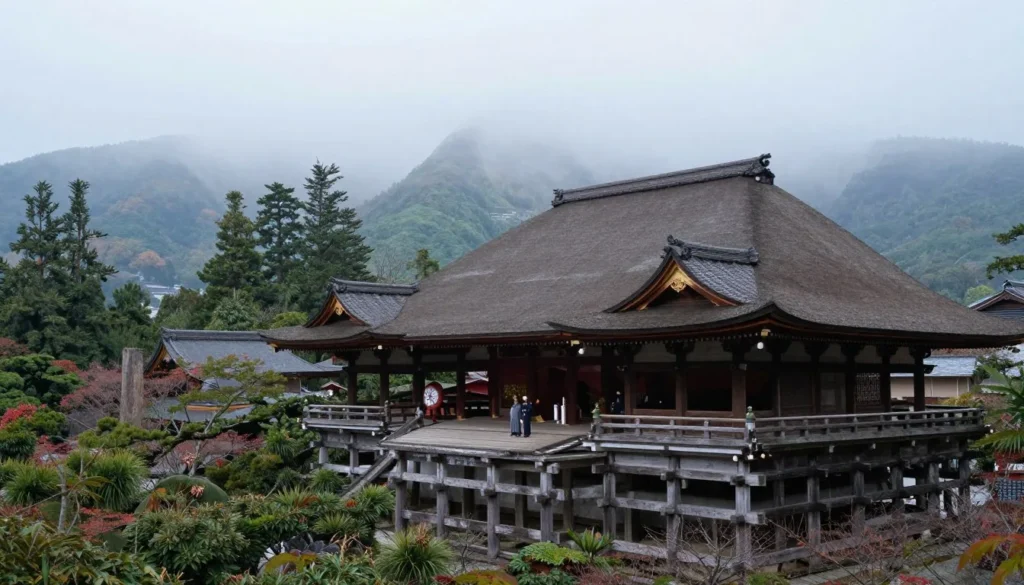
Mount Koya (Koyasan)
This sacred mountain approximately two hours south of Hyogo Prefecture hosts over 100 temples in a spiritual community founded in 816 AD. Visitors can experience temple lodging (shukubo) with vegetarian Buddhist cuisine and morning prayers. The mountainous setting creates a mystical atmosphere enhanced by ancient cedar forests and centuries-old cemeteries.
Okayama
One hour west of Himeji, Okayama features one of Japan’s three most celebrated gardens, Korakuen. The city provides a more relaxed pace than larger cities while offering cultural attractions and excellent transportation connections to other destinations.
Practical Travel Tips
Money and Payments
Japanese yen is the only accepted currency throughout Hyogo Prefecture. Credit cards work at major hotels, department stores, and chain restaurants, but cash remains essential for smaller establishments, local restaurants, temples, and rural areas.
ATMs at 7-Eleven, Family Mart, and Lawson convenience stores accept international cards and charge reasonable fees. Post office ATMs also accept foreign cards during business hours. Plan to carry at least ¥10,000 to ¥20,000 ($66 to $132 USD) in cash for daily expenses.
Language and Communication
English proficiency varies significantly across the region. Major tourist sites and hotels in Kobe have English-speaking staff, but rural areas and small businesses may have limited English capability. Learning basic Japanese phrases helps tremendously and is appreciated by locals.
Download translation apps like Google Translate with offline Japanese language packs before arrival. The camera translation feature helps read menus, signs, and transportation information. Many restaurants display plastic food models in windows, making ordering easier even without language skills.
Internet and Connectivity
Free Wi-Fi is available at major train stations, airports, convenience stores, and some tourist attractions. However, coverage gaps exist in rural areas and on trains. Renting a portable Wi-Fi device or purchasing a prepaid SIM card ensures consistent connectivity throughout your trip.
Best Time Allocation
Spending 5 to 7 days in Hyogo Prefecture allows comprehensive exploration of major attractions while maintaining a relaxed pace. Dedicate at least two days to Kobe city, one day for Himeji Castle, two days in hot spring towns, and additional time for coastal or mountain areas depending on interests.
Essential Items
- Comfortable walking shoes
- Lightweight rain jacket
- Portable phone charger
- Cash in Japanese yen
- IC card for transportation
Useful Apps
- Google Maps for navigation
- Google Translate for language
- Hyperdia for train schedules
- Tabelog for restaurant reviews
- Japan Official Travel App
Documents Needed
- Passport valid 6+ months
- Return flight tickets
- Hotel reservations
- Travel insurance documents
- International driving permit (if renting car)
Transportation IC Cards
Purchase an ICOCA card at JR stations for convenient payment on trains, buses, and at convenience stores throughout the region. These rechargeable cards eliminate the need to purchase individual tickets and work across most of Japan. Initial purchase costs ¥2,000 ($13.20 USD) including ¥500 deposit and ¥1,500 usable credit.
Seasonal Packing Considerations
Spring and autumn require layers, as temperatures fluctuate between cool mornings and warm afternoons. Summer demands lightweight, breathable clothing and sun protection. Winter necessitates warm jackets, especially for mountain areas and hot spring towns where evening temperatures drop significantly.
Luggage Storage
Coin lockers at train stations provide convenient short-term luggage storage for ¥300 to ¥700 ($2 to $4.60 USD) depending on size. Major stations also offer staffed luggage rooms charging similar rates. Many hotels will hold luggage before check-in or after checkout.
Your Hyogo Adventure Awaits
Hyogo Prefecture stands ready to reveal its treasures to travelers seeking authentic Japanese experiences beyond the typical tourist trail. From the architectural grandeur of Himeji Castle to the soothing waters of centuries-old hot springs, from the culinary excellence of Kobe beef to the engineering triumph of Akashi Kaikyo Bridge, this diverse region offers moments that transform ordinary trips into extraordinary memories.
The prefecture’s unique position between mountains and sea creates landscapes that shift from urban sophistication to rural tranquility within short distances. Whether you’re soaking in a traditional onsen while snow falls outside, standing atop ancient castle walls imagining samurai defenders, or savoring the world’s most prized beef, Hyogo Prefecture delivers experiences that capture the heart of Japan.
Start planning your journey to this remarkable region where centuries of tradition meet modern convenience, where natural beauty frames cultural treasures, and where every day brings discoveries that deepen your connection to Japan’s rich heritage. Hyogo Prefecture awaits your exploration.