Hotels by Trip.com
Flights by Trip.com
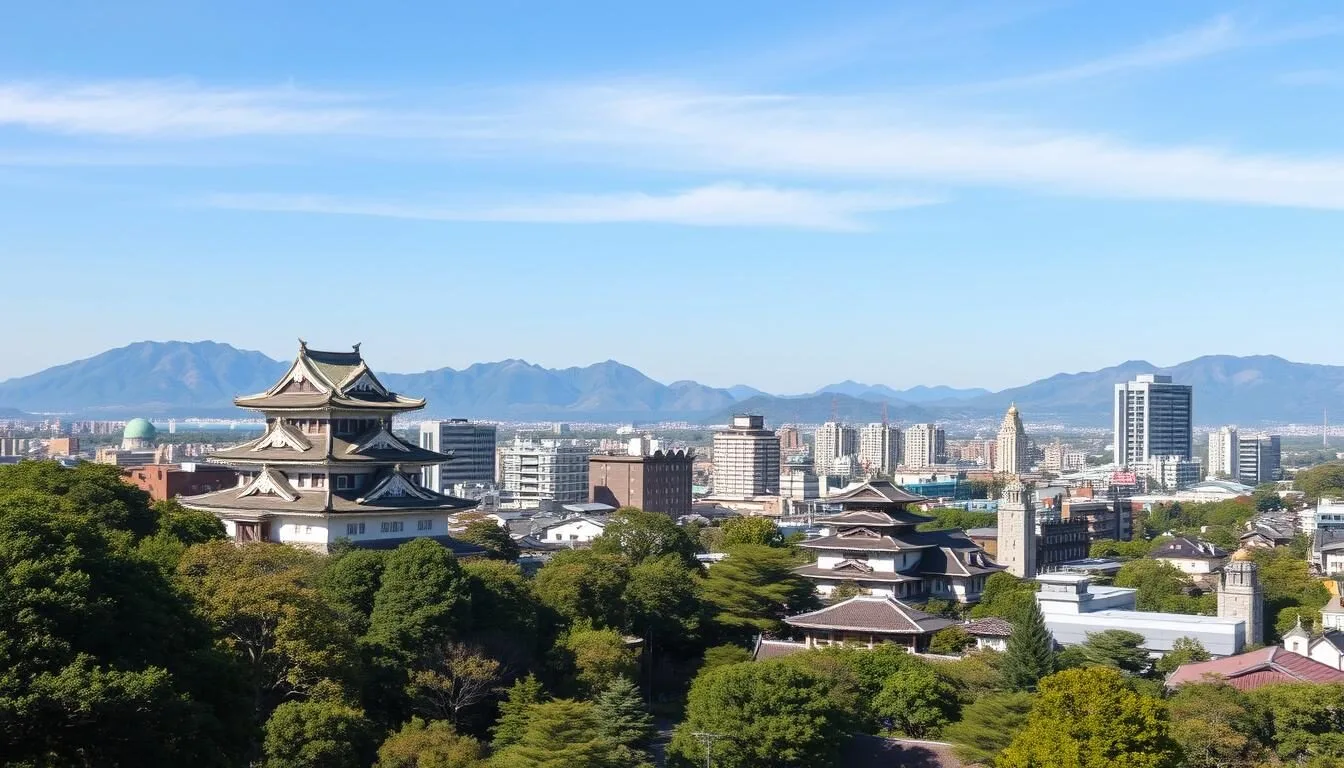
Did you know that Kanazawa supplies an astonishing 99% of Japan’s gold leaf production? This cultural gem on Japan’s west coast escaped bombing during WWII, preserving its historic districts in a way few Japanese cities can claim. Often called the “Kyoto of the North,” Kanazawa offers an authentic glimpse into Japan’s artistic heritage without the overwhelming crowds of more famous destinations.
Getting to Kanazawa
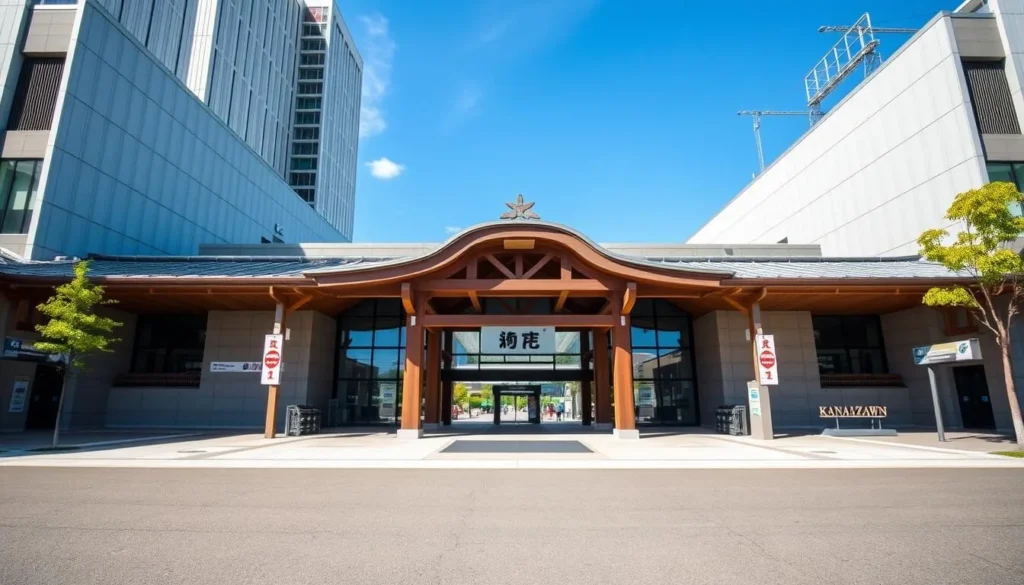
Since the extension of the Hokuriku Shinkansen in 2015, reaching Kanazawa has become remarkably convenient. The bullet train connects Tokyo to Kanazawa in just 2.5 hours, making it an excellent addition to your Japan itinerary. From Kyoto or Osaka, the Limited Express Thunderbird takes approximately 2.5 hours.
For international travelers, the nearest airport is Komatsu Airport, located about 40 minutes from central Kanazawa by bus. However, most visitors arrive via major international airports in Tokyo, Osaka, or Nagoya before connecting to Kanazawa by train.
Best Time to Visit Kanazawa
Kanazawa experiences all four seasons distinctly, each offering a unique perspective on the city’s attractions. Unlike Tokyo or Kyoto, Kanazawa receives significant snowfall in winter, creating magical scenes especially in the historic districts and gardens.
Spring (March-May)
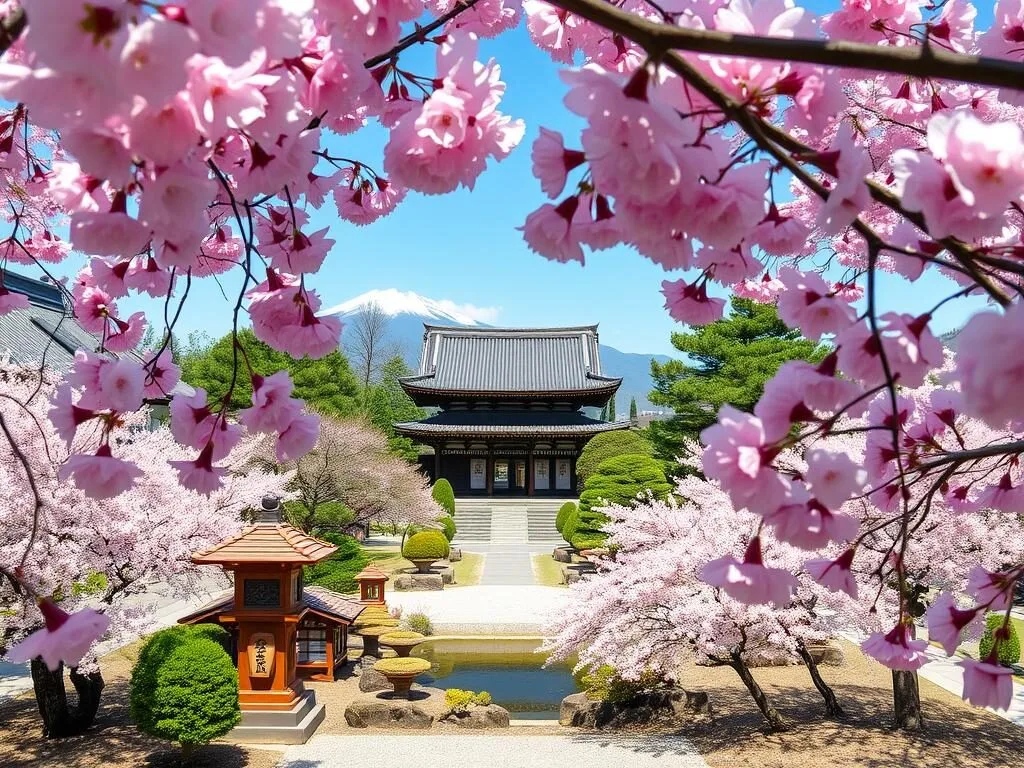
Cherry blossom season typically peaks in early April, transforming Kenroku-en Garden and the banks of the Asano River into pink wonderlands. Spring brings mild temperatures ranging from 50-70°F (10-21°C) and moderate rainfall.
Autumn (September-November)
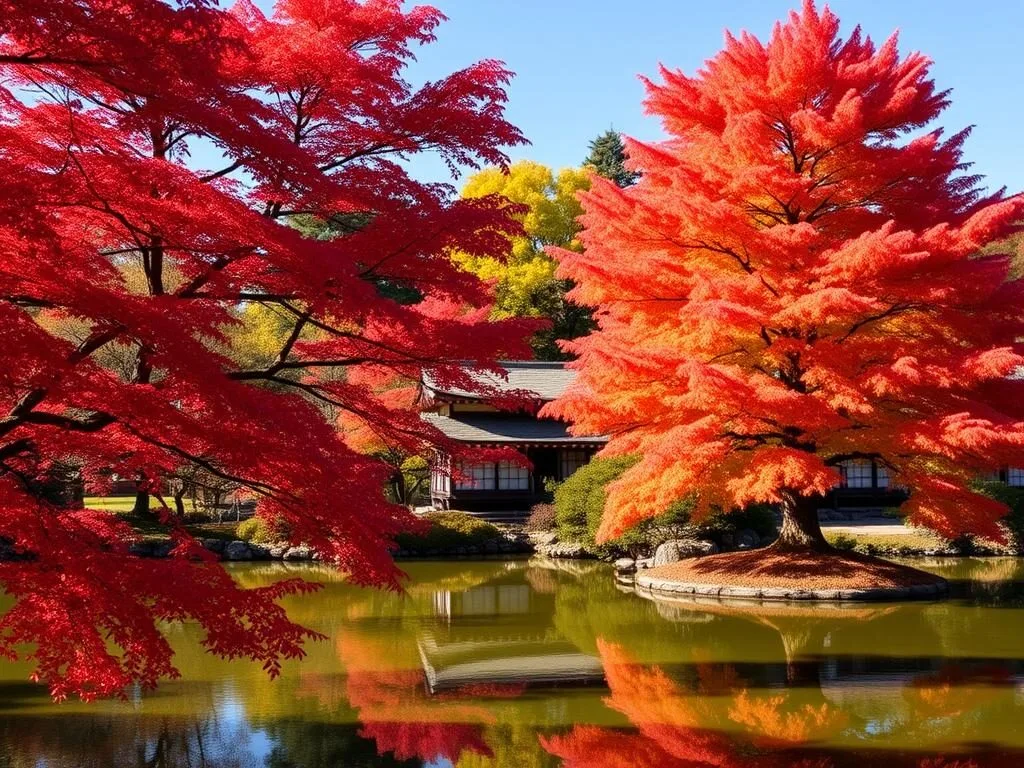
Fall foliage typically peaks in mid-November, with the maple trees in Kenroku-en Garden turning brilliant shades of red and gold. Autumn brings comfortable temperatures between 50-75°F (10-24°C) and clearer skies.
Summer (June-August)
Summer brings temperatures between 70-90°F (21-32°C) with higher humidity. The Hyakumangoku Festival, Kanazawa’s biggest celebration, takes place the first weekend of June with parades and traditional performances.
Winter (December-February)
Winter transforms Kanazawa with snow, particularly beautiful in the geisha districts and Kenroku-en Garden. Temperatures range from 30-45°F (0-7°C). The garden’s iconic yukitsuri (snow-suspension ropes) protect trees from heavy snow.
Check 30,000+ Local Sightseeing Tours Worldwide
✓ Numerous languages and currencies are available
Getting Around Kanazawa
Kanazawa is a relatively compact city with most major attractions within walking distance or a short bus ride from each other. The city center is flat and pedestrian-friendly, making it perfect for exploration on foot.
Public Transportation
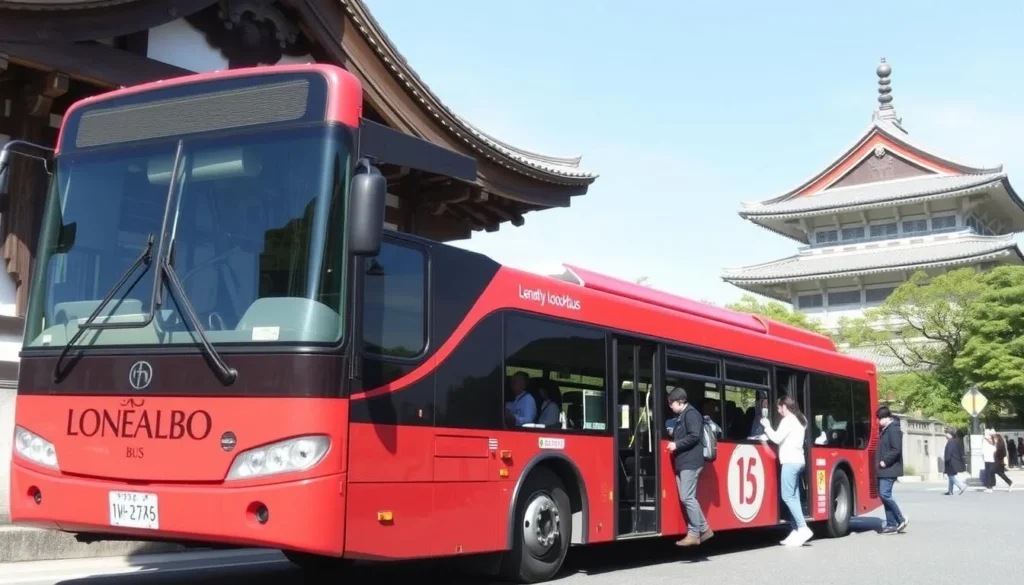
The Kanazawa Loop Bus is the most convenient way to reach major tourist sites. It makes approximately 12 stops at key attractions and departs every 15 minutes from Kanazawa Station. A one-day pass costs ¥500 and offers unlimited rides.
Taxis are readily available throughout the city and can be a convenient option, especially during inclement weather. Most drivers don’t speak English, so it’s helpful to have your destination written in Japanese.
Where to Stay in Kanazawa
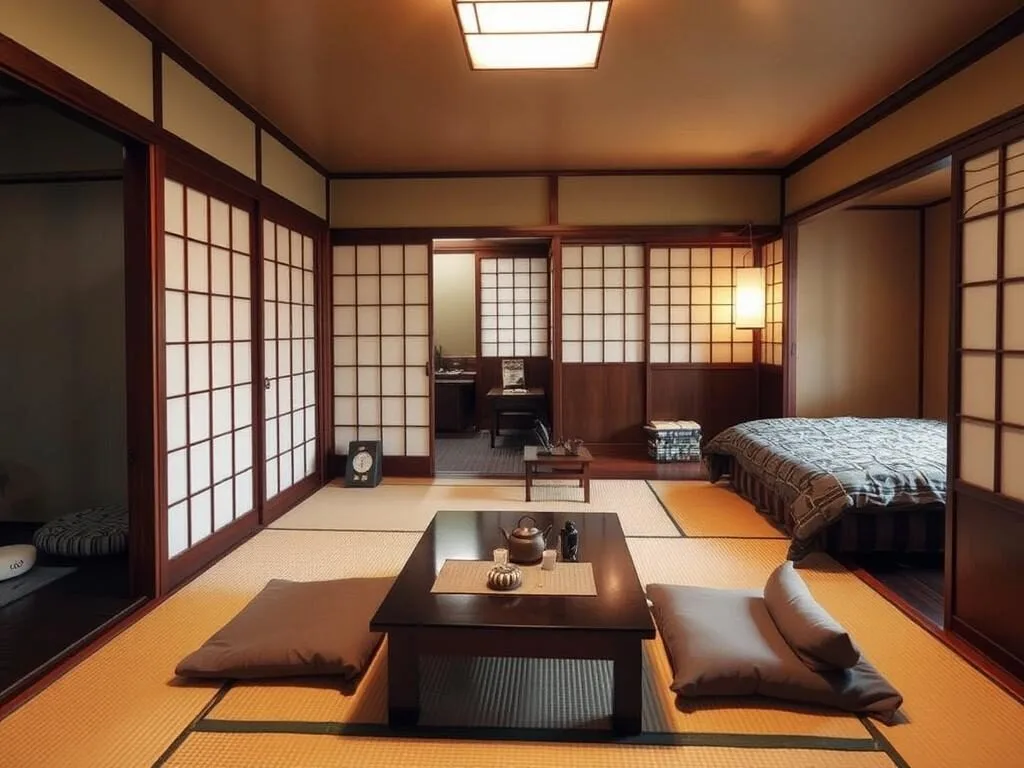
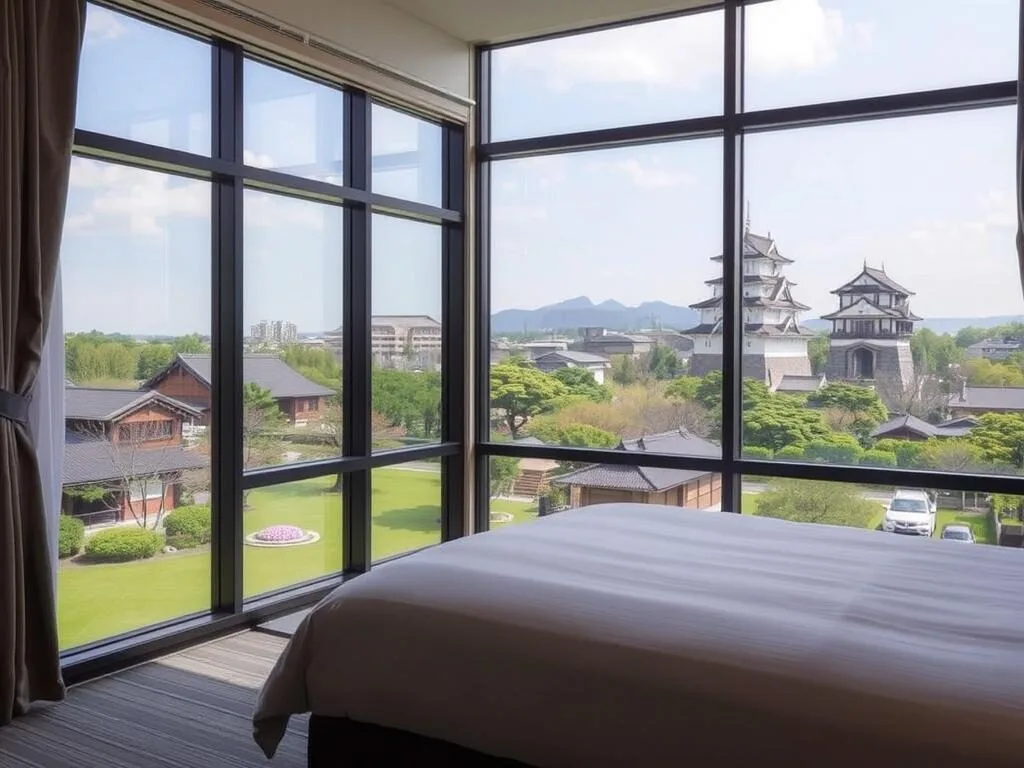
Kanazawa offers accommodations ranging from luxury hotels to traditional ryokans. The city center near Kanazawa Station provides convenient access to transportation, while staying in the historic districts offers a more immersive experience.
Near Kanazawa Station
Modern hotels with excellent transportation connections. Ideal for first-time visitors who want convenience and easy access to the Loop Bus.

Historic Districts
Traditional ryokans and boutique hotels in Higashi Chaya or Nagamachi districts. Perfect for experiencing old Japan with evening strolls through historic streets.
Near Kenroku-en
Mid-range hotels with easy access to Kanazawa’s main attractions. Great central location for exploring the castle, garden, and museums on foot.
Top Things to Do in Kanazawa
1. Explore Kenroku-en Garden
Considered one of Japan’s three most beautiful landscape gardens, Kenroku-en is a masterpiece of Japanese garden design. Created over two centuries by the ruling Maeda clan, the garden showcases the six attributes of a perfect garden: spaciousness, seclusion, artifice, antiquity, water features, and panoramas.
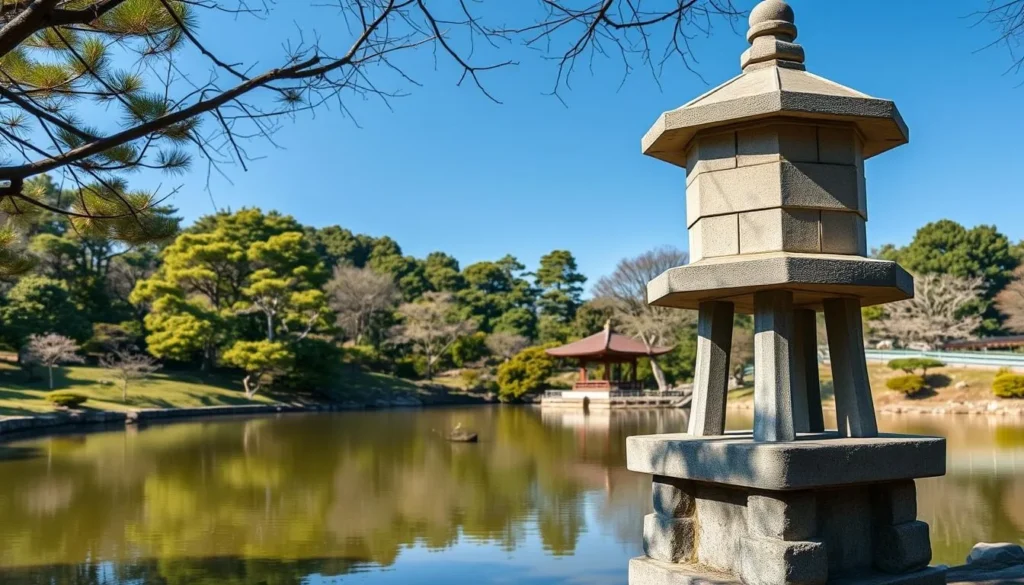
Visit in different seasons to experience the garden’s changing beauty: cherry blossoms in spring, lush greenery in summer, vibrant foliage in autumn, and snow-covered landscapes in winter. Don’t miss the Kotoji-toro, a two-legged stone lantern that has become the symbol of Kanazawa.
2. Visit Kanazawa Castle Park
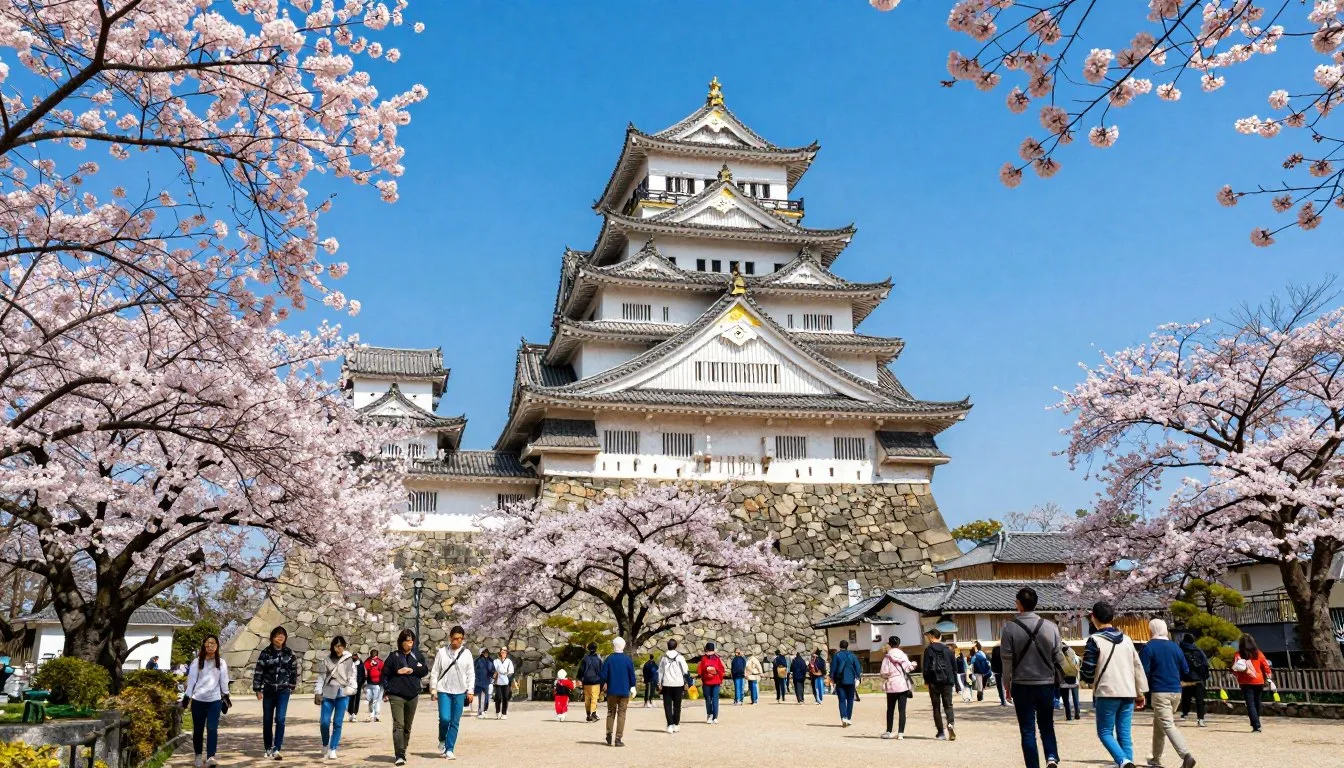
Adjacent to Kenroku-en Garden, Kanazawa Castle was the seat of the powerful Maeda clan for nearly 300 years. While the original castle was repeatedly damaged by fires, several structures have been meticulously reconstructed using traditional building methods and materials.
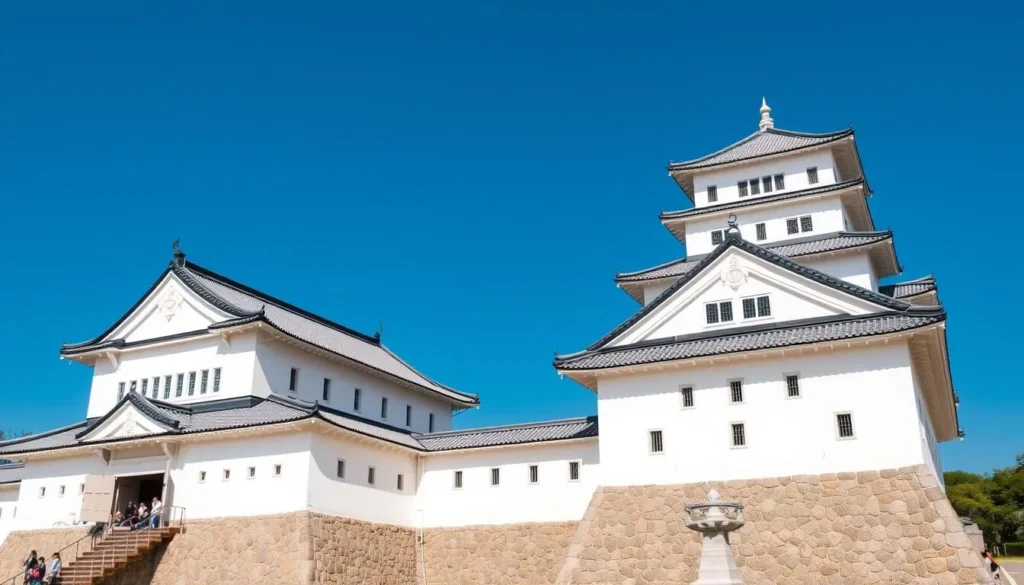
Explore the Hishi Yagura turret, Gojukken Nagaya warehouse, and Hashizume-mon Gate to learn about traditional Japanese castle architecture. The castle park is particularly beautiful during cherry blossom season and when illuminated at night.
3. Wander Through Higashi Chaya District
Step back in time in Kanazawa’s best-preserved geisha district, where geigi (Kanazawa’s geisha) have entertained guests for centuries. The atmospheric streets are lined with wooden teahouses featuring distinctive latticed windows and traditional architecture.
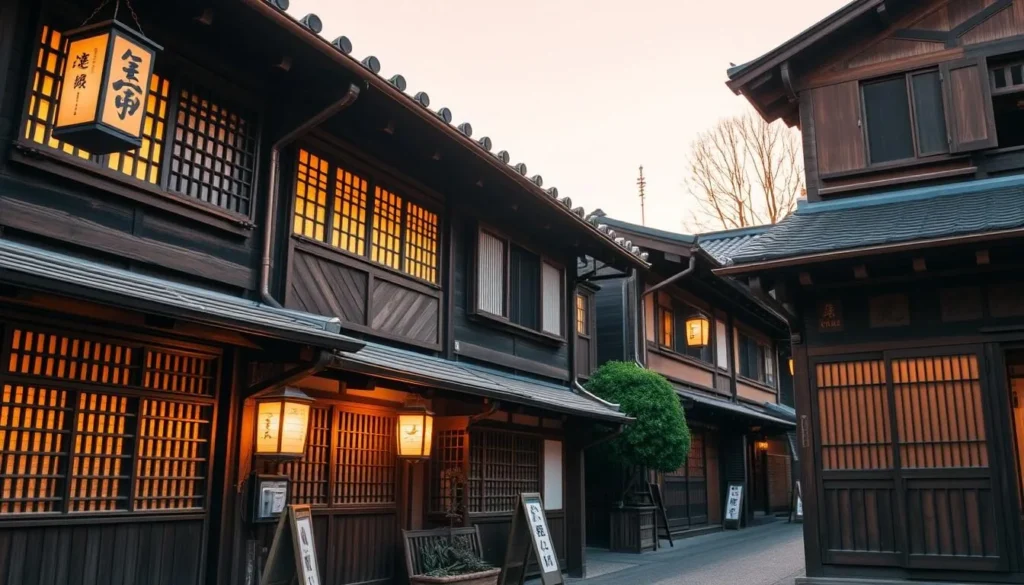
Visit Shima Teahouse and Kaikaro Teahouse, which are open to the public as museums. Don’t miss trying gold leaf ice cream, a Kanazawa specialty, from one of the district’s shops. For a truly special experience, arrange to attend a geigi performance with traditional music and dance.
4. Discover Nagamachi Samurai District
Explore the well-preserved samurai district where middle and upper-class samurai once resided. Narrow lanes lined with earthen walls, water channels, and private entrance gates create an authentic atmosphere of feudal Japan.
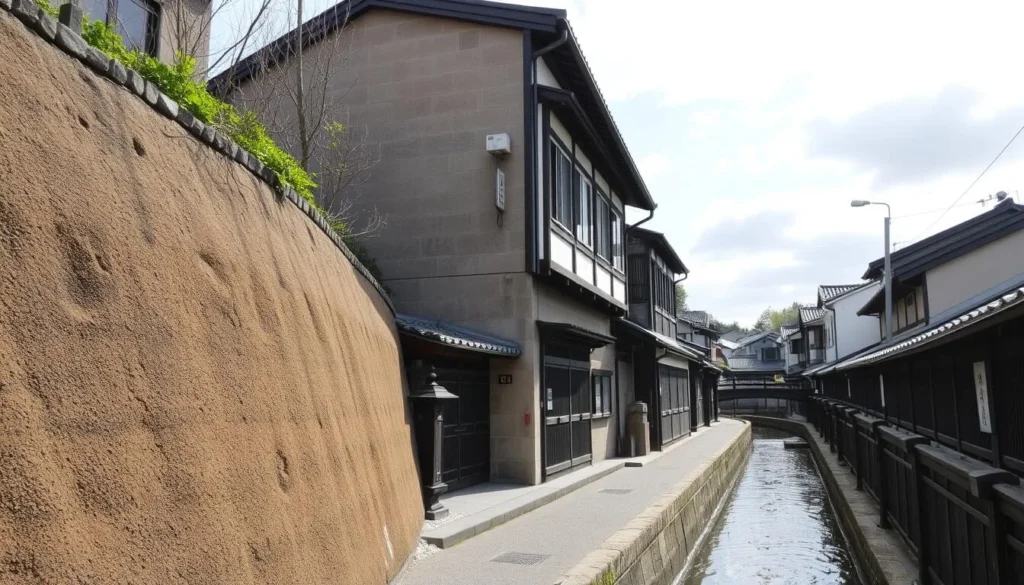
Visit the Nomura Samurai House to see how a high-ranking samurai family lived, featuring a small but exquisite Japanese garden, samurai artifacts, and beautifully preserved interiors. The nearby Ashigaru Shiryokan museum offers insight into the lives of lower-ranking foot soldiers.
More Things to Do in Kanazawa
5. Shop at Omicho Market
Known as “Kanazawa’s Kitchen,” this lively market has been serving locals since the Edo period. With over 200 shops and stalls, it’s the perfect place to sample fresh seafood from the Sea of Japan and local specialties.
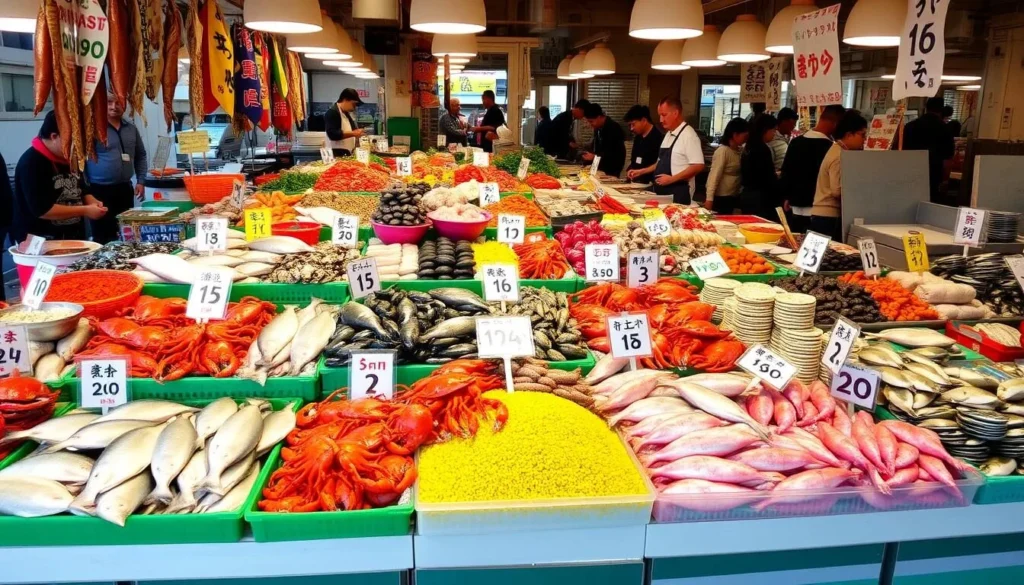
Try nodoguro (blackthroat seaperch), considered the “king of fish” in Kanazawa, or snow crab when in season. Many restaurants within the market offer set meals featuring the day’s freshest catches. The market is open daily from around 8:00 AM to 5:00 PM, with some shops closed on Wednesdays or Sundays.
6. Experience Gold Leaf Crafts
Kanazawa produces 99% of Japan’s gold leaf, and opportunities to learn about this traditional craft abound. Visit the Kanazawa Yasue Gold Leaf Museum to understand the production process and history of this delicate art form.
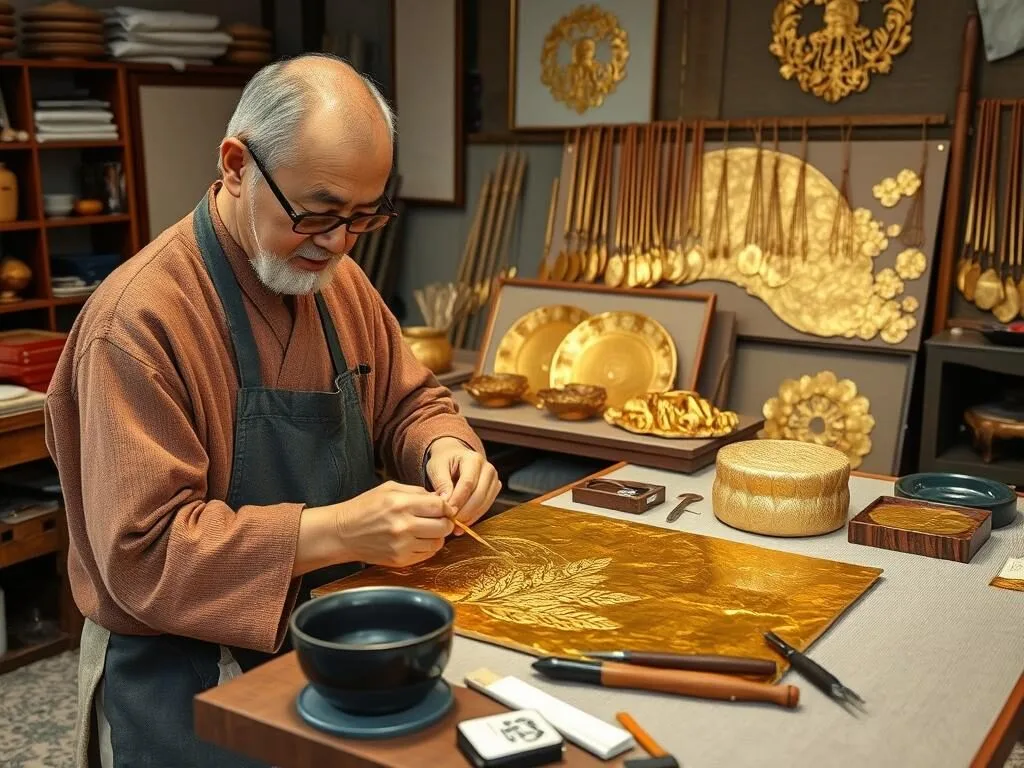
For a hands-on experience, participate in a gold leaf application workshop where you can decorate chopsticks, plates, or accessories with gold leaf. Don’t forget to try gold leaf ice cream – a Kanazawa specialty that literally adds a touch of luxury to your dessert.
7. Visit the 21st Century Museum of Contemporary Art
This circular, glass-walled museum is a striking contrast to Kanazawa’s traditional architecture. The museum houses thought-provoking contemporary art installations from Japanese and international artists.

Don’t miss Leandro Erlich’s “Swimming Pool,” an installation that creates the illusion of people walking underwater. The museum’s innovative design features multiple entrances and no fixed route, encouraging visitors to explore freely. The museum is closed on Mondays (or the following day if Monday is a holiday).
8. Take a Day Trip to Shirakawa-go
Located about 1.5 hours from Kanazawa, the UNESCO World Heritage Site of Shirakawa-go is famous for its traditional gassho-zukuri farmhouses with steep thatched roofs designed to withstand heavy snowfall.
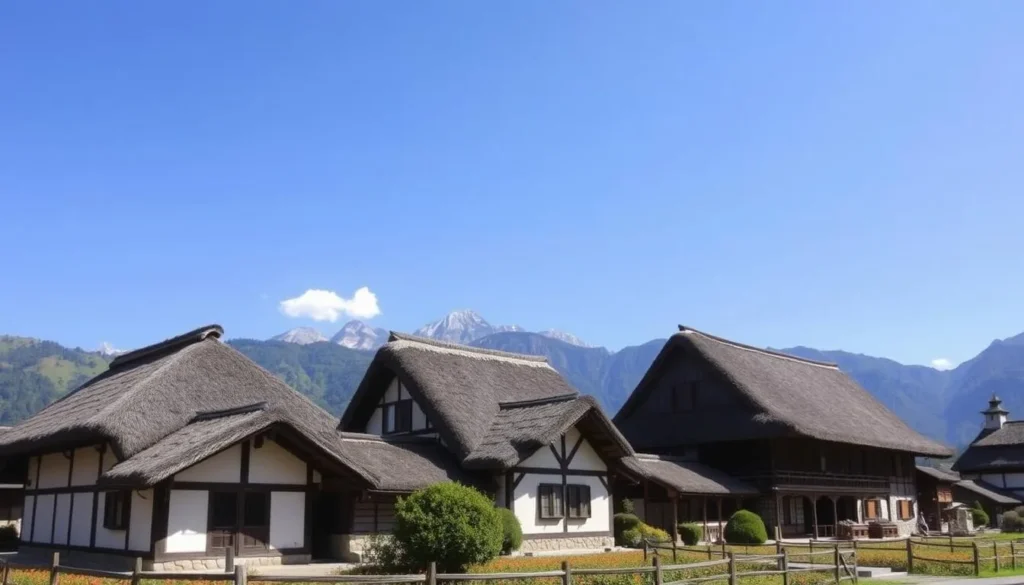
Visit the open-air museum to learn about rural life in the Japanese Alps and climb to the observation point for panoramic views of the village. Shirakawa-go is particularly magical in winter when illuminated at night and covered in snow, though it’s beautiful in all seasons.
Food and Dining in Kanazawa
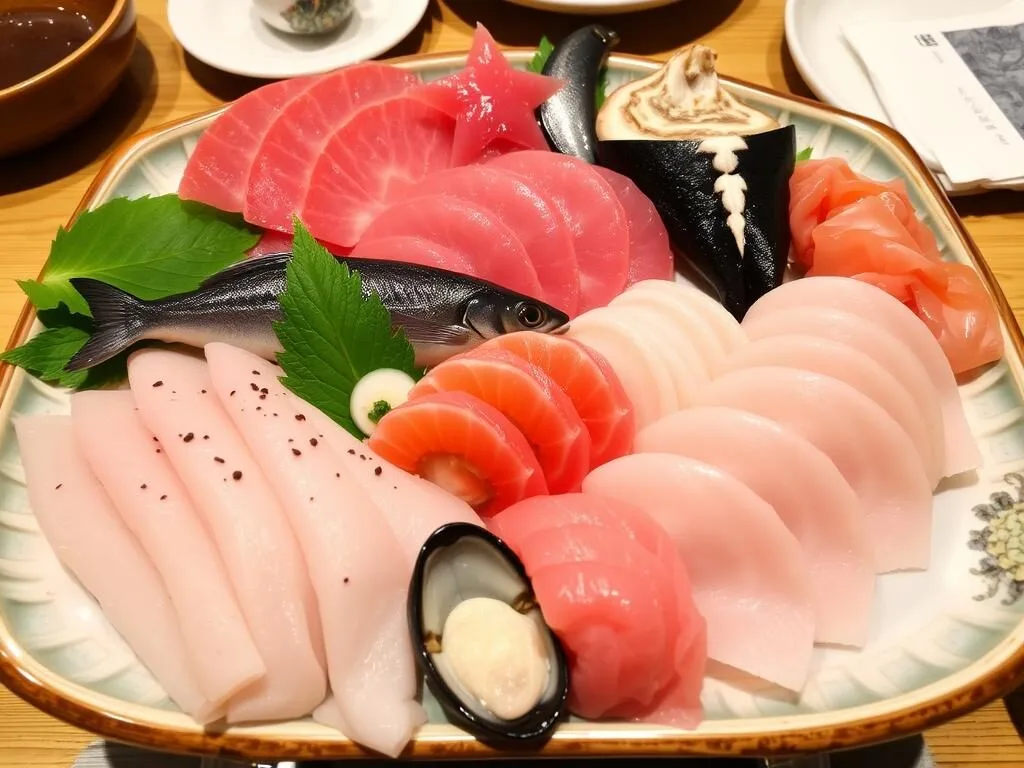
Kanazawa’s cuisine is renowned throughout Japan for its exceptional seafood and traditional dishes. The city’s location between the mountains and the Sea of Japan provides access to fresh ingredients from both land and sea.
Local Specialties
- Nodoguro – Blackthroat seaperch, considered the “king of fish” in Kanazawa
- Jibuni – Duck meat stewed in a sweet soy sauce with vegetables
- Kaburazushi – Pickled turnip stuffed with yellowtail and fermented
- Kanazawa Curry – A distinctive style of curry with a thick, dark roux
- Gold Leaf Food – Various foods decorated with edible gold leaf
Where to Eat
For the freshest seafood, head to the restaurants in and around Omicho Market. Many offer set meals featuring the day’s catch. The Higashi Chaya district has several traditional teahouses where you can enjoy Japanese sweets with matcha tea in a historic setting.
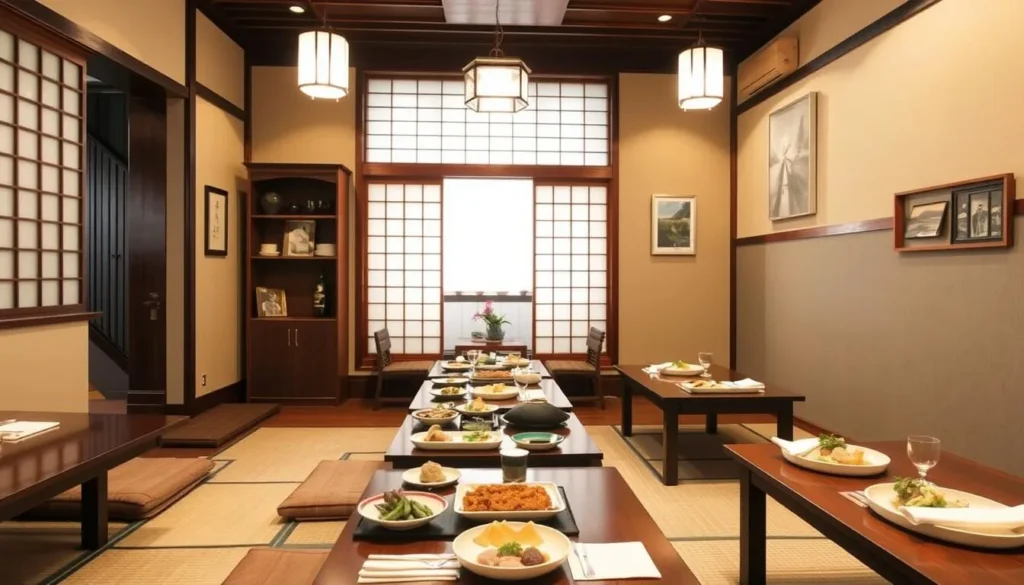
For a special experience, try kaiseki dining – a multi-course Japanese meal that showcases seasonal ingredients through meticulous preparation and presentation. Kanazawa’s kaiseki restaurants often incorporate local specialties and gold leaf accents.
Practical Tips for Visiting Kanazawa
Getting a Kanazawa Pass
The Kanazawa One-Day Pass offers unlimited rides on the Loop Bus and can be purchased at Kanazawa Station or major hotels. For ¥500, it’s an excellent value if you plan to use the bus multiple times in a day.
Free Wi-Fi
Free Wi-Fi is available at Kanazawa Station, major tourist attractions, and many cafes. The “Kanazawa Free Wi-Fi” network can be accessed throughout the city center after a simple registration.
Tourist Information
The Kanazawa Tourist Information Center at Kanazawa Station offers maps, guides in multiple languages, and assistance with accommodation bookings. Staff can help plan your itinerary and provide current information.
Suggested Itineraries
One Day in Kanazawa
- Morning: Kenroku-en Garden and Kanazawa Castle
- Lunch: Seafood at Omicho Market
- Afternoon: Higashi Chaya District and gold leaf workshop
- Evening: Dinner in Higashi Chaya District
Three Days in Kanazawa
- Day 1: Kenroku-en, Kanazawa Castle, 21st Century Museum
- Day 2: Nagamachi Samurai District, Omicho Market, Higashi Chaya
- Day 3: Day trip to Shirakawa-go or Kaga Onsen
Why Kanazawa Should Be on Your Japan Itinerary
Kanazawa offers a perfect balance of traditional Japanese culture, artistic heritage, and modern attractions without the overwhelming crowds of Kyoto or Tokyo. Its well-preserved historic districts, world-class gardens, and exceptional cuisine make it one of Japan’s most rewarding destinations.
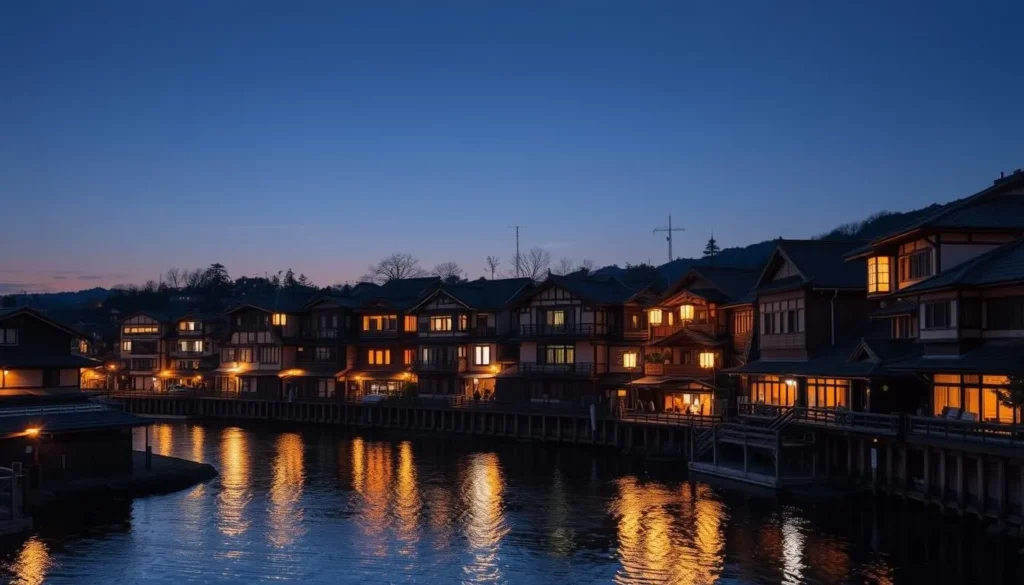
Whether you’re admiring the changing seasons in Kenroku-en Garden, trying your hand at gold leaf crafting, or savoring the freshest seafood at Omicho Market, Kanazawa rewards visitors with authentic experiences and cultural treasures. Add this gem to your Japan itinerary and discover why it’s becoming a favorite among travelers seeking Japan’s artistic soul.