Book reservations in numerous Languages + World Currencies. Hotels by Trip.com
Flights by Trip.com
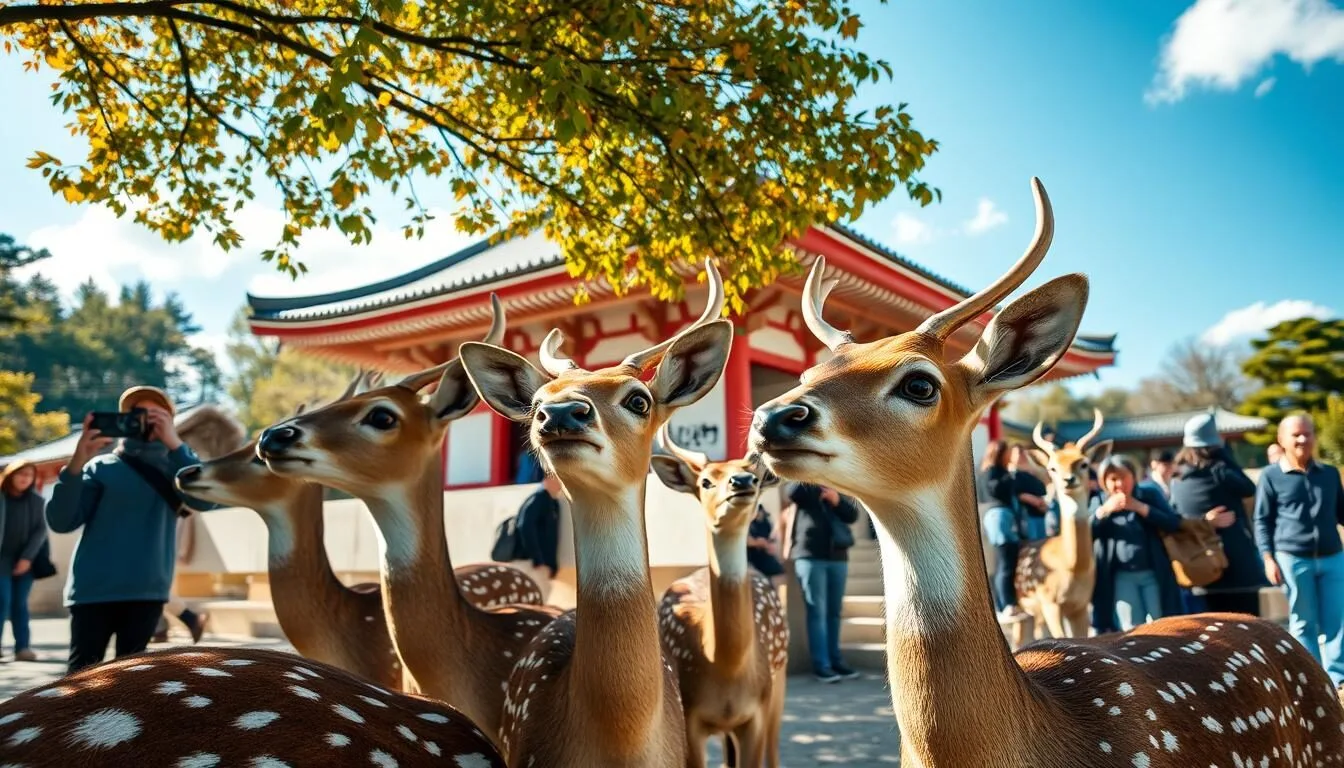
Did you know that Nara’s 1,200 free-roaming deer have been considered divine messengers of the gods for over 1,300 years? These sacred animals even bow to visitors in exchange for special crackers! As Japan’s first permanent capital, Nara offers an unparalleled glimpse into the nation’s ancient heritage, with eight UNESCO World Heritage sites packed into this compact city. Just a short trip from Kyoto or Osaka, Nara welcomes over 3 million international visitors annually who come to experience its perfect blend of natural beauty, cultural treasures, and those famously polite deer.
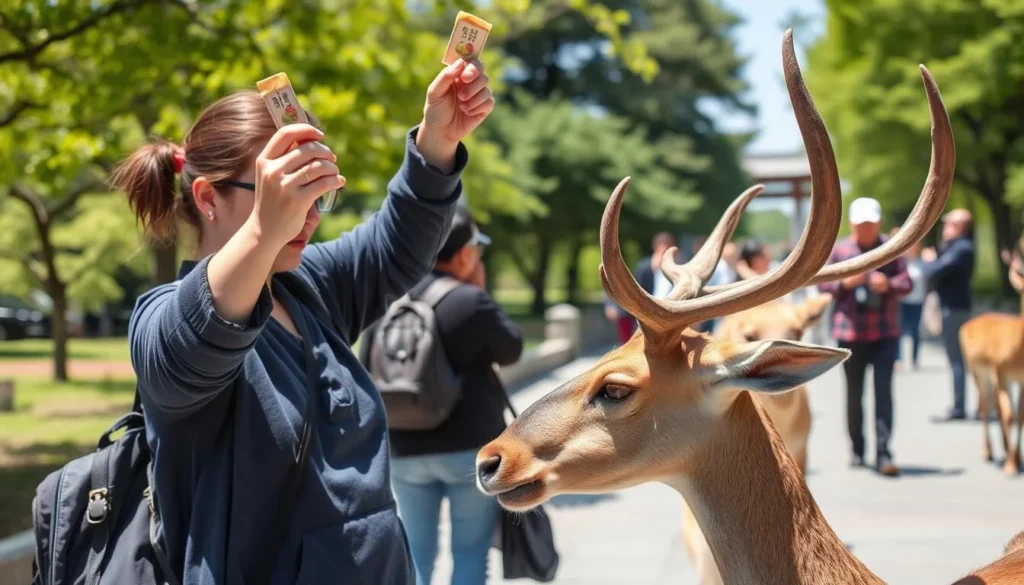
Nara’s famous bowing deer greet visitors near the city’s ancient temples
Getting to Nara
Reaching Nara is remarkably convenient, especially if you’re already exploring the Kansai region. The city is well-connected to major transportation hubs, making it perfect for a day trip or longer stay.
From Kyoto
The fastest route is the JR Miyakoji Rapid Service train from Kyoto Station, which takes just 45 minutes. If you have a JR Pass, this route is covered. Alternatively, the Kintetsu Kyoto Express is slightly cheaper and arrives at Kintetsu-Nara Station, which is closer to the main attractions.
Find the best flight deals to Japan and start your Nara adventure!
From Osaka
From JR Osaka Station, take the JR Yamatoji Rapid train to reach Nara in about 50 minutes. If you’re near a station on the Osaka Loop Line, you can change at Tsuruhashi and catch the Kintetsu Nara Line Rapid Express for a slightly faster journey.
From Tokyo
The journey from Tokyo takes approximately 3 hours. First, take the Nozomi Shinkansen (bullet train) from Tokyo Station to Kyoto Station (2 hours 10 minutes), then transfer to the JR Miyakoji Rapid Service to Nara (45 minutes).
Recommended Rail Passes:
- JR Kansai WIDE Area Pass: Best for visitors focusing on the Kansai region
- JR WEST All Area Pass: Ideal for exploring Western Japan more broadly
- Kansai Thru Pass: Budget-friendly option for non-JR lines between Kobe, Osaka, Kyoto, and Nara
When to Visit Nara
Nara is beautiful year-round, but certain seasons offer unique experiences that might align better with your travel preferences.

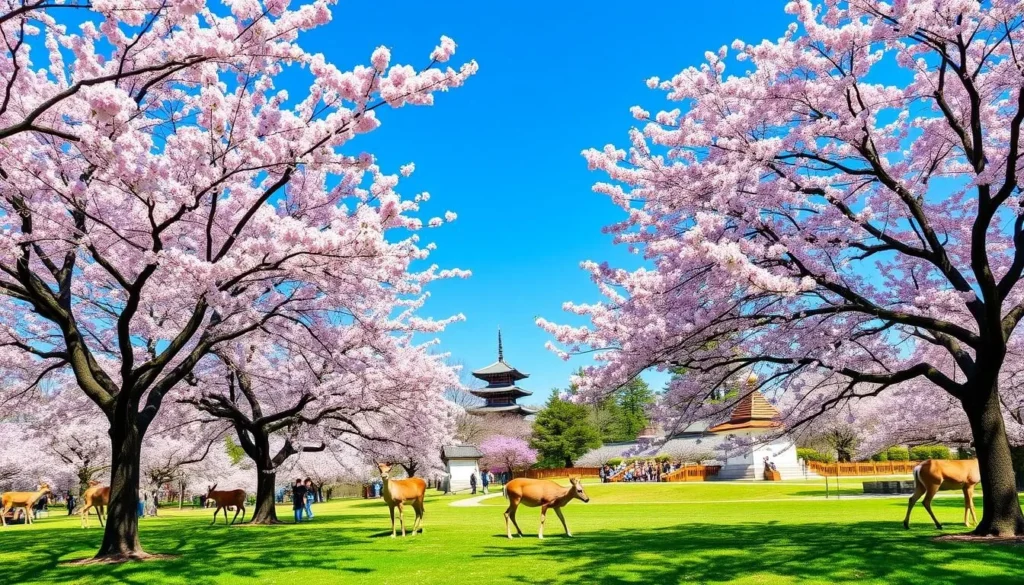
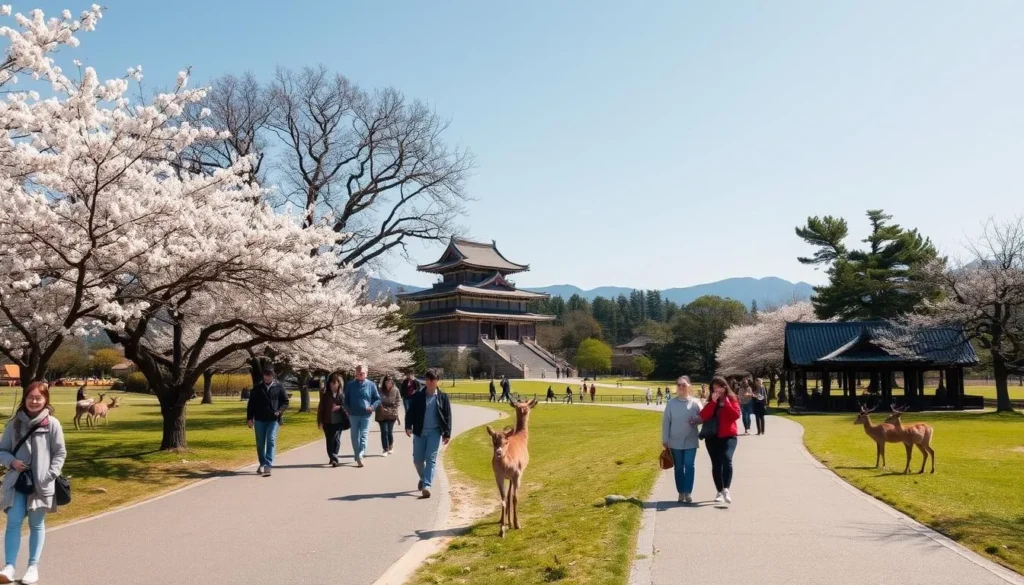
Spring brings cherry blossoms to Nara Park, creating magical scenes with deer and ancient architecture
Spring (March-May)
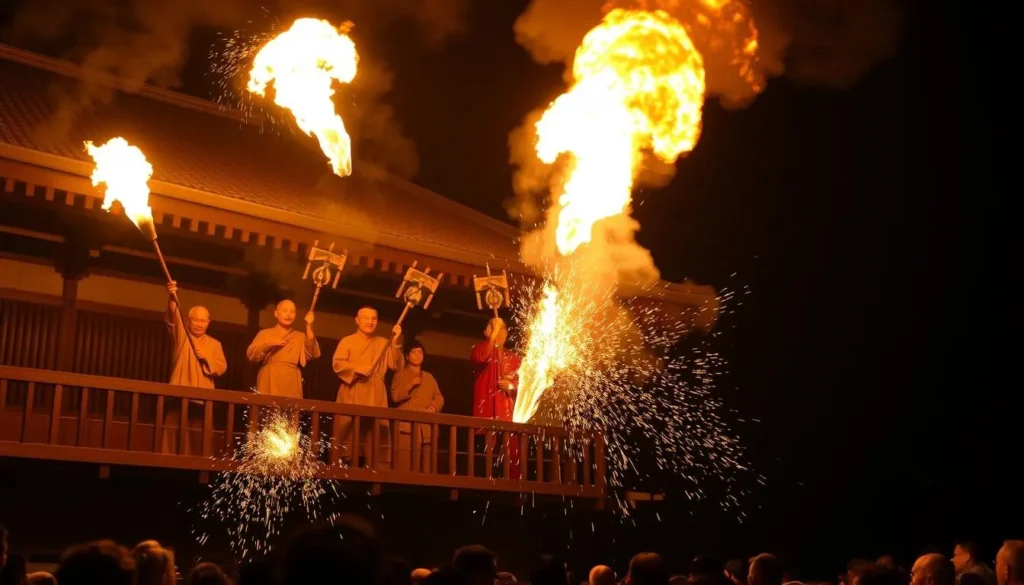
Cherry blossom season (late March to early April) transforms Nara into a pink wonderland. The weather is mild and pleasant, making it ideal for exploring. The Omizutori Festival at Todai-ji’s Nigatsudo Hall (March 1-14) features spectacular fire ceremonies.
Fall (September-November)
Autumn foliage creates stunning landscapes, especially in November when maple trees turn vibrant red and orange. The comfortable temperatures and clear skies make this an excellent time for photography and outdoor activities.
Winter (December-February)
While colder, winter offers fewer crowds and a serene atmosphere. The Wakakusa Yamayaki Festival (fourth Saturday of January) features the spectacular burning of Mount Wakakusa, preceded by fireworks.
“The best times to visit Nara are during spring cherry blossom season and fall foliage season, when the natural beauty of the parks and gardens reaches its peak.”
✓ Check 30,000+ Local Sightseeing Tours Worldwide
Click Here
Getting Around Nara
Most of Nara’s major attractions are conveniently clustered on the eastern side of the city, making it easy to explore on foot. The compact nature of the main sightseeing area means you can walk between most attractions without needing public transportation.
Walking
The most enjoyable way to experience Nara is on foot. From Kintetsu-Nara Station, it’s just a 5-minute walk to Kofuku-ji Temple and about 20 minutes to Todai-ji Temple. Walking allows you to encounter the friendly deer and discover hidden spots along the way.
Bicycle Rental
If you’re short on time or want to cover more ground, renting a bicycle is an excellent option. Several rental shops are located near both train stations, with rates typically around ¥1,000 per day.
Buses
For reaching more distant attractions like Yakushi-ji or Toshodai-ji temples, local buses are available. The Nara City Loop Line “Gurutto” bus connects major sightseeing spots and both train stations. One-day passes cost ¥500 for adults.
Rent a car and discover hidden gems around Nara Prefecture
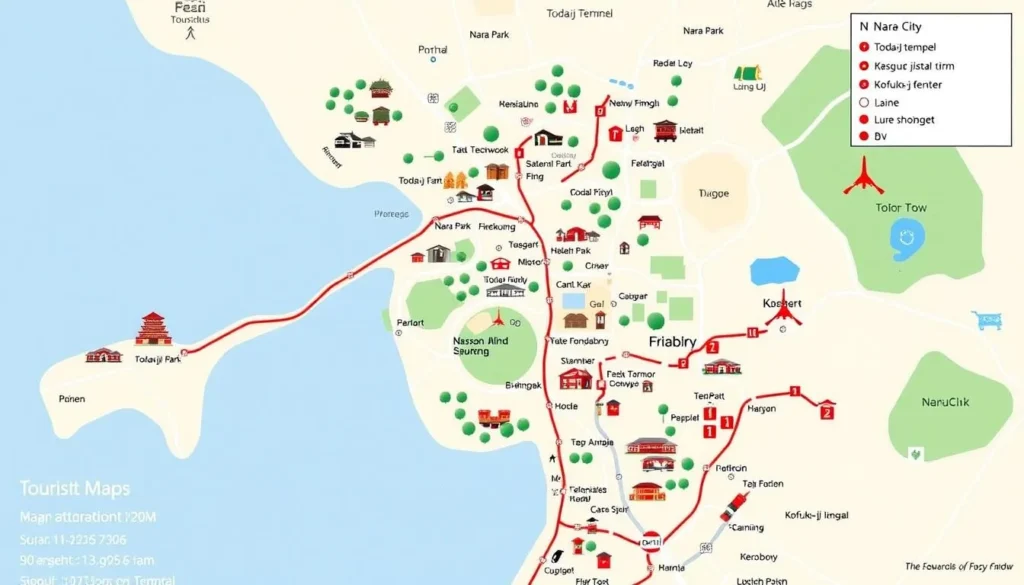
Map of Nara’s main attractions showing walking distances between sites
Top Attractions in Nara
Nara boasts an impressive concentration of cultural and historical treasures. Here are the must-see attractions that should be on every visitor’s itinerary.
Todai-ji Temple and the Great Buddha
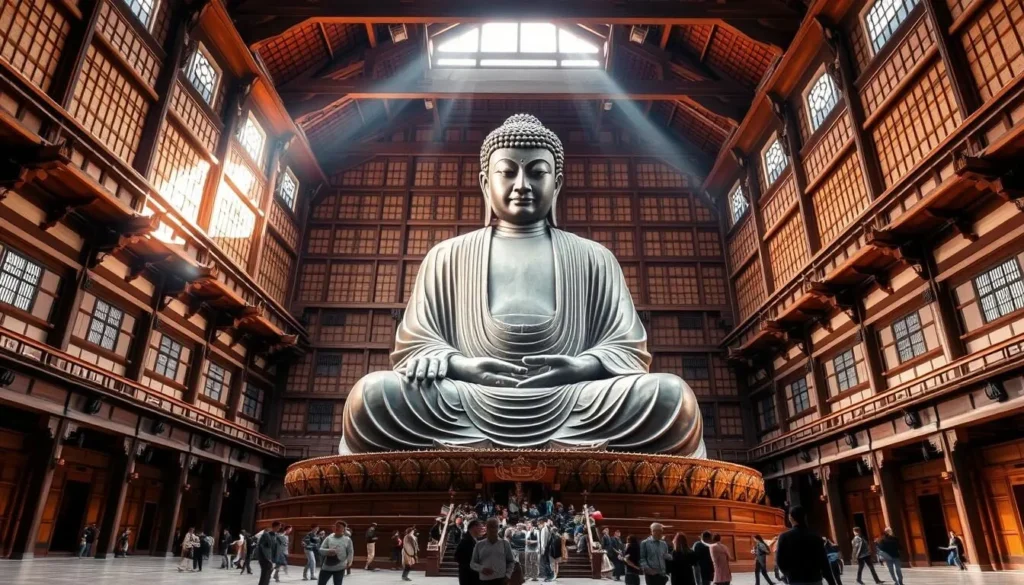
The magnificent Great Buddha (Daibutsu) at Todai-ji Temple stands nearly 15 meters tall
Todai-ji Temple is home to one of Japan’s most iconic sights: the Daibutsu (Great Buddha), a 15-meter tall bronze statue that has inspired awe since its completion in 752 CE. The Buddha sits within the Daibutsu-den (Great Buddha Hall), which, despite being rebuilt at two-thirds its original size in 1709, remains one of the world’s largest wooden buildings.
Don’t miss the famous pillar with a hole at its base that’s said to be the same size as the Buddha’s nostril. Legend has it that those who can squeeze through will be granted enlightenment in their next life. The impressive Nandaimon Gate, with its two fierce guardian statues, marks the entrance to the temple complex.
Todai-ji Temple Information:
- Opening hours: 7:30am-5:30pm (April-October), 8:00am-4:30pm (November-March)
- Admission: ¥500
- Access: 20-minute walk from Kintetsu-Nara Station
Join a guided tour to learn about the fascinating history and cultural significance of Nara’s temples
Book Guided Tour
Nara Park and the Sacred Deer
Nara’s friendly deer have learned to bow to visitors in exchange for special deer crackers
Nara Park is a sprawling green space covering over 500 hectares where more than 1,200 wild sika deer roam freely. Considered divine messengers of the gods in the Shinto religion, these deer have become the symbol of Nara. Vendors throughout the park sell special deer crackers (shika senbei) for ¥150, allowing visitors to feed these sacred animals.
The deer have famously learned to bow to visitors in exchange for food, creating a unique photo opportunity. While generally friendly, remember that these are still wild animals and can become aggressive when seeking food, so keep your distance if needed and secure any loose belongings.
Deer Safety Tips: While feeding the deer, be cautious as they can become aggressive when hungry. Keep food secure, don’t tease them with crackers, and supervise children closely. The deer may nip at clothing or bags searching for food.
Kasuga Taisha Shrine
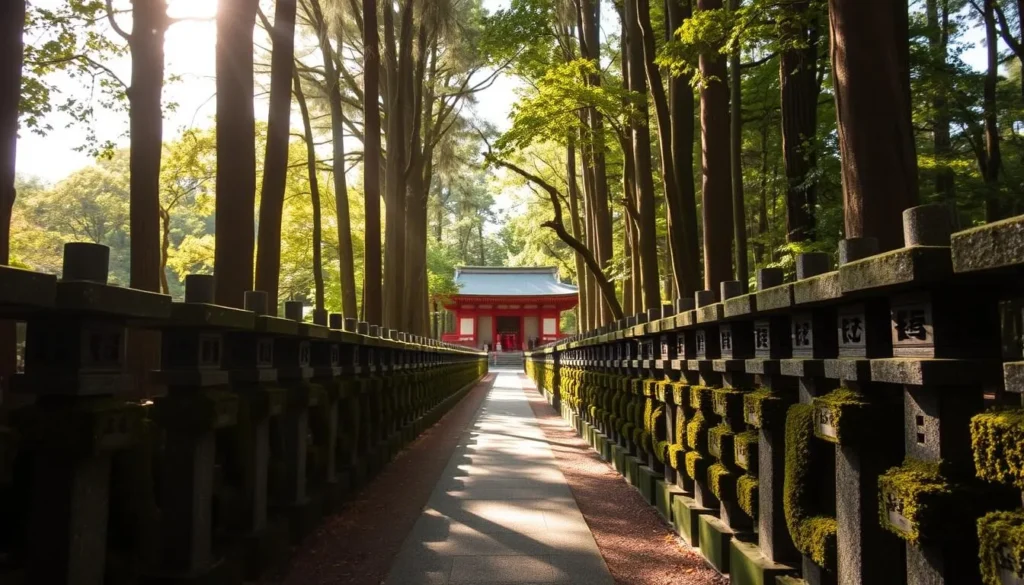
Hundreds of stone lanterns line the atmospheric approach to Kasuga Taisha Shrine
Founded in 768 CE, Kasuga Taisha is Nara’s most celebrated Shinto shrine. The approach to the shrine is lined with thousands of stone lanterns donated by worshippers over the centuries. The main buildings feature distinctive vermilion pillars and white walls, creating a striking contrast against the surrounding forest.
Twice yearly, during the Setsubun Mantoro (February) and Obon Mantoro (August) festivals, all 3,000 lanterns are lit simultaneously, creating a magical atmosphere. The shrine’s botanical garden, Kasuga Taisha Shinen Manyo, features plants mentioned in ancient Japanese poetry.
Kasuga Taisha Information:
- Opening hours: 6:00am-6:00pm (April-September), 6:30am-5:00pm (October-March)
- Admission: Free for outer areas, ¥500 for inner sanctuary
- Access: 25-minute walk from Kintetsu-Nara Station
Kofuku-ji Temple
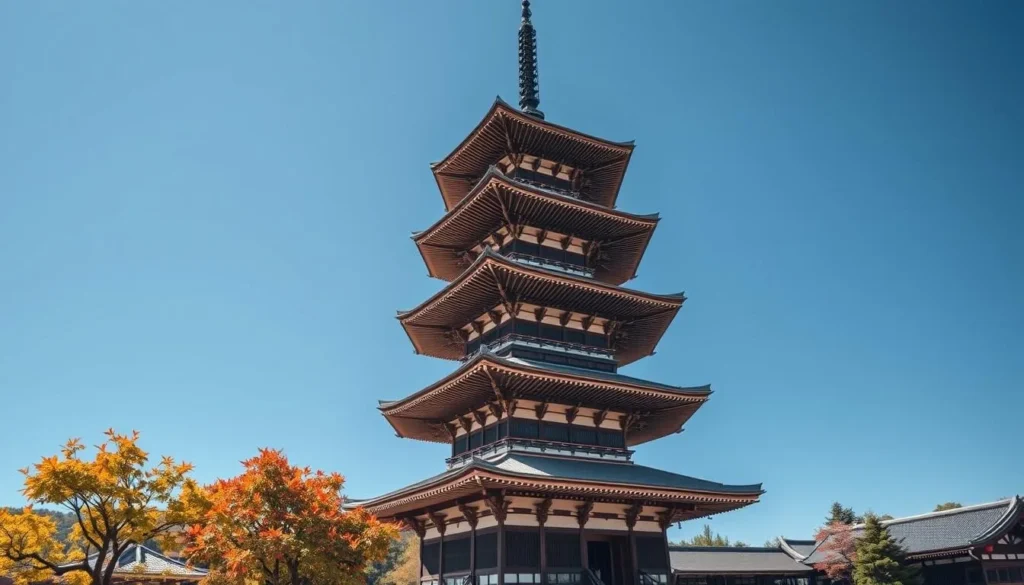
The iconic five-story pagoda of Kofuku-ji Temple is one of Nara’s most recognizable landmarks
Founded in 669 CE, Kofuku-ji was once one of Japan’s most powerful temples. Its distinctive five-story pagoda, standing 50 meters tall, is the second highest in Japan and has become one of Nara’s most recognizable landmarks. The temple complex includes several important buildings, including the recently restored Central Golden Hall.
The National Treasure Museum houses an outstanding collection of Buddhist art, including the famous Ashura statue, a six-armed, three-faced figure that is considered one of Japan’s most important sculptures.
Kofuku-ji Information:
- Opening hours: 9:00am-5:00pm
- Admission: Free for grounds, ¥700 for National Treasure Hall, ¥500 for Central Golden Hall
- Access: 5-minute walk from Kintetsu-Nara Station
Gardens and Museums
Beyond temples and shrines, Nara offers beautiful gardens and fascinating museums that provide deeper insights into Japanese culture and history.
Isuien Garden
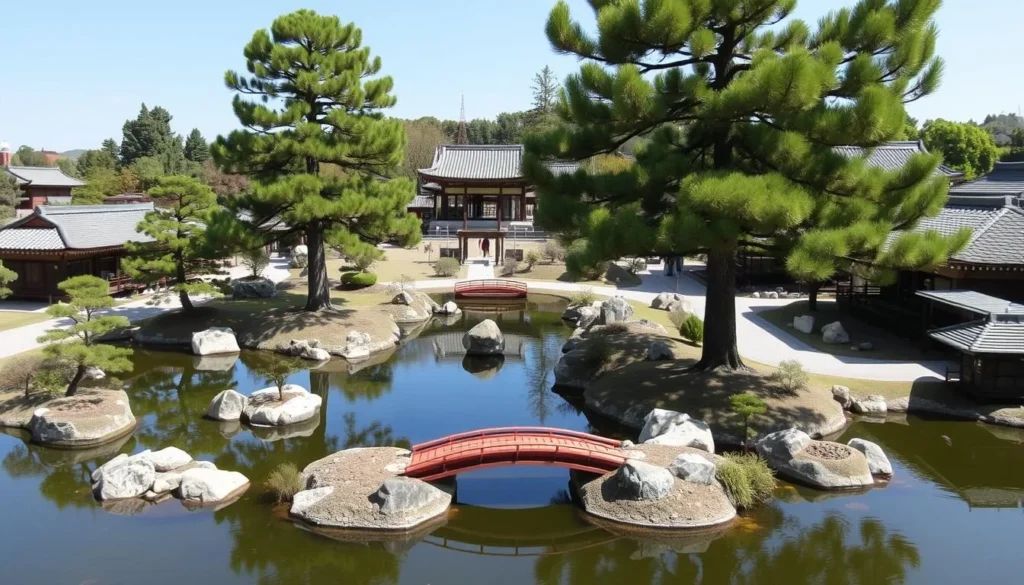
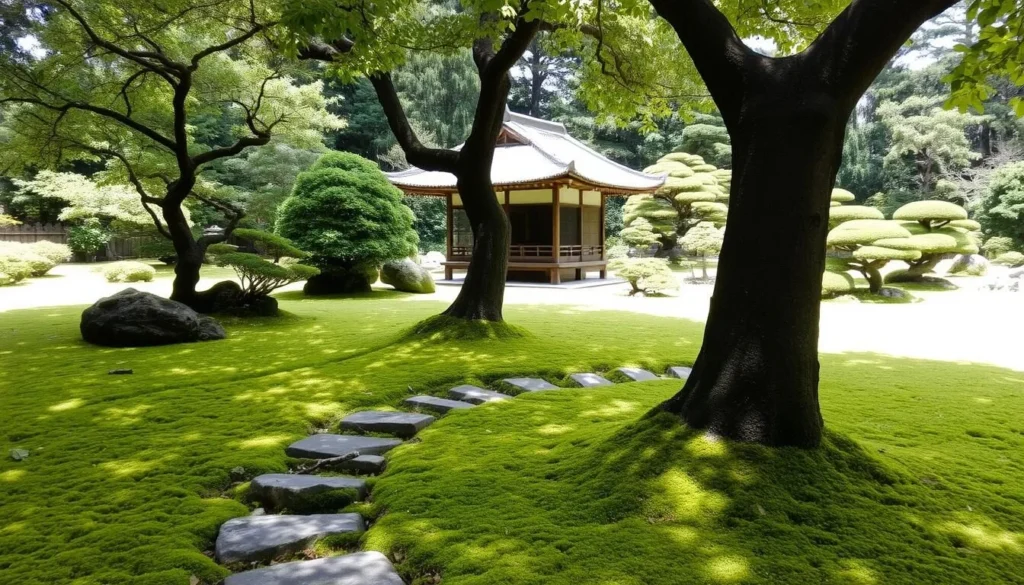
Isuien Garden exemplifies traditional Japanese landscape design with its perfect composition and borrowed scenery
Isuien is considered Nara’s most beautiful garden, a perfect example of a traditional Japanese stroll garden. Created during the Meiji period (1868-1912), it cleverly incorporates the principle of “borrowed scenery” by using the distant mountains and Todai-ji’s roof as background elements in the carefully composed landscape.
The garden is divided into two sections around a central pond, with winding paths leading visitors through ever-changing views. The Sanshutei teahouse offers traditional matcha tea and Japanese sweets, providing a perfect rest spot with garden views.
Isuien Garden Information:
- Opening hours: 9:30am-4:30pm (closed Tuesdays)
- Admission: ¥1,200 (includes Neiraku Art Museum)
- Access: 15-minute walk from Kintetsu-Nara Station
Nara National Museum
The historic main building of Nara National Museum houses an exceptional collection of Buddhist art
The Nara National Museum, established in 1889, is one of Japan’s oldest and most prestigious museums. It houses an exceptional collection of Buddhist art and artifacts, including sculptures, paintings, scrolls, and ceremonial objects. The museum consists of two main buildings: the original Meiji-era building that hosts special exhibitions and the modern East Wing that displays the permanent collection.
The museum is particularly famous for its annual exhibition of treasures from Shoso-in, the imperial repository at Todai-ji Temple, held each autumn. This special exhibition showcases priceless artifacts from the 8th century that are only displayed once a year.
Nara National Museum Information:
- Opening hours: 9:30am-5:00pm (closed Mondays)
- Admission: ¥700 for permanent exhibition, special exhibitions vary
- Access: 15-minute walk from Kintetsu-Nara Station
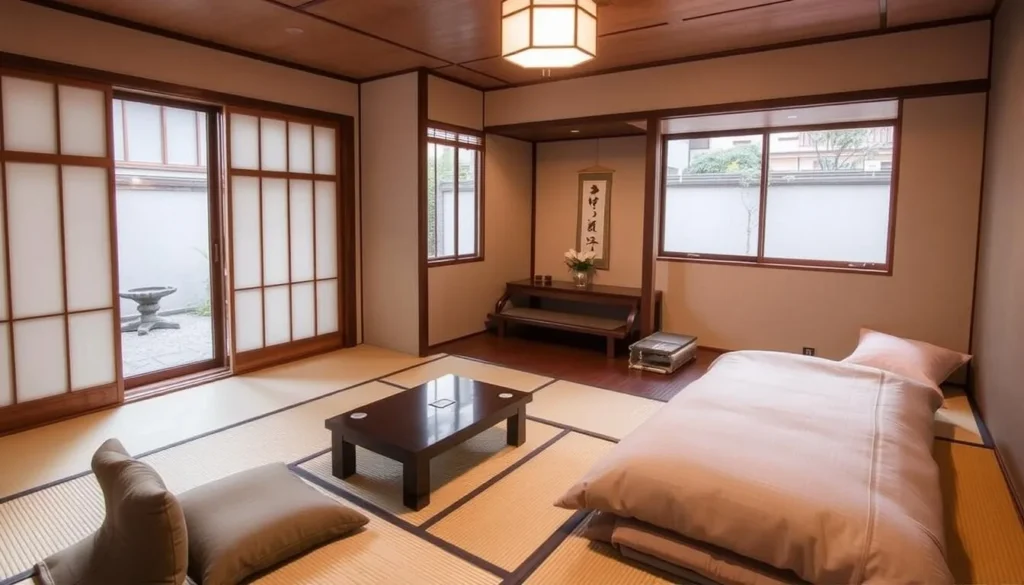
Find the perfect accommodation near Nara’s top attractions