
Hotels by Trip.com
Flights by Trip.com
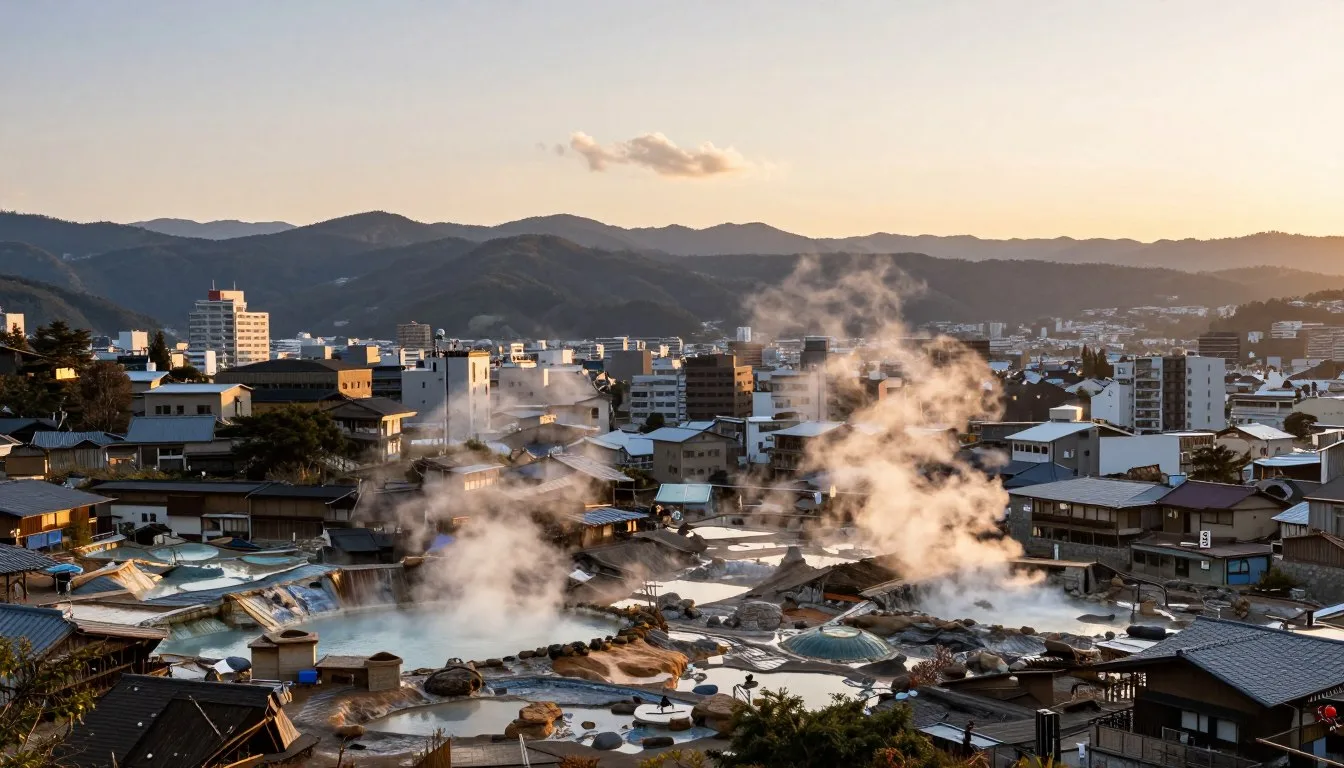
Did you know that Oita Prefecture produces more hot spring water than any other region in Japan? This remarkable city draws over 850 million liters daily from underground sources. The name Oita derives from the ancient Japanese term meaning “great field,” referencing the expansive plains that once dominated this coastal region.
Travelers seeking authentic Japanese culture find themselves captivated by this coastal gem. Hot springs bubble throughout the prefecture while mountains rise dramatically from the sea. Ancient temples stand alongside modern attractions creating unforgettable experiences.
This guide reveals everything visitors need for an incredible journey. From planning transportation to discovering hidden cultural treasures, each section provides practical insights. Local cuisine, outdoor adventures, and family activities await exploration in this comprehensive resource.
Getting There & Planning Your Journey

Reaching Oita City offers multiple convenient options for travelers. The closest airport, Oita Airport, sits approximately 42 km (26 miles) northeast of the city center. International visitors typically connect through major hubs like Tokyo or Osaka before taking domestic flights.
Direct flights from Tokyo Haneda take about 90 minutes. Fukuoka Airport provides another gateway, positioned roughly 120 km (75 miles) west. From there, the Sonic Limited Express train whisks passengers to Oita Station in just two hours.
Airport Transportation
Airport buses connect Oita Airport to the city center in 60 minutes. These comfortable coaches depart every hour throughout the day.
- Bus fare costs approximately ¥1,500 one way
- Taxis available but significantly more expensive
- Rental car counters operate at airport terminal
- Reserved shuttle services serve major hotels
Train Connections
Japan’s efficient rail network makes Oita City easily accessible. The Sonic Limited Express provides the most popular route from Fukuoka.
- Shinkansen reaches nearby Kokura Station first
- JR Pass holders save considerably on fares
- Reserved seats recommended during peak seasons
- Luggage storage available at major stations
Ferry Options
Ferry services connect Oita City to other parts of Kyushu and Shikoku. These scenic journeys offer unique coastal perspectives.
- Overnight ferries from Osaka arrive mornings
- Vehicle transport available on most routes
- Private cabins and shared accommodations offered
- Onboard restaurants serve regional dishes
Planning Timeline
Advance planning ensures the best travel experience. Booking early secures better rates and availability across all services.
- Reserve accommodations 2-3 months ahead
- Purchase JR Pass before arriving in Japan
- Check festival dates when scheduling visits
- Consider travel insurance for peace of mind
Best Time to Visit & Weather Tips

Timing significantly impacts your Oita City experience. Each season offers distinct advantages for different types of travelers. Understanding weather patterns helps pack appropriately and plan activities effectively.
Recommended Seasons
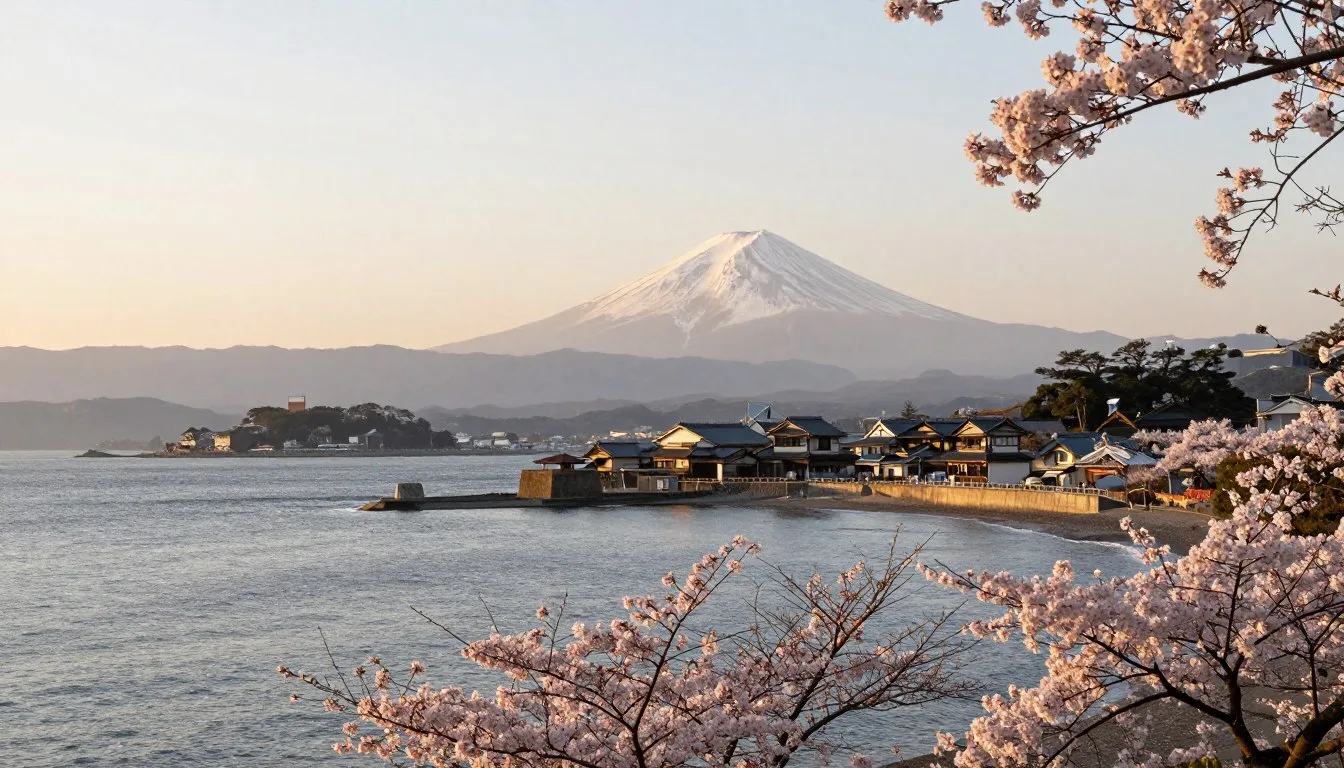
Spring (March through May) ranks as the most popular period. Cherry blossoms transform the city into a pink wonderland during early April. Temperatures hover around 15-20°C (59-68°F), perfect for outdoor exploration.
Autumn (September through November) provides equally spectacular conditions. Fall foliage peaks in mid-November when maple trees display brilliant reds and golds. Comfortable temperatures of 16-22°C (61-72°F) make walking tours enjoyable.
Best Months for Travel: April, May, October, and November offer ideal weather conditions with fewer crowds than peak summer. Hotel rates remain moderate while attractions operate at full capacity.
Seasons to Approach Carefully
Summer (June through August) brings intense heat and humidity. Temperatures frequently exceed 30°C (86°F) with high moisture levels. The rainy season typically runs from early June through mid-July, bringing frequent downpours.
Winter (December through February) stays relatively mild compared to northern Japan. However, temperatures can dip to 5-10°C (41-50°F). Some mountain attractions may close due to weather conditions.
Packing Essentials by Season
- Spring: Light jacket, umbrella, comfortable walking shoes
- Summer: Sunscreen, hat, breathable clothing, rain gear
- Autumn: Layers, light sweater for evenings
- Winter: Warm coat, scarf, indoor-appropriate footwear

Notable Annual Festivals

Festivals throughout the year showcase Oita’s rich cultural heritage. These celebrations offer visitors unique glimpses into local traditions and community spirit. Planning your visit around these events creates unforgettable memories.
Oita Tanabata Festival
This spectacular summer event transforms the city each August. Thousands of colorful bamboo decorations line shopping arcades and streets. Traditional performances and food stalls attract massive crowds during the three-day celebration.
Oita City Tourism Office for festival information
Kunisaki Peninsula Fire Festival
Ancient fire rituals illuminate the Kunisaki Peninsula each February. Monks carry flaming torches in dramatic nighttime processions. This sacred ceremony dates back over 1,300 years, connecting modern visitors to medieval Buddhist traditions.
Beppu-Yufuin Hot Spring Festival
Spring celebrations honor the region’s famous hot springs each April. Free public baths open throughout participating areas. Cultural performances and traditional music fill streets with festive energy.
Beppu City Tourism Information
Autumn Harvest Festivals
Local communities celebrate abundant harvests throughout October and November. Fresh produce markets showcase seasonal ingredients while cooking demonstrations highlight regional dishes. These intimate events provide authentic cultural exchanges.
Getting Around Locally
Navigating Oita City proves straightforward with multiple transportation options. Public transit connects major attractions efficiently while rental cars offer flexibility for exploring surrounding areas. Understanding local systems helps maximize time and minimize stress.
Bus Network
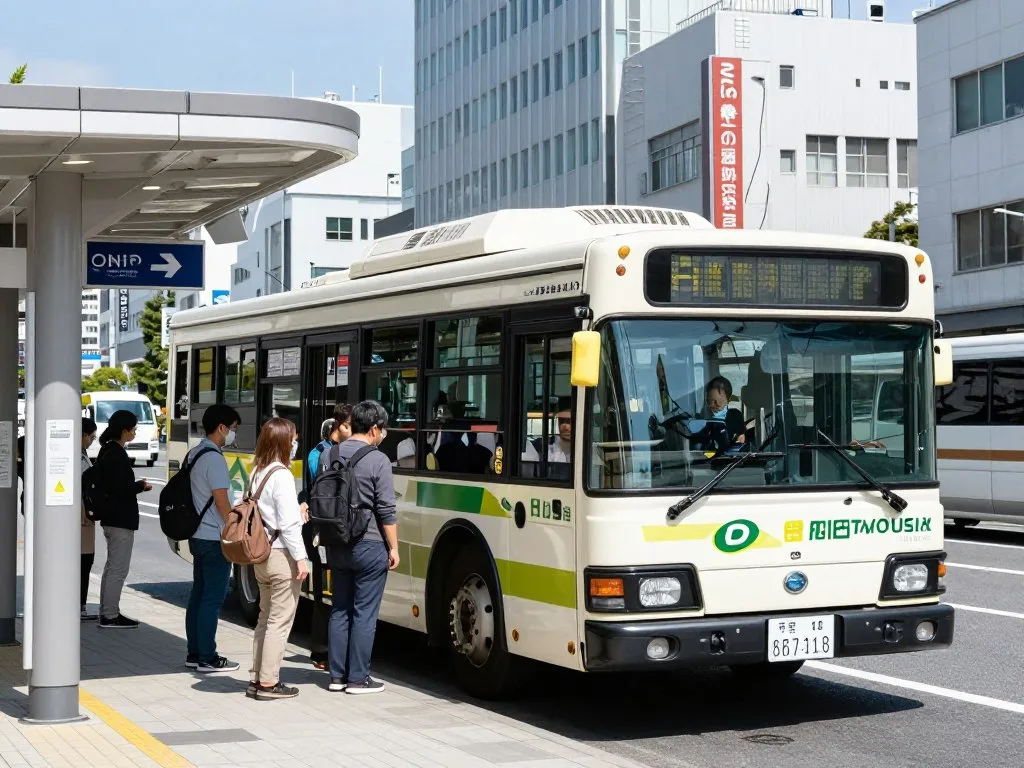
The comprehensive bus system reaches all corners of the city. Routes connect the train station to hot springs, temples, and shopping districts.
- Day passes available for unlimited rides
- Buses run frequently from 6 AM to 10 PM
- English announcements at major stops
Bicycle Rentals
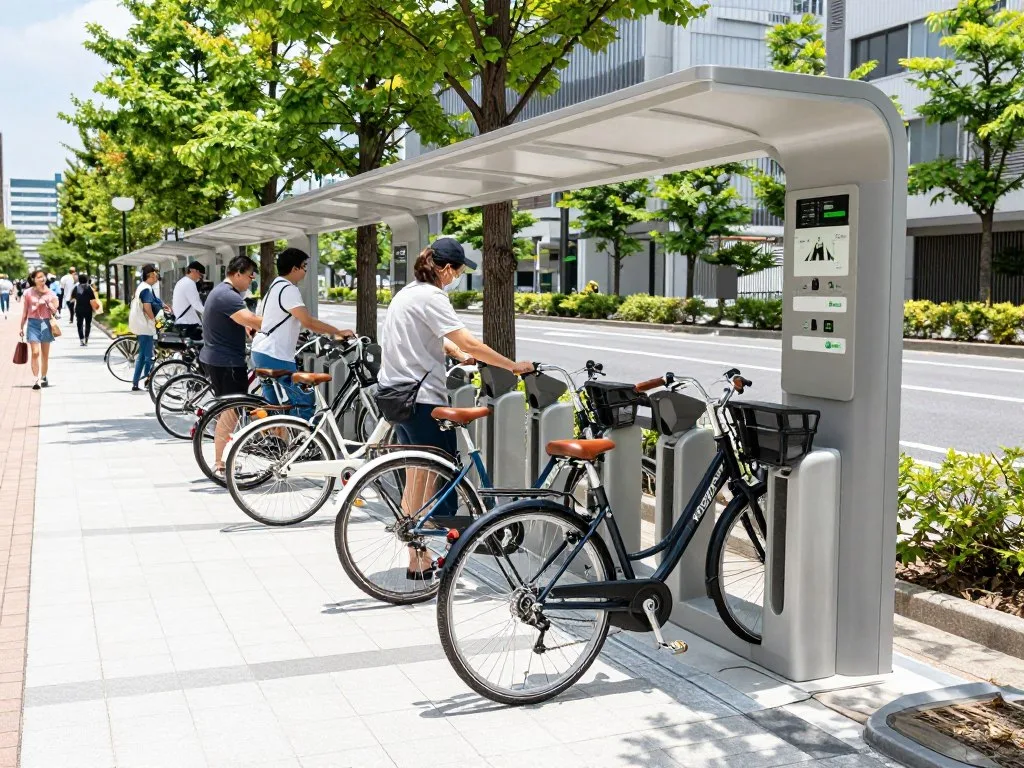
Cycling offers an enjoyable way to explore at your own pace. Flat terrain throughout downtown makes biking accessible for all fitness levels.
- Rental stations located near major attractions
- Electric bikes available for longer distances
- Dedicated bike lanes ensure safer travel
Taxi Services

Taxis provide convenient door-to-door service throughout the city. Drivers generally know major attractions though English communication may be limited.
- Meters start at approximately ¥600
- Hotel staff can help arrange pickups
- Translation apps assist communication
Car rentals make sense for visitors planning extensive exploration. The Kunisaki Peninsula and rural hot springs become easily accessible with personal transportation. International driving permits are required alongside your home country license.
Transportation Tip: Purchase an IC card (Sugoca or similar) at any major station. This rechargeable card works on buses and trains throughout Kyushu, eliminating the need for exact change.
Where to Stay

Accommodation options range from budget-friendly hostels to luxurious hot spring resorts. Location significantly impacts your daily experience, so consider proximity to planned activities. Each lodging style offers unique advantages for different traveler preferences.
Traditional Ryokan Experiences
Staying at a traditional inn provides immersive cultural experiences. These establishments typically include kaiseki dinner, breakfast, and access to private onsen facilities. Tatami rooms and futon bedding offer authentic Japanese hospitality.
Premium ryokan in Beppu and Yufuin areas showcase exceptional service. Staff members attend to every detail while meals feature seasonal local ingredients. Prices reflect this luxury, typically ranging from ¥20,000 to ¥50,000 per person per night.
Modern Hotels
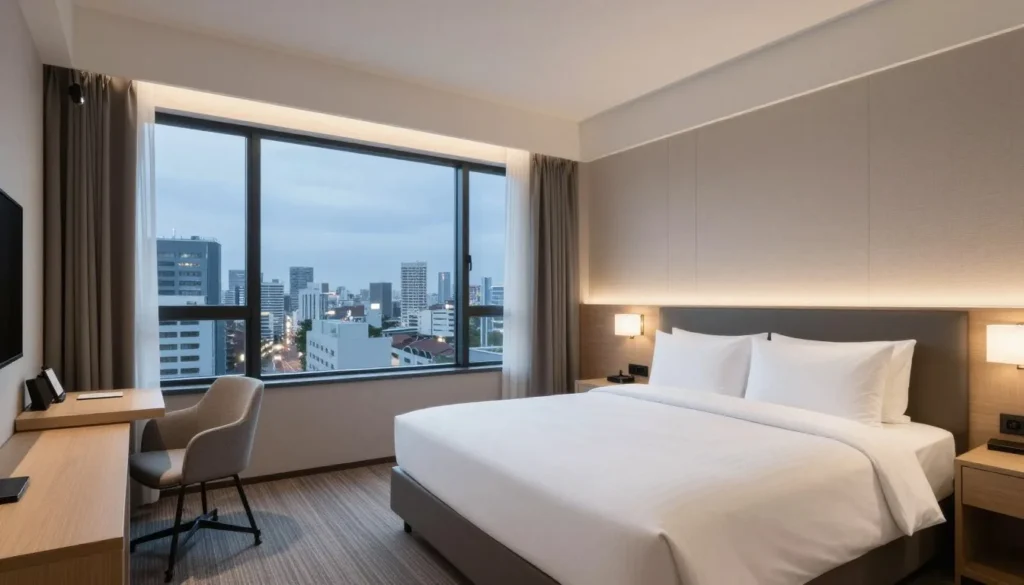
International and domestic hotel chains cluster around Oita Station. These properties provide familiar amenities including western beds, restaurants, and business facilities. English-speaking staff make check-in processes smooth for international visitors.
Budget Accommodations
Guesthouses and hostels serve budget-conscious travelers without sacrificing comfort. Shared dormitories start around ¥2,500 per night while private rooms cost approximately ¥5,000 to ¥8,000. Many include communal kitchens and social spaces encouraging traveler interaction.
Hot Spring Resorts
Dedicated onsen resorts dot the prefecture offering therapeutic relaxation. Multi-day stays allow full immersion in hot spring culture. Most facilities feature multiple bath types including outdoor pools with mountain views.
Booking Strategy: Reserve accommodations at least two months ahead during spring and autumn. Last-minute availability becomes scarce, especially during festival periods and holiday weekends.
Dining & Local Cuisine

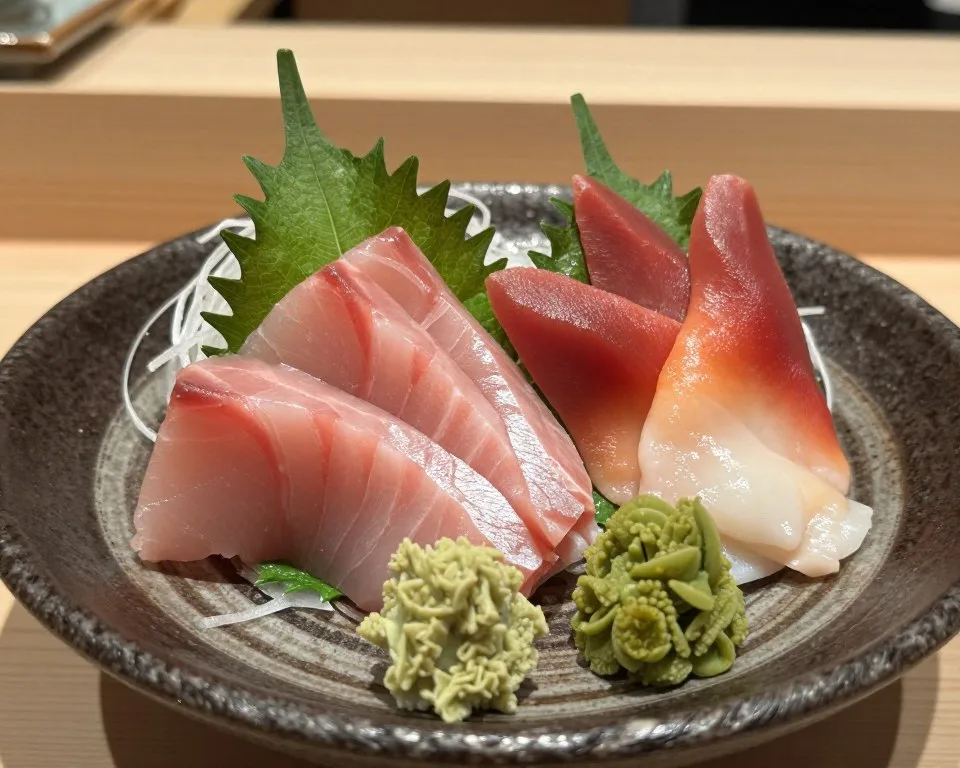
Oita’s culinary scene celebrates fresh seafood, mountain vegetables, and unique local specialties. The prefecture’s position between mountains and sea creates diverse ingredient availability. Food enthusiasts discover both traditional dishes and modern interpretations throughout the city.
Signature Dishes
Toriten stands as Oita’s most famous contribution to Japanese cuisine. This crispy fried chicken differs from karaage through its lighter batter and tangy dipping sauce. Nearly every restaurant serves their own version of this beloved comfort food.
Bungo beef rivals the nation’s finest wagyu varieties. The marbled meat melts on your tongue, showcasing why Oita Prefecture earns recognition for premium beef production. Specialized restaurants prepare it as sukiyaki, shabu-shabu, or simple grilled steaks.
Must-Try Local Foods
- Seki-saba (mackerel from Saganoseki)
- Ryukyu-don (marinated fish over rice)
- Kabosu citrus-flavored dishes
- Dango-jiru (dumpling soup)
- Fresh sea urchin from Beppu Bay
- Shiitake mushrooms from mountain regions
Dining Venues
Downtown Oita offers concentrated restaurant options around the station and shopping arcades. Traditional izakaya create lively atmospheres where locals gather after work. These casual establishments serve small plates perfect for sharing alongside sake or beer.
The Funai area provides upscale dining experiences in refined settings. Here, kaiseki restaurants prepare multi-course meals showcasing seasonal ingredients. Reservations are essential, particularly at establishments with limited seating.
Market Experiences
Morning markets burst with energy as vendors sell fresh produce and prepared foods. The central market near the harbor opens early when fishing boats return with daily catches. Visitors sample grilled fish, seasonal fruits, and local snacks while experiencing authentic commercial culture.
Foodie Tip: Many restaurants close between lunch and dinner service, typically from 2 PM to 5 PM. Plan meal times accordingly or seek out cafes that remain open throughout the afternoon.
Attractions, Sightseeing & Activities
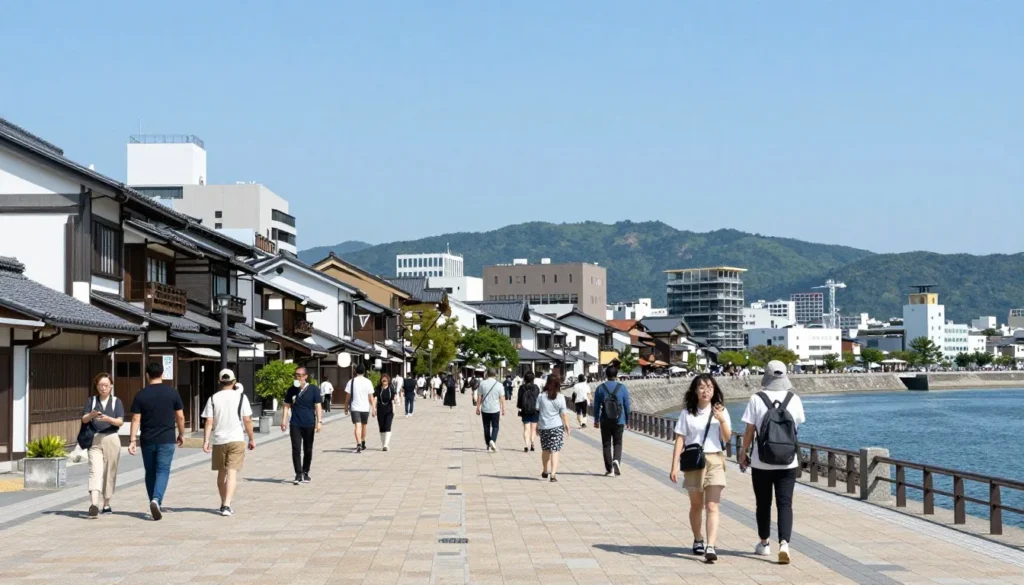
Oita City serves as an excellent base for exploring diverse attractions. Ancient temples, modern architecture, and natural wonders create varied itinerary options. Each site reveals different aspects of the region’s character and history.
Historic Temples and Shrines
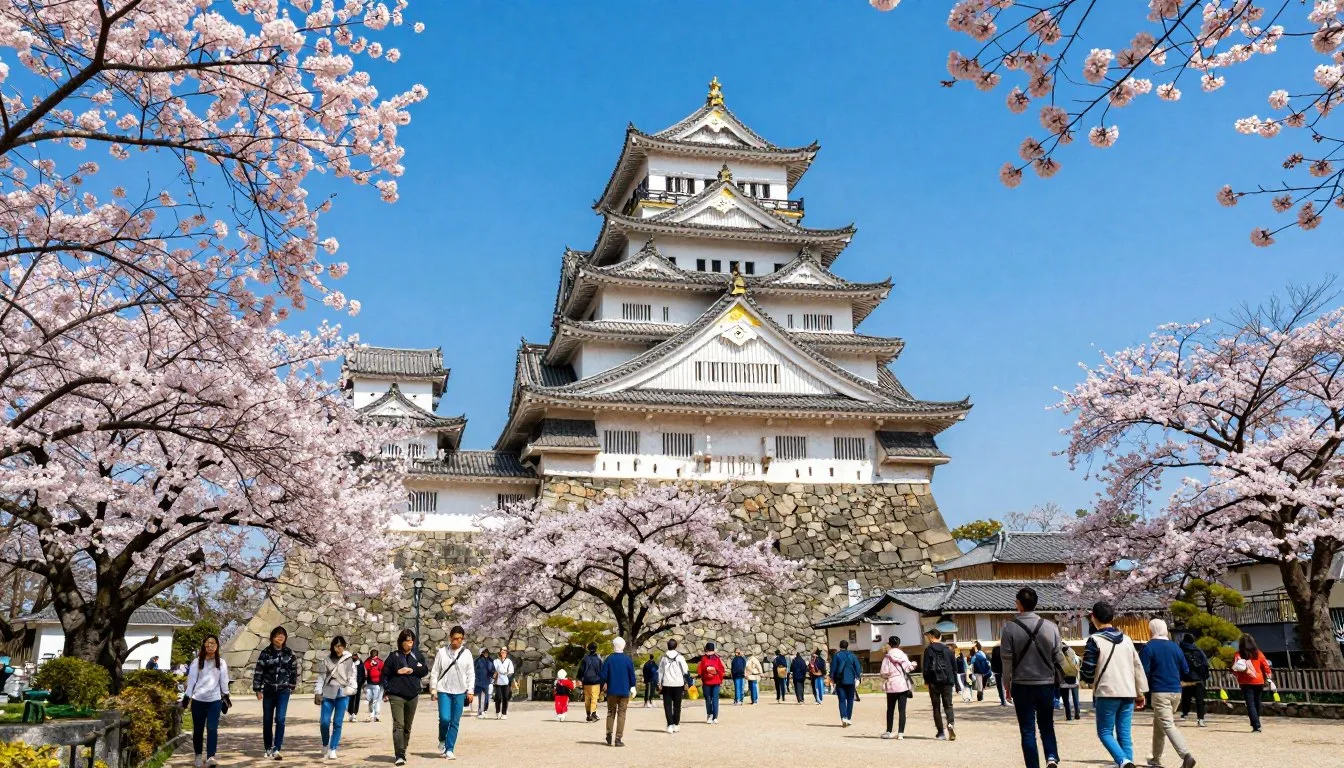
Funai Castle ruins occupy central city grounds where stone foundations hint at former grandeur. Walking paths wind through reconstructed gates and informative displays explaining the structure’s feudal-era importance. Cherry trees transform the site each spring into a popular hanami destination.
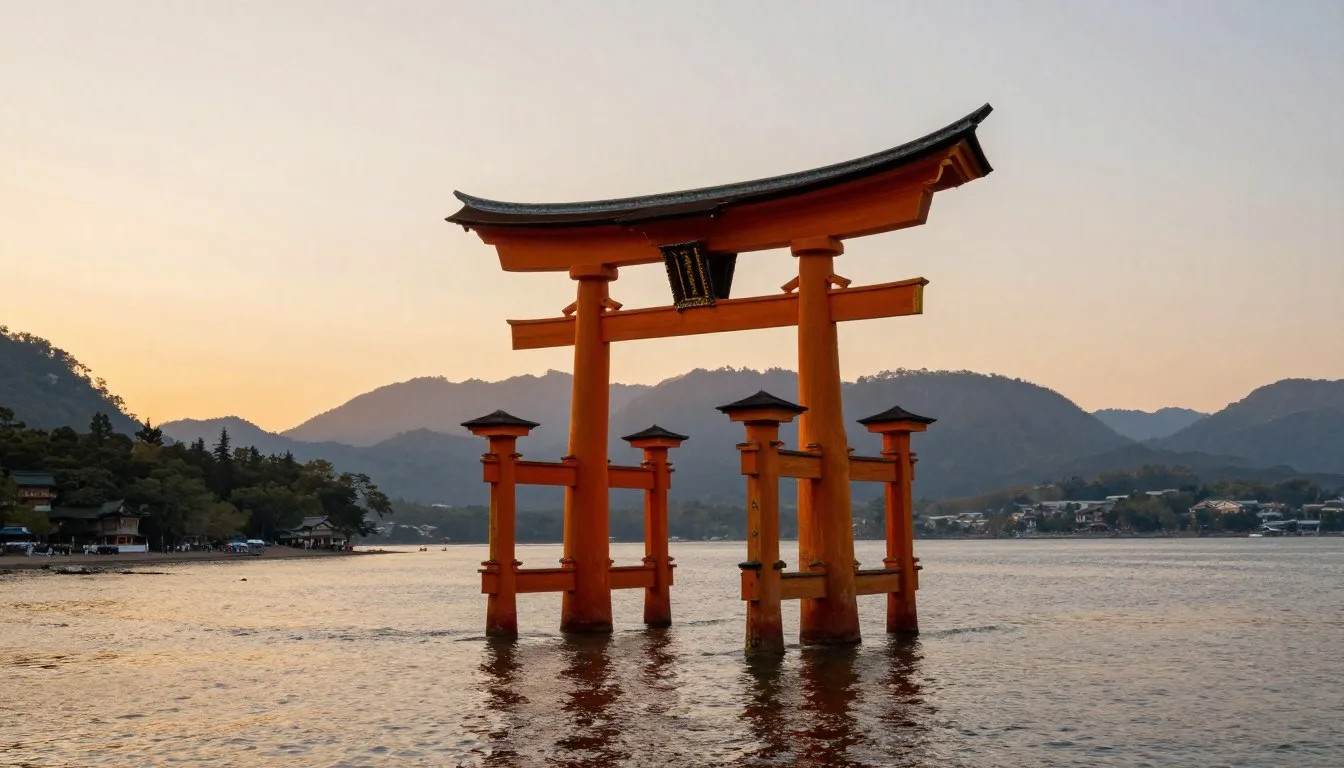
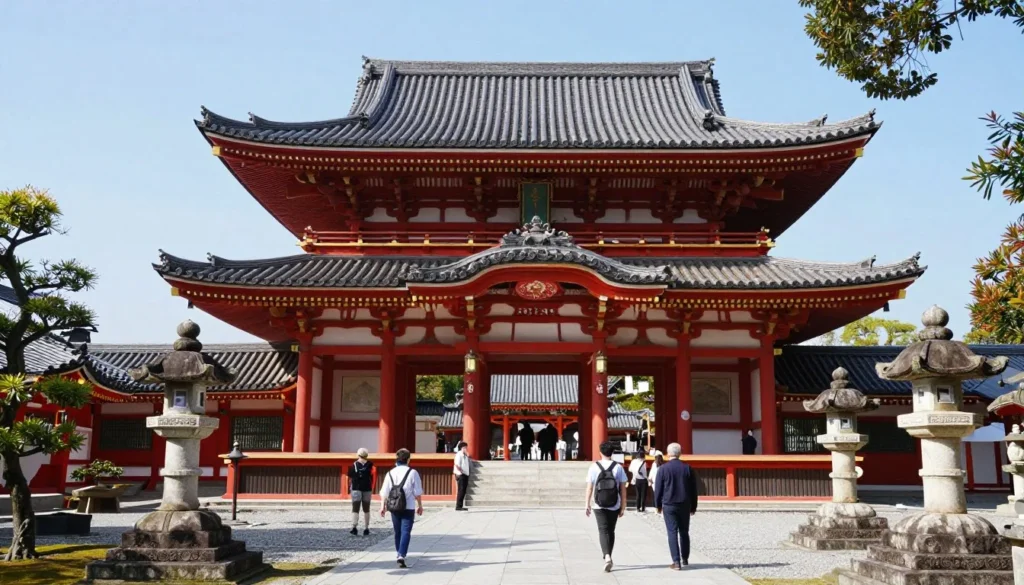
Usa Jingu ranks among Japan’s most significant Hachiman shrines. The sprawling complex showcases vermilion buildings set against forested hillsides. Visitors appreciate the peaceful atmosphere away from urban density.
Contemporary Attractions
The Oita City Art Museum houses rotating exhibitions alongside permanent collections. Modern architecture creates bright gallery spaces displaying regional and international works. Admission typically costs ¥300 to ¥500 depending on special exhibitions.
Marine Palace Aquarium Umitamago presents coastal marine life in engaging displays. Interactive touch pools let children connect with sea creatures while massive tanks showcase open ocean species. The facility emphasizes conservation and education alongside entertainment.
Shopping Districts
Covered shopping arcades protect visitors from weather while browsing local goods. Traditional crafts, modern fashion, and specialty foods fill countless shops. The central arcade extends several blocks, creating pleasant walking regardless of conditions.

Souvenir Favorites
- Kabosu citrus products
- Local sake varieties
- Bamboo crafts from artisans
- Traditional ceramics

Night Entertainment
- Karaoke venues throughout downtown
- Jazz clubs near station area
- Traditional performance theaters
- Lively izakaya districts

Seasonal Events
- Cherry blossom viewing parties
- Summer fireworks displays
- Autumn moon viewing ceremonies
- Winter illumination installations
Museums, Cultural Spots & Festivals

Cultural institutions throughout Oita preserve and present regional heritage. Museums range from specialized collections to broad historical surveys. Each facility offers insights into the area’s development and artistic traditions.
Oita Prefectural Art Museum
This striking contemporary building houses extensive Japanese and international collections. Rotating exhibitions bring world-class works to Kyushu while permanent galleries showcase local artists. The architecture itself merits appreciation, with dramatic spaces and thoughtful natural lighting.
Admission costs ¥300 for permanent collections, with special exhibition prices varying. The museum shop sells quality reproductions and artist-designed goods. A pleasant cafe overlooks sculpture gardens where visitors rest between gallery visits.
Oita City Historical Museum
Comprehensive displays trace the region from ancient settlements through modern development. Archaeological finds, feudal artifacts, and industrial-age items create chronological narratives. English explanations accompany most exhibits, though detailed information remains primarily in Japanese.

Performing Arts Venues
The prefectural theater hosts kabuki, traditional music, and contemporary performances throughout the year. International touring companies occasionally appear alongside local productions. Advance ticket purchases recommended for popular shows.
Smaller venues scattered through downtown present intimate performances. Jazz clubs, traditional music halls, and modern theaters cater to diverse tastes. Check local event listings for current schedules and featured performers.
Cultural Workshops
Several facilities offer hands-on experiences in traditional crafts. Pottery classes teach centuries-old techniques while bamboo weaving workshops create functional art. These activities provide deeper cultural understanding than passive observation alone.
Cultural Experience: Many museums and cultural centers offer free admission on designated days each month. Check individual websites or ask at tourist information for current schedules to maximize your budget.
Nature & Outdoor Experiences
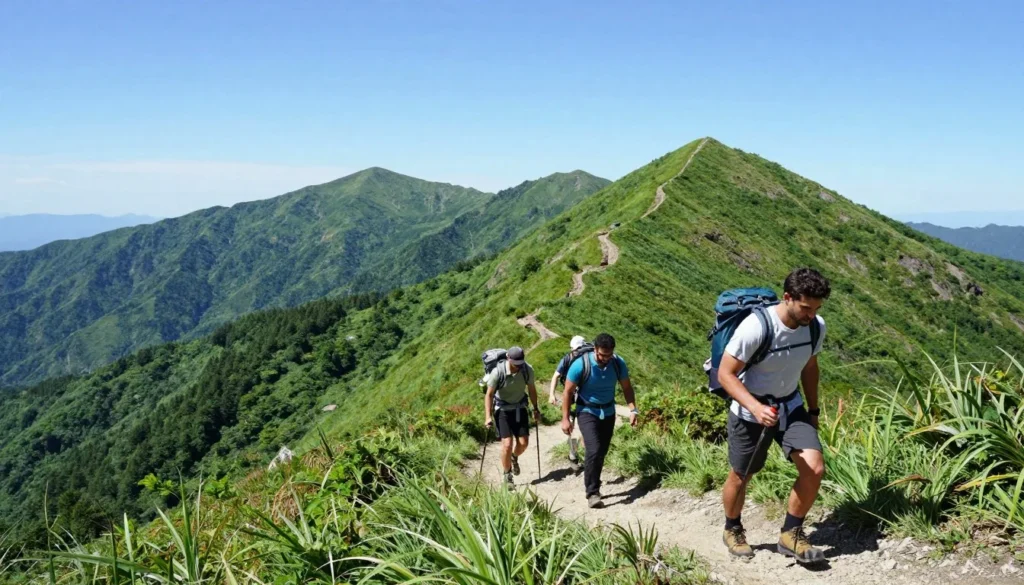
Oita’s natural landscapes provide endless outdoor opportunities. Mountains, coastlines, and valleys offer adventures for various skill levels. Each season transforms environments, creating different experiences throughout the year.
Mountain Adventures
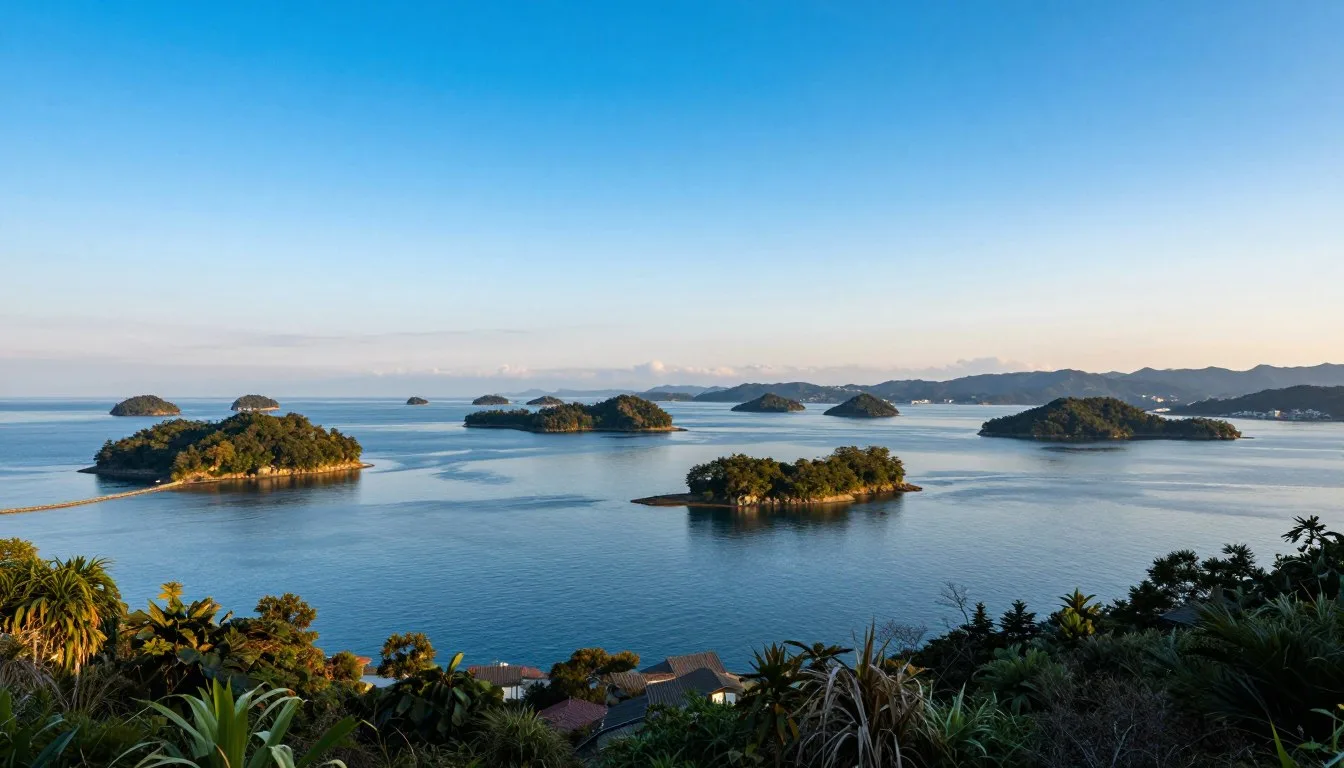
Mount Tsurumi rises 1,375 m (4,511 ft) above Beppu, offering accessible hiking with spectacular rewards. The ropeway transports visitors partway up, leaving a manageable walk to summit views. On clear days, panoramas extend across Beppu Bay to distant islands.
More challenging trails traverse the Kunisaki Peninsula where ancient pilgrimage routes connect temples. These paths wind through forests, past waterfalls, and along ridgelines. Spring and autumn provide ideal conditions while summer heat and winter ice create additional challenges.
Popular Hiking Areas
- Sobo-Katamuki Quasi-National Park trails
- Kunisaki Peninsula ancient paths
- Aso-Kuju National Park (nearby)
- Coastal cliff walks near Saganoseki
- Forest trails around Yufuin Basin

Coastal Activities
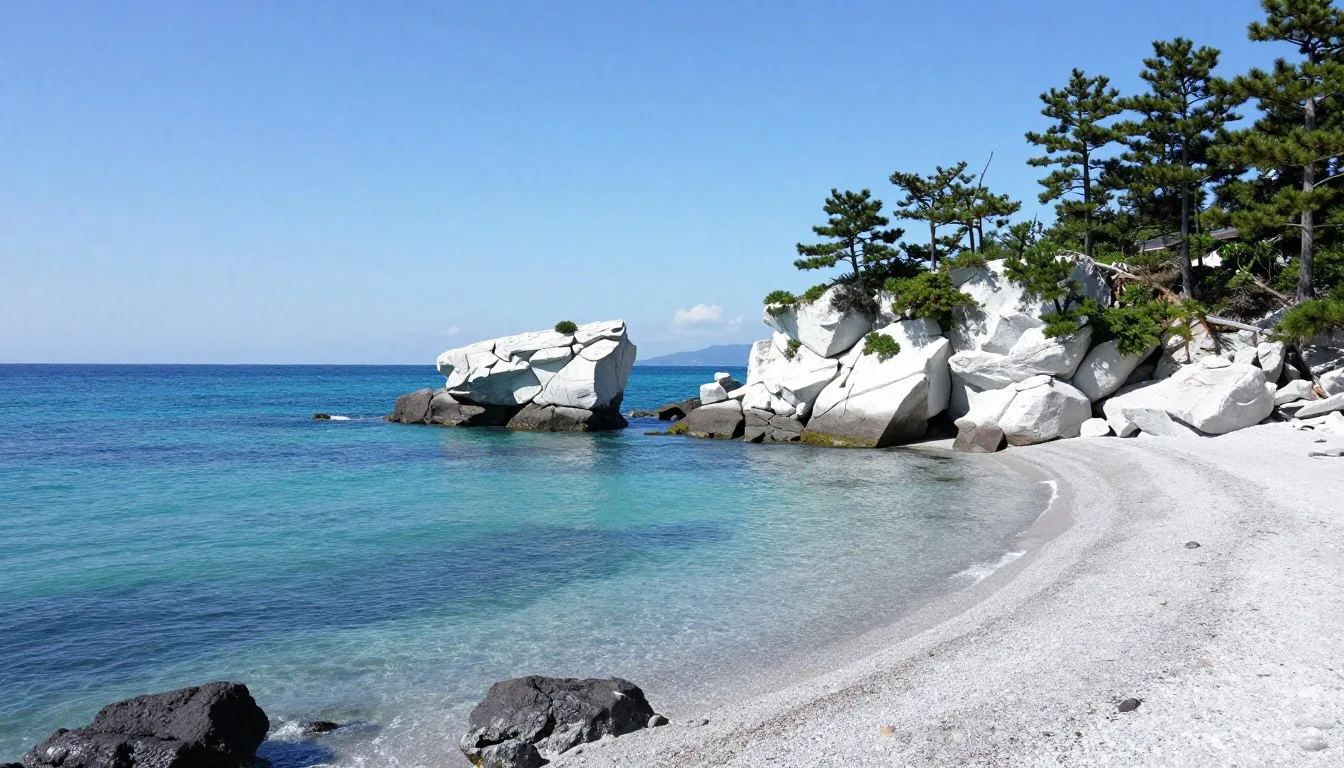
Beppu Bay’s calm waters attract water sports enthusiasts year-round. Kayaking along the coastline reveals hidden coves and geological formations. Stand-up paddleboarding gains popularity with calm morning conditions ideal for beginners.

Hot Spring Bathing in Nature
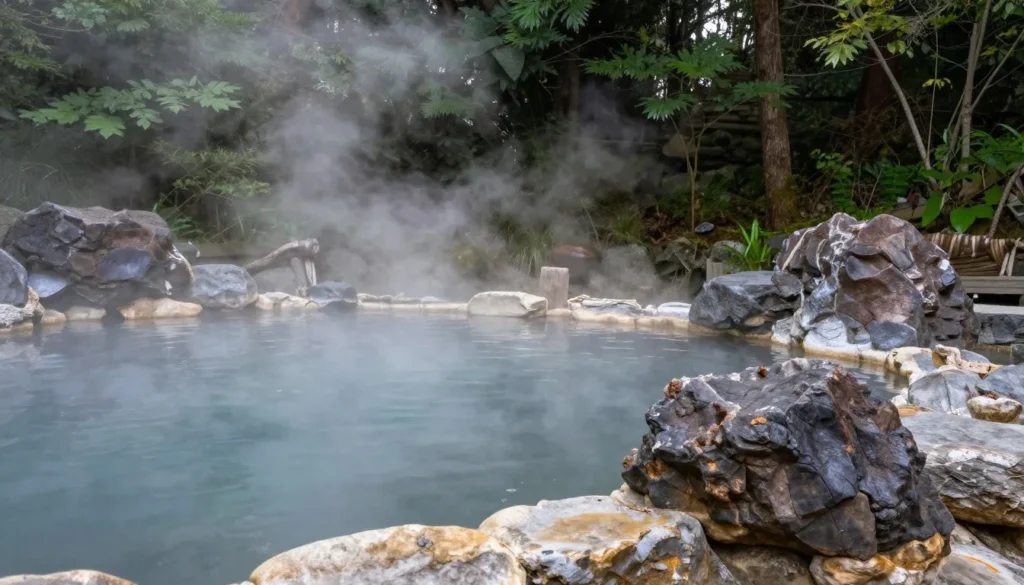
Outdoor onsen facilities combine therapeutic waters with natural settings. Steam rises from pools surrounded by rocks and vegetation as bathers soak beneath open skies. These experiences epitomize the region’s hot spring culture.
Sand baths at Beppu offer unique experiences where hot volcanic sand covers bodies except heads. The warming effect promotes circulation while mineral-rich sand benefits skin. Sessions typically last 10-15 minutes before rinsing in regular baths.
Park Spaces
Urban parks provide peaceful retreats without leaving city limits. Oita Central Park spreads across extensive grounds with walking paths, ponds, and seasonal flowers. Families picnic beneath cherry trees while joggers circle perimeter trails.
Outdoor Safety: Mountain weather changes rapidly. Carry extra layers, sufficient water, and inform someone of your hiking plans. Mobile coverage remains limited in remote areas, so prepare accordingly.
Travel With Children
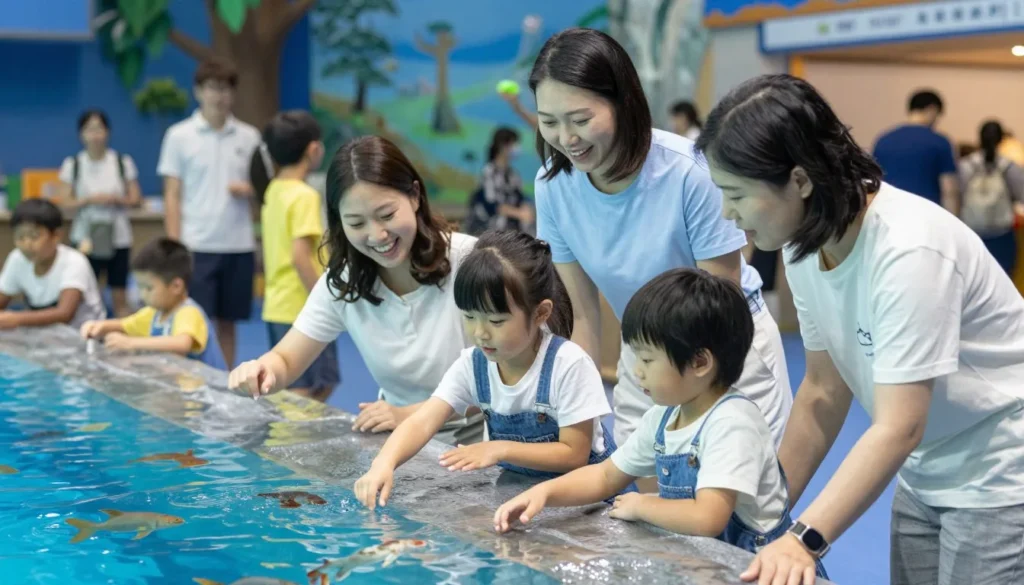
Oita welcomes families with children through attractions designed for young visitors. Practical facilities throughout the city ease travel logistics while numerous activities engage various age groups. Planning ahead ensures smooth experiences for the entire family.
Family-Friendly Attractions
Umitamago Aquarium captivates children with interactive exhibits and animal shows. Dolphin performances occur multiple times daily while penguin encounters allow close observation. The facility’s compact size prevents overwhelming younger visitors while maintaining engagement.
Takasaki Monkey Park houses wild Japanese macaques in natural habitats. Feeding times create excitement as hundreds of monkeys gather. Educational programs teach children about wildlife conservation and animal behavior.
Kid-Approved Activities
- Beach play at Beppu waterfront
- Park playgrounds throughout city
- Hands-on craft workshops
- Interactive science exhibits
- Gentle hiking trails
Practical Facilities
- Nursing rooms in major buildings
- Diaper changing stations common
- Child-friendly restaurant menus
- Stroller rentals at attractions
- Family restrooms widely available
Accommodation Tips
- Many hotels offer family rooms
- Ryokan welcome children warmly
- Connecting rooms available
- In-room amenities for kids
- Cribs and bedding provided
Public transportation accommodates families well. Buses provide priority seating for parents with young children. Station elevators and accessible routes simplify navigation with strollers. Most attractions offer discounted or free admission for children under certain ages.

Dining With Kids
Family restaurants throughout Oita cater specifically to children’s preferences. These establishments provide kids’ menus, high chairs, and sometimes play areas. Traditional restaurants generally welcome families though may lack specialized children’s facilities.
Family Travel Tip: Pack small snacks and drinks for children during travel days. While convenience stores stock supplies abundantly, having familiar items readily available prevents meltdowns during transitions.
Money Saving Tips
Traveling Oita affordably requires strategic planning without sacrificing experiences. Numerous ways exist to reduce costs while fully enjoying the destination. Smart choices throughout your journey keep budgets manageable.
Transportation Savings
JR Pass holders enjoy unlimited train travel throughout the region. The pass pays for itself after just a few long-distance journeys. Purchase before arriving in Japan as prices increase significantly for domestic purchases.
Local bus day passes cost approximately ¥1,000 and allow unlimited rides. These prove economical when visiting multiple attractions in one day. Ask drivers about passes when boarding your first bus.
Major Savings Strategy: Visit during shoulder seasons (late May or early September) when accommodation rates drop 30-40% compared to peak periods. Attractions remain fully operational while crowds diminish significantly.
Accommodation Value
Guesthouses offer the lowest rates while providing comfortable basics. Booking directly sometimes yields better prices than third-party websites. Midweek stays cost less than weekends at most properties.
Some ryokan offer day-use plans including lunch and bath access without overnight stays. These packages provide authentic experiences at fraction of accommodation costs. Advance reservations required at popular establishments.
Budget-Friendly Dining
- Convenience store meals surprisingly delicious and cheap
- Lunch sets cost half of dinner prices at same restaurants
- Standing soba shops serve quick, inexpensive meals
- Supermarket prepared foods discounted after 7 PM
- Free tea and water at most restaurants
- Picnic supplies from local markets
Free and Low-Cost Activities
- Temple and shrine visits (no admission)
- Public parks and gardens
- Walking tours of historic districts
- Beach access completely free
- Festival participation (most events free)
- Window shopping in covered arcades
Attraction Discounts
Combination tickets bundle multiple attractions at reduced rates. Tourist information centers distribute discount coupons for various sites. Student and senior discounts apply at many museums and cultural facilities with proper identification.

Municipal hot spring facilities charge minimal entry fees compared to resort onsen. These public baths serve locals daily, providing authentic experiences. Expect basic amenities but genuine cultural immersion at bargain prices.
Safety & Local Customs
Oita ranks among Japan’s safest destinations with extremely low crime rates. Understanding local customs enhances experiences while showing respect for cultural traditions. Following basic guidelines ensures smooth interactions throughout your visit.
General Safety
Violent crime remains exceptionally rare throughout the prefecture. Visitors safely explore day and night with standard precautions. Emergency services respond quickly when needed, though English capabilities vary.
Fire and Ambulance Emergency Number
Natural disaster preparedness matters in Japan. Earthquakes occasionally occur though serious damage remains uncommon. Hotels display evacuation routes while public buildings maintain clear safety information. Typhoons potentially affect travel between June and October, so monitor weather forecasts.
Cultural Etiquette
- Remove shoes before entering homes and some restaurants
- Avoid eating while walking on streets
- Speak quietly on public transportation
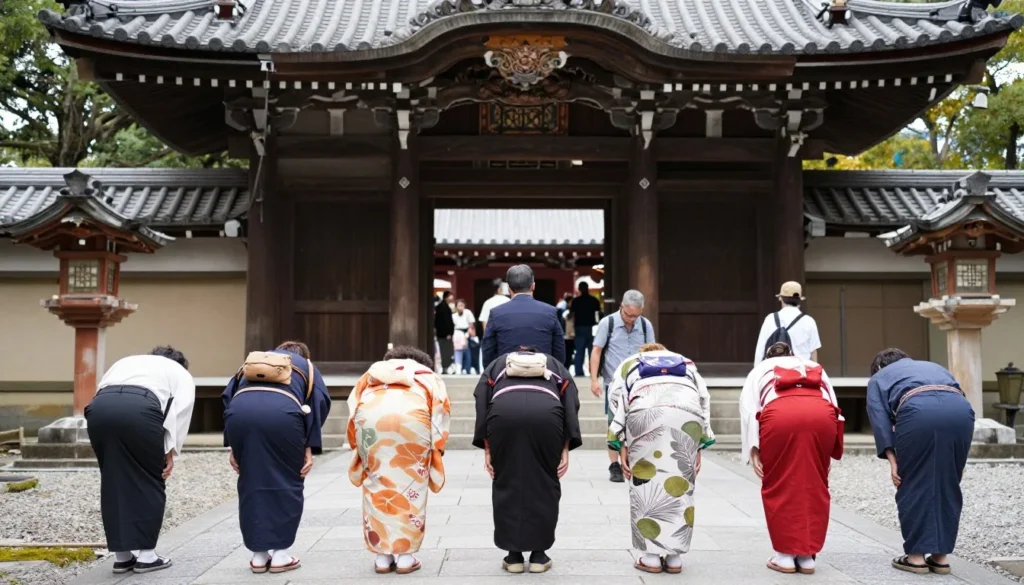
- Bow slightly when thanking people
- Don’t tip (considered rude in Japan)
- Follow queue systems at attractions
Hot Spring Manners
- Wash thoroughly before entering baths
- Tattoos may restrict access to some facilities
- Never bring towels into bathing areas
- Keep conversations quiet and respectful
- Swimwear prohibited in traditional onsen
- Respect gender-separated facilities
Health Considerations
Tap water remains safe for drinking throughout the city. Pharmacies stock familiar medications though brand names differ. Major hotels can help arrange English-speaking medical services if needed.
Summer heat and humidity require hydration awareness. Carry water bottles during outdoor activities and take breaks in air-conditioned spaces. Vending machines throughout the city provide convenient beverage access.
Important: Carry your passport or residence card at all times as required by Japanese law. Police officers may request identification, and immediate presentation prevents complications.
Visitor Comments About Oita City

“The hot springs exceeded every expectation we had. Each onsen offered unique experiences from outdoor mountain baths to seaside facilities. The locals welcomed us warmly, making our stay truly memorable. We’ve already started planning our return trip to explore areas we missed.”
“Traveling with our two children proved easier than anticipated. Every restaurant had high chairs and kid menus. The aquarium kept them entertained for hours while we adults enjoyed the exhibits too. Public transportation worked smoothly even with strollers. Oita treated our family incredibly well.”
“As a solo traveler, I felt completely safe exploring everywhere. The combination of ancient temples and modern attractions created perfect balance. Local cuisine delighted my taste buds daily, especially the toriten chicken. Transportation systems made getting around simple despite limited Japanese language skills. I recommend Oita to anyone seeking authentic Japan away from overcrowded tourist spots.”
Additional Nearby Destinations

Oita City’s central location provides easy access to outstanding nearby attractions. Day trips expand experiences while multi-day excursions reveal Kyushu’s diversity. Each destination offers distinct character worth exploring.
Beppu – Hot Spring Capital
Just 30 minutes away by train, Beppu produces more hot spring water than any Japanese city. The famous “Hells of Beppu” showcase spectacular geothermal features including boiling mud pools and vibrant mineral springs. Beyond sightseeing, countless bath facilities invite relaxation in therapeutic waters.
The city serves over 2,800 hot spring sources with temperatures reaching 100°C (212°F). Visitors choose from traditional bathhouses, luxury resort spas, and unique experiences like sand bathing. Cable car rides to Mount Tsurumi summit reveal panoramic coastal views.
Yufuin – Mountain Resort Town
This charming town nestled in mountain valleys offers refined hot spring experiences. Art galleries, boutique shops, and upscale restaurants line picturesque streets. Lake Kinrinko provides scenic walking paths especially beautiful during morning mist.
The journey from Oita takes 90 minutes via the Yufuin no Mori limited express train. Advance reservations recommended for this popular scenic railway. The town maintains intimate scale, easily explored on foot during day visits.

Kunisaki Peninsula – Sacred Sites
Ancient Buddhist culture permeates this mystical peninsula. Dozens of temples dot mountain valleys connected by historic pilgrimage routes. Stone carvings weathered by centuries stand testament to devotion spanning over a millennium.
Rural landscapes preserve traditional Japanese countryside character. Small villages, rice terraces, and coastal fishing communities offer glimpses of slower-paced life. The peninsula rewards those seeking spiritual atmosphere and cultural depth.
Usuki Stone Buddhas
Remarkable cliff carvings created during the 12th century. These national treasures showcase masterful stone carving techniques. The peaceful site encourages contemplation while appreciating artistic achievements.
Saiki City Coastal Areas
Dramatic coastlines feature rugged cliffs and hidden beaches. Fresh seafood restaurants serve catches hours old. The slower pace contrasts urban energy while maintaining full visitor amenities.
Mount Aso (Kumamoto)
Active volcano with the world’s largest caldera sits two hours away. Dramatic landscapes include grasslands, crater lakes, and smoking vents. Weather permitting, visitors approach the active crater rim.
Regional train passes enable economical exploration across multiple destinations. Rental cars provide maximum flexibility for reaching remote attractions. Plan overnight stays to fully appreciate each area’s unique character.
Practical Travel Tips
Small preparations significantly enhance travel experiences. Understanding practical details prevents common frustrations while maximizing efficiency. These tips address frequently encountered situations.
Money and Banking
Cash remains essential despite growing credit card acceptance. ATMs at 7-Eleven and post offices accept international cards reliably. Withdraw larger amounts to minimize transaction fees.
Currency exchange at airports offers convenient but less favorable rates. Banks provide better exchange though operating hours may not align with travel schedules. Credit cards work at major establishments though small shops and restaurants prefer cash.
Essential Items
- Pocket WiFi or SIM card for connectivity
- Portable phone charger (long sightseeing days)
- Translation app downloaded offline
- Small day pack for excursions
- Reusable water bottle (refill stations common)
- Comfortable walking shoes (expect lots of steps)
Language Assistance
- Basic Japanese phrases appreciated by locals
- Translation apps handle complex conversations
- Hotel staff typically speak some English
- Tourist sites provide multilingual information
- Transportation signage includes English
- Picture menus common at restaurants
Internet and Communication
Pocket WiFi rental provides reliable internet throughout travels. Airport pickup and return streamlines the process. Unlimited data plans cost approximately ¥1,000 daily, easily shared among traveling companions.
Free WiFi exists at major stations, hotels, and some cafes though coverage remains inconsistent. Tourist information centers often provide complimentary access. Prepaid SIM cards work for unlocked phones seeking independent connectivity.
Luggage Management
Coin lockers at stations accommodate various bag sizes. Larger luggage may require forwarding services between cities. Hotels arrange these deliveries, allowing light travel between destinations.
Pack lightly as navigating stairs and crowded spaces with heavy bags proves challenging. Many accommodations provide basic toiletries, reducing carry requirements. Laundry facilities exist at most hotels and guesthouses.
Seasonal Considerations
Summer requires sun protection and regular hydration breaks. Air conditioning runs constantly indoors, so light layers prevent chill. Afternoon thunderstorms occur frequently during rainy season.
Winter visitors need warm layers despite mild temperatures. Indoor heating may be less intense than western standards. Hot springs provide welcome warmth during cooler months.
Oita City Tourist Information Center – English assistance available
Final Practical Tip: Download offline maps before arriving. Google Maps allows saving areas for offline navigation, essential when WiFi connectivity becomes unreliable in remote locations.
Your Oita Adventure Awaits
Oita City reveals authentic Japan where ancient traditions meet modern comforts. Steaming hot springs invite relaxation while mountain trails challenge adventurous spirits. Every meal celebrates regional ingredients prepared with centuries of culinary wisdom.
The warm hospitality of local people transforms visits into cherished memories. Whether soaking in therapeutic waters, exploring sacred temples, or savoring local delicacies, each experience deepens appreciation for Japanese culture. This prefecture offers the perfect blend of accessibility and authenticity.
Your journey to Oita promises discoveries that guidebooks barely hint at. The city serves as your gateway to Kyushu’s treasures while providing plenty of worthy attractions itself. Pack your curiosity alongside your camera and prepare for adventures that will inspire return visits for years to come.