Hotels by Trip.com
Flights by Trip.com
Over 300,000 visitors each year traverse the challenging trails of Grandfather Mountain State Park, making it one of North Carolina’s most beloved natural destinations. The mountain earned its distinctive name from early settlers who saw the profile of an elderly man’s face in its rocky ridgeline when viewed from the east.
This rugged wilderness in the Blue Ridge Mountains offers some of the most spectacular hiking on the East Coast. Granite peaks reach toward the sky while diverse ecosystems support rare plant species found nowhere else.
Whether you’re an experienced mountaineer or a family seeking mountain adventures, this comprehensive guide covers everything you need to plan an unforgettable visit. From challenging summit trails to family-friendly activities, you’ll discover why this North Carolina treasure deserves a prominent spot on your travel list.
Getting There & Planning Your Journey
Grandfather Mountain State Park sits in the northwestern corner of North Carolina, near the charming town of Banner Elk. The park entrance lies just off the Blue Ridge Parkway at milepost 305, making it easily accessible for those exploring this scenic route.
Charlotte Douglas International Airport serves as the closest major airport, located approximately 145 km (90 miles) south. The drive takes about two hours through beautiful mountain scenery. Asheville Regional Airport offers another option at 113 km (70 miles) southwest, with a driving time of roughly 90 minutes.
From Charlotte, take Interstate 77 north to Exit 83, then follow Highway 21 north through Elkin. Continue on Highway 421 north, which connects to the Blue Ridge Parkway. From Asheville, take Interstate 40 east to Marion, then Highway 221 north to the parkway.
The park operates year-round, though hours vary by season. Spring and fall hours typically run from 8:00 AM to 6:00 PM, while summer extends to 7:00 PM. Winter hours may be reduced to 9:00 AM to 5:00 PM.
Park Contact Information
For current trail conditions, weather updates, and seasonal hours, contact the park office:
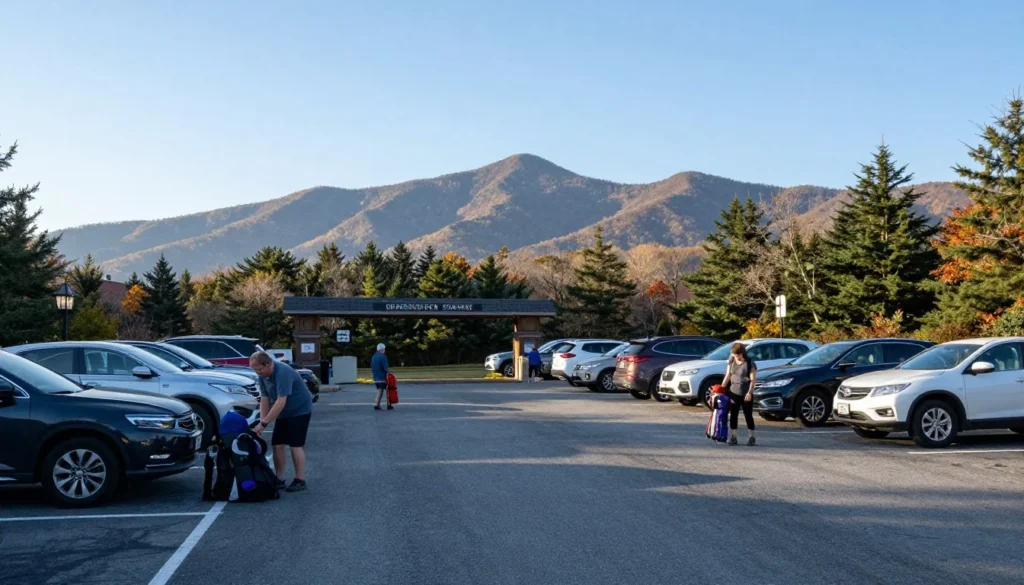
No entrance fee applies to the state park itself, though parking areas near popular trailheads fill quickly during peak seasons. Arrive before 9:00 AM on weekends to secure a spot. The separate Grandfather Mountain attraction, operated by the Grandfather Mountain Stewardship Foundation, charges an entrance fee and offers different amenities including the famous Mile High Swinging Bridge.
Best Time to Visit & Weather Tips
Best Time to Visit Grandfather Mountain State Park
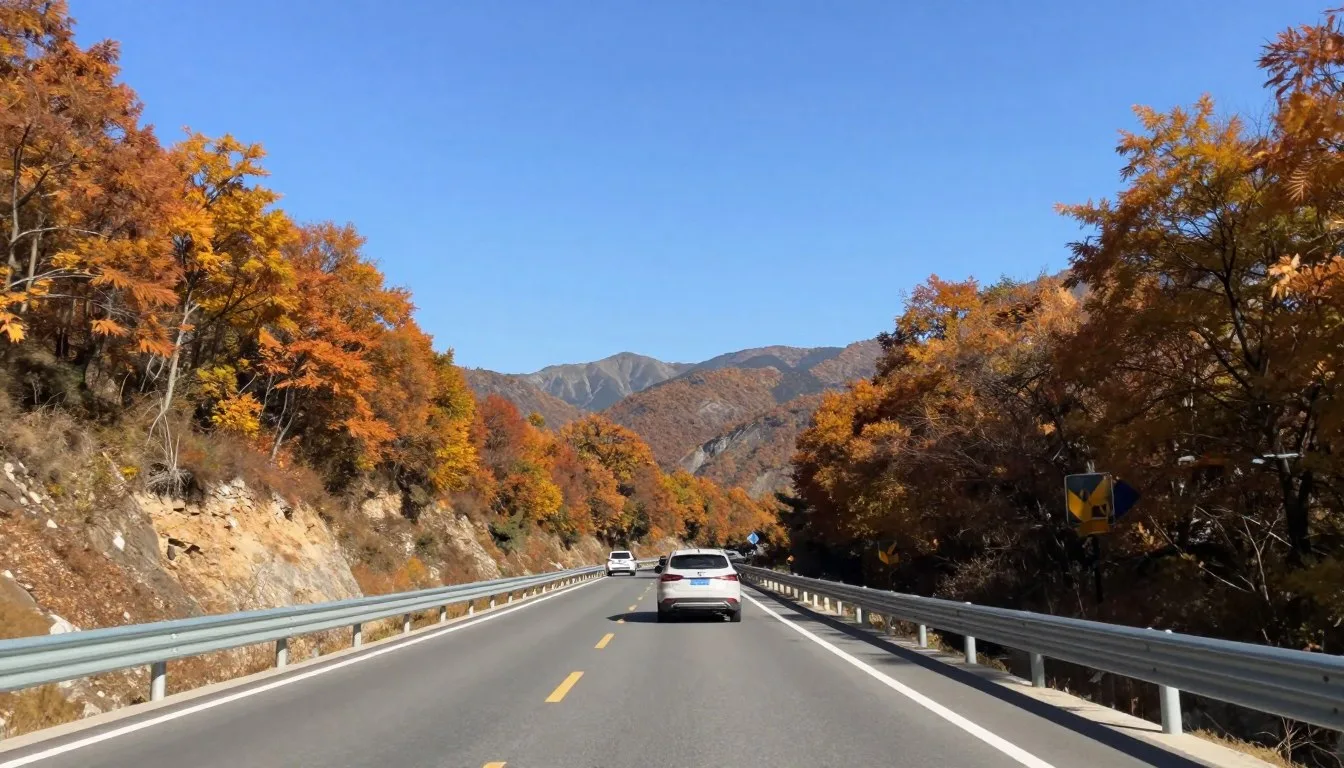
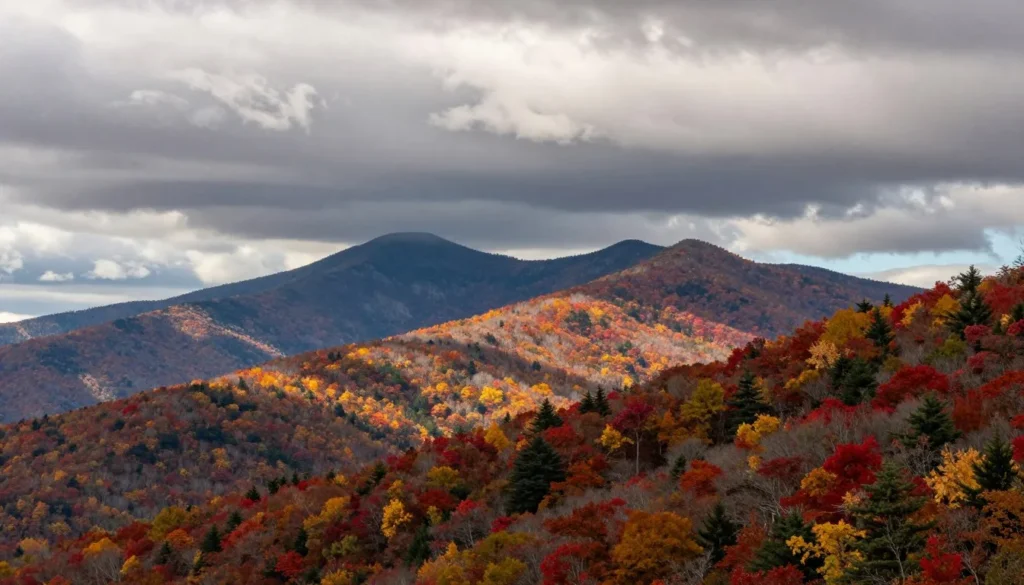
The ideal visiting months span from May through October when trails remain accessible and weather conditions prove most favorable. Late September through mid-October attracts peak crowds for spectacular fall foliage displays.
Spring (April-May) brings wildflower blooms and moderate temperatures, though April can still see occasional snow at higher elevations. Summer (June-August) offers warm weather perfect for hiking, with average temperatures of 21°C (70°F) in the valleys and cooler conditions at elevation.
Fall (September-October) showcases brilliant autumn colors starting at higher elevations in mid-September and progressing downward through October. This season provides comfortable hiking weather with daytime temperatures around 16°C (60°F).
Winter (November-March) presents challenging conditions with ice, snow, and limited trail access. Many trails close for safety during this period.
Months to Avoid
January and February bring the harshest weather conditions with frequent ice storms and trail closures. March can be unpredictable with rapid weather changes. Late summer (July-August) sees afternoon thunderstorms that create dangerous conditions on exposed ridges.
Weather Considerations
Mountain weather changes rapidly at Grandfather Mountain. Temperatures at Calloway Peak, the highest point at 1,800 m (5,946 feet), average 11°C (20°F) cooler than valley temperatures. Wind speeds frequently exceed 48 km/h (30 mph) on exposed ridges.
Pack layers regardless of season. Bring rain gear even on clear days, as clouds can roll in within minutes. Check weather forecasts before departing and be prepared to turn back if conditions deteriorate.
Elevation Weather Alert
Weather at the summit differs dramatically from base conditions. Always call ahead for mountain-specific forecasts before attempting summit trails.
Notable Annual Festivals
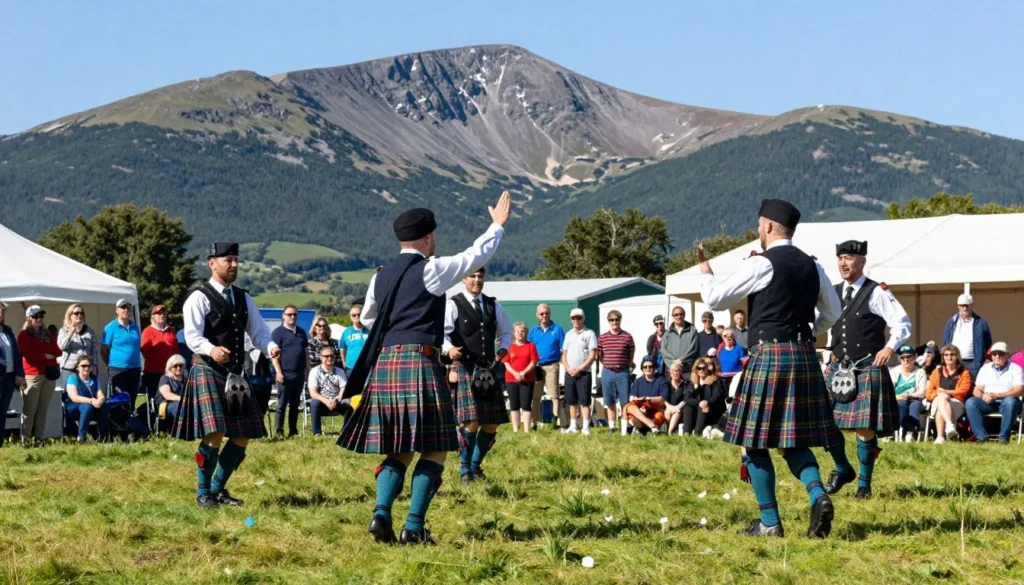
The Grandfather Mountain Highland Games ranks as one of North America’s largest Scottish festivals, held annually in early July. This four-day celebration features traditional Scottish athletic competitions, bagpipe performances, Celtic music, and clan gatherings.
Over 30,000 visitors attend each year to watch caber tossing, hammer throwing, and stone putting competitions. The event also includes border collie demonstrations and traditional Scottish dancing.
Highland Games Information:
The Singing on the Mountain gospel music festival takes place in June, featuring bluegrass and gospel performances in a stunning natural amphitheater. This tradition dates back to 1924, making it one of the oldest continuing folk festivals in America.
Nature photography workshops occur throughout spring and fall, led by professional photographers who teach techniques for capturing mountain landscapes and wildlife. These events require advance registration due to limited capacity.
Getting Around Locally
Personal vehicles provide the most practical transportation for exploring the Grandfather Mountain area. No public transit serves the park directly, and the mountainous terrain makes walking between sites impractical.
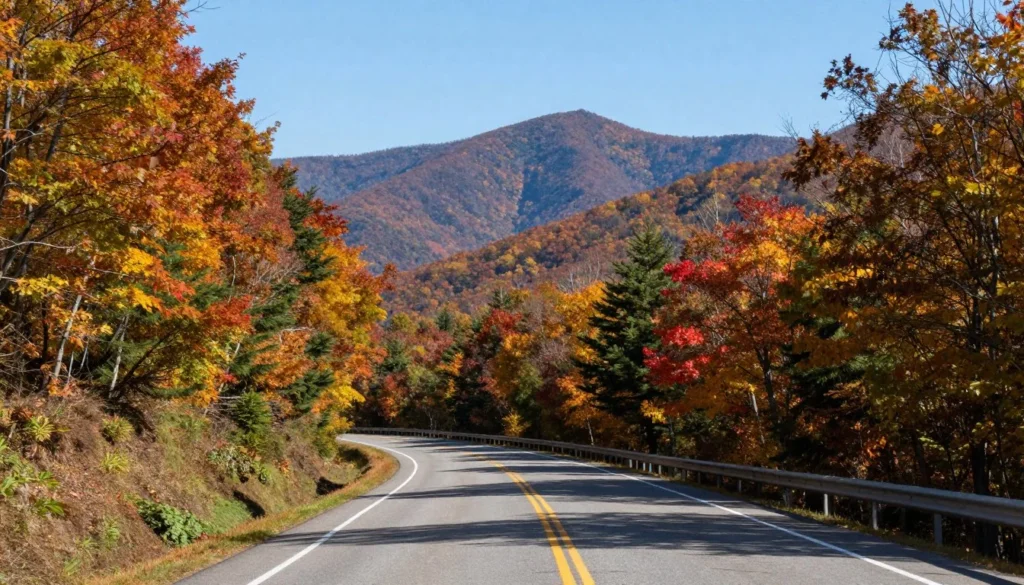
The Blue Ridge Parkway connects major attractions in the region. This scenic route imposes a speed limit of 72 km/h (45 mph), allowing ample time to enjoy mountain views. Be aware that parkway sections close during winter weather and overnight hours.
Parking areas at popular trailheads accommodate approximately 20-30 vehicles each. The Profile Trail parking area and Grandfather Trail access points fill earliest, typically by 10:00 AM on weekends during peak season.
Several parking areas require high-clearance vehicles during wet conditions due to unpaved surfaces. Standard sedans navigate these roads in dry weather, but four-wheel drive proves helpful after rain.
Bicycle touring on the Blue Ridge Parkway attracts cycling enthusiasts, though steep grades and narrow shoulders demand experience and caution. The parkway prohibits bicycles in tunnels, requiring cyclists to dismount and walk through these sections.
Cell phone coverage remains spotty throughout the park. Download offline maps before arriving and inform someone of your hiking plans and expected return time.
Where to Stay

Banner Elk provides the closest town to Grandfather Mountain State Park with diverse lodging options. This mountain village, located just 11 km (7 miles) from the park, offers hotels, bed and breakfasts, and vacation rentals.
The Best Western Mountain Lodge at Banner Elk features mountain views and comfortable rooms starting around $120 per night during regular season. The property includes an indoor pool and complimentary breakfast.
Beech Alpen Inn offers European-style accommodations with balconies overlooking the mountains. Rates begin at $95 per night in spring and fall, increasing during peak foliage season. The inn sits within walking distance of downtown Banner Elk restaurants.
Vacation rental cabins provide excellent options for families and groups. Properties range from cozy two-bedroom cabins to expansive mountain homes sleeping up to twelve guests. Nightly rates vary from $150 to $500 depending on size and amenities.
Blowing Rock, located 24 km (15 miles) south, presents additional lodging choices including historic inns and resort properties. The Chetola Resort at Blowing Rock features lake access, multiple dining venues, and a spa.
Accommodation Assistance
For help finding available lodging during your visit dates:
Avery County Tourism Office
Camping enthusiasts can choose from several nearby campgrounds. Julian Price Memorial Park, operated by the National Park Service along the Blue Ridge Parkway, offers 197 campsites approximately 16 km (10 miles) south of Grandfather Mountain.
Primitive backcountry camping is not permitted within Grandfather Mountain State Park boundaries. The park operates as a day-use facility only.
Dining & Local Cuisine

Banner Elk’s dining scene blends mountain traditions with contemporary culinary trends. The town supports a surprising variety of restaurants for its small size, from casual cafes to upscale dining experiences.
Louisiana Purchase serves Cajun and Creole specialties in a casual atmosphere. Their crawfish étouffée and jambalaya attract locals and visitors alike. Dinner entrees range from $18 to $28.
Artisanal Restaurant showcases farm-to-table cuisine using ingredients from local Appalachian farms. The seasonal menu changes regularly but often features trout, locally raised meats, and mountain-grown vegetables. Reservations are recommended, especially during fall foliage season.
For breakfast and lunch, Banner Elk Cafe & Lodge offers hearty mountain fare including biscuits and gravy, country ham, and homemade pies. The cafe opens at 7:30 AM, making it convenient for early-morning hikers seeking fuel before hitting the trails.
Grandfather Mountain’s elevation and climate create ideal conditions for apple cultivation. Local orchards produce crisp, flavorful apples available at farm stands and farmers markets throughout the area. Apple butter, apple cider, and fresh-baked apple pastries represent regional specialties.
Mountain trout, caught in cold Appalachian streams, appears on many local menus. Restaurants typically prepare it pan-fried, grilled, or smoked using traditional mountain recipes passed down through generations.
Several breweries operate in nearby towns. Beech Mountain Brewing Company, located 8 km (5 miles) away, crafts small-batch ales and lagers. Their taproom offers mountain views and live music on weekends.
Pack a picnic for your park visit, as no food service operates within Grandfather Mountain State Park boundaries. Several grocery stores in Banner Elk stock supplies for trail lunches. Remember to pack out all trash to preserve the pristine mountain environment.
Attractions, Sightseeing & Activities
Grandfather Trail to Calloway Peak
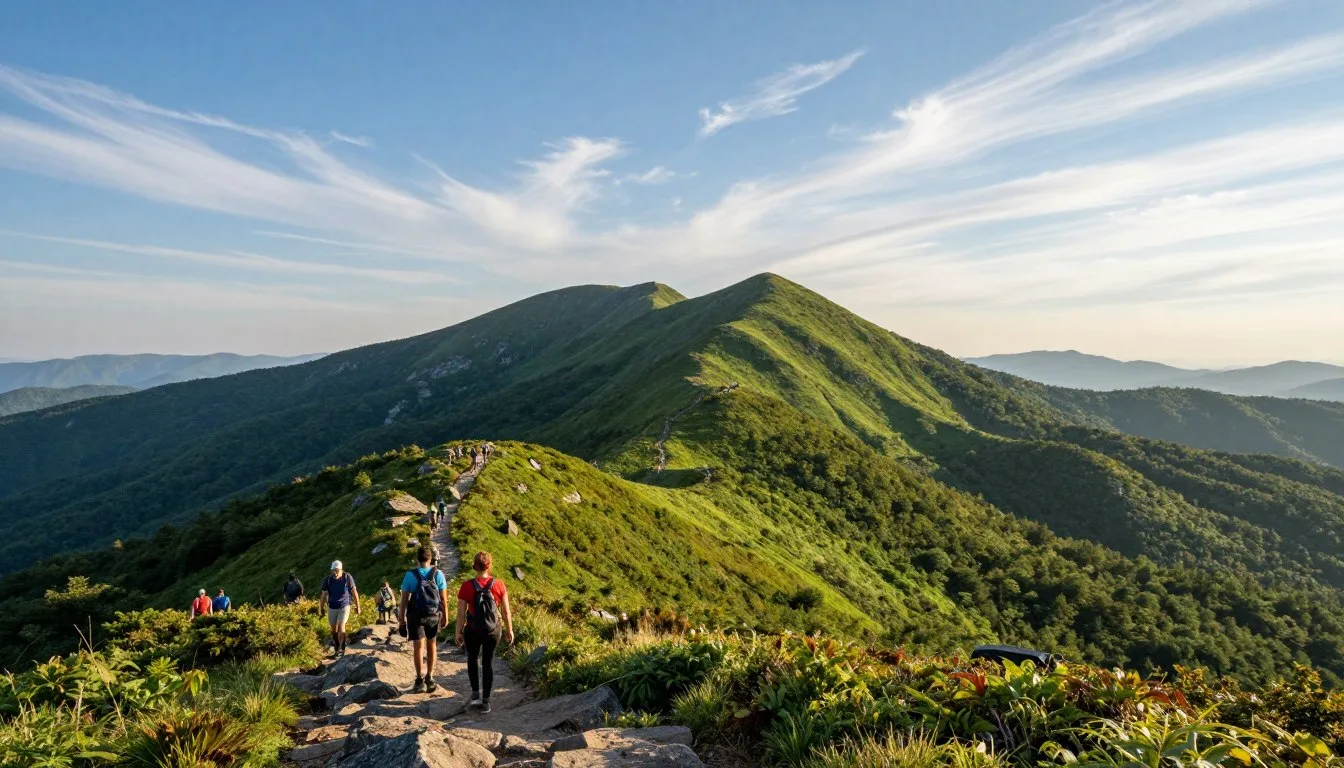
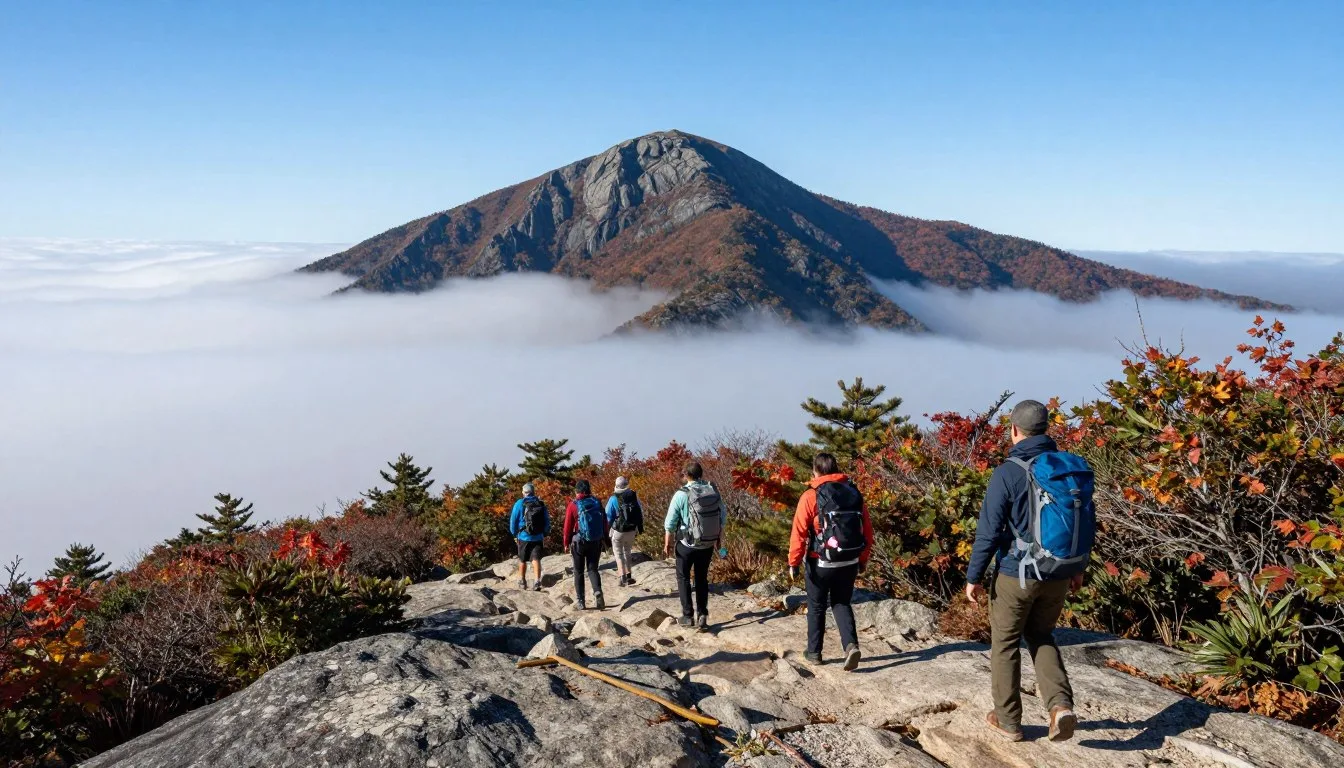
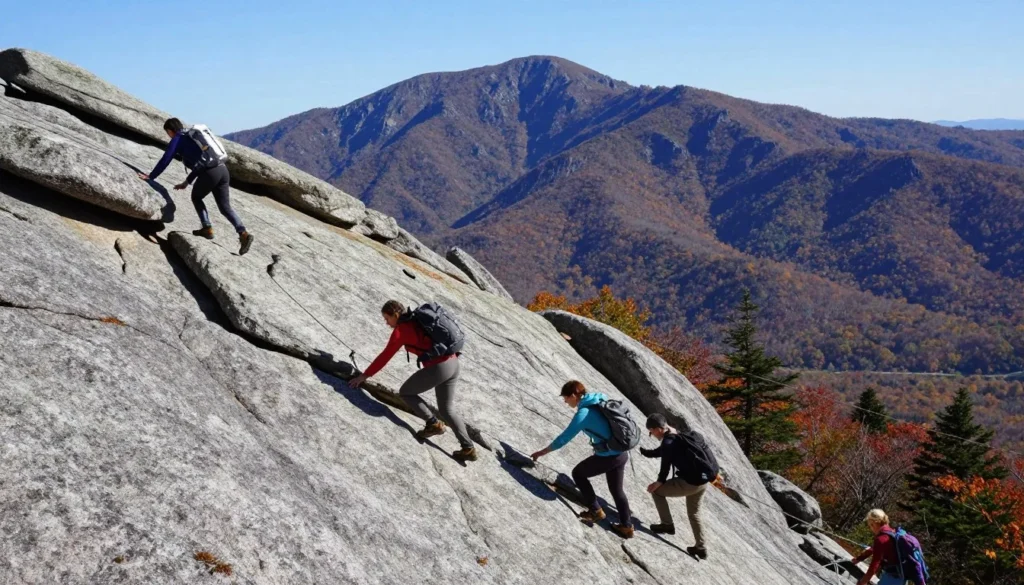
The Grandfather Trail challenges experienced hikers with a strenuous 3.7 km (2.3 mile) route to Calloway Peak, the mountain’s highest summit. This trail demands scrambling over boulders, navigating ladder sections, and traversing exposed ridges.
Fixed cables assist hikers through the steepest sections, where granite walls require hand-over-hand climbing. The elevation gain measures 579 m (1,900 feet), making this one of the most demanding day hikes in North Carolina.
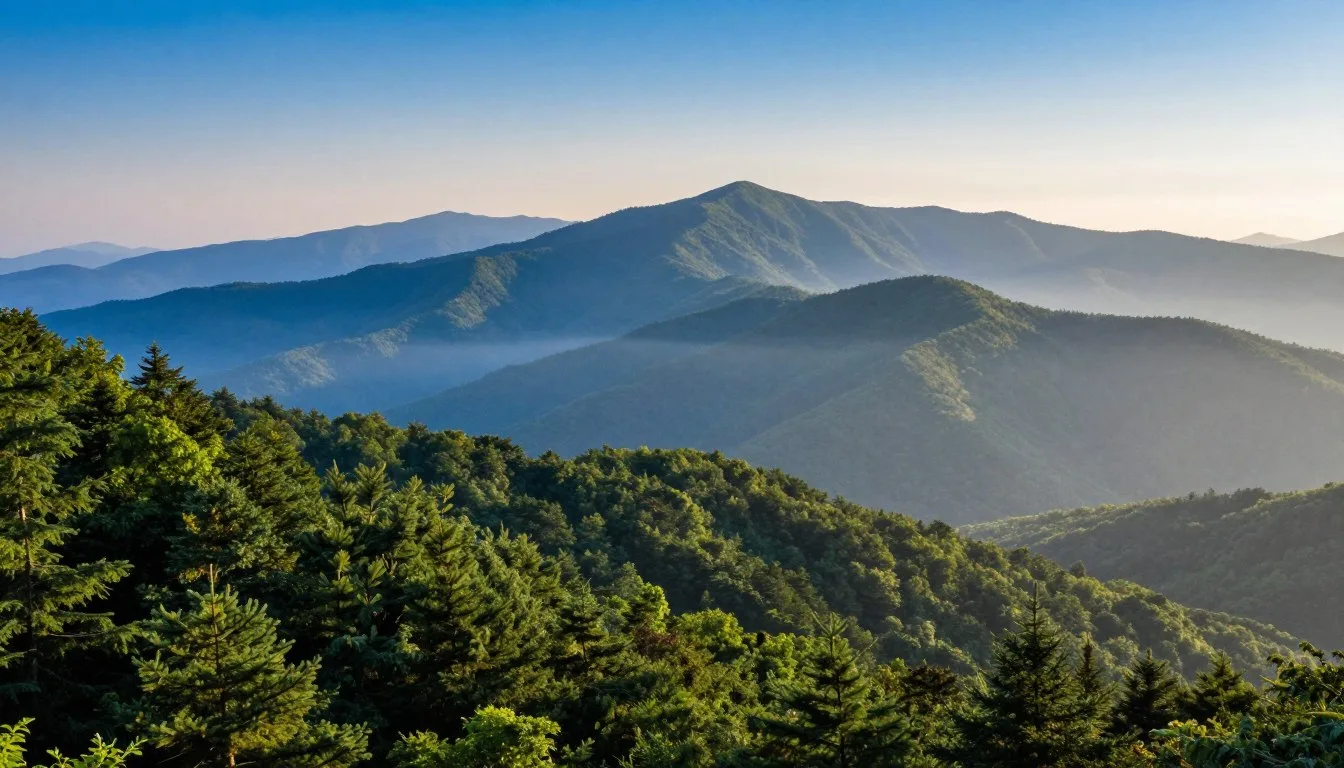
Summit views extend across multiple states on clear days. Hikers can see Table Rock, Hawksbill Mountain, and peaks in Tennessee and Virginia from the top.
Allow four to six hours for the round trip. Start early to avoid afternoon thunderstorms, which create dangerous conditions on exposed sections. This trail requires proper hiking boots with ankle support and good tread.
Profile Trail
The Profile Trail offers a moderate 4.8 km (3 mile) out-and-back hike to excellent viewpoints. This route follows graded switchbacks through hardwood forests before emerging onto rocky outcrops with panoramic views.
Spring wildflowers bloom along this trail in April and May. Look for trillium, lady’s slipper orchids, and flame azaleas. The trail passes through diverse elevation zones, each supporting different plant communities.
Several vista points provide photography opportunities without requiring summit scrambling. These overlooks face east, making them excellent for sunrise viewing.
Daniel Boone Scout Trail
This 1.6 km (1 mile) connector trail links the state park with the separate Grandfather Mountain attraction. Moderate difficulty with some steep sections makes it accessible to most hikers in reasonable physical condition.
The trail winds through old-growth forest where massive hemlocks and yellow birches tower overhead. Interpretive signs along the route explain the mountain’s ecology and geology.
Wildlife Viewing
Grandfather Mountain supports diverse wildlife populations. White-tailed deer frequently appear along trails during early morning and evening hours. Black bears inhabit the area, though encounters remain relatively rare due to the bears’ natural wariness.
Bird watchers can spot over 150 species throughout the year. Ravens soar along ridgelines, their distinctive calls echoing off granite cliffs. Peregrine falcons nest on inaccessible rock faces, having recovered from near-extinction.
The endangered Northern flying squirrel lives in the spruce-fir forests at higher elevations. These nocturnal animals rarely appear during daylight hours, but patient observers might glimpse them near dusk.
Rock Climbing
Technical rock climbing attracts advanced climbers to Grandfather Mountain’s granite faces. Several established routes range from moderate multi-pitch climbs to extreme big-wall challenges.
Climbers must obtain permits from park management and demonstrate appropriate skills and equipment. The park restricts climbing during peregrine falcon nesting season, typically April through July, to protect these endangered birds.
Photography Opportunities
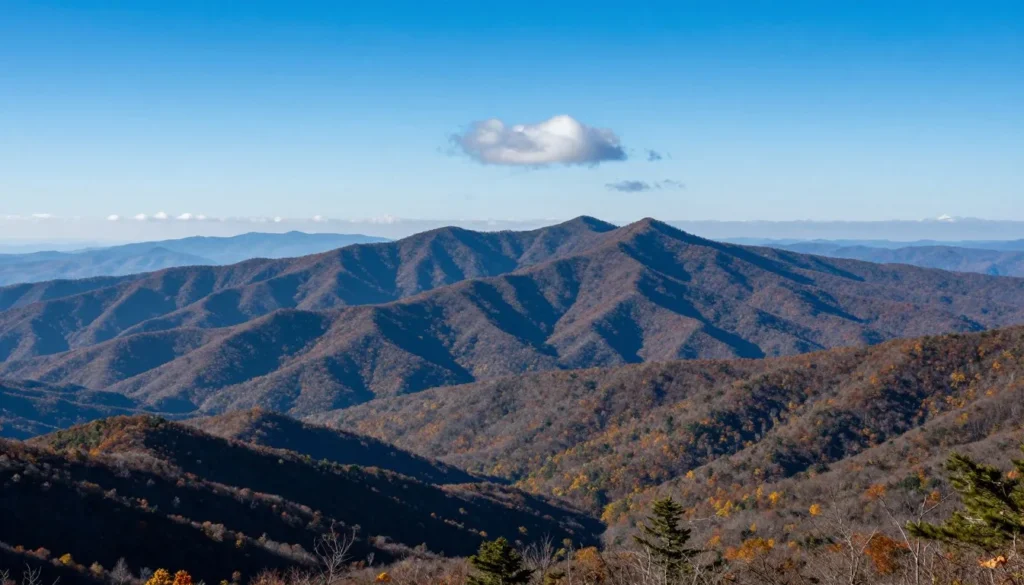
Grandfather Mountain ranks among North Carolina’s most photographed natural landmarks. The distinctive profile creates dramatic compositions from numerous angles.
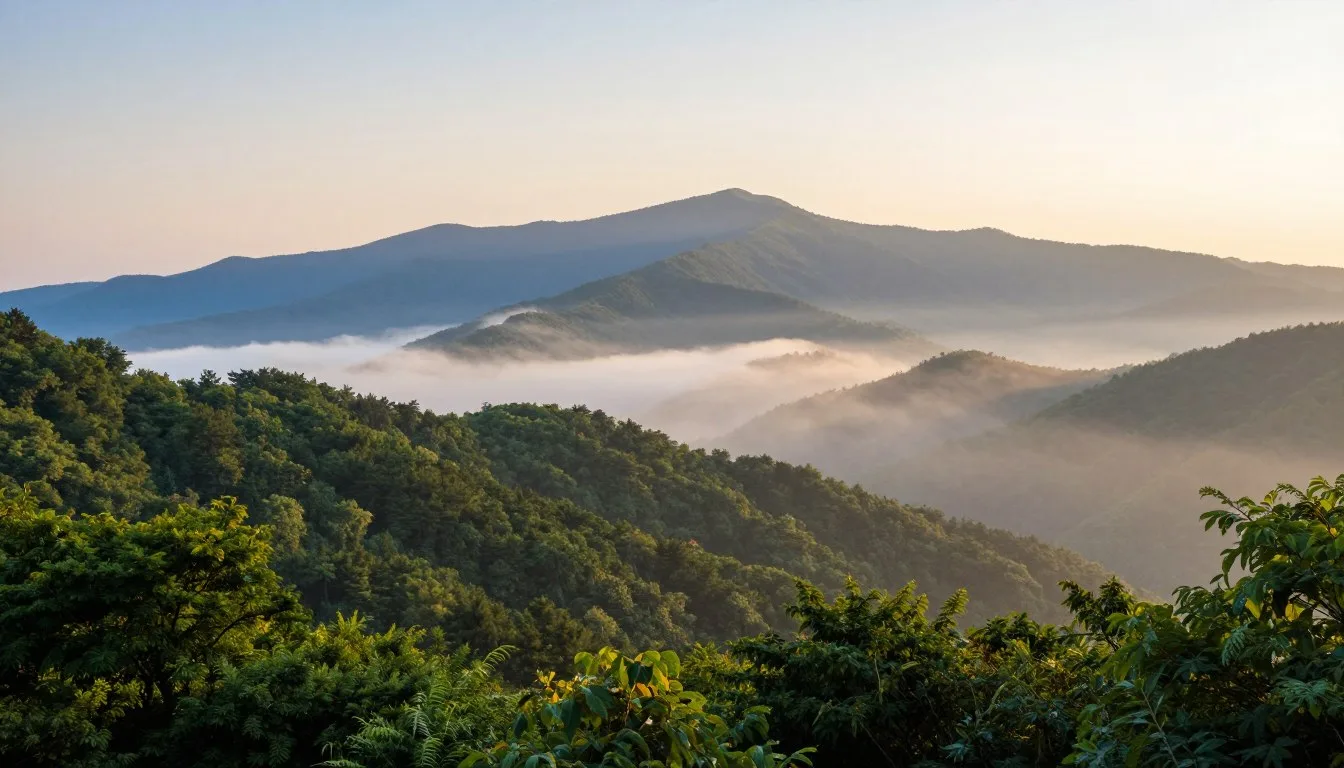
Sunrise photographers favor the Profile Trail viewpoints facing east. Golden hour light illuminates the rocky peaks while valleys fill with morning mist.
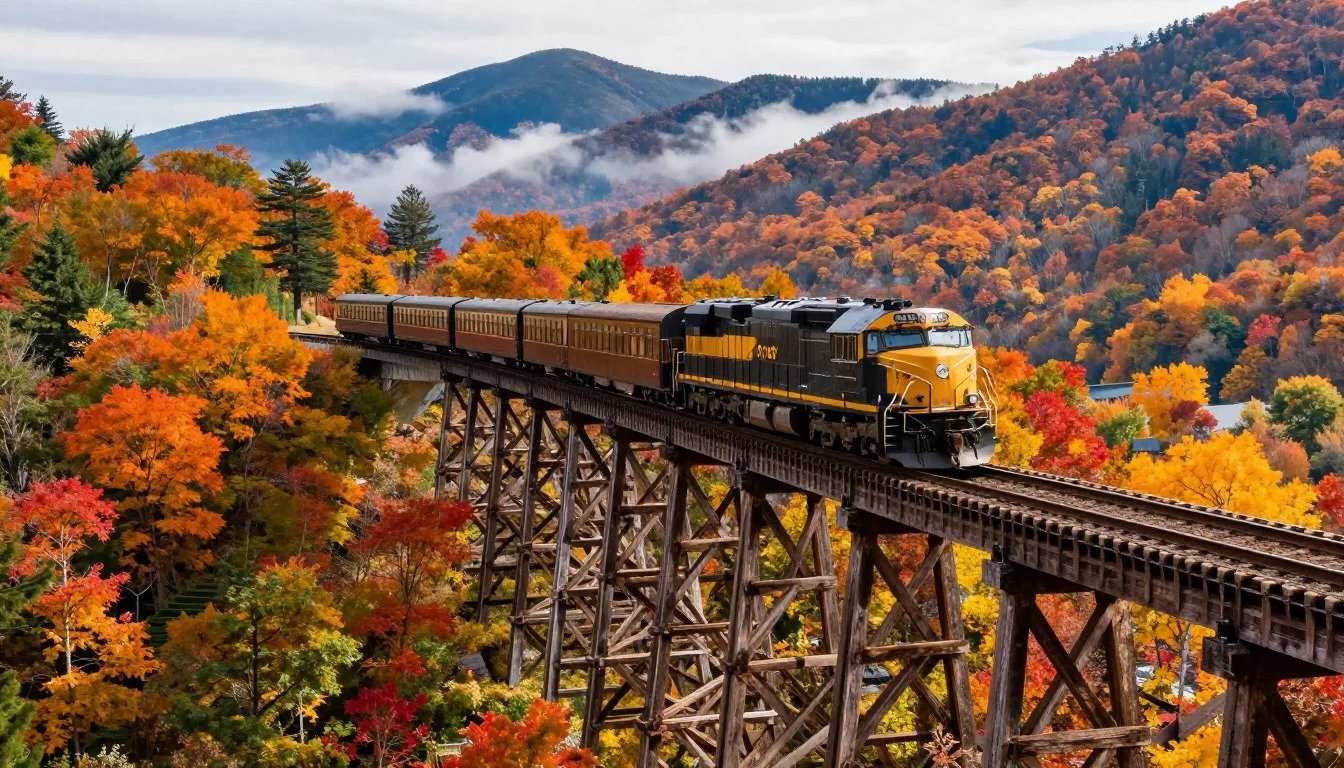
Fall foliage photography peaks in early October when hardwood forests display brilliant reds, oranges, and yellows. The contrast between evergreen spruce-fir forests at high elevations and colorful deciduous trees lower down creates stunning visual layers.
Winter photography requires specialized skills and preparation, but rewards brave photographers with ice-covered trees and dramatic cloud formations.
Museums, Cultural Spots & Festivals
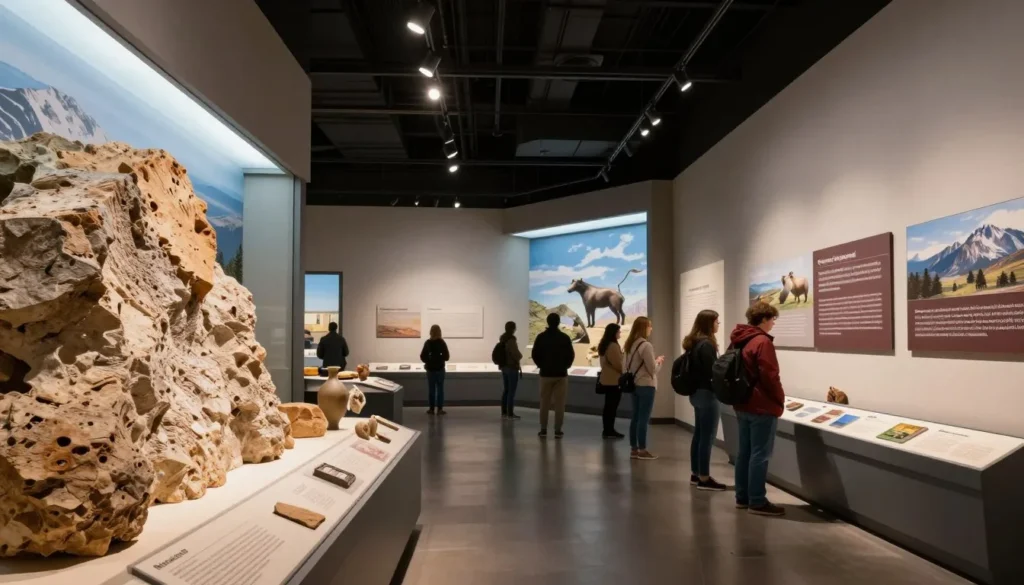
The Grandfather Mountain Stewardship Foundation operates a nature museum adjacent to the state park. This facility showcases the mountain’s unique ecology, geology, and cultural history through interactive exhibits.
Educational programs run throughout the year, including guided nature walks, raptor demonstrations, and geology talks. Professional naturalists lead these programs, sharing expertise about mountain ecosystems and conservation efforts.
The foundation maintains habitats for native wildlife that cannot survive in the wild due to injury or imprinting. River otters, black bears, and cougars live in spacious enclosures designed to mimic natural environments. These animal ambassadors help visitors understand Appalachian wildlife while supporting important conservation messages.
The Mile High Swinging Bridge, part of the separate Grandfather Mountain attraction, spans an 70 m (228 foot) chasm at 1,600 m (5,280 feet) elevation. This suspension bridge ranks as America’s highest such structure. Views from the bridge extend over 160 km (100 miles) on clear days.
Highland culture deeply influences the Grandfather Mountain area. Scottish and Scots-Irish settlers arrived in these mountains during the 1700s, bringing traditions that persist today. Local museums preserve this heritage through exhibits of traditional crafts, tools, and household items.
The Avery County Historical Museum in nearby Newland displays artifacts from the region’s past, including Native American tools, pioneer household items, and early tourism memorabilia. Admission is free, though donations support museum operations.
Several art galleries in Banner Elk and Blowing Rock showcase work by regional artists. Many pieces draw inspiration from mountain landscapes, making them perfect souvenirs that capture the area’s natural beauty.
Traditional Appalachian music performances occur regularly at local venues. The bluegrass and old-time music traditions remain vibrant, with picking sessions happening informally at various locations.
Nature & Outdoor Experiences
Unique Ecosystems
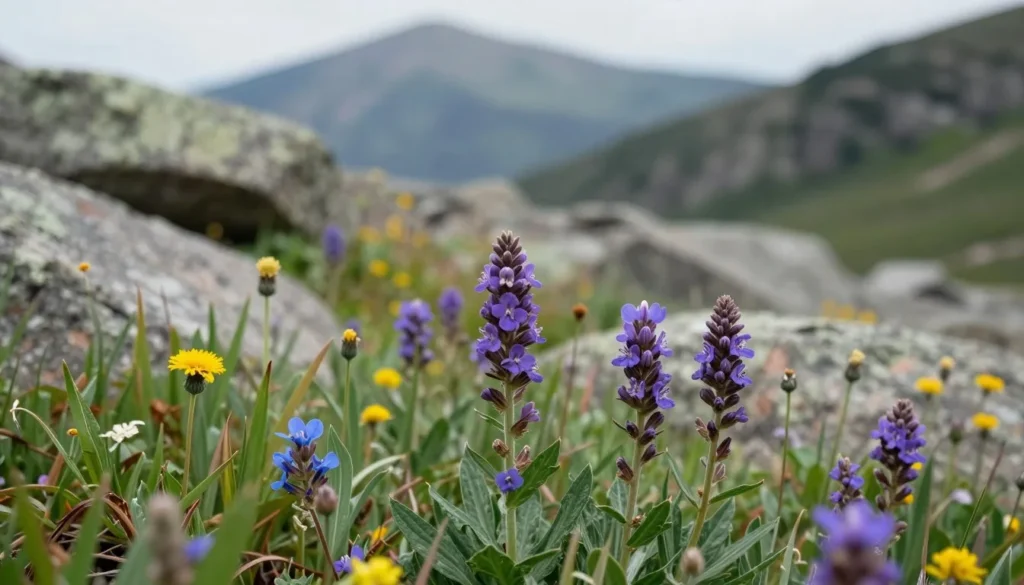
Grandfather Mountain supports sixteen distinct ecological communities, more than any other mountain in the eastern United States. This biodiversity results from dramatic elevation changes creating multiple climate zones within a compact area.
The spruce-fir forest at the summit resembles ecosystems typically found in Canada, existing as a remnant from the last ice age. Fraser fir and red spruce trees adapted to harsh conditions dominate these high-elevation forests.
Rare and endangered plant species thrive in rocky alpine areas near the summit. The Blue Ridge goldenrod and Heller’s blazing star grow nowhere else on Earth except Grandfather Mountain and a few nearby peaks.
Seasonal Natural Events
Spring arrives gradually, progressing up the mountain as temperatures warm. Wildflower blooms begin in lower valleys during April and reach higher elevations through May and early June.
Fall foliage follows the opposite pattern, starting at high elevations in mid-September and moving downward through October. Peak color typically occurs around the first week of October at mid-elevations where the state park trails access.
Winter ice storms coat trees in crystalline ice, creating ethereal frozen forests. These formations last only until temperatures rise, making them fleeting natural phenomena.
Geology and Landforms
Ancient Precambrian rocks, over one billion years old, form Grandfather Mountain’s foundation. These metamorphic rocks represent some of the oldest exposed geology in North America.
Distinctive rock formations include the Sphinx, a natural granite sculpture resembling its Egyptian namesake. Various outcrops display unique weathering patterns created over millions of years.
Several caves and rock shelters provided shelter for Native Americans and early European settlers. Archaeological evidence suggests human presence in the area dating back thousands of years.

Stream and Waterfall Exploration
Numerous small streams originate on Grandfather Mountain’s slopes, feeding major river systems. These cold, clear waters support native brook trout in their headwater reaches.
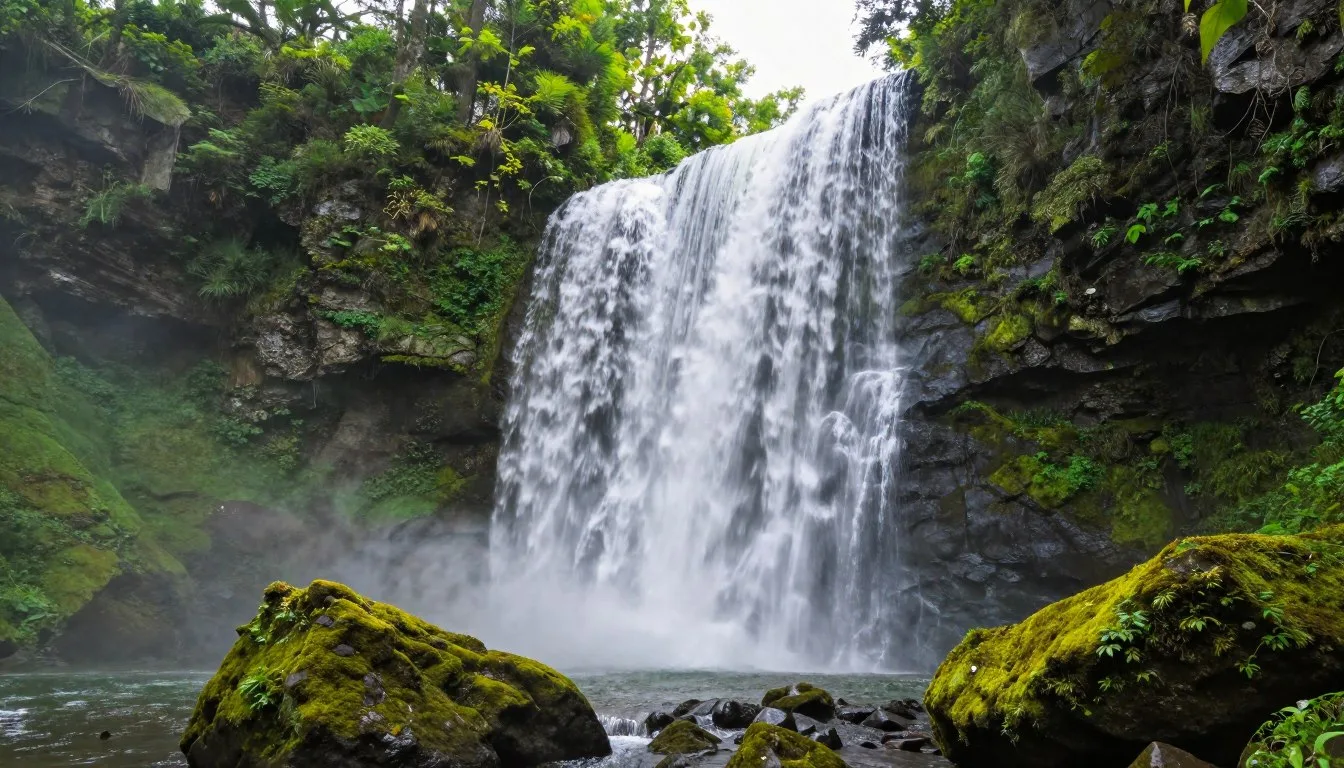
Several small waterfalls can be accessed via short side trails from main routes. These cascades flow strongest during spring snowmelt and after heavy rains.
Backcountry Experience
While overnight camping isn’t permitted within Grandfather Mountain State Park, the surrounding Pisgah National Forest offers extensive backcountry camping opportunities. Adjacent wilderness areas provide true remote experiences.
Day hikers can find solitude on less-traveled trails during weekdays and off-season periods. The mountain’s size and trail network allow dispersal of visitors across multiple routes.
Night Sky Viewing
High elevation and distance from major cities create excellent conditions for stargazing. The Milky Way appears clearly on moonless nights from exposed ridge viewpoints.
Annual meteor showers like the Perseids in August provide spectacular shows when viewed from mountain peaks. Cold, clear winter nights offer the most transparent atmospheres for astronomical observation.
Travel With Children
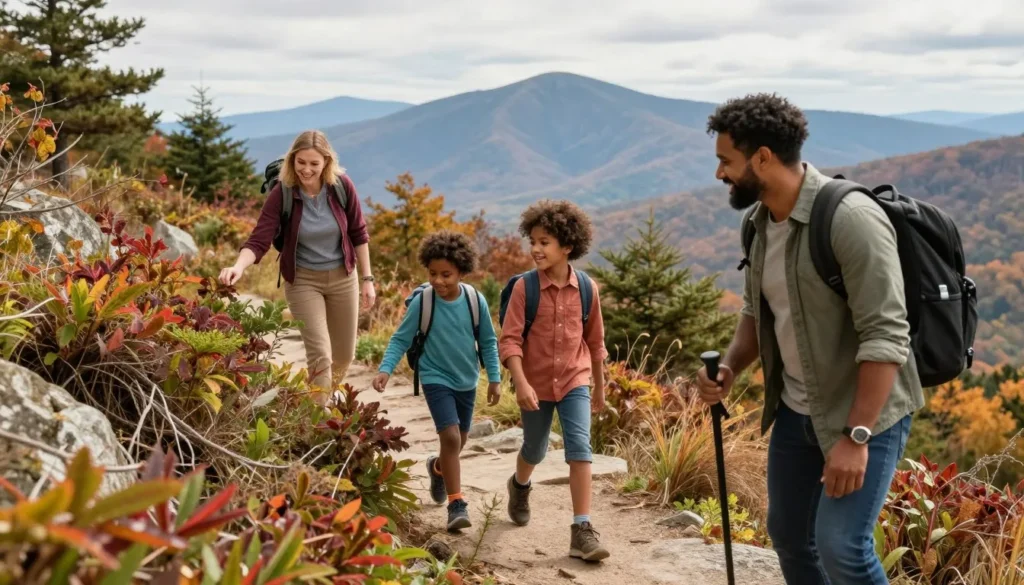
Grandfather Mountain offers family-friendly experiences alongside its challenging trails. The separate Grandfather Mountain attraction provides the most accessible options for young children, including paved trails and wildlife habitats.
The Nature Museum features interactive exhibits designed for children. Touch tanks, wildlife dioramas, and educational displays engage young minds while teaching about mountain ecosystems.
Several easier trails near the park accommodate families with elementary-age children. The Woods Walk, a paved trail at the Grandfather Mountain attraction, allows stroller access and offers excellent wildlife viewing.
Ranger-led programs during summer months include family-friendly nature walks and educational presentations. These programs adapt content for various age groups, making learning fun and accessible.
Pack appropriate gear for children including extra layers, snacks, and plenty of water. Mountain weather changes quickly, and children cool down faster than adults. Bring rain gear even on seemingly clear days.
Choose trails matching your children’s abilities and experience. The rugged Grandfather Trail presents dangers unsuitable for children, with exposed drops and technical climbing sections.
Wildlife viewing excites most children. Early morning visits increase chances of seeing deer, wild turkeys, and various bird species. Bring binoculars sized for small hands.
Educational scavenger hunts keep children engaged on trails. Create lists of items to find like specific leaves, rocks, or flowers. Photography assignments for older children with smartphones encourage observation skills.
Plan shorter outings with young children. A two-hour excursion with frequent breaks proves more enjoyable than an exhausting all-day trek. Save summit attempts for when children reach appropriate age and fitness levels.
Restroom facilities exist at parking areas and visitor centers, but not along trails. Plan bathroom breaks before starting hikes.
Money Saving Tips

Grandfather Mountain State Park charges no entrance fee, making it one of the region’s best free outdoor experiences. Take advantage of this by focusing your visit on state park trails rather than paid attractions.
Pack all meals and snacks rather than dining at restaurants. Grocery stores in Banner Elk offer better prices than tourist-oriented eateries. A cooler packed with sandwich fixings, fruits, and drinks saves substantial money on a multi-day visit.
Visit during shoulder seasons (May or late September) when lodging rates drop significantly compared to peak summer and fall foliage periods. Accommodations cost 30-40% less outside high-demand times.
Camping costs far less than hotels. Julian Price Memorial Park campsites run $20 per night versus $100+ for hotel rooms. National Forest dispersed camping in designated areas costs nothing.
Free ranger programs and nature walks provide expert-led experiences without fees. Check the park bulletin board or call ahead for program schedules.
Bring your own drinking water in reusable bottles rather than purchasing bottled water. Trail sources aren’t reliably safe for drinking, so carrying sufficient water from your lodging saves money and reduces plastic waste.
Gas prices in small mountain towns exceed prices in larger cities. Fill your tank in Charlotte or Asheville before heading to the mountains.
Many local overlooks and viewpoints along the Blue Ridge Parkway offer spectacular views without entrance fees. The parkway itself charges no tolls or fees for access.
Visit the Grandfather Mountain State Park website or call ahead to obtain free trail maps rather than purchasing guidebooks. Digital resources provide current trail information at no cost.
Travel during weekdays when possible to avoid weekend crowds. Some local businesses offer weekday discounts to attract visitors during slower periods.
Safety & Local Customs
Trail Safety
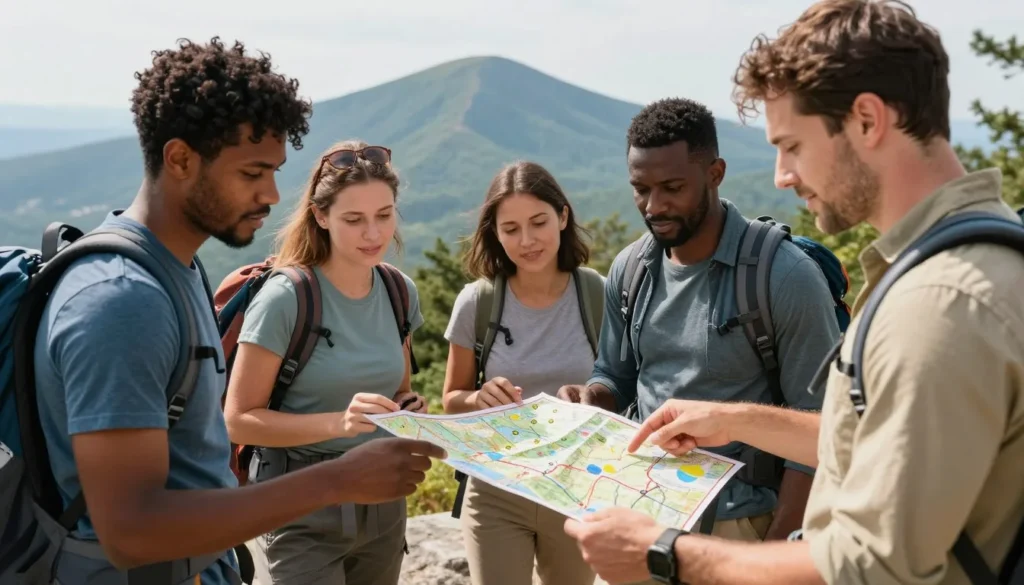
Weather represents the greatest safety concern at Grandfather Mountain. Conditions change rapidly, with clear skies deteriorating to dangerous storms within thirty minutes. Always check forecasts before hiking and be prepared to turn back.
Lightning poses extreme danger on exposed ridges. If thunderstorms threaten, descend immediately to lower elevations and away from summit areas. Avoid seeking shelter under isolated trees.
The Grandfather Trail’s technical sections require caution and proper equipment. Wet conditions make rocks slippery and dangerous. Never attempt this trail in rain, ice, or high winds.
Inform someone of your hiking plans including expected return time. Cell coverage remains unreliable throughout the park, making self-rescue your primary safety net.
Carry the ten essentials: map, compass or GPS, sun protection, extra food, extra water, extra clothes, first aid kit, fire starter, matches, and knife. Many rescues involve underprepared hikers who underestimated the mountain’s challenges.
Emergency Contact
For emergencies requiring rescue or medical assistance:
Provide specific location details. Trail names and last known landmarks help rescuers locate you quickly.
Wildlife Safety
Black bears inhabit Grandfather Mountain. While attacks remain extremely rare, proper precautions prevent conflicts. Never approach or feed bears. Store food securely and pack out all trash.
If you encounter a bear, remain calm. Make yourself appear large, speak in firm tones, and slowly back away. Never run, as this may trigger a chase response.
Venomous copperhead and timber rattlesnakes live in rocky areas, though encounters occur infrequently. Watch where you place hands and feet when scrambling over rocks.
Altitude Considerations
The 1,800 m (5,946 foot) summit elevation can affect visitors unaccustomed to altitude. Symptoms of mild altitude sickness include headache, fatigue, and shortness of breath. These effects typically resolve quickly at lower elevations.
Pace yourself on steep climbs. Take frequent breaks and stay hydrated. The thin air at elevation makes physical exertion more demanding.
Local Customs and Etiquette
Mountain communities value courtesy and conservation. The local culture emphasizes respect for nature and other visitors. Practice Leave No Trace principles rigorously.
Trail etiquette requires uphill hikers to have right-of-way. Step aside to let faster hikers pass. Keep groups small and avoid blocking narrow sections.
Voice levels should remain moderate on trails. Loud conversations and music disturb both wildlife and other visitors seeking peaceful mountain experiences.
Many locals maintain strong ties to traditional mountain culture. Respect for elders, family values, and regional heritage runs deep. Visitors who show genuine interest in local history and customs receive warm welcomes.
Tipping customs in mountain restaurants and service businesses follow standard American practices. Fifteen to twenty percent constitutes appropriate gratuity for good service.
Visitor Comments About Grandfather Mountain State Park

“The Grandfather Trail challenged every skill I developed through years of hiking. Those ladder sections and cable assists get your heart pumping! Summit views made every difficult step worthwhile. I’ve hiked throughout the Rockies and Alps, but this trail ranks among the most rewarding. Just don’t underestimate the technical difficulty.”
“We visited during peak fall colors and the mountain looked absolutely magical. The Profile Trail gave us incredible photo opportunities without requiring the extreme climbing of the summit route. Perfect for our family with teenagers. The diversity of ecosystems amazed us as we hiked through different forest types. Already planning our return trip.”
“As a wildlife photographer, Grandfather Mountain exceeded expectations. I captured images of ravens, deer, and even spotted a black bear from a safe distance. The early morning light on the rocky peaks creates stunning conditions. The park’s commitment to conservation shows in the healthy ecosystems and abundant wildlife. A true gem of North Carolina’s state park system.”
Additional Nearby Destinations
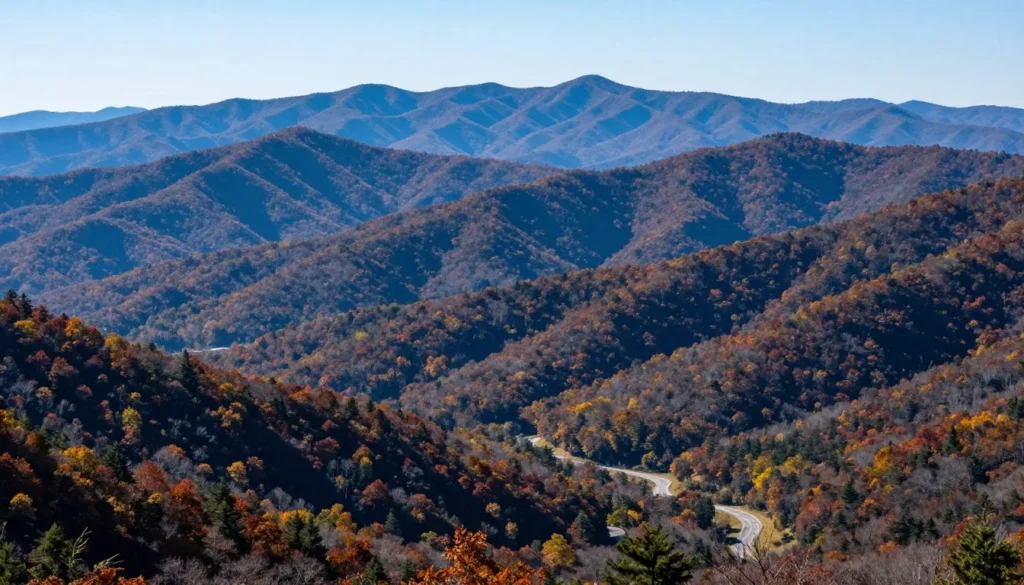
The Blue Ridge Parkway extends 755 km (469 miles) through Virginia and North Carolina, connecting Shenandoah National Park to Great Smoky Mountains National Park. This scenic route passes directly by Grandfather Mountain, offering countless pull-offs and overlooks.
Linville Falls, located 24 km (15 miles) south on the parkway, features a spectacular 27 m (90 foot) waterfall plunging into Linville Gorge. Multiple trail options provide different perspectives of the falls, from easy viewpoints to challenging gorge descents.
Linville Gorge Wilderness, often called the “Grand Canyon of the East,” protects 4,856 hectares (12,000 acres) of rugged terrain. The gorge reaches depths of 610 m (2,000 feet), with the Linville River carving through ancient rock formations.
Blowing Rock, a charming mountain town 24 km (15 miles) south, offers shopping, dining, and the famous Blowing Rock geological formation where updrafts can return light objects thrown over the cliff.
Banner Elk provides access to ski resorts including Sugar Mountain and Beech Mountain. Winter sports enthusiasts enjoy downhill skiing, snowboarding, and snow tubing from December through March.
The town of Boone, home to Appalachian State University, lies 32 km (20 miles) west. This lively college town features craft breweries, live music venues, and the outdoor drama “Horn in the West” during summer months.
Moses Cone Memorial Park, located along the Blue Ridge Parkway, preserves a historic estate with 40 km (25 miles) of carriage roads perfect for walking and horseback riding. The flat, wide trails contrast nicely with Grandfather Mountain’s rugged terrain.
Valle Crucis, a tiny community near Banner Elk, hosts the Mast General Store, a historic country store selling everything from penny candy to outdoor gear. This National Historic Landmark dates to 1883.
Practical Travel Tips
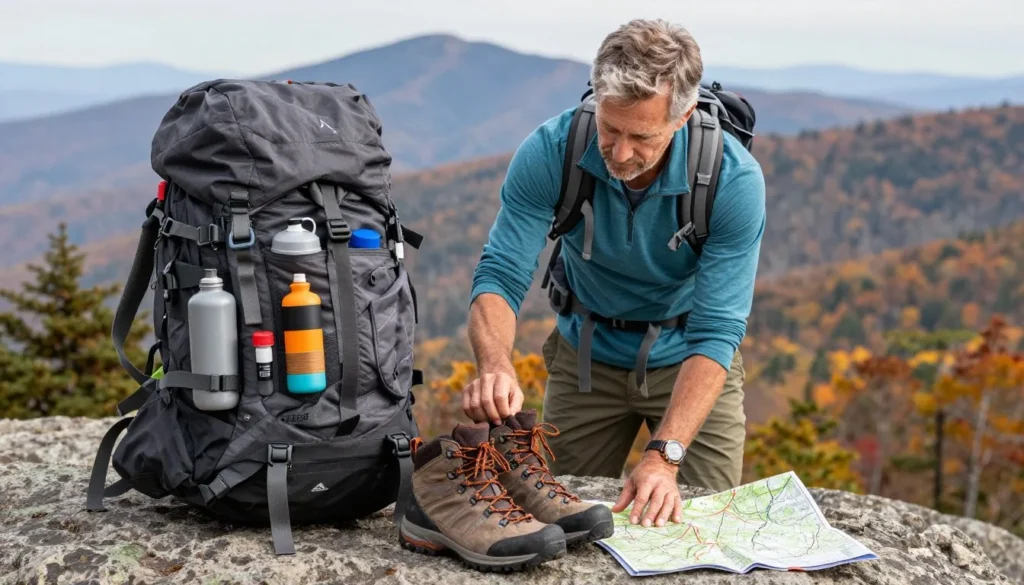
Dress in layers for mountain hiking. Start with moisture-wicking base layers, add insulating mid-layers, and top with wind and waterproof shells. Temperatures drop approximately 3.3°C per 305 m (6°F per 1,000 feet) of elevation gain.
Footwear makes or breaks mountain hikes. Sturdy hiking boots with good ankle support and aggressive tread prove essential for rocky trails. Break in new boots before your trip to prevent blisters.
Bring more water than you think necessary. The rule of thumb suggests 0.5 liters per hour of moderate hiking, more for strenuous routes or hot weather. Dehydration impairs judgment and physical performance.
Download offline maps before arriving, as cell coverage remains spotty. GPS apps like Gaia GPS or AllTrails allow map downloads for use without data connections.
Start hikes early in the day. Trailhead parking fills by mid-morning during peak seasons, and afternoon thunderstorms pose dangers on exposed ridges. A 7:00 AM start provides the best conditions.
Bathroom facilities exist only at parking areas and visitor centers. Plan accordingly before starting trails. Practice Leave No Trace principles if nature calls in the backcountry.
Poison ivy grows abundantly along lower-elevation trails. Learn to identify its three-leaflet pattern and avoid contact. The rash can develop hours or days after exposure.
Bank ATMs in Banner Elk and Blowing Rock provide cash access. Many small mountain businesses prefer cash over credit cards, particularly at farmers markets and roadside stands.
Gas stations exist in Banner Elk and along major routes, but become sparse in remote areas. Keep your tank at least half full when exploring mountain back roads.
Sunscreen and sun protection matter even on cloudy days. UV radiation increases at higher elevations, and reflective rock surfaces intensify exposure.
Insect repellent helps during summer months when mosquitoes and biting flies become active. Tick checks after hikes prevent Lyme disease transmission.
Photography equipment requires protection from rapid weather changes. Keep cameras in waterproof bags when not in use. Bring lens cloths to remove moisture and dirt.
Trail conditions change seasonally. Spring mud makes some routes impassable. Summer growth can obscure trail markers. Fall leaves hide rocks and roots. Winter ice creates extreme hazards.
Visitor Center Information
For current trail conditions, weather updates, and park information:
Hours vary seasonally. Call ahead to confirm visitor center operations.
Respect trail closures posted for safety or conservation. Peregrine falcon nesting areas close seasonally to protect these endangered birds during breeding.
Book accommodations well in advance for fall foliage season. Hotels and cabins fill months ahead for the first two weeks of October.
Consider travel insurance for valuable trip investments. Mountain weather can force cancellations, and medical evacuations from remote trails prove extremely expensive.
Your Grandfather Mountain Adventure Awaits

Grandfather Mountain stands as one of North Carolina’s most magnificent natural treasures. From challenging summit scrambles to gentle forest walks, from rare alpine ecosystems to abundant wildlife, this mountain offers experiences that remain etched in memory long after your visit ends.
The ancient peaks have witnessed countless sunrises, weathered ice ages, and supported life through millennia of change. Now they invite you to write your own chapter in their continuing story.
Pack your sense of adventure along with proper gear. Respect the mountain’s power while embracing its beauty. Whether you seek the thrill of technical climbing, the peace of forest solitude, or the joy of family discovery, Grandfather Mountain welcomes you.
The trails await your footsteps. The views promise to take your breath away. The memories you create here will call you back to these special peaks time and again. Start planning your Grandfather Mountain adventure today.