Hotels by Trip.com
Flights by Trip.com
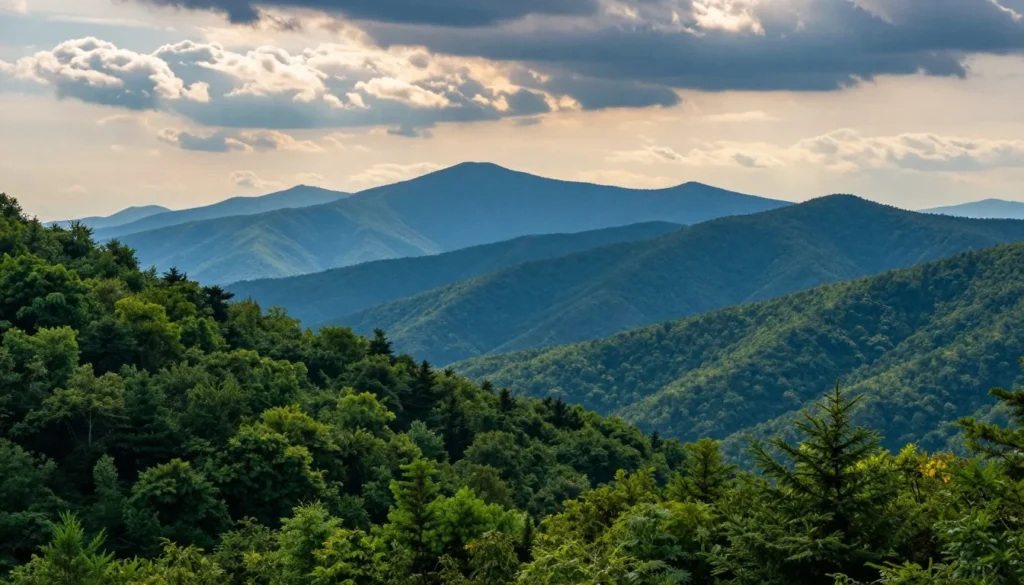
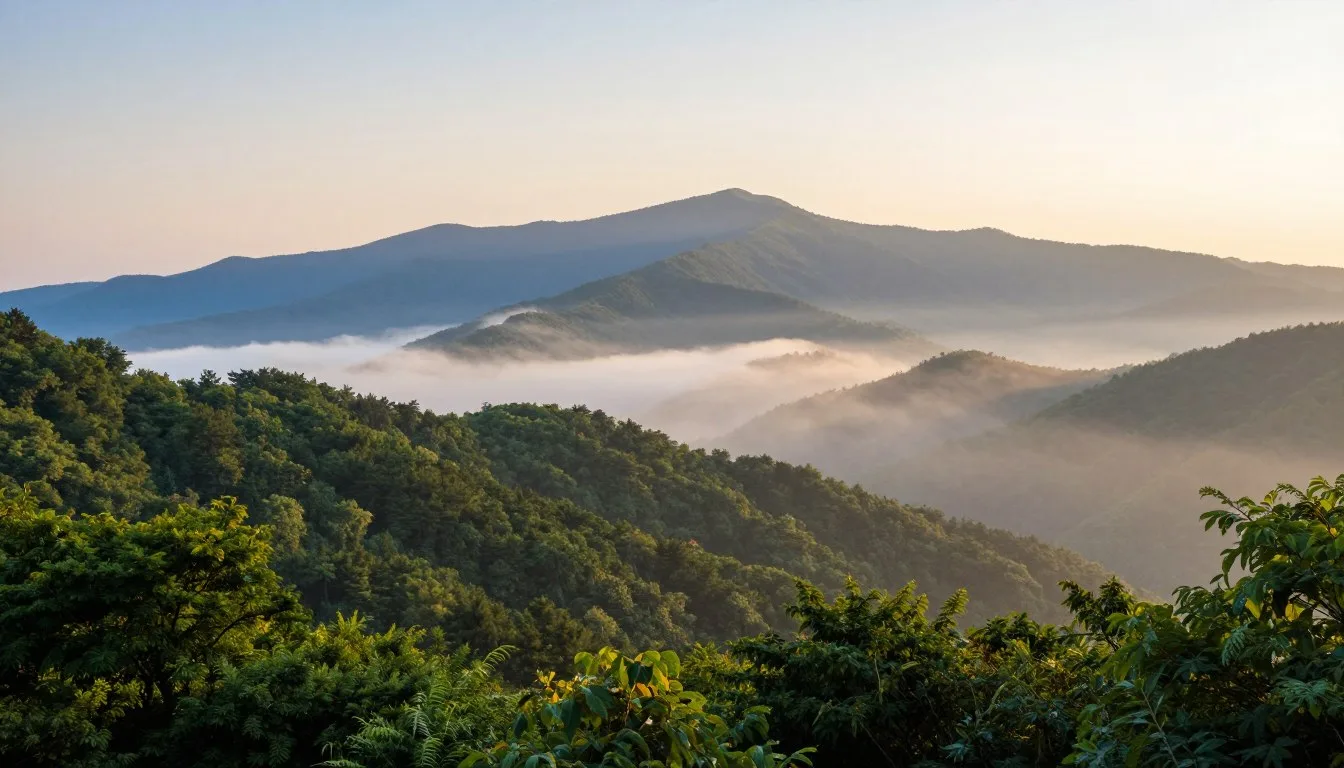
More than 13 million people visit Great Smoky Mountains National Park each year, making it America’s most visited national park. This remarkable destination draws nearly twice as many visitors as the Grand Canyon. The park earned its name from the natural fog that blankets the mountains like smoke, created by the high humidity and dense vegetation releasing water vapor into the atmosphere.
Straddling the border between Tennessee and North Carolina, this southern Appalachian wonderland protects ancient forests, cascading waterfalls, and diverse wildlife. Whether you seek peaceful mountain vistas, challenging hiking trails, or glimpses of black bears in their natural habitat, the Smoky Mountains deliver unforgettable experiences.
This comprehensive guide walks you through everything needed for an amazing visit to Great Smoky Mountains National Park. From planning your journey to discovering hidden gems, you’ll find practical advice and insider tips to make your trip truly memorable.
Getting There and Planning Your Journey
Reaching Great Smoky Mountains National Park is straightforward with several nearby airports and well-maintained road access. The park straddles the Tennessee North Carolina border, offering entry points from both states.
Closest Airports to Great Smoky Mountains
McGhee Tyson Airport in Knoxville, Tennessee sits just 64 km (40 miles) from Gatlinburg, the park’s northern gateway. This airport offers the most convenient access with numerous daily flights from major cities. Most visitors rent vehicles here for the scenic 45-minute drive to the park entrance.
Asheville Regional Airport in North Carolina provides another excellent option, located 97 km (60 miles) from Cherokee, the southern entrance to Great Smoky Mountains National Park. This smaller airport serves several regional carriers and offers a peaceful alternative to busier Knoxville.
For international travelers or those seeking more flight options, Charlotte Douglas International Airport sits approximately 281 km (175 miles) away. While farther, this major hub offers competitive rates and rental car deals that offset the longer drive time.
Driving Routes and Road Conditions
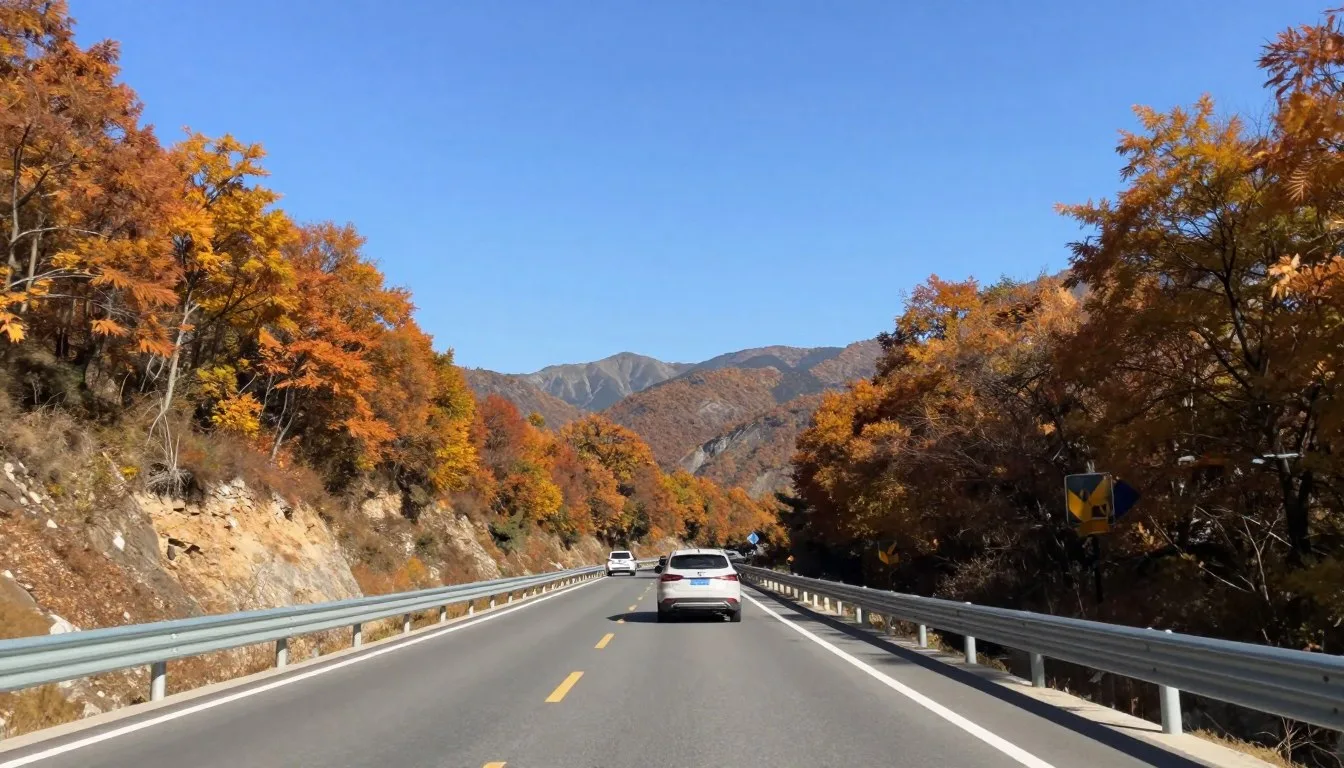
From Knoxville, take Highway 441 south through Gatlinburg into the park. This route becomes Newfound Gap Road inside the park, climbing to 1,539 m (5,048 feet) elevation. The scenic drive offers numerous pullouts for photos and wildlife watching.
The North Carolina side connects via Highway 441 north from Cherokee. Both main entrances remain open year-round, though winter weather occasionally closes Newfound Gap Road temporarily. Always check current conditions before your drive through the mountains.
The park itself requires no entrance fee, making it accessible to all visitors. However, parking fills quickly during peak seasons at popular trailheads and attractions. Arrive before 9:00 AM or after 4:00 PM for better parking availability.
Great Smoky Mountains National Park spans the Tennessee-North Carolina border
Planning Your Visit Duration
Most visitors spend three to five days exploring Great Smoky Mountains National Park. This timeframe allows for several day hikes, wildlife viewing, historic site visits, and relaxation without feeling rushed. Weekend trips work for those living within a few hours’ drive.
✓ Check 30,000+ Local Sightseeing Tours Worldwide
First-time visitors benefit from at least four days to experience the park’s diversity. You can explore both the Tennessee side and North Carolina side, drive the scenic byways, tackle a few trails, and visit cultural sites like Mountain Farm Museum.
Best Time to Visit Great Smoky Mountains National Park
Timing your visit to the Smoky Mountains significantly impacts your experience. Each season offers distinct advantages and challenges worth considering during trip planning.
Optimal Seasons for Different Activities
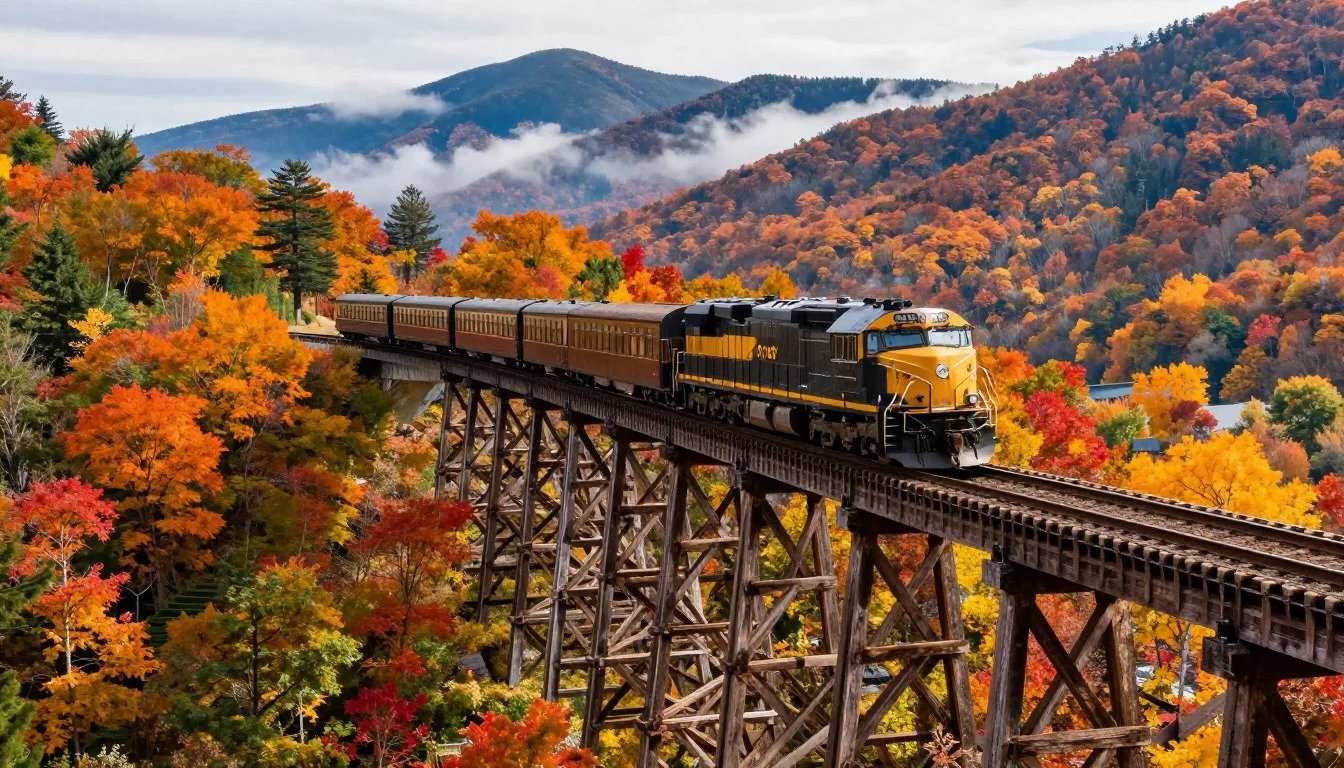
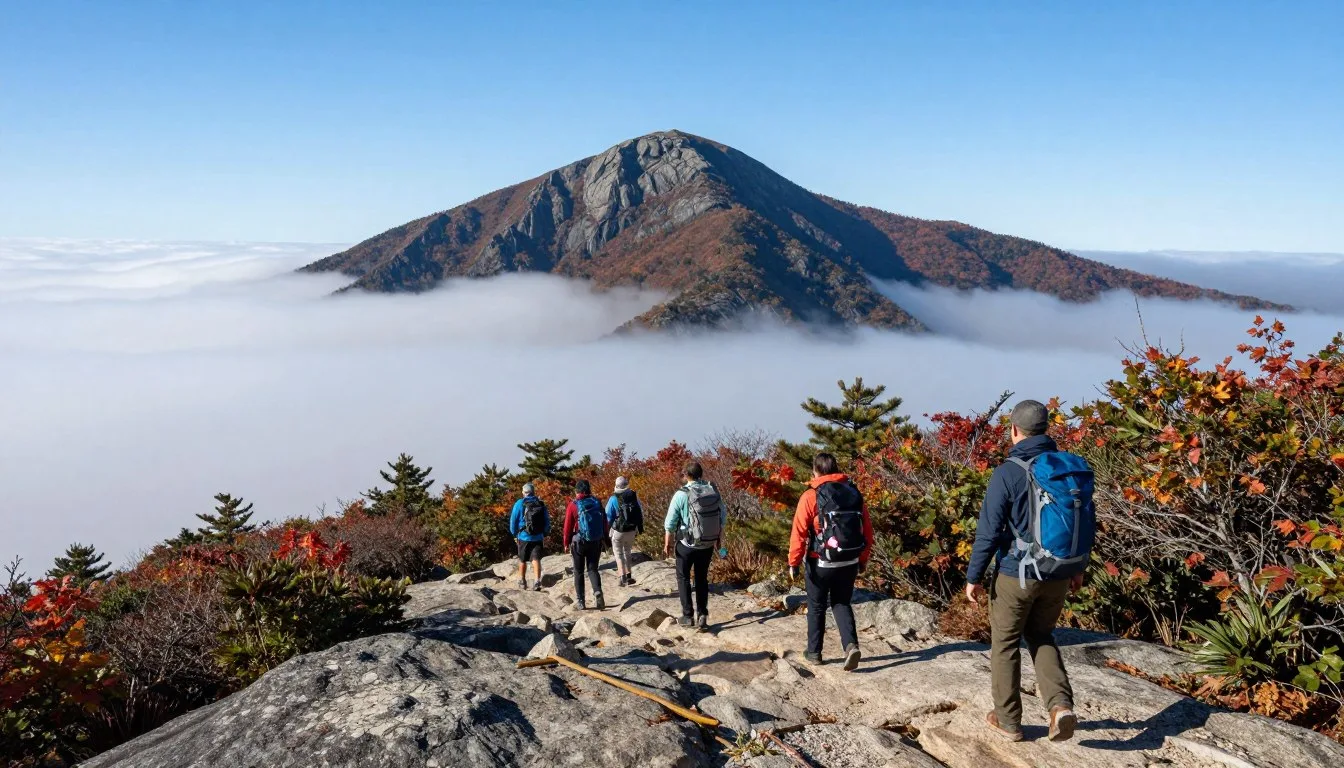
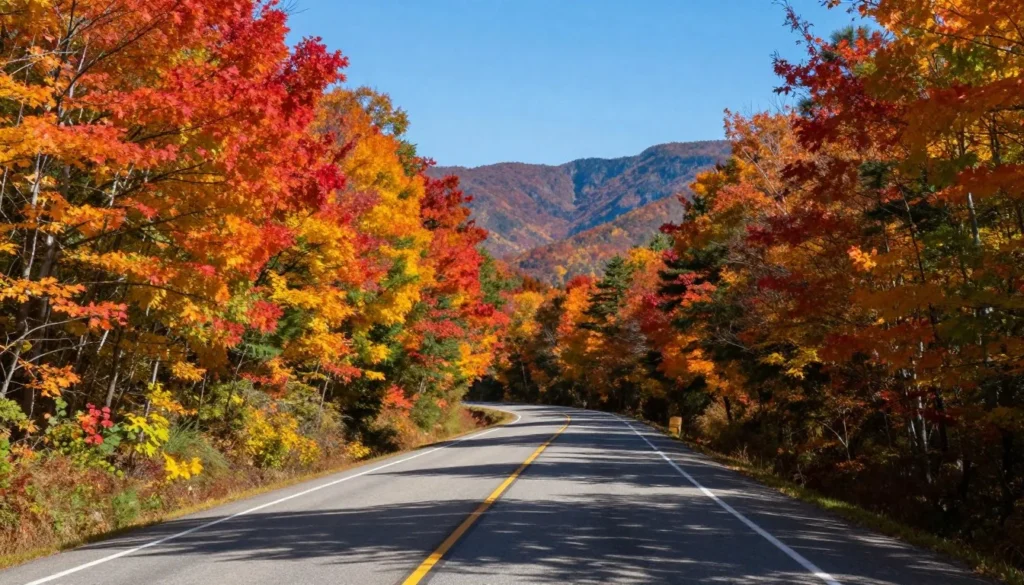
October stands out as the premier month for visiting Great Smoky Mountains. The autumn foliage transforms the forests into a spectacular display of reds, oranges, and golds. Temperatures hover between 10°C and 18°C (50°F and 65°F), perfect for hiking without summer heat or winter cold. The fall colors typically peak in mid-October at higher elevations and late October in valleys.
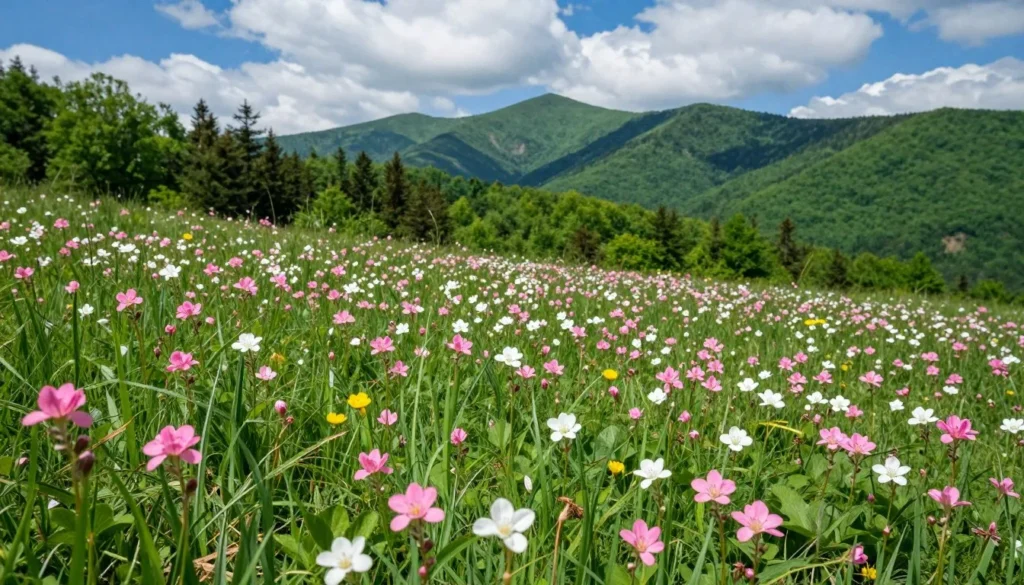
Late April through May brings wildflower season to the Smoky Mountains National Park. Over 1,500 flowering plant species bloom across the park, creating colorful displays along trails and in coves. Spring temperatures range from 12°C to 21°C (54°F to 70°F), with occasional rain showers that nourish the abundant plant life.
Summer months from June through August attract the largest crowds to Great Smoky Mountains. Families with children make up most summer visitors, filling popular trails and viewpoints. Temperatures climb to 24°C to 29°C (75°F to 85°F) in lower elevations, though mountain peaks remain cooler. Higher humidity makes early morning and evening the most comfortable times for outdoor activities.
Winter visits from December through February offer solitude and stunning views. Snow blankets higher elevations, creating picturesque scenes. Temperatures drop to -1°C to 10°C (30°F to 50°F), with significant variation based on elevation. Some facilities close, but the park’s beauty shines through bare trees revealing distant mountain layers.
Seasons to Avoid at Great Smoky Mountains
Mid-June through mid-August presents the most crowded conditions. Parking lots fill by mid-morning, and popular trails become congested. The heat and humidity during these months can make hiking uncomfortable, especially at lower elevations.
Late March brings unpredictable weather with frequent rain and lingering winter conditions at high elevations. Roads may close unexpectedly, and trail conditions remain muddy or icy depending on elevation.
Weather Tips Throughout the Year
The Smoky Mountains create their own weather patterns. Temperatures drop approximately 3°C for every 305 m (5°F for every 1,000 feet) of elevation gain. A comfortable 21°C (70°F) day in Gatlinburg can feel like 10°C (50°F) at Clingmans Dome.
Pack layers regardless of season. Morning fog and afternoon sun often occur on the same day. Rain gear remains essential year-round, as the park receives 140 to 220 cm (55 to 85 inches) of precipitation annually, depending on elevation.
Weather Planning Tip: Always check the park’s official weather forecast before heading to higher elevations. Conditions can change rapidly in the mountains, and what starts as a sunny morning can turn stormy by afternoon. Carry extra layers even during summer months.
Notable Annual Festivals
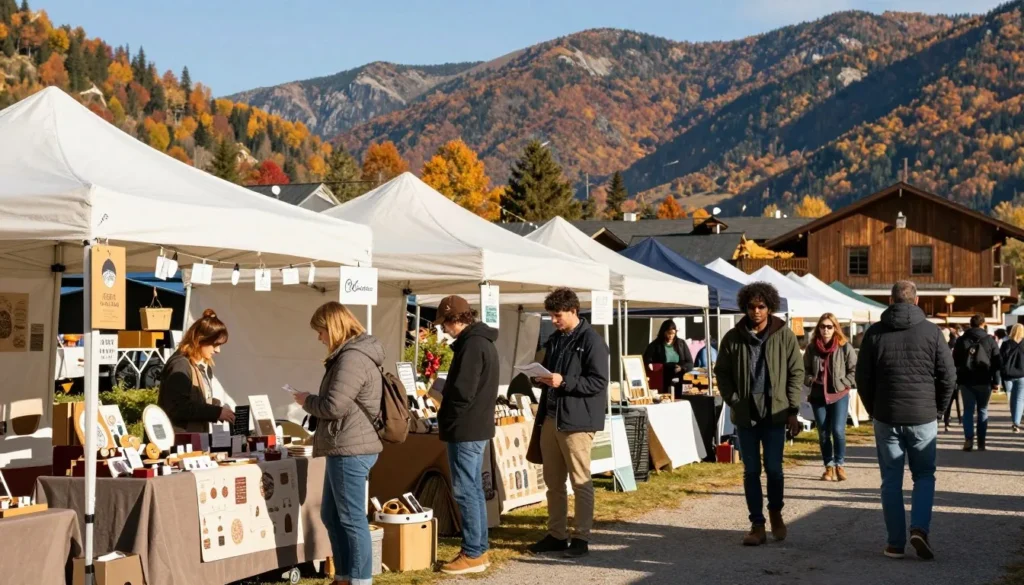
The communities surrounding Great Smoky Mountains National Park host numerous festivals celebrating Appalachian culture, crafts, and natural beauty throughout the year.
Spring and Summer Celebrations
The Gatlinburg Wildflower Pilgrimage takes place in late April, offering guided walks led by experts through blooming forests. This five-day event includes over 150 programs focusing on the park’s incredible plant diversity. For information, contact the organizers at +1 (865) 436-0519.
Townsend Spring Festival in May celebrates the area’s heritage with arts, crafts, and live bluegrass music. Local artisans demonstrate traditional Appalachian skills like blacksmithing and weaving. The festival grounds sit just minutes from the park’s western entrance.
Independence Day brings spectacular celebrations to Gatlinburg with a midnight parade and fireworks. This unique tradition dates back decades and draws thousands to the Great Smoky Mountains area. The parade starts at midnight on July 4th, making it truly distinctive.
Fall Harvest Events
Mountain Life Festival at Mountain Farm Museum occurs in late September, showcasing pioneer demonstrations and heritage crafts. Watch blacksmiths forge tools, learn about traditional foodways, and experience life as early settlers did. The National Park Service hosts this free event. Contact the Oconaluftee Visitor Center at +1 (828) 497-1904 for dates.
Cherokee Fall Festival in October celebrates Native American culture with traditional dances, storytelling, and authentic crafts. This event honors the Eastern Band of Cherokee Indians who have called these mountains home for centuries. For festival details, call +1 (828) 497-9195.
Winter Holiday Traditions
Gatlinburg’s Winterfest transforms the town into a holiday wonderland from November through February. Millions of lights decorate the area, creating a magical backdrop for your Smoky Mountains visit. A trolley parade kicks off the season in early November.
First Day Hikes on January 1st offer guided walks at various locations throughout Great Smoky Mountains National Park. Rangers lead these free hikes to start the new year with outdoor adventure and connection to nature.
Getting Around Locally
Navigation within and around Great Smoky Mountains National Park requires planning, as public transportation options remain limited compared to urban areas.
Personal Vehicle Navigation
A personal vehicle provides the most flexibility for exploring the park. The main corridor, Newfound Gap Road, stretches 50 km (31 miles) between Gatlinburg, Tennessee and Cherokee, North Carolina. This scenic drive typically takes 90 minutes without stops, though you’ll want several hours to enjoy overlooks and short walks.
Cades Cove Loop Road offers another must-drive route. This 18 km (11-mile) one-way loop showcases historic buildings and excellent wildlife viewing. Arrive before 10:00 AM to avoid traffic congestion, or visit on Wednesday and Saturday mornings when the loop closes to motor vehicles until 10:00 AM, creating a peaceful experience for cyclists and walkers.
Parking fills quickly at popular sites during peak season. Laurel Falls, Clingmans Dome, and Cades Cove often reach capacity by 9:00 AM on summer weekends and throughout October. Consider visiting these spots early morning or late afternoon, or choose less-crowded alternatives.
Shuttle and Trolley Services
Gatlinburg operates a trolley system connecting downtown with surrounding areas. While the trolley doesn’t enter the park directly, it provides convenient transportation between hotels, restaurants, and the park entrance. Trolleys run year-round with extended hours during peak seasons.
Cherokee also offers limited local shuttle services during summer months. These primarily serve the town’s attractions rather than park access points.
Bicycle and Pedestrian Options
Cycling opportunities exist on park roads, though narrow shoulders and heavy traffic make some routes challenging. Cades Cove on Wednesday and Saturday mornings before 10:00 AM provides the safest and most enjoyable cycling experience in Great Smoky Mountains.
The Oconaluftee River Trail and Gatlinburg Trail offer easy paved paths suitable for walking and bicycling. These relatively flat trails provide accessible options for families and those seeking gentle exercise with mountain views.
Where to Stay
Lodging options near Great Smoky Mountains National Park range from rustic camping to luxury resorts, with choices on both the Tennessee side and North Carolina side of the park.
Camping Within the Park
Ten developed campgrounds operate within Great Smoky Mountains National Park. Cades Cove, Elkmont, and Smokemont accommodate RVs and tents with water and restrooms but no hookups. These fill quickly during peak seasons, so reservations made six months in advance are recommended.
Backcountry camping requires a free permit available through the park’s reservation system. Over 100 backcountry sites and shelters scattered throughout the wilderness provide adventurous overnight options. Reservations open 30 days in advance and fill rapidly for popular locations.
LeConte Lodge stands as the park’s only indoor lodging, accessible solely by hiking trails ranging from 8 to 22 km (5 to 14 miles) one-way. This rustic lodge operates from late March through mid-November, offering meals and basic accommodations without electricity or running water. Reserve a year in advance by calling +1 (865) 429-5704.
Gatlinburg Accommodations
Gatlinburg offers hundreds of hotels, motels, and cabin rentals within minutes of the park entrance. Downtown hotels provide walking access to restaurants and attractions, while properties along the main parkway offer quick park access.
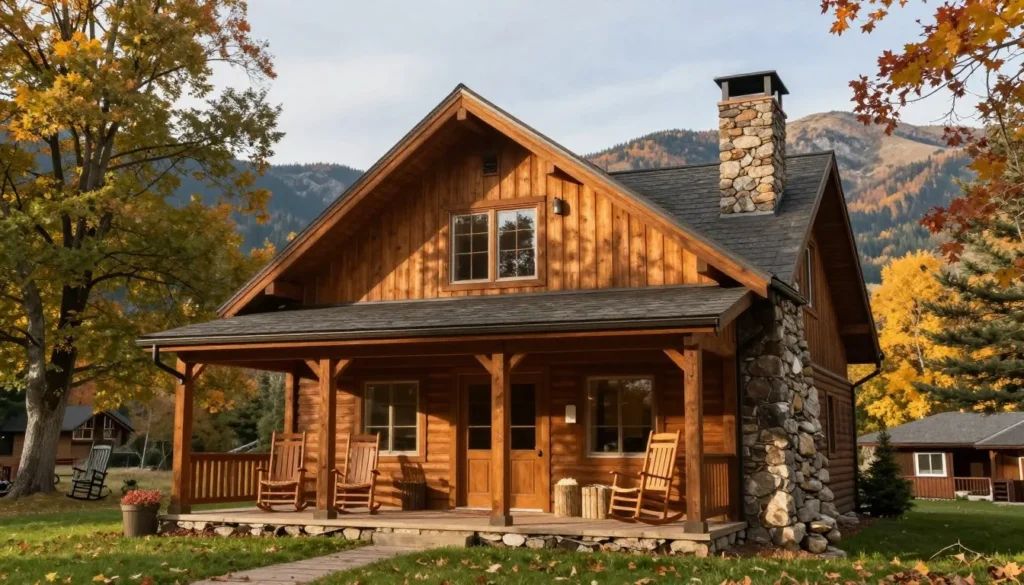
Cabin rentals in the surrounding mountains deliver privacy and mountain views. Many feature hot tubs, full kitchens, and multiple bedrooms suitable for families or groups. Expect rates from $150 to $500 per night depending on size and amenities.
Cherokee and North Carolina Options
Cherokee provides more affordable lodging compared to Gatlinburg, with hotels and motels concentrated near the southern park entrance. Harrah’s Cherokee Casino Resort offers full-service amenities including restaurants, pools, and entertainment.
Maggie Valley and Bryson City, both within 30 minutes of the park, feature charming bed and breakfasts and smaller inns. These quieter communities appeal to visitors seeking a more laid-back atmosphere than Gatlinburg’s bustling tourist scene.
Luxury and Unique Stays
Blackberry Farm near Walland, Tennessee delivers five-star luxury on a working farm. This Relais and Châteaux property sits adjacent to Great Smoky Mountains and offers gourmet dining, spa services, and curated outdoor experiences.
Treehouse rentals and luxury glamping sites have emerged throughout the region. These unique accommodations blend comfort with nature immersion, appealing to those wanting something beyond standard hotels.
Dining and Local Cuisine
The food scene surrounding Great Smoky Mountains National Park reflects Appalachian heritage with hearty portions, Southern hospitality, and traditional recipes passed through generations.
Traditional Appalachian Fare
Pancake houses dominate Gatlinburg’s breakfast scene, with several establishments claiming to be the original. These restaurants serve towering stacks with numerous topping options alongside country ham, grits, and biscuits with gravy.
Barbecue restaurants prepare pork using traditional smoking methods. Both Tennessee and North Carolina styles appear on menus, featuring different sauce preferences. Tennessee favors sweeter tomato-based sauces, while western North Carolina often uses vinegar-based varieties.

Country cooking restaurants serve meat-and-three style meals where diners choose a protein and three side dishes from daily offerings. Expect fried chicken, meatloaf, green beans, mashed potatoes, cornbread, and cobblers. These establishments provide authentic mountain cuisine at reasonable prices.
Local Specialties Worth Trying
Rainbow trout appears on many menus, as the Smoky Mountains contain hundreds of miles of trout streams. Restaurants prepare it fried, grilled, or blackened. Fresh trout from local waters offers a true taste of the region.
Apple products dominate dessert menus and markets. The surrounding area produces abundant apples, transformed into fried pies, apple butter, cider, and dumplings. Visit during fall to enjoy peak apple season treats.
Moonshine tastings have become popular tourist activities. Legitimate distilleries now produce what was once an illicit mountain tradition. Tastings include various flavors from traditional corn whiskey to fruit-infused varieties.
Dining Options by Location
Gatlinburg’s main parkway features dozens of restaurants representing various cuisines beyond traditional Southern food. Italian, Mexican, steakhouses, and seafood restaurants cater to diverse preferences. Most establishments operate on a first-come, first-served basis with waits common during peak times.
Cherokee’s dining scene centers around the casino resort, which houses multiple restaurants from casual to upscale. The town also features family-friendly chains and traditional Native American fry bread stands.
Pack picnic supplies for eating within Great Smoky Mountains National Park. Designated picnic areas with tables dot the park, offering scenic lunch spots. Nearby grocery stores stock supplies, though prices run higher than urban areas.
Attractions, Sightseeing, and Activities
Great Smoky Mountains National Park overflows with attractions ranging from scenic drives to challenging adventures, ensuring every visitor finds memorable experiences.
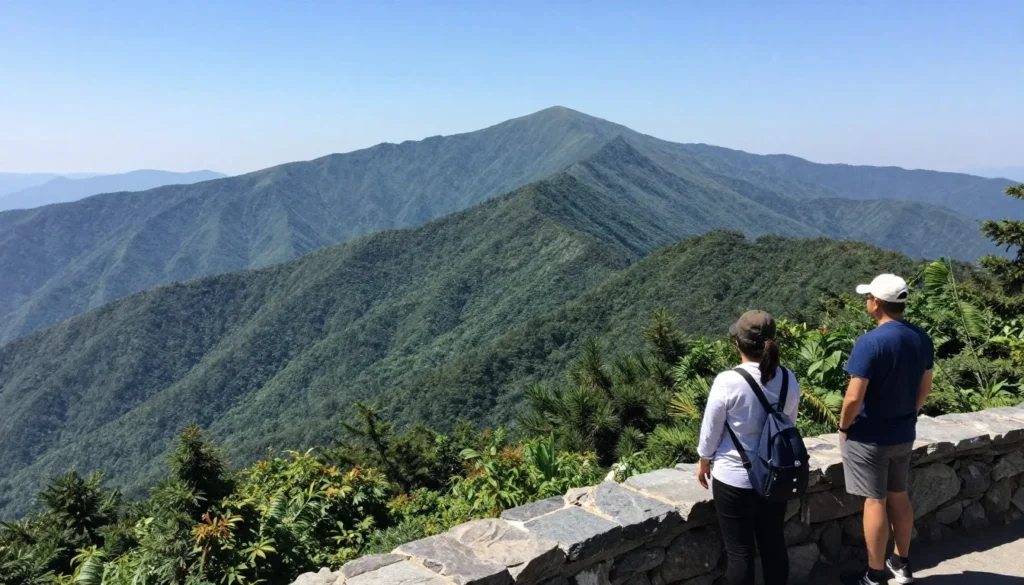
Clingmans Dome
Clingmans Dome reaches 2,025 m (6,643 feet), making it the highest point in Great Smoky Mountains National Park and the third-highest mountain in eastern North America. A steep paved path climbs 805 m (0.5 miles) to an observation tower offering 360-degree views across the Smokies.
On clear days, visibility extends over 161 km (100 miles). The parking area sits 11 km (7 miles) from Newfound Gap Road via a side road that closes December through March. Arrive early as parking fills quickly, especially during fall foliage season.
Cades Cove Historic District
Cades Cove preserves a mountain community that thrived from the early 1800s through the 1930s. The 11-mile loop road passes preserved homesteads, churches, and a working grist mill. Pull-offs allow visitors to explore buildings and imagine pioneer life.
Wildlife viewing opportunities abound in Cades Cove’s open meadows. White-tailed deer, black bears, wild turkeys, and sometimes coyotes appear, especially during early morning and evening hours. Bring binoculars for distant animal observation without disturbance.
The Cable Mill area features a visitor center, working water-powered mill, and several preserved buildings. Rangers often demonstrate historical crafts and answer questions about mountain life. This concentration of structures provides the best historical education in the park.
Newfound Gap Road
This scenic highway bisects Great Smoky Mountains National Park, climbing from both entrances to Newfound Gap at 1,539 m (5,048 feet). Numerous overlooks provide stunning views and photo opportunities. The entire drive takes about 90 minutes without stops, though most visitors spend three to four hours enjoying the scenery.
The Rockefeller Memorial at Newfound Gap marks where President Franklin D. Roosevelt dedicated the park in 1940. This spot also defines the Tennessee North Carolina border. Pull-offs near the gap offer impressive mountain vistas and access to the Appalachian Trail.
Roaring Fork Motor Nature Trail
This narrow one-way road near Gatlinburg follows a historic community route through old-growth forest. Several preserved cabins and barns show typical mountain architecture. The 9 km (5.6-mile) loop includes multiple waterfall hikes and rushing mountain streams.
The road’s tight turns and low clearance exclude RVs and trailers. Open late March through November, weather permitting, Roaring Fork provides a peaceful alternative to busier park roads. Rainbow Falls and Grotto Falls trailheads begin along this route.
Waterfalls
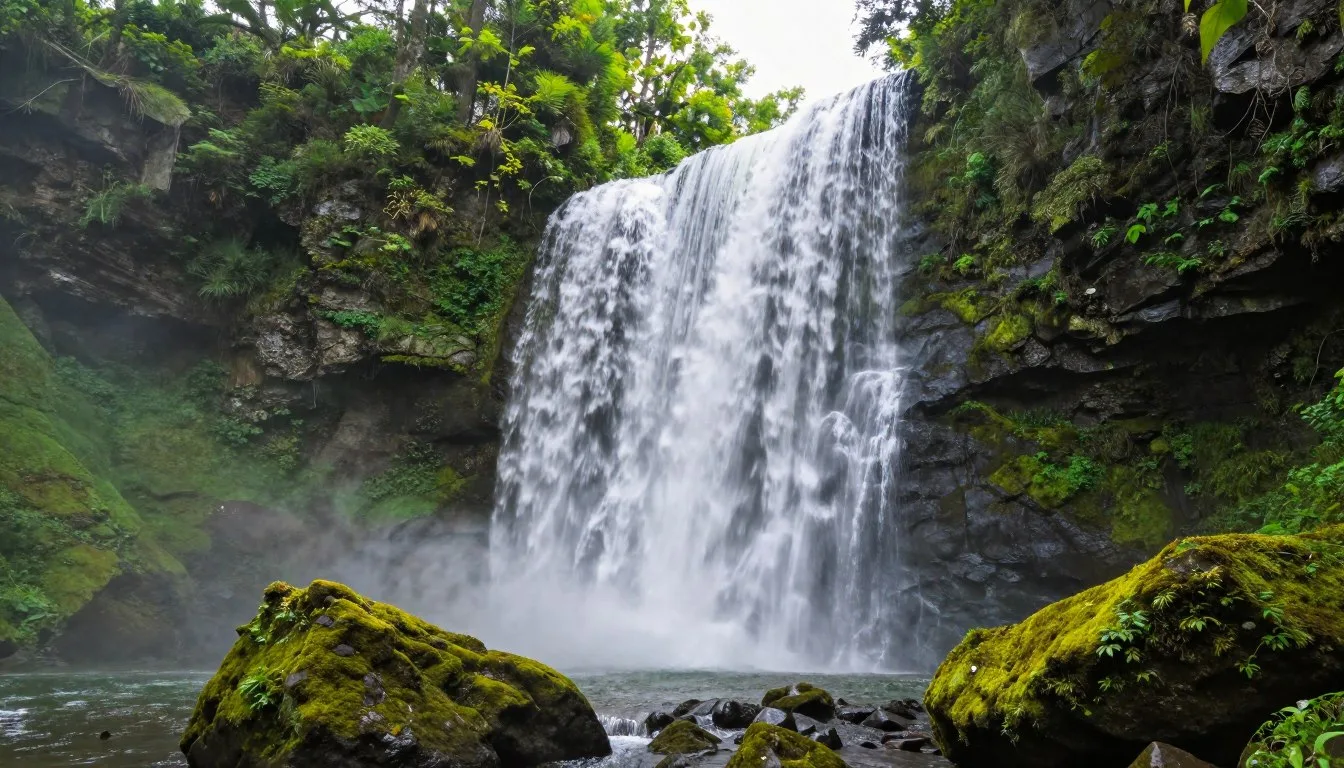
Over 200 named waterfalls cascade through Great Smoky Mountains. Laurel Falls, accessed via a paved 4.2 km (2.6-mile) round-trip trail, ranks as the park’s most popular waterfall. The 24 m (80-foot) cascade rewards hikers with spectacular views and photo opportunities.
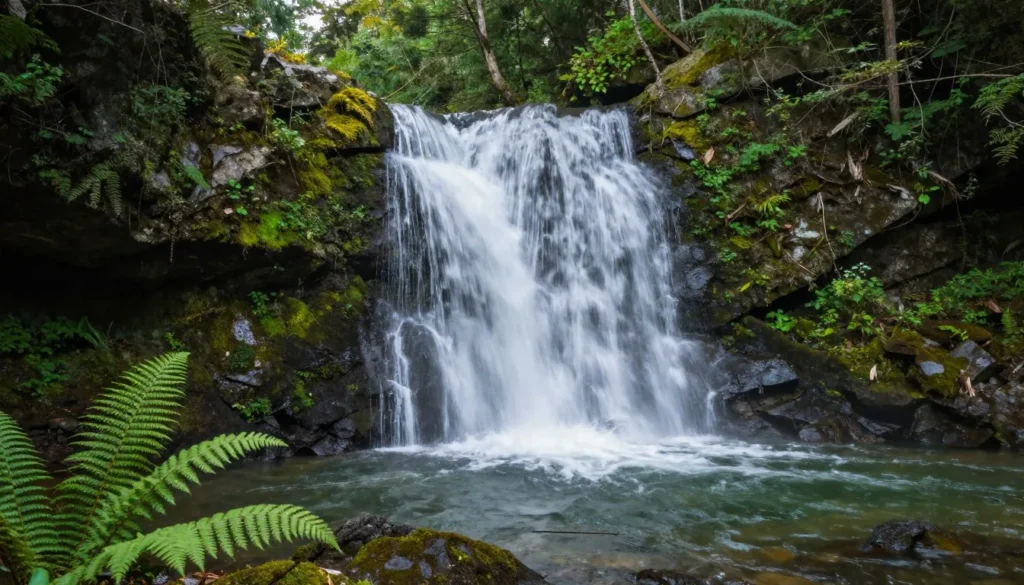
Abrams Falls requires a moderate 8 km (5-mile) round-trip hike but delivers big rewards. Though only 6 m (20 feet) tall, the waterfall’s volume and the deep pool below create a dramatic scene. Start from Cades Cove for this popular trek.
Grotto Falls offers a unique experience as the only waterfall in the park you can walk behind. The 4.3 km (2.7-mile) round-trip trail from Roaring Fork passes through beautiful forest before reaching this 8 m (25-foot) cascade.
Museums, Cultural Spots, and Festivals
Understanding the cultural heritage of Great Smoky Mountains enriches any visit. Several sites preserve and celebrate the region’s history and traditions.
Mountain Farm Museum
Located behind Oconaluftee Visitor Center on the North Carolina side, Mountain Farm Museum recreates a typical mountain farmstead from the late 1800s. Historic buildings relocated from throughout the park include a farmhouse, barn, springhouse, and apple house.
During summer months, park staff sometimes demonstrate period activities like gardening, blacksmithing, or food preservation. The museum requires no separate admission and provides an excellent introduction to pioneer life in the Smoky Mountains.
✓ Check 30,000+ Local Sightseeing Tours Worldwide
Mingus Mill
This water-powered turbine mill built in 1886 sits just north of the Oconaluftee Visitor Center. The mill ground corn for local families well into the 1930s. Today, demonstrations occur during operating seasons, and visitors can purchase stone-ground cornmeal.
The short walk from the parking area to the mill passes through pleasant woods along a small creek. The sound of water powering the mill creates a peaceful soundtrack for this historic site.
Museum of the Cherokee Indian
Just outside the park in Cherokee, North Carolina, this museum chronicles 11,000 years of Cherokee history. Interactive exhibits, artifacts, and multimedia presentations tell the story of the Eastern Band of Cherokee Indians who resisted forced removal during the Trail of Tears.
The museum’s exhibits explain Cherokee culture, language, and traditions. Allow at least two hours to fully appreciate the comprehensive displays. For information, contact the museum at +1 (828) 497-3481.
Sugarlands Visitor Center
Near the Gatlinburg entrance, Sugarlands Visitor Center houses natural history exhibits and a 20-minute orientation film. Rangers provide trail recommendations, weather updates, and answer questions about Great Smoky Mountains National Park. A bookstore offers field guides and regional history books.
The visitor center makes an excellent first stop for park newcomers. Free exhibits explain the park’s biodiversity, geology, and conservation efforts. Open daily except Christmas, hours vary by season.
Nature and Outdoor Experiences
The natural wonders of Great Smoky Mountains National Park provide the primary draw for millions of annual visitors seeking outdoor adventure and wilderness connection.
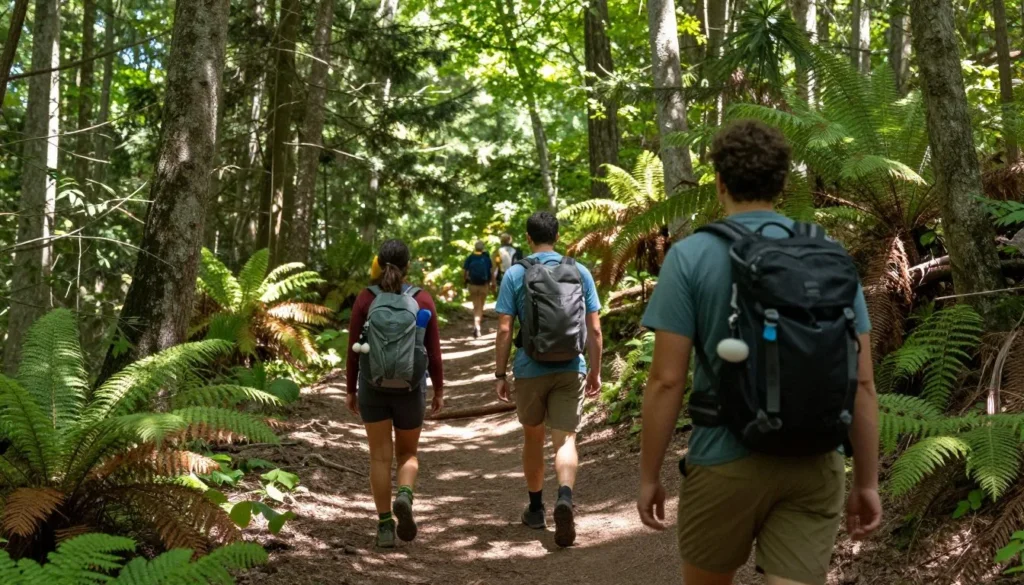
Hiking Trails for All Levels
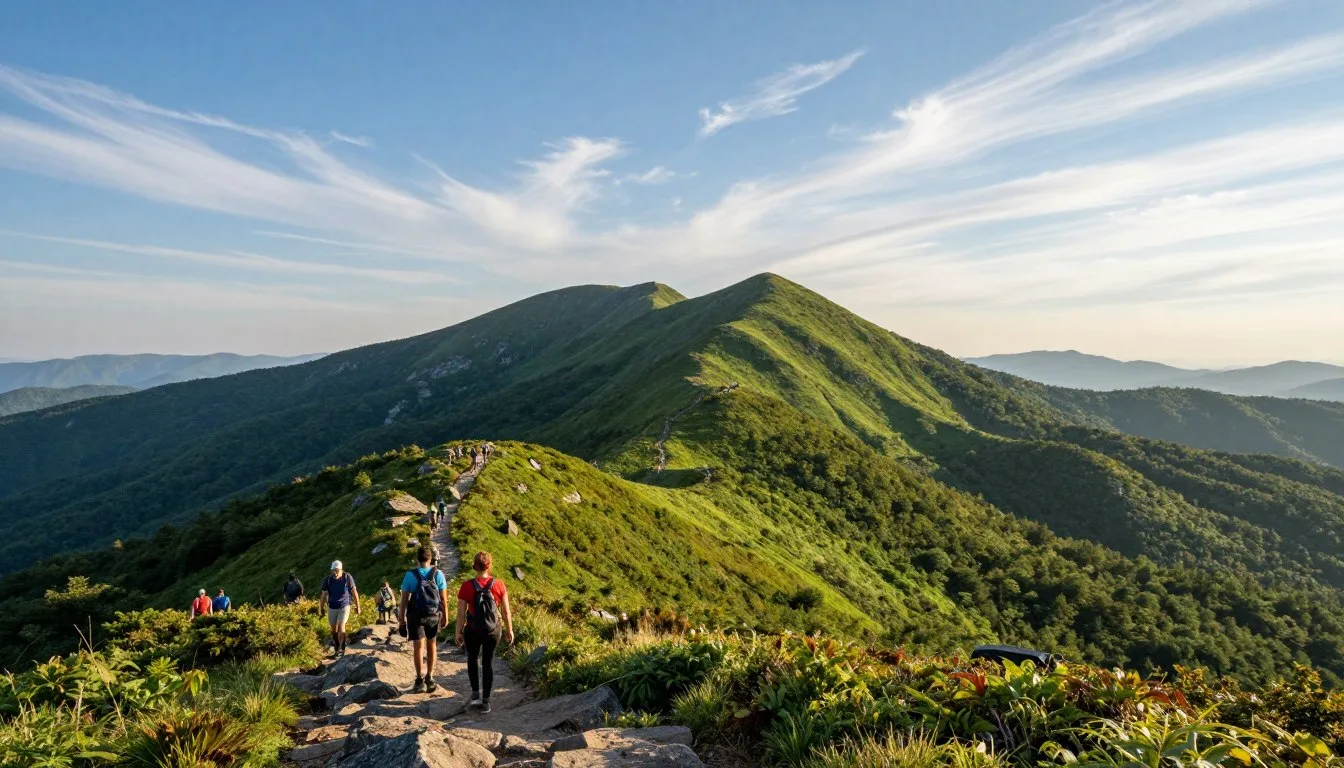
Great Smoky Mountains contains over 1,287 km (800 miles) of trails ranging from easy nature walks to strenuous multi-day backpacking routes. The diversity ensures suitable options regardless of fitness level or experience.
Easy trails perfect for families include Laurel Falls (4.2 km round-trip paved), Cataract Falls (1.2 km round-trip), and Sugarlands Valley Nature Trail (0.8 km loop). These gentle paths provide forest immersion without significant elevation changes.
Moderate hikes like Alum Cave Trail (8 km round-trip) and Charlies Bunion (13 km round-trip) reward effort with stunning views. These trails gain significant elevation but remain achievable for reasonably fit hikers. Expect rocky, uneven terrain and allow four to six hours.
Strenuous options challenge experienced hikers. The trek to Mount LeConte via Alum Cave covers 16.7 km (10.4 miles) round-trip with 823 m (2,700 feet) elevation gain. Chimney Tops, though only 6.4 km (4 miles) round-trip, climbs steeply and rewards summit-seekers with panoramic views.
The Appalachian Trail traverses 114 km (71 miles) through Great Smoky Mountains. Section hikers tackle portions while thru-hikers pass through during spring and summer. Access points exist at Newfound Gap, Clingmans Dome Road, and several other locations.
Wildlife Watching Opportunities
Great Smoky Mountains National Park protects diverse wildlife populations. Black bears, with approximately 1,500 individuals in the park, represent the iconic species. Cades Cove and Cataloochee Valley offer prime bear viewing, especially during morning and evening hours.
White-tailed deer flourish throughout the park, particularly in Cades Cove’s open meadows. Elk, reintroduced to Cataloochee Valley in 2001, now number over 200. Visit Cataloochee early morning or near dusk during September and October to witness the elk rut when bulls bugle to attract mates.
Over 240 bird species inhabit or migrate through the Smoky Mountains. Wild turkeys, ruffed grouse, and numerous songbird species populate the forests. Spring migration brings warblers and other neotropical migrants through the mountains.
Wildlife Safety: Always maintain at least 46 m (150 feet) distance from bears and elk, and 15 m (50 feet) from other wildlife. Never feed animals, as human food harms their health and creates dangerous behaviors. Store all food securely in vehicles or bear-proof containers when camping.
Fishing in Mountain Streams
Clear mountain streams throughout Great Smoky Mountains offer excellent fishing opportunities. Brook trout, rainbow trout, and brown trout inhabit the park’s approximately 3,540 km (2,200 miles) of fishable waters. Brook trout, the only native species, thrive in high-elevation streams.
Fishing requires either a Tennessee or North Carolina license depending on location. No trout stamp or park permit is needed beyond the state license. Regulations limit certain streams to single-hook artificial lures only, while others allow any tackle. Check current rules before fishing.
Popular fishing spots include Little River, Abrams Creek, and numerous smaller tributaries. Early morning and late evening produce the best results. Catch-and-release practices help maintain healthy fish populations.
Photography Hotspots
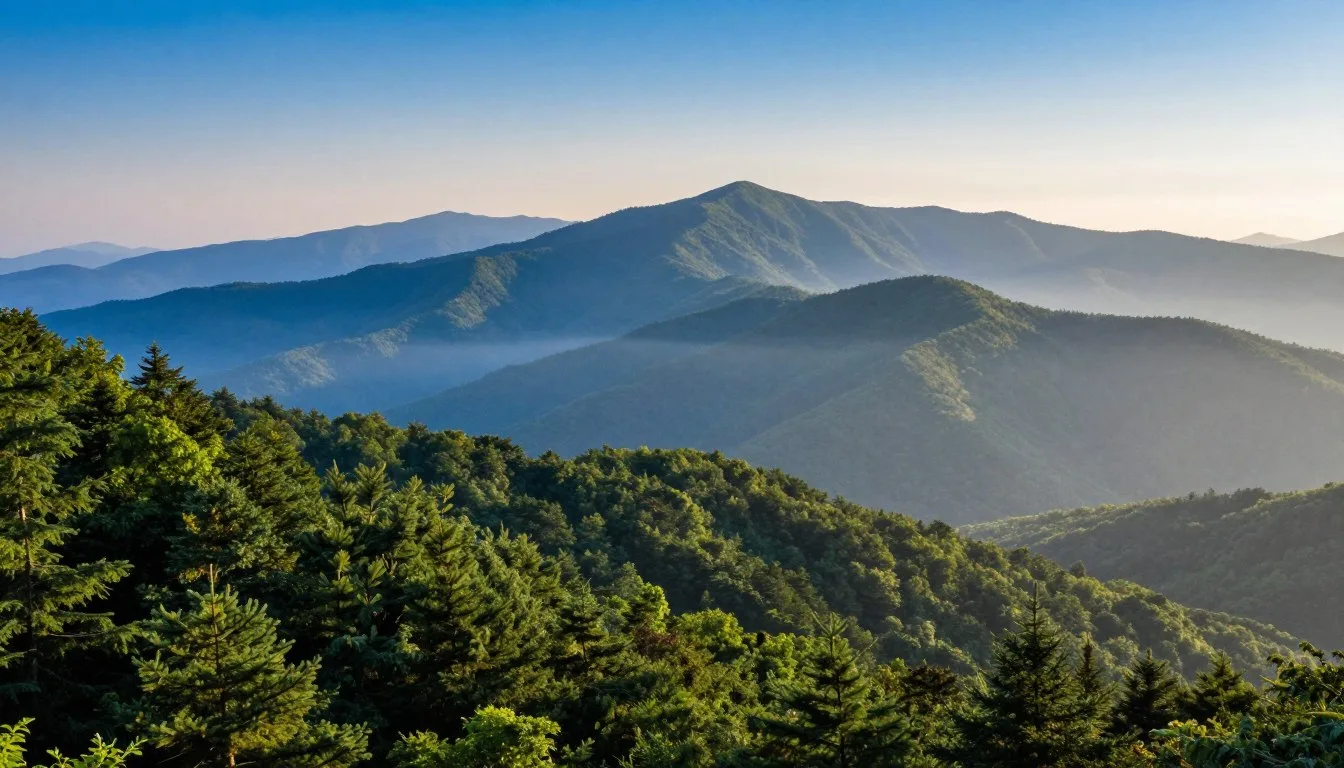
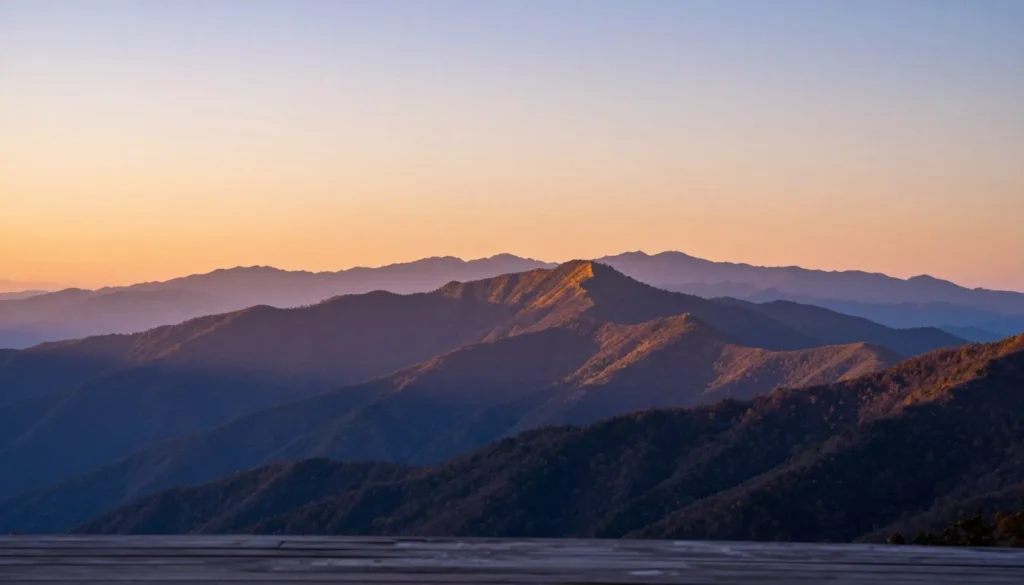
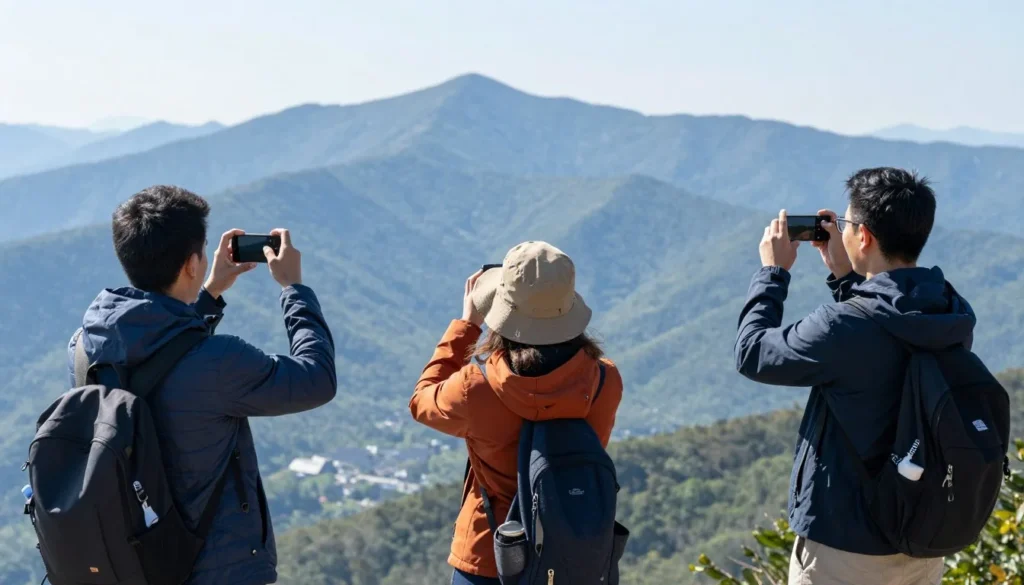
Photographers find endless subjects in Great Smoky Mountains. Sunrise from Clingmans Dome or Morton Overlook produces dramatic light on layers of misty mountain ridges. The blue haze unique to these mountains creates distinctive images impossible to replicate elsewhere.
Waterfalls photograph beautifully year-round, though spring runoff creates the most dramatic flows. Use slow shutter speeds to blur water motion, creating that silky effect. Overcast days work best for waterfall photography, eliminating harsh shadows.
Wildlife photography requires patience and telephoto lenses. Cades Cove early morning provides opportunities to photograph deer, turkeys, and possibly bears at safe distances. Never approach wildlife for photos; instead, use longer lenses and let animals continue natural behaviors.
Horseback Riding Adventures
Several stables within or near the park offer guided horseback rides on designated trails. These range from one-hour scenic rides to half-day adventures. Cades Cove, Sugarlands, and Big Creek areas all feature riding opportunities.
No experience is necessary for most rides, as gentle horses and experienced guides ensure safety. Weight limits typically cap riders at 113 kg (250 pounds). Advance reservations are recommended, especially during peak seasons.
Bicycling Routes
While limited compared to hiking, cycling options exist in Great Smoky Mountains. Cades Cove Loop Road on Wednesday and Saturday mornings before 10:00 AM provides car-free riding. The 18 km (11-mile) loop offers moderate challenge with rolling hills and excellent wildlife viewing.
The Gatlinburg Trail and Oconaluftee River Trail permit bicycles on their paved surfaces. These easy rides work well for families with children or those wanting gentle exercise with mountain views.
Mountain biking is prohibited on most park trails to protect natural resources and ensure hiker safety. Nearby national forests offer extensive mountain biking trail networks for those seeking that experience.
Travel With Children
Great Smoky Mountains National Park welcomes families with children, offering numerous kid-friendly activities and educational opportunities that create lasting memories.

Junior Ranger Program
The Junior Ranger program engages children aged 5-12 in learning about Great Smoky Mountains. Pick up free activity booklets at visitor centers. Kids complete age-appropriate activities while exploring the park, then return to receive an official Junior Ranger badge and certificate.
Activities include identifying plants and animals, learning Leave No Trace principles, and completing scavenger hunts. The program typically takes two to four hours depending on age and enthusiasm. Most children love earning their badge.
Easy Family Hikes
Select shorter trails with interesting features to keep children engaged. Cataract Falls requires only 1.2 km (0.75 miles) round-trip and rewards young hikers with a beautiful cascade. Laurel Falls’ paved path accommodates strollers for part of the distance, though the 4.2 km (2.6-mile) round-trip proves lengthy for very young children.
Cades Cove offers numerous short walks to historic buildings scattered around the loop. Children enjoy exploring old cabins and barns while learning about pioneer life. The flat terrain makes walking easy for little legs.
Elkmont Nature Trail provides a wheelchair-accessible boardwalk through diverse forest habitats. Interpretive signs teach about forest ecology at a child-appropriate level. The 1.3 km (0.8-mile) loop takes about 30 minutes.
Stream Play and Splashing
Children love playing in shallow mountain streams. Designated picnic areas often sit near creeks where kids can safely splash under supervision. The cold water provides refreshing relief on hot summer days.
Bring water shoes for stream play, as rocks can be slippery and sharp. Always supervise children near water, even in shallow streams. Swift currents can develop after rain, making previously safe spots dangerous.
Wildlife Spotting Activities
Turn wildlife watching into a game by creating bingo cards with common animals. Check off deer, turkeys, squirrels, and birds as you spot them. Bring binoculars for children to use, making distant animals seem closer.
Early morning or evening drives through Cades Cove often reveal deer and turkeys. Patient families sometimes spot black bears, though maintain safe distances and stay in vehicles when bears are present.
Educational Visitor Centers
Both Sugarlands and Oconaluftee visitor centers feature exhibits designed to engage children. Touch-table displays, animal mounts, and interactive elements teach about park ecology. Rangers answer questions and suggest age-appropriate activities.
The orientation films shown at visitor centers provide excellent introductions to Great Smoky Mountains. The 20-minute programs explain park formation, wildlife, and history in engaging ways that hold children’s attention.
Practical Tips for Family Visits
Pack snacks and drinks, as young children need frequent energy boosts. Picnic areas throughout the park provide pleasant lunch spots. Bring more water than you think necessary, especially during summer months.
Apply sunscreen and insect repellent before starting activities. Reapply both regularly, particularly after stream play or sweating. Long pants tucked into socks help prevent tick bites in grassy areas.
Plan activities for your children’s ages and abilities. Overambitious hikes lead to meltdowns and negative experiences. Better to complete shorter adventures successfully than attempt too much and fail.
Money Saving Tips
Visiting Great Smoky Mountains National Park can fit various budgets with strategic planning and smart choices.
Free Park Entry
Great Smoky Mountains National Park charges no entrance fee, immediately saving money compared to most national parks. This free admission makes the park accessible to all visitors regardless of financial situation. However, some activities like camping and LeConte Lodge require payment.
Camping Versus Hotels
Developed campgrounds in the park cost $25-30 per night, significantly less than hotels ranging from $100-300 nightly. A family of four camping for three nights saves $225-810 compared to hotel stays. Many campgrounds accept reservations up to six months ahead at recreation.gov.
Backcountry camping requires only a free permit, eliminating accommodation costs entirely for those with proper gear and experience. Over 100 sites and shelters scattered throughout the wilderness provide overnight options.
Packing Your Own Food
Restaurants in Gatlinburg and surrounding areas charge tourist prices. A family meal easily costs $60-100 at full-service restaurants. Packing picnic supplies from grocery stores cuts meal expenses dramatically.
Stock up on groceries before entering the mountains, where prices run 20-30 percent higher than urban areas. Bring a cooler with sandwich supplies, snacks, and drinks. Many campgrounds and picnic areas provide tables for convenient outdoor dining.
Visit During Shoulder Seasons
Hotel rates in Gatlinburg fluctuate dramatically by season. Visit during April, early May, or November to find significantly lower rates than peak summer or October periods. You’ll also encounter fewer crowds and easier parking.
Some attractions around the park offer discount admission during slower periods. Check websites for deals before your visit. Weekday visits typically cost less than weekends for paid attractions outside the park.
Free Activities and Programs
Rangers lead free guided hikes and educational programs throughout the year. These interpretive programs add value to your visit without cost. Check visitor centers for current schedules upon arrival.
The Junior Ranger program provides free educational entertainment for children. Kids complete activity booklets while exploring the park, learning about nature and history without admission charges.
Fuel and Transportation Savings
Gas prices in Gatlinburg often exceed surrounding areas by $0.20-0.40 per gallon. Fill your tank before reaching tourist areas. Pigeon Forge and Sevierville typically offer lower fuel prices than Gatlinburg.
Plan your driving routes efficiently to minimize fuel consumption. Cades Cove Loop and Newfound Gap Road can be covered in one day with strategic planning, reducing total mileage and gas expenses.
Discount Shopping
Outlet malls in Pigeon Forge and Sevierville offer deals on outdoor gear, clothing, and souvenirs. These shopping centers provide better values than in-park gift shops or Gatlinburg tourist stores.
Purchase park souvenirs at visitor center bookstores where proceeds support park programs. Prices often beat private tourist shops, and your money funds conservation efforts.
Safety and Local Customs
Understanding safety protocols and respecting local customs ensures a positive experience in Great Smoky Mountains National Park and surrounding communities.
Wildlife Safety Protocols
Black bears pose the most significant wildlife safety concern. Never approach bears regardless of distance. If you encounter a bear, back away slowly while facing the animal. Never run, as this triggers chase instincts. Make yourself appear large and make noise.
Store all food, toiletries, and scented items in vehicles or bear-proof containers when camping. Bears have incredible sense of smell and investigate anything remotely food-like. Proper storage prevents dangerous bear encounters and protects the animals.
Report aggressive bear behavior or bears approaching humans to rangers immediately. Call the park emergency line at +1 (865) 436-1230 if you witness concerning wildlife behavior or human injuries.
✓ Check 30,000+ Local Sightseeing Tours Worldwide
Trail Safety Essentials
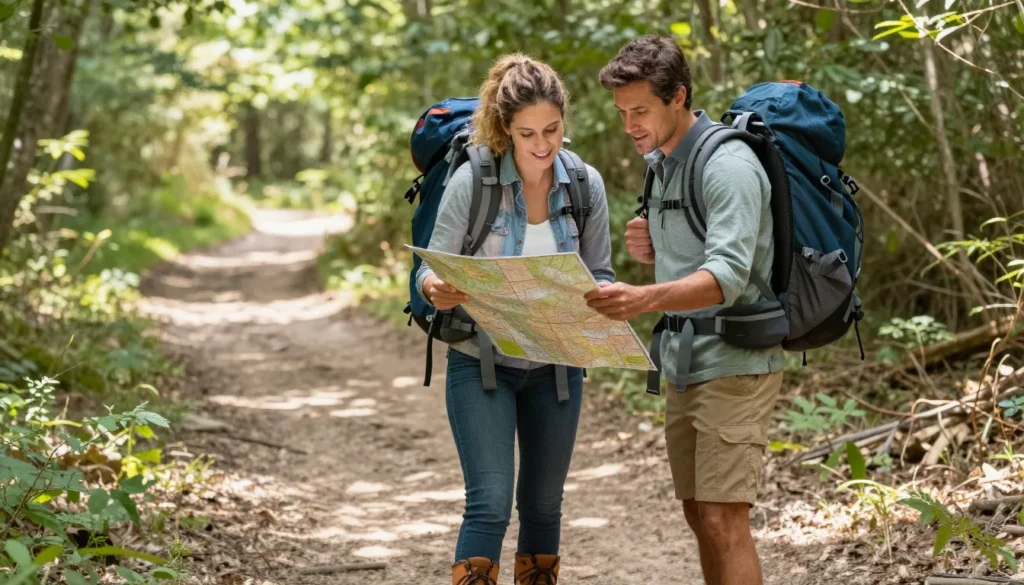
Stay on marked trails to prevent erosion and protect fragile plant life. Shortcuts damage vegetation and create dangerous steep paths. The park’s 1,287 km (800 miles) of maintained trails provide ample options without cutting corners.
Tell someone your hiking plans, including trail name and expected return time. Cell service remains spotty or nonexistent throughout much of Great Smoky Mountains. Carry a charged phone anyway for emergencies where service exists.
Pack the ten essentials: navigation tools, sun protection, insulation, illumination, first-aid supplies, fire starter, repair kit, nutrition, hydration, and emergency shelter. Weather changes rapidly in mountains, and preparedness prevents emergencies.
Check weather forecasts before hiking, especially at higher elevations. Lightning storms develop quickly during summer afternoons. Start hikes early to reach trailheads before storms typically form.
Water Safety
Mountain streams appear pristine but may contain Giardia and other pathogens. Filter, purify, or boil water before drinking. Dehydration causes many hiking problems, so carry adequate water or treatment supplies.
Stream crossings become dangerous during and after heavy rain. Water levels rise rapidly, transforming gentle crossings into hazardous torrents. Never attempt to cross flooded streams. Turn back and try another day.
Driving Safety
Mountain roads feature sharp curves and steep grades. Drive below posted speed limits when conditions warrant. Use lower gears on steep descents to prevent brake overheating. Pull into designated overlooks rather than stopping on roadways.
Watch for pedestrians, cyclists, and wildlife on park roads. Deer and bears cross roads frequently, especially during dawn and dusk. Maintain safe speeds to allow time for unexpected obstacles.
Dense fog often blankets roads, particularly early mornings. Use headlights and reduce speed significantly in foggy conditions. The park’s name references this characteristic fog that can reduce visibility to near zero.
Leave No Trace Principles
Pack out everything you pack in, including trash and food waste. Use designated restrooms when available, or pack out toilet paper if backcountry camping. Orange peels, apple cores, and other food scraps don’t belong in the wilderness despite being biodegradable.
Collecting plants, rocks, or artifacts is prohibited. Millions of visitors taking “just one” item would destroy the park. Enjoy natural beauty through observation and photography rather than collection.
Local Customs and Etiquette
Appalachian hospitality runs deep in communities surrounding Great Smoky Mountains. Friendly greetings and polite conversation represent normal interactions. Southern social customs value courtesy and respect.
Tipping practices follow standard American customs. Restaurant servers expect 15-20 percent gratuities. While tipping isn’t required for park rangers or volunteer naturalists, donations to park programs are appreciated.
Many locals maintain strong religious traditions. You’ll notice more churches per capita than in urban areas. Respect these values even if you don’t share them. Sunday morning church attendance remains common among residents.
Emergency Contacts
For emergencies within Great Smoky Mountains National Park, call +1 (865) 436-9171 or dial 911. Rangers respond to medical emergencies, accidents, and safety concerns. The park operates its own emergency response system with trained personnel.
The nearest hospitals include LeConte Medical Center in Sevierville, Tennessee (+1 865-446-7000) and Swain Community Hospital in Bryson City, North Carolina (+1 828-488-2155). Emergency rooms operate 24 hours daily.
Visitor Comments About Great Smoky Mountains National Park
Travelers from around the world share their experiences visiting this remarkable national park, offering insights for future visitors.
T.M., Florence
“The waterfalls exceeded all expectations! We hiked to Rainbow Falls and Laurel Falls during our four-day visit. Both trails were well-maintained and absolutely beautiful. Seeing a black bear from a safe distance in Cades Cove made the trip unforgettable. The only challenge was parking at popular spots. Arrive before 9 AM or everything fills up. Overall, this park deserves its reputation as America’s favorite. We’re already planning our return trip.”
H.W., Manchester
“Visited during October for the fall colors and wasn’t disappointed. The mountains looked like they were on fire with reds, oranges, and yellows. Newfound Gap Road provided spectacular views around every curve. We stayed in a cabin near Gatlinburg, which offered convenience and mountain atmosphere. The only negative was the crowds, but that’s expected during peak season. Pro tip: visit Cades Cove on Wednesday morning when it’s closed to cars. Biking the loop without traffic was magical.”
R.S., Vila Nova de Gaia
“As a European visitor, I found Great Smoky Mountains quite different from our Alps but equally impressive. The biodiversity amazed me with countless plant species I’d never seen. Rangers were incredibly knowledgeable during the guided hikes. We spent five days exploring and barely scratched the surface. The free entrance surprised me positively compared to other American national parks. I recommend renting a car as public transport doesn’t really serve the park. The mountain streams and forests reminded me why nature conservation matters so much. An excellent destination that I’ll recommend to friends back home.”
Additional Nearby Destinations
The region surrounding Great Smoky Mountains National Park offers numerous attractions worth exploring during extended visits or return trips.
Blue Ridge Parkway
The Blue Ridge Parkway begins near Cherokee at the southern boundary of Great Smoky Mountains. This scenic 755 km (469-mile) highway winds through the Appalachian Mountains to Virginia’s Shenandoah National Park. The parkway offers stunning overlooks, hiking trails, and mountain culture experiences.
Numerous scenic stops dot the parkway within an hour of Cherokee. Waterrock Knob provides 360-degree mountain views from an accessible summit. Devil’s Courthouse offers a short steep hike to panoramic vistas. Budget a full day to explore even short sections thoroughly.
Asheville, North Carolina
Asheville sits 97 km (60 miles) southeast of Great Smoky Mountains, offering art galleries, craft breweries, and historic architecture. The Biltmore Estate, America’s largest private residence, showcases Gilded Age opulence with extensive gardens and a winery.
Downtown Asheville features numerous restaurants, boutiques, and street performers. The River Arts District hosts working artist studios in converted industrial buildings. This vibrant city provides cultural experiences complementing mountain wilderness adventures.
Dollywood Theme Park
Dolly Parton’s theme park in Pigeon Forge combines rides, shows, and Appalachian culture. The park celebrates mountain heritage through craftsmen demonstrations, traditional music, and authentic food. Thrill rides and family attractions ensure entertainment for all ages.
Dollywood operates seasonally with extended summer hours and special festivals throughout the year. The adjacent Splash Country water park provides summer cooling. Combined visits to the park and Great Smoky Mountains create diverse vacation experiences.
Cataloochee Valley
While technically within Great Smoky Mountains National Park, Cataloochee Valley’s remote location in the park’s far eastern section warrants separate mention. This isolated valley preserves numerous historic structures and hosts the reintroduced elk herd.
The drive to Cataloochee requires navigating narrow gravel roads, but rewards visitors with fewer crowds than other park areas. Early morning or evening visits during September and October offer prime elk viewing during the rut when bulls bugle.
Fontana Lake
Fontana Lake, formed by Fontana Dam on the southern park boundary, creates 46 km (29 miles) of shoreline. The 438-hectare (1,082-acre) reservoir offers boating, fishing, and swimming opportunities. Several marinas provide boat rentals and supplies.
Fontana Village Resort near the lake offers lodging and outdoor recreation programs. The location provides access to lesser-visited sections of Great Smoky Mountains National Park while offering lake-based activities as alternatives to hiking.
Joyce Kilmer Memorial Forest
This old-growth forest in Nantahala National Forest protects massive tulip poplar and hemlock trees, some over 400 years old. Located approximately 80 km (50 miles) southwest of Great Smoky Mountains, the forest showcases what much of the region looked like before logging.
A 3.2 km (2-mile) loop trail winds through the ancient forest, passing trees measuring over 6 m (20 feet) in circumference. The forest floor’s lush understory and towering canopy create a cathedral-like atmosphere unlike anywhere else in the region.
Practical Travel Tips
Final considerations help ensure smooth travels when visiting Great Smoky Mountains National Park.
Cell Service and Connectivity
Cell phone coverage remains limited or nonexistent throughout much of the park. Verizon generally provides the best coverage, though even this carrier has significant dead zones. AT&T and T-Mobile offer spotty service concentrated near entrances and major roads.
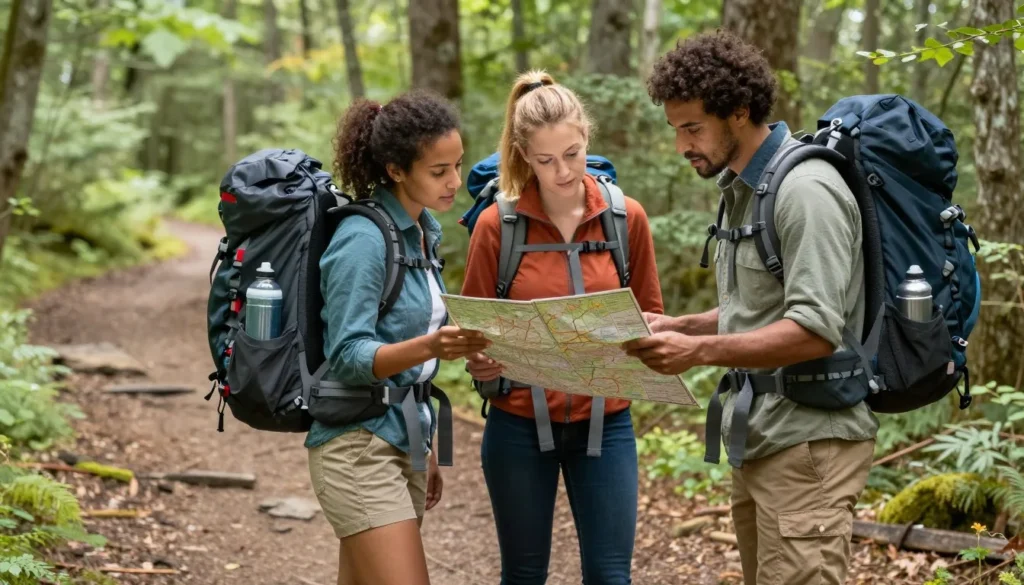
Download offline maps before entering the park. Several apps allow downloading trail maps and GPS coordinates for use without cellular data. The park’s official app provides offline functionality including trail information and safety alerts.
Visitor centers offer free Wi-Fi during operating hours. These provide opportunities to check weather forecasts, make reservations, or communicate with family if needed during your visit.
What to Pack
Layered clothing works best for variable mountain weather. Temperatures fluctuate significantly based on elevation and time of day. Pack a light jacket even during summer for higher elevations and morning chill.
Sturdy hiking boots with ankle support prevent injuries on rocky trails. Break in new boots before your trip to avoid blisters. Bring extra socks as feet often get wet from stream crossings or morning dew.
Rain gear proves essential regardless of forecast. Mountain weather changes rapidly, and afternoon thunderstorms develop regularly during summer months. A lightweight rain jacket or poncho fits easily in day packs.
Bring more water than expected needs. Dehydration causes fatigue and poor judgment. Most trails lack water sources, and treating stream water takes time. One liter per person per two hours of hiking represents minimum quantities.
Photography Gear Recommendations
A versatile zoom lens (such as 24-70mm or 24-105mm) handles most photography situations from landscapes to wildlife at moderate distances. Add a telephoto lens (200mm+) for serious wildlife photography, particularly for bears and elk.
Bring a polarizing filter to reduce haze and enhance colors in landscape photos. The blue haze characteristic of these mountains can be managed somewhat with polarizers. Neutral density filters help create silky waterfall effects.
A lightweight tripod enables sharp images in low light and waterfall photography. Carbon fiber models reduce carry weight significantly. Consider your fitness level and hiking distance before packing heavy camera gear.
Visiting With Pets
Pets are permitted only on two short trails in Great Smoky Mountains National Park: Gatlinburg Trail and Oconaluftee River Trail. Pets must remain on leashes shorter than 1.8 m (6 feet). This restriction protects wildlife and prevents conflicts with other visitors.
Many hotels and cabin rentals around the park accept pets, though expect additional fees. Cherokee National Forest, adjacent to the park, allows pets on most trails, providing alternative hiking options if you travel with dogs.
Accessibility Information
Several paved trails accommodate wheelchairs and strollers. Sugarlands Valley Nature Trail, Oconaluftee River Trail, and portions of Laurel Falls Trail provide accessible options. Visitor centers and many overlooks feature accessible facilities.
The park’s accessibility guide, available at visitor centers or online, details specific accommodations at various sites. Parking spaces for visitors with disabilities exist at most developed areas, though arrive early as these fill quickly.
Best Resources for Planning
The National Park Service website (nps.gov/grsm) provides current conditions, road closures, and updated regulations. Check this resource within 24 hours of your visit for the most accurate information.
The Great Smoky Mountains Association operates bookstores in visitor centers and online, offering excellent field guides for plant identification, bird watching, and trail descriptions. These resources enhance understanding of the park’s natural and cultural features.
Local chambers of commerce in Gatlinburg, Cherokee, Townsend, and surrounding communities provide information about lodging deals, festival dates, and area attractions. Contact these organizations during trip planning for current offerings.
Seasonal Considerations
Spring visits require patience with muddy trails as winter snow melts. The tradeoff comes through spectacular wildflower displays and flowing waterfalls. Pack waterproof boots and expect changeable weather.
Summer heat and humidity challenge hikers at lower elevations. Start hikes early morning to beat both heat and afternoon thunderstorms. Higher elevation trails remain more comfortable during summer months.
Fall foliage creates the park’s busiest season. Hotel rooms book months in advance for October weekends. Midweek visits and late November timing provide alternatives to peak crowds while still offering beautiful autumn colors.
Winter transforms Great Smoky Mountains into a peaceful wonderland. Many visitors assume the park closes in winter, creating opportunities for those who venture out during cold months. Newfound Gap Road occasionally closes for snow but reopens quickly. Pack chains or winter tires if visiting December through February.
Currency and Payments
United States currency is required for all transactions. ATMs exist in Gatlinburg, Cherokee, and other surrounding towns, though fees may apply. Credit cards are widely accepted at hotels, restaurants, and shops outside the park.
The park itself requires no entrance fees, and ranger programs cost nothing. However, bring cash for park campground fees and purchases at visitor center bookstores. Some smaller establishments outside the park may not accept credit cards.
Language Considerations
English remains the primary language throughout the region. Park materials and signs appear in English, though visitor centers sometimes stock brochures in other languages. Rangers typically speak only English, though basic communication usually succeeds through universal gestures and simple words.
The surrounding communities see increasing numbers of international visitors. Some businesses in Gatlinburg employ multilingual staff during peak seasons, particularly Spanish speakers. However, international visitors should expect limited language assistance compared to major urban areas.
Your Smoky Mountains Adventure Awaits
Great Smoky Mountains National Park stands as a testament to natural beauty, cultural heritage, and conservation success. From the misty ridges that give these mountains their name to the ancient forests protecting countless plant and animal species, every visit reveals new wonders.
Whether you spend a weekend or a week exploring the Smoky Mountains, you’ll discover why millions return year after year. The park’s free admission removes financial barriers, while diverse activities ensure something for every interest and ability level. Families create lasting memories watching black bears from safe distances, couples find romance in sunset mountain views, and solo adventurers discover peace on remote backcountry trails.
The practical tips, seasonal guidance, and insider knowledge shared throughout this guide prepare you for an exceptional journey. Start planning your Great Smoky Mountains adventure today. The trails await your footsteps, the waterfalls call your name, and the mountains promise experiences you’ll treasure forever.