Hotels by Trip.com
Flights by Trip.com
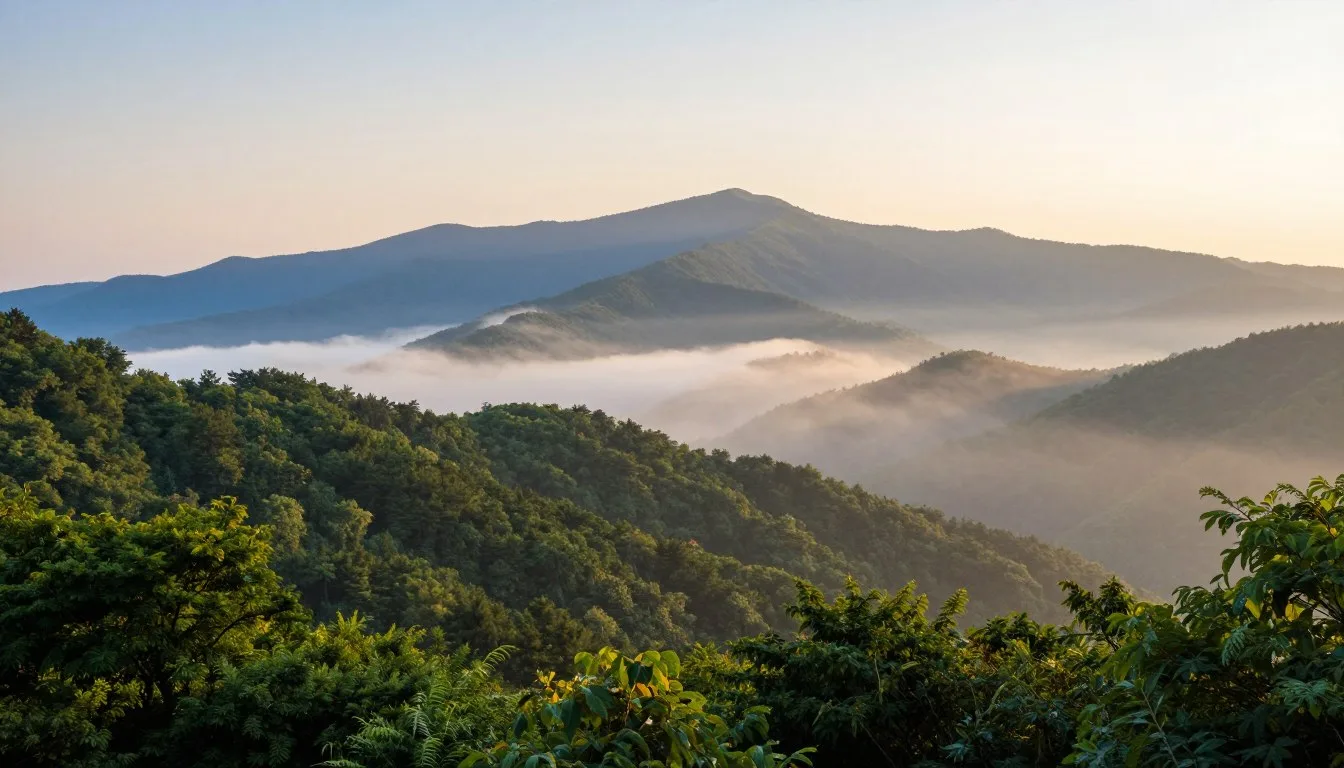
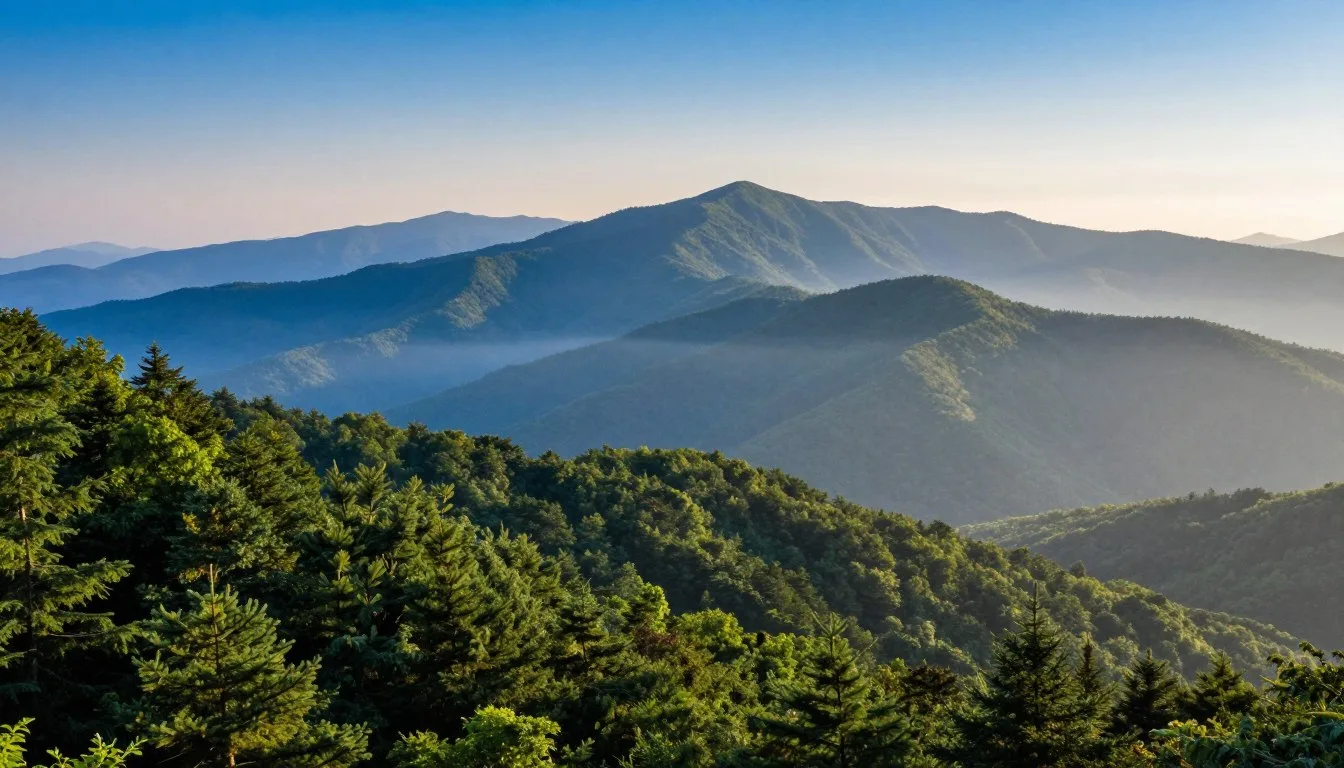
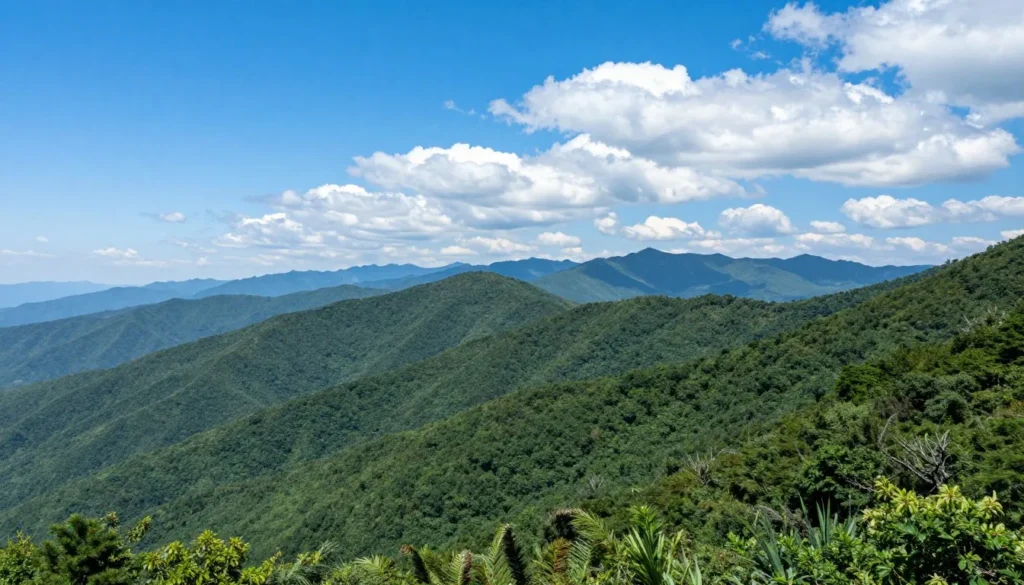
Every year, more than 13 million visitors explore the Great Smoky Mountains National Park, making it the most visited national park in America. The name comes from the natural fog that blankets these ancient mountains, creating the distinctive smoky appearance that Cherokee people first observed centuries ago.
This magnificent mountain range straddles the border between North Carolina and Tennessee. It offers an incredible blend of natural beauty, rich history, and outdoor adventure. Whether you seek peaceful hikes through old-growth forests or thrilling wildlife encounters, the Smoky Mountains deliver unforgettable experiences.
The park protects one of the largest blocks of temperate deciduous forest in North America. Ancient mountains rise to impressive heights while waterfalls cascade through verdant valleys. Black bears roam freely alongside white-tailed deer, and over 1,500 species of flowering plants create spectacular seasonal displays.
Getting There & Planning Your Journey
The Great Smoky Mountains are accessible from several major airports. McGhee Tyson Airport in Knoxville, Tennessee sits just 64 kilometers (40 miles) from the park entrance and provides the closest option. Asheville Regional Airport in North Carolina lies about 97 kilometers (60 miles) away on the eastern side.
Charlotte Douglas International Airport offers more flight options but requires a longer drive of approximately 209 kilometers (130 miles). Many visitors prefer this route because the scenic Blue Ridge Parkway connects directly to the park. The journey takes about three hours through beautiful mountain terrain.
Most visitors arrive by car, which provides essential flexibility for exploring the vast park. The drive from major cities varies: Atlanta requires about four hours, Charlotte takes three hours, and Nashville sits roughly three and a half hours away. Rental cars are available at all airports.
Plan to arrive early in the day during peak season. Popular areas fill quickly, and parking becomes scarce after 10 AM. The park entrance remains free, but certain facilities require advance reservations. Contact the main visitor center for current information and trip planning assistance.
Best Time to Visit & Weather Tips
Timing your trip makes a tremendous difference in your Great Smoky Mountains experience. Each season offers distinct advantages and unique challenges. Understanding weather patterns helps you pack appropriately and set realistic expectations.
Recommended Months
Spring arrives with spectacular wildflower displays from mid-April through May. Temperatures range from 10°C to 21°C (50°F to 70°F) at lower elevations. This season brings moderate crowds and excellent hiking conditions. Waterfalls flow at their most powerful after winter snow melts.
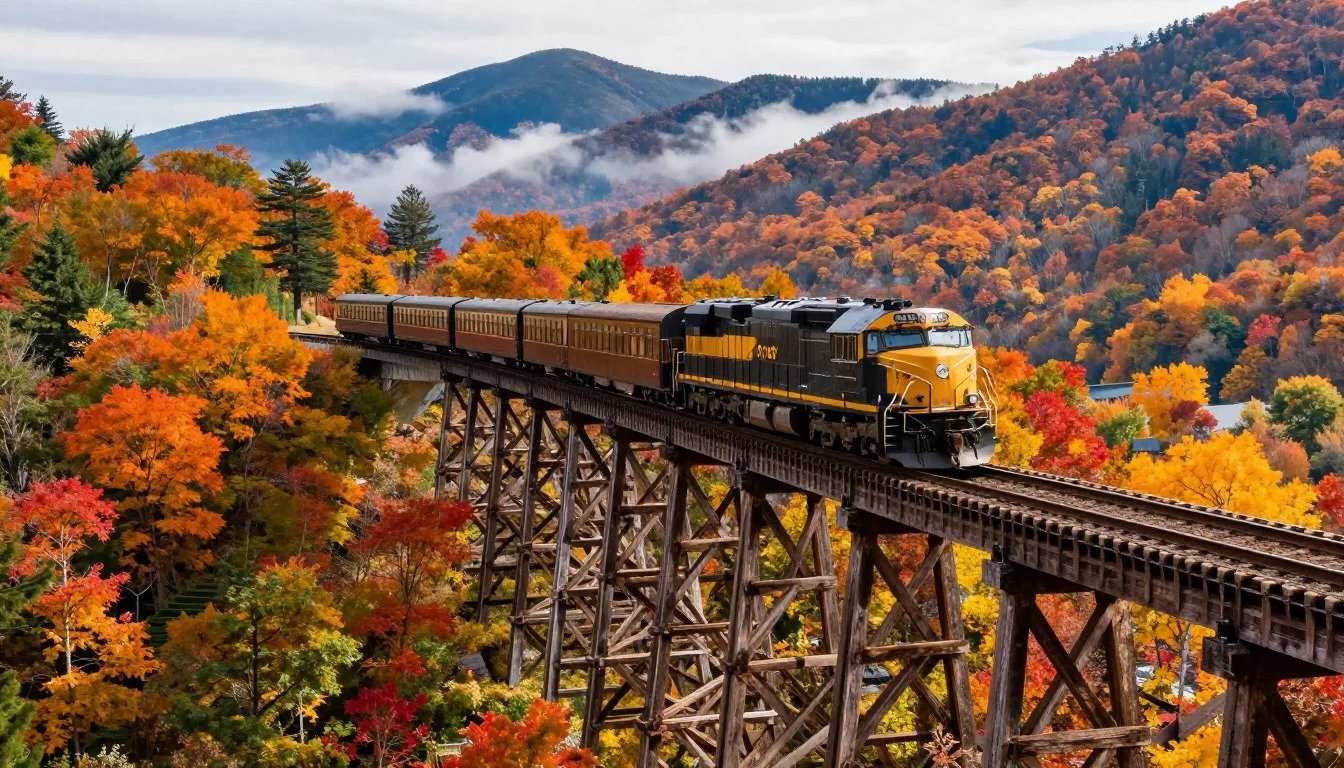
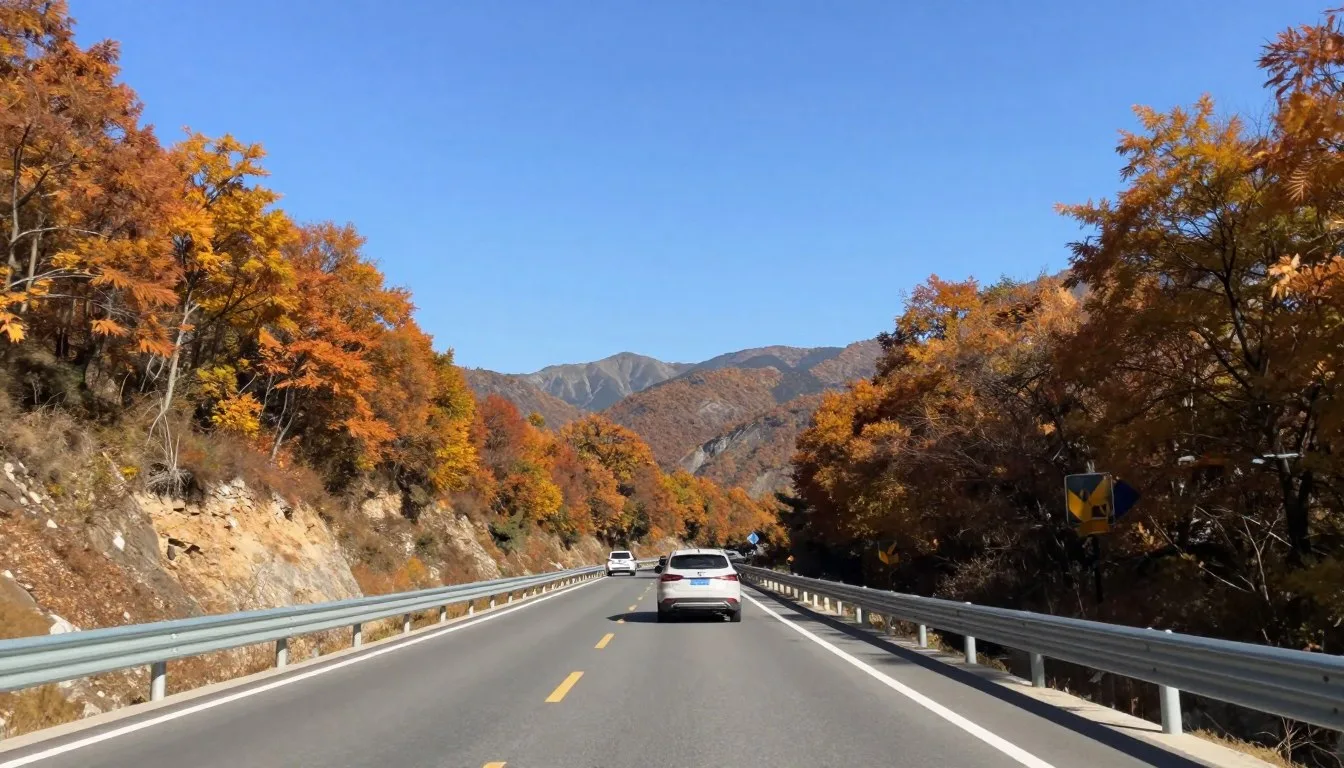
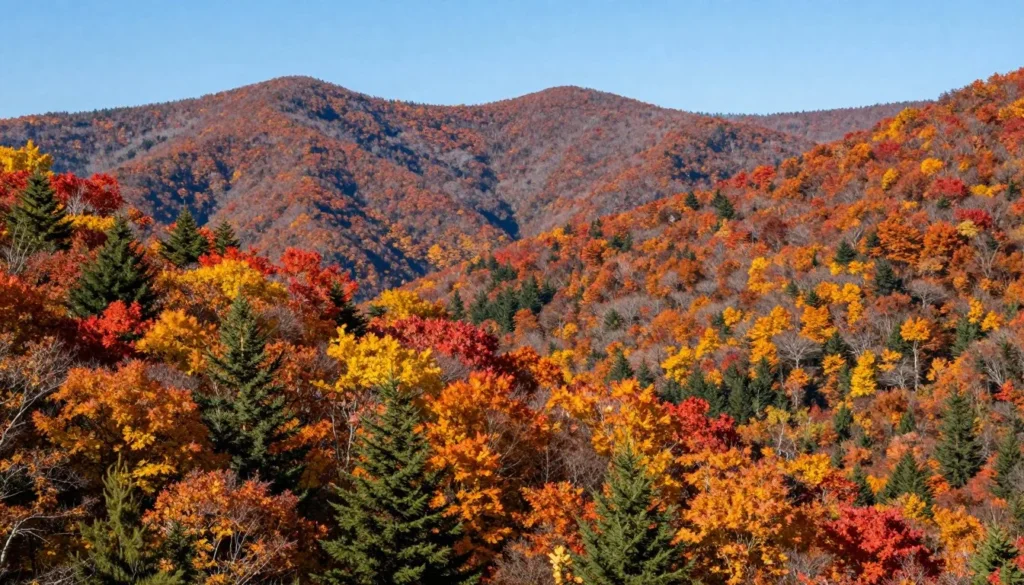
Fall stands out as the most popular time to visit. Peak fall foliage typically occurs from mid-October through early November. Temperatures stay comfortable between 13°C and 21°C (55°F and 70°F). The mountains explode in vibrant reds, oranges, and yellows. Expect heavy traffic on weekends during peak color season.
Summer welcomes families but brings the largest crowds. July and August see temperatures reaching 27°C to 32°C (80°F to 90°F) in valleys. Higher elevations remain cooler, offering pleasant escape from heat. Afternoon thunderstorms occur frequently, so plan morning hikes and carry rain gear.
Months to Consider Avoiding
Late January through March presents the harshest winter conditions. Snow and ice close many roads, including Newfound Gap Road occasionally. Temperatures drop below freezing, reaching -7°C to 4°C (20°F to 40°F). Some facilities shut down completely during this period.
However, winter offers solitude and stark beauty for prepared visitors. The park sees minimal crowds, and fresh snow creates magical landscapes. Just ensure your vehicle has proper tires and carry emergency supplies.
✓ Check 30,000+ Local Sightseeing Tours Worldwide
Weather Preparation Tip: Mountain weather changes rapidly regardless of season. Temperatures drop about 3°C (5°F) for every 305 meters (1,000 feet) of elevation gain. Always pack layers, even during summer trips. Afternoon storms develop quickly from June through August.
Notable Annual Festivals
The Great Smoky Mountains region celebrates its rich cultural heritage through festivals year-round. These events showcase Appalachian traditions, local crafts, and mountain music. Many take place in nearby gateway communities rather than inside the national park itself.
Spring Wildflower Pilgrimage
This beloved event happens annually in late April. Experts lead guided walks to view hundreds of wildflower species in bloom. Programs include photography workshops, nature talks, and botanical tours. The pilgrimage spans five days and attracts nature enthusiasts from across the country.
Mountain Life Festival
Held each September, this festival demonstrates traditional Appalachian skills at various locations. Visitors watch blacksmithing, basket weaving, and soap making demonstrations. Local musicians perform authentic mountain ballads and bluegrass music throughout the day. Admission remains free at most venues.
Winterfest Celebration
From November through February, surrounding towns illuminate with millions of holiday lights. Gatlinburg and Pigeon Forge transform into winter wonderlands. Special events include craft shows, parades, and seasonal performances. The celebration brings festive atmosphere to the mountain communities.
Getting Around Locally
Personal vehicles provide the most practical transportation within Great Smoky Mountains National Park. The park encompasses over 2,100 square kilometers (520,000 acres), with attractions spread across vast distances. Public transportation options remain extremely limited.
Newfound Gap Road serves as the main corridor through the park, connecting Tennessee and North Carolina sides. This scenic route spans 50 kilometers (31 miles) and reaches an elevation of 1,643 meters (5,389 feet) at Newfound Gap. The road stays open year-round except during severe weather events.
Cades Cove Loop Road offers another popular route. This 18-kilometer (11-mile) one-way loop circles through a historic valley. Allow two to four hours depending on wildlife sightings and stops. The road becomes congested during peak season. Consider visiting before 10 AM or on Wednesday and Saturday mornings when the loop opens only to bicycles and pedestrians until 10 AM.
Parking fills quickly at popular trailheads and scenic overlooks. Arrive before 9 AM during peak season, or plan alternative activities during midday hours. Some areas now require parking tags obtained through reservation systems.
Cell phone service proves unreliable throughout most of the park. Download offline maps before your visit. Paper maps available at visitor centers provide essential backup navigation. Gas stations do not exist within park boundaries, so fuel up beforehand.
Where to Stay
Accommodation options range from rustic camping to luxury resorts. Your choice depends on budget, desired comfort level, and how close you want to be to park attractions. Both sides of the park offer distinct advantages for lodging.
Inside the Park
The park operates 10 developed campgrounds with over 1,000 campsites total. Cades Cove, Elkmont, and Smokemont rank as the most popular options. Sites include picnic tables and fire rings. Most campgrounds provide restrooms and drinking water but lack hookups. Reservations open six months in advance and fill quickly for summer and fall dates.
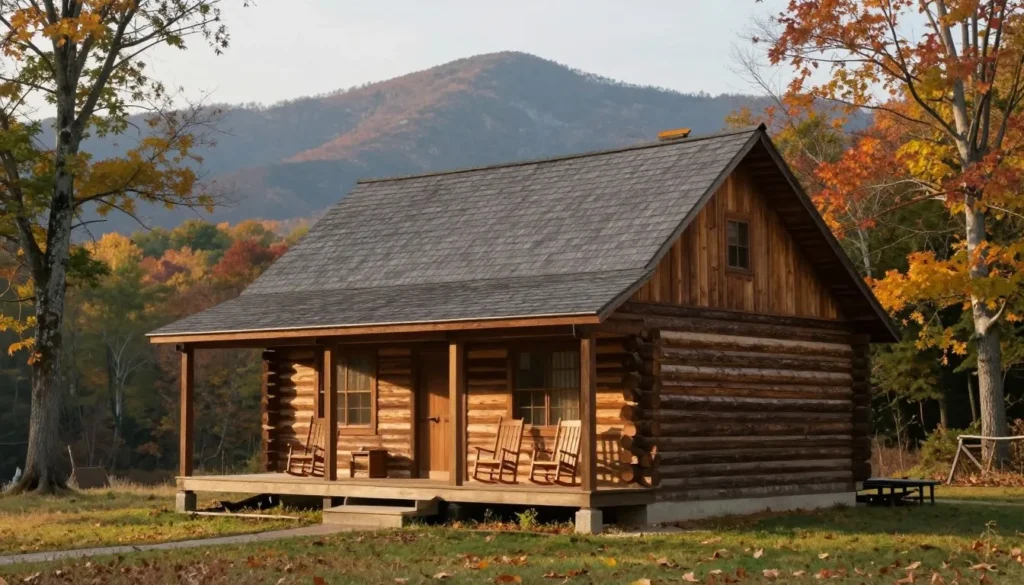
LeConte Lodge stands as the only indoor lodging within park boundaries. This rustic mountain retreat sits atop Mount LeConte at 1,981 meters (6,500 feet). Guests must hike at least 8 kilometers (5 miles) to reach it. The lodge operates from late March through November. Book one year in advance.
Gateway Communities
Gatlinburg and Pigeon Forge on the Tennessee side provide hundreds of hotels, cabins, and condos. These towns offer dining, entertainment, and shopping within minutes of park entrances. Cherokee on the North Carolina side presents a quieter alternative with strong cultural attractions.
Cabin rentals appeal to families and groups seeking more space and privacy. Properties range from cozy one-bedroom retreats to sprawling lodges accommodating large groups. Many feature hot tubs, full kitchens, and mountain views. Book several months ahead for peak season stays.
Budget travelers find value in motels along Highway 441 and Highway 321. These properties offer basic amenities at lower prices. National hotel chains cluster near major intersections, providing predictable comfort and amenities.
Dining & Local Cuisine
Appalachian culinary traditions emphasize hearty, flavorful dishes made from local ingredients. The region takes pride in Southern cooking with mountain influences. Gateway towns offer everything from casual diners to upscale restaurants.
Classic mountain cuisine includes dishes like trout, cornbread, biscuits with gravy, and country ham. Blackberry cobbler, apple butter, and stack cakes represent traditional desserts. Many restaurants source ingredients from local farms and foragers.
Dining Options
Pancake houses dominate breakfast culture in Gatlinburg and Pigeon Forge. These establishments serve massive portions of flapjacks, waffles, and Southern breakfast favorites. Expect lines during peak times, but service moves quickly.

Barbecue restaurants prepare pork, chicken, and ribs using regional techniques. Most feature both wet and dry rub styles. Side dishes like coleslaw, baked beans, and mac and cheese complete the meals. Family-style restaurants serve comfort food in generous portions. These spots work well for groups and families with varied tastes.
Cherokee offers authentic Native American cuisine at select restaurants. Try Indian fry bread, bean bread, and traditional stews. The cultural center houses a restaurant serving these specialties alongside contemporary options.
Picnic Opportunities
Pack lunches for day trips into the park. Numerous picnic areas provide tables and grills. This approach saves money and time while maximizing park exploration hours. Stock up on supplies in gateway towns before entering the park.
Attractions, Sightseeing & Activities
The Great Smoky Mountains National Park offers an overwhelming variety of things to see and do. Historic sites, scenic drives, and visitor centers provide excellent starting points. Each area of the park reveals different aspects of mountain culture and natural beauty.
Cades Cove
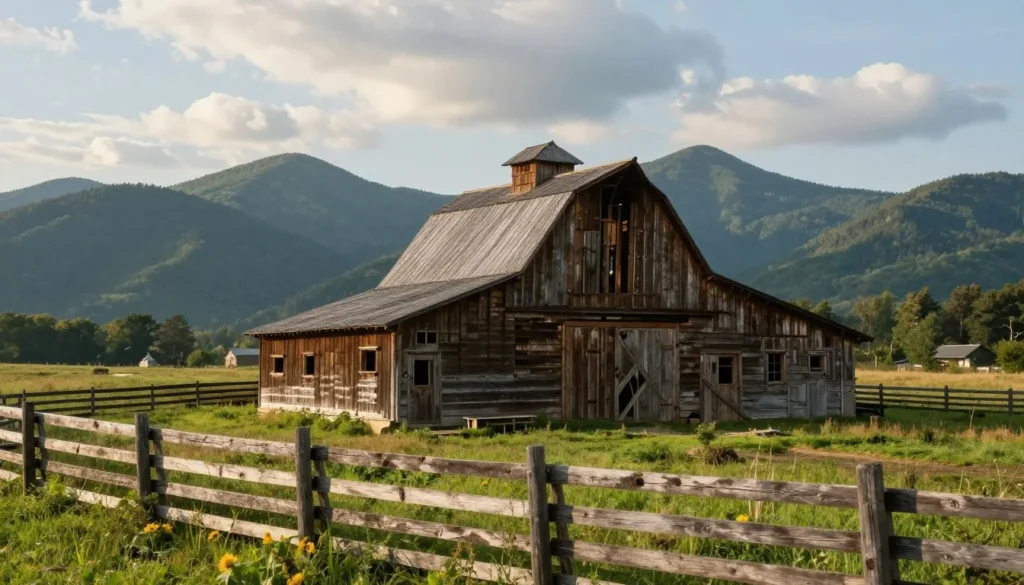
This preserved 19th-century valley showcases pioneer life through historic buildings and churches. The loop road winds past log cabins, barns, and grist mills. White-tailed deer and black bears frequently appear in the open fields. Plan three to four hours minimum for the complete circuit with stops.
Cable Mill area includes a working grist mill where rangers demonstrate corn grinding. The adjacent Visitor Center displays historical artifacts and photographs. Several short trails lead to additional historic structures scattered throughout the valley.
Newfound Gap
At 1,643 meters (5,389 feet), Newfound Gap marks the lowest pass through the Great Smoky Mountains. The overlook offers panoramic views of multiple mountain ridges fading into blue distance. A stone monument commemorates the park dedication by President Franklin Roosevelt in 1940.
The Appalachian Trail crosses the road at this spot. Hikers can walk short distances on this famous long-distance footpath. The location experiences significantly cooler temperatures than lower elevations, even in summer.
Roaring Fork Motor Nature Trail
This 9-kilometer (5.6-mile) one-way loop provides access to several waterfalls and historic buildings. The narrow, winding road passes through old-growth forest and alongside rushing mountain streams. Rainbow Falls and Grotto Falls trailheads begin along this route.
The trail remains closed during winter months, typically from late November through mid-March. Spring and summer showcase the area at its greenest, with rhododendron blooms creating spectacular displays in June.
Museums, Cultural Spots & Festivals
Understanding the region’s cultural heritage enriches any visit to the Great Smoky Mountains. Several excellent museums and cultural centers preserve and interpret mountain history. Cherokee heritage remains especially significant throughout the area.
Museum of the Cherokee Indian
Located in Cherokee, North Carolina, this museum chronicles Cherokee history from ancient times through the present. Interactive exhibits include artifacts, storytelling, and multimedia presentations. The Trail of Tears story receives thorough, respectful treatment. Plan two hours for a complete visit.

The museum store sells authentic Cherokee crafts made by local artisans. Purchases support the Eastern Band of Cherokee Indians and preserve traditional skills. Baskets, pottery, and beadwork represent popular items.
Mountain Farm Museum
This outdoor museum at Oconaluftee Visitor Center recreates a typical 19th-century mountain farmstead. Historic buildings relocated from throughout the park include a farmhouse, barn, apple house, and blacksmith shop. Rangers in period clothing demonstrate traditional farming and crafting techniques during summer months.
The adjacent Pioneer Cemetery contains graves dating back to early settlement days. Interpretive signs explain burial customs and family histories. The site offers excellent photography opportunities and educational value for all ages.
Sugarlands Visitor Center
This major facility on the Tennessee side features extensive natural history exhibits. Displays cover park geology, flora, fauna, and ecology. Rangers present programs throughout the day on various topics. A 20-minute orientation film introduces visitors to park highlights.
The bookstore offers field guides, maps, and educational materials. Proceeds support park programs and improvements. Plan 45 minutes to explore exhibits thoroughly before heading into the park.
Nature & Outdoor Experiences
The Great Smoky Mountains National Park protects incredible biodiversity. Over 19,000 documented species live within park boundaries, with scientists estimating another 80,000 remain uncataloged. This biological richness creates endless opportunities for nature observation and outdoor adventure.
Hiking Trails
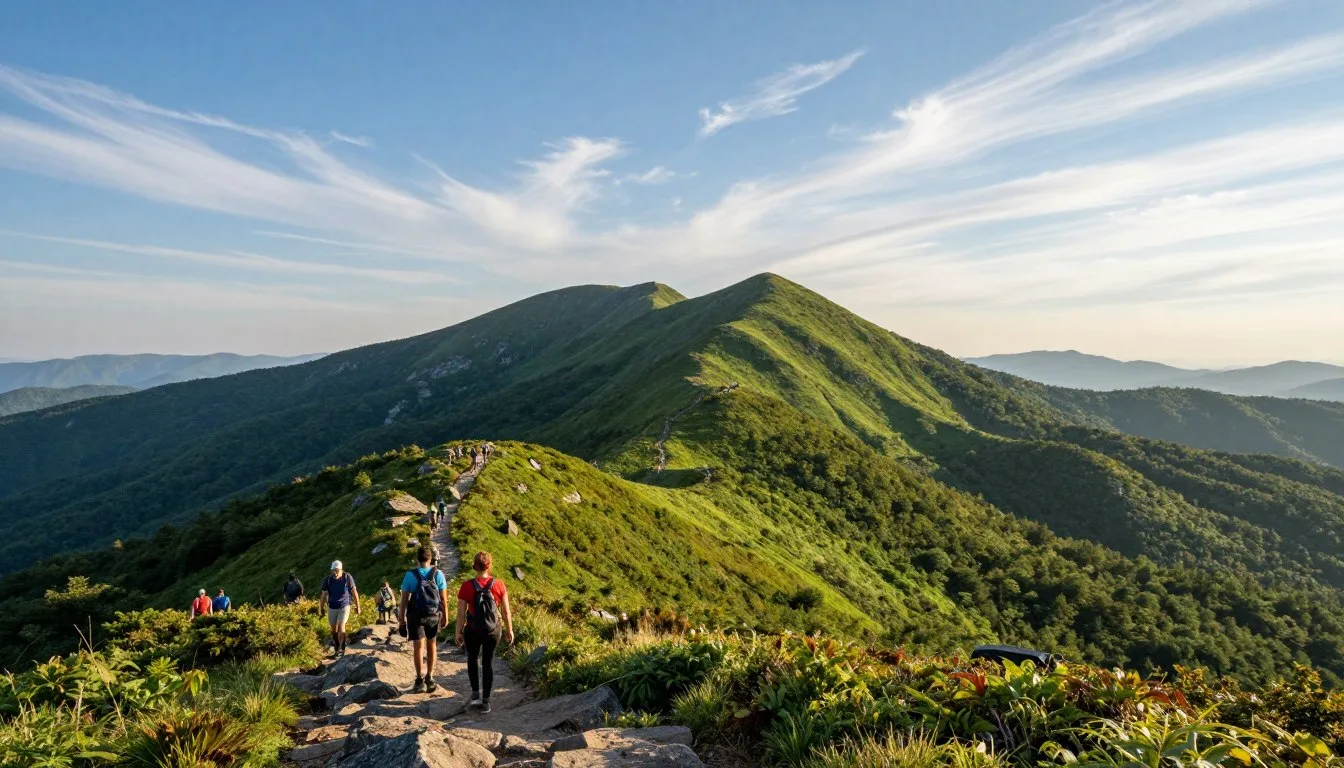
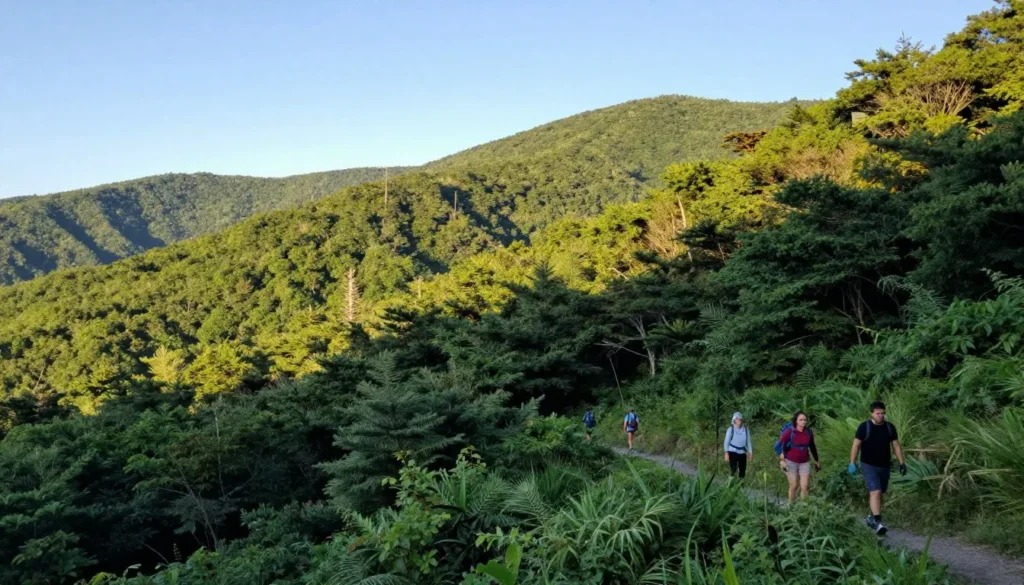
The park maintains over 1,287 kilometers (800 miles) of hiking trails. Options range from easy nature walks to challenging backcountry treks. Popular day hikes include Laurel Falls (4.2 km/2.6 miles round trip), Alum Cave Trail (8 km/5 miles round trip), and Rainbow Falls (8.7 km/5.4 miles round trip).

Alum Cave Trail stands out as a favorite among experienced hikers. The path climbs steadily through diverse ecosystems, passing Arch Rock and reaching stunning Alum Cave Bluff. From there, adventurous souls can continue to Mount LeConte summit, making it a 17.7-kilometer (11-mile) round trip with significant elevation gain.
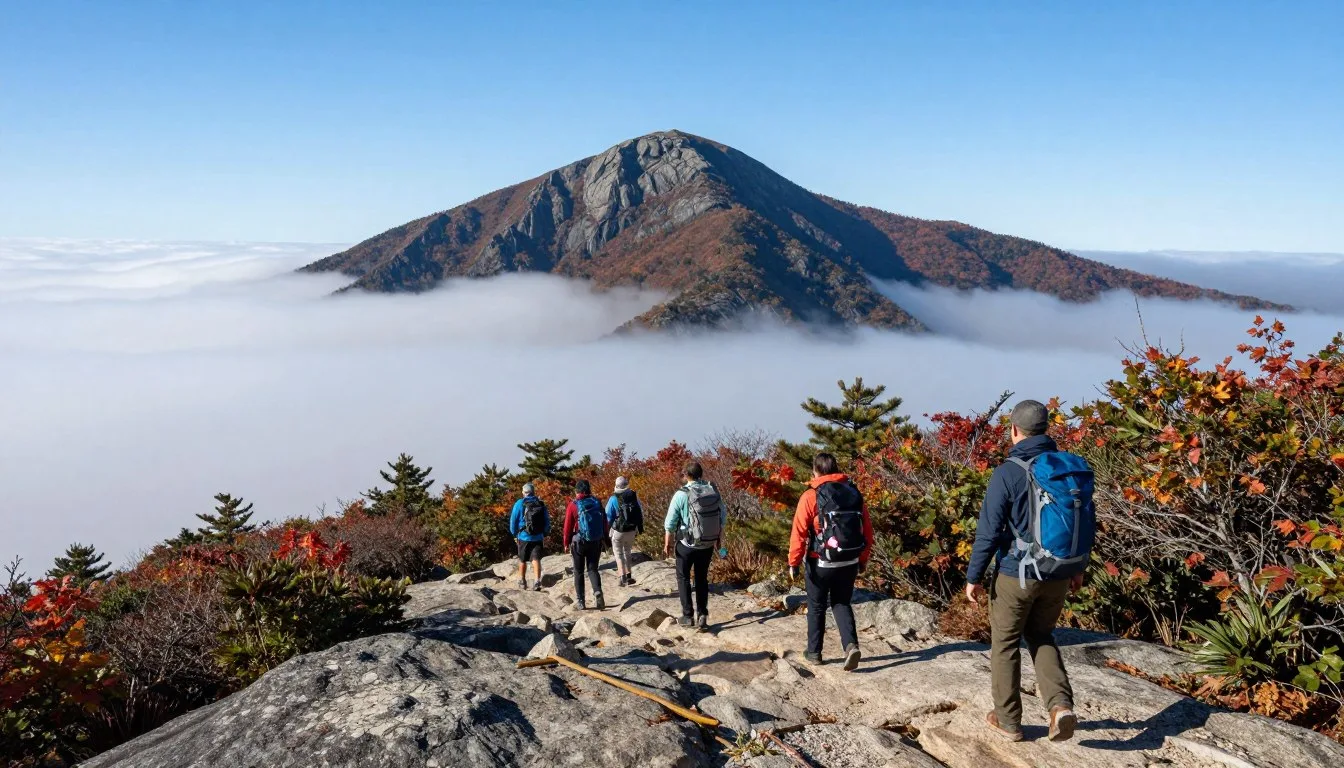
Chimney Tops Trail challenges hikers with a steep 3.2-kilometer (2-mile) round trip climb. The rocky summit provides 360-degree views of surrounding peaks. This popular trail gets crowded during peak season. Arrive early to secure parking and enjoy a less crowded experience.
Waterfalls
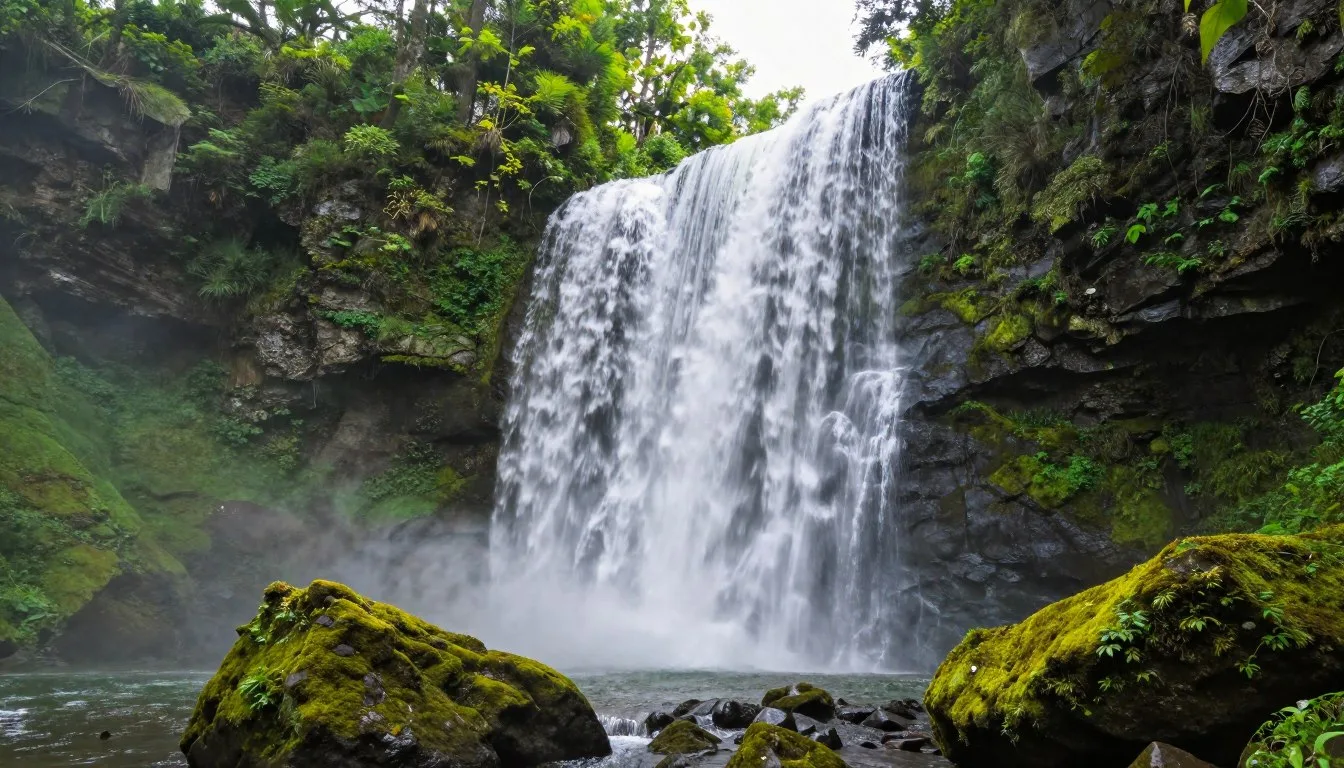
More than 100 named waterfalls cascade throughout the park. Laurel Falls is the most accessible, reached via a paved 2.1-kilometer (1.3-mile) trail suitable for most fitness levels. The falls drop 24 meters (80 feet) over rock ledges, creating beautiful photo opportunities.
Abrams Falls involves a moderate 8-kilometer (5-mile) round trip hike from Cades Cove. Despite being only 6 meters (20 feet) high, it produces tremendous water volume, creating a powerful display. The pool at the base appears inviting but swimming is prohibited due to dangerous currents.
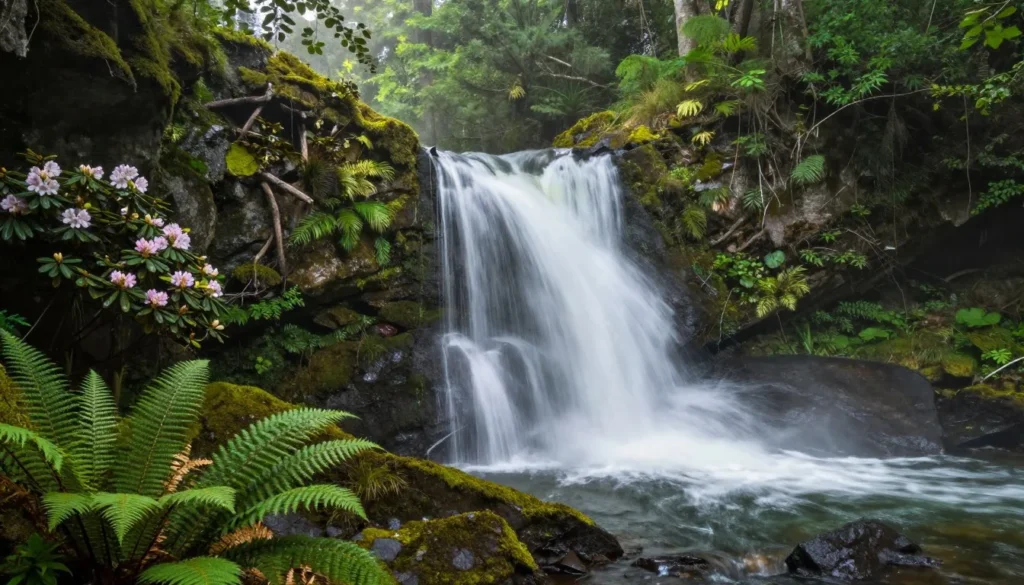
Grotto Falls offers unique appeal as the only trail that goes behind the waterfall. The 4.3-kilometer (2.7-mile) round trip passes through old-growth forest. The 8-meter (25-foot) falls create a magical walk-behind experience during normal water flow.
Wildlife Viewing
Black bears represent the park’s most famous residents. Population estimates suggest 1,500 bears roam these mountains, providing reasonable chances for sightings. Cades Cove, Roaring Fork Motor Nature Trail, and Newfound Gap Road offer prime viewing spots, especially during early morning and evening hours.
White-tailed deer appear frequently in open areas. Cades Cove hosts particularly large numbers. Wild turkeys strut through fields and forests. Elk were reintroduced to the area and now thrive in Cataloochee Valley on the North Carolina side.
Wildlife Safety: Maintain at least 46 meters (150 feet) distance from bears and elk, and 15 meters (50 feet) from deer. Never feed wildlife. Store all food properly. Approaching wildlife is illegal and dangerous for both animals and visitors.
Bird enthusiasts find 240 species recorded in the park. Spring and fall migration periods offer the greatest diversity. Warblers, tanagers, and thrushes fill forests with songs during breeding season. Higher elevations host species typically found much farther north.
Scenic Drives
Those preferring windshield views find plenty of scenic driving options. The 71-kilometer (44-mile) stretch of Newfound Gap Road provides constantly changing vistas. Numerous pullouts allow stops for photographs and short walks.
The Foothills Parkway offers spectacular mountain panoramas without park traffic congestion. This route runs along the northern edge, providing overlooks of the main mountain range. Several disconnected sections exist, with the eastern portion between Cosby and Interstate 40 being particularly scenic.
Travel With Children
The Great Smoky Mountains welcome families with children of all ages. Many activities suit young visitors perfectly. Planning with kids in mind ensures everyone enjoys the trip without frustration.
Junior Ranger programs engage children in learning about nature and history. Kids complete activity booklets available at visitor centers. Upon finishing, they receive badges and certificates from park rangers. These programs work well for ages 5 through 12.
Family-Friendly Trails
Short, easy trails work best for families with young children. The Sugarlands Valley Nature Trail near headquarters forms a level 0.8-kilometer (0.5-mile) loop. The Cataract Falls Trail provides a quick 1.3-kilometer (0.8-mile) walk to a small waterfall.

The Laurel Falls paved trail accommodates strollers, though the 2.1-kilometer (1.3-mile) distance proves challenging for some toddlers. Consider bringing a child carrier backpack for tired little legs. The payoff of reaching the waterfall motivates most children.
Creek Playing
Many families enjoy wading and playing in shallow creeks. The Middle Prong of the Little Pigeon River at Greenbrier offers safe shallow areas. Always supervise children closely near water. Currents can be deceptively strong even in shallow streams.
Practical Family Tips
Pack plenty of snacks and water for everyone. Hangry children make for miserable hikes. Bring extra clothing layers regardless of forecasts. Mountain weather changes quickly, and children get cold faster than adults.
Plan shorter activities than you think necessary. Young children need frequent breaks and bathroom stops. Many families find success alternating between active hiking days and easier sightseeing days. This pattern prevents exhaustion and maintains enthusiasm.
Money Saving Tips
Visiting the Great Smoky Mountains need not break the budget. Strategic planning helps families and solo travelers alike experience the park affordably. The biggest advantage is that park admission remains completely free.
Camping provides the most economical lodging option. Developed campgrounds cost between 17 and 25 dollars per night. Backcountry camping is free but requires permits and proper preparation. Even budget camping requires advance reservations during peak season.
Accommodation Savings
- Book accommodations in Cherokee for lower rates than Tennessee gateway towns
- Stay in nearby communities like Townsend or Maggie Valley for better value
- Visit during shoulder seasons when lodging prices drop significantly
- Split large cabin rentals among multiple families to share costs
Food and Activity Savings
- Pack picnic lunches instead of eating in restaurants for every meal
- Shop at grocery stores rather than convenience stores near park entrances
- Focus on free activities like hiking, wildlife viewing, and historic site visits
- Fill water bottles at visitor centers rather than buying bottled water
Visit during off-peak times for the best combination of savings and experience. Late May and early September offer pleasant weather with smaller crowds and lower lodging rates. Avoid the last two weeks of October when fall foliage draws maximum visitors and highest prices.
Many programs and ranger-led activities are completely free. Check visitor center schedules for guided walks, evening programs, and educational talks. These expert-led experiences provide tremendous value without any cost.
Safety & Local Customs
Mountain environments present unique hazards requiring awareness and preparation. Most visits proceed safely with proper planning and common sense. Understanding local expectations and customs also enhances interactions with residents.
Wilderness Safety
Stay on marked trails always. Getting lost happens easily in dense forest, and rescues require significant resources. Carry trail maps and know your route before starting any hike. Cell service is unreliable throughout most of the park.
Weather changes rapidly in mountains. Afternoon thunderstorms develop suddenly during summer months. Lightning poses serious danger on exposed ridges and peaks. Head down immediately if you hear thunder. Hypothermia can occur even in summer if you get wet and cold at high elevations.
Bear Safety: Store food properly in vehicles or bear-proof containers. Never approach bears regardless of size or apparent tameness. Make noise while hiking to avoid surprising bears. If you encounter a bear, back away slowly while facing the animal. Never run.
Streams and waterfalls cause numerous injuries and deaths. Wet rocks are extremely slippery. Never climb on or above waterfalls. People are swept over falls regularly. Strong currents exist even in shallow-looking water. Supervise children constantly near any water.
Local Customs
Southern hospitality remains strong in mountain communities. People generally are friendly and helpful. Simple courtesy goes a long way. Saying hello to fellow hikers on trails is standard practice.
Respect private property boundaries around the park. Some inholdings exist within park borders. Posted signs indicate private land. Many locals maintain strong traditions and religious beliefs. Respectful behavior is always appreciated.
Tipping follows standard American customs. Restaurant servers expect 15 to 20 percent. Leave a dollar or two per day for hotel housekeeping. Tour guides appreciate tips for good service, though it is not mandatory.
Visitor Comments About Great Smoky Mountains, North Carolina
D.N., Dearborn
“The fall colors exceeded every expectation. We hiked Alum Cave Trail and saw black bears in Cades Cove. Our cabin rental provided perfect mountain views. The only challenge was traffic, so we started early each day. Absolutely worth planning a return trip soon.”
✓ Check 30,000+ Local Sightseeing Tours Worldwide
L.V., Velika Gorica
“Visiting from Europe, I found the park incredibly accessible and well-maintained. The diversity of trails suited our mixed-ability group perfectly. Rangers were knowledgeable and helpful. Spring wildflowers created carpets of color everywhere. Free admission amazed us compared to parks back home.”
S.F., Scunthorpe
“Traveling with two young children went smoother than expected. Junior Ranger programs kept them engaged. Laurel Falls trail worked perfectly for their ages. We spotted deer, turkeys, and even a bear from safe distance. Gateway town attractions provided rainy day alternatives. A fantastic family destination.”
Additional Nearby Destinations
The region surrounding Great Smoky Mountains National Park offers numerous attractions worth exploring. Extending your trip by a few days allows discovery of additional mountain treasures and cultural sites.
Blue Ridge Parkway
This scenic highway connects Great Smoky Mountains to Shenandoah National Park, running 755 kilometers (469 miles) through mountain highlands. The southern terminus lies just outside Cherokee. Countless overlooks, hiking trails, and historic sites line the route. Many visitors combine Smoky Mountains and Blue Ridge Parkway into one extended trip.
Asheville, North Carolina
This vibrant city sits about 97 kilometers (60 miles) east of the park. Asheville is known for arts, crafts, and excellent restaurants. The Biltmore Estate, America’s largest private home, draws visitors with its Gilded Age grandeur and beautiful gardens. Downtown features galleries, breweries, and mountain culture.
Dollywood
Located in Pigeon Forge, this popular theme park combines rides, shows, and Appalachian culture. The park operates seasonally with special events throughout the year. Dollywood provides a fun contrast to nature-focused park activities. It works especially well for families with older children.
Nantahala National Forest
This vast forest southwest of the Smoky Mountains offers additional outdoor recreation. Whitewater rafting on the Nantahala River attracts adventure seekers. Hiking trails include waterfall walks and mountain summit climbs. The area remains less crowded than the national park.
Practical Travel Tips
Small details can make significant differences in trip quality. These practical considerations help smooth your Great Smoky Mountains adventure from start to finish.
Technology and Communication
Download offline maps before entering the park. Cell coverage is sporadic at best throughout most areas. GPS often fails to work properly. Paper maps from visitor centers provide reliable backup. Consider purchasing a National Geographic Trails Illustrated map for detailed trail information.
Portable phone chargers prove invaluable for photography and emergencies. Even without cell service, phones serve as cameras, flashlights, and GPS devices when preloaded with maps.
Packing Essentials
Layered clothing works best for changeable mountain weather. Pack a rain jacket regardless of forecast. Comfortable, broken-in hiking boots prevent blisters and provide necessary traction. Bring sunscreen even on cloudy days, as UV radiation increases with elevation.
Day Hike Checklist
- Water (more than you think you need)
- Snacks and trail food
- First aid kit
- Map and compass
- Flashlight or headlamp
- Whistle for emergencies
- Rain gear
- Extra layer for warmth
Pack insect repellent from April through October. Ticks are common in lower elevations and can carry diseases. Check yourself thoroughly after hikes. Mosquitoes become bothersome near water and in shaded areas during summer.
A small first aid kit should include bandages, pain relievers, and any personal medications. Blisters, minor scrapes, and headaches are common minor issues easily managed with basic supplies.
Visitor Center Information
Stop at a visitor center early in your trip. Rangers provide current trail conditions, weather forecasts, and wildlife sighting reports. They can recommend hikes matching your fitness level and interests. Maps, permits, and educational materials are available.
Sugarlands Visitor Center on the Tennessee side and Oconaluftee Visitor Center on the North Carolina side are the largest facilities. Both offer extensive exhibits, bookstores, and restrooms. Smaller contact stations exist throughout the park at popular areas.
Park Information: For current conditions, road closures, and general trip planning assistance, contact the park headquarters. Rangers can answer questions about hiking, camping, and safety. Call ahead to check seasonal facility operations and road status.
Respect and Preservation
Leave No Trace principles protect the park for future generations. Carry out all trash, even biodegradable items like orange peels. Stay on designated trails to prevent erosion and habitat damage. Never remove rocks, plants, or historical artifacts.
Photography is encouraged, but use caution around wildlife. Approaching animals for photos is illegal and dangerous. Use zoom lenses rather than getting closer. Drones are prohibited throughout the entire national park.
These ancient mountains have welcomed visitors for generations. Treating the park with respect ensures it remains pristine and wild for centuries to come.
Great Smoky Mountains National Park Location
Your Smoky Mountains Adventure Awaits
The Great Smoky Mountains stand ready to create memories that last a lifetime. Ancient peaks wrapped in blue mist beckon with promises of adventure, tranquility, and natural wonder. Whether you seek challenging hikes to remote waterfalls or peaceful drives through historic valleys, these mountains deliver experiences that speak to the soul.
Each season paints the landscape in different colors and moods. Spring wildflowers carpet forest floors while summer’s green canopy shelters cool trails. Fall transforms mountains into blazing tapestries of gold and crimson. Winter’s quiet solitude offers those willing to brave the cold a raw beauty few witness.
The park asks nothing more than respect and wonder in return for its gifts. Come prepared, stay safe, and leave only footprints. The Smokies have welcomed visitors for countless generations and will continue their silent vigil over ancient valleys and soaring peaks for generations yet unborn. Your turn to experience their magic awaits.