Hotels by Trip.com
Flights by Trip.com
Did you know the Bear River Range contains over 400 documented limestone caves, making it one of North America’s most extensive karst systems? This geological wonderland stretches across southeastern Idaho and northern Utah, offering adventures that most travelers never discover.
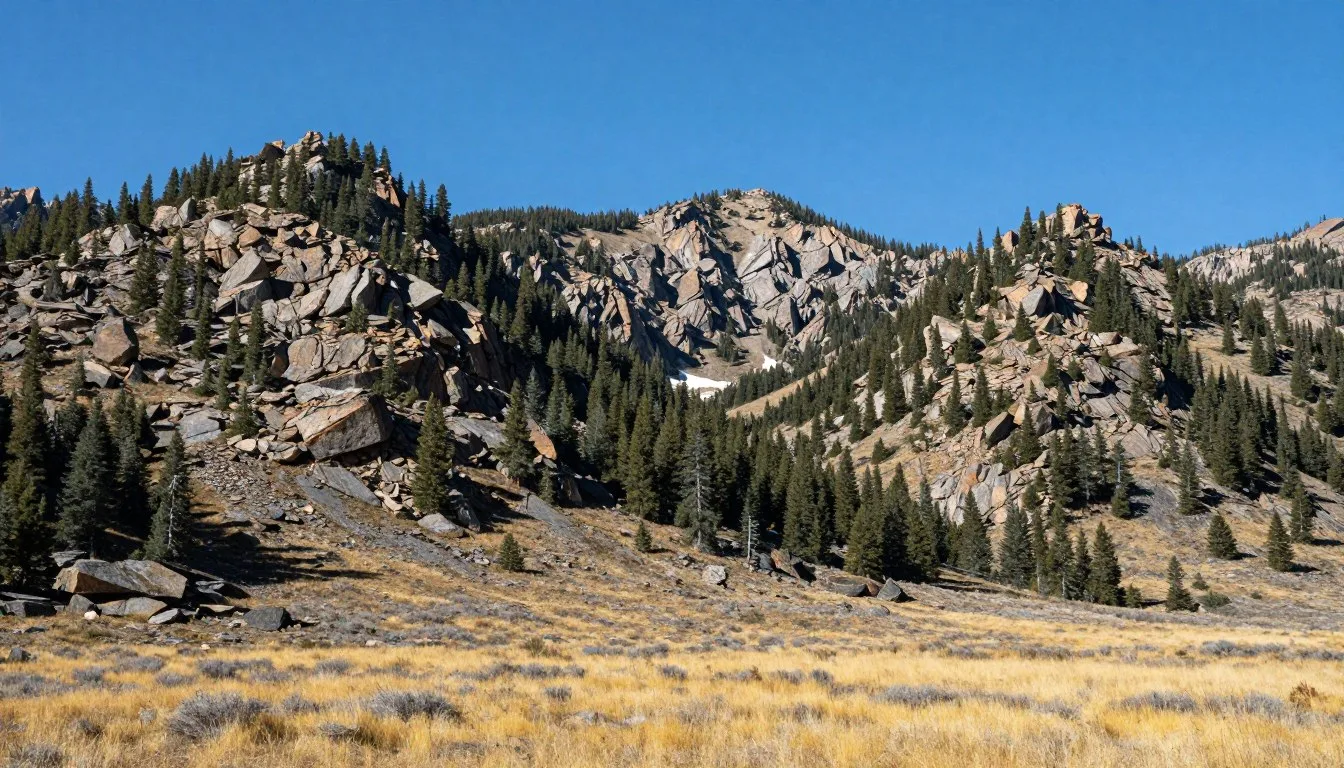
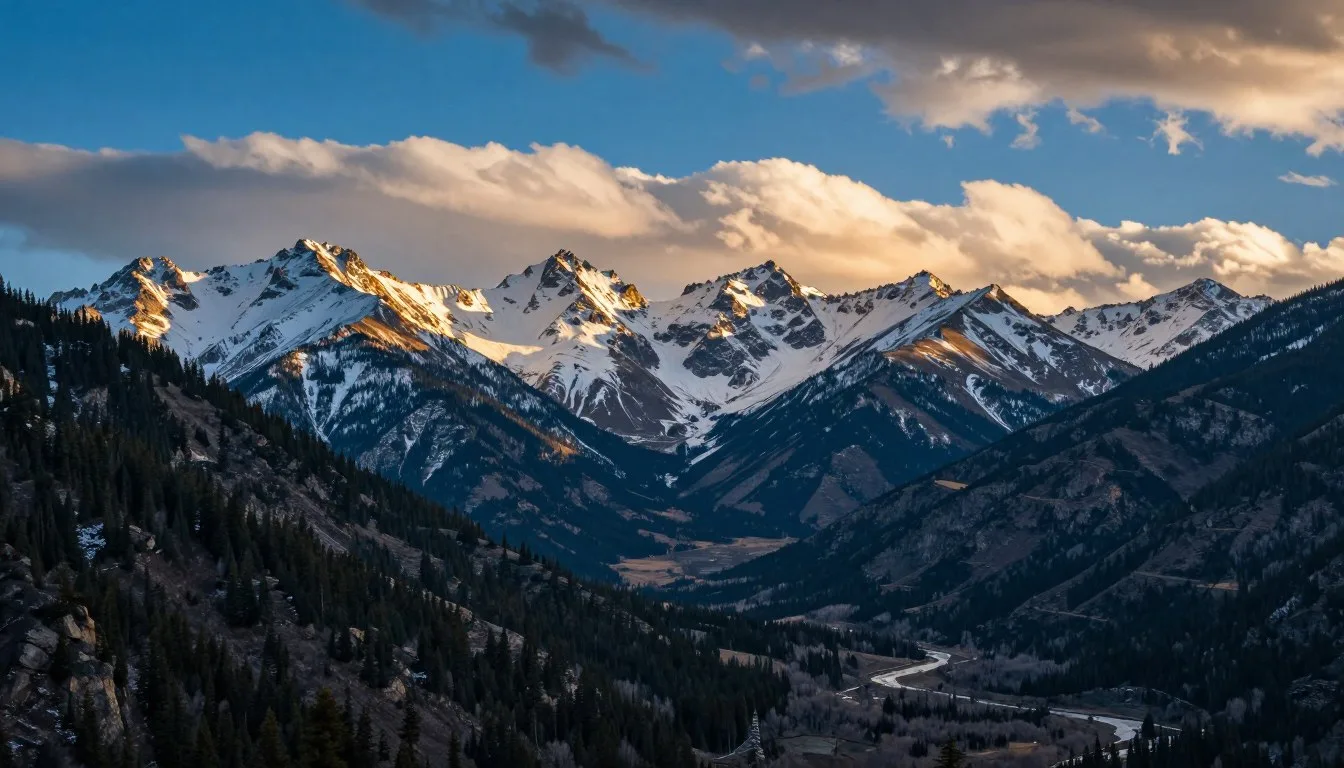
The Bear River Range forms a magnificent backbone through Cache Valley. These mountains rise dramatically from valley floors to alpine peaks exceeding 3,048 m (10,000 ft). Ancient limestone formations create unique ecosystems found nowhere else on Earth.
This comprehensive guide reveals everything you need to explore this mountain paradise. You’ll discover hidden trails, pristine wilderness, and authentic Western hospitality. The Bear River Range awaits with experiences that transform casual visitors into lifelong devotees.
Getting There and Planning Your Journey
Reaching the Bear River Range requires strategic planning. Multiple access points serve different areas of this expansive mountain range. Your gateway depends on which section you plan to explore.
Closest Airports
Salt Lake City International Airport (SLC) serves as the primary hub for Bear River Range visitors. Located 129 km (80 miles) south of Logan, this major airport offers connections worldwide. The drive north through Cache Valley provides stunning mountain views.
Idaho Falls Regional Airport (IDA) sits 161 km (100 miles) northeast. This smaller facility serves the northern Bear River Range beautifully. Pocatello Regional Airport (PIH) offers another option 113 km (70 miles) northwest.
Major Access Routes
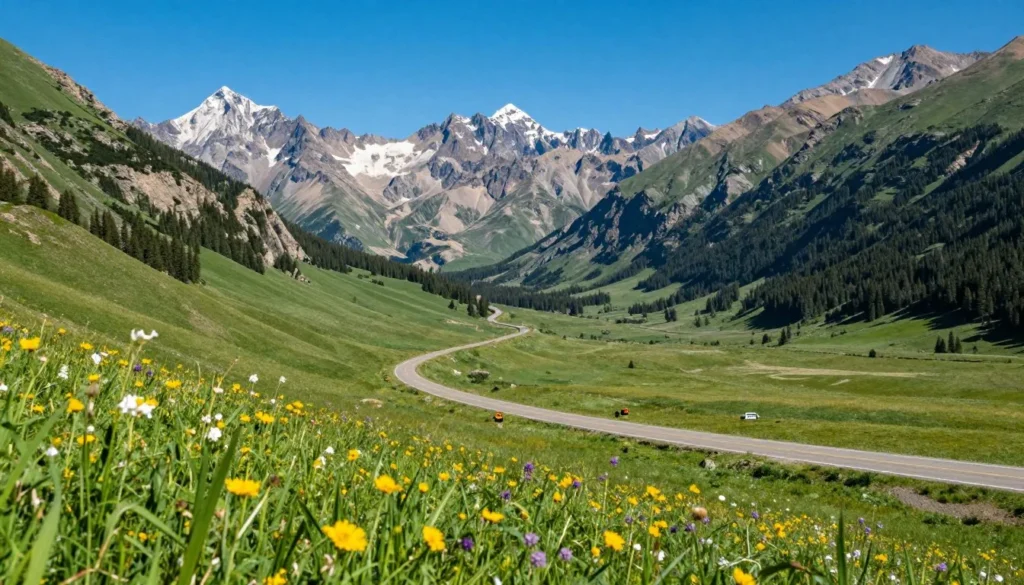
Highway 89 provides the main north-south corridor through Cache Valley. This scenic route connects Logan, Utah with Montpelier, Idaho. Dozens of canyon roads branch east into the mountains from this highway.
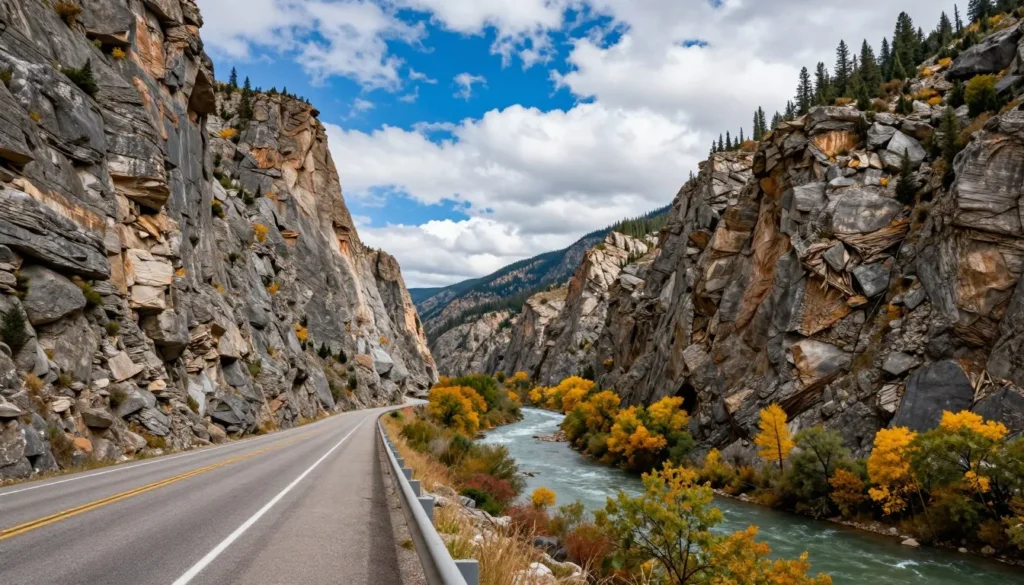
Logan Canyon (Highway 89) cuts directly through the Bear River Range. This breathtaking 64 km (40 mile) drive connects Logan to Bear Lake. Towering limestone cliffs line the route throughout the journey.
Blacksmith Fork Canyon offers another spectacular eastern approach. This route leads to Hardware Ranch and multiple trailheads. Franklin Basin Road provides northern access from Preston, Idaho.
Primary Trailheads
- Tony Grove Lake – Elevation 2,438 m (8,000 ft)
- Temple Fork – Popular year-round access
- Right Hand Fork – Less crowded alternative
- Green Canyon – Close to Logan city
- Millville Canyon – Family-friendly trails
Essential Planning Tips
- Book accommodations 2-3 months ahead for summer
- Download offline maps before entering remote areas
- Fill gas tanks in Logan or Preston
- Check road conditions for canyon routes
- Carry physical maps as backup navigation
Cache Valley Visitors Bureau provides excellent pre-trip resources. Their staff offers current trail conditions and activity recommendations. Contact them for personalized assistance planning your mountain adventure.
Best Time to Visit and Weather Tips
The Bear River Range transforms dramatically with each season. Weather patterns vary significantly with elevation. Understanding these changes helps you plan the perfect visit.
Best Time to Visit Bear River Range Utah
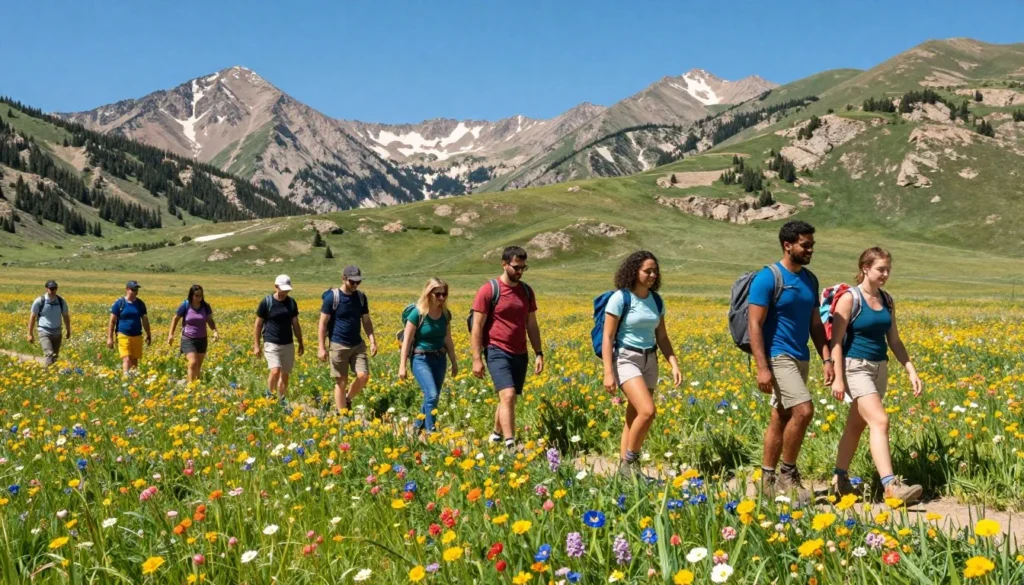
Late June through September offers the most accessible conditions. Summer months provide full trail access throughout the range. Wildflowers peak in July, painting alpine meadows with vibrant colors.
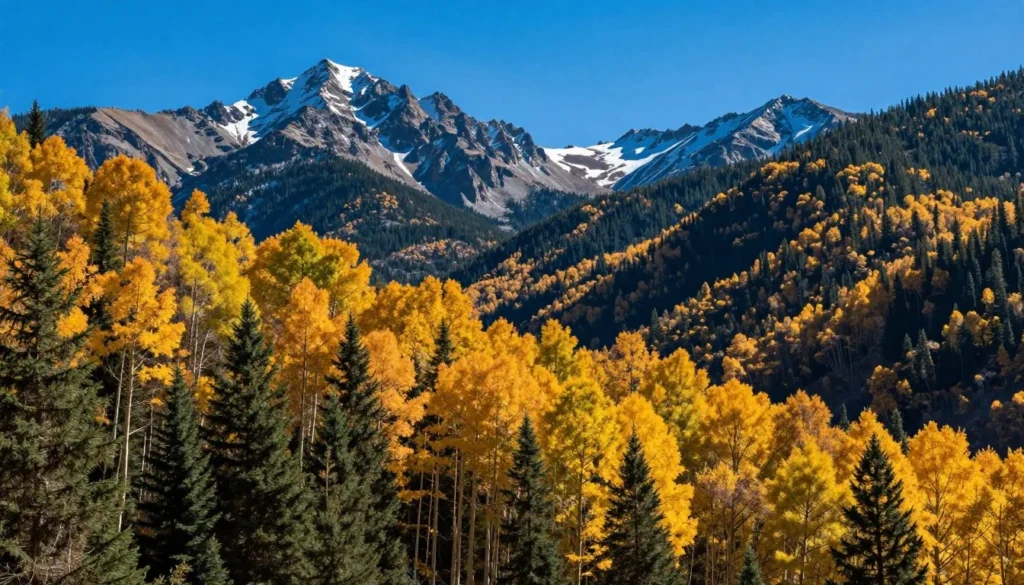
September delivers exceptional experiences with fewer crowds. Autumn colors explode across mountain slopes during this month. Early fall weather remains stable with comfortable temperatures.
Seasonal Breakdown
Spring (April-May)
Lower elevation trails become accessible first. Snowmelt creates rushing waterfalls throughout canyons. Higher peaks remain snow-covered until late May.
Temperatures range from 7°C to 18°C (45°F to 65°F) in valleys. Afternoon thunderstorms develop frequently. Mud season affects many mountain roads.
Summer (June-August)
Peak season brings warm, stable weather. Daytime temperatures reach 24°C to 29°C (75°F to 85°F) in valleys. Mountain peaks stay 10-15 degrees cooler.
Afternoon thunderstorms occur regularly in mountains. Morning starts clear most days. This represents the busiest visitor period.
Fall (September-October)
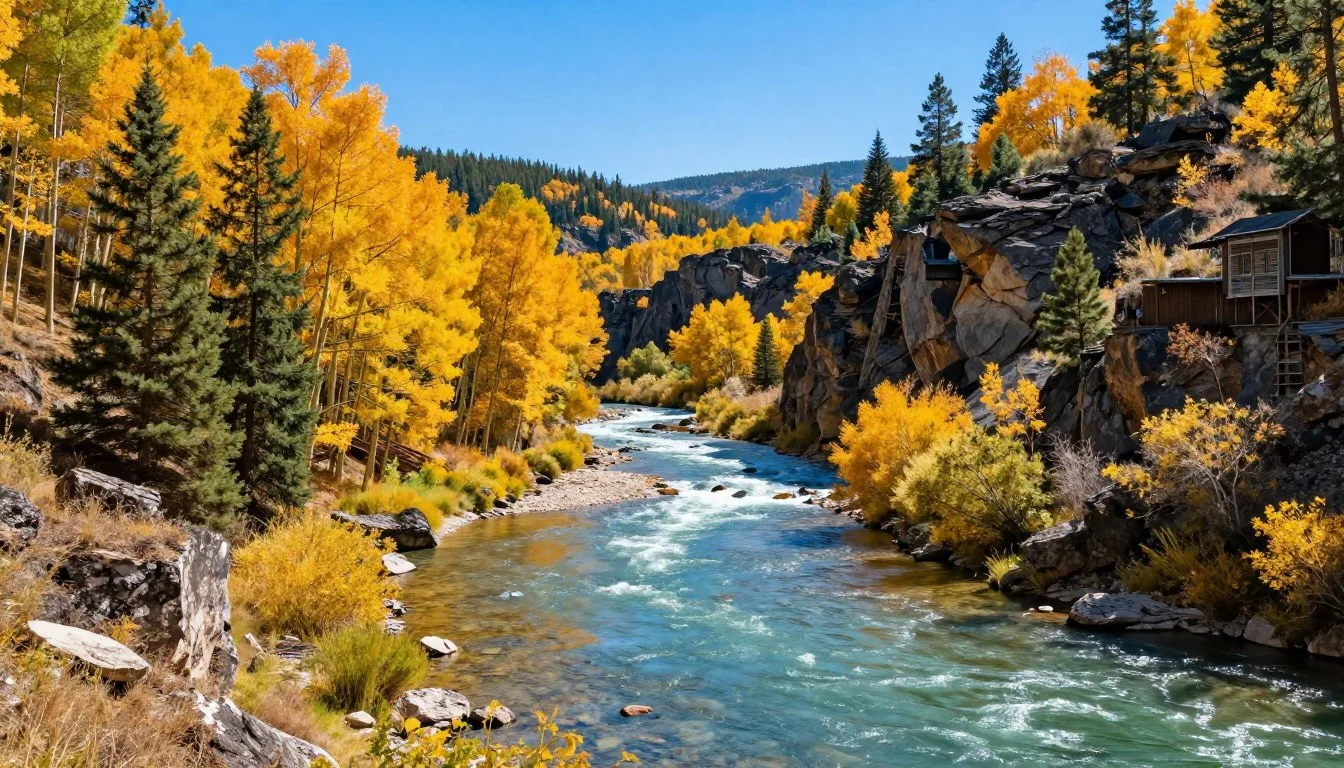
Golden aspens blanket mountainsides throughout September. Cooler temperatures range from 10°C to 21°C (50°F to 70°F). Early snowfall possible at high elevations.
Crowds diminish significantly after Labor Day. Wildlife viewing improves as animals prepare for winter. Crystal-clear air enhances mountain views.
Winter (November-March)
Snow blankets the entire Bear River Range. Valley temperatures drop to -7°C to 2°C (20°F to 35°F). Mountain summits experience extreme cold and wind.
Backcountry skiing and snowshoeing opportunities abound. Access requires specialized equipment and avalanche knowledge. Many canyon roads close until spring.
Months to Avoid
Late March through early May brings unpredictable conditions. Road closures and trail access limitations frustrate visitors. Mud season makes hiking unpleasant.
November offers limited activities as ski season hasn’t started. Early winter storms create hazardous driving conditions. Most facilities operate reduced hours.
Ideal Timing
July offers maximum trail access and stable weather. September provides excellent conditions with fewer visitors. Mid-June catches late wildflower blooms.
Plan midweek visits to avoid weekend crowds. Book accommodations well in advance for peak summer. Shoulder seasons offer the best value.
Weather Patterns
Mountain weather changes rapidly throughout the year. Morning sunshine often gives way to afternoon thunderstorms in summer. Always pack layers regardless of season.
Winter storms dump impressive snowfall across the range. Annual precipitation averages 127 cm (50 inches) in valleys. Higher elevations receive over 254 cm (100 inches) annually.
Spring runoff peaks in May and early June. Rivers and streams swell with melting snow. Water crossings become challenging during this period.
Weather Safety Tip: Afternoon thunderstorms develop quickly in summer months. Start alpine hikes early and plan to descend by 2 PM. Lightning poses serious risks above treeline.
Notable Annual Festivals
The Bear River Range region celebrates its mountain heritage through various annual events. These festivals showcase local culture, outdoor recreation, and community spirit. Plan your visit around these popular gatherings.
Cache Valley Cruise-In
This classic car show transforms Logan each June. Over 800 vintage automobiles line Main Street. The event attracts enthusiasts from throughout the United States.
Street performers and live music fill downtown Logan. Food vendors offer regional specialties alongside classic festival fare. The three-day event typically occurs mid-June.
Festival of the American West
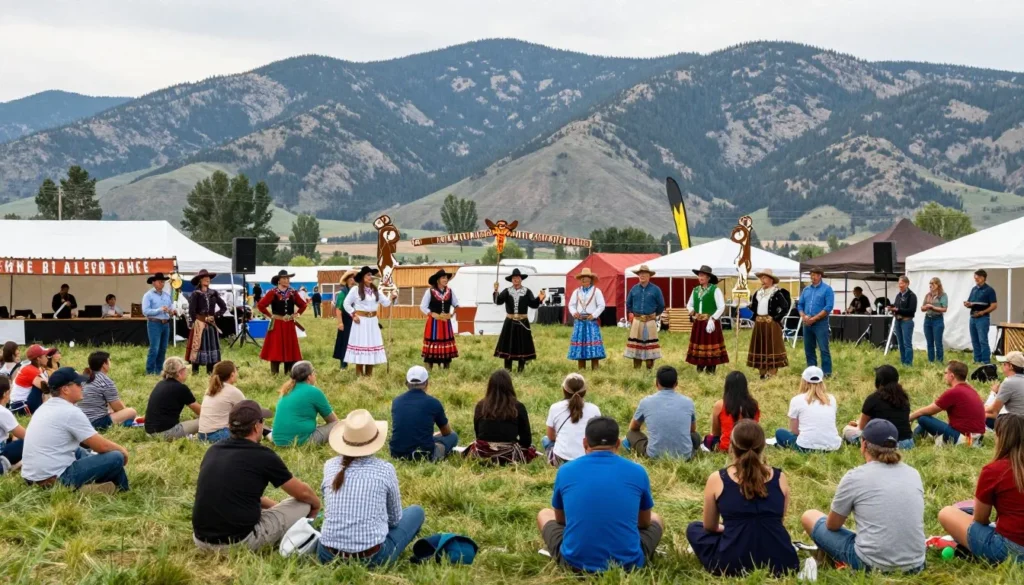
American West Heritage Center hosts this premier summer event. The festival runs for three days in late July. Living history demonstrations bring pioneer life to reality.
Dutch oven cooking competitions showcase traditional outdoor cuisine. Western music performances continue throughout each day. Native American cultural presentations provide educational experiences.
Summerfest Art Faire
Logan’s premier art festival occurs each August. Local and regional artists display works throughout downtown. The juried show features over 100 artists annually.
Live music performances accompany the art displays. Children’s activities include hands-on art projects. The event spans an entire weekend in early August.
Hardware Ranch Sleigh Rides
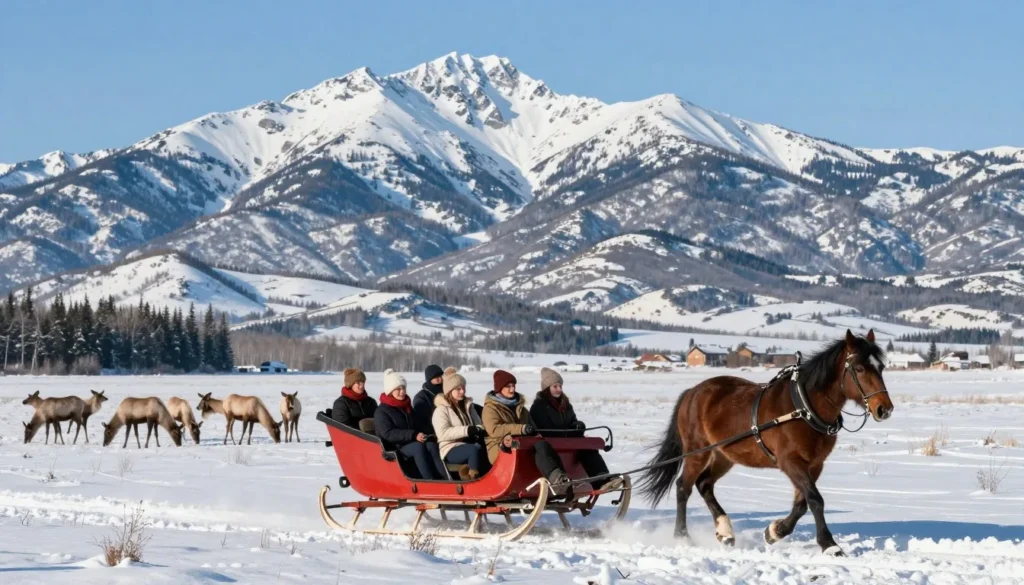
Winter brings this unique wildlife viewing experience. Horse-drawn sleigh rides travel through elk feeding grounds. The season runs from late December through February.
Hundreds of elk gather at Hardware Ranch each winter. Visitors can observe these magnificent animals up close. Advance reservations are strongly recommended for weekends.
Bear Lake Raspberry Days
Garden City hosts this beloved August tradition. The festival celebrates the region’s famous raspberries. Events span four days during the first week of August.
Raspberry shakes have become legendary throughout the area. The rodeo attracts top regional competitors. A parade, carnival, and fireworks complete the festivities.
Spring Events
- Smithfield Spring Opener – April
- Cache Valley Gardeners Market – May opening
- Logan River Trail Half Marathon – May
- Memorial Day Mountain Runs – Late May
Fall Celebrations
- Cache County Fair – September
- Logan Canyon Fall Colors Festival – October
- Harvest Moon Celebration – September
- Halloween activities throughout valley – October
Getting Around Locally
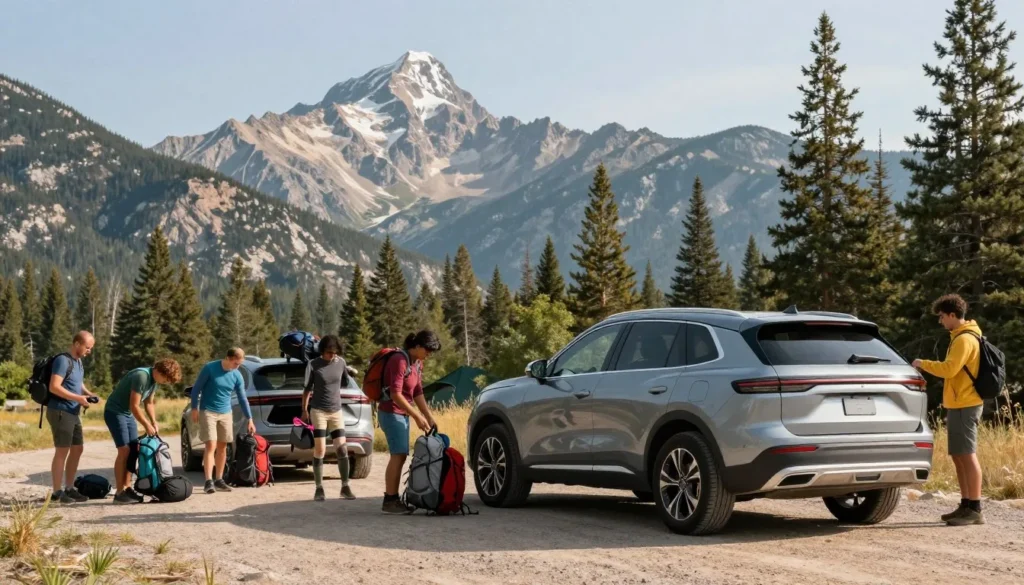
Navigating the Bear River Range area requires personal transportation. Public transit serves Logan city limits but doesn’t reach mountain trailheads. Most visitors rely on private vehicles for maximum flexibility.
Vehicle Rentals
Salt Lake City airport offers the widest vehicle selection. Major rental companies maintain counters at the terminal. Reserve vehicles well in advance during peak summer months.
Logan has limited local rental options. Enterprise and Budget operate offices in the city. Four-wheel drive vehicles suit backcountry exploration better than standard cars.
Canyon Road Navigation
Most canyon roads follow rivers through the mountains. Logan Canyon Highway remains paved and well-maintained year-round. Other routes transition to gravel at higher elevations.
Blacksmith Fork Canyon provides excellent access to multiple trailheads. The paved section extends to Hardware Ranch. Beyond that point, high-clearance vehicles perform better.
Franklin Basin Road connects Preston, Idaho with Tony Grove. This scenic route crosses the northern Bear River Range. Summer-only access limits use to June through October.
Road Condition Resources
- Utah Road Conditions – dial 511 before departure
- Idaho 511 – northern route updates
- Forest Service websites – backcountry roads
- Local ranger stations – current closures
- Weather forecasts – storm predictions
Parking Considerations
- Popular trailheads fill early on weekends
- Arrive before 8 AM for best spaces
- Display recreation passes at all sites
- Overnight parking restricted at some locations
- Winter requires snow tires or chains
Bike Transportation
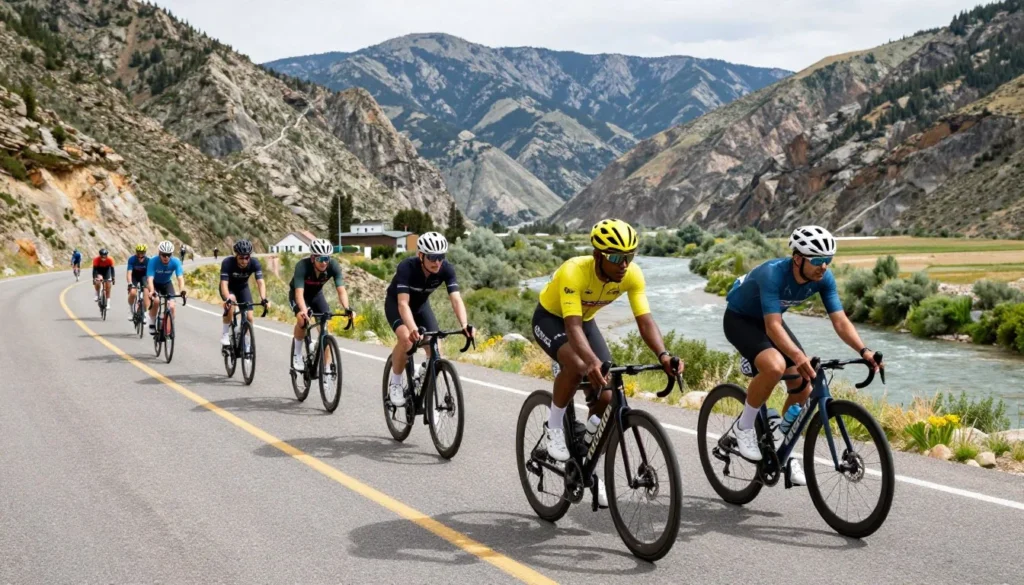
Cycling enthusiasts tackle Logan Canyon regularly. The highway offers wide shoulders most of the route. Steep grades challenge riders throughout the canyon.
Mountain biking trails branch from canyon roads throughout the range. Shuttle services help riders access downhill routes. Several local shops rent quality mountain bikes.
Walking and Shuttles
Logan operates a free public bus system called CVTD. Routes serve the city but don’t reach canyon areas. The university campus connects to downtown Logan easily.
Some outdoor retailers offer shuttle services for specific trails. These arranged rides suit backpackers doing point-to-point hikes. Private shuttle companies operate seasonally for popular routes.
Navigation Tip: Cell phone coverage disappears in many canyon areas. Download offline maps before leaving Logan. Carry paper maps as backup navigation tools.
Where to Stay
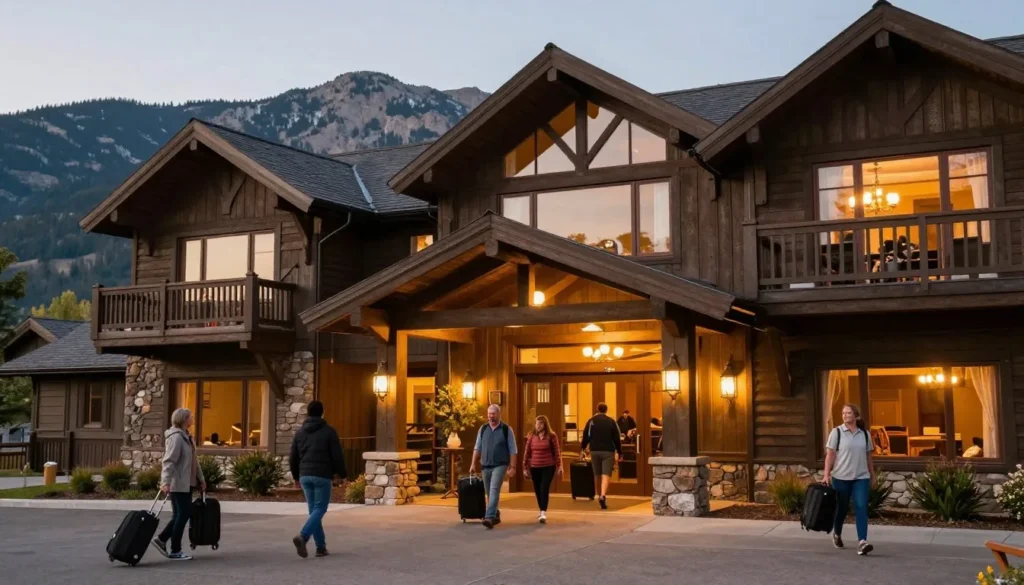
Lodging options range from luxury hotels to primitive campsites. Logan serves as the primary base for Bear River Range exploration. Smaller communities offer additional choices throughout Cache Valley.
Logan Hotels and Motels
Downtown Logan features several comfortable hotel chains. Hampton Inn and Springhill Suites provide modern amenities. These properties place guests near restaurants and shopping.
The University Inn sits adjacent to Utah State University campus. This historic property offers charm and convenient downtown location. Rooms book quickly during university events and graduation.
Vacation Rentals
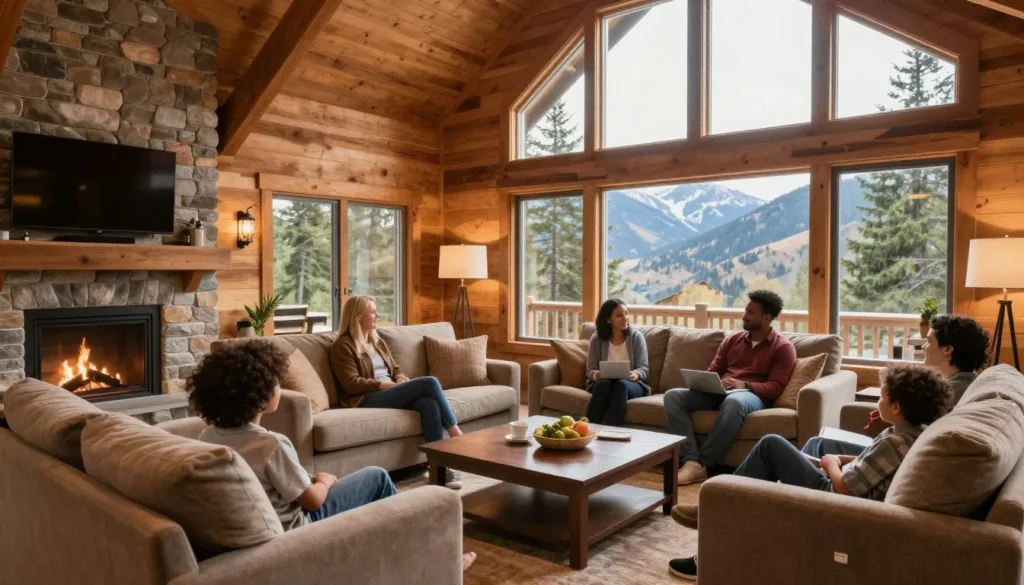
Bear Lake area offers numerous vacation rental homes. These properties suit families and larger groups perfectly. Many rentals provide lake access and mountain views.
Garden City concentrates most Bear Lake vacation rentals. Properties range from simple cabins to luxury lake homes. Summer bookings require reservations months in advance.
Logan Canyon contains several rental cabins near trailheads. These rustic accommodations offer authentic mountain experiences. Most lack modern conveniences but provide unmatched access.
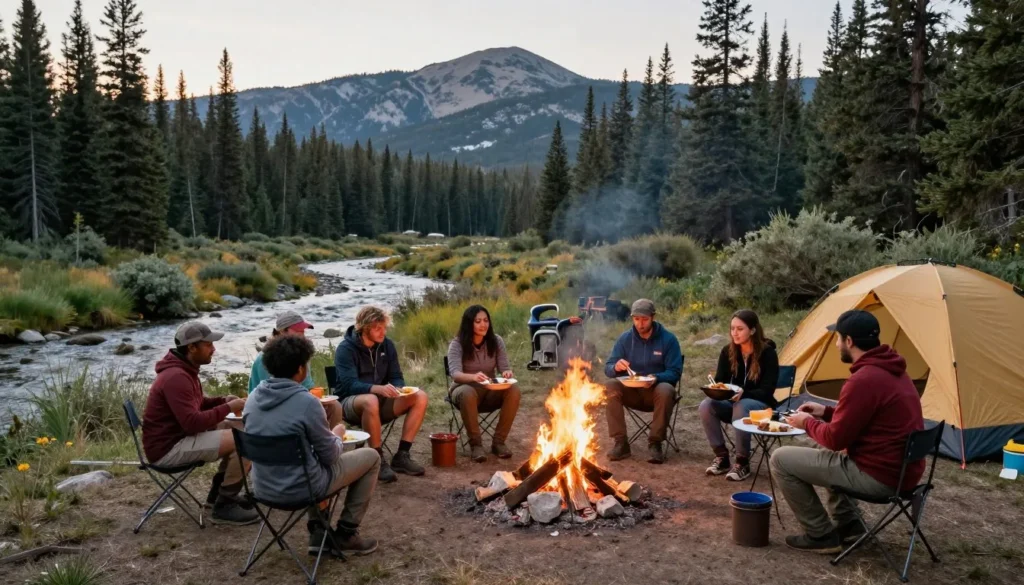
Camping Options
National Forest campgrounds dot the entire Bear River Range. These developed sites offer basic amenities like vault toilets. Most sites operate on first-come, first-served basis.
Tony Grove Campground sits at 2,438 m (8,000 ft) elevation. The alpine setting provides incredible scenery and trail access. Twenty-six sites accommodate tents and small RVs.
Sunrise Campground in Logan Canyon serves RV and tent campers. Twenty-seven sites nestle among pines along Logan River. This popular campground fills quickly on summer weekends.
Developed Campgrounds
- Tony Grove – Alpine setting
- Sunrise – River access
- Lewis Lake – Remote location
- Spring Hollow – Near Bear Lake
- Guinevah-Malibu – Large sites
RV Parks
- Riverside RV Park Logan – Full hookups
- Bear Lake KOA – Family amenities
- Hidden Paradise RV – Mountain setting
- Hyrum State Park – Lake access
- Bridgerland RV Park – Convenient Logan location
Backcountry Camping
- Dispersed camping allowed in national forest
- Camp 61 m (200 ft) from water sources
- Pack out all trash and waste
- Fire restrictions vary by season
- Bear canisters recommended for food storage
Budget Accommodations
Super 8 and Motel 6 provide economical Logan lodging. These properties offer clean, basic rooms near highway access. Rates stay reasonable even during peak summer season.
Youth hostels don’t exist in the immediate area. Budget travelers often choose camping instead. National Forest campsites cost only nominal fees nightly.
Luxury Options
Bear Lake region contains several upscale rental properties. These homes feature premium amenities and spectacular views. Private hot tubs and lake access command premium rates.
Historic Providence Inn offers bed and breakfast elegance. This restored mansion sits south of Logan. Gourmet breakfasts and personalized service attract romantic getaways.
For camping reservations at popular sites, contact the Forest Service early. Summer weekends book months ahead for the best locations.
Dining and Local Cuisine
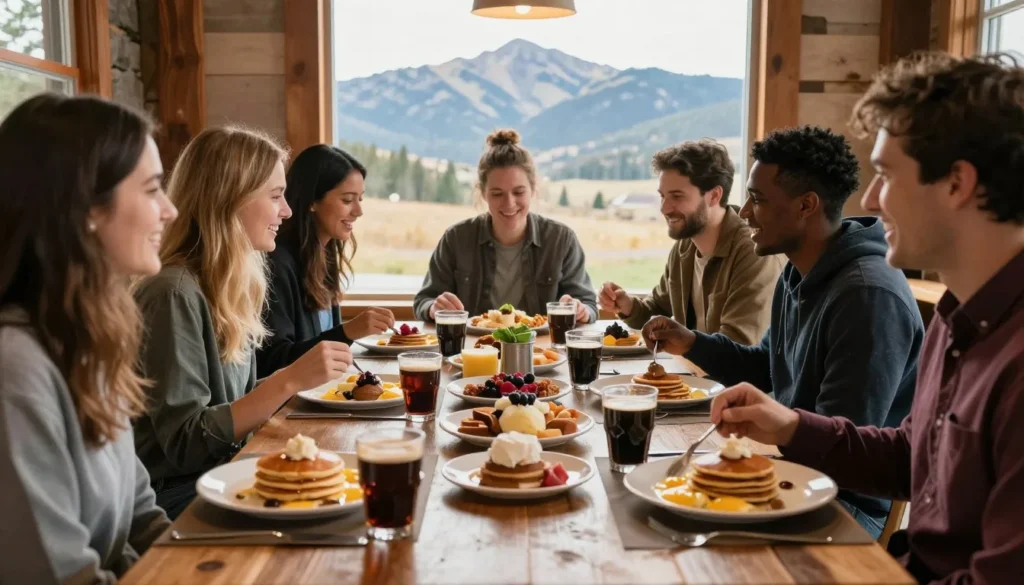
Cache Valley’s dining scene blends Western traditions with university town diversity. Logan offers the widest restaurant selection throughout the region. Local specialties reflect ranching heritage and mountain culture.
Logan Restaurants
Elements Restaurant serves upscale American cuisine downtown. The chef emphasizes locally sourced ingredients and seasonal menus. Reservations help secure tables during weekend evenings.
Bluebird Restaurant occupies a historic building on Main Street. This Logan institution has served comfort food since 1914. Their homemade pies attract devoted followers from throughout the valley.
Le Nonne Italian restaurant brings authentic flavors to Logan. Family recipes guide their traditional preparations. The cozy atmosphere suits romantic dinners perfectly.

Bear Lake Dining
Bear Lake raspberry shakes have achieved legendary status. LeBeau’s Drive-In started this tradition decades ago. The thick, creamy shakes use fresh local raspberries.
Copper Mill Restaurant in Garden City serves lakeside dining. Fresh fish and steaks dominate the menu. Large windows overlook the brilliant turquoise water.
Hometown Drive-In offers classic American fare with personality. Their burgers and hand-cut fries satisfy hungry outdoor enthusiasts. The casual atmosphere welcomes families and groups.

Local Specialties
Rocky Mountain oysters appear on menus throughout the region. These breaded and fried delicacies represent authentic ranch cuisine. Not everyone appreciates this adventurous offering.
Fry sauce originated in Utah and accompanies most meals. This pink condiment mixes mayonnaise and ketchup. Locals consider it essential with french fries.
Funeral potatoes showcase Mormon culinary traditions. This cheesy potato casserole appears at community gatherings. The rich, creamy dish satisfies hearty appetites.
Breakfast Favorites
- The Beehive Grill – Generous portions
- Herm’s Inn – Classic diner atmosphere
- Crumb Brothers Bakery – Artisan pastries
- Caffe Ibis – Local roasted coffee
- Jack’s Wood Fired Oven – Weekend brunch
Quick Bites
- Even Stevens Sandwiches – Fresh ingredients
- Firehouse Pizzeria – Creative pies
- Tandoori Oven – Indian cuisine
- La Tormenta – Mexican favorites
- Wasatch Bagel and Grill – New York style
Farmers Markets
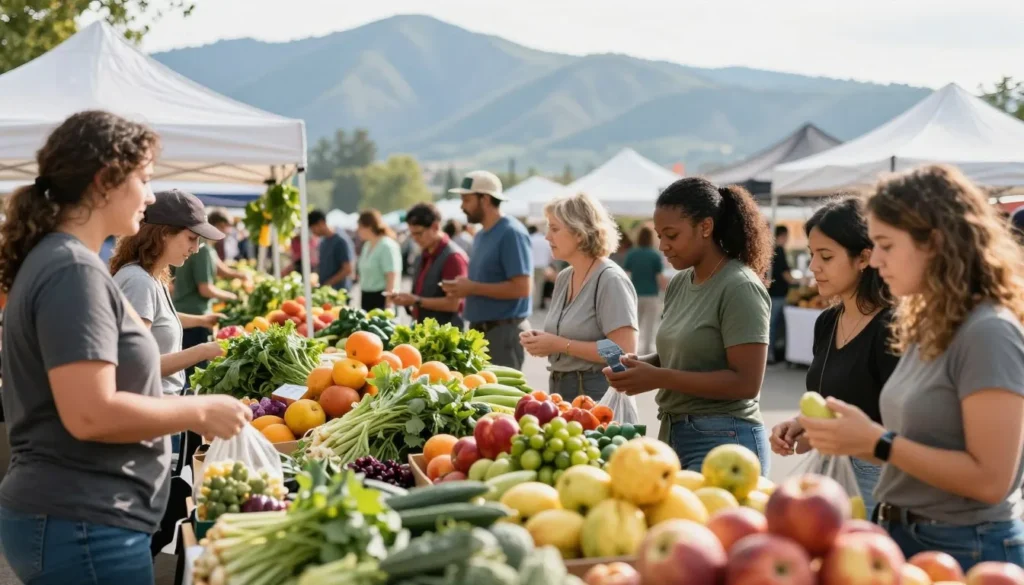
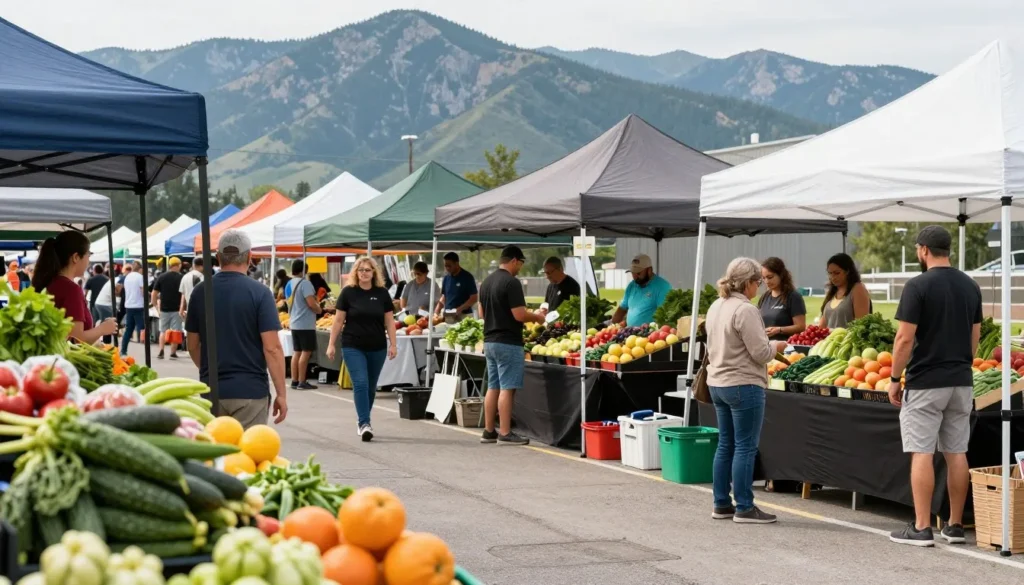
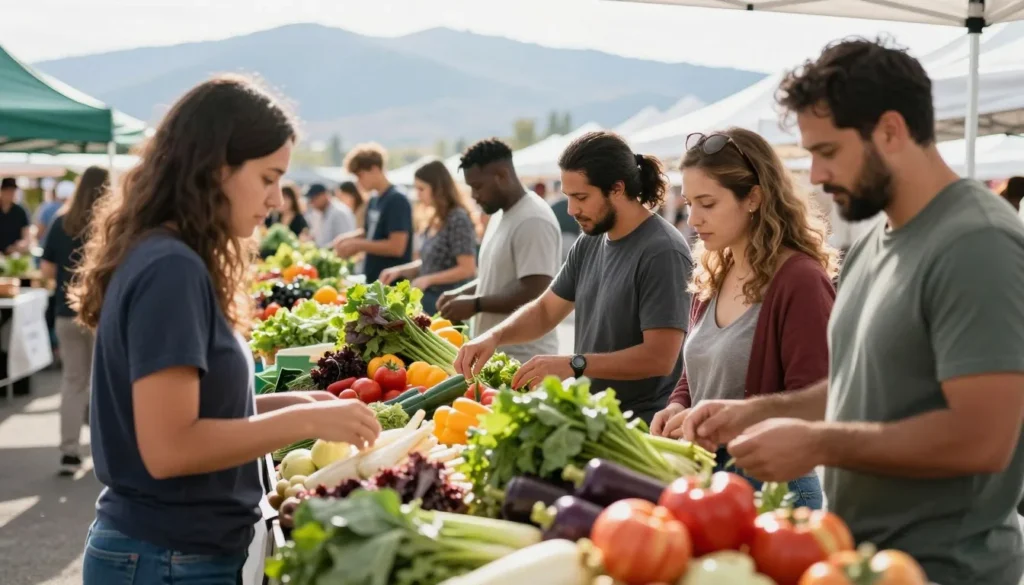
Cache Valley Gardeners Market operates May through October. Local vendors sell fresh produce, baked goods, and crafts. The Saturday morning market brings community together downtown.
Peaches ripen in late summer throughout the valley. Roadside stands offer tree-ripened fruit superior to grocery store options. Sweet corn appears at stands in August.
Grocery and Supplies
Walmart Supercenter provides comprehensive grocery shopping in Logan. Lee’s Marketplace offers another full-service option. Both stores stock camping supplies and outdoor gear.
Smith’s Food and Drug operates multiple Cache Valley locations. Their stores carry natural and organic options. Fuel centers at Smith’s locations offer convenient gas purchases.
Stock up before heading into canyon areas. Small convenience stores exist in some locations but charge premium prices. No services operate along many backcountry roads.
Attractions, Sightseeing, and Activities
The Bear River Range offers countless ways to experience mountain wilderness. Activities range from casual sightseeing to extreme adventures. Every visitor finds something matching their interests and abilities.
Scenic Drives
Logan Canyon Scenic Byway ranks among Utah’s most beautiful drives. This 64 km (40 mile) route connects Logan to Bear Lake. Towering limestone cliffs create dramatic scenery throughout the journey.
Numerous pullouts allow photography and wildlife watching. The highway climbs from 1,372 m (4,500 ft) to 2,438 m (8,000 ft) elevation. Each turn reveals new vistas of the Bear River Range.
Wind Cave viewpoint provides spectacular canyon perspectives. Short walks from parking areas reach observation points. Interpretive signs explain geological formations and natural history.
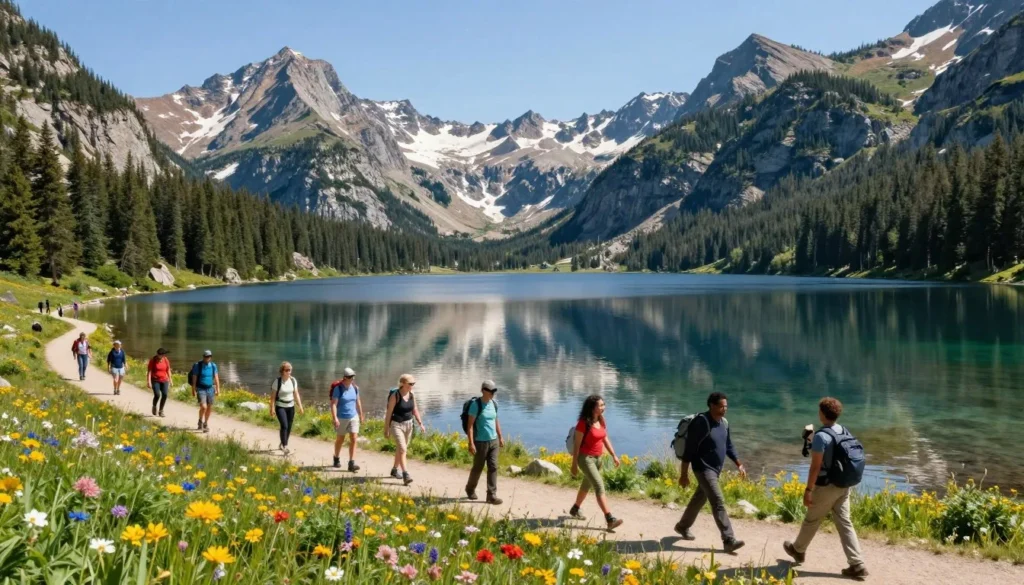
Tony Grove Lake
This alpine lake sits at 2,438 m (8,000 ft) in a glacial cirque. Crystal clear water reflects surrounding peaks beautifully. A 1.6 km (1 mile) trail circles the lake.
Wildflowers peak in July around Tony Grove meadows. Over 300 plant species grow in this subalpine ecosystem. Families enjoy easy hiking and picnicking at this accessible location.
The lake freezes solid by December each year. Ice fishing and snowshoeing replace summer activities. Road access closes with heavy snowfall until late spring.
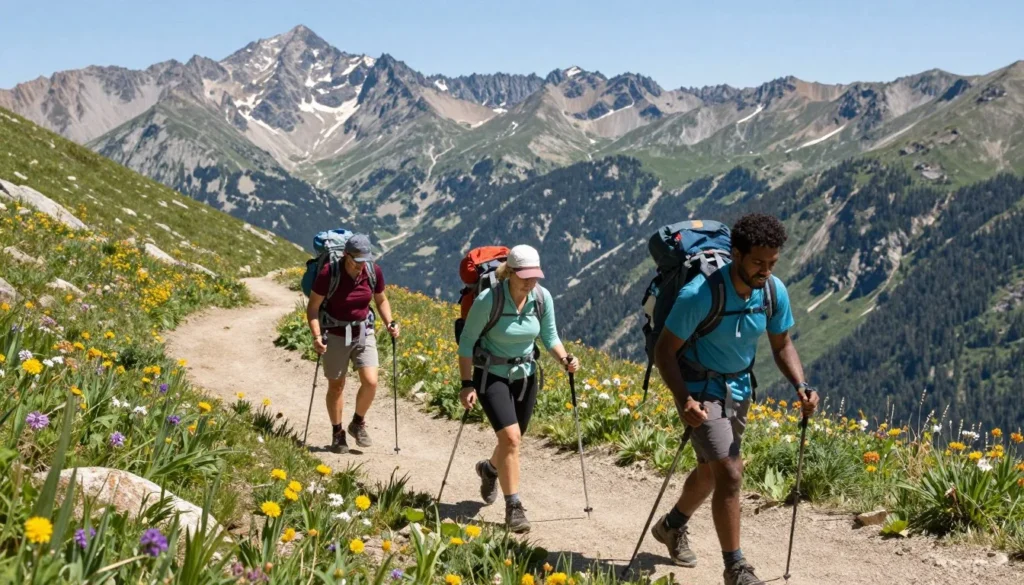
Mount Naomi Peak
The highest point in the Bear River Range rises to 3,040 m (9,980 ft). This challenging hike rewards efforts with incredible panoramic views. The trail climbs 914 m (3,000 ft) over 9.6 km (6 miles).
Start early for this full-day adventure. Afternoon thunderstorms threaten exposed ridges regularly. Summit views extend to the Great Salt Lake on clear days.
Wildlife sightings occur frequently along the route. Mountain goats inhabit the rocky upper slopes. Marmots whistle warnings from boulder fields.
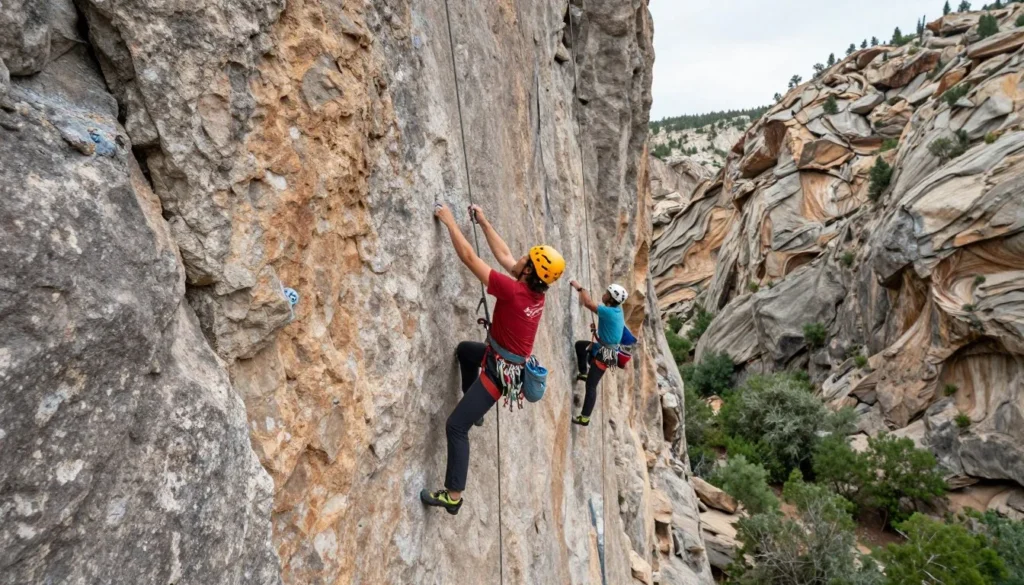
Rock Climbing
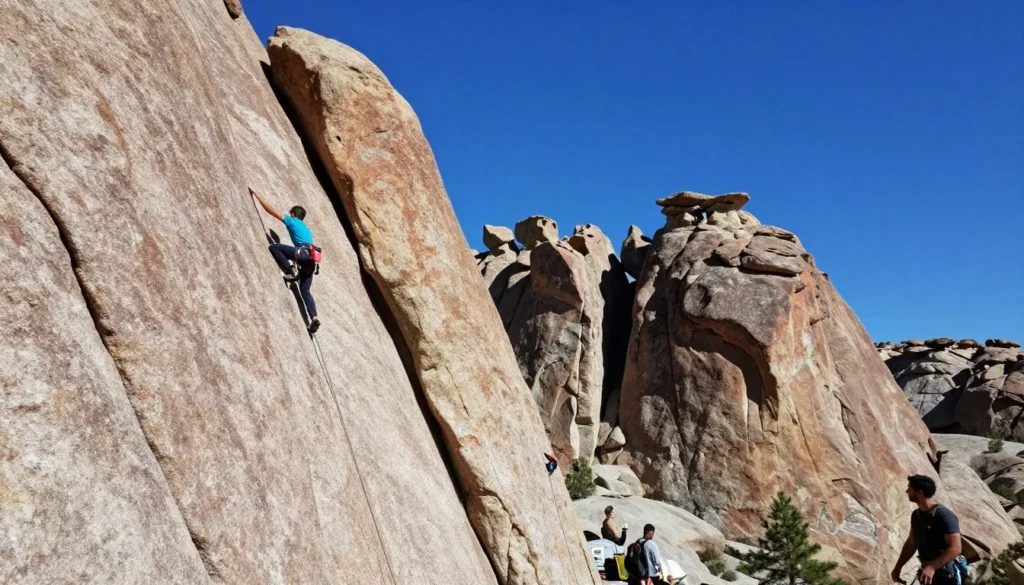
Logan Canyon provides world-class limestone climbing. Hundreds of established routes challenge climbers of all levels. The porous rock creates excellent friction and features.
Popular climbing areas include Fucoidal Quartzite and The Commune. Sport routes dominate most crags throughout the canyon. Traditional gear placements work on select routes.
Summer heat makes early morning starts essential. Shaded north-facing walls remain climbable all day. Local climbing shops offer guiding services and gear rentals.
Water Activities
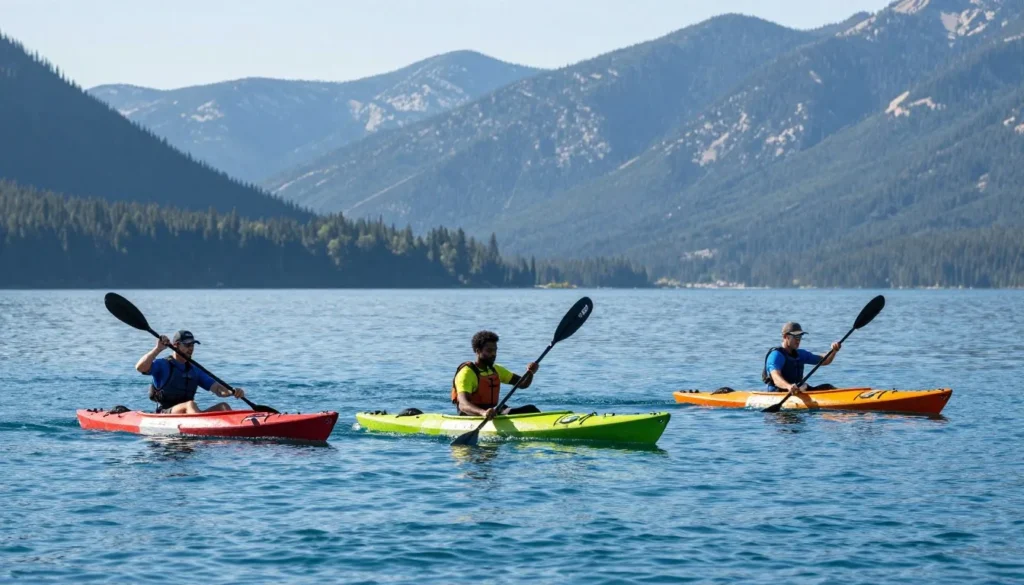
Bear Lake’s turquoise water attracts boaters and swimmers throughout summer. The 280 sq km (109 sq mile) lake straddles the Utah-Idaho border. Public beaches provide swimming access along the shore.
Rendezvous Beach offers the most developed facilities. Restrooms, pavilions, and boat launches serve visitors. The beach gets crowded on hot summer weekends.
Kayaking and paddleboarding work well on calm mornings. Afternoon winds create challenging waves across the lake. Rental shops operate in Garden City during summer months.
Wildlife Viewing
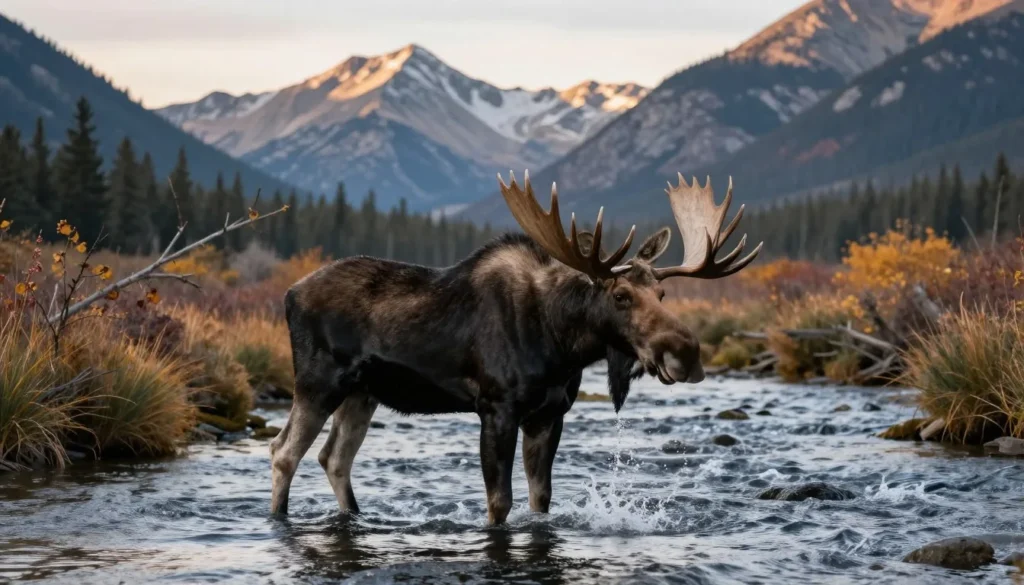
Moose inhabit riparian areas throughout the Bear River Range. These massive animals feed in willow thickets along streams. Dawn and dusk provide the best viewing opportunities.
Hardware Ranch operates an elk feeding program each winter. Hundreds of elk congregate at this state wildlife management area. Horse-drawn sleigh rides take visitors among the herds.
Mountain goats roam the highest peaks and ridges. Binoculars help spot these white animals against dark rock. They demonstrate incredible climbing abilities on vertical cliffs.
Photography Locations
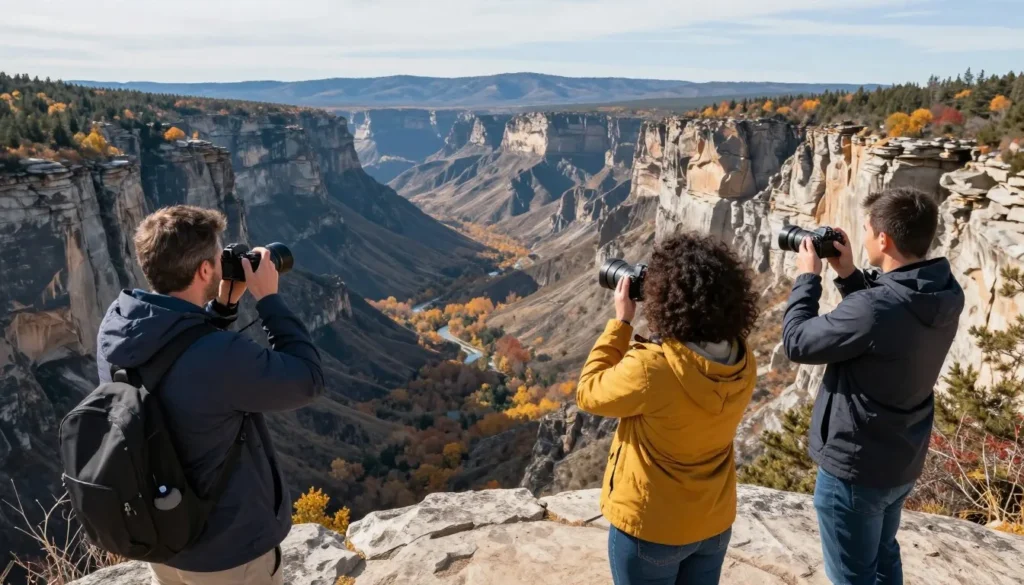
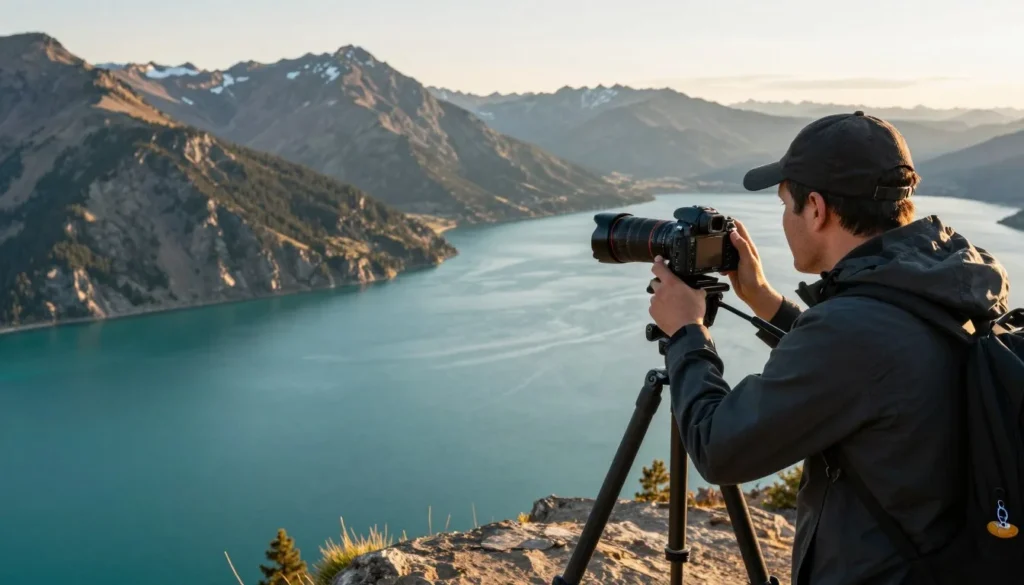
Sunrise at Tony Grove Lake creates magical reflections. Calm mornings mirror surrounding peaks perfectly in still water. Arrive early to capture this ethereal scene.
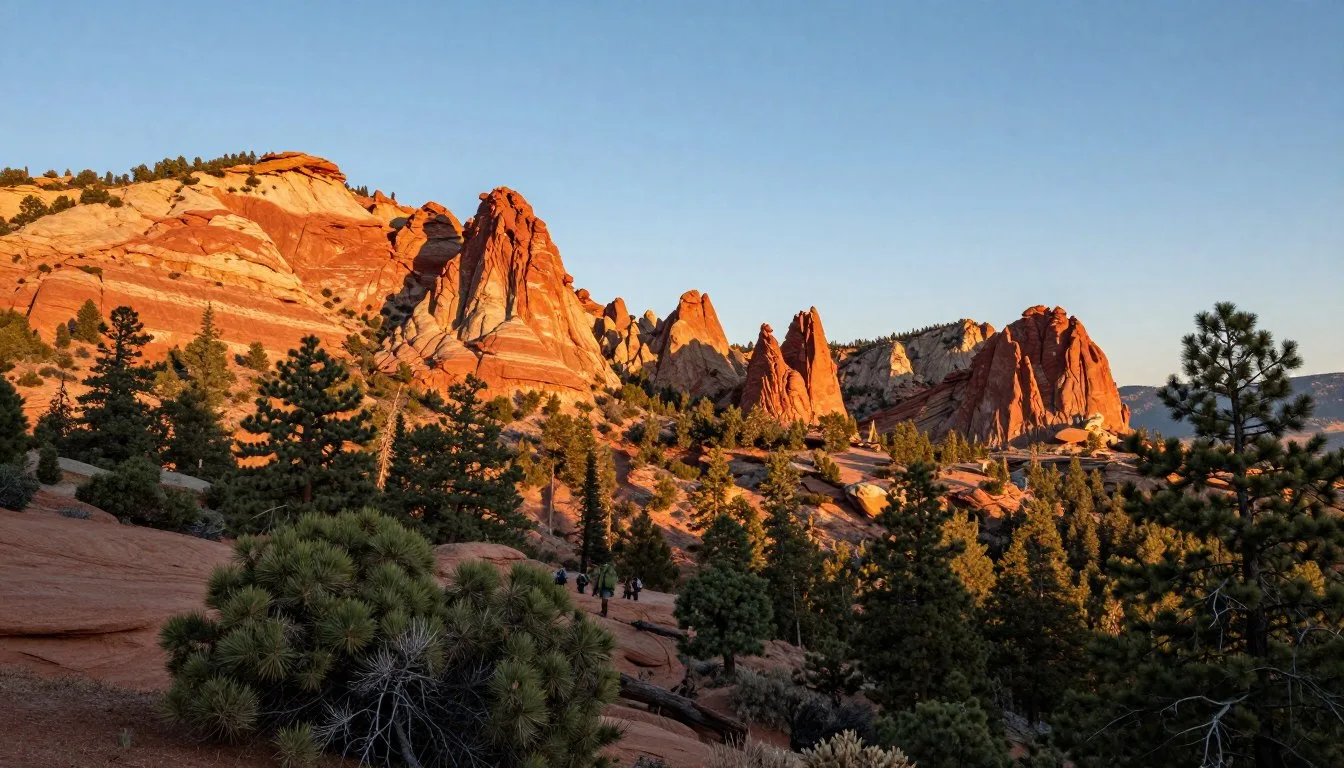
Logan Canyon’s limestone cliffs glow orange during golden hour. Side lighting emphasizes the dramatic vertical walls. Storm clouds add mood to already impressive landscapes.
Bear Lake’s famous turquoise color photographs best on sunny days. The unique hue results from limestone particles suspended in water. Shoot from elevated viewpoints to capture the color fully.
Museums, Cultural Spots, and Festivals
Cache Valley preserves rich pioneer and agricultural heritage. Museums showcase the region’s history through engaging exhibits. Cultural venues celebrate both past and present throughout the year.
American West Heritage Center
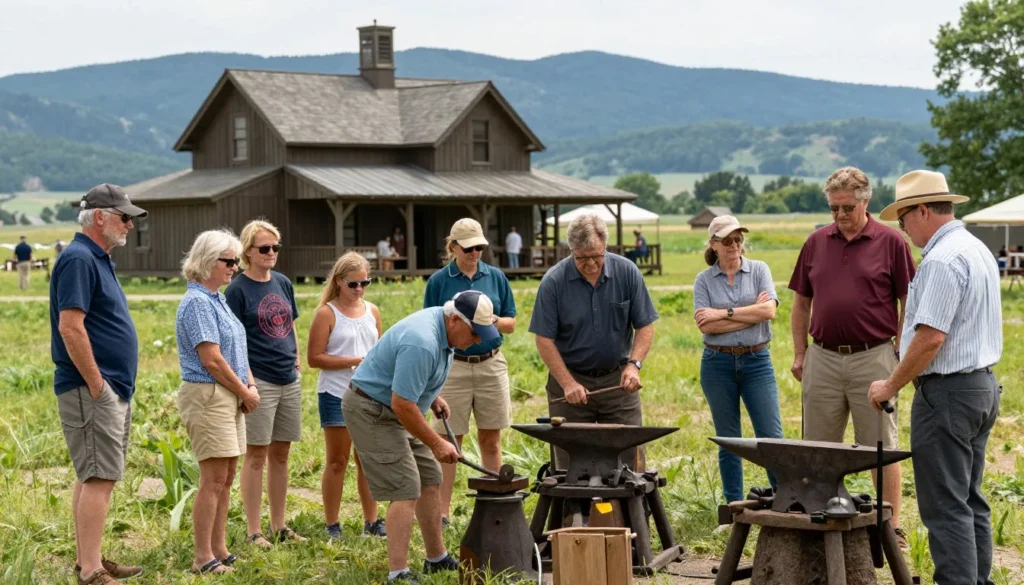
This living history museum brings pioneer life to reality. Costumed interpreters demonstrate 19th-century skills and trades. The 61-hectare (150-acre) site includes historic buildings and farm animals.
Visitors can participate in hands-on activities year-round. Butter churning, rope making, and blacksmithing workshops engage all ages. School groups frequently visit for educational programs.
The annual Festival of the American West occurs each July. This premier event attracts thousands to three days of celebration. Western music, Native American culture, and pioneer demonstrations fill the schedule.
Museum of Anthropology
Utah State University houses this fascinating collection. Exhibits explore human cultures from around the world. The museum emphasizes hands-on learning and interactive displays.
Native American artifacts receive special emphasis. Basketry, pottery, and tools illustrate indigenous lifeways. Rotating exhibits keep the museum fresh for repeat visitors.
Admission remains free to the public year-round. The museum opens weekday afternoons during academic terms. Summer hours vary so check before visiting.
Historic Main Street Logan
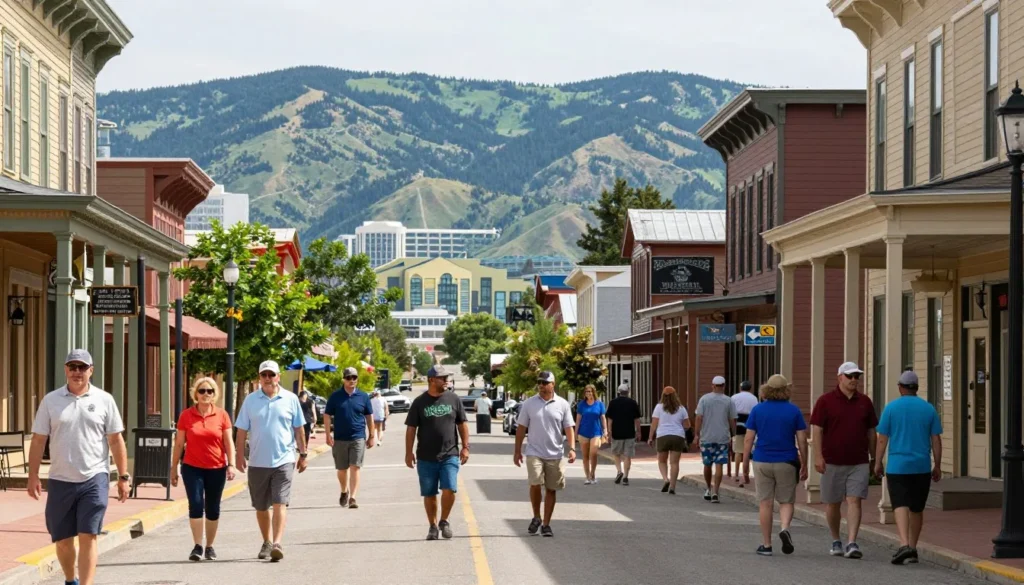
Downtown Logan preserves numerous Victorian-era buildings. The historic district extends several blocks along Main Street. Walking tours reveal architectural details and local history.
The Ellen Eccles Theatre anchors the cultural district. This restored 1923 venue hosts performances year-round. Community theater productions and touring shows fill the calendar.
Art galleries and boutiques occupy historic storefronts throughout downtown. First Friday art walks occur monthly during warmer months. Local artists display works in participating businesses.
Nora Eccles Harrison Museum of Art
This university art museum features ceramics as its specialty. The permanent collection includes over 5,000 objects. Contemporary art receives equal emphasis with traditional works.
Temporary exhibitions rotate throughout the year. Regional and national artists showcase diverse media and styles. Gallery talks and artist presentations enhance visitor experiences.
The museum building itself represents architectural interest. Large windows frame mountain views alongside artwork. Admission costs nothing and parking is readily available.
Historic Sites
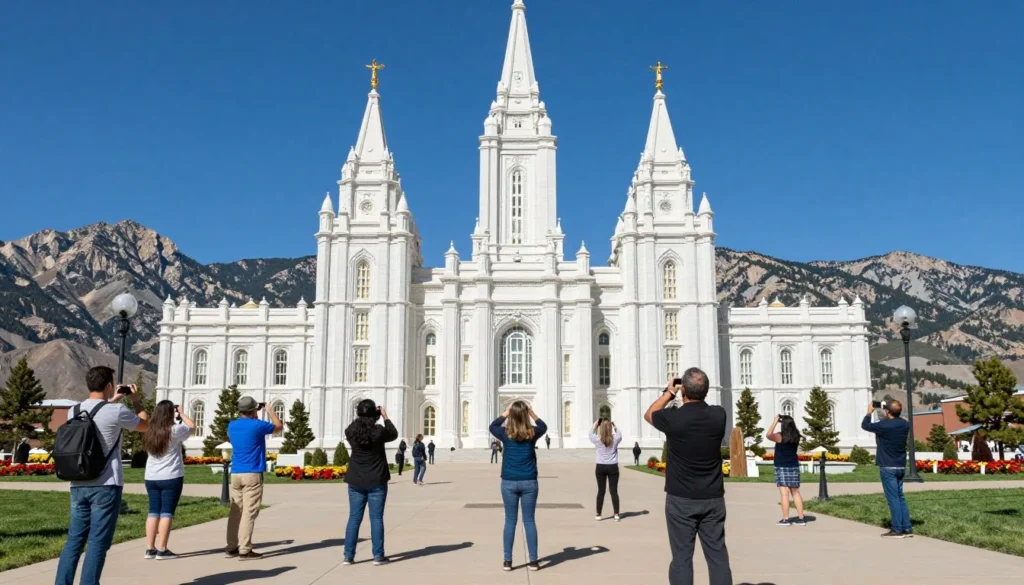
Mormon pioneers settled Cache Valley in 1856. The Logan Utah Temple represents their architectural legacy. Completed in 1884, this limestone structure dominates the valley skyline.
The Daughters of Utah Pioneers Museum preserves pioneer artifacts. Quilts, furniture, and personal items illustrate early settlement life. Volunteers share stories of Cache Valley’s founding families.
Historic Hardware Ranch served ranching operations for over a century. Today it functions as a wildlife management area. The original buildings remain standing for visitor exploration.
Performing Arts
Utah Festival Opera and Musical Theatre presents summer performances. Professional productions run from late June through August. The repertory company stages multiple shows in rotation.
Cache Valley Civic Ballet offers classical and contemporary dance. The company performs several productions annually. The Nutcracker represents their most popular seasonal offering.
Utah State University sponsors numerous concerts and recitals. The music department presents faculty and student performances. Most events welcome the public at no charge.

Nature and Outdoor Experiences
The Bear River Range provides endless outdoor recreation opportunities. Pristine wilderness areas preserve natural ecosystems throughout the mountains. Every season offers unique ways to experience this spectacular landscape.
Hiking Trails
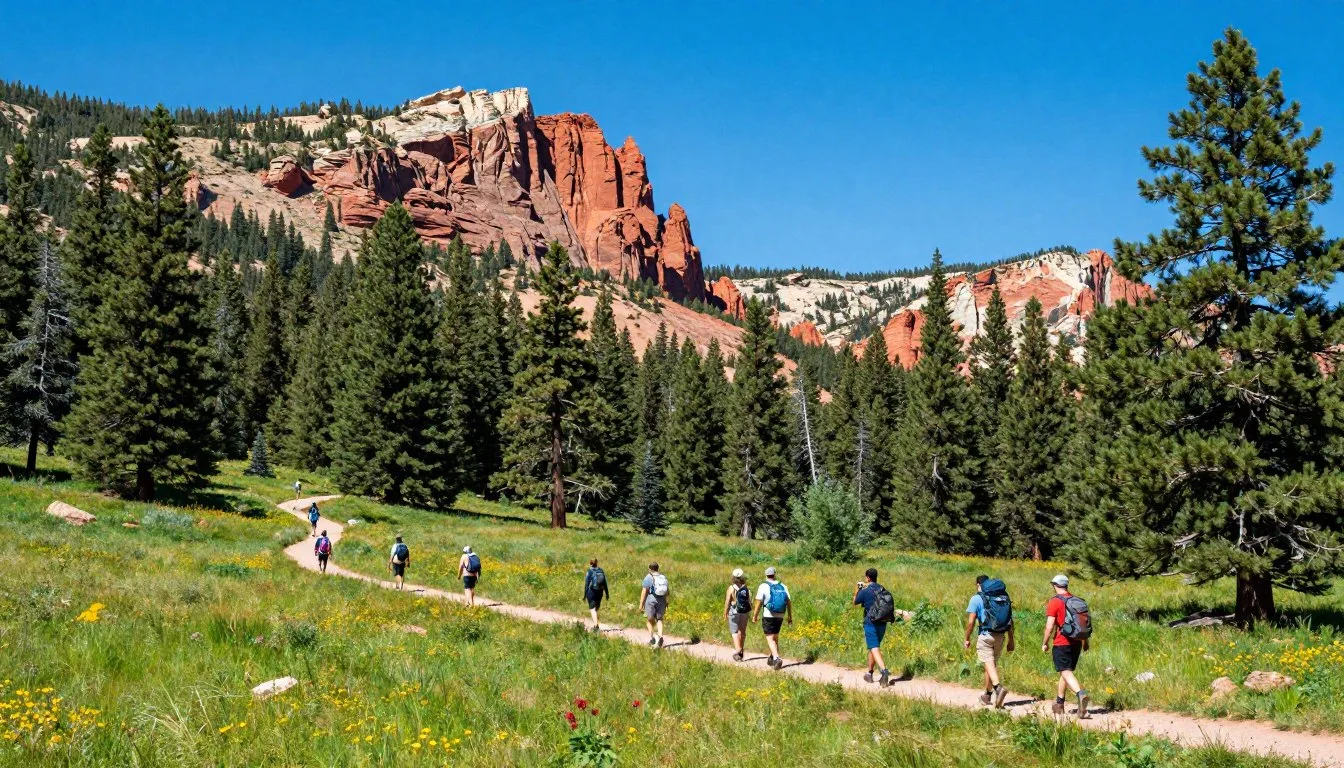
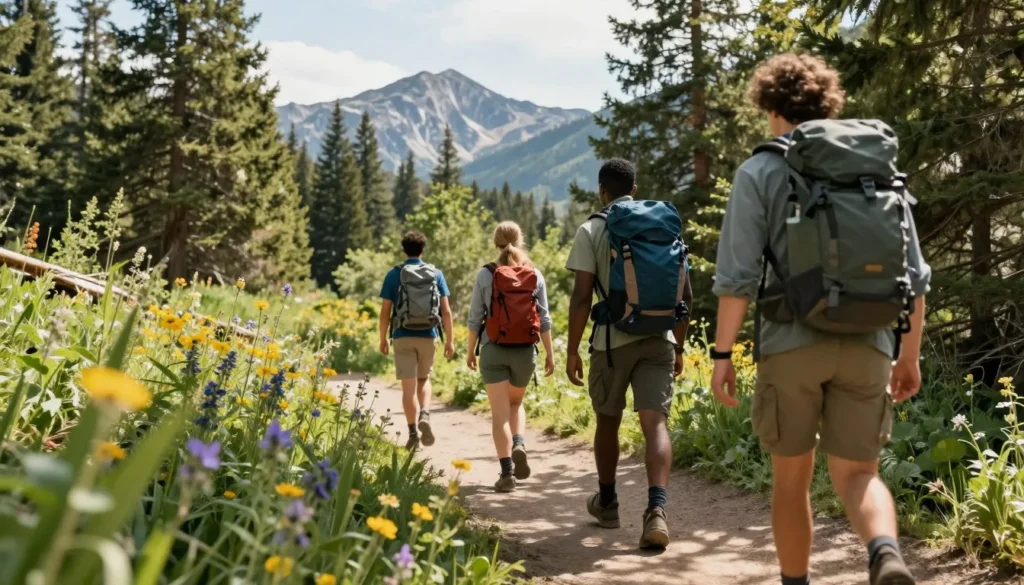
Over 805 km (500 miles) of trails crisscross the Bear River Range. Routes range from easy nature walks to challenging peak ascents. Something suits every ability level and time commitment.
Crimson Trail offers a moderate 5.6 km (3.5 mile) loop through aspens. Fall colors create spectacular displays along this popular route. The trailhead sits conveniently close to Logan.
White Pine Lake trail climbs to a pristine alpine lake. The 14.5 km (9 mile) round trip gains 762 m (2,500 ft) elevation. Wildflower displays peak in mid-July around the lake.
Popular Hiking Trails
Easy Trails
- Tony Grove Nature Trail – 1.6 km (1 mile)
- Riverside Nature Trail – 2.4 km (1.5 miles)
- Wind Caves – 2.6 km (1.6 miles)
- Jardine Juniper – 8 km (5 miles)
Moderate Trails
- Crimson Trail Loop – 5.6 km (3.5 miles)
- Old Ephraim’s Grave – 7.2 km (4.5 miles)
- Steam Mill Lake – 11.2 km (7 miles)
- Ricks Canyon – 9.6 km (6 miles)
Difficult Trails
- Mount Naomi – 19.2 km (12 miles)
- White Pine Lake – 14.5 km (9 miles)
- Mount Gog – 16 km (10 miles)
- Limber Pine Trail – 13.6 km (8.5 miles)
Backpacking
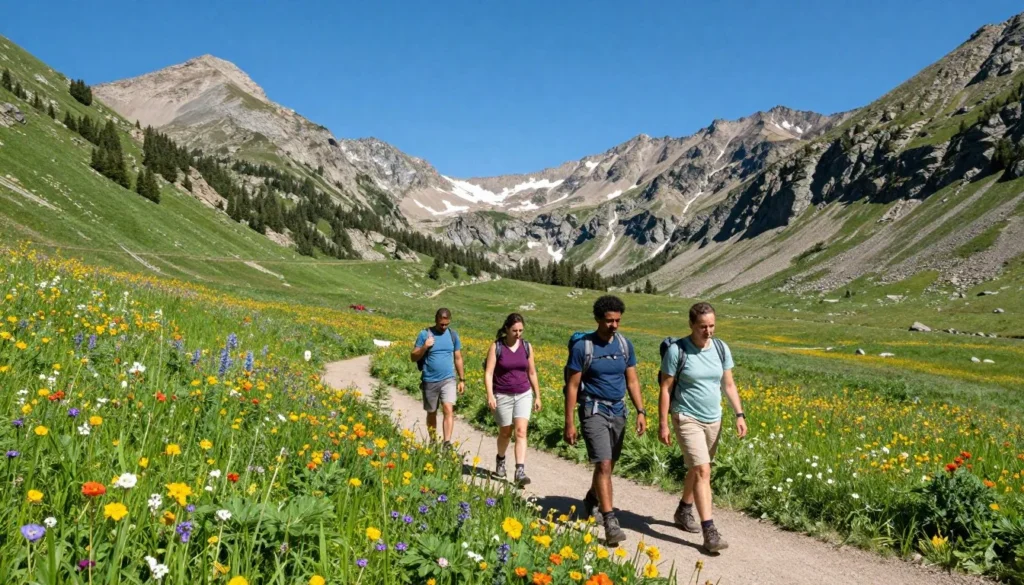
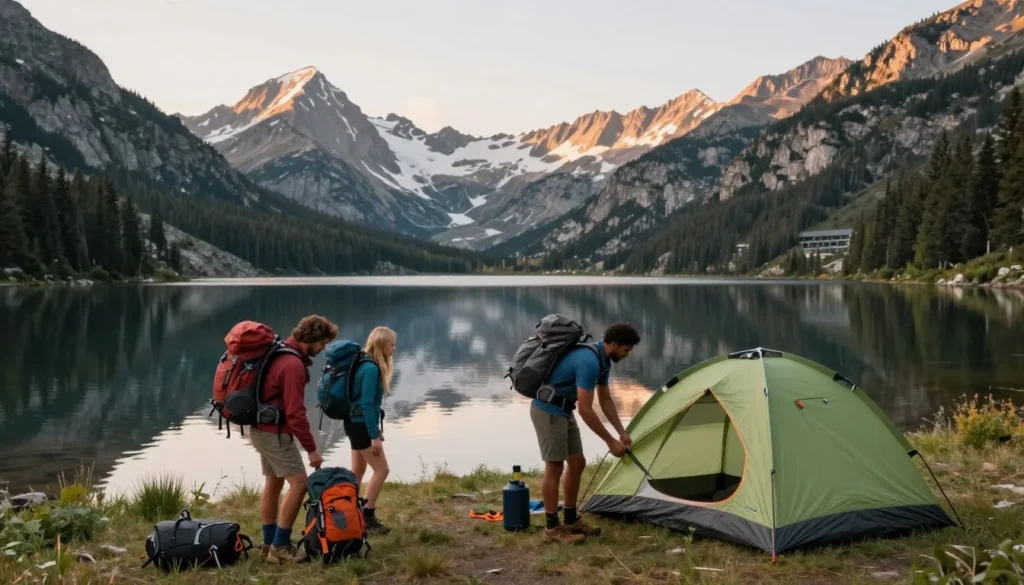
Multi-day trips explore remote corners of the range. The Jardine Juniper area offers excellent overnight opportunities. Water sources exist along most backcountry routes.
Permits aren’t required for wilderness camping currently. Practice Leave No Trace principles throughout your trip. Bear canisters protect food from wildlife in camp.
Popular backpacking loops include the High Creek to Right Hand Fork route. This 32 km (20 mile) journey crosses alpine ridges with spectacular views. Most backpackers complete it in two days.
Mountain Biking
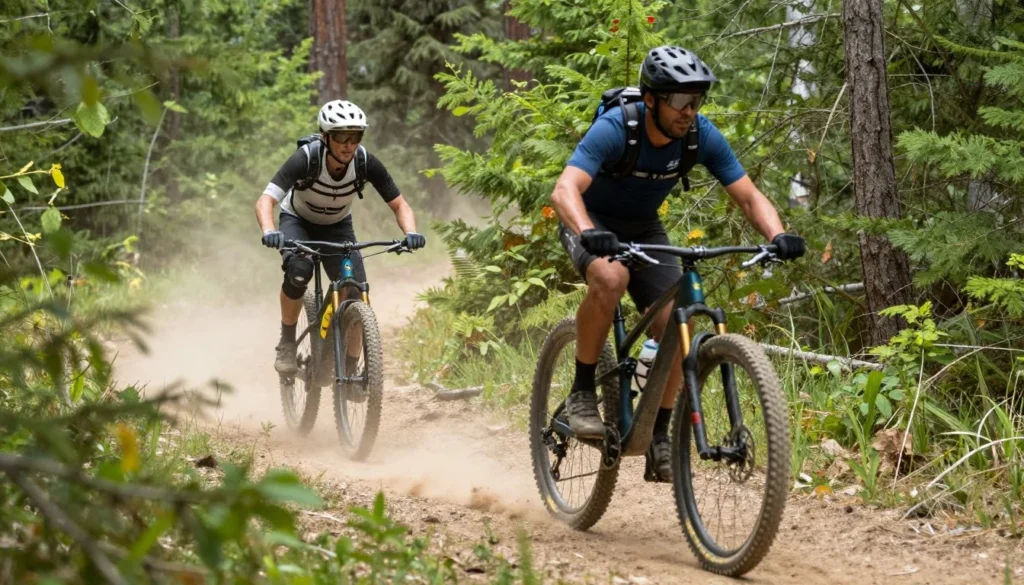
Numerous trails welcome mountain bikes throughout the range. Logan Canyon contains several popular ride options. Difficulty levels range from beginner to expert only.
Millville Face trail system offers technical single-track riding. Over 24 km (15 miles) of trails challenge skilled riders. The network sits minutes from downtown Logan.
Green Canyon provides more moderate terrain for developing skills. Wide trails accommodate both hikers and bikers comfortably. Summer dust gives way to perfect fall riding conditions.
Fishing
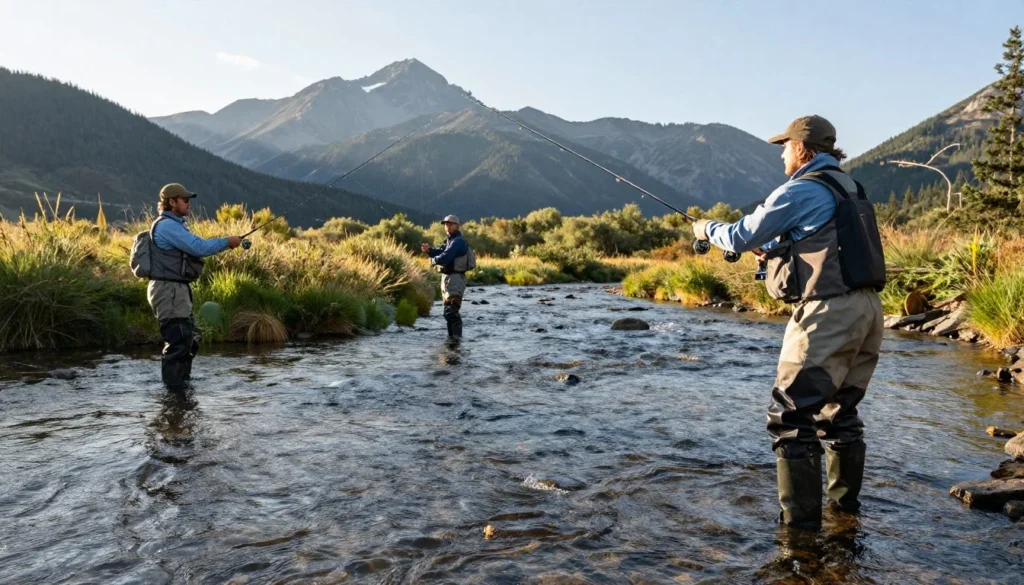
Logan River supports healthy trout populations throughout its length. Brown trout dominate the lower canyon sections. Rainbow and cutthroat trout inhabit upper reaches.
Fly fishing works best on this technical stream. Pocket water and riffles hold feeding fish year-round. Summer evenings bring hatches and rising trout.
Bear Lake contains cutthroat trout and lake trout. Bonneville cisco runs occur in winter, attracting anglers statewide. Ice fishing gains popularity when the lake freezes solid.
Winter Sports
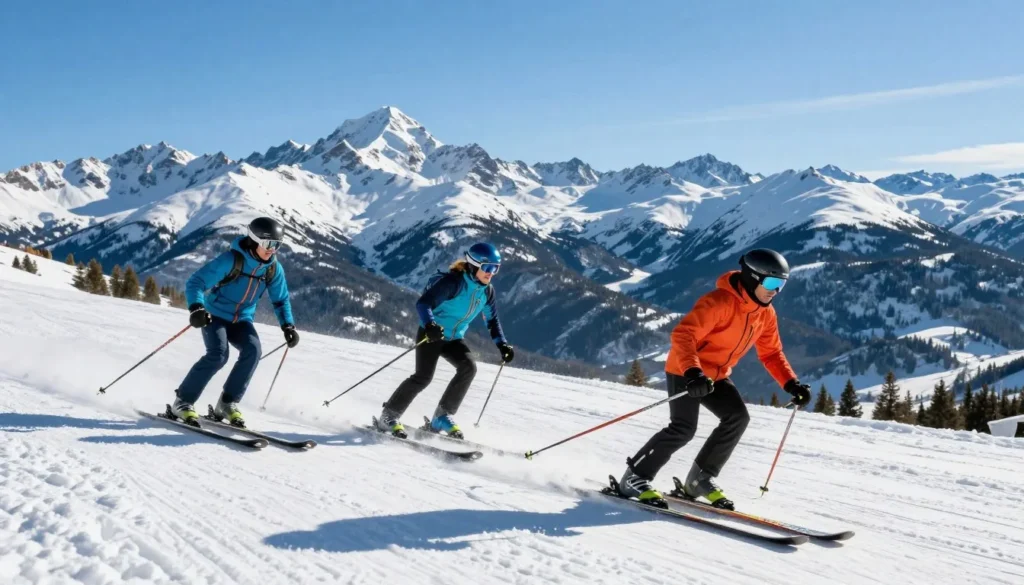
Beaver Mountain Ski Resort operates in Logan Canyon. This family-friendly area offers 664 vertical meters (2,180 feet) of skiing. Affordable lift tickets attract locals and budget-conscious visitors.
Backcountry skiing opportunities abound throughout the range. Popular zones include Tony Grove and Franklin Basin areas. Avalanche education is essential for safe winter travel.
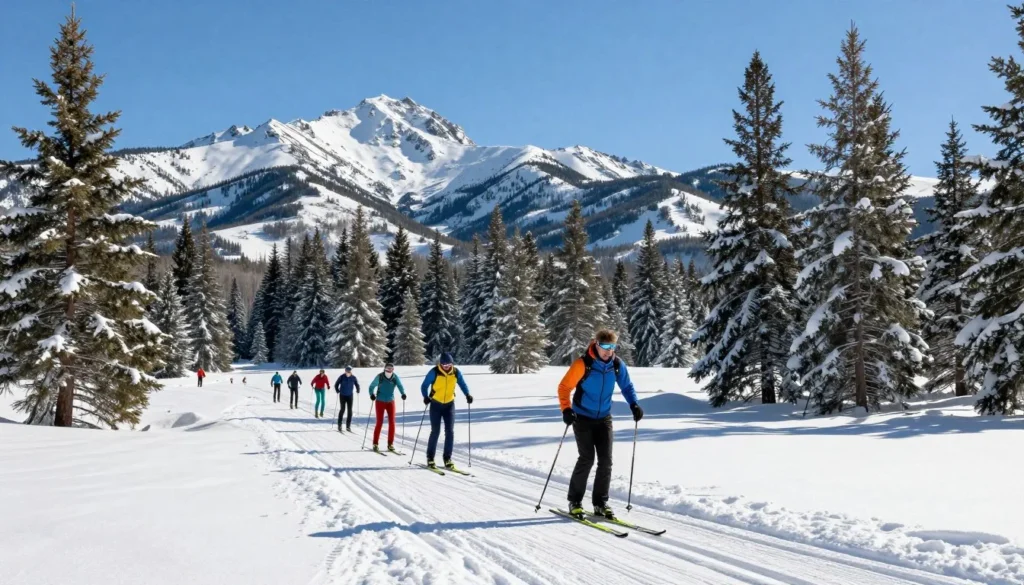
Nordic skiing trails groom regularly at several locations. Beaver Creek Lodge maintains excellent cross-country routes. The scenic trails wind through pristine forest settings.
Snowshoeing
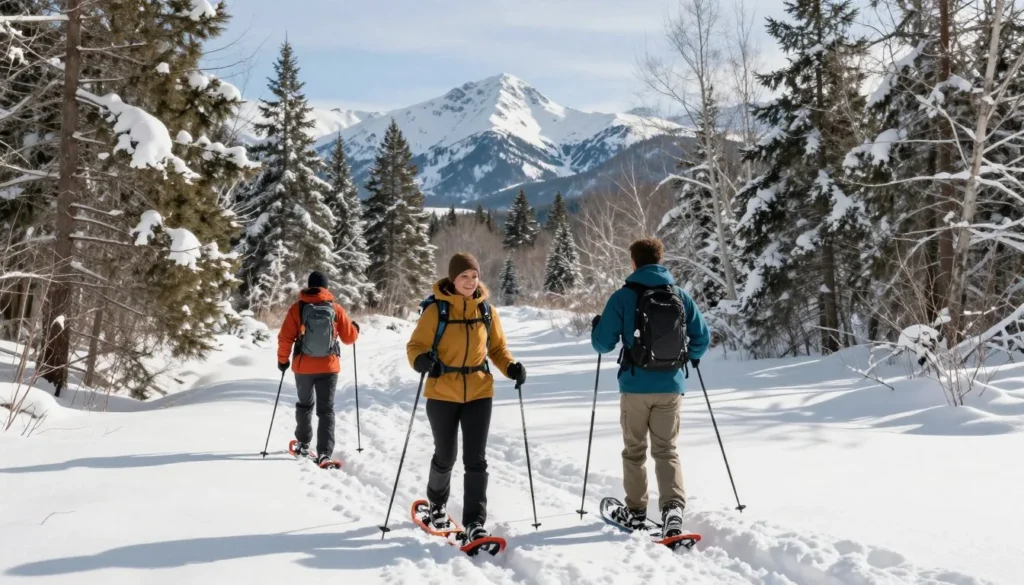
Winter transforms hiking trails into snowshoe routes. Tony Grove area becomes particularly magical under snow. The frozen lake supports walking across its surface.
Rental shops in Logan provide snowshoe equipment affordably. No special skills are required to start snowshoeing. The activity offers excellent winter exercise and scenery.
Full moon snowshoe events occur monthly during winter. Guides lead groups on evening adventures under moonlight. Hot chocolate completes these memorable outings.
Bird Watching
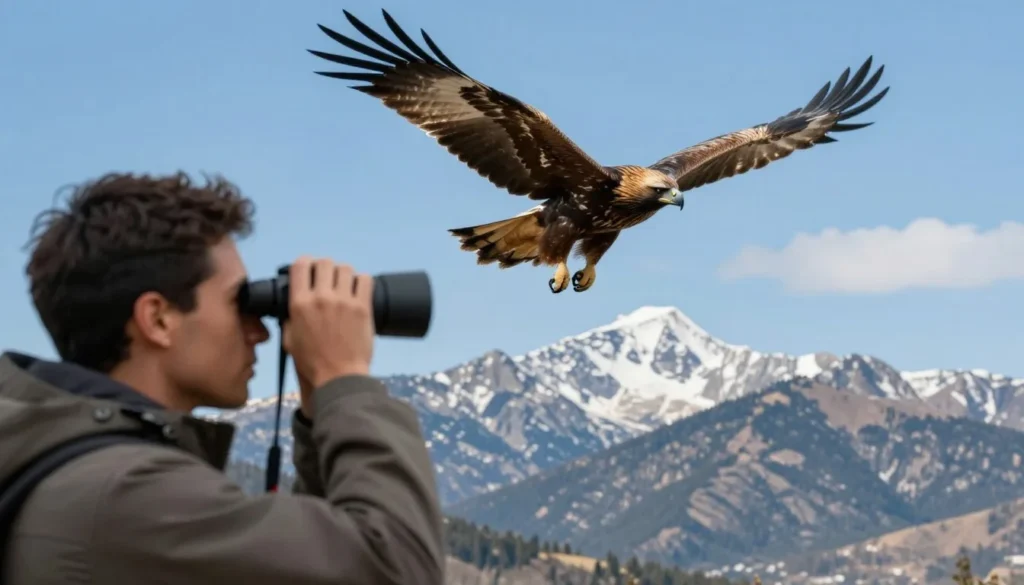
Over 200 bird species inhabit the Bear River Range seasonally. Varied habitats support diverse avian populations. Spring and fall migrations bring exceptional viewing opportunities.
Golden eagles soar above ridgelines throughout the year. These magnificent raptors hunt marmots and ground squirrels. Patient observers spot them from canyon roads.
Bear River Migratory Bird Refuge lies west of the mountains. Millions of birds use this wetland complex annually. The auto tour loop provides excellent photography opportunities.
Travel With Children
The Bear River Range welcomes families with children of all ages. Numerous activities engage young adventurers safely and memorably. Planning appropriate experiences ensures everyone enjoys the mountain environment.
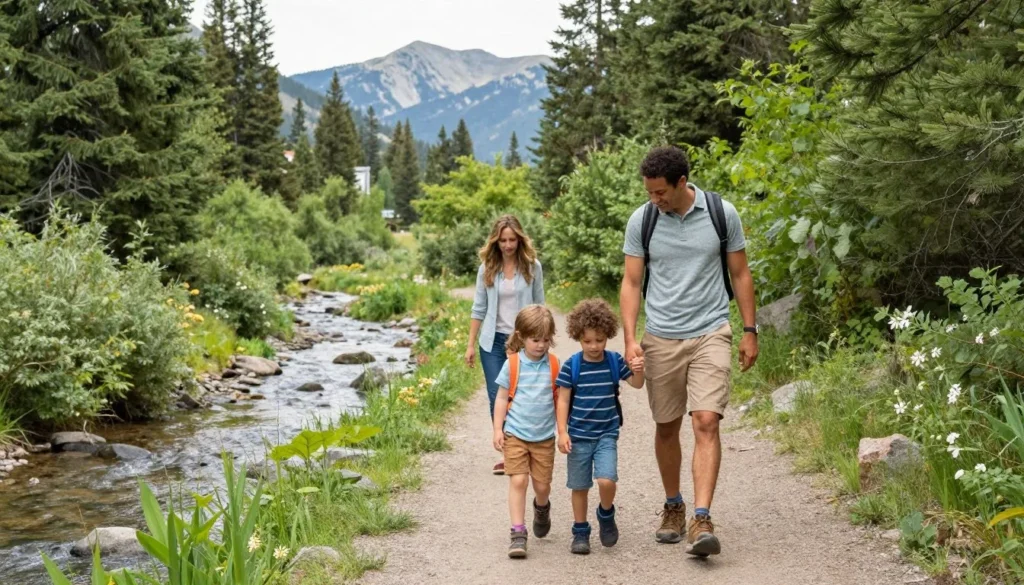
Family-Friendly Trails
Riverside Nature Trail offers an easy introduction to hiking. The paved 2.4 km (1.5 mile) path follows the Logan River. Interpretive signs teach children about local ecosystems.
Wind Caves trail provides exciting exploration opportunities. The short 2.6 km (1.6 mile) hike reaches fascinating rock formations. Children can safely enter some of the shallow caves.
Tony Grove Nature Trail circles the alpine lake gently. The 1.6 km (1 mile) loop takes about 30 minutes to complete. Families can extend the adventure with picnicking and playing.
Water Play
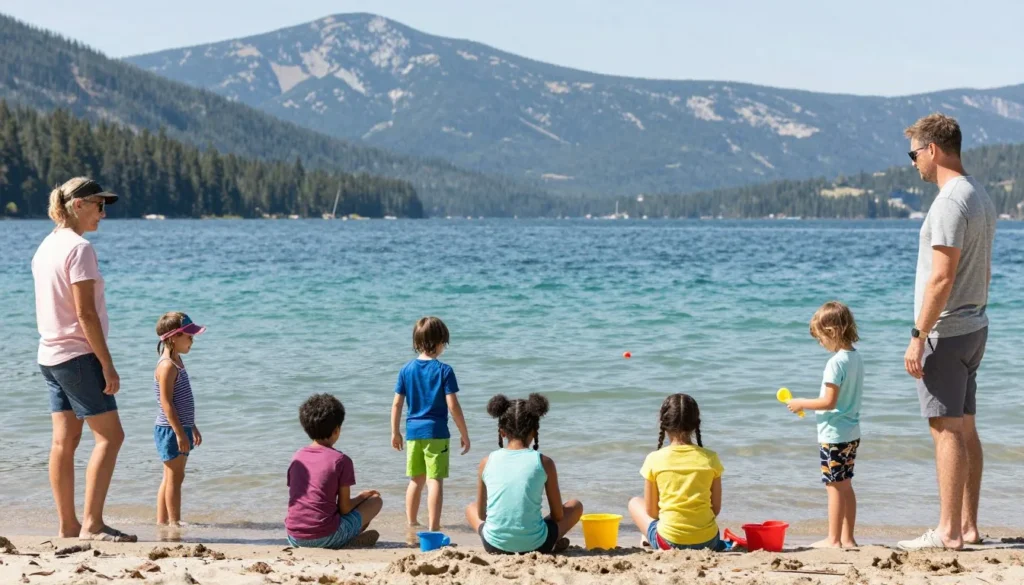
Bear Lake beaches provide classic summer fun for families. Shallow water near shore stays warmer than deeper sections. Children build sandcastles and splash safely.
Rendezvous Beach offers the best family amenities. Restrooms, changing areas, and picnic tables serve visitors well. Lifeguards patrol during peak summer weekends.
Logan River offers wading opportunities at numerous access points. Smooth rocks create natural pools perfect for cooling off. Always supervise children closely near moving water.
Educational Experiences
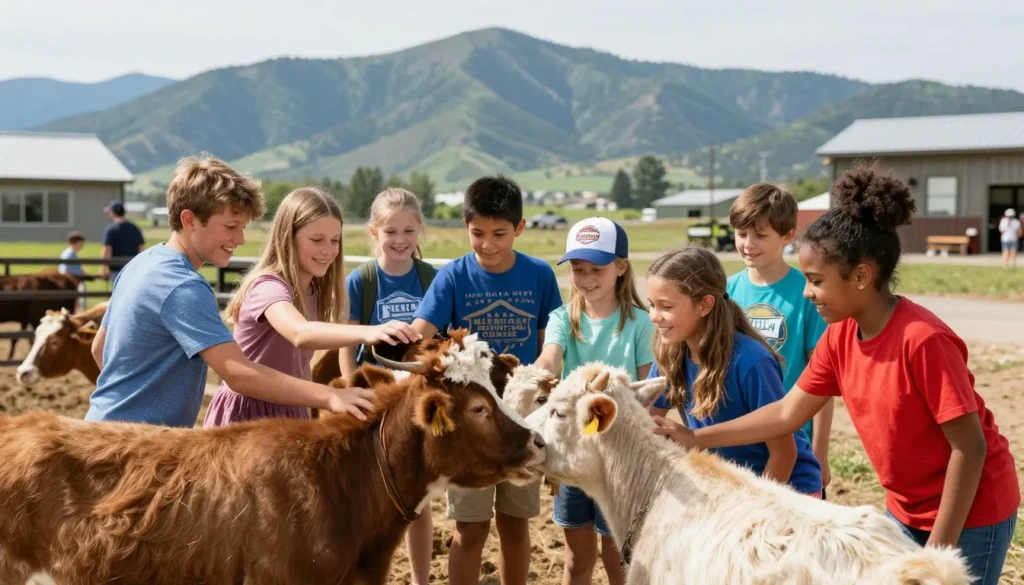
American West Heritage Center captivates children with hands-on history. Kids can feed farm animals and try pioneer activities. The living history format makes learning engaging and fun.
Junior Ranger programs operate at various sites throughout summer. Children complete activity booklets to earn badges. Rangers lead special programs designed for young visitors.
Wildlife viewing excites children of all ages. Hardware Ranch sleigh rides bring families close to elk herds. Moose sightings create unforgettable memories for young naturalists.
Rainy Day Activities
Utah State University Museum of Anthropology offers free indoor exploration. Interactive exhibits engage curious minds effectively. The hands-on approach suits children perfectly.
Logan Aquatic Center provides year-round swimming fun. Water slides and play features entertain children for hours. The facility offers affordable admission rates.
Movies and bowling provide classic entertainment options. Several theaters show current family films. Bowling alleys welcome families with bumper lanes for young children.
Camping With Kids
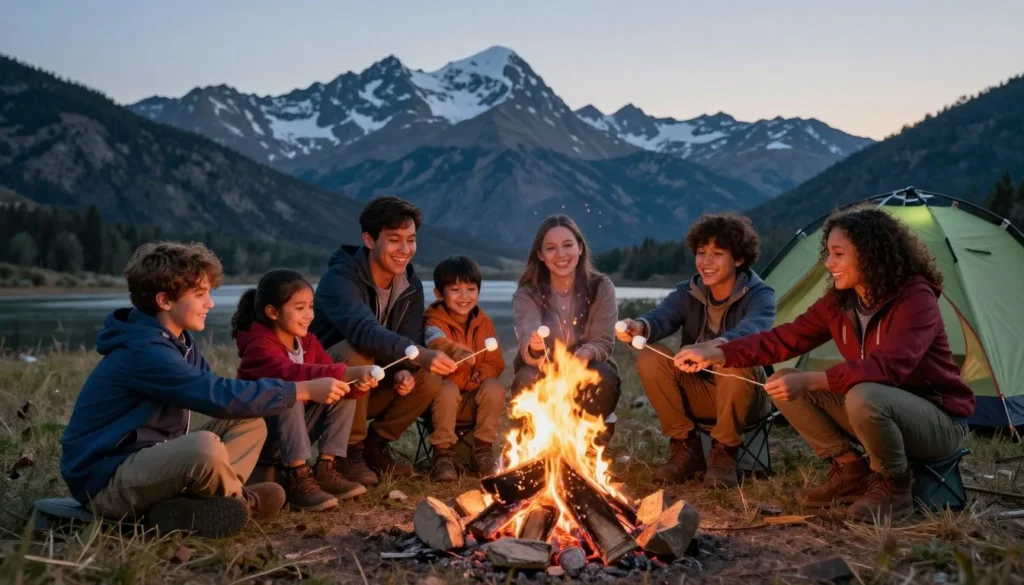
Developed campgrounds simplify family camping experiences. Sites include picnic tables and fire rings for comfortable stays. Vault toilets serve most Forest Service campgrounds.
Sunrise Campground offers riverside sites perfect for families. The Logan River provides constant entertainment for children. Short nature walks explore the surrounding forest.
Keep first camping trips short to build enthusiasm. One or two nights lets families test gear and routines. Success on early trips encourages longer future adventures.
Safety Considerations
Altitude affects children differently than adults sometimes. Watch for signs of fatigue or headaches at elevation. Descend if symptoms develop or worsen.
Sun protection becomes crucial in mountain environments. Apply sunscreen frequently to children’s exposed skin. Hats and protective clothing prevent uncomfortable sunburn.
Hydration requirements increase with altitude and activity. Children may not recognize thirst signals consistently. Encourage regular water breaks throughout activities.
Family Tip: Plan activities for morning hours when children have most energy. Early starts avoid afternoon heat and thunderstorms. Build in rest time after lunch.
Money Saving Tips
Experiencing the Bear River Range doesn’t require enormous budgets. Strategic planning reduces costs while maintaining quality experiences. These proven strategies help travelers maximize value.
Free Activities
Most hiking trails require no entrance fees currently. National Forest access remains free throughout the Bear River Range. Hundreds of kilometers of trails await without cost.
Wildlife viewing costs nothing but time and patience. Moose frequent riparian areas along canyon roads. Drive slowly and scan willow thickets for these impressive animals.
Downtown Logan’s historic architecture provides free walking tours. Interpretive signs explain building histories and architectural details. The pleasant stroll combines exercise with cultural education.
No-Cost Attractions
- Logan Canyon scenic drive
- Tony Grove Lake area
- Riverside Nature Trail
- Cache Valley Farmers Market browsing
- University museums and galleries
- Downtown Logan walking tour
Low-Cost Options
- National Forest camping – minimal fees
- Beaver Mountain lift tickets – affordable skiing
- Picnicking instead of restaurants
- Off-season lodging rates
- Farmers market produce
- Public library programs
Timing Strategies
Shoulder season visits dramatically reduce accommodation costs. Late May and September offer excellent weather at lower prices. Many hotels drop rates 30-40% outside peak summer.
Midweek stays cost less than weekends year-round. Tuesday through Thursday bookings save money consistently. Crowds thin considerably on weekdays as well.
Last-minute camping works at many sites. First-come, first-served campgrounds often have midweek availability. Arrive early afternoon to claim remaining spots.
Food and Dining
Grocery shopping beats restaurant meals for budget travelers. Prepare simple meals at campsites or lodging kitchenettes. Logan’s supermarkets offer good selection and reasonable prices.
Farmers markets provide fresh, affordable produce throughout summer. Buy directly from growers for best value. Many vendors offer bulk discounts on larger purchases.
Pack lunches for day trips into the mountains. No restaurants operate along most backcountry roads. Carrying food eliminates expensive convenience store purchases.
Accommodation Savings
Camping offers the most economical lodging option. National Forest sites cost minimal nightly fees. Many dispersed camping areas charge nothing at all.
Vacation rentals become economical for groups and families. Split costs among multiple parties for significant per-person savings. Full kitchens enable meal preparation savings.
Budget motel chains provide clean, basic rooms affordably. Super 8 and Motel 6 operate in Logan year-round. Rates rarely exceed moderate levels even during peak season.
Transportation
Carpooling reduces fuel costs for group travel. Coordinate with fellow visitors through outdoor forums. Many people seek ride shares to trailheads.
Bicycles provide free local transportation once you arrive. Logan’s compact downtown works well for cycling. Many accommodations offer bike storage.
Fill gas tanks in Logan before canyon trips. Prices increase at small mountain convenience stores. The savings add up over multiple fill-ups.
Budget Tip: Recreation passes work at multiple sites. Forest Service annual passes cost less than daily fees for frequent visitors. Senior and military discounts reduce costs further.
Safety, Etiquette, and Local Customs
Mountain environments demand respect and preparation from all visitors. Understanding local expectations enhances everyone’s experiences. Following established guidelines protects both people and landscapes.
Mountain Safety
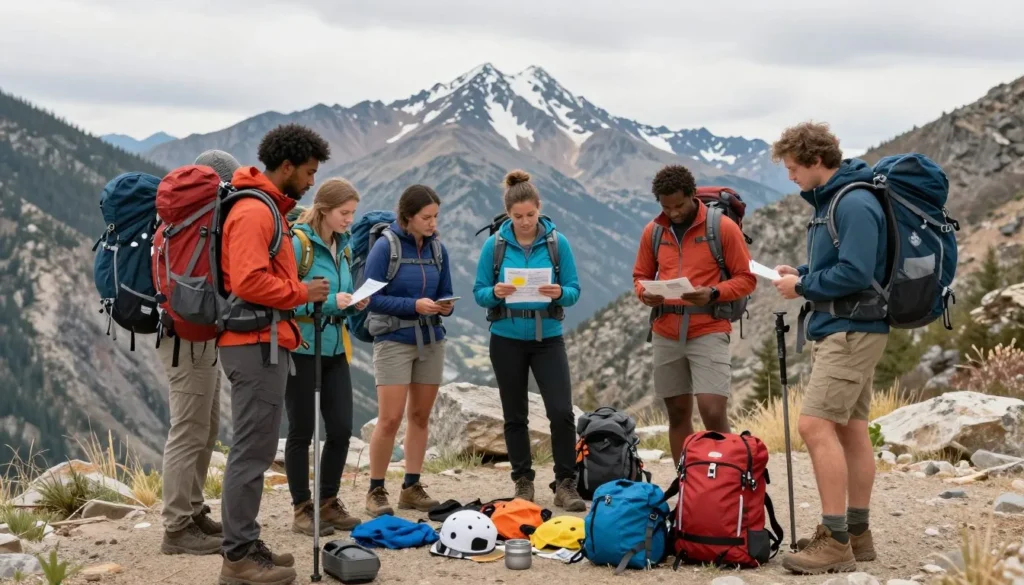
Weather changes rapidly at elevation throughout the year. Afternoon thunderstorms develop quickly during summer months. Lightning poses serious danger on exposed ridges and peaks.
Start alpine hikes early to avoid afternoon storms. Plan to descend below treeline by 2 PM. Watch for towering cumulus clouds building over peaks.
Hypothermia threatens even in summer conditions. Wet clothing loses insulating properties quickly. Always pack extra layers regardless of morning weather.
Wildlife Encounters
Moose cause more injuries than bears in this region. These massive animals become aggressive when surprised or protecting calves. Give moose at least 23 m (75 feet) of space.
Mountain lions inhabit the Bear River Range but remain rarely seen. Never approach wildlife for photographs. Use telephoto lenses to capture images safely.
Black bears occasionally wander through the area. Store food properly in bear canisters when camping. Never leave food or scented items in tents overnight.
Wildlife Safety: If you encounter a moose, back away slowly without turning your back. Find a tree or large rock to place between you and the animal if it appears agitated.
Emergency Preparedness
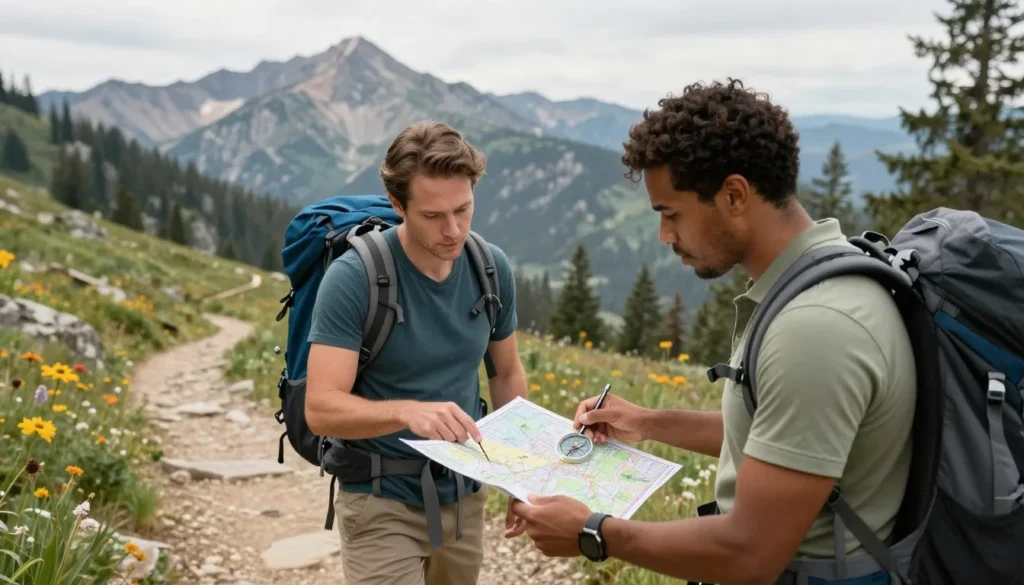
Cell phone coverage disappears in most canyon areas. Download offline maps before departing. Carry paper maps as essential backup navigation.
Register your hiking plans with someone reliable. Provide specific trailhead, route, and expected return time. Check in when you return safely.
Basic first aid knowledge prevents small problems from becoming emergencies. Wilderness First Aid courses teach valuable skills. Local outdoor retailers often host these classes.
For emergencies in the Bear River Range, contact Cache County Sheriff’s Search and Rescue. They coordinate all mountain rescue operations in the area.
Trail Etiquette
Hikers yield to horseback riders on shared trails. Step off the trail on the downhill side when horses approach. Speak calmly so animals know you’re human.
Mountain bikers yield to hikers on multi-use trails. Cyclists should announce their presence when approaching from behind. A friendly “on your left” works perfectly.
Stay on established trails to prevent erosion. Shortcutting switchbacks damages fragile vegetation. Erosion scars persist for decades in alpine areas.
Leave No Trace Principles
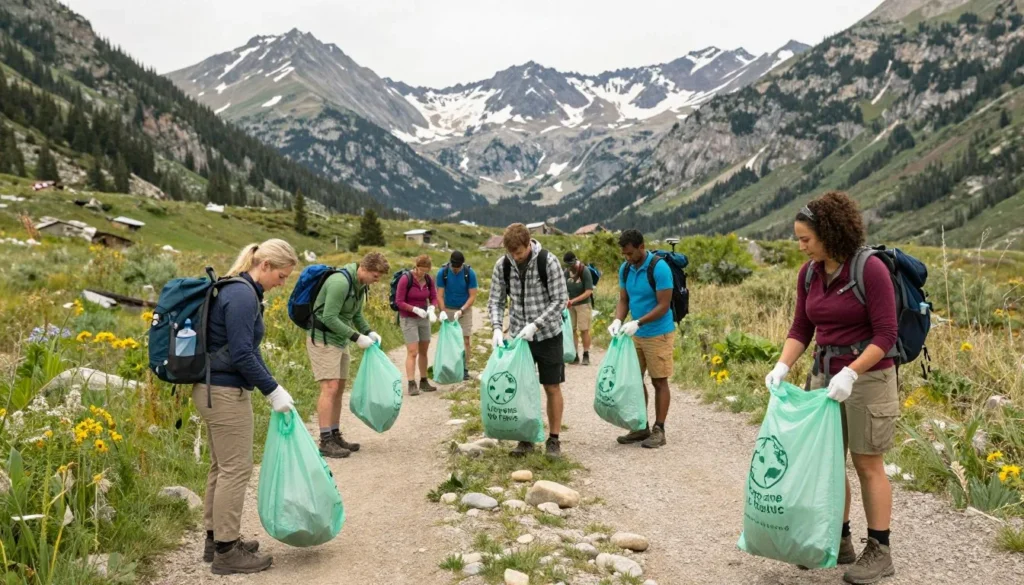
Pack out everything you pack in without exception. Carry a small trash bag for your waste. Pick up litter left by less considerate visitors.
Dispose of human waste properly in backcountry areas. Dig catholes 15-20 cm (6-8 inches) deep. Location should be 61 m (200 feet) from water sources.
Campfires impact alpine environments significantly. Use camp stoves instead of fires above treeline. Where fires are permitted, use existing fire rings only.
Do’s
- Stay on marked trails consistently
- Pack out all trash and waste
- Keep dogs on leash near wildlife
- Camp in established sites when available
- Respect private property boundaries
Don’ts
- Feed wildlife under any circumstances
- Pick wildflowers or collect rocks
- Play loud music on trails
- Create new trails or shortcuts
- Approach or harass wildlife
Local Customs
Cache Valley maintains strong conservative and religious traditions. Many businesses close on Sundays throughout the area. Plan shopping and dining accordingly for weekend visits.
Alcohol availability follows Utah’s unique regulations. State liquor stores operate limited hours in Logan. Beer is available in grocery stores but with reduced alcohol content.
Locals embrace outdoor recreation enthusiastically year-round. Conversations about hiking, skiing, and camping connect people quickly. Share your adventures to engage with residents.
Winter Safety
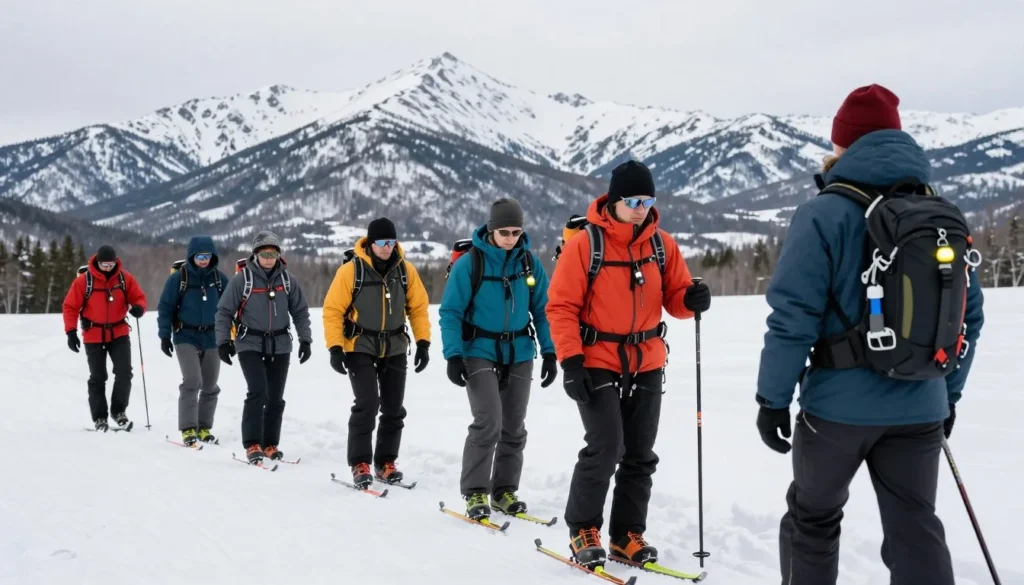
Avalanche danger threatens backcountry winter travelers. Take avalanche education courses before venturing out. Utah Avalanche Center provides daily forecasts and conditions.
Carry avalanche safety equipment in winter backcountry. Beacon, probe, and shovel represent essential gear. Practice using equipment before emergencies occur.
Ice conditions on Bear Lake change throughout winter. Check thickness reports before venturing onto frozen lake. Early and late season ice remains dangerously thin.
Visitor Comments About Bear River Range Utah
Travelers from around the world share their experiences exploring the Bear River Range. These authentic perspectives provide valuable insights for planning your visit. Real visitor feedback highlights what makes this destination special.
“The Bear River Range exceeded every expectation we had. Tony Grove Lake took my breath away with its crystal-clear water and surrounding peaks. We hiked to Mount Naomi and the views from the summit stretched forever. The limestone formations in Logan Canyon fascinated our entire family. Local people were incredibly friendly and helpful with recommendations. We’re already planning our return trip for next summer.”
“I’ve traveled extensively throughout the Rockies, but the Bear River Range remains relatively undiscovered. That’s precisely what makes it special. The trails weren’t crowded even during peak season. Wildlife encounters happened daily during our week-long stay. The area offers exceptional value compared to more famous destinations. Cache Valley’s small-town charm provided a welcome contrast to typical resort towns. This region deserves far more recognition than it receives.”
“Our family discovered the perfect blend of adventure and accessibility here. The children loved exploring Wind Caves and playing at Bear Lake. Logan Canyon’s scenic beauty amazed us around every turn. We appreciated how close everything was to our hotel in Logan. The Hardware Ranch sleigh ride created memories our kids still talk about. Dining options exceeded our expectations for a smaller city. We found this destination ideal for families seeking authentic mountain experiences.”
Additional Nearby Destinations
The Bear River Range anchors a region filled with remarkable destinations. Extending your visit allows exploration of surrounding attractions. These nearby locations complement your mountain adventures perfectly.
Bear Lake
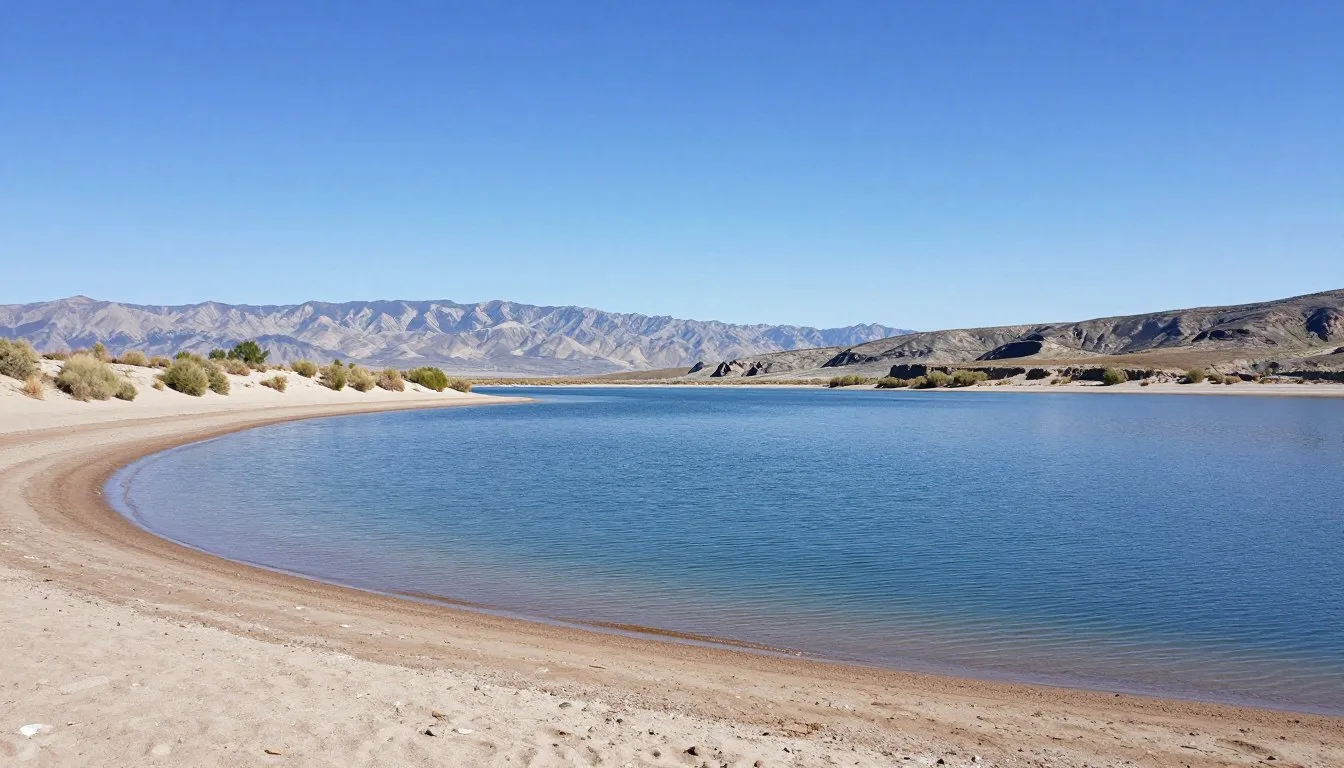
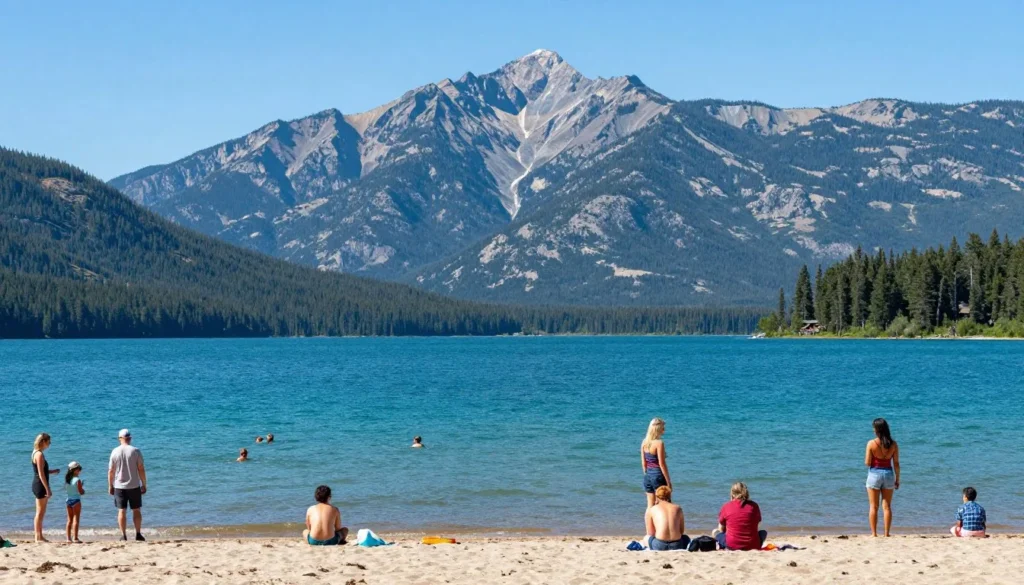
This stunning turquoise lake spans 280 sq km (109 sq miles) across the Utah-Idaho border. The unique color results from limestone particles suspended in water. Bear Lake sits just 64 km (40 miles) from Logan.
Summer brings boating, swimming, and beach activities. Raspberry Days festival celebrates the area’s famous berries each August. Winter transforms the lake into an ice fishing destination.
Garden City serves as the primary lakeside community. Restaurants specialize in the legendary raspberry shakes. Vacation rentals line the shore throughout the area.
Hyrum State Park
This 202-hectare (500-acre) reservoir sits 13 km (8 miles) south of Logan. The park offers year-round recreation in a convenient location. Camping, boating, and fishing attract local visitors.
A sandy swimming beach operates during summer months. The reservoir freezes solid for winter ice fishing. Mountain views provide scenic backdrops for all activities.
Developed campgrounds include modern restrooms and showers. RV sites offer full hookups and electricity. Day-use areas provide picnicking facilities and boat launches.
Caribou-Targhee National Forest
This vast forest encompasses much of southeastern Idaho. The Bear River Range forms part of this protected landscape. Additional recreation opportunities exist throughout the forest.
Palisades Reservoir offers premier water recreation 129 km (80 miles) northeast. The Snake River headwaters provide world-class fly fishing. Numerous hot springs dot the surrounding area.
Salt Lake City
Utah’s capital lies 129 km (80 miles) south of Logan. This growing metropolis offers urban attractions and amenities. International flights connect through Salt Lake City International Airport.
Temple Square anchors downtown’s historic district. Multiple museums showcase regional history and culture. Professional sports teams compete in modern venues.
World-class ski resorts operate within 40 km (25 miles) of downtown. Park City and the Cottonwood Canyons attract skiers worldwide. Summer hiking in these mountains rivals winter skiing.
Golden Spike National Historic Park
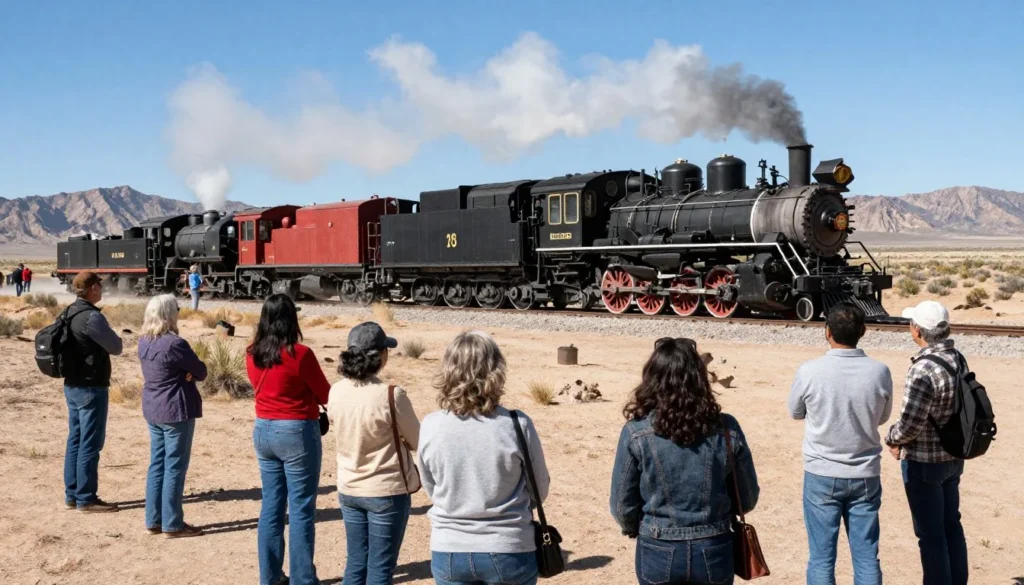
The transcontinental railroad met here in 1869. This historic site lies 97 km (60 miles) west of Logan. Replica locomotives recreate the famous joining ceremony.
Visitor center exhibits explain the railroad’s construction and impact. Ranger programs run throughout summer months. The remote location provides authentic frontier atmosphere.
Scenic drives traverse the surrounding desert landscape. Spring wildflowers transform the terrain into colorful displays. Antelope Island State Park sits nearby in Great Salt Lake.
City of Rocks National Reserve
This geological wonderland sits 145 km (90 miles) northwest in Idaho. Granite spires create a surreal landscape unlike anything nearby. Rock climbing attracts enthusiasts from around the world.
California Trail wagon ruts still mark the landscape. Pioneers carved names into soft rocks during westward journeys. The reserve preserves both natural and cultural history.
Primitive camping allows overnight stays among the rock formations. Dark skies provide exceptional stargazing opportunities. Fall and spring offer the most comfortable visiting conditions.
Day Trip Options
- Minnetonka Cave – 97 km (60 miles) northeast
- Craters of the Moon – 241 km (150 miles) north
- Great Salt Lake – 129 km (80 miles) south
- Lava Hot Springs – 105 km (65 miles) north
Weekend Extensions
- Yellowstone National Park – 354 km (220 miles) north
- Grand Teton National Park – 306 km (190 miles) north
- Arches National Park – 467 km (290 miles) south
- Sun Valley, Idaho – 257 km (160 miles) northwest
Practical Travel Tips
Successful Bear River Range visits require some advance preparation. These practical details help travelers avoid common problems. Local knowledge makes your trip smoother and more enjoyable.
What to Pack
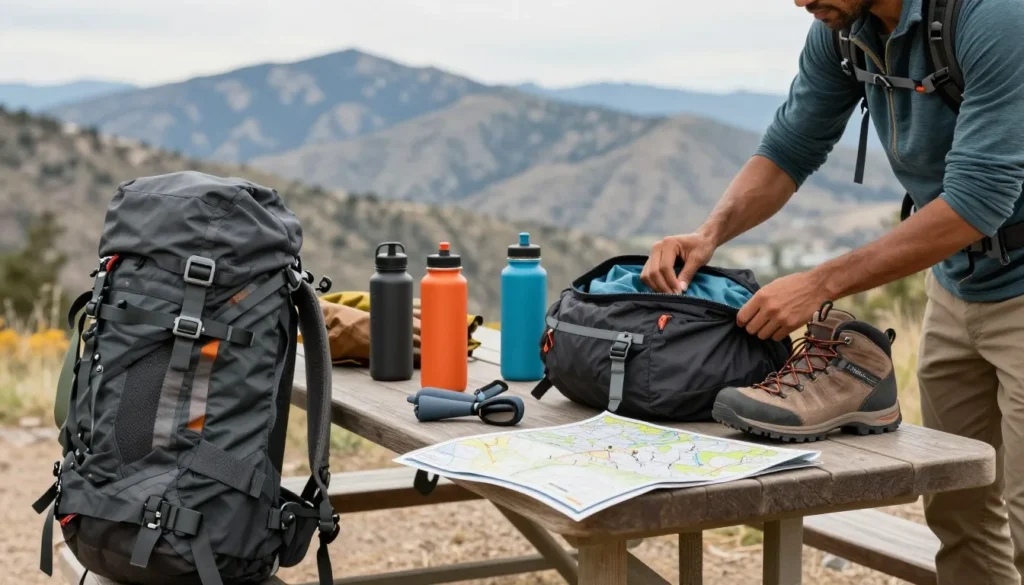
Layered clothing systems work best for mountain environments. Temperatures vary dramatically with elevation and time of day. Mornings start cool even during summer months.
Rain gear belongs in every pack regardless of forecast. Afternoon thunderstorms develop quickly throughout summer. Waterproof jackets protect against both rain and wind.
Quality hiking boots prevent blisters and injuries on rocky trails. Break in new boots before your trip. Bring backup footwear for evening relaxation.
Essential Gear
- Daypack – 20-30 liter capacity
- Water bottles or hydration system
- Sun protection – hat, sunglasses, sunscreen
- First aid kit with basics
- Headlamp with extra batteries
- Navigation – map, compass, GPS
Clothing
- Moisture-wicking base layers
- Insulating mid-layer fleece
- Waterproof rain jacket
- Hiking pants and shorts
- Warm hat and gloves for evenings
- Extra socks – wool or synthetic
Optional Items
- Trekking poles for stability
- Camera and extra batteries
- Binoculars for wildlife viewing
- Field guides for plants and animals
- Camping chair for relaxing
- Book or kindle for downtime
Communication and Connectivity
Cell phone service disappears quickly in canyon areas. Download offline maps before leaving Logan. Google Maps allows offline area downloads.
Public WiFi exists at most Logan hotels and restaurants. The library provides free internet access during open hours. Cache Valley Visitors Center offers WiFi as well.
Satellite communication devices provide emergency backup. InReach and SPOT messengers work throughout the mountains. Consider renting devices for extended backcountry trips.
Photography Tips
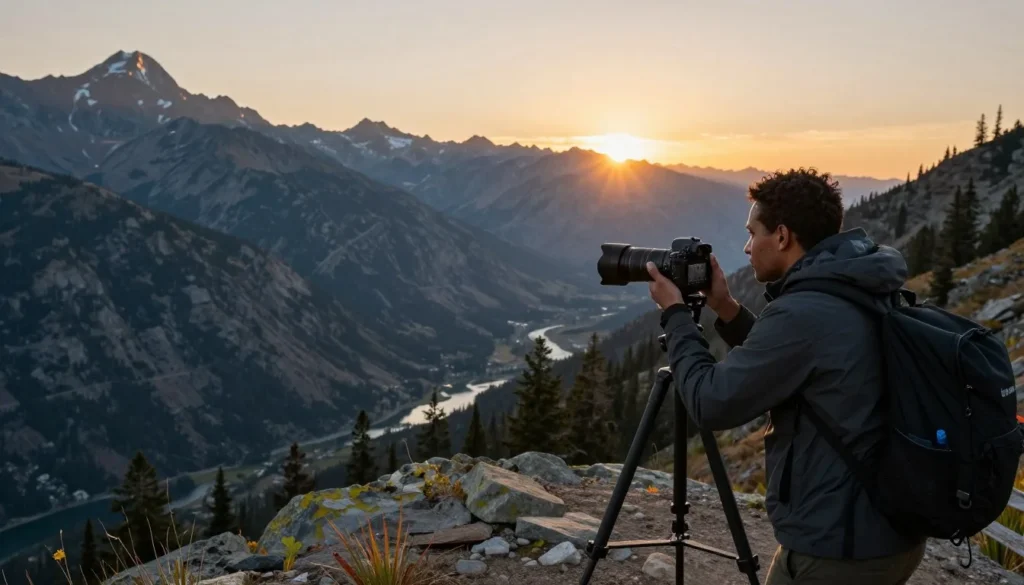
Golden hour lighting transforms mountain landscapes magically. Shoot within two hours of sunrise or sunset. Midday harsh light rarely produces stunning images.
Polarizing filters reduce glare and deepen blue skies. These filters work especially well on Bear Lake water. Bring cleaning cloths for dusty conditions.
Wildlife photography requires patience and long lenses. Moose and elk tolerate observers at distance only. Never approach animals for closer shots.
Altitude Considerations
Logan sits at 1,372 m (4,500 ft) above sea level. Many trails reach elevations exceeding 2,743 m (9,000 ft). Altitude affects visitors from low elevations significantly.
Drink extra water to combat altitude effects. Dehydration intensifies altitude symptoms markedly. Avoid alcohol the first day at elevation.
Ascend gradually if possible when hiking. Take frequent breaks on steep climbs. Descend if headaches or nausea develop.
Best Resources
Cache Valley Visitors Bureau provides comprehensive trip planning assistance. Their office stocks free maps and current information. Staff members offer personalized recommendations enthusiastically.
Forest Service websites contain updated trail conditions. Check before visiting for closure information. Rangers answer questions by phone during business hours.
Local outdoor shops employ knowledgeable staff members. They provide current beta on trails and conditions. Many offer gear rentals for specialized activities.
Useful Contacts
- Cache Valley Visitors Bureau – Information
- Logan Ranger District – Trail conditions
- Utah Road Conditions – Dial 511
- Weather Forecast – NOAA updates
- Emergency Services – Dial 911
Local Services
- Outdoor gear – AJ’s Sporthaus, Trailhead Sports
- Bike rentals – Sunrise Cyclery, Joyride Bikes
- Guided trips – Multiple outfitters available
- Medical care – Logan Regional Hospital
- Grocery – Walmart, Smith’s, Lee’s Marketplace

Travel Insurance
Consider trip insurance for expensive vacations. Coverage protects against cancellations and medical emergencies. Mountain activities carry inherent risks worth insuring.
Verify your health insurance covers out-of-state emergencies. Some policies limit coverage outside home regions. Medical evacuations from backcountry can cost thousands.
Permits and Regulations
No wilderness permits currently required for day hiking. Backcountry camping needs no advance reservations. Forest Service requests voluntary registration at trailheads.
Fishing requires valid Utah or Idaho licenses. Licenses are available at sporting goods stores and online. Regulations vary between states at Bear Lake.
Dogs must remain leashed in developed recreation areas. Voice control works in wilderness zones but isn’t recommended. Always clean up after pets on trails.
Your Bear River Range Adventure Awaits
The Bear River Range stands ready to transform your mountain dreams into reality. These peaks have welcomed adventurers for generations while maintaining their wild character. Every season paints the landscape with new colors and opportunities.
Whether you seek challenging summit hikes or gentle lakeside strolls, these mountains deliver. The limestone cliffs, alpine meadows, and pristine wilderness create unforgettable experiences. Cache Valley’s warm hospitality ensures comfortable stays between outdoor adventures.
Start planning your visit to this remarkable destination today. The trails, lakes, and peaks wait for your footsteps. Your Bear River Range story begins the moment you arrive in this mountain paradise.