Deep within southeastern Utah lies a landscape so culturally significant that over 100,000 archaeological sites dot its red rock canyons. Bears Ears National Monument protects sacred tribal lands spanning 547,074 hectares (1,351,849 acres) where ancient peoples left an indelible mark on the landscape. This remote wilderness offers something rare in our modern world: a chance to walk among 13,000-year-old ruins and stand where ancestors once thrived.
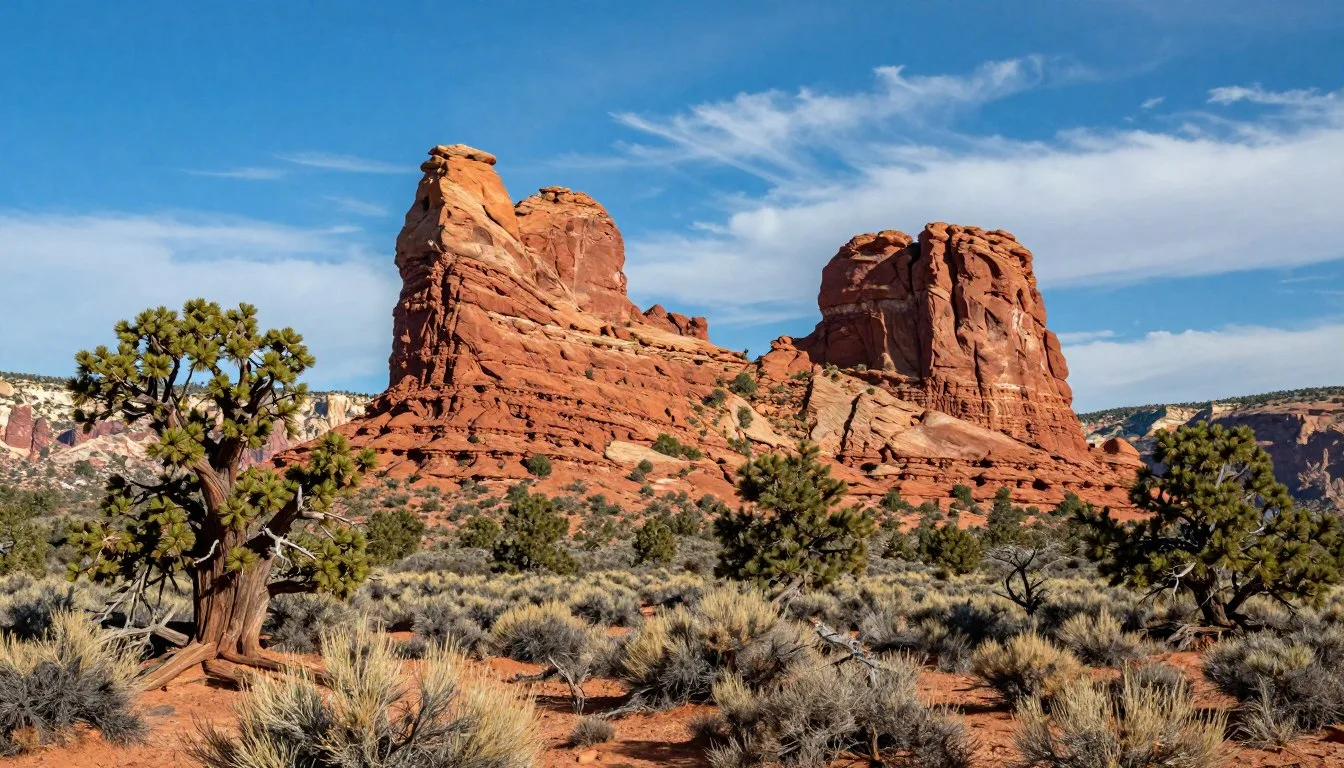
The monument draws its name from twin buttes that rise like sentinels above Cedar Mesa. These distinctive peaks have guided travelers for millennia. Today, they beckon modern adventurers seeking authentic experiences far from crowded tourist corridors.
Unlike the packed trails of nearby Arches or Zion, Bears Ears rewards those willing to venture off the beaten path. This guide reveals the monument’s hidden treasures and practical wisdom you need to plan an unforgettable journey.
Getting There & Planning Your Journey
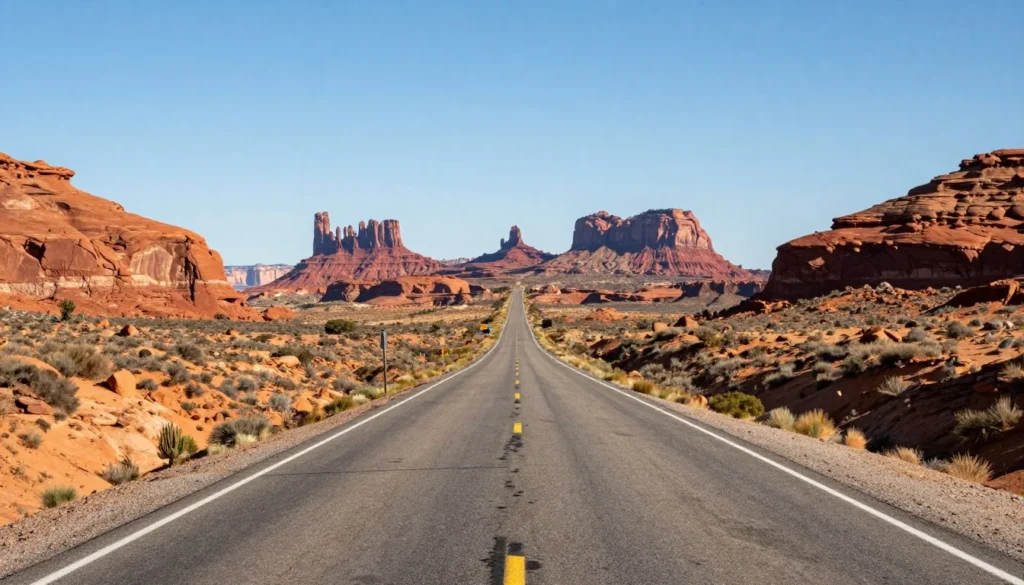
Bears Ears National Monument sits in San Juan County, roughly 161 km (100 miles) south of Moab. The monument’s remote location requires thoughtful planning, as cell service is limited and facilities are sparse.
Closest Airports
Your gateway to Bears Ears depends on your budget and schedule. Canyonlands Field Airport (CNY) in Moab offers the closest access at 145 km (90 miles) north. This small regional airport connects through Denver and Salt Lake City.
Grand Junction Regional Airport (GJT) in Colorado sits 209 km (130 miles) northeast and typically offers more competitive fares. Salt Lake City International Airport (SLC), located 483 km (300 miles) northwest, provides the most flight options and rental car choices.
The drive from any airport showcases stunning scenery. Route planning should account for winding mountain roads and weather conditions, especially during winter months.
Ground Transportation
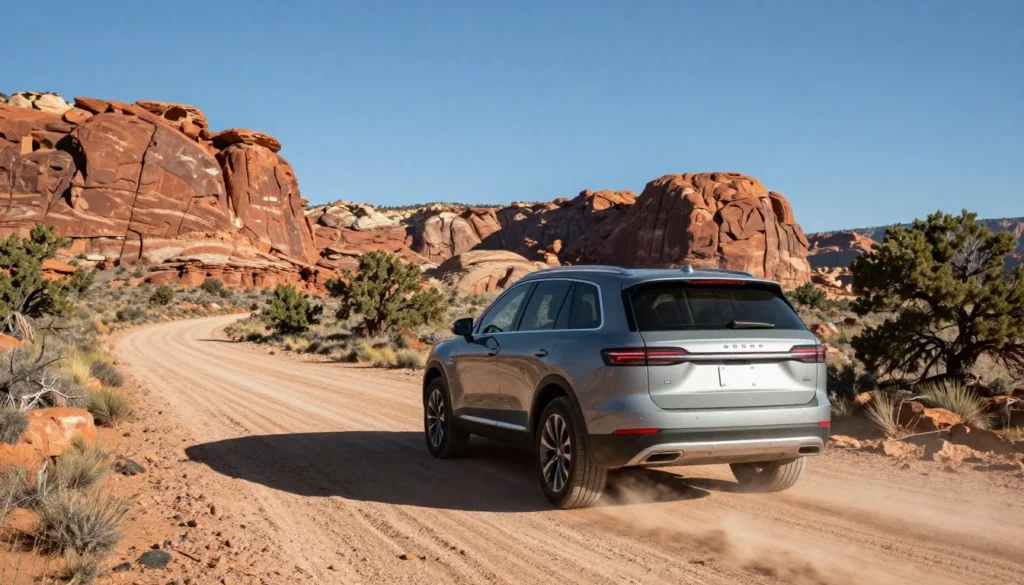
A high-clearance vehicle becomes essential for exploring Bears Ears backcountry roads. Many archaeological sites require driving unpaved routes that can deteriorate quickly after rain. Four-wheel drive isn’t always mandatory, but it opens access to remote areas.
Plan fuel stops carefully. Blanding and Bluff serve as primary supply towns. Gas stations become scarce once you enter the monument. Fill your tank and carry extra water before venturing onto dirt roads.
Bears Ears National Monument spans across southeastern Utah near the Four Corners area
Best Time to Visit & Weather Tips
Optimal Visiting Seasons
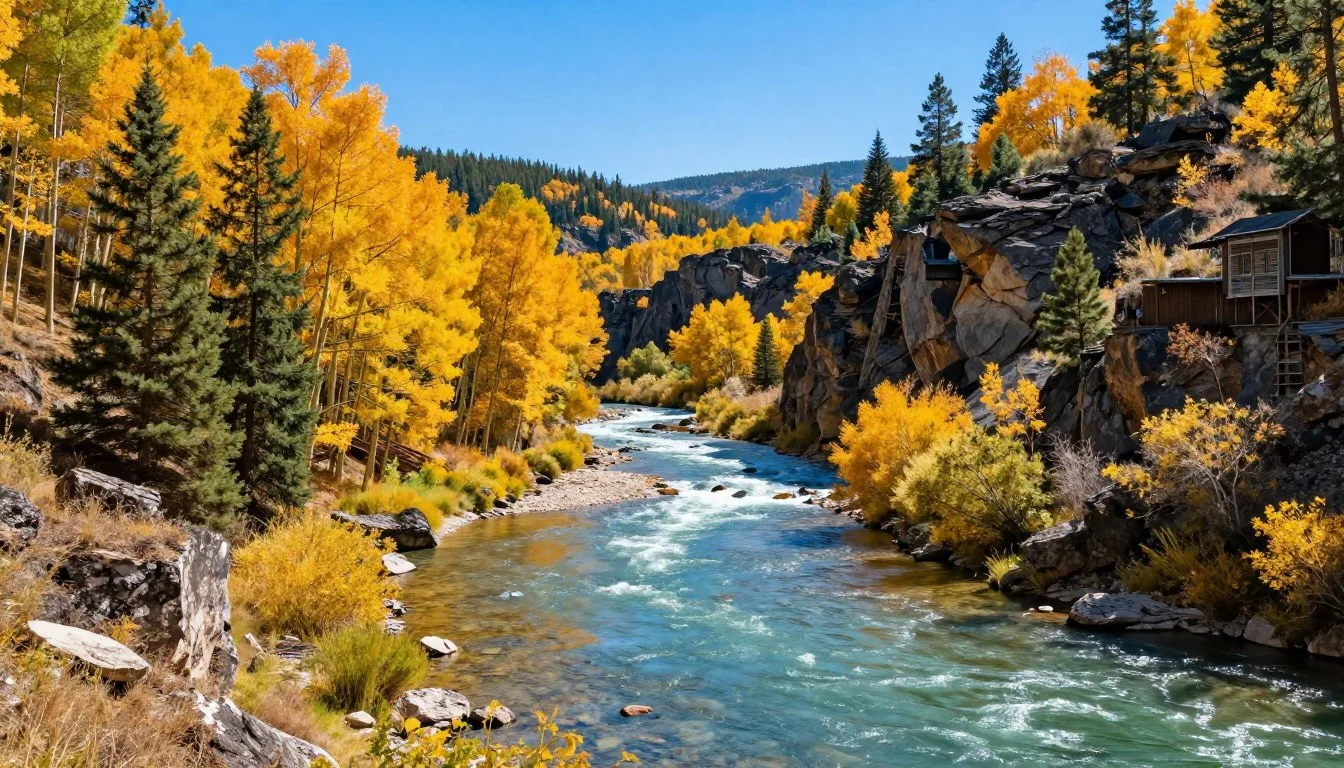
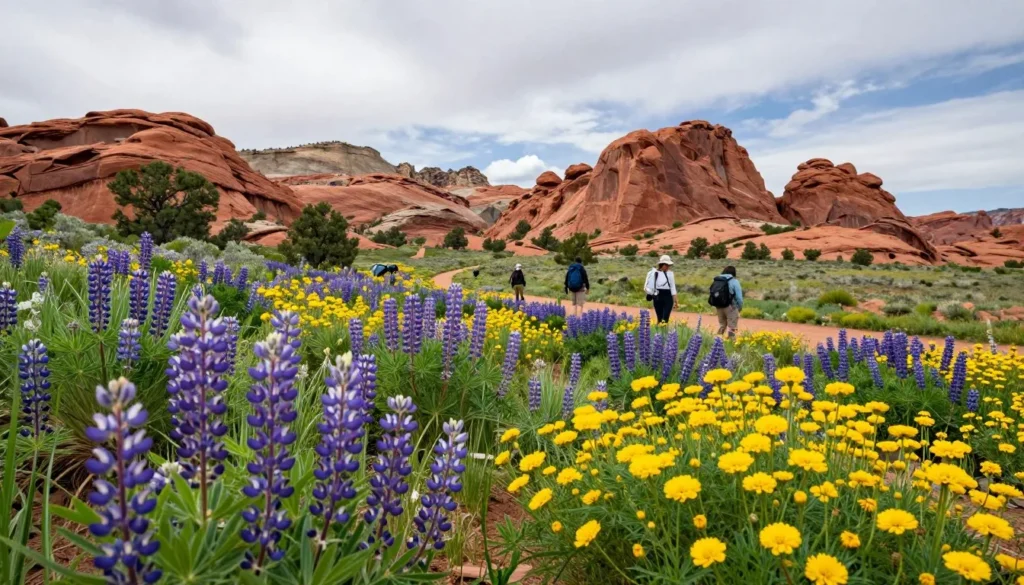
Spring (April through May) and fall (September through October) offer ideal conditions for exploring Bears Ears. Temperatures range from 15°C to 24°C (59°F to 75°F) during these months. Wildflowers carpet the plateau in spring, while autumn brings golden aspens to higher elevations.
Summer brings intense heat to lower elevations. Temperatures frequently exceed 38°C (100°F) in canyons. Early morning starts become mandatory for hiking. Afternoon thunderstorms arrive regularly from July through August, creating flash flood dangers in slot canyons.
Winter transforms the landscape with snow covering the plateau. Roads become impassable without four-wheel drive. However, solitude seekers find magical quiet during these months. Pack tire chains and check road conditions before winter visits.
Months to Avoid
Late July and August present the highest risk for flash floods. Monsoon thunderstorms can turn dry washes into raging torrents within minutes. December through February bring road closures and limited access to most archaeological sites.
What to Pack
- Layered clothing for dramatic temperature swings
- Sun protection including wide-brimmed hat and SPF 50+ sunscreen
- Minimum 4 liters (1 gallon) of water per person daily
- Detailed maps and GPS device
- First aid kit and emergency supplies
- Sturdy hiking boots with ankle support
Notable Annual Festivals
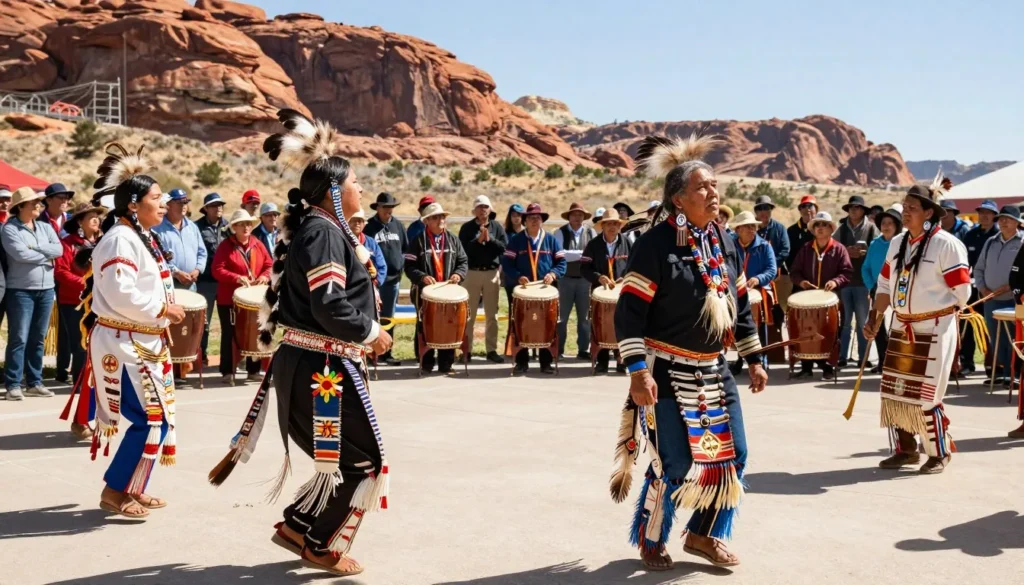
The Bears Ears region celebrates its rich cultural heritage through several annual events. These gatherings honor the traditions of the Navajo, Ute, Zuni, Hopi, and Ute Mountain Ute tribes who consider this land sacred.
Bears Ears Inter-Tribal Coalition Gathering
This spring gathering brings together tribal members and supporters to celebrate the monument’s cultural significance. Events include traditional storytelling, native food demonstrations, and educational workshops about ancestral connections to the land.
The gathering typically occurs in May. Contact the Bears Ears Inter-Tribal Coalition office for exact dates and participation details.
Edge of the Cedars State Park Museum Events
Located in Blanding, this museum hosts regular cultural programs throughout the year. Native artists demonstrate traditional crafts, and archaeologists lead discussions about ongoing research in the Four Corners area.
For event schedules, contact Edge of the Cedars State Park Museum at 435-678-2238.
Navajo Nation Fair
While held in Window Rock, Arizona, this September celebration attracts visitors exploring the Bears Ears region. The week-long event showcases traditional dancing, rodeo competitions, and native arts.
The Navajo Nation Fair office can be reached at 928-871-6478 for current year dates and programming.
Getting Around Locally
Navigation through Bears Ears National Monument demands self-sufficiency and preparation. The monument encompasses two distinct units: Indian Creek and Shash Jáa. Each requires different access strategies.
Road Conditions
State Highway 95 and Highway 191 provide paved access to monument edges. Beyond these main arteries, dirt roads vary from well-maintained to extremely rough. Road conditions change dramatically after storms.
The area around Comb Ridge demands particular caution. This 129-km (80-mile) monocline creates steep terrain where roads can wash out. Always check current conditions at the Monticello Field Office (435-587-1500) before attempting backcountry routes.
Navigation Tools
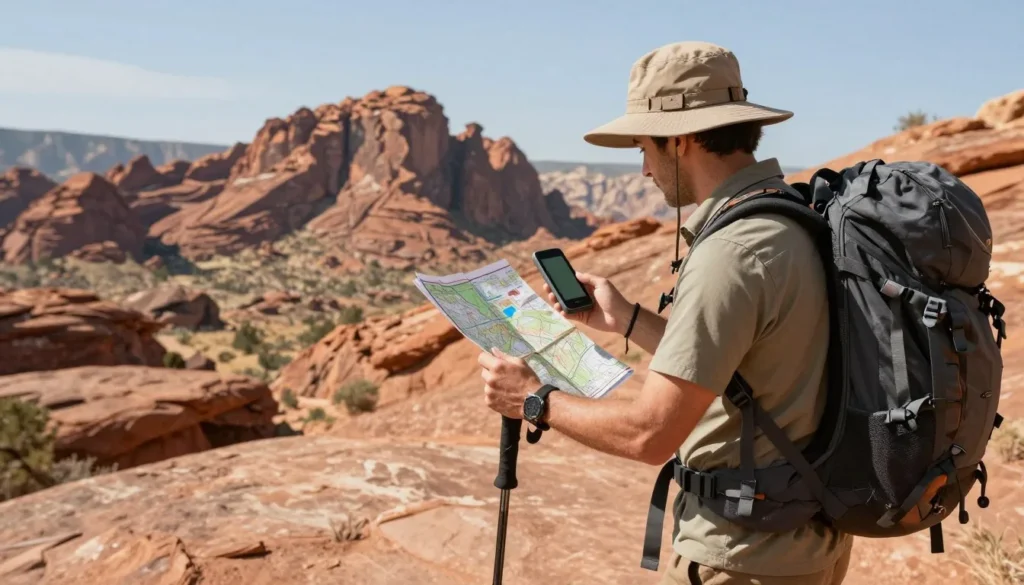
Cell phone coverage is unreliable throughout the monument. Download offline maps before your visit. GPS devices provide critical backup navigation. Paper maps from the Bureau of Land Management office offer essential detail for dirt roads.
Key access points include Butler Wash Road, Valley of the Gods Road, and Elk Ridge Road. Each leads to significant archaeological sites and scenic overlooks. Plan routes carefully and inform someone of your itinerary before departing.
Where to Stay
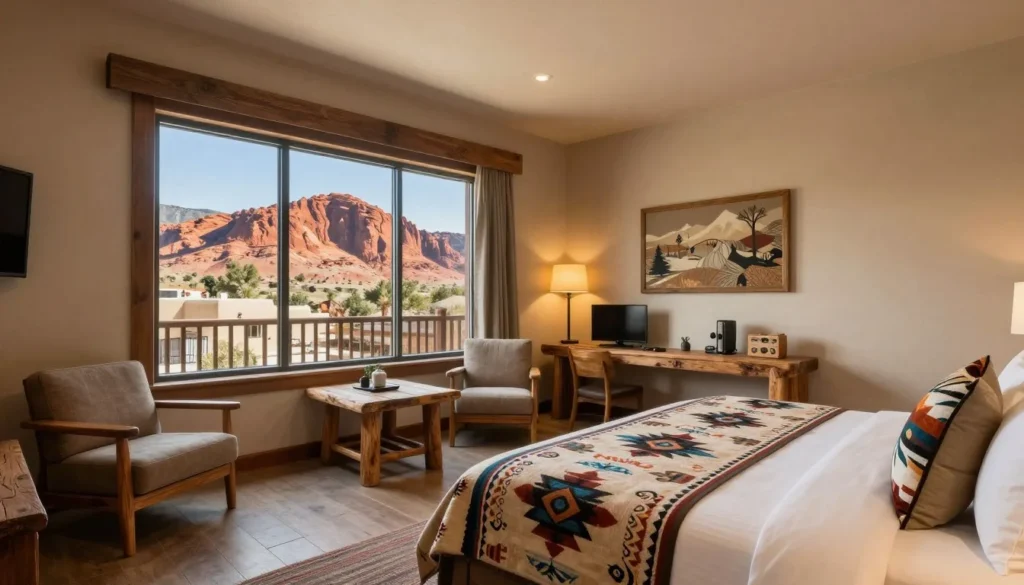
Lodging options near Bears Ears range from rustic campgrounds to comfortable hotels. Your base camp choice depends on desired amenities and proximity to specific sites.
Bluff Accommodations
This small town sits at the monument’s southern edge and offers the closest lodging to many archaeological sites. Desert Rose Inn provides comfortable rooms with views of the San Juan River. Recapture Lodge offers budget-friendly options with local character.
For reservation information, contact Desert Rose Inn at 435-672-2303 or Recapture Lodge at 435-672-2281.
Blanding Options
Blanding provides more extensive services 48 km (30 miles) north of Bluff. The Stone Lizard Lodge and Four Corners Inn offer reliable mid-range accommodations. Several chain hotels cluster near Highway 191.
Camping Experiences
Dispersed camping is permitted throughout most of the monument. This free option lets you wake up surrounded by ancient landscapes. Choose previously used sites to minimize impact. Carry out all waste.
Established campgrounds include Natural Bridges National Monument campground and private RV parks in Bluff. The Natural Bridges campground operates on a first-come basis and fills quickly during peak seasons.
Hotel Guidelines
- Book accommodations several weeks ahead for spring and fall visits
- Bluff and Blanding serve as optimal base camps
- Moab offers more variety but adds 2-3 hours driving time daily
- Budget motels provide clean basics for tired hikers
Camping Tips
- Arrive at established campgrounds before noon during busy seasons
- Practice strict Leave No Trace principles at dispersed sites
- Store food properly to avoid attracting wildlife
- Check fire restrictions before planning campfires
Dining & Local Cuisine

Dining options near Bears Ears National Monument reflect the region’s frontier character and native heritage. Restaurants cluster in Bluff and Blanding, while the monument itself lacks any food services.
Bluff Restaurants
The San Juan River Kitchen serves innovative Southwestern cuisine featuring local ingredients. Their Navajo tacos on fresh frybread have earned regional fame. Duke’s Slickrock Grill offers hearty American fare perfect for refueling after long hikes.
Comb Ridge Eat and Drink combines casual dining with an excellent selection of regional craft beers. The patio provides stunning sunset views of the surrounding buttes.
Blanding Choices
Blanding offers familiar chain restaurants alongside local establishments. Homestead Steak House serves substantial portions of grilled meats and western comfort food. Patio Drive-In has operated since 1958, delivering classic burgers and shakes.
Regional Specialties
Navajo tacos appear on many menus throughout the area. This dish tops crispy frybread with seasoned meat, beans, cheese, lettuce, and tomatoes. Green chile stew showcases New Mexican influences that drift into this corner of Utah.
Stock up on groceries and snacks in Blanding before heading into the monument. The Blue Mountain Foods grocery store carries camping supplies alongside fresh produce. Pack a cooler with drinks and sandwich fixings for picnic lunches among the ruins.
Attractions, Sightseeing & Activities

Bears Ears National Monument protects countless archaeological treasures spanning thousands of years. These sites offer intimate glimpses into ancestral lives and artistic expression.
House on Fire Ruin
This aptly named dwelling appears to glow with flames when sunlight strikes the streaked ceiling above it. The optical illusion occurs during specific times around midday. Ancestral Puebloans built these stone rooms around 700 years ago.
The moderately easy hike covers 2.4 km (1.5 miles) round trip. Spring and fall provide the best lighting conditions. Respect the fragile structures by viewing from designated areas only.
Moon House Ruin
One of Cedar Mesa’s most impressive sites, Moon House features remarkably preserved rooms and pictographs. The Bureau of Land Management limits access to protect this fragile site. Permits are required and guided tours operate during spring and fall.
Contact the Monticello Field Office at 435-587-1500 for permit information and tour schedules. The challenging 13-km (8-mile) round trip hike rewards visitors with solitude and spectacular preservation.
Procession Panel
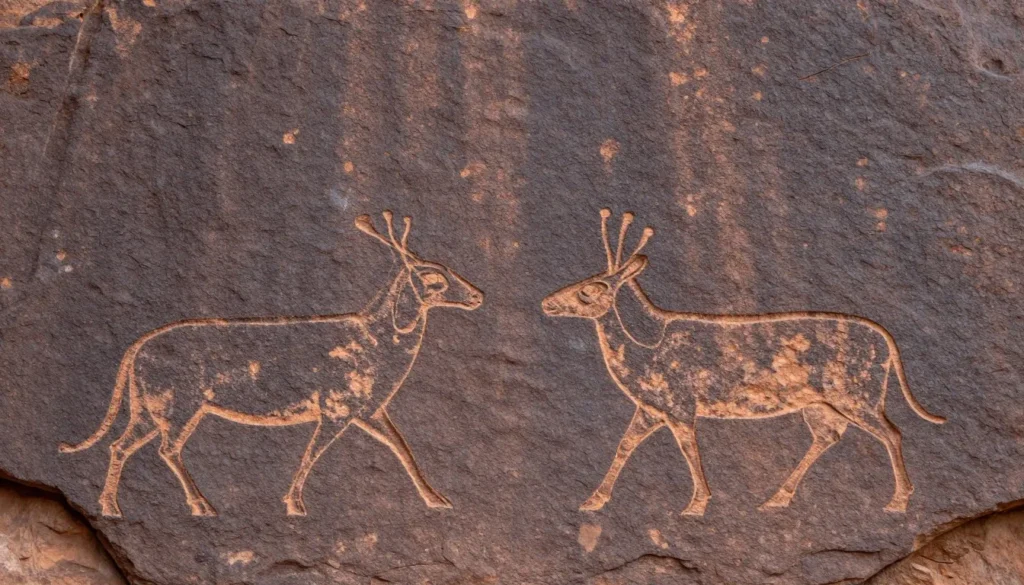
This extensive rock art panel stretches along a cliff face displaying over 200 human figures in an apparent ceremonial procession. The Basketmaker culture created these images roughly 1,500 years ago. Researchers continue studying the panel’s possible astronomical alignments.
Valley of the Gods
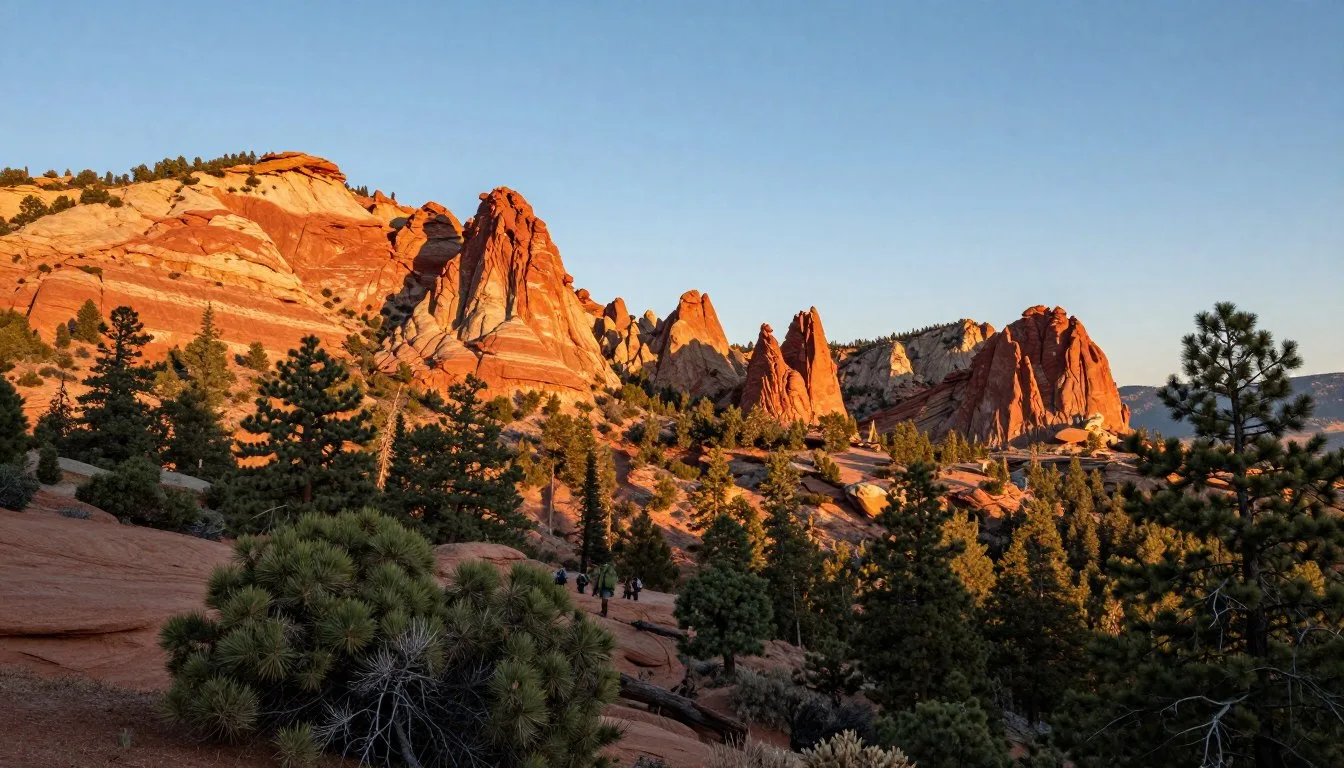
This stunning landscape rivals Monument Valley in grandeur while attracting a fraction of the visitors. Towering buttes stand like chess pieces across the valley floor. A 27-km (17-mile) dirt road loops through the formations.
The unpaved route requires dry conditions and careful driving. Allow three hours to complete the loop with stops for photographs. Late afternoon light transforms the red rocks into blazing sculptures.
Mule Canyon Ruins
An accessible site perfect for families, Mule Canyon features a restored kiva and pueblo rooms visible from an easy 0.5-km (0.3-mile) trail. Interpretive signs explain construction techniques and daily life of the inhabitants.
The site sits directly off Highway 95, making it an excellent introduction to Bears Ears archaeology. No permit is required, but visitors must stay on designated paths.
Museums, Cultural Spots & Festivals
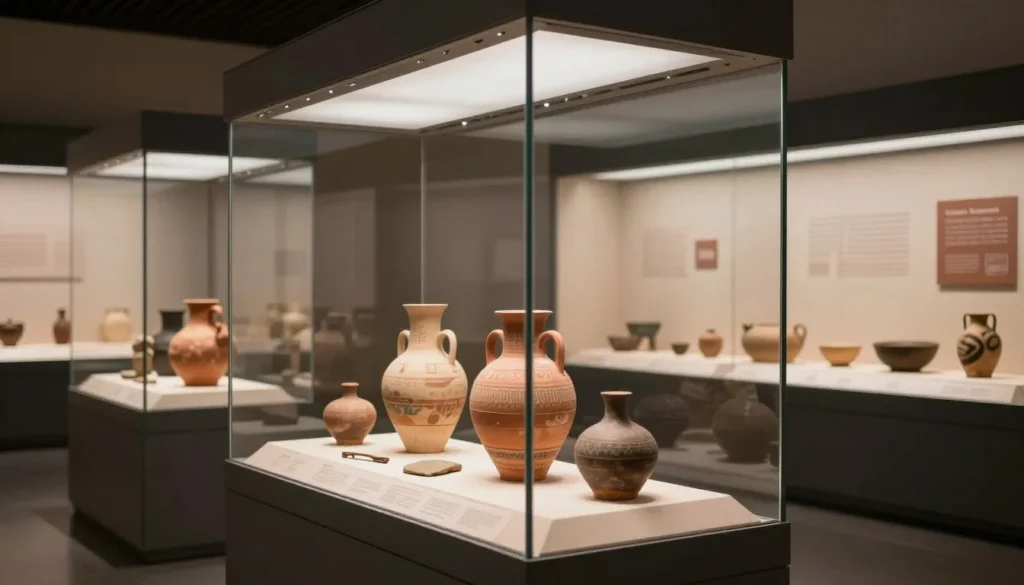
Understanding the cultural context enriches any Bears Ears visit. Several institutions interpret the region’s deep heritage and ongoing tribal connections.
Edge of the Cedars State Park Museum
Located in Blanding, this excellent facility houses one of the Southwest’s finest collections of Ancestral Puebloan pottery. The museum grounds include an excavated pueblo and kiva visitors can enter. Rotating exhibits showcase contemporary Native American artists.
Admission costs $5 for adults. The museum opens daily except major holidays. Call 435-678-2238 for current hours and special programming schedules.
Newspaper Rock State Historic Monument
This remarkable petroglyph panel displays over 650 rock art images spanning 2,000 years of human history. The free roadside site sits along Highway 211 west of the monument. Viewing platforms allow close examination of the dense concentration of images.
The site draws its name from early settlers who likened the carved symbols to newspaper text. Multiple cultures added their marks over millennia, creating a visual timeline.
Cultural Education Opportunities
The Bears Ears Inter-Tribal Coalition occasionally offers guided tours led by tribal members. These rare opportunities provide authentic perspectives on site significance and ongoing cultural practices.
Check with the coalition for upcoming programs. Many events require advance registration due to limited capacity.
Nature & Outdoor Experiences
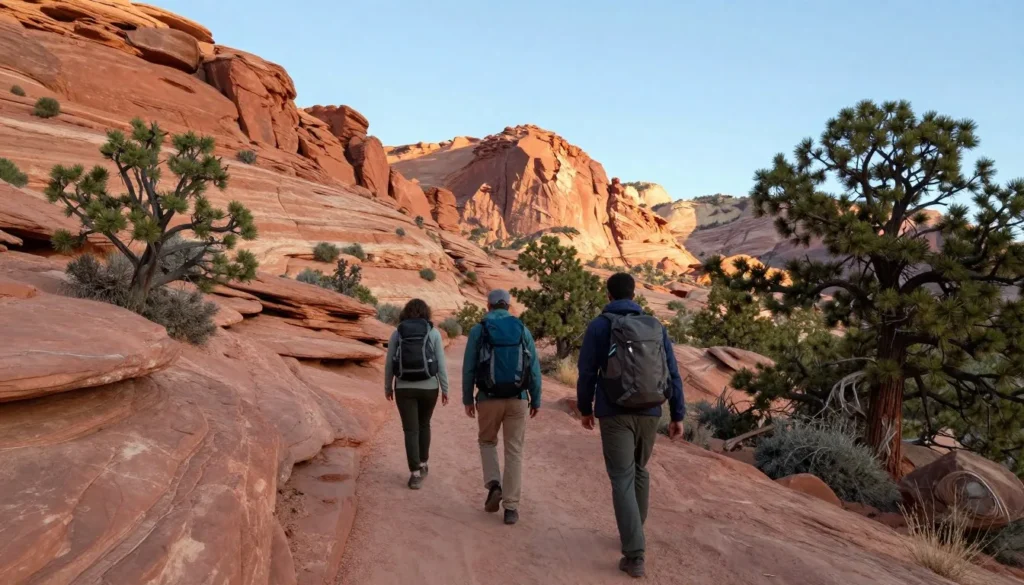
The monument’s wild character calls to outdoor enthusiasts seeking genuine wilderness experiences. These landscapes demand respect and preparation.
Hiking Adventures
Grand Gulch stands as one of Utah’s premier backpacking destinations. This 84-km (52-mile) canyon system contains hundreds of archaeological sites. Multi-day permits from the Monticello BLM office are required. The gulch demands navigation skills and desert experience.
Fish and Owl Creek canyons offer shorter options with similar archaeological richness. Day hikes range from 8 to 19 km (5 to 12 miles). Spring water sources exist but require purification.
Johns Canyon provides a moderate 10-km (6-mile) round trip hike to impressive ruins. The trail follows a dry wash requiring some scrambling over boulders. Carry plenty of water as none exists along the route.
Rock Climbing
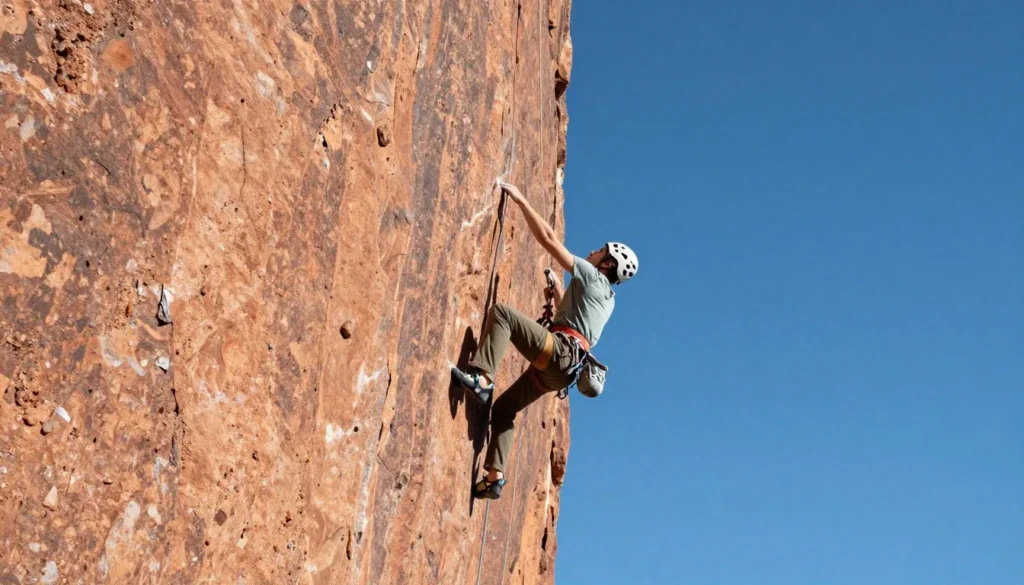
Indian Creek’s crack climbing draws enthusiasts worldwide. Perfect splitter cracks in Wingate sandstone offer climbs from beginner to expert level. The Needles district of Canyonlands National Park extends these formations.
Creek Pasture and Supercrack Buttress contain iconic routes. Spring and fall provide ideal temperatures for all-day climbing sessions. Summer heat makes rock too hot to touch by midday.
Mountain Biking
The White Rim Road and surrounding trails offer world-class mountain biking. Lockhart Basin connects Canyonlands to the monument with 103 km (64 miles) of challenging terrain. This multi-day route requires support vehicles and careful planning.
Shorter rides along Comb Ridge Road showcase dramatic geology. The road follows the monocline for 129 km (80 miles), though most riders tackle sections rather than the entire length.
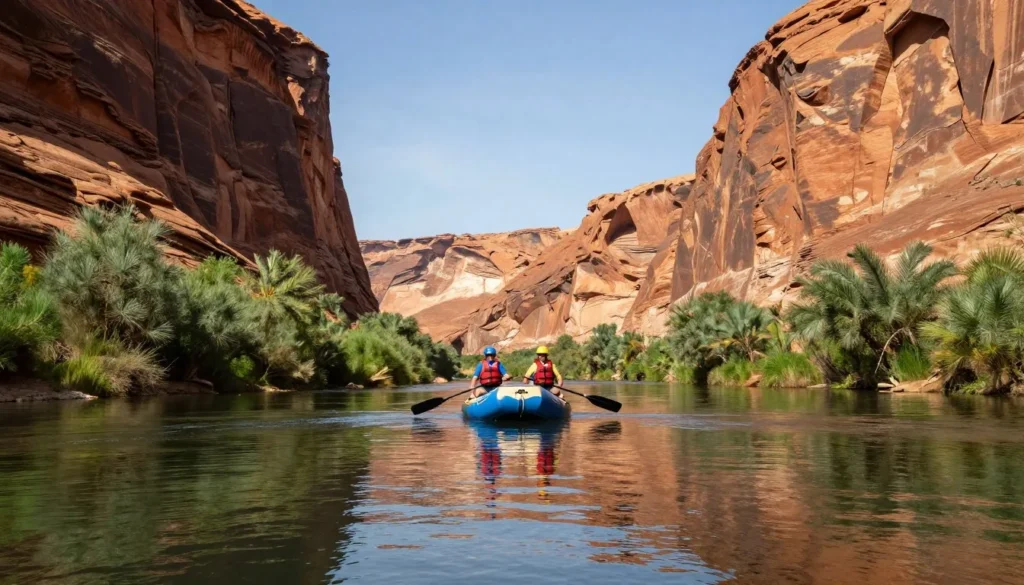
San Juan River Floating
The San Juan River cuts through the monument’s southern boundary. Multi-day rafting trips from Bluff to Clay Hills showcase towering canyon walls and hidden side canyons containing ruins.
Commercial outfitters based in Bluff offer guided trips from March through October. Private parties need permits from the BLM. Spring runoff typically peaks in May, offering the highest water levels.
Wildlife Watching
Desert bighorn sheep inhabit the canyons though sightings remain uncommon. Early morning and late evening increase chances of spotting these magnificent animals. Mule deer browse among the pinyon-juniper forests at higher elevations.
Raptors patrol the skies year-round. Golden eagles nest in cliff faces, while red-tailed hawks hunt from prominent perches. Ravens provide constant entertainment with their aerial acrobatics and vocalizations.
Reptile diversity peaks during warm months. Collared lizards dart among the rocks displaying brilliant colors. Watching for rattlesnakes becomes essential, especially near water sources and in shaded areas.
Travel With Children
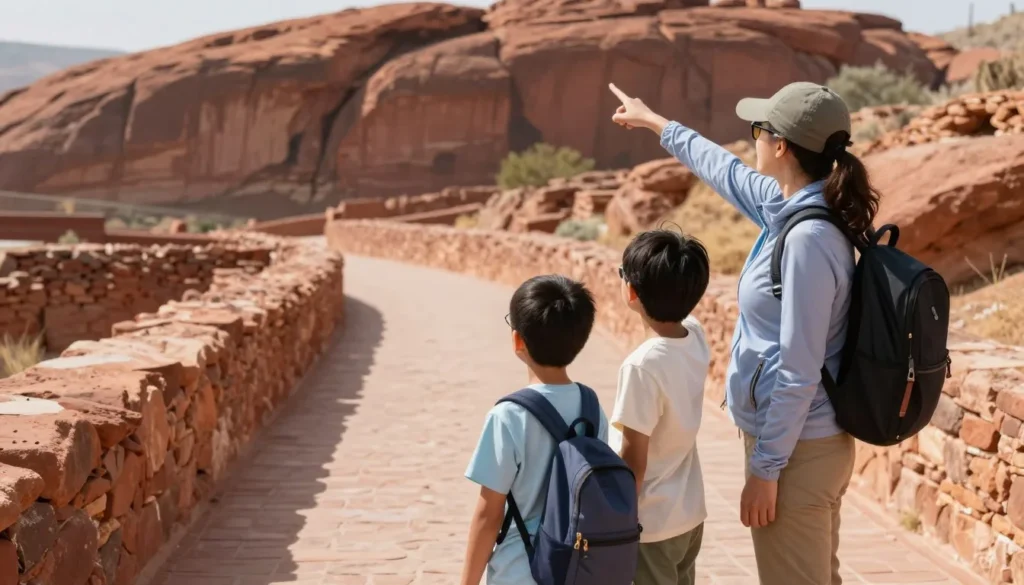
Bears Ears can create lifelong memories for young explorers when parents choose appropriate activities and set realistic expectations.
Family-Friendly Sites
Newspaper Rock captivates children with its mysterious symbols and easy accessibility. Kids enjoy trying to count all the figures and imagining their meanings. The short walk from the parking area accommodates even small legs.
Natural Bridges National Monument borders Bears Ears and offers three spectacular bridges accessible via short hikes. The Sipapu Bridge viewpoint requires only 183 m (600 feet) of walking. Junior Ranger programs provide educational structure for the visit.
Mule Canyon Ruins delivers authentic archaeology without demanding long hikes. The restored kiva particularly fascinates children who can peer inside and imagine ancient ceremonies. Interpretive signs spark discussions about how people lived without modern conveniences.
Safety Considerations
Hydration becomes critical for children in the desert. Pack at least 1 liter (1 quart) of water per child for even short outings. Frequent water breaks prevent dehydration before symptoms appear.
Sun protection requires vigilance. Apply SPF 50+ sunscreen every two hours. Wide-brimmed hats and lightweight long-sleeve shirts provide additional defense against intense UV radiation.
Children can easily get separated in canyon country. Establish clear boundaries and maintain visual contact. Brightly colored clothing helps kids stand out against the red rock landscape.
Educational Opportunities
Transform the visit into hands-on learning by encouraging children to document discoveries. Photography, sketching, or nature journaling engages young minds. Guidebooks about desert ecology and archaeology from the Edge of the Cedars Museum gift shop enhance understanding.
Stargazing creates magical moments in this dark-sky region. Download constellation apps before your trip to help identify celestial objects. The Milky Way appears dramatically clear on moonless nights.
Money Saving Tips
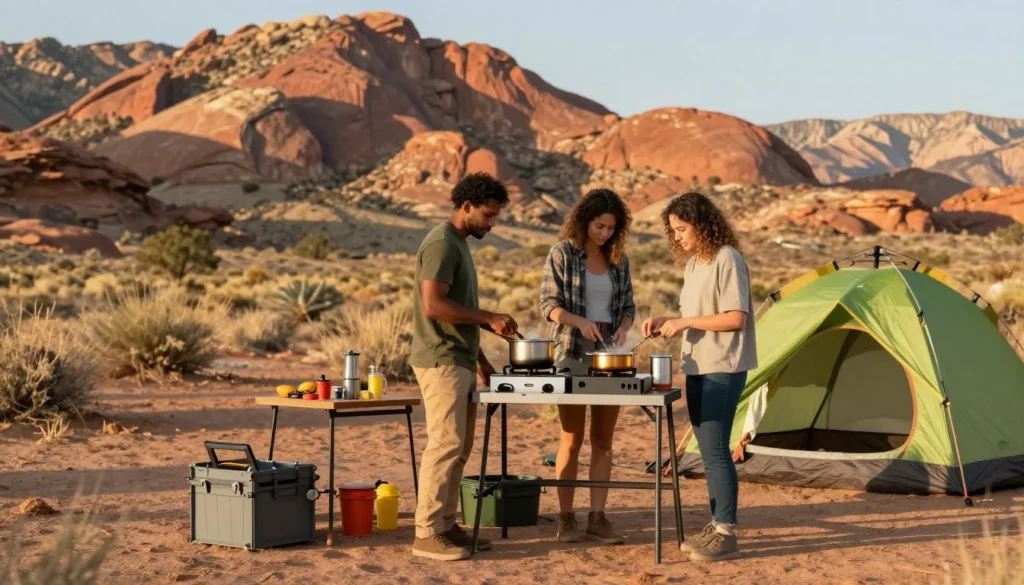
Exploring Bears Ears on a budget becomes entirely feasible with strategic planning. The monument itself charges no entrance fees, immediately setting it apart from costly national parks.
Free Attractions
The majority of archaeological sites require no permits or fees. Butler Wash Ruins, Procession Panel, and numerous other locations welcome visitors at no cost. Hiking trails throughout the monument remain free to access.
Natural Bridges National Monument charges $20 per vehicle, but the pass covers seven days. America the Beautiful passes work here and provide access to all federal lands nationwide for $80 annually.
Camping Savings
Dispersed camping eliminates lodging expenses entirely. Hundreds of potential campsites exist on public lands surrounding the monument. Choose previously used spots to minimize environmental impact. This option saves $100-150 per night compared to hotels.
The Natural Bridges campground costs only $20 per night compared to $150+ for Bluff hotels. Sites include picnic tables and fire rings. Arrive early for best availability.
Food Budget Strategies
Purchasing groceries in Blanding rather than restaurant meals cuts food costs by 60-70%. Simple camp meals using a portable stove prove satisfying after active days. Stock a cooler with sandwich materials, snacks, and drinks.
Breakfast at your campsite or hotel room saves $15-20 per person compared to restaurant dining. Grocery stores sell ready-to-eat breakfast items perfect for early hiking departures.
Fuel Efficiency
Plan your daily routes to minimize backtracking. The monument’s sprawling nature can lead to excessive driving. Clustering sites by location reduces fuel consumption and maximizes exploration time.
Fill your tank in Blanding where prices run 10-15 cents per gallon cheaper than Bluff. This small difference adds up over several days of driving dirt roads.
- Visit during shoulder seasons (April-May, September-October) when lodging rates drop 20-30%
- Share gas costs by traveling with companions
- Pack reusable water bottles and refill at town sources rather than buying bottled water
- Use the Edge of the Cedars Museum’s $5 admission to gain comprehensive area knowledge before exploring
- Download offline maps and GPS tracks to avoid expensive paper map purchases
Safety, Etiquette & Local Customs
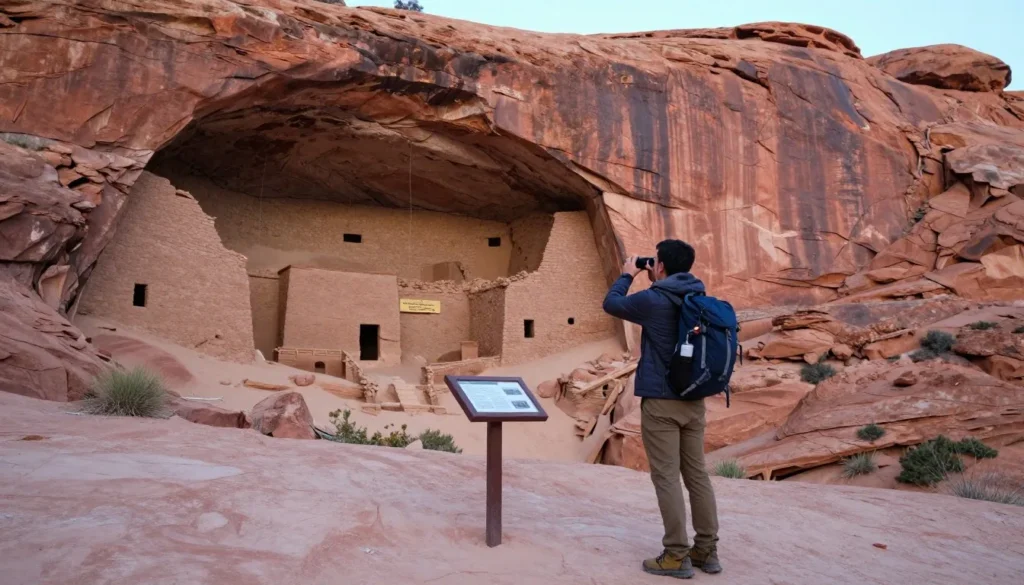
Respectful exploration preserves Bears Ears for future generations while honoring the tribes who consider this landscape sacred.
Archaeological Site Etiquette
Never touch rock art, pottery shards, or structural elements. Oils from human skin damage ancient surfaces and accelerate deterioration. Federal law prohibits collecting any artifacts, with violations carrying heavy fines and potential imprisonment.
Stay on designated trails near ruins. Wandering through sites damages fragile architectural remains and disturbs the soil containing valuable archaeological information. View structures from marked observation areas.
Photography serves as the only acceptable souvenir. Share the wonder of these places through images while leaving everything exactly as you found it.
Desert Safety Essentials
Flash floods present the greatest danger in canyon country. Check weather forecasts before entering slot canyons or narrow washes. Even distant thunderstorms can send deadly walls of water through drainage systems. Exit canyons immediately if clouds appear threatening.
Carry emergency supplies even for short hikes. A basic kit should include first aid materials, emergency shelter, fire starter, extra food and water, headlamp, and whistle. Cell phones rarely work in the backcountry.
Inform someone of your plans before departing. Provide specific route information and expected return time. This simple step can save lives if you become injured or lost.
For emergencies, contact San Juan County Sheriff at 435-587-2237. Limited cell coverage may prevent calls from the field. Satellite communication devices provide reliable emergency contact options.
Cultural Sensitivity
Bears Ears remains a living landscape for Native peoples. Traditional practitioners continue using these lands for ceremonies and gathering materials. Respect closed areas and avoid disturbing any offerings or ceremonial items you might encounter.
When visiting nearby tribal communities, remember you are a guest. Ask permission before photographing people. Support native-owned businesses and artists. Learn about the tribes’ perspectives on Bears Ears through educational materials.
Leave No Trace Principles
Pack out all trash including toilet paper and food waste. Bury human waste 15 cm (6 inches) deep and at least 61 m (200 feet) from water sources. Use established campsites rather than creating new impact.
Keep noise levels low to preserve the wilderness atmosphere for others. Voices carry surprisingly far in canyon country. Respect other visitors’ desire for solitude.
Visitor Comments About Bears Ears National Monument
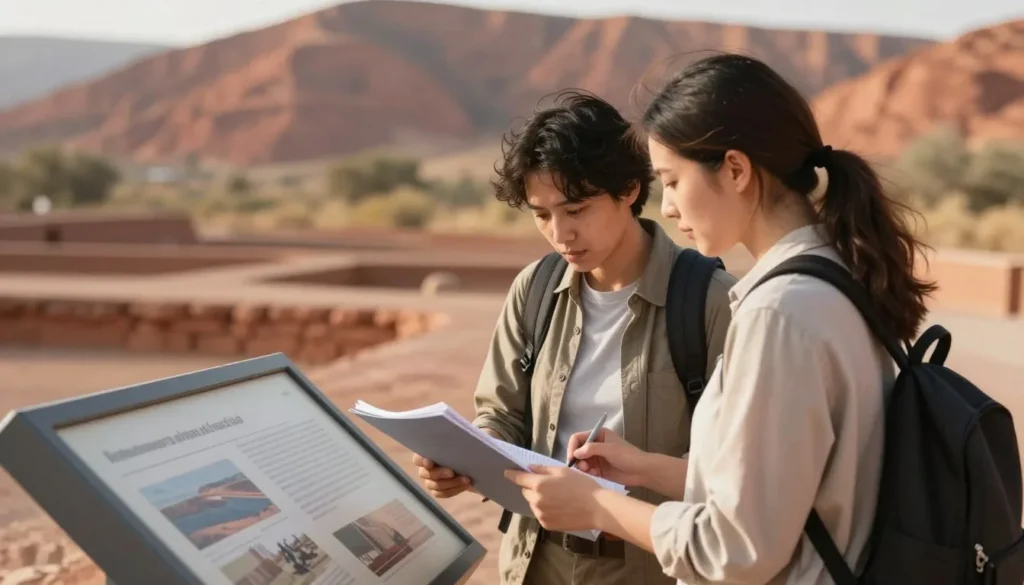
Travelers who venture into Bears Ears consistently express awe at the monument’s authentic wilderness character and archaeological treasures.
“The solitude at Bears Ears feels increasingly rare in our connected world. We spent three days hiking to ruins without seeing another soul. Standing in a 700-year-old dwelling with only the wind for company created perspective impossible to find in crowded parks. The House on Fire lived up to its name when afternoon sun created that famous glow. This place demands your full attention and rewards it generously.”
“Our family explored Bears Ears with our teenagers expecting boredom complaints. Instead, they became genuinely fascinated by the ancient sites. Mule Canyon sparked long discussions about how people survived here without modern technology. The Edge of the Cedars Museum provided perfect context before we visited ruins. Our kids still talk about the trip six months later, which speaks volumes about the monument’s impact.”
“Bears Ears challenges you as a visitor and that’s exactly what makes it special. The rough roads, lack of facilities, and need for self-sufficiency filter out casual tourists. What remains is authentic interaction with landscape and history. Valley of the Gods at sunset rivals anything Monument Valley offers but without the crowds. Every photographer should experience this place before it becomes discovered.”
Additional Nearby Destinations
Bears Ears sits at the center of remarkable landscapes. Extending your trip allows exploration of complementary destinations within a few hours’ drive.
Natural Bridges National Monument
Just 64 km (40 miles) northwest, this compact monument protects three spectacular stone bridges. The scenic drive connects all viewpoints in a few hours. Kachina Bridge spans 62 m (204 feet) and rises 64 m (210 feet) above the streambed.
The monument offers excellent stargazing programs during summer months. Rangers lead constellation tours using powerful telescopes. The International Dark-Sky Association designated this as the world’s first International Dark Sky Park.
Hovenweep National Monument
These six clusters of ancient towers and pueblos straddle the Utah-Colorado border 56 km (35 miles) southeast of Bears Ears. The structures demonstrate sophisticated engineering and astronomical knowledge. Square Tower Group provides the most accessible ruins via a 3-km (2-mile) trail.
Contact Hovenweep rangers at 970-562-4282 for guided tour schedules and special programs.
Monument Valley Navajo Tribal Park
The iconic buttes of Monument Valley rise 97 km (60 miles) south of Bears Ears. Navajo guides offer tours into areas closed to independent visitors. The 27-km (17-mile) valley drive showcases formations featured in countless Western films.
Respect that this is sovereign tribal land. Purchase permits at the visitor center and follow all regulations. Supporting Navajo-owned tour companies and artists helps sustain the community.
Goosenecks State Park
The San Juan River carved dramatic entrenched meanders visible from overlooks at this small state park. The river flows 1.6 km (1 mile) while advancing only 366 m (1,200 feet) downstream. Sunset illuminates the 305-m (1,000-foot) deep canyon spectacularly.
The park sits 48 km (30 miles) southwest of Bears Ears. No facilities exist, but the views rival Grand Canyon vistas without the crowds.
Canyonlands National Park – Needles District
This remote section of Canyonlands borders Bears Ears to the northwest. The Needles takes its name from colorful spires of Cedar Mesa sandstone. Backcountry permits allow multi-day explorations of pristine canyons.
The district requires 129 km (80 miles) of driving from Blanding. The scenic route passes through Indian Creek’s climbing mecca. Contact the Needles Visitor Center at 435-259-4711 for current conditions and permit availability.
Practical Travel Tips
Communication and Connectivity
Accept that cell phone coverage will be non-existent throughout most of the monument. Download offline maps, guidebooks, and any needed information before leaving town. Satellite messengers provide emergency communication where phones fail.
The last reliable cell service occurs in Blanding and Bluff. Use these opportunities to check weather forecasts and road conditions. The Monticello Field Office website provides current information when you have internet access.
Vehicle Preparation
Inspect your vehicle thoroughly before attempting backcountry roads. Check tire pressure, fluid levels, and ensure your spare tire is inflated. Carry basic tools, extra fan belts, and duct tape for emergency repairs.
A full-size spare tire becomes essential. Compact “donut” spares cannot handle rough roads. Consider bringing two spares for extended trips into remote areas.
Top off fuel tanks at every opportunity. Calculate your range carefully, accounting for dirt road driving that consumes more fuel than highway travel.
Water Sources
Natural water sources in the monument require treatment before drinking. Giardia and other pathogens contaminate even clear-looking springs. Carry a reliable filter or purification tablets.
Desert springs can dry up unexpectedly. Never depend solely on natural water sources. Carry sufficient water for your entire trip plus emergency reserves.
Permits and Regulations
Most day hiking requires no permits. However, overnight trips in certain areas demand advance permits from the BLM. Grand Gulch permits must be obtained before your trip and cannot be secured on-site.
Group size limits apply in many areas to minimize impact. The maximum is typically seven people. Check specific regulations for your planned destinations.
Health Considerations
The nearest hospital is in Moab, over 161 km (100 miles) from many monument locations. Medical evacuation from remote canyons can take many hours. Carry comprehensive first aid supplies and know how to use them.
Altitude ranges from 1,219 m to 2,743 m (4,000 to 9,000 feet) elevation. Visitors from sea level may experience mild altitude effects. Take the first day easy and stay well hydrated.
Photography Tips
Early morning and late afternoon provide the best light for photography. Harsh midday sun creates unflattering shadows in canyons. The “golden hour” after sunrise and before sunset produces magical illumination.
Bring lens cleaning supplies. Desert dust penetrates everywhere and will coat your equipment. Protect cameras in sealed bags when not shooting.
Respect site closures for photography. Some areas restrict tripod use or commercial photography to protect fragile locations from overuse.
Essential Packing List
- Detailed maps and GPS device
- First aid kit with blister treatment
- Sun protection (hat, sunglasses, SPF 50+)
- Layers for temperature swings
- Headlamp with extra batteries
- Emergency shelter and fire starter
- Water purification system
- High-energy snacks
Contact Information
- Monticello BLM Field Office: 435-587-1500
- San Juan County Sheriff: 435-587-2237
- Bears Ears Inter-Tribal Coalition: Check website for current contact
- Edge of the Cedars Museum: 435-678-2238
Your Journey Into Sacred Lands Awaits
Bears Ears National Monument stands apart from typical tourist destinations. This landscape demands engagement rather than passive consumption. The rough roads, absent facilities, and challenging terrain filter visitors down to those genuinely seeking authentic wilderness experiences.
What you gain in return exceeds any inconvenience. Ancient handprints on canyon walls create tangible connections across millennia. Sunrises over Cedar Mesa ignite the plateau in colors no photograph can capture. Night skies explode with stars invisible to most of humanity.
This monument protects more than archaeological sites. Bears Ears preserves silence, solitude, and the increasingly rare opportunity to test yourself against genuine wilderness. The ancestors who built these cliff dwellings faced this land without modern tools. Walking their paths offers humbling perspective on human resilience and ingenuity.
Your visit supports the monument’s continued protection. Responsible tourism demonstrates the value of preserving these sacred lands for future generations. Share your experiences thoughtfully, encouraging others to visit respectfully.
Bears Ears will challenge you. It might frustrate you with rough roads and absent signage. But it will also transform you. Few landscapes offer such authentic encounters with both natural grandeur and human heritage. Start planning your journey today. These ancient canyons have waited thousands of years. They’re ready to share their stories with those willing to listen.