Hotels by Trip.com
Flights by Trip.com
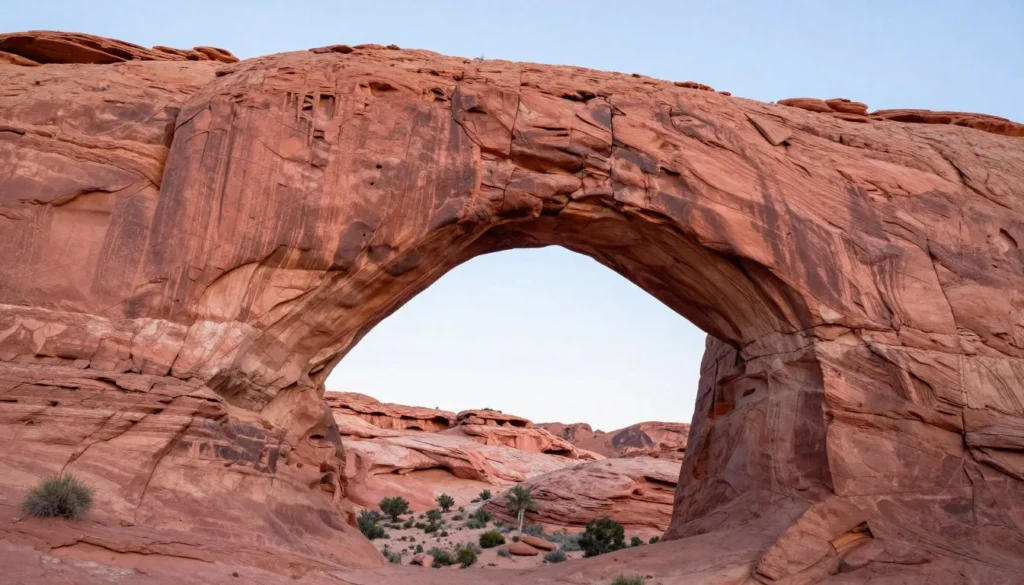
Standing 88 meters (290 feet) tall, Rainbow Bridge National Monument is the world’s largest natural bridge, taller than the United States Capitol Building. This magnificent sandstone arch in southern Utah attracts thousands of visitors each year who make the journey across Lake Powell or trek through remote canyon country. The bridge earned its name from its graceful rainbow-like curve that spans 83 meters (275 feet) across Bridge Creek.
For centuries, this sacred site held profound spiritual significance for Native American tribes. The Navajo, Hopi, Paiute, and other Indigenous peoples considered Rainbow Bridge a place of reverence and prayer. Today, visitors from around the world come to witness this geological wonder that took millions of years to form.
Getting There & Planning Your Journey
Reaching Rainbow Bridge National Monument requires careful planning. The monument sits in one of the most remote areas of the United States. Most visitors access the site via boat tour from Lake Powell, while experienced hikers can trek overland through challenging desert terrain.
Closest Airports
The nearest major airport is Page Municipal Airport in Page, Arizona, located approximately 193 kilometers (120 miles) from the boat launch points. This small airport offers limited commercial service. For more flight options, travelers typically fly into one of these larger airports:
- Flagstaff Pulliam Airport – 218 kilometers (135 miles) away
- St. George Regional Airport, Utah – 241 kilometers (150 miles) away
- Las Vegas McCarran International Airport, Nevada – 451 kilometers (280 miles) away
- Phoenix Sky Harbor International Airport, Arizona – 451 kilometers (280 miles) away
From these airports, visitors rent vehicles and drive to either Wahweap Marina or Bullfrog Marina on Lake Powell. The drive offers stunning views of the Arizona Strip and southern Utah’s red rock country.
Boat Access
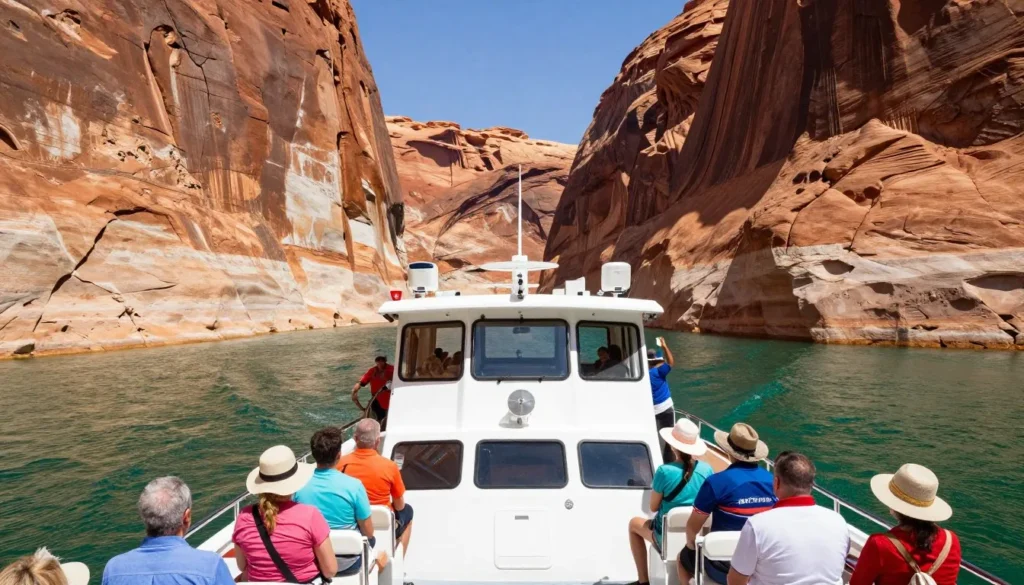
Boat tours from Lake Powell provide the most popular way to visit Rainbow Bridge National Monument. Tour boats depart from Wahweap Marina and Bullfrog Marina. The journey across Lake Powell takes approximately two hours each way, covering 80 kilometers (50 miles) of scenic water passages through dramatic canyon landscapes.
Several tour operators offer daily trips during peak season. Boats navigate through narrow side canyons before reaching the dock near Rainbow Bridge. From the dock, a short 1.2-kilometer (0.75-mile) walk leads to the bridge viewing area.
Planning Tip: Tour reservations should be made 2-3 months in advance for summer visits. Tours operate seasonally and depend on Lake Powell water levels, which fluctuate significantly.
Overland Hiking Routes
Two demanding overland trails reach Rainbow Bridge from the north. The trail from Navajo Mountain via the Rainbow Bridge Trailhead covers 26 kilometers (16 miles) one way. This route requires a permit from the Navajo Nation and crosses extremely rugged terrain.
The second route, starting from near Navajo Mountain Trading Post, spans approximately 22 kilometers (14 miles). Both trails demand excellent physical condition, desert hiking experience, and proper preparation. Summer temperatures regularly exceed 38°C (100°F). Water sources are unreliable.
Hikers must obtain permits from both the National Park Service and the Navajo Nation before attempting these trails. Few visitors choose this option due to the extreme difficulty and remote location.
Best Time to Visit & Weather Tips
Best Time to Visit Rainbow Bridge National Monument
The ideal months to visit Rainbow Bridge National Monument are April through May and September through October. These shoulder seasons offer comfortable temperatures and fewer crowds. Spring brings wildflowers and pleasant weather, while autumn provides cooler conditions and beautiful light for photography.
Check 30,000+ Local Sightseeing Tours Worldwide
✓ Numerous languages and currencies are available
Summer months from June through August see the highest visitor numbers. Temperatures during this period frequently reach 38-43°C (100-110°F). Despite the heat, summer offers the longest tour schedules and the most reliable boat access.
Winter visits from November through March present challenges. Many tour operators suspend service due to reduced demand and unpredictable weather. Cold temperatures and occasional snow can affect travel plans. However, winter offers solitude and dramatic lighting conditions.
Months to Avoid
Late July and August bring intense heat and afternoon thunderstorms. Flash flooding can occur in canyon areas. December through February sees limited services and unpredictable weather patterns that may disrupt travel plans.
Weather Patterns
The area experiences a high desert climate with extreme temperature variations. Summer days are scorching hot, but nights cool significantly. Winter temperatures range from -1°C to 13°C (30°F to 55°F) during the day, with freezing nights.
Annual rainfall averages only 15 centimeters (6 inches). However, intense thunderstorms can develop rapidly during monsoon season from mid-July through September. These storms create dangerous conditions on the water and on hiking trails.
Current Conditions: Contact Glen Canyon National Recreation Area Visitor Center for up-to-date weather and Lake Powell water level information before finalizing travel plans.
Notable Annual Festivals
The immediate area around Rainbow Bridge National Monument has limited festival activities due to its remote location. However, nearby communities host several events:
Page Balloon Regatta takes place each November in Page, Arizona. This colorful hot air balloon festival attracts pilots and spectators from across the region. The event coincides with excellent weather for visiting Rainbow Bridge.
Lake Powell Challenge occurs in April, featuring a running race and outdoor activities in Page. This event celebrates the Glen Canyon National Recreation Area and promotes outdoor recreation.
The Navajo Nation hosts traditional ceremonies and gatherings throughout the year in surrounding areas. These cultural events are generally private, though some public celebrations occur in nearby Navajo Nation communities.
Getting Around Locally
Transportation around Lake Powell and Glen Canyon National Recreation Area requires a personal vehicle. No public transportation serves the area. The region’s vast distances and remote locations make car rental essential for visitors flying into the area.
Page, Arizona serves as the primary base town for Rainbow Bridge visitors. This small community of about 7,500 residents offers car rental agencies, gas stations, and basic services. From Page, visitors drive to Wahweap Marina, located 11 kilometers (7 miles) away.
Road conditions around Lake Powell are generally excellent. Highway 89 and Highway 98 provide paved access to marina locations. However, roads to overland trailheads may require high-clearance or four-wheel-drive vehicles, especially after rain.
Once at the marinas, tour operators handle all boat transportation to Rainbow Bridge. Personal watercraft can also make the journey if operators have proper navigation equipment and experience. The boat trip requires careful navigation through winding canyons.
Navigation Warning: Lake Powell’s changing water levels constantly alter navigation routes. Submerged hazards and new obstacles appear as water levels drop. Only experienced boaters should attempt the trip without a guide.
Where to Stay
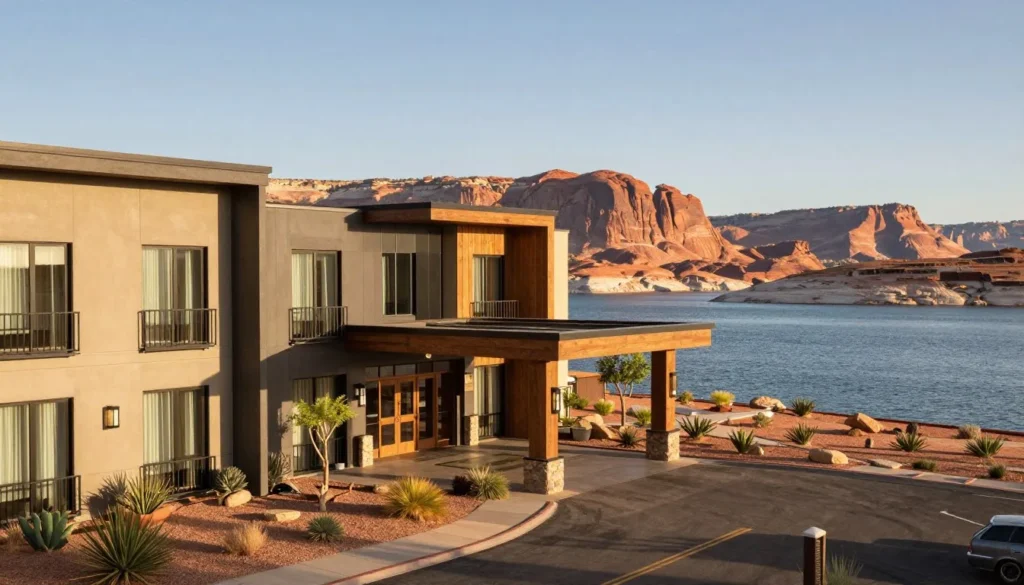
Accommodation options near Rainbow Bridge cluster around Page, Arizona and Bullfrog, Utah. Page offers the widest selection of lodging, from budget motels to mid-range hotels. Most properties provide standard amenities and easy access to Wahweap Marina.
Hotel Options in Page
Several chain hotels operate in Page, including properties near Highway 89. These hotels typically offer comfortable rooms, swimming pools, and breakfast service. Rates vary seasonally, with summer commanding premium prices.
Local independent motels provide budget-friendly alternatives. These smaller properties often feature basic but clean accommodations. Many offer spectacular views of surrounding red rock formations.
Camping and RV Options
Wahweap Campground within Glen Canyon National Recreation Area offers both tent and RV sites. The campground provides restrooms, drinking water, and dump stations. Sites fill quickly during peak season, so reservations are strongly recommended.
Bullfrog area provides additional camping at Bullfrog RV Park and Campground. This location serves visitors departing from Bullfrog Marina. The setting offers isolation and stunning night skies far from light pollution.
Dispersed camping is permitted in many areas surrounding Glen Canyon National Recreation Area on Bureau of Land Management lands. However, these primitive sites lack facilities and require self-sufficiency.
Houseboat Rentals
For a unique experience, visitors can rent houseboats on Lake Powell. These floating accommodations allow guests to anchor near Rainbow Bridge for extended periods. Houseboat rentals accommodate groups and families, offering kitchens, bathrooms, and sleeping quarters.
This option requires advance booking, especially for summer dates. Renters need basic boating skills, though extensive experience is not necessary. Marina staff provide thorough orientation before departure.
Dining & Local Cuisine
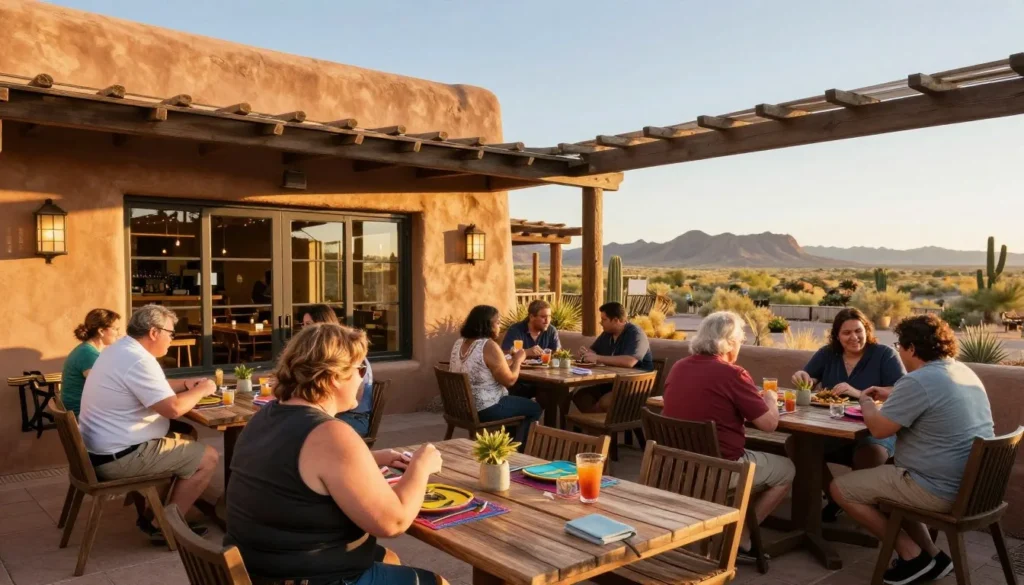
Dining options near Rainbow Bridge National Monument center in Page, Arizona. This small town offers a surprising variety of restaurants given its remote location. Visitors find American cuisine, Mexican food, and casual dining establishments.
Ranch House Grille serves steaks, burgers, and American comfort food in a casual Western atmosphere. The restaurant is popular with locals and tourists alike. Big John’s Texas BBQ offers slow-smoked meats and traditional barbecue sides.
For Mexican cuisine, several establishments serve authentic dishes. El Tapatio and Fiesta Mexicana prepare traditional Mexican meals with generous portions. These restaurants provide good value and family-friendly environments.
Page also features several fast-food chains and pizza restaurants for quick, budget-conscious meals. A small grocery store in town allows visitors to purchase supplies for picnic lunches or boat trips.
Dining on the Water
Most boat tours to Rainbow Bridge do not include food service. Visitors should pack their own meals and snacks. The tour typically allows 60-90 minutes at Rainbow Bridge, providing an opportunity for a picnic near the monument.
Marina restaurants at Wahweap and Bullfrog offer casual dining before or after boat tours. These establishments serve sandwiches, salads, and simple hot meals. The lakeside settings provide pleasant dining with water views.
Pack Smart: Bring plenty of water and snacks for boat tours. The journey to Rainbow Bridge takes several hours, and food options on the water are limited. Summer heat increases hydration needs significantly.
Attractions, Sightseeing & Activities
Rainbow Bridge Viewing
The primary attraction is Rainbow Bridge itself. This massive natural bridge spans 83 meters (275 feet) and rises 88 meters (290 feet) above the canyon floor. The bridge formed over millions of years as water carved through the Navajo Sandstone.
From the boat dock, a short, flat trail leads to the viewing area. The trail is paved and accessible to most visitors. The walk takes approximately 15-20 minutes at a leisurely pace. Interpretive signs along the route explain the bridge’s geology and cultural significance.
The viewing area sits approximately 30 meters (100 feet) from the bridge base. Out of respect for Native American tribes who consider this a sacred site, visitors are requested not to walk under or touch the bridge. This policy honors the spiritual importance the monument holds for Indigenous peoples.
Photography Opportunities
Rainbow Bridge offers extraordinary photography subjects. The salmon-pink sandstone glows beautifully in morning and late afternoon light. The arch’s graceful curve against blue sky creates iconic compositions. Spring and fall provide the best lighting conditions.
Photographers should bring wide-angle lenses to capture the bridge’s full span. The viewing area’s position allows various compositions. Early morning tours offer the best light on the bridge’s western face.
Lake Powell Boat Exploration
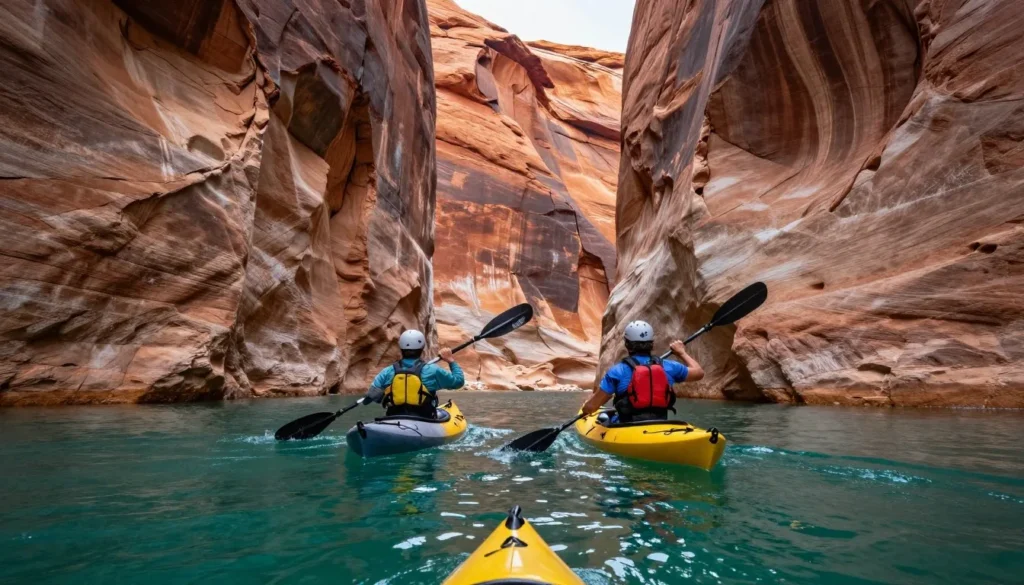
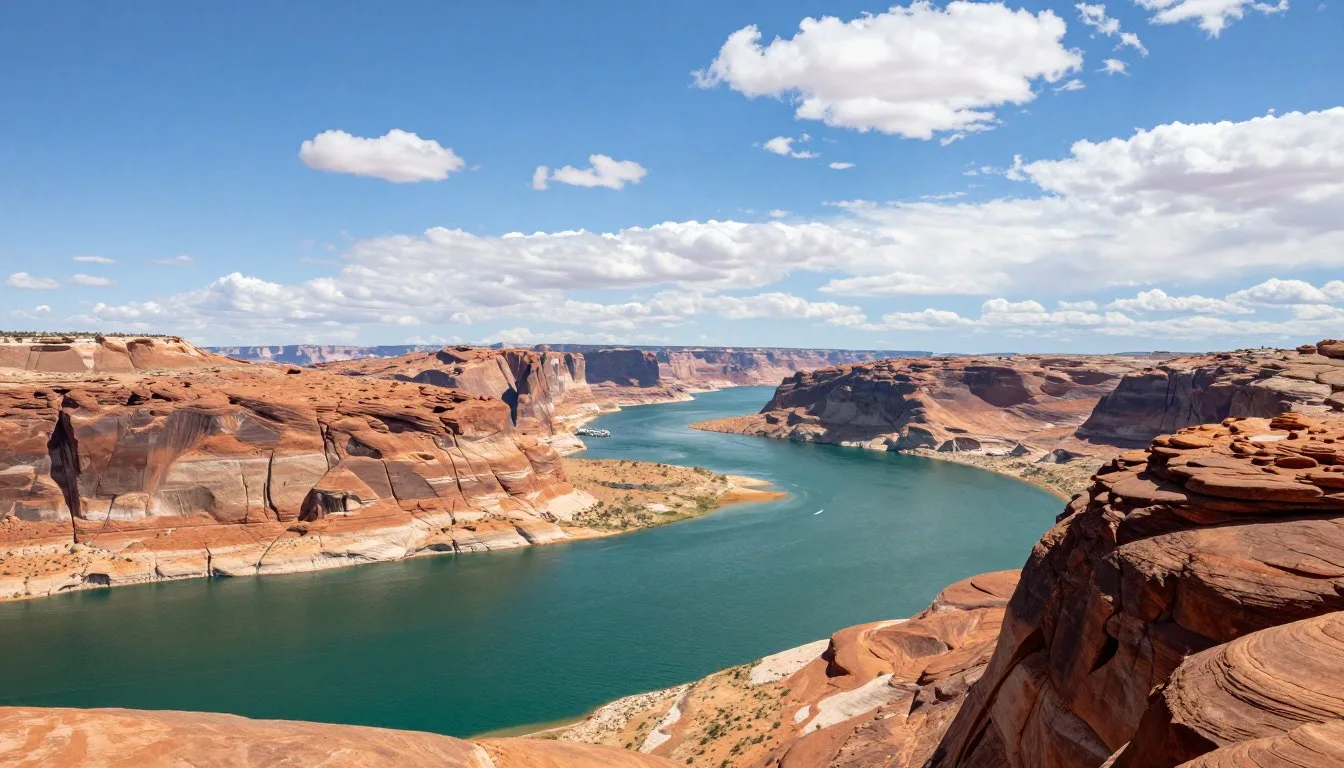
Lake Powell itself offers countless exploration opportunities. The reservoir covers 65,000 hectares (160,000 acres) when full, with 3,057 kilometers (1,900 miles) of shoreline. Numerous side canyons invite investigation by boat or kayak.
Many visitors rent kayaks or small powerboats to explore at their own pace. Popular destinations include Antelope Canyon, Cathedral Canyon, and Labyrinth Canyon. These narrow waterways showcase stunning geology and peaceful waters protected from wind.
Swimming and water sports are popular activities. The deep, clear water reaches comfortable temperatures by late spring. Designated swimming areas near marinas provide safe access. Visitors should always wear life jackets and monitor weather conditions.
Sunset and Stargazing
The area surrounding Rainbow Bridge National Monument offers exceptional stargazing. Minimal light pollution reveals the Milky Way galaxy on clear nights. Many visitors combine a day trip to the bridge with evening activities on Lake Powell.
Sunset views from boats on Lake Powell create memorable experiences. The sun setting behind red rock formations paints the sky in brilliant colors. Tour operators sometimes offer sunset cruise options.
Museums, Cultural Spots & Festivals
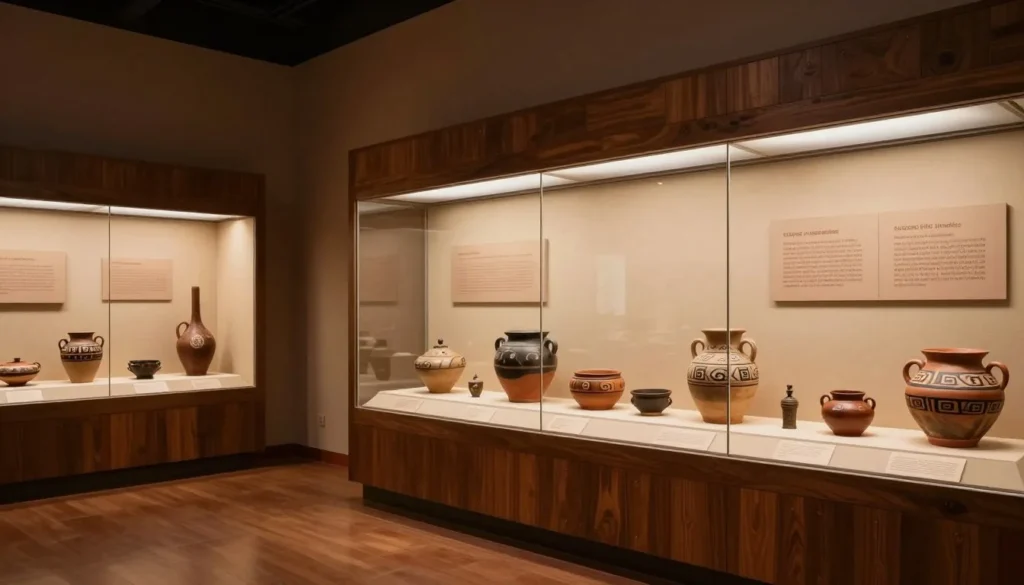
The John Wesley Powell Museum in Page, Arizona explores the history of Colorado River exploration and Glen Canyon area. John Wesley Powell led the first documented expedition through the Grand Canyon in 1869. The museum displays artifacts, photographs, and exhibits about regional history.
Carl Hayden Visitor Center at Glen Canyon Dam provides information about the dam’s construction and environmental impact. Exhibits explain how the dam created Lake Powell in the 1960s. Guided tours of the dam are available, offering unique perspectives on this engineering achievement.
The museum and visitor center help visitors understand the area’s transformation over the past century. Glen Canyon’s flooding remains controversial among environmentalists and those who knew the canyon before Lake Powell’s creation.
Native American Cultural Heritage
Rainbow Bridge holds deep spiritual significance for Native American tribes. The Navajo people call the bridge “Nonnezoshe,” meaning “rainbow turned to stone.” Traditional teachings describe the bridge as a sacred pathway.
The Hopi, Paiute, and other tribes also maintain spiritual connections to this site. Visitors are asked to show respect by observing the request not to approach or touch the bridge. This represents an important gesture of cultural sensitivity and understanding.
Nearby Navajo Nation lands offer opportunities to learn about Indigenous culture through authorized cultural tours and events. The Navajo Nation extends across northeastern Arizona and southeastern Utah, making it the largest Native American reservation in the United States.
Nature & Outdoor Experiences
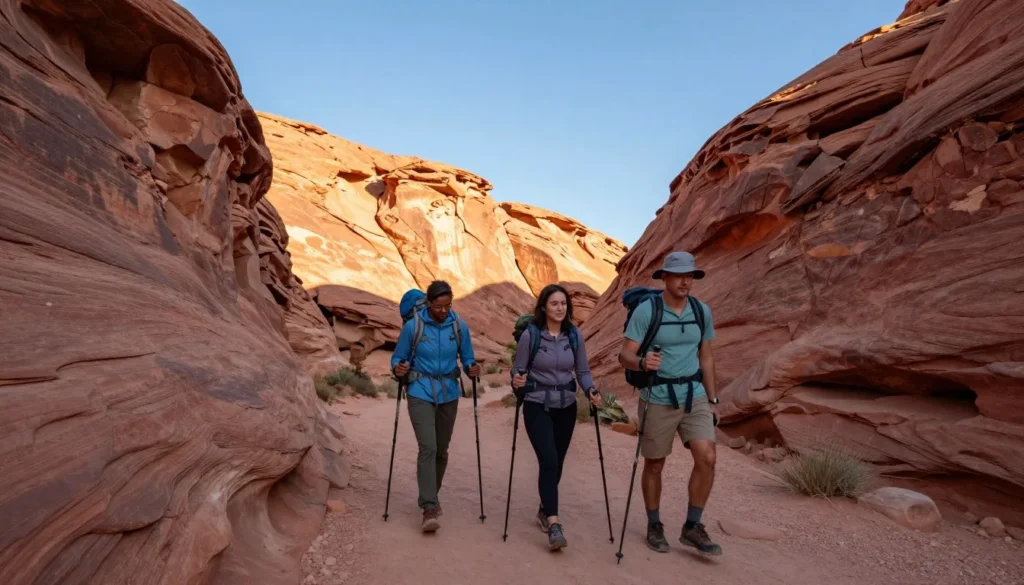
Glen Canyon National Recreation Area
Glen Canyon National Recreation Area encompasses 506,000 hectares (1,250,000 acres) of desert landscape surrounding Lake Powell. The recreation area offers numerous outdoor activities beyond visiting Rainbow Bridge. Hiking trails, camping sites, and water recreation opportunities abound.
Horseshoe Bend, located near Page, provides one of the most photographed viewpoints in the American Southwest. This dramatic river bend sits 300 meters (1,000 feet) below the rim. The short hike to the overlook takes about 20 minutes from the parking area.
Lone Rock Beach offers a unique camping experience directly on the sand near Lake Powell. This primitive camping area allows visitors to pitch tents or park RVs right at the water’s edge. The massive Lone Rock formation rises from the beach, creating a distinctive landmark.
Hiking Opportunities
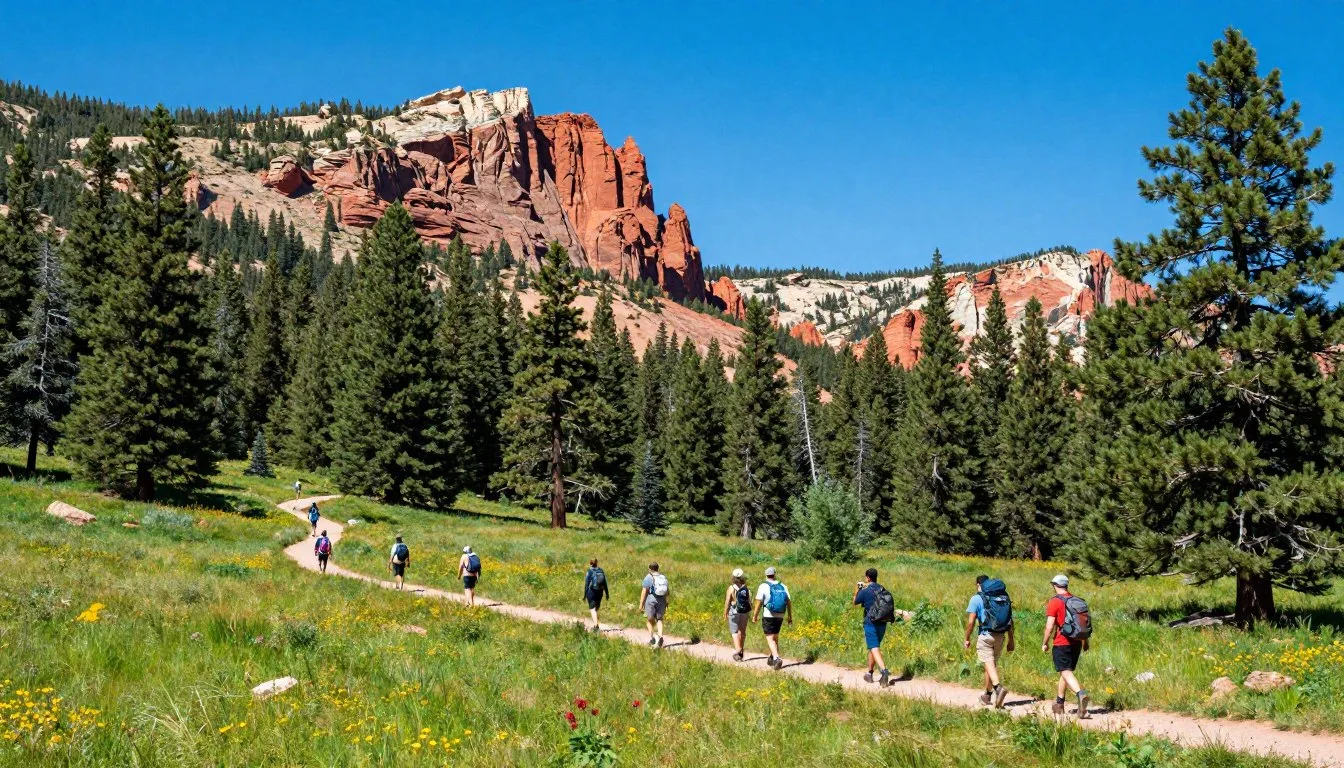
While the overland routes to Rainbow Bridge demand extreme hiking skills, easier trails exist throughout Glen Canyon National Recreation Area. Wiregrass Canyon Trail provides moderate hiking through high desert terrain. The trail showcases typical vegetation and geology of the region.
Paria Canyon-Vermilion Cliffs Wilderness, located north of the area, offers world-class hiking for experienced trekkers. Multi-day backpacking trips through narrow slot canyons attract adventure seekers. These routes require permits and careful planning.
Wildlife Viewing
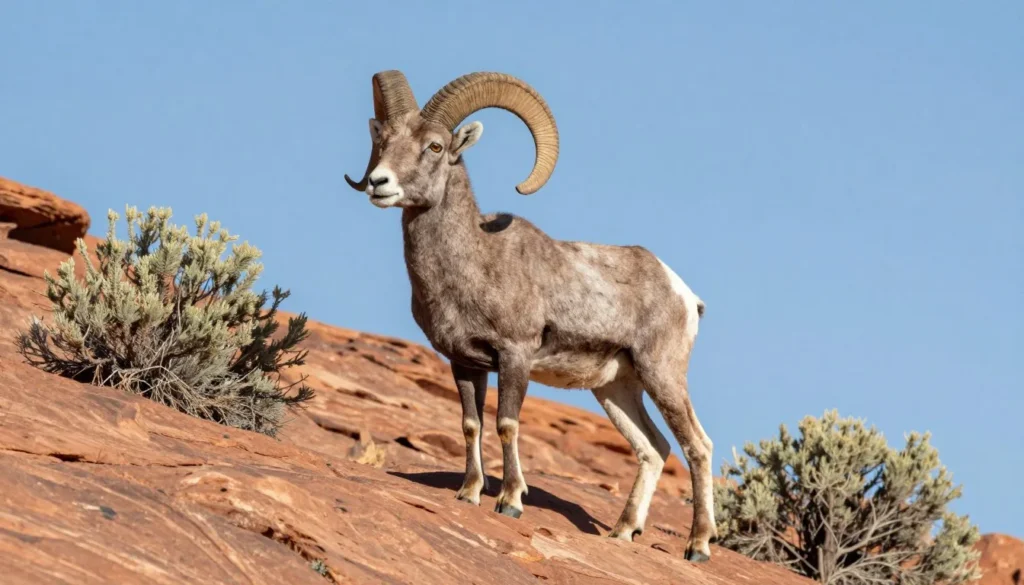
The area supports diverse wildlife adapted to harsh desert conditions. Desert bighorn sheep inhabit rocky terrain around Lake Powell. These impressive animals can sometimes be spotted on canyon walls during boat trips to Rainbow Bridge.
Birdwatchers find numerous species including golden eagles, peregrine falcons, and various waterfowl on Lake Powell. Spring and fall migrations bring additional species through the area. Great blue herons frequent shallow coves and side canyons.
Small mammals such as ringtail cats, kit foxes, and various rodent species thrive in the desert environment. Reptiles including collared lizards, chuckwallas, and various snake species are common during warm months. Visitors should watch for rattlesnakes on trails.
Geological Features
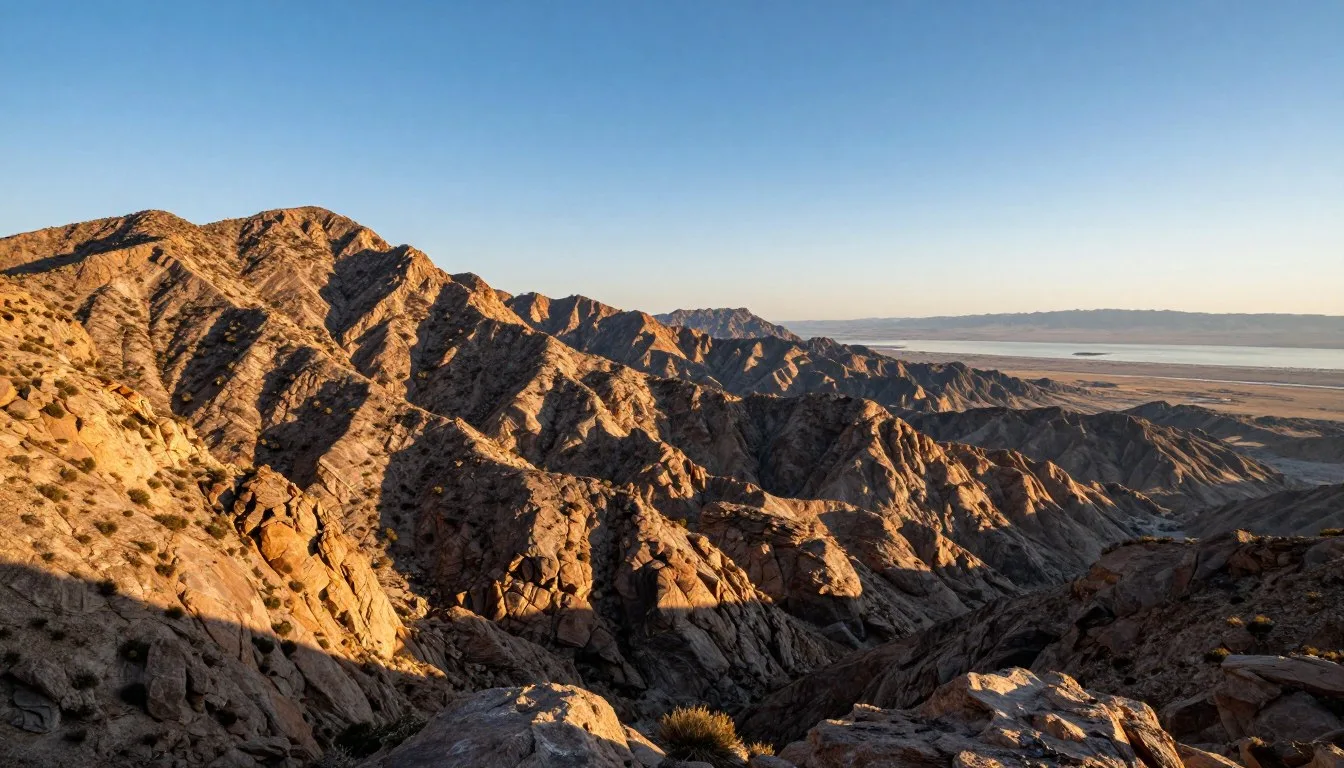
The Glen Canyon area showcases some of Earth’s most spectacular geological formations. Navajo Sandstone, deposited during the Jurassic Period approximately 180 million years ago, dominates the landscape. These rocks originated as massive sand dunes in an ancient desert environment.
Water and wind erosion carved the intricate canyon systems and formed Rainbow Bridge over millions of years. The bridge continues to evolve slowly as erosion gradually shapes the rock. Geologists study the area to understand erosion processes and ancient environments.
Travel With Children
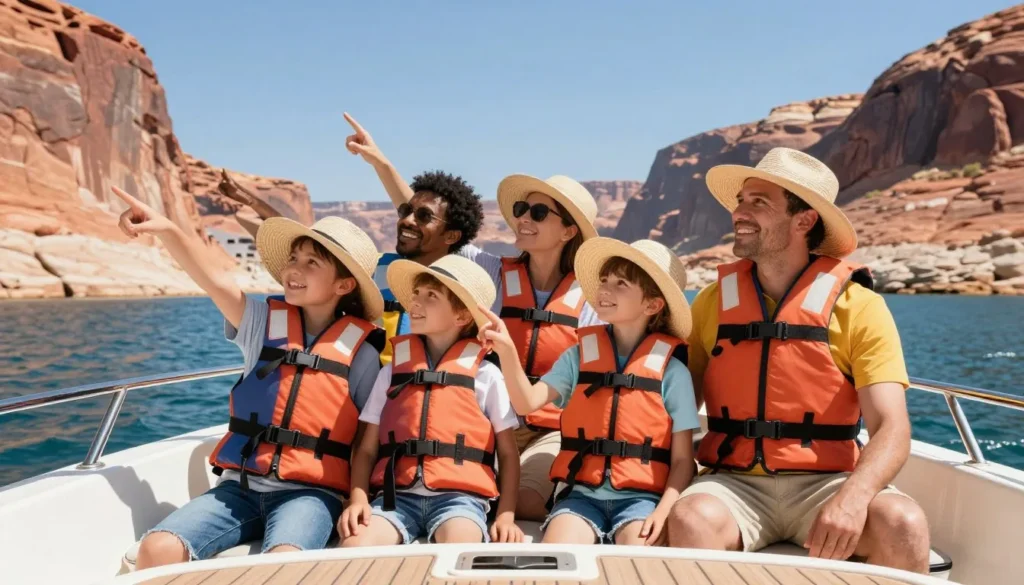
Rainbow Bridge National Monument offers a family-friendly adventure suitable for children of various ages. The boat trip itself captivates young travelers with its scenic journey through narrow canyons and across open water. The experience feels like an expedition to a hidden world.
The short walk from the boat dock to Rainbow Bridge viewing area presents no significant challenges for children. The flat, paved trail allows strollers and wagons, though the boat boarding may require carrying these items. Most children find the massive bridge impressive and memorable.
Child-Friendly Activities
Boat tours typically last four to five hours total. This duration may challenge very young children. Parents should bring activities, snacks, and entertainment for the journey. Many tour boats have restrooms and shaded areas.
Swimming at Lake Powell beaches provides excellent family fun. The warm water during summer months is perfect for children. Designated swimming areas near marinas offer safe conditions. Always supervise children near water and require life jackets.
Junior Ranger programs at Glen Canyon National Recreation Area engage children with educational activities. Kids complete activity booklets and earn badges. These programs teach about local ecology, geology, and conservation.
Safety Considerations
Sun protection is critical for children visiting this high-desert environment. Parents should apply sunscreen frequently and ensure children wear hats and protective clothing. The intense sun reflects off water and rock, increasing exposure.
Hydration needs increase dramatically in the dry climate. Children may not recognize their own dehydration. Parents should offer water regularly throughout the day, even if children don’t request it.
Family Tip: Morning boat tours often work best for families with young children. Cooler temperatures and calmer water make the journey more comfortable. Children typically have more patience earlier in the day.
Money Saving Tips
Visiting Rainbow Bridge National Monument requires a significant budget, but smart planning reduces costs. The boat tour represents the largest expense for most visitors. Tour prices typically range from $130 to $150 per adult, with children’s rates slightly lower.
Booking Strategies
Booking boat tours well in advance sometimes provides early-bird discounts. Some operators offer reduced rates for afternoon tours or weekday departures during shoulder seasons. Families should inquire about multi-person discounts or package deals.
Check 30,000+ Local Sightseeing Tours Worldwide
✓ Numerous languages and currencies are available
Consider traveling during April-May or September-October. These months offer the same access but typically feature lower accommodation rates than peak summer season. Hotels in Page reduce prices significantly outside of summer, sometimes by thirty to forty percent.
Accommodation Savings
Camping dramatically reduces lodging costs. Wahweap Campground charges reasonable nightly fees compared to hotel rates. Families or groups can save hundreds of dollars over a multi-night stay by camping instead of staying in hotels.
Visitors with RVs or camping equipment should take advantage of the many camping options around Lake Powell. Some Bureau of Land Management areas offer free dispersed camping, though these sites lack amenities.
Food and Supplies
Restaurants in Page operate with limited competition, resulting in higher-than-average prices. Shopping at the grocery store and preparing simple meals saves considerable money. Packing coolers for boat trips eliminates the need for expensive marina food.
Bring reusable water bottles and refill them rather than purchasing bottled water. The dry climate requires substantial water consumption. Buying cases of water adds up quickly for families.
Alternative Access
Experienced boaters with their own watercraft can eliminate tour costs. However, this option requires boat ownership or rental, navigation skills, and appropriate safety equipment. The fuel cost for the 161-kilometer (100-mile) round trip should be factored into this decision.
The overland hiking route avoids boat tour costs entirely. However, this extremely challenging option suits only experienced desert hikers. The physical demands and time requirements make this impractical for most visitors.
Safety & Local Customs
Water Safety
Lake Powell presents several water safety concerns. The reservoir’s depth reaches 170 meters (560 feet) in some locations. Cold water temperatures at depth can cause shock even during summer. Always wear life jackets when on boats or near water.
Sudden weather changes create hazardous conditions on Lake Powell. Afternoon thunderstorms can develop quickly, generating dangerous waves and lightning. Monitor weather forecasts and heed warnings from marina staff or tour guides.
Lake Powell’s water level fluctuates significantly based on Colorado River flows and water management. Declining water levels expose submerged hazards. Rock formations and old structures previously underwater become navigation hazards. Stay within marked channels and follow local guidance.
Desert Hazards
The high desert environment poses serious risks. Temperatures exceeding 38°C (100°F) are common from June through August. Heat exhaustion and heatstroke can develop rapidly. Recognize symptoms including dizziness, nausea, and excessive fatigue.
Dehydration occurs quickly in the dry air. Adults should drink at least 4 liters (1 gallon) of water daily during summer visits. Caffeinated and alcoholic beverages increase dehydration and should be limited.
Flash flooding represents a serious danger in canyon areas during monsoon season. Never enter narrow canyons or dry washes if storms are forecast. Water can surge through canyons from rainfall miles away. Heed weather warnings seriously.
Wildlife Precautions
Several potentially dangerous animals inhabit the area. Rattlesnakes are common in warmer months. Watch where you step or place your hands. Wear closed-toe shoes and long pants when hiking. Most snake encounters can be avoided with awareness.
Scorpions hide in shoes, clothing, and camping equipment. Shake out items before use. Check sleeping bags and tents before entering. Scorpion stings are painful but rarely life-threatening to healthy adults.
Cultural Sensitivity
Rainbow Bridge National Monument is sacred to multiple Native American tribes. Visitors must respect this spiritual significance. The National Park Service requests that visitors not walk under or touch the bridge. This policy honors Native American beliefs and practices.
Photography of the bridge and landscape is permitted and encouraged. However, if Indigenous ceremonies are taking place, maintain respectful distance and avoid photographing participants without permission.
When traveling through or near Navajo Nation lands, remember you are on sovereign tribal territory. Respect private property and cultural sites. Some areas require permits for access. The Navajo Nation sets its own laws and regulations.
Emergency Services: The nearest hospital is Page Hospital in Page, Arizona. Cell phone service is unreliable throughout much of Glen Canyon National Recreation Area. Satellite phones or emergency beacons provide the most reliable emergency communication in remote areas.
Visitor Comments About Rainbow Bridge National Monument
G.M., Kahului
“The boat trip to Rainbow Bridge exceeded all expectations. Our guide shared fascinating information about the geology and history. The bridge itself is absolutely breathtaking – photos cannot capture its true scale. The journey across Lake Powell through narrow canyons felt like exploring another world. This is definitely a bucket-list experience worth the investment. We spent about an hour at the monument, which gave us plenty of time to appreciate this natural wonder. Highly recommend booking early for summer trips.”
Y.E., Rugby
“Rainbow Bridge National Monument represents one of nature’s most impressive creations. The size of the bridge is difficult to comprehend until you’re standing beneath it. Our family, including children ages eight and twelve, thoroughly enjoyed the entire experience. The boat ride kept everyone entertained, and the short walk to the viewing area was easy for all ages. We visited in May, which offered perfect weather and fewer crowds than summer months. The cultural significance adds depth to the visit. This trip combines natural beauty with educational value.”
Y.I., Eugene
“Visiting Rainbow Bridge National Monument was the highlight of our Southwest road trip. The remote location adds to the sense of adventure and discovery. We appreciated learning about the monument’s importance to Native American tribes and respected the request not to approach the bridge too closely. The tour operators were professional and knowledgeable. Lake Powell’s stunning scenery on the way to Rainbow Bridge could be a destination in itself. The turquoise water contrasted beautifully with red rock canyons. Budget adequate time for the full experience – the journey is part of the adventure. Would absolutely return and recommend to others seeking extraordinary natural landmarks.”
Additional Nearby Destinations
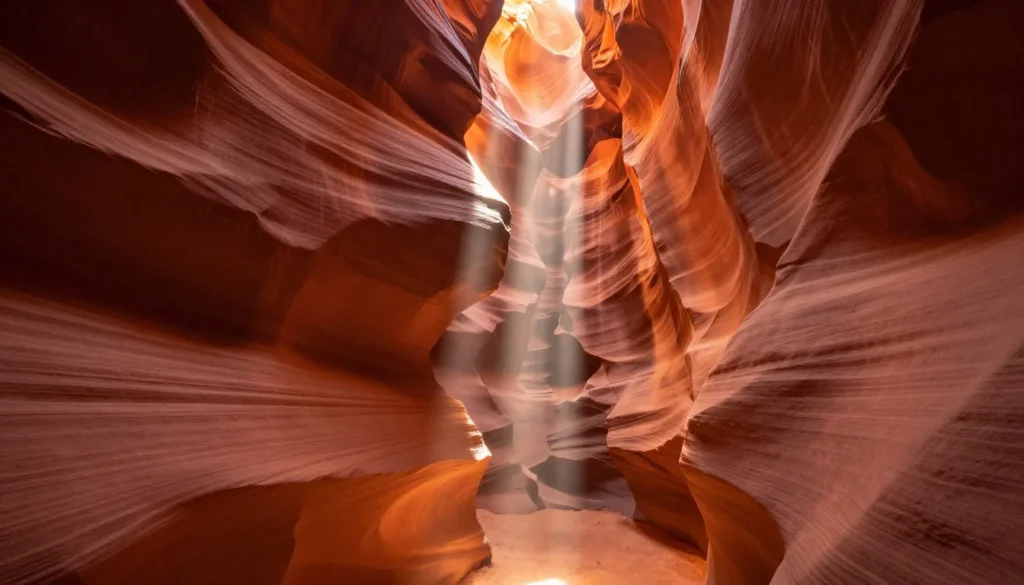
The Glen Canyon region offers numerous additional attractions within reasonable driving distance of Rainbow Bridge National Monument. These destinations complement a visit to Rainbow Bridge and justify extended stays in the area.
Antelope Canyon
Antelope Canyon, located near Page, ranks among the world’s most photographed slot canyons. Upper and Lower Antelope Canyon offer different experiences. Upper Antelope Canyon features the famous light beams that occur during midday hours. Lower Antelope Canyon provides a more intimate journey through narrower passages.
Both canyons require guided tours booked through authorized Navajo tour operators. Tours fill months in advance during peak season. The narrow passages and beautiful sculpted rock attract photographers from around the world.
Monument Valley
Monument Valley Navajo Tribal Park sits approximately 201 kilometers (125 miles) from Page. This iconic landscape features massive sandstone buttes rising from the desert floor. The valley appears in countless films and photographs representing the American West.
Visitors can drive the 27-kilometer (17-mile) loop road or join guided tours led by Navajo guides. Tours access restricted areas and provide cultural insights. The sunrise and sunset views from Monument Valley are spectacular.
Grand Canyon National Park
The Grand Canyon’s North Rim lies approximately 193 kilometers (120 miles) from Page. The South Rim sits about 217 kilometers (135 miles) away. Both offer completely different perspectives on this natural wonder.
The North Rim experiences fewer visitors and provides a more wilderness-like atmosphere. Open only from mid-May through mid-October, this rim offers cooler temperatures and lush forests. The South Rim remains open year-round with more facilities and viewpoints.
Horseshoe Bend
Horseshoe Bend sits just 8 kilometers (5 miles) from Page. This dramatic Colorado River bend creates a distinctive horseshoe shape 300 meters (1,000 feet) below the rim. The short 2.4-kilometer (1.5-mile) round-trip hike leads to breathtaking viewpoints.
Visit during early morning or late afternoon for the best light and fewer crowds. The overlook has safety railings, but visitors should exercise caution near cliff edges. No entrance fee is required, though parking fees apply.
Vermilion Cliffs
Vermilion Cliffs National Monument protects spectacular geological features north of the Grand Canyon. The Wave, a stunning sandstone formation with undulating patterns, requires difficult-to-obtain permits. Only twenty people per day receive permits through a lottery system.
Other areas within Vermilion Cliffs National Monument offer excellent hiking without permits. White Pocket features extraordinary rock formations with minimal crowds. These remote areas require high-clearance vehicles and self-sufficient preparation.
Practical Travel Tips
Essential Packing List
- Wide-brimmed hat and sunglasses for sun protection
- High-SPF sunscreen (SPF 50+) and lip balm
- Multiple reusable water bottles
- Lightweight, breathable clothing in light colors
- Comfortable walking shoes with good traction
- Light jacket for boat rides (wind chill factor)
- Camera with extra batteries and memory cards
- Waterproof bag for protecting electronics
- Binoculars for wildlife viewing
- Small first-aid kit with basic medications
Photography Tips
Rainbow Bridge photographs best during morning and late afternoon when light emphasizes the rock’s texture and color. Midday sun creates harsh shadows and washes out details. Wide-angle lenses capture the bridge’s full span.
Bring polarizing filters to reduce glare from water and enhance sky colors. The journey to Rainbow Bridge offers numerous photo opportunities. Keep cameras accessible during the boat trip through scenic canyons.
Drone usage is prohibited at Rainbow Bridge National Monument and throughout Glen Canyon National Recreation Area without special permits. This regulation protects visitor experience and wildlife habitat.
Cell Phone and Internet
Cell phone service throughout Glen Canyon National Recreation Area is extremely limited. Page has reliable coverage, but signals disappear quickly outside town. Many areas around Lake Powell have no service whatsoever.
Download maps and information before departure. Inform family or friends of your itinerary since communication may be impossible during your visit. Some marinas offer Wi-Fi, but connections are often slow.
Entrance Fees and Passes
Rainbow Bridge National Monument itself has no entrance fee. However, accessing the monument via Lake Powell requires a Glen Canyon National Recreation Area pass. The entrance fee is $30 per vehicle, valid for seven days.
America the Beautiful Annual Pass ($80) covers entrance to all National Park Service sites for one year. This pass provides excellent value for visitors planning to see multiple parks during their trip.
Accessibility
The boat tour to Rainbow Bridge accommodates most visitors, including those with mobility challenges. Tour boats provide accessible boarding with assistance. The paved trail from the dock to the viewing area is flat and wheelchair-accessible.
However, the boat boarding process can be challenging during low water levels when docks sit at steep angles. Contact tour operators in advance to discuss specific accessibility needs and receive detailed information about current conditions.
Rainbow Bridge National Monument location on the Arizona-Utah border within Glen Canyon National Recreation Area
Your Journey to Nature’s Cathedral Awaits
Rainbow Bridge National Monument stands as one of Earth’s most magnificent natural sculptures. This massive sandstone arch, carved by water and time over millions of years, rewards those who make the journey with an unforgettable experience. Whether arriving by boat across Lake Powell’s turquoise waters or trekking through remote desert canyons, visitors connect with something truly extraordinary.
The monument’s combination of geological wonder and cultural significance creates a destination unlike any other. Standing before Rainbow Bridge, you witness not only nature’s artistic power but also touch a place held sacred for generations. The journey itself becomes part of the adventure, whether navigating narrow water canyons or watching desert landscapes unfold.
Plan your visit thoughtfully, respecting both the natural environment and the cultural traditions surrounding this sacred site. With proper preparation and an adventurous spirit, your trip to Rainbow Bridge National Monument will create memories lasting far beyond your return home. The world’s largest natural bridge awaits your discovery.