Hotels by Trip.com
Flights by Trip.com
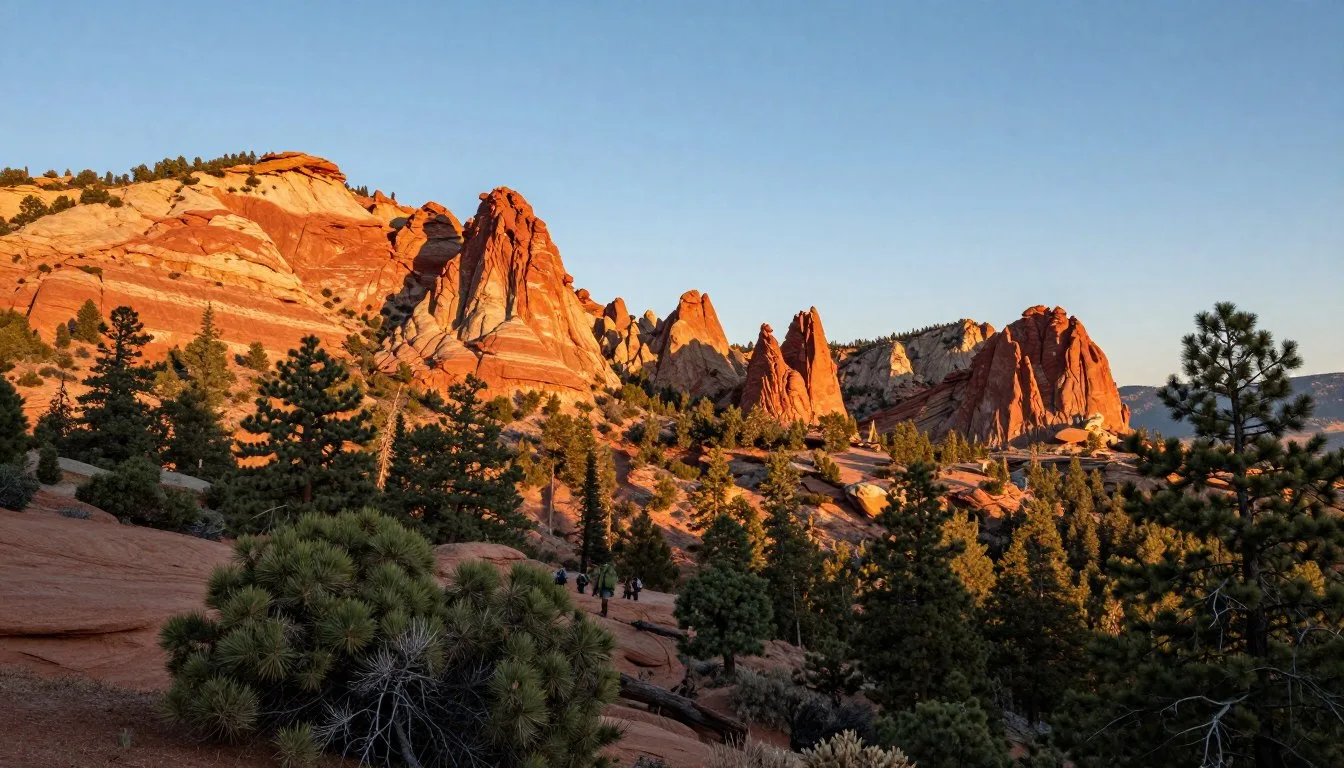
Fewer than 5,000 anglers fish these remote mountain streams each year, making the Raft River Mountains one of Utah’s most overlooked wilderness treasures. These ancient peaks straddle the Utah-Idaho border in Box Elder County and earned their name from the Raft River that flows through their western flanks, which early pioneers used to float timber downstream for construction.
The Raft River Mountains offer a rare combination of solitude and adventure. You can hike for hours without seeing another person. The highest point reaches 3,048 meters (10,000 feet) at Bull Mountain. Native Yellowstone cutthroat trout still thrive in cold mountain streams. Clear Creek winds through pine forests where elk graze at dawn.
This comprehensive guide reveals everything you need to plan your trip to this hidden mountain range. From fishing pristine creeks to camping under star-filled skies, the Raft River Mountains reward those who venture beyond Utah’s crowded national parks.
Getting There and Planning Your Journey
The Raft River Mountains sit in northwestern Utah near the Idaho border. Most visitors arrive by car since no commercial airports serve the immediate area. The nearest major airport is Salt Lake City International Airport, located approximately 193 kilometers (120 miles) south of the mountain range.
From Salt Lake City, drive north on Interstate 15 toward the Idaho border. Take Exit 5 for Snowville and continue west on State Route 30. The drive takes about two hours. Smaller regional airports include Ogden-Hinckley Airport, 161 kilometers (100 miles) away, which serves private aircraft and charter flights.
Plan to rent a vehicle with good ground clearance. Many access roads leading into the Raft River Mountains are unpaved. A four-wheel-drive vehicle opens up more camping and trailhead options. Standard sedans can reach some areas but limit your exploration range.
The town of Snowville serves as the primary gateway community. Stock up on supplies here before heading into the mountains. Limited cell phone service exists once you leave the highway. Download maps and directions before departing Salt Lake City.
Best Time to Visit and Weather Tips
Best Time to Visit Raft River Mountains
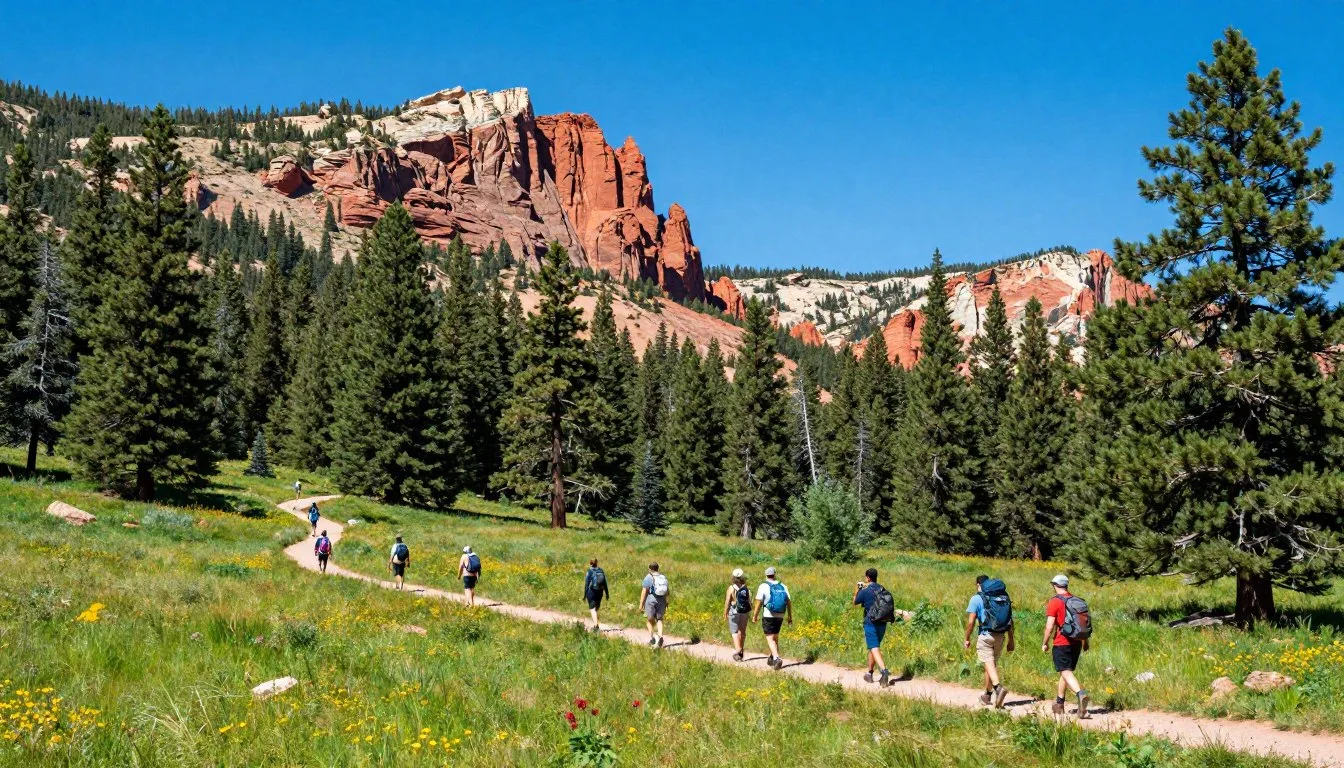
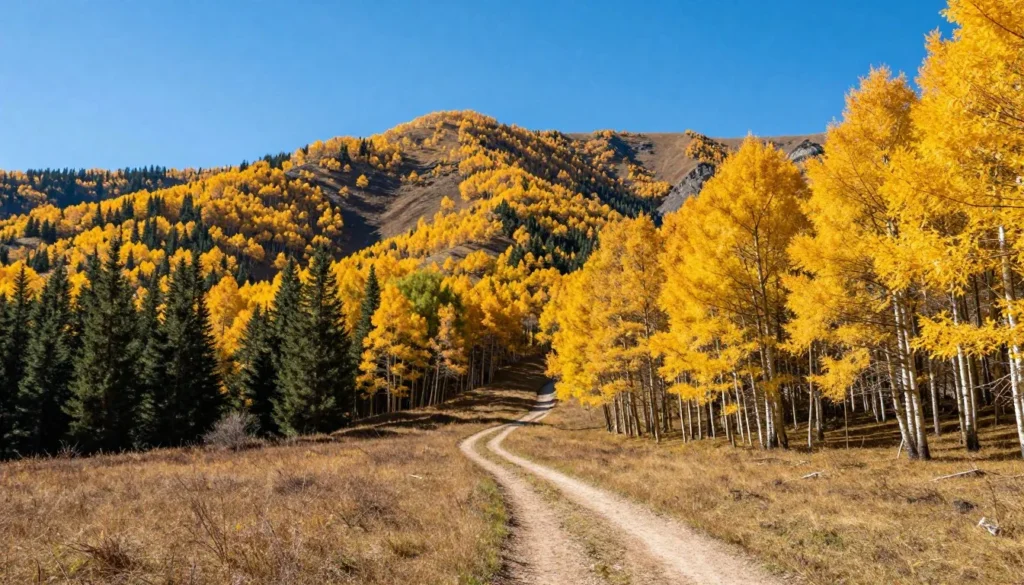
The ideal visiting window runs from late May through September. Spring brings wildflowers and flowing streams. Summer offers warm days perfect for hiking. Early fall delivers spectacular golden aspen groves and comfortable temperatures.
May through June provides the best fishing conditions. Snowmelt fills creeks with clear, cold water. Yellowstone cutthroat trout actively feed during this time. Stream flows peak in May, then gradually decrease through summer.
July and August bring the warmest weather. Daytime temperatures reach 24°C to 29°C (75°F to 85°F) in the valleys. Higher elevations stay cooler. This period attracts families for camping trips. Most trails are completely snow-free by mid-July.
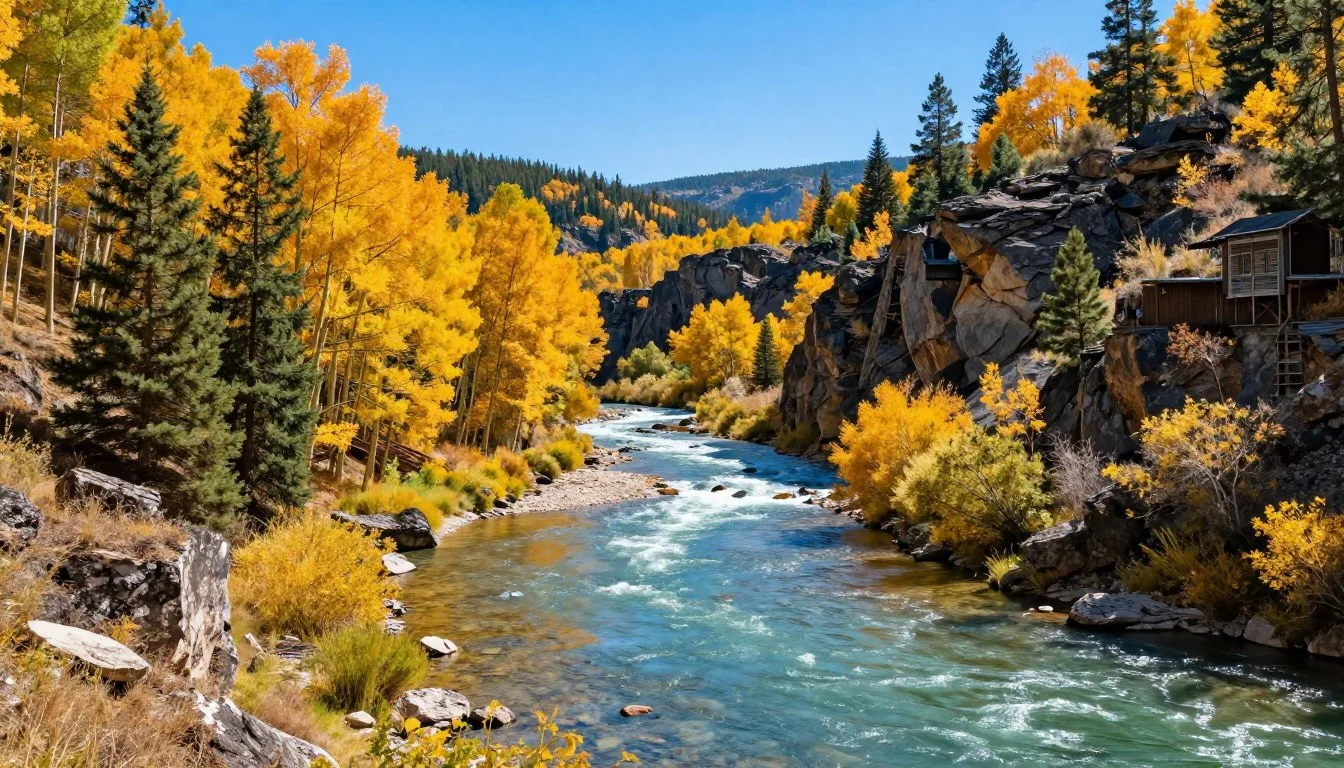
September offers solitude and beauty. Crowds disappear after Labor Day. Aspen trees turn brilliant gold against evergreen forests. Temperatures drop to comfortable hiking range. Early morning frost becomes common by late September.
Avoid winter visits unless you have extensive backcountry experience. Heavy snow closes roads from November through April. Temperatures plunge below -18°C (0°F) regularly. Spring avalanche danger exists on steeper slopes through early May.
Weather Patterns and What to Expect
Mountain weather changes rapidly. Morning sunshine can turn to afternoon thunderstorms. Pack layers for temperature swings of 15°C (30°F) between day and night. Rain gear belongs in every daypack.
Summer afternoon thunderstorms develop frequently. Lightning poses serious danger on exposed ridges. Plan to start hikes early and return to camp by 2 PM. Dark clouds building to the west signal approaching storms.
Nights stay cool even in summer. Temperatures drop to 4°C to 10°C (40°F to 50°F). Bring warm sleeping bags rated for near-freezing conditions. Frost can occur any month of the year at higher elevations above 2,743 meters (9,000 feet).
Notable Annual Festivals
The region hosts few formal festivals due to its remote location. The nearest community events occur in surrounding towns. Box Elder County organizes occasional conservation and outdoor recreation workshops during summer months. Contact the Box Elder County Economic Development office for current schedules.
The Utah Division of Wildlife Resources occasionally hosts fishing education events and stream habitat restoration volunteer days. These programs focus on protecting native cutthroat trout populations. Check their regional office for dates and participation details.
Getting Around Locally
Personal vehicles provide the only practical transportation within the Raft River Mountains. No public transit, shuttle services, or taxi companies operate in this remote area. Your car becomes your lifeline for accessing trailheads, campsites, and fishing spots.
Forest Service roads vary from maintained gravel routes to rough four-wheel-drive tracks. Road conditions change with weather. Spring runoff creates mud. Summer thunderstorms wash out sections. Always check current conditions at the nearest ranger station before venturing onto backcountry roads.
The main access road runs along Clear Creek through the heart of the range. This gravel route connects multiple campgrounds and trailheads. Standard vehicles can navigate this road when dry. Allow extra time for slow speeds on washboard surfaces.
Fuel up before leaving paved highways. No gas stations exist within the mountain range. The nearest fuel stops are in Snowville or across the border in Idaho communities. Carry extra fuel for extended stays in remote campsites.
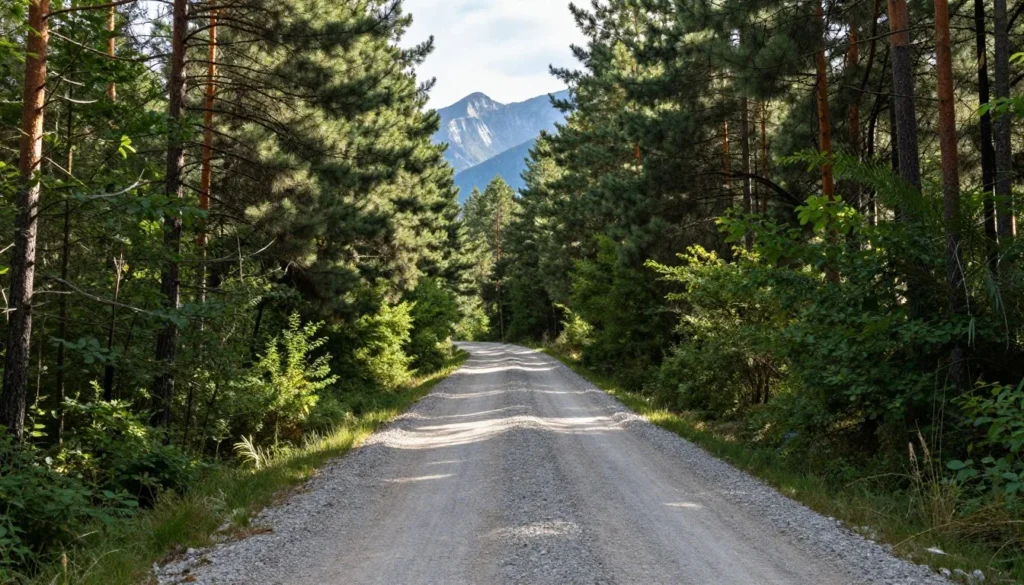
Parking exists at major trailheads but fills quickly on summer weekends. Arrive early for popular spots like Bull Mountain Trail. Dispersed camping areas offer pull-off parking along forest roads. Ensure your vehicle stays completely off the roadway to allow emergency vehicle passage.
Where to Stay in the Raft River Mountains
Camping dominates lodging options in the Raft River Mountains. The remote location means no hotels, lodges, or vacation rentals exist within the range itself. Most visitors choose between developed campgrounds and dispersed camping on National Forest land.
Developed Campgrounds
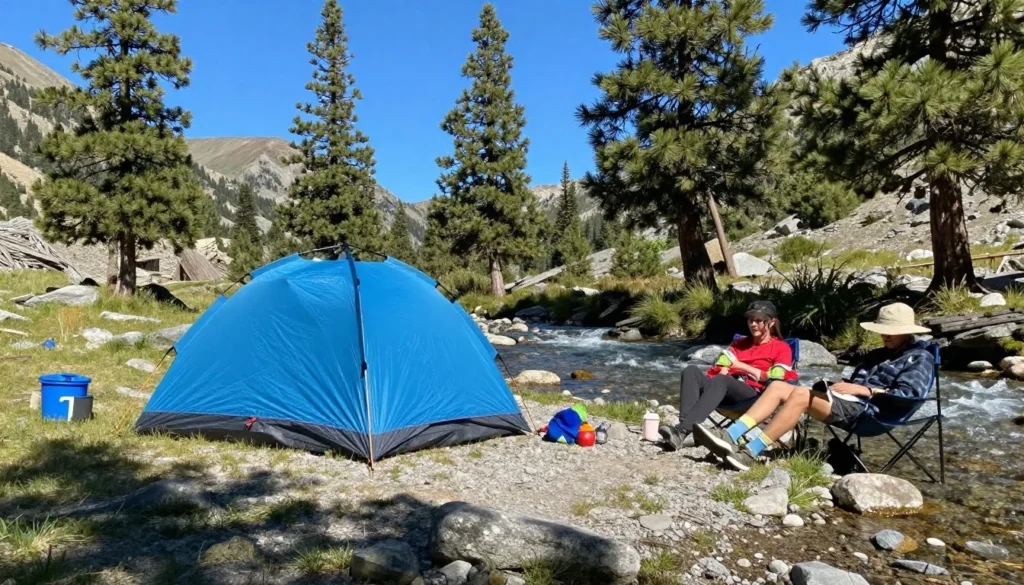
Clear Creek Campground serves as the primary developed facility. Located along Clear Creek, this campground offers basic amenities including vault toilets, picnic tables, and fire rings. Sites accommodate tents and small RVs. No hookups or running water are available. The campground operates on a first-come, first-served basis.
Fees remain modest at developed sites. Expect to pay around fifteen to twenty dollars per night. The camping season runs from late May through September depending on snow conditions. Rangers patrol periodically but the campground is largely self-service.
Dispersed Camping Options
Free dispersed camping is permitted throughout the Sawtooth National Forest sections of the Raft River Mountains. Find pull-off spots along forest roads at least 61 meters (200 feet) from streams and trails. No facilities exist at dispersed sites. Pack out all trash and human waste.
Popular dispersed camping areas line the upper reaches of Clear Creek and along roads accessing Bull Mountain. These spots offer more solitude than developed campgrounds. You must be completely self-sufficient with your own water, sanitation, and emergency supplies.
Nearby Town Accommodations
For those preferring indoor lodging, Snowville offers basic motels. Several chain hotels operate in Brigham City, approximately 97 kilometers (60 miles) south. Tremonton provides additional hotel options closer to Interstate 84. These towns make suitable base camps for day trips into the mountains.
RV parks with full hookups exist in Snowville and surrounding communities. These facilities provide dump stations, water, electricity, and sometimes WiFi. Prices range from thirty to forty-five dollars per night for full hookups.
Dining and Local Cuisine
The Raft River Mountains contain no restaurants, cafes, or food services. This wilderness area requires complete meal self-sufficiency. Bring all food, cooking equipment, and beverages with you. The nearest dining options exist in gateway towns.
Snowville offers a handful of small restaurants serving American comfort food. Expect burgers, sandwiches, and breakfast classics. One local diner operates as a community gathering spot. Hours can be irregular, so call ahead to confirm opening times.
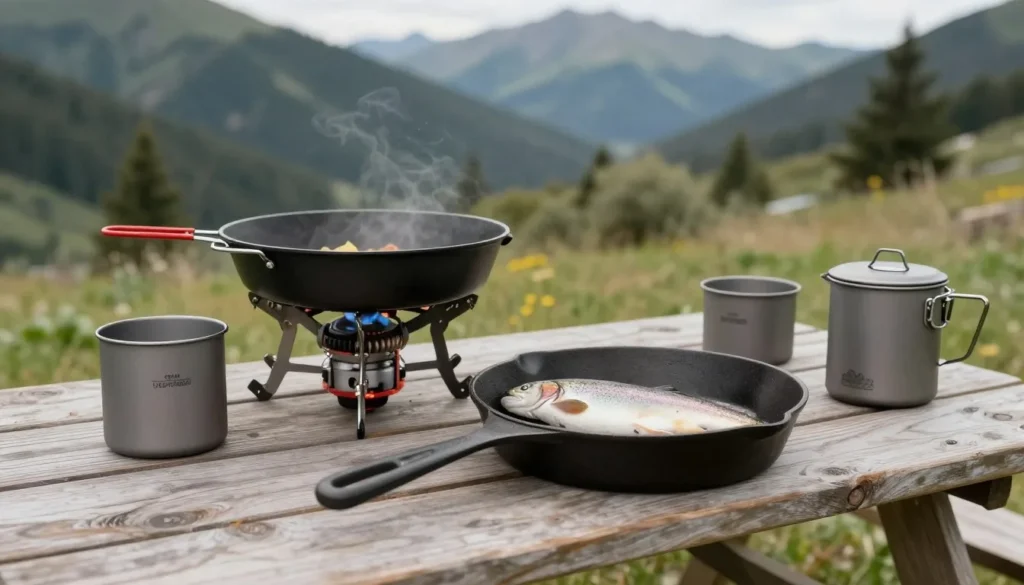
For camping meals, plan simple preparations that require minimal cooking. Propane stoves work reliably at altitude. Campfire cooking adds to the experience but check current fire restrictions. Dry conditions often lead to campfire bans during summer.
Wild game and fish can supplement meals for licensed hunters and anglers. Yellowstone cutthroat trout from mountain streams make excellent camp dinners. Regulations require proper licenses and adherence to catch limits. The state protects native trout populations through careful management.
Water sources require treatment before drinking. Clear Creek and other streams may appear pristine but contain harmful microorganisms. Filter, boil, or chemically treat all water. Bring extra capacity since mountain streams sometimes run low by late summer.
Attractions, Sightseeing, and Activities
The Raft River Mountains reward visitors seeking active outdoor adventures rather than constructed attractions. No visitor centers, interpretive sites, or commercial tour operations exist. The mountains themselves provide the entertainment through fishing, hiking, and wildlife observation.
Fishing for Native Trout
Fishing ranks as the premier activity drawing visitors to the Raft River Mountains. Clear Creek and its tributaries support one of Utah’s few remaining Yellowstone cutthroat trout populations. These native fish thrive in cold, clean water away from competing species.
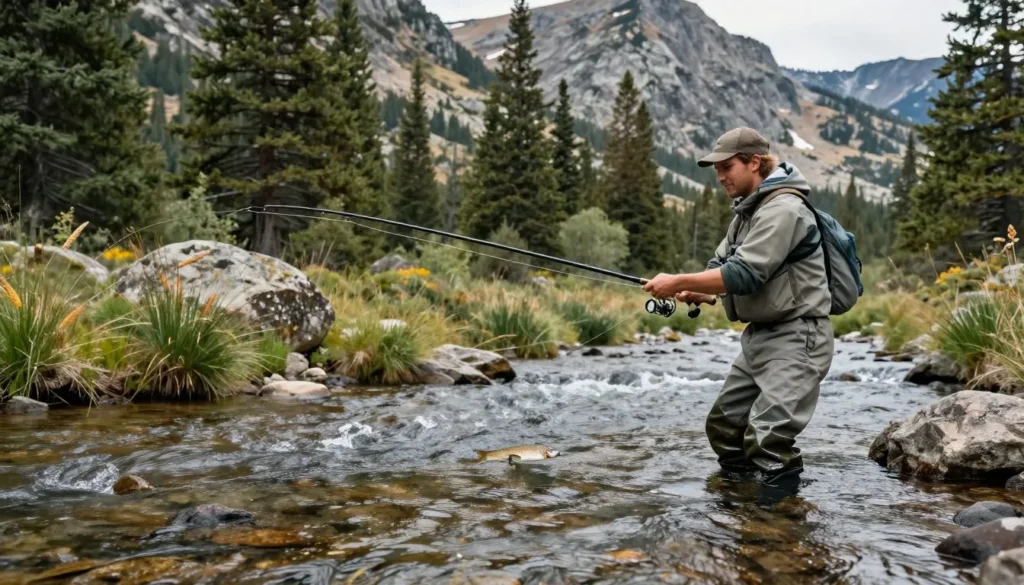
The cutthroat species here displays distinctive red slashes beneath their jaws. They eagerly strike dry flies during summer hatches. Small streams require careful approach and precise casting. Fish average 20 to 30 centimeters (8 to 12 inches) with occasional larger specimens.
State fishing regulations apply throughout the range. Valid Utah fishing licenses are mandatory. Special regulations often protect cutthroat trout through catch-and-release requirements. Barbless hooks reduce injury to released fish. Check current regulations before wetting a line.
Logan River and Bear River systems to the south also offer excellent trout fishing. These larger streams provide different angling experiences with brown trout and rainbow trout mixed among native species. Bear Lake, a massive natural lake covering 28,328 hectares (70,000 acres), lies within a reasonable drive and hosts unique native fish found nowhere else.
Bull Mountain Summit Hike
Bull Mountain stands as the highest point in the Raft River Mountains at 3,048 meters (10,000 feet). The summit trail challenges hikers with steep sections but rewards effort with panoramic views. On clear days, you can see across three states from the top.
The trail begins near Clear Creek Campground and climbs through mixed conifer forest. Distance covers approximately 8 kilometers (5 miles) one way with elevation gain exceeding 762 meters (2,500 feet). Plan four to six hours for the round trip. Bring plenty of water since no reliable sources exist along the route.
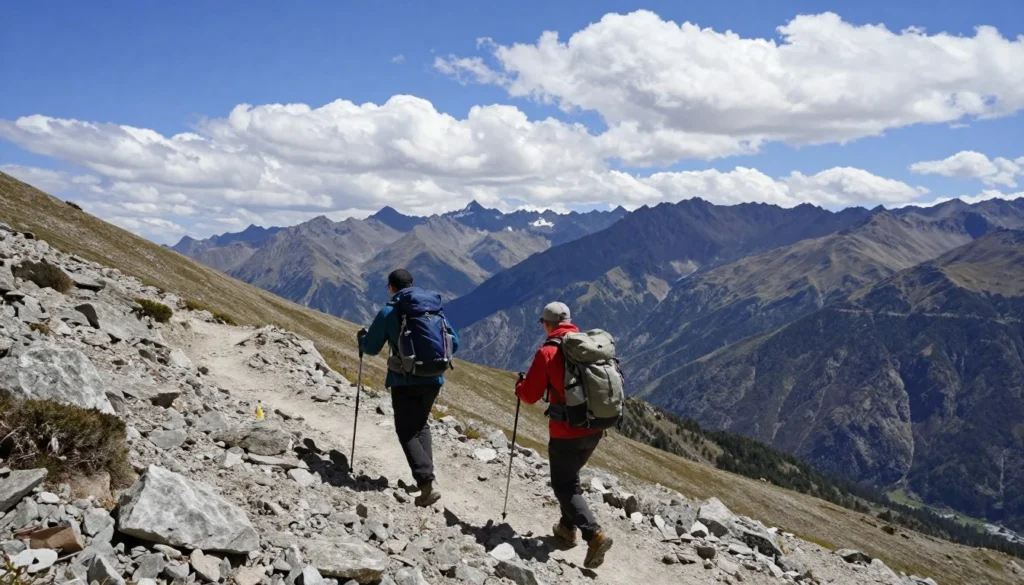
The upper section crosses open slopes where wildflowers bloom in July. Columbines, paintbrush, and lupines create natural gardens. Watch for weather changes since storms develop quickly. Lightning danger increases dramatically above treeline.
Wildlife Watching Opportunities
The Raft River Mountains support diverse wildlife populations. Elk herds browse meadows during early morning and evening hours. Mule deer appear frequently along forest roads. Black bears inhabit the area though encounters remain uncommon.
Bird watchers spot raptors including golden eagles and red-tailed hawks. Smaller birds like mountain chickadees and nuthatches flit through pine forests. Creek corridors attract water-loving species including dippers that dive beneath rushing water.
Proper wildlife etiquette enhances safety and conservation. Observe animals from distance using binoculars. Never feed wildlife as it creates dangerous dependencies. Store food securely at campsites using bear-resistant containers or hanging techniques. Report aggressive animal behavior to forest rangers.
Museums, Cultural Spots, and Festivals
The Raft River Mountains contain no museums, cultural centers, or historical sites within their boundaries. The region’s remote nature and limited settlement history mean few developed interpretive facilities exist. Cultural and historical resources concentrate in surrounding communities.
Box Elder County maintains a small historical museum in Brigham City that covers regional settlement patterns. Exhibits detail pioneer migration routes, agricultural development, and Native American history. The museum operates limited hours, primarily during summer months.
The Golden Spike National Historical Park, located roughly 97 kilometers (60 miles) south, commemorates the completion of the first transcontinental railroad. This significant site offers ranger programs, replica locomotives, and interpretive trails. The park provides context for understanding regional development.
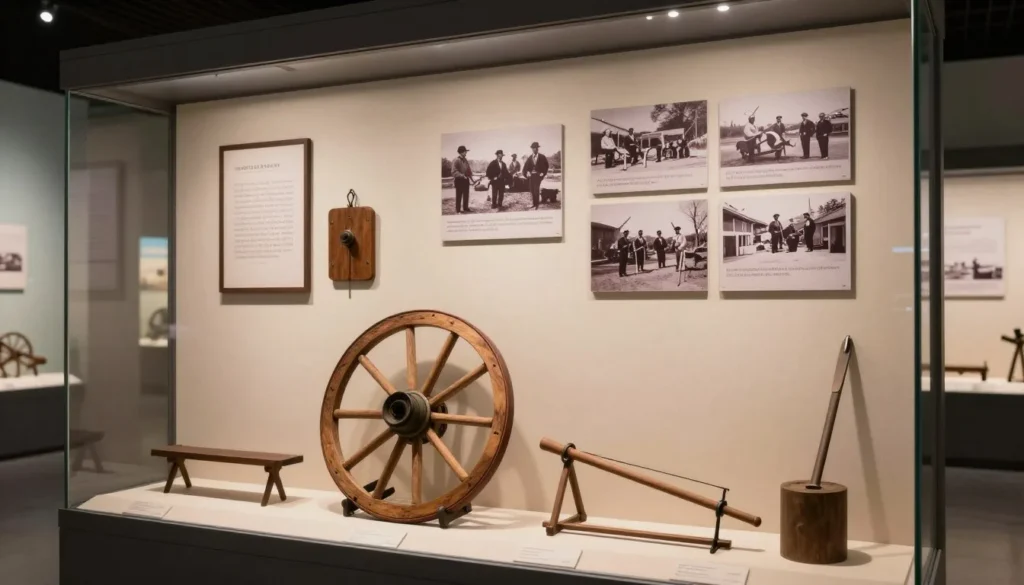
Native American heritage predates European settlement by thousands of years. Shoshone people historically hunted and gathered throughout these mountains. Archaeological sites exist but most remain unmarked to prevent damage. Respect any artifacts or structures you encounter by leaving them undisturbed.
The area hosts few organized festivals due to sparse population. Regional towns celebrate typical small-town events like county fairs and rodeos during summer. These gatherings occur in valley communities rather than mountain locations.
Nature and Outdoor Experiences
Outdoor recreation defines the Raft River Mountains experience. Beyond fishing and hiking, numerous activities connect visitors with pristine wilderness. The landscape offers something for every skill level from casual nature walks to challenging backcountry expeditions.
Trail Running and Backpacking
Trail runners appreciate the network of paths winding through the range. Routes vary from gentle creek-side tracks to lung-burning climbs. The high-altitude environment challenges cardiovascular systems. Acclimate gradually if arriving from lower elevations.
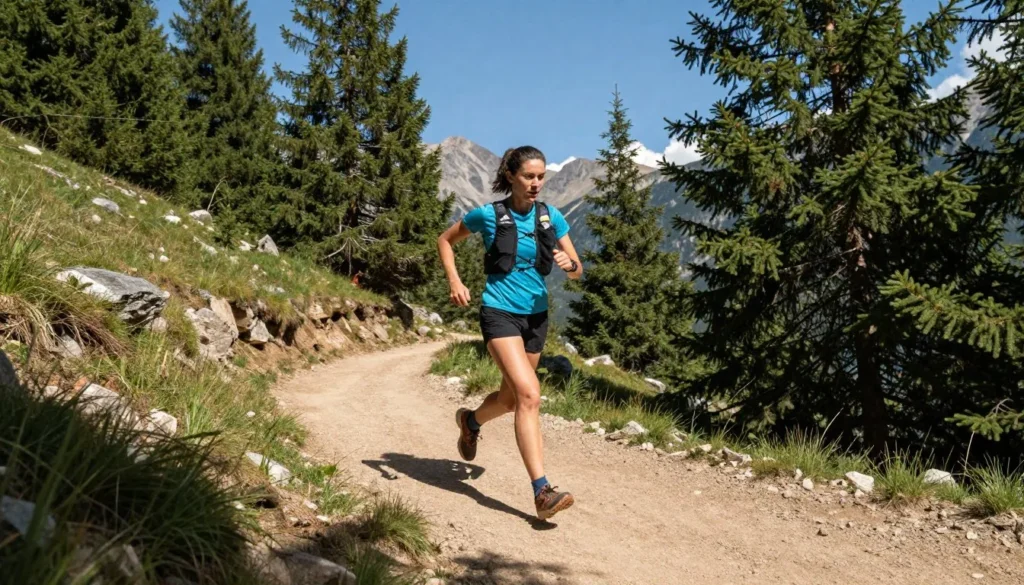
Backpackers can plan multi-day trips into remote sections. Water availability dictates route planning since some drainages run dry by August. Camp at least 61 meters (200 feet) from water sources to protect riparian areas. Bear-resistant food storage prevents wildlife conflicts.
Photography and Nature Study
Photographers find endless subjects throughout the seasons. Golden hour light paints peaks in warm tones. Macro opportunities include wildflowers and insects. Wildlife photography requires patience and long lenses for safe distances.
Nature enthusiasts study diverse ecosystems from sagebrush valleys to alpine tundra. Plant communities change with elevation. Aspen groves host different species than spruce-fir forests. Bring field guides to identify flora and fauna.
Mountain Biking Adventures
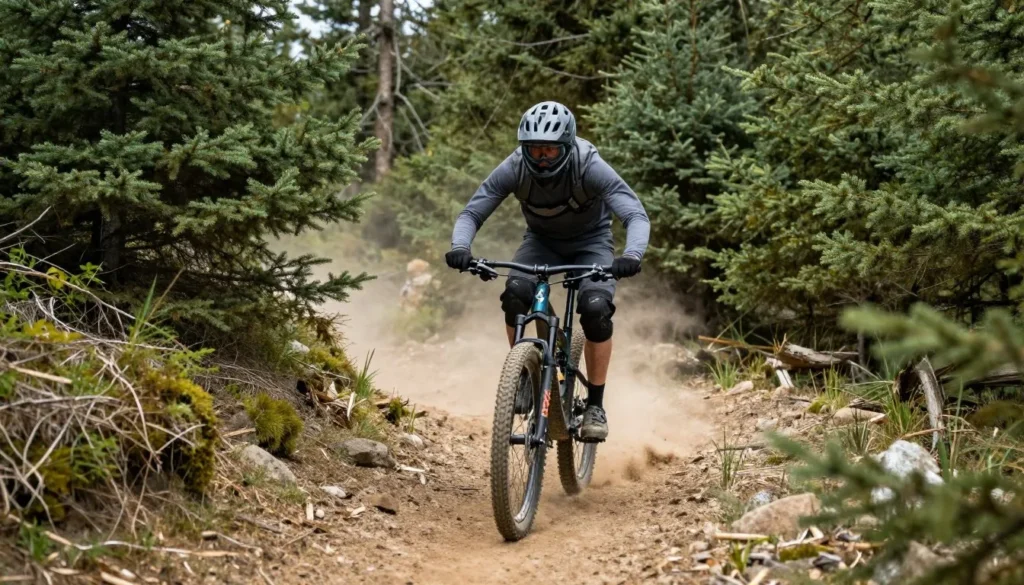
Mountain biking works well on forest roads though technical singletrack remains limited. The main Clear Creek road provides an excellent ride through changing terrain. Expect rocky sections and stream crossings. Bikes must yield to hikers and horses on shared trails.
Winter Recreation Possibilities
Snowshoeing and backcountry skiing attract hardy winter visitors. Deep snow blankets the range from December through March. Avalanche danger requires proper training and equipment. Most access roads close requiring long approaches to reach prime terrain.
Winter campers need four-season tents and gear rated for extreme cold. Temperatures regularly drop below -18°C (0°F). Shorter daylight limits activity time. Only experienced winter travelers should attempt cold-weather trips in these remote mountains.
Travel With Children
Families can enjoy the Raft River Mountains with proper planning. The wilderness setting offers children memorable experiences away from screens and crowds. Success depends on realistic expectations and age-appropriate activities.
Clear Creek Campground makes an excellent base for families. The developed facilities including toilets reduce stress compared to primitive camping. Kids enjoy playing along the creek under supervision. Smooth cobbles support rock stacking and water play.
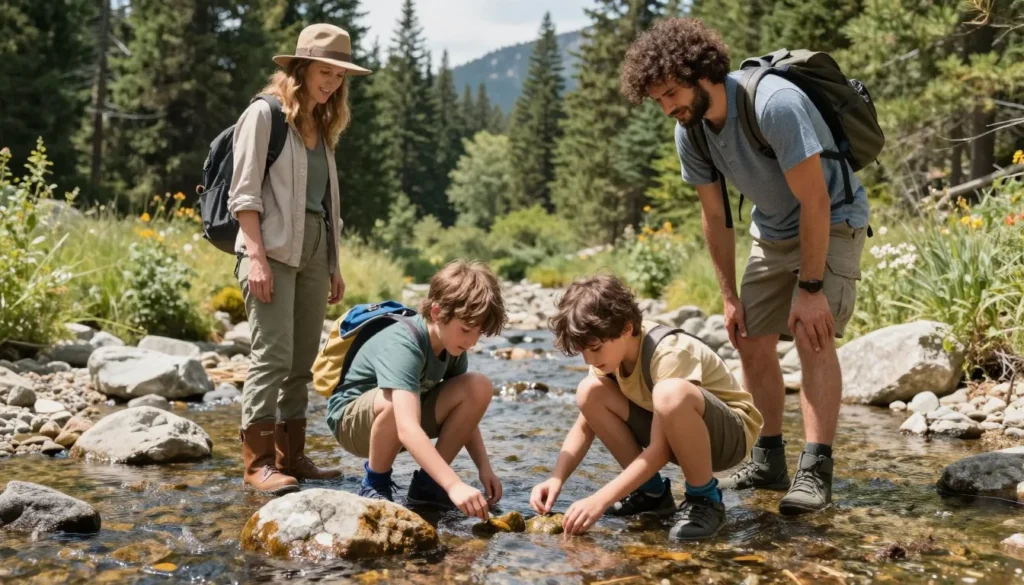
Select shorter hikes for young legs. Trail distances under 3 kilometers (2 miles) work well for elementary-age children. Build in frequent snack breaks and exploration time. Let kids set the pace rather than rushing to destinations.
Fishing appeals to many children. Teach basic casting in open areas away from trees. Small panfish provide fast action that maintains attention. Celebrate catches regardless of size. Focus on fun rather than perfect technique.
Safety requires constant vigilance with children outdoors. Streams present drowning hazards even in shallow sections. Rocky terrain causes falls. Wildlife encounters need careful management. Establish clear boundaries and check-in routines for older kids.
Pack entertainment for downtime at camp. Card games, nature journals, and star gazing fill evening hours. Many children sleep better after active days in fresh air. Bring familiar comfort items for bedtime security.
Consider weather impacts on young travelers. Cold nights require proper sleeping bags and warm layers. Sun protection prevents burns at altitude where UV radiation intensifies. Rain gear keeps everyone comfortable when storms arrive.
Money Saving Tips
The Raft River Mountains naturally support budget travel. The remote location eliminates expensive attractions and dining temptations. Following a few strategies further reduces trip costs.
Choose dispersed camping over developed campgrounds to eliminate fees. Free camping sites scatter throughout National Forest lands. You sacrifice amenities but gain solitude and cost savings. One night saved pays for extra groceries.
Obtain a Utah fishing license online before arrival to avoid sporting goods store markups. Annual licenses cost less than multiple daily permits. Residents pay significantly reduced rates compared to nonresidents. Check if reciprocal agreements exist with your home state.
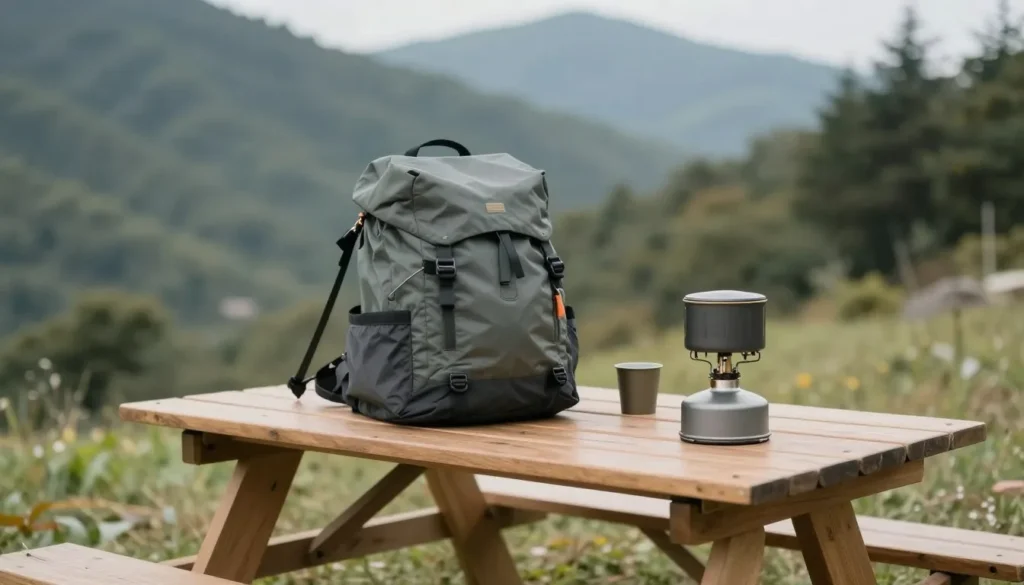
Pack all meals from home rather than relying on restaurant stops. Grocery store prices beat restaurant costs dramatically. Simple camp meals using pasta, rice, and canned goods minimize expense. A cooler preserves perishables for several days.
Share gas costs by traveling with friends or family. Carpooling from Salt Lake City cuts fuel expenses. Multiple people splitting campsite fees reduces per-person costs. Group travel also enhances safety in remote areas.
Visit during shoulder seasons for smaller crowds and sometimes lower accommodation rates in gateway towns. Late May and September offer excellent conditions with fewer visitors. Some motels reduce prices outside peak summer months.
Borrow or rent expensive gear rather than buying for one trip. Backpacking equipment, fishing rods, and camping supplies represent significant investments. Friends often loan gear or outdoor retailers offer rental programs.
Download free maps and apps before departure to avoid data charges. Many GPS and trail apps function offline once loaded. Forest Service websites provide free downloadable maps of the area. Paper maps from ranger stations cost only a few dollars.
Safety and Local Customs
Wilderness safety requires knowledge and preparation. The Raft River Mountains present typical mountain hazards amplified by remoteness. Cell service vanishes in most areas eliminating easy rescue requests. Self-reliance becomes essential.
Essential Safety Practices
Always inform someone of your plans before heading into the mountains. Provide specific details about intended campsites and return dates. Check in upon safe return. This simple step enables rescue operations if needed.
Carry essential survival items regardless of trip length. The ten essentials include navigation tools, sun protection, insulation, illumination, first-aid supplies, fire starters, repair kit, nutrition, hydration, and emergency shelter. A turned ankle transforms a day hike into an overnight ordeal.
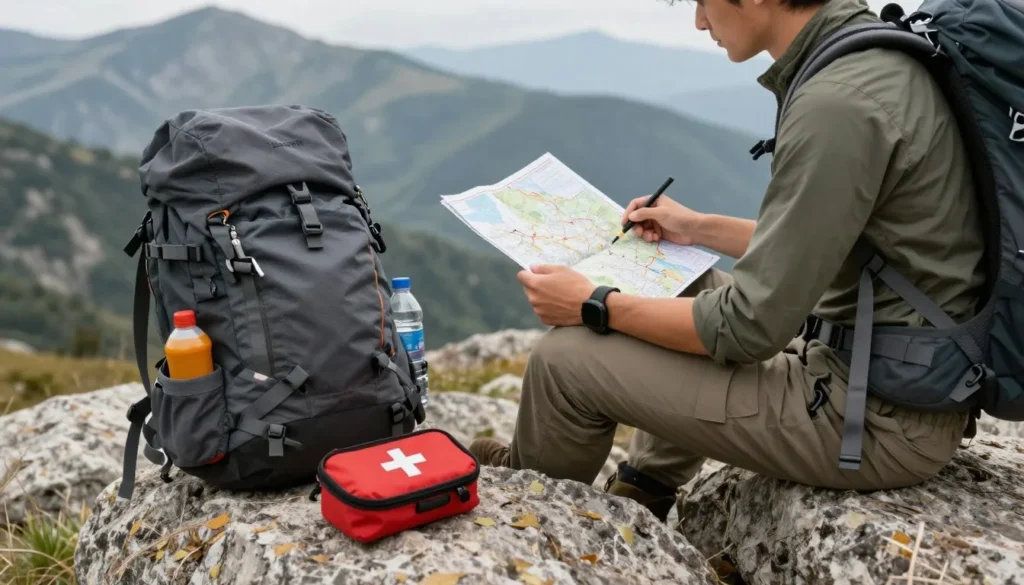
Weather changes demand respect. Afternoon thunderstorms build rapidly during summer. Lightning kills several people annually in Utah mountains. Descend from ridges when dark clouds gather. Avoid tall isolated trees. Wait thirty minutes after the last thunder before resuming travel.
Water crossing injuries occur frequently. Streams swollen with snowmelt flow with surprising force. Test depth before committing. Unbuckle pack waist belts for quick release if you fall. Use trekking poles for stability. Wait for water levels to drop rather than taking risks.
Wildlife Safety Guidelines
Black bears inhabit the Raft River Mountains though encounters remain relatively rare. Store all food and scented items properly at campsites. Cook and eat away from sleeping areas. Hang food from trees or use bear canisters in areas where required.
If you encounter a bear, remain calm. Speak in normal tones while slowly backing away. Never run since this triggers chase instincts. Make yourself appear larger by raising arms. Most bears flee when they identify humans.
Rattlesnakes live in lower elevation areas though rarely venture into high country. Watch where you place hands and feet when scrambling over rocks. Most bites occur when people accidentally touch snakes. Give them space and they will retreat.
Leave No Trace Principles
Outdoor ethics protect wilderness character for future generations. Follow Leave No Trace principles throughout your visit. Pack out everything you bring in including toilet paper. Bury human waste at least 20 centimeters (8 inches) deep and 61 meters (200 feet) from water sources.
Use established campsites when available to minimize impact. Avoid creating new fire rings. Scatter unused firewood before departure. Wash dishes and yourself at least 61 meters (200 feet) from streams using biodegradable soap sparingly.
Respect wildlife by observing from distance. Never approach or feed animals. Store attractants securely. Keep dogs leashed to prevent harassing wildlife. Protect native fish populations by cleaning boots and gear before moving between watersheds.
Visitor Comments About Raft River Mountains
C.S., Shrewsbury: “The solitude in these mountains amazed our family. We camped at Clear Creek Campground for three nights and saw only two other groups the entire time. My kids caught their first trout in the creek right behind our site. The stars at night were incredible without any light pollution. We hiked partway up Bull Mountain but turned back due to afternoon clouds. Next trip we will start earlier. The drive from Salt Lake took longer than expected on gravel roads but the peace and quiet made it worthwhile.”
P.D., Brockton: “I have been fly fishing for thirty years and the Raft River Mountains offered some of the best small stream fishing I have experienced. The Yellowstone cutthroat are beautiful fish with those distinctive red slashes. They rise eagerly to dry flies. I practiced catch and release to help preserve this special population. Roads require a truck with decent clearance. Cell service disappeared once I left the highway. Bring paper maps and know where you are going. The remoteness is part of the appeal but demands preparation.”
N.N., Bacoor: “Our group of four friends spent a long weekend exploring the Raft River range. We found excellent dispersed camping spots along forest roads with complete privacy. The wildflowers in July exceeded expectations with whole hillsides of colorful blooms. We saw elk every morning and evening. One afternoon thunderstorm reminded us to respect mountain weather. The summit views from Bull Mountain stretched forever. This area deserves more recognition as an alternative to crowded national parks. Just be ready for basic conditions and plan accordingly.”
Additional Nearby Destinations
Several worthwhile destinations surround the Raft River Mountains. These areas complement a mountain visit or provide alternatives when weather closes high country access.
Bear River and Migratory Bird Refuge
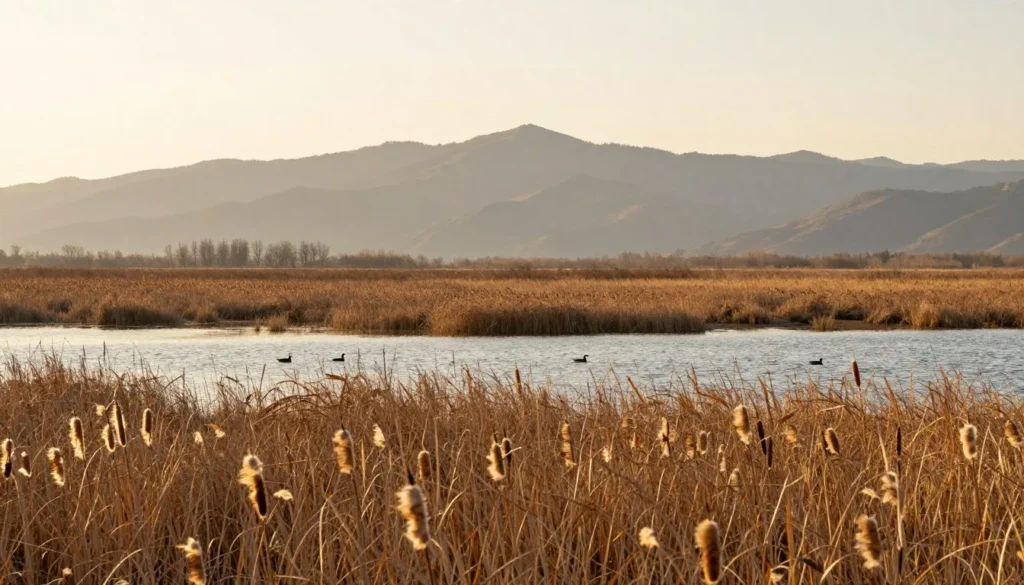
The Bear River Migratory Bird Refuge spans 32,375 hectares (80,000 acres) of wetlands near Brigham City. This internationally significant site hosts millions of migrating waterfowl annually. A self-guided auto tour loops through diverse habitats. Spring and fall migrations peak bird numbers. The refuge lies approximately 97 kilometers (60 miles) from the Raft River Mountains.
Great Salt Lake Shoreline
The Great Salt Lake, North America’s largest salt water lake, stretches across 438,786 hectares (1,084,000 acres) when full. The lake’s salinity exceeds ocean water. Unique brine shrimp support bird populations. Several access points offer swimming in buoyant water. Antelope Island State Park provides the most developed facilities.
City of Rocks National Reserve
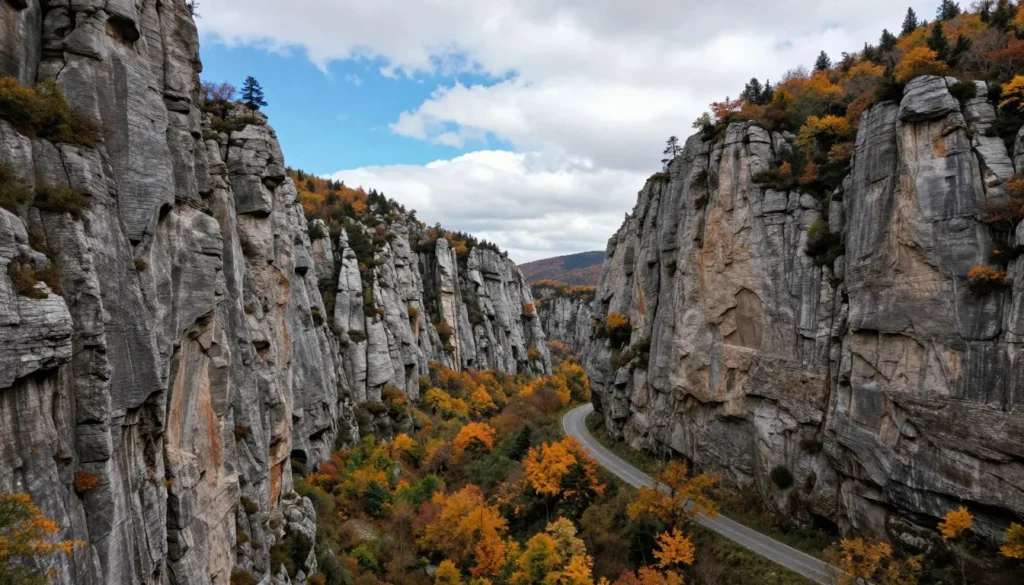
Just across the Idaho border lies City of Rocks National Reserve. Towering granite formations create a maze of pinnacles and spires. World-class rock climbing attracts enthusiasts. Historic pioneer trails cross the reserve. Camping and hiking trails wind through sculptured rock. The reserve sits about 64 kilometers (40 miles) from the Raft River Mountains.
Logan Canyon Scenic Byway
Logan Canyon offers one of Utah’s most beautiful drives. The canyon road climbs through spectacular limestone walls. Numerous campgrounds, hiking trails, and fishing access points line the route. Popular attractions include Tony Grove Lake and Bear Lake at the canyon’s summit. Distance from the Raft River Mountains spans roughly 129 kilometers (80 miles).
Practical Travel Tips
Final preparation details ensure smooth travels to the Raft River Mountains. These practical considerations address common questions and prevent frustrating oversights.
What to Pack
Layer clothing for temperature swings. Synthetic or wool fabrics dry quickly unlike cotton. Rain jacket and pants belong in every pack. Sun hat and sunscreen combat intense high-altitude UV. Warm sleeping bag rated to -7°C (20°F) handles cold nights.
Footwear makes or breaks mountain trips. Sturdy hiking boots with ankle support prevent injuries on rocky trails. Break in new boots before the trip to avoid blisters. Camp shoes provide relief after a day in hiking boots.
Water treatment remains non-negotiable. Pump filters, chemical tablets, or UV purifiers all work effectively. Carry capacity for at least 3 liters per person on day hikes. Hydration prevents altitude sickness and heat issues.
Vehicle Preparation
Check tire pressure and spare tire condition before departure. Gravel roads cause flats more frequently than pavement. Full-size spare beats compact emergency spares for backcountry travel. Basic tools enable roadside repairs.
Top off all fluids including oil, coolant, and windshield washer. Pack extra washer fluid since dusty roads consume it quickly. Verify jack and lug wrench presence. Many rental cars lack these essential items.
Communication and Navigation
Download offline maps before losing cell coverage. Both Google Maps and specialized apps offer offline functionality. GPS coordinates prove more reliable than addresses in remote areas. Write down key coordinates for trailheads and campsites.
Consider renting a satellite communicator for emergency situations. These devices enable SOS calls when beyond cell range. Some models offer two-way texting to share location updates with family. Rental costs run about ten dollars per day.
Permits and Regulations
No permits required for camping in most areas. Campfire restrictions often apply during dry periods. Check current fire regulations before leaving. Wood gathering may be prohibited to protect limited forest resources.
Fishing licenses remain mandatory and subject to spot checks by conservation officers. Fines for fishing without proper licensing start at several hundred dollars. Special regulations protect native cutthroat trout through gear restrictions and catch limits.
Trash and Sanitation
Pack garbage bags to contain all trash. No waste collection exists in backcountry areas. Carry out everything including food scraps. Animals tear apart buried garbage.
Vault toilets serve developed campgrounds but dispersed sites have nothing. Pack a lightweight trowel for digging catholes. Toilet paper must be packed out or burned completely. Many visitors prefer bringing reusable toilet cloth to eliminate paper waste.
Discover Your Raft River Mountains Adventure
The Raft River Mountains reward adventurers who venture beyond Utah’s famous national parks. These remote peaks offer something increasingly rare in modern America—true solitude combined with exceptional outdoor recreation. Whether you cast flies for native cutthroat trout in Clear Creek, stand atop Bull Mountain surveying three states, or simply watch elk graze meadows at dawn, you will forge memories that last a lifetime.
The lack of crowds, commercial development, and cell service initially seems like a deficit. Then you realize these absences create the experience. You rediscover what wilderness actually means. Stars shine without light pollution. Bird songs carry through quiet forests. Mountain streams burble without traffic noise.
Your trip requires more planning than typical vacations. No restaurants bail out forgotten meals. No hotels provide backup if camping feels uncomfortable. The remoteness demands self-sufficiency and preparation. But these challenges transform casual tourists into real adventurers.
Start planning your Raft River Mountains journey today. Mark your calendar for late spring through early fall. Study maps and imagine your routes. Gather your gear or borrow from friends. Then point your vehicle northwest from Salt Lake City toward these overlooked peaks. The Raft River Mountains are waiting with open spaces, cold streams full of wild trout, and trails leading to places few people ever see.