Hotels by Trip.com
Flights by Trip.com
Did you know that Big Cottonwood Canyon receives over 500 inches of snow annually at its highest elevations, making it one of the snowiest inhabited canyons in North America? This remarkable fact transforms the area into a winter paradise while creating unique wildlife habitats that support diverse ecosystems throughout all seasons.
Big Cottonwood Canyon stretches 15 miles into the Wasatch Mountains. The canyon rises from 5,400 feet at its mouth to over 10,000 feet at Brighton and Solitude ski resorts. This dramatic elevation change creates distinct climate zones and habitats.
The Big Cottonwood Wildlife Management Area encompasses portions of this spectacular canyon. Visitors discover world-class skiing, pristine hiking trails, and abundant wildlife viewing opportunities. The area provides year-round recreation just 30 minutes from Salt Lake City.
Getting There & Planning Your Journey

Salt Lake City International Airport serves as the primary gateway to Big Cottonwood Canyon. The airport sits just 40 km (25 miles) from the canyon entrance. Major airlines provide direct flights from cities across the United States and international destinations.
From the airport, visitors can rent vehicles or use ride-share services. The drive typically takes 45 minutes to one hour depending on traffic and weather conditions. Highway 190 provides the sole road access into Big Cottonwood Canyon.
The canyon entrance begins at the intersection of Wasatch Boulevard and Big Cottonwood Canyon Road in Salt Lake County. The paved road extends all the way to Brighton Resort at the canyon’s end. Winter conditions require proper vehicle preparation.
Road Access Details
- Big Cottonwood Canyon Road (Highway 190) – only route into canyon
- Year-round access with seasonal restrictions
- Canyon traction law enforced November through April
- Four-wheel drive or chains required during winter storms
- Park-and-ride lots available at canyon mouth
Alternative Airports
- Provo Airport – 72 km (45 miles) south
- Ogden-Hinckley Airport – 64 km (40 miles) north
- Both offer limited commercial service
- Salt Lake City remains most convenient option
- Ground transportation readily available
Best Time to Visit & Weather Tips
Recommended Visiting Periods
Big Cottonwood Canyon offers distinct experiences across all four seasons. Each time period provides unique advantages for different activities and interests.
Summer months from June through September deliver ideal conditions for hiking and outdoor exploration. Temperatures range from 18°C to 27°C (65°F to 80°F) at lower elevations. Higher elevations remain 5-10 degrees cooler. Afternoon thunderstorms occur frequently during July and August.
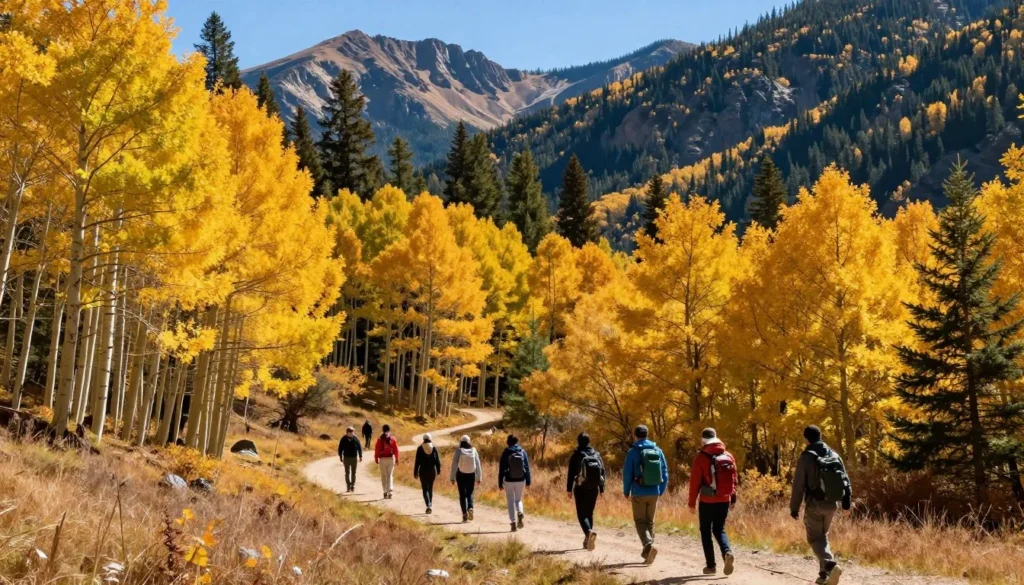
Fall arrives in September and extends through October. This season showcases spectacular foliage as aspen groves transform into golden displays. Temperatures drop to 10°C to 20°C (50°F to 68°F). Trail conditions remain excellent before the first snow.
Winter Snow Season: December through March brings world-class skiing and snowboarding conditions. Average snowfall exceeds 12.7 meters (500 inches) annually at upper elevations. Temperatures range from -7°C to 2°C (20°F to 35°F) during winter months.
Check 30,000+ Local Sightseeing Tours Worldwide
✓ Numerous languages and currencies are available
Spring arrives gradually from April through May. Melting snow creates rushing waterfalls and swollen streams. Weather remains unpredictable with possible snow at any time. This transitional period sees fewer visitors.
Periods to Avoid
- Late March through early May – unpredictable weather, muddy trails, high avalanche danger
- Holiday weekends in winter – extreme traffic congestion on canyon road
- Saturday mornings December through February – peak ski resort traffic
- Summer weekends during peak heat – parking areas fill early

Notable Annual Festivals
The Salt Lake City metropolitan area hosts numerous festivals that celebrate the mountain culture surrounding Big Cottonwood Canyon. While the canyon itself maintains a natural, undeveloped character, nearby communities organize events throughout the year.
Winter and Snow Festivals
The Cottonwood Canyons Foundation organizes the annual Canyons Village Winter Festival each February. This celebration highlights winter recreation and environmental stewardship. Activities include guided snowshoe tours, wildlife tracking workshops, and avalanche safety demonstrations.
Contact information: Cottonwood Canyons Foundation at 801-359-8521
Summer Mountain Events
The Wasatch Wildflower Festival takes place each July in nearby Alta and Brighton areas. Botanical experts lead guided hikes identifying alpine flora. The event typically runs for two weekends and celebrates the canyon’s diverse plant life.
Brighton Resort hosts summer concerts and mountain festivals from June through August. These family-friendly events feature local musicians, food vendors, and outdoor activities. The resort sits at the top of Big Cottonwood Canyon.
Contact for summer events: Brighton Resort at 801-532-4731
Fall Harvest Celebrations
The annual Oktoberfest at Snowbird Resort in neighboring Little Cottonwood Canyon draws visitors throughout September and October. While not directly in Big Cottonwood, this event provides easy access for canyon visitors. Traditional music, food, and activities celebrate mountain culture.
Getting Around Locally
Navigation within Big Cottonwood Canyon relies primarily on personal vehicles. The canyon’s single road simplifies orientation but requires awareness of seasonal regulations and traffic patterns.
Transportation Options
Utah Transit Authority operates ski bus service during winter months. Buses run from various Salt Lake City locations to Brighton and Solitude ski resorts. This service operates daily from late November through mid-April. The buses provide a traffic-free alternative during peak skiing periods.
Personal vehicles remain the most flexible option for exploring the canyon. Multiple pullouts and parking areas dot the canyon road. These spots provide access to trailheads and scenic viewpoints. Parking fills quickly on weekends and holidays.
Important: Big Cottonwood Canyon enforces strict traction laws from November 1 through April 30. All vehicles must have four-wheel drive, all-wheel drive, or carry chains. Officers check compliance at the canyon entrance during storms. Violators face fines and cannot proceed up the canyon.
Parking Considerations
- Arrive before 8:00 AM on winter weekends to secure parking at ski resorts
- Summer trailhead parking fills by 9:00 AM on Saturdays
- No overnight parking allowed at most pullouts
- Designated parking areas only – roadside parking prohibited
- Annual parking passes available for frequent visitors

Where to Stay

Accommodation options within Big Cottonwood Canyon remain limited to a few mountain lodges and resorts. Most visitors stay in Salt Lake City or nearby communities. The 30-minute drive provides easy access while offering more lodging variety.
In-Canyon Lodging
Brighton Lodge operates at the canyon’s upper end near Brighton Ski Resort. This historic property offers basic rooms and serves as the only traditional lodge within the canyon. The facility provides restaurant services and ski-in access during winter. Summer operations continue with hiking and mountain biking access.
Solitude Mountain Resort provides full-service lodging at the mid-canyon location. The resort includes hotel rooms, condominiums, and vacation rentals. On-site restaurants, shops, and spa services create a complete mountain retreat. Winter and summer operations maintain year-round availability.
Nearby Accommodation Areas
Salt Lake City offers hundreds of hotels across all price ranges. The downtown area sits 32 km (20 miles) from the canyon entrance. Major hotel chains cluster near the airport and downtown districts. Vacation rental properties provide another popular option throughout the valley.
The communities of Cottonwood Heights and Sandy border the canyon mouth. These suburban areas feature several hotels and many vacation rental properties. Staying here reduces drive time to 10-15 minutes.
Budget Options
- Salt Lake City hostels
- Economy hotel chains in Sandy
- Vacation rentals with multiple guests
- Camping in designated areas
Mid-Range Choices
- Cottonwood Heights hotels
- Downtown Salt Lake properties
- Vacation rental condos
- Brighton Lodge rooms
Luxury Accommodations
- Solitude Mountain Resort
- Downtown luxury hotels
- Private vacation homes
- Full-service mountain condos
Camping Opportunities
Big Cottonwood Canyon contains several developed campgrounds managed by the U.S. Forest Service. These facilities operate from late May through September depending on snow conditions. Sites include picnic tables, fire rings, and vault toilets. Water is available at most locations.
Spruces Campground offers 100 sites in a forested setting at 2,286 m (7,500 feet) elevation. This popular campground requires reservations through Recreation.gov. The facility provides access to hiking trails and fishing streams.
Redman Campground features 40 sites near the canyon’s lower section. This campground fills quickly on summer weekends. Reservations are recommended but some sites remain first-come, first-served.
Dining & Local Cuisine

Dining options within Big Cottonwood Canyon remain limited to resort restaurants and a small cafe. The canyon’s protected watershed status restricts commercial development. Most visitors drive to nearby communities for diverse dining experiences.
In-Canyon Dining
Brighton Resort operates multiple dining venues at the canyon’s upper end. The Stone Haus Pizzeria serves pizza, sandwiches, and casual fare year-round. Milly’s lift-top restaurant provides full-service dining during ski season. These establishments focus on hearty mountain fare suitable for active visitors.
Solitude Mountain Resort features several restaurants across different price points. The Thirsty Squirrel casual eatery offers burgers, salads, and pub food. Honeycomb Grill provides upscale dining with mountain views. St. Bernard’s serves continental breakfast and lunch options. All venues emphasize locally sourced ingredients when possible.
Nearby Dining Communities
Cottonwood Heights and Sandy communities at the canyon entrance offer extensive dining variety. These areas feature national chain restaurants, local favorites, and ethnic cuisine options. Thai, Mexican, Italian, and American restaurants cluster along Fort Union Boulevard and Highland Drive.
Salt Lake City presents Utah’s most diverse dining scene. The downtown area showcases innovative restaurants featuring modern American cuisine, farm-to-table concepts, and international options. The 30-minute drive from the canyon provides access to hundreds of establishments.
Local Food Specialties
Utah cuisine blends western American traditions with unique local influences. Visitors should try fry sauce, a regional condiment combining ketchup and mayonnaise served with french fries. Funeral potatoes, a cheesy potato casserole, appears on many local menus.
The area’s craft brewery scene has exploded in recent years. Despite Utah’s lower alcohol content requirements, local breweries produce award-winning beers. Several breweries operate in Salt Lake City and nearby communities.
Attractions, Sightseeing & Activities

Big Cottonwood Canyon and the surrounding wildlife management area provide year-round recreational opportunities. The dramatic landscape supports activities from technical climbing to casual nature walks.
Winter Activities and Skiing
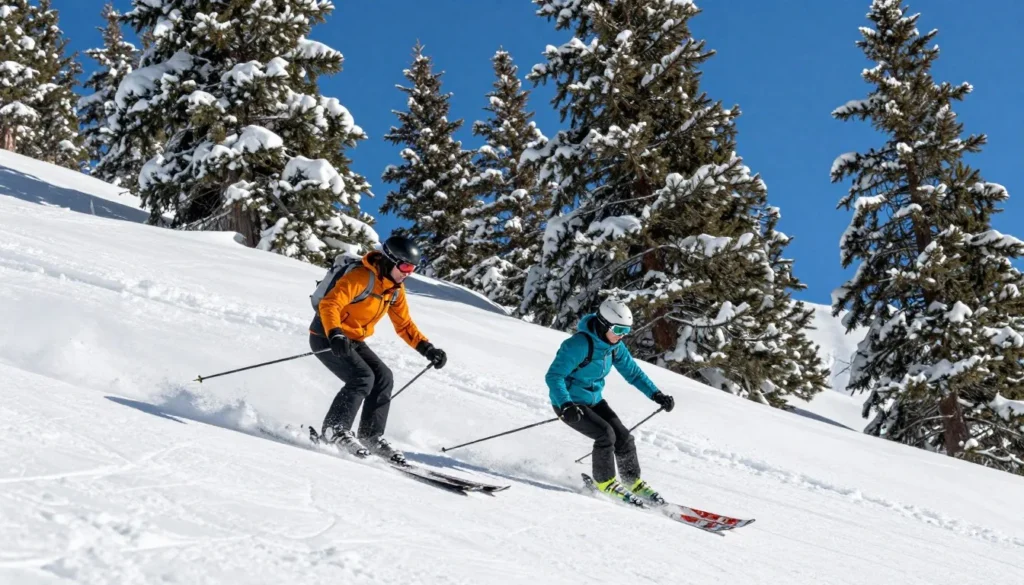
Brighton and Solitude ski resorts offer world-class skiing and snowboarding from November through April. Both mountains receive exceptional powder snow averaging over 12 meters (500 inches) annually. The high-quality snow and varied terrain attract skiers from around the world.
Brighton Ski Resort operates 1,050 skiable acres with terrain parks, groomed runs, and backcountry access. The resort maintains a family-friendly atmosphere with reasonable prices compared to other Utah ski areas. Night skiing extends the day on select slopes.
Solitude Mountain Resort provides a quieter skiing experience with 1,200 acres of terrain. The resort emphasizes quality over quantity, with fewer crowds and more personal space on the slopes. Expert terrain challenges advanced skiers while groomed runs accommodate beginners.
Summer Hiking and Trails
Big Cottonwood Canyon contains numerous hiking trails ranging from easy nature walks to challenging summit climbs. Trailheads dot the canyon road with parking areas at most locations. The varied elevation provides options for all ability levels.
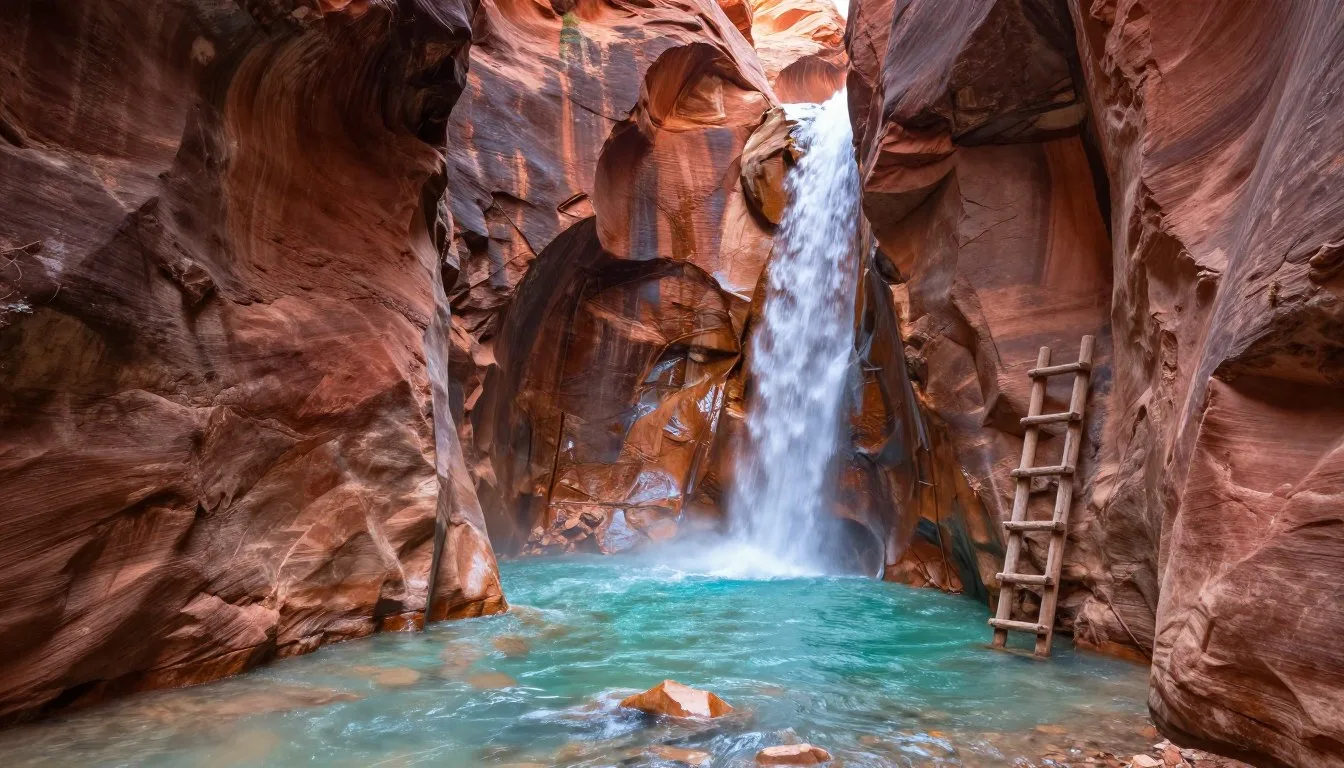
Donut Falls ranks as the canyon’s most popular hike. The easy 2.4 km (1.5 mile) round-trip trail leads to a unique waterfall flowing through a donut-shaped hole in the rock. Families with young children successfully complete this hike. The trail sees heavy traffic on summer weekends.
Lake Blanche Trail challenges hikers with a steep 4.8 km (3 mile) climb gaining 853 m (2,800 feet) of elevation. The reward includes stunning views of three alpine lakes surrounded by towering granite cliffs. This full-day hike requires good fitness and preparation.
Cardiff Pass Trail provides moderate difficulty across 6.4 km (4 miles) round-trip. The path winds through meadows and forests to a high mountain pass with panoramic views. Wildflowers bloom profusely in July and August along this route.
Rock Climbing
Big Cottonwood Canyon features world-renowned rock climbing on solid granite formations. Dozens of established routes range from beginner-friendly to extremely difficult. The Storm Mountain Amphitheater and Pentapitch area attract climbers throughout summer and fall.
Bouldering opportunities exist at multiple locations. The Secret Garden and Gate Buttress provide hundreds of problems across all difficulty grades. Spring and fall offer ideal climbing temperatures.
Fishing Opportunities
Big Cottonwood Creek flows through the entire canyon providing fishing access. The stream contains brown trout, rainbow trout, and occasionally cutthroat trout. Fishing remains popular from May through October. The watershed protection rules require artificial flies and lures only.
Small reservoirs dot the upper canyon and surrounding wilderness areas. These high-altitude waters hold populations of brook and cutthroat trout. Access requires hiking to remote locations.
Museums, Cultural Spots & Festivals
Big Cottonwood Canyon itself contains minimal cultural infrastructure due to watershed protection requirements. However, the canyon’s natural and historical significance connects to several nearby interpretive resources.
Natural History and Education
The Natural History Museum of Utah in Salt Lake City presents exhibits about the Wasatch Mountains and their ecology. The museum’s collections include specimens from Big Cottonwood Canyon and surrounding areas. Interactive displays explain the geological forces that created these dramatic mountains.
The museum sits on the University of Utah campus, about 40 minutes from the canyon. The building’s modern architecture earned multiple design awards. Visitors can easily combine a canyon visit with museum exploration.
Mining History
Big Cottonwood Canyon played a significant role in Utah’s mining history during the late 1800s. Several abandoned mine sites exist throughout the canyon, though most remain dangerous and off-limits. Historical markers describe the silver mining boom that once supported several small towns in these mountains.
The nearby town of Brighton originated as a mining camp before transforming into a resort destination. Historic photographs and artifacts appear in displays at Brighton Resort’s lodge.
Interpretive Programs
The U.S. Forest Service offers guided nature walks and educational programs during summer months. Rangers lead hikes focusing on wildlife, wildflowers, and forest ecology. These free programs typically run on weekends from June through August.
The Cottonwood Canyons Foundation organizes regular volunteer events and educational workshops. Topics include watershed conservation, wildlife habitat restoration, and sustainable recreation practices.
Nature & Outdoor Experiences

The Big Cottonwood Wildlife Management Area protects diverse ecosystems across a dramatic elevation gradient. Visitors encounter everything from lower canyon forests to alpine tundra environments.
Wildlife Viewing
Big Cottonwood Canyon supports abundant wildlife populations. Mule deer frequently appear near the canyon road, especially during dawn and dusk hours. These animals move between summer and winter ranges with the seasons. Patient observers often spot multiple deer during a single visit.
Moose inhabit the riparian areas along Big Cottonwood Creek and in willow thickets. These massive animals can weigh up to 544 kg (1,200 pounds). Moose occasionally wander onto roads and trails. Visitors should maintain safe distances of at least 23 m (75 feet) from these unpredictable animals.
Mountain goats occupy the highest elevations on rocky peaks and cliffs. Binoculars help spot these white-coated animals on seemingly impossible terrain. They descend to lower elevations during severe winter storms.
Black bears occasionally pass through the canyon during summer and fall. While not commonly seen, bears live in the surrounding wilderness areas. Proper food storage prevents wildlife conflicts at campgrounds and parking areas.

Bird Watching
Over 100 bird species inhabit or pass through Big Cottonwood Canyon. The varied habitats support different avian communities at each elevation zone.
Mountain chickadees, Steller’s jays, and Clark’s nutcrackers appear commonly in forested areas. These bold birds often approach picnic areas and campgrounds. Their calls echo through the trees year-round.
Raptors patrol the skies throughout the canyon. Red-tailed hawks circle over meadows hunting small mammals. Golden eagles nest on cliff faces in the upper canyon. Turkey vultures arrive each spring to scavenge carrion.
American dippers bob along Big Cottonwood Creek searching for aquatic insects. These unique songbirds actually swim underwater to feed. Watch for them on rocks in fast-moving water.
Plant Communities
Big Cottonwood Canyon showcases diverse plant life adapted to mountain conditions. Lower elevations support mixed forests of Douglas fir, white fir, and bigtooth maple trees. The maple groves produce spectacular fall colors each October.
Extensive aspen groves dominate middle elevations. These deciduous trees create the iconic golden displays during autumn. Aspen bark bears the carved names and initials of visitors from over a century ago, though such carving is now prohibited.
Subalpine fir and Engelmann spruce forests appear near treeline around 3,048 m (10,000 feet). These hardy conifers withstand harsh winter conditions and short growing seasons.
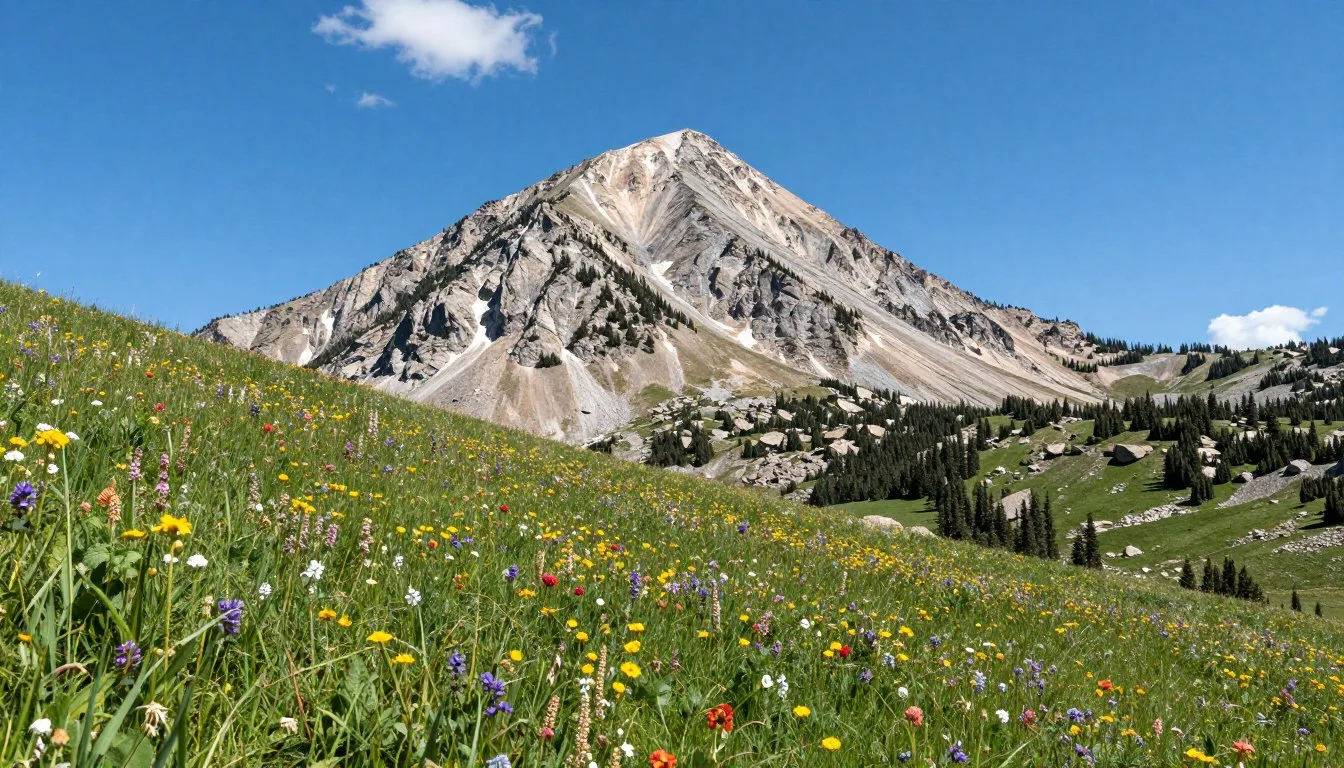
Alpine wildflowers bloom profusely during July and August above treeline. Indian paintbrush, lupine, columbine, and dozens of other species create colorful displays. The brief growing season concentrates flowering into a spectacular show.
Seasonal Natural Phenomena
Spring runoff transforms Big Cottonwood Creek into a powerful torrent from April through June. Waterfalls along the canyon walls flow at maximum volume. The thundering water creates impressive displays of natural power.
Summer thunderstorms build over the mountains most afternoons during July and August. Lightning, heavy rain, and occasionally hail sweep through the canyon. These storms typically clear quickly, leaving fresh mountain air and dramatic skies.
Check 30,000+ Local Sightseeing Tours Worldwide
✓ Numerous languages and currencies are available
Fall brings spectacular color as aspen trees turn golden and maples display reds and oranges. Peak color typically occurs during the last two weeks of September and first week of October. Weather conditions affect exact timing each year.
Winter powder snow creates the legendary conditions that attract skiers worldwide. Cold temperatures and specific moisture patterns produce light, dry snow with exceptional quality. The term “Greatest Snow on Earth” originated from Utah’s unique snow characteristics.

Travel With Children

Big Cottonwood Canyon provides excellent family recreation opportunities. Many activities suit children of various ages when properly prepared and supervised.
Family-Friendly Trails
The Donut Falls trail ranks as the top family hike in the canyon. The short distance and interesting waterfall destination appeal to children. The relatively gentle grade allows even young hikers to complete the journey. Arrive early on weekends to avoid crowds.
Silver Lake at Brighton offers a flat, paved path around a scenic alpine lake. The 0.8 km (0.5 mile) loop takes about 20 minutes to complete. Interpretive signs teach children about mountain ecology. Ducks and other waterfowl often appear on the lake.
Winter Family Activities
Both Brighton and Solitude ski resorts operate children’s ski schools. Programs accept kids as young as four years old. Professional instructors teach skiing fundamentals in a fun, supportive environment. Equipment rental packages include properly fitted gear for children.
Tubing hills at both resorts provide snow play opportunities for non-skiers. Children ride inflatable tubes down groomed lanes. This activity requires less skill than skiing while still delivering mountain excitement.
Sledding areas exist at several locations throughout the canyon. The Nordic Center at Solitude designates specific slopes for sledding. Parents should supervise children carefully and check for icy conditions that increase speeds.
Educational Opportunities
Junior Ranger programs operate in summer through the U.S. Forest Service. Children complete activity booklets while exploring the canyon. Rangers present badges and certificates to participants who finish the program. The free activity teaches environmental stewardship and outdoor skills.
Nature scavenger hunts engage young visitors. Parents can download printable lists of plants, animals, and natural features to find during hikes. This activity transforms walks into educational adventures.
Safety Considerations for Families
- Bring extra layers – mountain weather changes quickly even in summer
- Pack plenty of snacks and water for children
- Apply and reapply sunscreen – high elevation intensifies sun exposure
- Watch for altitude effects – the canyon ranges from 1,646 m to 3,048 m (5,400 to 10,000 feet)
- Keep children close on trails near cliffs or water features
- Teach wildlife safety – observe animals from safe distances only
Money Saving Tips
Visiting Big Cottonwood Canyon can fit various budgets with smart planning and flexibility. Multiple strategies reduce costs while maintaining enjoyable experiences.
Free and Low-Cost Activities
Hiking requires no fees in Big Cottonwood Canyon. Dozens of trails provide free access to spectacular scenery and natural areas. Parking at most trailheads remains free, though arriving early secures spots during peak times.
Wildlife viewing costs nothing but patience and observation skills. Early morning and evening hours offer the best chances to spot animals. Bring binoculars from home rather than purchasing expensive optics.
Photography opportunities abound throughout the canyon. The dramatic landscapes provide stunning subjects without entrance fees. Sunset and sunrise produce the most beautiful light for photos.
Skiing Discounts
Both ski resorts offer various discount programs. Brighton provides free skiing for children aged four and under. Solitude includes kids’ skiing in some lodging packages. Multi-day passes reduce per-day costs significantly compared to single tickets.
Visit during early season or late spring for reduced lift ticket prices. December before Christmas and April offer lower rates than peak January and February periods. Snow conditions remain good during these shoulder seasons.
Rent ski equipment in Salt Lake City rather than at mountain resorts. City shops charge 30-40 percent less than resort rental operations. Book online in advance for additional savings.
Budget Accommodation Strategies
- Camp in Forest Service campgrounds for minimal cost
- Stay in Salt Lake City budget hotels
- Book vacation rentals with groups to split costs
- Visit during shoulder seasons for lower lodging rates
- Reserve accommodations months in advance
Food and Dining Savings
- Pack picnic lunches from home or hotel
- Bring snacks and beverages to avoid resort prices
- Eat dinner in Salt Lake City instead of resorts
- Shop at grocery stores rather than convenience shops
- Use insulated containers to keep food fresh
Transportation Savings
Use UTA ski bus service during winter instead of driving personal vehicles. The bus eliminates parking fees, reduces gas costs, and avoids potential traction device requirements. Passes cost less than gas and parking combined.
Carpool with other visitors to split fuel costs. Many online forums connect travelers heading to Big Cottonwood Canyon. Sharing rides reduces environmental impact while saving money.
Safety, Etiquette & Local Customs
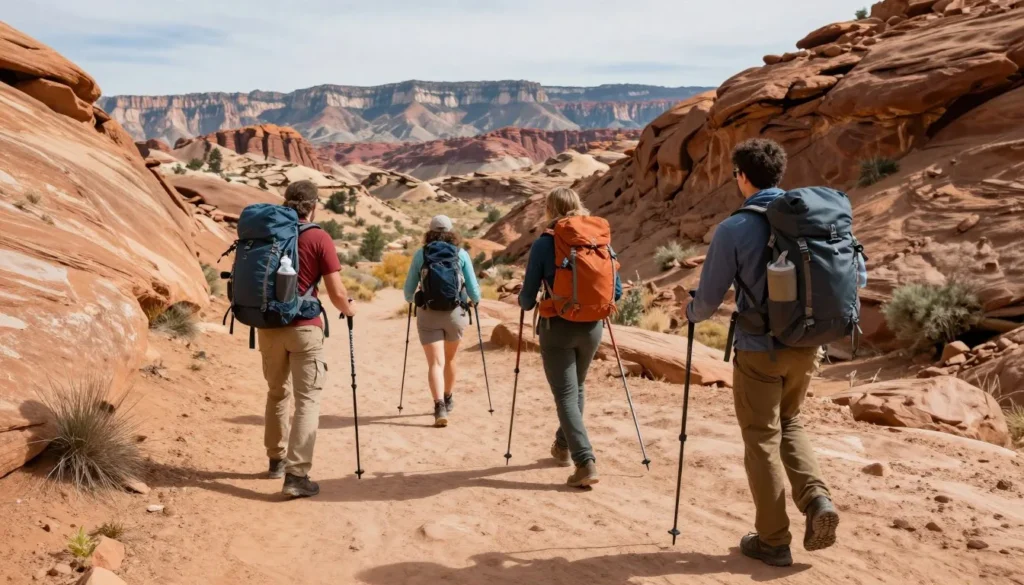
Wilderness Safety
Mountain environments present hazards requiring awareness and preparation. Weather changes rapidly in Big Cottonwood Canyon. Summer thunderstorms develop quickly during afternoons. Lightning poses serious danger on exposed ridges and peaks. Descend to lower elevations when clouds build.
Altitude affects visitors unaccustomed to elevation. The canyon ranges from 1,646 m (5,400 feet) to over 3,048 m (10,000 feet). Symptoms of altitude sickness include headache, nausea, and fatigue. Drink extra water and allow time to acclimatize before strenuous activities.
Trail conditions vary seasonally. Snow lingers on north-facing slopes well into summer. Ice can hide under snow creating slip hazards. Trekking poles provide stability on steep or slippery terrain. Proper footwear with good traction prevents falls.
Wildlife Safety
Maintain safe distances from all wildlife. Moose cause more injuries than any other animal in the Wasatch Mountains. These large mammals act aggressively when approached, especially cows with calves. Stay at least 23 m (75 feet) away from moose at all times.
Black bears inhabit the area though sightings remain uncommon. Store all food in vehicles or bear-proof containers. Never leave food unattended at campsites or picnic areas. Make noise while hiking in dense vegetation to avoid surprising bears.
Mountain lions live in Big Cottonwood Canyon but rarely appear near people. If you encounter a mountain lion, make yourself appear large, back away slowly, and never run. These solitary predators avoid humans in most situations.
Watershed Protection Rules
Big Cottonwood Canyon provides drinking water for Salt Lake City residents. Strict regulations protect water quality. Dogs are prohibited throughout most of the canyon year-round. This rule prevents contamination from animal waste.
Swimming and wading in Big Cottonwood Creek or its tributaries is illegal. Contact with water introduces contaminants. Fishing is permitted using artificial lures and flies only. No live bait or organic substances can touch the water.
These watershed rules face strict enforcement. Citations carry significant fines. Respect these regulations to protect the water supply for hundreds of thousands of people.
Trail Etiquette
Yield appropriately on shared trails. Hikers traveling uphill have right-of-way over descending hikers. Mountain bikers yield to hikers. Everyone yields to horses and pack animals. Step to the downhill side when allowing others to pass.
Stay on designated trails to prevent erosion and habitat damage. Cutting switchbacks creates erosion channels that degrade trails. Walk through mud puddles rather than around them to keep trails from widening.
Pack out all trash including organic waste like fruit peels and cores. The “Leave No Trace” principles apply throughout the canyon. Dispose of waste properly in designated receptacles or carry it home.
Winter Safety
Avalanche danger exists throughout Big Cottonwood Canyon during winter and spring. The Utah Avalanche Center publishes daily forecasts at utahavalanchecenter.org. Check conditions before venturing into backcountry areas. Carry proper avalanche safety equipment including beacon, shovel, and probe.
Road conditions deteriorate quickly during storms. The canyon road includes numerous tight curves and steep grades. Winter traction devices remain mandatory from November through April. Drive slowly and allow extra stopping distance on snow and ice.
Dress in layers for winter activities. Temperatures vary significantly between sunny and shaded areas. Remove layers during strenuous activity to prevent overheating and sweating. Wet clothing loses insulating value and can lead to hypothermia.
Visitor Comments About Big Cottonwood Wildlife Management Area
“We spent an incredible week exploring Big Cottonwood Canyon and were blown away by the natural beauty. The hiking trails offered stunning mountain views at every turn. Wildlife sightings included deer, moose, and countless birds. The canyon provides easy access to world-class outdoor recreation just minutes from Salt Lake City. We’ll definitely return for the skiing next winter.”
“Big Cottonwood Canyon exceeded all our expectations as a family destination. Our children loved the Donut Falls hike and spotting wildlife along the canyon road. The ski resorts offered excellent programs for young learners. We appreciated the well-maintained trails and accessible facilities. The dramatic scenery provided endless photo opportunities. This area deserves its reputation as one of Utah’s premier mountain destinations.”
“As an avid skier, I’ve visited resorts worldwide, but Big Cottonwood Canyon’s powder snow truly lives up to the hype. Brighton and Solitude both delivered fantastic skiing without the crowds found at more famous resorts. The canyon’s natural beauty rivals anywhere I’ve skied in the Alps or Rockies. Summer visits revealed equally impressive hiking and rock climbing. This canyon offers year-round adventures for outdoor enthusiasts.”
Additional Nearby Destinations
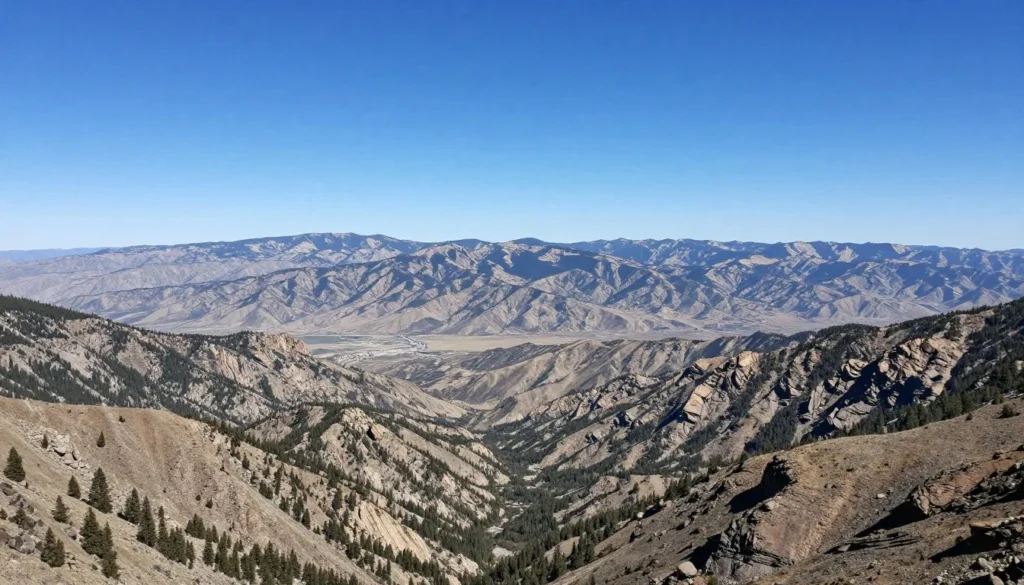
Big Cottonwood Canyon sits within an extensive network of mountain recreation areas. Numerous destinations lie within easy driving distance for extended exploration.
Little Cottonwood Canyon
Adjacent Little Cottonwood Canyon runs parallel to Big Cottonwood just 8 km (5 miles) south. This equally dramatic canyon features Alta and Snowbird ski resorts. Both mountains offer expert terrain and the same legendary powder snow. Little Cottonwood Canyon’s granite walls rise even more dramatically than its neighbor.
The canyon also provides excellent rock climbing with world-famous routes. Access requires a short drive south from Big Cottonwood Canyon’s entrance.
Millcreek Canyon
Millcreek Canyon lies 11 km (7 miles) north of Big Cottonwood. This slightly lower elevation canyon allows dogs on odd-numbered calendar days. The regulation makes Millcreek popular with pet owners. Numerous hiking and mountain biking trails wind through forests and meadows.
Park City
Historic Park City sits 40 km (25 miles) east over Guardsman Pass from Big Cottonwood Canyon. This former mining town transformed into a premier resort destination. The area hosted events during the 2002 Winter Olympics. Park City Mountain Resort provides extensive skiing terrain. The town’s Main Street features galleries, restaurants, and shops in preserved Victorian buildings.
Salt Lake City Attractions
Downtown Salt Lake City offers cultural attractions complementing mountain recreation. Temple Square showcases impressive architecture and gardens. The Utah Museum of Fine Arts displays collections spanning 5,000 years. Professional sports teams including NBA basketball and MLS soccer play downtown.
The city’s dining scene features innovative restaurants and diverse cuisines. Craft breweries and distilleries have proliferated despite Utah’s unique alcohol regulations. The downtown area sits just 32 km (20 miles) from Big Cottonwood Canyon.
Great Salt Lake
The Great Salt Lake extends across the valley floor west of Salt Lake City. This massive terminal lake creates a unique ecosystem supporting millions of migratory birds. Antelope Island State Park provides access to the lake’s shores. Visitors can swim in the extremely salty water or explore trails searching for bison and pronghorn antelope.
Wasatch Mountain State Park
Located 56 km (35 miles) southeast, Wasatch Mountain State Park encompasses 8,903 hectares (22,000 acres). The park offers camping, golfing, and extensive trail systems. Heber Valley provides a different perspective on the Wasatch Mountains. The Heber Valley Railroad operates scenic train rides through the area.
Practical Travel Tips
Cell Phone Coverage
Mobile phone service throughout Big Cottonwood Canyon varies by carrier and location. Lower canyon areas generally maintain good coverage. Service becomes spotty in upper canyon locations and disappears entirely in some wilderness areas. Download offline maps before entering the canyon. Inform someone of your plans before heading into areas without coverage.
Banking and Currency
ATMs are not available within Big Cottonwood Canyon itself. Ski resorts accept credit cards at all facilities. Campgrounds and trailheads require cash for fees when automated systems aren’t present. Withdraw cash in Salt Lake City or canyon-mouth communities before heading up the canyon. Most businesses throughout Utah accept major credit cards widely.
Medical Facilities
No medical facilities operate within Big Cottonwood Canyon. Ski resorts maintain first aid stations and ski patrol services during winter operations. For serious emergencies, call 911. Ambulances respond from Salt Lake County. Transport time to hospitals ranges from 30 to 60 minutes depending on location and conditions.
The nearest hospitals are in Salt Lake City and Sandy. Cottonwood Heights Medical Center sits near the canyon entrance. Pack personal medications and basic first aid supplies for any canyon visit.
Internet Access
Wi-Fi availability is limited to lodges and resort facilities. Most of Big Cottonwood Canyon lacks internet connectivity. This digital detox opportunity allows visitors to disconnect from technology and connect with nature. Plan accordingly for work or communication needs. Salt Lake City hotels and coffee shops provide reliable internet access.
Seasonal Considerations
Water sources freeze during winter throughout most of the canyon. Carry adequate drinking water even for short visits. Summer heat increases water needs significantly. Trailhead fountains may not operate during shoulder seasons. Always bring more water than you think necessary.
Restroom facilities exist at most major trailheads and resorts. Vault toilets serve campgrounds and parking areas. Facilities close during winter at some locations. Plan bathroom breaks accordingly on longer drives or hikes.
Photography Tips
The dramatic lighting of early morning and late afternoon produces the best photographs. Midday sun creates harsh shadows and washed-out colors. Overcast days provide even lighting for forest photography. Always bring extra batteries and memory cards as mountain air drains battery power faster.
Protect camera equipment from moisture and temperature extremes. Condensation forms when bringing cold equipment into warm vehicles or buildings. Allow gradual temperature adjustment in camera bags. Snow and rain require weather protection for electronics.
Essential Contact Information: Emergency services dial 911. Salt Lake County Sheriff: 801-743-7000. U.S. Forest Service Salt Lake Ranger District: 801-733-2660. Utah Avalanche Center: 801-524-5304. Utah Road Conditions: 511 or 866-511-8824.
Big Cottonwood Wildlife Management Area Location
Interactive map showing Big Cottonwood Canyon and Wildlife Management Area location in the Wasatch Mountains, Utah
Your Mountain Adventure Awaits
Big Cottonwood Canyon stands as one of Utah’s most accessible yet spectacular mountain destinations. The canyon delivers world-class outdoor experiences across all seasons without the overwhelming crowds found at more famous locations.
Whether you seek powder skiing on legendary snow, peaceful hikes through alpine meadows, or simply stunning mountain scenery, Big Cottonwood Canyon provides memorable experiences. The wildlife, waterfalls, and wilderness create connections with nature just minutes from urban conveniences.
Start planning your Big Cottonwood Canyon adventure today. The mountains are calling, and the greatest snow on earth awaits your discovery. This remarkable area promises to exceed expectations and create lasting memories for visitors of all ages and interests.