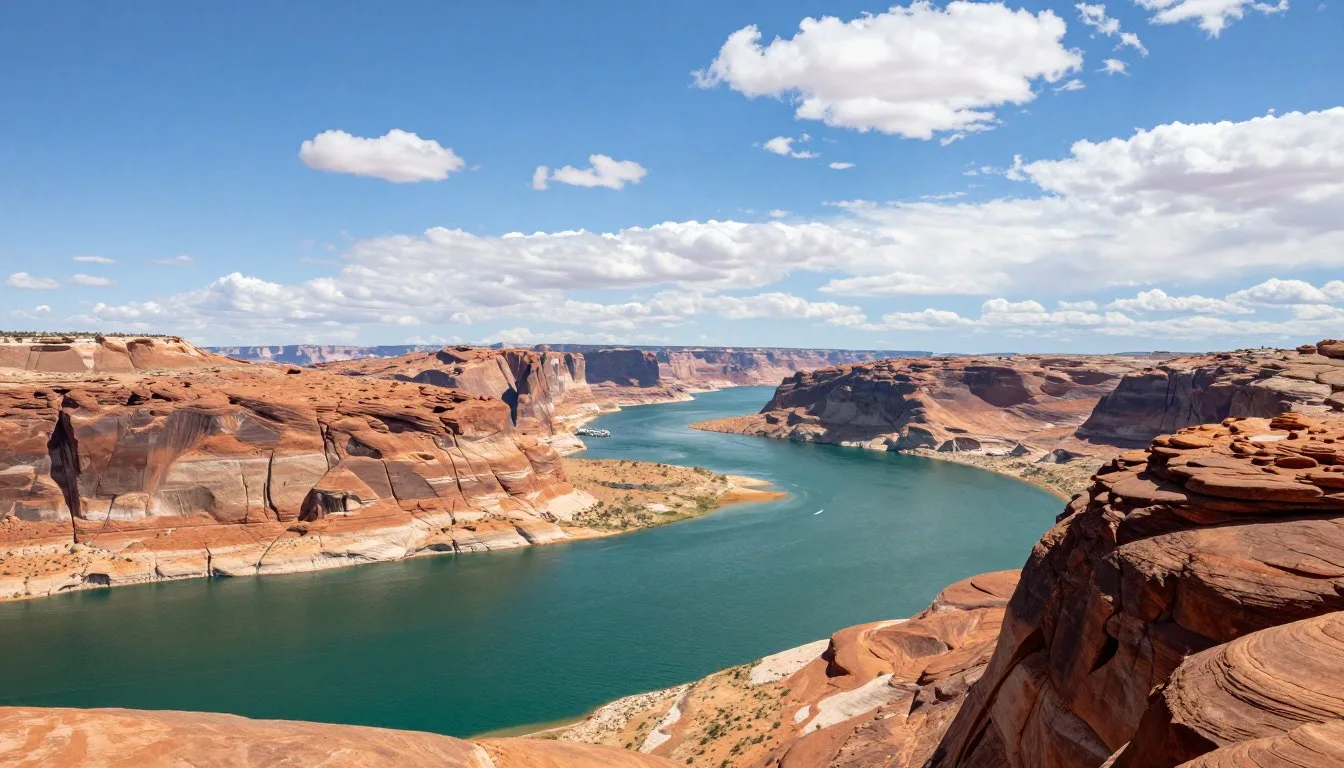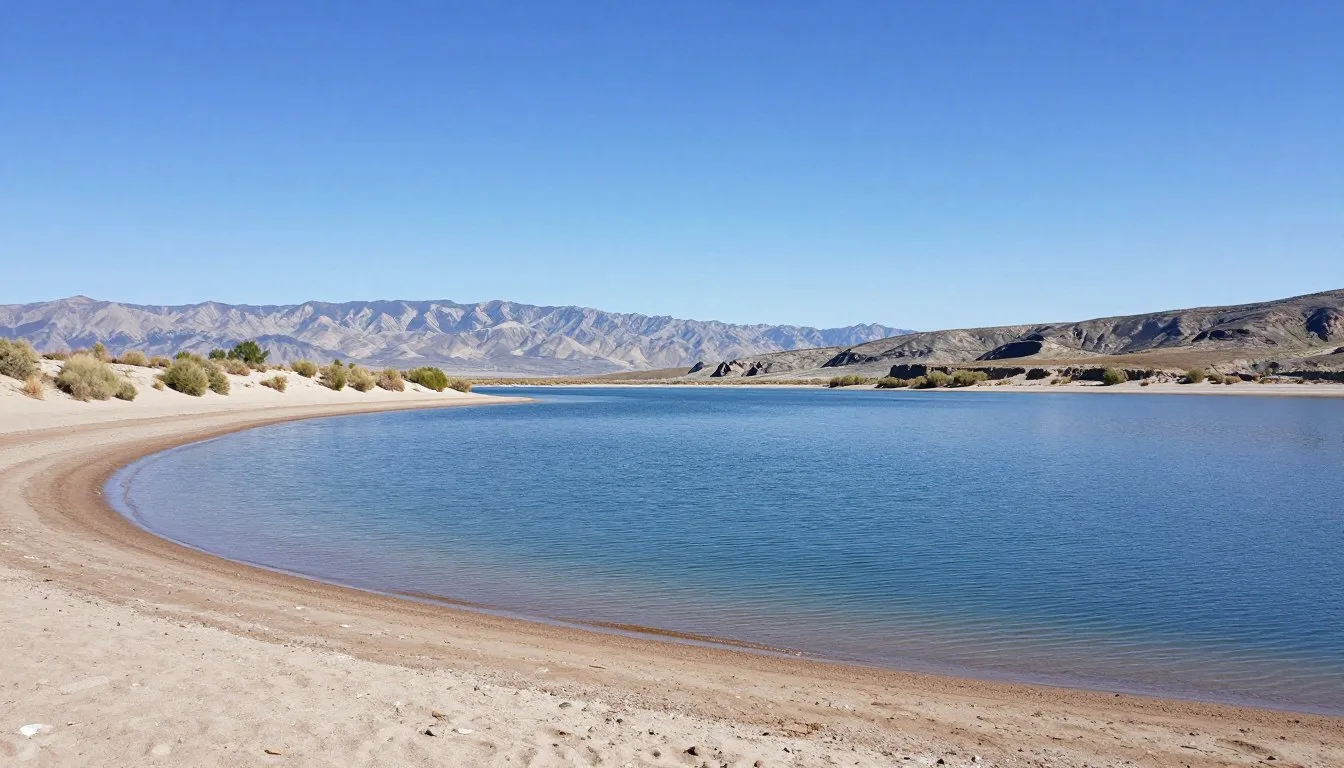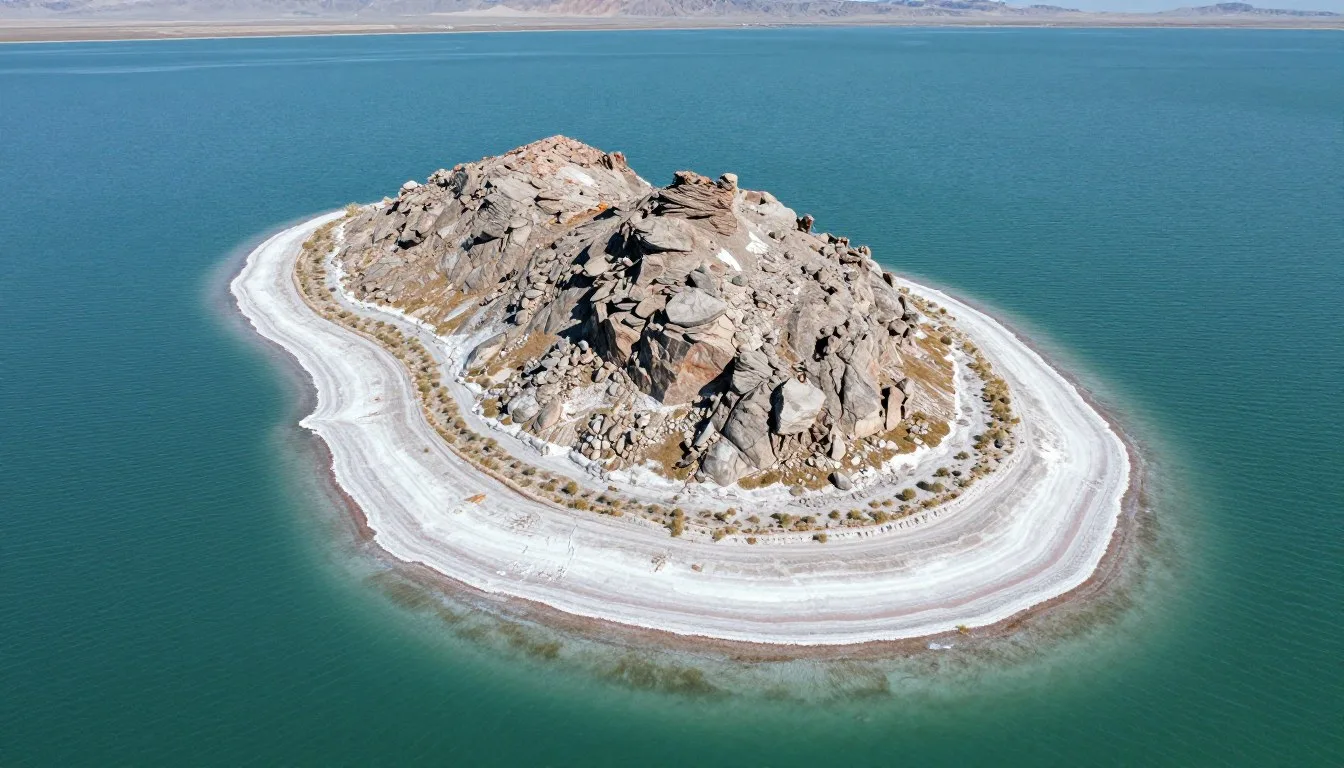
Did you know that Carrington Island in the Great Salt Lake only becomes accessible on foot during extreme drought conditions when water levels drop dramatically? This remote island, typically surrounded by the hypersaline waters of North America’s largest saltwater lake west of the Mississippi River, transforms from an isolated wilderness into a walkable destination during low water years. Located in the Great Salt Lake of Utah, Carrington Island offers adventurous travelers a unique opportunity to explore one of the most unusual landscapes in the western United States.
This hidden gem sits among the several islands scattered throughout the great salt lake, each with its own character and ecological significance. Unlike the more accessible Antelope Island, Carrington Island remains largely unknown to mainstream tourists. The island represents a rare chance to experience true wilderness solitude in a landscape that feels more like another planet than a Utah destination.
Whether you’re drawn by the otherworldly desert scenery, the rich waterfowl populations, or simply the challenge of reaching one of Utah’s most remote places, Carrington Island delivers an unforgettable adventure. This comprehensive guide will help you plan your journey to this extraordinary place in the great salt lake.
Getting There and Planning Your Journey
Reaching Carrington Island requires careful planning and awareness of current lake levels. The island sits approximately 11 kilometers (7 miles) west of the lake’s southern shore. Access conditions vary dramatically based on Great Salt Lake water levels, which have fluctuated significantly in recent years.
Closest Airports
Salt Lake City International Airport (SLC) serves as your primary gateway, located just 45 kilometers (28 miles) from the Great Salt Lake’s southern access points. This major hub offers connections from cities worldwide and provides rental car services essential for reaching lake access areas.
Provo Municipal Airport, 89 kilometers (55 miles) south, offers an alternative for private aircraft and charter services. Ogden-Hinckley Airport, 64 kilometers (40 miles) north, provides additional options for smaller aircraft.
Lake Access Points
The primary launching area for Carrington Island expeditions is near the south shore of the great salt lake. During periods of extremely low water, you may access the island on foot across exposed lake bed. However, this requires expertise in navigation and awareness of sudden weather changes.
Always check current Great Salt Lake water levels before planning your visit. The island becomes a peninsula during historic low water years, but conditions can change rapidly. Contact Utah State Parks for current access information and safety advisories.
By Water
Small watercraft like kayaks provide the most reliable access method. Launch from designated areas along the southern shore. The crossing distance varies from 6 to 11 kilometers (4 to 7 miles) depending on your starting point and current water levels.
- Kayak or canoe recommended for experienced paddlers
- Average crossing time: 2-4 hours depending on conditions
- Strong winds common, especially afternoon hours
- No facilities or services on the island
By Land (Low Water Only)
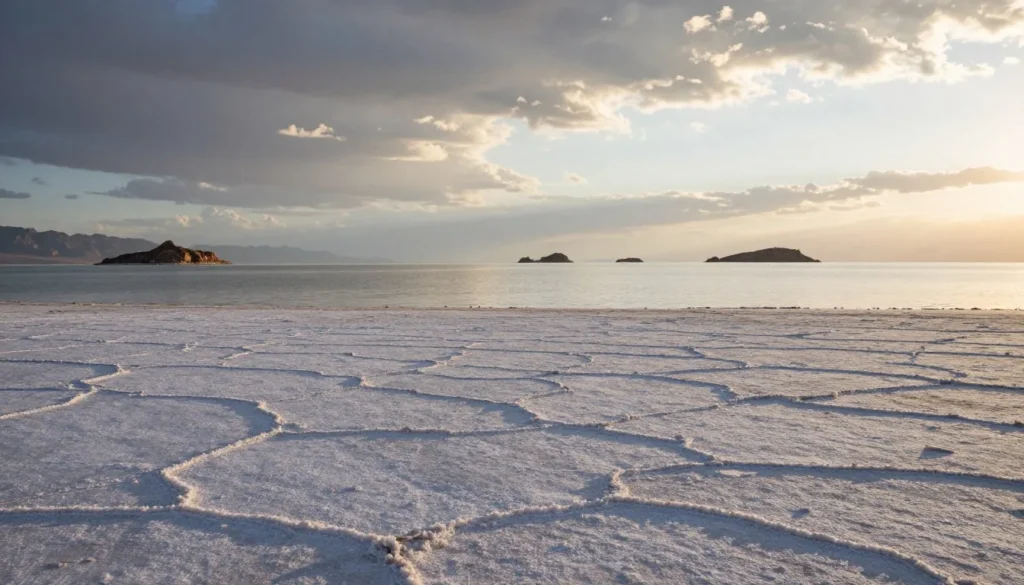
During exceptional drought years, exposed lake bed creates walking routes. This phenomenon occurred notably in recent low-water years when hikers could walk across salt flats and shallow areas to reach the island.
- Requires navigation skills and GPS devices
- Walking distance varies: 8-15 kilometers (5-9 miles)
- Extremely difficult terrain with salt crust and mud
- Only attempt with experienced guides
Best Time to Visit and Weather Tips
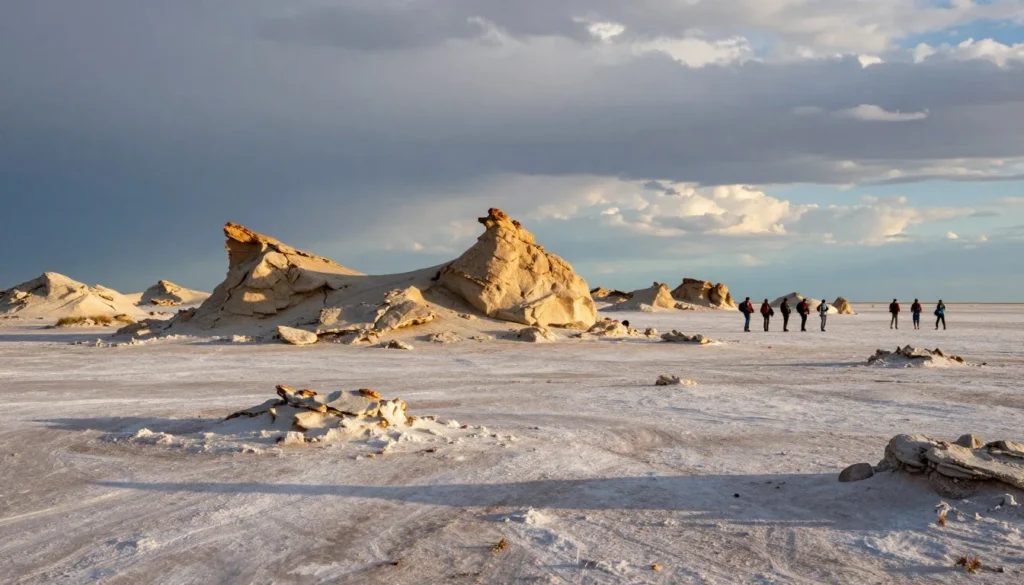
Timing your visit to Carrington Island correctly makes the difference between an extraordinary adventure and a potentially dangerous situation. The island’s accessibility and conditions vary dramatically throughout the year.
Recommended Months and Seasons
Late spring (April through May) and early fall (September through October) provide optimal conditions. During these months, temperatures remain moderate, typically ranging from 15°C to 24°C (59°F to 75°F). Water levels are often more predictable, and weather patterns are generally stable.
Summer months (June through August) bring intense heat, with temperatures frequently exceeding 35°C (95°F). The desert environment of the island amplifies heat, making summer visits challenging. However, these months coincide with historically low water levels in recent years, potentially offering land access opportunities.
Winter visits (November through March) are not recommended. Freezing temperatures, ice formation on the lake, and unpredictable storms create hazardous conditions. The area receives minimal snowfall but experiences bitter cold winds across the open water.
Months to Avoid
- December through February: Freezing conditions and ice hazards
- July and August: Extreme heat and brine fly populations peak
- March: Unpredictable spring storms and high winds
Weather Patterns
The Great Salt Lake creates its own microclimate. Afternoon winds typically strengthen, creating choppy water conditions that can challenge even experienced paddlers. Morning hours offer calmer conditions for water crossings.
Thunderstorms develop rapidly during summer months, creating dangerous conditions on exposed terrain. Always monitor weather forecasts and carry emergency communication devices. The island offers no shelter from severe weather.
Spring Conditions
Spring brings moderate temperatures and relatively calm water. Bird migrations peak during April and May, offering exceptional wildlife viewing opportunities. Water levels typically rise slightly from winter precipitation.
Fall Conditions
Fall provides the most stable weather patterns. Cooler temperatures make hiking comfortable, and decreased wind speeds create safer water crossing conditions. Waterfowl populations increase as birds prepare for winter migrations south.
Notable Annual Festivals
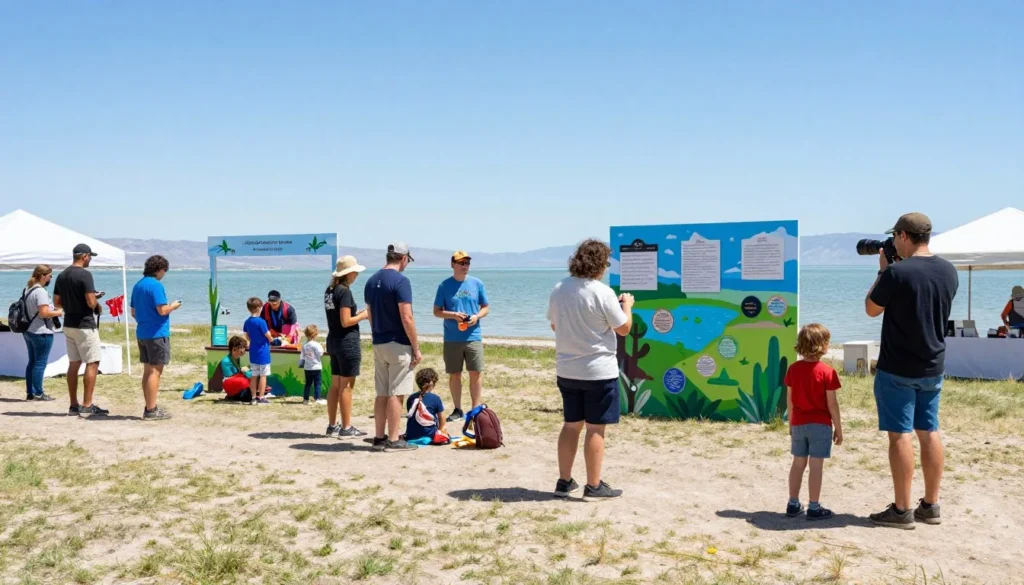
While Carrington Island itself hosts no festivals due to its remote nature, the Great Salt Lake region celebrates several annual events that honor the lake’s unique ecology and history. These festivals provide excellent opportunities to learn about the area before visiting the island.
Great Salt Lake Bird Festival
This multi-day celebration occurs each May in nearby communities. The festival showcases the millions of waterfowl and shorebirds that depend on Great Salt Lake ecosystems. Guided tours often include boat trips to various islands, though Carrington Island typically remains too remote for festival activities.
Antelope Island Stampede
Held annually in September on nearby Antelope Island, this event celebrates the region’s wildlife and western heritage. While not directly related to Carrington Island, the stampede offers insights into Great Salt Lake island ecosystems and provides networking opportunities with local outdoors enthusiasts who can share current access information.
Utah Waterfowl Expo
Taking place each February in Salt Lake City, this expo attracts thousands of waterfowl enthusiasts. Educational seminars often cover Great Salt Lake ecology, including discussions about lesser-known islands like Carrington Island. The event connects visitors with local guides who lead expeditions to remote lake areas.
Spring Migration Celebration
March through April
Various locations around the great salt lake host viewing events as millions of birds return to breeding grounds. Educational programs explain the critical role islands play in bird life cycles.
Lake Day
June
Community awareness events highlight conservation efforts and lake ecology. Local organizations provide current information about lake conditions and island accessibility.
Harvest Moon Gathering
October
Celebration of fall migrations and lake heritage. Opportunities to connect with experienced paddlers who organize group expeditions to remote islands.
Getting Around Locally
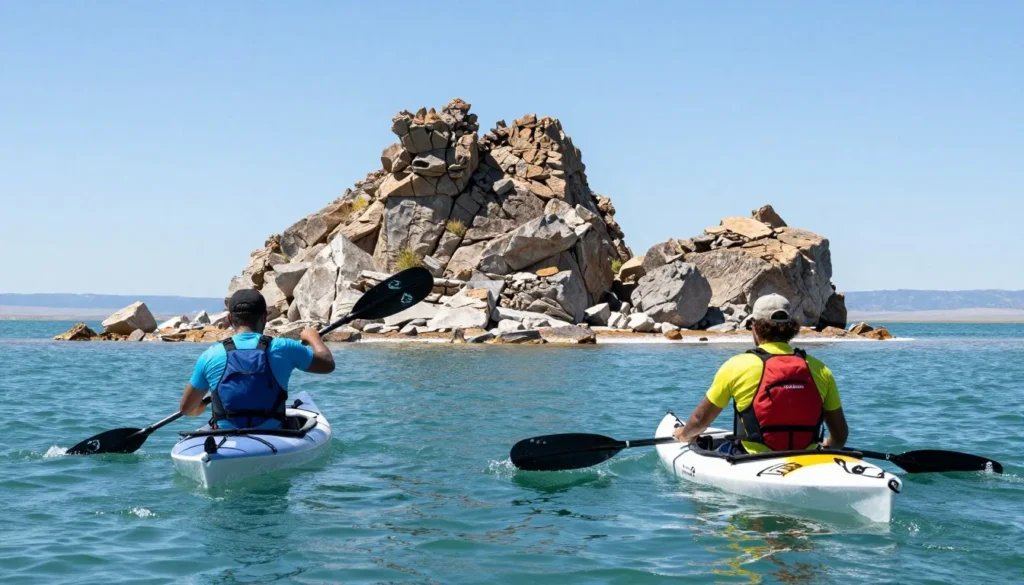
Transportation around Carrington Island and the surrounding Great Salt Lake region requires different approaches than typical tourist destinations. The remote nature of the area demands self-sufficiency and careful planning.
Mainland Transportation
A personal vehicle is essential for accessing lake shore areas near Carrington Island. Rental cars from Salt Lake City International Airport provide the most convenient option. Four-wheel-drive vehicles offer advantages when navigating unpaved access roads along the south shore of the great salt lake.
Public transportation does not serve remote lake access points. Rideshare services like Uber or Lyft operate in Salt Lake City but rarely venture to isolated lake shore locations. Plan for complete vehicle independence.
Water Transportation
Kayaks and canoes provide the primary means of reaching Carrington Island during normal water levels. Several outdoor outfitters in Salt Lake City rent suitable watercraft and provide necessary equipment. Expect to transport your kayak using vehicle roof racks or trailers.
Equipment Needs
- Personal flotation devices (mandatory)
- Paddle and spare paddle
- Dry bags for supplies and electronics
- Navigation equipment (GPS, compass, maps)
- Emergency communication device
- First aid kit and emergency supplies
Island Navigation
- On foot only – no vehicles present
- Uneven terrain with loose rocks and sand
- No established trails or paths
- GPS devices essential for orientation
- Carry detailed topographic maps
- Mark your landing spot carefully
Landing and Departure
The island’s shoreline consists primarily of rocks and salt deposits. Landing sites vary depending on water levels and wind direction. Scout potential landing areas as you approach, looking for gradual slopes with stable footing. The northeast side often provides better protection from prevailing winds.
Extremely high salinity (around 12 percent) makes swimming virtually impossible and dangerous. If you capsize, the dense water will float you, but re-entering a kayak in great salt water presents serious challenges. Wear appropriate safety gear and travel with companions.
Where to Stay
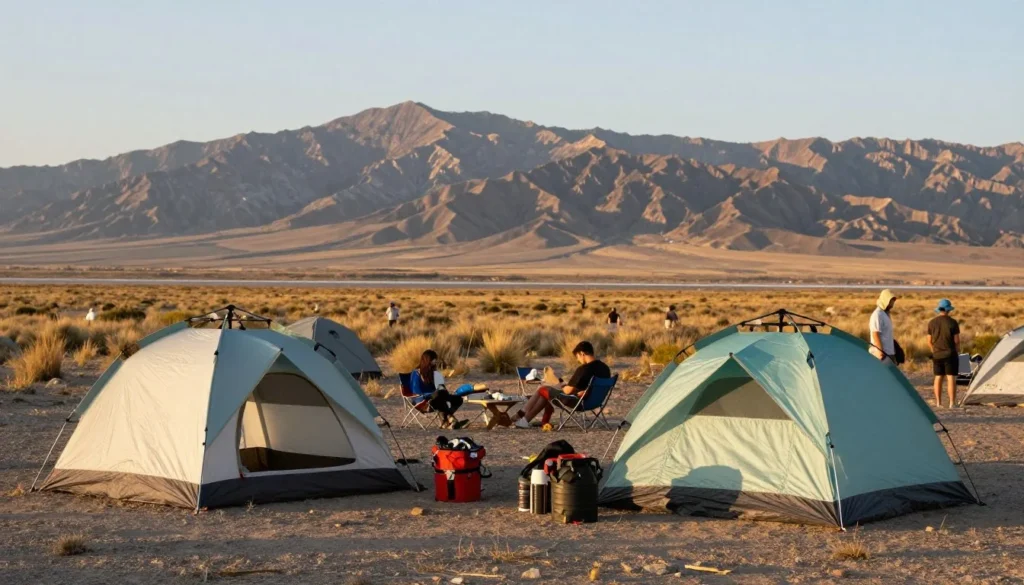
Carrington Island itself offers no accommodations or facilities. All visitors must either complete their visit as a day trip or camp on the island with complete self-sufficiency. The nearest lodging options exist along the Wasatch Front, primarily in Salt Lake City and surrounding communities.
Mainland Lodging Options
Salt Lake City, approximately 48 kilometers (30 miles) from south shore access points, provides the widest range of accommodations. Hotels range from budget chains to upscale properties, with prices varying from 80 to 300 US dollars per night depending on season and amenities.
Syracuse and Clearfield, smaller communities closer to the lake’s southern shore, offer limited hotel options but place you nearer to departure points. These towns provide practical bases for early morning expeditions to the island.
Budget Accommodations
Chain motels in Syracuse and Clearfield provide basic amenities at 70-100 US dollars per night. These properties offer convenient access to lake shore areas and early departure times.
Most include free parking, essential for vehicles carrying kayaks and expedition gear.
Mid-Range Hotels
Salt Lake City suburbs offer comfortable hotels at 120-180 US dollars per night. Properties feature pools, restaurants, and business centers useful for trip planning.
Many provide shuttle services to downtown Salt Lake City attractions.
Unique Stays
Several bed-and-breakfasts near the Wasatch Mountains combine comfort with local character. Rates range from 150-250 US dollars per night.
Owners often share valuable insights about Great Salt Lake conditions and access routes.
Camping on Carrington Island
Primitive camping is possible on Carrington Island for experienced wilderness campers who can carry all necessary equipment and supplies. No facilities, fresh water, or services exist. You must pack out everything you bring in.
Camping requires complete self-sufficiency including: all water (minimum 4 liters per person per day), food, shelter, waste management systems, and emergency supplies. Weather can change rapidly. High winds are common and can destroy inadequate tent systems.
Island Camping Considerations
- Stake tents securely for high winds
- Bring adequate sleeping insulation (cold nights even in summer)
- Carry all water – absolutely no fresh water sources on island
- Pack portable toilet systems (Leave No Trace principles apply)
- Protect equipment from salt exposure and high UV radiation
- Store all food securely away from wildlife
Antelope Island State Park Camping
For a supported camping experience near the great salt lake, Antelope Island State Park offers established campgrounds with basic facilities. This serves as an excellent base camp for planning Carrington Island expeditions. Campsites cost 20-35 US dollars per night and provide restrooms, picnic tables, and potable water.
Dining and Local Cuisine
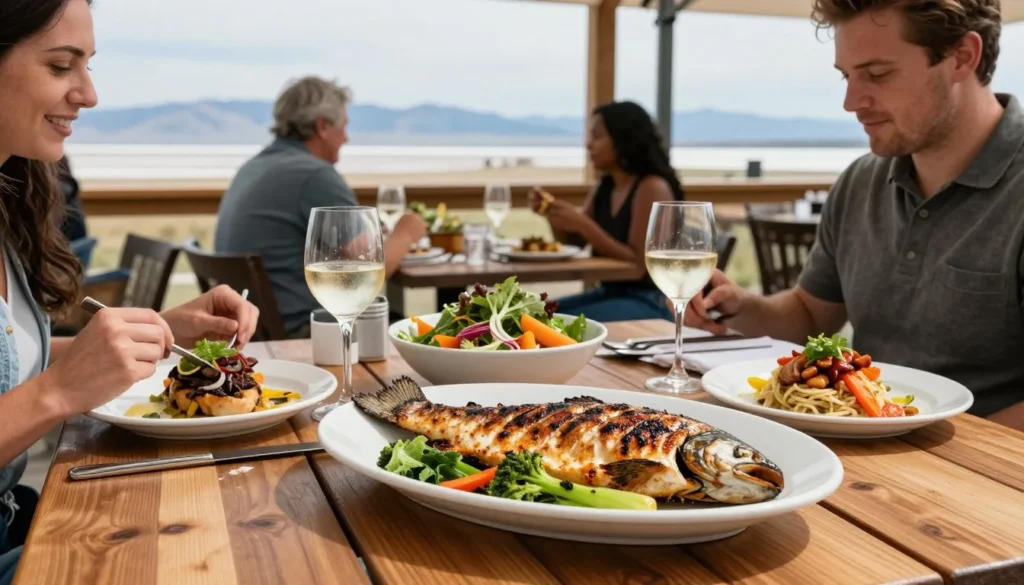
No dining facilities exist on or near Carrington Island. All visitors must bring complete food supplies for their expedition. The remote nature of the area demands careful meal planning and proper food storage that withstands heat and salt exposure.
Expedition Food Planning
Pack lightweight, high-energy foods that require minimal preparation. The intense heat on the island during summer months limits options for foods that spoil easily. Dehydrated meals, energy bars, trail mix, and dried fruits provide reliable nutrition without refrigeration concerns.
Bring significantly more water than you expect to need. The combination of intense sun, reflective salt surfaces, and physical exertion creates extreme dehydration risks. Plan for minimum 4 liters per person per day, more during summer months.
Salt Lake City Dining
Before or after your Carrington Island adventure, Salt Lake City offers diverse dining representing Utah’s unique culinary culture. Local specialties include sustainably harvested brine shrimp (harvested from the great salt lake commercially), rainbow trout from mountain streams, and dishes featuring regional ingredients.
Regional Specialties
- Fry sauce (Utah’s signature condiment)
- Funeral potatoes (creamy potato casserole)
- Pastrami burgers (Utah innovation)
- Dutch oven cooking traditions
- Fresh Rocky Mountain trout
- Local honey and preserves
Nearby Restaurant Options
- Downtown Salt Lake City: 100+ restaurants
- Syracuse and Clearfield: Chain restaurants and local cafes
- Farmington: Farm-to-table establishments
- Layton: Diverse international cuisine
- Price range: 10-50 US dollars per person
Provisioning for Island Trips
Several outdoor outfitters and specialty grocery stores in Salt Lake City cater to expedition needs. REI Co-op and similar outdoor retailers stock freeze-dried camping meals, energy foods, and water purification systems. Costco and Harmons grocery stores provide bulk purchasing options for trail foods and snacks.
Never rely on finding food or water on Carrington Island. The island supports minimal vegetation and absolutely no fresh water sources. Wildlife populations include birds and occasional insects, but hunting or gathering food is neither practical nor permitted.
Attractions, Sightseeing and Activities
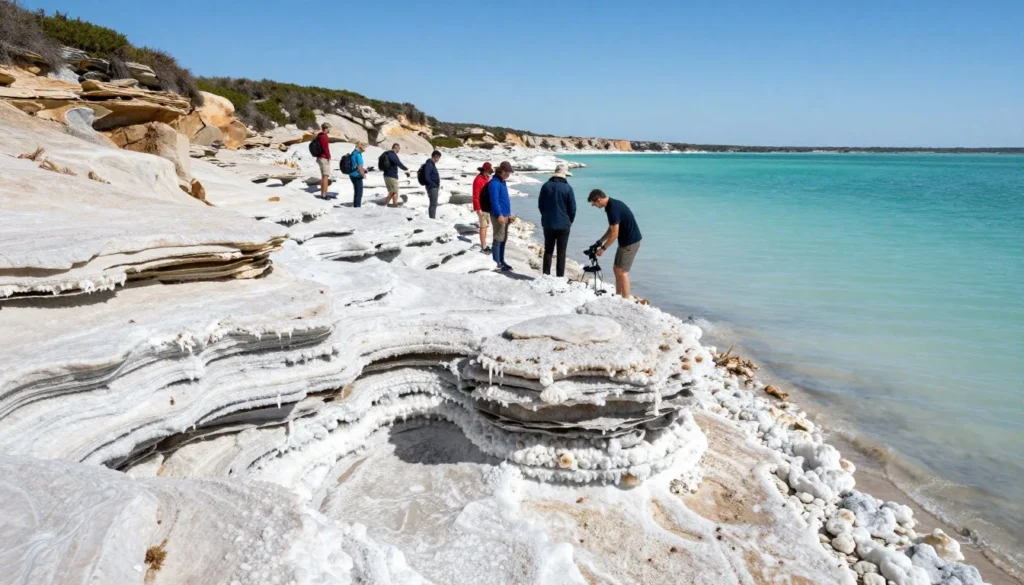
Carrington Island’s attractions focus entirely on natural features and wilderness experiences. This remote place offers no man-made structures, visitor centers, or developed facilities. The island’s appeal lies in its pristine desert island ecosystem and the adventure of reaching such an isolated location.
Geological Exploration
The island consists primarily of exposed rock formations that tell millions of years of geological history. Ancient lake shorelines visible on hillsides mark historical great salt lake levels from thousands of years ago when Lake Bonneville covered much of western Utah. These benches create distinctive stepped terrain across the island.
Salt deposits accumulate along current shorelines, creating bizarre crystalline formations. The white crust contrasts dramatically with darker volcanic rocks that form the island’s foundation. Photographers find endless subjects in these otherworldly landscapes.
Wildlife Observation
Bird watching represents the primary wildlife activity on Carrington Island. The island serves as critical habitat for waterfowl and shorebirds that depend on Great Salt Lake ecosystems. Species vary by season, with peak diversity during spring and fall migrations.
Common Bird Species
- American avocets
- Black-necked stilts
- Wilson’s phalaropes
- California gulls
- White-faced ibis
- Eared grebes
Seasonal Highlights
- Spring migration: April-May
- Nesting season: May-July
- Fall migration: August-October
- Peak populations: Late summer
- Rare species sightings possible
Viewing Tips
- Bring binoculars or spotting scope
- Early morning best for activity
- Maintain distance from nesting areas
- Avoid disturbing bird colonies
- Photography from respectful distances
Photography Opportunities
Carrington Island offers exceptional photography subjects. The dramatic contrast between white salt, dark rocks, blue water, and expansive sky creates stunning compositions. Sunrise and sunset provide particularly beautiful light conditions, though overnight stays require extensive preparation.
The island’s isolation means you can capture landscapes completely free from human development. No power lines, buildings, or roads appear in any direction. This pristine quality makes images from Carrington Island uniquely valuable for those seeking true wilderness photography.
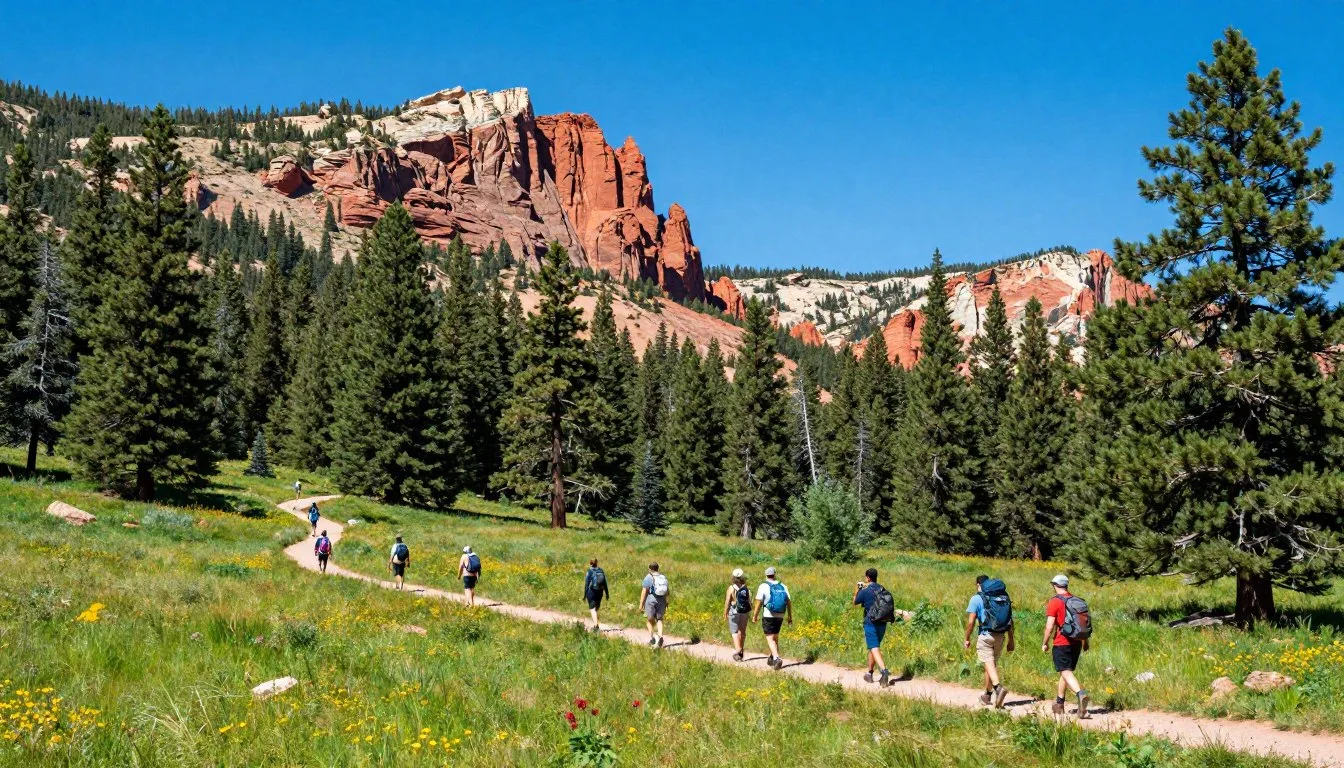
Hiking and Exploration
No established trails cross Carrington Island, making every exploration a pioneering experience. The terrain varies from relatively flat salt flats to steep rocky slopes. The highest points on the island provide panoramic views across the great salt lake to distant mountain ranges.
Hiking distances depend on your interests and physical condition. Walking the island’s perimeter at typical water levels covers approximately 6-8 kilometers (4-5 miles). Interior explorations add additional distance. Loose rocks and uneven surfaces demand careful footing and appropriate hiking boots.
Always carry GPS devices and mark your landing location carefully. The island’s relatively uniform terrain can disorient visitors, making it difficult to relocate your departure point. Bring detailed maps and navigation tools, and inform someone on the mainland of your plans.
Museums, Cultural Spots and Festivals
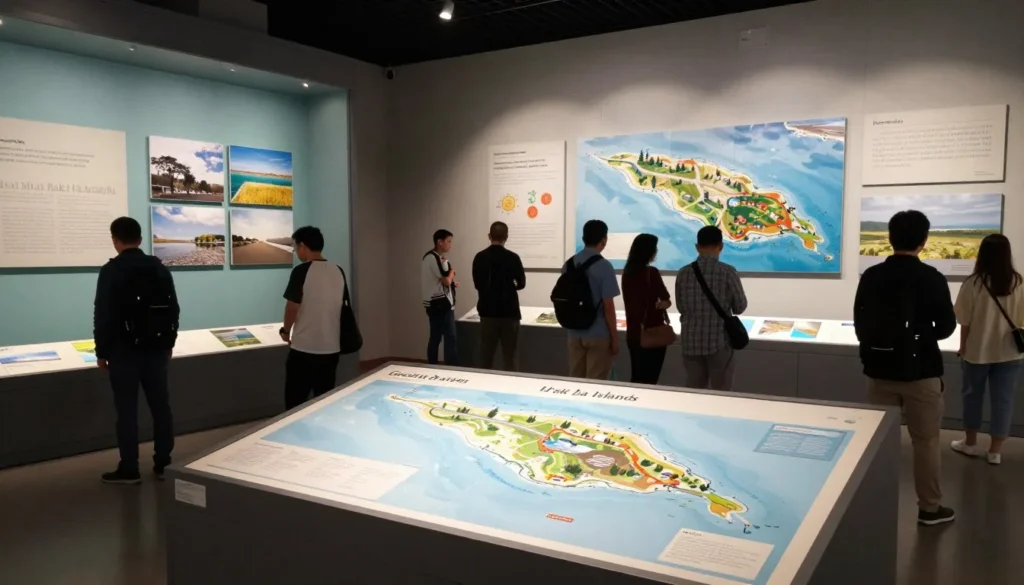
While Carrington Island itself contains no cultural facilities, the greater Salt Lake area offers several museums and cultural centers dedicated to Great Salt Lake history, ecology, and regional heritage. These institutions provide valuable context for understanding the island and its environment.
Great Salt Lake Nature Center
Located near the lake’s southeast shore, this facility offers interactive exhibits explaining lake ecology, island formation, and the unique wildlife that depends on this saline ecosystem. The center provides current information about lake conditions and access to various islands including Carrington Island.
Natural History Museum of Utah
This comprehensive museum in Salt Lake City includes extensive exhibits on Great Salt Lake geology and the ancient Lake Bonneville that once covered the region. Displays explain how islands like Carrington Island formed and evolved over millions of years. The museum’s collections include specimens from various lake islands.
Educational Programs
Both institutions offer regular programs about Great Salt Lake ecosystems. Lectures by researchers often discuss ongoing studies of remote islands. Photography exhibitions frequently feature images from Carrington Island and similar locations.
Guided field trips occasionally visit accessible portions of the lake shore, providing learning opportunities before attempting more challenging expeditions to remote islands.
Research Libraries
Archives at local museums contain historical records, photographs, and maps documenting Great Salt Lake islands. These resources prove invaluable for serious explorers planning Carrington Island visits.
Staff members can often connect visitors with local experts who have firsthand knowledge of current island conditions and access routes.
Utah Field House of Natural History
Though located in Vernal, Utah, approximately 274 kilometers (170 miles) east of the great salt lake, this museum provides broader context for understanding Utah’s unique geology. Exhibits explain the geological forces that created the basin containing Great Salt Lake and formed its distinctive islands.
Cultural Heritage
Indigenous peoples, including Shoshone and Ute tribes, have traditional connections to Great Salt Lake and its islands. These groups harvested resources from the lake for thousands of years before Euro-American settlement. Learning about this cultural heritage enriches understanding of the lake’s significance beyond its geological and ecological value.
Some Great Salt Lake islands, including areas near Carrington Island, may hold cultural or spiritual significance. Visitors should approach all lake locations with respect for indigenous heritage and avoid disturbing any archaeological sites or artifacts.
Nature and Outdoor Experiences
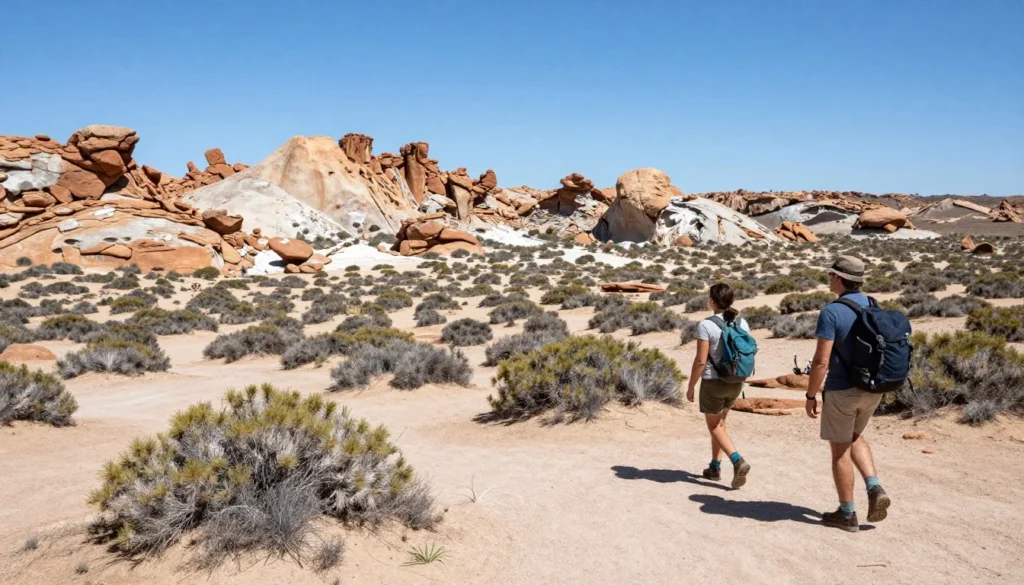
Carrington Island represents one of the most pristine wilderness areas in Utah’s Great Salt Lake region. The island’s extreme environment creates unique outdoor experiences found nowhere else in the state. Every aspect of visiting this remote place involves direct engagement with raw nature.
Desert Island Ecosystem
The island supports a harsh desert environment modified by its location in the hypersaline great salt lake. Vegetation remains sparse, limited to salt-tolerant grasses and occasional shrubs in protected areas. This extreme environment demonstrates how life adapts to challenging conditions.
Biological soil crusts cover portions of the island surface. These delicate communities of microorganisms, lichens, and mosses take decades to develop. Walking carefully to avoid damaging these crusts preserves the island’s fragile ecosystem for future generations.
Kayaking Adventures
Paddling to Carrington Island provides an exceptional wilderness kayaking experience. The journey crosses open water without reference points beyond distant mountains. This challenges navigation skills while offering profound solitude rarely experienced in modern outdoor recreation.
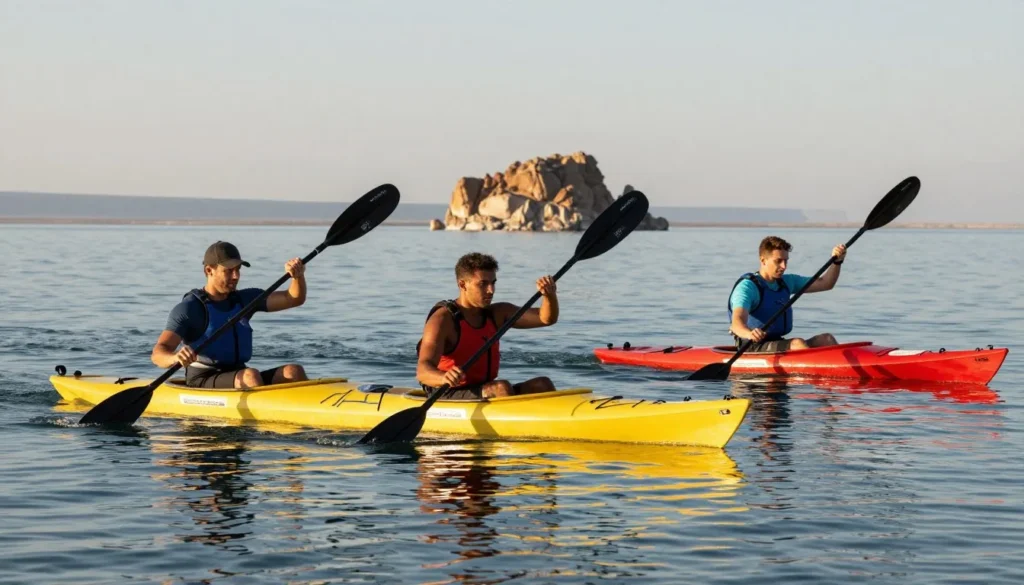
The extremely high salinity creates unusual paddling conditions. The dense water provides exceptional flotation but behaves differently than fresh water. Paddle strokes feel slightly different, and the water’s viscosity affects kayak handling in subtle ways.
Paddling Considerations
- Expect 2-4 hours crossing time each way
- Afternoon winds typically increase wave heights
- Morning departures recommended for calmer conditions
- No landing facilities or assistance available
- Emergency self-rescue skills essential
- Waterproof communication devices mandatory
Wilderness Camping
Overnight camping on Carrington Island offers extraordinary solitude. Night skies free from light pollution reveal countless stars and the Milky Way with exceptional clarity. The silence broken only by wind and occasional bird calls creates a profound wilderness experience.
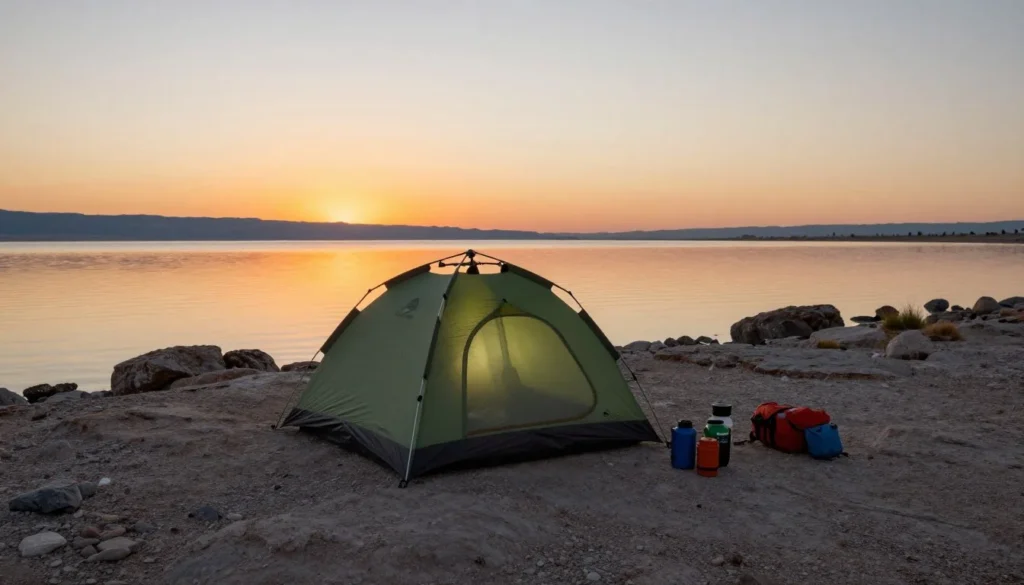
Temperature swings between day and night can exceed 20°C (36°F). Summer days reach extreme heat, while nights cool dramatically. Proper camping equipment must handle these temperature variations while withstanding high winds and protecting occupants from intense sun exposure.
Seasonal Natural Events
Spring brings dramatic bird migrations with millions of waterfowl passing through Great Salt Lake ecosystems. Carrington Island becomes a waypoint for these journeys, with shorebirds and waterfowl utilizing the island for resting and feeding. The spectacle of vast flocks filling the sky creates unforgettable memories.
Fall migrations reverse these patterns, with different species moving south. Brine flies emerge in huge numbers during late summer, covering shoreline areas. While not harmful, these flies can be intensely annoying, adding another challenge to summer visits.
The island environment presents real dangers. High UV radiation reflecting off salt and water surfaces causes severe sunburn. No shade exists anywhere on the island. No rescue services can reach you quickly in emergencies. Proper preparation, equipment, and experience are not optional for Carrington Island visits.
Leave No Trace Principles
Carrington Island’s pristine condition depends entirely on visitor commitment to Leave No Trace ethics. Pack out all waste, including human waste. Avoid disturbing bird nesting areas during breeding seasons. Walk on durable surfaces like rock and salt crust rather than fragile vegetation or biological soil crusts.
The island’s remote location means any damage you cause will persist for years or decades. Future visitors depend on current visitors practicing impeccable wilderness ethics. This responsibility forms part of the privilege of experiencing such an untouched place.
Travel With Children
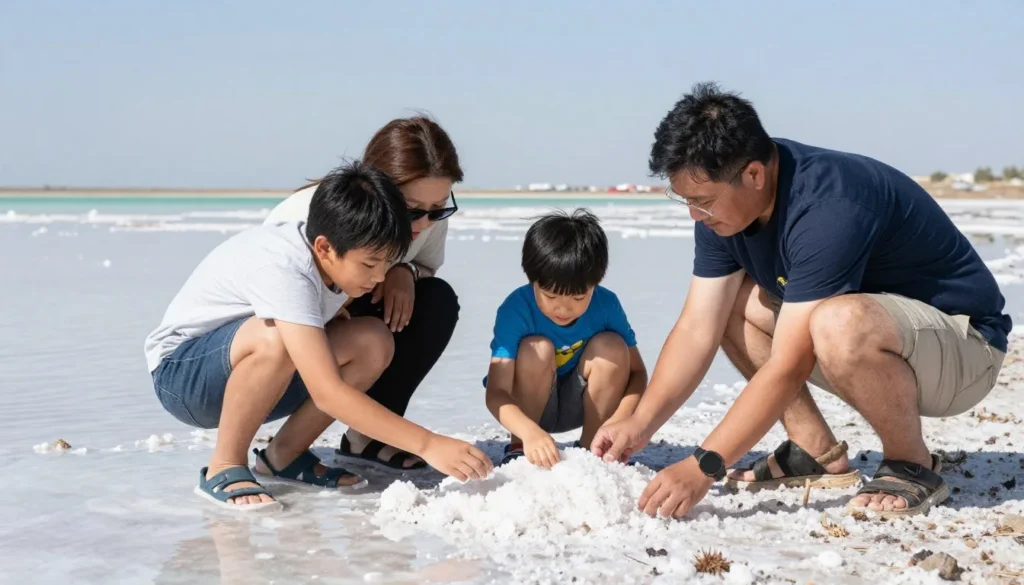
Carrington Island is not appropriate for young children or inexperienced families. The remote location, challenging access, complete lack of facilities, and harsh environment create conditions suitable only for mature, experienced adventurers. However, families can enjoy Great Salt Lake experiences at more accessible locations that provide similar educational value.
Alternative Family-Friendly Lake Destinations
Antelope Island State Park offers the best family-friendly introduction to Great Salt Lake island environments. This large island features paved roads, visitor centers, beaches, and facilities that make it safe and accessible for children of all ages. Families can experience salt water, observe wildlife, and learn about lake ecology without the risks associated with Carrington Island.
The island provides beaches where children can safely experience floating in hypersaline water under parental supervision. Educational programs explain how islands like Carrington Island formed and function as wildlife habitat. Rangers lead guided hikes appropriate for families with children.
Age-Appropriate Great Salt Lake Activities
Young Children (Ages 4-8)
- Beach visits at Antelope Island
- Short nature walks on paved trails
- Wildlife viewing from vehicles
- Visitor center exhibits
- Simple salt crystal experiments
Older Children (Ages 9-13)
- Longer hiking trails
- Bird watching with binoculars
- Kayaking in protected areas
- Photography projects
- Junior ranger programs
Teenagers (Ages 14+)
- Challenging hikes
- Extended kayaking trips
- Wildlife research projects
- Photography expeditions
- Preparation for future Carrington visits
Educational Opportunities
Children fascinated by Carrington Island’s remoteness can prepare for future visits by building skills at accessible locations. Learning kayaking fundamentals, practicing wilderness navigation, studying lake ecology, and developing outdoor survival skills creates a pathway toward eventually experiencing remote islands safely.
Museums and nature centers provide age-appropriate educational programs about Great Salt Lake. Children can learn about the birds that nest on islands, the unique chemistry of the hypersaline water, and the geological processes that created these extraordinary landscapes.
Safety Considerations for Families
Even at accessible Great Salt Lake locations, families must observe important safety practices. The extremely salty water stings if it contacts eyes or cuts. Children should shower immediately after water contact to remove salt residue. Sun protection becomes critical with intense UV radiation reflecting off water and salt surfaces.
Never attempt to visit Carrington Island with children under age 14. Even mature teenagers should only attempt the journey with experienced adult leaders who have previously visited the island. Consider this destination a long-term goal requiring years of skill development and outdoor experience.
Money Saving Tips
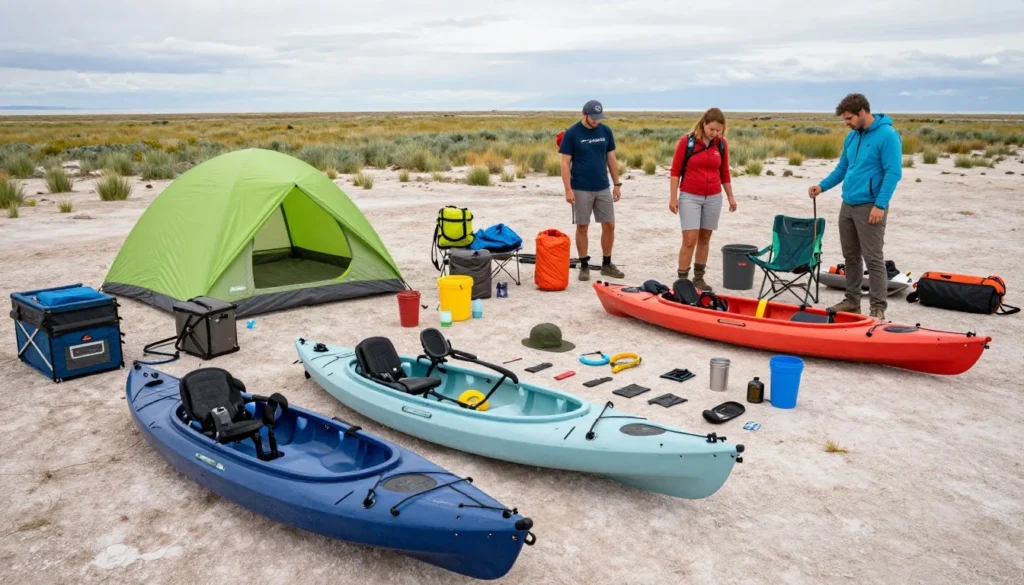
Visiting Carrington Island can be accomplished on modest budgets with careful planning. The island itself charges no entrance fees and requires no permits. Major expenses involve transportation, equipment, and accommodations on the mainland.
Equipment Strategies
Renting kayaks and camping gear costs significantly less than purchasing equipment for a single trip. Salt Lake City outdoor retailers offer competitive rental rates, typically 40-60 US dollars per day for kayaks and related equipment. Multi-day rentals often include discounts.
Borrowing equipment from friends or outdoor clubs eliminates rental costs entirely. Many regional paddling clubs welcome visitors and provide opportunities to connect with members who might share or loan equipment. Some organizations sponsor group trips to remote lake areas that reduce individual costs.
Budget Equipment Options
- Rent instead of buying: Save hundreds of dollars
- Choose off-season shoulder dates: Lower rental rates
- Share equipment among group members
- Purchase used gear from local outdoor shops
- Join outdoor club for equipment access
- Borrow from experienced friends
Accommodation Savings
- Camp at Antelope Island: 20-35 dollars per night
- Stay in budget motels outside Salt Lake City
- Book rooms midweek for lower rates
- Use hotel reward programs
- Share lodging costs among group members
- Camp on Carrington Island (free but challenging)
Food Cost Reduction
Preparing your own expedition meals from grocery store ingredients costs far less than purchasing specialized freeze-dried camping foods. Bulk bins at stores like Winco or Costco provide trail mix components, dried fruits, and grains at a fraction of specialty outdoor food prices.
Dehydrating your own meals at home eliminates the premium charged for commercial backpacking meals. A basic food dehydrator costs 50-80 US dollars and pays for itself quickly. Make large batches of rice dishes, pasta meals, or vegetable combinations that rehydrate easily with hot water.
Transportation Savings
Group trips split fuel costs among multiple participants. Organizing a shared expedition to Carrington Island with three or four people reduces per-person transportation expenses significantly. Carpooling from distant cities to Salt Lake City further reduces travel costs.
Booking rental vehicles in advance and comparing prices across multiple companies saves money. Consider renting from locations slightly outside the airport, where rates often run lower. Some credit cards provide rental car insurance, eliminating expensive supplemental coverage charges.
Free Resources and Information
Utah State Parks and the U.S. Geological Survey provide free maps, current lake level data, and access information. Online paddling forums share recent trip reports and advice without cost. Local outdoor clubs host free informational meetings where experienced members discuss Great Salt Lake expeditions.
The biggest savings come from thorough preparation that prevents expensive emergency situations. Investing time in skills development, equipment testing, and careful planning costs nothing but dramatically reduces risks of costly rescues, equipment replacement, or medical treatment.
Timing Your Visit
Visiting during shoulder seasons (April-May or September-October) provides savings on accommodations while offering optimal conditions. Summer peak season increases hotel rates throughout the Salt Lake area. Spring and fall visits combine better weather, lower costs, and fewer crowds at mainland facilities.
Safety, Etiquette and Local Customs
Carrington Island presents serious safety challenges requiring extensive preparation and sound judgment. The combination of remote location, harsh environment, and complete absence of services creates conditions where mistakes can prove life-threatening. Understanding and respecting these risks is fundamental to safe visits.
Critical Safety Requirements
Emergency communication devices are mandatory, not optional. Satellite messengers or personal locator beacons provide the only way to summon help from the island. Cell phone coverage does not exist. In serious emergencies, rescue teams may require many hours to reach you.
Always file a detailed trip plan with a responsible person on the mainland. Include your departure time, planned route, expected return time, and emergency contact procedures. Specify when that person should alert authorities if you fail to return. This simple step has saved lives when expeditions encountered unexpected problems.
Never attempt solo travel to Carrington Island. The risks are simply too great. Groups of at least three people provide redundancy if someone becomes injured or ill. Two people can assist an injured party while maintaining group safety.
Environmental Hazards
Sun and Heat
Extreme UV radiation reflecting off salt and water surfaces causes rapid, severe sunburn. Apply SPF 50+ sunscreen repeatedly throughout the day. Wear wide-brimmed hats, long-sleeved shirts, and sun-protective clothing.
Heat exhaustion and heat stroke develop quickly in summer months. Drink water constantly, far more than you think necessary. Early symptoms include headache, dizziness, and reduced coordination.
Cold and Wind
Even during summer, wind chill across open water can cause hypothermia. Bring insulating layers that function when wet. Sudden storms drop temperatures dramatically within minutes.
Night temperatures fall significantly. Adequate sleeping insulation prevents dangerous heat loss during overnight stays. Wind can destroy inadequate shelter systems.
Water Safety
The hypersaline great salt lake presents unique drowning risks. The dense water makes swimming nearly impossible and exhausting. If you capsize your kayak far from shore, re-entering the boat in the water challenges even experienced paddlers. Always wear personal flotation devices.
Salt water exposure causes severe eye irritation. Bring fresh water for rinsing if salt contacts your face. The water’s high salt content also dehydrates skin rapidly, requiring protective clothing and frequent application of moisturizer.
Wildlife Etiquette
Carrington Island provides critical habitat for bird species that depend on Great Salt Lake ecosystems. During nesting season (May through July), avoid areas where birds have established colonies. Observe from a distance using binoculars rather than approaching closely.
Never chase, feed, or otherwise disturb wildlife. Your presence already impacts the island’s birds. Minimizing disturbance shows respect for the creatures that make this harsh environment their home. Photographers should use long lenses to avoid approaching too closely to nesting sites.
Local Outdoor Community Customs
Utah’s outdoor community values self-reliance, thorough preparation, and respect for wilderness areas. Carrington Island visitors should demonstrate these values through careful planning and complete self-sufficiency. Attempting the journey without proper preparation disrespects the wilderness and endangers rescue personnel who must assist unprepared visitors.
Share current condition information with other outdoors enthusiasts. Online forums and local outdoor clubs benefit from trip reports describing recent access routes, water levels, and island conditions. This information-sharing tradition helps everyone plan safer expeditions.
Leave No Trace Principles
- Pack out all waste, including human waste
- Camp on durable surfaces (rock or salt deposits)
- Minimize campfire impacts (or avoid fires entirely)
- Respect wildlife by observing from a distance
- Leave natural and cultural features undisturbed
- Be considerate of other visitors’ experience
Carrington Island remains pristine because the few people who visit it practice impeccable wilderness ethics. Your commitment to Leave No Trace principles determines whether future generations can experience the same unspoiled environment you enjoy today.
Visitor Comments About Carrington Island
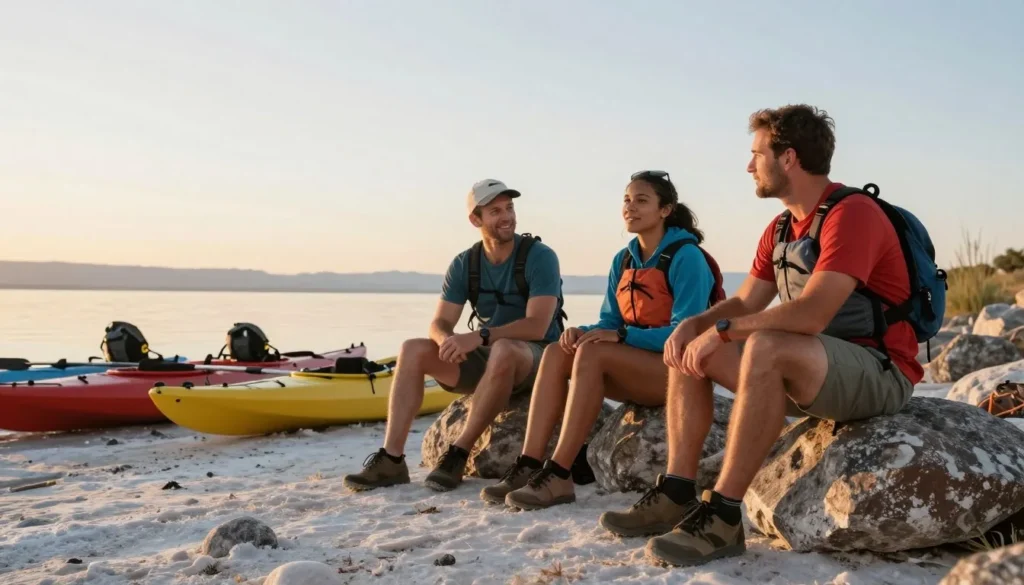
Visitors who successfully reach Carrington Island consistently describe the experience as transformative. The combination of challenge, solitude, and otherworldly landscapes creates memories that persist for years. Here are perspectives from three travelers who made the journey.
“Paddling to Carrington Island tested every outdoor skill I’ve developed over years of adventure travel. The crossing took nearly four hours against headwinds, but reaching that remote shore delivered the most profound wilderness experience of my life. Standing alone on an island in the middle of this ancient salt lake, surrounded by mountains visible 50 miles away, created a perspective on nature’s scale I’d never experienced. The silence, broken only by wind and bird calls, was almost overwhelming. This journey demands serious preparation, but rewards committed adventurers with something truly rare in our crowded world: genuine wilderness solitude.”
“I visited Carrington Island during an extreme low-water year when we could walk across exposed lake bed. The trek covered over 10 miles of the strangest terrain I’ve encountered – alternating between hard salt crust that crunched under our boots and sticky mud that grabbed at every step. Navigation proved challenging across the featureless expanse. The island itself felt like landing on another planet, with bizarre salt formations and rocks sculpted by centuries of exposure. We saw thousands of birds – the sound of their wings lifting from the shore created a roar like thunder. Every person considering this trip must understand the seriousness required. This isn’t a casual outing.”
“As a wildlife photographer, Carrington Island offered subjects I’d searched years to find. The isolation creates opportunities to document bird behavior undisturbed by human activity. I spent two days camping on the island, and the night sky photography alone justified the difficult journey. Without any light pollution for hundreds of miles, the Milky Way appeared so bright it cast shadows. The physical challenges were real – extreme heat during the day, strong winds, and the constant awareness that help was hours away if anything went wrong. But for photographers or birders seeking pristine natural subjects, few locations in North America offer what Carrington Island provides. This remains one of my most valued adventure experiences.”
Additional Nearby Destinations
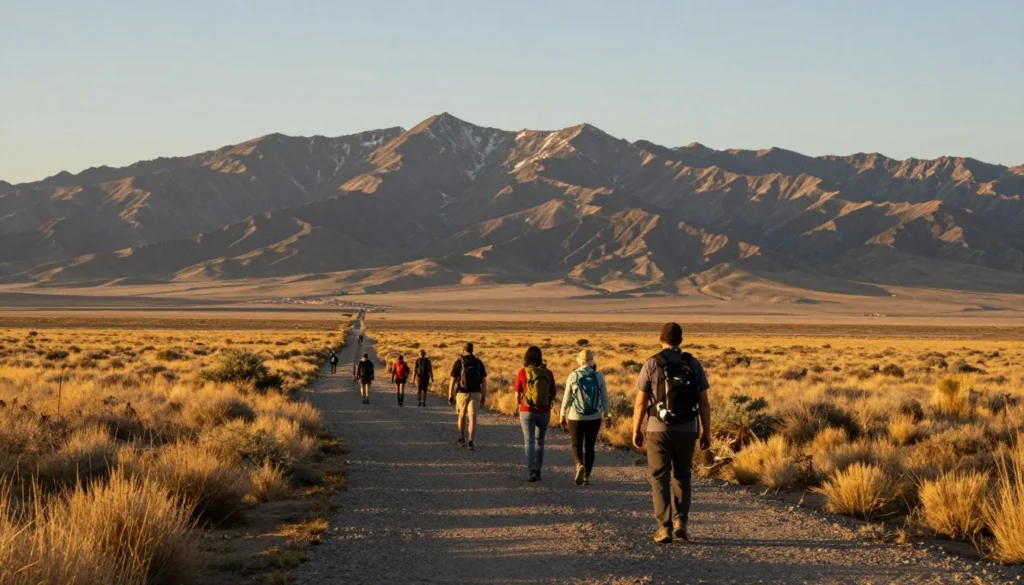
The Great Salt Lake region offers several other island destinations and nearby attractions that complement a Carrington Island expedition. These locations provide alternative experiences ranging from easily accessible parks to other challenging wilderness areas.
Antelope Island State Park
The largest island in the great salt lake, Antelope Island, sits 45 kilometers (28 miles) northeast of Carrington Island. A causeway connects this 109 square kilometer (42 square mile) island to the mainland, making it accessible by vehicle. The island features hiking trails, beaches, camping facilities, and a visitor center.
Buffalo, antelope, bighorn sheep, and numerous bird species inhabit Antelope Island. Well-maintained trails range from easy beach walks to challenging mountain hikes climbing 610 meters (2,000 feet) elevation. The island serves as an excellent training ground for those aspiring to visit more remote locations like Carrington Island.
Fremont Island
Located 19 kilometers (12 miles) northwest of Carrington Island, Fremont Island ranks as the great salt lake’s third-largest island. This privately owned island sees extremely limited visitation. Its steep terrain and lack of facilities create challenges similar to Carrington Island but with even more dramatic topography.
Historical significance marks Fremont Island, named for explorer John C. Fremont who visited in 1843. The island rises dramatically from the lake to a peak elevation of 2,025 meters (6,644 feet), providing spectacular views across the entire lake basin.
Stansbury Island
Although technically a peninsula at current lake levels, Stansbury Island became an actual island during high-water years. Located on the lake’s south shore approximately 32 kilometers (20 miles) southwest of Carrington Island, this area offers hiking and exploration with easier access than true islands.
The Stansbury Island trail system provides moderate hiking opportunities through desert terrain similar to Carrington Island but accessible by vehicle. This area serves as a convenient day-trip destination for those interested in great salt lake ecosystems without the challenges of water crossings.
Badger Island
A small island visible from Antelope Island’s west side. Badger Island sees minimal visitation due to its size and difficult access. During low water years, it sometimes connects to Antelope Island across exposed lake bed.
Gunnison Island
Home to the largest American white pelican nesting colony in the western United States. This island is closed to visitors during nesting season to protect critical bird habitat. Viewing from boats offshore is possible.
Promontory Mountains
The peninsula forming the great salt lake’s northern boundary offers backcountry hiking and historic sites. Golden Spike National Historical Park commemorates the transcontinental railroad completion.
Salt Lake City Attractions
Utah’s capital city provides urban experiences contrasting with Carrington Island’s wilderness. Temple Square, the Utah State Capitol, and numerous museums offer cultural activities. The city’s craft brewery scene, restaurants, and shopping provide relaxation opportunities before or after wilderness expeditions.
Several canyons in the Wasatch Mountains east of Salt Lake City offer hiking, climbing, and scenic drives. These mountain environments present completely different ecosystems from the great salt lake’s desert islands, showcasing Utah’s remarkable landscape diversity within a small area.
Practical Travel Tips
Successful Carrington Island expeditions depend on thorough preparation and attention to details that might seem minor but become critical in remote wilderness environments. These practical tips address the specific challenges of visiting this isolated great salt lake destination.
Essential Gear Checklist
Navigation and Communication
- GPS device with extra batteries
- Satellite messenger or personal locator beacon
- Detailed topographic maps in waterproof case
- Compass with declination adjustment
- Weather radio
Water and Sun Protection
- Minimum 4 liters water per person per day
- SPF 50+ sunscreen (multiple applications)
- Wide-brimmed hat with chin strap
- UV-blocking sunglasses with strap
- Long-sleeve sun-protective clothing
Camping and Survival
- Four-season tent designed for high winds
- Sleeping bag rated for 0°C (32°F) minimum
- Insulated sleeping pad
- Portable toilet system
- Comprehensive first aid kit
- Emergency shelter and fire-starting materials
Kayaking Equipment
- Seaworthy kayak with sealed bulkheads
- Spare paddle
- Personal flotation device (worn constantly)
- Bilge pump and sponge
- Paddle float for self-rescue
- Dry bags for all gear
Timing and Logistics
Begin your crossing early in the morning when winds typically remain calm. Afternoon winds on the great salt lake can build waves that challenge even experienced paddlers. Plan to reach the island by midday, allowing time for exploration before winds strengthen.
Budget significantly more time than GPS estimates suggest. The featureless terrain, need for frequent water breaks, and navigation challenges extend travel times. What appears as a straightforward 3-hour paddle frequently becomes a 5-hour journey when accounting for real conditions.
Weather Monitoring
Check weather forecasts from multiple sources before departing. The National Weather Service provides specific forecasts for the Great Salt Lake area. Monitor forecasts up until your departure moment, as conditions change rapidly.
Satellite weather data available through some GPS devices or satellite communicators allows monitoring while on the island. Be prepared to alter plans if conditions deteriorate. Staying an extra night on the island proves safer than attempting a crossing in dangerous weather.
Food and Hydration Strategy
Dehydration represents the most common serious problem visitors encounter. The combination of physical exertion, intense sun, reflective salt surfaces, and dry air creates extreme water loss. Drink before you feel thirsty – thirst indicates you’re already becoming dehydrated.
Pack high-energy foods requiring minimal preparation. The extreme environment often reduces appetite, but maintaining calorie intake prevents fatigue and poor decision-making. Salty snacks help replace electrolytes lost through heavy sweating.
The great salt lake’s extreme salinity means the water is completely undrinkable. Water purification systems cannot make it potable. You must carry every drop of water you’ll need, plus emergency reserves. This dramatically increases gear weight and requires careful calculations.
Photography Tips
Salt spray and dust damage camera equipment quickly. Protect gear in waterproof cases when not actively shooting. Bring lens cleaning supplies and use them frequently – salt residue on lenses ruins images. Consider bringing a less expensive camera for the crossing, saving your primary camera for use on the island.
The extreme brightness and high contrast challenge exposure settings. The white salt reflects intense light that fools camera meters. Experiment with exposure compensation, typically overexposing by one to two stops to prevent underexposed images.
Physical Preparation
Train specifically for the Carrington Island journey. Practice paddling for extended periods, building endurance for 4-plus-hour sessions. Strengthen core muscles and improve cardiovascular fitness. Test all equipment on shorter trips before attempting the Carrington Island expedition.
Acclimatize to high-altitude conditions if you live at sea level. Salt Lake City sits at 1,280 meters (4,200 feet) elevation, and physical exertion feels more difficult at altitude. Arrive several days early to adjust before attempting strenuous activity.
Legal and Regulatory Considerations
Currently, no permits are required for visiting Carrington Island. However, regulations can change as the state develops management plans for Great Salt Lake areas. Check current requirements with Utah State Parks before planning your trip.
Respect all wildlife protection regulations. Areas around bird colonies may be temporarily closed during nesting season. These closures protect critical habitat and must be observed even though they may limit where you can explore.
Document your trip thoroughly, but consider carefully before sharing specific location details publicly on social media. Increased visitation to fragile environments like Carrington Island can damage the very qualities that make these places special. Practice responsible sharing that inspires without encouraging unprepared visitors to attempt dangerous journeys.
Embrace the Adventure of a Lifetime
Carrington Island stands as one of Utah’s last true wilderness frontiers. This remote speck of land in the great salt lake challenges adventurers with its harsh environment, difficult access, and complete self-sufficiency requirements. Yet those challenges create an experience increasingly rare in our connected, developed world: genuine solitude in pristine wilderness.
The journey to this island transforms perspectives. Paddling for hours across open water toward distant mountains, landing on shores unchanged for centuries, and camping under stars undiminished by light pollution creates memories that resonate for a lifetime. The island’s birds, bizarre salt formations, and otherworldly landscapes reward those who make the effort to visit this special place.
This adventure demands respect. Carrington Island welcomes only those who prepare thoroughly, possess necessary skills, and commit to preserving its pristine character. If you accept these responsibilities and embrace the challenges, you’ll discover one of the most remarkable destinations in the western United States. The great salt lake and its remote islands await your careful exploration.