Hotels by Trip.com
Flights by Trip.com
Did you know that one of North America’s largest privately managed wildlife sanctuaries spans over 200,000 acres across northern Utah? The Deseret Land and Livestock Wildlife Sanctuary represents a remarkable conservation success story that most travelers have never heard about.
This vast expanse of land operates as both a working ranch and a carefully managed wildlife habitat. The sanctuary protects critical ecosystems while supporting sustainable livestock grazing practices.
Visitors to this hidden gem discover pristine high desert landscapes teeming with big game animals. Mule deer, pronghorn, and elk roam freely across these protected lands.
The sanctuary’s unique management approach balances conservation with traditional ranching operations. This model has attracted attention from wildlife biologists and land managers across the state and beyond.
Getting There & Planning Your Journey
Reaching the Deseret Land and Livestock Wildlife Sanctuary requires careful planning due to its remote location in northern Utah. The sanctuary encompasses properties across several counties including Rich, Cache, and Box Elder.
Most visitors access different areas of the sanctuary through multiple entry points. The primary ranch operation centers near Woodruff, Utah, in Rich County.
Closest Airports
Salt Lake City International Airport (SLC) serves as the main gateway for travelers coming from outside the region. The airport sits approximately 145 km (90 miles) south of the main sanctuary areas.
Logan-Cache Airport offers a smaller regional option located about 64 km (40 miles) from certain sanctuary properties. This facility handles limited commercial flights and private aircraft.
Idaho Falls Regional Airport (IDA) provides another alternative for visitors approaching from the north. This airport lies roughly 161 km (100 miles) from the sanctuary’s northern properties.
Driving Routes and Access
From Salt Lake City, travelers take Interstate 84 north to Ogden, then continue on Highway 89 through Logan. The journey typically requires 2-3 hours depending on your final destination within the sanctuary lands.
Private land ownership means public access remains limited to specific areas and times. Visitors must obtain permission before entering most sanctuary property.
The sanctuary’s main office can provide information about access during specific seasons. Contact details help coordinate visits during appropriate periods throughout the year.
Best Time to Visit & Weather Tips
Understanding seasonal patterns helps visitors plan successful trips to the Deseret Land and Livestock Wildlife Sanctuary Utah. Weather conditions vary dramatically throughout the year in this high desert environment.
✓ Check 30,000+ Local Sightseeing Tours Worldwide
Recommended Months for Visiting
Late spring through early fall offers the most pleasant conditions for exploring sanctuary lands. May through September provides comfortable temperatures and accessible roads.
June and July bring peak wildflower displays across the sagebrush landscape. These months showcase the area’s natural beauty at its finest.
September and October deliver spectacular fall colors and active wildlife movement. Deer and elk become more visible during breeding season.
Seasons to Avoid or Approach with Caution
Winter months from December through March bring harsh conditions to the region. Heavy snow and extreme cold make travel difficult and potentially dangerous.
Roads become impassable during winter storms. Many sanctuary areas remain inaccessible until spring thaw.
Early spring can present muddy conditions as snow melts. April often features unpredictable weather patterns with rapid temperature swings.
Temperature and Precipitation Patterns
Summer daytime temperatures range from 24°C to 32°C (75°F to 90°F). Nights cool considerably, dropping to 7°C to 13°C (45°F to 55°F).
Winter temperatures plummet well below freezing. Daytime highs struggle to reach -1°C to 4°C (30°F to 40°F).
Annual precipitation averages around 38 cm (15 inches). Most moisture arrives as winter snow or brief summer thunderstorms.
Important Weather Consideration: High elevation areas within the sanctuary sit above 2,134 m (7,000 feet). Altitude affects temperature, weather patterns, and physical exertion levels. Visitors should prepare accordingly with appropriate clothing layers and hydration supplies.
Notable Annual Festivals
The surrounding communities host several events celebrating local heritage and outdoor traditions. These festivals provide cultural context for visitors exploring the region.
The Bear Lake Raspberry Days festival takes place each August in nearby Garden City. This celebration features local food, crafts, and entertainment.
Woodruff hosts its annual celebration during summer months. The small community gathering includes rodeo events and ranch culture demonstrations.
For specific festival dates and information, contact the Rich County Tourism office at +1 (435) 793-5162.
Getting Around Locally
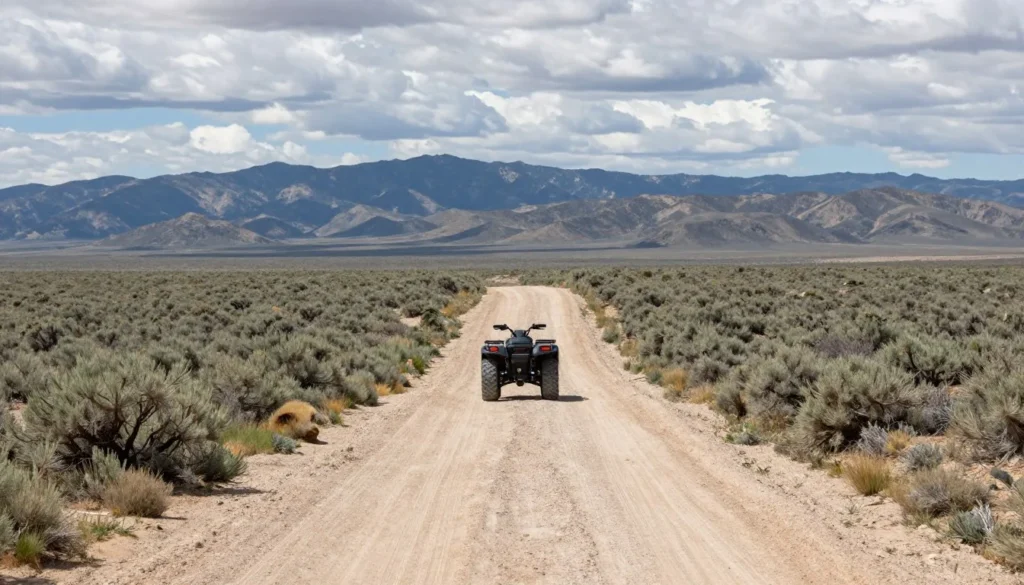
Transportation within and around the Deseret Land and Livestock Wildlife Sanctuary requires careful planning. The remote nature of this area means limited public transportation options.
Personal Vehicle Requirements
A personal vehicle provides the most practical way to explore the region. Four-wheel drive capabilities prove essential for accessing many ranch roads and remote areas.
High clearance vehicles handle unpaved roads better than standard passenger cars. Rough terrain and occasional water crossings challenge low-clearance vehicles.
Visitors should maintain full fuel tanks when exploring remote areas. Gas stations appear infrequently across this sparsely populated region.
Road Conditions and Navigation
Paved highways connect major towns surrounding the sanctuary. Highway 89 and Highway 16 provide the primary access routes through the area.
Dirt and gravel roads lead into ranch country and wilderness areas. These roads can deteriorate rapidly during wet weather or spring thaw.
GPS devices and paper maps both serve important navigation purposes. Cell phone coverage remains spotty throughout much of the sanctuary land.
Local Transportation Services
The nearby towns of Woodruff, Randolph, and Evanston, Wyoming offer limited taxi and shuttle services. These services require advance booking and operate on restricted schedules.
Car rental agencies in Logan or Salt Lake City provide the most reliable option for independent travelers. Booking four-wheel drive vehicles in advance ensures availability.
Guided tours and outfitters can arrange transportation for specific activities. These services include vehicles suitable for ranch and wildlife viewing conditions.
Where to Stay
Accommodation options near the Deseret Land and Livestock Wildlife Sanctuary range from rustic to comfortable. The remote location means most lodging sits in surrounding communities rather than on sanctuary land itself.
Hotels and Motels in Nearby Towns
Evanston, Wyoming hosts the largest selection of chain hotels and motels. This town sits about 48 km (30 miles) north of the sanctuary’s main areas.
Logan offers more extensive lodging choices including national hotel brands. The drive from Logan requires additional time but provides more amenities.
Smaller communities like Randolph and Woodruff feature basic motel accommodations. These options place visitors closer to the sanctuary with simple but clean facilities.
Vacation Rentals and Ranch Stays
Private vacation rentals scattered throughout Rich County provide home-like comfort. These properties often include full kitchens and multiple bedrooms for families or groups.
Several working ranches in the area offer guest accommodations. These ranch stays provide authentic western experiences with opportunities to observe daily livestock operations.
Advance reservations prove essential, especially during summer months and hunting season. Limited inventory means properties book quickly during peak periods.
Camping Opportunities
Bear Lake State Park offers developed campgrounds about 40 km (25 miles) from certain sanctuary areas. Facilities include RV hookups, tent sites, and basic amenities.
Wasatch-Cache National Forest surrounds portions of the sanctuary with dispersed camping options. Free camping requires following forest service regulations and practicing leave-no-trace principles.
Private campgrounds near Bear Lake provide additional options with more services. These facilities often include showers, laundry, and recreational activities.
For lodging information and reservations in the Randolph area: +1 (435) 793-2181
Dining & Local Cuisine
Dining options in the vicinity of the Deseret Land and Livestock Wildlife Sanctuary reflect the area’s rural ranching heritage. Visitors should expect hearty, traditional fare rather than sophisticated culinary experiences.
Restaurant Options in Surrounding Communities
Small family-owned restaurants serve home-style cooking in towns like Randolph and Woodruff. Menus typically feature American comfort food with generous portions.
Evanston, Wyoming provides the widest restaurant selection including national chains. Fast food, casual dining, and a few sit-down restaurants accommodate various preferences.
Logan delivers more diverse dining choices for visitors willing to drive further. Options include ethnic cuisines, fine dining, and numerous cafes.
Local Specialties and Ranch Cuisine
Beef takes center stage in this cattle ranching region. Steaks, burgers, and beef-based dishes dominate local menus.
Wild game occasionally appears on restaurant menus during hunting season. Elk and venison preparations showcase the area’s hunting traditions.
Home-baked goods and pies reflect rural hospitality. Local cafes pride themselves on made-from-scratch desserts and bread.
Grocery Stores and Provisions
Small grocery stores in Randolph and Woodruff stock basic supplies. Selection remains limited compared to urban supermarkets.
Visitors planning extended stays or camping trips should stock up in Logan or Evanston. These larger towns offer full-service supermarkets with comprehensive inventory.
Local convenience stores provide emergency supplies and snacks. Prices tend higher than in larger communities due to remote location.
Attractions, Sightseeing & Activities
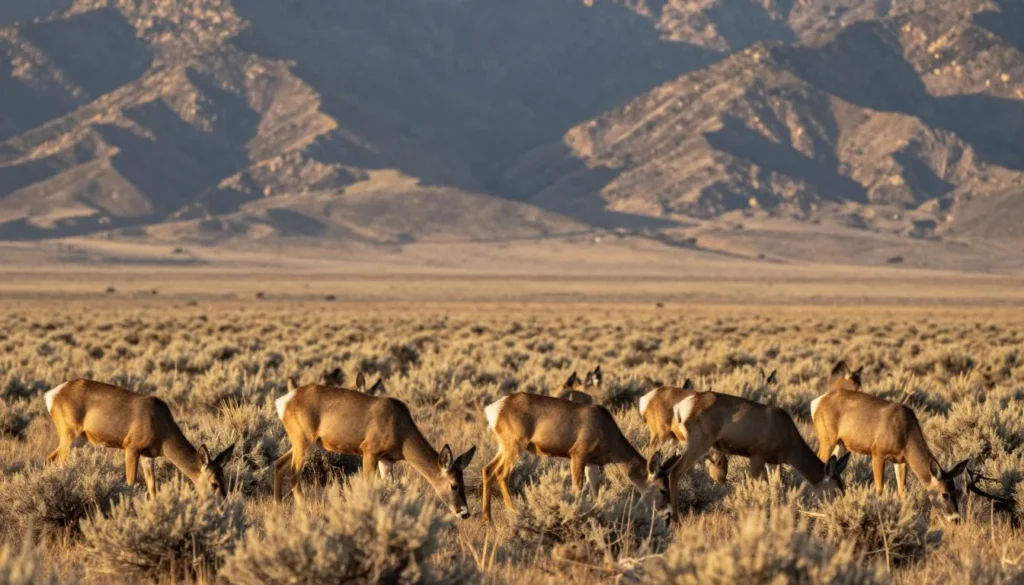
The Deseret Land and Livestock Wildlife Sanctuary Utah centers on wildlife observation and appreciation of vast open landscapes. Activities focus on experiencing nature rather than developed attractions.
Wildlife Viewing Opportunities
Big game animals represent the sanctuary’s primary attraction. Mule deer populations thrive across the property, with herds numbering in the thousands.
Pronghorn antelope grace the open plains in the western portions of the sanctuary. These swift animals create memorable viewing experiences against dramatic backdrops.
Elk inhabit higher elevation areas, particularly in timbered sections near the mountains. Bulls become especially visible during fall breeding season.
Bird watchers encounter numerous species including raptors, waterfowl, and songbirds. The diverse habitat supports varied bird populations throughout the year.
Conservation Education
The sanctuary serves as a living laboratory for wildlife management research. Scientists study population dynamics, habitat use, and sustainable land management practices.
Educational programs occasionally take place for groups interested in conservation. These programs demonstrate how private land stewardship contributes to wildlife preservation.
The integration of livestock grazing with wildlife habitat management illustrates balanced land use. This approach provides insights into multiple-use land management strategies.
Photography Opportunities
Photographers find exceptional subjects throughout the sanctuary lands. Wildlife, landscapes, and ranch operations provide diverse photographic opportunities.
Early morning and late evening deliver the best lighting conditions. Animals become more active during these cooler parts of the day.
Seasonal changes create varying photographic opportunities. Spring green-up, summer wildflowers, fall colors, and winter snow each offer unique conditions.
Hunting and Outdoor Recreation
Limited hunting takes place on sanctuary lands through carefully managed programs. Tag allocation follows strict guidelines to maintain sustainable wildlife populations.
The Utah Division of Wildlife Resources oversees hunting permits for the area. Hunters must obtain proper licenses and follow all state regulations.
For hunting information and tag applications, contact: +1 (801) 538-4700
Hiking opportunities exist in areas where access is permitted. Visitors should always confirm access rights before exploring on foot.
Museums, Cultural Spots & Festivals
The region surrounding the Deseret Land and Livestock Wildlife Sanctuary preserves rich pioneer and ranching heritage. Several sites interpret the area’s cultural history.
Local Historical Museums
The Daughters of Utah Pioneers Museum in Randolph showcases pioneer artifacts and local history. This small museum chronicles the settlement of Rich County.
Bear Lake Heritage Museum in nearby Garden City explores the Bear Lake Valley’s past. Exhibits cover Native American history, pioneer settlement, and the development of agriculture.
These modest museums operate with volunteer staff and limited hours. Calling ahead ensures they will be open during your visit.
Ranch Heritage and Western Culture
The sanctuary itself represents living ranching heritage. The Deseret Land and Livestock operation dates back over 100 years.
Working ranch operations continue traditional practices while incorporating modern conservation management. This blend honors heritage while adapting to current understanding.
Local rodeos in surrounding towns celebrate western culture during summer months. These events showcase ranching skills and community traditions.
Native American Heritage
The lands encompassed by the sanctuary hold significance in Shoshone and Ute history. These tribes traditionally used the area for hunting and seasonal camps.
✓ Check 30,000+ Local Sightseeing Tours Worldwide
Archaeological sites throughout the region document thousands of years of human presence. Petroglyphs and artifact scatters remain protected on sanctuary lands.
Visitors should respect all cultural sites and artifacts. Federal and state laws protect archaeological resources on both public and private land.
Nature & Outdoor Experiences
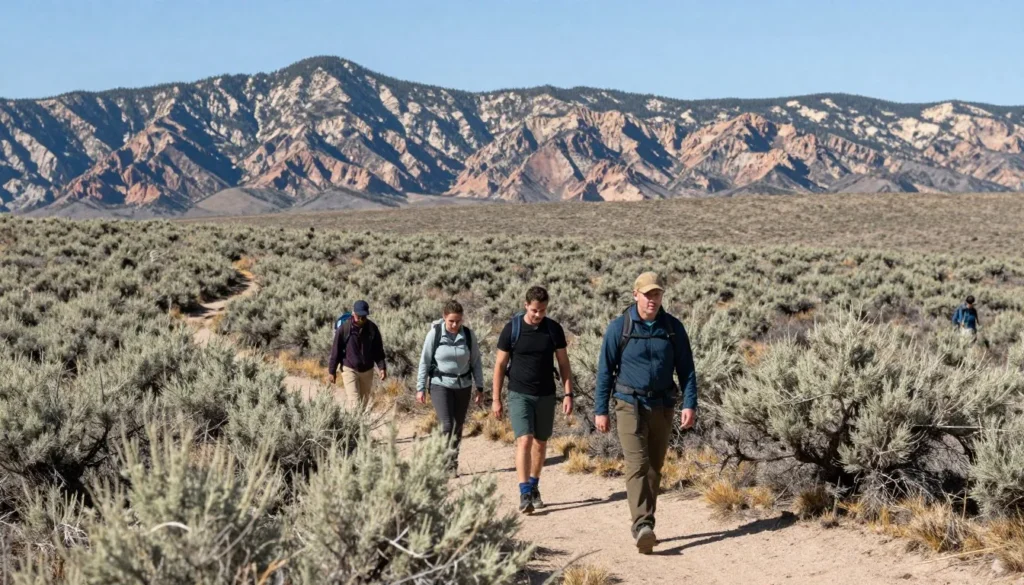
The natural environment surrounding the Deseret Land and Livestock Wildlife Sanctuary offers diverse outdoor experiences. High desert ecosystems meet mountain forests across this varied landscape.
Terrain and Ecosystem Diversity
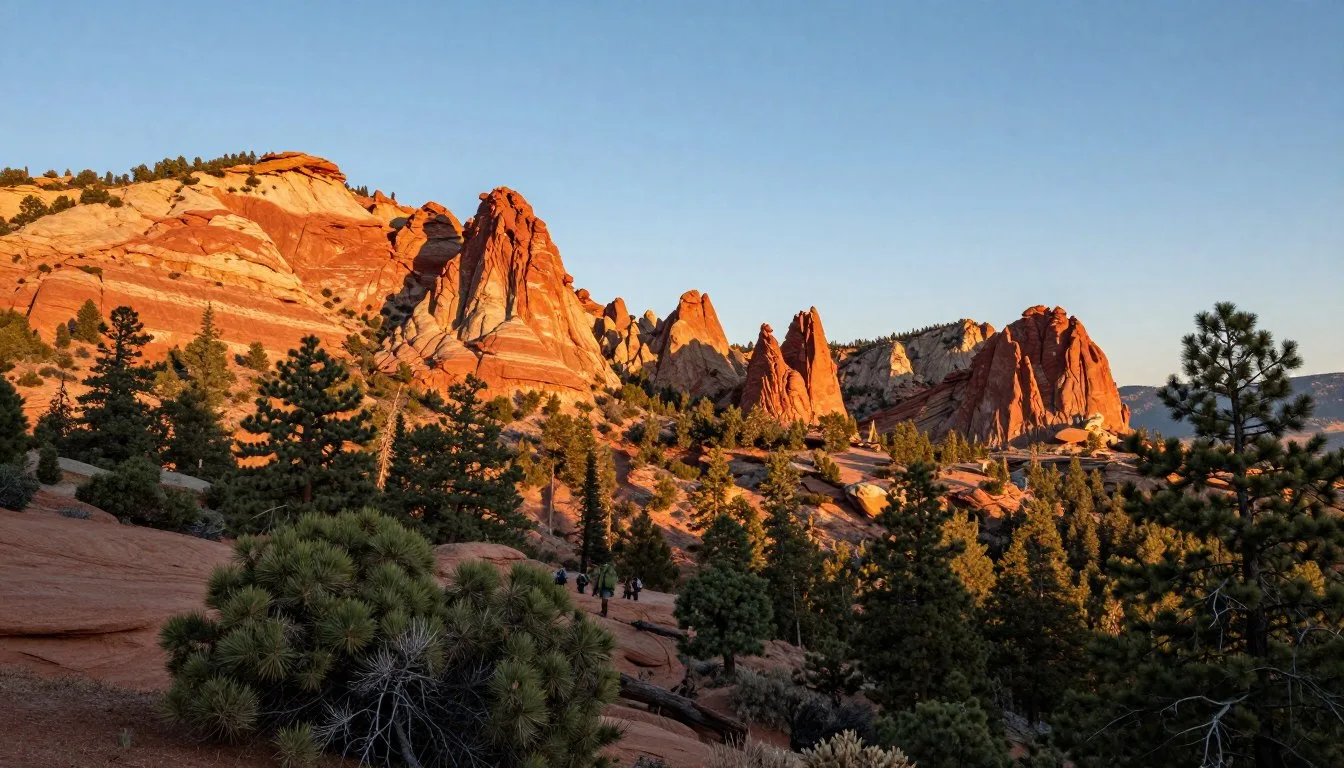
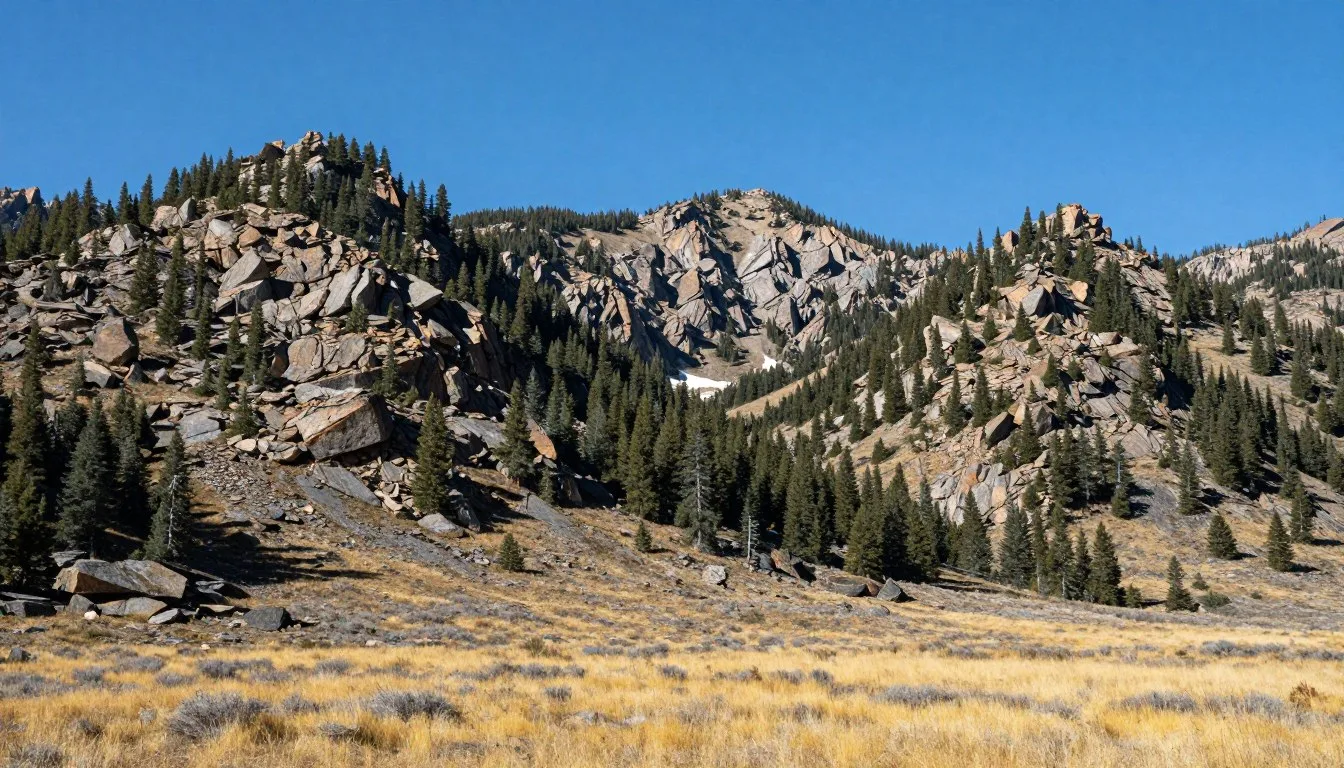
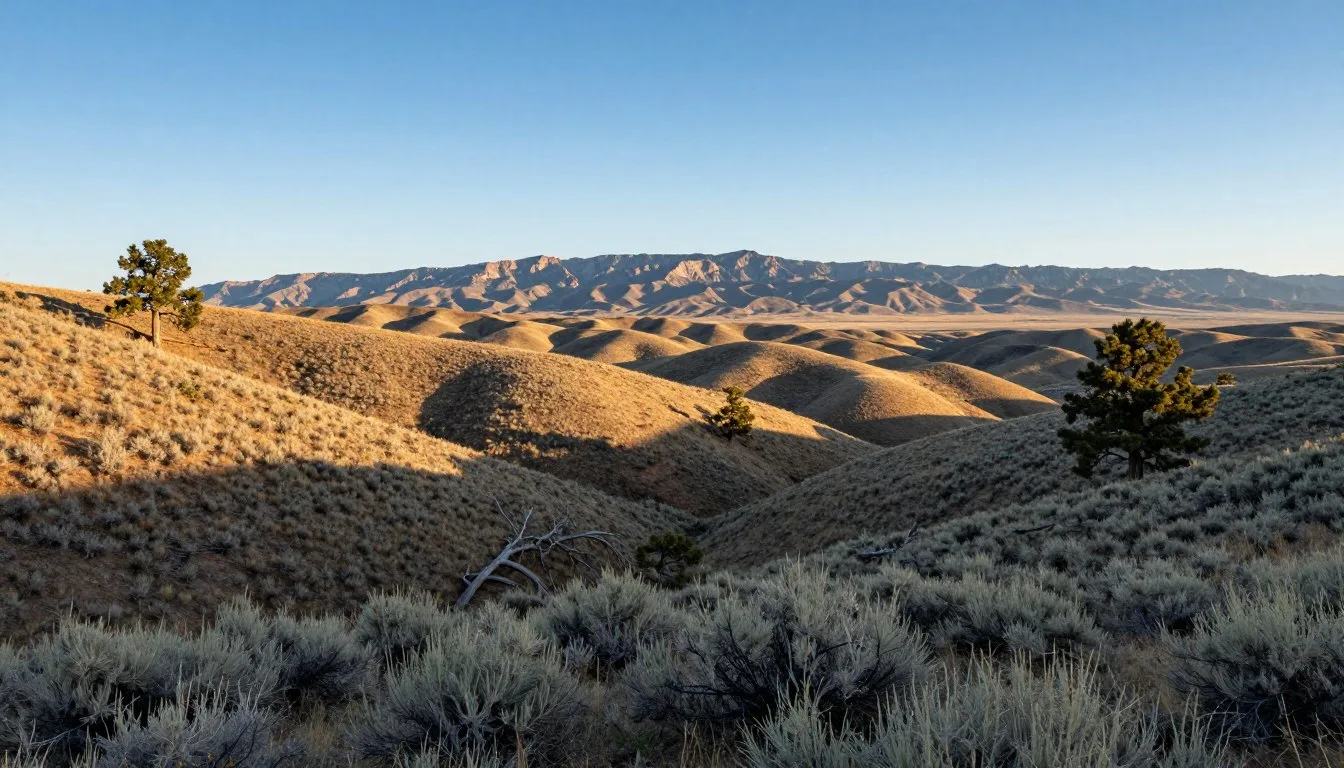
Sagebrush steppe dominates lower elevations across much of the sanctuary. This ecosystem supports numerous wildlife species adapted to arid conditions.
Mountain foothills feature pinyon-juniper woodlands transitioning to higher elevations. These areas provide critical wildlife habitat and scenic beauty.
Riparian corridors along streams create green ribbons across the landscape. These water sources concentrate wildlife and support unique plant communities.
Nearby Natural Attractions
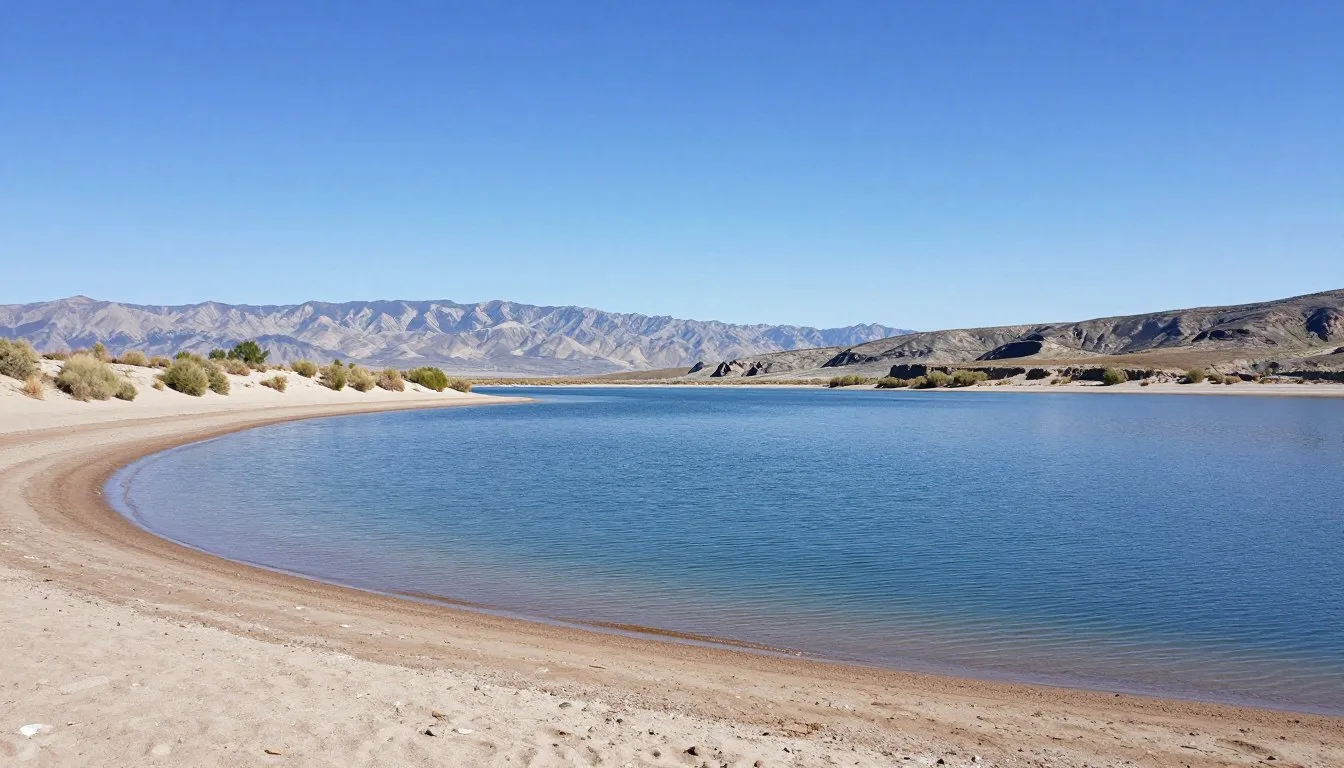
Bear Lake sits about 40 km (25 miles) west of certain sanctuary areas. This massive natural lake covers approximately 28,500 hectares (70,400 acres) straddling the Utah-Idaho border.
The lake’s distinctive turquoise color comes from limestone particles suspended in the water. Swimming, boating, and fishing attract thousands of visitors annually.
Monte Cristo Peak rises to 2,969 m (9,740 feet) in the Bear River Range. This mountain provides dramatic views across the region.
Stargazing and Dark Skies
Remote locations away from city lights create exceptional stargazing opportunities. The sanctuary areas experience minimal light pollution.
Clear, dry air enhances visibility of celestial objects. Summer nights often feature stunning views of the Milky Way.
Meteor showers become spectacular events in this dark sky environment. Annual events like the Perseids in August provide memorable night sky shows.
Seasonal Natural Phenomena
Spring brings dramatic green-up as winter moisture transforms the landscape. Wildflowers bloom in waves from April through July.
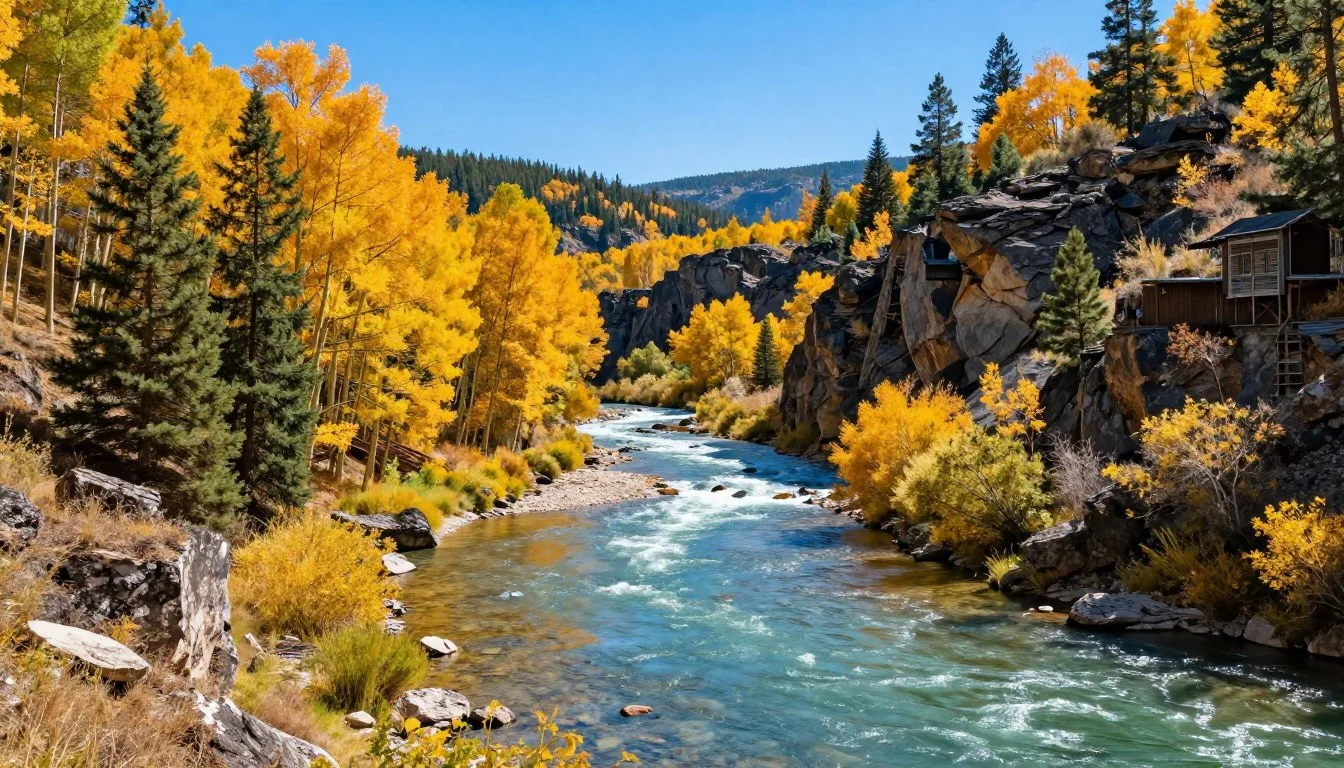
Fall colors paint the mountain slopes in September and October. Aspen groves turn brilliant gold against evergreen forests.
Winter snow transforms the area into a pristine white landscape. Clear days reveal the stark beauty of the high desert under snow cover.
Travel With Children
Families visiting the area around the Deseret Land and Livestock Wildlife Sanctuary can enjoy outdoor experiences suitable for children. However, remote conditions require appropriate preparation.
Age-Appropriate Activities
Wildlife viewing captivates children of all ages. Spotting deer, pronghorn, and birds creates excitement without requiring strenuous activity.
Bear Lake offers family-friendly water activities including swimming and beach play. The shallow sandy beaches suit young children well.
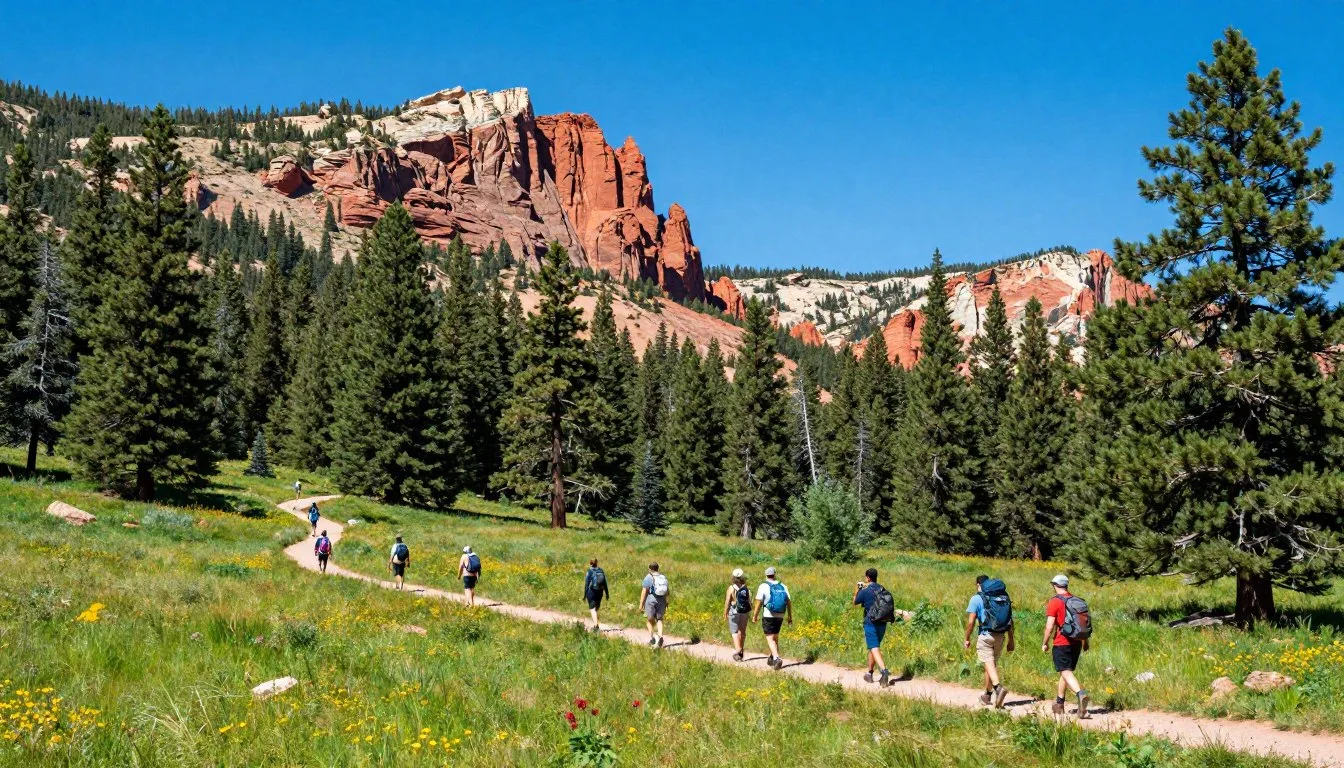
Easy nature walks on established trails help children experience the landscape safely. Short hikes prevent fatigue while building appreciation for nature.
Educational Opportunities
Teaching children about wildlife conservation provides valuable lessons. Observing animals in natural habitats makes abstract concepts concrete.
Learning about ranching operations connects children to food production. Understanding where beef comes from creates agricultural awareness.
Identifying plants and animals develops observation skills. Field guides and simple nature journals enhance the learning experience.
Safety Considerations for Families
Children should remain close to adults in remote areas. Getting separated in vast open country poses serious risks.
Sun protection becomes essential in high elevation, high desert environments. Hats, sunscreen, and protective clothing prevent sunburn.
Adequate water intake prevents dehydration during outdoor activities. Children need frequent reminders to drink, especially in dry climates.
Wildlife viewing requires maintaining safe distances. Teaching children never to approach or feed wild animals ensures safety.
Money Saving Tips
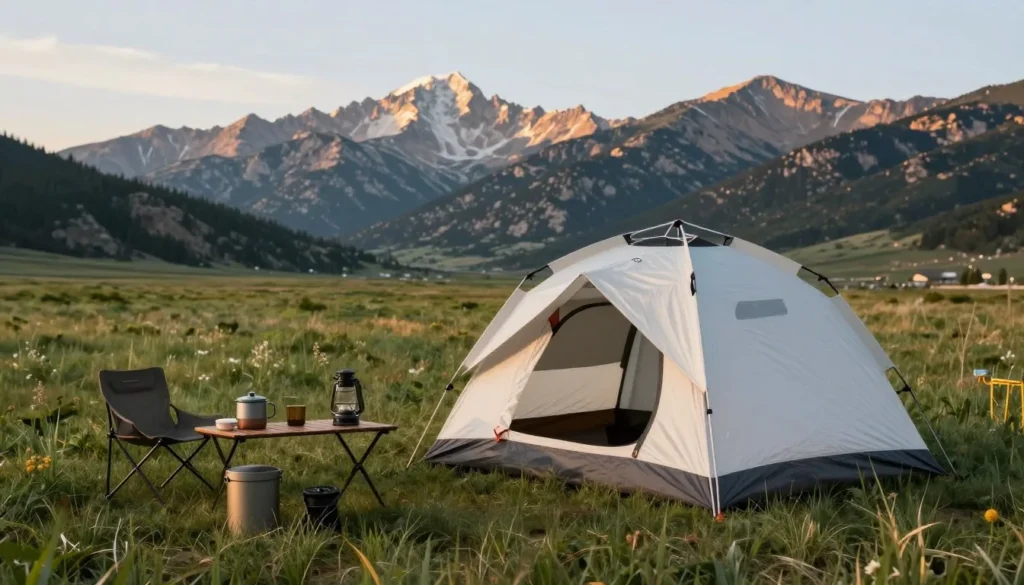
Visiting the remote area around the Deseret Land and Livestock Wildlife Sanctuary on a budget requires strategic planning. Limited services mean fewer opportunities for bargain hunting, but savings remain possible.
Accommodation Money Savers
Camping dramatically reduces lodging costs compared to hotels. Free dispersed camping in national forest areas offers zero-cost accommodation.
Booking accommodations well in advance sometimes yields better rates. Last-minute availability in this area typically comes at premium prices.
Sharing vacation rental properties among multiple families splits costs effectively. Larger properties often offer better per-person value.
Food and Dining Savings
Bringing groceries from larger cities saves money over buying locally. Stock up in Logan or Salt Lake City before heading to remote areas.
Preparing meals at campsites or vacation rentals costs less than restaurant dining. Cooking equipment and coolers prove worthwhile investments.
Packing snacks and lunches for day trips eliminates expensive convenience store purchases. Trail mix, sandwiches, and fruit travel well.
Activity and Recreation Savings
Wildlife viewing costs nothing beyond transportation to viewing areas. This primary attraction requires no admission fees.
Hiking on public lands provides free recreation. Numerous trails in surrounding national forests charge no use fees.
Visiting during shoulder seasons can reduce some costs. Late spring and early fall see lower accommodation prices than peak summer.
Transportation Savings
Carpooling or traveling with others splits fuel costs across multiple people. Long distances to remote areas accumulate significant gas expenses.
Renting fuel-efficient vehicles rather than large SUVs reduces gas costs. However, balance efficiency against road condition requirements.
Planning efficient routes minimizes unnecessary driving. Consolidating trips to different areas saves both time and money.
Safety, Etiquette & Local Customs
Understanding safety considerations and local expectations ensures positive experiences when visiting the Deseret Land and Livestock Wildlife Sanctuary Utah area. Remote conditions and private property require awareness and respect.
Private Property Respect
Most of the sanctuary operates as private land. Visitors must obtain permission before entering these areas.
Closed gates should remain closed. Open gates should stay open unless otherwise marked.
Trespassing laws apply strictly in this region. Wandering onto private land without permission can result in legal consequences.
Wildlife Safety Guidelines
Maintaining safe distances from all wildlife protects both animals and people. Big game animals can behave unpredictably, especially during breeding season.
Never feed wildlife. Human food harms animals and creates dangerous habituation to people.
Observe animals quietly without making sudden movements. Loud noises and rapid approach cause stress and potential aggression.
During fall hunting season, wearing bright orange in backcountry areas increases visibility to hunters.
Environmental Stewardship
Pack out all trash and leave no trace of your visit. Remote areas lack waste facilities.
Stay on established roads and trails to minimize erosion and habitat damage. Cross-country travel damages fragile desert soils.
Wildfires pose serious threats in dry conditions. Check fire restrictions and use extreme caution with any flame source.
Weather and Emergency Preparedness
Cell phone coverage remains unreliable throughout most of the area. Inform someone of your plans and expected return time.
Carry emergency supplies including extra water, food, warm clothing, and first aid kit. Remote locations mean slow emergency response times.
Summer thunderstorms can develop rapidly, bringing lightning and flash flood potential. Monitor weather conditions and seek shelter when storms approach.
Local Cultural Expectations
Rural communities value politeness, self-reliance, and respect for property. Friendly greetings acknowledge others in passing.
Ranching remains a working lifestyle, not entertainment. Observe operations from appropriate distances without interfering.
The area’s residents appreciate visitors who demonstrate genuine interest and respect for their way of life.
Visitor Comments About Deseret Land and Livestock Wildlife Sanctuary
“The vastness of this landscape took my breath away. We spotted three different herds of pronghorn during our drive through the area. The wildlife viewing exceeded our expectations, and the remote beauty felt like stepping back in time. This isn’t a typical tourist destination, which made it even more special for our family.”
“As a photographer, I found incredible subjects everywhere I looked. The mule deer were abundant and the morning light across the sagebrush created perfect conditions. The area requires respect and preparation, but rewards visitors with authentic western landscapes. I particularly appreciated learning about the conservation work happening on the ranch.”
“Our children loved seeing so many animals in natural habitats rather than in zoos. The educational aspect of how ranching and wildlife conservation work together opened their eyes to land management complexities. We stayed near Bear Lake and made day trips into the area. The combination of water recreation and wildlife viewing created a perfect balance for our week-long visit.”
Additional Nearby Destinations
✓ Check 30,000+ Local Sightseeing Tours Worldwide
Visitors to the Deseret Land and Livestock Wildlife Sanctuary area can explore several notable destinations within reasonable driving distances. These locations complement the sanctuary experience with different attractions.
Bear Lake
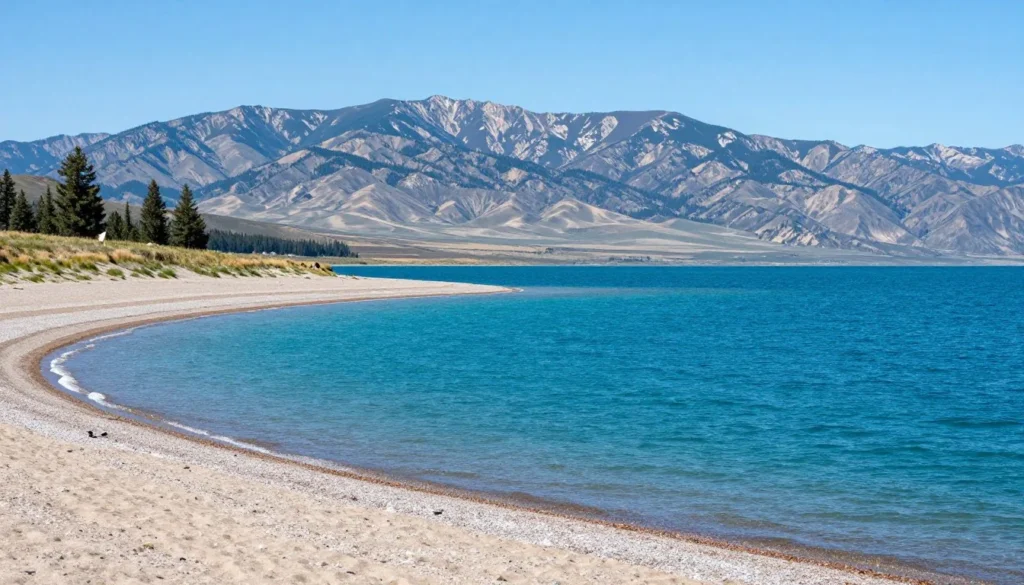
This stunning natural lake sits approximately 40 km (25 miles) west of certain sanctuary areas. The lake’s unique turquoise color makes it distinctive among western water bodies.
Beach activities, water sports, and fishing draw summer crowds. The lake spans the Utah-Idaho border with state parks on both sides.
Famous for raspberries, the area hosts raspberry festivals celebrating the local harvest. Numerous restaurants feature raspberry shakes and desserts.
Logan Canyon and Cache Valley
Logan Canyon provides spectacular scenic drives through the Bear River Range. The canyon road climbs from Logan to Bear Lake with numerous pullouts and trailheads.
Rock climbing, hiking, and camping opportunities abound throughout the canyon. The area transforms into a color spectacular each autumn.
Logan itself offers a college town atmosphere with Utah State University. Restaurants, shops, and cultural events provide urban amenities after time in remote areas.
Flaming Gorge National Recreation Area
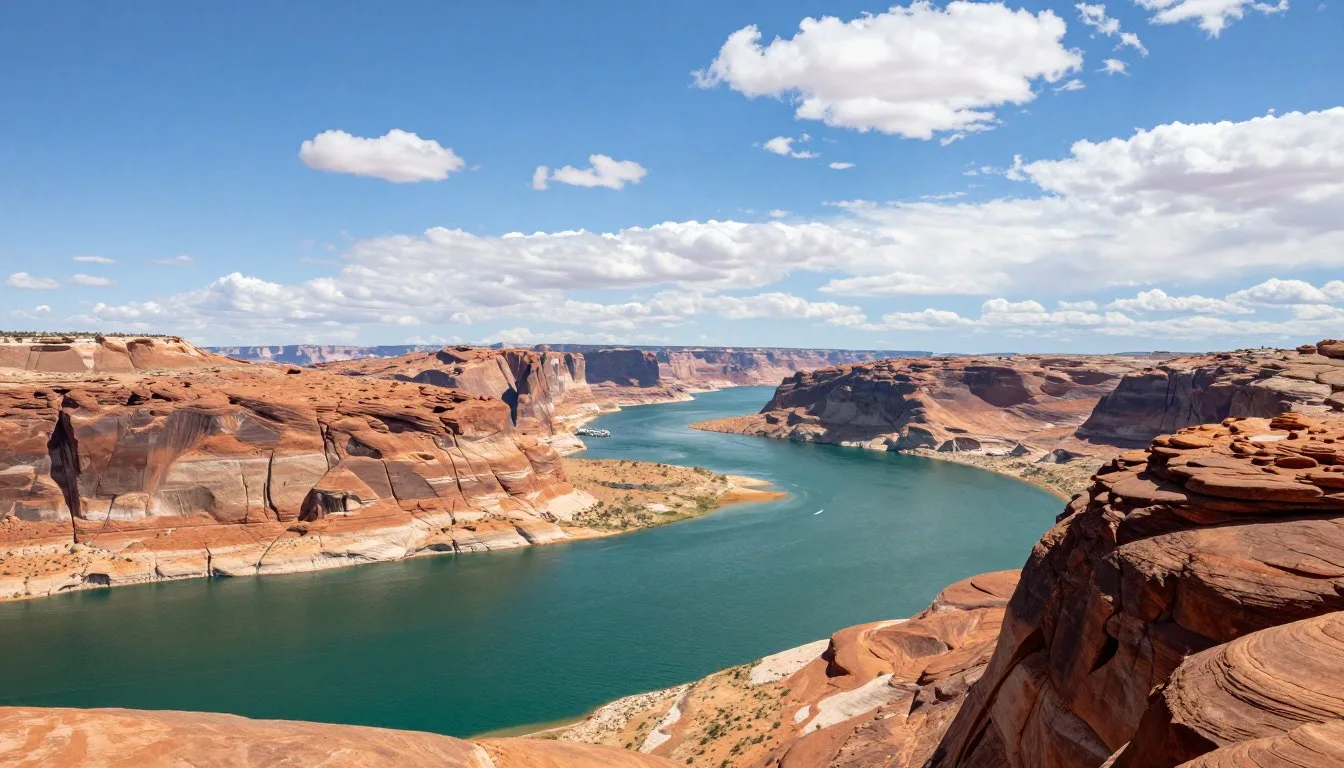
Located approximately 97 km (60 miles) east, Flaming Gorge offers dramatic reservoir scenery. The gorge cuts through brilliant red rock formations.
Boating, fishing, and camping attract outdoor enthusiasts. The reservoir’s cold waters support trophy trout fishing.
The scenic drive around the reservoir provides numerous viewpoints. Red Canyon Visitor Center offers interpretive programs and information.
Historic Evanston, Wyoming
Just 48 km (30 miles) north, Evanston provides the most convenient services for sanctuary visitors. This historic railroad town offers numerous amenities.
The Uinta County Museum documents regional history including railroad, ranching, and Chinese immigrant contributions. Downtown features historic architecture and local shops.
Evanston serves as a practical base with lodging, dining, and supplies. The town provides easy access to both the sanctuary and other regional attractions.
Hardware Ranch Wildlife Management Area
Located south near Hyrum, this state-owned facility offers guaranteed elk viewing during winter. Sleigh rides take visitors among feeding elk herds.
The winter operation runs from December through March when elk congregate for supplemental feeding. Summer programs focus on habitat and conservation education.
This destination provides a complementary wildlife experience to the sanctuary. The managed setting offers closer wildlife encounters under controlled conditions.
Practical Travel Tips
Success when visiting the Deseret Land and Livestock Wildlife Sanctuary area depends on thorough preparation. Remote conditions require more planning than typical vacation destinations.
Essential Items to Pack
- Layered clothing for variable weather conditions
- Sturdy hiking boots or shoes with good traction
- Sun protection including hat, sunglasses, and sunscreen
- Insect repellent for summer visits
- Binoculars for wildlife viewing
- Camera with telephoto lens for distance photography
- Reusable water bottles and hydration supplies
- Snacks and emergency food supplies
- First aid kit and any necessary medications
- Paper maps as backup to electronic navigation
- Flashlight or headlamp with extra batteries
- Emergency supplies including blanket and basic tools
Communication and Connectivity
Cell phone service remains unreliable throughout most sanctuary areas. Plan accordingly by informing others of your itinerary.
Download offline maps before venturing into remote areas. GPS units with preloaded maps provide more reliable navigation than phone apps.
Emergency communication devices like satellite messengers provide peace of mind. These devices work when cell phones cannot connect.
Permits and Regulations
Research access regulations before visiting sanctuary lands. Much of the property remains private with restricted entry.
Hunting requires proper Utah licenses and tags. Obtain these through the Utah Division of Wildlife Resources well in advance.
National forest lands surrounding the sanctuary follow USFS regulations. Familiarize yourself with camping, fire, and recreation rules.
Best Resources for Planning
The Rich County website provides information about the area including services and attractions. Local chambers of commerce offer visitor guides.
Utah Division of Wildlife Resources publishes detailed information about wildlife viewing areas. Their website includes maps and species information.
USFS ranger stations provide current conditions and advice. Stop at the Logan Ranger District office for area information.
Visitor Information Resources:
Rich County Tourism: +1 (435) 793-5162
Utah Division of Wildlife Resources: +1 (801) 538-4700
Logan Ranger District: +1 (435) 755-3620
Photography Etiquette
Wildlife photography requires patience and respect for animal welfare. Never approach animals closely or use tactics that alter their behavior.
Telephoto lenses allow quality wildlife photos from safe distances. Equipment in the 300-500mm range works well for big game animals.
Early morning and late evening golden hours provide best lighting. Harsh midday sun creates challenging exposure conditions.
Leave No Trace Principles
Follow Leave No Trace ethics in all outdoor activities. Pack out everything you pack in without exception.
Use existing roads and trails to prevent erosion. Cross-country travel damages fragile desert and meadow vegetation.
Respect wildlife by observing from distance. Never feed or attempt to touch wild animals.
If camping, select durable surfaces and minimize impact. Leave areas better than you found them.
Your Northern Utah Wilderness Awaits
The Deseret Land and Livestock Wildlife Sanctuary represents something increasingly rare in modern America. Vast landscapes still support abundant wildlife populations through thoughtful conservation.
This remarkable area demonstrates how private land stewardship contributes to conservation goals. The sanctuary’s success story offers hope for balancing human use with wildlife needs.
Your visit to this remote corner of northern Utah promises authentic wilderness experiences. Herds of big game animals roam freely across terrain that has changed little in centuries.
Whether you seek wildlife photography, outdoor adventure, or simply escape from crowded destinations, this area delivers. The sanctuary and surrounding lands reward those willing to venture off beaten paths.
Start planning your journey to discover this hidden gem where conservation and ranching heritage merge into living landscape. The mule deer, pronghorn, and elk await your respectful observation in their pristine high desert home.