Hotels by Trip.com
Flights by Trip.com
Hidden within the Diamond Fork Canyon, these natural hot springs attract over 150,000 visitors annually, yet many arrive unprepared for the challenges ahead. The Fifth Water Hot Springs trail has become one of Utah’s most popular hiking destinations, combining a moderate trek with the reward of steaming pools nestled beside a pristine creek.
This comprehensive guide covers everything you need for a successful visit. From navigating seasonal road closures to finding the perfect soaking pool, we provide practical advice gathered from experienced hikers and locals.
Whether you’re planning a winter snow adventure or a summer family hike, understanding the conditions and requirements will transform your experience from frustrating to unforgettable.
Getting There and Planning Your Journey
The closest major airport to Diamond Fork Hot Springs Utah is Salt Lake City International Airport, located approximately 97 km (60 miles) north. Most visitors rent a vehicle here for the journey south. Provo Municipal Airport offers a smaller alternative just 40 km (25 miles) away, though flight options remain limited.
From Salt Lake City, take Interstate 15 south toward Spanish Fork. Exit at Highway 6 and continue southeast through Spanish Fork Canyon. The drive takes roughly 90 minutes under normal conditions.
Turn onto Diamond Fork Road near the Rays Valley area. This marks the beginning of a scenic but sometimes challenging route. The paved road eventually transitions to gravel as you approach the trailhead.
Road Conditions and Seasonal Access
Road conditions vary dramatically throughout the year. During winter months, the road closed due to heavy snow makes the springs inaccessible to standard vehicles. Snow typically blocks passage from November through April.
Summer and early fall offer the easiest access. The dirt road remains passable for most vehicles with adequate ground clearance. However, spring runoff and summer storms can create muddy conditions that challenge even experienced drivers.
Check current road status before departing. The Forest Service updates conditions regularly, especially during transitional seasons when weather patterns shift rapidly.
Parking Lot Logistics
The parking lot at Diamond Fork accommodates roughly 40 vehicles. Arrive early on weekends and holidays, as the lot fills completely by mid-morning during peak season. Overflow parking along the road is prohibited and heavily enforced.
The trailhead sits at the parking lot’s far end. Restroom facilities exist here, though they’re basic vault toilets. No water is available, so bring adequate supplies for your hike and soak.
Best Time to Visit Diamond Fork Hot Springs
Recommended Visiting Periods
Late May through October offers the most reliable access. The road remains open, trails are clear, and weather conditions support comfortable hiking. July and August provide the warmest temperatures for combining hiking with hot spring soaks.
September stands out as the ideal month. Crowds thin considerably after Labor Day, yet weather remains pleasant. Water levels in the creek drop enough to reveal all the pools, and autumn colors begin painting the canyon walls.
Early summer brings spectacular wildflowers along the trail. June displays the greatest variety, though higher water levels may cover some pools.
Periods to Avoid
Winter months from November through April present significant challenges. The road closed from heavy snow prevents vehicle access entirely. Some adventurous visitors ski or snowshoe the additional 8 km (5 miles) from the gate, but this requires advanced winter camping skills.
Late spring can be problematic. Snowmelt swells Diamond Fork Creek, sometimes completely submerging the hot spring pools. Water levels peak in May and early June, making the springs difficult or impossible to enjoy.
Holiday weekends in summer attract massive crowds. Memorial Day, Fourth of July, and Labor Day see parking lots fill by sunrise. The trail becomes congested, and finding space in the pools requires patience.
Weather Tips for Your Visit
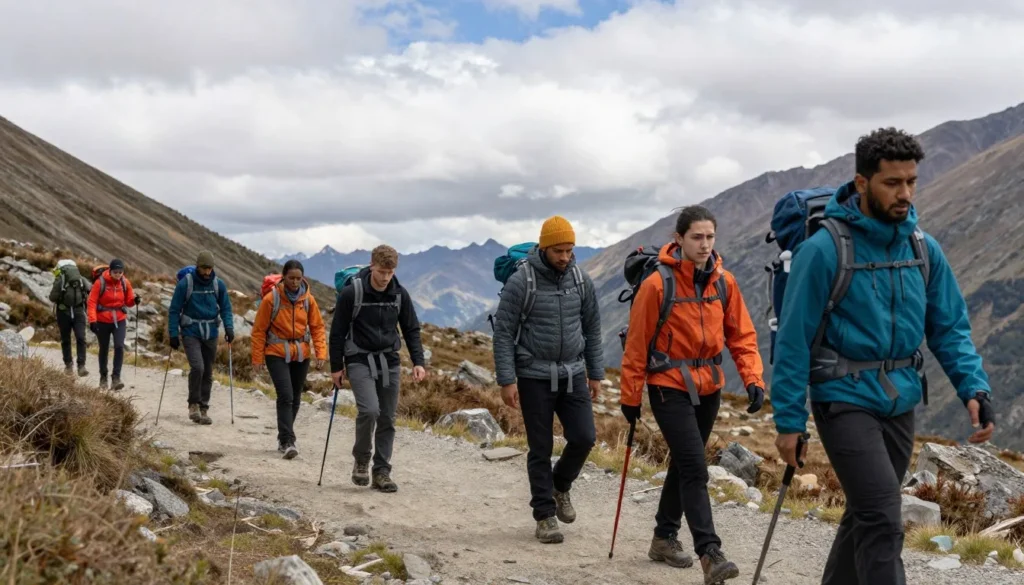
Summer daytime temperatures at the trailhead range from 24°C to 32°C (75°F to 90°F). The trail gains 213 m (700 feet) in elevation, where temperatures drop slightly. Early morning starts help avoid afternoon heat.
Pack layers regardless of season. Morning temperatures can be 10°C (18°F) cooler than midday peaks. The hot springs maintain a consistent 38°C to 43°C (100°F to 110°F) year-round, creating dramatic temperature contrasts.
Afternoon thunderstorms develop frequently in July and August. These storms arrive quickly, bringing lightning, heavy rain, and flash flood potential. Start your hike early and plan to return by early afternoon during storm season.
What to Wear
Sturdy hiking boots provide essential ankle support on the rocky trail. The path crosses Diamond Fork Creek multiple times, so waterproof boots keep feet dry and comfortable.
Bring a swimsuit for the hot springs. Quick-dry fabrics work best, as you’ll be hiking out wet. Many visitors wear their suits under hiking clothes to simplify changing.
Sun protection is critical. The canyon offers limited shade, especially during midday hours. Wide-brimmed hats, sunglasses, and reef-safe sunscreen prevent burns during the exposed hike and open-air soaking.
Notable Annual Festivals
The nearby town of Spanish Fork hosts several annual events that coincide with prime visiting season. The Spanish Fork Fiesta Days runs for ten days each July, featuring rodeos, parades, and Western celebrations. Contact the organizers at (801) 798-5000 for current schedules.
Springville’s Art City Days occurs in early June, celebrating local arts with galleries, performances, and outdoor markets. This family-friendly festival provides cultural activities before or after your hot springs adventure. Reach the planning committee at (801) 489-2700.
The Harvest Moon Hurrah in Spanish Fork brings farm-fresh celebrations each September. This agricultural festival showcases local produce, crafts, and harvest traditions. Information is available through Spanish Fork City offices at (801) 804-4500.
Getting Around Locally
A personal vehicle is essential for visiting Diamond Fork Hot Springs. No public transportation reaches the trailhead, and ride-sharing services rarely operate this far from urban centers.
The town of Spanish Fork provides the last opportunity for supplies. Several gas stations, grocery stores, and outdoor shops line Main Street. Stock up on water, snacks, and any forgotten gear before continuing to the canyon.
Cell phone service disappears once you enter Diamond Fork Canyon. Download offline maps before leaving town. GPS devices work throughout the area, but real-time navigation apps require connectivity.
The dirt road from Highway 6 to the parking lot spans approximately 16 km (10 miles). Drive slowly and watch for oncoming traffic on narrow sections. Dust clouds from other vehicles can reduce visibility significantly during dry periods.
Where to Stay
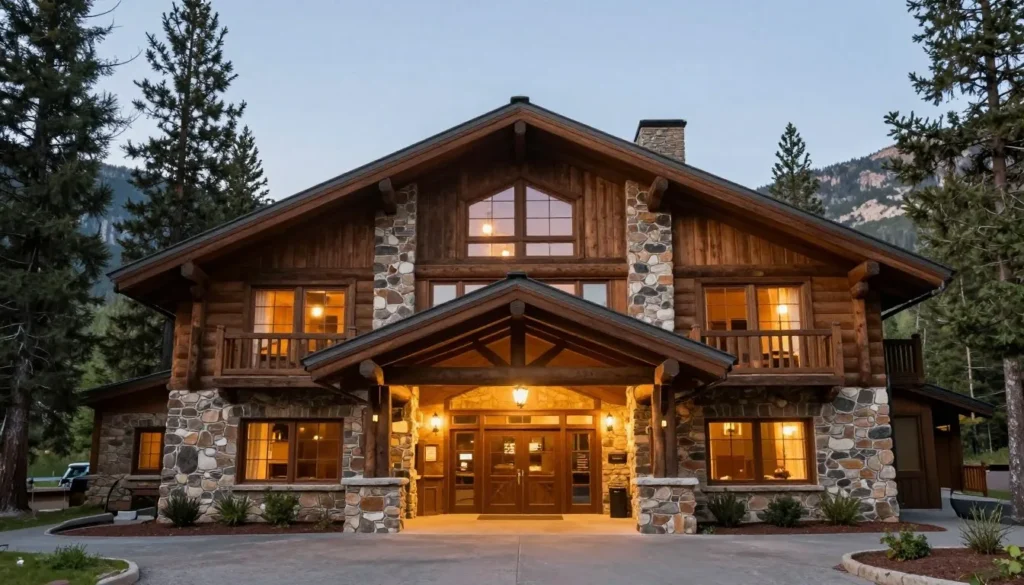
No lodging exists within Diamond Fork Canyon itself. Most visitors base themselves in Spanish Fork, Provo, or surrounding Utah Valley communities, all within an hour’s drive.
Nearby Towns
Spanish Fork offers the closest accommodations, just 32 km (20 miles) from the trailhead. Several chain hotels line Highway 6, providing comfortable rooms at moderate prices. Local motels offer budget alternatives with basic amenities.
Provo presents more lodging variety, including boutique hotels and vacation rentals. The university town sits 40 km (25 miles) north, adding only 15 minutes to your drive time. Downtown Provo’s restaurants and shops make it a convenient base for multi-day visits.
Springville and Payson provide additional options. These smaller communities offer quieter settings and often lower rates than Provo’s busier hotel district.
Camping Options
Diamond Fork Canyon contains several designated camping areas. The Fifth Water Creek Campground operates from late spring through early fall, offering primitive sites near the trailhead. Reservations aren’t accepted; sites fill on a first-come basis.
Dispersed camping is permitted along Diamond Fork Road in designated areas. Look for established fire rings and cleared spots. Practice Leave No Trace principles, pack out all trash, and use existing sites rather than creating new ones.
No facilities exist at dispersed sites. Bring water, portable toilets if needed, and all camping supplies. Bears occasionally visit the area, so proper food storage is essential.
Dining and Local Cuisine
No restaurants or food services exist near the trailhead. Pack everything you need for the day, including lunch, snacks, and plenty of water. The hike to the hot springs takes 90 minutes each way, and you’ll likely spend hours at the pools.
Spanish Fork provides the nearest dining options. Local favorites include traditional American steakhouses and Mexican restaurants. Several fast-food chains offer quick meals for those eager to reach the springs.
Provo’s restaurant scene is more diverse. The college town features international cuisine, farm-to-table bistros, and popular regional chains. Stock up on picnic supplies at grocery stores before heading into the canyon.
What to Bring
Water consumption is critical on this hike. Bring at least 2 liters (68 ounces) per person for the round trip, plus additional water for cooking if you plan to camp. The hot springs themselves are not safe for drinking.
Energy-dense snacks help maintain stamina. Trail mix, energy bars, sandwiches, and fresh fruit provide necessary calories without weighing down your pack. Avoid foods that spoil easily in warm temperatures.
Pack out everything you pack in. No trash cans exist along the trail or at the springs. Bring extra bags for garbage and practice strict Leave No Trace principles.
Attractions, Sightseeing, and Activities
The Fifth Water Hot Springs Trail
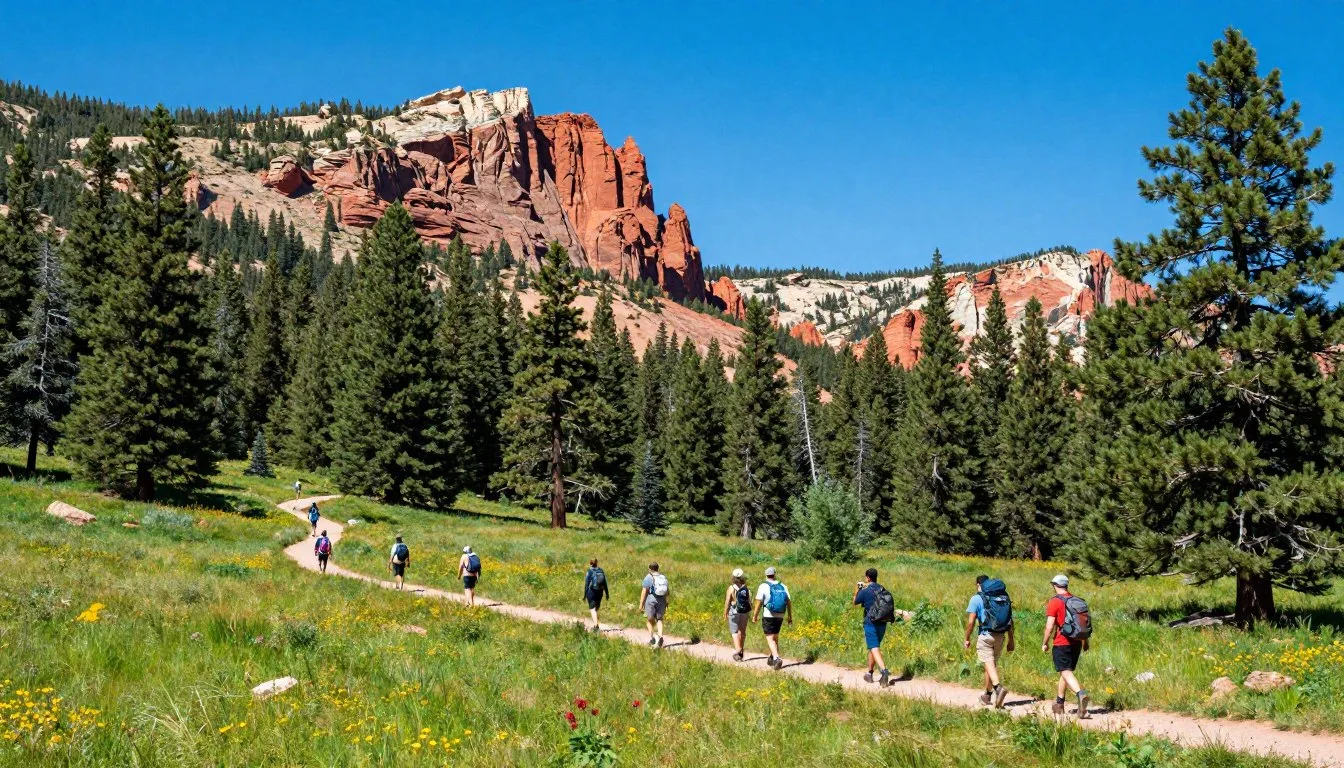
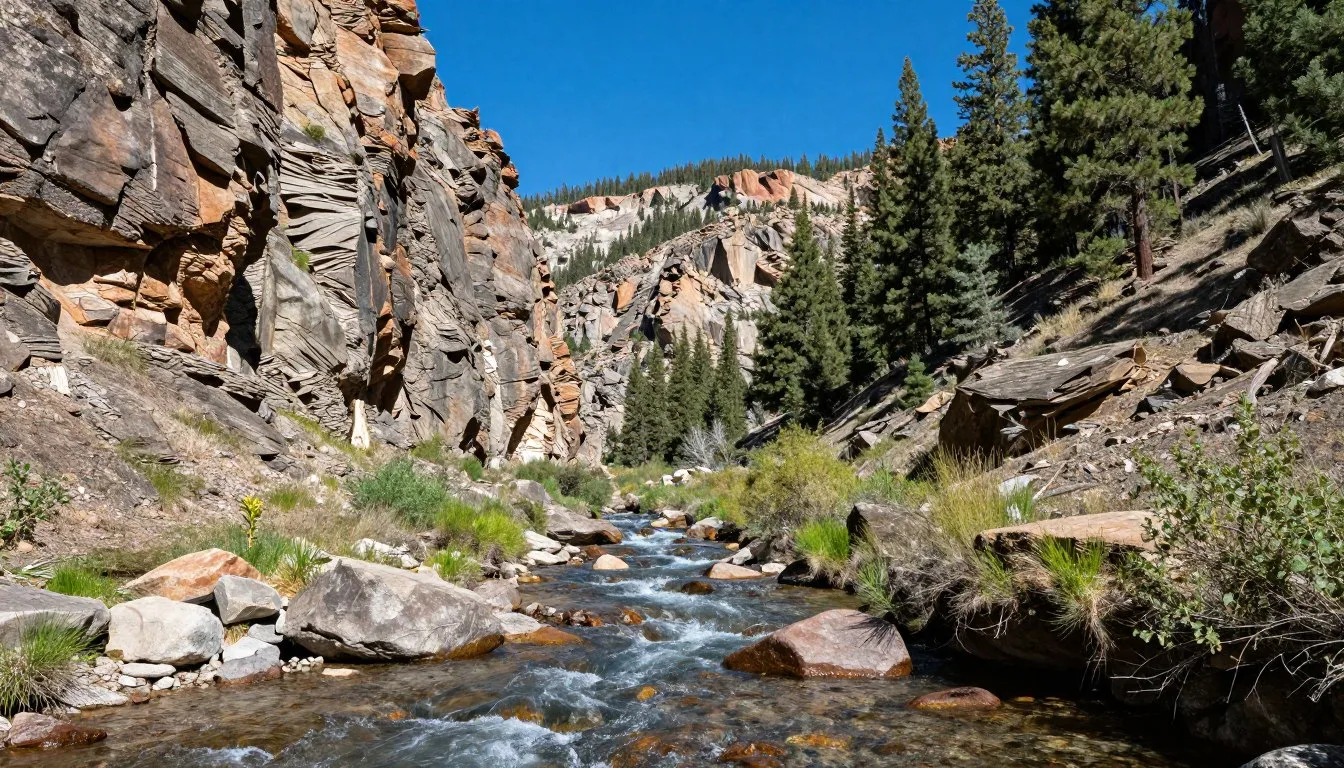
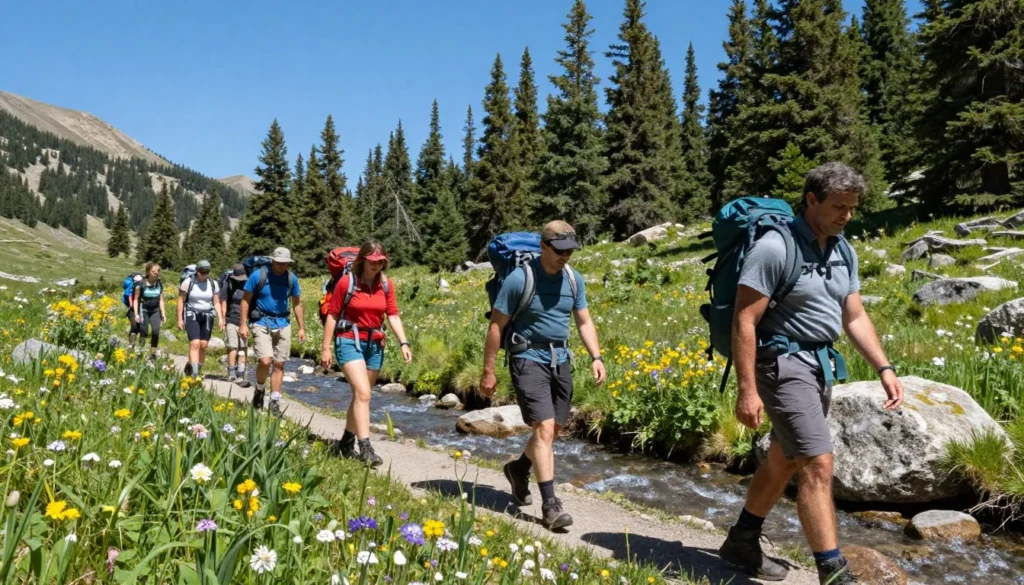
The main attraction is the hike itself. The trail follows Diamond Fork Creek through a scenic canyon, crossing the water multiple times. Distance to the hot springs measures 3.5 km (2.2 miles) one way, creating a 7 km (4.4 miles) round trip.
Elevation gain totals 213 m (700 feet), classified as moderate difficulty. Most hikers complete the ascent in 60 to 90 minutes, depending on pace and fitness level. The return trip takes slightly less time.
Trail markings are clear, though creek crossings can be tricky during high water. Stepping stones and logs help keep boots dry, but expect to get wet during spring runoff season.
The Hot Springs Pools
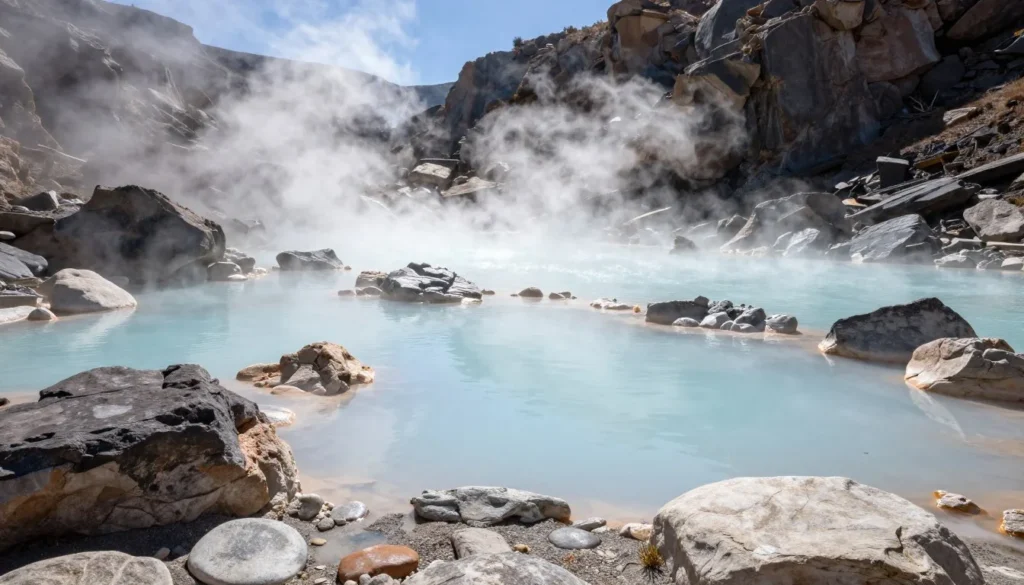
Multiple pools dot the creek where hot sulfur water emerges from underground. Temperatures vary from pool to pool, ranging from pleasantly warm to extremely hot. Test each pool before entering to find your comfort zone.
The largest pools accommodate several people comfortably. Natural rock formations create seating areas and varying depths. Smaller pools offer more privacy but may be too hot for extended soaking.
Sulfur gives the water a distinctive smell. The mineral content creates a slippery feeling on skin and can stain light-colored swimsuits. Rinse thoroughly in the cold creek water after soaking.
Creek levels determine pool accessibility. During spring runoff, cold water floods the area, diluting or completely covering the hot springs. Late summer and fall provide optimal conditions with clearly defined pools.
Photography Opportunities
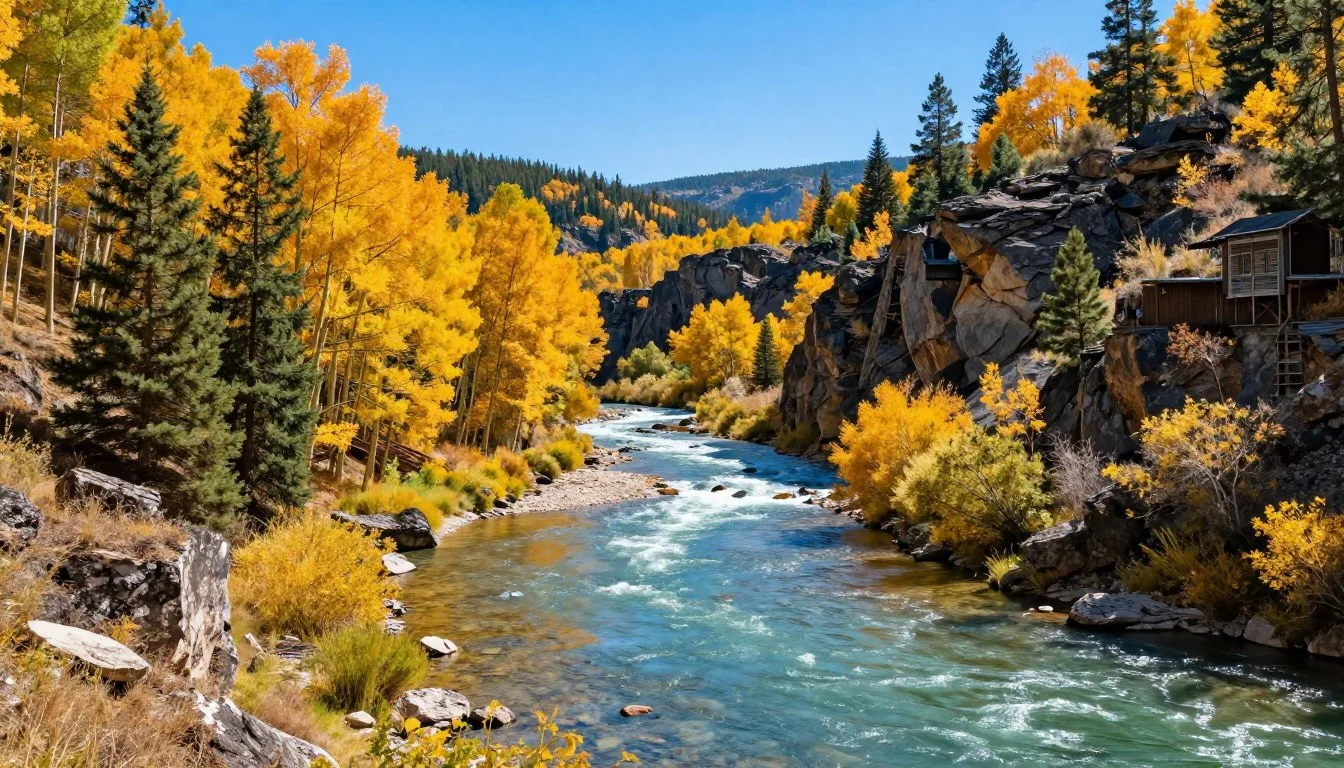
The trail offers numerous photo opportunities. Wildflowers bloom along the path in early summer, creating colorful foregrounds against canyon walls. Fall brings golden aspen leaves that contrast beautifully with evergreen forests.
Steam rising from the hot springs creates ethereal morning and evening shots. Bring a waterproof camera or phone case to capture the pools themselves. Respect other visitors’ privacy when photographing the springs.
Diamond Fork Creek provides cascading water features perfect for long-exposure photography. A small waterfall near the springs adds motion to landscape compositions.
Museums, Cultural Spots, and Festivals
While Diamond Fork Hot Springs is a natural attraction, nearby communities offer cultural experiences. The Springville Museum of Art houses an impressive collection of Utah artists and rotating exhibitions. This free museum opens Tuesday through Saturday.
Provo’s Brigham Young University campus features several museums. The Museum of Peoples and Cultures showcases archaeological artifacts from around the world. The Museum of Art displays works spanning centuries and continents.
Spanish Fork’s historic downtown preserves pioneer-era architecture. Self-guided walking tours highlight buildings from the 1800s, telling stories of early settlement in the valley.
The annual Festival of Colors at Krishna Temple in Spanish Fork attracts thousands each spring. This Hindu celebration features music, dancing, and the throwing of colored powder, creating spectacular photo opportunities.
Nature and Outdoor Experiences
Hiking Beyond the Hot Springs
Several trails branch from Diamond Fork Canyon. The Right Fork Trail continues upstream from the hot springs, following Diamond Fork Creek into more remote wilderness. This extension adds 5 km (3 miles) for those seeking solitude.
Three Forks Trail climbs the canyon’s eastern wall, offering panoramic views of the surrounding mountains. This strenuous route gains 457 m (1,500 feet) over 6.4 km (4 miles).
Spring camping season brings wildflower enthusiasts to the high meadows. Lupine, Indian paintbrush, and columbine create natural gardens throughout June and early July.
Wildlife Watching
Mule deer frequent the canyon, especially during early morning and evening hours. Watch for them along the creek and in meadow areas. Give all wildlife plenty of space and never attempt to feed them.
Bird species include mountain bluebirds, stellar’s jays, and various hawks. The creek supports American dippers, small birds that dive underwater to hunt insects.
Occasional moose sightings occur in the upper canyon. These large animals are unpredictable and potentially dangerous. If you encounter a moose, back away slowly and give it a wide berth.
Winter Adventures
Adventurous winter visitors ski or snowshoe to the springs when the road is closed. This journey requires proper equipment, winter camping skills, and awareness of avalanche danger. Snow depths often exceed 1.2 m (4 feet).
The hot springs remain accessible year-round for those willing to make the extended winter approach. Soaking in steaming pools while surrounded by snow creates an unforgettable experience. However, changing in sub-zero temperatures poses serious risks.
Winter visitors should have emergency gear, proper clothing, and ideally travel in groups. Cell service remains nonexistent, so self-rescue capabilities are essential.
Travel With Children
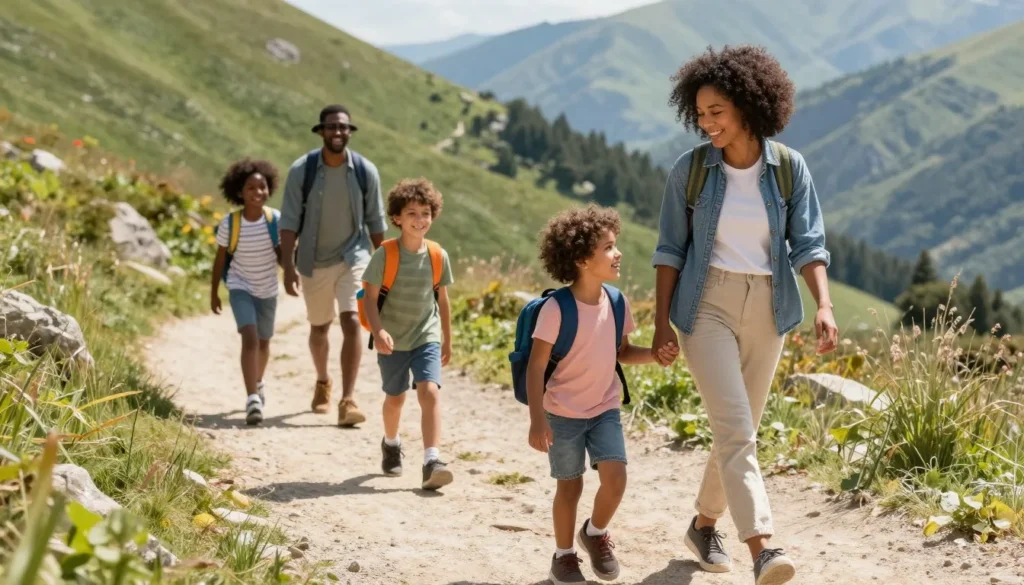
The Fifth Water Hot Springs hike is manageable for families with older children. Kids aged eight and up typically complete the trail without difficulty, though individual fitness levels vary. Younger children may struggle with the distance and elevation gain.
Creek crossings present the primary challenge for small hikers. Parents should assist children at each crossing to prevent slips on wet rocks. Consider bringing trekking poles for added stability.
Plan extra time when hiking with kids. What takes adults 90 minutes might require two hours or more with children. Bring plenty of snacks and water to maintain energy and morale.
Hot Springs Safety for Children
Always supervise children at the hot springs. The pools vary in temperature, and some are dangerously hot. Test water temperature yourself before allowing children to enter.
Limit soaking time for kids. Children overheat more quickly than adults. Watch for signs of heat exhaustion, including dizziness, nausea, or unusual fatigue.
The creek next to the springs provides cooling-off opportunities. Kids can splash in the cold water between hot pool sessions, but never leave them unattended near the creek.
What to Pack for Family Trips
Child-sized backpacks help kids feel involved while carrying light items like their own snacks and water bottles. This builds responsibility and reduces parent pack weight.
First aid supplies are essential. Include bandages, antibiotic ointment, and any medications your family needs. Blisters are common on this rocky trail.
Entertainment helps during rest stops. Simple games, nature scavenger hunts, or identification guides for plants and animals keep children engaged along the trail.
Money Saving Tips
Access to Diamond Fork Hot Springs is completely free. No entrance fees, parking fees, or permits are required. This makes it one of Utah’s most affordable outdoor destinations.
Pack your own food and drinks rather than stopping at restaurants. Grocery stores in Spanish Fork offer better prices than convenience stores. Preparing sandwiches and snacks before leaving home saves even more.
Camping saves on accommodation costs. The free dispersed camping sites along Diamond Fork Road provide basic but functional overnight options. Developed campgrounds charge minimal fees compared to hotels.
Equipment Rentals vs. Purchases
If you lack hiking gear, consider borrowing from friends rather than buying new equipment for a single trip. Many outdoor enthusiasts happily loan backpacks, boots, and camping supplies.
Thrift stores in Utah Valley often stock outdoor gear at a fraction of retail prices. Check Springville and Provo locations for used hiking boots, backpacks, and camping equipment.
Renting specialized equipment like snowshoes for winter trips costs less than purchasing items you’ll rarely use. Several Provo outdoor shops offer daily and weekend rentals.
Timing Your Visit
Weekday visits avoid crowds and the hassle of finding parking. You won’t save money directly, but you’ll avoid wasting gas circling for spaces or arriving to find the lot full.
September and early October offer pleasant weather after peak season ends. Accommodation prices in nearby towns often drop slightly once school resumes and summer tourism wanes.
Safety, Etiquette, and Local Customs
Trail Safety
Always tell someone your plans before hiking to Diamond Fork Hot Springs. Cell service doesn’t exist in the canyon, so emergency communication is impossible from the trail or springs.
Start early in the day, especially during summer months. This allows time to return before afternoon thunderstorms develop. Lightning poses serious danger in the exposed canyon.
Proper footwear prevents most injuries on this trail. Ankle-supporting boots with good tread handle the rocky terrain and creek crossings safely. Trail running shoes or sandals increase injury risk significantly.
Bring a basic first aid kit. The most common injuries include blisters, cuts from sharp rocks, and twisted ankles. Being prepared for minor emergencies prevents them from becoming major problems.
Hot Springs Etiquette
Respect others’ space at the pools. While the springs attract many visitors, maintaining reasonable distance and keeping noise levels down ensures everyone enjoys the experience.
Swimsuits are required at Fifth Water Hot Springs. This is a family-friendly destination, and nudity is prohibited and could result in citations from Forest Service rangers.
Don’t bring glass containers to the springs. Broken glass in and around the pools creates dangerous situations for barefoot soakers. Use plastic or metal containers for drinks and food.
Avoid using soaps, shampoos, or other products in the hot springs. These pollutants harm the delicate ecosystem and diminish the experience for others. Rinse off in the cold creek if needed.
Leave No Trace Principles
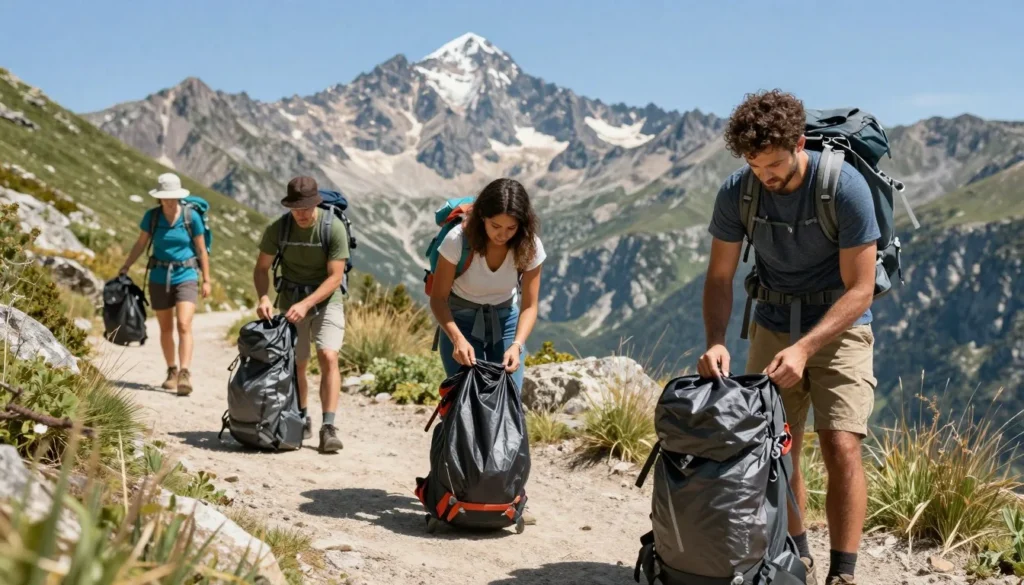
Pack out all trash, including food waste and toilet paper. The area around the springs suffers from litter problems. Be part of the solution by removing more than you bring.
Stay on established trails to prevent erosion. Cutting switchbacks or creating new paths damages vegetation and accelerates soil loss. The canyon’s ecosystem is fragile despite appearing rugged.
Human waste disposal requires care. Use the vault toilets at the trailhead before starting your hike. If nature calls on the trail, follow proper backcountry waste disposal methods, burying waste at least 60 m (200 feet) from water sources.
Water Quality Concerns
Never drink water from the hot springs or Diamond Fork Creek without proper treatment. Giardia and other waterborne pathogens exist in Utah’s backcountry water sources. Bring all drinking water from home or use filtration systems.
The sulfur content in hot spring water can irritate skin and eyes. If you have sensitive skin or open wounds, limit your soaking time. Rinse thoroughly with fresh water after your soak.
Visitor Comments About Diamond Fork Hot Springs
K.D., Szczecin: “The hike exceeded my expectations in every way. Trail conditions were excellent in late September, and we had several pools almost to ourselves on a Tuesday afternoon. The water temperature was perfect for a long soak after the climb. Just remember to bring more water than you think you need – we went through our entire supply faster than expected.”
K.T., Winston-Salem: “Absolutely worth the effort to get here! We visited in early July and dealt with some crowds, but the experience was still magical. The creek crossings were easier than I feared, and my ten-year-old handled the trail without problems. Pack out your trash and be respectful of this beautiful place so it stays pristine for future visitors.”
R.E., Taguig: “One of the highlights of our Utah road trip. We camped nearby and hit the trail at sunrise to beat the crowds. Having the pools to ourselves for the first hour made all the difference. The sulfur smell takes some getting used to, but the setting is spectacular. Definitely planning a return visit during fall colors next year.”
Additional Nearby Destinations
Nebo Loop Scenic Byway
This 61 km (38-mile) scenic drive winds through the Uinta National Forest, offering spectacular mountain views. The route passes through aspen groves that explode with gold in autumn. Several pullouts provide photo opportunities and short hiking trails.
The byway typically opens in late May and closes in mid-October due to snow. Plan for a two-hour drive without stops, longer if you explore the various viewpoints and trails.
Timpanogos Cave National Monument
Located 48 km (30 miles) northwest of Diamond Fork, this cave system features stunning formations accessible via guided tours. The hike to the cave entrance gains 312 m (1,024 feet) over 2.4 km (1.5 miles).
Tours require advance reservations, especially during summer months. The cave maintains a constant 7°C (45°F), so bring warm layers even on hot days.
Utah Lake State Park
This freshwater lake covers 38,849 hectares (96,000 acres), making it Utah’s largest freshwater lake. The state park offers swimming beaches, boat launches, and fishing opportunities. It sits just 40 km (25 miles) north of Spanish Fork.
Summer water temperatures reach 21°C to 24°C (70°F to 75°F). The lake supports healthy populations of channel catfish, white bass, and walleye.
Cascade Springs
Another hot springs destination, Cascade Springs features boardwalk trails through limestone terraces. Unlike Diamond Fork, this spot requires no hiking – paved paths make it wheelchair accessible.
Located via the Cascade Scenic Byway, it’s roughly 72 km (45 miles) from Spanish Fork. The springs flow year-round, though access roads close in winter.
Location Map
Practical Travel Tips
Essential Gear Checklist
- Sturdy waterproof hiking boots
- Swimsuit and quick-dry towel
- 2+ liters water per person
- High-energy snacks and lunch
- Sun protection: hat, sunglasses, sunscreen
- First aid kit with blister treatment
- Trash bags for packing out waste
- Extra layers for temperature changes
- Headlamp if staying until dusk
- Waterproof phone case for photos
Before You Go
- Check road conditions with Forest Service
- Download offline maps of the area
- Fill gas tank in Spanish Fork
- Tell someone your hiking plans
- Check weather forecast for storms
- Arrive early for parking, especially weekends
- Use bathroom at trailhead before hiking
- Apply sunscreen before starting trail
- Adjust pack for comfortable weight distribution
- Verify you have all essential items
Important Contact Information
Spanish Fork Ranger District: (801) 798-3571
Utah Avalanche Center (winter conditions): (801) 364-1581
Spanish Fork City Visitor Information: (801) 804-4500
Altitude Considerations
The trailhead starts at approximately 1,920 m (6,300 feet) elevation. Visitors from sea level may experience mild altitude effects like shortness of breath. Take breaks as needed and stay hydrated to minimize symptoms.
The hot springs sit at roughly 2,134 m (7,000 feet). This modest gain shouldn’t cause serious altitude sickness, but those sensitive to elevation changes should ascend slowly.
Best Photography Times
Golden hour light transforms the canyon. Early morning sun illuminates the eastern canyon walls while steam rises from the hot springs. Evening light creates warm tones on the western cliffs.
Midday light can be harsh, creating strong shadows. However, this is when the pools are most visible and water colors appear brightest. Use a polarizing filter to reduce glare on the water.
Cloudy days provide even lighting ideal for photographing the trail and forest details. The diffused light prevents harsh shadows and blown-out highlights.
Environmental Responsibility
Diamond Fork Hot Springs faces increasing pressure from visitor numbers. Each person’s actions directly impact the area’s future. Follow all Leave No Trace principles strictly.
If you find trash left by others, pack it out. Leading by example encourages better behavior from fellow visitors. Many regular visitors participate in informal cleanup efforts during their trips.
Stay on designated trails even when they’re muddy or snow-covered. Creating shortcuts or new paths accelerates erosion and damages vegetation that takes years to recover in this high-elevation environment.
Your Diamond Fork Hot Springs Adventure Awaits
Diamond Fork Hot Springs combines accessible adventure with natural beauty in a way few Utah destinations can match. The moderate hike filters out unprepared visitors while remaining achievable for most fitness levels. The reward – soaking in mineral-rich pools while surrounded by canyon walls – creates memories that last far beyond sore muscles.
Success at Fifth Water depends on preparation and timing. Arrive early, pack smart, respect the environment, and check conditions before departing. These simple steps transform a potentially frustrating experience into the highlight of your Utah travels.
Whether you’re seeking a day trip from Salt Lake City or planning an extended Utah Valley exploration, these hot springs offer something special. The combination of physical challenge, natural beauty, and therapeutic soaking creates an experience you’ll want to repeat. Start planning your visit for the ideal season, and discover why over 150,000 people make this journey every year.