Hotels by Trip.com
Flights by Trip.com
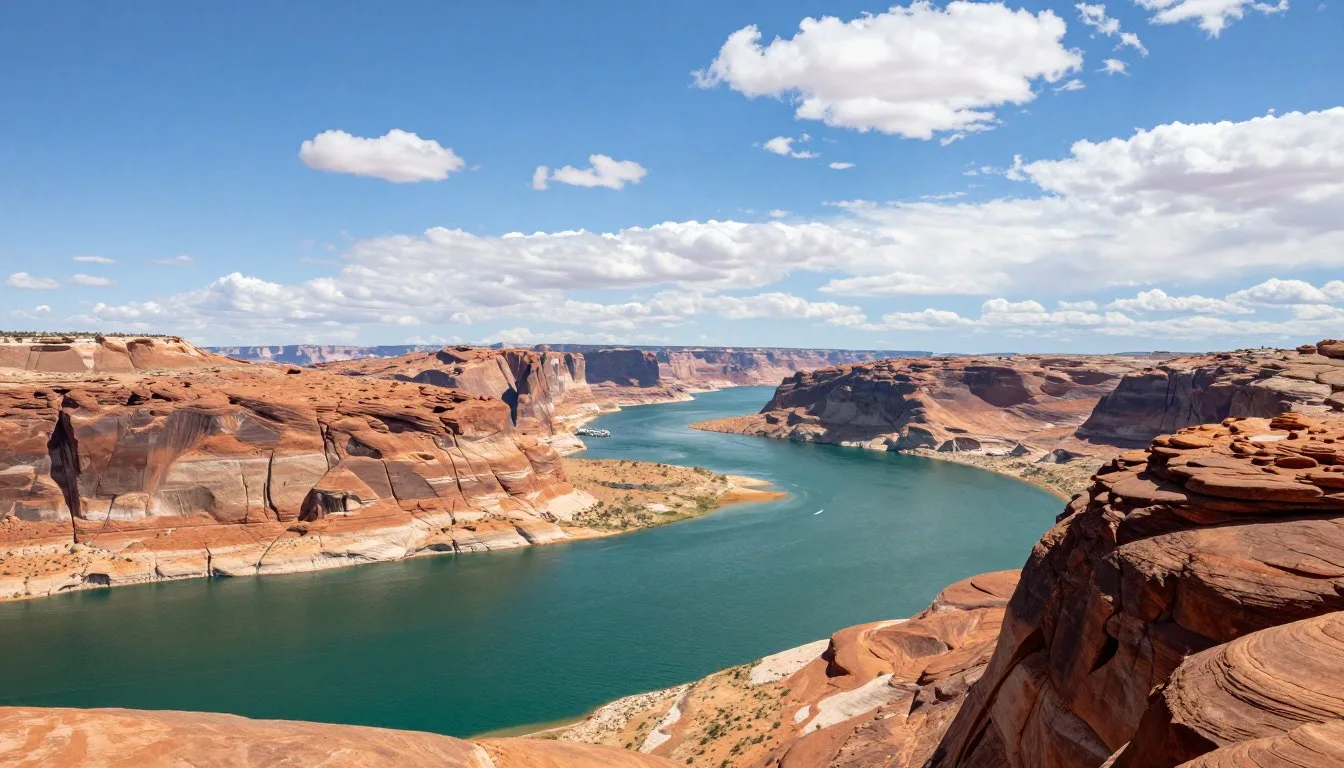
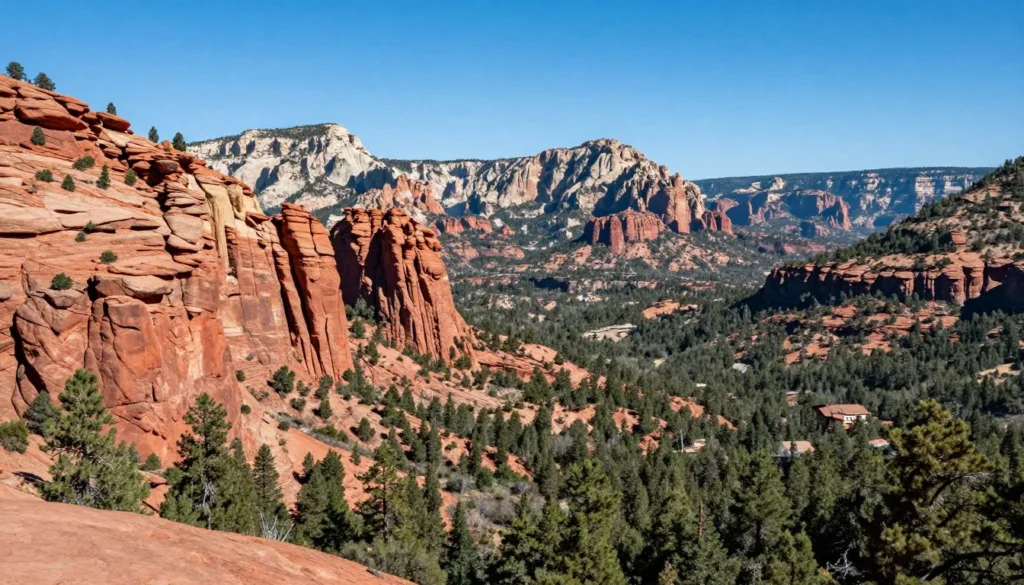
Dixie National Forest stretches across nearly 809,371 hectares (2 million acres) of southern Utah terrain. This makes it one of the largest national forests in the United States. Few visitors realize this forest contains the highest forest road in North America at over 3,353 m (11,000 feet). The landscape shifts dramatically from red rock canyons to alpine meadows within just a few miles.
This comprehensive guide reveals the best activities and experiences throughout Dixie National Forest. You will discover hidden gems and practical tips for your adventure.
Getting There & Planning Your Journey
Several airports provide convenient access to Dixie National Forest. The closest major airport is Cedar City Regional Airport, located just 32 km (20 miles) from the forest boundary. This small airport offers limited commercial flights but provides quick access.
Las Vegas McCarran International Airport sits approximately 274 km (170 miles) southwest of Cedar City. This major hub offers extensive flight options and competitive pricing. Salt Lake City International Airport lies about 402 km (250 miles) north. Both airports require a scenic drive through stunning Utah landscapes.
The drive from Las Vegas takes approximately three hours via Interstate 15. You will pass through desert terrain before reaching the forest areas. From Salt Lake City, the journey takes four to five hours through central Utah.
St. George Regional Airport offers another option. This airport sits 80 km (50 miles) southwest of the forest and provides seasonal commercial service. Many visitors prefer this smaller airport for its convenience and shorter drive times.
Best Time to Visit & Weather Tips
Best Time to Visit Dixie National Forest
The ideal visiting months span from late May through October. Summer months from June through August offer the warmest weather and full access to high elevation areas. Temperatures range from 21°C to 27°C (70°F to 80°F) during summer days.
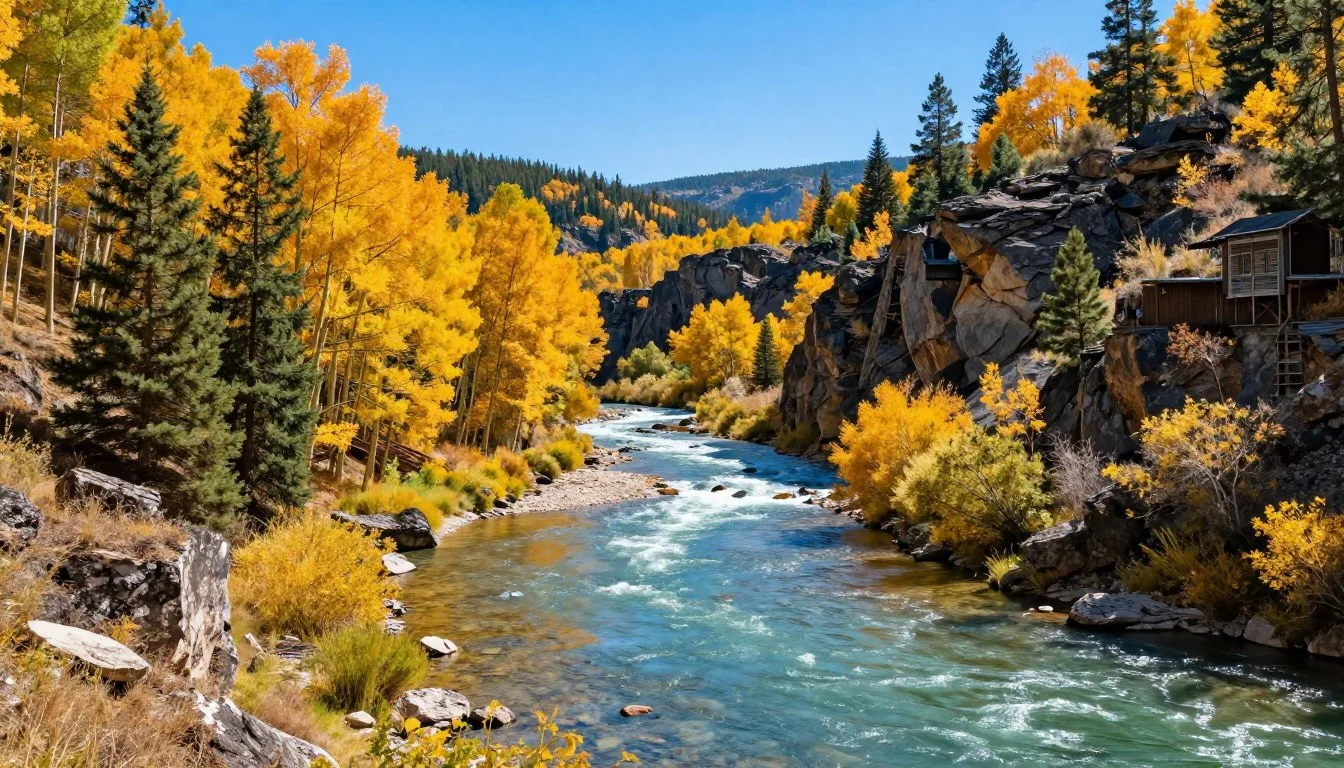
September and early October provide exceptional conditions. Fall colors transform the forest into brilliant displays of gold and orange. Crowds diminish significantly after Labor Day weekend. Weather remains pleasant with daytime temperatures around 18°C to 24°C (65°F to 75°F).
Spring visits from late May through early June showcase wildflower blooms. Higher elevations may still have snow during this period. Check road conditions before visiting mountain areas.
Months to Avoid: November through April brings winter conditions to most of Dixie National Forest. Heavy snow closes many roads and trails. Winter temperatures drop well below freezing at higher elevations. Only experienced winter recreation enthusiasts should visit during these months.
Weather Patterns Throughout the Year
Dixie National Forest experiences dramatic weather variations based on elevation. Lower areas near 1,524 m (5,000 feet) stay relatively mild year-round. Higher plateaus above 3,048 m (10,000 feet) endure harsh winter conditions.
Summer afternoon thunderstorms develop frequently between July and August. These storms arrive quickly and bring lightning danger. Plan morning hikes to avoid afternoon weather risks. Always carry rain gear during summer months.
Winter transforms the forest into a snowy wonderland. Snowfall accumulates heavily from December through March. Popular areas like Cedar Breaks receive over 457 cm (180 inches) of snow annually. This creates excellent conditions for winter sports but closes most roads.
✓ Check 30,000+ Local Sightseeing Tours Worldwide
Notable Annual Festivals
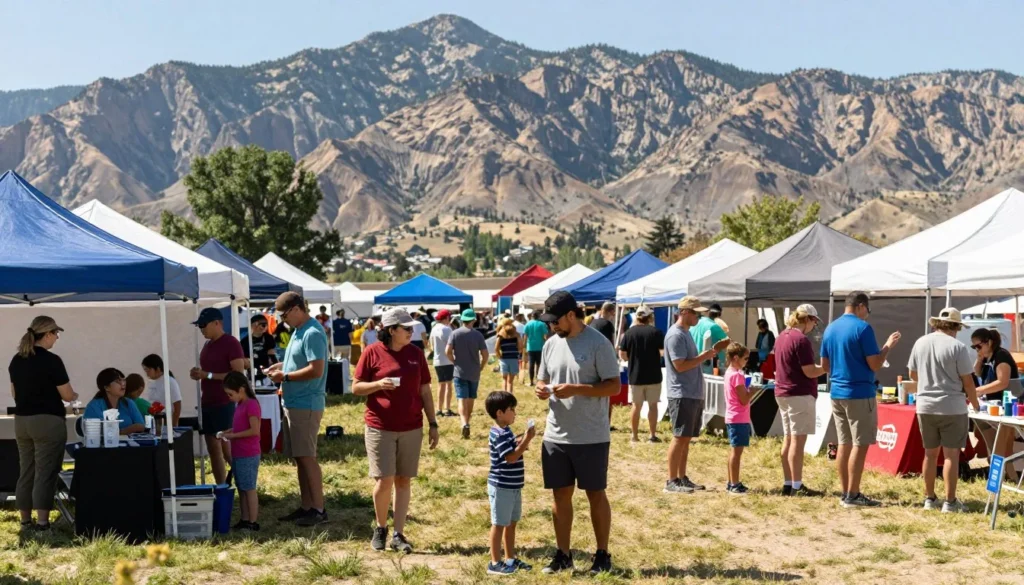
Southern Utah hosts several festivals that celebrate the region’s culture and natural beauty. These events enhance your Dixie National Forest visit with local flavor.
Utah Shakespeare Festival runs from late May through October in Cedar City. This Tony Award-winning festival presents classic and contemporary plays. The event attracts theater enthusiasts from around the world. Contact organizers at +1 (800) 752-9849 for current season schedules.
Brian Head Fall Festival celebrates autumn colors each September. The festival features live music, local crafts, and scenic chairlift rides. Families enjoy activities throughout the weekend. Mountain scenery provides a stunning backdrop.
Panguitch Quilt Walk Festival occurs each June in nearby Panguitch. This event commemorates pioneer history with quilt displays and period costumes. Local artisans showcase traditional crafts. The festival honors the town’s heritage and craftsmanship.
Cedar City Livestock and Heritage Festival takes place each September. This event celebrates ranching traditions with livestock exhibitions and demonstrations. Visitors learn about the area’s agricultural history. Contact the Cedar City Chamber at +1 (435) 586-4484 for festival details.
Getting Around Locally
Personal vehicles provide the best transportation option throughout Dixie National Forest. The forest spans a massive area with limited public transportation. Rental cars are available at all nearby airports.
State Route 14 serves as the main east-west corridor through the northern forest section. This scenic byway connects Cedar City to Long Valley Junction. The road climbs through diverse ecosystems and offers numerous pullouts.
Highway 12 Scenic Byway borders the eastern edge near Bryce Canyon National Park. This designated All-American Road ranks among the most beautiful drives in America. The route passes through Red Canyon and Boulder Mountain areas of the national forest.
Four-wheel drive vehicles open additional opportunities. Many forest roads require high clearance vehicles during wet conditions. Dirt roads access remote camping areas and trailheads. Always check current road conditions with the U.S. Forest Service before venturing onto unpaved routes.
Cell phone coverage remains spotty throughout most of the national forest. Download offline maps before your trip. Paper maps from visitor centers provide reliable navigation backup. GPS devices work well but may not show all forest roads.
Where to Stay
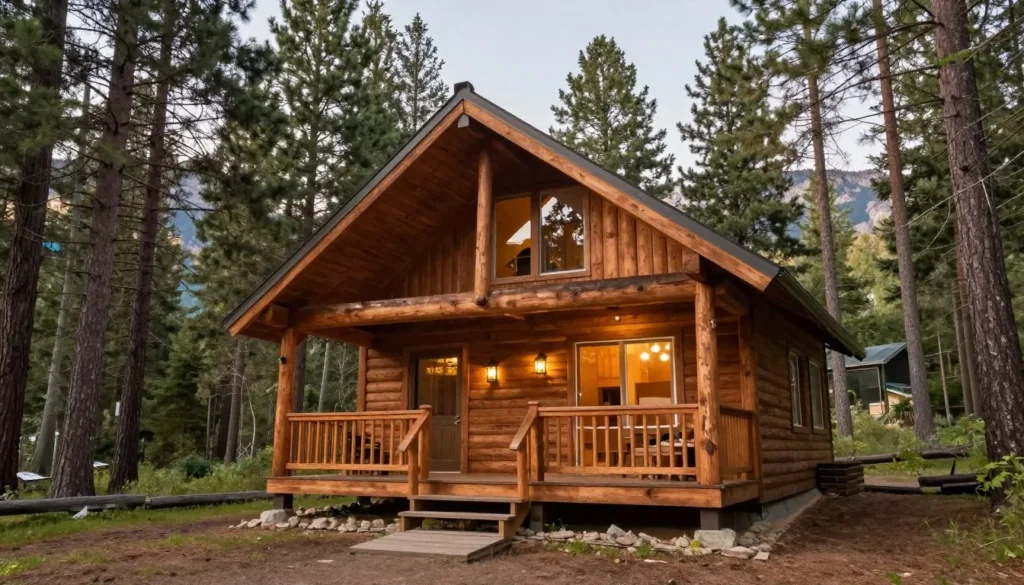
Accommodation options range from primitive campgrounds to comfortable lodges. Your choice depends on desired comfort level and adventure style.
Camping Options
Dixie National Forest maintains over 26 developed campgrounds throughout the forest. These facilities offer varying amenities from basic tent sites to RV hookups. Popular campgrounds near Cedar City include Navajo Lake and Te-Ah sites.
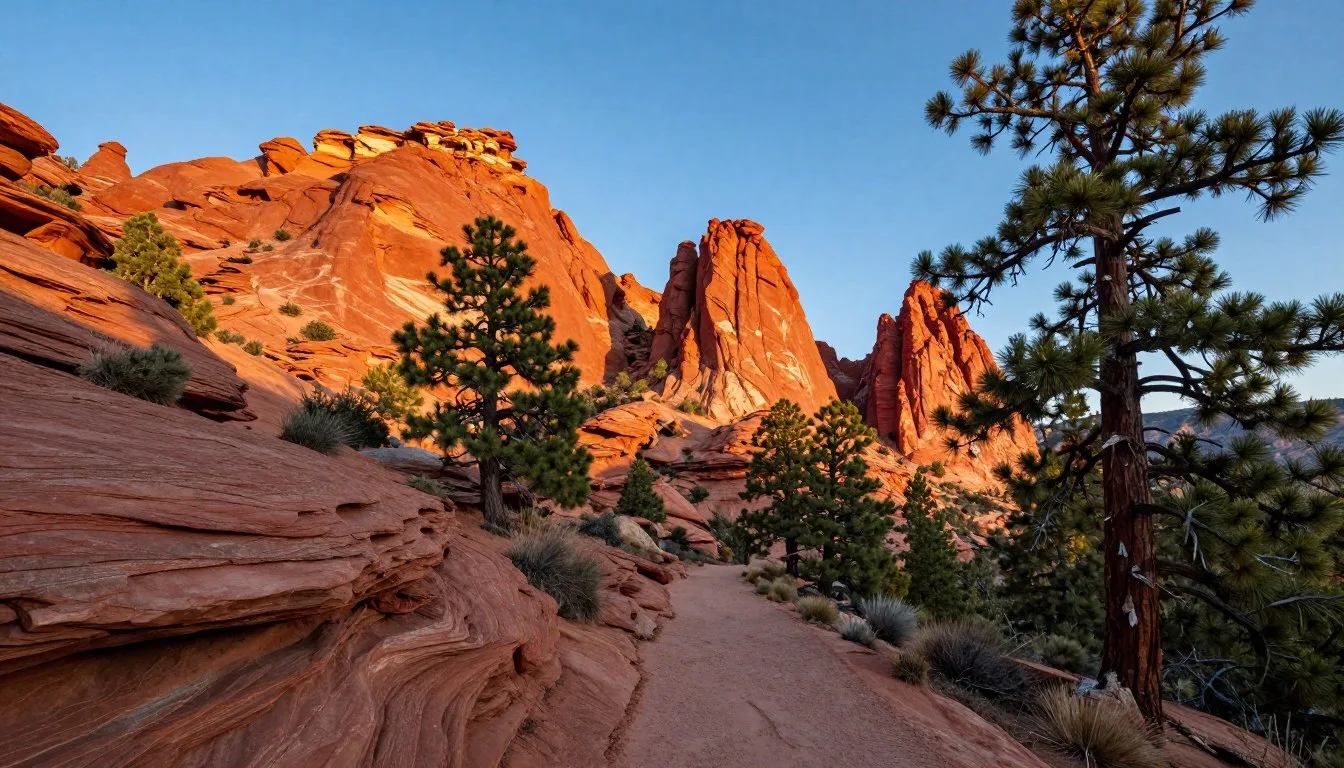
Red Canyon Campground sits along Highway 12 near Bryce Canyon. This facility features 37 campsites among ponderosa pines and red rock formations. Reservations are strongly recommended during summer months. Sites fill quickly on weekends.
Dispersed camping allows free camping throughout most of the forest. Campers must follow Leave No Trace principles and camp at least 61 m (200 feet) from water sources. This option provides solitude and flexibility.
Nearby Towns and Lodging
Cedar City offers the widest lodging selection. Hotels range from budget chains to boutique properties. The town sits at the forest’s northwestern boundary and provides full services. Restaurants, grocery stores, and outdoor gear shops serve visitors.
Brian Head Resort provides mountain lodging near the forest’s highest elevations. This ski resort town offers condos, hotels, and vacation rentals. Summer rates drop significantly compared to winter ski season pricing.
Panguitch features several historic bed and breakfast establishments. This small town retains Old West charm with Victorian-era buildings. Lodging costs typically run lower than larger towns. The location provides easy access to Panguitch Lake areas.
Dining & Local Cuisine
Dining options within the national forest itself remain limited. Most visitors pack meals and snacks for day trips. Cedar City and surrounding communities offer the best restaurant selections.
Cedar City features diverse dining from casual cafes to upscale establishments. Local favorites include southwestern cuisine and classic American fare. Several restaurants source ingredients from nearby farms and ranches.
Brian Head Resort operates restaurants serving visitors year-round. Mountain dining options include pizza, burgers, and hearty comfort food. The resort caters to outdoor enthusiasts seeking convenient meals.
Pack a cooler with provisions for forest adventures. Small stores in Panguitch and Hatch provide basic supplies. Grocery shopping in Cedar City or St. George offers better selection and pricing before entering the forest.
Dutch oven cooking remains a regional tradition. Many campgrounds provide fire pits suitable for this cooking method. Try preparing classic western meals over campfire coals for an authentic experience.
Attractions, Sightseeing & Activities
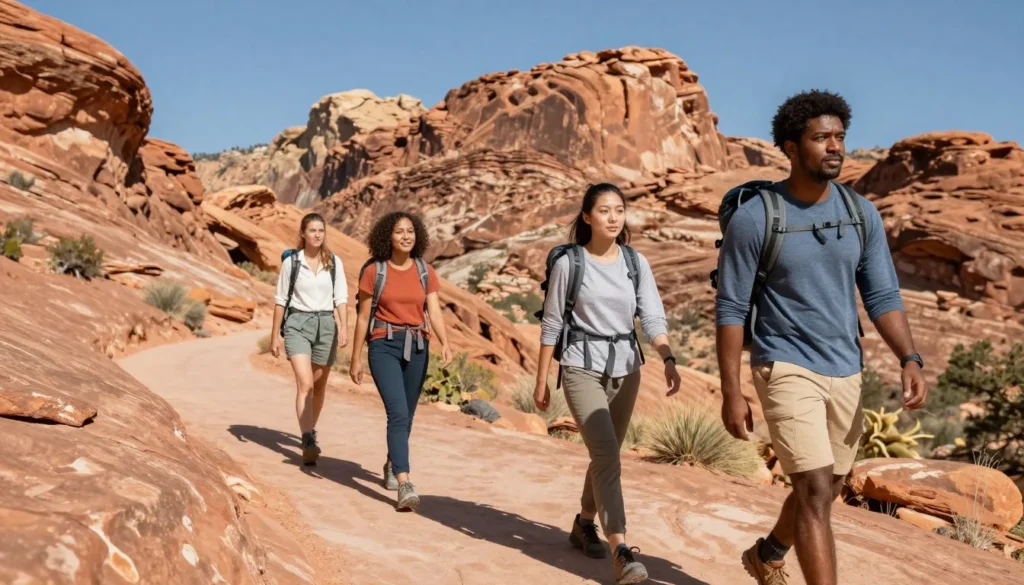
Scenic Drives
Highway 14 Scenic Byway traverses spectacular terrain across the northern forest. This 63 km (39 mile) route climbs from Cedar City to Long Valley. Viewpoints showcase colorful cliffs and vast forests. The drive typically takes two hours with stops.
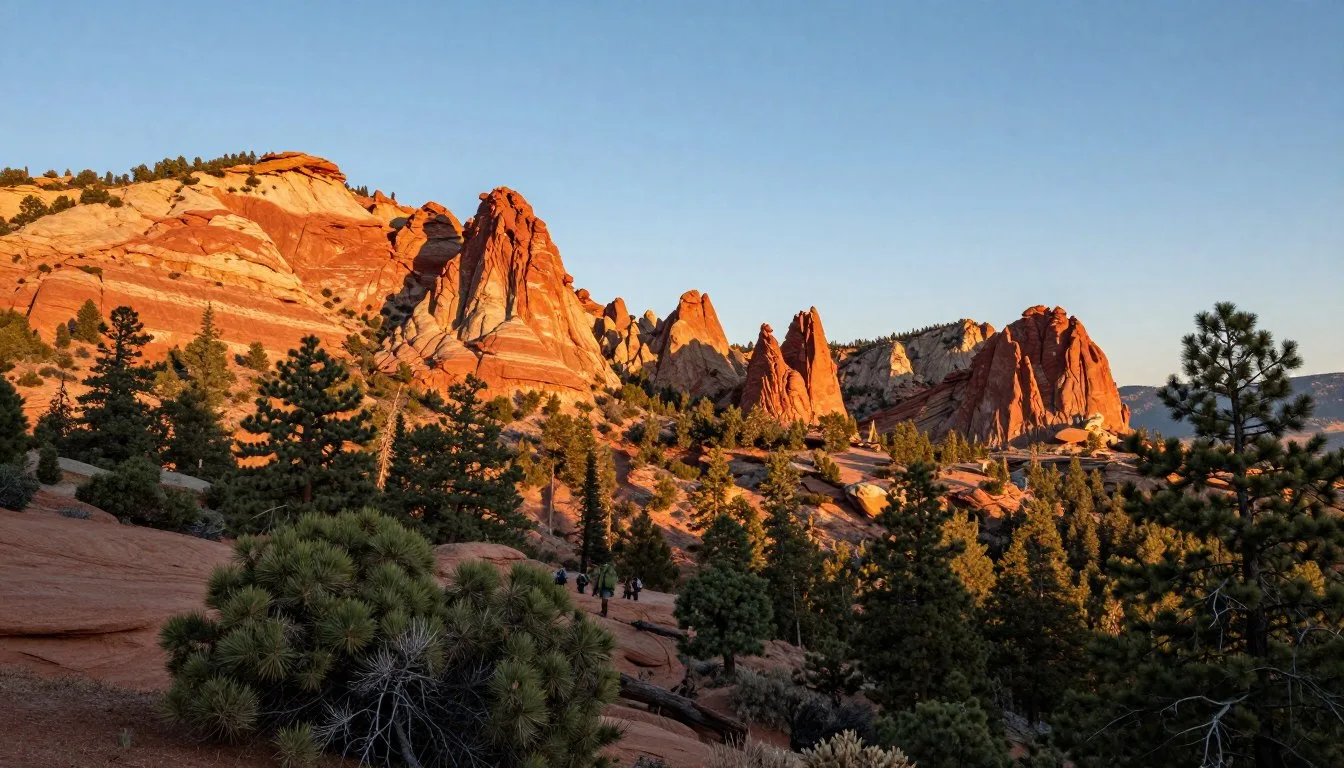
Thunder Mountain area features dramatic red and white rock formations. A short spur road leads to viewpoints overlooking the Pine Valley area. Photographers find exceptional opportunities during golden hour lighting.
Panguitch Lake Scenic Byway connects Highway 143 to Highway 89. This route passes pristine Panguitch Lake and dense forests. Wildlife sightings occur frequently along this peaceful drive.
Boulder Mountain Plateau
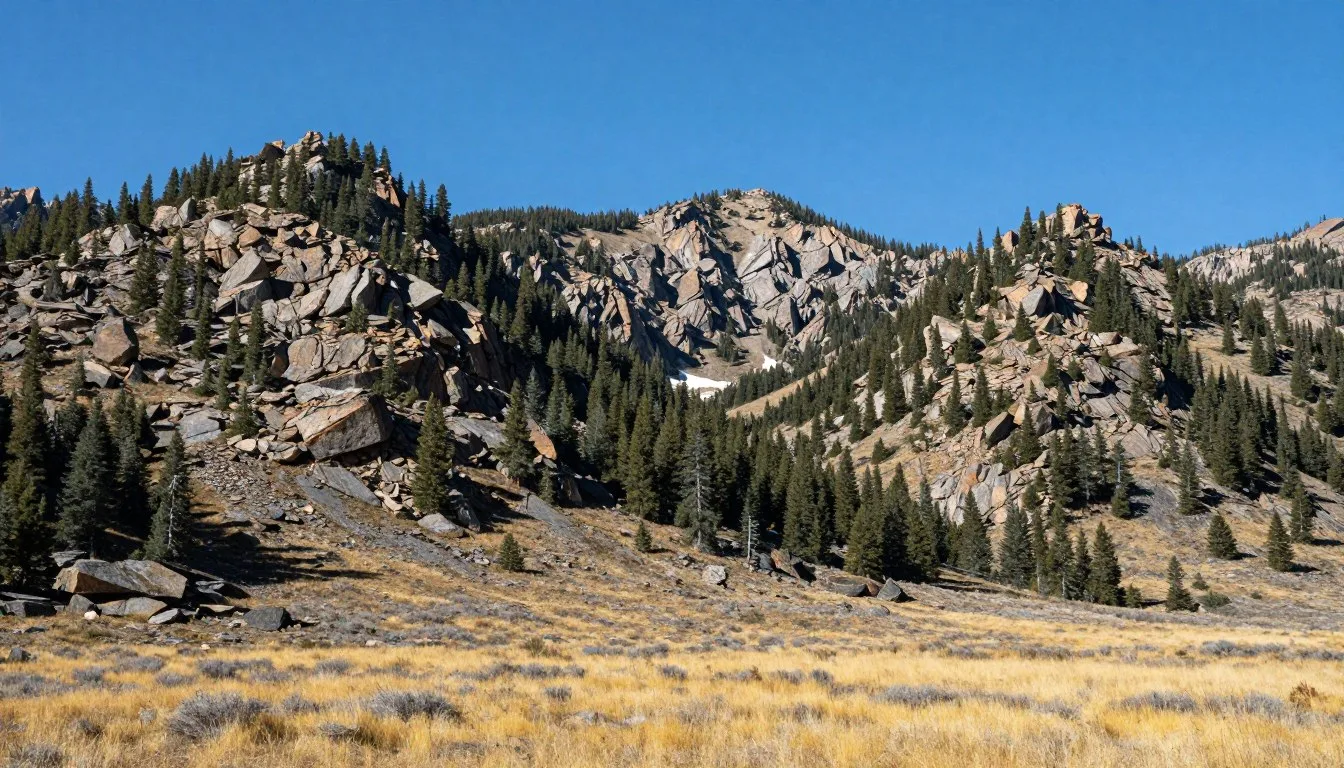
Boulder Mountain rises to 3,444 m (11,299 feet) elevation. This massive plateau contains hundreds of small lakes and streams. The area provides exceptional fishing and hiking opportunities. Access comes via Highway 12 on the eastern forest boundary.
Dozens of alpine lakes dot the plateau surface. Many require short hikes from forest roads. Brook trout and rainbow trout inhabit these high elevation waters. The area stays cool even during summer heat.
Red Canyon
Red Canyon showcases stunning crimson rock formations similar to nearby Bryce Canyon. The area sits along Highway 12 and offers easy access. Hiking trails wind through hoodoos and balanced rocks.
The Red Canyon Visitor Center provides information and interpretive displays. Rangers answer questions about local geology and ecology. The center operates during summer months with limited spring and fall hours.
Museums, Cultural Spots & Festivals
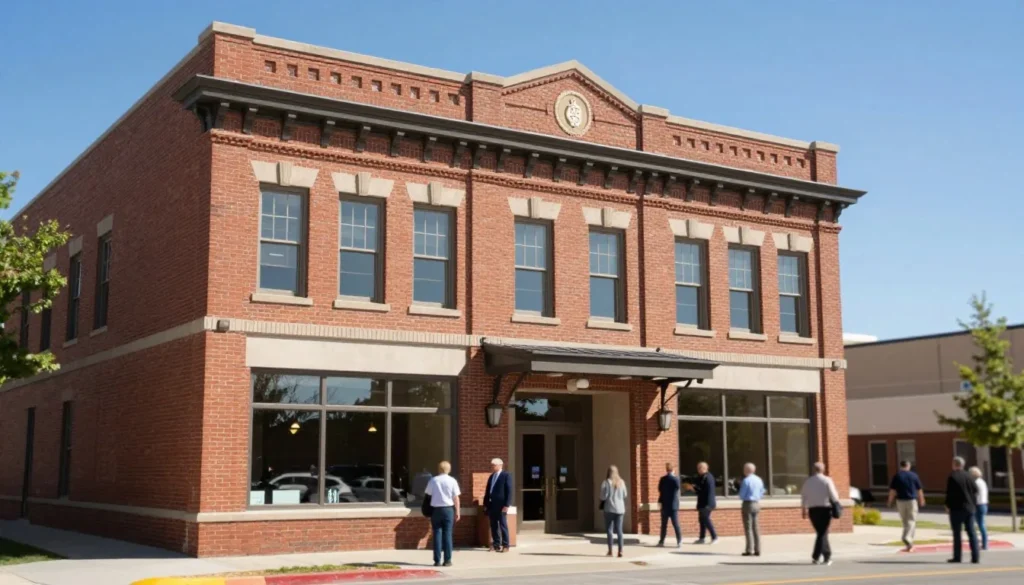
Cedar City hosts several museums worth visiting before or after forest adventures. The Frontier Homestead State Park Museum preserves pioneer history. Exhibits showcase early settlement challenges and triumphs. Original buildings and artifacts tell compelling stories.
Southern Utah Museum of Art features regional and traveling exhibitions. The modern facility sits on the Southern Utah University campus. Admission remains free, making it an excellent budget-friendly stop.
Parowan Gap Petroglyphs lie north of Cedar City along Highway 130. These ancient rock carvings date back thousands of years. A short walk from the parking area leads to numerous panels. This site offers fascinating glimpses into prehistoric cultures.
The historic downtown districts of Cedar City and Panguitch retain Old West character. Victorian architecture lines main streets in both communities. Walking tours reveal local history and architectural details.
Nature & Outdoor Experiences
Hiking Adventures
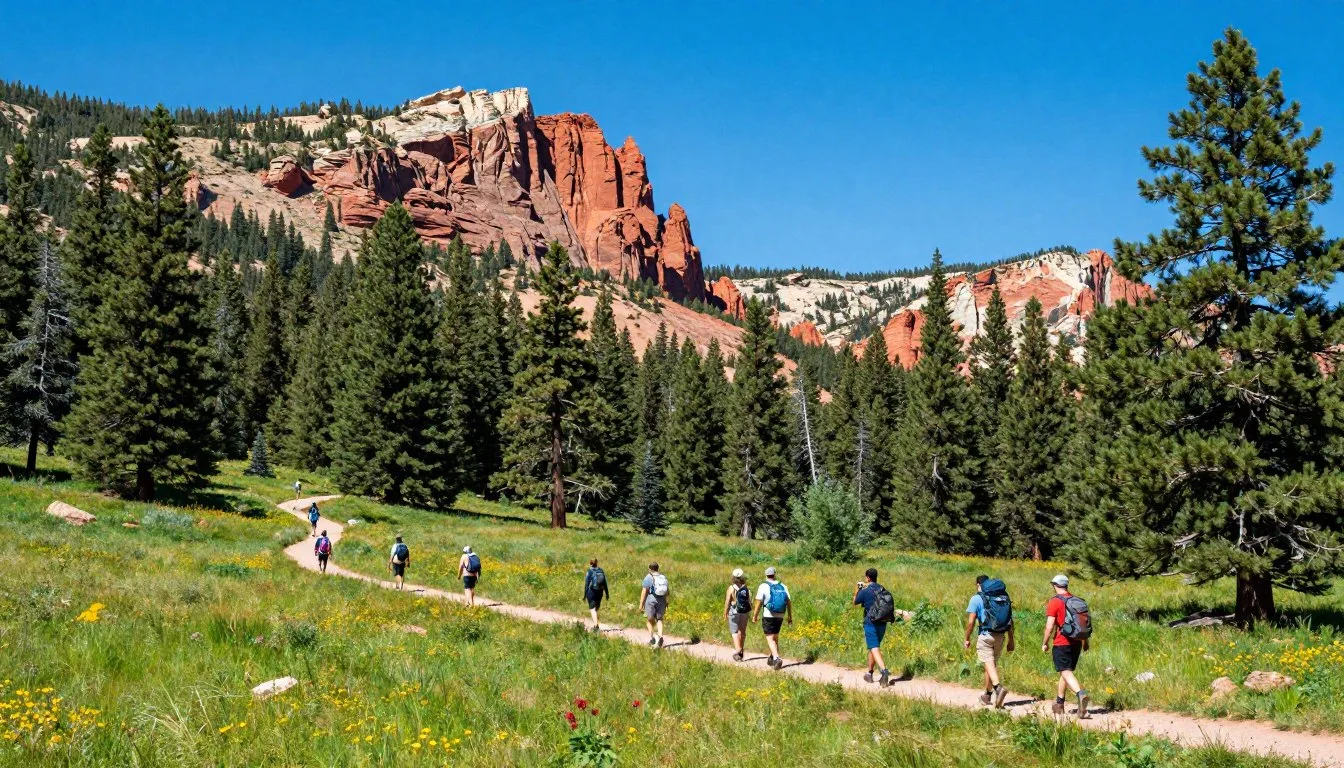
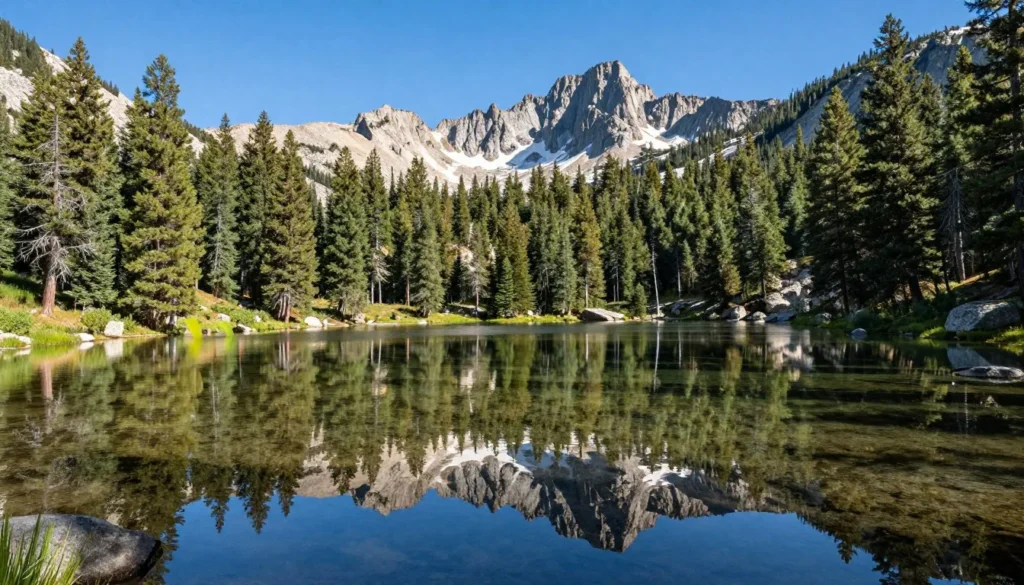
Over 1,609 km (1,000 miles) of trails crisscross Dixie National Forest. Routes range from easy nature walks to challenging backcountry treks. Trail conditions vary significantly by season and elevation.
The Cascade Falls National Recreation Trail offers an easy family hike. This 1.8 km (1.1 mile) round-trip leads to beautiful waterfalls. The trailhead sits along Highway 14 east of Cedar City. Wildflowers bloom profusely during June and July.
Bristlecone Pine Trail on Cedar Breaks Rim showcases ancient trees. Some bristlecone pines here exceed 1,500 years old. The short trail provides stunning views into the natural amphitheater. High elevation means this trail opens late in summer.
Virgin River Rim Trail spans 56 km (35 miles) through remote backcountry. This challenging route rewards experienced hikers with solitude and diverse scenery. The trail crosses meadows, forests, and canyon edges. Plan multiple days for this adventure.
Fishing Opportunities
Dixie National Forest contains over 209 km² (51,700 acres) of lakes and 2,897 km (1,800 miles) of streams. These waters support healthy trout populations. Brook, rainbow, and cutthroat trout inhabit different areas.
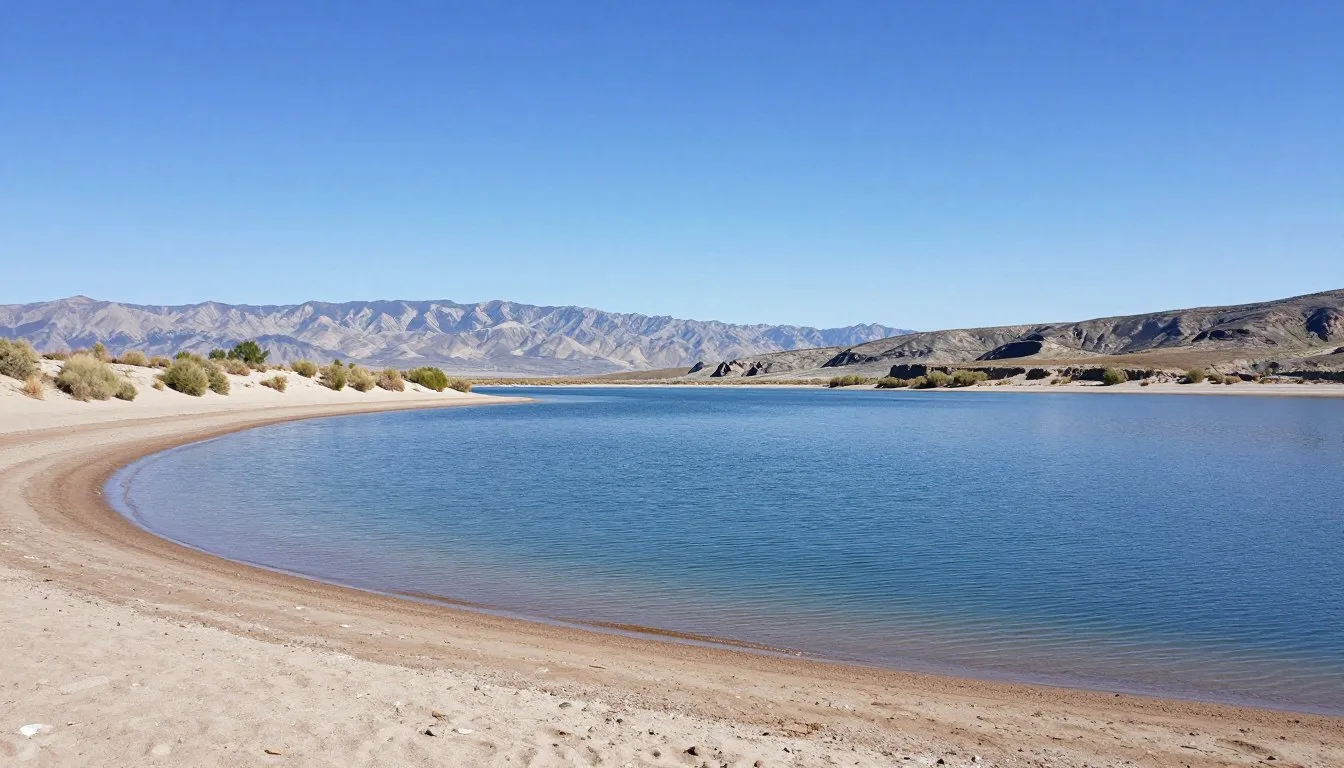
Panguitch Lake ranks as one of southern Utah’s premier fishing destinations. This 499-hectare (1,232-acre) reservoir produces trophy rainbow trout. Ice fishing remains popular during winter months. Summer fishing peaks during morning and evening hours.
Navajo Lake covers 709 hectares (1,750 acres) at 2,743 m (9,000 feet) elevation. Rainbow, brook, and splake trout cruise these cold waters. The lake features a unique underground drainage system. Water disappears through lava tubes and emerges in Cascade Falls.
Small mountain streams offer intimate fishing experiences. These waters require careful approach and light tackle. Native populations thrive in many remote streams. Practice catch and release to preserve these fragile fisheries.
Mountain Biking Trails
Miles of forest roads and designated trails welcome mountain bikers. The Thunder Mountain Trail system near Brian Head provides lift-accessed downhill riding. Cross-country routes traverse varied terrain throughout the forest.
Bunker Creek Trail offers moderate riding through beautiful scenery. This 12 km (7.5 mile) loop near Cedar City suits intermediate riders. The trail winds through aspen groves and meadows. Summer wildflowers add colorful beauty.
Virgin Rim Trail challenges experienced mountain bikers. Technical sections and long distances require fitness and skill. The trail offers spectacular rim views and solitude. This route connects to extensive trail networks.
Wildlife Watching
Dixie National Forest supports diverse wildlife populations. Mule deer browse throughout lower elevations. Elk herds inhabit higher mountain areas. Early morning and evening hours provide the best viewing opportunities.
Bird species exceed 400 different types recorded within the forest. Raptors including golden eagles soar above open areas. Smaller songbirds fill forests with activity during summer months. Bring binoculars to enhance your wildlife experiences.
Black bears inhabit remote forest sections. Proper food storage prevents conflicts with these intelligent animals. Never approach or feed wildlife. Observe from safe distances and use telephoto lenses for photography.
Travel With Children
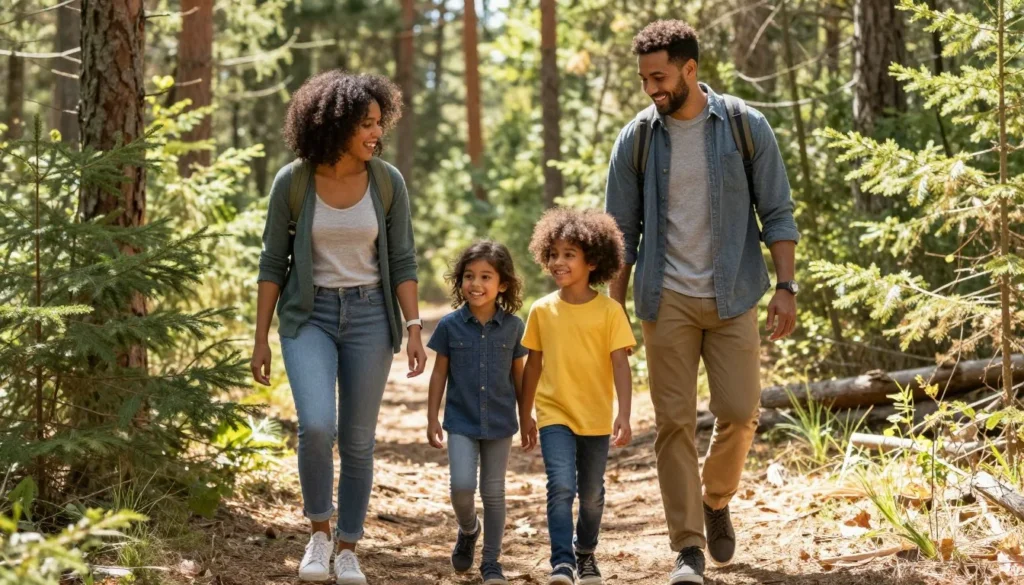
Dixie National Forest offers excellent family adventures. Short nature trails accommodate young hikers. Campgrounds provide safe environments for outdoor introduction. Educational programs teach children about forest ecosystems.
Cascade Falls Trail ranks among the best family hikes. The gentle grade and short distance suit small legs. Children enjoy searching for wildlife and examining wildflowers. The waterfall destination provides exciting motivation.
Panguitch Lake features swimming areas during warm summer months. Sandy beaches allow castle building and wading. The shallow areas remain safe for supervised children. Pack flotation devices for added safety.
Junior Ranger programs operate at nearby Cedar Breaks National Monument. Children complete activity booklets while exploring. Rangers present badges upon completion. These programs create lasting memories and conservation awareness.
Many campgrounds feature evening ranger programs during summer. Campfire talks discuss forest ecology, wildlife, and history. These free programs entertain and educate entire families. Check schedules at visitor centers.
Money Saving Tips
Visiting Dixie National Forest can fit modest budgets with smart planning. Most forest access remains free without entrance fees. This contrasts with nearby national parks that charge admission.
Camping costs significantly less than hotel rooms. Developed campgrounds charge between $15 to $25 per night. Dispersed camping throughout the forest remains completely free. This option provides maximum budget flexibility.
Prepare your own meals rather than dining out. Grocery shopping in larger towns before entering the forest saves money. Camp cooking creates memorable experiences while reducing expenses. Bring a cooler and stock up on supplies.
Visit during shoulder seasons for lower accommodation rates. Late May and September offer pleasant weather with reduced prices. Hotels in Cedar City and Brian Head slash rates outside peak summer weeks.
Recreation passes provide value for active visitors. The America the Beautiful Annual Pass costs $80 and covers entrance fees at federal sites nationwide. Seniors over 62 qualify for discounted lifetime passes at just $80.
Many hiking trails and scenic viewpoints cost nothing. Pack a picnic lunch and spend entire days exploring without spending extra money. Free ranger programs provide educational entertainment at campgrounds.
Safety, Etiquette & Local Customs
Important Safety Reminder: Cell phone service remains unavailable throughout most of Dixie National Forest. Always inform someone of your plans and expected return time. Carry paper maps as backup navigation.
Weather changes rapidly at high elevations. Morning sunshine can turn to afternoon thunderstorms within hours. Lightning poses serious danger on exposed ridges and peaks. Start hikes early and return before afternoon storm development.
Altitude affects visitors unaccustomed to high elevations. Boulder Mountain and other plateaus exceed 3,048 m (10,000 feet). Drink extra water and take breaks as needed. Altitude sickness symptoms include headache, nausea, and fatigue.
Wildlife encounters require proper etiquette. Never approach or feed animals. Store all food securely at campsites. Use bear-resistant containers in backcountry areas. Mountain lions inhabit the forest but rarely interact with humans.
Leave No Trace principles protect the forest for future visitors. Pack out all trash including organic waste. Stay on established trails to prevent erosion. Camp at least 61 m (200 feet) from water sources. Leave natural objects undisturbed.
Fire restrictions change based on conditions. Check current regulations before building campfires. Use existing fire rings at developed sites. Completely extinguish fires before leaving. Wildfires cause devastating damage to forests.
Respect private property boundaries within the national forest. Some land parcels remain privately owned. Stay on public lands and designated roads. Trespassing creates conflicts with local landowners.
Southern Utah communities embrace western hospitality. Friendly greetings and polite interaction reflect local customs. Rural areas maintain traditional values and slower pace. Patience and courtesy go far in these small towns.
Visitor Comments About Dixie National Forest
“The diversity of landscapes amazed our entire family. We hiked through red rock canyons in the morning and alpine meadows by afternoon. Dixie National Forest exceeded all expectations. The peaceful atmosphere and stunning scenery created perfect vacation memories.”
“I traveled specifically for trout fishing at Panguitch Lake. The fishing met every promise with consistent catches throughout our stay. Campground facilities were clean and well-maintained. Forest roads provided access to countless exploration opportunities beyond the main lake area.”
✓ Check 30,000+ Local Sightseeing Tours Worldwide
“We visited during September and witnessed spectacular fall colors. The aspen trees turned brilliant gold against red rock backgrounds. Crowds had dispersed after summer but weather remained perfect. This timing created ideal conditions for photography and peaceful hiking experiences.”
Additional Nearby Destinations
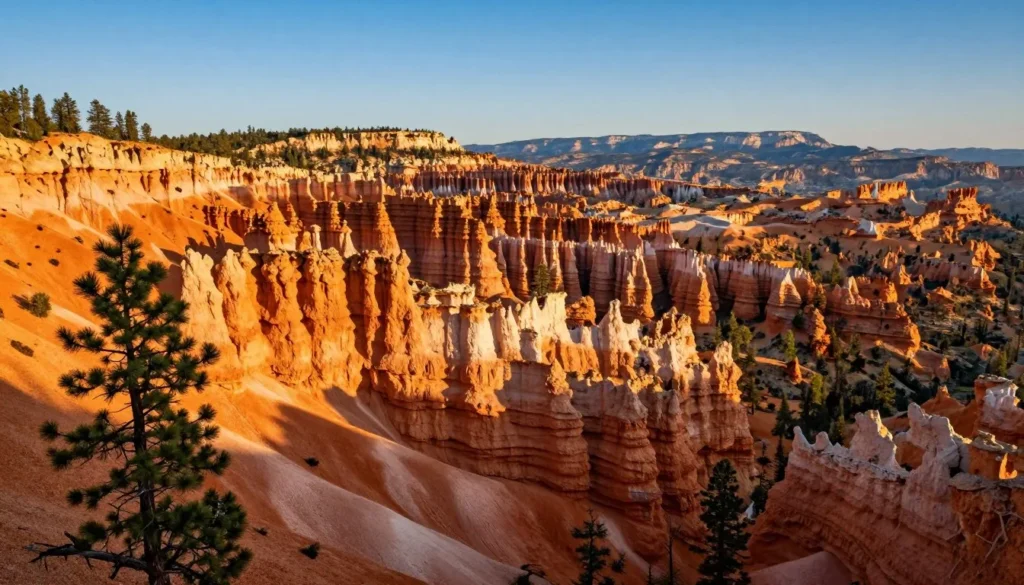
Bryce Canyon National Park borders Dixie National Forest along the eastern edge. This famous park showcases thousands of colorful hoodoos in natural amphitheaters. The proximity allows easy day trips from forest campgrounds. Sunrise and sunset create magical lighting on the formations.
Zion National Park lies approximately 80 km (50 miles) southwest of Cedar City. Towering sandstone cliffs and narrow canyons define this iconic landscape. The park requires advance shuttle reservations during peak seasons. Plan full day visits to experience major attractions.
Cedar Breaks National Monument sits at 3,048 m (10,000 feet) elevation within the national forest boundary. The natural amphitheater resembles a smaller version of Bryce Canyon. Wildflower displays peak during July and August. The monument road closes during winter months.
Grand Staircase-Escalante National Monument sprawls across remote southern Utah terrain. This vast area protects unique geology and paleontology. Backcountry exploration requires preparation and navigation skills. Day hikes access colorful slot canyons and petrified forests.
Brian Head Resort transforms into summer recreation destination after ski season ends. Scenic chairlift rides provide mountain views without hiking effort. Mountain biking trails range from gentle greens to expert terrain. The resort hosts festivals and events throughout summer.
Practical Travel Tips
Essential Preparations
Download offline maps before entering the forest. Cell coverage remains spotty throughout most areas. GPS devices work but may lack detailed forest road information. Paper maps from visitor centers provide reliable backup navigation.
Vehicle fuel planning requires attention. Gas stations are sparse between towns. Fill tanks in Cedar City, Panguitch, or other communities before extended forest trips. Carry extra fuel for remote explorations.
Water sources in the forest require treatment before drinking. Pack sufficient bottled water or water filters. Streams and lakes may contain harmful microorganisms. Dehydration occurs quickly at high elevations.
Contact Information
U.S. Forest Service manages Dixie National Forest operations. The main office in Cedar City provides maps, permits, and current conditions. Contact rangers at +1 (435) 865-3700 for updated information.
Cedar City Visitor Center offers comprehensive regional information. Staff can suggest activities based on interests and fitness levels. The center stocks maps and guidebooks for purchase.
Emergency services require special consideration. Dial 911 for emergencies when cell service exists. In remote areas without coverage, drive to towns for help. Satellite communication devices provide emergency contact capability.
Seasonal Road Closures: Many forest roads close during winter months. Highway 14 occasionally closes due to snow. Highway 143 to Brian Head remains open year-round but requires winter tires or chains during storms. Always check road conditions before departure.
Pack layers for variable mountain weather. Temperatures drop significantly at higher elevations. Mornings start cold even during summer. Bring fleece jackets and rain gear regardless of season. Sunscreen and hats protect against intense high-altitude sun.
Insect repellent helps during summer months. Mosquitoes emerge near water sources and wetlands. Deer flies can be persistent on trails. Ticks occasionally occur in brushy areas. Check for ticks after hiking through vegetation.
Photography equipment deserves special attention. High contrast between bright rocks and dark shadows challenges cameras. Polarizing filters reduce glare and enhance colors. Tripods stabilize shots during low light conditions at sunrise and sunset.
Your Dixie National Forest Adventure Awaits
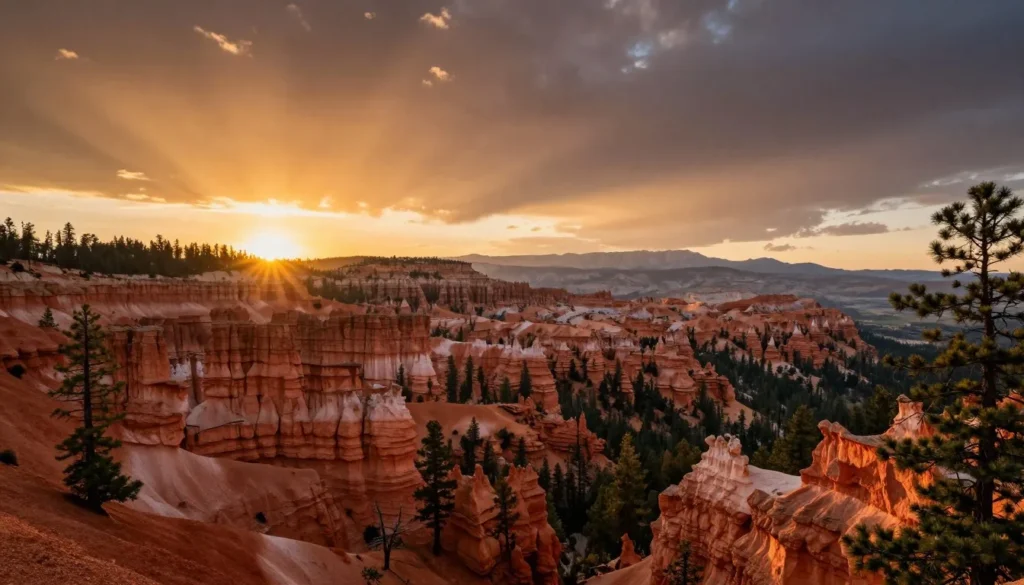
Dixie National Forest combines natural wonders with accessible adventure. From red rock canyons to alpine lakes, the landscape invites exploration. The forest provides both peaceful solitude and exciting outdoor challenges.
Whether you seek fishing streams, hiking trails, or scenic drives, this southern Utah treasure delivers memorable experiences. The changing seasons transform the forest repeatedly throughout the year. Each visit reveals new discoveries and perspectives.
Start planning your journey today. The towering pines, crystal lakes, and crimson cliffs of Dixie National Forest await your arrival. Adventure, beauty, and unforgettable moments are calling.