Hotels by Trip.com
Flights by Trip.com
Hidden beneath the Markagunt Plateau at an elevation of 2,590 m (8,500 feet), the Duck Creek Ice Cave maintains ice formations year-round despite summer temperatures climbing above 26°C (80°F). This natural limestone cave formed thousands of years ago when ancient lava flows created underground passages that now trap cold air like a natural refrigerator. While most visitors expect ice only in winter, the cave floor remains frozen even during the hottest days of summer.
Located within Dixie National Forest, this geological wonder draws outdoor enthusiasts seeking both adventure and natural beauty. The area surrounding Duck Creek Village offers far more than just the ice cave itself. Visitors discover pristine hiking trails, diverse wildlife, and stunning volcanic landscapes that tell the story of Earth’s ancient past.
Whether you’re planning a day trip or an extended stay, understanding the best times to visit, what to bring, and how to make the most of this unique destination will ensure an unforgettable experience. This comprehensive guide covers everything you need to know about exploring Duck Creek Ice Cave and the surrounding region.
Getting There & Planning Your Journey
The nearest major airport to Duck Creek Ice Cave is Salt Lake City International Airport, located approximately 402 km (250 miles) north. From Salt Lake, the drive takes about four to five hours through scenic mountain terrain. Cedar City Regional Airport offers a closer option at just 56 km (35 miles) away, though flight options are more limited.
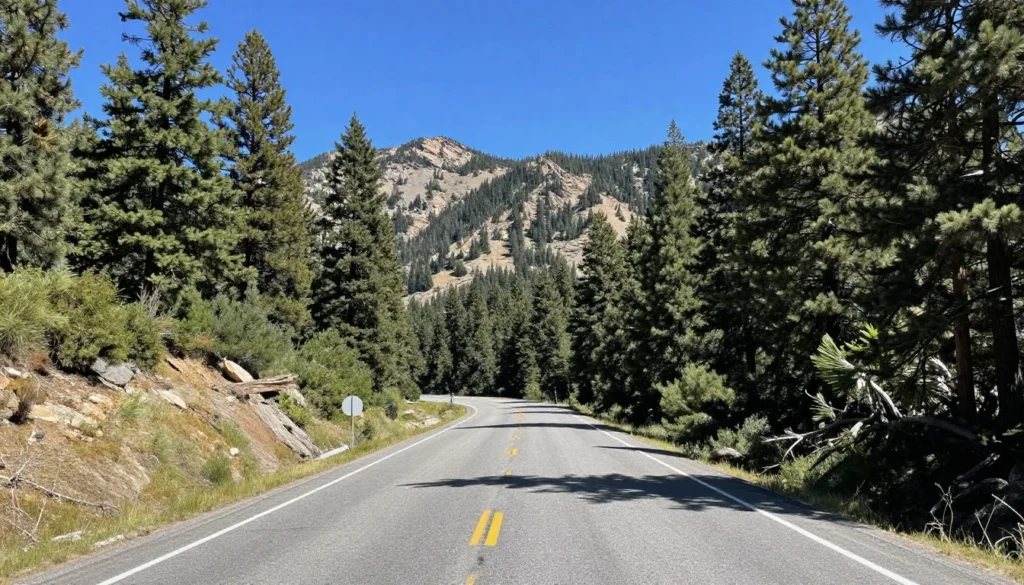
From Cedar City, take Highway 14 east toward Duck Creek Village. The road winds through stunning red rock canyons before ascending into the forested Markagunt Plateau. This scenic byway offers breathtaking views and several pull-off areas worth exploring.
The cave sits approximately 3 km (2 miles) north of Duck Creek Village along Forest Road 662. During winter months, this road may require four-wheel drive or high-clearance vehicles due to snow conditions. Summer access is straightforward for standard vehicles.
Airport Options
Multiple airports serve the Duck Creek area with varying distances and services.
- Salt Lake City International: 402 km (250 miles), full services
- Cedar City Regional: 56 km (35 miles), limited flights
- St. George Regional: 121 km (75 miles), moderate options
- Las Vegas McCarran: 322 km (200 miles), international hub
Driving Routes
Several scenic routes lead to the cave through different terrain types.
- Highway 14 from Cedar City: Most direct, scenic byway
- Highway 89 from Panguitch: Northern approach through valleys
- Interstate 15 connections: Access from multiple directions
- Forest roads: Local access requiring current maps
Seasonal Considerations
Road conditions vary dramatically throughout the year at this elevation.
- Summer: All roads open, standard vehicles acceptable
- Winter: Four-wheel drive recommended, chains required
- Spring: Mud and snow combinations possible
- Fall: Generally good conditions, early snow possible
Navigation Tips
Reliable navigation requires preparation in this remote mountain area.
- Download offline maps before departure
- Cell service is unreliable in forest areas
- Forest Service maps available at visitor centers
- GPS coordinates recommended for cave location
For current road conditions and closures, contact the Cedar City Ranger District. The Dixie National Forest Visitor Center provides updated information about forest road accessibility.
Best Time to Visit & Weather Tips
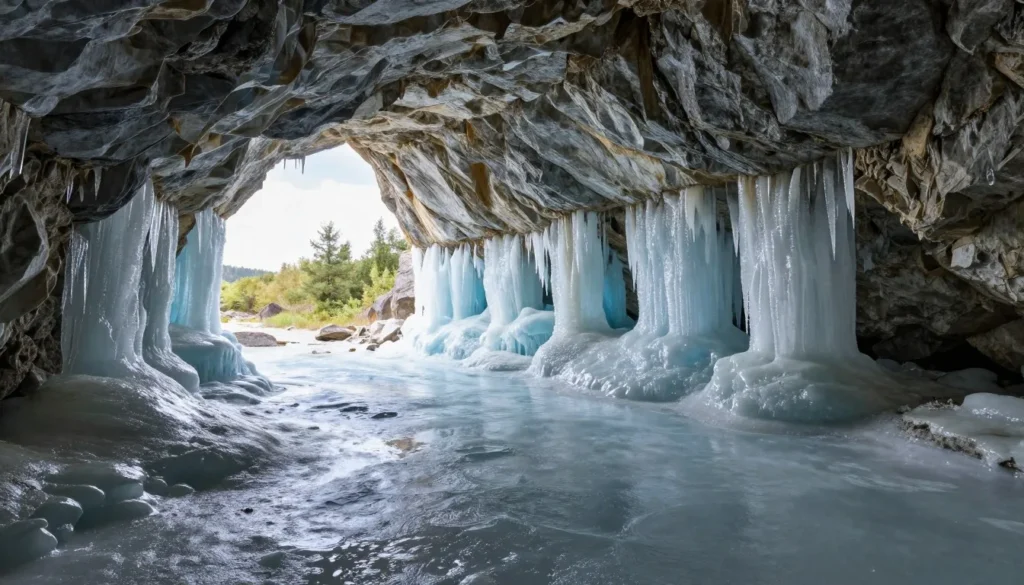
The Duck Creek Ice Cave presents a unique paradox where timing your visit depends on what type of ice experience you seek. Summer months from June through August offer the most dramatic contrast, with warm air temperatures above ground meeting permanent ice below. Winter visits from December through March showcase massive icicle formations and deep snow landscapes.
The cave maintains ice year-round due to its unique geology and cold air trapping mechanism. Ground temperatures inside hover near freezing even when surface temperatures reach 26°C (80°F). This phenomenon occurs because cold winter air sinks into the cave and remains trapped, unable to escape during warmer months.
Spring visits from April to May can be challenging due to mud, snow melt, and unpredictable weather. Roads may close temporarily during storms. Fall months from September to November offer pleasant hiking conditions with fewer crowds and spectacular autumn colors in the surrounding forest.
Recommended Visiting Months: June through September provide the best combination of accessibility, weather, and ice formations. July and August are peak months with the easiest access but more visitors.
Months to Avoid: March through early May present the worst conditions with mud, unpredictable snow, and limited ice appeal. Road closures are common during this transition period.
Temperature Guide
Understanding temperature variations helps with packing and planning appropriate clothing layers.
- Summer surface: 21°C to 29°C (70°F to 85°F)
- Summer in cave: 0°C to 4°C (32°F to 40°F)
- Winter surface: -12°C to 4°C (10°F to 40°F)
- Winter in cave: -6°C to 0°C (20°F to 32°F)
- Spring/Fall surface: 7°C to 21°C (45°F to 70°F)
- Rapid temperature changes: 15°C to 20°C (30°F to 40°F) difference in minutes
Weather Patterns
High elevation creates unique weather conditions requiring preparation.
- Afternoon thunderstorms common in summer
- Snow possible any month of the year
- Low humidity throughout most seasons
- Intense sun at high elevation
- Rapid weather changes without warning
- Strong winds in exposed areas
Notable Annual Festivals
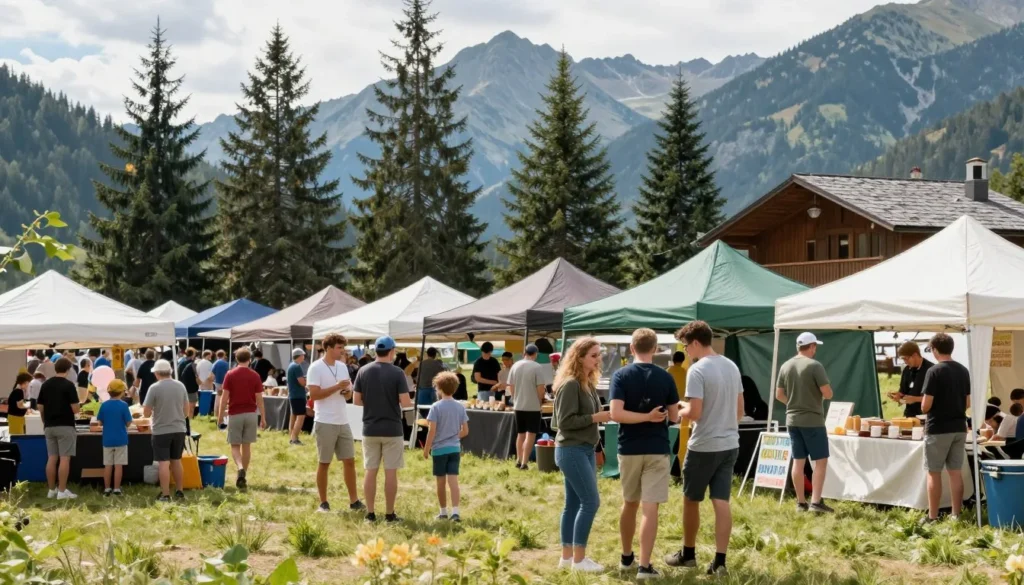
Duck Creek Village hosts several annual events that celebrate the area’s natural beauty and outdoor recreation opportunities. These festivals provide excellent reasons to plan your cave visit around community gatherings.
Duck Creek Arts Festival
Held annually in July, this juried art show features local and regional artists displaying works inspired by southern Utah’s landscapes. The festival takes place in Duck Creek Village center with outdoor booths, live music, and food vendors. This family-friendly event runs for three days during mid-July.
Fall Color Festival
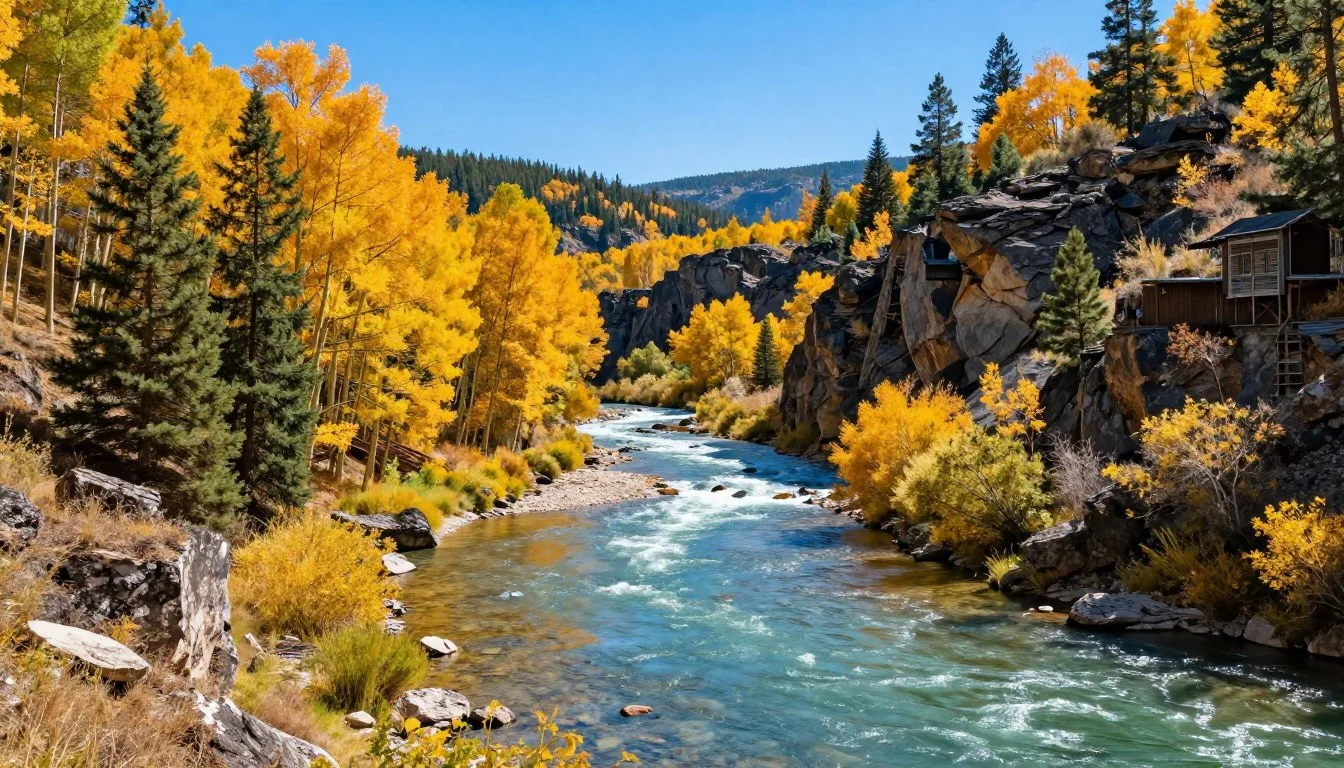
September brings spectacular aspen groves turning gold across the Markagunt Plateau. The Fall Color Festival celebrates autumn with guided nature walks, photography workshops, and scenic drives. This event typically occurs during the third weekend of September when colors peak.
Winter Snowmobile Rally
February features organized snowmobile trail rides and competitions throughout the area. The rally includes guided tours, safety demonstrations, and evening social events. Participants explore over 161 km (100 miles) of groomed trails around Duck Creek.
Getting Around Locally
Duck Creek Village remains a small, walkable community without public transportation. Most visitors rely on personal vehicles to explore the surrounding forest areas and reach the ice cave. The village center spans less than 1.6 km (1 mile) from end to end.
Parking for the ice cave is available along Forest Road 662 in designated pull-off areas. These parking spots accommodate about ten to fifteen vehicles. During peak summer weekends, arrive before 10 AM to secure parking. The parking area sits approximately 0.4 km (0.25 miles) from the cave entrance via an easy walking trail.
Bicycle riding is popular on paved roads, though forest roads can be rough. No bike rentals operate within Duck Creek Village itself. The nearest rental services are in Cedar City or Brian Head.
Important: Cell phone service is unreliable throughout the area. Download offline maps and plan your route before leaving areas with service. Carry physical maps as backup navigation.
Trail Access
The trail from parking to the cave entrance measures approximately 0.4 km (0.25 miles) and takes ten to fifteen minutes to walk. The path is relatively flat with packed dirt and some loose rock. Sturdy shoes with good traction are essential, as rocks near the cave entrance can be slippery from moisture and ice.
Winter access requires snowshoes or skis for the final approach. The parking area may not be plowed, requiring visitors to park along the highway and hike additional distance.
Where to Stay
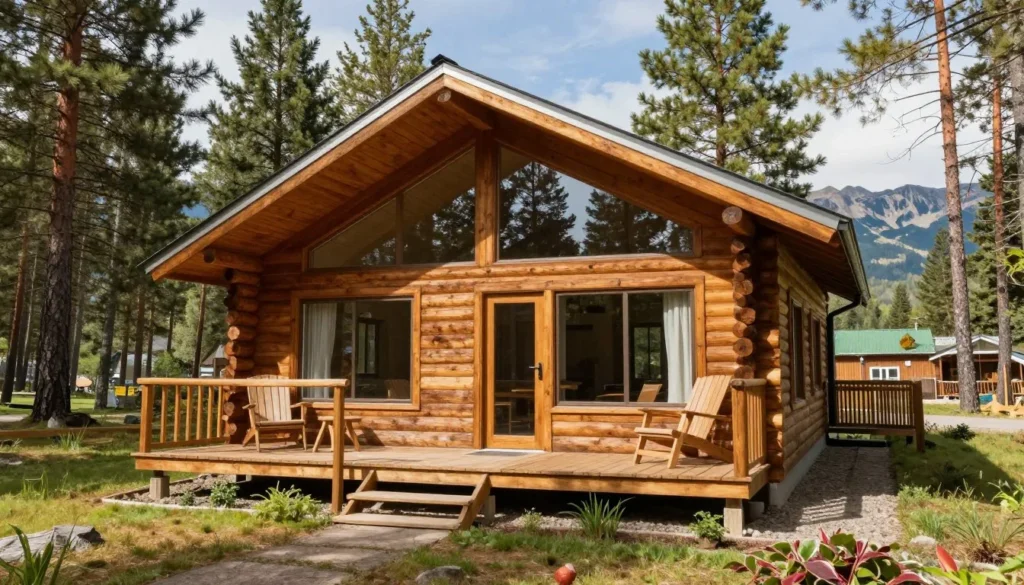
Lodging options near Duck Creek Ice Cave range from rustic cabins to full-service lodges. Most accommodations are within Duck Creek Village, offering convenient access to the cave and surrounding trails. Summer reservations should be made months in advance, as the small village fills quickly during peak season.
Duck Creek Village Inn
This full-service lodge offers comfortable rooms, an on-site restaurant, and year-round access. Located in the village center, the inn provides easy walking access to local amenities. Rooms feature rustic mountain decor with modern conveniences. The property includes a large parking lot and seasonal outdoor seating areas.
Pinewoods Resort
This property features individual cabins scattered throughout pine forest settings. Each cabin includes full kitchens, allowing guests to prepare their own meals. The resort operates year-round with winter snow removal for cabin access. Some units accommodate up to eight guests, making them ideal for families or groups.
Vacation Rentals
Private cabin rentals throughout the area offer additional options. These range from basic one-room structures to luxury multi-bedroom homes. Rental properties typically require minimum two to three night stays during summer and holiday periods.
Camping Options
Dixie National Forest operates several campgrounds near Duck Creek Village. These sites provide basic amenities including picnic tables, fire rings, and vault toilets. No hookups are available at forest service campgrounds. Sites operate on a first-come, first-served basis.
Dispersed camping is permitted throughout most of the national forest, following Leave No Trace principles. Campers must stay at least 61 m (200 feet) from water sources and established trails.
Dining & Local Cuisine
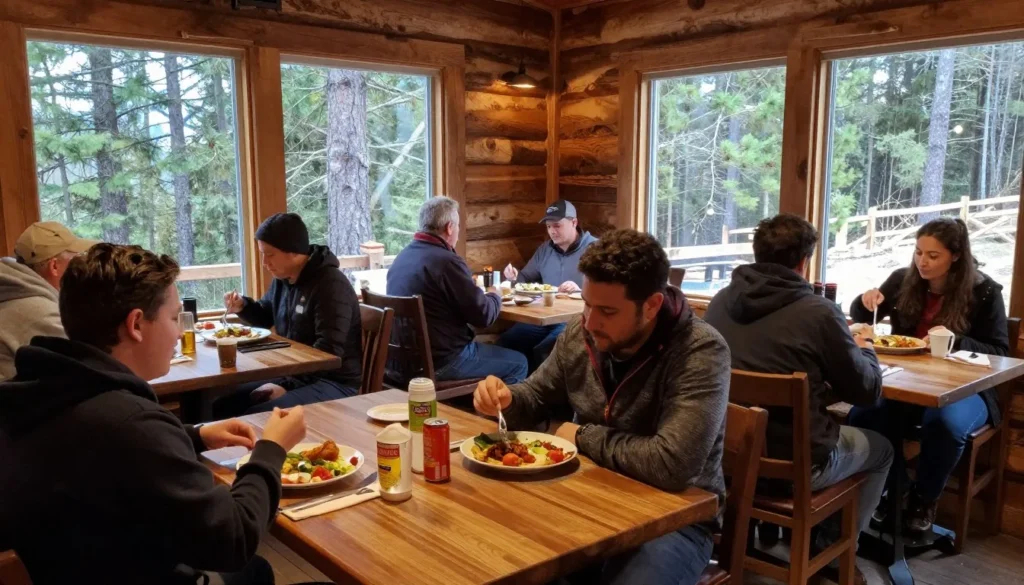
Dining options in Duck Creek Village are limited but satisfying, focusing on hearty American fare suited to mountain appetites. The small community supports several restaurants during summer months, though some close for winter or operate on reduced schedules.
Castle Valley Western Grill
This rustic steakhouse serves generous portions of beef, chicken, and local trout. The menu includes breakfast, lunch, and dinner options with a focus on traditional Western cuisine. The restaurant operates seasonally from May through October.
Meadow View Lodge Restaurant
Open year-round, this lodge restaurant offers comfort food including burgers, sandwiches, and homemade soups. The dining room features large windows overlooking meadows where deer and elk often graze during early morning and evening hours.
Local Favorites
Dutch oven cooking is a regional specialty, with some lodges offering traditional outdoor cooking demonstrations. Trout from local streams appears on many menus, either pan-fried or grilled. Elk and bison occasionally feature as specialty menu items.
Grocery Options: No grocery stores operate within Duck Creek Village. Stock up on supplies in Cedar City before arriving. The nearest convenience store is in Brian Head, about 24 km (15 miles) away.
Many visitors choose to bring their own food, especially if staying in cabins with kitchen facilities. Cedar City offers full grocery stores, delis, and restaurants for pre-trip meal preparation.
Attractions, Sightseeing & Activities
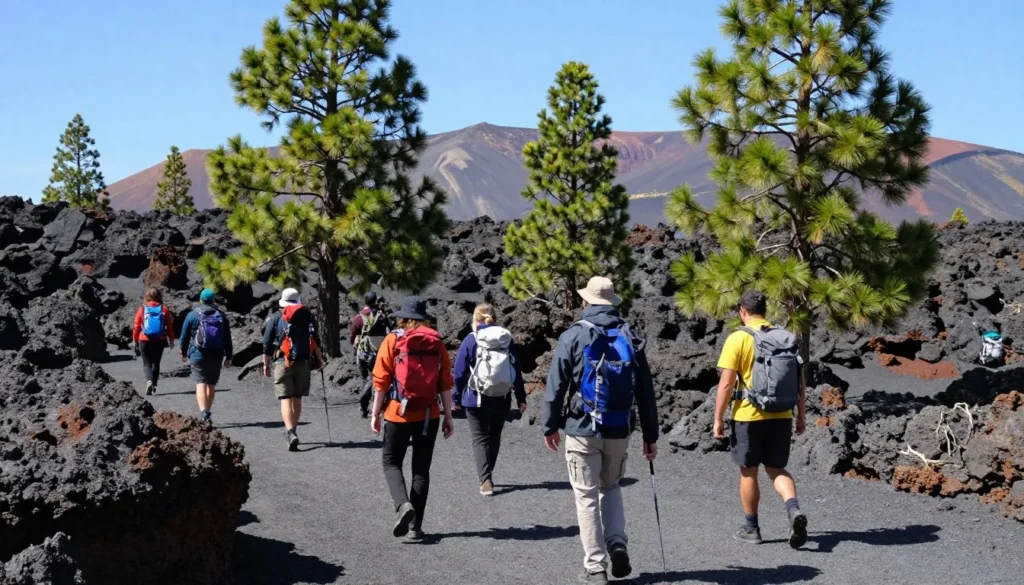
The Duck Creek area offers diverse attractions beyond the ice cave itself, with activities spanning geological wonders, outdoor recreation, and wildlife viewing opportunities throughout the year.
Duck Creek Ice Cave Exploration
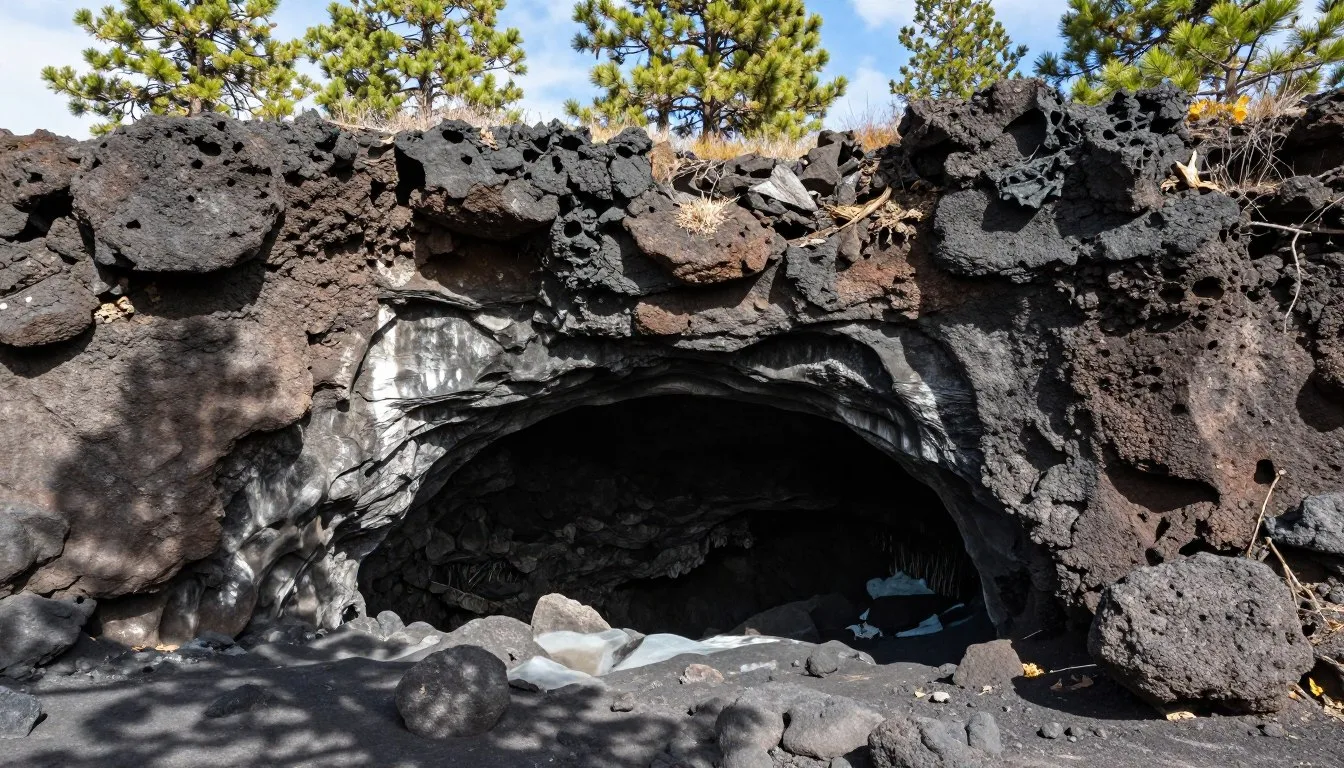
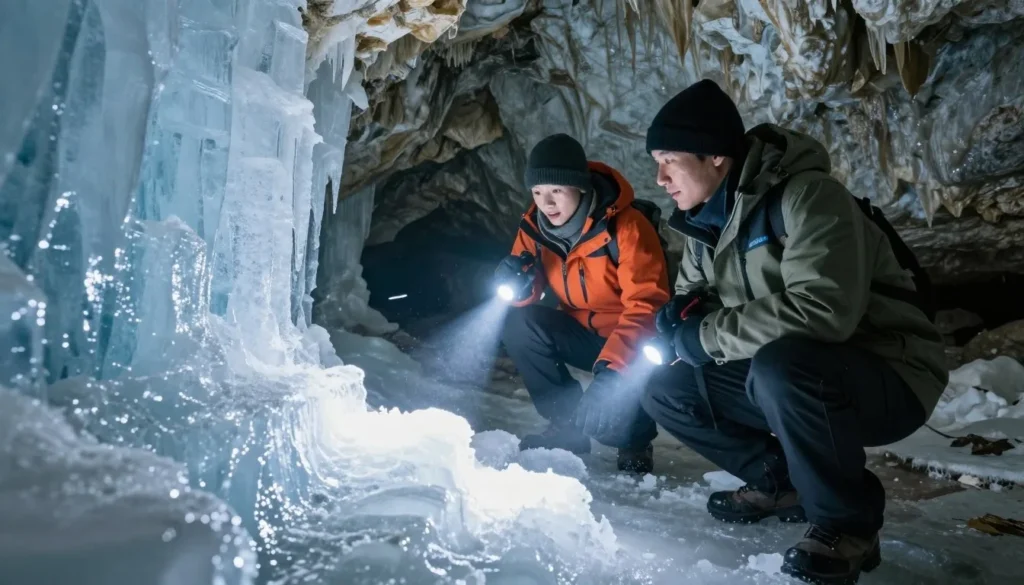
The ice cave itself remains the primary attraction. Visitors descend approximately 6 m (20 feet) into the earth through a large opening in volcanic rock. The cave chamber extends about 30 m (100 feet) into the limestone formation. Ice covers the floor year-round, with thickness varying from a few centimeters in late summer to over 0.6 m (2 feet) in early summer.
Bring flashlights or headlamps, as the cave interior is dark beyond the entrance. The ice can be extremely slippery. Sturdy shoes with excellent traction are mandatory. Many visitors bring hiking poles for additional stability on the ice.
Safety Warning: The cave floor is extremely slippery. Falls on ice can cause serious injuries. Take your time and use caution with every step. Children must be closely supervised.
Mammoth Cave
Another lava tube located about 8 km (5 miles) from Duck Creek, Mammoth Cave offers a different geological experience. This cave is larger than the ice cave but typically doesn’t maintain ice formations through summer. The entrance requires scrambling over rocks, making it more challenging than Duck Creek Ice Cave.
Aspen Mirror Lake
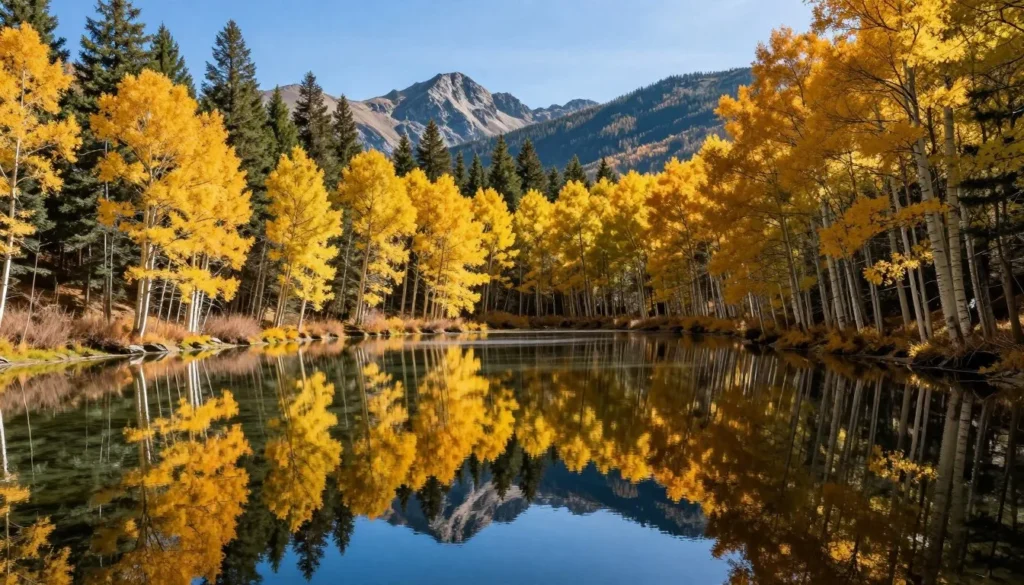
This small alpine lake sits nestled among aspen groves approximately 6.4 km (4 miles) from the village. The lake covers about 2 hectares (5 acres) and provides excellent reflection photography, especially during fall when aspens turn gold. A gentle 1.6 km (1 mile) trail circles the lake.
Cascade Falls Trail
This moderate hiking trail leads to a seasonal waterfall flowing over volcanic rock. The 4.8 km (3 mile) round-trip hike gains approximately 152 m (500 feet) in elevation. Water flows strongest during spring snowmelt, often dry by late summer. The trail passes through meadows filled with wildflowers in July.
Wildlife Viewing
The Markagunt Plateau supports diverse wildlife including elk, mule deer, wild turkeys, and black bears. Early morning and evening hours offer the best viewing opportunities. Elk often graze in meadows near Duck Creek Village during summer months. Black bears are present but rarely seen.
Museums, Cultural Spots & Festivals
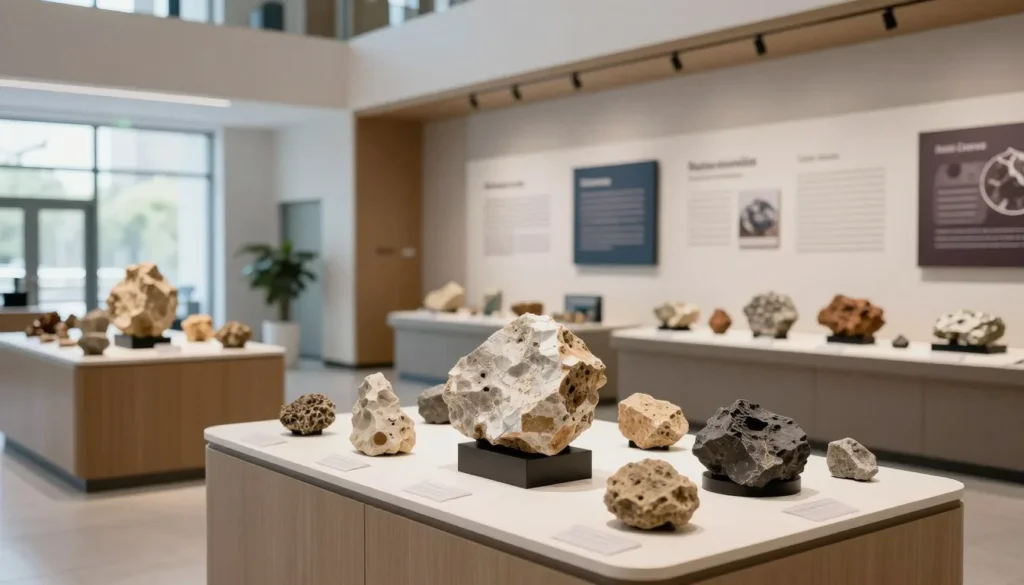
While Duck Creek Village itself is small and primarily recreation-focused, nearby Cedar City offers cultural attractions worth exploring before or after your cave visit.
Cedar Breaks National Monument Visitor Center
Located approximately 32 km (20 miles) from Duck Creek, this visitor center provides geological exhibits explaining the formation of the region’s unique limestone amphitheaters and volcanic features. Rangers offer interpretive programs during summer months. The center sits at 3,200 m (10,500 feet) elevation, typically open from late May through October.
Frontier Homestead State Park Museum
This Cedar City museum showcases pioneer history through restored buildings, wagons, and artifacts from early settlers. The collection includes one of the West’s largest displays of horse-drawn vehicles. Open year-round with guided tours available.
Southern Utah Museum of Art
Also located in Cedar City, this modern facility features rotating exhibitions of contemporary and traditional art, with emphasis on regional artists and Southwestern themes. Admission is free to the public.
Nature & Outdoor Experiences
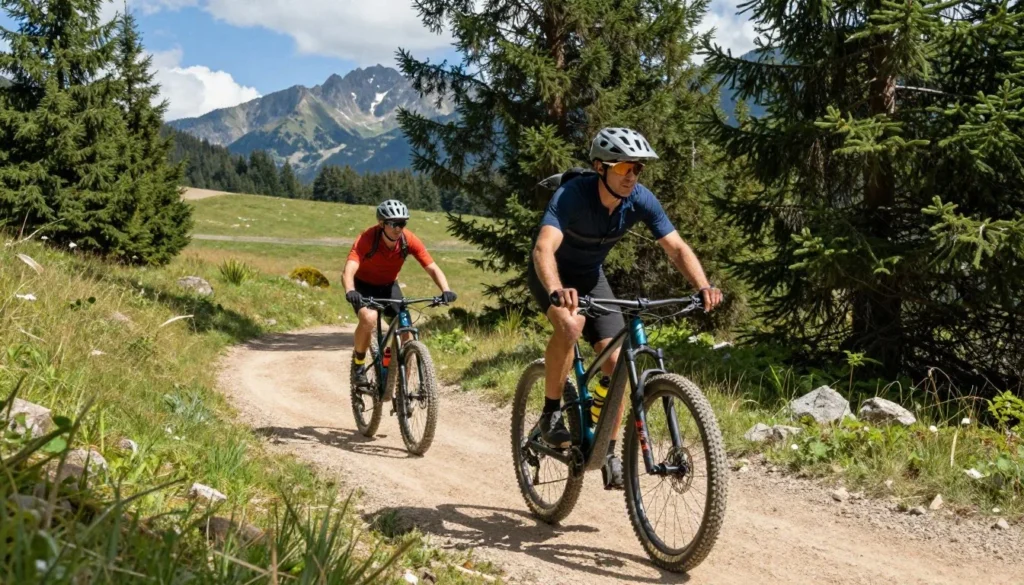
The Duck Creek area provides exceptional outdoor recreation opportunities across all seasons, with the Dixie National Forest serving as a vast playground for nature enthusiasts.
Hiking Trails
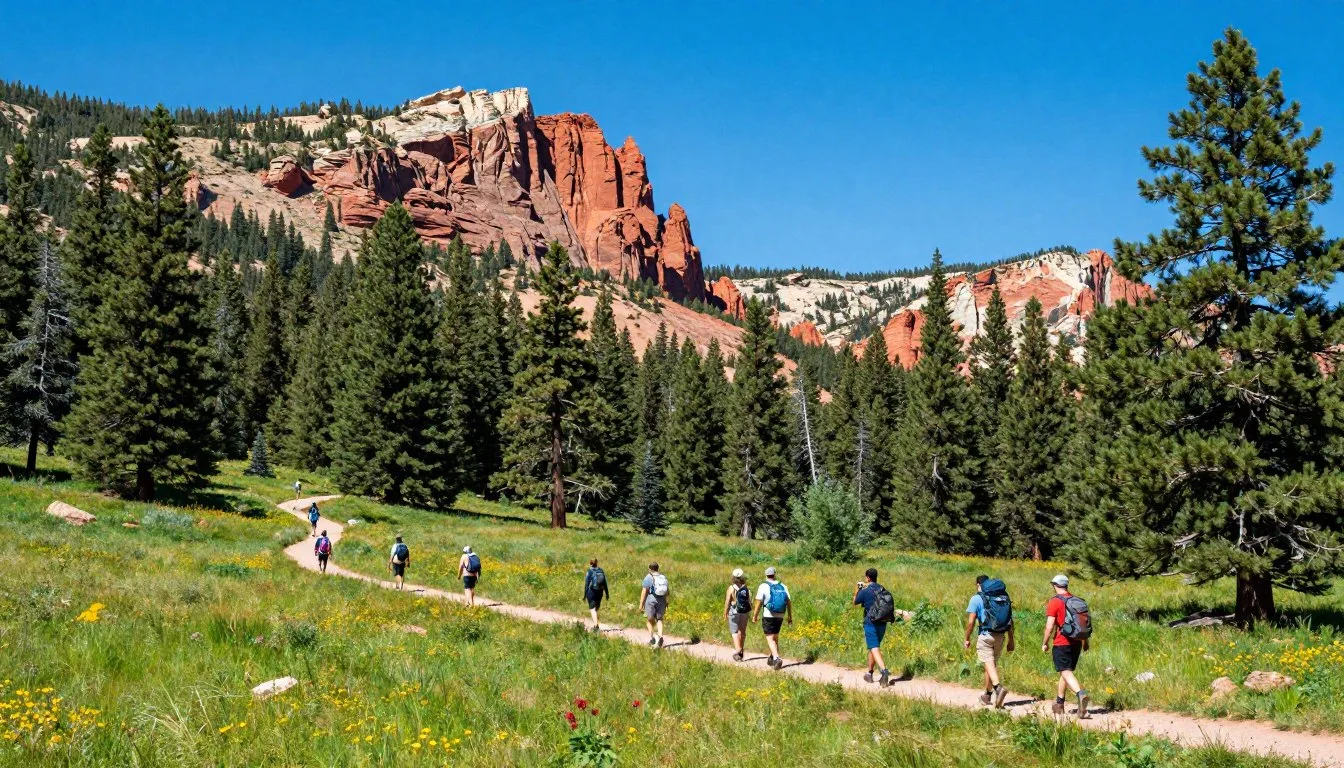
Numerous trails radiate from Duck Creek Village, ranging from easy nature walks to challenging backcountry routes. The Duck Creek Trail system connects multiple paths totaling over 32 km (20 miles). Trail difficulty ranges from flat woodland walks to steep mountain ascents.
The Bristlecone Pine Trail leads to ancient trees over 1,500 years old. This moderate 6.4 km (4 mile) round-trip hike climbs to high ridges with panoramic views. The trail gains approximately 213 m (700 feet) in elevation.
Mountain Biking
Forest roads and dedicated mountain bike trails attract cyclists throughout summer and fall. The area features both cross-country routes and technical single-track options. Bike trails range from beginner-friendly paths to expert-level descents.
Fishing
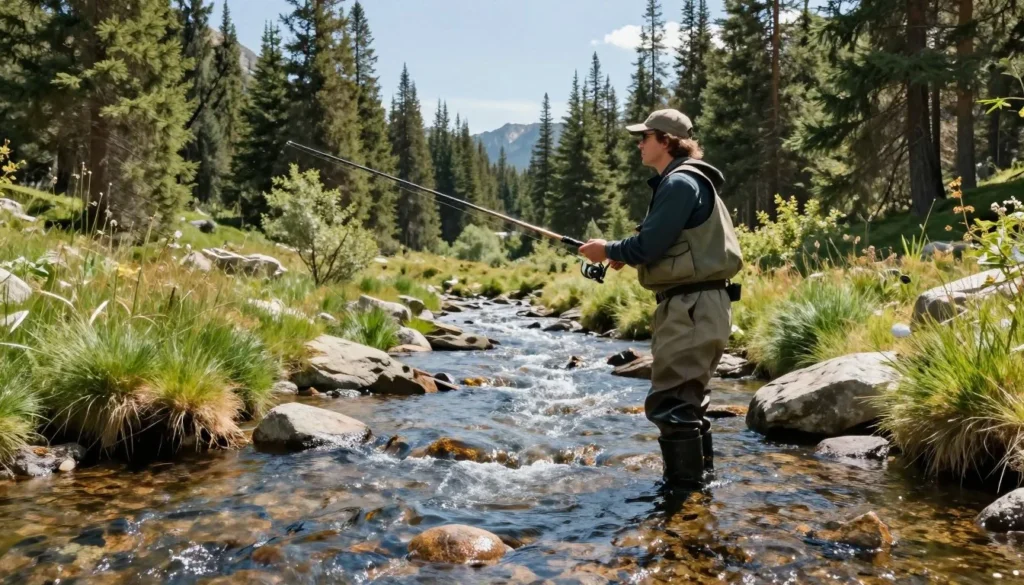
Duck Creek itself provides fishing opportunities for rainbow and brook trout. The creek flows through meadows and forest, with numerous access points. A valid Utah fishing license is required for all anglers over age twelve.
Nearby Navajo Lake offers larger water fishing from boats or shore. This 1,417-hectare (3,500-acre) lake sits at high elevation and typically opens for fishing in late May after ice-out.
Winter Activities
Snow blankets the area from November through April, transforming the landscape into winter recreation paradise. Cross-country skiing and snowshoeing are popular activities on groomed and ungroomed trails. The flat terrain around Duck Creek provides ideal conditions for Nordic skiing.
Snowmobiling dominates winter recreation, with over 161 km (100 miles) of groomed trails. Rental services operate in nearby Brian Head. Trails connect to vast networks across the Markagunt Plateau.
Photography
The area offers exceptional photography subjects throughout the year. Summer wildflowers carpet meadows in July and August. Fall aspen colors peak in late September. Winter snow creates dramatic contrasts against dark volcanic rock and evergreen forest.
Wildlife photography opportunities abound, particularly during dawn and dusk. Long telephoto lenses are recommended for ethical wildlife photography that doesn’t disturb animals.
Travel With Children

Duck Creek Ice Cave makes an excellent family destination with proper planning and age-appropriate expectations. Children generally find the ice cave fascinating, though safety concerns require constant parental supervision.
Age Recommendations
The cave is suitable for children of all ages, but parents should carefully assess their children’s abilities. The walk from parking to the cave entrance is easy enough for most children over age four. Inside the cave, the slippery ice surface poses challenges for younger children or those with balance issues.
Children under age eight should be closely supervised at all times inside the cave. Consider using child harnesses or holding hands constantly on the ice. Some families choose to have one adult stay outside with younger children while others explore the cave interior.
Educational Opportunities
The cave provides excellent teaching moments about geology, physics, and natural phenomena. Prepare children before visiting by discussing how the cave formed and why ice remains frozen year-round. The Junior Ranger program at nearby Cedar Breaks National Monument offers activity booklets for kids.
Family-Friendly Activities
Beyond the ice cave, numerous easy trails accommodate families with children. The Duck Creek Pond area offers flat walking paths suitable for strollers. Wildlife viewing near the village requires minimal hiking, allowing even young children to participate.
Fishing in Duck Creek can engage children, though they must stay back from slippery banks. Many families enjoy picnicking in meadows while watching for deer and elk.
Pack Essentials for Children: Extra clothing layers, snacks, water, sunscreen, first aid supplies, and flashlights for each child. The cave’s cold temperature requires warm layers even on hot summer days.
Money Saving Tips
Visiting Duck Creek Ice Cave can be budget-friendly with advance planning and smart choices. The cave itself requires no entrance fee, as it sits on national forest land open to public access.
Free Activities
Most outdoor activities in the area cost nothing beyond transportation. Hiking, wildlife viewing, photography, and cave exploration are all free. Dispersed camping in the national forest eliminates lodging costs for those equipped with camping gear.
Lodging Savings
Camping represents the most economical lodging option. National forest campgrounds charge minimal fees, typically ten to twenty dollars per night. Dispersed camping is completely free where permitted. Book cabin rentals during off-peak times for lower rates.
Consider staying in Cedar City where lodging costs less than Duck Creek Village. The forty-minute drive is manageable for day visits to the cave and surrounding trails.
Food Costs
Restaurant options in Duck Creek Village are limited and relatively expensive due to the remote location. Bring groceries from Cedar City to prepare your own meals. Cabins with full kitchens allow complete meal preparation, significantly reducing food expenses.
Pack lunches and snacks for day trips. The village has no convenience stores, so any forgotten items require driving considerable distances.
Timing Your Visit
Visit during shoulder seasons (June or September) for lower lodging rates and fewer crowds. Avoid holiday weekends when prices peak and reservations are difficult. Weekday visits typically offer better availability and sometimes lower rates than weekends.
Equipment Rentals
Avoid rental costs by bringing your own outdoor gear. Flashlights, hiking poles, and basic camping equipment purchased affordably serve multiple trips. Borrowing specialized equipment like snowshoes from friends reduces winter visit costs.
Safety, Etiquette & Local Customs
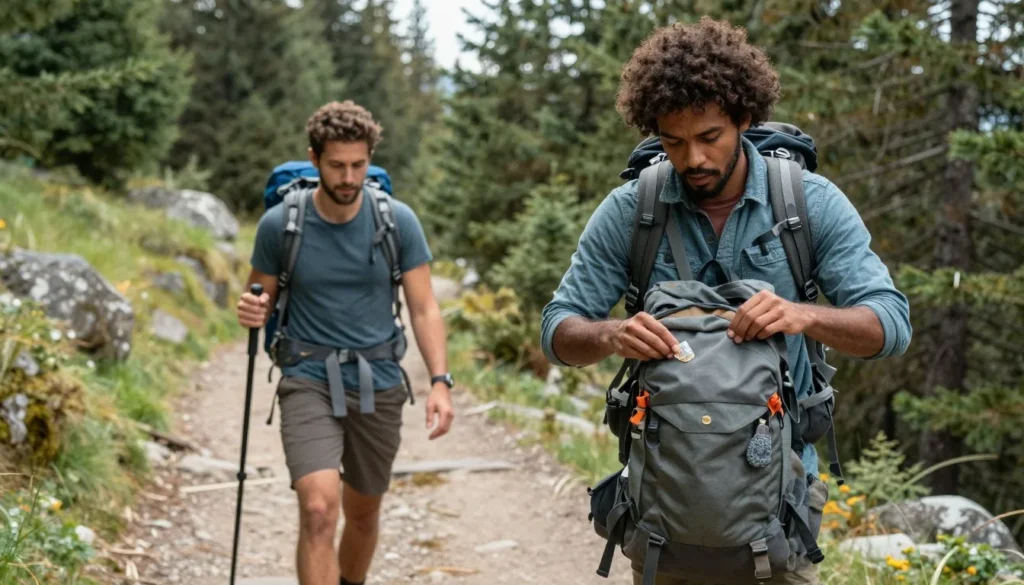
Safety in the Duck Creek area requires preparation for high elevation, rapid weather changes, and wilderness conditions. Understanding proper etiquette ensures positive experiences for all visitors and protects natural resources.
Cave Safety
The ice cave’s most serious hazard is the extremely slippery floor. Wear shoes with aggressive tread patterns. Hiking boots with Vibram soles work well. Avoid smooth-soled shoes or sandals entirely. Take small steps and move slowly on the ice.
Bring multiple light sources per person. Flashlights, headlamps, or phone lights all work, but have backups in case of failure. The cave interior is completely dark beyond the entrance area.
Never visit the cave alone. Groups of three or more are ideal, so if someone is injured, one person can stay with them while another goes for help. Cell phone service is unavailable at the cave, so self-rescue capability is essential.
Wildlife Safety
Black bears inhabit the forest, though encounters are rare. Store food properly and never approach bears. Make noise while hiking to avoid surprising wildlife. Most animals will move away from human activity if given warning and space.
Mountain lions live in the area but are seldom seen. If you encounter one, maintain eye contact, make yourself appear large, and back away slowly. Never run from a mountain lion.
Weather Preparedness
High elevation creates unpredictable weather. Afternoon thunderstorms develop quickly during summer. Lightning poses serious risk on exposed ridges. Start hikes early and be off high points by noon. If you hear thunder, descend immediately and seek shelter.
Hypothermia can occur even in summer due to the cave’s cold interior and potential for wet clothing. Bring extra layers and avoid cotton clothing that loses insulating value when wet.
Leave No Trace Principles
The Forest Service expects visitors to practice Leave No Trace ethics. Pack out all trash, including small items like orange peels and cigarette butts. Stay on established trails to prevent erosion. Camp at least 61 m (200 feet) from water sources and trails.
Do not disturb ice formations or rock structures in the cave. Touching or walking on delicate ice damages formations that took years to develop. Take only photographs, leave only footprints.
Local Customs
Rural Utah maintains a conservative, friendly culture. Respect private property boundaries. Many residents are ranchers running cattle on forest allotments. Close gates you open and give livestock plenty of space.
Greet other hikers on trails with a friendly hello. Trail etiquette calls for uphill hikers to have right of way, though it’s polite to step aside if they prefer to rest.
Visitor Comments About Duck Creek Ice Cave Utah
“The ice cave exceeded our expectations completely. We visited in July when temperatures outside were sweltering, then descended into the cave to find thick ice covering everything. The kids were amazed that ice could exist in the middle of summer. The walk from parking is easy, but the ice inside is seriously slippery—bring good shoes! We spent about an hour exploring and taking photos. This is definitely a unique experience you won’t find in many places.”
“We combined the ice cave visit with several days exploring the Duck Creek area. The cave itself is fascinating, but the surrounding trails and scenery are equally impressive. We hiked to Aspen Mirror Lake and saw elk grazing near the village at dusk. The elevation means cooler temperatures than the deserts below, making it perfect for summer hiking. Lodging options are limited, so book well ahead if visiting during peak season. The small village atmosphere is charming and peaceful.”
“As a geology enthusiast, I found the ice cave absolutely captivating. The cold air trap phenomenon is really interesting to experience firsthand. The volcanic rock formations around the entrance tell the story of ancient lava flows. I visited in early June and the ice was at its thickest. The cave isn’t huge, but it’s worth the drive. Be prepared for the ice to be incredibly slippery—I watched several people lose their footing. Take it slow and bring proper footwear. The surrounding national forest offers endless exploration opportunities.”
Additional Nearby Destinations
Duck Creek’s location on the Markagunt Plateau provides access to several exceptional destinations within an hour’s drive, allowing visitors to create comprehensive southern Utah itineraries.
Cedar Breaks National Monument
Just 32 km (20 miles) from Duck Creek, Cedar Breaks showcases a massive natural amphitheater eroded into vibrant limestone layers. The rim road offers five scenic overlooks at over 3,200 m (10,500 feet) elevation. Hiking trails range from easy rim walks to challenging backcountry routes. The monument typically opens from late May through October, snow permitting.
Brian Head Resort
Utah’s highest elevation town sits 24 km (15 miles) from Duck Creek. Summer activities include an aerial adventure park, mountain biking on chairlift-accessed trails, and scenic gondola rides. Winter transforms Brian Head into a ski resort with downhill skiing and snowboarding.
Navajo Lake
This large high-elevation lake offers boating, fishing, and camping about 16 km (10 miles) from Duck Creek Village. The lake’s unique feature is that it has no surface outlet—water drains through underground lava tubes. Three campgrounds provide lakeside camping opportunities.
Panguitch Lake
Located approximately 40 km (25 miles) north, Panguitch Lake is known for excellent trout fishing. The lake covers 506 hectares (1,250 acres) and supports both summer and ice fishing. Boat rentals and fishing guide services operate during summer months.
Zion National Park
The famous national park sits about 121 km (75 miles) southwest of Duck Creek, roughly a two-hour drive. Many visitors combine Markagunt Plateau explorations with Zion visits. The dramatic elevation change from 8,500 feet at Duck Creek to 4,000 feet in Zion creates striking ecological contrasts.
Bryce Canyon National Park
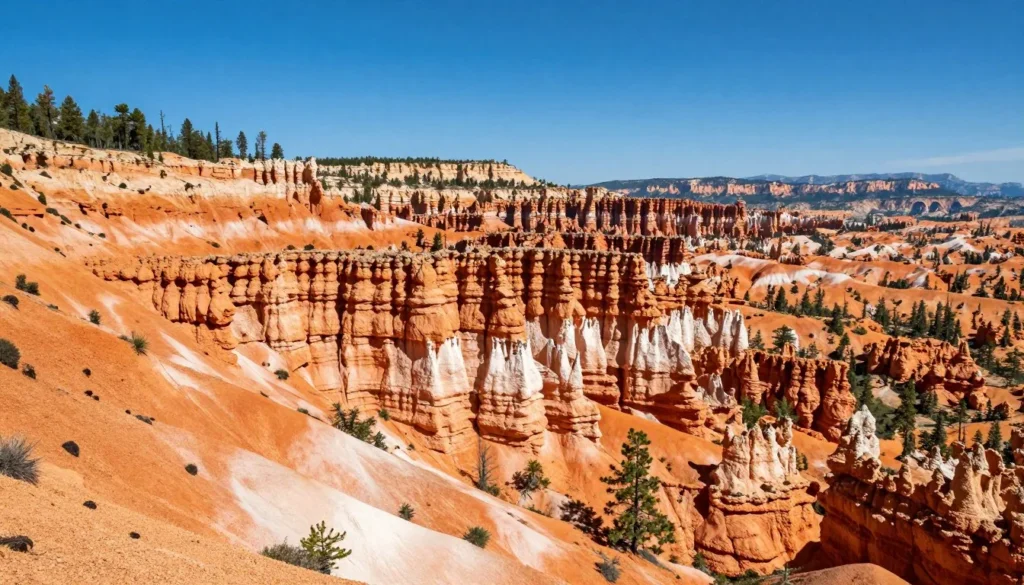
Approximately 97 km (60 miles) east of Duck Creek, Bryce Canyon’s hoodoo formations create otherworldly landscapes. The drive between Duck Creek and Bryce passes through scenic high country. Plan a full day for Bryce Canyon exploration.
Practical Travel Tips
What to Pack
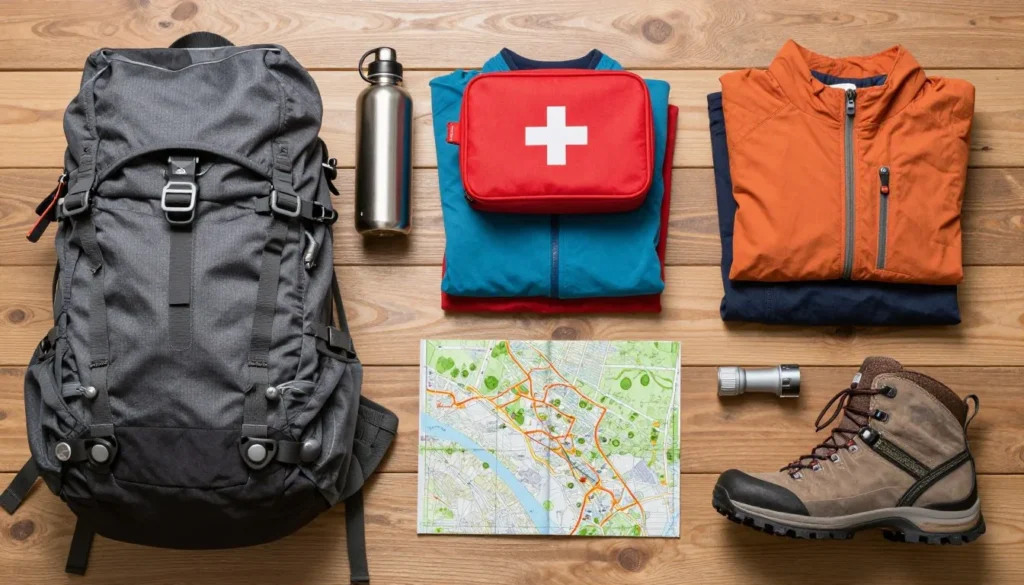
Essential items for Duck Creek Ice Cave visits include sturdy shoes with aggressive tread, multiple light sources, warm layers for the cave interior, water, snacks, and basic first aid supplies. Even summer visitors need warm clothing for the cave’s near-freezing temperatures.
Sun protection is critical at high elevation. Bring sunscreen with SPF 50 or higher, sunglasses, and wide-brimmed hats. The thin atmosphere provides less UV protection than lower elevations.
Communication
Cell phone coverage is unreliable throughout the Duck Creek area. Download offline maps before arrival. Consider bringing two-way radios for group communication on hikes. Let someone outside your group know your plans and expected return time.
Altitude Considerations
Duck Creek sits at 2,590 m (8,500 feet) elevation. Visitors from sea level may experience mild altitude effects including shortness of breath, fatigue, or headaches. Stay hydrated, avoid overexertion on arrival day, and consider spending a night at intermediate elevation if coming from low areas.
Best Resources
Stop at the Dixie National Forest Cedar City Ranger District office for current conditions, maps, and advice. Rangers provide valuable local knowledge about trail conditions, wildlife activity, and weather forecasts. The office maintains regular business hours year-round.
Photography Tips
Ice cave photography requires careful planning. Bring tripods for low-light cave interior shots. Wide-angle lenses capture the cave chamber effectively. External flash or continuous LED lights help illuminate ice formations. Condensation on camera lenses occurs when moving from warm exterior to cold cave interior—allow equipment to acclimate before shooting.
Accessibility
The trail from parking to the cave entrance includes uneven terrain not suitable for wheelchairs or walkers. The cave interior requires descending over rocks and navigating slippery ice. No accessible alternatives exist for experiencing the cave itself. However, many forest trails in the area offer easier terrain for those with mobility limitations.
Environmental Responsibility
Protect this fragile environment by staying on established trails, packing out all waste, and avoiding damage to ice formations. The cave’s unique ecosystem requires minimal disturbance to maintain its permanent ice. Your responsible behavior ensures future generations can enjoy this natural wonder.
Emergency Preparedness
Know that emergency services have limited presence in this remote area. The nearest hospital is Cedar Valley Medical Center in Cedar City, 56 km (35 miles) away. Carry comprehensive first aid supplies and have basic wilderness first aid knowledge. Travel insurance that covers emergency evacuation is recommended for international visitors.
Your Markagunt Plateau Adventure Awaits
Duck Creek Ice Cave stands as one of Utah’s most fascinating natural phenomena, where summer heat meets permanent ice in an underground wonderland formed by ancient volcanic activity. The surrounding Markagunt Plateau offers so much more than just the cave, with pristine trails, abundant wildlife, and stunning mountain scenery creating the perfect backdrop for your Utah adventure.
Whether you’re watching elk graze in alpine meadows, hiking through forests of ancient bristlecone pines, or carefully navigating the slippery ice floor beneath the earth’s surface, Duck Creek delivers authentic wilderness experiences without extreme difficulty. The area’s accessibility combined with its remarkable features makes it ideal for families, photographers, geology enthusiasts, and anyone seeking cooler temperatures during scorching Utah summers.
Start planning your visit now, book your lodging well in advance, and prepare for an unforgettable journey to one of southern Utah’s hidden treasures. The ice awaits, even in July.