Hotels by Trip.com
Flights by Trip.com
Hidden in southeastern Utah, Edge of the Cedars State Park protects over 800,000 artifacts spanning 10,000 years of human history. This makes it one of the largest Native American artifact collections in the entire Southwest region.
This remarkable destination combines archaeological wonders with cultural education. Visitors can explore an ancient Puebloan village site dating back to 825 CE.
The park offers a unique window into ancestral Puebloan life. You’ll discover preserved pottery, intricate basketry, and ceremonial objects that tell stories of the people who called this area home.
Getting There & Planning Your Journey
Edge of the Cedars State Park sits in Blanding, Utah, in the heart of the Four Corners region. This small town serves as your gateway to incredible Native American history.
Closest Airports
Several airports provide access to the park area. Each offers different advantages based on your travel plans.
- Cortez Municipal Airport (CEZ) – 88 km (55 miles) east, smallest but closest option
- Durango-La Plata County Airport (DRO) – 129 km (80 miles) northeast, regional flights available
- Grand Junction Regional Airport (GJT) – 241 km (150 miles) north, more flight options
- Albuquerque International Sunport (ABQ) – 362 km (225 miles) southeast, major hub with best connections
Driving Directions
From Cortez, take US-191 south for approximately 35 minutes. The park sits at 660 West 400 North in Blanding.
From Moab, drive south on US-191 for about 122 km (76 miles). The journey takes roughly 90 minutes through scenic canyon country.
Important: Cell phone service can be limited in this remote area. Download offline maps before your journey. Gas stations become sparse between towns, so fill up in Blanding or Monticello.
Best Time to Visit & Weather Tips
Timing your visit to Edge of the Cedars State Park significantly impacts your experience. The high desert climate creates distinct seasonal conditions.
Check 30,000+ Local Sightseeing Tours Worldwide
✓ Numerous languages and currencies are available

Best Months to Visit
Spring arrives with perfect conditions from mid-April through May. Temperatures range from 18°C to 24°C (65°F to 75°F). Wildflowers bloom across the landscape during this time.
Fall months of September and October offer equally pleasant weather. Daytime temperatures hover around 21°C to 27°C (70°F to 80°F). The summer crowds have departed by then.
Early June works well before extreme heat arrives. Late August provides relief as temperatures start declining.
Months to Avoid
July and August bring scorching temperatures exceeding 35°C (95°F). The exposed archaeological site offers minimal shade during these months.
Winter months from December through February can be challenging. Temperatures drop to -7°C to 4°C (20°F to 40°F). Snow occasionally closes outdoor portions of the site.
Ideal Visiting Seasons
- Spring wildflowers and mild temperatures
- Fall colors and comfortable hiking weather
- Fewer crowds outside summer months
- Clear skies for photography
Challenging Periods
- Extreme summer heat limits outdoor time
- Winter snow may restrict site access
- Limited shade at archaeological areas
- Afternoon thunderstorms in monsoon season
Weather Preparation Tips
The high desert environment at 1,890 m (6,200 feet) elevation requires specific preparations. Strong sun exposure affects visitors year-round.
- Wear broad-spectrum sunscreen with SPF 30 or higher
- Bring wide-brimmed hats and sunglasses
- Carry extra water – at least 1 liter per person
- Layer clothing for temperature fluctuations
- Check weather forecasts for afternoon thunderstorms
Notable Annual Festivals
The area celebrates its rich cultural heritage through several annual events. These festivals connect visitors with living Native American traditions.
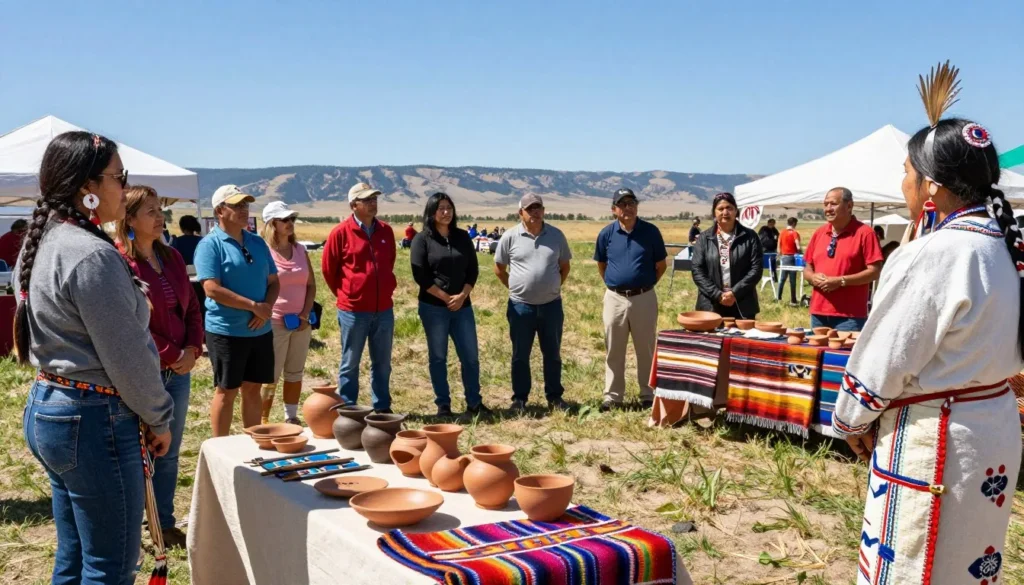
Blue Mountain Pow Wow
This celebration takes place each June in nearby Blanding. Native dancers from multiple tribes gather for competitions and demonstrations.
Traditional drum circles provide authentic musical experiences. Vendors sell handcrafted jewelry, pottery, and textiles.
Northern Navajo Nation Fair
Held in October in Shiprock, New Mexico, just 121 km (75 miles) from the park. This five-day event showcases Navajo culture through rodeos, traditional foods, and arts.
The fair attracts thousands of visitors annually. It provides insight into contemporary Native American life.
Edge of the Cedars Heritage Festival
The state park museum hosts special programs throughout the year. These include archaeology talks, pottery demonstrations, and guided tours.
Summer months feature extended programming. Check with the museum for current schedules.
Festival Tip: Many events require advance planning. Book accommodations early as Blanding hotels fill quickly during major festivals. The town has limited lodging capacity.
Getting Around Locally
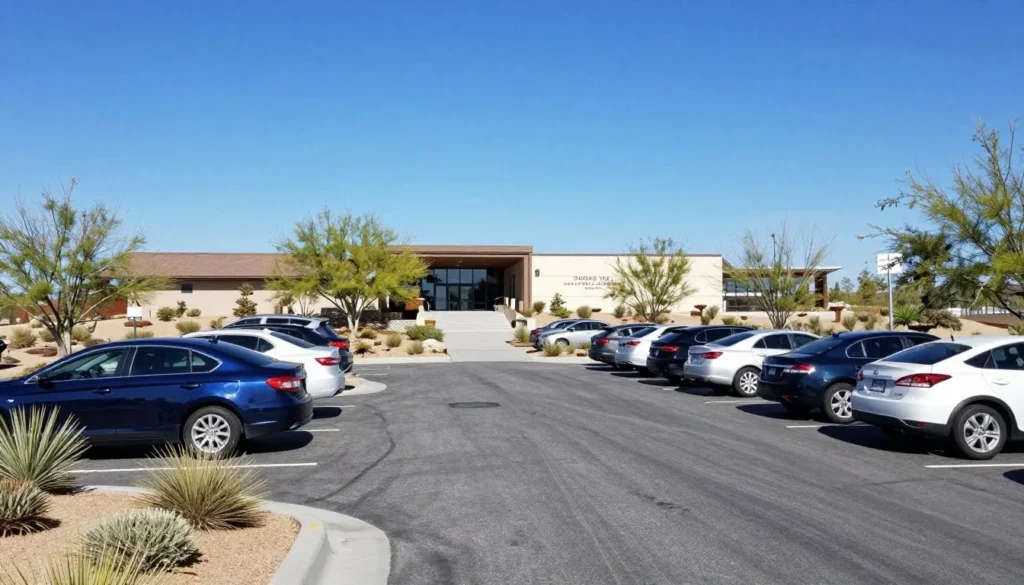
Blanding is a small town where personal vehicles provide the best transportation option. The park itself sits on the northern edge of town.
Transportation Options
Rental cars are available at larger airports like Grand Junction and Albuquerque. Book vehicles in advance, especially during peak seasons.
The park offers free parking directly adjacent to the museum building. Paved pathways connect parking areas to the museum entrance.
Walking around the outdoor archaeological site takes approximately 30 to 45 minutes. The flat terrain accommodates most fitness levels.
Accessibility Features
The museum building meets full ADA accessibility standards. Wheelchair users can access all indoor exhibits comfortably.
Paved pathways lead to some outdoor ruins. However, the original pueblo site includes uneven terrain that may challenge mobility-limited visitors.
- Accessible parking spaces near museum entrance
- Wheelchair-accessible restrooms inside facility
- Elevator access to second-floor exhibits
- Accessible drinking fountains throughout museum
Where to Stay
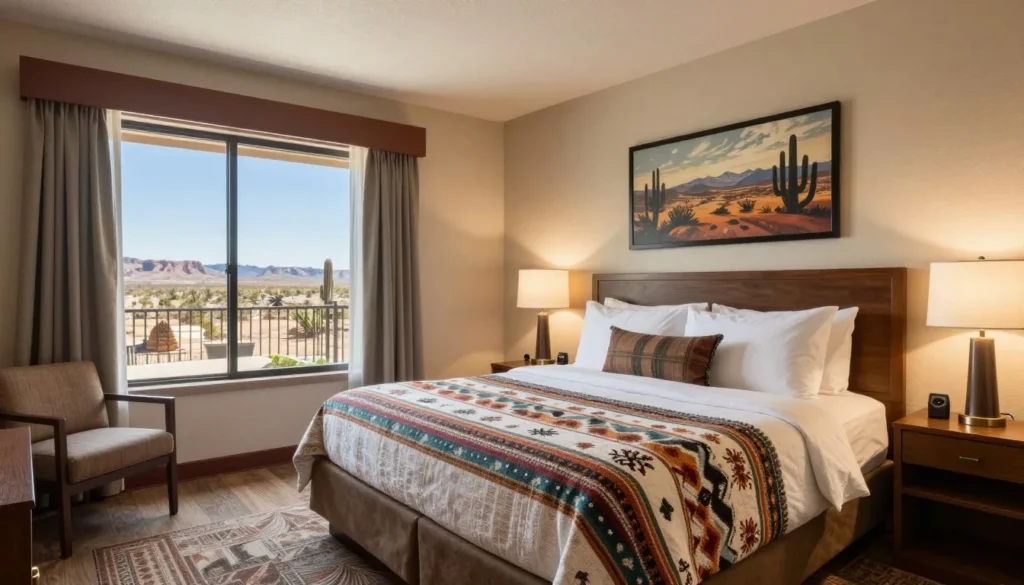
Blanding offers several lodging options within walking distance of the park. Accommodations range from budget motels to comfortable hotels.
Hotels and Motels
Stone Lizard Lodging provides modern rooms with mountain views. The property sits just 1.6 km (1 mile) from the state park.
The Blue Mountain Inn offers budget-friendly accommodations. Clean rooms include basic amenities and free Wi-Fi.
Super 8 by Wyndham features an indoor pool and complimentary breakfast. Families appreciate the convenient location.
Camping Options
Devils Canyon Campground provides tent and RV sites 19 km (12 miles) north of Blanding. The area includes basic facilities with pit toilets.
Natural Bridges National Monument campground offers stunning night skies. It sits 64 km (40 miles) west of the park.
In-Town Lodging Benefits
- Walking distance to restaurants
- Easy park access
- Modern amenities
- Reliable Wi-Fi and cell service
Camping Advantages
- Lower costs
- Immersive nature experience
- Incredible stargazing opportunities
- Access to hiking trails
Booking Recommendations
Reserve accommodations at least two weeks in advance during spring and fall. Summer weekends fill quickly despite the heat.
Blanding has approximately 200 total hotel rooms. The small inventory means limited last-minute options.
Dining & Local Cuisine
Blanding’s dining scene reflects its small-town character and regional influences. You’ll find hearty American fare and southwestern flavors.

Local Restaurants
Patio Drive-In serves classic American comfort food. Their burgers and shakes have fed locals since 1958.
Patio Pizza offers family-friendly dining with generous portions. The restaurant provides both Italian and American menu options.
Subway and McDonald’s provide familiar chain options for travelers seeking consistency.
Regional Specialties
Try Navajo tacos built on fry bread instead of tortillas. This regional favorite combines indigenous and southwestern flavors.
Green chile appears on many menu items throughout the area. The roasted peppers add distinctive southwestern taste.
Local beef comes from nearby ranches. The high desert produces excellent grass-fed cattle.
Dining Hours: Most restaurants close by 8:00 PM on weekdays and 9:00 PM on weekends. Plan dinner accordingly, especially if arriving after visiting nearby attractions.
Grocery Options
Blue Mountain Trading Post stocks groceries and camping supplies. The store serves as Blanding’s primary supermarket.
Several convenience stores offer snacks and drinks. Stock up on water and trail snacks before visiting the park.
Attractions, Sightseeing & Activities
Edge of the Cedars State Park offers diverse experiences centered on ancestral Puebloan culture. The compact site packs remarkable history into walkable grounds.

The Archaeological Site
The outdoor pueblo ruins date from 825 to 1125 CE. Six distinct room blocks once housed families in this thriving community.
A restored kiva provides rare access to ceremonial spaces. Climb down the ladder into this underground chamber exactly as ancient peoples did.
Interpretive signs explain architectural features and daily life. The self-guided trail takes 20 to 30 minutes to complete.
Photography Opportunities
Early morning light creates dramatic shadows across the ruins. The golden hour before sunset produces equally stunning shots.
The kiva’s interior offers unique photographic challenges. Bring a tripod for low-light situations.
Respect posted photography restrictions inside the museum. Some artifacts cannot be photographed due to cultural sensitivity.
Museums, Cultural Spots & Festivals
The Edge of the Cedars State Park Museum houses the region’s premier collection of ancestral Puebloan artifacts. This facility serves as both museum and research center.

Museum Collections
Over 800,000 artifacts fill the museum’s collection and storage facilities. Only a fraction appears in public displays at any given time.
Pottery represents the largest category of artifacts on display. Vessels range from simple utilitarian pieces to elaborately decorated ceremonial items.
The basket collection showcases exceptional weaving techniques. Some pieces demonstrate preservation spanning 1,500 years.

Featured Exhibits
The pottery gallery organizes ceramics by time period and cultural group. You’ll trace stylistic evolution across centuries.
Check 30,000+ Local Sightseeing Tours Worldwide
✓ Numerous languages and currencies are available
Stone tool displays explain ancient technologies. Visitors learn how people crafted implements for hunting, farming, and construction.
Temporary exhibits rotate throughout the year. These special displays often feature recent archaeological discoveries from the region.
Cultural Education Programs
The museum offers guided tours led by knowledgeable staff. These hour-long programs provide deeper context than self-guided visits.
Summer archaeology camps teach children excavation techniques. Young participants learn scientific methods through hands-on activities.
Lecture series bring archaeologists and Native scholars to share research. Check the museum calendar for upcoming presentations.
Museum Program Information
Admission and Hours
The museum operates year-round with seasonal hour variations. Summer hours typically run from 9:00 AM to 6:00 PM daily.
Winter hours reduce to 10:00 AM to 4:00 PM. The facility closes on major holidays including Thanksgiving and Christmas.
Admission fees help maintain the collection and archaeological site. Adults pay modest entrance fees, while children under 6 enter free.
| Visitor Category | Admission Fee | Notes |
| Adults (18-64) | $5.00 | Per person |
| Seniors (65+) | $3.00 | Valid ID required |
| Youth (6-17) | $3.00 | Student discount |
| Children (Under 6) | Free | Always free admission |
| Family Pass | $15.00 | Up to 6 people |
Nature & Outdoor Experiences
The Four Corners region surrounding Edge of the Cedars State Park offers spectacular outdoor recreation. High desert landscapes provide diverse adventures.

Nearby Natural Attractions
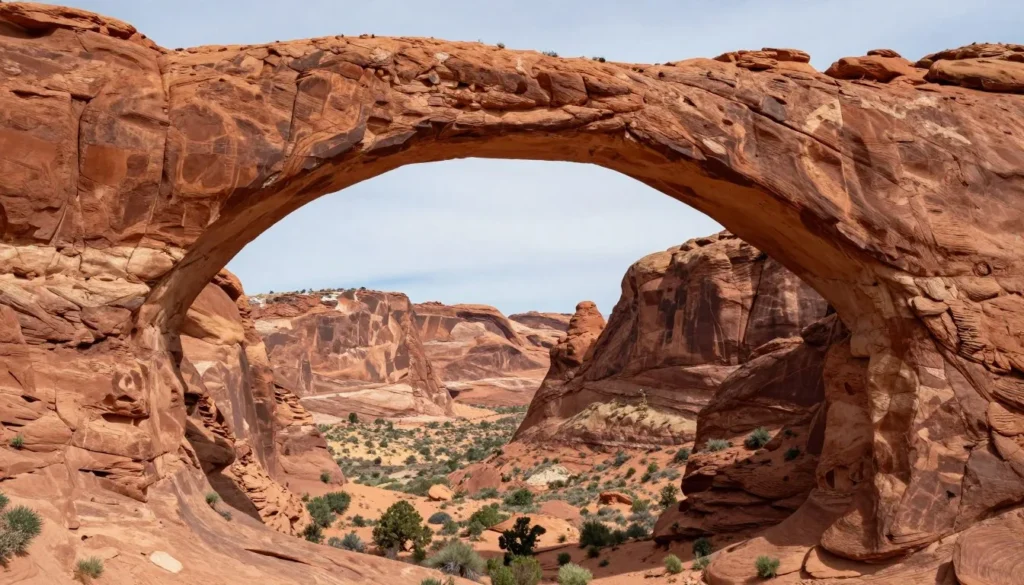
Natural Bridges National Monument sits 64 km (40 miles) west of the park. Three massive stone bridges span the canyons created by water erosion.
The monument’s 13.7 km (8.5-mile) scenic drive connects overlooks and trailheads. Short walks lead to bridge viewpoints.
Monument Valley lies 97 km (60 miles) south on the Arizona border. Iconic sandstone buttes create one of America’s most recognizable landscapes.
Hiking Opportunities
Mule Canyon contains ancestral Puebloan ruins accessible via moderate hiking trail. The 4.8 km (3-mile) round trip takes approximately 2 hours.
Butler Wash Ruins Trail offers easier access to cliff dwellings. This 1.6 km (1-mile) trail suits families with young children.
Comb Ridge provides challenging backcountry exploration. Experienced hikers discover remote archaeological sites along this geological formation.
Stargazing
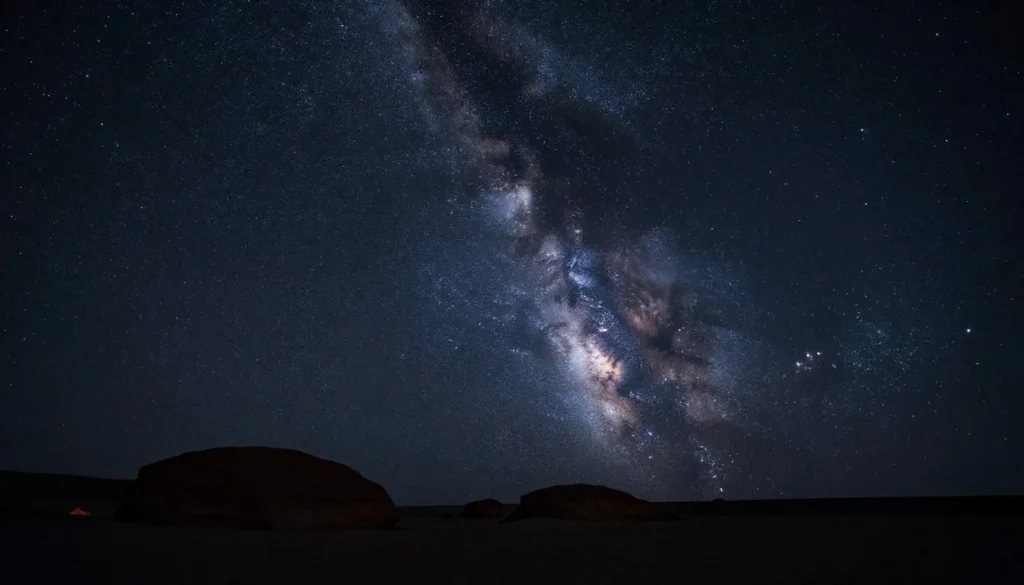
The area boasts some of North America’s darkest night skies. Light pollution remains minimal in this remote region.
Natural Bridges National Monument holds International Dark Sky Park designation. Rangers offer astronomy programs during summer months.
Wildlife Viewing
Mule deer frequently appear at dawn and dusk near the park. These graceful animals browse on shrubs throughout the area.
Golden eagles soar above canyon rims hunting for prey. Watch for these magnificent raptors circling on thermal currents.
Lizards including collared lizards dart across rocks during warm weather. These colorful reptiles add life to the landscape.
Wildlife Safety: Never approach or feed wild animals. Maintain safe distances of at least 23 m (75 feet) from deer and larger mammals. Rattlesnakes inhabit rocky areas – watch where you step and place your hands.
Travel With Children
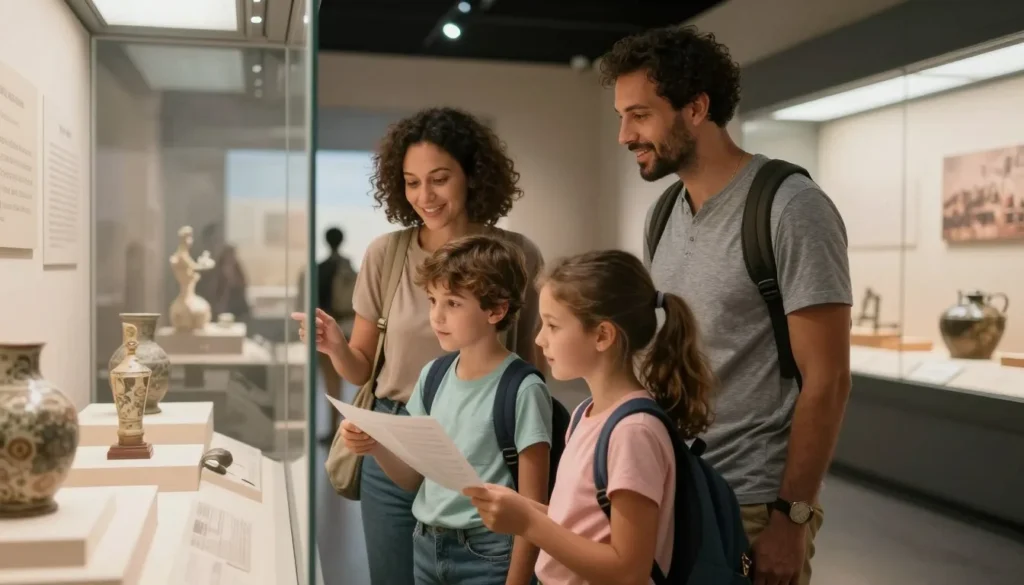
Edge of the Cedars State Park creates wonderful learning experiences for young visitors. The combination of outdoor exploration and indoor exhibits engages different age groups.
Kid-Friendly Features
The kiva descent excites children who enjoy hands-on exploration. Climbing down the ladder feels like an adventure.
Interactive displays throughout the museum encourage touching and discovery. Kids can examine replica tools and pottery.
Junior Ranger programs provide structured activities. Children complete workbooks to earn badges.
Age-Appropriate Activities
Toddlers and preschoolers enjoy the short outdoor walking trail. The flat terrain accommodates strollers on paved sections.
Elementary-age children engage deeply with the archaeology story. They grasp concepts about ancient cultures and scientific discovery.
Teenagers appreciate the authentic artifacts and historical significance. The museum’s research focus appeals to serious students.
Family-Friendly Tips
- Visit during morning hours when children have most energy
- Pack snacks and water bottles for the outdoor portion
- Use museum visit as indoor break from desert heat
- Allow 90 minutes to 2 hours for complete visit with children
- Bring sun protection even for short outdoor exploration

Educational Value
The park supports school curriculum in history, science, and cultural studies. Teachers often include visits in field trip planning.
Children learn archaeological methods and scientific thinking. The museum explains how experts study ancient cultures.
Native American perspectives appear throughout exhibits. This exposure builds cultural awareness and respect.
Money Saving Tips
Visiting Edge of the Cedars State Park and the surrounding area fits various budget levels. Strategic planning reduces expenses significantly.
Admission Savings
The family pass offers best value for groups. Six people enter for $15.00 instead of individual tickets totaling more.
Children under 6 always enter free. Large families with young kids save substantially.
Annual Utah State Parks passes provide unlimited access. Consider purchasing if visiting multiple state parks during your trip.
Accommodation Budget Strategies
Camping costs significantly less than hotels. Sites at nearby campgrounds run $10 to $25 per night.
Book accommodations on weekdays when rates drop. Weekend rates increase by 20 to 30 percent during peak season.
Consider staying in Monticello, 32 km (20 miles) north. Prices sometimes run lower than Blanding.
Food and Dining Savings
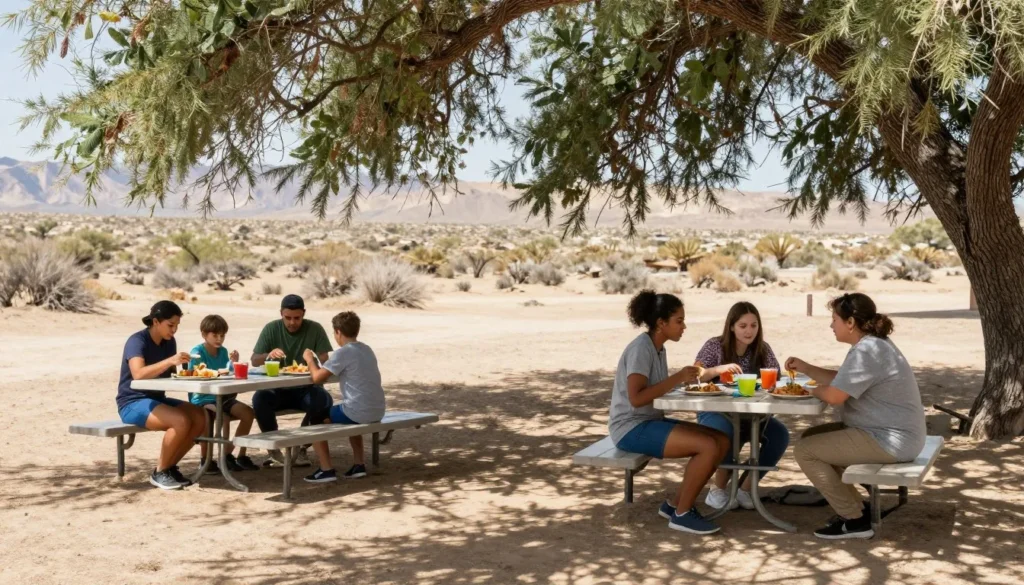
Pack picnic lunches from grocery stores. Blanding restaurants charge typical prices but options are limited.
Bring reusable water bottles to refill at the park. Bottled water costs add up quickly in remote areas.
Stock up on snacks at large supermarkets before arriving. Convenience store prices run higher.
Budget Tip: Visit Edge of the Cedars as part of a larger Four Corners loop. Combining multiple attractions in one trip maximizes value from travel expenses and time invested.
Transportation Savings
Fill gas tanks in larger towns like Cortez or Monticello. Blanding’s limited stations sometimes charge premium prices.
Plan efficient routes to minimize backtracking. The remote location means long drives consume fuel.
Car maintenance before your trip prevents costly roadside repairs. Remote area services charge accordingly.
Safety, Etiquette & Local Customs
Respecting archaeological sites and cultural sensitivity ensures preservation for future generations. Proper etiquette honors the heritage these places represent.

Archaeological Site Etiquette
Never touch or climb on ancient walls and structures. Human oils and pressure damage fragile 1,000-year-old architecture.
Stay on designated trails throughout the outdoor area. Wandering damages both archaeological deposits and desert vegetation.
Leave all artifacts in place, including pottery shards. Federal law protects these items, and removal constitutes serious crime.
Take only photographs and leave only footprints. This fundamental principle protects heritage for everyone.
Cultural Sensitivity
Ancestral Puebloan sites hold sacred significance for contemporary Native peoples. Approach with reverence and respect.
The kiva represents ceremonial space central to spiritual practices. Maintain quiet, respectful behavior when visiting.
Photography restrictions exist for certain artifacts and areas. Honor these limitations without question.
Native American vendors sometimes sell crafts near the museum. Purchase authentic items to support local artists.
Desert Safety Precautions
- Carry minimum 1 liter of water per person, even for short visits
- Apply sunscreen 30 minutes before sun exposure, reapply every 2 hours
- Watch for rattlesnakes in rocky areas during warm months
- Tell someone your plans when hiking in remote areas
- Check weather forecasts for flash flood potential in canyons
Important: Cell phone service remains unreliable throughout much of the Four Corners region. Don’t depend on mobile devices for emergency communication in remote areas. Carry physical maps and emergency supplies.
Local Customs
Blanding observes conservative social norms typical of rural Utah communities. Modest dress shows respect for local culture.
The town has limited entertainment options and early closing times. Adjust expectations for evening activities.
Residents appreciate visitors who support local businesses. Small towns depend on tourism dollars.
Visitor Comments About Edge of the Cedars State Park
Real travelers share their experiences exploring this unique destination. Their insights provide valuable perspectives for trip planning.

“The artifact collection absolutely amazed our entire family. We spent three hours exploring the museum and still wanted more time. The kiva experience was incredible – climbing down that ladder transported us back centuries. Our kids ages 9 and 12 declared this their favorite stop on our entire Utah trip. The staff answered every question with patience and knowledge. This hidden gem deserves far more recognition than it receives.”
“I visited during spring and found the weather perfect for exploring both indoor and outdoor areas. The museum provides excellent context before you walk the ruins. I particularly appreciated how the exhibits explain archaeological methods and cultural connections to modern tribes. The collection quality rivals much larger institutions. Plan at least 90 minutes to see everything properly. The admission fee represents outstanding value.”
“Edge of the Cedars exceeded my expectations completely. The pottery displays showcase incredible artistry and preservation. I learned more about ancestral Puebloan culture here than at larger, more famous sites. The compact layout makes visiting easy without feeling rushed. The outdoor ruins complement the indoor exhibits perfectly. This museum deserves recognition as one of the Southwest’s premier cultural institutions. I recommend this to anyone interested in Native American history.”
Additional Nearby Destinations
Edge of the Cedars State Park serves as an excellent base for exploring the Four Corners region. Numerous significant sites lie within reasonable driving distance.
Monument Valley
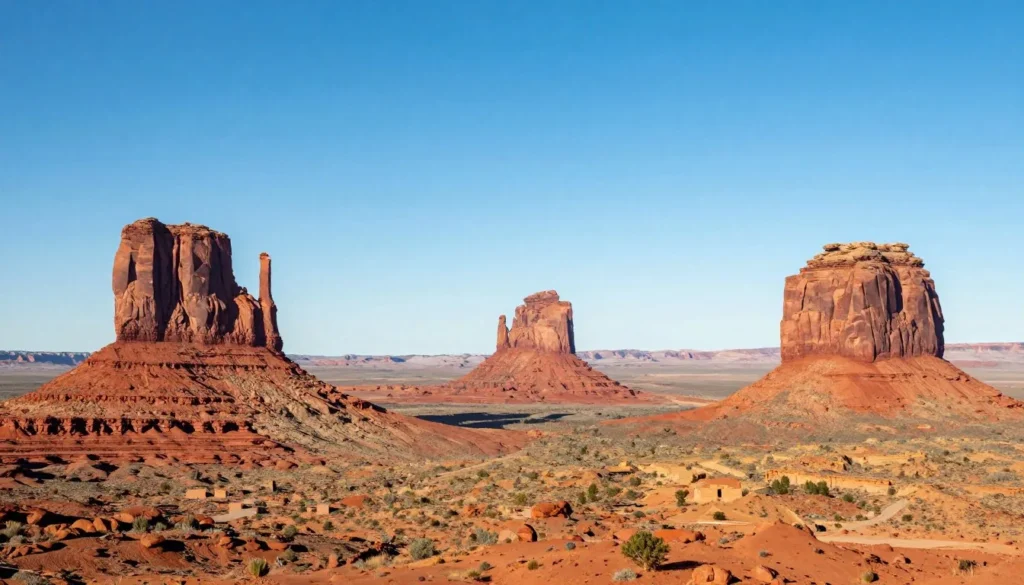
This iconic landscape sits 97 km (60 miles) south of Blanding. Massive sandstone buttes create the classic American West scenery.
Navajo guides lead tours into restricted areas. These experiences provide cultural context beyond the scenic drive.
Allow a full day for Monument Valley exploration. Sunrise and sunset deliver spectacular photography.
Natural Bridges National Monument
Three impressive stone bridges span this monument 64 km (40 miles) west. Kachina, Sipapu, and Owachomo bridges each offer unique characteristics.
The scenic drive with overlooks takes about 90 minutes. Hiking trails descend to bridge bases for closer views.
The monument boasts exceptional dark skies for astronomy. Rangers conduct stargazing programs during summer.
Mesa Verde National Park
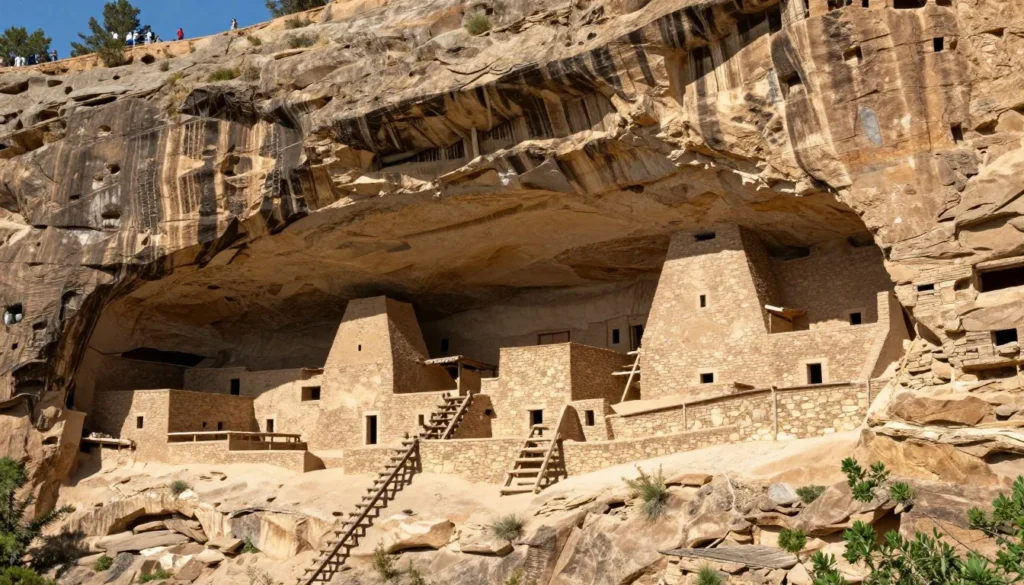
This UNESCO World Heritage Site preserves remarkable cliff dwellings. The park sits 113 km (70 miles) northeast in Colorado.
Cliff Palace and Balcony House require ranger-guided tours. Reserve tickets well in advance during peak season.
The museum and cultural center provide comprehensive educational experiences. Plan a full day minimum for Mesa Verde.
Hovenweep National Monument
Six prehistoric villages sit along the Utah-Colorado border 64 km (40 miles) east. Unique tower structures distinguish these sites.
The Square Tower Group offers easiest access. A 3.2 km (2-mile) loop trail connects multiple structures.
Hovenweep sees fewer visitors than other monuments. This provides quieter, more contemplative experiences.
Goosenecks State Park
The San Juan River creates dramatic meanders 40 km (25 miles) southwest. Overlooks provide vertigo-inducing views down 305 m (1,000 feet).
This small park requires only 30 minutes for viewing. The unique geology makes worthwhile stops on route to Monument Valley.
Practical Travel Tips
Successful Four Corners travel requires specific preparation. This remote region presents unique challenges compared to urban destinations.

Essential Items to Pack
- High SPF sunscreen and lip balm with sun protection
- Wide-brimmed hat and quality sunglasses
- Reusable water bottles – minimum 2 liters capacity per person
- Layered clothing for temperature fluctuations
- Comfortable walking shoes with good tread
- Physical maps as backup for unreliable GPS
- First aid kit including blister treatment
- Portable phone charger or power bank
Communication Considerations
Cell phone coverage remains spotty throughout the region. Don’t depend on mobile devices for navigation or emergencies.
Download offline maps before leaving areas with reliable service. Google Maps and similar apps offer this feature.
Inform someone of your itinerary when exploring remote areas. Provide expected return times.
Money and Services
ATMs exist in Blanding but may be limited in smaller towns. Carry sufficient cash for areas without card payment.
Gas stations cluster in larger towns. Fill tanks when possible rather than waiting until nearly empty.
Grocery stores close by 9:00 PM in most communities. Stock supplies during daytime hours.
Health and Altitude
The park sits at 1,890 m (6,200 feet) elevation. Some visitors experience mild altitude effects.
Drink extra water to combat dehydration from elevation and dry air. The high desert environment requires more hydration than typical.
Take breaks if feeling dizzy or experiencing headaches. These symptoms usually resolve with rest and water.
Best Practices for Photography
Morning light between 8:00 and 10:00 AM creates excellent conditions. Long shadows add depth to ruins and artifacts.
Golden hour before sunset produces warm, dramatic lighting. Plan to be at outdoor ruins during this time.
Museum photography requires higher ISO settings or tripods. Check individual exhibit photography policies before shooting.
Insider Tip: Visit the museum shop for authentic Native American crafts and books. Purchases directly support the park and local artisans. The selection includes items unavailable elsewhere.
Seasonal Considerations
Summer thunderstorms develop quickly during afternoon hours. Watch weather and seek shelter when storms approach.
Spring brings unpredictable weather including occasional late snow. Check forecasts and road conditions before remote area travel.
Fall offers most stable weather patterns. This makes autumn ideal for extended outdoor exploration.
Your Journey Into Ancient America Awaits
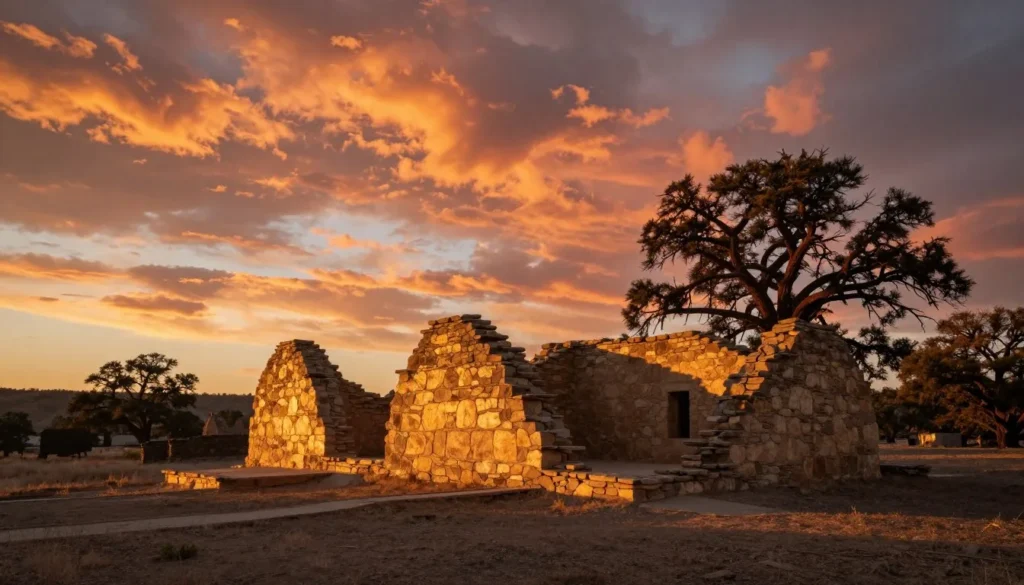
Edge of the Cedars State Park offers something truly special in the Four Corners region. This remarkable site combines world-class archaeology with intimate, accessible experiences.
The museum’s 800,000 artifacts tell stories spanning millennia. Each pottery vessel, woven basket, and stone tool connects you to the ancestral Puebloan people who thrived here.
Walking among the actual ruins where families lived 1,000 years ago creates profound connections. Descending into the restored kiva brings ancient ceremonial practices to life.
The surrounding Four Corners region extends your journey through time. Monument Valley, Natural Bridges, and Mesa Verde await nearby.
Whether you spend two hours or two days exploring, Edge of the Cedars leaves lasting impressions. The combination of authentic artifacts, preserved architecture, and stunning landscapes creates memories that endure.
Start planning your visit to this hidden gem of the American Southwest. Ancient voices whisper through the cedars, inviting you to discover their remarkable legacy.