Hotels by Trip.com
Flights by Trip.com
Deep within central Utah’s mountains lies one of Earth’s most remarkable living organisms. The Pando aspen grove near Fish Lake spans over 43 hectares (106 acres) and weighs approximately 6 million kilograms, making it the heaviest known organism on the planet. This ancient forest has thrived for an estimated 80,000 years, watching countless seasons transform the landscape around pristine Fish Lake.
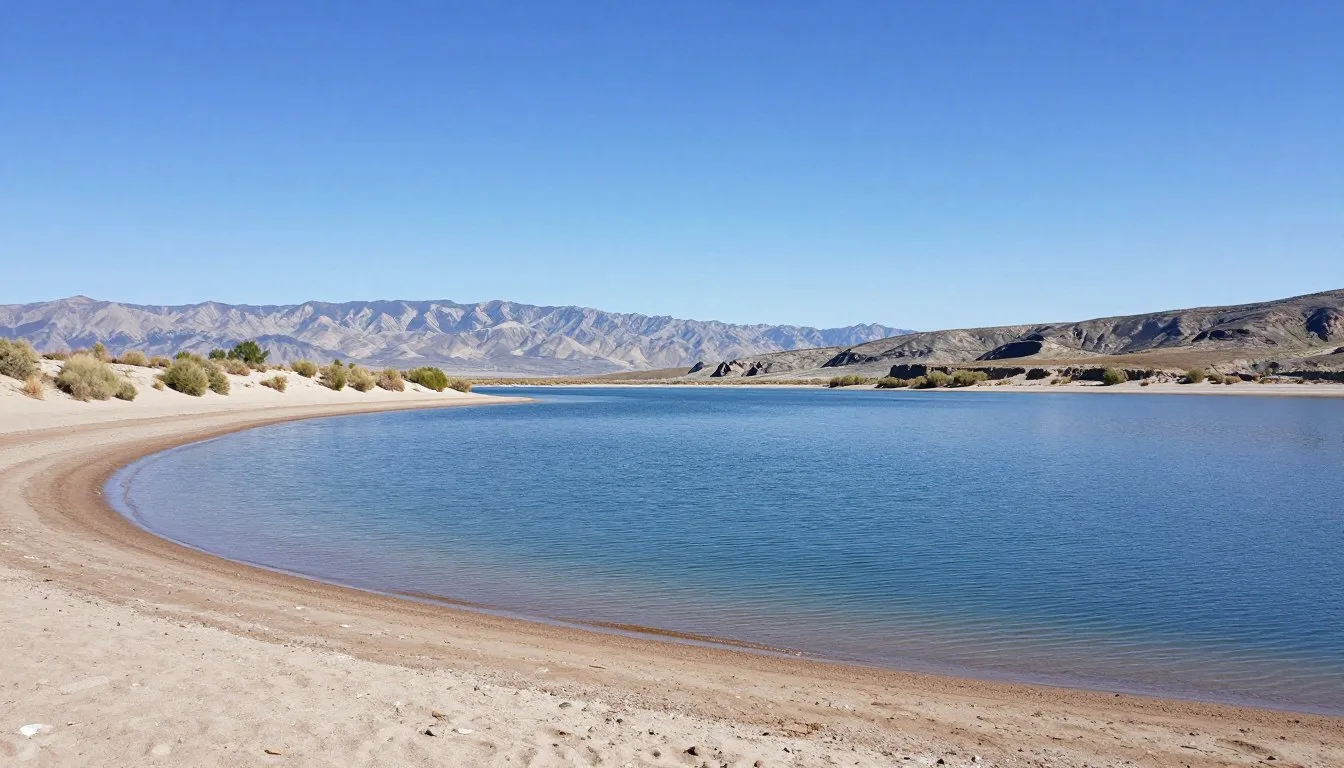
Fish Lake itself ranks among Utah’s hidden gems. While millions flock to the state’s five national parks each year, this high-elevation mountain lake offers something different. Here, you’ll find world-class trout fishing, scenic drives through golden aspen groves, and access to the vast Fishlake National Forest.
This comprehensive Fish Lake Utah travel guide covers everything you need to plan your visit. From practical travel tips to the best hiking trails, from family-friendly activities to money-saving strategies, you’ll discover why this central Utah destination deserves a spot on your travel list.
Getting There and Planning Your Journey
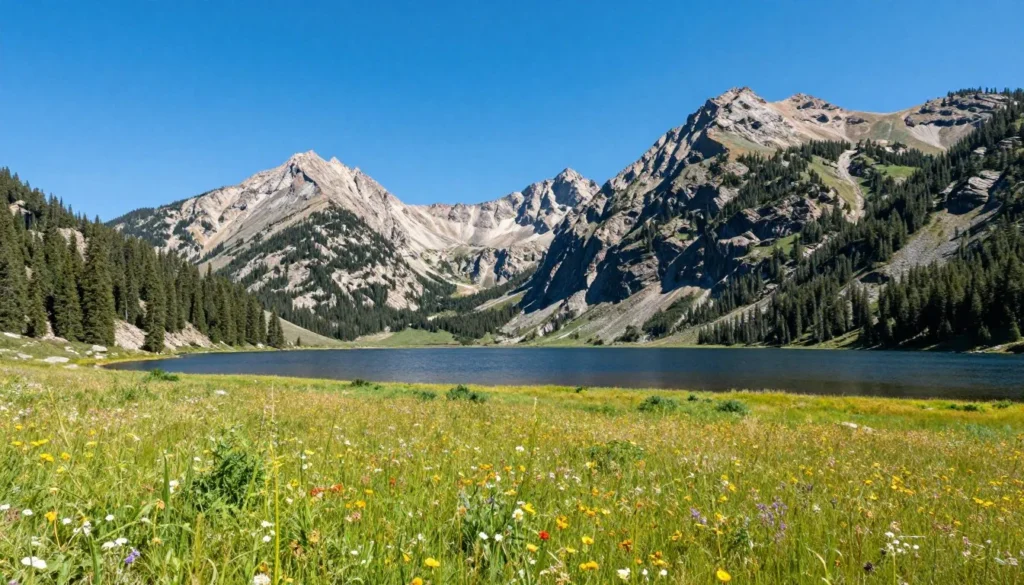
Planning your journey to Fish Lake requires some preparation. The lake sits at 2,743 m (9,000 ft) elevation in south-central Utah, about midway between Interstate 15 and Interstate 70.
Closest Airports
Several airports serve as gateways to Fish Lake:
- Salt Lake City International Airport – 322 km (200 miles) north, approximately 3.5 hours driving time
- Provo Municipal Airport – 225 km (140 miles) northeast, roughly 3 hours by car
- Cedar City Regional Airport – 193 km (120 miles) southwest, about 2.5 hours driving
- Grand Junction Regional Airport (Colorado) – 290 km (180 miles) east, approximately 3.5 hours
Salt Lake City International offers the most flight options and rental car availability. The drive from Salt Lake takes you through scenic mountain terrain, passing through small towns where you can stock up on supplies.
Driving Directions
From Salt Lake City, take I-15 south to Spanish Fork, then US-6 southeast through the mountains to I-70. Exit at Fremont Junction and follow UT-72 south, then UT-25 east directly to Fish Lake. The route climbs through spectacular mountain passes with elevation changes exceeding 1,219 m (4,000 ft).
The final approach on UT-25 is particularly scenic. This designated scenic byway winds through forests and meadows before revealing Fish Lake’s waters.
Important Planning Note: Cell phone service is extremely limited around Fish Lake. Download maps, make reservations, and share your itinerary before arrival. The nearest full-service town is Richfield, about 64 km (40 miles) west.
Visitor Information
The Fremont River Ranger District office in Loa provides information about Fishlake National Forest conditions, camping, and trail status. Contact them at 435-836-2800 before your trip for current road and weather conditions.
Best Time to Visit and Weather Tips
Best Time to Visit Fish Lake
Fish Lake’s high elevation creates distinct seasonal patterns that dramatically affect your experience.
✓ Check 30,000+ Local Sightseeing Tours Worldwide
Peak Summer Season (June through August)
Summer brings ideal conditions for most activities. Daytime temperatures typically reach 21-26°C (70-80°F), while nights cool to 4-10°C (40-50°F). The lake warms enough for swimming, though it remains refreshingly cool.
July and early August offer the most reliable weather. Afternoon thunderstorms are common but usually brief. This period also coincides with peak fishing activity, as trout become more active in warmer water.
Fall Glory (September through October)
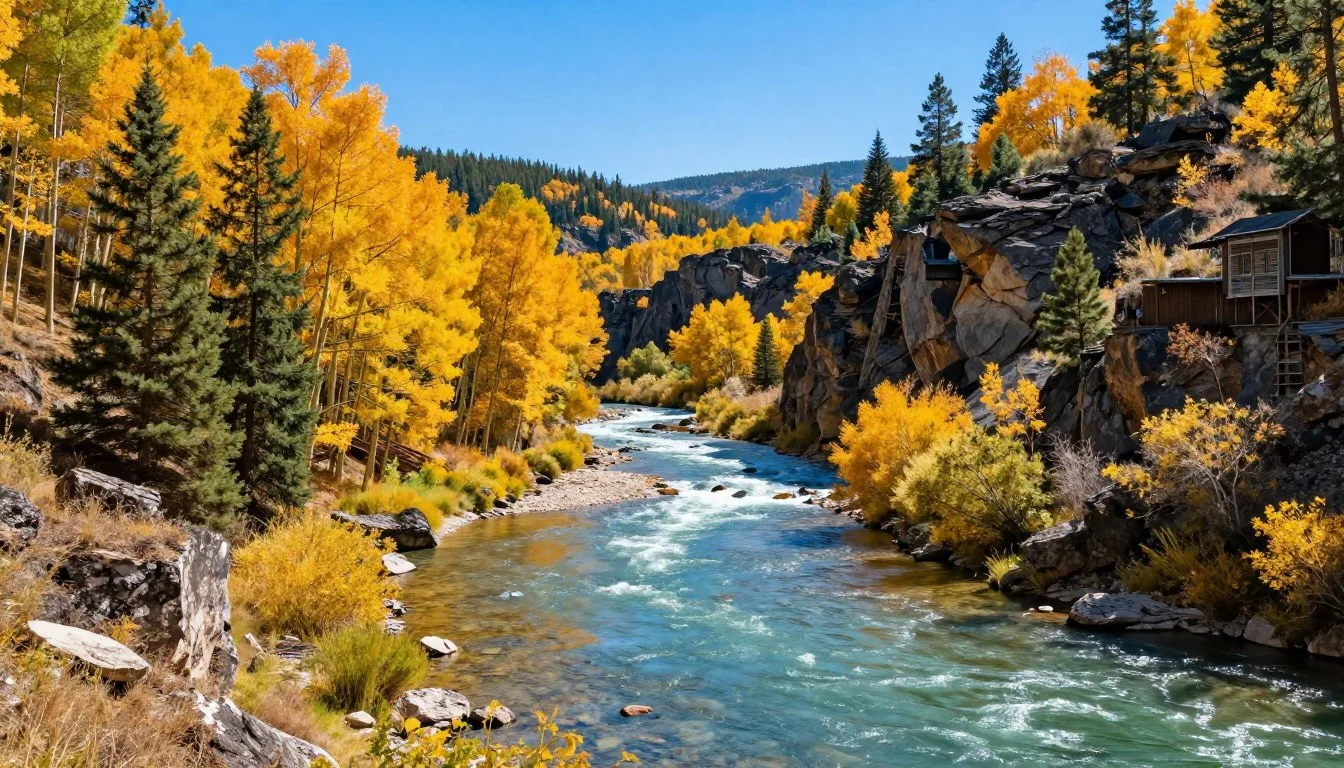
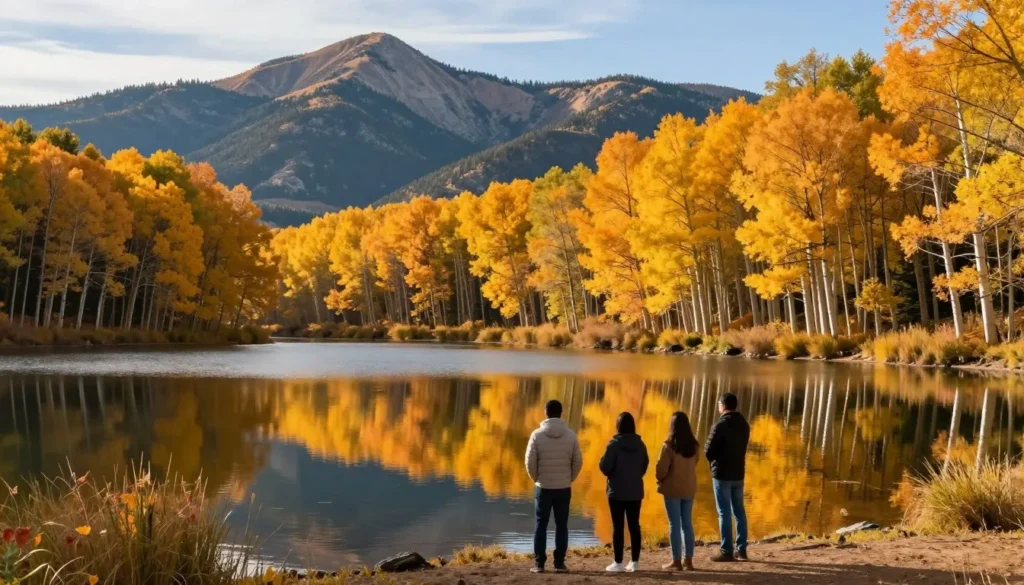
Late September through early October transforms Fishlake National Forest into one of southern Utah’s best places to see fall colors. The massive aspen groves turn brilliant gold, creating stunning contrasts against evergreen forests.
Temperatures drop to 10-18°C (50-65°F) during the day, with nighttime lows approaching freezing. Crowds thin considerably after Labor Day, making this an excellent time for photographers and solitude-seekers.
Winter Access (November through April)
UT-25 typically closes to vehicle traffic from late October or early November through late May, depending on snowfall. Winter access requires snowmobiles or cross-country skis. The area receives heavy snowfall, often exceeding 305 cm (120 inches) annually.
Spring Transition (May through early June)
Spring comes late to Fish Lake. Snow may linger through May, and road access remains uncertain. Water levels run high from snowmelt, and temperatures stay cool. Unless you’re specifically targeting spring runoff or solitude, this represents the least favorable visiting period.
Recommended Months: July, August, and late September offer the best combination of weather, accessibility, and activities.
Months to Avoid: November through May due to road closures and severe winter conditions; early June when snow still affects many trails.
Weather Preparation
Mountain weather changes rapidly. Pack layers for temperature swings of 15-20°C (30-40°F) between day and night. Afternoon thunderstorms develop quickly during summer months, bringing lightning, heavy rain, and occasionally hail.
Sun protection is critical at this elevation. The thin atmosphere provides less UV filtering than at lower elevations. Bring sunscreen rated SPF 30 or higher, sunglasses, and wide-brimmed hats.
Notable Annual Festivals

Fish Lake’s remote location means fewer organized festivals than urban areas, but the region hosts several events worth planning around.
Fishlake National Forest Mountain Music Festival
Held annually in late July at Doctor Creek Campground near Fish Lake, this festival celebrates Americana and folk music. Local and regional musicians perform against the backdrop of aspen forests and mountain vistas. The family-friendly event includes camping options, food vendors, and craft booths.
For current dates and performer lineups, contact the event organizers at 435-896-5474.
Richfield Harvest Festival
Taking place in Richfield (the nearest full-service town) during early September, this festival marks the agricultural harvest with produce displays, craft vendors, live entertainment, and local food. It provides an excellent opportunity to experience central Utah culture if you’re passing through.
Contact Richfield Area Chamber of Commerce at 435-896-4241 for specific dates and activities.
Fish Lake Fishing Derby
This informal competition typically occurs in mid-August, attracting anglers from across the region. Prizes are awarded for largest fish in various categories. Registration usually happens at the Fish Lake Resort marina.
For derby details and registration, call Fish Lake Resort at 435-638-1000.
Getting Around Locally
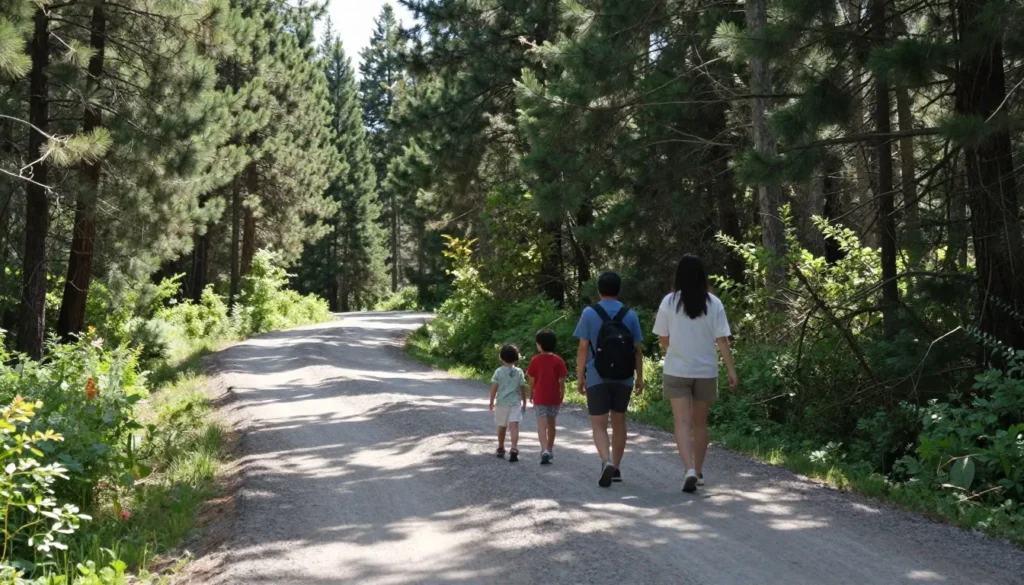
Fish Lake’s remote location means personal transportation is essential. No public transit, taxis, or ride-sharing services operate in the area.
Driving Your Own Vehicle
A personal vehicle provides maximum flexibility for exploring Fish Lake and surrounding Fishlake National Forest areas. Standard passenger cars can access the main UT-25 highway and developed campgrounds during summer months.
However, many forest service roads require higher clearance. If you plan extensive exploration beyond paved roads, consider renting an SUV or truck.
Boat Access
Fish Lake stretches approximately 10 km (6 miles) long but only 1.6 km (1 mile) wide. Several marinas provide boat rentals, including kayaks, canoes, motorboats, and pontoons. Water access allows you to reach secluded fishing spots and shoreline areas inaccessible by vehicle.
Hiking and Biking
The area features numerous trails accessible on foot or mountain bike. Many trailheads sit within easy walking distance of campgrounds and resorts. Bikes work well on forest service roads, though steep grades challenge less experienced riders.
ATV and Off-Road Exploration
Fishlake National Forest maintains hundreds of miles of ATV trails. The area ranks among central Utah’s premier ATV destinations. Several businesses in nearby towns rent ATVs, though reserving in advance is strongly recommended during peak summer months.
The Fish Lake area connects to the renowned Paiute ATV Trail system, which spans over 1,126 km (700 miles) across south-central Utah. This extensive trail network attracts riders from across the western United States.
Important: ATV use requires registration and helmet use. Riders must stay on designated trails. The Forest Service enforces these regulations strictly to protect sensitive habitats and ensure rider safety.
Where to Stay
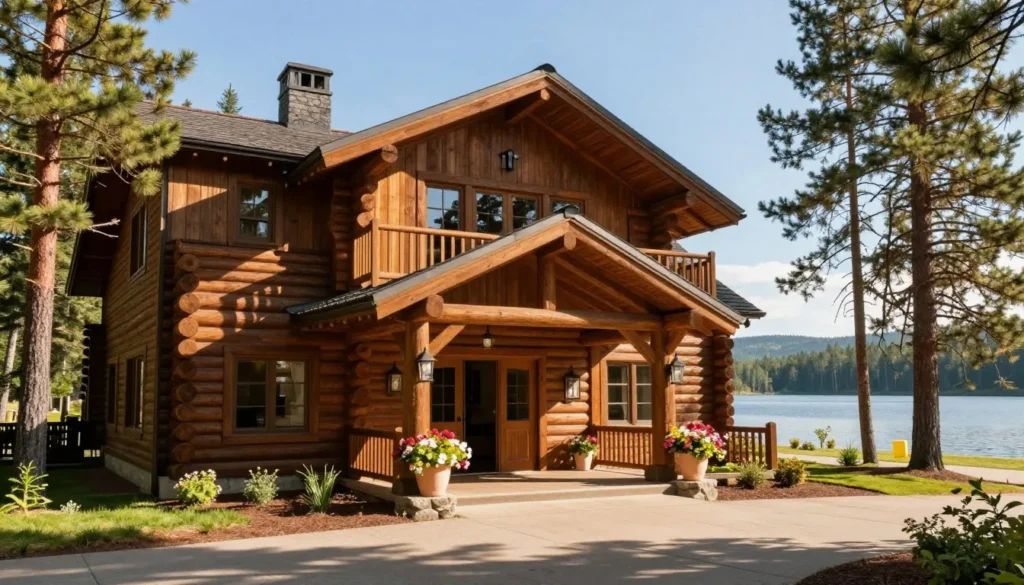
Accommodation options around Fish Lake range from primitive camping to full-service lodges. Book well in advance for summer weekends, as the area’s limited capacity fills quickly.
Fish Lake Resorts and Lodges
Fish Lake Resort
This historic lakeside property offers cabins, motel rooms, and RV sites. The on-site restaurant serves breakfast, lunch, and dinner during the summer season. Marina services include boat rentals, fishing licenses, and supplies.
The resort accommodates up to 200 guests in various configurations. Cabins feature kitchenettes and private bathrooms, while motel rooms offer basic amenities. Reservations are essential from June through September.
Contact: 435-638-1000
Bowery Haven Resort
Located on Fish Lake’s north shore, Bowery Haven provides rustic cabins and lodge rooms. The property includes a small store, boat rentals, and a fish cleaning station. Cabins sleep 2-8 people and include basic cooking facilities.
This family-owned operation emphasizes a quiet, traditional mountain experience. No televisions or WiFi means genuine disconnection from daily life.
Contact: 435-638-1040
Lakeside Resort
Offering both motel accommodations and RV hookups, Lakeside Resort sits directly on Fish Lake’s shore. The marina provides full boat rental services, including fishing guides for hire.
The resort’s restaurant specializes in fresh trout preparations. Their deck overlooking the lake makes an ideal spot for sunset dinners.
Contact: 435-638-1000
Campgrounds in Fishlake National Forest
The Forest Service operates several developed campgrounds around Fish Lake, offering more economical options than resorts.
Doctor Creek Campground
This 29-site campground provides the most amenities of the area’s Forest Service facilities. Sites include picnic tables, fire rings, and vault toilets. Potable water is available throughout the campground. The location offers easy lake access and connects to several hiking trails.
Sites accommodate RVs up to 12 m (40 ft). Reservations through Recreation.gov are accepted up to six months in advance and strongly recommended for July and August weekends.
Mackinaw Campground
With 68 sites, Mackinaw represents the area’s largest campground. Located on the lake’s south shore, it provides similar amenities to Doctor Creek but with more capacity. Some sites sit directly on the water, offering premium fishing access.
The campground typically opens in late May and closes in late September, weather permitting.
Frying Pan Campground
This smaller 12-site campground appeals to those seeking quieter surroundings. Located slightly away from the main lake area, it offers more solitude but requires a short drive to water access.
Sites work best for tent camping and smaller RVs under 9 m (30 ft).
Dispersed Camping
Fishlake National Forest allows free dispersed camping throughout most areas. Campers must stay at least 61 m (200 ft) from water sources and established trails. This option provides maximum solitude and flexibility but requires complete self-sufficiency.
Popular dispersed camping areas include the forests along UT-25 and various forest service roads branching from the main highway. A high-clearance vehicle helps access the best sites.
Nearby Town Accommodations
Richfield, approximately 64 km (40 miles) west, offers standard chain hotels if you prefer amenities like air conditioning, WiFi, and proximity to restaurants and services. This option works well for day trips to Fish Lake while maintaining comfortable lodging.
Dining and Local Cuisine
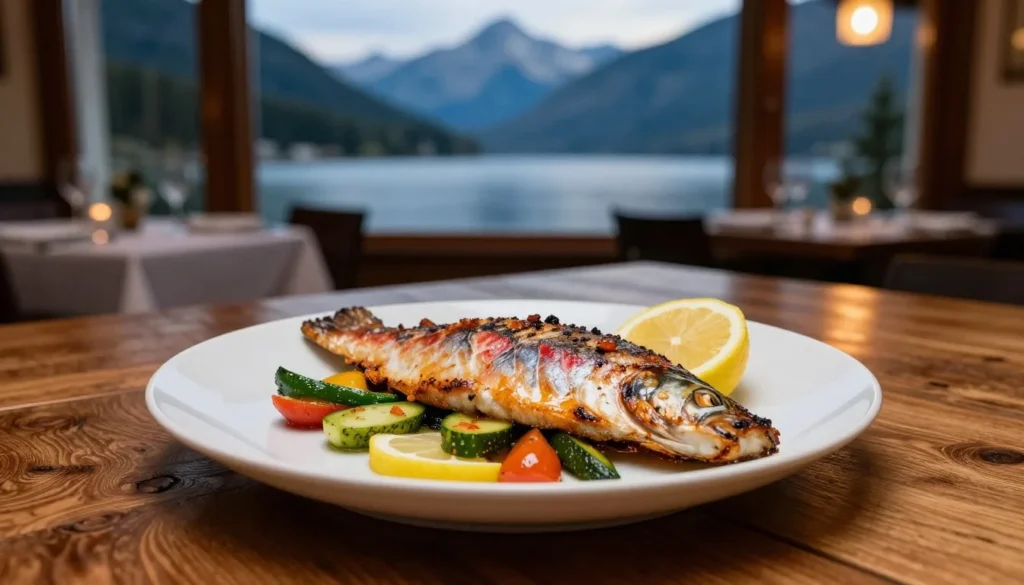
Dining options around Fish Lake reflect its remote mountain location. Don’t expect gourmet restaurants or extensive menus, but you’ll find hearty, satisfying meals and local specialties.
Resort Dining
The three main resorts around Fish Lake each operate restaurants during summer months, typically from Memorial Day through late September. Menus emphasize American comfort food with fresh trout as the signature offering.
Fish Lake Resort’s dining room serves the most extensive menu, including breakfast items, burgers, sandwiches, and dinner entrees. Their specialty is fresh-caught lake trout, either pan-fried or grilled, served with seasonal vegetables.
Portions tend toward generous, catering to outdoor enthusiasts who’ve worked up substantial appetites. Prices reflect the remote location but remain reasonable compared to destination resort areas.
Most resort restaurants don’t take reservations. Arrive early during peak dinner hours (6-7 PM) to avoid waits, especially on summer weekends.
Cooking Your Own Meals
Many visitors prepare their own meals using cabin kitchenettes or campfire cooking. Small stores at the resorts stock basic supplies, but selection is limited and prices run higher than in towns.
Stock up on groceries, ice, and cooking supplies in Richfield before driving to Fish Lake. The town has full-service supermarkets with extensive selections at standard prices.
Fish Your Dinner
Catching your own trout represents part of the authentic Fish Lake experience. All resorts provide fish cleaning stations with running water and disposal facilities. Many visitors cook their catch over campfires or on portable grills.
Lake trout and splake (a trout hybrid) are the primary species. Rainbow trout and brown trout also inhabit these waters. Daily catch limits apply, so check current Utah fishing regulations.
Picnic Areas
Numerous picnic sites dot the lakeshore, offering tables, grills, and spectacular views. Packing a lunch and eating lakeside makes an economical and scenic option. Doctor Creek and Mackinaw campgrounds both feature designated group picnic areas available for day use.
Local Tip: The resorts sometimes sell fresh-baked pies and pastries in limited quantities. These homemade treats disappear quickly, so check in the morning if interested.
Attractions, Sightseeing and Activities
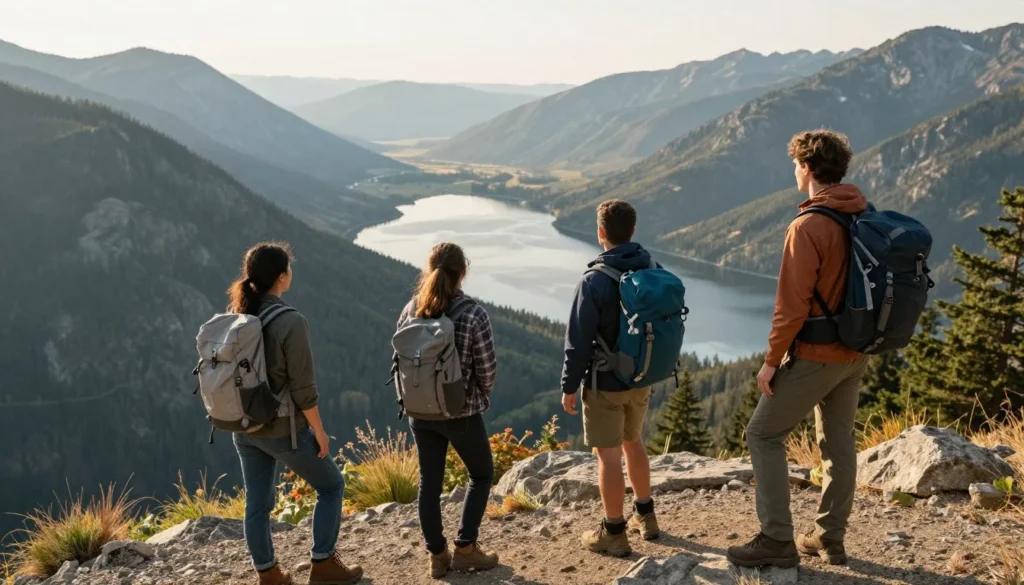
Fish Lake and the surrounding Fishlake National Forest offer diverse activities beyond fishing. Whether you seek adventure or relaxation, you’ll find options to fill your days.
Scenic Drives
Fish Lake Scenic Byway (UT-25)
This designated scenic byway runs 70 km (43 miles) from Fremont Junction to Johnson Valley Reservoir, passing directly alongside Fish Lake. The paved route offers numerous pullouts where you can stop for photos, short walks, or wildlife observation.
Allow at least an hour for the drive if stopping frequently. The route climbs through diverse ecosystems, from sage-covered valleys to dense conifer and aspen forests. Interpretive signs at several pullouts explain the area’s geology, ecology, and history.
Gooseberry-Fremont Road
This unpaved forest route connects Fish Lake to Capitol Reef National Park, roughly 97 km (60 miles) south. The route requires a high-clearance vehicle and remains open only during dry summer months.
The drive takes 3-4 hours and traverses some of central Utah’s most remote terrain. You’ll cross high mountain passes, descend through colorful badlands, and potentially encounter wildlife ranging from deer to wild turkeys.
Photography Opportunities
Fish Lake attracts photographers year-round, though fall brings the most dramatic colors. The enormous aspen groves create golden landscapes unlike anywhere else. Early morning and late afternoon provide the best lighting, with mist often rising from the lake at dawn.
Popular photography locations include the viewpoint at the top of the scenic byway’s northern approach, the shoreline near Doctor Creek, and various forest service roads where aspen groves grow thick.
Wildlife Watching
Fishlake National Forest supports diverse wildlife. Mule deer are commonly spotted around the lake, especially during morning and evening hours. Elk inhabit higher elevations and sometimes venture to the lake to drink at dawn.
Bird species include bald eagles (occasional visitors), osprey (summer residents that fish the lake), various hawks, and numerous songbirds. The forests echo with bird calls during summer mornings.
✓ Check 30,000+ Local Sightseeing Tours Worldwide
Small mammals like yellow-bellied marmots, golden-mantled ground squirrels, and chipmunks frequent campgrounds and picnic areas. While entertaining, resist feeding them as it disrupts natural behaviors and creates dependency.
Nature and Outdoor Experiences
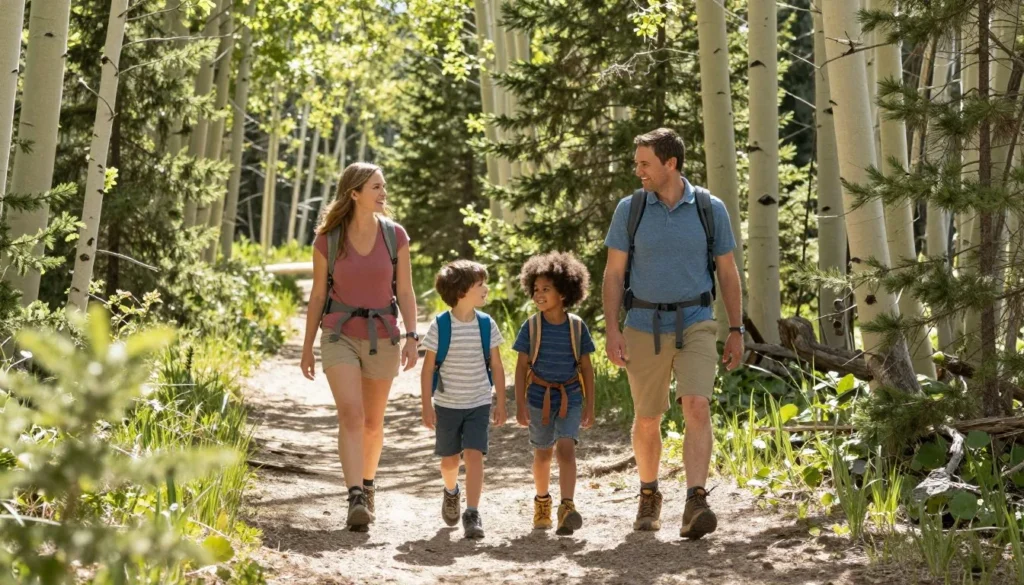
Fishing at Fish Lake
Fish Lake earned its name honestly. The lake holds populations of lake trout, splake, rainbow trout, and brown trout. Fish grow large here, with lake trout occasionally exceeding 9 kg (20 pounds).
Fishing from shore produces results, especially near creek inlets and rocky points. However, boat fishing provides access to deeper waters where larger fish congregate. The lake reaches depths over 33 m (110 ft) in places.
Popular techniques include trolling with lures, jigging with spoons, and fly fishing near the surface during insect hatches. Early morning and evening generally produce the best action, though midday fishing can succeed in deeper water.
Utah fishing licenses are required for anyone 12 and older. Licenses and fishing supplies are available at all three lake resorts. Daily limits and size restrictions apply to protect fish populations.
Hiking Trails
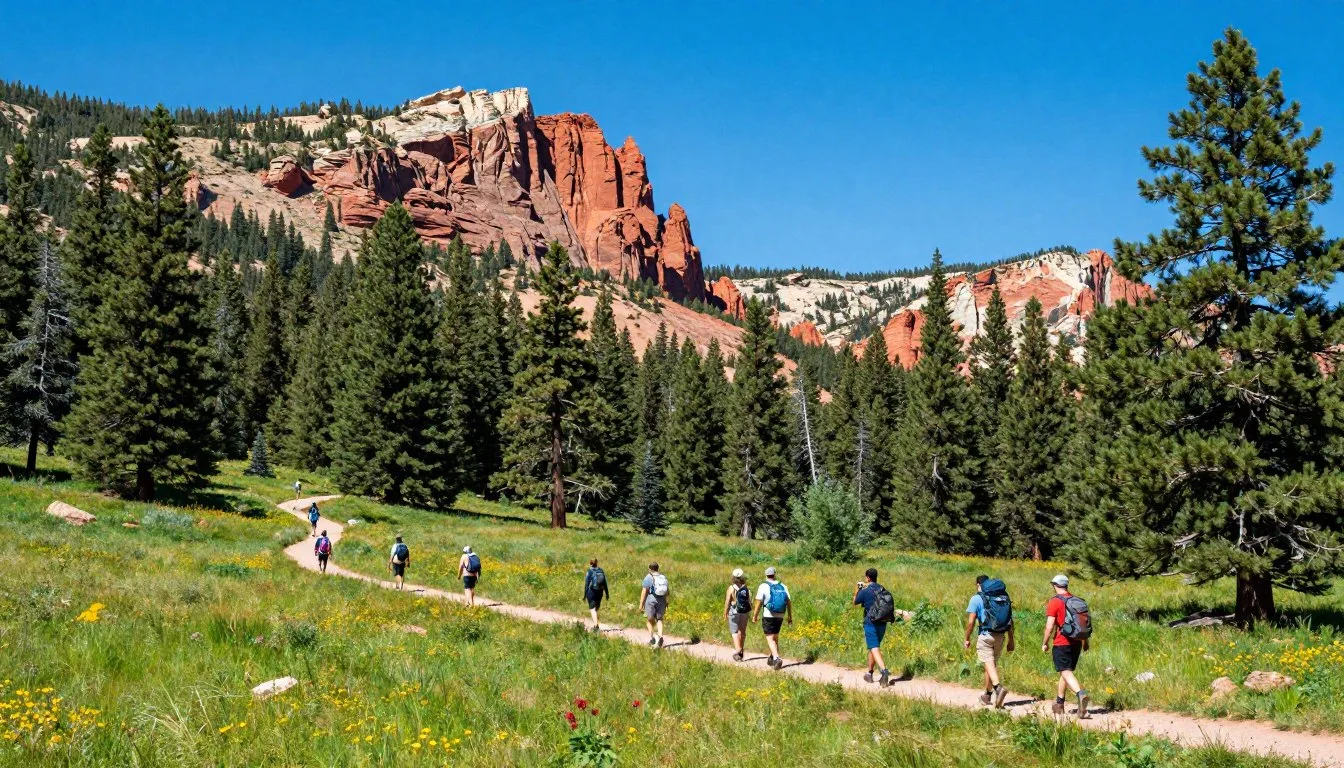
Numerous trails wind through the forests surrounding Fish Lake, ranging from easy nature walks to strenuous mountain climbs.
Mytoge Mountain Trail
This moderate 5-km (3-mile) round-trip hike climbs to an overlook providing panoramic views of Fish Lake and the surrounding mountains. Elevation gain totals approximately 244 m (800 ft). The trail passes through aspen groves particularly beautiful during fall.
Trailhead parking sits near the Doctor Creek Campground entrance. Allow 2-3 hours for the complete hike, including time at the summit.
Pelican Canyon Trail
Following an old forest road, this easy 6.4-km (4-mile) out-and-back route traverses relatively flat terrain through mixed forest. The trail provides excellent wildlife viewing opportunities, especially for birds and deer.
The wide path works well for families with children or those seeking a gentle walk. The trailhead begins near the Bowery Creek drainage on Fish Lake’s north side.
Doctor Creek Loop
This challenging 11-km (7-mile) loop combines forest hiking with streamside sections. The trail gains approximately 366 m (1,200 ft) over rocky terrain requiring sturdy footwear. Advanced hikers can complete the loop in 4-5 hours.
The route showcases diverse ecosystems, from riparian areas along the creek to high mountain forests. Wildflowers bloom prolifically in July and August.
Mountain Biking
Fishlake National Forest’s extensive forest service road network creates outstanding mountain biking opportunities. Routes range from gentle valley rides to steep mountain climbs.
The forest roads generally feature packed dirt surfaces suitable for mountain bikes. Traffic remains light, though occasional vehicles require staying alert. Elevation changes can challenge less experienced riders, so select routes matching your fitness level.
Boating and Water Activities
Fish Lake’s clear, cold waters invite various activities beyond fishing. The lake’s size accommodates motorboats while maintaining quiet coves for paddling.
Kayaking and Canoeing
Paddle sports thrive on Fish Lake’s generally calm waters. Morning typically offers the smoothest conditions before afternoon breezes develop. The lake’s elongated shape creates interesting paddling routes, with numerous coves and inlets to explore.
All three marinas rent kayaks and canoes by the hour or day. Life jackets are provided and legally required for all boaters.
Motor Boating
The lake permits motorboats without horsepower restrictions. Fishing boats, pontoons, and ski boats all operate here. The main marina at Fish Lake Resort provides boat launches and docking facilities.
Wake sports like waterskiing are allowed but consider other lake users. The lake’s high elevation means thinner air, which can affect engine performance.
Swimming
While Fish Lake’s water remains chilly even in summer (typically 15-18°C or 60-65°F), swimming is popular near campgrounds and resorts. Several locations feature gradually sloping entries suitable for children.
The cold water temperature limits swimming duration for most people. Shoreline areas warm slightly in the shallows during sunny afternoons.
ATV Trail Riding
The Fish Lake area serves as a gateway to hundreds of miles of designated ATV trails. The Fishlake National Forest ATV trail system connects to the renowned Paiute Trail, creating opportunities for extended riding adventures.
Popular routes include the UM Creek Trail, Box Creek Trail, and connections through the mountains toward Capitol Reef National Park. Trails traverse forests, cross mountain passes, and reveal hidden valleys.
Most trails accommodate ATVs up to 127 cm (50 inches) wide. Some routes challenge even experienced riders with steep grades, rocky sections, and high-elevation passes exceeding 3,048 m (10,000 ft).
Helmet use is mandatory. Riders should carry tools, spare parts, extra fuel, water, and emergency supplies. Cell service is unavailable throughout most of the trail system.
Water Safety: Fish Lake’s cold water temperature can cause hypothermia quickly if you capsize. Always wear life jackets when boating and avoid swimming alone in deep water. The high elevation means rescue services are distant.
Museums, Cultural Spots and Festivals
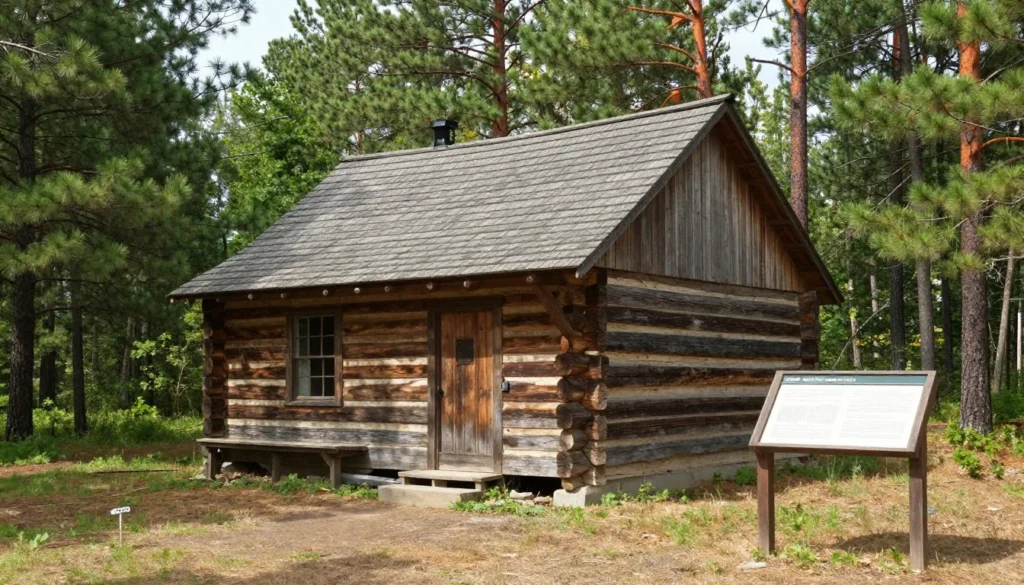
Fish Lake’s remote location and relatively recent settlement mean fewer historical sites than established towns. However, the area’s human and natural history offer fascinating stories.
Pando Clone Forest
While not a traditional museum, the Pando aspen grove represents a living exhibit of extraordinary biological significance. This massive organism covers 43 hectares (106 acres) and consists of over 47,000 genetically identical stems growing from a single root system.
Scientists estimate Pando’s age at 80,000 years, making it among Earth’s oldest living organisms. The grove grows along Fish Lake’s western shore, accessible via short walking paths from several points.
Interpretive signs explain Pando’s unique biology, ecological importance, and ongoing conservation challenges. The grove faces threats from grazing, development, and climate change. Conservation efforts aim to protect this irreplaceable organism.
Forest Service Heritage Sites
Several locations around Fishlake National Forest preserve remnants of early settlement and forest use. Old cabin sites, historic corrals, and former fire lookout locations dot the landscape.
The Forest Service maintains some sites with interpretive materials explaining their significance. A heritage tour brochure available at ranger stations guides visitors to various locations.
Native American Connections
The Fremont culture inhabited this region roughly 1,000 years ago. While no major archaeological sites exist at Fish Lake itself, the surrounding area contains numerous Fremont ruins, petroglyphs, and artifact scatters.
Capitol Reef National Park, about 97 km (60 miles) south, preserves significant Fremont culture sites including the famous Capitol Reef petroglyphs. This makes an excellent day trip from Fish Lake for those interested in regional prehistory.
Nearby Cultural Attractions
Richfield, the nearest town with substantial infrastructure, hosts several small museums and cultural sites worth visiting if passing through.
Fremont Indian State Park and Museum
Located about 81 km (50 miles) northwest of Fish Lake near I-70, this park preserves one of the largest Fremont culture archaeological sites ever discovered. The museum displays artifacts, explains Fremont lifeways, and provides access to rock art panels.
The park makes an worthwhile stop when traveling between Salt Lake City and Fish Lake. Contact: 435-527-4631
Travel With Children
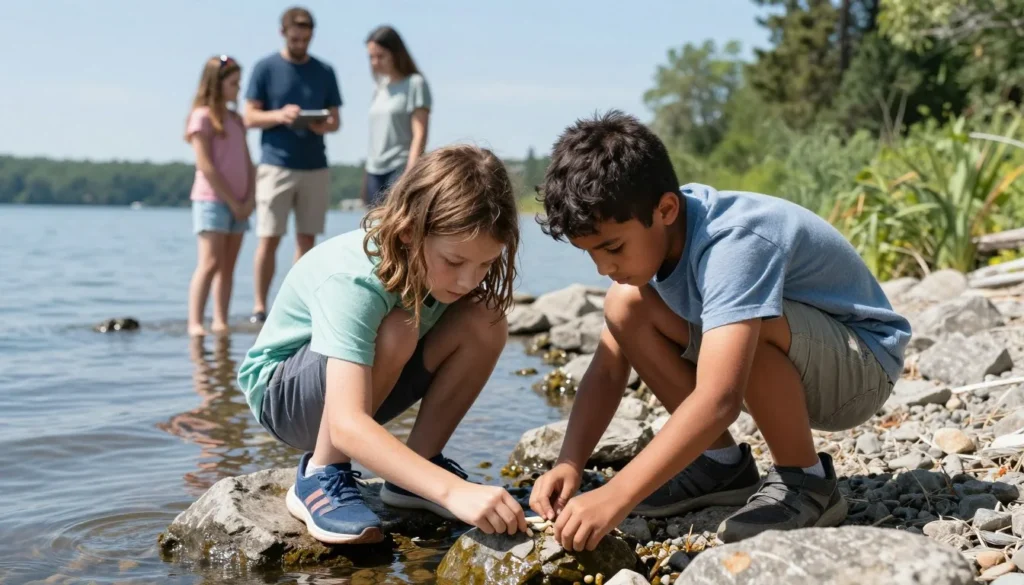
Fish Lake provides excellent family vacation opportunities. The combination of outdoor activities, natural beauty, and relative safety creates an ideal environment for children to experience nature.
Kid-Friendly Activities
Fishing
Teaching children to fish at Fish Lake often produces success, which builds enthusiasm. The lake’s healthy fish population means kids frequently catch trout, creating memorable experiences.
Resort marinas offer basic fishing gear rentals sized for children. Staff can recommend easy fishing spots and provide basic instruction. Fishing from shore near campgrounds works well for younger children.
Beach Play
Several locations around the lake feature small sandy or pebbly beaches where children can play in the shallows. Building sand structures, skipping rocks, and exploring the shoreline entertain kids for hours.
The cold water temperature means extended swimming sessions are uncommon, but wading and splashing provide plenty of enjoyment.
Easy Hiking
The Pelican Canyon Trail and various nature walks around campgrounds work well for families with young children. Relatively flat terrain, short distances, and interesting natural features maintain kids’ interest.
Making hiking into a game helps younger children stay engaged. Wildlife spotting competitions, nature scavenger hunts, or geocaching add excitement to walks.
Wildlife Watching
Children often love spotting animals. Deer frequently appear near campgrounds during morning and evening hours. Chipmunks and ground squirrels entertain kids, though teach children not to feed or chase wildlife.
Bring binoculars sized for children if possible. Many kids enjoy having their own equipment for watching birds and distant animals.
Safety Considerations
The remote location requires extra attention to children’s safety. Cell service is unavailable for emergency calls. The nearest hospital sits in Richfield, over an hour away by car.
Supervise children constantly around water. The lake’s cold temperature and depth create real drowning risks. Life jackets are essential for any child near or on the water.
The high elevation affects some children. Watch for signs of altitude sickness including headaches, nausea, or unusual fatigue. Most children adjust within 24 hours, but severe symptoms may require descending to lower elevation.
Teach children basic outdoor safety: stay on trails, don’t approach wildlife, and always tell adults where they’re going. Bright-colored clothing helps adults keep track of kids in the forest.
Practical Tips
Pack more snacks and drinks than you think necessary. Outdoor activity and altitude increase children’s consumption. Convenience stores at resorts stock limited selections at higher prices.
Bring entertainment for downtime. Even outdoorsy kids sometimes need quiet activities during rest periods or rainy weather. Books, cards, and travel games supplement outdoor adventures.
Most cabins and campsites lack television and internet. This digital detox often proves beneficial, though prepare children for the adjustment if they’re accustomed to constant screen access.
Family-Friendly Tip: Children 12 and under fish for free in Utah without a license. This makes fishing an economical family activity that everyone can enjoy together.
Money Saving Tips
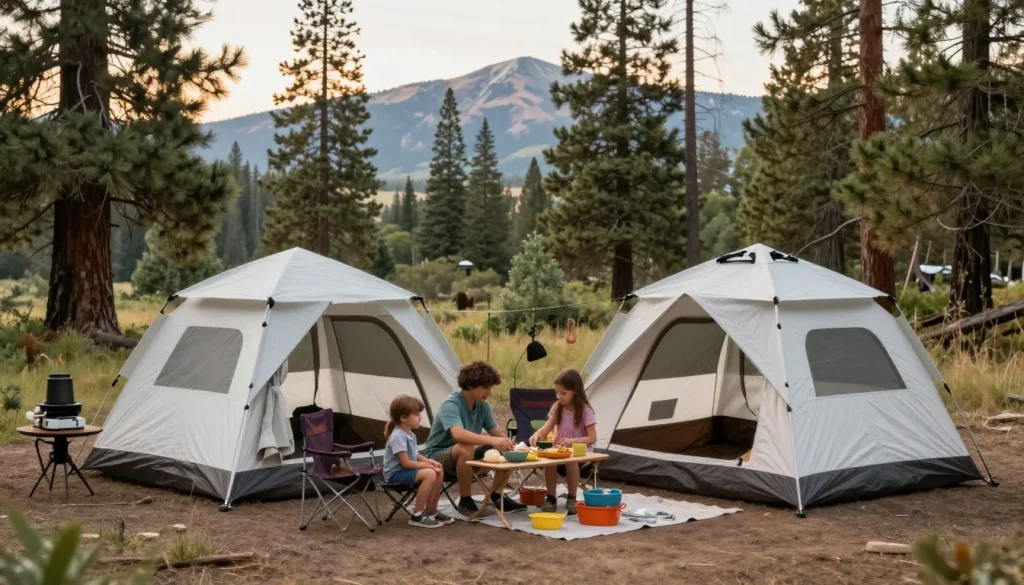
Fish Lake vacations can fit various budgets. Strategic planning helps minimize costs while maximizing experiences.
Accommodation Savings
Forest Service campgrounds cost significantly less than resort lodging. Sites typically run $20-25 per night compared to $100-200+ for resort cabins. A family camping for a week saves $500-1,000 on lodging alone.
Dispersed camping in Fishlake National Forest is completely free. This requires more self-sufficiency but offers unbeatable value for budget-conscious travelers comfortable with primitive conditions.
If you prefer resort amenities, consider weekday visits. Some resorts offer reduced midweek rates, especially in June and September shoulder seasons.
Food and Dining
Cooking your own meals rather than eating at resort restaurants saves substantial money. Bring groceries from Richfield where prices are standard rather than purchasing supplies at lake stores.
Fishing provides free protein if you’re successful. The daily catch limit allows keeping enough fish for several meals. Even accounting for license costs, this beats restaurant prices.
Pack coolers efficiently and bring more ice than expected. The warm days and lack of ice sales near Fish Lake mean you’ll use more than normal.
✓ Check 30,000+ Local Sightseeing Tours Worldwide
Activity Costs
Many of Fish Lake’s best activities are free. Hiking, wildlife watching, scenic driving, and shore fishing cost nothing beyond transportation to access points.
Boat rentals represent a significant expense. If your group plans extensive boating, bringing your own craft saves rental fees that can exceed $75-150 per day depending on boat type.
ATV rentals also run expensive, typically $150-300 per day. If you plan significant riding, renting in Richfield before driving to Fish Lake sometimes offers better rates than renting at the lake.
Timing Your Visit
June and September see fewer crowds and sometimes lower prices than peak July-August. Weather remains generally good, fishing stays productive, and you’ll enjoy more solitude.
Early September offers particularly good value. Summer crowds have departed, fall colors begin appearing, and weather typically remains pleasant through mid-month.
Annual Passes
If you plan to visit multiple national forests or parks during your Utah trip, the America the Beautiful Annual Pass ($80) provides great value. The pass covers entrance and standard amenity fees at all federal recreation sites nationwide.
While Fishlake National Forest doesn’t charge entrance fees, the pass covers camping at some locations and becomes cost-effective if you visit Capitol Reef National Park or other fee areas during your trip.
Budget-Friendly Tip: Visit during the Fish Lake Fishing Derby for entertainment value without additional cost. The derby atmosphere adds excitement while the actual competition participation is optional.
Safety, Etiquette and Local Customs
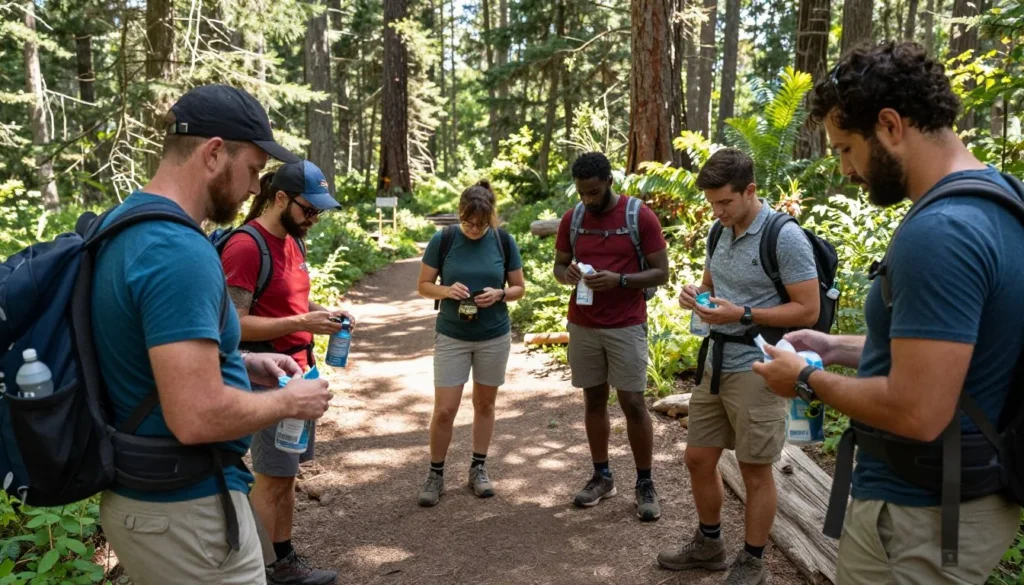
Fish Lake’s remote mountain location requires extra attention to safety and environmental protection. Following guidelines ensures everyone’s safety and preserves the area’s natural beauty.
Wildlife Safety
Black bears inhabit Fishlake National Forest, though encounters are relatively uncommon. Store all food, coolers, and scented items in hard-sided vehicles or bear-resistant containers. Never leave food unattended at campsites.
If you encounter a bear, make yourself appear large, speak firmly, and back away slowly. Don’t run or climb trees. Most bears avoid humans and will leave if given space.
Mountain lions also live in the area but rarely appear. Keep children close and don’t let them run ahead on trails where visibility is limited.
Altitude Considerations
At 2,743 m (9,000 ft) elevation, Fish Lake sits high enough to affect some visitors. Common altitude symptoms include headaches, fatigue, shortness of breath, and difficulty sleeping.
Take it easy your first day. Avoid strenuous activity until you’ve acclimated. Drink extra water, as altitude increases dehydration. Limit alcohol consumption, which intensifies altitude effects.
Most people adjust within 24-48 hours. If symptoms worsen or become severe, descending to lower elevation provides the only reliable cure.
Weather Hazards
Afternoon thunderstorms develop rapidly during summer months. Lightning poses serious danger in exposed locations. If you hear thunder, immediately seek shelter in vehicles or substantial buildings.
Avoid being the tallest object in an area. Get off ridges, away from isolated trees, and out of open water. If caught in the open, crouch low with feet together, minimizing contact with the ground.
Hypothermia risk exists year-round due to cold water and potential nighttime temperature drops. Bring warm layers even for summer visits. Cotton clothing becomes dangerous when wet; synthetic or wool materials perform better.
Leave No Trace Principles
Protecting Fish Lake and Fishlake National Forest requires visitor cooperation. Follow Leave No Trace principles to minimize your impact.
- Pack out all trash, including micro-trash like orange peels and cigarette butts
- Use established campsites and trails to prevent erosion and vegetation damage
- Keep fires small and only in designated fire rings; fully extinguish all fires
- Respect wildlife by observing from distance and never feeding animals
- Dispose of human waste properly – bury it 15-20 cm (6-8 inches) deep at least 61 m (200 ft) from water
- Leave natural objects like rocks, plants, and antlers undisturbed
Fishing Regulations
Utah fishing regulations apply strictly at Fish Lake. Wardens patrol regularly and issue citations for violations. Current regulations specify daily limits, size restrictions, and allowed fishing methods.
Purchase licenses from resort marinas or online through the Utah Division of Wildlife Resources website before fishing. Licenses must be carried while fishing and presented upon request.
Forest Service Rules
Fishlake National Forest enforces various regulations protecting resources and ensuring visitor safety. Key rules include:
- Camping limited to 14 consecutive days in any 30-day period
- Motorized vehicles restricted to designated roads and trails
- Fireworks and exploding targets prohibited year-round
- Target shooting only in designated areas away from roads, trails, and developed sites
- Quiet hours enforced 10 PM – 6 AM in developed campgrounds
Respecting Other Visitors
Fish Lake attracts diverse visitors seeking different experiences. Anglers want quiet waters; families bring energetic children; ATV riders enjoy mechanical recreation. Mutual respect creates better experiences for everyone.
Keep noise reasonable, especially during morning and evening hours when sound carries across the water. Control pets and clean up after them. Give other boaters, hikers, and campers space.
Emergency Services: Call 911 for emergencies, but remember cell service is extremely limited. The nearest hospital is Sevier Valley Hospital in Richfield: 435-896-8271. For non-emergency Forest Service assistance, contact Fremont River Ranger District: 435-836-2800.
Visitor Comments About Fish Lake
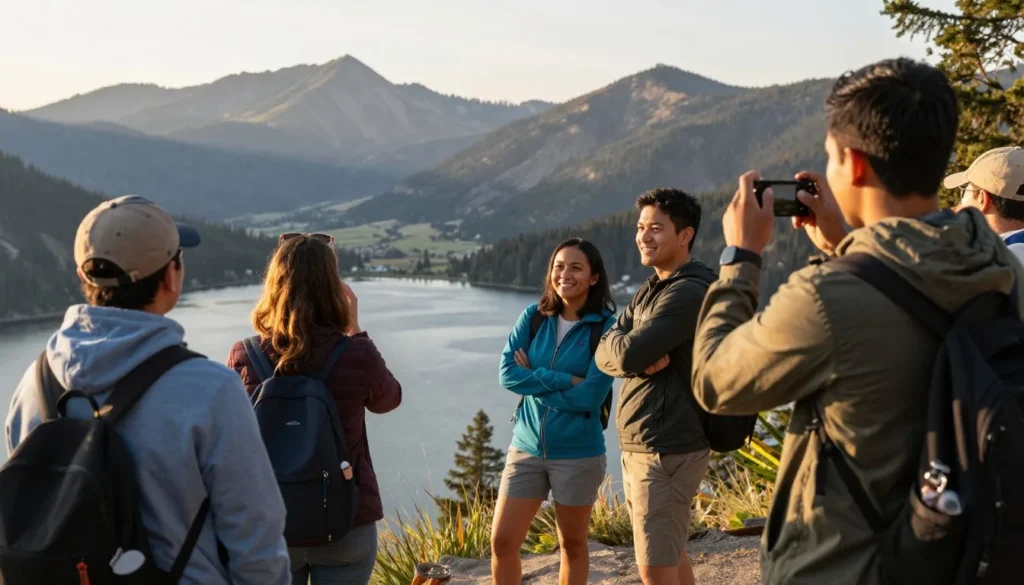
T.S., Plano
“Fish Lake exceeded our expectations completely. We camped at Doctor Creek Campground for five nights and enjoyed every minute. The fishing was phenomenal – my kids caught their first trout here and couldn’t stop talking about it. The scenery rivals anything we’ve seen in the famous national parks, but without the crowds. We hiked several trails, rented kayaks one afternoon, and spent evenings around the campfire watching stars appear in incredibly dark skies. The only downside was no cell service, but honestly that became a blessing. Our family disconnected from devices and reconnected with each other. We’re already planning our return trip for next September to see the fall colors everyone mentions.”
I.O., Cologne
“As a European visitor exploring Utah, Fish Lake provided a welcome contrast to the desert parks. The elevation and alpine environment reminded me of the Alps, but with distinctly American character. I stayed at Fish Lake Resort in a cabin for three nights. The accommodations were simple but comfortable, and the restaurant served excellent fresh trout. I particularly enjoyed learning about the Pando aspen clone – such a remarkable organism! The scenic byway drive offered countless photography opportunities. I rented a boat for an afternoon of fishing and caught several nice rainbow trout. The only challenge was the thin air at this elevation, which took me a day to adjust to. I recommend this destination to anyone seeking authentic mountain experiences away from tourist crowds.”
E.V., Leeds
“Fish Lake served as perfect base camp for our ATV adventure through central Utah. We spent a week riding the Paiute Trail system, using Lakeside Resort as our headquarters. The trail access is excellent, and the variety of terrain kept things interesting – everything from forest single-track to high mountain passes with incredible views. The resort staff were extremely helpful with trail recommendations and current conditions. We also appreciated having the restaurant available after long riding days. The lake itself is stunning, especially at sunset when the water turns golden. Fair warning – bring all mechanical parts you might need as the nearest shops are distant. Also, afternoon thunderstorms come up quickly, so start rides early. This ranks among the best ATV destinations we’ve experienced anywhere.”
Additional Nearby Destinations
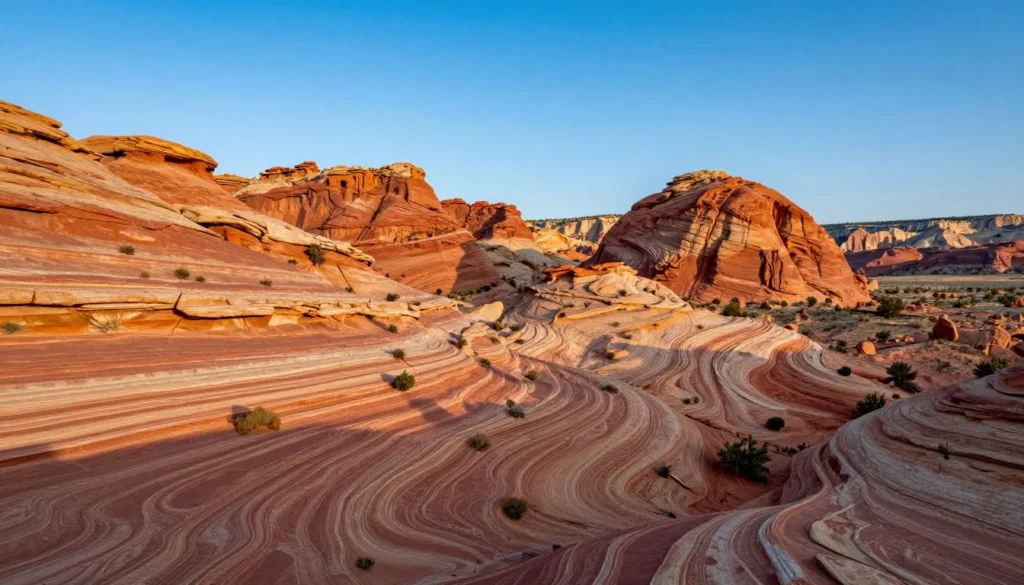
Fish Lake’s central Utah location provides access to numerous other attractions. Consider extending your trip to explore nearby destinations.
Capitol Reef National Park
Located approximately 97 km (60 miles) south via the Gooseberry-Fremont Road (high-clearance vehicle required) or 145 km (90 miles) via paved highways, Capitol Reef National Park protects the Waterpocket Fold, a 161-km (100-mile) wrinkle in the Earth’s crust.
The park showcases colorful sandstone cliffs, narrow canyons, ancient petroglyphs, and historic orchards. Unlike Utah’s more famous national parks, Capitol Reef sees fewer crowds despite spectacular scenery.
Popular activities include scenic driving along Highway 24, hiking to Hickman Bridge, exploring Capitol Gorge, and visiting the historic Fruita settlement. Spring and fall offer ideal visiting conditions.
Park contact: 435-425-3791
Fremont Indian State Park
This park sits 81 km (50 miles) northwest near Clear Creek Canyon along I-70. It preserves one of the largest Fremont culture sites discovered in Utah, with over 500 documented rock art panels.
The excellent museum displays artifacts and explains the Fremont people’s lifestyle from roughly 2,000 to 700 years ago. Hiking trails provide access to petroglyph panels and archaeological sites.
The park makes an ideal stop when traveling between Salt Lake City and Fish Lake, adding cultural enrichment to your outdoor adventure.
Goblin Valley State Park
Located about 161 km (100 miles) southeast, Goblin Valley features thousands of mushroom-shaped rock formations called hoodoos. The valley creates an otherworldly landscape where visitors can wander freely among the formations.
This park particularly appeals to children, who love exploring the “goblins.” Photography opportunities abound, especially during sunrise and sunset when lighting creates dramatic shadows.
The park offers camping and makes an interesting contrast to Fish Lake’s alpine environment, showcasing southern Utah’s desert character.
Canyonlands and Arches National Parks
These famous national parks sit approximately 241 km (150 miles) southeast near Moab. While too distant for day trips from Fish Lake, they can form part of an extended Utah itinerary.
Moab offers extensive tourism infrastructure, making it easy to explore both parks. The area provides world-class hiking, scenic drives, and iconic southwestern landscapes.
Great Basin National Park (Nevada)
Though across the state line in Nevada, Great Basin National Park lies only 209 km (130 miles) west of Fish Lake. This undervisited park features ancient bristlecone pines, Lehman Caves, and Wheeler Peak rising to 3,982 m (13,063 ft).
The park’s remote location means small crowds even during summer. The high-elevation environment resembles Fish Lake in climate and ecosystems, though the geology differs dramatically.
Five National Parks Circuit
Fish Lake sits roughly midway along Utah’s famous circuit of five national parks: Zion, Bryce Canyon, Capitol Reef, Canyonlands, and Arches. This central location makes it an ideal stopping point on multi-park road trips.
Many visitors focus solely on the national parks and miss hidden gems like Fish Lake. Consider balancing famous destinations with lesser-known spots for a more complete Utah experience.
Practical Travel Tips
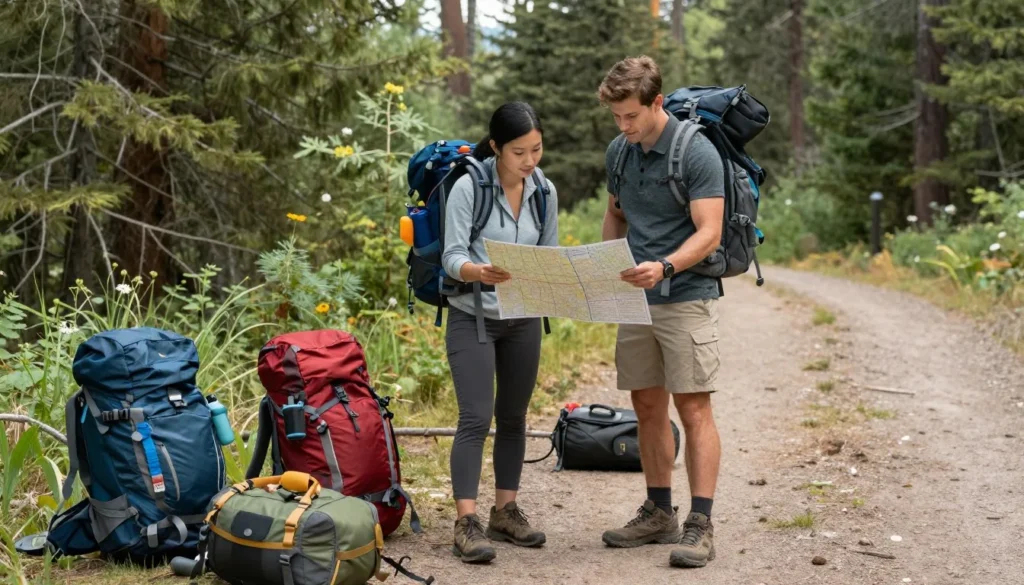
What to Pack
Fish Lake’s mountain environment and remote location require thoughtful packing. Essential items include:
Clothing
- Layered clothing for temperature swings
- Warm jacket for cool evenings (even in summer)
- Rain gear including waterproof jacket and pants
- Sun protection hat with wide brim
- Sturdy hiking boots or shoes
- Synthetic or wool layers (avoid cotton)
Supplies
- Sunscreen SPF 30 or higher
- Insect repellent (mosquitoes can be active near water)
- First aid kit with altitude sickness medication
- Flashlight or headlamp with extra batteries
- Water bottles and purification method
- Detailed maps (don’t rely on phone GPS)
Communication Challenges
Cell phone service is essentially non-existent at Fish Lake and throughout most of Fishlake National Forest. Plan accordingly:
- Download maps, directions, and important information before arrival
- Share your itinerary with someone who isn’t traveling with you
- Establish meeting times and places if groups split up
- Carry physical maps as backup navigation
- Don’t expect to check email, social media, or make calls
Resort offices have landline phones available for emergencies. Some visitors find the digital disconnection refreshing, while others struggle initially. Prepare yourself mentally for the communication blackout.
Vehicle Preparation
Ensure your vehicle is ready for mountain driving and potentially rough forest roads:
- Fill gas tank before leaving Richfield – no fuel available at Fish Lake
- Check tire pressure and condition, including spare
- Ensure cooling system is functioning properly for mountain grades
- Bring basic tools and emergency supplies
- Consider high-clearance vehicle for forest road exploration
Money Matters
No ATMs exist at Fish Lake. The nearest ATM is in Richfield. Bring sufficient cash for your entire stay. Most resort services accept credit cards, but cash remains useful for campground fees, tips, and potential emergencies.
Best Information Sources
Before your trip, gather current information from reliable sources:
- Fremont River Ranger District: 435-836-2800 for trail conditions, campground availability, fire restrictions
- Utah Road Conditions: 511 (dial from any phone in Utah) for highway status
- Fish Lake Resort: 435-638-1000 for lodging and marina information
- Utah Division of Wildlife Resources: current fishing regulations and license requirements
Accessibility Considerations
Fish Lake’s remote mountain location and rugged terrain create challenges for visitors with mobility limitations. Doctor Creek and Mackinaw campgrounds include some accessible campsites and restroom facilities. Most trails are unimproved and unsuitable for wheelchairs.
Resorts offer varying accessibility. Contact specific properties about accessible rooms and facilities before booking.
Pets
Pets are welcome in Fishlake National Forest but must remain leashed in developed recreation areas. Keep pets under control around wildlife and other visitors. Bring bags to clean up after pets.
The forest environment presents hazards for pets including wildlife encounters, rough terrain, and temperature extremes. Ensure pets have adequate water and avoid overexertion in the thin air.
Final Planning Tip: Make reservations well in advance for July and August visits. Both resort lodging and popular campgrounds fill quickly during peak season. June and September offer more availability while maintaining good weather and activity options.
Fish Lake Location
Your Fish Lake Adventure Awaits
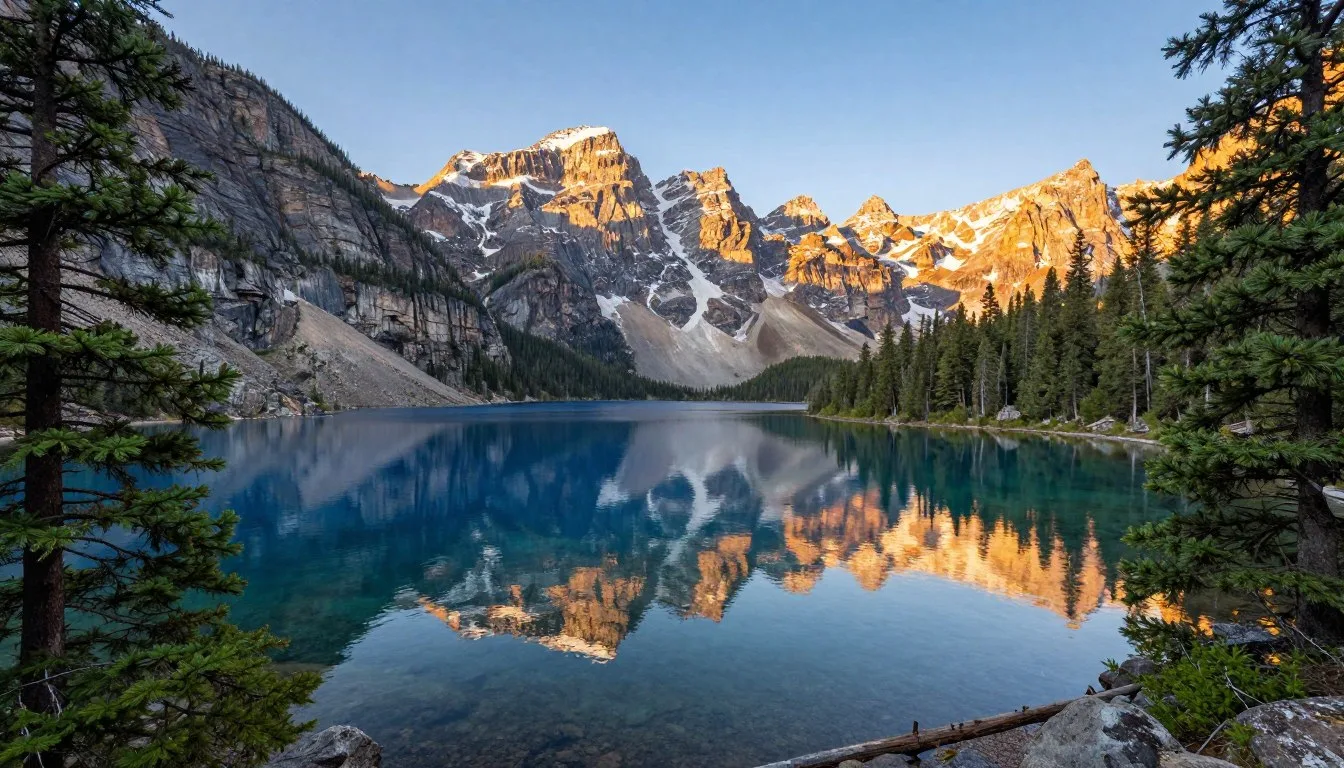
Fish Lake stands apart from Utah’s crowded tourist destinations. Here, ancient forests whisper stories spanning millennia. Crystal waters reflect mountains that have watched civilizations rise and fall. Trout leap at dusk while stars emerge in skies unmarred by light pollution.
Whether you seek the thrill of landing trophy fish, the serenity of paddling calm waters, the challenge of mountain trails, or simply the joy of disconnecting from modern life, Fish Lake delivers. Families create memories that last lifetimes. Solo travelers find the solitude they crave. Adventure seekers discover terrain that tests their limits.
The massive Pando organism reminds us that some things endure. In our fast-paced world, Fish Lake offers something increasingly rare: the opportunity to slow down, breathe deeply, and reconnect with what matters. The mountains don’t care about deadlines. The lake reflects whatever face you show it. The forest welcomes you without judgment.
Pack your bags. Fill your tank. Point your vehicle toward central Utah’s mountains. Fish Lake awaits with experiences you’ll carry forever. This isn’t just another vacation destination. It’s a place where genuine connection happens – with nature, with loved ones, with yourself. Your adventure starts the moment you decide to go.