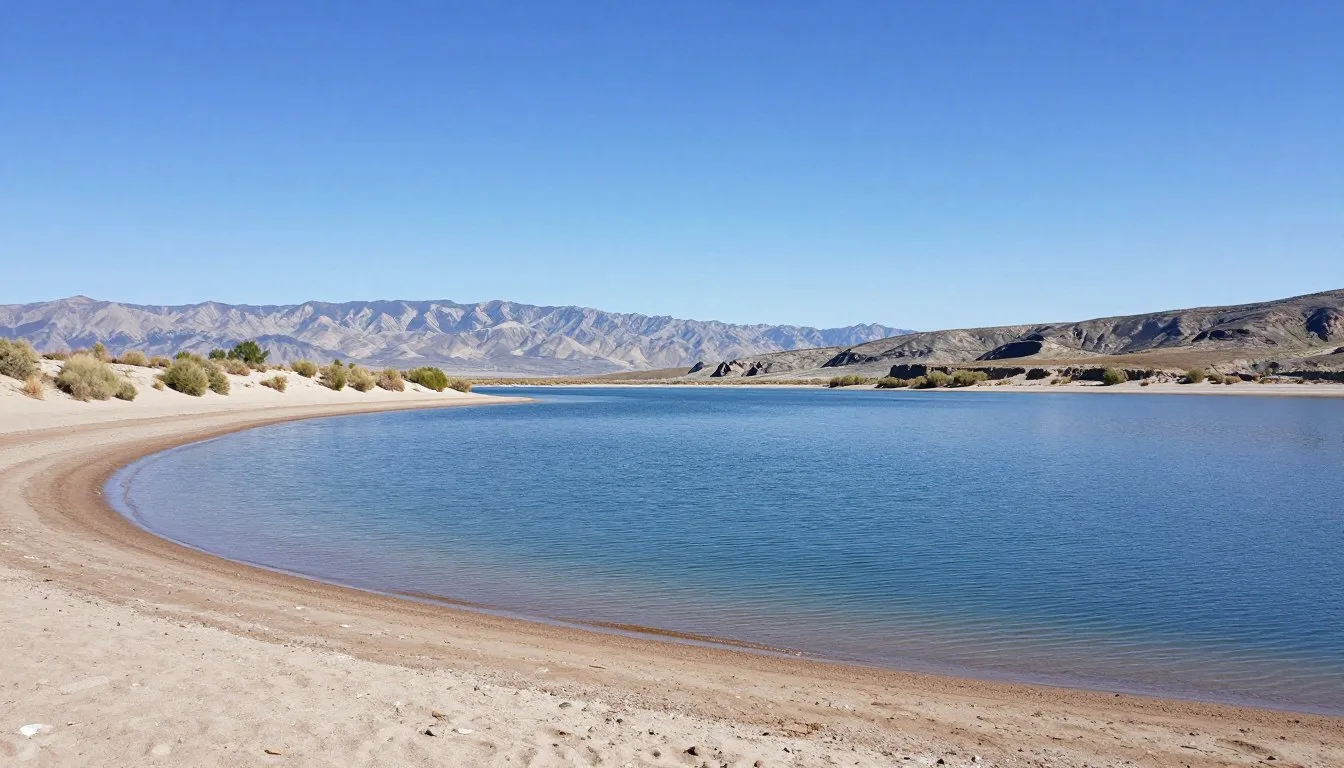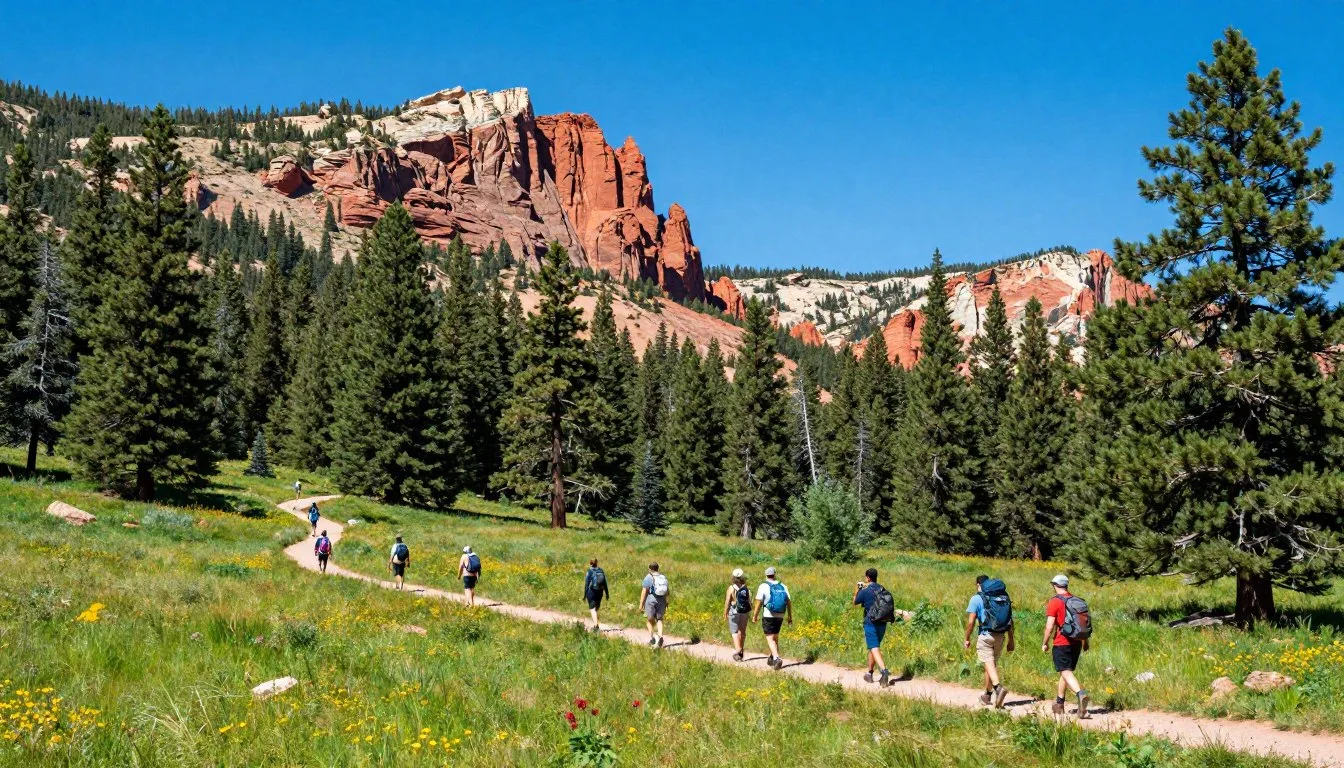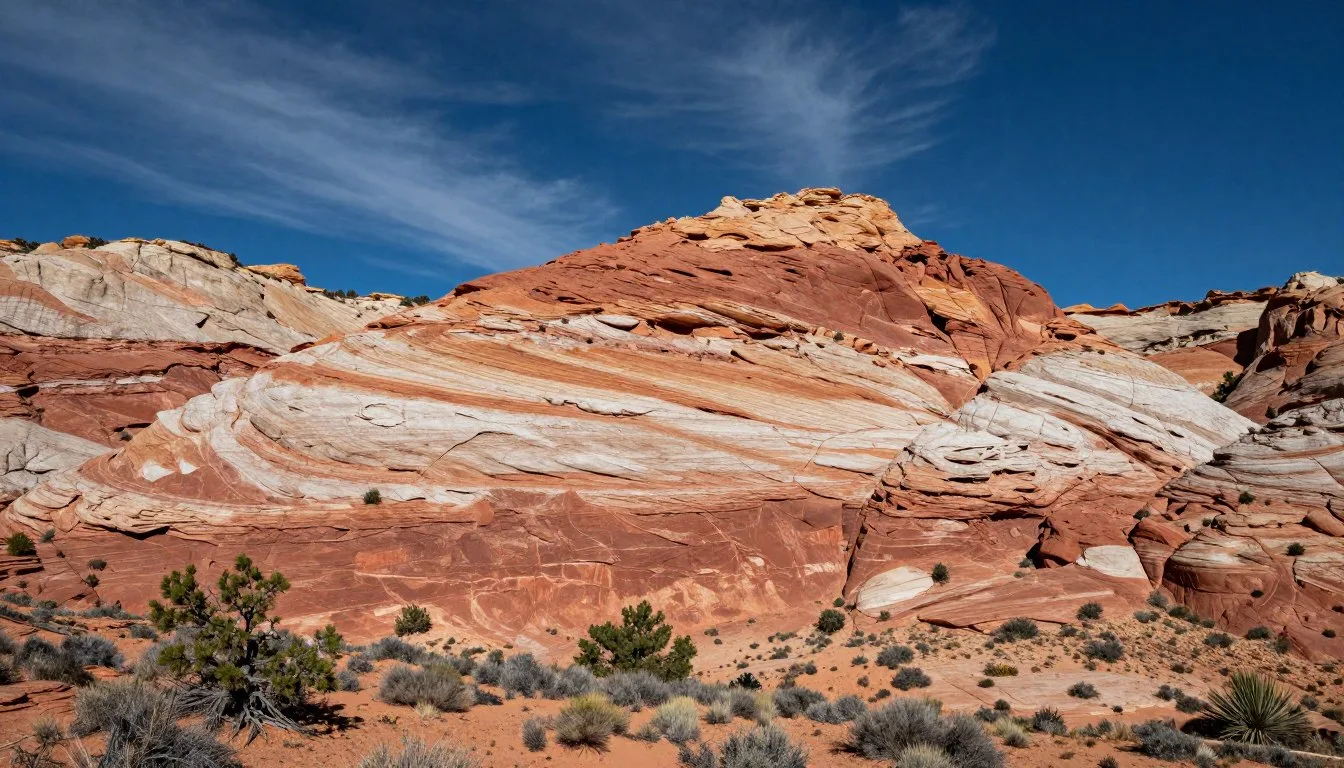
Did you know that Grand Staircase-Escalante National Monument contains more than 243,886 hectares (602,697 acres) of virtually untouched wilderness where dinosaur fossils still emerge from ancient rock formations? This remarkable area represents one of the last places in the continental United States where you can genuinely disconnect from civilization. The monument holds secrets that scientists continue to uncover, including entirely new dinosaur species discovered in recent decades.
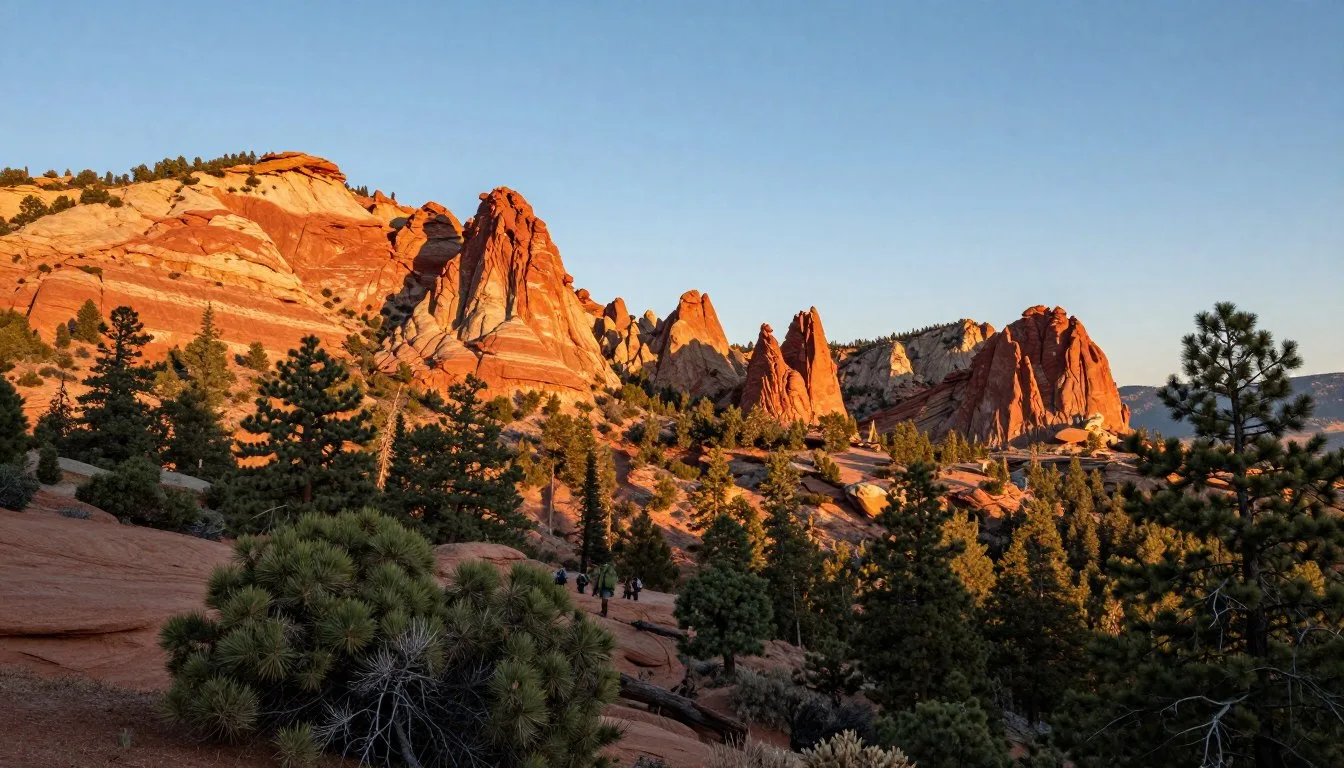
Grand Staircase stretches across southern Utah like a geological textbook written in stone. The landscape reveals nearly two billion years of Earth’s history through its colorful rock layers. This vast region offers adventure seekers an unparalleled opportunity to explore slot canyons, desert landscapes, and remote wilderness areas that few travelers ever experience.
The monument takes its name from the series of cliffs and plateaus that step down from Bryce Canyon toward the Grand Canyon. Each layer tells a different chapter of our planet’s story. Visitors who venture into this remarkable territory discover a world where ancient petroglyphs mark canyon walls, where spring-fed oases provide relief in the desert, and where the night sky blazes with stars undiminished by artificial light.
Getting There and Planning Your Journey
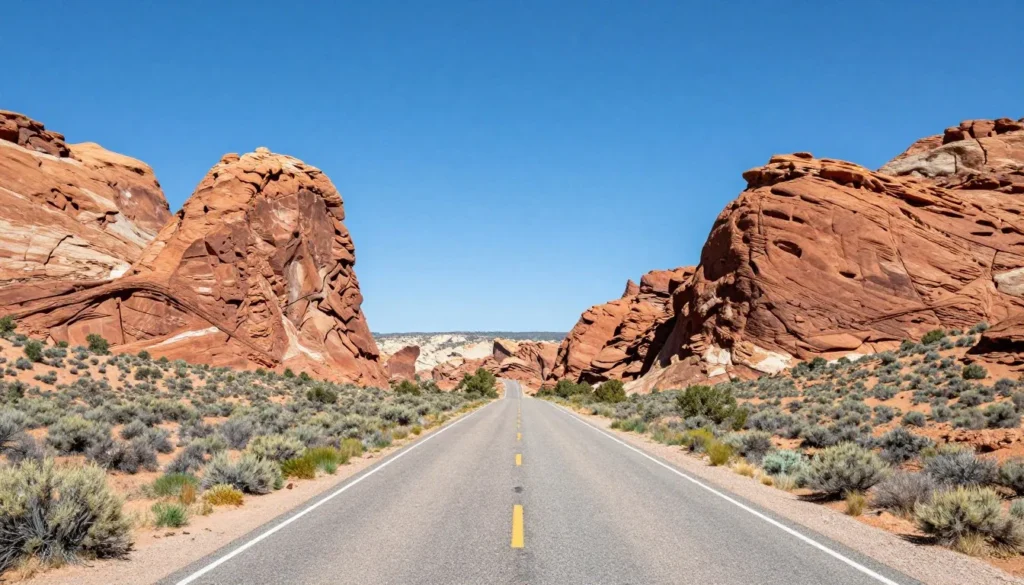
Reaching Grand Staircase requires planning because the monument sits in one of the most remote regions of the United States. The area has no entrance gates or fee stations. Instead, multiple access points allow visitors to enter from different directions depending on their interests and destinations within the monument.
The closest major airport is McCarran International Airport in Las Vegas, Nevada, located approximately 386 km (240 miles) southwest of the monument. Salt Lake City International Airport offers another option at roughly 418 km (260 miles) north. Many travelers prefer the Las Vegas route because it provides a more scenic drive through desert landscapes.
Regional airports provide closer access for those seeking shorter drives. St. George Regional Airport sits 161 km (100 miles) west of the monument, while Cedar City Regional Airport offers service 193 km (120 miles) northwest. These smaller facilities typically require connections through larger hubs but significantly reduce driving time.
Essential Visitor Information
The Escalante Interagency Visitor Center serves as the primary information source for the monument. Staff members provide current trail conditions, weather updates, and wilderness permits. Contact them at (435) 826-5499 for pre-trip planning assistance.
Highway 89 forms the monument’s southern boundary and provides the main east-west access route. This paved highway connects Kanab in the west to Page, Arizona in the east. Highway 12, designated as an All-American Road, traverses the northern section and ranks among the most scenic drives in the entire country.
A four-wheel-drive vehicle with high clearance becomes essential for exploring most areas within Grand Staircase. Many dirt roads turn impassable during wet weather, and cell phone service remains virtually nonexistent throughout the monument. Visitors should carry paper maps, extra fuel, and emergency supplies.
Grand Staircase-Escalante National Monument spans across southern Utah
The towns of Escalante, Boulder, and Kanab serve as the main gateway communities. Each offers lodging, fuel, supplies, and dining options. These small towns also provide the last opportunity to purchase forgotten camping gear or stock up on groceries before heading into the backcountry.
Best Time to Visit and Weather Tips
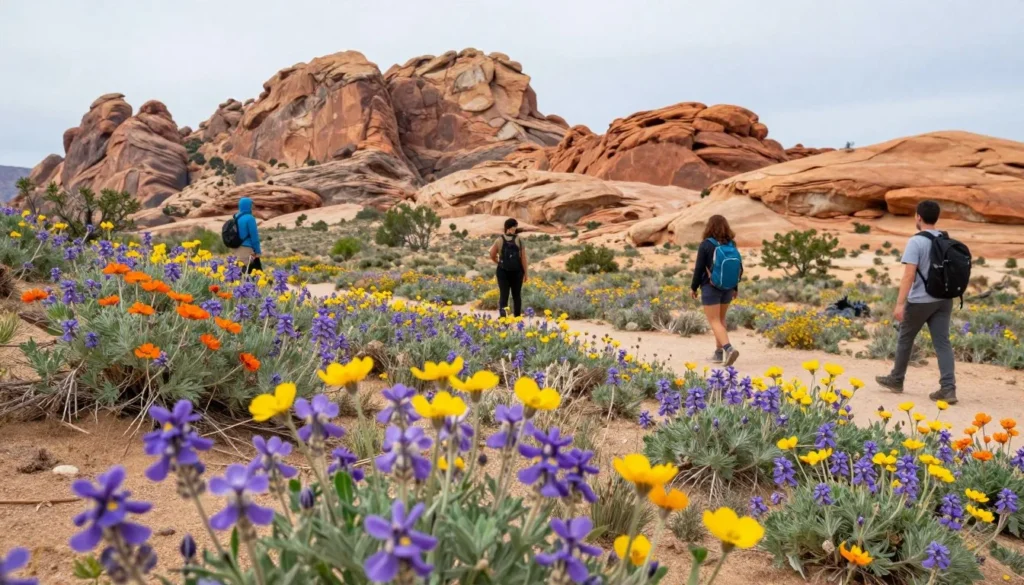
Spring emerges as the ideal season for visiting Grand Staircase. March through May brings moderate temperatures, blooming wildflowers, and flowing water in seasonal streams. Daytime temperatures typically range from 18°C to 24°C (65°F to 75°F), creating perfect conditions for extended hiking adventures.
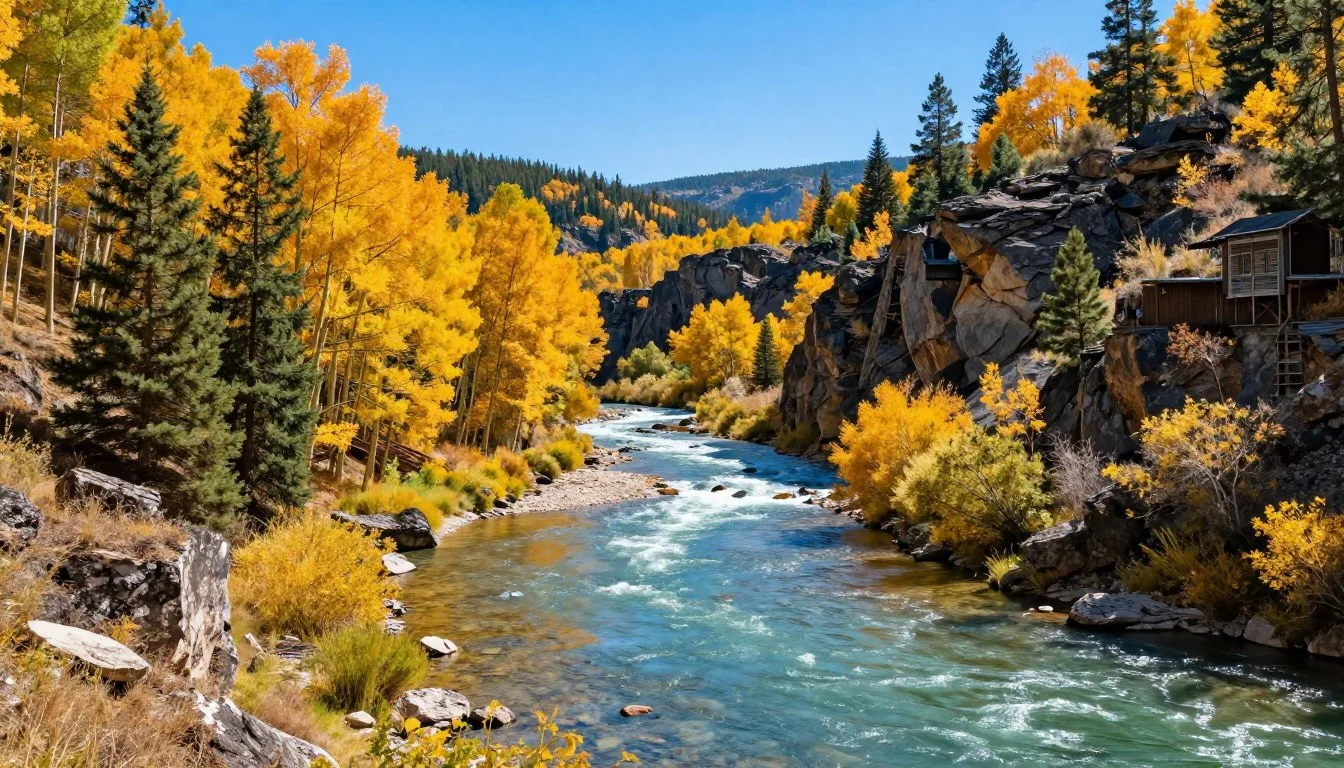
Fall provides another excellent window for exploration. September through November offers comfortable hiking weather with cooler temperatures and stunning autumn colors along the Escalante River corridor. These months see fewer visitors compared to spring, allowing for more solitude in popular areas.
Seasons to Avoid
Summer months from June through August bring extreme heat that can exceed 38°C (100°F) in canyon bottoms. Flash flood danger peaks during the July and August monsoon season. Winter from December through February presents challenges with snow, ice, and many impassable roads.
The desert climate creates dramatic temperature swings between day and night. Even during summer, nighttime temperatures can drop to 10°C (50°F) or lower. Visitors should pack layers regardless of season, including warm clothing for chilly mornings and evenings.
Flash floods represent the most serious weather hazard in Grand Staircase. These sudden torrents can occur even when the sky appears clear overhead. Summer thunderstorms develop rapidly in the afternoon, sending walls of water through narrow slot canyons. Always check weather forecasts and avoid slot canyons when rain threatens anywhere in the region.
Recommended Visiting Months
- April – Perfect temperatures and wildflowers
- May – Warm weather before summer heat
- September – Cooling temperatures return
- October – Fall colors and pleasant hiking
Weather Preparation Essentials
- Sun protection including hat and sunscreen
- Layered clothing for temperature changes
- Rain gear for sudden storms
- Extra water beyond estimated needs
Winter visitors brave enough to explore during the cold months discover a transformed landscape. Snow caps the colorful rock formations, creating dramatic contrasts. However, many dirt roads close completely, and services in gateway towns operate on reduced schedules.
Notable Annual Festivals
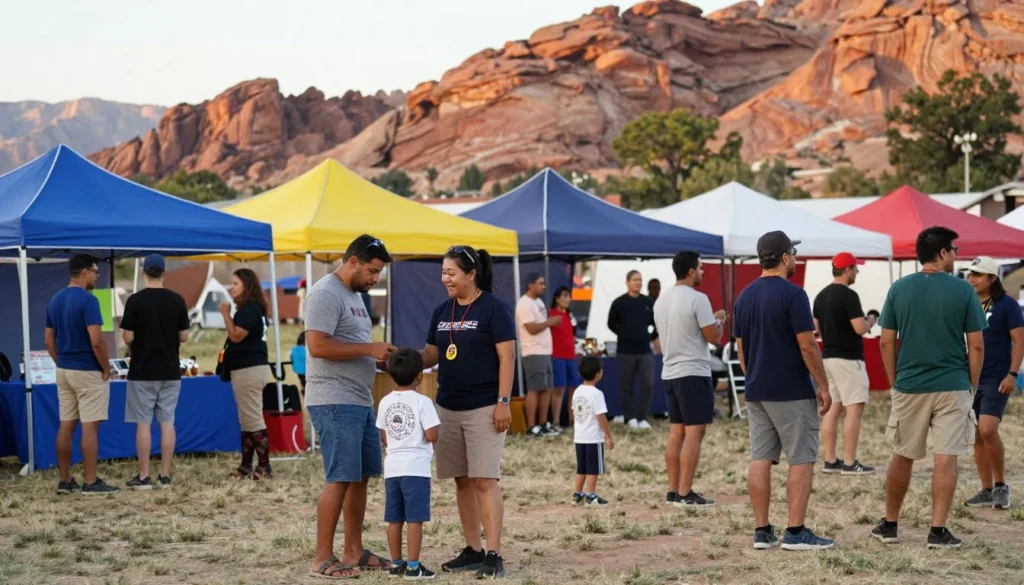
The small communities surrounding Grand Staircase celebrate their unique heritage and landscape through several annual events. These festivals provide opportunities to connect with local culture while enjoying the area’s natural beauty.
Escalante Canyons Art Festival
This September celebration showcases regional artists inspired by the surrounding landscape. Painters, photographers, and sculptors display works that capture the essence of the desert Southwest. The festival takes place in downtown Escalante and includes live music and local food vendors.
Contact the Escalante Chamber of Commerce at (435) 826-4810 for current festival dates and details.
Kanab Balloon Festival
Early June brings colorful hot air balloons to the skies above Kanab. This family-friendly event features dawn balloon launches, evening balloon glows, and activities for children. The dramatic red rock landscape provides a stunning backdrop for aerial photography.
For festival information, call the Kanab Visitor Center at (435) 644-5033.
Boulder Heritage Days
This August celebration in the tiny town of Boulder honors pioneer heritage and rural Western culture. Events include a rodeo, parade, Dutch oven cooking demonstrations, and traditional crafts displays. The festival maintains an authentic small-town atmosphere.
Contact Boulder Town at (435) 335-7300 for event schedules.
The Dixie Roundup in St. George, held each September, ranks among southern Utah’s largest rodeo events. Professional cowboys compete in traditional rodeo events over several days. Though not located directly in Grand Staircase, many visitors combine this event with monument exploration.
Getting Around Locally
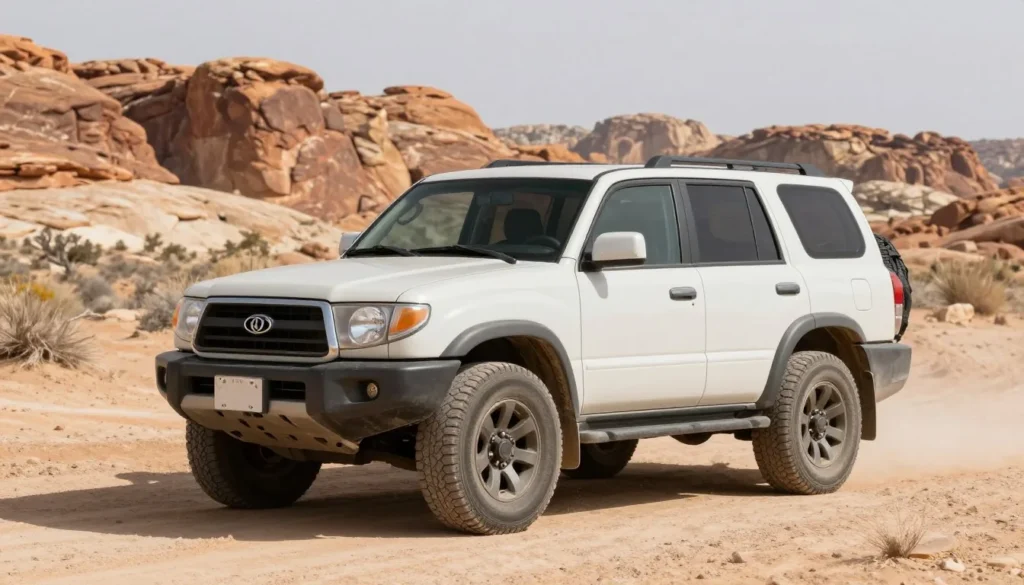
Navigation through Grand Staircase requires self-sufficiency and careful planning. The monument lacks public transportation, tour buses, or shuttle services. Visitors must provide their own vehicles and rely on personal navigation skills.
Four-wheel-drive vehicles with high ground clearance become absolutely necessary for most backcountry exploration. Many roads feature deep sand, loose rock, and steep grades that challenge even experienced drivers. Two-wheel-drive vehicles can access some areas along Highway 12 and Highway 89, but miss the monument’s most spectacular destinations.
Cell phone coverage remains essentially nonexistent throughout the vast majority of the monument. GPS devices function properly but should never serve as the sole navigation method. Paper maps and compass skills provide essential backup navigation capability.
Road Condition Reality
Many monument roads transform into impassable mud bogs within minutes of rainfall. Clay-rich soil becomes extremely slippery when wet, stranding even capable four-wheel-drive vehicles. Always check current conditions before departure and turn back at the first sign of deteriorating roads.
Fuel availability requires careful attention. Gas stations exist only in gateway communities, with distances exceeding 80 km (50 miles) between towns. Carrying extra fuel in approved containers provides peace of mind for extended backcountry trips.
Dirt roads vary tremendously in quality and maintenance. Some receive regular grading and remain suitable for high-clearance two-wheel-drive vehicles in dry conditions. Others deteriorate into rough, rocky tracks that punish vehicles and test driver skill. The Hole-in-the-Rock Road, Cottonwood Canyon Road, and Skutumpah Road represent the main improved dirt routes.
Mountain biking offers an alternative way to explore certain areas. The monument permits bicycles on all roads but prohibits them from hiking trails. Cyclists should carry ample water, repair supplies, and be prepared for long distances between services.
Where to Stay
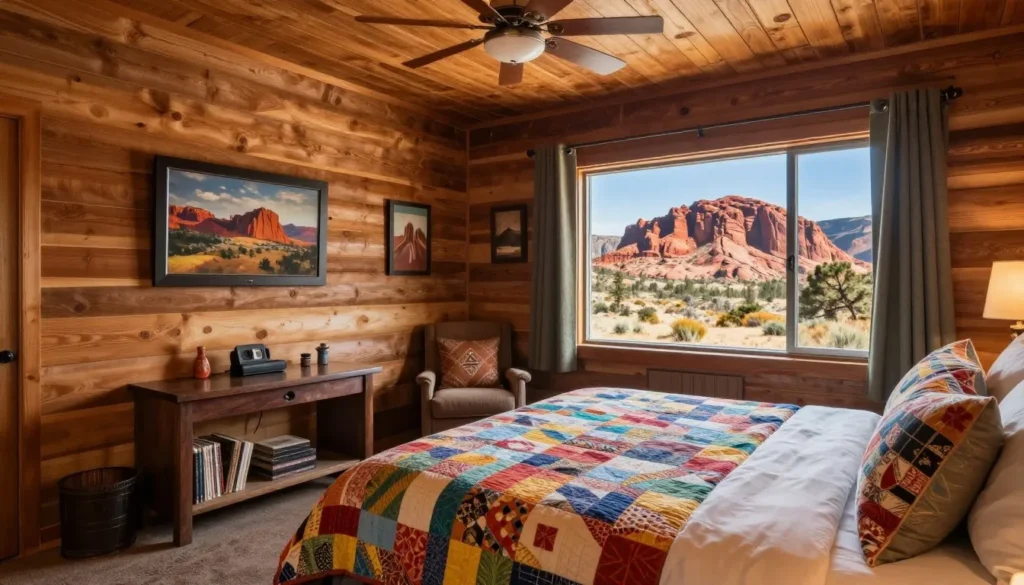
Lodging options near Grand Staircase range from rustic campgrounds to comfortable hotels in gateway towns. The monument itself contains no developed accommodations, making advance planning essential during peak seasons.
Hotels and Motels
Escalante offers several small hotels and motels that provide clean, comfortable rooms. These properties typically feature basic amenities and fill quickly during spring and fall. The town serves as an excellent base for exploring the northern sections of the monument.
Kanab presents more lodging choices, including chain hotels and independent properties. This larger community provides easier access to the western portion of Grand Staircase. Restaurants, grocery stores, and outdoor gear shops cluster near the main highway.
Boulder maintains limited accommodation options but deserves consideration for its central location. The Boulder Mountain Lodge features comfortable rooms and an on-site restaurant. This upscale property attracts visitors seeking more refined lodging.
Camping Options
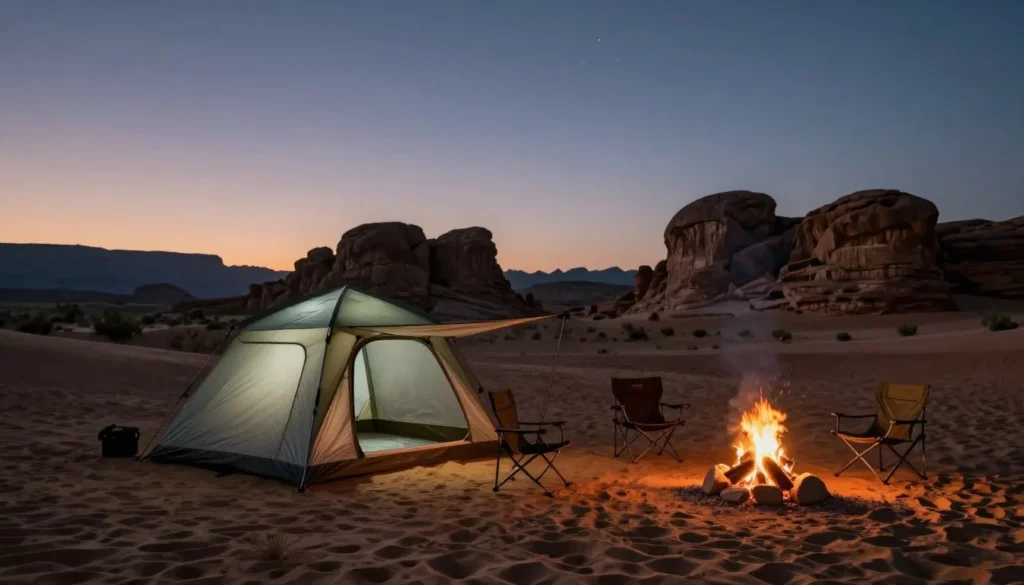
Developed campgrounds exist at Calf Creek Recreation Area along Highway 12. This popular site features vault toilets, picnic tables, and drinking water. The campground provides access to Calf Creek Falls, one of the monument’s most visited attractions. Sites operate on a first-come, first-served basis.
Dispersed camping throughout the monument allows unlimited opportunities for wilderness camping. Visitors can camp nearly anywhere on public land, following Leave No Trace principles. Popular dispersed camping areas include Hole-in-the-Rock Road and various points along Cottonwood Canyon Road.
Backcountry camping requires proper equipment and experience. Desert environments present unique challenges including limited water sources, extreme temperatures, and occasional wildlife encounters. Campers must pack out all trash and practice minimum-impact camping techniques.
Camping Essentials
Bring plenty of water, as sources within the monument are scarce and often unreliable. A sturdy tent that withstands wind, warm sleeping bags for cold nights, and sun shelter for daytime shade make camping more comfortable. Always store food properly to avoid attracting wildlife.
Dining and Local Cuisine
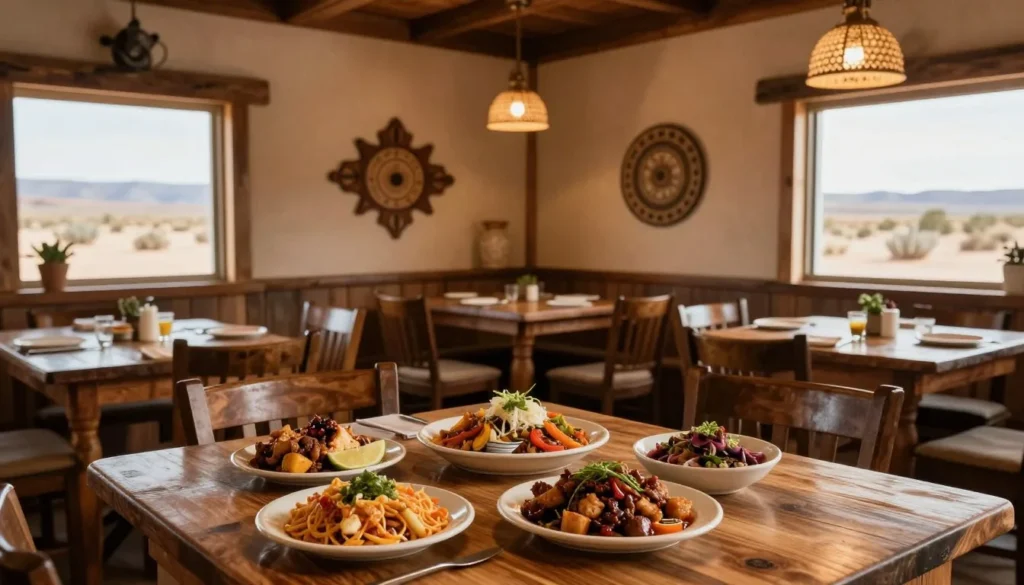
Dining options near Grand Staircase reflect the rural character of southern Utah. Visitors should not expect sophisticated cuisine or extensive choices. Instead, hearty American fare and basic meals dominate restaurant menus.
Escalante supports several casual restaurants serving breakfast, lunch, and dinner. The Escalante Outfitters provides meals alongside gear rentals and trip supplies. Their cafe serves sandwiches, salads, and pizza in a laid-back atmosphere popular with hikers and campers.
Kanab offers the most diverse dining scene in the region. Mexican restaurants, burger joints, and family-style establishments line the main street. Many restaurants close early by urban standards, with kitchens stopping service by 8 or 9 PM.
Hell’s Backbone Grill in Boulder has earned recognition as one of Utah’s finest restaurants. This farm-to-table establishment creates innovative dishes using local ingredients and Southwestern flavors. Reservations become essential during busy seasons, and the restaurant operates seasonally.
Grocery stores in gateway towns stock basic supplies but maintain limited selections. Visitors planning extended stays should purchase specialty items and fresh produce in larger cities before arrival. Prices typically run higher than urban areas due to remote locations.
Typical Regional Foods
- Beef dishes reflecting ranching heritage
- Navajo tacos with fry bread
- Dutch oven meals and cobbler
- Southwestern-style grilled meats
Dining Tips
- Make reservations at popular restaurants
- Expect limited hours and seasonal closures
- Carry snacks and water for day trips
- Stock up on groceries before arriving
Coffee shops in Escalante and Kanab provide morning fuel and internet access. These gathering spots offer opportunities to chat with locals and fellow travelers while enjoying decent espresso drinks.
Attractions, Sightseeing, and Activities
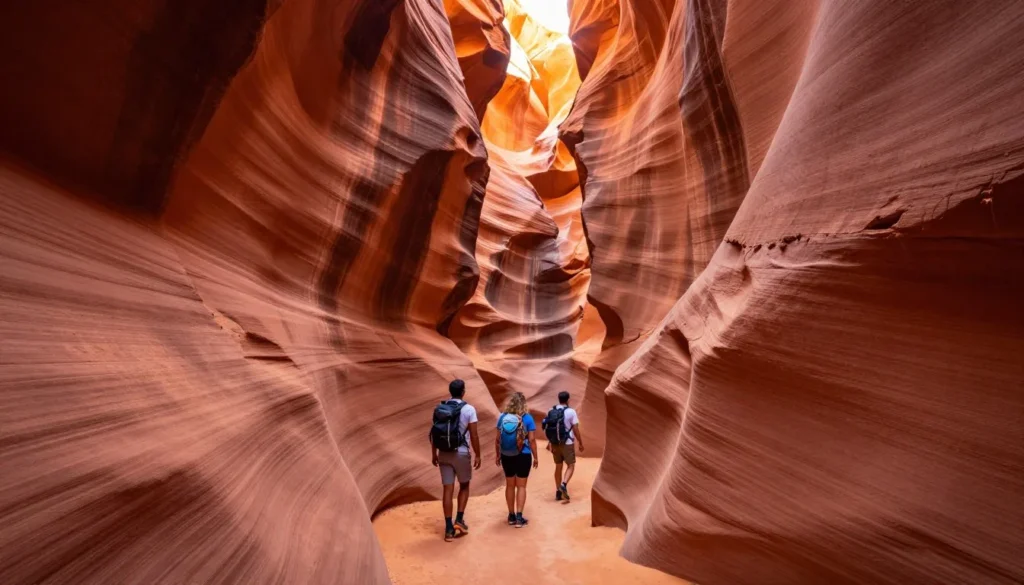
Grand Staircase rewards adventurous visitors with countless opportunities for exploration and discovery. The monument’s vast size and diverse landscape ensure that activities suit every interest and ability level.
Hiking Adventures
Hiking trails range from easy walks to challenging multi-day backpacking routes. Calf Creek Falls Trail ranks among the most popular, leading 4.8 km (3 miles) through a scenic canyon to a stunning 39 m (126 ft) waterfall. The mostly flat trail follows Calf Creek through cottonwood groves and past ancient rock art.
Zebra Slot Canyon attracts experienced canyoneers seeking technical adventure. This narrow passageway features distinctive striped sandstone walls that give the canyon its name. The route requires some scrambling and navigation skills but rewards with extraordinary beauty.
The Escalante River offers multi-day backpacking through one of Utah’s longest canyon systems. Hikers wade through the river, camp on sandy beaches, and explore side canyons. This wilderness experience demands proper planning and canyon navigation abilities.
Photography Opportunities
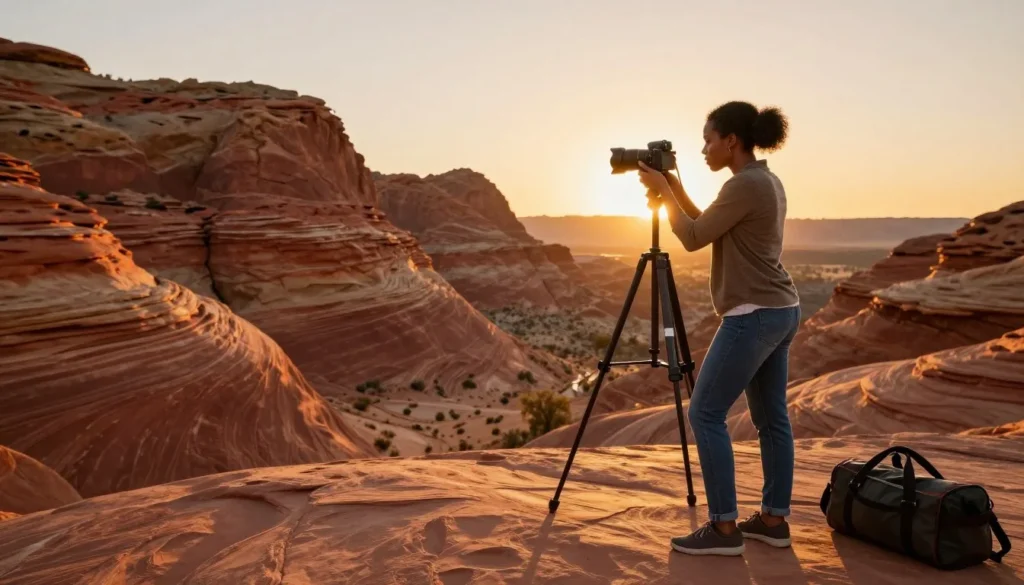
Photographers find endless subjects throughout Grand Staircase. The colorful rock formations, dramatic lighting, and unique geology create opportunities for stunning landscape images. Sunrise and sunset provide the most dramatic lighting on sandstone cliffs.
Slot canyons produce spectacular images when light beams penetrate narrow openings. Peek-a-Boo and Spooky Gulches offer accessible slot canyon photography near the Dry Fork trailhead. These narrow passages require minimal technical skills but yield dramatic photographs.
Scenic Drives
Highway 12 delivers one of America’s most spectacular drives. This All-American Road winds through diverse terrain including forests, deserts, and dramatic canyons. The route crosses the Hogback, a narrow ridge with steep dropoffs on both sides that provides thrilling views.
Hole-in-the-Rock Road extends 93 km (58 miles) south from Highway 12 into the monument’s interior. This maintained dirt road passes numerous trailheads and provides access to remote camping spots. The road follows the historic route of Mormon pioneers.
Wildlife Watching
The monument supports diverse plant life and animal species adapted to desert conditions. Mule deer, desert bighorn sheep, and pronghorn antelope inhabit different areas. Early morning and evening hours offer the best opportunities for wildlife sightings.
Bird watchers spot numerous species including golden eagles, peregrine falcons, and California condors. The canyon country provides habitat for these magnificent birds. Spring and fall migrations bring additional species through the area.
Museums, Cultural Spots, and Festivals
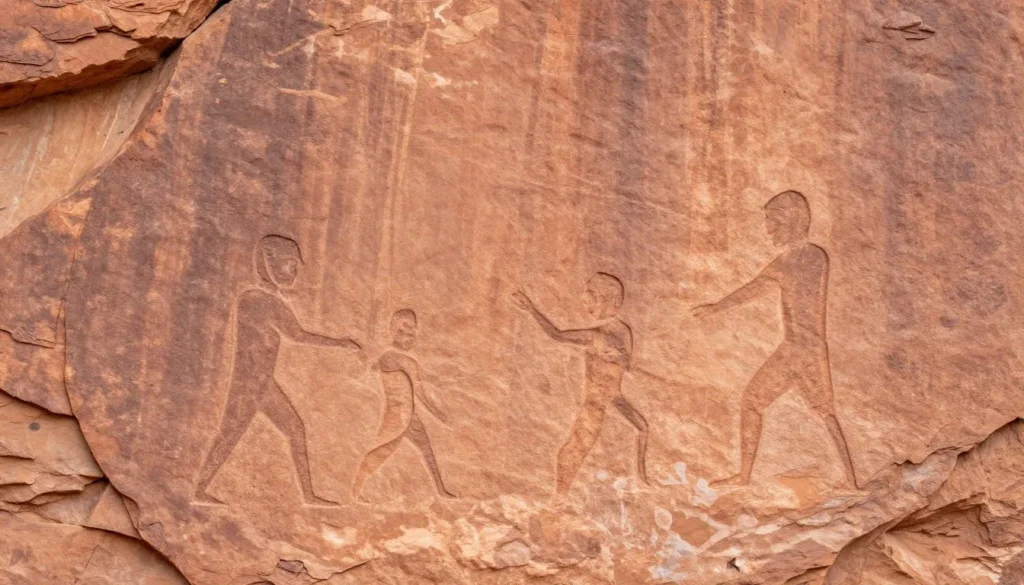
Cultural attractions near Grand Staircase illuminate the human history woven through these remarkable landscapes. From ancient indigenous peoples to pioneering settlers, stories emerge from the rock and desert.
Anasazi State Park Museum
Located in Boulder, this museum preserves one of the largest Ancestral Puebloan sites west of the Colorado River. The facility displays artifacts excavated from the ancient village that once housed approximately 200 people. Visitors explore a reconstructed dwelling and view pottery, tools, and textiles.
The museum helps visitors understand how indigenous people thrived in this challenging environment. Interactive exhibits explain daily life, agricultural practices, and the mysterious abandonment of the region around 1200 CE.
Rock Art Sites
Petroglyphs and pictographs appear throughout the monument, created by indigenous peoples over thousands of years. These ancient images depict animals, human figures, and mysterious symbols. One hundred paces panel along Calf Creek displays particularly impressive examples.
Visitors should view rock art from established trails and never touch these fragile cultural resources. Oils from skin damage the ancient images. Photography without touching provides the best way to appreciate these irreplaceable artworks.
Historic Trails
The monument preserves sections of historic routes including the Old Spanish Trail and the Hole-in-the-Rock Trail. These paths tell stories of exploration, trade, and settlement. Interpretive signs along Highway 12 explain historical significance of various locations.
Mormon pioneers carved the Hole-in-the-Rock route through seemingly impassable terrain in 1879-1880. This remarkable engineering feat allowed wagons to descend steep cliffs to reach the Colorado River. Visitors can still see remnants of the route.
Visitor Centers
The Escalante Interagency Visitor Center features exhibits about monument geology, ecology, and history. Rangers provide valuable current information about trail conditions and weather. The center offers books, maps, and educational materials.
The Big Water Visitor Center on the monument’s southern edge houses an impressive collection of dinosaur fossils discovered in the area. The center focuses on paleontology and features full-size dinosaur models.
Nature and Outdoor Experiences
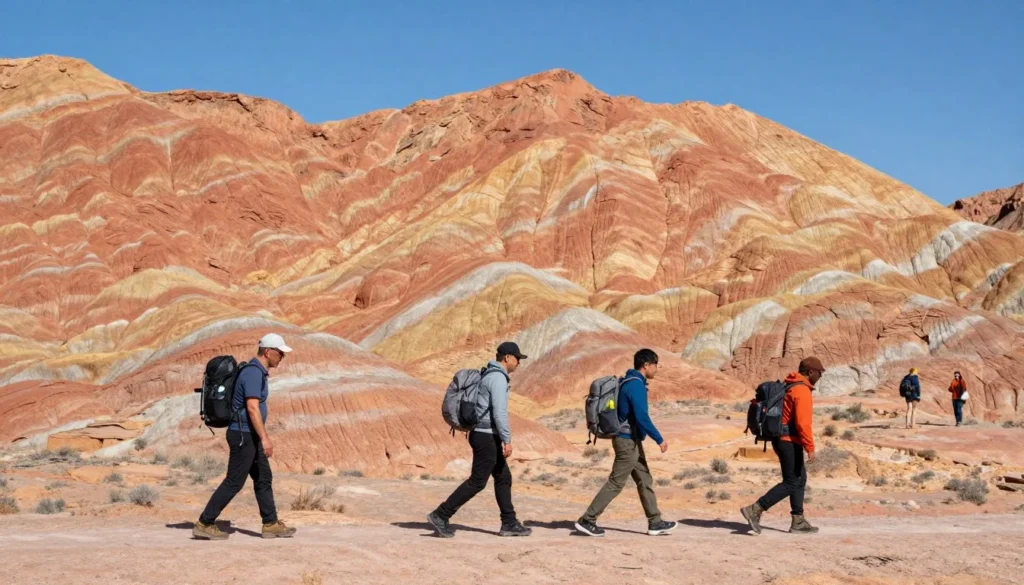
Grand Staircase offers outdoor enthusiasts unlimited opportunities to connect with raw wilderness. The monument’s protected status ensures that natural processes continue undisturbed, creating authentic wilderness experiences.
Slot Canyon Exploration
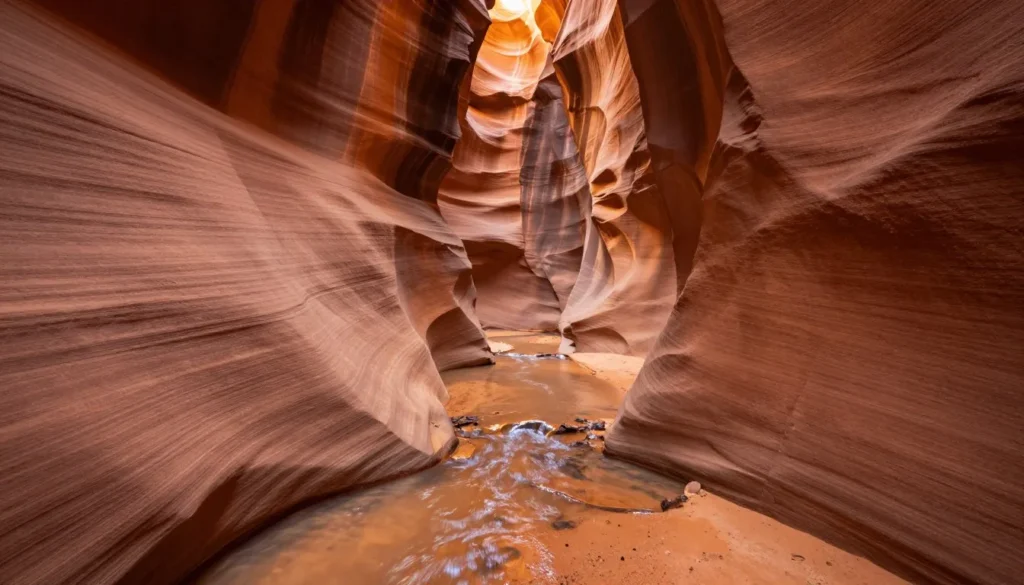
Dozens of slot canyons provide technical adventures for experienced canyoneers. These narrow passages cut deep into sandstone, creating otherworldly environments. Some slots require ropes and climbing gear, while others allow passage through simple scrambling.
Willis Creek provides an excellent introduction to slot canyon hiking. The route follows a narrow canyon with flowing water, weaving between smooth sandstone walls. This relatively easy hike makes slot canyons accessible to families and beginners.
Waterfall Hikes
Despite its desert setting, Grand Staircase contains several spectacular waterfalls. Lower Calf Creek Falls cascades 39 m (126 ft) over a moss-covered cliff into a clear pool. The waterfall creates a desert oasis surrounded by lush vegetation.
Upper Calf Creek Falls requires a longer, more strenuous hike but sees fewer visitors. This waterfall drops approximately 27 m (88 ft) through a scenic canyon. The 7.2 km (4.5 mile) trail climbs through slickrock and juniper forest.
Backpacking Routes
Multi-day backpacking trips allow deep immersion in monument wilderness. The Escalante River canyons provide the most popular routes, offering days of exploration through narrow gorges and side canyons. Water availability varies by season, requiring careful planning.
The Boulder Mail Trail recreates a historic route once used to deliver mail between towns. This challenging 26 km (16 mile) path crosses slickrock, climbs ridges, and offers expansive views. The trail requires good navigation skills and physical fitness.
Stargazing
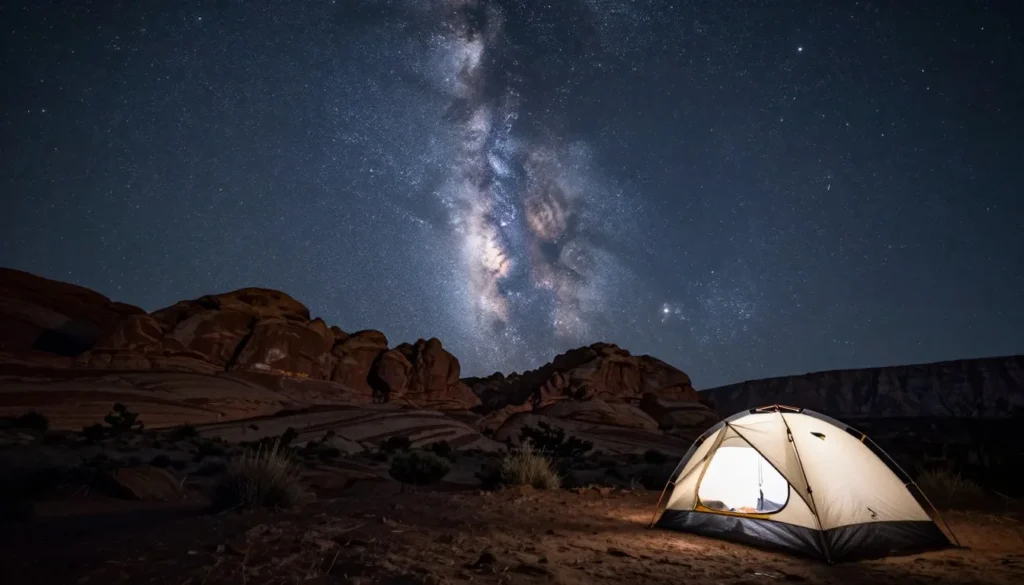
The monument’s remote location and lack of light pollution create exceptional stargazing opportunities. On clear nights, the Milky Way stretches across the sky in stunning detail. Thousands of stars invisible in cities blaze overhead.
New moon periods provide the darkest skies for astronomy. The dry desert air enhances visibility, allowing observation of deep sky objects. Many visitors rank stargazing among their most memorable monument experiences.
Rock Formations and Geology
The Grand Staircase’s colorful cliffs represent different geological periods. The youngest layers at the top (pink cliffs near Bryce Canyon) formed around 50 million years ago. The oldest exposed layers date back nearly 270 million years.
Visitors with geological interest discover fossils, petrified wood, and unique formations throughout the landscape. The Cockscomb, a dramatic monocline, tilts rock layers nearly vertical. This geological feature extends for miles and creates a striking visual element.
Desert Flora
Plant life adapted to harsh desert conditions demonstrates remarkable survival strategies. Cryptobiotic soil crusts form living communities that prevent erosion and retain moisture. These fragile crusts require hundreds of years to develop and break apart easily under footsteps.
Spring wildflowers transform the desert when adequate winter moisture falls. Indian paintbrush, penstemon, and desert marigold add brilliant colors to the landscape. The brief bloom period typically peaks in April and May.
Travel With Children
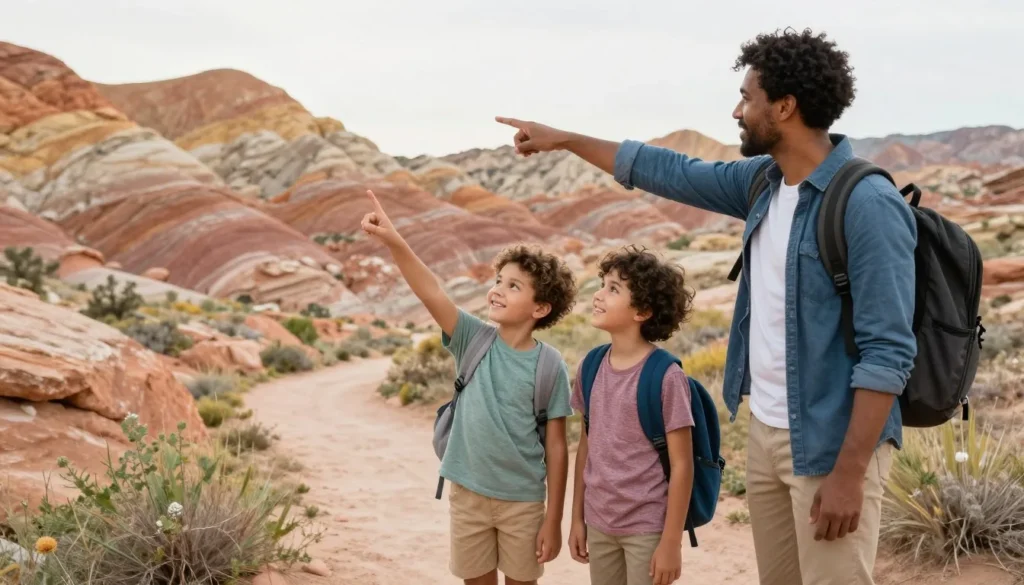
Grand Staircase offers families opportunities to introduce children to wilderness exploration. Selecting appropriate activities and preparing properly ensures positive experiences that build lifelong appreciation for nature.
Kid-Friendly Trails
Lower Calf Creek Falls Trail provides an excellent family hike. The mostly flat 4.8 km (3 mile) trail follows a creek, offering places to stop and play. The waterfall destination provides a rewarding goal that motivates young hikers.
The short trail at Grosvenor Arch makes an easy stop for families. Children enjoy exploring around the distinctive double arch. The site includes restrooms and picnic areas, making it convenient for families with small children.
Safety Considerations
Children dehydrate quickly in the desert environment. Parents should pack extra water and enforce regular drinking breaks. Symptoms of dehydration include fatigue, headache, and irritability.
Sun protection becomes critical for young skin. Wide-brimmed hats, long-sleeve shirts, and frequent sunscreen application help prevent burns. The intense desert sun can damage skin within minutes, especially at higher elevations.
Child Safety Priorities
Keep children within arm’s reach near cliff edges and steep terrain. The sandstone can crumble unexpectedly. Even short falls can result in serious injuries. Establish clear boundaries about staying on trails and away from edges.
Educational Opportunities
The monument provides natural opportunities for outdoor education. Children learn about geology, ecology, and pioneer history through firsthand experience. Ranger programs during peak season offer structured learning activities.
Junior Ranger programs engage children with activity booklets. Kids complete age-appropriate activities to earn badges. These programs transform passive sightseeing into active learning adventures.
Practical Tips
Pack plenty of snacks to maintain energy levels during activities. Familiar foods help picky eaters maintain calorie intake. Trail mix, energy bars, and fruit provide portable nutrition.
Choose accommodations carefully when traveling with children. Hotels with pools provide afternoon recreation after morning hikes. Campgrounds allow kids to explore and play while adults relax.
Plan shorter outings than you would for adults alone. Young children tire more quickly and have shorter attention spans. Success comes from matching activities to children’s abilities and interests rather than ambitious itineraries.
Money Saving Tips
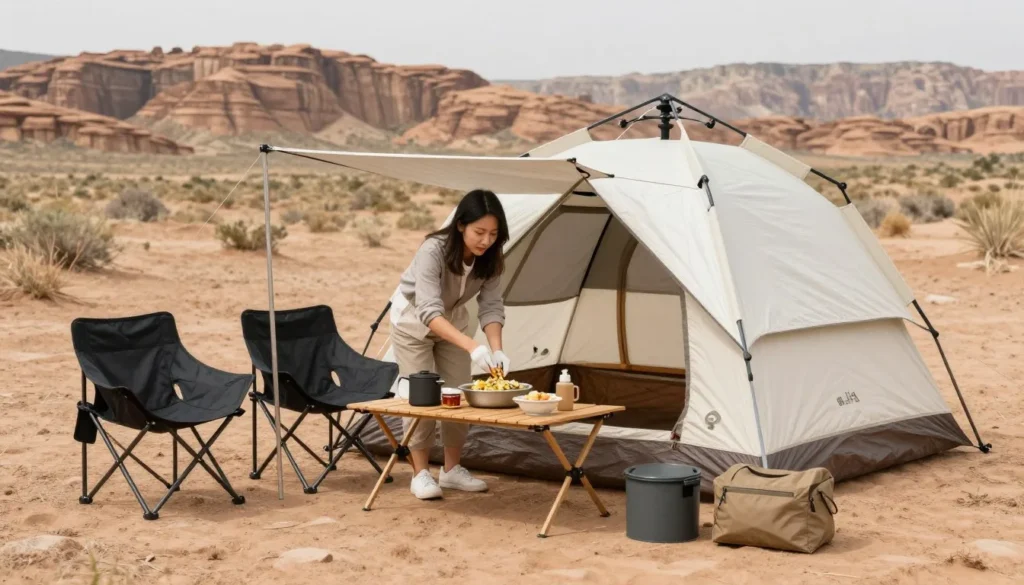
Visiting Grand Staircase need not strain budgets. The monument charges no entrance fees, immediately saving money compared to neighboring national parks. Strategic planning reduces expenses while maintaining trip quality.
Free Activities
Hiking requires only proper footwear and basic gear. Hundreds of miles of trails throughout the monument offer unlimited free exploration. Scenic drives on highways and maintained dirt roads provide spectacular sightseeing without costs.
Dispersed camping eliminates campground fees entirely. Visitors can camp freely on public land throughout most of the monument. This approach requires more self-sufficiency but significantly reduces accommodation expenses.
Reducing Food Costs
Preparing meals at campsites or in hotel rooms cuts dining expenses dramatically. Grocery stores in Kanab and Escalante stock supplies for camp cooking. A cooler and basic camp stove provide meal preparation capability.
Packing food from home eliminates the premium prices charged in rural areas. Non-perishable items, snacks, and breakfast foods travel well. This approach also ensures dietary needs and preferences are met.
Transportation Savings
Renting a vehicle in Las Vegas often costs less than Salt Lake City rentals. The drive from Las Vegas takes slightly longer but may save significant money on the rental itself.
Filling fuel tanks in larger cities before arriving in the monument area reduces gas costs. Remote gas stations charge premium prices. Planning fuel stops in St. George or Cedar City yields savings.
Budget Stretching Strategies
- Visit during shoulder seasons for lower lodging rates
- Cook most meals at camp or in room
- Use dispersed camping instead of developed campgrounds
- Fill water containers rather than buying bottled
Free or Low-Cost Activities
- All monument hiking trails are free
- Scenic driving costs only fuel
- Photography requires no fees
- Stargazing provides free evening entertainment
Gear and Equipment
Borrowing or renting specialized gear costs less than purchasing. Many outdoor shops in gateway towns rent camping equipment, backpacks, and other items. This option works well for first-time visitors uncertain about future trips.
Buying supplies and gear before arrival saves money. Outdoor equipment shops in remote areas charge higher prices. Shopping in larger cities or online before departure reduces equipment costs.
Safety, Etiquette, and Local Customs
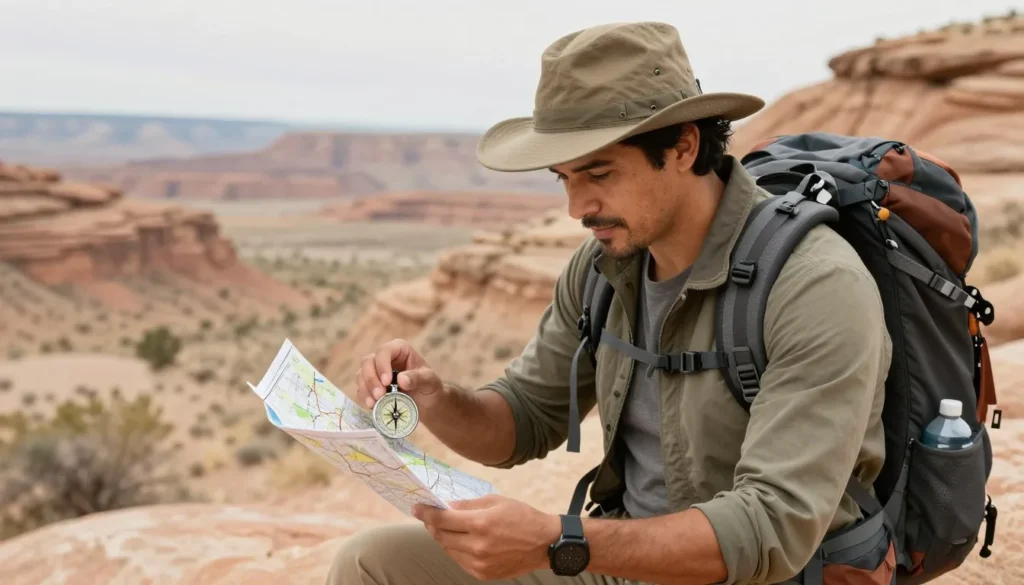
Respecting the monument and surrounding communities ensures positive experiences for all visitors. Understanding desert safety, wilderness etiquette, and local customs protects both visitors and resources.
Water Safety
Dehydration represents the most common hazard visitors face. The dry climate and physical exertion of hiking rapidly depletes body fluids. Carry at least one gallon of water per person per day for hiking, and double that amount for hot weather.
Water sources within the monument are scarce and often unreliable. Springs and seeps may flow strongly in spring but dry up by summer. Always treat natural water sources before drinking. Giardia and other pathogens contaminate even clear-looking water.
Navigation and Communication
Cell phones do not work throughout most of the monument. Inform someone outside your group about trip plans and expected return times. Carry physical maps and navigation tools as electronic devices may fail.
Emergency assistance can take hours or even days to reach remote locations. Visitors must be prepared to self-rescue or provide extended first aid. A well-stocked first aid kit and wilderness medicine knowledge become essential.
Emergency Contact Information
For emergencies within the monument, contact the Kane County Sheriff at (435) 644-2349 or Garfield County Sheriff at (435) 676-2678. For immediate life-threatening emergencies, dial 911 from areas with cell coverage or use satellite communication devices.
Wildlife Precautions
Rattlesnakes inhabit the area and become active during warm months. Watch where you place hands and feet when scrambling over rocks. Most snakebites occur when people inadvertently touch or step on hidden snakes.
Scorpions hide under rocks and in gear left on the ground. Shake out boots and check clothing before dressing. While scorpion stings are painful, they are rarely dangerous to healthy adults.
Leave No Trace Principles
The monument’s fragile desert environment shows impacts for decades. Pack out all trash, including toilet paper and food scraps. Bury human waste at least 30 cm (12 inches) deep and 61 m (200 ft) from water sources and trails.
Camp on durable surfaces like rock or sand rather than on vegetation. Avoid making new fire rings. Use existing campsites when possible to concentrate impact rather than spreading it across pristine areas.
Cultural resources including rock art and artifacts receive federal protection. Never touch petroglyphs or remove artifacts. Even innocent actions like tracing rock art with fingers damages these irreplaceable resources.
Local Customs
The gateway communities maintain conservative, rural Western values. Dress modestly in towns and respect local customs. Many businesses close on Sundays in these religiously observant communities.
Private land exists within and adjacent to the monument. Respect all private property signs and gates. Ranchers maintain operations on some lands, and livestock may be encountered on roads and trails.
Road Etiquette
Dirt roads can be narrow with limited passing opportunities. Pull over to allow faster vehicles to pass. Wave to other drivers as friendly greetings are customary in remote areas.
Avoid driving off established roads. This practice damages the desert ecosystem and creates unsightly scars that persist for decades. Tire tracks through cryptobiotic soil crust destroy communities of organisms that prevent erosion.
Visitor Comments About Grand Staircase
Grand Staircase exceeded every expectation. The slot canyons were absolutely stunning, and we barely saw another person during three days of hiking. The night skies were incredible. I’ve traveled extensively, but this landscape offers something truly unique. Bring extra water and a good map.
Our family spent a week exploring the monument, and our children are still talking about the adventure. The Calf Creek Falls hike was perfect for our ages 8 and 11. We camped along Hole-in-the-Rock Road and felt like true pioneers. The remote setting might concern some parents, but we found it liberating.
As a photographer, Grand Staircase provided endless subjects. The light on the sandstone formations changes throughout the day, creating new scenes constantly. I particularly enjoyed the Willis Creek slot canyon. Roads were rougher than expected, but our rental SUV handled them fine in dry conditions.
Additional Nearby Destinations
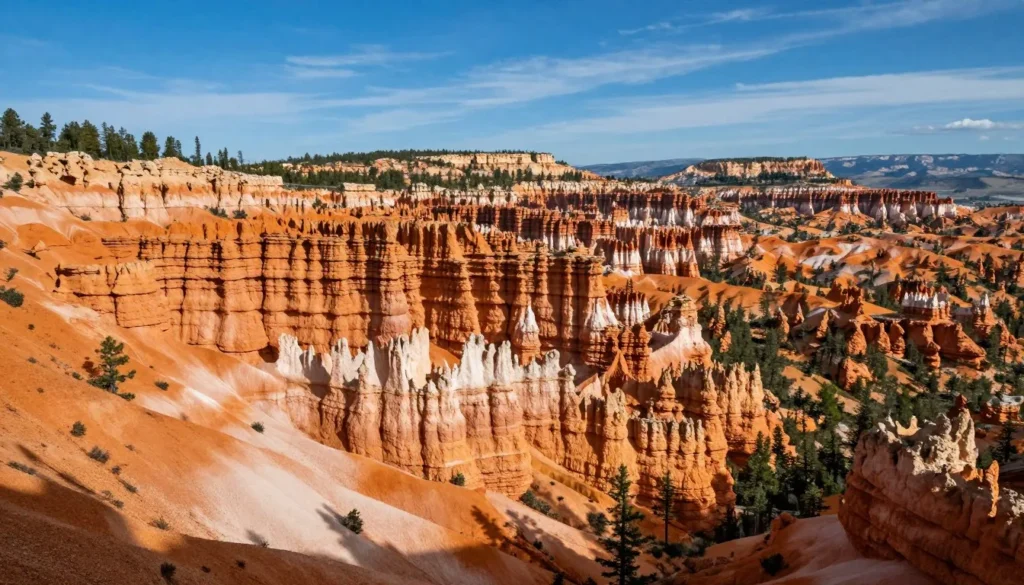
Grand Staircase’s location in southern Utah positions visitors perfectly to explore additional remarkable destinations. Several world-famous national parks and monuments lie within easy driving distance.
Bryce Canyon National Park
Just 48 km (30 miles) northeast of Grand Staircase, Bryce Canyon showcases thousands of hoodoos (rock spires) in natural amphitheaters. The colorful rock formations create one of Earth’s most distinctive landscapes. Rim trails allow easy viewing, while trails descending into the canyon provide close-up exploration.
Bryce sits at higher elevation than Grand Staircase, resulting in cooler temperatures and different vegetation. Ponderosa pines and other conifers grow throughout the park. Winter transforms Bryce into a snow-covered wonderland popular with cross-country skiers.
Capitol Reef National Park
Located 96 km (60 miles) northeast via Highway 12, Capitol Reef protects the Waterpocket Fold, a 160 km (100 mile) warp in Earth’s crust. The park features colorful cliffs, canyons, domes, and bridges. Historic orchards planted by Mormon pioneers still produce fruit that visitors can pick in season.
The scenic drive through Capitol Reef passes dramatic rock formations and pioneer historic sites. Hiking trails range from easy walks to challenging backcountry routes. The park receives fewer visitors than its famous neighbors, offering more solitude.
Zion National Park
Southwest of Grand Staircase approximately 120 km (75 miles), Zion attracts millions with its towering sandstone cliffs and narrow slot canyons. The Virgin River has carved spectacular canyons through Navajo Sandstone. Popular hikes like Angels Landing and The Narrows offer thrilling adventures.
Zion requires advance planning during peak seasons due to its popularity. The park operates a shuttle system through the main canyon. Reservations are needed for popular trails and camping.
Coral Pink Sand Dunes State Park
This small state park west of Kanab features salmon-colored sand dunes rising to 91 m (300 ft). The unique sand originated from erosion of Navajo Sandstone. The dunes provide opportunities for photography, hiking, and watching off-road vehicle enthusiasts.
Lake Powell and Glen Canyon
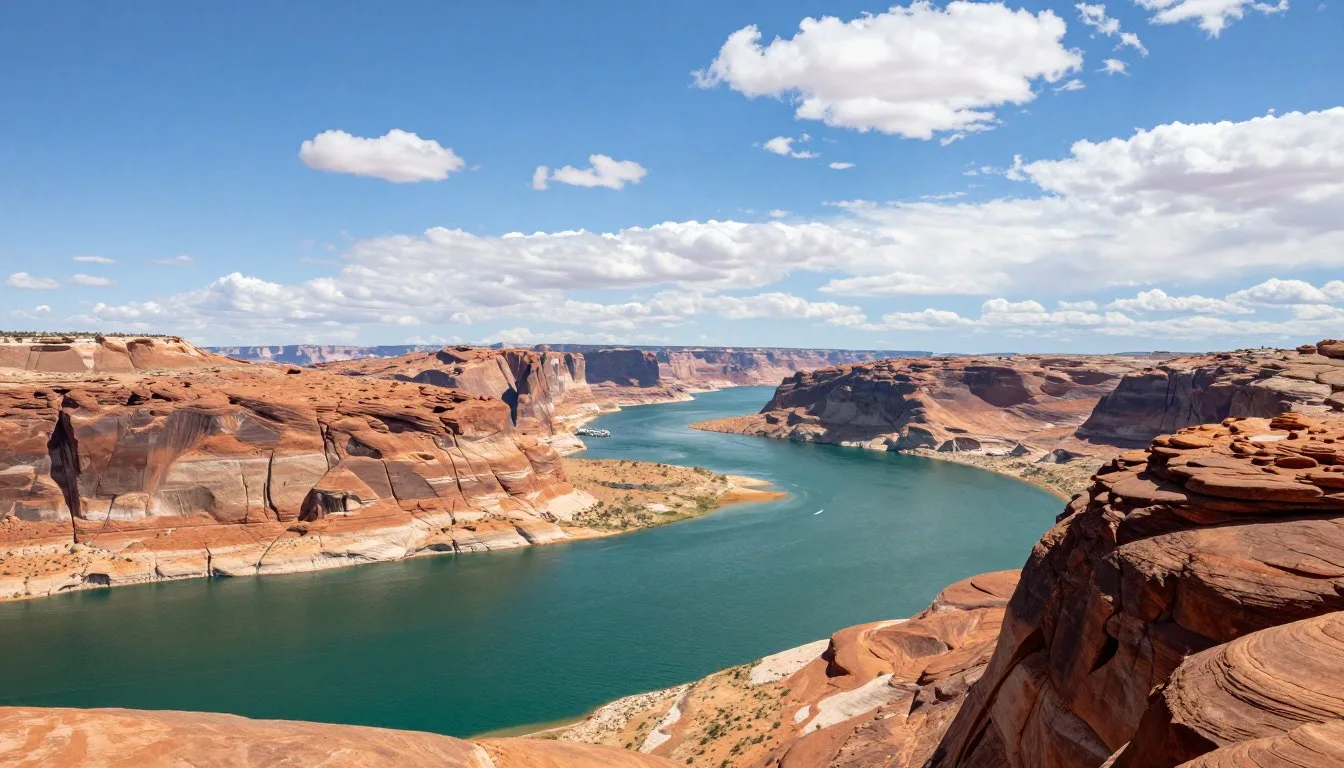
Southeast of the monument, Lake Powell extends 299 km (186 miles) behind Glen Canyon Dam. The reservoir creates opportunities for boating, fishing, and water sports. Dramatic canyon walls rise directly from the water, creating stunning scenery.
The town of Page, Arizona serves as the gateway to Lake Powell. Boat tours explore hidden canyons and provide access to remote areas. Rainbow Bridge National Monument, one of the world’s largest natural bridges, can be reached by boat.
Practical Travel Tips
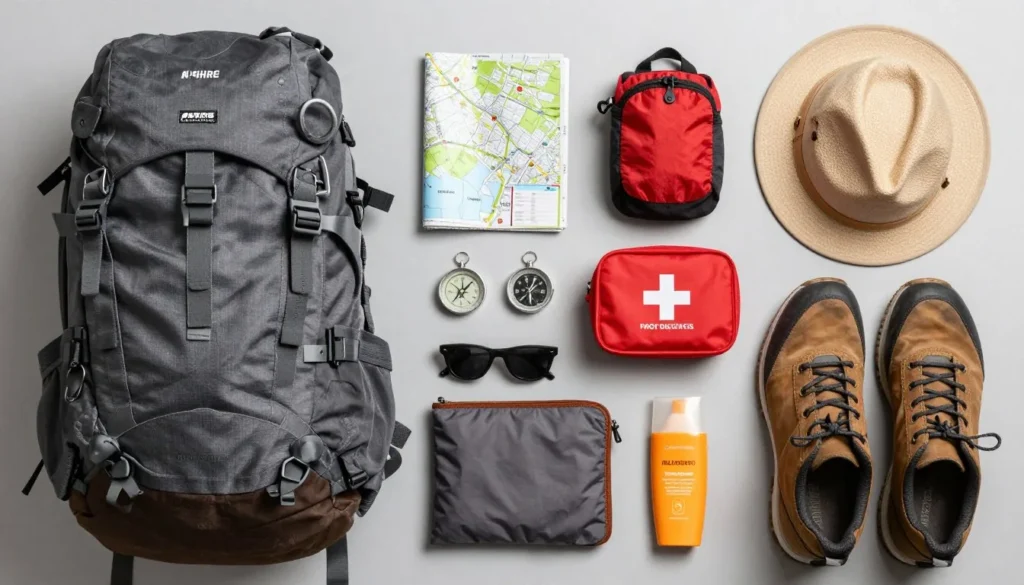
Essential Gear Checklist
Proper equipment transforms challenging adventures into safe, enjoyable experiences. Sun protection ranks as the highest priority in the desert environment. Wide-brimmed hats, long-sleeve shirts with UPF rating, and high-SPF sunscreen protect skin from intense UV radiation.
Sturdy hiking boots with ankle support prevent injuries on uneven terrain. Break in new boots before the trip to avoid blisters. Bring extra socks made from moisture-wicking materials. Sandals provide comfortable camp footwear.
Navigation tools including detailed paper maps, compass, and GPS device ensure you can find your way. Download offline maps before arrival, as cell service is unavailable. A satellite communication device like an inReach provides emergency communication capability.
Ten Essentials for Day Hiking
- Navigation tools and maps
- Sun protection and insulation
- Extra water and purification
- Extra food beyond planned needs
- First aid supplies and medications
- Fire starter and emergency shelter
- Multi-tool or knife
- Illumination with extra batteries
- Repair kit and duct tape
- Emergency communication device
Photography Tips
- Shoot during golden hours for best light
- Bring polarizing filter for sky contrast
- Protect camera gear from dust and sand
- Extra batteries drain faster in temperature extremes
- Use lens cloth frequently to remove dust
- Bracket exposures in high-contrast situations
Permits and Regulations
Most day hiking in Grand Staircase requires no permits. However, overnight camping in certain zones and canyoneering through technical routes may require permits. Check current regulations at visitor centers or online before your trip.
Campfires are prohibited in many areas due to fire danger and lack of wood. Use camp stoves for cooking. Where fires are allowed, use existing fire rings and burn only dead and down wood.
Best Photography Locations
Sunrise at Devils Garden provides dramatic lighting on unusual rock formations. The hoodoos and arches glow orange and red in early morning light. This area sees relatively few visitors despite spectacular scenery.
Sunset from the Hogsback section of Highway 12 creates stunning landscape images. The narrow ridge provides unobstructed views in all directions. The colorful cliffs of the Grand Staircase layers appear especially vivid in evening light.
Seasonal Considerations
Spring brings wildflowers but also unpredictable weather. Warm days can suddenly turn cold and rainy. Pack layers and rain gear even when forecasts look favorable.
Summer heat requires early morning starts for hiking. Begin hikes at dawn to complete most mileage before the hottest afternoon hours. Plan afternoon activities near water or in shaded canyons.
Fall colors peak in late October along the Escalante River and in higher elevations. Cottonwood and aspen trees turn brilliant gold against red rock backgrounds. This brief seasonal display attracts photographers.
Connectivity and Technology
Download maps, guides, and any needed information before arrival. Cell service exists only in gateway towns. The monument’s remote location means no internet or phone connectivity once you leave paved highways.
Portable battery packs keep devices charged during multi-day trips. Solar chargers work well in the sunny desert environment. Protect electronics from dust and extreme temperatures.
Health and Fitness
The monument’s elevation ranges from 1,219 m to 2,134 m (4,000 ft to 7,000 ft). Visitors arriving from sea level may experience mild altitude effects. Drink extra water and take breaks during physical activity.
Physical fitness appropriate to planned activities prevents injuries and ensures enjoyment. Start with easier trails to assess fitness levels before attempting strenuous routes. Many trails involve significant elevation gain and rough terrain.
Your Grand Staircase Adventure Awaits
Grand Staircase-Escalante National Monument stands ready to reward adventurous spirits with experiences found nowhere else on Earth. This vast landscape of colorful cliffs, hidden canyons, and endless horizons calls to those seeking authentic wilderness adventure. Every visit reveals new wonders, whether you’re exploring narrow slot canyons for the first time or returning to discover remote corners you’ve only read about.
The monument demands respect, preparation, and self-sufficiency, but gives back memories that last forever. You’ll return home with stories of places few people ever see, photographs of landscapes that defy description, and a deeper connection to the natural world. The Grand Staircase doesn’t make exploration easy, but that’s precisely what makes it extraordinary.
Pack your sense of adventure along with plenty of water, load those detailed maps, and point your vehicle toward southern Utah. The greatest American landscapes you’ve never heard of are waiting to be explored. Your Grand Staircase story is about to begin.