Hotels by Trip.com
Flights by Trip.com
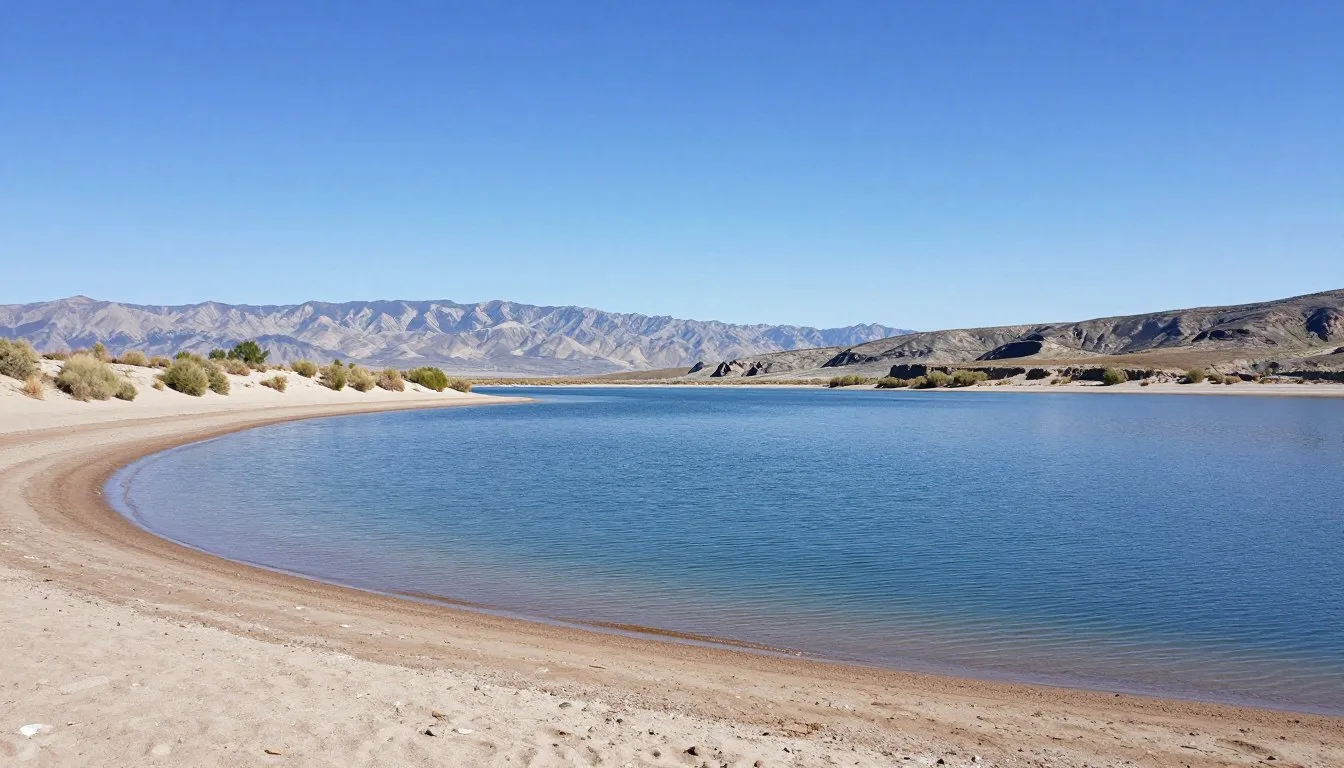
The Great Salt Lake holds more salt than the entire Atlantic Ocean combined. This remarkable body of water is North America’s largest saltwater lake, covering approximately 4,400 square kilometers (1,700 square miles) when at full capacity. Great Salt Lake State Park Utah offers visitors an extraordinary chance to experience this unique ecosystem where the water’s salinity reaches up to 27 percent in some areas.
The park serves as a gateway to understanding one of the most fascinating natural wonders in the United States. Located just west of Salt Lake City, this destination provides a stark contrast to typical lake experiences. Visitors find themselves in a landscape that feels almost otherworldly, with salt-encrusted shores and waters so buoyant that floating becomes effortless.
Whether you seek outdoor adventure, wildlife observation, or simply a peaceful escape from city life, the salt lake state park delivers memorable experiences. From sunset views that paint the sky in brilliant colors to the chance to witness millions of migrating birds, this location stands as one of Utah’s most distinctive natural treasures.
Getting There & Planning Your Journey

Great Salt Lake State Park sits approximately 16 kilometers (10 miles) west of downtown Salt Lake City. The park’s convenient location makes it easily accessible for both local residents and international visitors. The main entrance lies along Interstate 80, providing straightforward access from the city center.
Closest Airports
Salt Lake City International Airport serves as the primary gateway for visitors traveling to the area. Located just 24 kilometers (15 miles) from the park, the airport offers numerous domestic and international flights daily. The facility underwent major renovations recently, providing modern amenities and efficient services.
From the airport, visitors can rent vehicles from numerous car rental agencies located on-site. The drive to Great Salt Lake State Park takes approximately 25 minutes under normal traffic conditions. Public transportation options exist but require transfers, making a rental car the most practical choice for exploring the area.
By Personal Vehicle
Driving your own vehicle offers maximum flexibility for exploring the salt lake state park and surrounding attractions. From Salt Lake City, take Interstate 80 westbound and follow signs for the park exit. Parking areas accommodate various vehicle sizes, including RVs and vehicles with trailers.
The road conditions remain excellent year-round, though winter weather occasionally requires cautious driving. Exit 104 off Interstate 80 provides direct access to the park entrance. Clear signage guides visitors from the highway to parking areas near the visitor center.
Planning Your Visit Duration
Most visitors spend between three to five hours exploring the main park area. This timeframe allows for beach activities, a visit to the marina, and time to enjoy the sunset. Those interested in extensive hiking or wildlife photography may want to allocate a full day.
The park opens daily from sunrise to sunset, with extended summer hours. Arriving early in the morning provides opportunities to see wildlife at their most active. Late afternoon visits offer spectacular lighting conditions for photography enthusiasts.
Great Salt Lake State Park Visitor Contact
For current conditions, special event information, and general inquiries, contact the park office:
Staff members can provide updates on water levels, bird migration timing, and facility availability.
Best Time to Visit & Weather Tips

Recommended Seasons and Months
Late spring through early fall represents the ideal period for visiting Great Salt Lake State Park Utah. From May through September, temperatures range from comfortable to warm, and all facilities operate at full capacity. The water remains accessible, and outdoor activities become most enjoyable during these months.
May and June offer particularly pleasant conditions. Temperatures typically range from 18°C to 27°C (65°F to 80°F). The landscape displays spring colors, and migratory birds arrive in impressive numbers. These months provide excellent balance between comfortable weather and fewer crowds compared to peak summer.
September and October deliver another excellent window for visits. The intense summer heat subsides, creating perfect conditions for hiking and outdoor exploration. Fall migration brings spectacular bird watching opportunities. Temperatures hover between 15°C and 24°C (60°F to 75°F), ideal for extended outdoor activities.
Peak Season: June Through August
Summer months attract the highest visitor numbers to the salt lake state park. Daytime temperatures reach 32°C to 38°C (90°F to 100°F). The heat can feel intense, particularly during midday hours. Early morning and evening visits provide relief from extreme temperatures.
Water activities become most popular during summer. The warm weather makes swimming and floating in the salt-rich waters especially enjoyable. Families with children find summer most convenient due to school vacation schedules.
Shoulder Season: April, May, October
These transitional months offer remarkable value for visitors. Temperatures remain moderate, ranging from 10°C to 24°C (50°F to 75°F). Crowds thin considerably compared to summer peaks. Wildlife viewing opportunities increase as birds migrate through the area.
Spring brings wildflowers to the surrounding desert landscape. October provides stunning fall colors in nearby mountain areas. Photographers particularly appreciate the softer light and dramatic cloud formations common during shoulder seasons.
Months to Avoid
December through February presents challenging conditions at the park. Winter temperatures frequently drop below freezing, ranging from -7°C to 4°C (20°F to 40°F). Snow and ice can make roads treacherous. Many facilities close or operate on reduced schedules during winter months.
Strong winds occur frequently during winter and early spring. These conditions create uncomfortable beach experiences and can stir up dust and salt particles. Water access becomes limited, and the marina typically closes for the season.

Weather Patterns and Preparation
The Great Salt Lake region experiences a high desert climate with four distinct seasons. Annual precipitation remains low, averaging about 41 centimeters (16 inches) per year. Most precipitation falls as snow during winter months, with occasional spring and fall rain showers.
Summer brings intense sun and low humidity. Visitors should prepare for rapid temperature swings between day and night. Even on hot summer days, temperatures can drop significantly after sunset. Layered clothing proves essential for comfort throughout the day.
- Bring sun protection including high-SPF sunscreen, hats, and sunglasses
- Carry extra water beyond what you think you’ll need
- Pack a light jacket for evening temperature drops
- Wear closed-toe shoes that can get wet and salty
- Bring layers for changing weather conditions
- Include lip balm and moisturizer for dry air
Notable Annual Festivals
The area surrounding the Great Salt Lake hosts several events throughout the year that enhance visitor experiences. These festivals celebrate the region’s unique ecology, outdoor recreation, and cultural heritage.

Great Salt Lake Bird Festival
Held annually in mid-May, this festival celebrates the incredible bird diversity around the lake. The event spans four days and includes guided tours, photography workshops, and educational presentations. Birding enthusiasts from across North America attend this premier event.
The festival coincides with peak spring migration when millions of birds stop at the lake. Expert guides lead excursions to prime viewing locations. For information and registration:
Utah Arts Festival
Taking place in late June in nearby Salt Lake City, this four-day event showcases regional and national artists. The festival includes outdoor exhibitions, live performances, and hands-on art activities. Many visitors combine a park visit with this cultural celebration.
Over 130 visual artists display their work, while multiple stages host musical performances throughout each day. Family activities make this event appealing to visitors of all ages. Contact for details:
Days of ’47 Celebration
This July event commemorates the arrival of Mormon pioneers in the Salt Lake Valley. The celebration includes rodeos, parades, and outdoor concerts. Events span ten days and attract hundreds of thousands of participants.
The famous Days of ’47 Rodeo features professional cowboys and cowgirls competing in traditional rodeo events. The celebration includes one of the nation’s largest Independence Day parades. For schedule information:
Weather Advisory: Check current conditions before visiting, especially during spring and fall when weather can change rapidly. Wind speeds at the lake can exceed those in surrounding areas due to the open water and flat terrain.
Getting Around Locally

Navigation within Great Salt Lake State Park remains straightforward due to the compact layout and well-marked pathways. The park encompasses approximately 40 hectares (100 acres) of developed area, with additional natural areas extending beyond the main facilities. Most attractions lie within easy walking distance of parking areas.
Within the Park
Walking serves as the primary mode of transportation within the park boundaries. Paved pathways connect the visitor center, beach areas, and marina facilities. These paths accommodate wheelchairs and strollers, making the park accessible to visitors with various mobility needs.
The main trail system extends about 2.4 kilometers (1.5 miles) along the shoreline. This path provides excellent vantage points for photography and bird watching. Benches positioned at regular intervals offer rest spots and contemplation areas.
Bicycles are permitted on paved trails but not on natural surface paths. Many visitors bring bikes to cover more ground efficiently. The flat terrain makes cycling easy for all skill levels. Bike racks near major facilities provide secure parking.
Parking and Access
Multiple parking lots serve different areas of the park. The main lot near the visitor center provides the most convenient access to facilities and amenities. Additional parking exists near the marina and beach access points.
Day use parking requires a state park entrance fee. Annual passes offer better value for frequent visitors. Parking spaces for vehicles with trailers accommodate boats and recreational equipment. Arrive early during peak season weekends to secure preferred parking spots.
Mobility Considerations
Accessible parking spaces sit closest to main facilities. Paved pathways throughout the developed area meet ADA accessibility standards. The visitor center includes accessible restrooms and information displays.
Beach access presents more challenges due to soft sand and salt-crusted surfaces. Designated access points offer firmer paths to the waterline. Park staff can provide information about the most accessible routes for visitors with mobility limitations.
Exploring Beyond the Park
A personal vehicle becomes essential for exploring attractions beyond the immediate park area. Public transportation options remain limited in this region. Ride-sharing services operate but may have longer wait times due to the park’s location outside the urban core.
The nearby Antelope Island State Park lies approximately 48 kilometers (30 miles) north of the salt lake state park. This drive takes about 40 minutes via Interstate 15 and State Route 127. Antelope Island offers additional recreational opportunities and wildlife viewing.
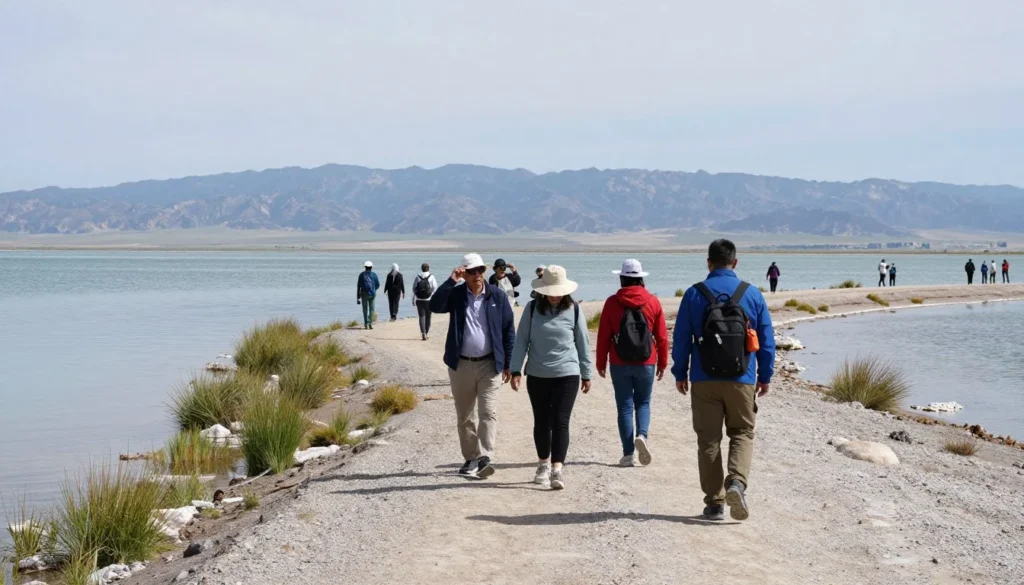
Salt Lake City’s downtown area sits just 20 minutes east of the park. Urban amenities including restaurants, shopping, and additional attractions make the city a natural extension of a park visit. The drive back to the city follows Interstate 80 with clear signage and well-maintained roads.
- Download offline maps before visiting as cell service can be spotty
- Fill your vehicle’s gas tank before heading to the park
- Plan for at least 30 minutes transit time between the park and city center
- Consider sunrise or sunset timing when planning your departure
Where to Stay
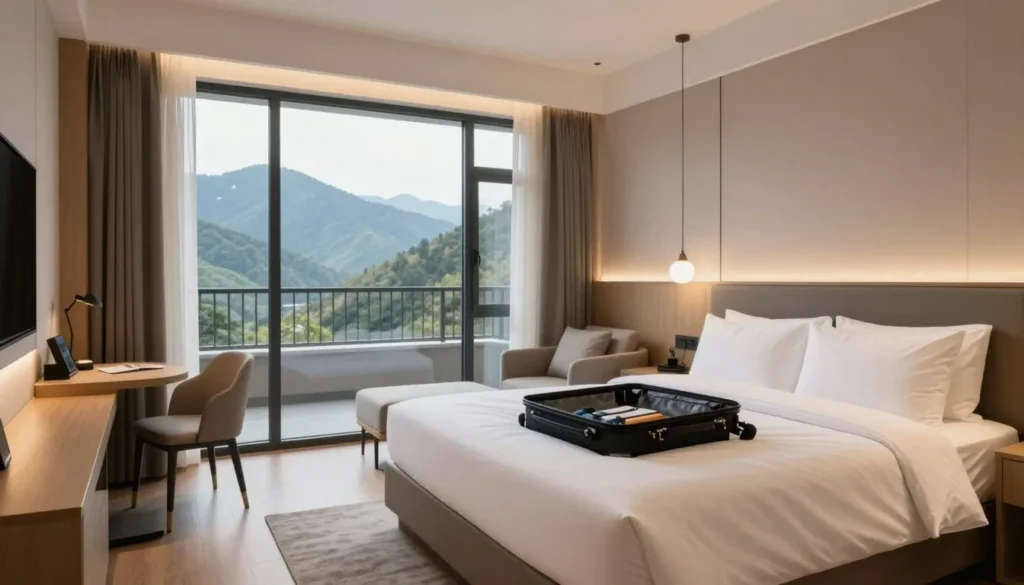
Accommodation options near Great Salt Lake State Park range from budget-friendly motels to upscale hotels. Most visitors choose to stay in Salt Lake City due to the wider variety of lodging types and proximity to dining and entertainment. The short distance between the city and park makes this practical for day visits.
Hotels in Salt Lake City
Downtown Salt Lake City offers numerous hotel options within 20 to 25 kilometers (12 to 15 miles) of the park. These properties provide amenities including pools, fitness centers, and on-site dining. Business travelers and families find suitable accommodations across various price points.
The airport area includes several chain hotels offering good value and convenient access to both the airport and park. These properties typically cost less than downtown options while maintaining quality standards. Free parking commonly comes included at airport-area hotels.
Luxury Options
High-end hotels in downtown Salt Lake City provide premium amenities and services. These properties feature full-service spas, fine dining restaurants, and concierge services. Room rates typically range from $200 to $400 per night depending on season.
Historic properties offer unique architectural features and elegant atmospheres. Many luxury hotels occupy restored buildings that reflect the city’s heritage. Business facilities and meeting spaces make these suitable for both leisure and business travelers.
Mid-Range Hotels
The majority of visitors select mid-range properties offering comfort and value. These hotels typically charge between $100 and $200 per night. Standard amenities include complimentary breakfast, free Wi-Fi, and fitness facilities.
Many mid-range properties belong to recognized chains, providing consistent quality expectations. Family suites accommodate larger groups comfortably. Locations near major highways offer convenient access to the park and other Utah attractions.
Budget Accommodations
Economical hotels and motels serve cost-conscious travelers effectively. Nightly rates start around $60 to $100, depending on season and specific property. Basic amenities typically include clean rooms, parking, and sometimes continental breakfast.
Budget properties cluster near the airport and along major interstate corridors. While lacking extensive amenities, these accommodations provide clean, safe lodging at attractive prices. Extended stay properties offer kitchenettes for longer visits.
Alternative Lodging
Vacation rentals through various platforms provide home-like accommodations throughout the Salt Lake Valley. Entire houses or apartments suit families and groups seeking more space and kitchen facilities. Prices vary widely based on property size, location, and amenities.
The neighborhood between the airport and downtown offers numerous rental options with easy park access. Properties in this area typically cost less than downtown rentals while providing similar square footage. Many vacation rentals accommodate pets, expanding options for travelers with animals.

Camping Near the Lake
While Great Salt Lake State Park itself does not offer overnight camping, nearby options exist for those preferring outdoor accommodations. Antelope Island State Park, located about 48 kilometers (30 miles) away, provides developed campsites with basic amenities.
The island camping area features sites suitable for tents and RVs. Facilities include restrooms, showers, and drinking water. Reservations become essential during summer months when sites fill quickly. The experience of camping near the Great Salt Lake offers unique sunrises and stargazing opportunities.
Private RV parks operate throughout the Salt Lake Valley. These facilities typically offer full hookups, laundry facilities, and convenience stores. Locations near Interstate 15 provide straightforward access to the park and surrounding attractions. Monthly rates offer significant savings for extended stays.
Booking Tips: Reserve accommodations well in advance during summer months and major event periods. Weekday rates often offer better value than weekends. Consider staying two nights to fully experience the park during different times of day without rushing.
Dining & Local Cuisine

Dining options within Great Salt Lake State Park remain limited to vending machines and picnic facilities. Visitors planning extended stays should pack food and beverages. The park’s picnic areas provide tables and shade structures, creating pleasant spots for outdoor meals. Most people choose to dine in Salt Lake City before or after their park visit.
Salt Lake City Dining Scene
Salt Lake City offers a surprisingly diverse culinary landscape. The restaurant scene reflects the area’s cultural mix and outdoor lifestyle. From farm-to-table establishments to international cuisines, the city satisfies varied tastes and dietary preferences. Food quality generally exceeds expectations for a city of this size.
Local ingredients play prominent roles in many restaurants. Utah-raised beef, Rocky Mountain trout, and regional produce appear on numerous menus. Craft breweries and distilleries have proliferated in recent years, creating a vibrant beverage scene despite historical restrictions.
Regional Specialties
Western cuisine dominates many local menus, featuring hearty portions and bold flavors. Steakhouses prepare locally-raised beef cooked to perfection. Buffalo and elk occasionally appear as alternative protein options, offering distinctive tastes of the American West.
Fry sauce, a Utah invention combining mayonnaise and ketchup, accompanies french fries at most casual restaurants. This condiment has achieved cult status among locals and visitors alike. Many establishments create their own variations with secret ingredients.
Funeral potatoes, a creamy potato casserole topped with cornflakes, represents another local favorite. This comfort food appears at gatherings and several restaurants. The dish earned its nickname from its frequent appearance at post-funeral meals.
International Options
Salt Lake City’s growing diversity brings authentic international cuisines to the table. Mexican, Thai, Japanese, and Indian restaurants serve communities from these cultures while welcoming all diners. Quality rivals that found in much larger metropolitan areas.
The downtown area concentrates many upscale dining options. These establishments range from innovative American cuisine to authentic Italian trattorias. Reservations become advisable for popular restaurants, especially during weekend evenings.
Food halls and markets have emerged as popular dining destinations. These venues gather multiple vendors under one roof, offering variety for groups with different preferences. The casual atmosphere suits families and creates opportunities to sample several cuisines in one visit.

Dining Practical Tips
- Pack a cooler with snacks and drinks for your park visit
- Bring extra water as dehydration occurs quickly in the dry climate
- Plan meal times around park activities for maximum efficiency
- Consider dining before heading to the park for sunset viewing
- Many restaurants close on Sundays or have limited hours
- Utah’s liquor laws differ from other states, research before ordering
Grocery and Supply Options
Several grocery stores operate between the park and Salt Lake City. These provide excellent options for picnic supplies, snacks, and beverages. Local chains offer good selection and competitive prices. Natural and organic options appear at specialty grocers throughout the valley.
Convenience stores along Interstate 80 offer quick stops for basic supplies. While more expensive than grocery stores, these locations provide fuel and last-minute items. Some larger gas station convenience stores include hot food options and fresh sandwiches.
Hydration Reminder: The combination of altitude, low humidity, and physical activity increases water consumption needs. Adults should drink at least 3 liters (about 100 ounces) of water daily when visiting the park, more during hot weather or extended outdoor activities.
Attractions, Sightseeing & Activities
Great Salt Lake State Park Utah delivers distinctive experiences unavailable anywhere else in the region. The combination of unique geology, dramatic landscapes, and rich wildlife creates memorable moments for every visitor. Activities range from passive observation to active water recreation, accommodating various interests and fitness levels.
Swimming and Floating
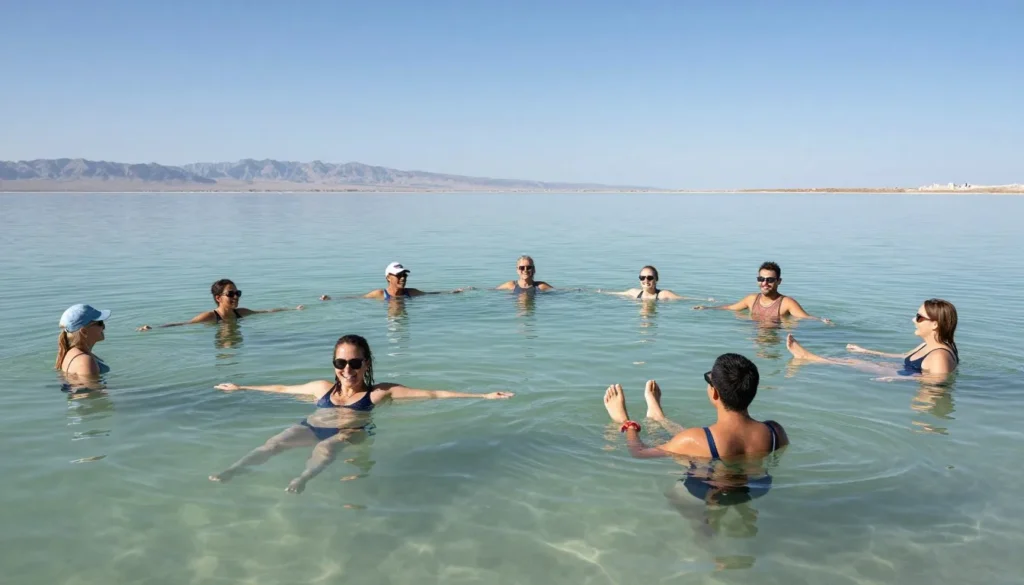
The Great Salt Lake’s extreme salinity creates an unforgettable floating experience. The water’s density makes sinking nearly impossible, allowing visitors to effortlessly float on the surface. This phenomenon mimics the experience of the Dead Sea but in a distinctly North American setting.
The designated swimming beach provides the safest access to the water. The area includes showers for rinsing off the salt after swimming. The extremely salty water stings any cuts or scrapes, and contact with eyes causes intense burning. Visitors should avoid getting water in their faces.
The salt content leaves a white crust on skin and hair after drying. Bringing extra towels and rinse water proves wise. Many people apply baby oil or coconut oil to their skin before entering the water, making cleanup easier. The salt can also damage jewelry, so remove accessories before swimming.

Boating and Sailing
The marina at Great Salt Lake State Park serves as the primary launching point for watercraft. Sailboats take advantage of consistent winds that sweep across the open water. The lake’s size provides ample space for extended sailing adventures without crowding.
Power boaters explore the vast expanse of the Great Salt Lake, discovering remote islands and unique geological formations. Navigation requires attention as shallow areas and rocky shoals exist throughout the lake. The marina offers boat launching ramps and docking facilities during the operating season.
The salt water affects boats differently than fresh water. The corrosive nature of salt requires thorough rinsing after each use. Boat owners should use proper marine equipment designed for saltwater environments. The park provides rinse stations near the boat launch area.
Water Safety Note: Wind conditions on the Great Salt Lake can change rapidly. Check weather forecasts before departing. The combination of wind and shallow water creates challenging conditions even for experienced boaters. Always wear appropriate safety equipment including life jackets.
Wildlife Observation
The Great Salt Lake ecosystem supports an incredible diversity of bird species. Over 250 bird species have been documented in the area, making it one of the premier bird watching destinations in North America. The lake serves as a critical stopover point for millions of migratory birds traveling along the Pacific Flyway.
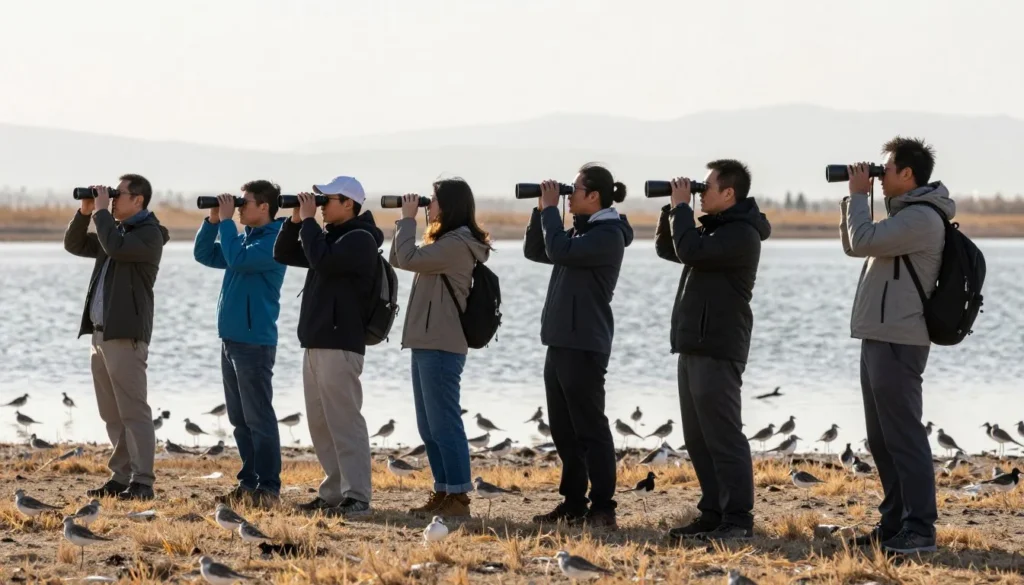
Shorebirds appear in astounding numbers during migration periods. Wilson’s phalaropes, American avocets, and black-necked stilts wade through shallow waters feeding on brine shrimp and flies. The spectacle of thousands of birds taking flight simultaneously creates an unforgettable experience.
The visitor center provides spotting scopes and educational materials about local bird species. Staff members offer guidance on current bird activity and best viewing locations. Early morning and late afternoon provide optimal viewing conditions when birds actively feed.
Peak Migration Spring
April through June sees millions of birds passing through the area. Waterfowl, shorebirds, and songbirds stop to refuel during their northern journey. The variety of species peaks during May when over 100 species may appear in a single day.
Breeding colonies establish on remote islands during this period. California gulls nest in large colonies, their calls filling the air. American white pelicans gather in impressive numbers, their synchronized feeding behavior fascinating to observe.
Peak Migration Fall
August through October brings another wave of migrants moving south. Juvenile birds appear alongside adults, providing opportunities to observe different plumages. Concentrations build as birds prepare for long flights to wintering grounds.
Eared grebes arrive in September by the millions. These diving birds create dense rafts on the water, feeding intensively to build fat reserves. The sight of countless birds covering entire bays represents a natural spectacle few places can match.
Year-Round Residents
Even winter brings bird watching opportunities. Bald eagles hunt along the shoreline, their white heads visible from great distances. Various duck species winter on ice-free portions of the lake. Hardy species remain active despite cold temperatures.
Brine shrimp and brine flies form the foundation of the lake’s food web. These tiny creatures exist in numbers difficult to comprehend. They color the water in shades of red and orange during peak abundance periods.
Photography Opportunities
The Great Salt Lake region offers photographers extraordinary subjects and lighting conditions. The landscape’s stark beauty creates minimalist compositions with strong graphic elements. Sunrise and sunset paint the sky and water in spectacular color displays.
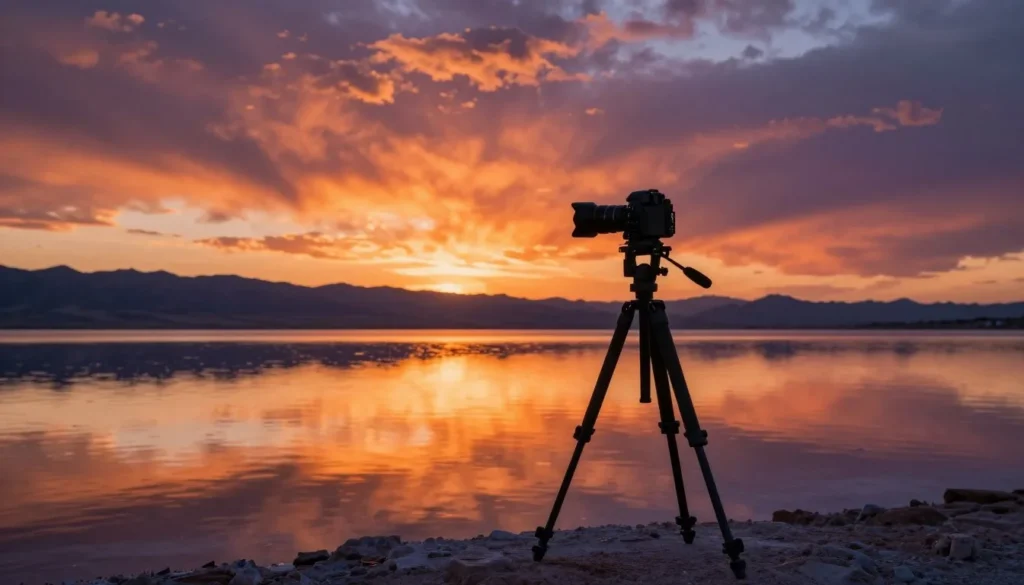
Salt formations create interesting foreground elements for landscape compositions. The white salt crusts contrast dramatically with the blue water and sky. Abstract patterns in the salt and mud provide opportunities for creative close-up work.
Wildlife photographers find abundant subjects throughout the year. Long lenses prove essential for bird photography. The flat terrain and open water allow photographers to predict where birds will fly, enabling action shots. Morning light illuminates birds beautifully against the eastern sky.
- Protect camera equipment from salt spray and dust
- Bring lens cleaning supplies as salt residue affects image quality
- Plan shoots around golden hour for optimal lighting
- Use polarizing filters to manage water reflections
- Carry extra batteries as cold weather drains power quickly
- Scout locations during midday for evening or morning shoots
Hiking and Trail Exploration
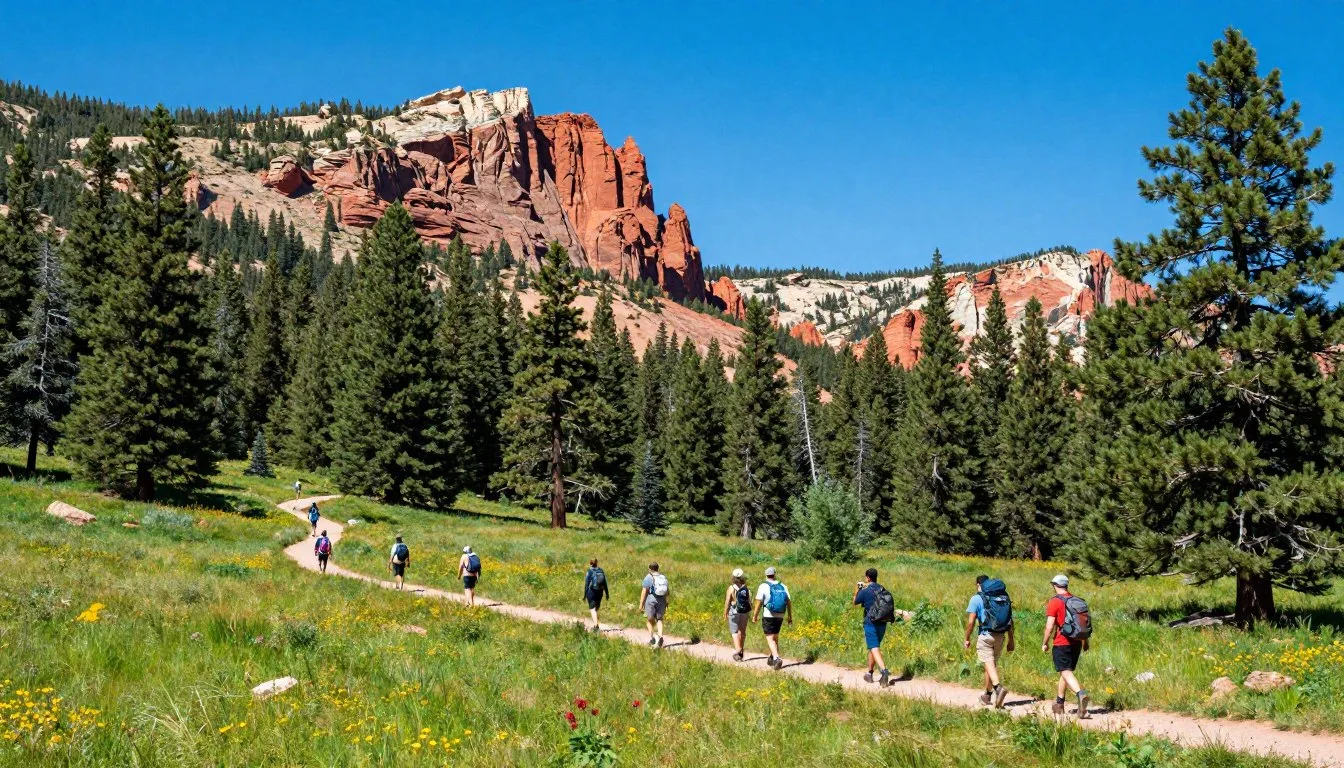
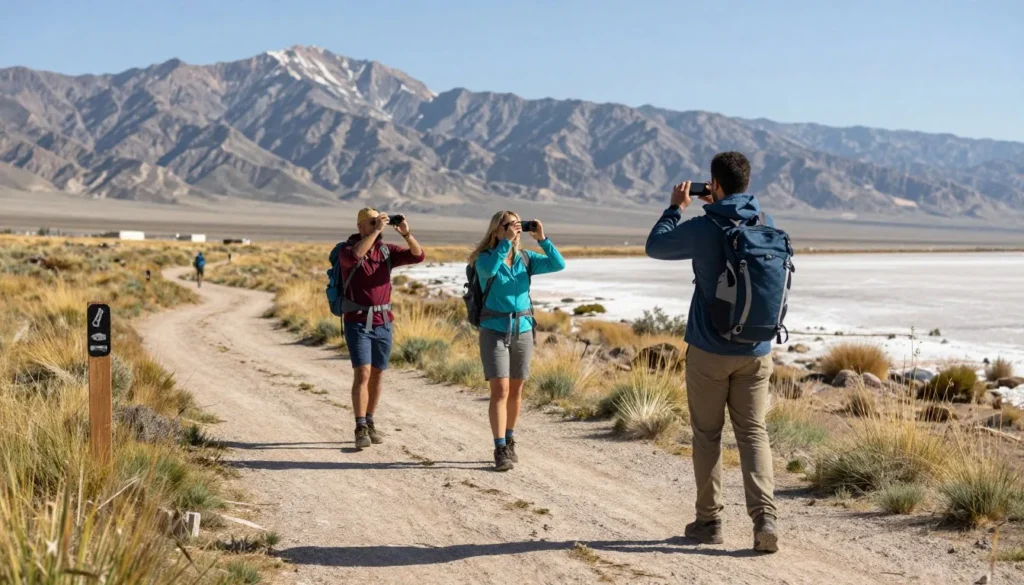
Several trails wind through the developed park area and surrounding natural lands. The shoreline trail provides easy walking with consistent lake views. This path remains relatively flat, making it accessible for most fitness levels. The trail surface alternates between pavement and packed earth.
Longer hiking options exist in nearby mountain areas. The Wasatch Range rises dramatically east of the lake, offering countless trail opportunities. Many visitors combine a morning at the park with afternoon hiking in the mountains. The elevation change provides cooling relief during hot summer days.
Educational Programs and Ranger Activities
The park offers interpretive programs during peak season. Rangers lead guided walks explaining the lake’s unique ecology and geology. These programs run on weekends from May through September. Topics cover bird migration, salt formation, and human history in the region.
Junior Ranger programs engage children in learning about the park. Kids complete activity booklets while exploring different areas. Upon completion, they receive official Junior Ranger badges. These programs create positive connections between young visitors and natural places.
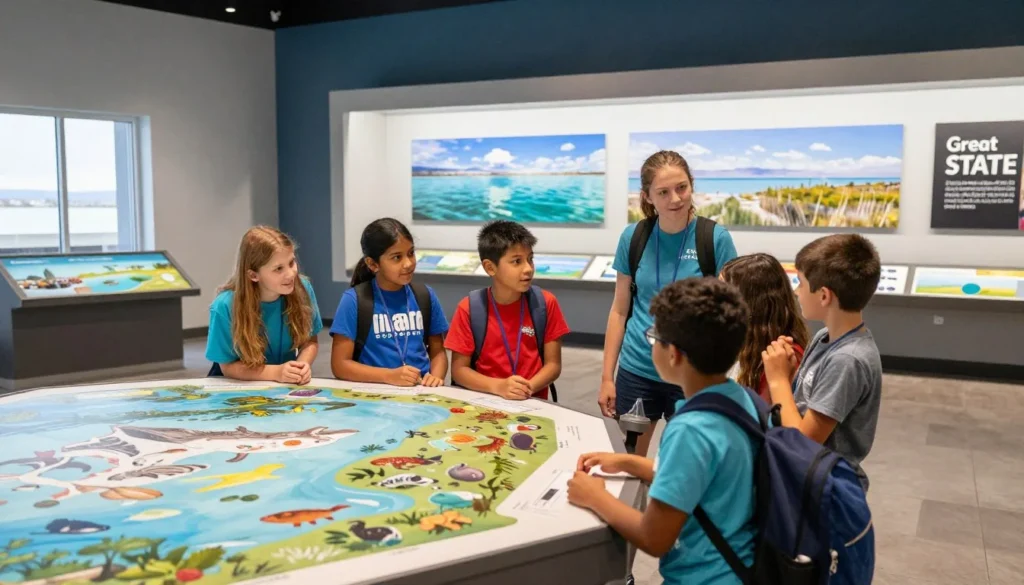
The visitor center features exhibits explaining the Great Salt Lake’s formation and ecology. Interactive displays engage visitors of all ages. Educational videos provide context about the lake’s importance to wildlife and regional water supplies. Staff members answer questions and provide current conditions updates.
Museums, Cultural Spots & Festivals
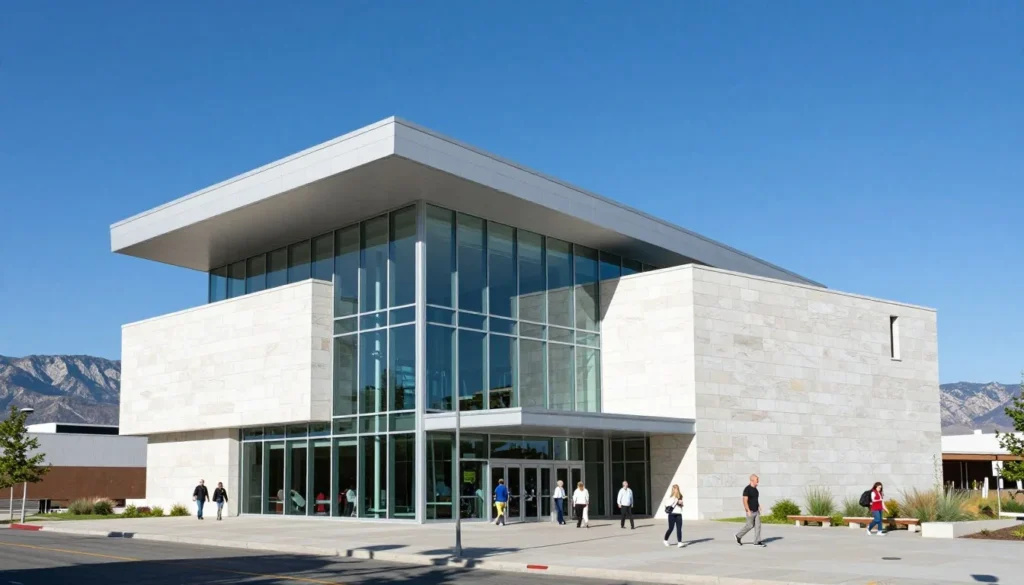
While the Great Salt Lake State Park itself focuses on natural attractions, the surrounding Salt Lake City area provides rich cultural experiences. Museums, historic sites, and performance venues complement outdoor activities. Many visitors appreciate balancing nature exploration with cultural enrichment during their Utah trip.
Nearby Cultural Attractions
Salt Lake City’s Temple Square represents the city’s most visited attraction. This 14-hectare (35-acre) complex includes historic buildings, gardens, and religious structures. The architecture showcases 19th-century craftsmanship and design. Guided tours explain the site’s significance to Utah’s history and culture.
The Natural History Museum of Utah sits in the foothills east of downtown. Its modern building houses extensive collections covering geology, paleontology, and indigenous cultures. Exhibits about Great Basin ecology provide context for understanding the Great Salt Lake ecosystem. The museum’s location offers stunning views across the valley.
Art and Performance
The Utah Museum of Fine Arts displays collections spanning 5,000 years of artistic expression. Works from European masters hang alongside contemporary pieces. Admission remains free for Utah residents and modest for visitors from other locations.
The Eccles Theater and Capitol Theatre host Broadway tours, concerts, and ballet performances. The Utah Symphony and Opera maintain high artistic standards. Checking performance schedules before visiting allows trip planning around cultural events. Many shows sell out weeks in advance.
Historical Context
The Pioneer Memorial Museum preserves Utah’s settlement history. Collections include artifacts from the Mormon pioneer era and westward expansion. The building itself represents an architectural landmark. Admission by donation makes this accessible for budget-conscious travelers.
Several historic neighborhoods preserve 19th-century architecture. Self-guided walking tours reveal stories of early settlers and their challenges. The contrast between historic buildings and modern development illustrates the city’s evolution. Spring and fall provide ideal weather for neighborhood exploration.

Local Arts Scene
The downtown area’s Gallery Stroll occurs on the third Friday of each month. Galleries stay open late, displaying works from local and regional artists. This free event creates a festive atmosphere as people move between venues. Food trucks and street performers add to the experience.
Public art installations appear throughout Salt Lake City. Sculptures, murals, and interactive pieces enliven urban spaces. A public art map available online helps visitors locate notable works. The combination of art and mountain scenery creates distinctive photo opportunities.
Seasonal Cultural Events
Summer brings outdoor concerts to various parks and venues throughout the valley. The Twilight Concert Series attracts regional and national musical acts. These Thursday evening events create community gathering spaces. Bringing blankets and picnic supplies enhances the experience.
The Sundance Film Festival, while primarily based in Park City, includes screenings in Salt Lake City. This internationally renowned event occurs each January. Film enthusiasts from around the world attend premieres and panel discussions. Tickets and passes sell out quickly but create exciting cultural energy.
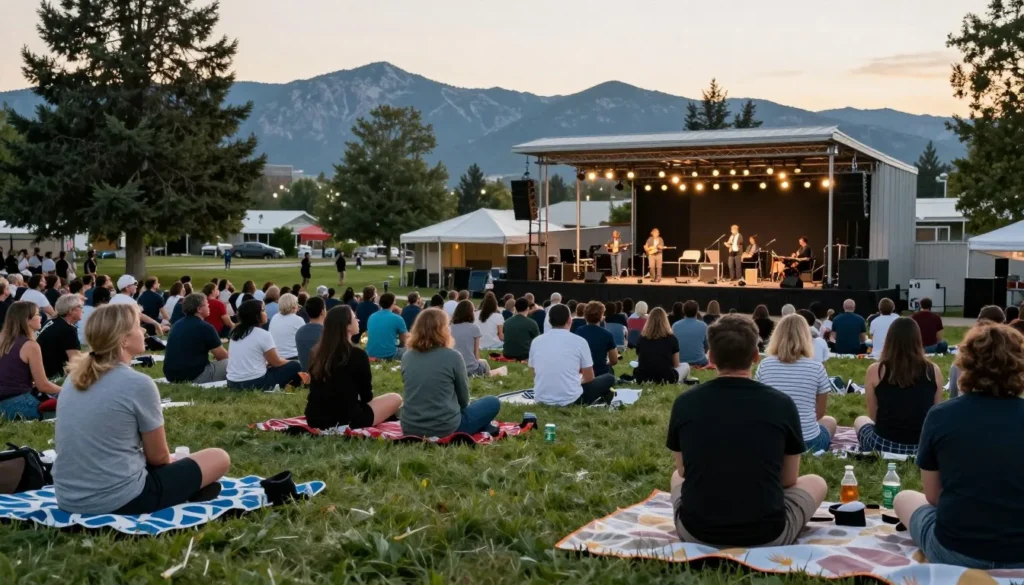
Farmers markets operate throughout the warmer months at various locations. These markets showcase local produce, crafts, and prepared foods. The atmosphere provides insights into local life and culture. Saturday mornings see the largest crowds and fullest vendor participation.
Cultural festivals celebrating various ethnic communities occur throughout the year. These events feature authentic food, music, and dance performances. They provide opportunities to experience global cultures without leaving Utah. The inclusive atmosphere welcomes all visitors regardless of background.
Nature & Outdoor Experiences

The natural environment surrounding the Great Salt Lake creates a unique ecosystem found nowhere else on Earth. The combination of extreme salinity, desert climate, and mountain backdrop produces landscapes and wildlife experiences unlike typical lake environments. Understanding this ecosystem enhances appreciation for the area’s remarkable character.
Unique Ecosystem
The Great Salt Lake’s hypersaline environment supports only specialized organisms. Brine shrimp and brine flies thrive in water too salty for most life forms. These tiny creatures exist in numbers reaching trillions during peak seasons. They form the foundation supporting millions of migrating birds.
Algae and bacteria adapted to extreme salt concentrations create the lake’s distinctive colors. During certain seasons, the water appears pink or red due to microscopic organisms. These color changes fascinate visitors and photographers. The phenomenon results from natural biological processes rather than pollution.

Wetland Habitats
Freshwater marshes surround portions of the Great Salt Lake where rivers and streams enter. These wetlands provide crucial habitat for waterfowl and other wildlife. The contrast between hypersaline lake waters and fresh marsh habitats creates distinct ecological zones within short distances.
The marshes burst with life during spring and summer months. Cattails and bulrushes grow densely, providing nesting sites for birds. Red-winged blackbirds call from perches on swaying reeds. Muskrats build lodges in quiet backwaters. The abundance contrasts sharply with the seemingly barren salt flats.
Nature trails wind through some marsh areas, offering close encounters with wetland wildlife. Elevated boardwalks prevent trampling sensitive vegetation while providing excellent viewing opportunities. The marshes support different bird species than the open lake, increasing overall diversity for bird watchers.
Desert and Mountain Connection
The Great Salt Lake occupies the lowest point in the Great Basin. Surrounding mountains capture precipitation that eventually flows toward the lake. This hydrological relationship means the lake serves as the terminal point for regional watersheds. Understanding this connection helps explain the lake’s importance.
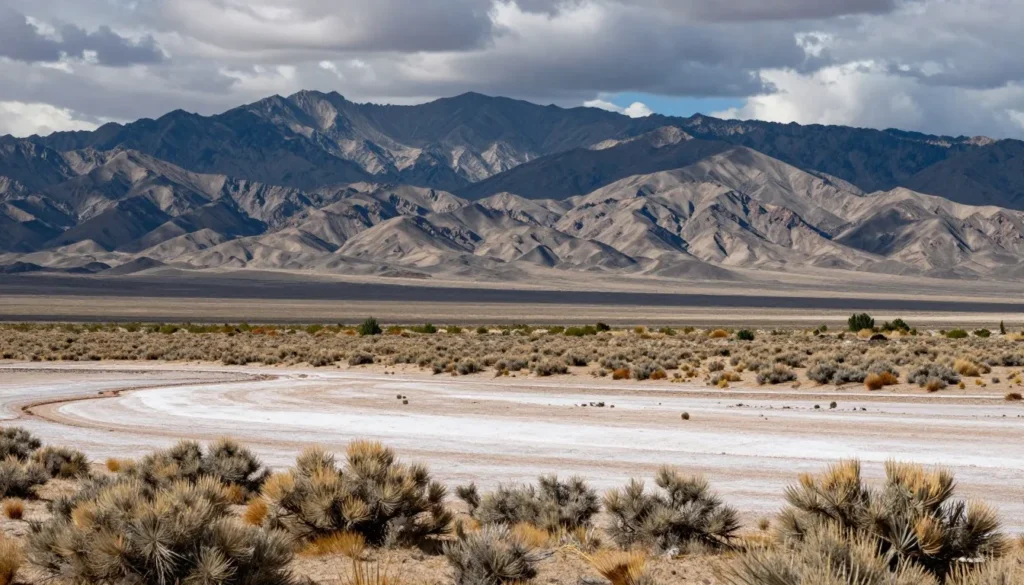
Sagebrush and other desert plants dominate the landscape surrounding the park. These hardy species survive with minimal rainfall through specialized adaptations. Spring brings surprising wildflower displays when conditions align properly. The subtle beauty of desert plants rewards close observation.
Desert wildlife including lizards, snakes, and small mammals inhabit the area. Coyotes occasionally appear, especially during dawn and dusk hours. These animals play important ecological roles while remaining mostly invisible to casual visitors. Respectful observation from distance protects both wildlife and visitors.
Stargazing Opportunities
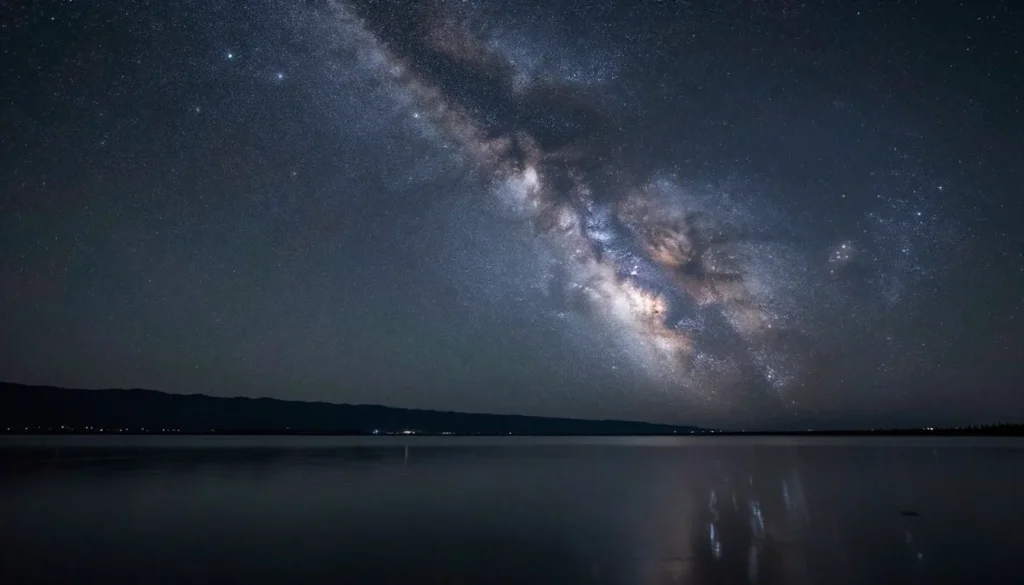
The relatively dark skies away from Salt Lake City’s light pollution provide excellent stargazing conditions. Clear nights reveal countless stars, planets, and the Milky Way. The flat terrain around the lake creates unobstructed horizon views in all directions.
Astronomy clubs occasionally hold public viewing sessions near the park. These events provide access to telescopes and expert guidance. Viewing Saturn’s rings or Jupiter’s moons through a telescope creates memorable experiences. The enthusiasm of amateur astronomers proves contagious.
Seasonal Natural Changes
The Great Salt Lake’s water level fluctuates significantly between seasons and years. Wet periods raise water levels, submerging shoreline areas. Drought years expose vast salt flats and mud flats. These changes dramatically alter the landscape’s appearance and accessibility.
Spring runoff from mountain snowmelt typically raises lake levels. Fresh water from rivers temporarily dilutes salinity near inflow points. This seasonal phenomenon affects the lake’s chemistry and biology. Birds time their arrival to coincide with peak food availability resulting from these changes.
Fall typically sees the lake at its lowest levels following summer evaporation. Exposed areas reveal salt crystal formations and interesting geological features. Walking across these exposed areas requires caution as the substrate can be unstable. The ever-changing nature means each visit offers something different to discover.
Conservation Awareness
The Great Salt Lake faces environmental challenges including declining water levels and pollution concerns. Water diversions for agriculture and urban use reduce inflows. Understanding these issues helps visitors appreciate conservation needs.
Several organizations work to protect the lake and its ecosystems. Educational programs raise awareness about the lake’s ecological importance. Visitors can support conservation through responsible behavior and spreading awareness about the lake’s significance.
Research and Science
Scientists study the Great Salt Lake’s unique characteristics extensively. Research topics include extremophile organisms, climate history, and watershed dynamics. The lake serves as a natural laboratory for understanding extreme environments.
Monitoring programs track water levels, salinity, and wildlife populations. This data informs management decisions and conservation strategies. Visitors occasionally encounter researchers conducting field work. Their dedication helps ensure the lake’s protection for future generations.
Travel With Children

Great Salt Lake State Park offers memorable experiences for families with children. The unique floating sensation in the extremely salty water creates excitement for kids of all ages. The park’s relatively compact size and accessible facilities make it manageable for families. Planning ahead ensures a comfortable and enjoyable family visit.
Age-Appropriate Activities
Younger children delight in the unusual sensation of floating effortlessly in the water. The experience feels magical to kids accustomed to regular swimming pools or freshwater lakes. Parents should supervise closely as the salt water stings eyes and mouth intensely. Having fresh water readily available for rinsing becomes essential.
Building with salt instead of sand provides a twist on traditional beach activities. Children enjoy creating structures from the salt-encrusted material along the shore. The white crystals sparkle in sunlight, adding visual interest. These activities work best during cooler parts of the day to avoid heat exhaustion.
Bird watching engages older children and teenagers when presented appropriately. Providing binoculars and a simple field guide encourages active observation rather than passive viewing. Challenging kids to identify specific species or count different types creates engaging games. The sheer numbers of birds during migration periods impress even reluctant young naturalists.
Young Children (Ages 3-7)
Focus on short visits during mild weather conditions. The novelty of floating and examining salt formations holds their attention effectively. Pack plenty of snacks and drinks to maintain energy and hydration levels.
The visitor center provides air conditioning and restrooms for necessary breaks. Educational displays feature interactive elements appealing to curious young minds. Keep visits to two to three hours maximum before energy levels drop.
School Age (Ages 8-12)
This age group can handle longer visits and more challenging activities. Hiking short trails and participating in Junior Ranger programs engage their developing interests. Photography projects encourage observation and creativity.
Teaching about the lake’s unique ecology resonates with their growing understanding of science. Explaining how birds navigate thousands of miles captures their imagination. These experiences create lasting memories and environmental awareness.
Teenagers (Ages 13+)
Teens appreciate the unusual nature of the Great Salt Lake experience. Social media opportunities abound with unique floating photos and dramatic landscapes. Kayaking or other water activities appeal to their desire for adventure.
Involving teens in trip planning increases their engagement. Allowing them to choose some activities creates investment in the experience. The nearby city attractions provide alternatives if outdoor time grows tiresome.
Practical Family Considerations
The park facilities include family restrooms with changing tables. These provide convenient spaces for managing young children’s needs. Clean restrooms represent a priority for most parents, and the park maintains standards adequately during peak season.
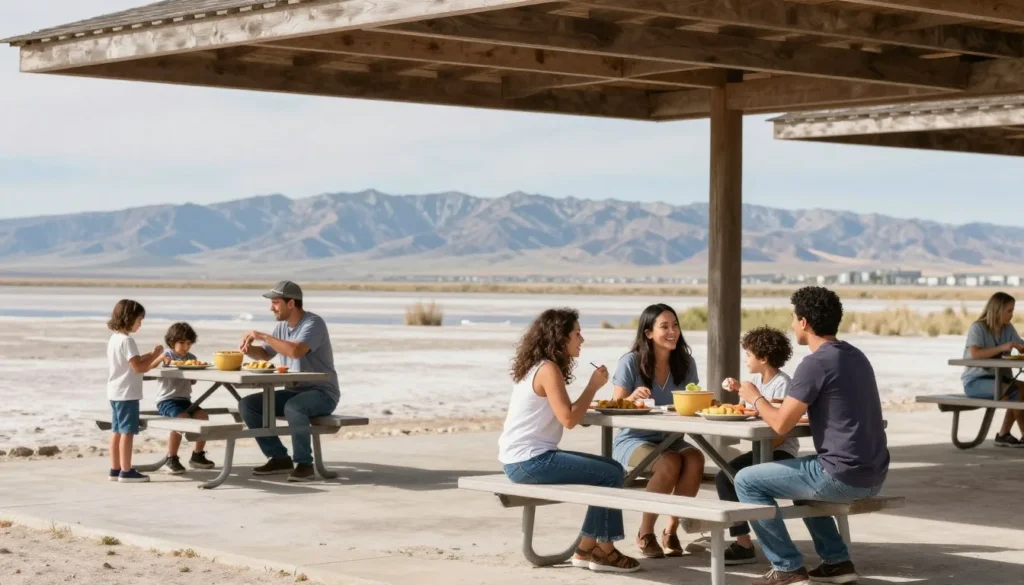
Picnic facilities provide comfortable meal spaces. Shade structures protect from intense sun during summer months. Grills allow families to cook if desired, though bringing prepared food proves easier with young children. Tables accommodate multiple families, creating opportunities for children to interact.
- Bring waterproof bags for electronics and items that must stay dry
- Pack extra clothing as salt water ruins most fabrics over time
- Include water shoes or old sneakers for everyone to protect feet
- Bring multiple towels for rinsing and drying
- Apply generous sunscreen before arrival and reapply frequently
- Pack snacks children actually eat rather than trying new foods
- Include quiet activities for downtime between active periods
Safety Considerations for Families
The intense sun at this elevation poses significant risks for children’s sensitive skin. Applying high-SPF sunscreen every two hours prevents painful sunburns. Hats and long-sleeved sun protection shirts provide additional safeguards. Seeking shade regularly prevents overheating and heat exhaustion.
The extremely salty water requires special attention. Even small amounts in eyes or mouth cause significant discomfort. Teaching children to keep their faces above water prevents painful incidents. Having rinse water immediately available addresses problems quickly when they occur.
The open water and unfamiliar environment require closer supervision than typical beach settings. Life jackets provide extra security for non-swimmers or uncertain swimmers. The lake’s extreme buoyancy prevents sinking but doesn’t eliminate drowning risks. Never leave children unattended near the water.
Important Health Note: Children with sensitive skin or existing cuts should avoid entering the salt water. The high salinity causes intense stinging in any broken skin. Consider alternative activities like hiking or bird watching if skin conditions present concerns.
Educational Opportunities
The Great Salt Lake provides excellent outdoor classroom experiences. Children learn about unique ecosystems, adaptation, and conservation through direct observation. These lessons stick better than textbook learning, creating lasting understanding and appreciation.
Many schools coordinate field trips to the park during spring and fall. Teachers integrate visits into curriculum covering ecology, geology, or Utah history. Families can replicate this educational approach during their visits. Preparing children with background information before arrival enhances their engagement during the trip.
Money Saving Tips

Visiting Great Salt Lake State Park need not strain travel budgets. Strategic planning and smart choices significantly reduce costs while maintaining experience quality. Utah offers good value compared to many tourist destinations, and the park itself provides affordable outdoor recreation.
Park Access and Passes
Utah State Parks charges a day-use fee for vehicle entry. A single-day pass costs significantly less than national park fees. Purchasing an annual Utah State Parks pass makes sense for visitors planning multiple park visits during their trip. The pass covers all state parks throughout Utah.
The pass pays for itself after just a few visits. Antelope Island State Park, about 48 kilometers (30 miles) away, accepts the same annual pass. Other state parks throughout Utah honor the pass, expanding value for travelers exploring multiple destinations. Senior and disabled visitor discounts further reduce costs.
Accommodation Strategies
Booking accommodations midweek rather than weekends often saves 20 to 40 percent. Hotels adjust rates based on demand, with business travel creating higher weekday rates downtown but lower rates near highways. Comparing different neighborhoods finds the best values.
Staying slightly farther from downtown Salt Lake City reduces costs substantially. Hotels near the airport or along Interstate 15 corridors offer lower rates while remaining within 20 minutes of the park. The minor inconvenience of a slightly longer drive creates significant savings for budget-conscious travelers.
Lodging Options
Extended stay properties with kitchenettes allow families to prepare some meals rather than dining out exclusively. Breakfast included in room rates eliminates one meal expense daily. These seemingly small savings accumulate significantly over multi-day trips.
Booking accommodations well in advance secures better rates than last-minute reservations. Most hotels offer lower prices for early bookings. Membership in hotel loyalty programs provides additional discounts and benefits. Some credit cards include hotel benefits reducing effective costs.
Food and Dining
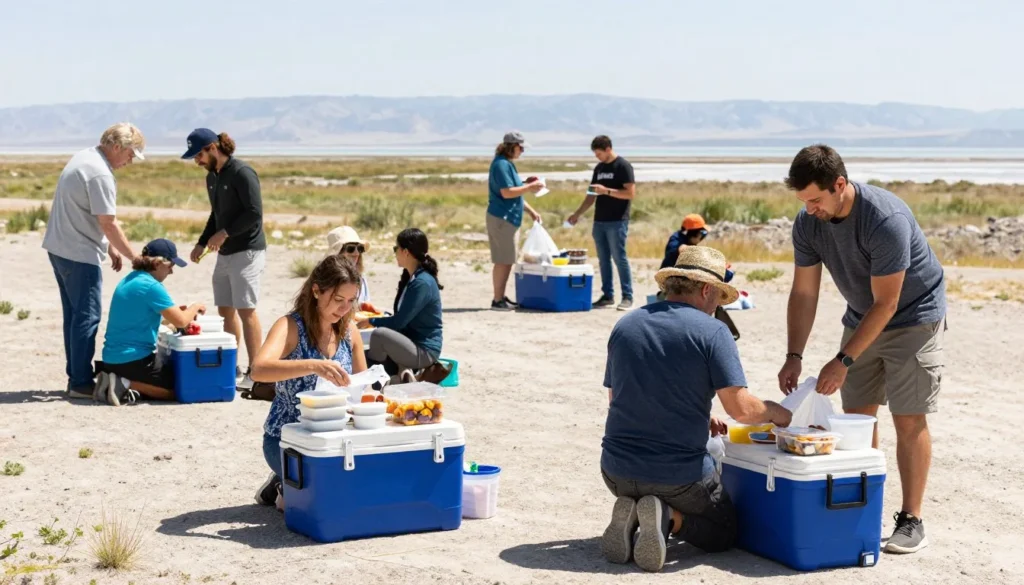
Grocery stores provide meal supplies at a fraction of restaurant costs. Preparing picnic lunches for park visits saves money while allowing more time for activities. Local grocery chains offer good selection and competitive prices.
Water bottles refilled from hotel taps eliminate purchasing expensive bottled water. The intense sun and dry climate necessitate consuming large quantities of water. This single strategy saves considerable money over several days.
Transportation Economics
Renting a fuel-efficient vehicle reduces gas costs for exploring the area. The relatively compact region means most attractions lie within short driving distances. Planning efficient routes minimizes unnecessary mileage and fuel consumption.
Carpooling with other families splits costs while potentially making the trip more enjoyable. Meeting other travelers at the park creates opportunities for shared transportation to other area attractions. Online travel forums help connect budget-conscious visitors.
Free and Low-Cost Activities
Many of the best experiences at Great Salt Lake State Park cost nothing beyond park entry. Walking trails, beach access, and wildlife viewing require no additional fees. Sunset viewing costs nothing but creates priceless memories.
Free ranger programs provide educational value without expense. These programs run regularly during summer months on weekends. The visitor center offers free exhibits and information. Taking advantage of these complimentary resources enhances visits without increasing costs.
Salt Lake City offers numerous free attractions including Temple Square tours, the Utah State Capitol building, and various parks. Public libraries provide free internet access for travelers needing connectivity. The monthly Gallery Stroll costs nothing and provides cultural enrichment.
- Visit during shoulder seasons when accommodation costs drop significantly
- Pack snacks and drinks from grocery stores rather than buying at convenience stores
- Fill vehicle gas tanks in the city where prices run lower than highway stations
- Use hotel breakfast as the main meal of the day and eat lighter lunches
- Take advantage of happy hour specials at restaurants for reduced meal costs
- Look for package deals combining lodging and activities
- Purchase souvenirs at grocery or discount stores rather than tourist shops
Smart Planning Reduces Costs
Creating a realistic budget before the trip prevents overspending. Allocating specific amounts for lodging, food, and activities creates discipline. Building in a small cushion for unexpected expenses reduces financial stress.
Researching free attractions before arrival maximizes limited travel budgets. Many websites and apps provide information about discount opportunities and special offers. Investing time in pre-trip research pays dividends through reduced expenses and enhanced experiences.
Budget Reality Check: A family of four can visit Great Salt Lake State Park for less than $50 daily including park entry and food when using smart strategies. Adding modest lodging brings total daily costs to $150-200, making Utah remarkably affordable compared to many vacation destinations.
Safety, Etiquette & Local Customs

Understanding safety protocols and local customs enhances visits to Great Salt Lake State Park Utah while protecting both visitors and natural resources. The unique environment presents specific hazards requiring awareness and preparation. Respecting established guidelines ensures positive experiences for all visitors.
Environmental Safety
The intense sun at 1,280 meters (4,200 feet) elevation burns skin more quickly than at sea level. Cloud cover provides false security as UV radiation remains high. Reapplying sunscreen every two hours prevents painful burns that can ruin vacations. Seeking shade during peak sun hours between 10 AM and 4 PM reduces exposure.
Dehydration occurs rapidly in the dry climate. Adults require at least 3 to 4 liters (100 to 135 ounces) of water daily when spending time outdoors. Symptoms include headache, dizziness, and decreased urination. Drinking water before feeling thirsty prevents problems before they develop.
The salt lake water itself presents unique hazards. The extreme salinity preserves bacteria poorly, making the water relatively safe from that perspective. However, the salt stings any broken skin intensely. Contact with eyes causes severe burning. Bringing fresh water for immediate rinsing addresses these issues when they occur.
Wildlife Safety
Most wildlife at the park poses minimal danger to humans. Birds represent the primary wildlife encounters. Maintaining respectful distances prevents disturbing wildlife and protects visitors. Never feed wildlife as this creates dangerous habituation and health problems for animals.
Occasional rattlesnakes inhabit areas around the park. These reptiles avoid humans when possible but will strike if threatened. Watching where you place hands and feet when exploring rocky areas prevents unwanted encounters. Making noise while hiking alerts snakes to human presence, allowing them to move away.
Water Safety
The Great Salt Lake’s extreme buoyancy creates false confidence in some visitors. While sinking becomes nearly impossible, drowning remains possible. Strong swimmers find the water’s density challenging to navigate. Life jackets provide security for uncertain swimmers.
Sudden weather changes create dangerous conditions on the open water. Wind develops quickly, generating waves that challenge small boats. Checking weather forecasts before departing prevents getting caught in dangerous situations. Having proper safety equipment including life jackets becomes mandatory.
Cultural Considerations
Utah’s culture reflects its unique settlement history and demographics. The state’s population includes significant numbers of members of the Church of Jesus Christ of Latter-day Saints. Understanding local customs prevents unintentional offense. Most residents welcome visitors warmly regardless of religious background.
Utah’s liquor laws differ from most states. Many restaurants don’t serve alcohol, and those that do follow specific regulations. Wine and beer above certain alcohol percentages require purchasing at state-run stores. Planning ahead prevents disappointment for visitors expecting typical alcohol availability.
Park Etiquette
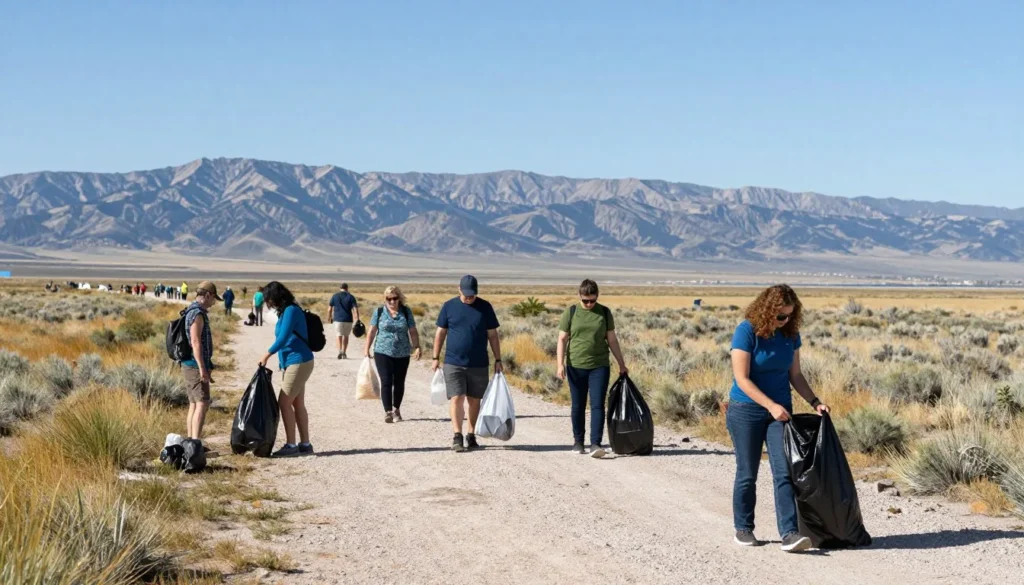
Following Leave No Trace principles protects the park for future visitors. Packing out all trash, including small items like bottle caps and food wrappers, keeps the area pristine. Designated trash receptacles appear throughout the park. Proper disposal prevents wildlife habituation and maintains aesthetic appeal.
Staying on established trails prevents damage to fragile desert vegetation. Plants growing in harsh conditions recover slowly from trampling. The salt flats may appear barren but support unique organisms. Respecting closed areas protects sensitive habitats and nesting birds.
Noise levels affect other visitors’ experiences. Keeping voices at moderate volumes and avoiding loud music allows everyone to enjoy natural sounds. The park provides opportunities for solitude and reflection. Respecting others’ desire for peaceful experiences demonstrates good trail etiquette.
- Keep dogs on leashes and clean up after pets immediately
- Give wildlife ample space, using binoculars for close observation
- Respect private property surrounding the park
- Follow posted regulations regarding fires and smoking
- Yield to others on trails, particularly uphill hikers
- Avoid disturbing nesting birds or approaching too closely
Emergency Preparedness
Cell phone coverage exists near the developed area but becomes spotty in remote locations. Inform someone of your plans before departing for extended hikes or boat trips. Carrying a basic first aid kit addresses minor injuries before they become serious problems.
The nearest hospital sits in Salt Lake City, approximately 20 minutes from the park. Emergency services respond to the park but arrival times exceed those in urban areas. Basic preparation and common sense prevent most emergencies from occurring.
Emergency Contact Information
For emergencies within the park or immediate surrounding area:
For non-emergency park assistance:
Photography Ethics
Photographers should avoid disturbing wildlife for better shots. Using long lenses allows frame-filling images without approaching animals closely. Never bait wildlife or use calls to attract birds during nesting season. Ethical photography prioritizes animal welfare over image quality.
Drone usage requires following federal and state regulations. Some areas prohibit drones entirely to protect wildlife and visitor experiences. Checking current rules before flying prevents fines and confiscation. The park’s dramatic landscapes provide excellent subjects for responsible drone photography where permitted.
Visitor Comments About Great Salt Lake State Park Utah
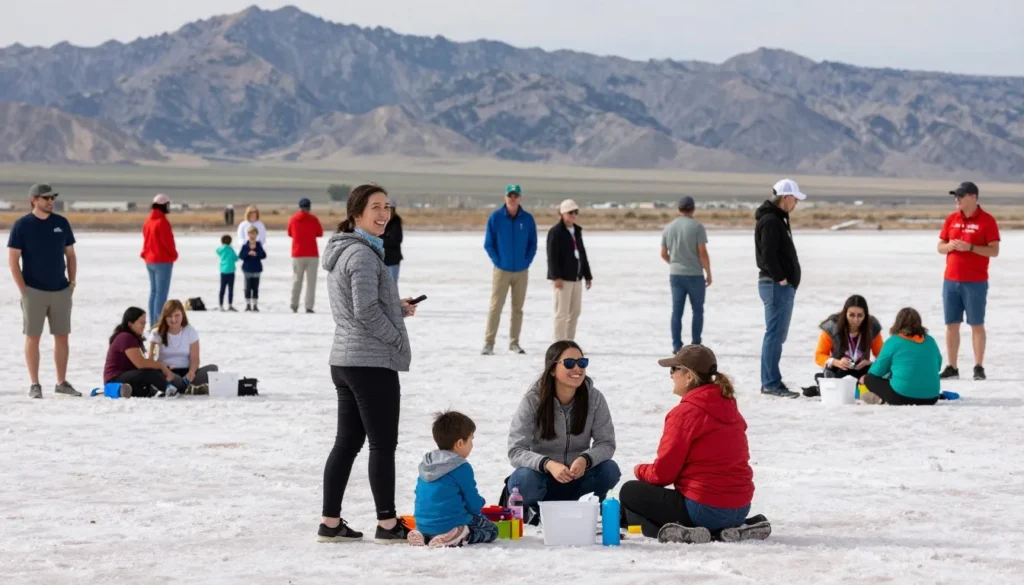
Travelers from around the world share their experiences visiting the Great Salt Lake. Their perspectives provide insights into what makes this destination memorable. These authentic voices help potential visitors understand what to expect and how to maximize their time at the park.
“The floating experience exceeded all expectations. I’ve traveled extensively but never felt anything like the sensation of lying on top of water without any effort. My children laughed with pure joy as they discovered they couldn’t sink no matter how they tried. The sunset we witnessed painted the sky in colors I didn’t know existed in nature. Just remember to bring lots of fresh water for rinsing off the salt afterward.”
“As a photographer, I found endless subjects at the salt lake state park. The contrast between white salt formations and blue water created stunning compositions. Bird life during migration was absolutely phenomenal, with thousands of birds creating living clouds across the sky. The landscape feels otherworldly, almost like visiting another planet. I returned three different times during my week in Utah because the changing light conditions offered new opportunities each visit.”
“We combined our park visit with exploring Salt Lake City, and the combination worked perfectly. The park provided peaceful nature experiences while the city offered restaurants and cultural attractions. Our family enjoyed learning about the unique ecosystem and the importance of the Great Salt Lake to migrating birds. The visitor center staff answered our many questions patiently and suggested other nearby places to explore. This became one of our favorite stops during our western states road trip.”
Additional Nearby Destinations
The Great Salt Lake region offers numerous attractions within easy driving distance. Extending your trip by a few days allows exploration of diverse landscapes and experiences. The area serves as an excellent base for discovering Utah’s remarkable natural and cultural treasures.
Antelope Island State Park
Antelope Island State Park sits in the Great Salt Lake about 48 kilometers (30 miles) north of the salt lake state park. A causeway connects the island to the mainland, allowing vehicle access. The island covers approximately 11,331 hectares (28,000 acres) of varied terrain including mountains, beaches, and grasslands.
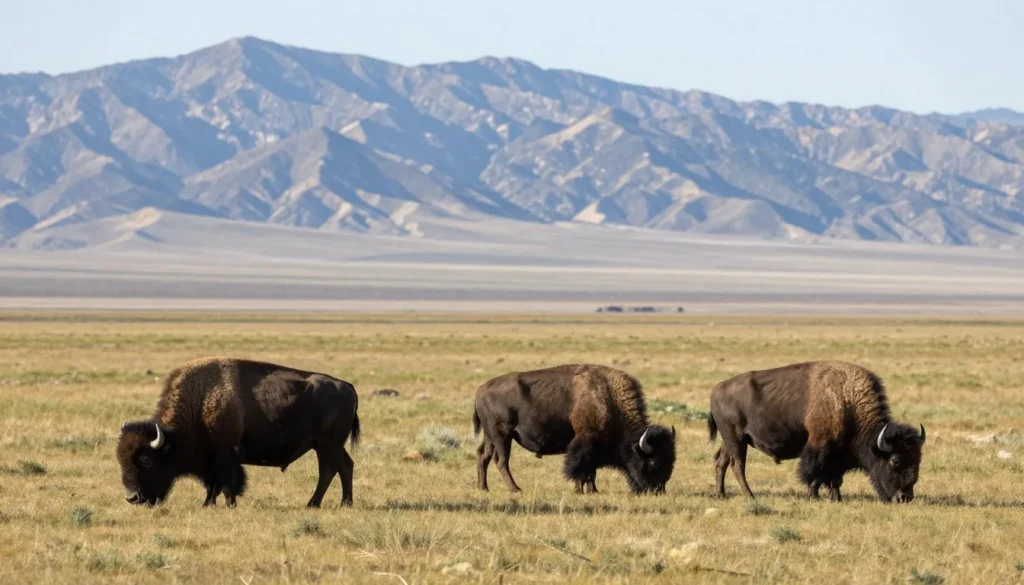
Free-roaming bison herds represent the island’s most famous attraction. These magnificent animals graze across the landscape, their massive forms creating dramatic photographic opportunities. Antelope, mule deer, and bighorn sheep also inhabit the island. Wildlife viewing exceeds that available at the main Great Salt Lake State Park.
Hiking trails ranging from easy to strenuous explore different parts of the island. The highest peaks offer panoramic views across the Great Salt Lake and surrounding mountains. Spring wildflowers transform the landscape with color. The island’s beaches provide additional opportunities for experiencing the lake’s salty waters.
Wasatch Mountain Range
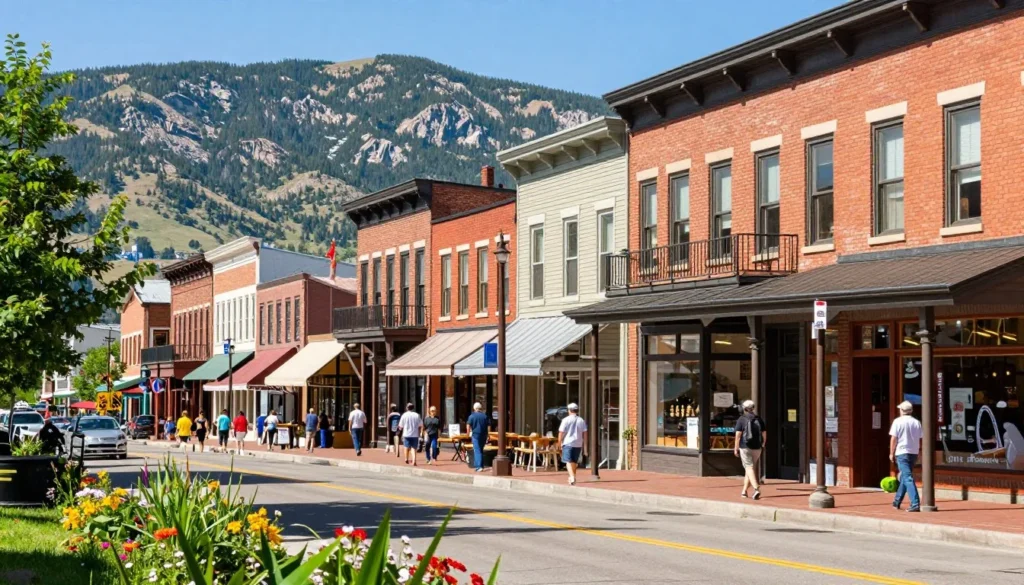
The dramatic Wasatch Range rises immediately east of Salt Lake City. These mountains provide stunning scenery and endless outdoor recreation opportunities. Multiple canyons cut through the range, each offering unique character and attractions. The mountains visible from the Great Salt Lake can be explored in depth just minutes from the park.
Big Cottonwood Canyon and Little Cottonwood Canyon provide paved access to high elevation areas. Ski resorts operate during winter months, transforming into hiking and mountain biking destinations during summer. The scenic drives alone justify visits, with pullouts offering spectacular viewpoints.
Millcreek Canyon maintains a quieter, more natural character than some neighboring canyons. Hiking trails accommodate various skill levels. The canyon allows dogs on alternate days, making it popular with pet owners. Fall colors create spectacular displays when aspens turn golden yellow.
Park City
Park City sits about 56 kilometers (35 miles) east of Salt Lake City. This former mining town transformed into a premier mountain resort destination. Historic Main Street features galleries, restaurants, and shops in preserved buildings. The atmosphere blends western heritage with modern sophistication.
Summer activities include mountain biking, hiking, and scenic gondola rides. The town hosts concerts and festivals throughout warm months. Three major ski resorts operate nearby, though summer visits offer more affordable accommodation rates. The drive over mountain passes provides scenic value beyond the destination itself.
Utah’s National Parks
While farther from the Great Salt Lake, Utah’s famous national parks merit consideration for extended trips. Arches, Canyonlands, Zion, and Bryce Canyon rank among America’s most spectacular parks. Planning a longer trip allows combining the unique Great Salt Lake experience with classic red rock landscapes.
The drive to these southern parks takes four to five hours but passes through interesting terrain. Some visitors fly into Salt Lake City, visit the lake, then drive south spending several days exploring the national parks before returning north. This itinerary showcases Utah’s remarkable landscape diversity.
Bonneville Salt Flats
The Bonneville Salt Flats lie about 177 kilometers (110 miles) west of the Great Salt Lake near the Utah-Nevada border. This vast expanse of white salt creates surreal landscapes that attract photographers and land speed racing enthusiasts. The flats represent remnants of ancient Lake Bonneville, which once covered much of western Utah.
The otherworldly landscape has appeared in countless commercials, films, and photoshoots. Walking across the flats creates the sensation of standing on an endless white plain stretching to the horizon. Mirages appear during hot weather, adding to the dreamlike quality. Visiting different times of day reveals how light dramatically transforms the scene.
Speed Week occurs each August when racers attempt land speed records. The event attracts vehicles from around the world and spectators numbering in the thousands. Even outside racing events, the flats provide fascinating experiences unlike anywhere else on Earth. The location makes an interesting full-day trip from Salt Lake City.
Practical Travel Tips
Successful visits to Great Salt Lake State Park Utah depend on proper preparation and realistic expectations. Understanding practical details about the area helps visitors avoid common problems and maximize enjoyment. These proven tips come from extensive experience and visitor feedback.
What to Pack
Creating a comprehensive packing list prevents forgetting essential items. The unique environment requires some items visitors might not normally consider. Proper preparation makes the difference between a comfortable, enjoyable visit and an uncomfortable struggle.
- Old shoes or water shoes that can get permanently salty
- Multiple towels for rinsing and drying
- Large containers of fresh water for rinsing salt off skin
- High-SPF waterproof sunscreen applied liberally and frequently
- Wide-brimmed hat providing face and neck shade
- Sunglasses with UV protection and secure straps
- Lightweight long-sleeved shirt for sun protection
- Lip balm with SPF protection
- Moisturizer for skin dried by salt and low humidity
- Camera in waterproof housing or protective bag
- Binoculars for wildlife and bird watching
- Snacks and beverages in sealed containers
- Basic first aid supplies including adhesive bandages
- Plastic bags for storing wet or salty items
Best Practices for Photography
The Great Salt Lake provides extraordinary photographic opportunities but presents challenges for equipment. Salt spray and dust threaten cameras and lenses. Taking precautions protects expensive gear while allowing creative expression.
Equipment Protection
Keep cameras in protective bags when not actively shooting. Salt particles coat everything in the environment. Bringing lens cleaning supplies allows maintaining image quality throughout the visit. Consider using protective filters on lenses as expendable barriers.
Avoid changing lenses in windy conditions as salt and dust enter camera bodies. The fine particles damage sensors and internal mechanisms. If lens changes become necessary, turn away from wind and work quickly. Some photographers bring multiple camera bodies with different lenses already mounted.
Composition Tips
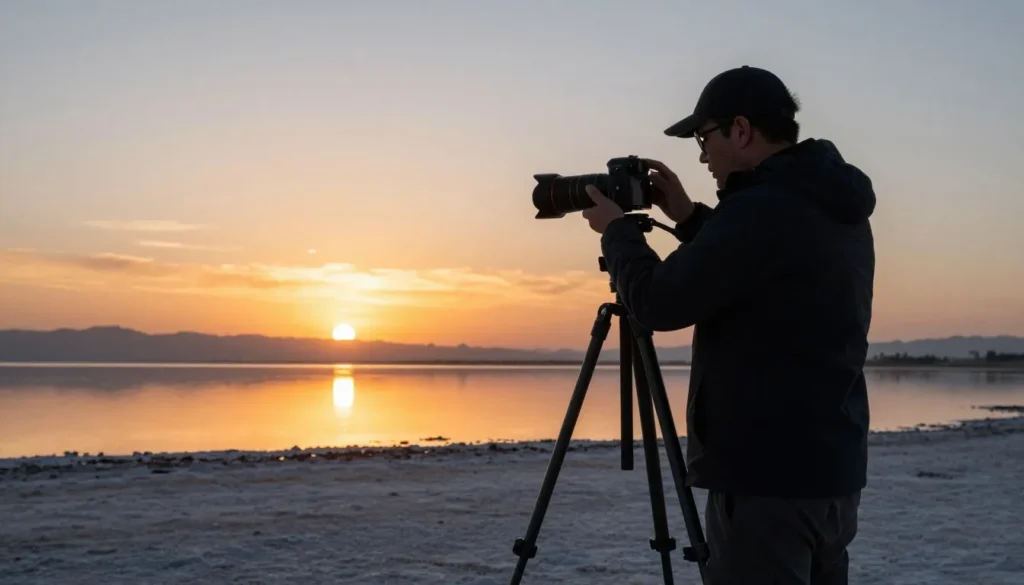
The stark landscape creates minimalist images with strong graphic impact. Salt formations provide interesting foreground elements. Reflections in calm water double visual interest. Sunrise and sunset offer the most dramatic lighting conditions.
Bracketing exposures ensures capturing the full dynamic range from bright salt to darker water. The high contrast between elements challenges camera sensors. HDR techniques produce balanced exposures showing detail in both highlights and shadows.
Connectivity and Communication
Cell phone service exists near the developed areas but becomes unreliable farther from facilities. Download maps and important information before arriving. Inform family or friends of your plans before heading to remote areas. The limited connectivity encourages disconnecting from digital distractions and connecting with nature.
The visitor center offers Wi-Fi access during operating hours. This allows checking weather updates or sharing photos on social media. Many hotels throughout Salt Lake City provide strong internet connections for evening use. Taking a digital break during park visits often enhances the experience.
Physical Preparation
The elevation at 1,280 meters (4,200 feet) affects some visitors, particularly those from sea level locations. Mild altitude symptoms include shortness of breath during exertion and mild headaches. These effects diminish after a day or two of acclimatization. Staying well-hydrated reduces altitude impacts.
Most park activities require only moderate fitness levels. Walking on soft sand and salt demands more effort than paved surfaces. Visitors with mobility challenges can still enjoy much of the park from developed areas and viewpoints. Knowing personal limitations prevents overexertion and allows comfortable pacing.
Timing Your Visit
Weekday visits encounter fewer crowds than weekends, especially during summer months. Arriving early morning or late afternoon avoids peak visitor numbers. These timing strategies also provide better lighting for photography and more comfortable temperatures. Popular locations become less appealing when overcrowded.
Sunset viewing requires arriving at least an hour before the actual sunset time. This allows finding optimal viewing spots and watching the progressive color changes. The show often continues for 30 minutes after the sun disappears below the horizon. Bringing layers ensures comfort as temperatures drop rapidly after dark.
Local Knowledge: Rangers and visitor center staff provide current information about conditions, bird activity, and hidden gems. Taking a few minutes to ask questions often reveals special opportunities. Their passion for the park enhances visitor experiences through their extensive knowledge and enthusiasm.
Respect for the Resource
The Great Salt Lake faces environmental challenges including declining water levels and pollution. Visiting responsibly demonstrates support for conservation efforts. Spreading awareness about the lake’s ecological importance helps protect this remarkable place for future generations. Every visitor serves as an ambassador for preservation.
Supporting local businesses and paying park fees contributes to ongoing management and protection. These funds enable maintenance, education programs, and habitat restoration. Sustainable tourism practices ensure destinations remain viable for decades to come. Visitors play crucial roles in conservation success.
Great Salt Lake State Park Information
For the most current information about conditions, hours, and special programs:
Staff members can answer specific questions about your planned visit and provide recommendations based on your interests. Call ahead to verify seasonal facility availability and special event schedules.
Your Great Salt Lake Adventure Awaits
Great Salt Lake State Park Utah stands as one of North America’s most distinctive natural treasures. The combination of extreme salinity, abundant wildlife, and dramatic landscapes creates experiences found nowhere else. Whether floating effortlessly in the buoyant waters, photographing millions of migrating birds, or simply watching the sun paint the sky at day’s end, the park delivers memorable moments.
The location’s accessibility makes these remarkable experiences attainable for travelers of all backgrounds. Just minutes from Salt Lake City’s urban conveniences, the park offers genuine wilderness character. This juxtaposition allows comfortable visits without sacrificing adventure or authenticity.
Planning your visit using the strategies and information shared throughout this guide ensures a rewarding experience. Understanding what to expect, how to prepare, and when to visit maximizes enjoyment while minimizing frustrations. The Great Salt Lake awaits your discovery, ready to amaze and inspire with its otherworldly beauty and ecological significance.
Your adventure at the salt lake state park will create stories you share for years. The unique nature of this place leaves lasting impressions on every visitor. Start planning your journey today to one of the American West’s most fascinating destinations.