Hotels by Trip.com
Flights by Trip.com
Did you know the Henry Mountains were the last mountain range in the contiguous United States to be named and mapped? These remote peaks remained unexplored by European settlers until 1869, making them one of America’s best-kept wilderness secrets even today.
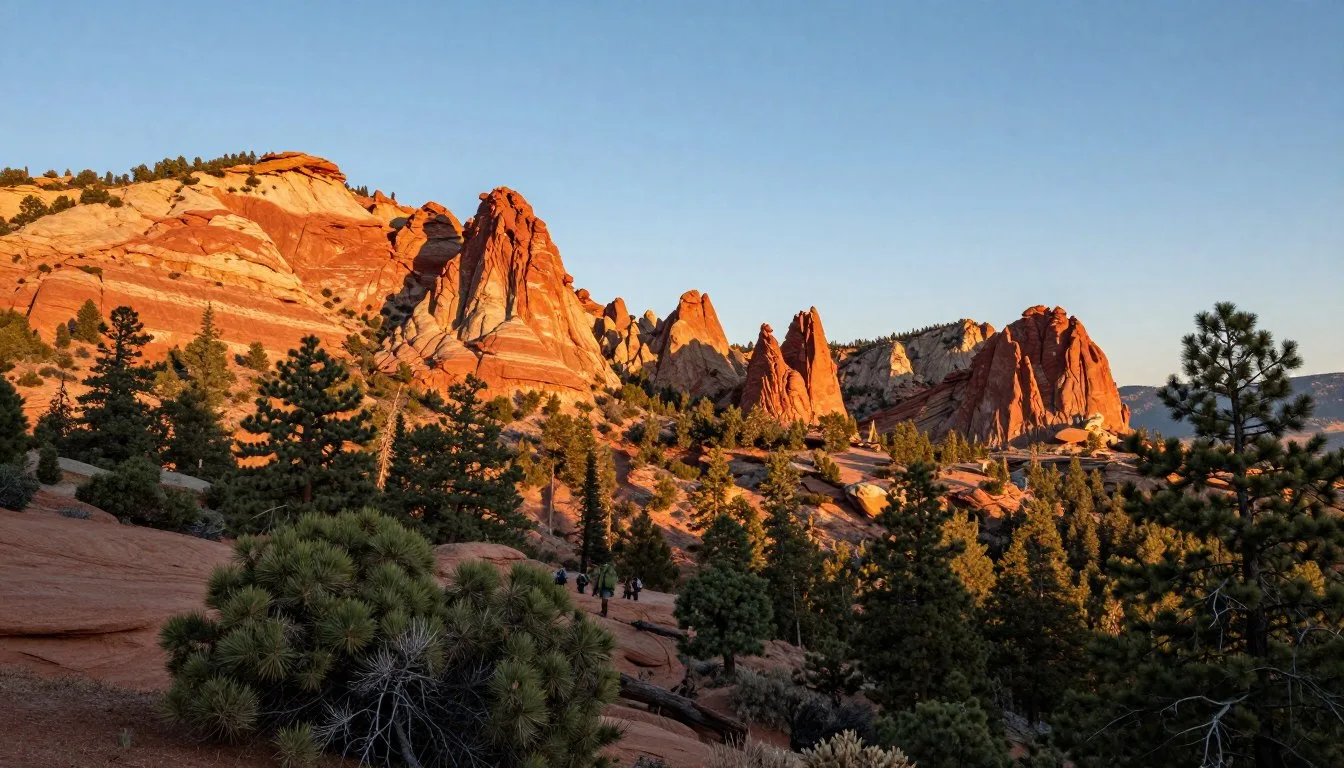
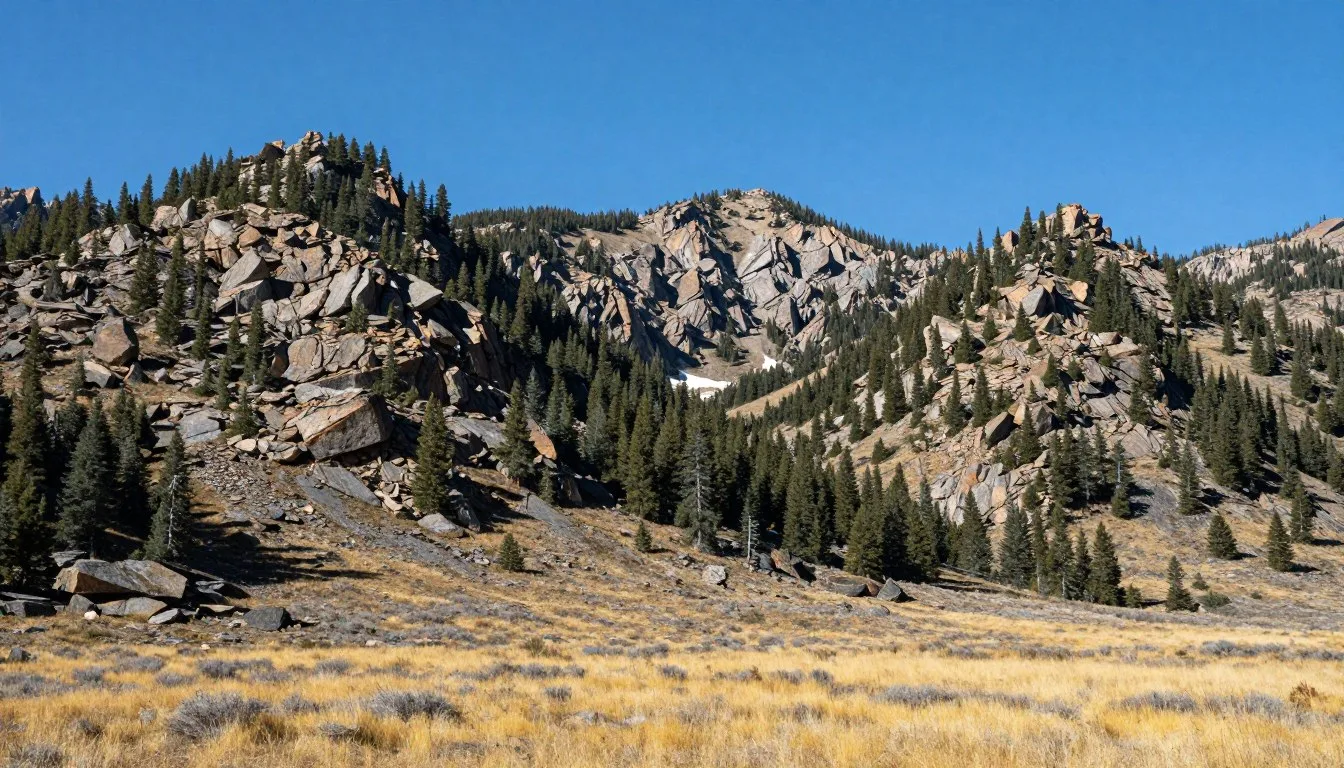
Located in south-central Utah, the Henry Mountains offer a rare wilderness experience far from crowded tourist destinations. This isolated mountain range rises dramatically from the surrounding desert landscape, creating a stunning contrast of alpine forests and red rock formations.
Whether you seek solitude in nature, wildlife encounters, or challenging outdoor adventures, the Henry Mountains deliver an authentic American West experience. This comprehensive guide will help you plan an unforgettable journey to one of the most pristine areas in the United States.
Getting There and Planning Your Journey
Reaching the Henry Mountains requires careful planning due to their remote location. The nearest major airports are Salt Lake City International Airport, approximately 386 km (240 miles) northwest, and Grand Junction Regional Airport in Colorado, about 290 km (180 miles) east.
From Salt Lake City, the drive takes roughly four and a half hours via Interstate 15 and Highway 24. The route passes through scenic central Utah, offering stunning views of red rock country. Grand Junction provides a shorter drive of about three hours through Colorado and Utah.
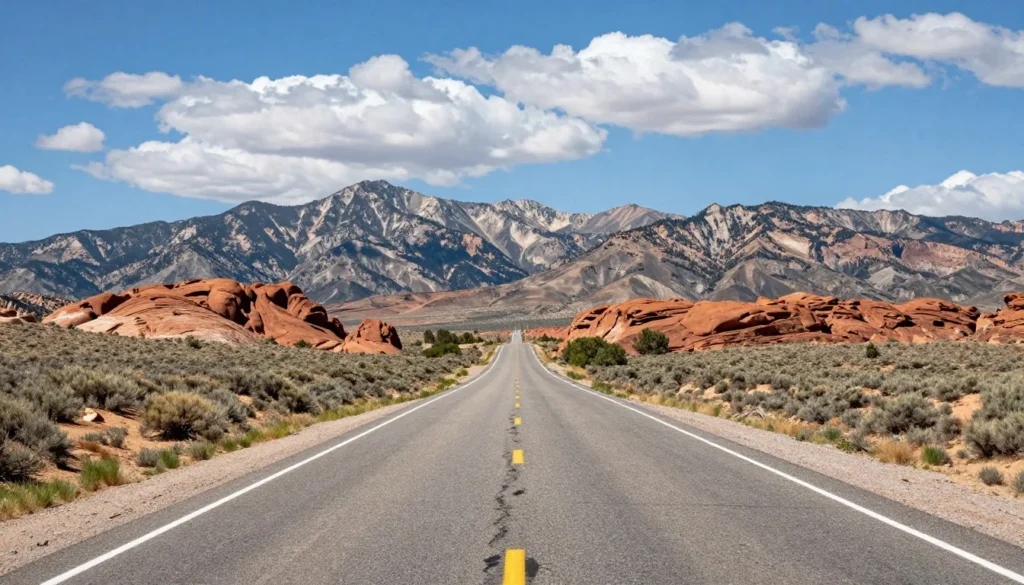
The town of Hanksville serves as the primary gateway to the Henry Mountains. This small community offers basic services including gas stations, a general store, and limited dining options. Stock up on supplies here, as services within the mountain range are virtually nonexistent.
Vehicle requirements depend on your destination within the mountains. Paved roads access the lower elevations, but exploring deeper into the range requires a high-clearance vehicle. Four-wheel drive becomes essential during wet conditions or winter months when roads turn muddy or snow-covered.
Important Planning Note: Check current road conditions with the Bureau of Land Management before your trip. Weather can change rapidly in this region, affecting road accessibility.
For current road and weather conditions, contact the Henry Mountains Field Station at +1 (435) 542-3461. The BLM staff provides valuable information about trail conditions, camping availability, and wildlife activity.
Best Time to Visit and Weather Tips
The Henry Mountains experience dramatic seasonal variations, making timing crucial for an enjoyable visit. Each season offers unique advantages and challenges for travelers.
Recommended Visiting Seasons
Late spring through early autumn provides the best overall conditions for exploring the area. May through October offers the most accessible roads and comfortable temperatures for outdoor activities.
Summer months from June through August bring warm days perfect for hiking and camping. Daytime temperatures at lower elevations reach 32°C to 38°C (90°F to 100°F), while higher elevations remain pleasantly cool at 21°C to 27°C (70°F to 80°F). Afternoon thunderstorms occur frequently during July and August, typically brief but intense.
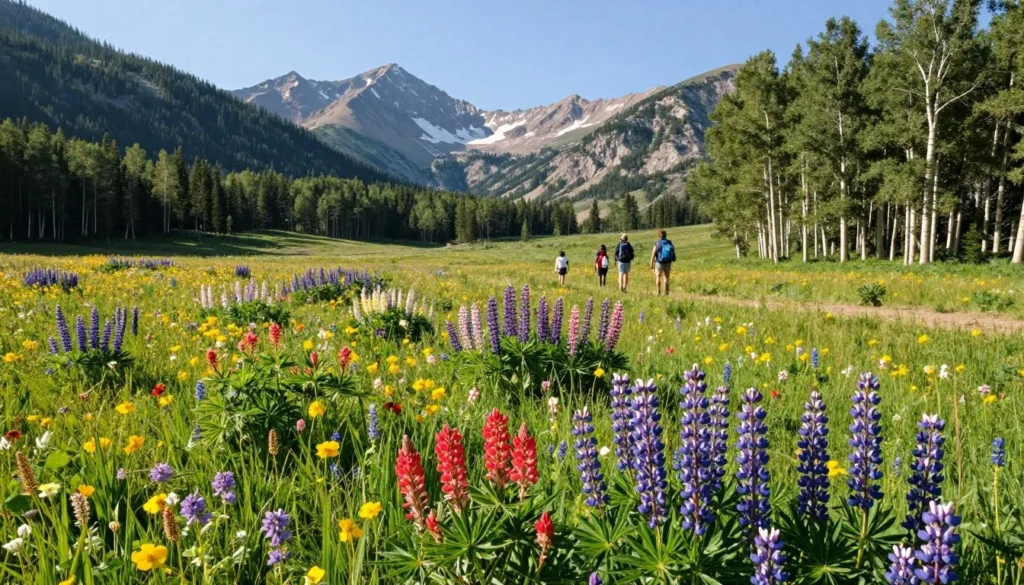
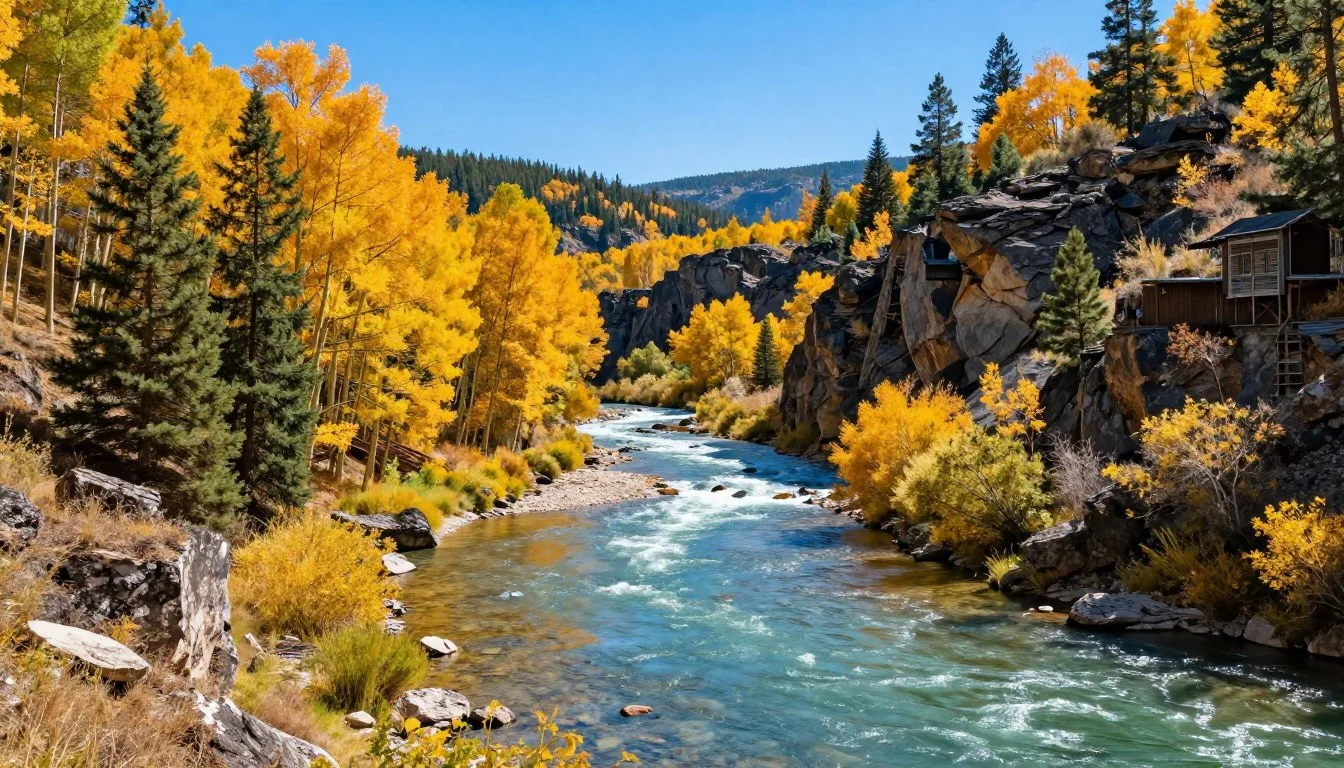
Early autumn, particularly September and October, offers spectacular conditions. Temperatures moderate to 15°C to 24°C (60°F to 75°F), crowds disappear, and aspen groves display brilliant gold and orange foliage. Wildlife becomes more active during this period, especially the bison herd.
Seasons to Approach with Caution
Winter transforms the Henry Mountains into a challenging environment. Heavy snow from November through March closes most mountain roads, limiting access to lower elevations only. Temperatures drop to -7°C to 4°C (20°F to 40°F), with higher peaks experiencing much colder conditions.
Early spring presents unpredictable weather and muddy road conditions. Snowmelt in March and April creates impassable mud on dirt roads, stranding vehicles. Wait until late April or May for improved conditions.
Best Months
- May: Spring wildflowers, moderate temperatures
- June: Excellent hiking conditions
- September: Perfect weather, fall colors
- October: Wildlife viewing, fewer visitors
Challenging Months
- December-February: Snow, road closures
- March-April: Mud, unpredictable weather
- July-August: Afternoon storms, heat at lower elevations
Notable Annual Festivals
The Henry Mountains region hosts limited organized events due to its remote nature. However, nearby communities celebrate the area’s heritage and natural beauty through several annual gatherings.
Hanksville Heritage Days
This small-town celebration occurs each July in Hanksville, the gateway community to the Henry Mountains. The festival features local history presentations, pioneer demonstrations, and community gatherings. While modest in scale, it offers genuine insight into the region’s ranching and mining heritage.
Local residents share stories about early settlers and the challenges of living in this isolated area. The event typically includes a barbecue dinner and evening entertainment. For current year dates and details, contact Hanksville Town Office at +1 (435) 542-3521.
Wayne County Fair
Held annually in Loa, about 80 km (50 miles) northwest of the mountains, this traditional county fair celebrates agricultural heritage each August. The fair includes livestock exhibitions, rodeo events, and local craft displays. Many visitors combine attendance with their Henry Mountains trip.
Capitol Reef Astronomy Festival
Taking place each June near Torrey, this festival celebrates the exceptional dark skies of the region. The Henry Mountains area offers some of the darkest night skies in the United States, making it perfect for stargazing. Festival activities include telescope viewing sessions and astronomy presentations.
For festival information and schedules, contact Wayne County Travel Council at +1 (435) 425-3365.
Getting Around Locally
Transportation within the Henry Mountains area requires self-sufficiency and proper vehicle preparation. No public transportation serves this region, making a personal vehicle absolutely essential.
A high-clearance vehicle opens access to most areas during dry conditions. Four-wheel drive becomes necessary for Bull Creek Pass, the Wickiup Trail, and other backcountry routes. Standard passenger cars can reach Lonesome Beaver Campground and lower-elevation viewpoints via maintained gravel roads.
Vehicle Preparation Checklist: Bring a full-size spare tire, extra water, basic tools, and a detailed map. Cell phone coverage is nonexistent throughout most of the range. GPS units and paper maps are essential navigation tools.
Plan your fuel carefully. The closest gas stations are in Hanksville, Torrey, or Hanksville. Distances between services can exceed 160 km (100 miles). Fill your tank before entering the mountains and carry extra fuel for extended exploration.
Road conditions vary dramatically with weather. Dirt roads become impassable mud during rain. Snow closes higher-elevation routes from late autumn through spring. Always check conditions before departing and inform someone of your travel plans.
Where to Stay
Lodging options within the Henry Mountains consist primarily of primitive camping. The area’s remote character means travelers must prepare for rustic accommodations or plan stays in surrounding communities.
Campgrounds in the Henry Mountains
Lonesome Beaver Campground sits at an elevation of 2,438 m (8,000 feet) among aspen and spruce trees. This small Bureau of Land Management facility offers six campsites with picnic tables and fire rings. No water is available, and the campground operates on a first-come, first-served basis.
The remote location provides incredible solitude and stunning mountain views. Sites accommodate RVs up to 7.6 m (25 feet), though the access road challenges larger vehicles. Camping fees apply from May through October. For availability and current status, contact BLM at +1 (435) 542-3461.

McMillan Springs Campground offers a lower-elevation alternative with similar primitive facilities. This smaller site provides four campsites near a seasonal spring. The area attracts wildlife, particularly deer and occasionally bison.
Dispersed Camping
The Henry Mountains offer abundant opportunities for dispersed camping on Bureau of Land Management lands. Travelers can camp almost anywhere on public lands, following Leave No Trace principles. Popular dispersed camping areas include spots along the Wickiup Trail and near Nasty Flat.
Nearby Town Accommodations
Hanksville provides the closest hotel and motel options, approximately 32 km (20 miles) from the mountain base. Several small properties offer clean, basic rooms for travelers. These family-owned establishments provide local knowledge and hospitality.
Torrey, about 64 km (40 miles) northwest, features more lodging choices including motels, bed and breakfasts, and cabin rentals. This artistic community near Capitol Reef National Park offers more amenities while maintaining a small-town atmosphere.
Blanding, roughly 113 km (70 miles) southeast, provides chain hotel options for travelers preferring familiar accommodations. This larger town serves as a base for exploring the Henry Mountains and other southeastern Utah destinations.
Dining and Local Cuisine
Culinary options within the Henry Mountains themselves are nonexistent. Visitors must bring all food supplies or plan meals in surrounding communities. This reality makes trip planning and packing essential skills for exploring the range.
Hanksville offers several small restaurants serving traditional American fare. The town’s cafes provide hearty breakfasts, burgers, and homestyle dinners. These establishments cater to travelers and local ranchers with generous portions and reasonable prices.
Pack a well-stocked cooler for mountain exploration. Include plenty of water, as natural water sources require purification. Dehydration happens quickly at higher elevations, especially during summer months. Plan for one gallon per person per day minimum.

The region produces limited local specialties, but surrounding communities offer Utah favorites. Try fry sauce with your burger, a regional condiment beloved throughout the state. Navajo tacos, found in nearby communities, reflect the area’s Native American heritage.
Stock up on groceries in larger towns before entering the mountains. Hanksville has a small general store with limited selection and higher prices. Torrey and Blanding offer better shopping options including full grocery stores.
Attractions, Sightseeing and Activities
The Henry Mountains region captivates visitors with pristine wilderness and exceptional outdoor recreation opportunities. Unlike crowded national parks, these public lands offer genuine solitude and adventure.
Scenic Drives
The Sawmill Basin Road provides spectacular mountain scenery accessible to most vehicles during dry conditions. This route climbs through changing ecosystems from desert scrub to alpine meadows. Viewpoints along the way offer panoramic vistas across the surrounding canyon country.
Bull Creek Pass Road challenges adventurous drivers with rougher conditions but rewards them with incredible views from 3,230 m (10,600 feet) elevation. This route requires four-wheel drive and good weather. The summit provides views stretching to Capitol Reef National Park and beyond.
Mount Ellen Summit
Mount Ellen stands as the highest peak in the range at 3,512 m (11,522 feet). The summit offers breathtaking 360-degree views encompassing Canyonlands, Capitol Reef, and the distant La Sal Mountains. A rough four-wheel-drive road reaches near the summit, with a short hike completing the ascent.
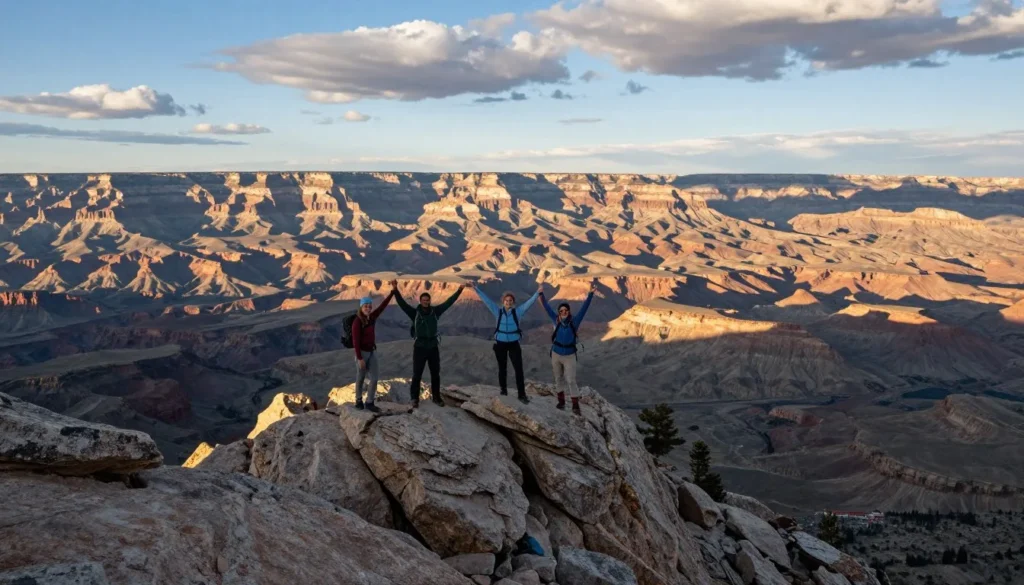
Mount Pennell, the second-highest peak at 3,451 m (11,322 feet), provides equally impressive views with slightly easier access. Both summits offer challenging hiking for those seeking high-elevation adventures.
Historic Mining Sites
Gold mining operations once dotted these mountains during the late 1800s and early 1900s. Remnants of this era remain visible throughout the range. The Bromide Basin area contains abandoned mining structures and equipment, offering glimpses into the harsh reality of frontier mining life.
Exercise extreme caution around old mines. Never enter tunnels or shafts, which can collapse without warning. Photograph these historic sites from safe distances, respecting their place in Western history.
Museums, Cultural Spots and Festivals
The Henry Mountains themselves contain no museums or formal cultural facilities due to their wilderness character. However, the region’s heritage comes alive through archaeological sites and surrounding community resources.
Ancient pictographs and petroglyphs appear on rock faces throughout the area, created by ancestral Puebloan and Fremont cultures centuries ago. These rock art panels provide windows into prehistoric life in this harsh environment. View these irreplaceable cultural resources respectfully without touching or disturbing them.
The town of Blanding houses the Edge of the Cedars State Park Museum, featuring exceptional displays of ancestral Puebloan artifacts. While not within the mountains, this museum provides valuable context for understanding the region’s human history.
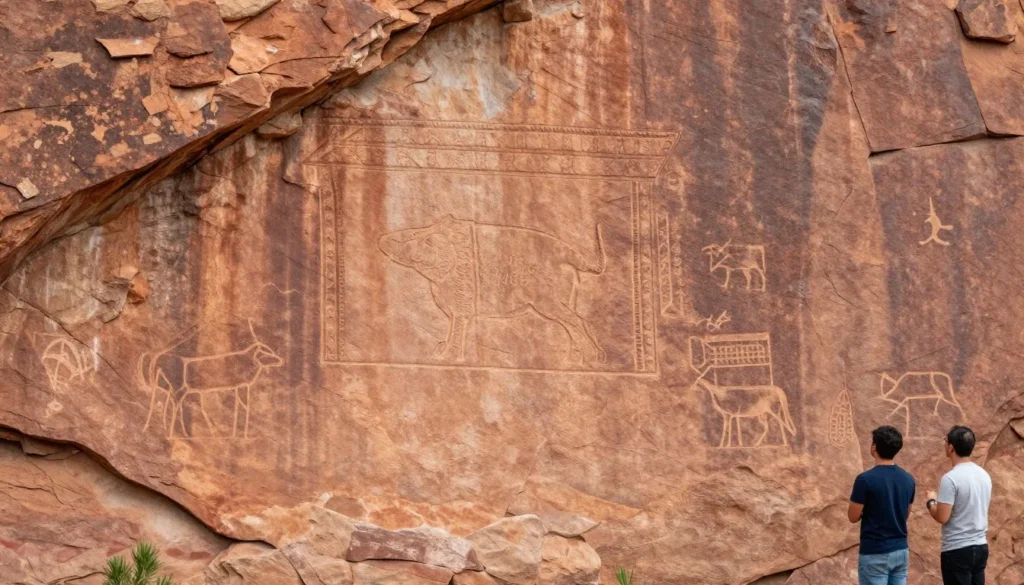
Local ranching heritage remains visible throughout the mountains. Old corrals, line cabins, and cattle trails tell stories of the hardy families who made their living in this remote country. These working landscapes continue today, with several ranching operations maintaining grazing permits on public lands.
Nature and Outdoor Experiences
The Henry Mountains shine as a destination for authentic wilderness experiences. This mountain range supports diverse ecosystems and provides habitat for remarkable wildlife populations.
Wildlife Viewing
The Henry Mountains bison herd represents one of only two free-roaming bison populations in the United States outside of Yellowstone National Park. Approximately 400 animals range throughout the mountains, descended from bison transplanted from Yellowstone in the 1940s.
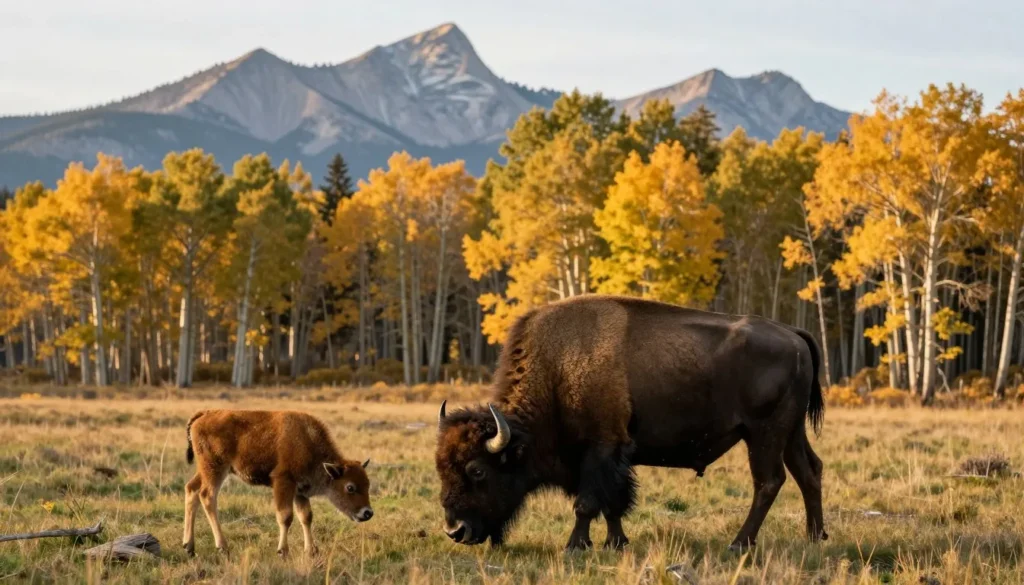
These massive animals roam freely across the range, often visible in mountain meadows and along forest edges. Maintain safe distances of at least 91 m (300 feet) when observing bison. Despite their docile appearance, these wild animals can charge without warning when threatened.
Mule deer and elk populate the mountains in significant numbers. Early morning and evening hours provide the best wildlife viewing opportunities. Rocky Mountain bighorn sheep inhabit the higher peaks, though sightings remain rare.
Mountain lions, black bears, and bobcats roam these mountains but rarely appear to visitors. More commonly observed animals include coyotes, golden eagles, and numerous songbird species.
Hiking Opportunities
Formal trails are scarce in the Henry Mountains, but countless routes follow old mining roads, game trails, and ridgelines. This trail-less character appeals to experienced hikers seeking true wilderness navigation challenges.
Popular hiking areas include the slopes of Mount Ellen and Mount Pennell, Bromide Basin, and the Wickiup Trail area. Navigation skills and topographic maps are essential, as marked trails don’t exist.
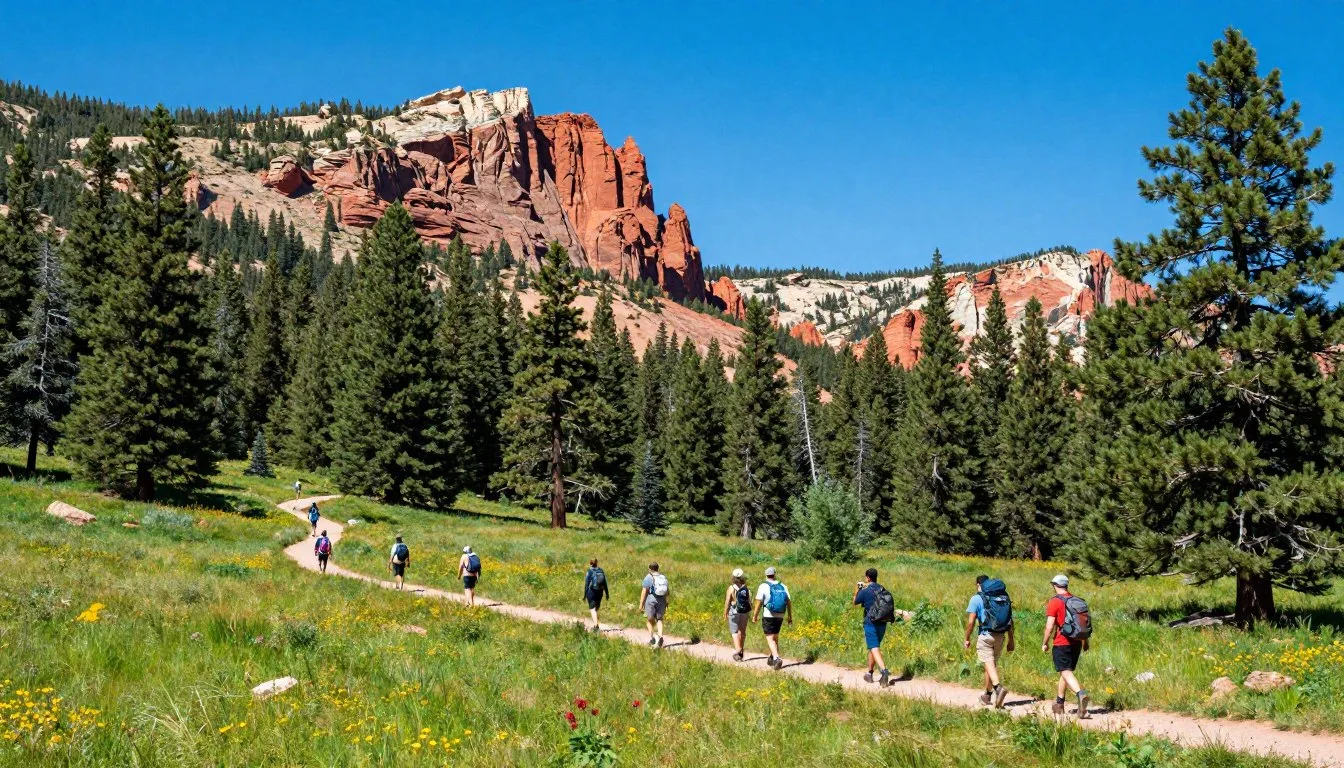
Creek drainages provide natural hiking routes through aspen groves and conifer forests. Spring-fed streams in canyons like Nasty Flat and Bulldog create ribbons of green through otherwise arid landscapes.
Hunting and Fishing
The Henry Mountains offer exceptional hunting opportunities for bison, deer, and elk. Limited bison permits make this one of the most coveted hunts in North America. Utah Division of Wildlife Resources manages hunts through a strict permit system.
Small streams contain brook trout populations, though fishing opportunities remain limited compared to other Utah ranges. Waters at higher elevations provide the best angling prospects during summer months.
Travel With Children
Families can successfully explore the Henry Mountains with proper planning and realistic expectations. The remote environment requires extra preparation when traveling with young adventurers.
Start with short, easy activities to gauge your children’s abilities and interest levels. The scenic drive along Sawmill Basin Road provides mountain exposure without demanding physical exertion. Stop frequently at pullouts for exploration and photography.
Camping at Lonesome Beaver Campground creates memorable family experiences. Children love the adventure of camping in such a wild place. The relatively developed campground provides comfort while maintaining a wilderness feel.

Bison viewing excites children of all ages. Frame it as a safari adventure to build anticipation. Bring binoculars for each child to enhance the experience. Always supervise children closely around wildlife and maintain safe distances.
Pack extra snacks, water, and layers of clothing. Mountain weather changes rapidly, and children may need more frequent breaks than adults. Bring activities for quiet time at camp, as cell phones won’t function for entertainment.
Consider children’s ages when planning activities. The rough roads and primitive conditions challenge families with very young children. Kids aged eight and older typically handle the adventure better, though every family differs.
Money Saving Tips
Exploring the Henry Mountains can be surprisingly affordable compared to visits to crowded national parks. The remote location and primitive facilities keep costs low for budget-conscious travelers.
Camping provides the most economical lodging option. Bureau of Land Management campgrounds charge minimal fees, typically under twenty dollars per night. Dispersed camping on public lands costs nothing, though it requires complete self-sufficiency.
Bring all food and supplies from home to avoid paying premium prices in small towns. Hanksville’s limited stores charge higher prices due to their remote location. Stock up at supermarkets in larger cities before your trip.
- Visit during shoulder seasons for better campsite availability and fewer crowds
- Pack all meals rather than eating in restaurants
- Bring sufficient fuel to avoid paying high prices at remote stations
- Download offline maps before your trip instead of purchasing paper versions
- Use free BLM resources for trip planning instead of hiring guides
No entrance fees apply to access the Henry Mountains, unlike national parks. This free access makes the range particularly attractive for extended visits. You can explore for days without spending money on admission.
Group travel reduces per-person costs by sharing campsite fees, fuel expenses, and food. Carpooling with friends makes the journey more enjoyable while cutting costs significantly.
Late spring and early autumn offer pleasant conditions without peak summer crowds. These shoulder seasons provide better value and more solitude while maintaining good weather.
Safety, Etiquette and Local Customs
Visiting the Henry Mountains safely requires preparation, situational awareness, and respect for the wilderness environment. This remote area offers no quick rescue options if problems arise.
Essential Safety Practices
Cell phone service doesn’t exist throughout most of the mountain range. Carry a satellite communicator or personal locator beacon for emergencies. These devices can summon help when traditional communication fails.
Inform someone outside your group about your detailed itinerary before departing. Provide expected return dates and specific locations you plan to visit. This information proves crucial if search and rescue becomes necessary.
Emergency Contact: In case of emergency, the closest help comes from Emery County Sheriff’s Office at +1 (435) 381-2404 or Wayne County Sheriff at +1 (435) 836-1345. Response times may be several hours due to the remote location.
Weather changes rapidly in mountain environments. Afternoon thunderstorms develop quickly during summer months, bringing lightning, heavy rain, and flash flood risks. Start hikes early to return before storms typically arrive around 2 PM.
Water sources are limited and seasonal. Carry more water than you think necessary, especially during summer heat. Purify all natural water before drinking, even from seemingly clean springs.
Wildlife Safety
Give bison extremely wide berth. These animals weigh up to 900 kg (2,000 pounds) and can run faster than horses over short distances. Never approach bison for photos or attempt to pass between a cow and her calf.
Mountain lions inhabit the range but rarely appear to humans. Make noise while hiking to avoid surprising wildlife. If you encounter a mountain lion, make yourself appear large, maintain eye contact, and back away slowly without running.
Wilderness Etiquette
Practice Leave No Trace principles throughout your visit. Pack out all trash, including toilet paper and food scraps. The desert environment takes decades to recover from human impacts.
Camp on durable surfaces like rock, gravel, or previously used sites. Avoid creating new campsites in pristine areas. Keep camps at least 61 m (200 feet) from water sources to protect riparian habitats.
Respect archaeological sites and historic structures. Never touch or disturb rock art, which oil from human hands damages irreparably. Leave artifacts where you find them for others to discover and appreciate.
The Henry Mountains remain active cattle ranching country. Leave gates as you found them, whether open or closed. Respect private property boundaries, which exist in checkerboard patterns mixed with public lands.
Visitor Comments About Henry Mountains
“The solitude we found in the Henry Mountains was unlike anywhere else we’ve visited in Utah. Seeing wild bison roaming freely against the backdrop of those rugged peaks created memories our family will treasure forever. The remoteness means you need to come prepared, but the reward is having entire mountain valleys to yourself.”
“As someone who’s explored mountains throughout the American West, the Henrys surprised me with their pristine character. The lack of crowds and maintained trails appeals to experienced hikers seeking genuine wilderness. Mount Ellen’s summit views rival anything I’ve seen in more famous ranges. Just bring proper navigation equipment and be ready for adventure.”
“Our camping trip to Lonesome Beaver Campground exceeded all expectations. The aspen groves glowed golden in September sunshine, and we spotted a bison herd grazing in the meadow below camp. The primitive facilities didn’t bother us at all because the setting was so spectacular. This is real Utah, not the overcrowded tourist version.”
Additional Nearby Destinations
The Henry Mountains occupy a central position within Utah’s canyon country, making them an excellent base for exploring multiple exceptional destinations. Several remarkable places lie within a day’s drive.
Capitol Reef National Park
Located just 64 km (40 miles) northwest, Capitol Reef protects the Waterpocket Fold, a 160 km (100-mile) wrinkle in the Earth’s crust. This less-visited national park features colorful sandstone cliffs, pioneer orchards, and scenic drives. The park’s Scenic Drive and Cathedral Valley offer excellent day trips from the Henry Mountains.
Lake Powell
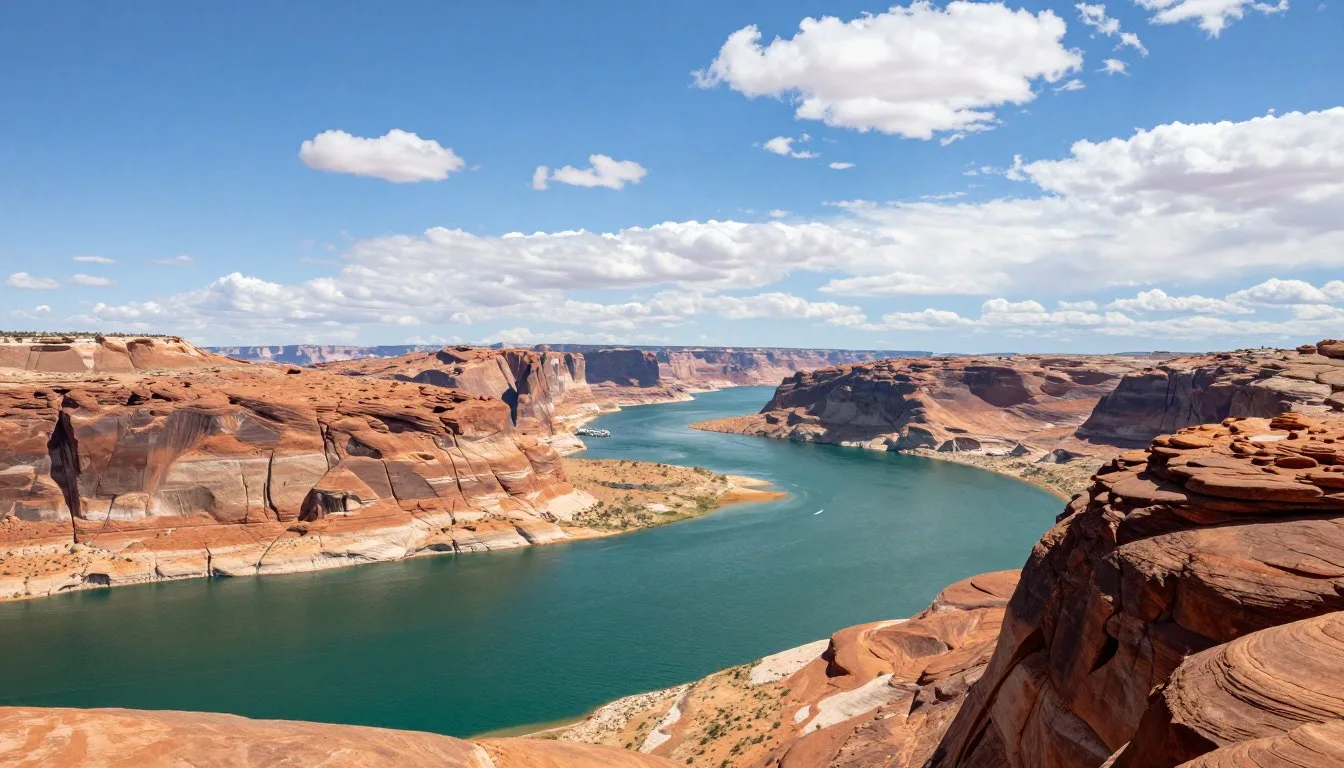
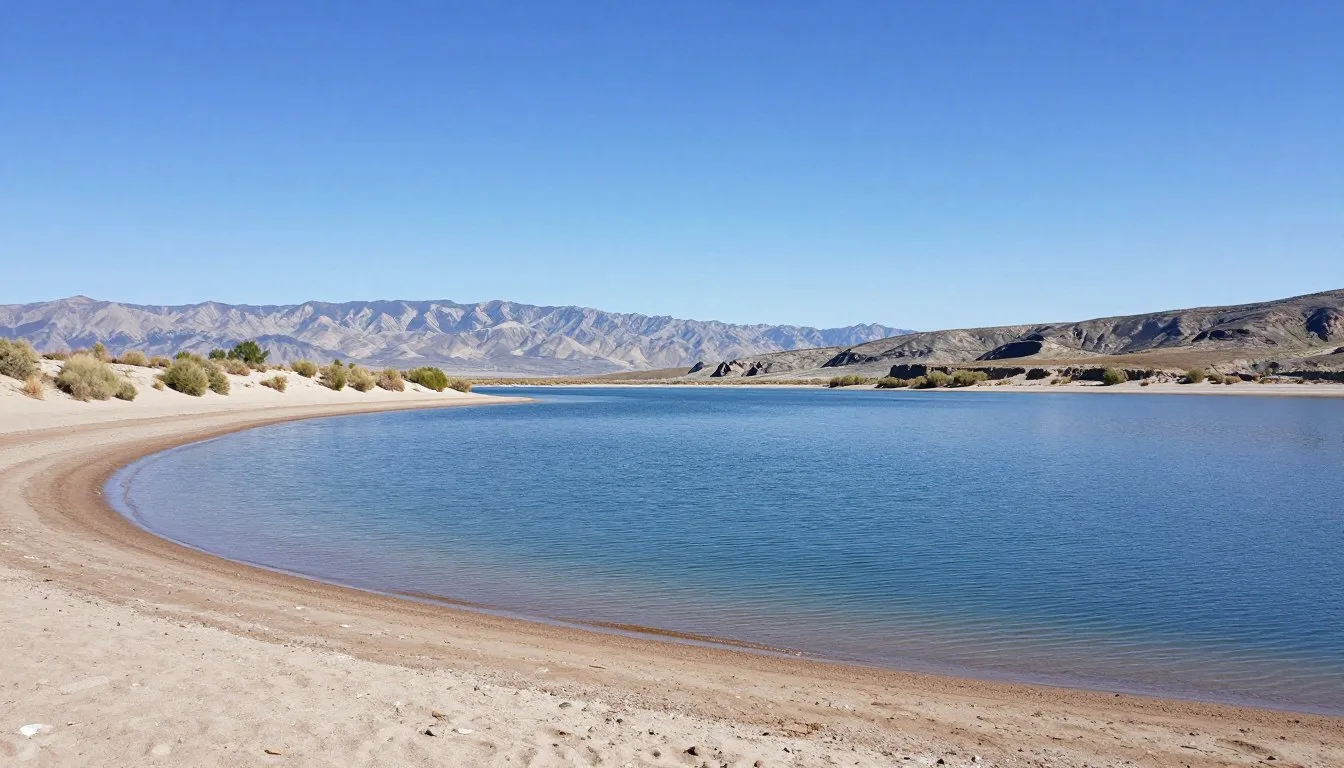
The massive reservoir sits approximately 80 km (50 miles) south of the mountains. Lake Powell’s 3,057 km (1,900 miles) of shoreline provide water recreation opportunities including boating, fishing, and swimming. The contrast between the lake’s blue water and surrounding red rock creates stunning scenery.
Goblin Valley State Park
These whimsical mushroom-shaped rock formations stand about 56 km (35 miles) north of Hanksville. Children particularly enjoy exploring the valley of goblins, where thousands of erosional hoodoos create an otherworldly landscape. The park makes an excellent family-friendly addition to a Henry Mountains trip.

Canyonlands National Park
The Maze District and Horseshoe Canyon areas of Canyonlands lie roughly 97 km (60 miles) northeast. These ultra-remote sections of the park see few visitors but offer extraordinary canyon scenery and ancient rock art. Access requires serious four-wheel-drive capability and extensive preparation.
Natural Bridges National Monument
Three massive natural bridges carved from white sandstone await discovery about 113 km (70 miles) southeast. This small monument provides easy hikes to world-class geological features with far fewer visitors than nearby national parks.
Practical Travel Tips
Success in the Henry Mountains depends on thorough preparation and realistic expectations. These practical suggestions will help ensure your visit goes smoothly.
Communication and Navigation
Download offline maps before entering the area. Paper topographic maps provide essential backup navigation. The Bureau of Land Management publishes excellent maps specifically for the Henry Mountains available at field offices or online.
GPS devices work well, but don’t rely solely on electronic navigation. Batteries die, devices malfunction, and GPS cannot anticipate current road conditions or closures.
Supplies and Equipment
Bring a comprehensive first aid kit including supplies for treating cuts, burns, sprains, and blisters. Add medications for altitude sickness if you’re sensitive to elevation changes. The nearest medical facilities are hours away.
Pack repair supplies for your vehicle including extra oil, coolant, tire repair kit, and basic tools. The rough roads can cause mechanical issues, and tow trucks cannot reach many areas.
- Carry at least twice the water you think you’ll need
- Bring layers for temperature changes from dawn to midday
- Pack sun protection including hat, sunscreen, and sunglasses
- Include a headlamp with extra batteries for each person
- Bring fire-starting supplies even if not planning campfires
Permits and Regulations
No permits are required for general recreation in the Henry Mountains. Hunting requires appropriate Utah licenses and permits. Gather firewood only from dead and downed wood; cutting standing trees is prohibited.
Open fires may be restricted during dry periods. Check current fire restrictions with the Bureau of Land Management before your trip. Portable camp stoves provide reliable cooking options regardless of fire restrictions.
Best Resources
The BLM Henry Mountain Field Station in Hanksville serves as the primary information source. Staff can provide current conditions, camping availability, and wildlife activity reports. Stop here before entering the mountains.
For comprehensive trip planning assistance and current conditions, contact the Henry Mountains Field Station at +1 (435) 542-3461. The knowledgeable staff helps visitors have safe, enjoyable experiences in this remarkable wilderness.
Your Henry Mountains Adventure Awaits
The Henry Mountains stand as a testament to wild America, offering experiences increasingly rare in our developed world. Here you’ll find silence broken only by wind through pines, nights illuminated by countless stars, and landscapes largely unchanged since pioneers first gazed upon these peaks.
This mountain range demands more from visitors than crowded tourist destinations. You must bring self-sufficiency, respect for wilderness, and a spirit of adventure. In return, the Henry Mountains reward you with authentic experiences and memories that transcend typical vacation snapshots.
Whether you seek the thrill of spotting wild bison, the challenge of reaching a remote summit, or simply the peace of camping beneath ancient aspens, these mountains deliver. Pack your vehicle, study your maps, and prepare for an adventure into one of America’s last true wilderness areas. The Henry Mountains await your discovery.