Hotels by Trip.com
Flights by Trip.com
Hidden in Utah’s west desert, House Range stands as one of North America’s most dramatic limestone escarpments. Rising over 1,372 m (4,500 feet) from the surrounding valleys in a single vertical thrust, this remote mountain range receives fewer than 5,000 visitors annually. Yet those who make the journey discover world-class rock climbing routes, fossil-rich geological formations dating back 500 million years, and a pristine wilderness where silence is the prevailing soundtrack.
This comprehensive guide unlocks everything you need to explore House Range. From navigating dusty backcountry roads to scaling Notch Peak’s legendary west face, you’ll find practical details and insider tips for an unforgettable adventure.
Getting There and Planning Your Journey
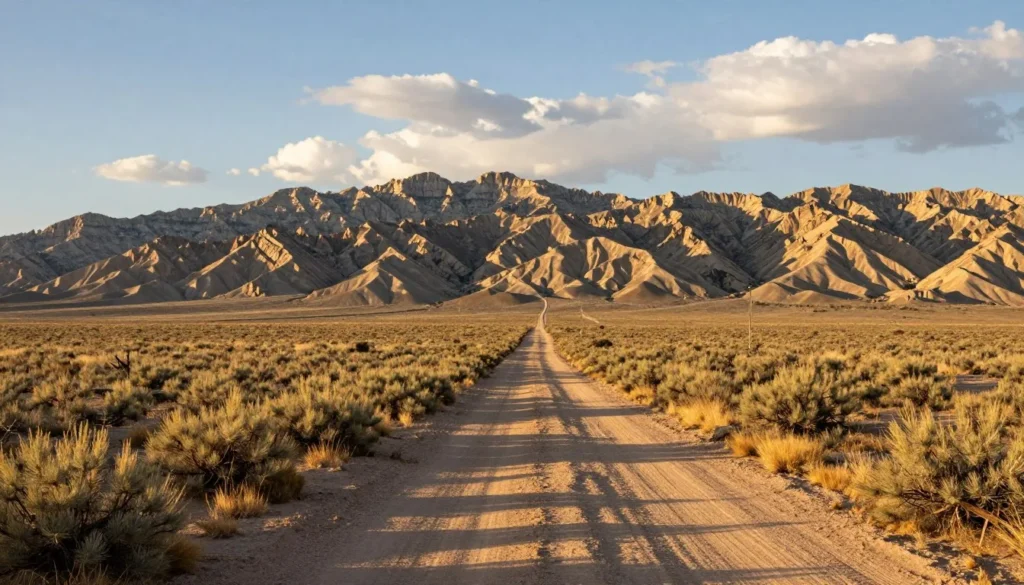
Reaching House Range requires careful planning. The range sits in Millard County’s remote western region. No paved roads penetrate the area directly.
Closest Airports
Salt Lake City International Airport (SLC) serves as the primary gateway. Located approximately 241 km (150 miles) northeast, the airport offers rental vehicles and services. Plan for a three-hour drive to reach trailheads.
Alternatively, Provo Municipal Airport provides access 209 km (130 miles) away. This smaller facility suits travelers with private aircraft or regional connections.
Road Access and Vehicle Requirements
Highway 6 and Highway 50 provide paved access to nearby towns. From Delta, Utah, take Highway 6 west, then follow unpaved county roads south toward the range.
High-clearance vehicles prove essential for final access. Standard sedans cannot safely navigate the rough gravel and dirt roads. Four-wheel drive becomes necessary after heavy rain or snow.
Important: Cell phone coverage does not exist in House Range. Download offline maps before departure. Carry physical topographic maps as backup navigation.
Best Time to Visit House Range and Weather Tips
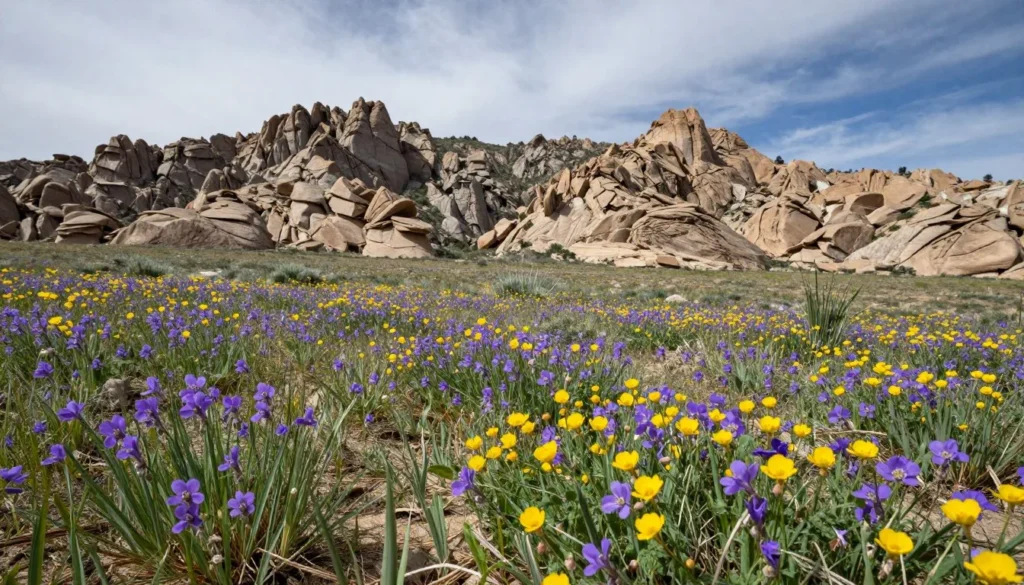
Seasonal timing dramatically affects your House Range experience. Weather patterns shift drastically between seasons in this high desert environment.
Recommended Visiting Seasons
Spring (April through May) delivers ideal conditions. Temperatures range from 10°C to 21°C (50°F to 70°F). Wildflowers carpet the desert floor. Snowmelt creates temporary water sources.
Fall (September through October) offers equally excellent conditions. Comfortable temperatures between 13°C to 24°C (55°F to 75°F) prevail. Crowds remain minimal. Rock faces dry quickly after occasional rain.
Early summer (June) extends the climbing season. Expect warmer days averaging 27°C (80°F). Start activities early to avoid afternoon heat.
Seasons to Avoid
Winter (November through March) brings snow to higher elevations. Temperatures drop below freezing. Roads become impassable. Access to climbing routes proves difficult or impossible.
Late summer (July through August) presents extreme heat. Temperatures exceed 38°C (100°F) in valleys. Limited water sources dry completely. Rock surfaces become dangerously hot for climbing.
Planning Tip: Weather changes rapidly in the basin and range region. Pack layers regardless of season. Afternoon thunderstorms develop quickly during summer months.
Notable Annual Festivals
House Range’s remote location means no festivals occur within the area itself. However, nearby communities host events that coincide with good visiting weather.
The Millard County Fair takes place in Delta each August. While this falls outside optimal House Range visiting season, it showcases local culture for those visiting nearby areas.
For festival information, contact the Millard County Tourism Office at +1 435-864-5075. Staff provide updates on regional events and schedules.
Getting Around Locally

Transportation within House Range demands self-sufficiency. No public transit, taxi services, or ride-sharing operates in this wilderness area.
Your personal vehicle serves as the only transportation method. Maintain adequate fuel reserves. The nearest gas station sits in Delta, 80 km (50 miles) from most trailheads.
Navigation Essentials
GPS coordinates become critical for locating specific features. Notch Peak trailhead sits at approximately 39.1406°N, 113.4069°W. Painter Springs campsite coordinates are 39.0500°N, 113.3800°W.
Dirt roads fork frequently without signage. Mark waypoints at every junction during inbound travel. This practice ensures successful return navigation.
Road conditions vary significantly. Spring snowmelt creates muddy sections. Summer thunderstorms wash out routes temporarily. Check conditions with the BLM Fillmore Field Office before departure.
Where to Stay
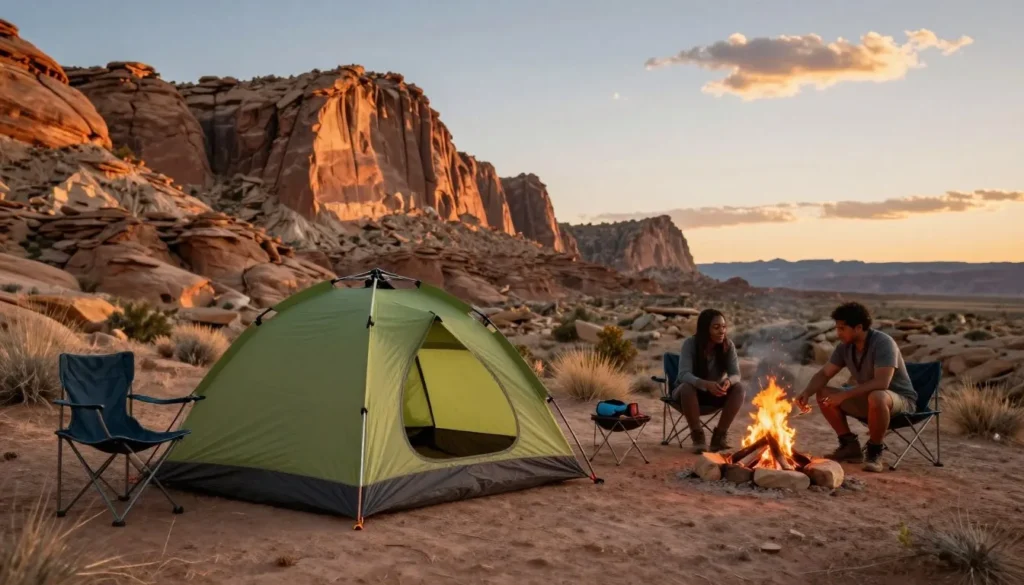
Lodging options near House Range split between primitive camping and town-based accommodations. No developed facilities exist within the range itself.
Backcountry Camping
Dispersed camping on Bureau of Land Management land provides the most immersive experience. Popular sites cluster near Painter Springs and Amasa Valley. These areas offer relatively flat terrain for tent placement.
No facilities, water, or services exist at these sites. Practice Leave No Trace principles strictly. Pack out all waste. Human waste requires proper burial at least 61 m (200 feet) from water sources.
Nearby Town Accommodations
Delta, Utah offers the closest hotel options. Several chain motels provide basic amenities approximately 80 km (50 miles) from the range.
The Days Inn Delta sits on Main Street. Contact them at +1 435-864-3882 for availability.
Budget Inn Delta provides economical rooms. Reach them at +1 435-864-4533 for reservations.
Booking Recommendation: Reserve Delta accommodations two to three months ahead during peak spring and fall seasons. Limited room inventory fills quickly when events occur in the region.
Dining and Local Cuisine
House Range contains no restaurants or food services. All meals require self-preparation from supplies carried in.
Meal Planning for Backcountry Visits
Stock up on groceries in Delta before heading to the range. The town features a full-service grocery store and several convenience shops.
Plan all meals in advance. Bring surplus food beyond minimum requirements. Weather delays or extended exploration time may keep you in the field longer than anticipated.
Water sources remain scarce and unreliable. Painter Springs sometimes flows during spring months but dries completely by summer. Carry all water needed for drinking and cooking. Plan for at least 4 liters (1 gallon) per person daily in moderate weather.
Delta Dining Options
When staying in Delta, several local restaurants serve hearty meals. Topaz Lodge offers classic American fare. Main Street Deli provides sandwiches for trail packing.
Attractions, Sightseeing and Activities
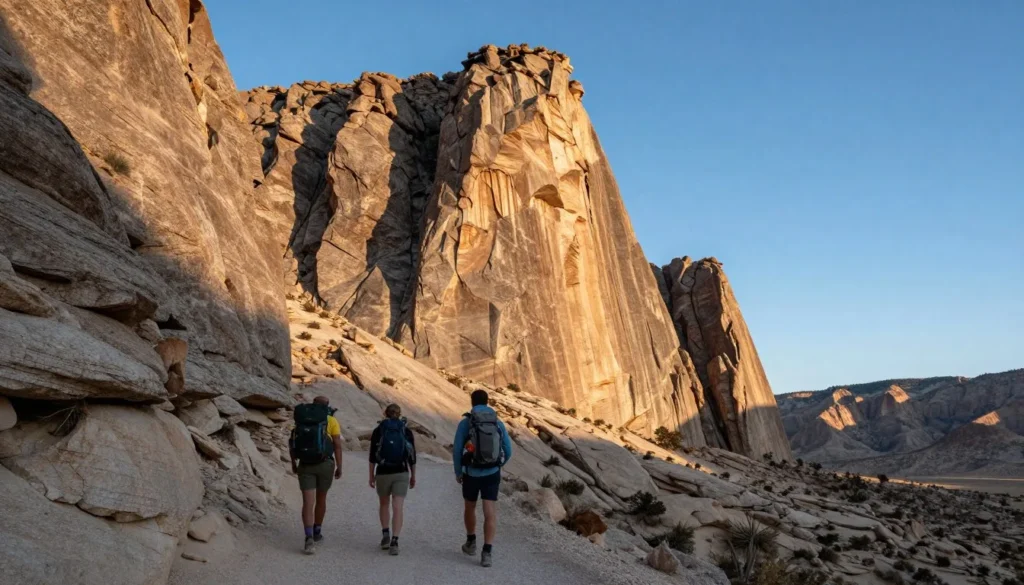
House Range delivers extraordinary attractions for adventurous travelers. The area’s remoteness creates unique opportunities unavailable in developed parks.
Notch Peak
Notch Peak dominates the range as its highest and most dramatic feature. The summit reaches 2,958 m (9,655 feet) elevation. Its west face plunges 670 m (2,200 feet) in nearly vertical limestone walls.
The standard hiking route approaches from the north. This 11.3 km (7 mile) round trip gains approximately 792 m (2,600 feet) elevation. The trail requires no technical climbing skills but demands good fitness.
Allow six to eight hours for the complete hike. Start early to avoid afternoon heat and thunderstorms. The final summit section crosses exposed ridgeline with dramatic drop-offs on both sides.
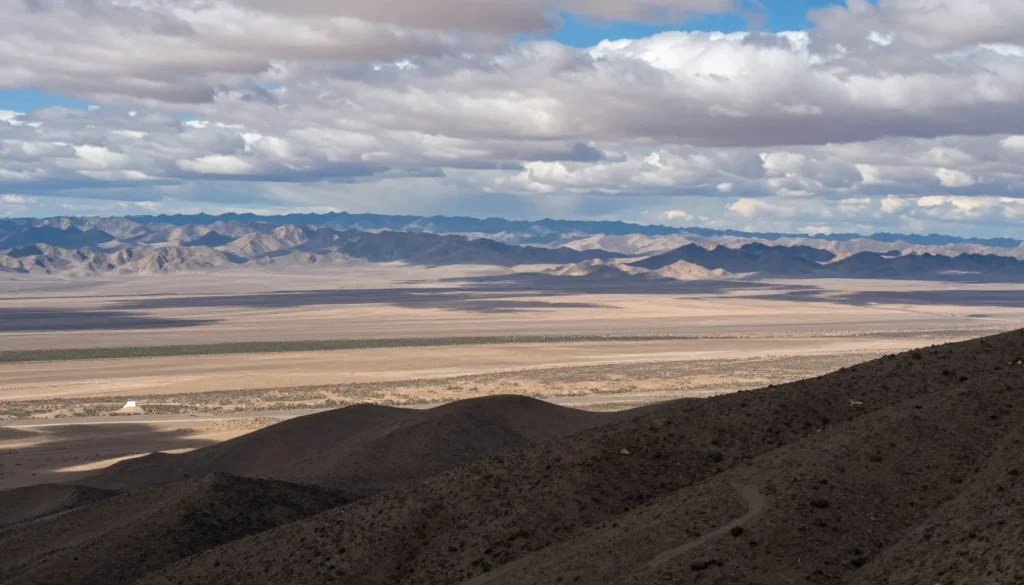
Rock Climbing Routes
Climbers travel globally to attempt Notch Peak’s west face routes. The limestone wall offers traditional climbing opportunities on multi-pitch routes ranging from 5.7 to 5.12 difficulty.
Popular routes include the Southwest Face (5.9) and various lines on the main wall. All routes require full trad climbing gear, extensive rope, and advanced skills. Several routes exceed 457 m (1,500 feet) in length.
No established rescue services operate in the area. Climbing parties must be completely self-sufficient. Cell phones do not work for emergency calls.

Fossil Exploration
House Range limestone contains exceptional fossil deposits. Trilobites and other Cambrian-era marine fossils appear throughout the rock layers. The region contributes significantly to paleontological research.
Casual fossil observation provides fascinating educational opportunities. However, collecting fossils on public land requires permits. Contact the Bureau of Land Management for current regulations.
Swasey Peak
Swasey Peak rises south of Notch Peak at 2,895 m (9,500 feet) elevation. This summit sees fewer visitors despite offering equally impressive views. The approach hike covers similar distance but traverses more remote terrain.
Museums, Cultural Spots and Festivals
House Range itself contains no museums or cultural facilities. Its significance lies purely in natural and geological features.
The Great Basin Museum in Delta preserves regional history. Exhibits cover pioneer settlement, mining heritage, and natural history. The museum sits at 45 West Main Street. Contact them at +1 435-864-5013 for hours and admission details.
Topaz Museum, also in Delta, documents the World War II Japanese American internment camp that operated nearby. This sobering historical site offers important context about the region’s past.
Nature and Outdoor Experiences
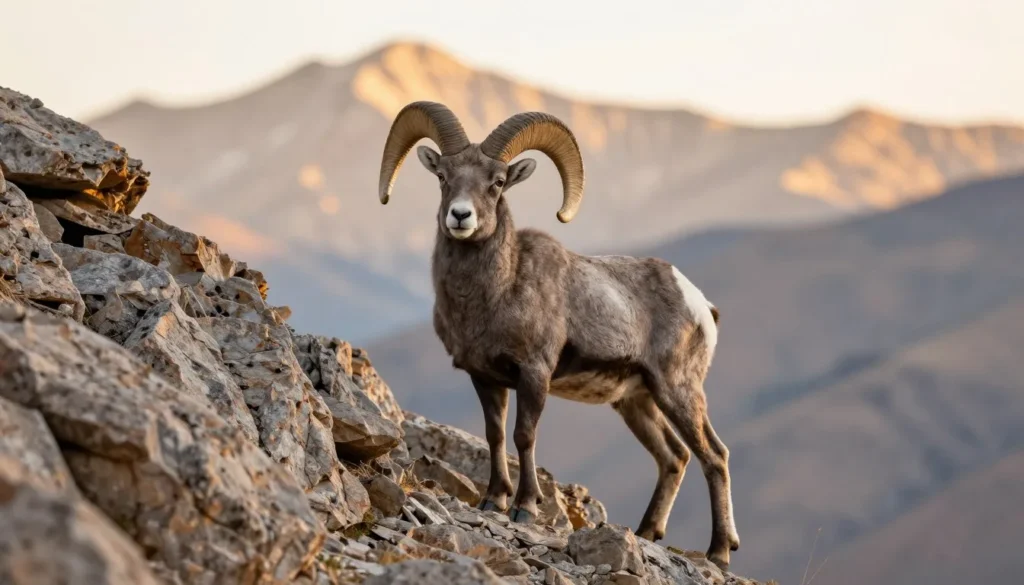
House Range exemplifies basin and range geography. This wilderness area showcases pristine desert ecosystems and geological features.
Wildlife Viewing
Desert bighorn sheep inhabit the higher elevations. Patient observers occasionally spot these magnificent animals on rocky slopes. Early morning and late evening provide the best viewing opportunities.
Golden eagles soar above the peaks. Ravens and various hawk species populate the skies. Ground-dwelling species include jackrabbits, coyotes, and numerous lizard species.
Rattlesnakes inhabit the region. Watch foot placement carefully when hiking. Avoid reaching into rock crevices or under ledges without visual confirmation.

Stargazing
Remote location and zero light pollution create exceptional stargazing conditions. The Milky Way appears brilliantly on moonless nights. Meteor showers become spectacular events.
Bring warm layers for evening observation. Desert temperatures drop significantly after sunset even during warm seasons.
Photography Opportunities
Photographers find endless subjects in House Range. Dramatic rock formations, sweeping vistas, and unique desert light create stunning compositions.
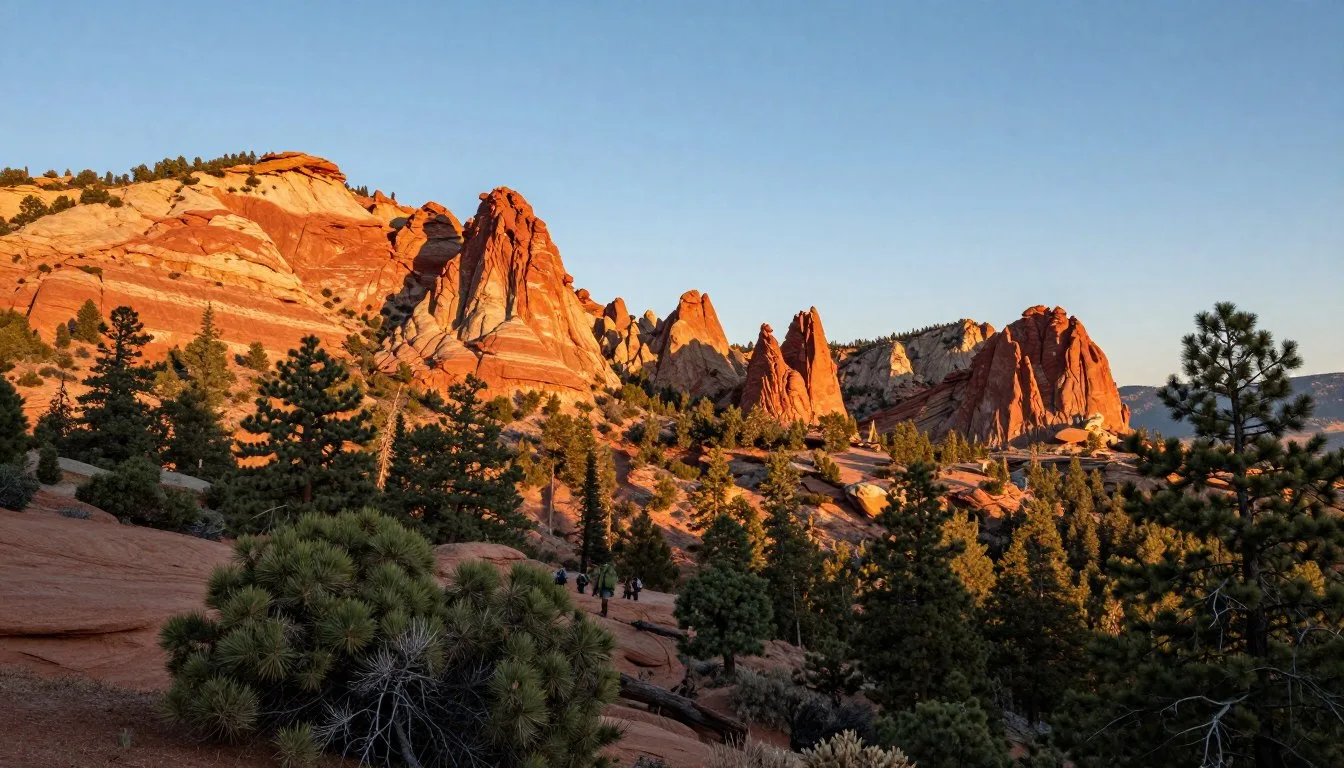
Sunrise and sunset deliver golden hour magic. The west-facing cliffs glow brilliantly in late afternoon light. Morning illuminates the east-facing slopes and casts long shadows across Amasa Valley.
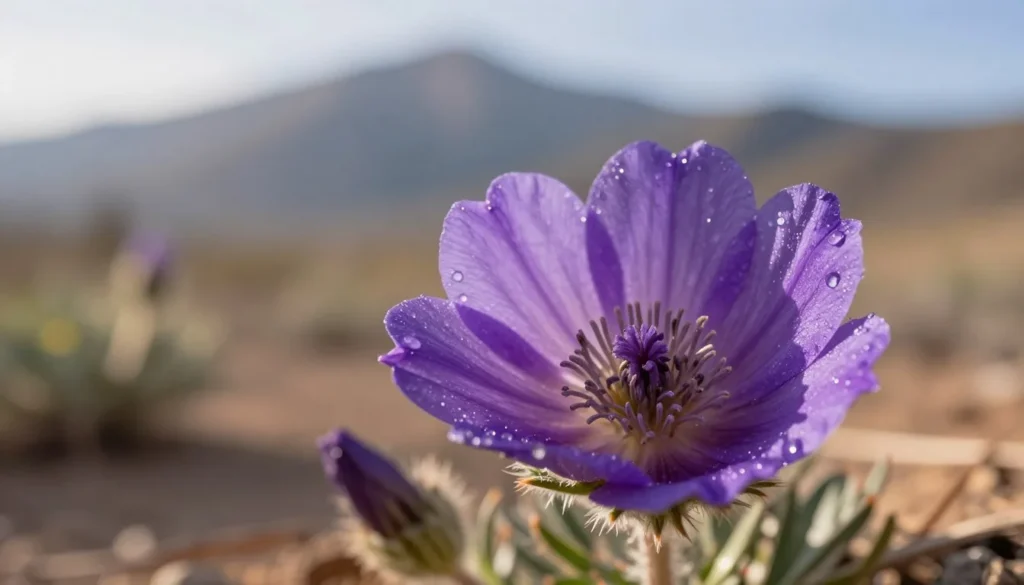
Geological Study
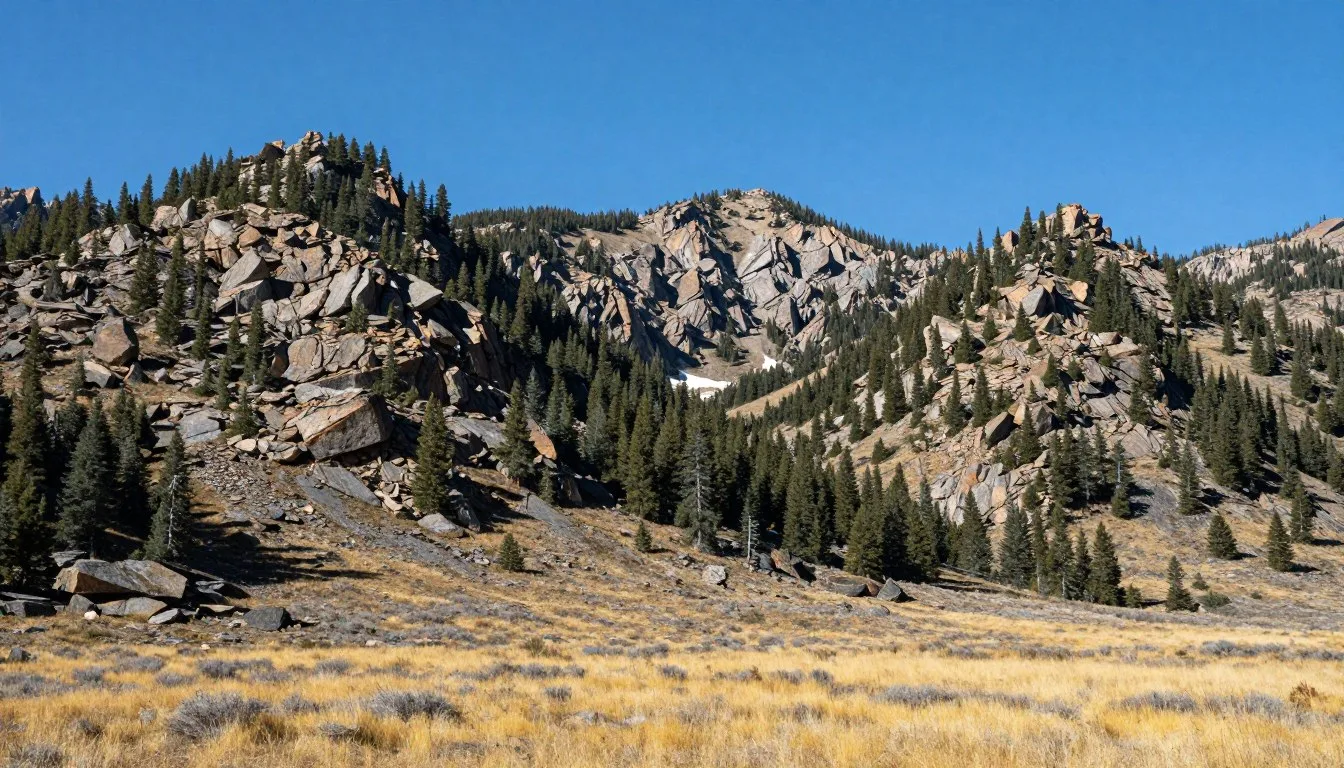
The range represents a classic fault-block mountain formation. Limestone layers tilt dramatically, revealing millions of years of geological history. Educational opportunities abound for amateur and professional geologists.
Rock formations display clear stratification. Different layers contain distinct fossil assemblages. The area serves as an outdoor classroom for understanding western mountain building processes.
Travel With Children
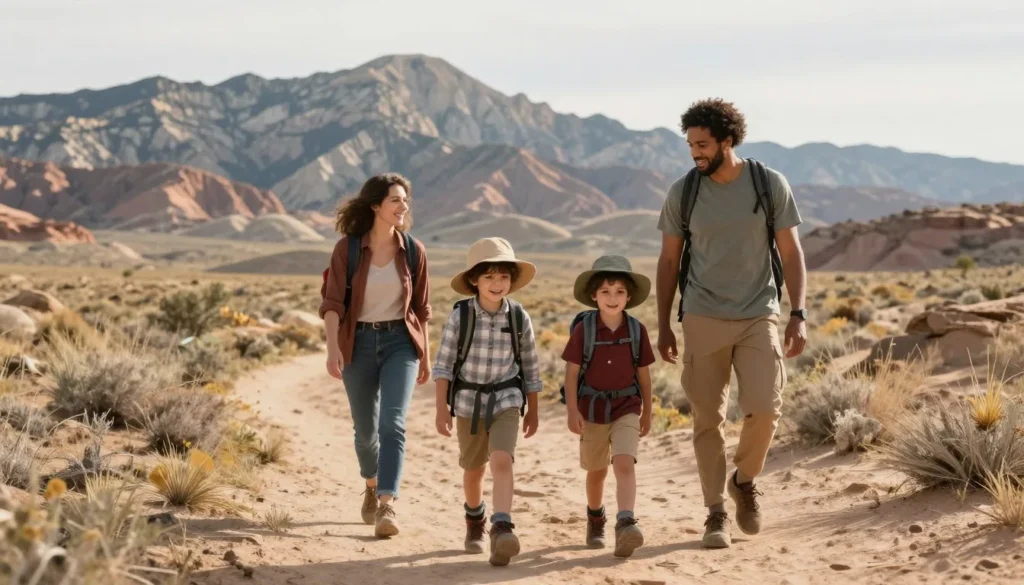
House Range presents significant challenges for family travel with young children. The remote location and primitive conditions require careful evaluation.
Age Considerations
Teenagers with backpacking experience can handle House Range adventures. The hiking distances and lack of facilities suit older youth comfortable with wilderness camping.
Young children face difficulties with the long hikes and extreme remoteness. No emergency services operate nearby. Medical situations become serious quickly.
Family-Friendly Alternatives
Families seeking similar scenery with better infrastructure should consider Great Basin National Park. Located in Nevada, this park offers developed campgrounds and shorter nature trails suitable for children.
For families determined to visit House Range, limit activities to short walks near camp. Avoid attempting peak ascents with young children. The exposed terrain and distance create unnecessary risk.
Money Saving Tips

House Range exploration operates as an inherently economical adventure. No entrance fees exist. Camping remains free on public land.
Reducing Trip Costs
Purchase all groceries and supplies in larger cities before reaching Delta. Prices run higher in small rural communities. Salt Lake City or Provo offer better selection and lower costs.
Share vehicle expenses when possible. Coordinate with climbing partners or hiking groups to split fuel and vehicle wear. The long drives become more affordable when costs divide among several people.
Plan meals carefully to minimize waste. Spoiled food in coolers represents wasted money and unnecessary weight. Bring exactly what you need plus reasonable safety margin.
Free Resources
Download free topographic maps from various sources before departure. The BLM and USGS provide digital maps at no cost. Print copies as backup navigation.
Water from Painter Springs costs nothing when the spring flows. Treat all water properly before consumption. Bring water filters or purification tablets rather than purchasing bottled water.
Safety, Etiquette and Local Customs
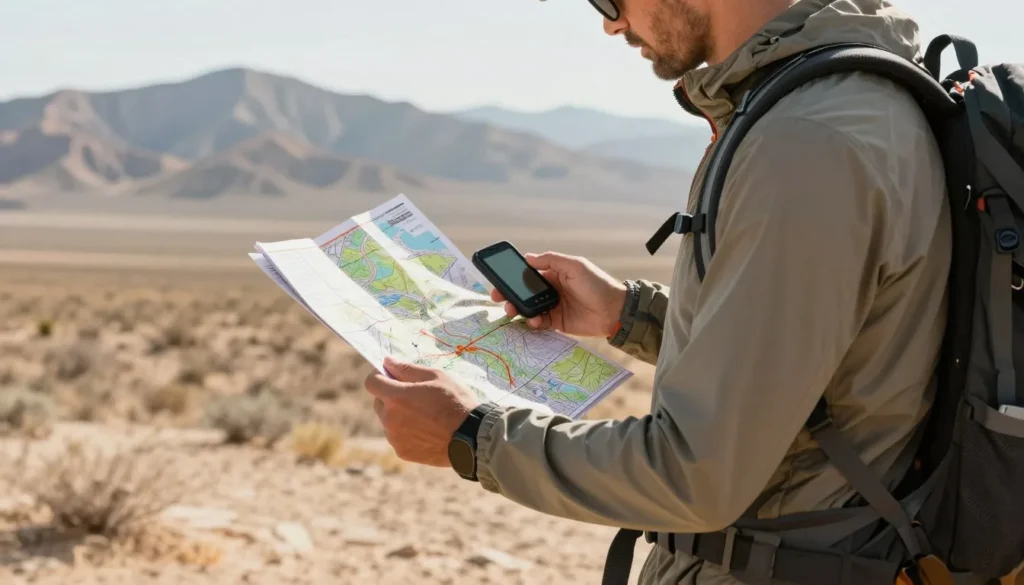
Wilderness safety takes absolute priority in House Range. The isolation magnifies consequences of poor decisions.
Essential Safety Practices
File a detailed trip plan with someone reliable. Include expected return date and specific locations. Provide instructions for when to contact authorities if you fail to return.
Carry emergency communication devices. Satellite messengers or personal locator beacons work when cell phones do not. These devices can summon rescue in life-threatening situations.
Pack comprehensive first aid supplies. Include treatments for common injuries like cuts, sprains, blisters, and burns. Knowledge of wilderness first aid proves equally important as supplies.
Critical Water Advisory: Dehydration becomes dangerous quickly in desert heat. Carry significantly more water than you think necessary. Symptoms of dehydration include dizziness, confusion, and reduced urine output. Treat these signs seriously.
Leave No Trace Principles
House Range’s pristine condition depends on visitor responsibility. Pack out all trash including toilet paper. Bury human waste in catholes 15-20 cm (6-8 inches) deep, at least 61 m (200 feet) from water sources and campsites.
Avoid building campfire rings. Use existing fire rings if fires become necessary. However, the lack of burnable wood makes campfires impractical. Bring a camping stove for cooking.
Stay on established trails where they exist. The desert ecosystem recovers slowly from foot traffic. Cryptobiotic soil crusts take decades to regenerate after disturbance.
Land Management Respect
House Range sits on Bureau of Land Management property. Respect all posted regulations. Some areas may have seasonal closures to protect wildlife during nesting or lambing seasons.
Mining claims exist throughout the region. Respect private property boundaries. Do not disturb mining equipment or enter claim areas without permission.
Visitor Comments About House Range
“The climb up Notch Peak challenged every muscle, but standing on that summit changed my perspective completely. The silence was profound. You can see mountain ranges in three states from the top. Absolutely worth the effort to reach this incredible place.”
“I’ve photographed landscapes across the American West for twenty years. House Range delivered some of my most striking images. The limestone formations glow like burnished gold in late afternoon light. The complete absence of development means every photo captures pure wilderness.”
“Our climbing team spent four days establishing a new route on the west face. The rock quality exceeded expectations. Traditional gear placements felt bomber throughout. The approach hike gets long, but once you’re on the wall, everything else fades away. Just you, the stone, and the desert sky.”
Additional Nearby Destinations

Several exceptional destinations sit within reasonable driving distance from House Range. These areas complement your visit with different landscapes and experiences.
Great Basin National Park
Located 161 km (100 miles) west in Nevada, Great Basin National Park protects Wheeler Peak and ancient bristlecone pine forests. The park features developed campgrounds, visitor centers, and ranger programs. Lehman Caves offers guided underground tours.
Little Sahara Recreation Area
Sand dunes cover approximately 24,281 hectares (60,000 acres) north of House Range. Off-highway vehicle enthusiasts enjoy the designated riding areas. Camping facilities operate seasonally.
Fishlake National Forest
Mountain forests provide complete contrast to House Range desert. Located east near Richfield, the forest offers fishing, hiking, and developed campgrounds. Pando, the world’s largest living organism, grows in this forest.
Cathedral Valley
This remote section of Capitol Reef National Park features dramatic rock formations similar in character to House Range. The area requires high-clearance vehicles but rewards visitors with stunning desert scenery.
Practical Travel Tips
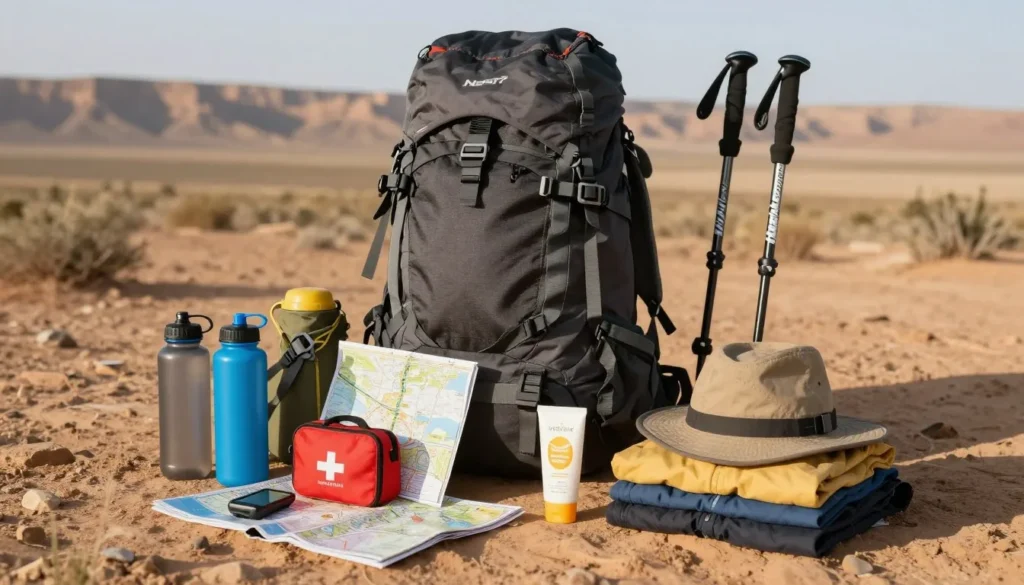
Essential Gear Checklist
- High-clearance vehicle with full spare tire and jack
- Paper topographic maps plus GPS device with fresh batteries
- Minimum 8 liters (2 gallons) of water per person per day
- Comprehensive first aid kit with wilderness medicine supplies
- Sun protection including hat, sunglasses, and SPF 50 sunscreen
- Emergency communication device (satellite messenger or PLB)
- Weather-appropriate clothing in layers
- Camping stove and fuel (no firewood available)
- Headlamp with extra batteries
- Emergency shelter even for day hikes
Vehicle Preparation
Check tire pressure before leaving paved roads. Lower pressure slightly for dirt road travel to improve traction and comfort. Bring a portable air compressor to re-inflate before highway driving.
Pack extra fuel. The round trip from Delta to trailheads and back consumes significant gasoline. No fuel exists between Delta and the range.
Photography Tips
Bring lens cleaning supplies. Desert dust infiltrates camera equipment quickly. Protect gear during vehicle travel on dirt roads.
Sunrise photography requires camping near your subject. Driving from Delta in darkness proves impractical and unsafe on unmarked dirt roads.
Communication
Inform someone of your exact plans. Provide GPS coordinates of your intended camping area and hiking routes. Set firm return-by dates and ensure contacts understand when to alert authorities.
Download offline map data before losing cell signal. Apps like Gaia GPS and onX allow complete map downloads. Test the maps while still in cell coverage to verify downloads completed successfully.
Weather Monitoring: Check extended forecasts before departure. Flash flooding can occur in narrow canyons during thunderstorms. High winds make climbing dangerous. Plan flexible schedules allowing weather delays.
House Range Location
Your House Range Adventure Awaits
House Range stands apart from crowded national parks and developed recreation areas. This wilderness rewards those who embrace remoteness with extraordinary experiences. Whether you summit Notch Peak, climb multi-pitch limestone routes, or simply absorb the profound silence of the west desert, the range offers something found nowhere else.
Preparation determines success in this unforgiving environment. Respect the desert’s power. Pack carefully. Plan thoroughly. Then embrace the adventure that waits among these ancient limestone peaks. The memories you create will last far longer than the dust that settles on your vehicle.